
Hungary
Budapest
Thermal baths, the Danube, Parliament and ruin bars
Days Start with the basic programme and choose extensions for the time you have.
How the guide reaches this number
In Pest, combine Parliament, the Shoes on the Danube Bank and the Basilica around your admission time and the time needed to walk and rest. For Buda, choose the Bastion and riverbank, an exhibition or a bath, rather than piling up interiors and two hills in the same day. The National Gallery and Hospital in the Rock are separate programmes; Rudas requires choosing a session, and Gellért is closed for renovation. With more time, set aside another part of the day for Városliget or the Jewish quarter and market, checking each place’s calendar. If you want to set aside time for the Széchenyi baths, check the open areas, admission and age conditions; if time is short or you are tired, leave bathing for another day. On arrival or departure, adapt the programme to luggage, check-in or check-out and the return to your accommodation. An evening in Pest is a choice: I would only add Szimpla with the energy and time to get back. For sleep, compare the address and room conditions; a street of bars is also a street of residents.
2–3
When May, June or September to combine walks and visits; adjust to the forecast and your chosen calendar.
How the guide reaches this number
To combine walks and visits, I would prioritise May, June or September. In the 1991–2020 normals for Budapest Pestszentlőrinc station published by HungaroMet, mean daily maximum temperatures were 22.6 °C in May, 26.2 °C in June and 22.5 °C in September. These are historical references; also choose dates around the programme you want to see and adjust each outing to the forecast.
Per person/day Budget about 15,200 HUF; mid-range about 40,600 HUF; comfortable about 115,200 HUF per person, based on what travellers report to Budget Your Trip (checked October 2026).
How the guide reaches this number
Thermal baths and concerts weigh on the days they are in the plan; include applicable taxes and a margin for changes.
Budget about 15,200 HUF; mid-range about 40,600 HUF; comfortable about 115,200 HUF per person, based on what travellers report to Budget Your Trip (checked October 2026). Thermal baths and concerts weigh on the days they are in the plan; include applicable taxes and a margin for changes.
Per person per day: accommodation, meals, urban transport, visits and a small allowance for extras. Flights excluded; larger purchases vary. Editorial estimate, not a quote.
 What Nilo thinks
I would divide Budapest between the Pest riverbank and one chosen visit in Buda. In Pest, combine Parliament, the Shoes on the Danube Bank and the Basilica around your admission time and the time needed to walk and rest. For Buda, choose the Bastion and riverbank, an exhibition or a bath, rather than piling up interiors and two hills in the same day. The National Gallery and Hospital in the Rock are separate programmes; Rudas requires choosing a session, and Gellért is closed for renovation.
With more time, set aside another part of the day for Városliget or the Jewish quarter and market, checking each place’s calendar. If you want to set aside time for the Széchenyi baths, check the open areas, admission and age conditions; if time is short or you are tired, leave bathing for another day. On arrival or departure, adapt the programme to luggage, check-in or check-out and the return to your accommodation. An evening in Pest is a choice: I would only add Szimpla with the energy and time to get back. For sleep, compare the address and room conditions; a street of bars is also a street of residents.In Budapest, the Danube helps organise a visit: Parliament and the Pest riverbank route lie on one side; the palace and Fisherman’s Bastion, in Buda, on the other. I would choose one of those routes and an interior that interests you, such as a guided Parliament visit or a National Gallery collection, rather than cross the city to accumulate admissions. The baths also have their own histories and programmes: Rudas’s Ottoman pool dates from the 16th century, and the Neo-Baroque Széchenyi complex opened in 1913. Check the session, included areas and access conditions of your chosen bath, allowing time for travel, changing and a break. Gellért is closed for renovation. To decide how many days to stay, consider your desired visits and arrival and departure days: luggage, check-in and check-out can reduce the time available. Leave space for a meal, rest and the return to your accommodation. The season should fit both the climate and the visit calendar; the itinerary can be adapted to the time available and each person’s choices.
Quick facts
- Population
- about 1.68 million in the city; about 3 million in the metropolitan area
- Founded
- Roman Aquincum in the 1st c.; unification of Buda, Óbuda and Pest on 11/17/1873
- Country and region
- Hungary, Central Europe; national capital and seat of Pest County
- Language
- Hungarian (magyar); before booking a guided visit, confirm the languages offered. When asking for directions, keep the place name and address in writing.
- Currency
- Hungarian forint (HUF, Ft); compare a dated rate and the fees for your transaction.
- Time zone
- CET, UTC+1; daylight saving UTC+2, late March to late October
- Best time to visit
- May, June or September to combine walks and visits; adjust to the forecast and your chosen calendar.
- Average daily cost
- Budget about 15,200 HUF; mid-range about 40,600 HUF; comfortable about 115,200 HUF per person, based on what travellers report to Budget Your Trip (checked October 2026). Thermal baths and concerts weigh on the days they are in the plan; include applicable taxes and a margin for changes.
When to go
May, June or September to combine walks and visits; adjust to the forecast and your chosen calendar.
January
-1° to 5°C
33 mm of rain
February
0° to 7°C
30 mm of rain
March
4° to 12°C
31 mm of rain
April
9° to 19°C
33 mm of rain
July
18° to 29°C
54 mm of rain
August
18° to 29°C
54 mm of rain
October
9° to 17°C
44 mm of rain
November
4° to 11°C
46 mm of rain
December
0° to 5°C
38 mm of rain
How the year changes
To combine walks and visits, I would prioritise May, June or September. In the 1991–2020 normals for Budapest Pestszentlőrinc station published by HungaroMet, mean daily maximum temperatures were 22.6 °C in May, 26.2 °C in June and 22.5 °C in September. These are historical references; also choose dates around the programme you want to see and adjust each outing to the forecast.
July and August had mean daily maximum temperatures of about 28 °C at that station. On days forecast to be hot, distribute outdoor stretches between morning and late afternoon, with water, a meal and a break somewhere sheltered. When comparing accommodation, confirm the room’s air conditioning; when using transport, check the connection for your chosen date and time.
October is already cooler: mean daily maximum temperature at that station was 16.4 °C, while January’s monthly mean was 0 °C. Bring clothing according to the forecast and allow for breaks between outdoor stretches and visits. A museum or bath can be the main programme on a cold day, checking the calendar, ticket and available areas.
That station’s table records precipitation in every month. Check HungaroMet forecasts and notices before outings and keep a sheltered alternative. Compare accommodation, events and admission for your actual dates; allow time for arrival, check-in, luggage storage and rest when arranging the itinerary.
The same numbers as a table
| Month | Temperature °C | Rain mm |
|---|---|---|
| January | -1 to 5 | 33 |
| February | 0 to 7 | 30 |
| March | 4 to 12 | 31 |
| April | 9 to 19 | 33 |
| May · | 13 to 23 | 57 |
| June · | 16 to 27 | 60 |
| July | 18 to 29 | 54 |
| August | 18 to 29 | 54 |
| September · | 13 to 23 | 46 |
| October | 9 to 17 | 44 |
| November | 4 to 11 | 46 |
| December | 0 to 5 | 38 |
Nilo's tips
100E: special ticket and add-on for eligible passes
The 100E Airport Express links Ferenc Liszt Airport (BUD) with Deák Ferenc tér via Kálvin tér and operates day and night. In the fare table checked in October 2026, its special ticket costs 2,500 Ft. A 1,000 Ft add-on is available to holders of a valid Budapest-pass (except the 15-day pass), a Pest County Pass or a Hungary Pass; check your pass’s eligibility. An urban single ticket or 24-hour travelcard does not replace the 100E ticket.
Choose the bath by your time and the areas you want to use
At Széchenyi, check which pools and saunas are available before buying admission, and allow time to change and rest. Standard admission can involve a wait when the bath is full; compare ticket types by their entry window, designated entrance and locker or cabin use. If you prefer another bath, check its own calendar and rules before changing your plans.
Fit admission times around crossing the river
For Parliament’s interior, check guided sessions through the official channel and choose the language and time before arranging other visits. Check the document rules, entrance and arrival lead time specified for your ticket. At the Bastion, consult the upper terraces’ calendar; Matthias Church and tower tickets have their own rules. Allow time to travel between Pest and Buda and for a break. If the times compete for the same part of the day, choose one visit or spread the programmes over different days.
Market and lunch in your chosen neighbourhood
I would take the lunch break in the neighbourhood of the chosen programme. Compare the menu, what is included and the price before ordering; if a napi menü is offered, check when it is served. For the Great Market Hall, consult the building’s calendar and your chosen stalls. In 2026, the operator publishes Sunday opening from 10 am to 4 pm and closure on public holidays; traders have their own hours.
Tram 2: choose the section and ticket
If you want to use tram 2, check the route and that day’s service according to your starting point and destination. A single ticket covers one continuous journey on one vehicle; to get off, stop and return, choose another ticket or a suitable time-based product. With a 90-minute ticket, the last new journey or transfer must start within 90 minutes of the first validation; the break must leave time to start the return within that window. A journey started within the limit may finish later, until you leave the vehicle within Budapest. Allow time for the outing and rest, and validate according to the ticket type.
Choose the fröccs proportion you want
Fröccs mixes wine and soda water in proportions with their own names. A kisfröccs contains 1 dl of wine and 1 dl of soda water; a nagyfröccs, 2 dl of wine and 1 dl of soda water. If you would like to try one, check the wine, size and price on the menu and order your preferred proportion. The selection varies between establishments; ask if a name or measure is unclear.
Explore the map
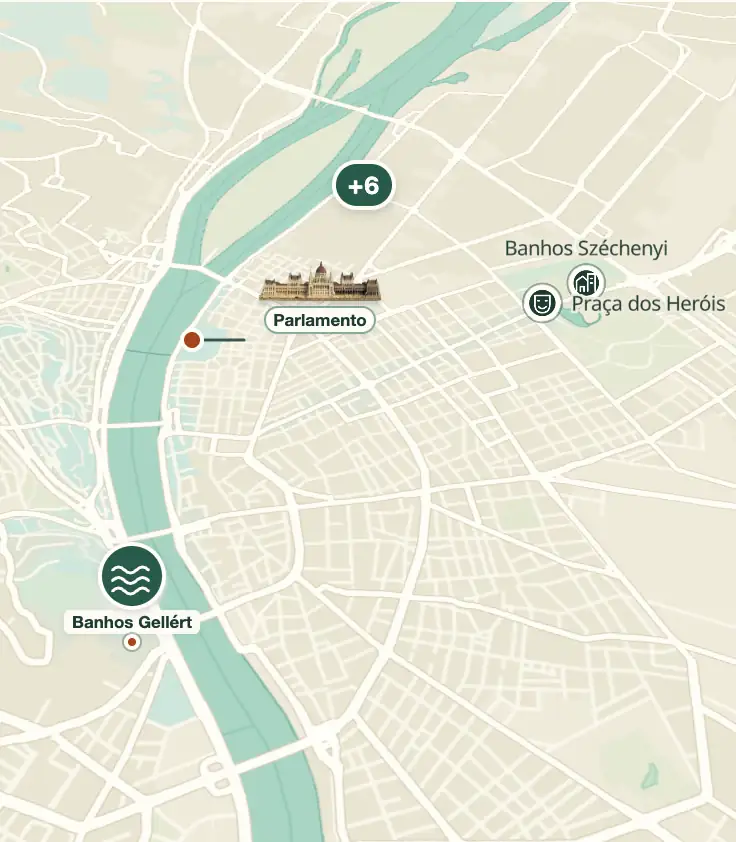
© OpenStreetMap · OpenFreeMap · © OpenMapTiles
Explore the map, read about the other places and plan your travel days in the app.
Open the appWhat to see
Budapest: The river and the Buda of the springs
Buda, on the Danube's west bank, is a limestone hill cut by a fault from which more than a hundred thermal springs rise. Pest, on the east bank, is an alluvial plain laid out in two avenue rings, the Kiskörút and the Nagykörút, crossed by radial streets like Andrássy Avenue, and between the two banks the river is about 400 m wide.

Parliament (Országház)
Designed by Imre Steindl, built from 1885 to 1904, 268 m long and 96 m tall, with 691 rooms. Holds the Hungarian Holy Crown in the dome hall.
The interior is visited on a guided session. Consult the official channel to choose the language and time, check document rules and the arrival lead time specified for your ticket. If no session fits your day, keep the exterior walk along the Pest riverbank.
I would book the interior for the building and guided route; the chosen time needs to leave room for travel and other visits.
Check access
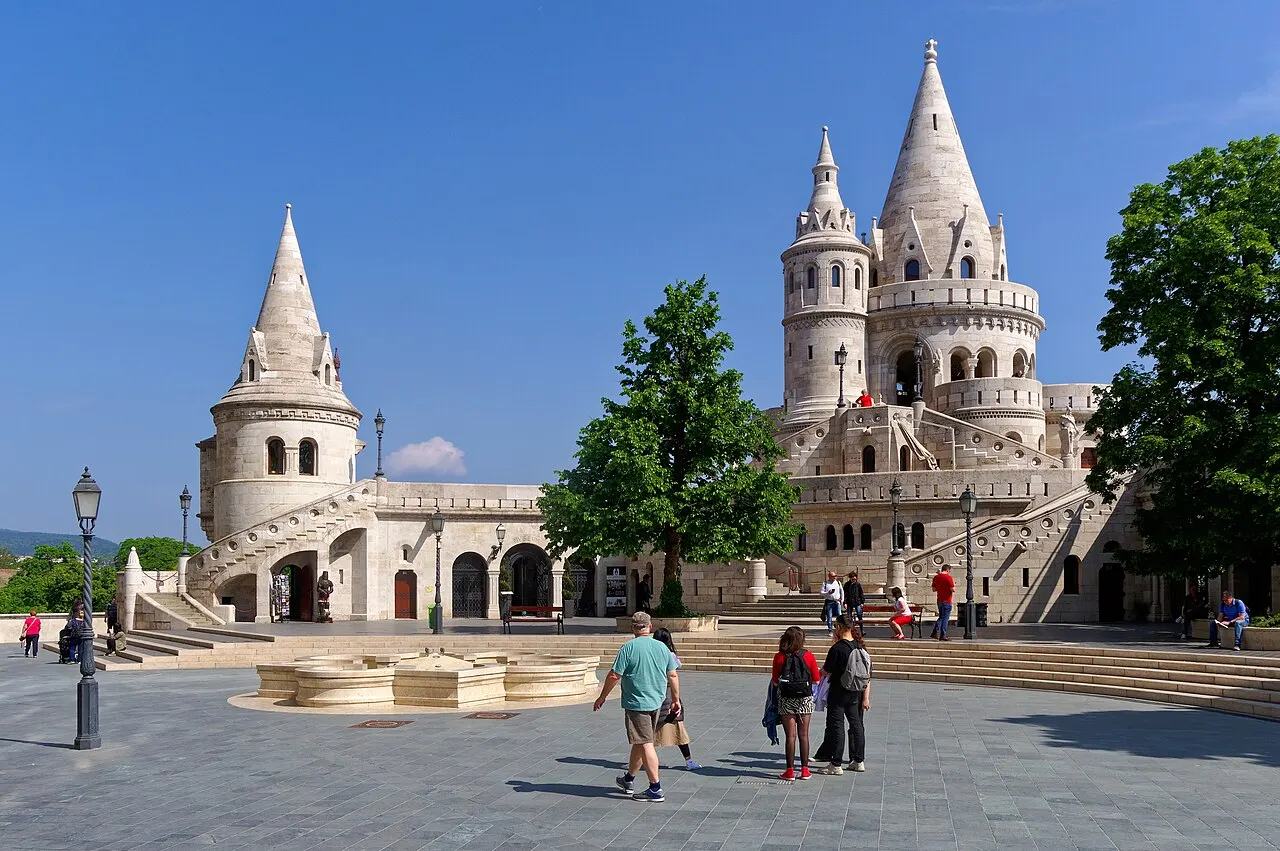
Fisherman's Bastion and Matthias Church
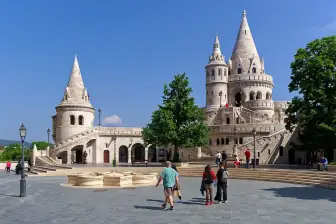
Frigyes Schulek’s Romanesque Revival lookout, built between the late 19th and early 20th centuries, stands on a former section of Buda’s defensive wall. Its seven towers evoke the Magyar tribal leaders, and the terraces overlook the Danube and Parliament.
For the upper terraces, check the charging periods, free days and ticket types on the Bastion’s municipal page. Choose a time that suits the rest of the programme and allow time for access and a break. Allow a margin for possible waits.
Matthias Church next door has 13th-century origins, was converted into a mosque during the Ottoman occupation and underwent Schulek’s reconstruction in the 19th century. Its interior and tower are separate visits: check the tickets and that day’s hours, as religious services take priority. The tower requires a ticket for a specific date and time and a climb of 197 steps without a lift; consider the effort and keep the exterior visit if the climb does not suit you. Strong winds and storms can close the tower.
The Bastion is worth visiting for its Danube panorama; I would choose the church or tower according to interest and effort, respecting their separate access.
Check access
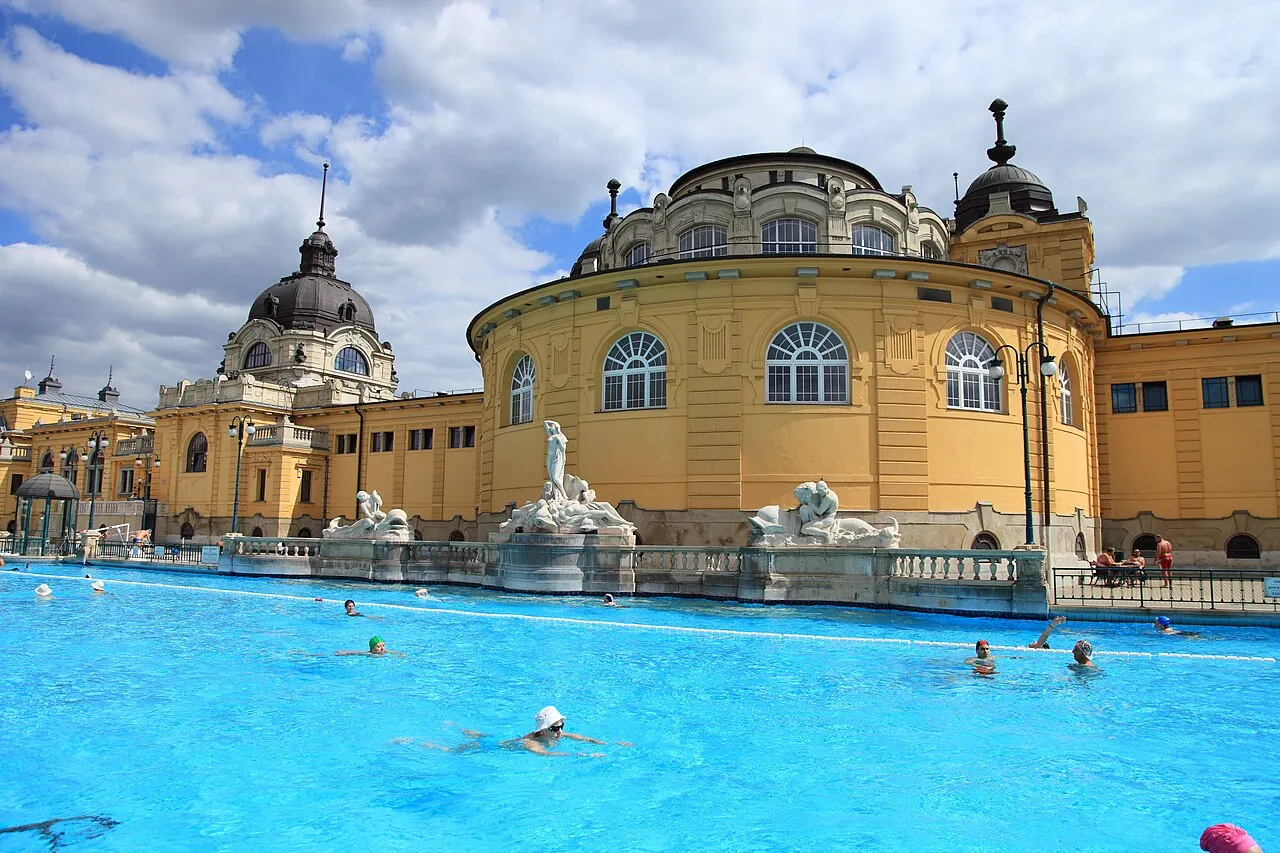
Széchenyi Baths
The neo-baroque complex opened in 1913 stands in Városliget: a courtyard with outdoor pools, thermal bathing rooms and saunas. Allow time to change and bathe rather than treating it as a quick stop between museums.
Check the available areas and calendar on the Széchenyi website before choosing a date, as pools can close for maintenance. Since August 2025, children under 14 may enter only under the medical exception requiring prior approval from the operator. For mobility needs, consult the bath: the building is not fully accessible.
Bring swimwear, a towel and flip-flops, which are required outside the pools; a swimming cap is required in the lap pool. The operator recommends buying admission in advance. Check the entrance and entry window for your ticket type: last entry is one hour before closing, and the pools must be vacated 20 minutes before closing.
The pools and saunas in Városliget make room for a bathing break; choose your date by the open areas and admission conditions.
Check access
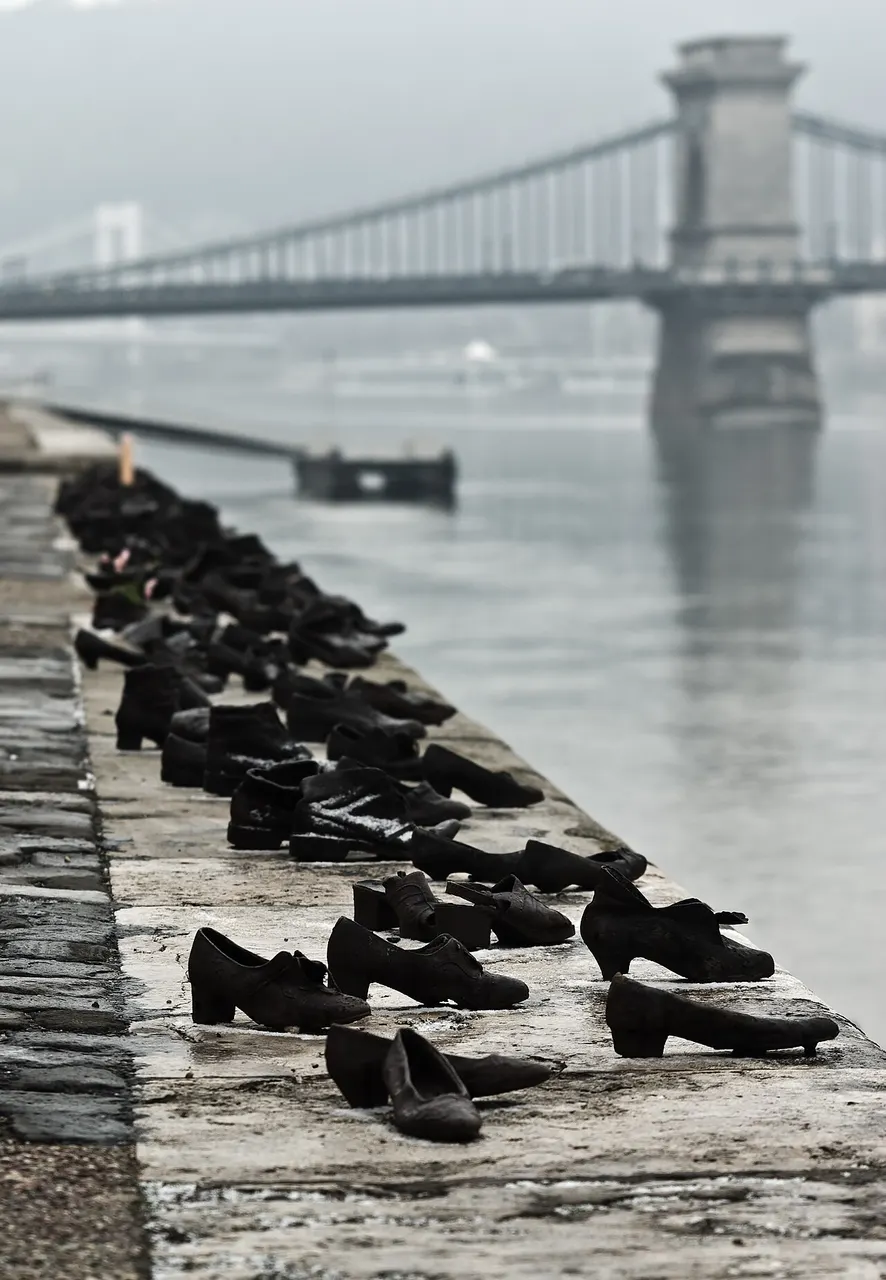
Shoes on the Danube Bank
Sixty pairs of cast-iron shoes on the Pest bank, between the Chain Bridge and Parliament, installed in 2005 by Gyula Pauer and Can Togay. They mark the spot where Arrow Cross militiamen shot Jews in the winter of 1944–45, making them take off their shoes first.
Sixty iron pairs on the riverbank mark the spot where militiamen ordered Jews to take off their shoes before being shot.
Check access
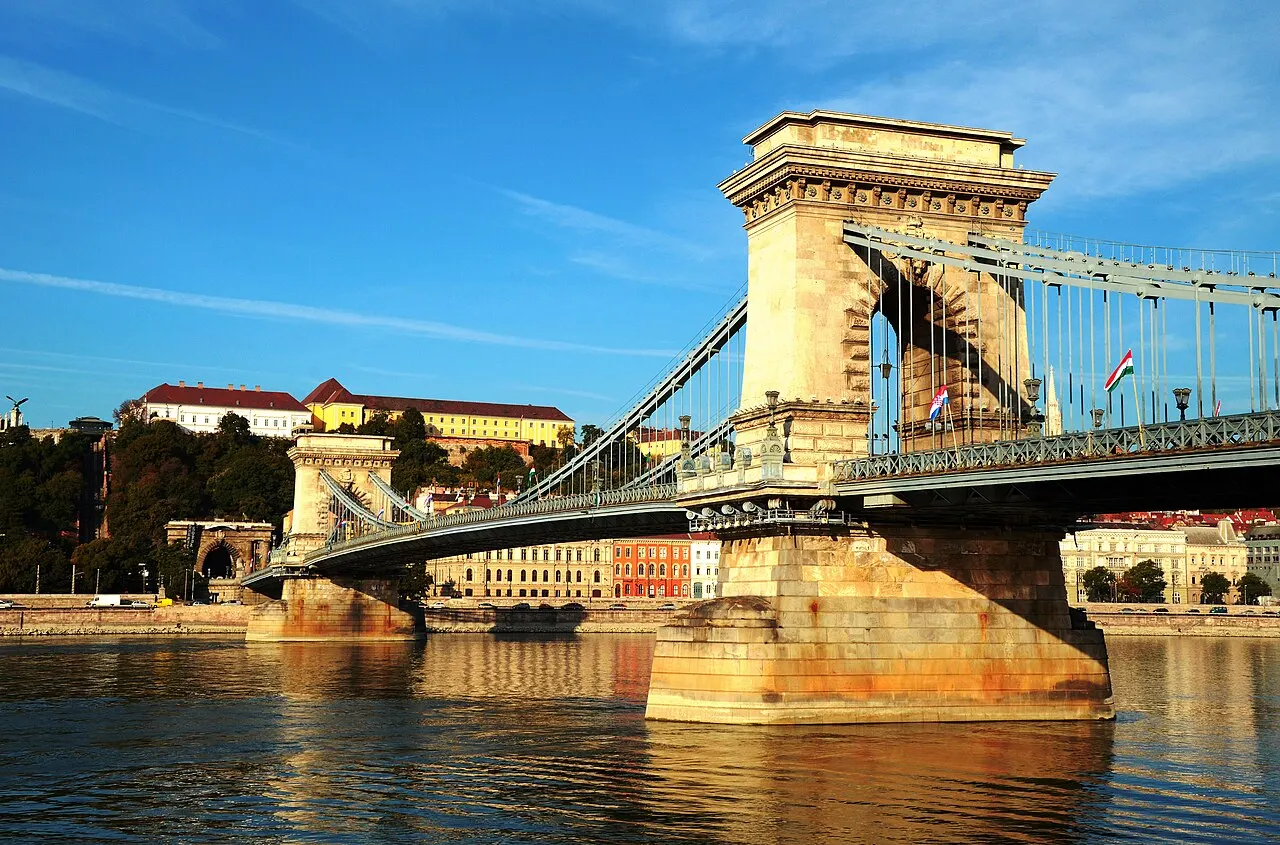
Chain Bridge (Széchenyi lánchíd)
Opened in 1849, designed by Englishman William Tierney Clark and built by Adam Clark, it was the first permanent link between Buda and Pest. Dynamited in 1945 and rebuilt in 1949, it went through a full renovation and reopened in August 2023, now closed to private cars.
The first permanent link between the two banks reopened in August 2023 with no passage for private cars.
Check access
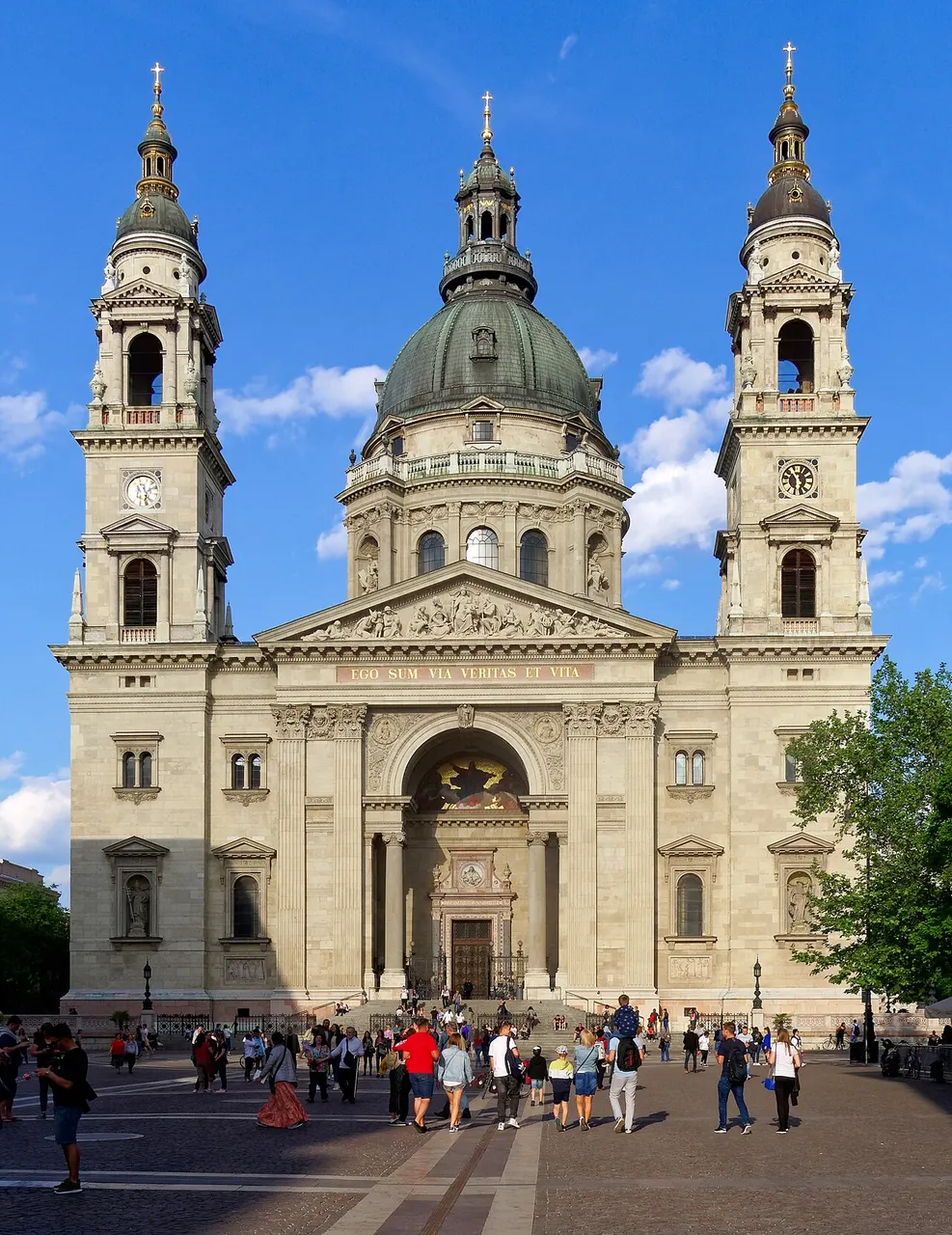
St. Stephen's Basilica
Built from 1851 to 1905 by three successive architects. The first dome collapsed in 1868. It's 96 m tall, the same as Parliament, and holds the Holy Right Hand, the mummified hand attributed to Stephen I, in a chapel to the left of the altar. The dome viewpoint has an elevator and a 360° view.
The first dome collapsed in 1868, the mummified hand attributed to Stephen I sits in a chapel to the left of the altar, and the lookout up top has an elevator and a 360° view.
Check access
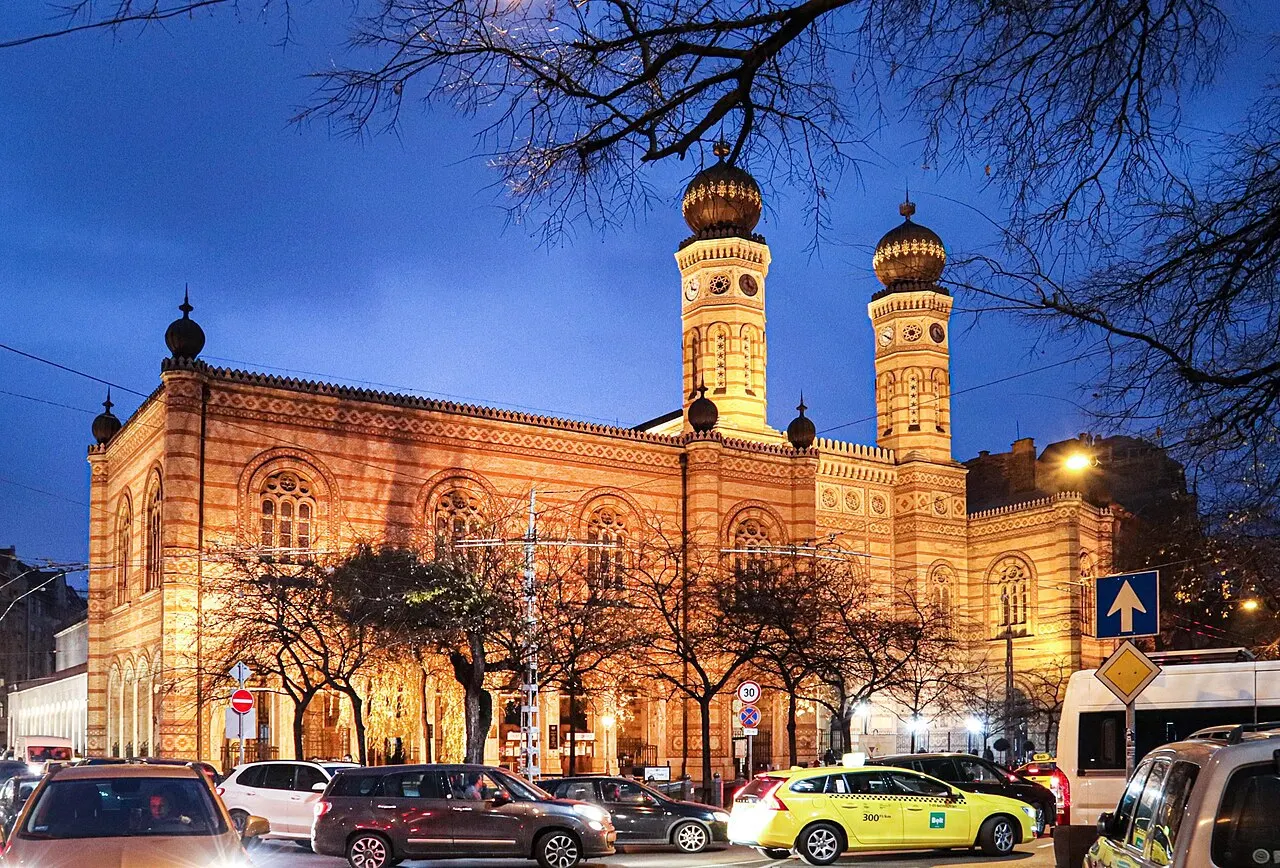
Dohány Street Synagogue
Opened in 1859, the Dohány Street Synagogue was designed by Ludwig Förster in Moorish style, with nearly 3,000 seats. The complex brings together a temple still used for worship, the Hungarian Jewish Museum and Holocaust remembrance spaces. The courtyard contains graves of ghetto victims; the memorial park includes Imre Varga’s metal tree.
Choose the date from the complex’s calendar: tourist visits are closed on Saturdays and Jewish holidays, and hours vary with the season. Last entry is one hour before closing. Check the ticket, included areas and guided visits in your preferred language before setting aside this part of the day.
This is a religious and memorial site. Follow the dress rules and security screening: men must cover their heads, and the operator provides a kippah after validating the ticket. Backpacks larger than hand luggage are not admitted. Arrange where to leave luggage and allow a break after the visit; if access does not suit your date, keep the exterior walk through the neighbourhood.
I would choose the temple and memorial as a remembrance visit, allowing time to read and take a break; the religious calendar guides the date.
Check access
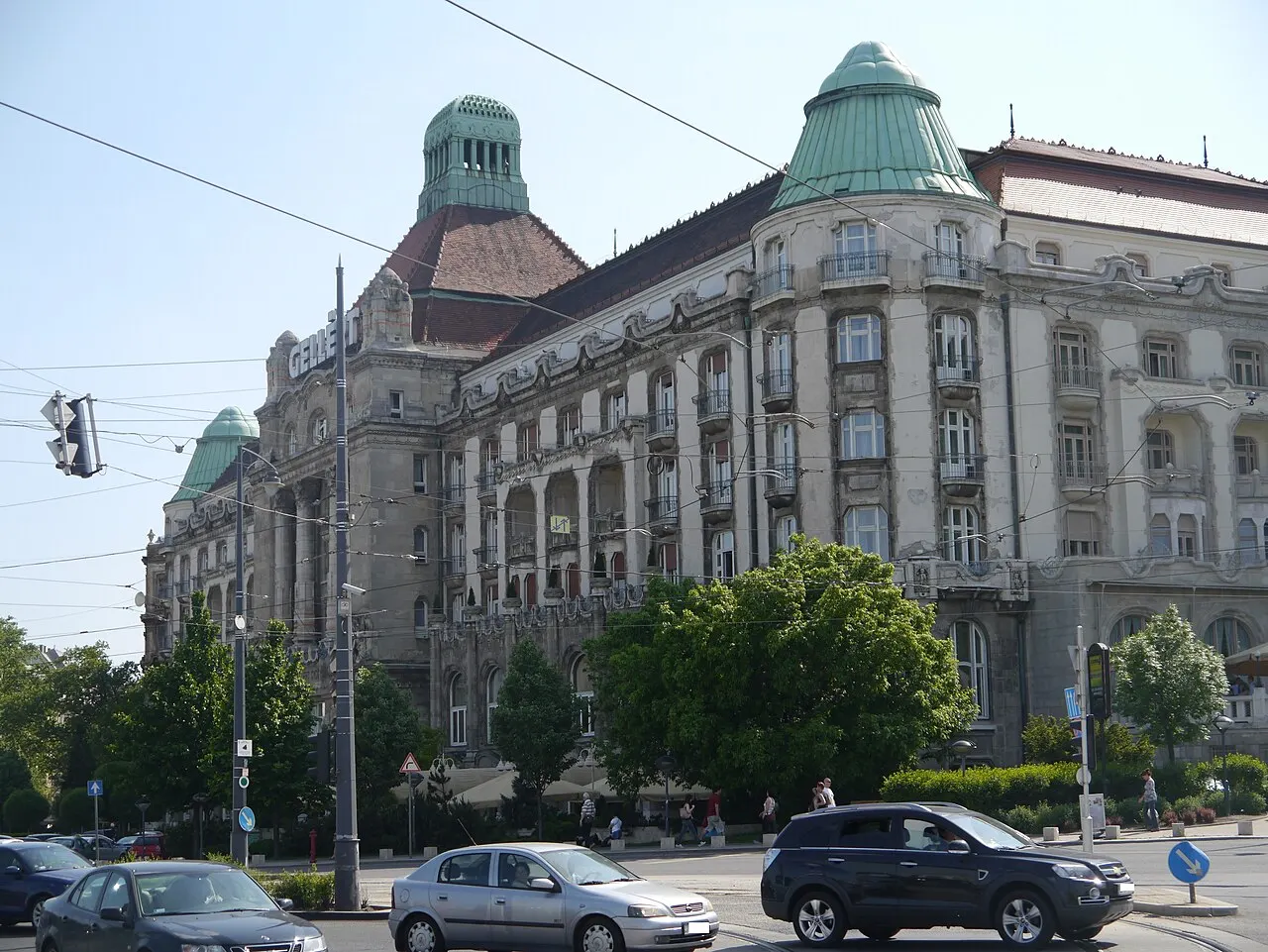
Gellért Baths
Gellért Baths, opened in 1918 in the art nouveau style, stand at Kelenhegyi út 2. They have been closed for renovation since 1 October 2025; the operator plans to reopen in 2028. Check the update before planning an interior visit.
For bathing in Buda, Rudas is a different establishment at Döbrentei tér 9. It retains an octagonal pool beneath a dome from the Ottoman period in the 16th century. The Turkish section has women-only sessions on Tuesdays and men-only sessions on Wednesdays; on other days, check the male and mixed entry periods in the current table. This division does not apply in the same way to the wellness area and saunas.
Choose admission by the areas included and check available services before going. Rudas does not admit children under 14. For mobility needs, consult the operator: it reports that the equipment providing access to the wellness area is out of service. Allow time to change and rest; if the session does not suit you, take a break on the Buda riverbank and leave bathing for another day.
The art nouveau complex from 1918 is part of the Újbuda cityscape; renovation prevents bathing and interior visits while the closure lasts.
Check access

Heroes' Square and Városliget
The 1896 Millennium square, with a 36 m column topped by the archangel Gabriel and colonnades of the seven Magyar chieftains and Hungarian kings. Around it: the Museum of Fine Arts (1906), the Műcsarnok, Vajdahunyad Castle and, since 2022, the Museum of Ethnography and the House of Hungarian Music, by Sou Fujimoto.
The archangel Gabriel stands atop the 36 m column, and the colonnades of the seven Magyar chieftains and the Hungarian kings form the same monument with it; the Museum of Fine Arts, the Museum of Ethnography and Sou Fujimoto's House of Hungarian Music stand around it.
Check access
Nilo’s itinerary
Start with the basic programme and choose extensions for the time you have.
Plan my days in the app ↗Day 1 · Pest: riverbank or Városliget
If you want to visit Parliament’s interior, arrange this part of the day around the time and language of the session selected through the official channel. Check the entrance, document rules and arrival lead time stated on your ticket. Allow a margin for travel and a break; without a session that suits you, keep the exterior walk along the Pest riverbank.
Follow the riverbank to the Shoes on the Danube Bank, then choose the route to St Stephen’s Basilica according to your time and mobility needs. Check the separate hours for the church, panoramic terrace and ticket sales; on Sundays, tourist visits to the church start later. If you want the viewpoint, check access by lift and allow time for the ascent and a break. With little time or when tired, keep the exterior visit.
Take a lunch break and compare the menu and price at your chosen venue. If continuing to Városliget, check the route on current transport services and allow a margin for moving between areas; with little time, keep the programme by the river.
If you choose Városliget, arrange Heroes’ Square and a park walk, passing Vajdahunyad’s exterior according to the route and your mobility needs. To add a museum, choose the collection or exhibition that interests you, check the calendar and admission, and set aside that part of the day instead of piling up museums and bathing. Allow a break in the park.
If you want to include the Széchenyi baths, allow time to change and rest, check the open areas and buy admission for your chosen date and entry type. Last entry is one hour before closing, and the pools close 20 minutes earlier; bring swimwear, flip-flops and a towel. If the timing, age rule or fatigue makes bathing unsuitable, finish with a break in Városliget.
Adjust this programme to your arrival or departure time, luggage and accommodation check-in or check-out. Allow breaks and a return journey; if the day is already full, choose one visit and leave the other programmes for another day.
Day 2 · Buda: choose a visit and allow a break
Choose your way up Castle Hill according to your starting point, luggage and mobility needs; check the route and transport service before leaving. At Fisherman’s Bastion, consult the upper terraces’ calendar and allow a break. If you also want Matthias Church or its tower, check their separate entry arrangements and that day’s hours before adding the visit.
If you choose the Hungarian National Gallery in Buda Palace, check the exhibition, admission and calendar before setting aside this part of the day. Regular opening is Tuesday to Sunday, with last entry at 5 pm, but holidays have exceptions. Allow time for the journey and a break; if the Gallery is closed or the day becomes full, keep the outdoor walk and visit the collection another day.
If you want the Rudas baths at Döbrentei tér 9, check the Turkish section’s session and admission for your chosen areas; the octagonal pool dates from the Ottoman period in the 16th century. Allow time for the journey, changing and rest. If time is short, you are tired or the session does not suit you, stay with the Buda riverbank walk and leave bathing for another day.
If you choose Gellért Hill, check the ascent and return route according to your starting point, effort and mobility needs. Citadella Park and its free viewpoints have their own hours; the exhibition and terraces reached through it require a ticket with an admission window. Check current access before leaving and allow a break. If the ascent does not suit the day, keep the riverbank walk instead of adding another hill.
If you want an evening in District VII, choose dinner and, if you feel up to it, a visit to Szimpla Kert at 14 Kazinczy Street. Check the venue’s programme and hours before going, plan the return to your accommodation and respect residents’ rest when leaving. With an early departure or when tired, finish with dinner and leave the bar for another day.
Adjust this programme to your arrival or departure time, luggage and accommodation check-in or check-out. Allow breaks and a return journey; if the day is already full, choose one visit and leave the other programmes for another day.
If you choose the riverbank walk, descend through Víziváros to the Chain Bridge and pause for lunch. The descent time depends on the route and mobility needs; check the journey before setting off.
If you prefer the Hospital in the Rock to the Gallery, go to its separate entrance at Lovas út 4/c beneath the hill. Check the guided session and its language: the standard tour takes about an hour, in addition to travel, waiting and a break. Children under 6 are not admitted; the museum advises against visits by children under 12, who need a guardian’s consent and supervision. Ask about access for reduced mobility, as the machinery section has steps and narrow passages. Choose this programme rather than combining both museums in the same part of the day.



If you stay longer
Day 3 · Pest: choose remembrance, the market or a concert
If you choose the Dohány complex, check the religious calendar, ticket and guided visit language before choosing a time. Tourist visits are closed on Saturdays and Jewish holidays, with last entry one hour before closing. Allow time for the temple, memorial and a break; arrange luggage and check the dress rules before leaving.
After Dohány, choose a section of the old Jewish quarter according to your time and mobility, with a lunch break. If you want to enter the Kazinczy Street synagogue at Kazinczy 29–31, consult the Orthodox community about its own visits and calendar before adding it; the exterior neighbourhood walk can also complete the programme.
If you prefer the House of Terror, set aside a separate block for the museum at Andrássy út 60 and a break afterwards. Regular opening is Tuesday to Sunday; check notices and last admission before going. The operator sells tickets at the museum, with no online purchase. Plan the journey from wherever you are rather than squeezing the visit between the synagogue and the market.
If you choose the Great Market Hall, travel to Vámház körút 1–3 according to the route from your starting point. The operator publishes Sunday opening from 10 am to 4 pm in its 2026 calendar, with closure on public holidays. Check the day and the stalls that interest you: each trader’s hours can differ. Choose lunch from the displayed menu and prices and allow a break.
For an evening of music, choose a concert at Müpa or the Liszt Academy according to the programme, venue and tickets available for your date. Check admission time and the return to your accommodation before buying; at the Academy, some performances have their own organisers and conditions. Allow time for dinner and arrival, or keep music for another day if you are tired or departing early.
Adjust this programme to your arrival or departure time, luggage and accommodation check-in or check-out. Allow breaks and a return journey; if the day is already full, choose one visit and leave the other programmes for another day.
Food
 AI illustration
Gulyás
A soup, not a stew: beef, onion, potato, carrot and paprika in a thin broth, sometimes with csipetke, a pinched noodle. The thick dish the rest of the world calls goulash is pörkölt here.
 AI illustration
Pörkölt and paprikás csirke
A long braise of onion and paprika with meat: veal, pork or chicken. Paprikás csirke adds sour cream and comes with nokedli, a lumpy noodle similar to German spätzle. It's the standard Sunday lunch.
 AI illustration
Lángos
A fried flatbread made from a yeast dough with flour. Garlic, tejföl (sour cream) and cheese are among the common toppings; the dough, fillings and toppings vary by recipe. At market stalls, check the combination and the price of the portion before ordering.
 AI illustration
Halászlé
A river-fish soup, red with paprika, made with carp and sometimes wels catfish. There's the Szeged version, strained and with fillets, and the Baja version, served with noodles. It's a Christmas dish in many households.
 AI illustration
Töltött káposzta and lecsó
Cabbage rolls stuffed with meat and rice, cooked with sauerkraut and sour cream: winter food and hangover food. Lecsó is the seasonal opposite: peppers, tomato, onion and paprika in summer, with egg or sausage.
 AI illustration
Pastry-shop sweets
Dobos torte, created by József C. Dobos in 1884, with six layers and a caramel lid; Esterházy, made with walnuts; rétes (strudel) with apple, sour cherry or túró cheese; and somlói galuska, sponge cake with chocolate, rum, walnuts and whipped cream. Historic pastry shops: Gerbeaud (1858), Ruszwurm (1827), Auguszt.
 AI illustration
Fröccs
White wine with sparkling water, the city's summer drink. Each ratio has its own name: kisfröccs (1 dl wine, 1 dl soda), nagyfröccs (2+1), hosszúlépés (1+2), házmester (3+2), viceházmester (2+3), sportfröccs (1+4). You order it by name, not by recipe.
 AI illustration
Pálinka, Unicum and Tokaji
Pálinka is the distilled fruit brandy (plum, Kecskemét apricot, cherry), served in a small shot at room temperature. Unicum, the bitter herbal liqueur from the Zwack family, dates to 1790. In wine, look for sweet Tokaji aszú, dry furmint, and the reds of Villány and Eger.
Day trips

Szentendre
Szentendre combines streets in the historic centre, churches and art collections beside the Danube. The arrival of Serbs, Dalmatians and Greeks from 1690 contributed to its Baroque ensemble; the town already existed before then. Choose the centre and a collection, such as Margit Kovács ceramics, according to the calendar and ticket conditions, allowing a meal break.
The HÉV H5 links Batthyány tér with Szentendre. Check outward and return journeys in the planner for your chosen date, including access from your accommodation to the station, waits and the walk to your visits. Check whether your tickets or passes cover both the section within Budapest and the section to Szentendre.
Skanzen, the open-air ethnographic museum at Sztaravodai út 75, is a separate programme outside the centre. Check its calendar and the connection from the station, including the return, before adding it. With limited time, choose between the centre and Skanzen rather than squeezing in both; when arriving in or leaving Budapest, consider your luggage and room availability.
Danube Bend: Visegrád and Esztergom
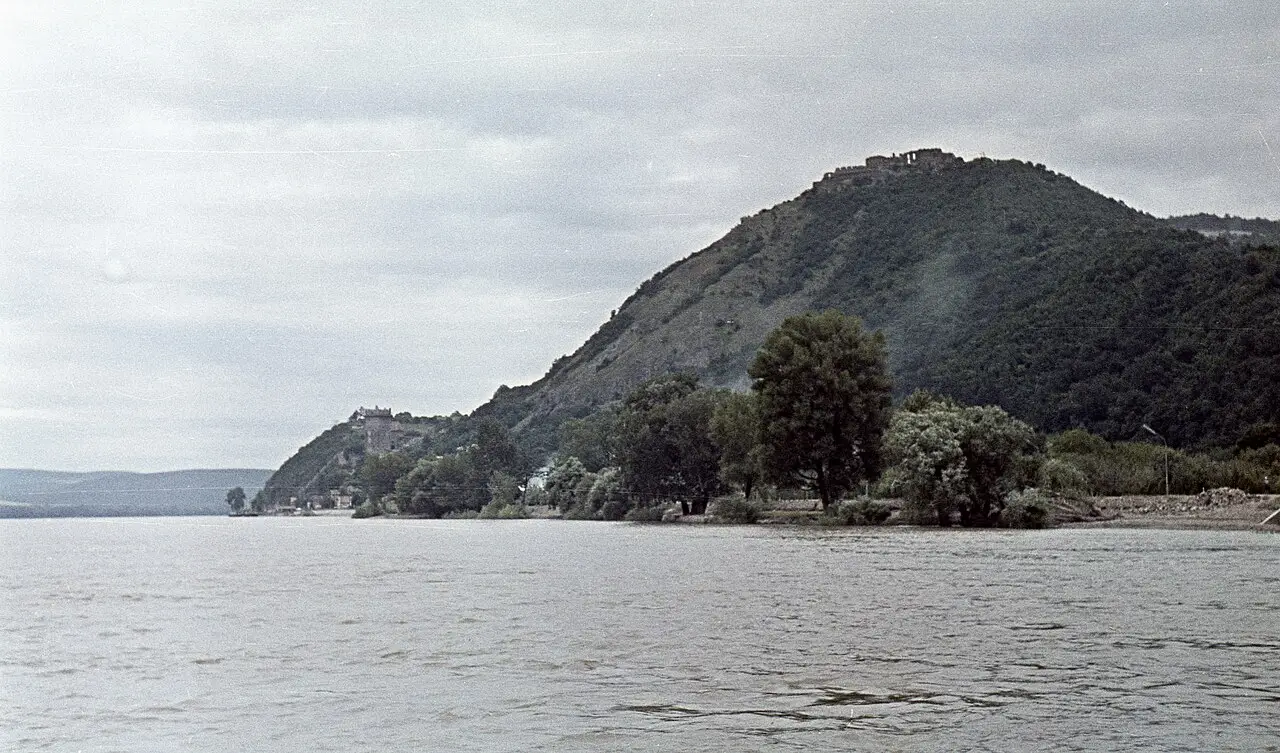
Visegrád offers a hilltop citadel and a view of the Danube Bend; Esztergom has the Basilica and its visitor areas. I would choose one of the two as the day’s main destination. For Visegrád, include access to the hill and the effort of the climb; at the Basilica, check each area, its calendar and admission conditions separately.
Compare outward and return journeys in the MÁV planner for your chosen date and allow time for local connections, a meal and rest. Bus routes serve the Budapest–Szentendre–Visegrád–Esztergom corridor, but combining two towns depends on the services and visits you intend to make. If you prefer a boat, confirm the calendar, ports, stops and return for your chosen trip before planning the day.
Eger
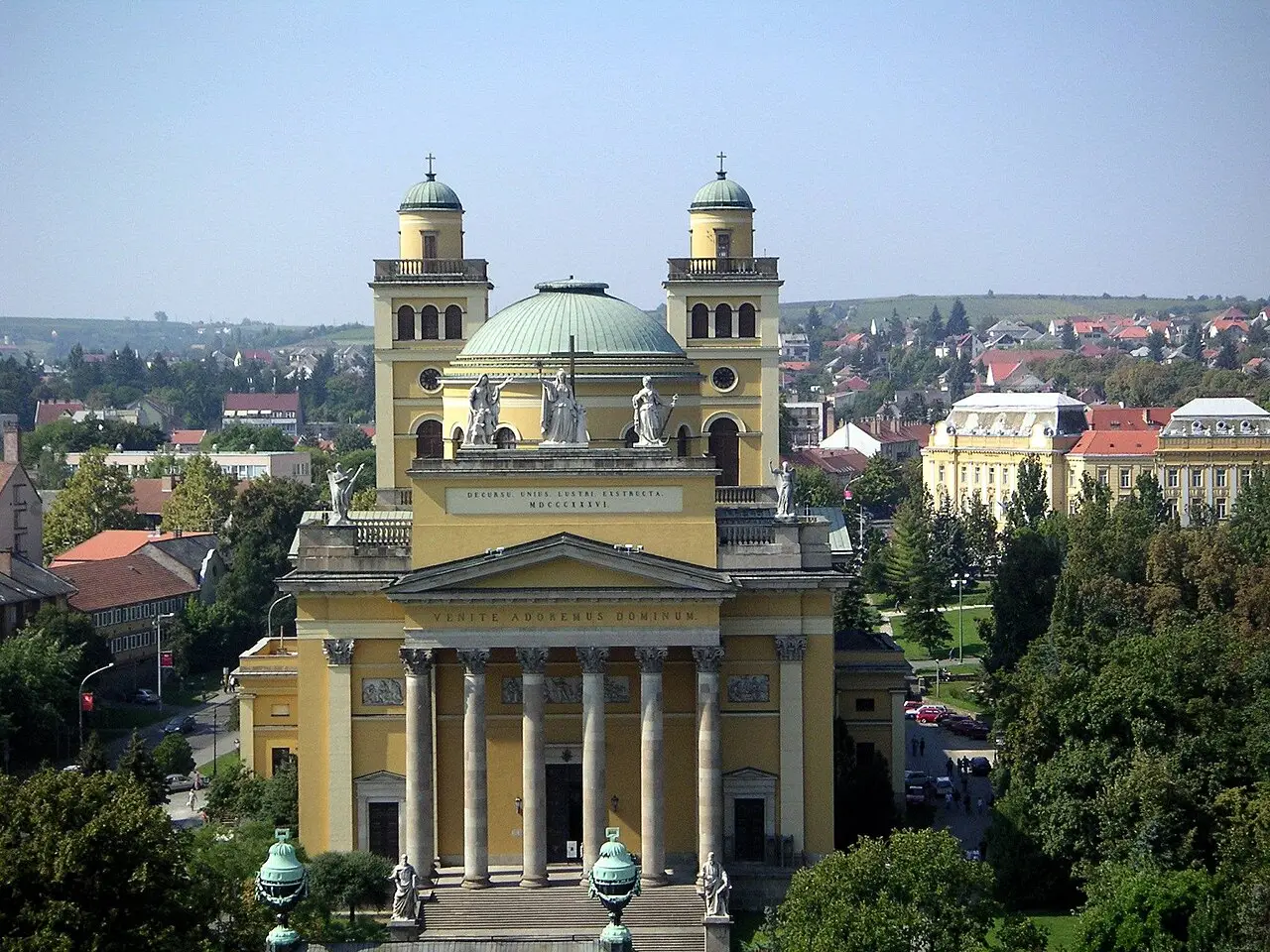
Eger brings together the castle associated with the defence of 1552, an Ottoman-period minaret and the historic centre. The region also produces Egri Bikavér, and Szépasszonyvölgy Valley has wine cellars and tastings. Choose the castle and centre or a wine programme according to your interests and available time; a cellar visit has its own calendar and conditions.
For a trip from Budapest, compare outward and return journeys in the MÁV planner for your chosen date, including access between your arrival station or stop and the places in your programme. Allow time for a meal and rest, and confirm transport to and from the valley if that is your choice. The minaret climb has a narrow staircase; check access and decide whether you want to climb it. If connections take up the visiting time, choose fewer stops or consider staying in Eger.
Where to begin
Pest: riverbank or Városliget
If you want to visit Parliament’s interior, arrange this part of the day around the time and language of the session selected through the official channel. Check the entrance, document rules and arrival lead time stated on your ticket. Allow a margin for travel and a break; without a session that suits you, keep the exterior walk along the Pest riverbank.
Buda: choose a visit and allow a break
Choose your way up Castle Hill according to your starting point, luggage and mobility needs; check the route and transport service before leaving. At Fisherman’s Bastion, consult the upper terraces’ calendar and allow a break. If you also want Matthias Church or its tower, check their separate entry arrangements and that day’s hours before adding the visit.
Pest: choose remembrance, the market or a concert
If you choose the Dohány complex, check the religious calendar, ticket and guided visit language before choosing a time. Tourist visits are closed on Saturdays and Jewish holidays, with last entry one hour before closing. Allow time for the temple, memorial and a break; arrange luggage and check the dress rules before leaving.
Money
The local currency is the Hungarian forint (HUF, Ft). Some businesses accept euros at their discretion; check the HUF price, the offered conversion and the change before paying. To compare with your budget currency, consult a dated exchange rate and the fees of the service you intend to use. The central bank’s reference rate is not necessarily the rate for your transaction.
At an exchange office, compare the total forints you will receive after commissions and keep the receipt. For card payments or withdrawals, check both the operator’s and issuer’s fees. If conversion to your account currency, DCC, is offered, compare the quoted total; choosing HUF leaves conversion to the card service under your contract. The location or brand of the machine does not replace that comparison.
Build the budget around your dates, accommodation and chosen visits. Confirm the full price, applicable tourist tax, check-in conditions and any luggage storage with the accommodation. Compare menus and check for a service charge, szervizdíj, before deciding about a tip; check each business’s payment methods. Include meals, transport, admission and a margin for changes to the programme.
If you include Széchenyi, the 2026 table checked in October lists daily admission with a locker at 13,200 Ft Monday–Thursday, 14,800 Ft on Fridays and weekends and 15,800 Ft on holidays and in peak periods. A cabin costs an additional 1,000 Ft, and Fast Track has a different fare. Check the category, date and available areas before buying; do not add this ticket to a day when you choose another programme.
Getting there and around
Airport: ticket, address and arrival margin
The 100E Airport Express links Ferenc Liszt Airport (BUD) with Deák Ferenc tér via Kálvin tér and operates day and night. In the fare table checked in October 2026, its special ticket costs 2,500 Ft. A 1,000 Ft add-on is available to holders of a valid Budapest-pass (except the 15-day pass), a Pest County Pass or a Hungary Pass; check your pass’s eligibility. An urban single ticket or 24-hour travelcard does not replace the 100E ticket.
The 200E uses valid urban tickets or passes, not the 100E special ticket. Check the complete connection to your accommodation address in BudapestGO and the transfer available for your date and time, particularly at night. Compare access according to luggage and mobility; allow a margin for waiting, traffic, arrival and check-in, and confirm luggage storage if the room is not yet available.
Licensed taxis are yellow and display identification and a fare table. BKK states that regulated fares are the same across operators, including those ordered through an app; the total is calculated by the meter according to distance and time. Since August 2026, the base fare for journeys to or from the airport is 2,100 Ft. Check the current fare and estimate for your address before travelling rather than treating a range for the city centre as a fixed price.
Metro, trams and BKK tickets
The urban network combines four metro lines, trams, buses and trolleybuses, with suburban connections. For your chosen programme, check origin, destination, date and time in BudapestGO or BKK’s planner; the night network differs from the daytime one. Also check station and vehicle access for your mobility needs, allowing time for transfers and a break.
In the table checked in October 2026, a single ticket costs 500 Ft, a 30-minute ticket 600 Ft, a 90-minute ticket 850 Ft and a 24-hour travelcard 2,750 Ft. A single ticket covers one journey on one vehicle, without interruption, return or transfer, except between metro lines in the same direction. Time-based tickets allow further journeys and transfers within the validation window; compare them with a daily travelcard according to your actual programme. Check the conditions and covered area, particularly for suburban journeys.
On the metro, validate a paper ticket before entering the paid area; on buses and trams, when boarding. For digital tickets, follow BKK’s QR or NFC scanning and animated-image presentation rules. The 90-minute ticket is digital only, requires an active internet connection and must be validated when boarding and changing lines, except between metro lines. Buying a ticket does not validate it.
Safety
Take care of bags, phones and documents on crowded transport, at stations, markets and busy places. Keep luggage in sight and avoid carrying more cash and valuables than you need for the outing. When choosing a route, consider the time, access and local notices; follow authorities’ instructions if there are demonstrations or closures.
Choose the bar or restaurant and check a priced menu before ordering, including additional charges. Street invitations or drivers’ recommendations can lead to places with excessive bills. Keep your drink in sight and check the bill; if threatened, avoid confrontation and seek police assistance. In an emergency, 112 reaches police, ambulance and fire services.
Plan the return to your accommodation for the time you intend to leave, checking the itinerary in BudapestGO. If you choose a taxi, use a licensed service: in Budapest, vehicles are yellow and display identification and fares. Check the meter, keep the receipt and note the vehicle’s identification if you need to report a problem. Allow a margin for the return and rest before an early commitment.
Fővárosi Vízművek states that the water supplied in its service area meets quality standards; an old building’s internal pipes can affect water at the tap. Check local notices and, if you have doubts about the water in the property, ask the accommodation and water utility.
Etiquette tips
Follow the group’s toast
If you take part in a toast, observe the gesture of the people at the table and follow the group. “Egészségedre” is a health wish used when toasting; you may also hear “egészségére”. Choose the drink you prefer and respect anyone who does not want to drink.
A greeting helps start the conversation
When starting a conversation in a shop, at your accommodation or in a taxi, a simple greeting helps. “Jó napot!” wishes someone a good day or afternoon, and “viszontlátásra!” says goodbye. “Köszönöm” means thank you. If you do not understand, “nem értem” means “I don’t understand”; you can ask someone to repeat or show the address in writing.
Check the order of names
In names presented in Hungarian, the family name comes before the given name. When reading a sign or completing a registration, check which fields request given and family names and keep the form used in your document. In conversation, use the name by which a person introduces themselves; if unsure how to address them, ask.
Ask your host about shoes
When arriving at someone’s home, ask whether to take off your shoes and where to leave them. Follow your host’s guidance, including footwear to use indoors. Every home has its own habits; a simple question avoids assuming what your host expects.
Check the bath’s and each pool’s rules
Before visiting, check swimwear, required items, access, the calendar and the areas included in your chosen bath ticket. At Széchenyi, slippers are required in the bathing areas but must not be worn in the pools; a cap is required in the swimming pool. The daily ticket does not provide swimwear or a towel. At Rudas, check the Turkish bath session’s calendar and whether it is mixed or reserved for men or women. Follow the pictograms and staff instructions, allowing time to change, shower and take a break.
Validate according to your chosen ticket
Check the rules of the product you bought. On the metro, validate a paper ticket before entering the paid area; on buses and trams, when boarding. For digital tickets, follow the QR or NFC instructions and present the animation or code when requested. The 90-minute ticket requires active internet and another validation when boarding or changing lines, except between metro lines. Keep the ticket or proof accessible for inspection.
Mistakes to avoid
Compare exchange and withdrawals by the total
At an exchange office, compare the total forints you will receive after commissions and keep the receipt. For card payments or withdrawals, check both the operator’s and issuer’s fees. If conversion to your account currency, DCC, is offered, compare the quoted total; choosing HUF leaves conversion to the card service under your contract. The location or brand of the machine does not replace that comparison.
Check the venue and prices before ordering
Choose the bar or restaurant and check a priced menu before ordering, including additional charges. Street invitations or drivers’ recommendations can lead to places with excessive bills. Keep your drink in sight and check the bill; if threatened, avoid confrontation and seek police assistance. In an emergency, 112 reaches police, ambulance and fire services.
Gulyás is the soup; pörkölt is the thick stew in a bowl
Calling the thick meat stew gulyás. Gulyás is soup; what's served in a deep bowl with nokedli is pörkölt or paprikás. Order it wrong and you'll get corrected and a conversation, and both are worth it.
100E and 200E: different tickets
The 100E requires its own ticket or the add-on for an eligible pass. In the October 2026 table, the ticket costs 2,500 Ft and the add-on 1,000 Ft. The add-on applies to a valid Budapest-pass (except the 15-day pass), a Pest County Pass or a Hungary Pass. An urban single ticket or 24-hour travelcard does not replace the 100E ticket. The 200E uses a valid urban ticket or pass; check the full connection to your address at the chosen time in BudapestGO.
Choose accommodation for the room and rest
Kazinczy has bars, including Szimpla Kert at number 14. When comparing accommodation on the street and nearby, ask about the room’s orientation, window insulation and events on your stay dates. Check recent comments about the offered room, check-in conditions and luggage storage. Balance access to visits with rest; if you choose an evening outing, allow for the return and sleep before an early commitment.
Useful phrases
Jó napot kívánok
Good day, formal (yo napot kee-vah-nok)
Köszönöm szépen
Thank you very much (kuh-suh-nuhm say-pen)
Egy sört kérek
One beer, please (edge shurt kay-rek)
Mennyibe kerül?
How much does it cost? (men-yi-be ke-rewl)
Nem beszélek magyarul
I don't speak Hungarian (nem be-say-lek mud-yor-ool)
Egészségedre
Cheers, in a toast and after a sneeze (eg-ess-shay-ged-reh)
Districts
V: Belváros-Lipótváros
Belváros-Lipótváros brings together Parliament, St Stephen’s Basilica, Vörösmarty Square and Váci Street, with its shops and cafés, on the Pest side. It can be a practical base when these places feature in your programme: compare the hotel address with your visits, your arrival with luggage and the return journey.
To compare prices, check the total accommodation cost for your dates and what it includes, as well as menus at the restaurants you plan to use. Arrange check-in, check-out and luggage storage with your accommodation; allow time for a meal and rest before starting your visits.
VI: Terézváros
The Opera House and House of Terror stand on Andrássy Avenue; the Liszt Academy occupies the building at Liszt Ferenc tér 8, on the square with cafés and restaurants. Nagymező Street, the “Pest Broadway”, brings together theatres and Mai Manó House, devoted to photography. This part of Terézváros offers a choice of a street walk, an exhibition or music.
Choose a visit or performance that interests you and check the calendar, address and admission conditions. The Liszt Academy is also a school and admits the public through organised activities such as tours and concerts; its interior is not open for casual entry during a walk. Allow time for a meal and a break before a session and check the return journey at the planned time.
VII: Erzsébetváros
Erzsébetváros contains part of Pest’s historic Jewish quarter, including the synagogues on Dohány and Kazinczy streets. Kazinczy Street also has ruin bars, among them Szimpla Kert. When combining religious heritage with an evening out, check each synagogue’s calendar and visitor conditions and the opening hours of your chosen bar.
For sleeping, assess the specific room: ask which way the windows face, what sound insulation it has and whether events are planned for your dates; read recent comments about rest. Check the journey back to your address and leave a break between sightseeing and the evening. Respect residents’ rest in residential streets and buildings.
VIII: Józsefváros
The Palace Quarter is the part of Józsefváros between the Kiskörút and Nagykörút ring roads, behind the National Museum. Nineteenth-century mansions, the Ervin Szabó Library in Wenckheim Palace and cafés along the streets and on Mikszáth Square give reasons to explore this part of Pest.
Choose the National Museum collection or a visit to the library palace as a programme for part of a day, with a walk and a meal. The library has its own visitor arrangements and conditions; check the calendar and arrange a guided visit in advance if that is your choice. When looking for accommodation in Józsefváros, compare the specific address with your programme and return journey, including luggage and rest.
IX: Ferencváros
Ferencváros follows part of the Pest riverbank: the Great Market Hall and Bálna building stand in the stretch near the centre, and Ráday Street has restaurants and bars. Further south, the Ludwig Museum occupies part of the Müpa complex at Komor Marcell utca 1, with contemporary art exhibitions; Müpa also offers a programme of music and performances.
Choose the area to suit your interests: the market and a meal, a Ludwig visit or a performance at Müpa can be separate programmes. Check the calendar and ticket for your chosen event or exhibition, as well as the journey to its address and back at the planned time. Allow time to eat and rest before a session; a riverbank walk is an option according to the time available and the day’s conditions.
XIII: Újlipótváros
Újlipótváros lies beside the Danube, north of Parliament, in the southern part of District XIII. Residential buildings from the 1920s and 1930s, the Palatinus buildings beside the river and cafés on Pozsonyi Street make a walk that can fill part of a day, with a meal break. When considering accommodation, compare the address with your visits and the arrival and return journeys with luggage.
In 1944, houses in this part of Pest formed the so-called “international ghetto”, where Jews holding protection documents from neutral countries’ diplomatic missions were forced to move. That protection did not prevent raids and murders by members of the Arrow Cross Party. Plaques and memorials in the neighbourhood help explain this chapter; allow time to read them, without confusing this group of houses with the large ghetto in District VII.
I and II: Castle, Víziváros and Rózsadomb
The former Royal Palace, Matthias Church and Fisherman’s Bastion stand on Castle Hill. Víziváros extends beside the Danube below the hill, and Rózsadomb is one of the residential areas on the slopes of District II. These are different places to explore and to consider as a base.
For visits in the Castle District, choose the interiors that interest you and check each institution’s calendar and access. When assessing accommodation in this part of Buda, compare the address with the places in your programme and check inclines, steps and connections on the journey with luggage. Consult transport for the planned date and time and allow a break; walking between the riverbank and hill depends on the effort you want to make.
XI: Újbuda
Újbuda, in Buda, includes the technical university beside the river, the Fehérvári úti market and Bartók Béla Street, with galleries, cafés and cultural workshops. The Gellért Baths building also stands in this area, but the baths are closed for renovation. A visit to the street or market, with a meal, can be a programme in its own right; check the opening hours of your chosen places.
When looking for accommodation, compare the total price and address with your itinerary. Check the outward and return journeys for the planned day and time, including the stretch to the stop and any connections. Arrange arrival and luggage storage with your accommodation and allow time to rest.
History
1st–4th c. · Aquincum, Roman capital
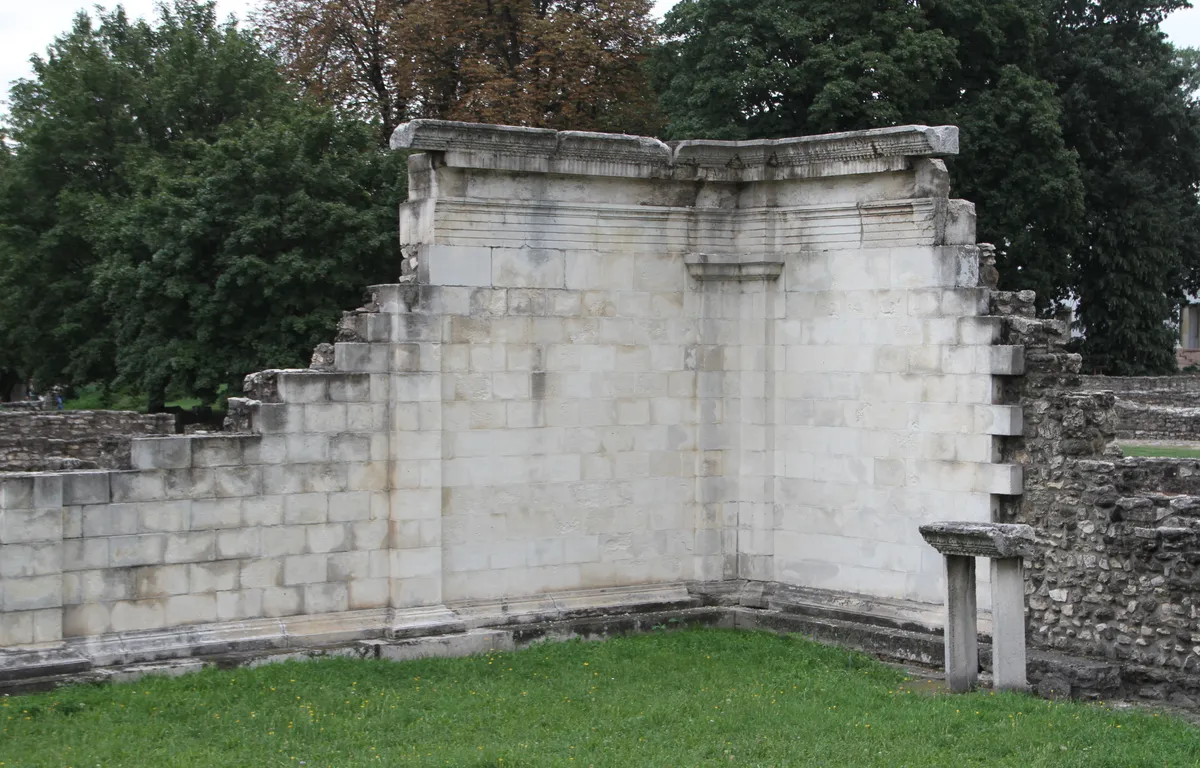
Rome sets up a legionary camp on the west bank, and around AD 106, Aquincum becomes the capital of the province of Pannonia Inferior, with perhaps 30–40 thousand inhabitants. The ruins, two amphitheaters and the aqueduct are in today's District III, Óbuda.
895–1000 · Arrival of the Magyars
The seven Magyar tribes led by Árpád settle the Carpathian Basin around 895. On December 25 of the year 1000 Stephen I is crowned king and converts the kingdom to Latin Christianity.
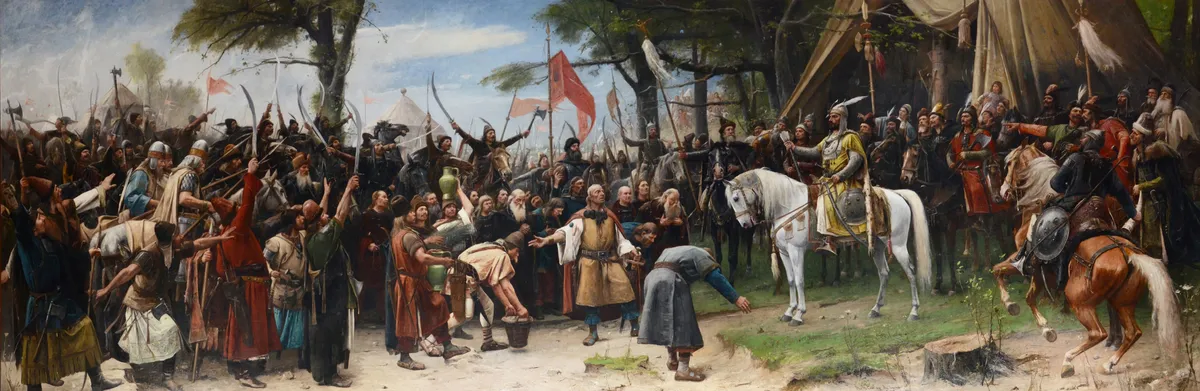
1241–1247 · Mongol invasion and the castle
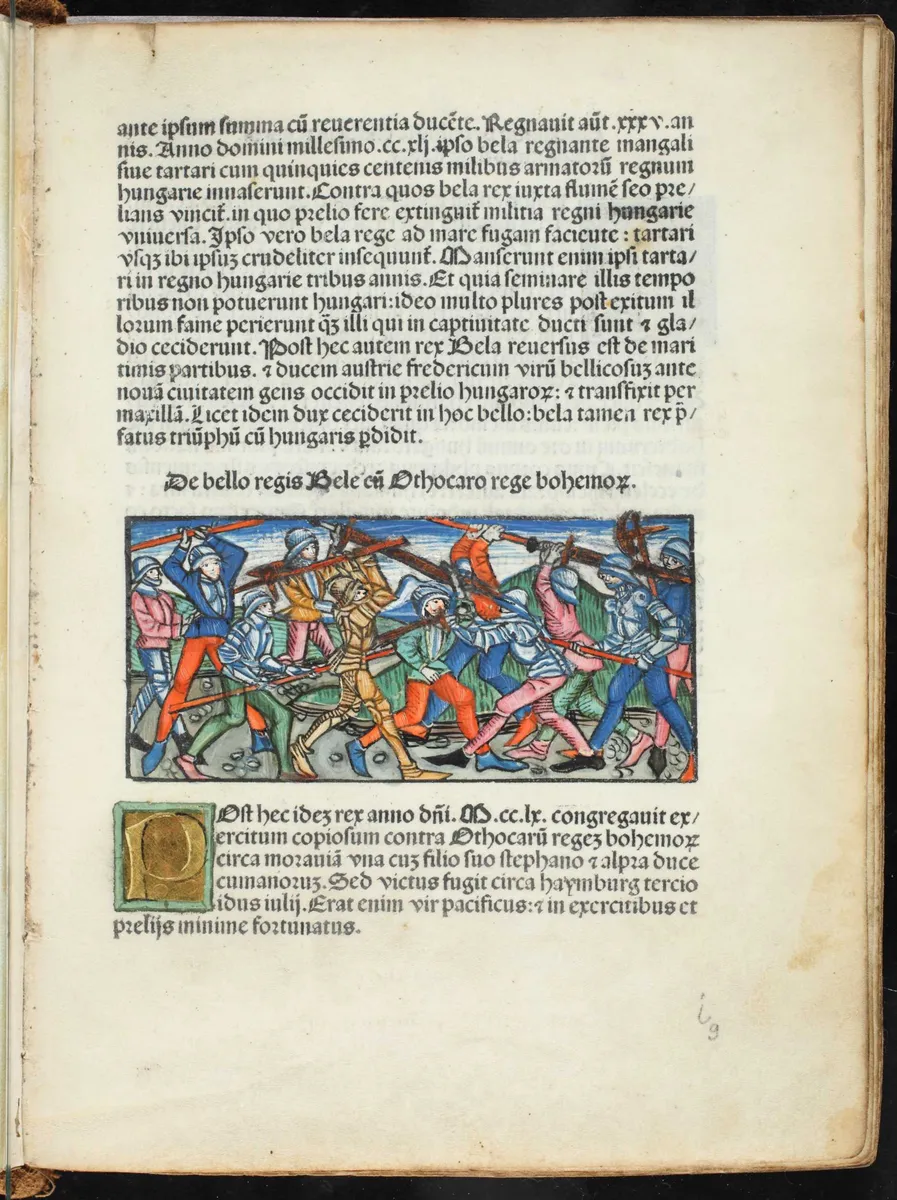
Batu Khan's horde razes Pest in 1241 and kills a considerable share of the kingdom's population. Béla IV responds by building a fortified town atop Castle Hill starting in 1247: the origin of the Castle.
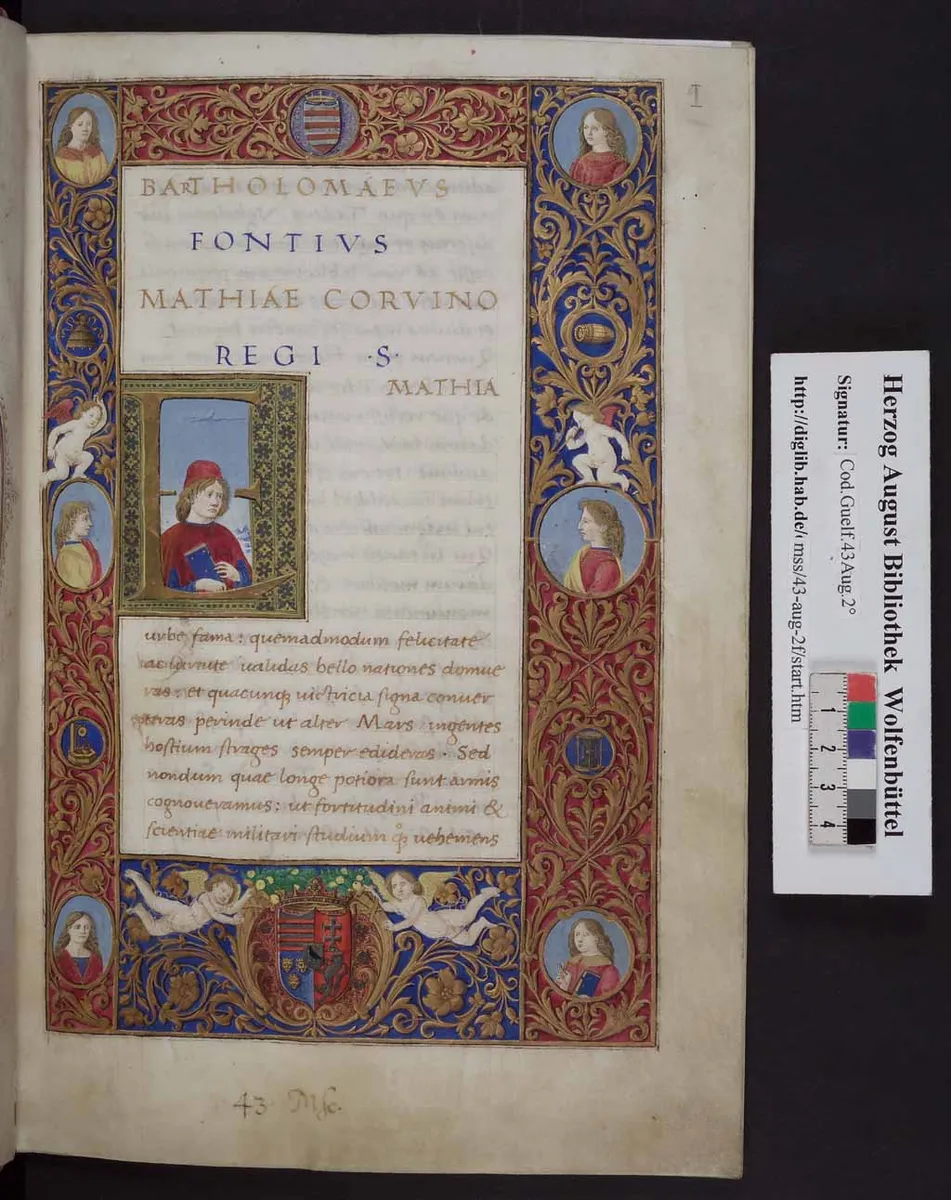
1458–1490 · Court of Matthias Corvinus
Matthias Corvinus turns Buda into one of the first Renaissance courts outside Italy and assembles the Bibliotheca Corviniana, with about 2,000 codices. Almost all of it was lost after 1526.
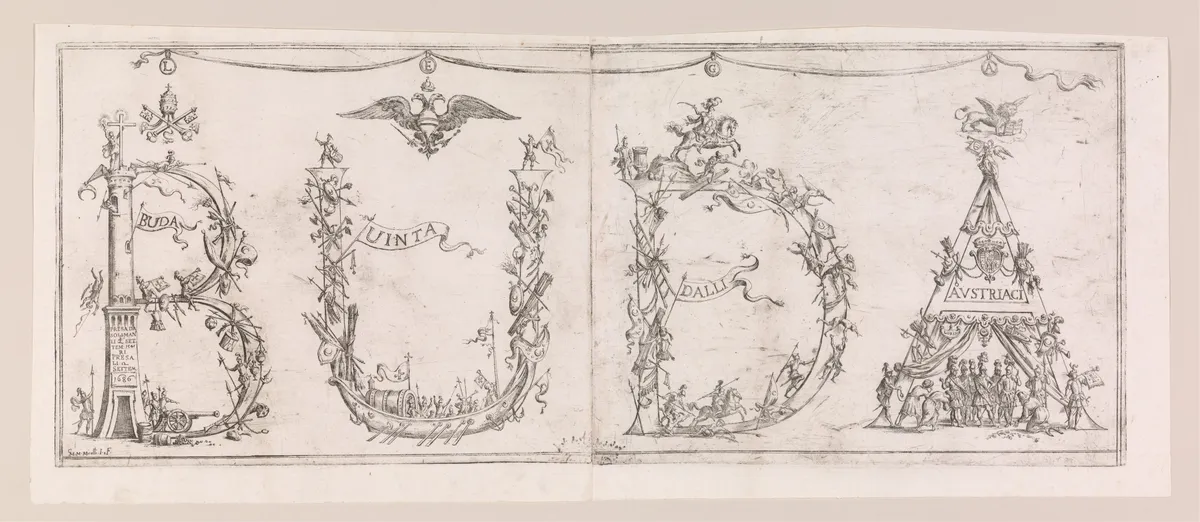
1541–1686 · Suleiman takes Buda in 1541: the start of Ottoman rule
Suleiman takes Buda in 1541 and the city becomes the seat of an Ottoman vilayet. From this period survive the domed baths of Rudas and Király and the tomb of the dervish Gül Baba, in District II.

1686–1838 · Recapture, rebuilding, flood
The Holy League retakes Buda in 1686 after a siege that destroys the medieval city. In March 1838 the great Danube flood knocks down more than half of Pest's houses, and the neoclassical rebuilding sets the street grid that survives today.
1848–1849 · Revolution and the Chain Bridge
On March 15, 1848 the revolution begins in Pest with the Twelve Points and Sándor Petőfi's poem. The Chain Bridge, the first fixed crossing between Buda and Pest, opens in November 1849, with the revolution already defeated.

1867–1896 · Compromise, unification, Millennium
The 1867 Compromise creates the dual monarchy and Budapest becomes the empire's second capital. In 1873 the three cities merge; in 1896 the Millennium delivers Andrássy Avenue, Heroes' Square and the M1 line, the first electric subway on the European continent. Population jumps from about 280,000 in 1867 to about 733,000 in 1900.
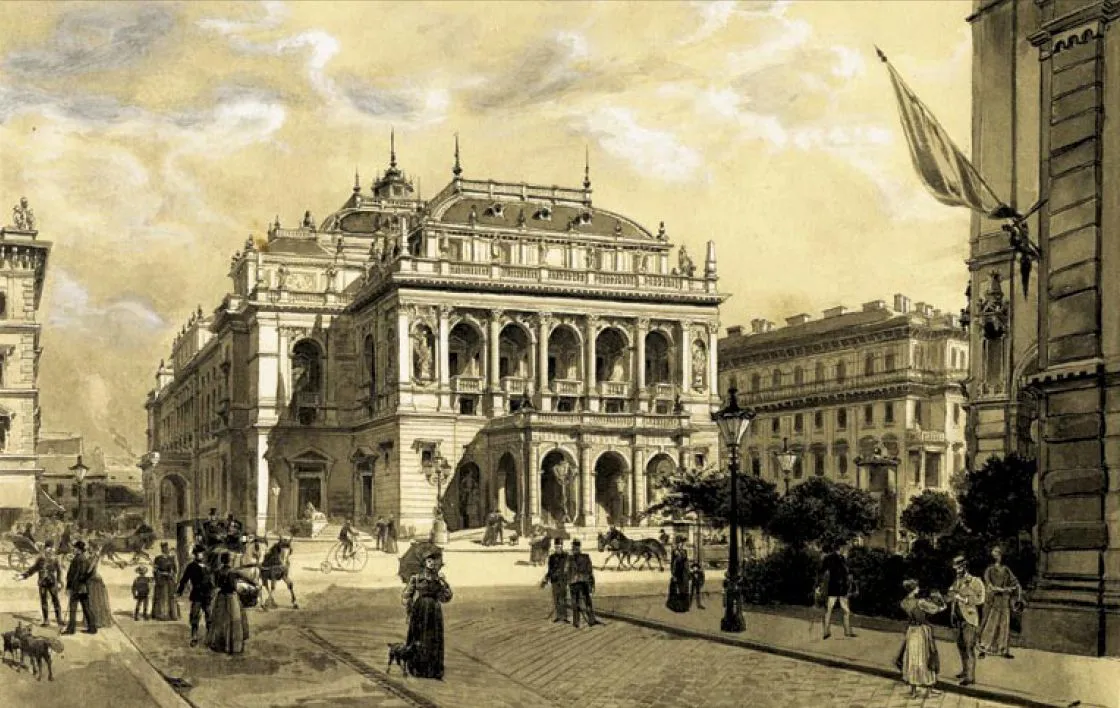
1944–1945 · Occupation, ghetto and siege
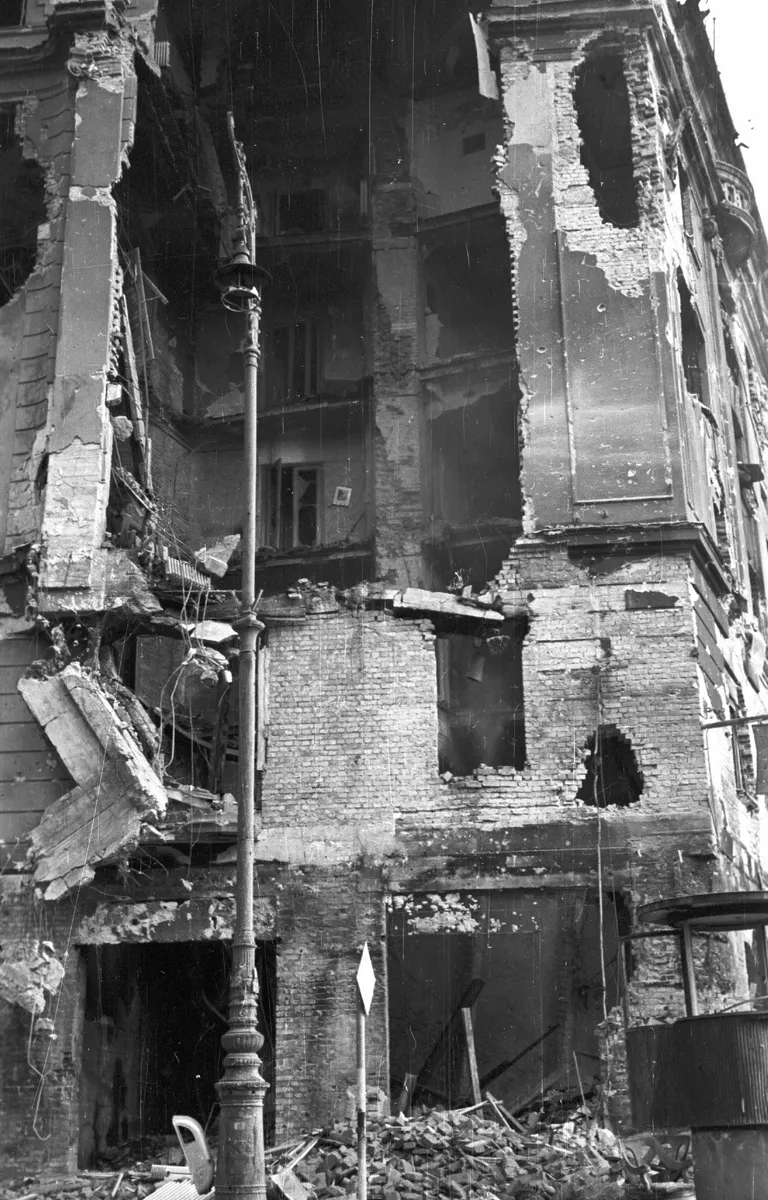
The German occupation of March 1944 is followed by the deportation of about 437,000 Hungarian Jews in two months and, that winter, by the terror of the Arrow Cross along the Danube's banks. The Soviet siege, from December 24, 1944 to February 13, 1945, destroys the Castle and brings down every bridge in the city.

1956–1989 · Revolution, Kádár, republic
The October 23, 1956 uprising is crushed by Soviet troops in November: about 2,500 dead and about 200,000 emigrated. János Kádár's “goulash socialism” loosens the regime from the 1960s on, and the republic is proclaimed from the Parliament balcony on October 23, 1989.
1990–today · Post-1989 and mass tourism
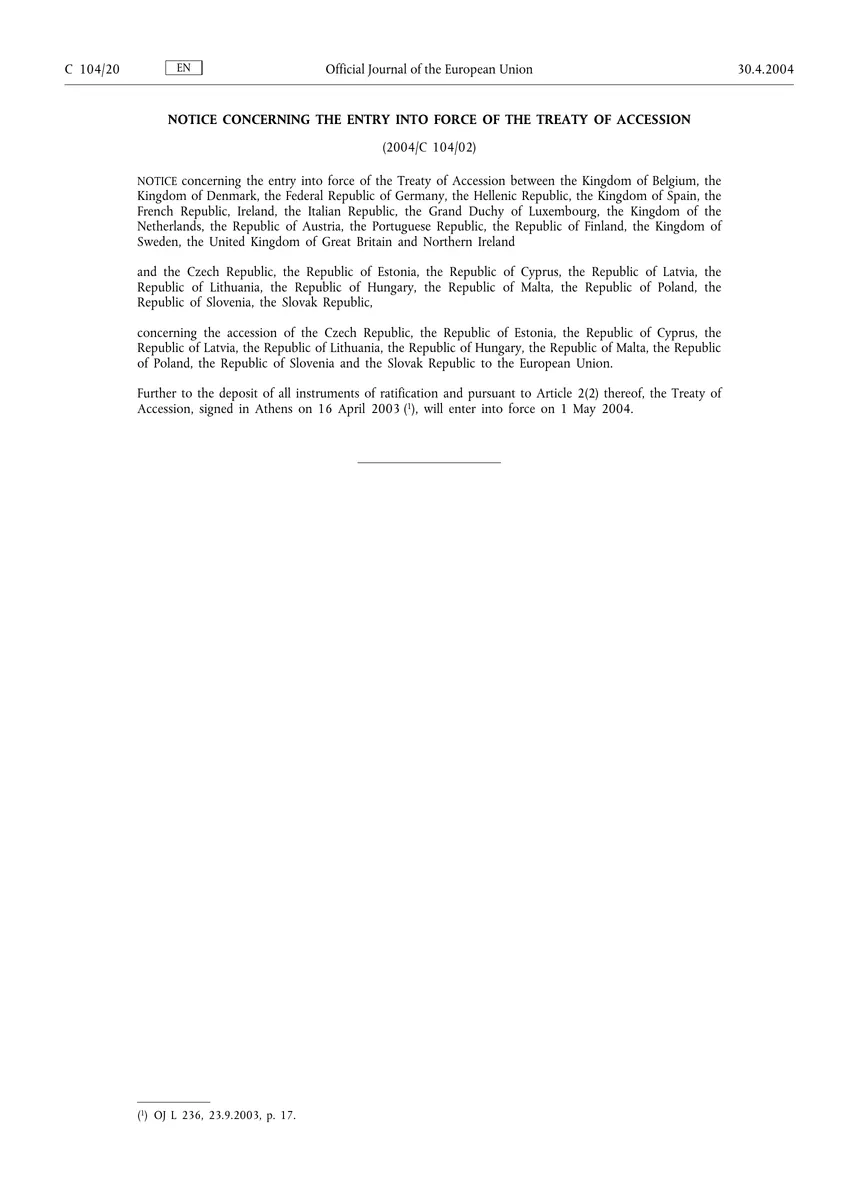
Hungary joins NATO in 1999, the European Union in 2004 and Schengen in 2007; the forint remains the currency. Since the 2000s the ruin bars of District VII, low-cost airlines and the redevelopment of Városliget have reorganized the center's economy around visitors.
Complete history
Buda's hills narrow the Danube: the site of Aquincum
Coming out of the great bend it makes north of the city, the Danube widens over the plain, but the Buda hills reach almost to the bank and narrow the river, creating a natural crossing: that's why Rome placed a legionary camp there and, around AD 106, the capital of Pannonia Inferior, Aquincum. When the Magyars arrived around 895 and Stephen I was crowned in the year 1000, the kingdom's center shifted to Esztergom and Székesfehérvár; only after the Mongol invasion of 1241 did Béla IV fortify Castle Hill and create the upper town that Matthias Corvinus, between 1458 and 1490, would turn into a Renaissance court with its own library.
Mohács, 1526: 145 years under Ottoman rule
The disaster at Mohács in 1526 and the Ottoman capture of Buda in 1541 interrupted royal, Renaissance Buda for 145 years. Buda became a Turkish stronghold, Pest shrank, and what remains from that period are the domes of the Rudas and Király baths and the tomb of Gül Baba, but also a habit: the systematic use of the thermal springs that rise along the geological fault under the west bank. The reconquest by the Holy League in 1686 destroyed the medieval city; the 18th century repopulated Buda and Pest with Germans, Serbs, Slovaks and Jews, and the 19th century did the rest. The flood of March 1838, which brought down more than half the houses in Pest, forced a planned reconstruction: the ring and radial boulevards that still organize the east bank today.
The 1867 Compromise: Budapest becomes second capital of an empire
What gives Budapest its current look is a forty-year window. With the 1867 Compromise the city becomes the second capital of an empire of 50 million people; in 1873 Buda, Óbuda and Pest merge; in 1896 the country celebrates a thousand years of settling the Carpathian Basin with a building program: Andrássy Avenue, Heroes' Square, Vajdahunyad Castle, the M1 line and the bridge network. Imre Steindl's Parliament, begun in 1885 and finished in 1904, is 268 m long and 96 m tall, the same height as St. Stephen's Basilica: the 96 meters allude to 896, and for almost a century no building in the city went above that height. Between 1867 and 1914, the population more than tripled.
Treaty of Trianon, 1920: two-thirds of the territory lost
In 1920, the Treaty of Trianon took two-thirds of its territory and about a third of Hungarian speakers from Hungary, turning an imperial capital into the capital of a small country. In 1944 the German occupation led to the deportation of about 437,000 Jews from the provinces in two months; in Budapest the ghetto was sealed in November of that year, and thousands of people were shot on the riverbank by the Arrow Cross militia: the cast-iron shoes installed in 2005 mark that spot. The siege of 1944–45 destroyed the Castle and brought down every bridge; the 1956 revolution ended with tanks, about 2,500 dead and 200,000 emigrants. Bullet marks are still visible on facades in Districts VIII and VII.
Ruin bars in District VII, since the 2000s
After 1989 the city did two things at once: it rebuilt and it emptied out. District VII's historic center, run down by decades of neglect, became the ruin-bar quarter in the 2000s, and the arrival of low-cost airlines multiplied visitor numbers, bringing the familiar effects of short-term rentals: fewer permanent residents and continual disputes over municipal rules. At the same time the state invested heavily in symbolic reconstruction: the Liget Budapest project delivered the Museum of Ethnography and the House of Hungarian Music in 2022, and the Hauszmann Program keeps rebuilding Castle buildings demolished after the war. Budapest today has about 1.68 million residents, a population in slight decline, and lives on services, universities, the region's auto industry and tourism.
The number 96 recurs on purpose in central Budapest: it's the height, in meters, of the two tallest domes, in honor of the year 896.
Matthias Church was a mosque during the Ottoman occupation.
Geography and shape of the city
The river and the Buda of the springs
The city splits into two geologically distinct halves separated by the Danube, which runs north to south about 400 m wide at the level of downtown. To the west, Buda is rugged: the Buda Hills reach 527 m at János Hill, Castle Hill is 168 m and Gellért Hill 235 m, and the limestone bedrock is cut by a fault where more than a hundred thermal springs rise, between 21 °C and 78 °C. That's why baths have existed there since Roman times, and it also explains the Pálvölgy and Szemlőhegy caves, under the residential neighborhoods.
Flat Pest and the two rings
To the east, Pest is a flat alluvial plain, which allowed for a clean radial-ring grid: two rings (the Kiskörút, over the old city wall, and the Nagykörút, built between 1872 and 1906) crossed by radial avenues, Andrássy being the widest.
Address, islands and travel
Budapest covers about 525 km² and has 23 administrative districts, identified by Roman numerals. When choosing accommodation, compare the full address with the places in your programme and check the journey for your travel date and time. Also consider travelling with luggage, check-in, the return journey and time to rest.
Margitsziget has paths, gardens, bathing and sports facilities, and buses also run on the island. Choose an entrance according to the place you want to visit. On Óbudai-sziget, Sziget and other events can alter access and transport; check organiser and BKK notices for your actual dates. Visiting either island can be the main programme for part of a day, with a meal and a break.
For outdoor stretches, consult the conditions in the When to go section and adapt the programme to HungaroMet forecasts and notices. Climate normals are historical references; allow time to take shelter or change the order of visits.
Buda's more than one hundred thermal springs rise through a fault in the limestone, at between 21 °C and 78 °C, and the Széchenyi, on the Pest side, draws its water from a 1,246 m well.
Culture
Music between concert halls and dance houses
Founded by Franz Liszt in 1875, the Liszt Academy combines teaching and concerts; Bartók and Kodály are among the professors in its history. The Art Nouveau building on Liszt Ferenc Square was completed in 1907. To see the interior, choose an organised visit or a concert from the calendar. Check the event conditions and any student discount, which requires a valid student ID.
The State Opera House opened in 1884 and reopened after refurbishment in March 2022. Attending a performance and taking an OperaTour are separate experiences with their own tickets. During tours, rehearsals may close the auditorium and change the route; building visits are suspended during performances.
Müpa, opened in 2005, brings together classical and contemporary music, jazz and other arts. Choose from the programme for your date and the venue stated on the ticket. For an evening of music, leave room for dinner, arrival before the start and the return to your accommodation after the event ends.
In táncház, or dance houses, live music accompanies the learning of traditional dances. The Hungarian Heritage House, Hagyományok Háza, organises regional cycles and beginner classes. Check the session on your date, the class level and participation conditions; learning happens through observation and practice.
Literature and cinema: three perspectives
Budapest appears in literature and cinema through different approaches. Imre Kertész, born in the city and deported in 1944, explored that experience in novels. “Fatelessness” was published in 1975; the 2002 Nobel Prize in Literature recognised the author’s writing. It offers an entry into questions of persecution, survival and memory.
In Magda Szabó’s “The Door”, the relationship between a writer and Emerence draws attention to trust, care and privacy in the home. The city can also be read through the scale of a relationship between two people.
Nimród Antal’s “Kontroll” uses Budapest metro stations to construct a fictional underground world, with humour and tension. Notice how editing turns recognisable places into a setting: this is one way to look at the city through cinema.
Bath, ruin and market
A bath can occupy an afternoon on its own. Lukács and Veli Bej are choices in Buda, each with its own admission and usage conditions. Before choosing, check the session, available areas and the establishment’s age rules. Allow time to change, eat and rest rather than fitting another bath into the same block.
In Erzsébetváros, District VII, Szimpla Kert at Kazinczy 14 is an example of a ruin bar in a repurposed old building. The neighbourhood also contains homes: when going out at night, respect residents’ rest in the streets and plan your return to your accommodation. Choose according to the programme and your energy for the outing.
The Great Market Hall in Pest and Fehérvári úti in Buda offer food stalls and places for a meal. Choose the market that fits the bank of the river in your itinerary and check your chosen stall’s opening hours, which may differ from the building’s. When buying food or eating, compare the price by weight or by portion on site.
Festivals and events

Sziget
Sziget brings music and other arts to Óbudai-sziget, an island in the Danube. The announced 2027 edition runs from 10 to 14 August. Choose a day from the published programme and check ticket validity and entry conditions for that edition.
Allow for the journey to the entrance, leaving after the last show you want to see and returning to your accommodation. I would leave room for food and rest rather than fit a packed museum morning after a long night. Compare accommodation and transport for your dates; if you want to camp, check the options and services announced for the year of your visit.
 AI illustration
Budapest Spring Festival
The 2026 Budapest Spring Festival calendar listed 2 to 17 May, with concerts, exhibitions, theatre and urban walks across different neighbourhoods. For another trip, check that year’s edition and choose a performance or exhibition by location and time.
I would arrange the outing around that commitment: a nearby visit, a meal and enough time to reach the venue before the start. Check admission, the activity’s language and the chosen venue’s conditions. A festival name on the calendar does not automatically grant access to the Liszt Academy, the Opera House or another building.

August 20: St. Stephen's Day
20 August is a national holiday. St Stephen’s celebrations spread activities across several locations in Budapest; choose the event you want to attend from that edition’s programme, with its location and time.
For the procession or fireworks, also check BKK notices: in 2026, restrictions affected bridges, embankments and central transport routes. Plan a meal, a break and the journey back to your accommodation using the service scheduled for that night. Allow for the crowd’s departure before relying on a connection or another commitment.
 AI illustration
Budapest Wine Festival
The Wine Festival occupies courtyards and terraces of Buda Palace; the 2026 calendar listed 9 to 12 September. Choose a day from the programme and check the ticket and its inclusions: that edition included a tasting glass and one tasting, with other drinks and food paid for at exhibitors’ stands.
The event also changes access to parts of the palace during set-up, the festival and dismantling. For the National Gallery or History Museum, check the museum’s entry route; in 2026, a museum visitor’s wristband allowed passage through the festival area for that visit, not a stay there afterwards. I would leave time for the chosen collection, a meal and the return journey, deciding separately whether to attend the festival.

Christmas Markets
The markets on Vörösmarty Square and Szent István tér, in front of the Basilica, have separate calendars. Both announce opening on 13 November 2026. Advent Basilica runs until 1 January 2027; at Vörösmarty, craft exhibitors and the little train finish on 28 December, before the New Year’s Eve programme.
Choose the square by what you want to see and check special Christmas and New Year opening hours. The Basilica’s 2026 programme includes façade projections; check your chosen session’s time before arranging the evening. I would allow a break somewhere warm, compare portions and prices before ordering food or forralt bor, and settle the journey back to your accommodation for your departure time.
Books and films
“Fatelessness”, Imre Kertész (1975)
Published in 1975, the novel follows György Köves, a teenager deported to concentration camps. Kertész turns into fiction his experience of deportation in 1944, at the age of 14. The 2002 Nobel Prize in Literature recognised the author’s writing. Reading it brings visitors closer to one perspective on persecution and survival in the 20th century.
“The Door”, Magda Szabó (1987)
The 1987 novel follows the relationship between the writer Magda and Emerence, who works in her home. Trust, care and privacy sustain a relationship marked by conflict. Inspired by the author’s experiences, the narrative invites reflection on relationships within a home; its characters and interiors belong to a literary construction.
“Kontroll”, Nimród Antal (2003)
In the 2003 film, Bulcsú works as a ticket inspector and remains underground in an unnamed city. The crew filmed in the Budapest metro at night, but combined shots from different stations and concealed signs to create its own space. Comedy, satire and suspense turn the network into a fictional setting.
Frequently asked questions
Budapest: how do you compare exchange and withdrawal costs?
At an exchange office, compare the total forints you will receive after commissions and keep the receipt. For card payments or withdrawals, check both the operator’s and issuer’s fees. If conversion to your account currency, DCC, is offered, compare the quoted total; choosing HUF leaves conversion to the card service under your contract. The location or brand of the machine does not replace that comparison.
Budapest: How do you get from the airport to downtown?
The 100E Airport Express links Ferenc Liszt Airport (BUD) with Deák Ferenc tér via Kálvin tér and operates day and night. In the fare table checked in October 2026, its special ticket costs 2,500 Ft. A 1,000 Ft add-on is available to holders of a valid Budapest-pass (except the 15-day pass), a Pest County Pass or a Hungary Pass; check your pass’s eligibility. An urban single ticket or 24-hour travelcard does not replace the 100E ticket. The 200E uses valid urban tickets or passes, not the 100E special ticket. Check the complete connection to your accommodation address in BudapestGO and the transfer available for your date and time, particularly at night. Compare access according to luggage and mobility; allow a margin for waiting, traffic, arrival and check-in, and confirm luggage storage if the room is not yet available.
Budapest: How do you get to Szentendre?
The HÉV H5 links Batthyány tér with Szentendre. Check outward and return journeys in the planner for your chosen date, including access from your accommodation to the station, waits and the walk to your visits. Check whether your tickets or passes cover both the section within Budapest and the section to Szentendre.
Budapest: Can you pay in euros?
Some businesses accept euros at their discretion. Check the HUF price, applied conversion and change currency; compare the total before choosing. Consult a dated rate and your payment method’s fees for the budget.
Budapest: What's the best time to go?
To combine walks and visits, I would prioritise May, June or September. In the 1991–2020 normals for Budapest Pestszentlőrinc station published by HungaroMet, mean daily maximum temperatures were 22.6 °C in May, 26.2 °C in June and 22.5 °C in September. These are historical references; also choose dates around the programme you want to see and adjust each outing to the forecast.


