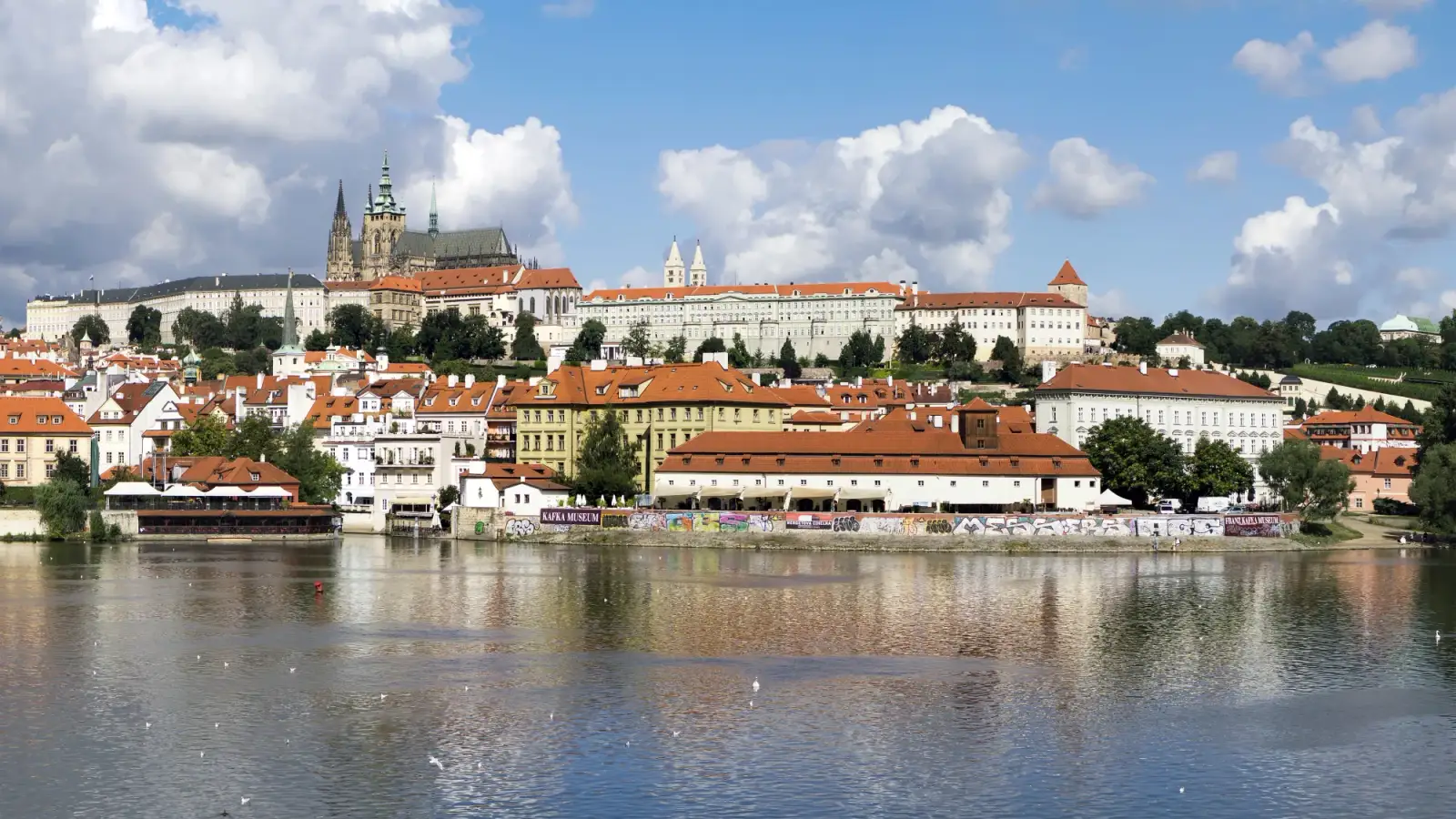
Czech Republic
Prague
Charles Bridge, castle and draft beer in Prague
Days Start with the basic programme and choose extensions for the time you have.
How the guide reaches this number
Anyone seeking peace on Old Town Square in July or light food will be disappointed, because the cooking centers on knedlík and pork. With just one day, cross the river on Charles Bridge at dawn and take tram 22 up to the castle to enter as soon as it opens. Walk down Nerudova to Malá Strana and have a polední menu on a side street for 160–230 Kč. In the afternoon, visit Josefov, except on Saturdays and Jewish holidays, when Jewish Museum sites close. On those dates, walk around the neighborhood outside and save the interiors for another day. Finish with a beer in Riegrovy sady, in Vinohrady, with the old town below. The letdown is the center between ten in the morning and dusk, when the square fills and prices are geared to tourists. The Orloj’s puppet procession is short and draws a crowd every hour, so see the clock early and move on.
3
When Mid-May to end of June, and all of September
How the guide reaches this number
The climate is continental, with about 530 mm of rain a year spread fairly evenly, and a sky that doesn't help much in the cold half of the year. Winter, December through February, brings highs of 0 to 4 °C, frequent lows below zero, darkness by 4:30pm, and snow that rarely lasts. December makes up for it with the Christmas markets and is the only high season of the cold months. Spring kicks in around April, and from mid-May to the end of June highs run 19 to 25 °C, with daylight until almost 9:30pm. It's the best window of the year, and the one I'd pick without a second thought. July and August bring 25 to 28 °C, short afternoon thunderstorms, no air conditioning in many of the old buildings, and the absolute crowd peak on Charles Bridge. September repeats June's temperatures with half the crowd, and it's the safest pick. The months I'd avoid are November and early March: gray, damp, leafless, festival-less, with barely more than two hours of sunshine a day on average.
Per person/day Budget 1,100–1,700 Kč; mid-range 2,500–4,000 Kč; comfortable from 6,000 Kč (approximate ranges for 2026)
How the guide reaches this number
Per person per day: accommodation, meals, urban transport, visits and a small allowance for extras. Flights excluded; larger purchases vary. Editorial estimate, not a quote.
 What Nilo thinks
Stay three days in Prague: the first in the Old Town and Josefov, the second at the castle and in Malá Strana, and the third in the New Town, Vyšehrad and the neighborhoods. Anyone seeking peace on Old Town Square in July or light food will be disappointed, because the cooking centers on knedlík and pork. With just one day, cross the river on Charles Bridge at dawn and take tram 22 up to the castle to enter as soon as it opens. Walk down Nerudova to Malá Strana and have a polední menu on a side street for 160–230 Kč. In the afternoon, visit Josefov, except on Saturdays and Jewish holidays, when Jewish Museum sites close. On those dates, walk around the neighborhood outside and save the interiors for another day. Finish with a beer in Riegrovy sady, in Vinohrady, with the old town below. The letdown is the center between ten in the morning and dusk, when the square fills and prices are geared to tourists. The Orloj’s puppet procession is short and draws a crowd every hour, so see the clock early and move on.Prague preserves much of its historic center despite Second World War damage, so a single Old Town street can take you from Gothic to Baroque to an Art Nouveau facade in just a few steps. The square holds the astronomical clock and the towers of the Church of Our Lady before Týn, while Gothic Charles Bridge crosses the Vltava to Malá Strana, with its terraced Baroque palaces. Above, the castle and St. Vitus Cathedral occupy the hill where the city began around 880. The food centers on knedlík and pork, and beer is ordered by degree, desítka or dvanáctka. To eat cheaply, order a chlebíček at a lahůdky counter or the polední menu at lunchtime; at night, leave the square for 19th-century neighborhoods such as Vinohrady and Karlín. Come between mid-May and late June or in September, and allow three days.
Quick facts
- Population
- about 1.4 million in the city (2026); about 2.7 million in the metropolitan area
- Founded
- Prague Castle around 880; New Town laid out by Charles IV in 1348; the four towns unified into one municipality in 1784
- Country and region
- Czech Republic (Czechia), historic region of Bohemia; self-governing municipality of 496 km², 22 administrative districts and 57 municipal parts
- Language
- Czech; English common downtown and among people under 45; German common in commerce, Russian and Ukrainian frequent
- Currency
- Czech koruna (Kč/CZK): not the euro, even though the country has been in the EU since May 1, 2004; about 25 Kč per euro
- Time zone
- CET (UTC+1); CEST daylight saving (UTC+2) from late March to late October
- Best time to visit
- Mid-May to end of June, and all of September
- Average daily cost
- Budget 1,100–1,700 Kč; mid-range 2,500–4,000 Kč; comfortable from 6,000 Kč (approximate ranges for 2026)
When to go
Mid-May to end of June, and all of September
January
-3° to 2°C
24 mm of rain
February
-2° to 4°C
22 mm of rain
March
0° to 9°C
31 mm of rain
April
4° to 15°C
27 mm of rain
July
14° to 25°C
70 mm of rain
August
14° to 25°C
65 mm of rain
October
5° to 13°C
34 mm of rain
November
2° to 7°C
31 mm of rain
December
-2° to 3°C
29 mm of rain
How the year changes

The climate is continental, with about 530 mm of rain a year spread fairly evenly, and a sky that doesn't help much in the cold half of the year. Winter, December through February, brings highs of 0 to 4 °C, frequent lows below zero, darkness by 4:30pm, and snow that rarely lasts. December makes up for it with the Christmas markets and is the only high season of the cold months. Spring kicks in around April, and from mid-May to the end of June highs run 19 to 25 °C, with daylight until almost 9:30pm. It's the best window of the year, and the one I'd pick without a second thought. July and August bring 25 to 28 °C, short afternoon thunderstorms, no air conditioning in many of the old buildings, and the absolute crowd peak on Charles Bridge. September repeats June's temperatures with half the crowd, and it's the safest pick. The months I'd avoid are November and early March: gray, damp, leafless, festival-less, with barely more than two hours of sunshine a day on average.
The same numbers as a table
| Month | Temperature °C | Rain mm |
|---|---|---|
| January | -3 to 2 | 24 |
| February | -2 to 4 | 22 |
| March | 0 to 9 | 31 |
| April | 4 to 15 | 27 |
| May · | 9 to 19 | 60 |
| June · | 12 to 23 | 71 |
| July | 14 to 25 | 70 |
| August | 14 to 25 | 65 |
| September · | 10 to 19 | 45 |
| October | 5 to 13 | 34 |
| November | 2 to 7 | 31 |
| December | -2 to 3 | 29 |
Nilo's tips
Cross Charles Bridge early to see the sculptures
Before 7am there are few people, and you can stop in front of the sculptures, like the 1683 St. John of Nepomuk, without being pushed along by the flow. After nine the bridge fills up, and you can only walk slowly through the groups.
Buy on the Lítačka app, or validate paper on board
Download Lítačka while still at the airport and buy your tickets there, cheaper than on paper and without hunting for a machine. If your printed ticket is not already validated, stamp it in the yellow machine only when first boarding. Plainclothes checks are frequent downtown, and the fine takes a bite out of your budget.
Go up to the castle on tram 22 and walk down
Tram 22 goes to the castle and is also the pickpockets' favorite. Ride with your backpack in front and get off at Pražský hrad, ideally in time to get in as soon as the complex opens.
Eat chlebíček standing 30–60 Kč, or menu until 2:30pm.
At the lahůdky, corner delicatessens, the chlebíček is sold by the piece for 30–60 Kč and eaten standing, facing the street. Say “dobrý den” on walking in, before looking at the display case, because the greeting comes before the order. If you'd rather sit, the polední menu is served from 11am to 2:30pm for 160–230 Kč, soup included: kulajda or česnečka. After 2:30pm the same dish goes back to menu price.
Look for “tanková” on the door: half a liter for 55–90 Kč
A “tanková” sign on the door means tank beer, and outside the tourist circuit half a liter costs well under the 100–140 Kč charged at the Old Town Square. For a half-liter lager, say “dvanáctka, velké.” Check the waiter's tally marks on the coaster before paying, and, to stop, cover your glass with it, with no need to say anything.
Plan Vyšehrad around the visit you choose
I would allow time for the climb, a break in the parks and the river view, then choose the interiors that fit the day. The basilica has its own hours, and the casemates depend on the scheduled tour. Buy through the operator’s channel and check the meeting point: the Infocentrum sells tickets, but the Kasematy ke Gorlici tour starts at Cihelná brána. If combining the hill with Náplavka, check the path; the 2026 works affect the passage on the Podolí side.
Explore the map

© OpenStreetMap · OpenFreeMap · © OpenMapTiles
Explore the map, read about the other places and plan your travel days in the app.
Open the appWhat to see
Prague: The narrow valley and the hills
Prague covers 496 km² in a basin eroded into the Bohemian plateau, between 177 m of altitude, where the Vltava leaves the city at Suchdol, and about 399 m, at the far west near Zličín. The Staré Město, the medieval core on the right bank, brings together the square, the Orloj, the Týn Church and the Klementinum, in winding streets over Romanesque cellars.

Prague Castle and St. Vitus Cathedral
A complex of about 70,000 m² founded around 880 and still the seat of the presidency; the cathedral was begun in 1344 by Matthias of Arras, continued by Peter Parler, and only finished in 1929. The south tower is 96.5 m tall with 287 steps, and St. Wenceslas Chapel is faced with over 1,300 semiprecious stones.
Go up by tram and walk down via Nerudova: the descent is free and shows the half the tram hides. Three hours inside the complex, and more if you go into the cathedral.
Check access
Charles Bridge
516 m long, about 10 m wide and with 16 arches, begun on July 9, 1357 and finished in the early 15th century. It was the only fixed link between the two banks until 1841. The sculptural ensemble mixes copies and originals; St. John of Nepomuk, from 1683, remains on the bridge, and some of the replaced sculptures are in the National Museum's lapidarium and at Gorlice, in Vyšehrad.
Crossing Charles Bridge takes twenty minutes and pays off early in the morning, before 7am, with no crowds. After nine, cross the Vltava by another bridge and come back to Charles Bridge late at night, when the tour groups are already gone.
Check access

Josefov: Old-New Synagogue and Old Jewish Cemetery
The Old-New Synagogue, from about 1270, is Europe's oldest Gothic synagogue still in use. In the cemetery next to it, used from 1439 to 1787, there are about 12,000 gravestones over up to twelve layers of burials, including that of Rabbi Löw, who died in 1609. Jewish Museum sites close on Saturdays and Jewish holidays; check the calendar before buying your ticket.
It's worth the top rating because it brings together, within a few steps, the Old-New Synagogue and the cemetery with up to twelve layers of burials. Set aside two or three hours in a row, and check which sites are included in the ticket you choose.
Check access

Pinkas Synagogue
The walls carry 77,297 names of Bohemian and Moravian Jews killed in the Holocaust, hand-painted between 1954 and 1959, erased by the regime in 1968, and restored after 1989. Upstairs are drawings by children from the Terezín camp.
The Pinkas Synagogue is a single room, with the 77,297 names of Jews from Bohemia and Moravia hand-painted on the walls, and, upstairs, the drawings by the children of Terezín. The visit takes half an hour and is included in the Jewish Museum's combined ticket.
Check access
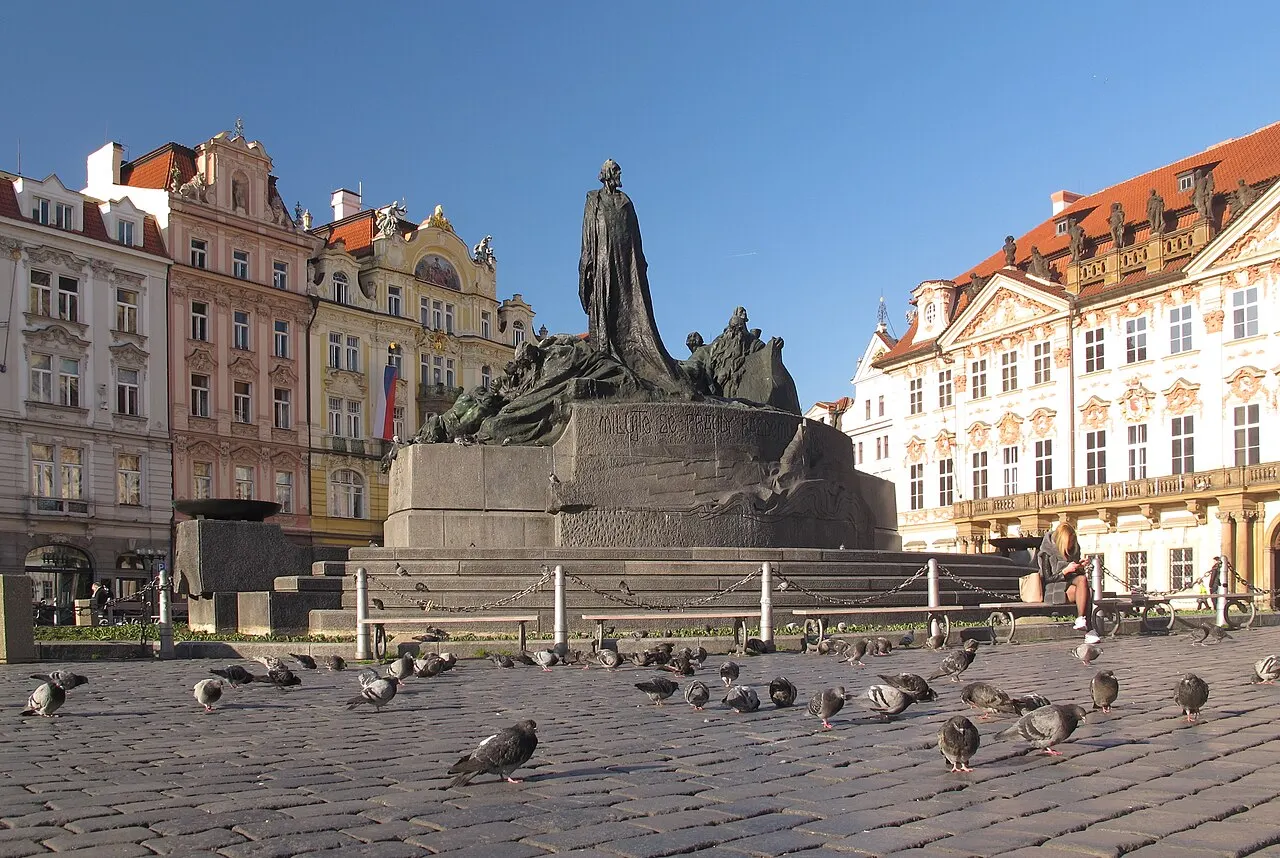
Old Town Square and the Orloj
The Old Town Hall's astronomical clock has run since 1410, making it the oldest still operating in the world; the calendar dial is by Josef Mánes, from 1866, and the apostles appear every hour on the hour, from 9am to 11pm. The square also holds the Church of Our Lady before Týn, with 80 m towers, the Jan Hus monument unveiled in 1915, and the 27 crosses marking the 1621 executions.
The Orloj has been running since 1410, but the procession of figures it performs on the hour lasts less than a minute, in front of an applauding crowd. From ten until dusk the square is all lines and tourist prices: watch the first procession of the day, at 9am, while there are still few people.
Check access
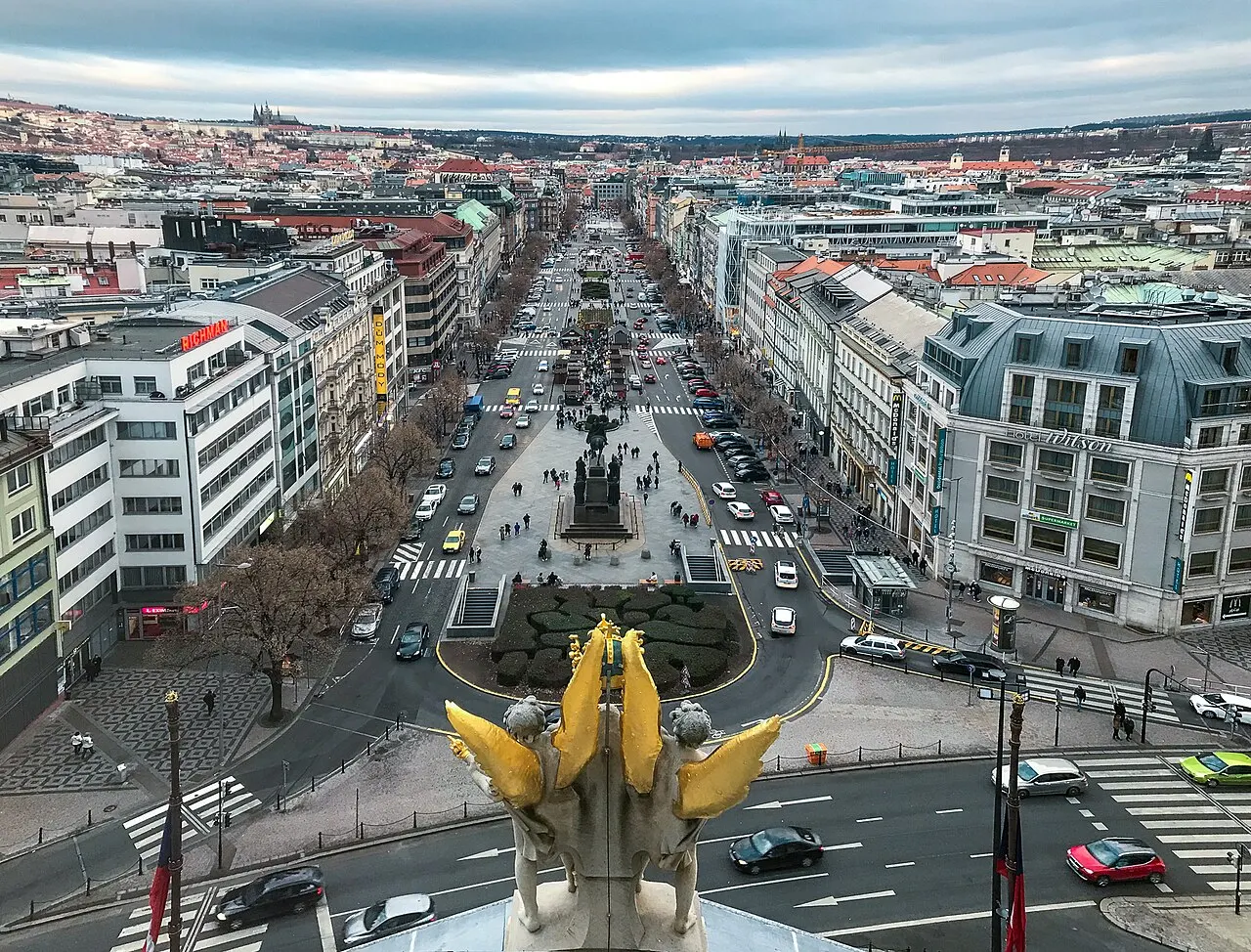
Wenceslas Square and the National Museum
Not a square but a 750 m by 60 m boulevard, once the city's 1348 horse market, with the 1912 statue of St. Wenceslas by Josef Václav Myslbek at the top. It was the stage for 1968, for Jan Palach's act in 1969, and for the crowds of November 1989; the National Museum, from 1891, reopened in 2018 after seven years of work.
Check access

Vyšehrad
Vyšehrad brings together fortifications, parks and views of the Vltava on the right bank. The Basilica of Sts. Peter and Paul and Vyšehrad Cemetery, which includes the collective Slavín tomb, are separate visits within the complex.
Since July 2026, tickets for NKP Vyšehrad guided tours have been sold online or at the Infocentrum, at V Pevnosti 163/2, near Leopold Gate. The ticket outlet at Cihelná brána closed to the public, but the Kasematy ke Gorlici tour still starts at that gate. Check the meeting point for the tour you bought; it may differ from the ticket office.
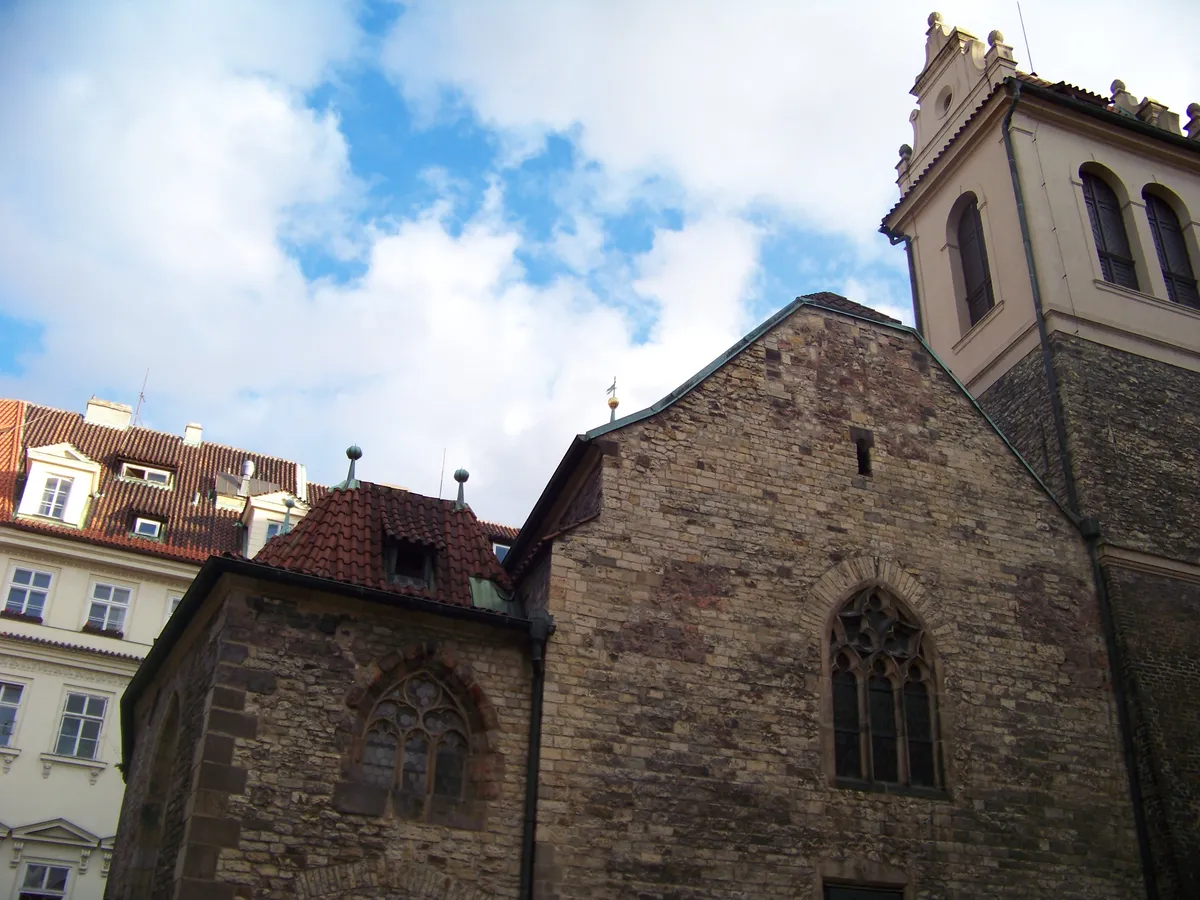
The basilica has its own admission and opening hours; tourist visits pause during religious ceremonies and concerts. Check specific openings for St. Martin’s Rotunda and St. Lawrence’s Basilica: the extended visits announced in 2026 were concentrated in July and August.
If approaching from Podolí, check the diversion before going uphill. The operator announced the closure of the passage beside U Podolského sanatoria for works scheduled through the end of 2026. This restriction concerns that passage; plan another approach to the hill and follow local signs.
Worth visiting for its parks, Vltava views and the basilica and cemetery ensemble. To enter the basilica or casemates, choose a visit and check its hours and meeting point.
Check access

Municipal House and the House of the Black Madonna
The Municipal House (Obecní dům), from 1912, is the city's most complete Art Nouveau building, with the Smetana Hall, mosaics by Karel Špillar and a hall decorated by Alfons Mucha; Czech independence was declared there in 1918. At the next corner, the House of the Black Madonna, by Josef Gočár, 1912, is the landmark of architectural Cubism, a style that exists almost nowhere else but Prague.
It's worth it for the comparison of styles: the Municipal House is Prague's most complete Art Nouveau building, and the House of the Black Madonna, just a few steps away, was built in the same year, 1912, in Czech Cubism. See both on the same walk through the Old Town, facade by facade.
Check access

Strahov Library and the Loreta
In the Strahov Premonstratensian monastery, the Theological Hall of 1679 and the Philosophical Hall of 1794 hold about 200,000 volumes; you can only get to the doorway, without stepping onto the original floor. A few steps away, the Loreta displays the monstrance known as the Sun of Prague, from 1699, set with 6,222 diamonds, and has a 27-bell carillon that plays every hour.
With the ticket, you see the Theological Hall, from 1679, and the Philosophical Hall, from 1794, only from the doorway, without stepping onto the original floor. It's worth it for anyone already in Hradčany, not as a reason to climb the hill.
Check access
Nilo’s itinerary
Start with the basic programme and choose extensions for the time you have.
Plan my days in the app ↗Day 1 · Old Town, Josefov and the river
Arrive at the Old Town Square before 9am, watch the Orloj's first apostle procession, the 9am one, while there are still few people, and go into the Týn Church when it opens.
Explore Josefov with a ticket that includes your chosen sites: the Old-New Synagogue, Old Cemetery, Pinkas with its 77,297 names and the Spanish Synagogue. The Jewish Museum closes on Saturdays and Jewish holidays; on those dates, walk through the neighborhood outside and save the visits for another day.
Have a polední menu lunch at a hospoda on a side street, away from the square, for 160–230 Kč.
Cross the Vltava to Kampa by a bridge other than Charles Bridge, crowded at this hour, see the Lennon Wall, and head back along the riverside in the late afternoon. Leave Charles Bridge for the next morning, before 7am, on the way to the castle.
Have dinner in Karlín or on Dlouhá street and finish at a beer hall with a “tanková” sign.
Day 2 · The castle, Malá Strana and Petřín
Cross Charles Bridge before 7am, while there are still few people, and from Malá Strana ride tram 22 up to Pražský hrad to go into the complex as soon as it opens, with St. Vitus Cathedral and Golden Lane on the short circuit.
Walk down Nerudova street to Malá Strana, stopping at the Baroque church of St. Nicholas.
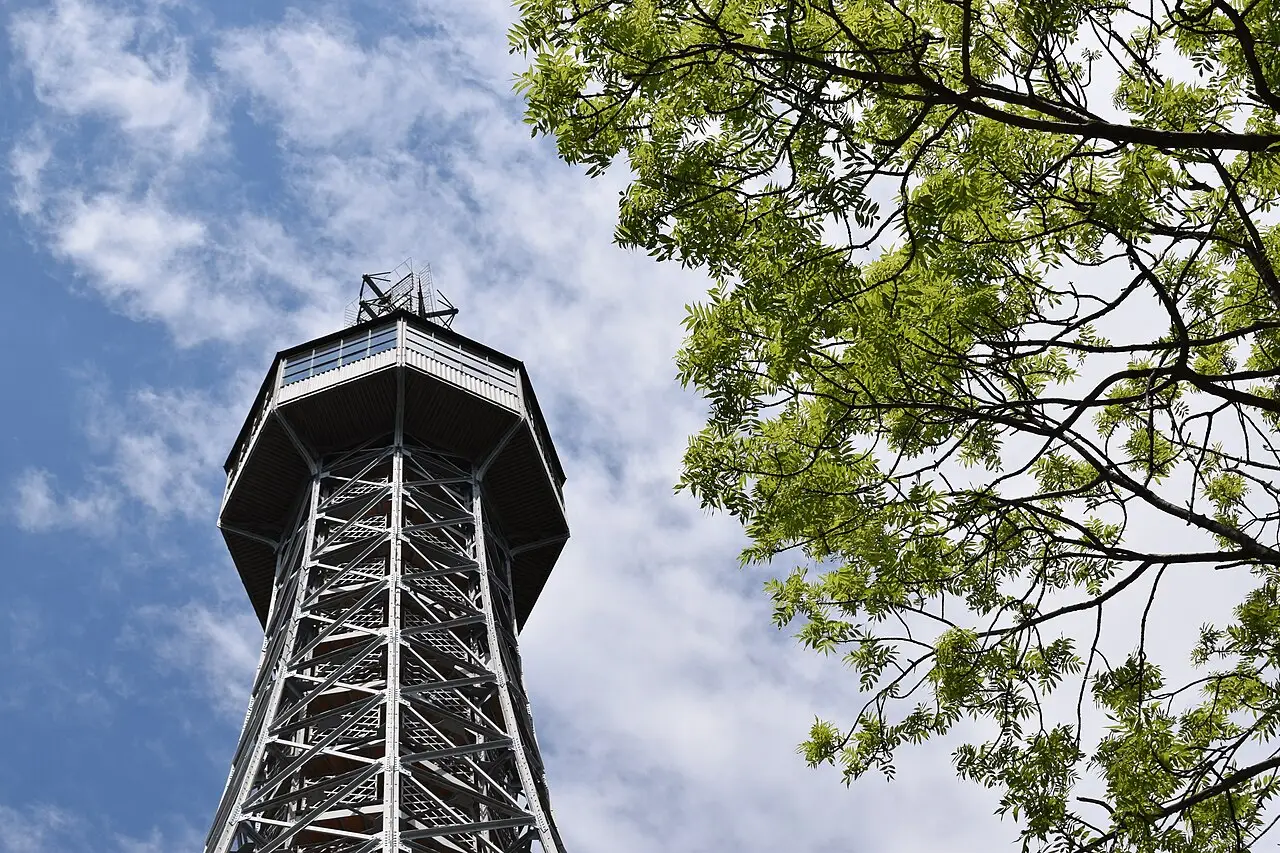
Have lunch around Újezd and take the funicular up to Petřín, with its own ticket or a 24- or 72-hour pass. At the top, climb the 299 steps of the 1891 tower for the view of both sides of the river.
Go from Strahov to the Loreta along the high path, see the library's Philosophical Hall, and listen to the carillon on the hour.
Head down at sunset to Letná park, with the metronome standing where Stalin's statue used to be, and stay at the beer garden.
Day 3 · New Town, Cubism and the neighborhoods
Start at Wenceslas Square: the Jan Palach memorial on the sidewalk, the statue of St. Wenceslas, and the National Museum, reopened in 2018.
See the Municipal House and, on the corner, the House of the Black Madonna.
Walk along the riverside to the Dancing House, by Frank Gehry and Vlado Milunić, from 1996, and follow the Náplavka: on Saturday mornings there's a farmers market along the embankment.
Go up to Vyšehrad to walk through the parks, see the Basilica of Sts. Peter and Paul from outside and visit Vyšehrad Cemetery, which includes Slavín. Allow time for the climb and a break. If you want to enter the basilica or take a casemate tour, check admission, hours and the meeting point before fitting in the interiors. In 2026, the passage beside U Podolského sanatoria is closed for works; check another approach if coming from Podolí.
Finish in Vinohrady or Žižkov, with a neighborhood dinner, a beer garden at Riegrovy sady, and the view of the 216 m TV Tower.


Food
 AI illustration
Chlebíček
An open-faced sandwich on a slice of bread with potato salad, topped with ham, egg, salami or fish salad, created at Jan Paukert's delicatessen on Národní around 1916. Bought by the piece at any lahůdky, costs 30–60 Kč, and is eaten standing at the counter.
 AI illustration
Svíčková na smetaně
Roast beef sirloin in a strained root-vegetable cream sauce, served with bread knedlíky, a spoonful of cranberry preserve and a bit of whipped cream. It's the country's Sunday dish and shows up on nearly every lunch menu, for 220–350 Kč.
 AI illustration
Vepřo-knedlo-zelo
Roast pork loin, knedlíky and sauerkraut, usually in Bohemia's white, slightly sweet version. Order it with a pale desítka; it's the most common dish at neighborhood hospody.
 AI illustration
Guláš
The Czech version of the Hungarian stew: darker, less spicy, cooked with onion and sometimes dark beer, served with knedlíky or bread. Beer-hall guláš usually runs 200–300 Kč.
 AI illustration
Smažený sýr
A thick slice of edam or hermelín cheese, breaded and fried, served with fries and tartar sauce; it's the standard bar food and the vegetarian option at a traditional hospoda. Also sold in a bun as street food, for around 100 Kč.
 AI illustration
Kulajda and česnečka
Two everyday soups: kulajda has potato, mushrooms, dill, sour cream and a poached egg; česnečka is garlic broth with fried bread and cheese, said to cure everything. Both show up on the polední menu, the set lunch served from 11am to 2:30pm.
 AI illustration
Czech beer
The country has the highest per-capita beer consumption in the world, over 125 liters a year. Beer is ordered by degree, which measures the extract of the wort before fermentation: desítka (10°) is lighter, dvanáctka (12°) is the standard lager. “Tanková” indicates beer served from a tank; “nefiltrované” means unfiltered. These are different characteristics, and neither word should be used as a synonym for the other. Half a liter starts at 55 Kč away from the tourist circuit.
 AI illustration
Becherovka, slivovice and Kofola
Becherovka is an herbal liqueur from Karlovy Vary, made since 1807 and drunk chilled as a digestif; slivovice is plum brandy, often homemade. Kofola, a soft drink created in 1960 as the socialist substitute for cola, still outsells the competition in many bars.
Day trips
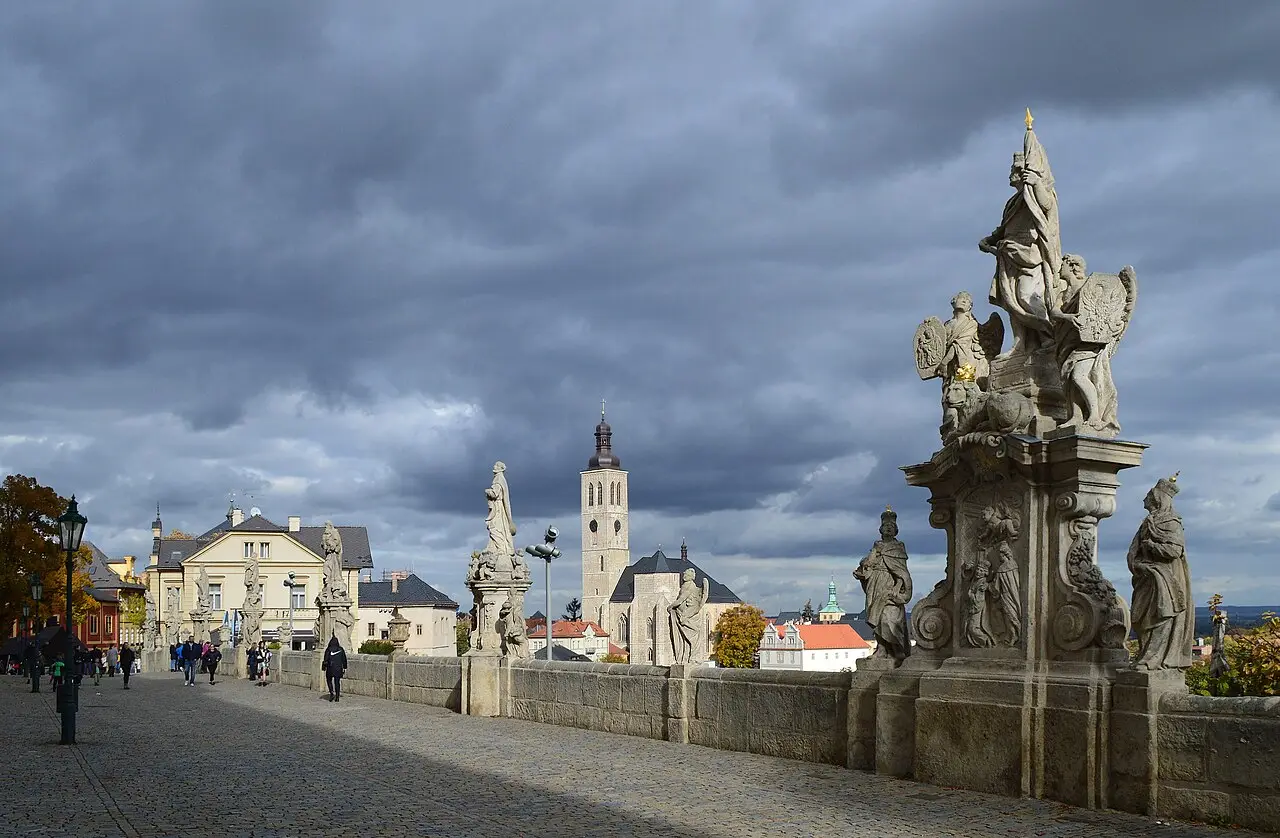
Kutná Hora
70 km east, about an hour by train from Prague's central station; a medieval silver city on the UNESCO list, with the Gothic Cathedral of St. Barbara and the Sedlec Ossuary, decorated with the bones of about 40,000 people. A full day is enough, but the ossuary and cathedral are about 2.5 km apart, more than half an hour on foot each way.

Karlštejn
30 km southwest; forty minutes by regional train (from Smíchov or the central station) plus a 25-minute uphill walk; a castle founded by Charles IV in 1348 to guard the imperial crown jewels. The Chapel of the Holy Cross is only included in the guided-tour package, and spots are limited.

Terezín
60 km north, about an hour by bus from the Nádraží Holešovice bus station; an 18th-century fortress used by the Nazis as a transit ghetto and a Gestapo prison. Visiting the Small Fortress, the Ghetto Museum and the crematorium takes four to five hours.
Where to begin
Old Town, Josefov and the river
Arrive at the Old Town Square before 9am, watch the Orloj's first apostle procession, the 9am one, while there are still few people, and go into the Týn Church when it opens.
The castle, Malá Strana and Petřín
Cross Charles Bridge before 7am, while there are still few people, and from Malá Strana ride tram 22 up to Pražský hrad to go into the complex as soon as it opens, with St. Vitus Cathedral and Golden Lane on the short circuit.
New Town, Cubism and the neighborhoods
Start at Wenceslas Square: the Jan Palach memorial on the sidewalk, the statue of St. Wenceslas, and the National Museum, reopened in 2018.
Money
Here you pay in Czech crowns (Kč), a different currency from the euro, and it's easy to get this math wrong at first: about 25 Kč per euro and 21–22 Kč per dollar in 2026, approximate rates. Contactless cards are accepted almost everywhere, including trams and market stalls, but it's worth carrying 500–1,000 Kč in cash for old-school hospody and public restrooms, which charge 10–20 Kč, and the restroom is the worst place to find that out. Withdraw cash at a bank machine (ČSOB, Komerční banka, Česká spořitelna, Raiffeisen) and always decline the conversion offered on screen: accepting dynamic currency conversion costs 5% to 12% more. Street exchange offices with a “0% commission” sign usually work with a bad exchange rate. Under Czech law, you have the right to cancel the transaction within three hours, within a limit equivalent to a thousand euros. The ranges for 2026: espresso 60–95 Kč; half a liter of pale draft beer, 55 to 140 Kč, pricier the closer you are to the Old Town Square; polední menu, the executive lunch, 160–230 Kč; dinner with a drink 400–700 Kč per person; hostel bed 500–900 Kč; three-star hotel 2,200–3,800 Kč a night. Lodging carries the municipal tax of 50 Kč per person per night (the Prague 1 district proposes raising it, but the amount stayed at 50 Kč in 2026). The tip is 5% to 10% and isn't left on the table: tell the waiter the total you want to pay when handing over the card or the cash.
Getting there and around
Airport to center: trolleybus and metro or Airport Express
Václav Havel Airport (PRG) sits in Ruzyně, 17 km west of the center, with no rail link. The rail spur is planned for the early 2030s. For now, everyone leaves by bus, and it's worth knowing that before you go looking for a platform that doesn't exist. Options: trolleybus 59 to Nádraží Veleslavín, on metro line A, in about 17 minutes; bus 100 to Zličín, on line B; and the Airport Express, which goes straight to the central station (Praha hlavní nádraží) in 40–50 minutes and is a separate fare, 200 Kč. A taxi to the center runs 600–800 Kč; Bolt and Uber operate from a designated pickup area. By train, Prague connects to Berlin in about 4 hours, Vienna in 4 hours, Dresden in 2 hours 15 minutes, and Brno in 2 hours 30 minutes, departing from Hlavní nádraží or Holešovice. Long-distance buses leave from Florenc.
PID: timed tickets and separate funicular rules
The PID network integrates metro, tram, bus and urban rail. The Petřín funicular is an exception: 30- and 90-minute tickets are not valid on it. Use a valid 24- or 72-hour pass, a season ticket covered by the rule or a dedicated ticket, costing 100 Kč on paper or 90 Kč in the Lítačka app. The metro has three lines (A green, B yellow, C red) 61 stations and about 65 km, runs from 5am to midnight, and is quite deep: Náměstí Míru is 53 m deep, with an 87 m escalator that feels more like a ride than a staircase. Line D is still under construction, with no firm date. Trams cover about 140 km and are the most useful transport downtown, especially the 22, which climbs up to the castle. At night, trams 91 to 99 run every 30 minutes, all crossing the Lazarská stop. Since January 1, 2026, a 30-minute ticket costs 36 Kč through the Lítačka app or 39 Kč on paper, and a 90-minute ticket costs 46 Kč in the app or 50 Kč on paper. There are 24-hour passes (140/150 Kč) and 72-hour passes (340 Kč in the app or 350 Kč on paper). At machines that accept cards, you can buy a ticket with contactless payment; follow the validation instructions on the receipt. A paper ticket that is not already validated must be stamped in the yellow machine on the first ride, just once: stamping it again out of excess caution would be worse. Plainclothes inspectors check tickets often on the central lines, and the fine runs above 1,500 Kč (rate adjusted in 2026). The center is walkable end to end in 40 minutes, but with slopes and cobblestones. Biking barely pays off in the old core and pays off a lot on the riverside bike paths.
Safety
Prague ranks among Europe’s safest capitals, and violent crime against visitors is rare: theft and inflated bills are the issues travelers face. Pickpockets work tram 22, metro line A, Charles Bridge, Old Town Square and the Christmas market crowds, almost always in pairs and when people board, so move your backpack to the front when squeezing through the doorway. The classic scams are street currency exchanges with hidden fees, dynamic card conversion, taxis with rigged meters and nightclubs around Wenceslas Square that charge bills of thousands of korunas. Never follow a promoter who approaches you on the street offering free entry, however friendly they seem. On Friday and Saturday nights, Dlouhá Street and Wenceslas Square attract drunken bachelor parties, with plenty of noise and little risk. Tap water is safe to drink throughout the city, the general emergency number is 112 and the police number is 158. EU citizens use the European Health Insurance Card; everyone else pays for private care on the spot. Cannabis legislation changed in January 2026, with age and quantity limits for personal possession. This does not permit recreational sales: do not take storefronts advertising “legal” products as proof that you can buy or consume them anywhere. Check the official rules before acting.
Etiquette tips
Say “dobrý den” on entering
When entering a shop, bakery, doctor’s office, elevator or train car, greet everyone with “dobrý den,” even without looking at anyone, and say “na shledanou” when leaving. Walking in silently is considered rude.
Hospoda: the coaster signals your beer order
At the hospoda, sitting down and leaving the tácek, the paper coaster, in view means you want beer; the server brings one and marks the paper with a line each round. To decline another round, flip the coaster over your glass or say “už ne, děkuji”; to pay, call out “zaplatím, prosím.”
Toast with your eyes
When saying “na zdraví,” clink your glass against each person's while looking them in the eye, without crossing arms with your neighbor, and tap the base of the glass on the table before the first sip. Toasting with water or an empty glass is considered bad luck.
Take your shoes off indoors
A guest entering a Czech apartment takes their shoes off at the door without waiting to be asked; many homes offer slippers. This also applies to many doctor's offices and some mountain guesthouses.
Give up your seat on the tram
The seats near the door are reserved for the elderly, pregnant women and people with disabilities, and the social pressure to comply is immediate. On the metro's escalators, stand on the right and leave the left side clear.
Order beer by degree
Order beer as desítka or dvanáctka and specify the size, velké (0.5 l) or malé (0.3 l), rather than asking for “a Czech beer.” Asking for a smaller head is fine, but a tall head of foam is part of the product.
Mistakes to avoid
Changing money on Wenceslas Square
Changing money at the exchange booths on Wenceslas Square and the streets around Charles Bridge, or accepting the conversion to reais or euros offered by the card reader and the ATM. Both cost 5% to 12% of the amount, and the second comes disguised as a courtesy: the screen asks if you'd prefer your own currency, and the right answer is no.
Buying trdelník as a traditional Czech sweet
Buying trdelník thinking it's a traditional Czech sweet. It's a recent import sold almost only to tourists, and the local equivalent is větrník, medovník or bakery koláče: none of which turns on a charcoal spit on the sidewalk.
Getting into a parked taxi without agreeing on a price
Getting into a taxi parked on Wenceslas Square or by the bridge without agreeing on a price first. Use Bolt, Uber, Liftago, or ask the restaurant to call a radio taxi.
The menu illustrated in five languages
Sitting down at a restaurant with an illustrated menu and a sign in five languages on Old Town Square, and paying three times the normal price. In Vinohrady, Žižkov or Karlín, three tram stops away, the bill drops by half.
Forgetting the yellow validating machine
Forgetting to validate a paper ticket in the yellow machine on the first ride, or boarding the tram without a ticket thinking no one checks. Inspectors are plainclothes and show a badge on board, almost always between two stops, once there's nowhere left to go.
Useful phrases
Dobrý den
Good day: the standard greeting on entering any place (dôbri den)
Děkuji, prosím
Thank you; please: “prosím” also works for “here you go” and “you're welcome” (diêcuji, prossim)
Jedno pivo, prosím
One beer, please (iedno pivo, prossim)
Zaplatím, prosím
I'll pay, please: how you ask for the bill (zaplatiim, prossim)
Na zdraví
Cheers: said looking each other in the eye (na zdraví)
Promiňte, nemluvím česky
Sorry, I don't speak Czech (prominhte, nemluvim tchesqui)
Districts
Staré Město (Old Town)
The medieval core on the right bank, with the square, the Orloj, the Church of Our Lady before Týn and the Klementinum, all along curving streets over Romanesque basements. It's where the day's biggest crowds gather, and where restaurant prices stop having any relation to the rest of the city.
Malá Strana and Hradčany
The left bank, in terraces between the river and the castle: Baroque palaces, walled gardens, embassies and the church of St. Nicholas. Hradčany, up top, is the castle district, home to the Loreta and Strahov, and empties out after six in the evening.
Josefov
Prague's historic Jewish quarter, today the core of the Jewish Museum, tucked against Staré Město.
Nové Město (New Town)
Founded in 1348 and nothing new: it's the Prague of commerce, offices, cinemas and Wenceslas Square, plus the National Theatre and the Dancing House. Concentrates chain hotels, currency exchange booths and the loudest nightlife.
Vinohrady
A late 19th-century residential district around Náměstí Míru, with tree-lined streets, cafés, neighborhood restaurants and Riegrovy sady park, whose beer garden looks out over the old town. It's the go-to area for expats and for anyone who wants to sleep away from the center without leaving the metro.
Žižkov
Former working-class district famous for its density of pubs and for the 216 m TV Tower with David Černý's crawling babies on its pylons. On Vítkov hill stands the equestrian statue of Jan Žižka, one of the largest bronze statues in the world, at 9 m tall.
Karlín
A 19th-century industrial district wrecked by the 2002 flood and rebuilt since then as an office, restaurant and Forum Karlín area. Has the densest concentration of new food businesses and the repurposed barracks of Kasárna Karlín.
Holešovice
A bend in the river to the north, with the Trade Fair Palace, home of the National Gallery's modern art, the DOX center, Vnitroblock market and Letná park. It's the district of converted warehouses, and from it you can walk to the Letná metronome, on the spot where a statue of Stalin stood from 1955 to 1962.
History
c. 880 · Bořivoj founds the castle
The Přemyslid prince Bořivoj I moves his seat from Levý Hradec to the spur above the Vltava and builds the church of the Virgin Mary there. Vyšehrad, atop the opposite bank, appears in the 10th century and becomes a royal residence for a few decades.

c. 965 · Ibrahim ibn Yaqub's account
Ibrahim ibn Yaqub, a Jewish traveller from al-Andalus, described Prague as a city of stone and lime and an important market. His account offers an early description of the city and trade in the region. The journey’s date is debated: proposals include 961–962 and 965–966; around 965 is an approximate reference.

1231–1234 · Old Town walls
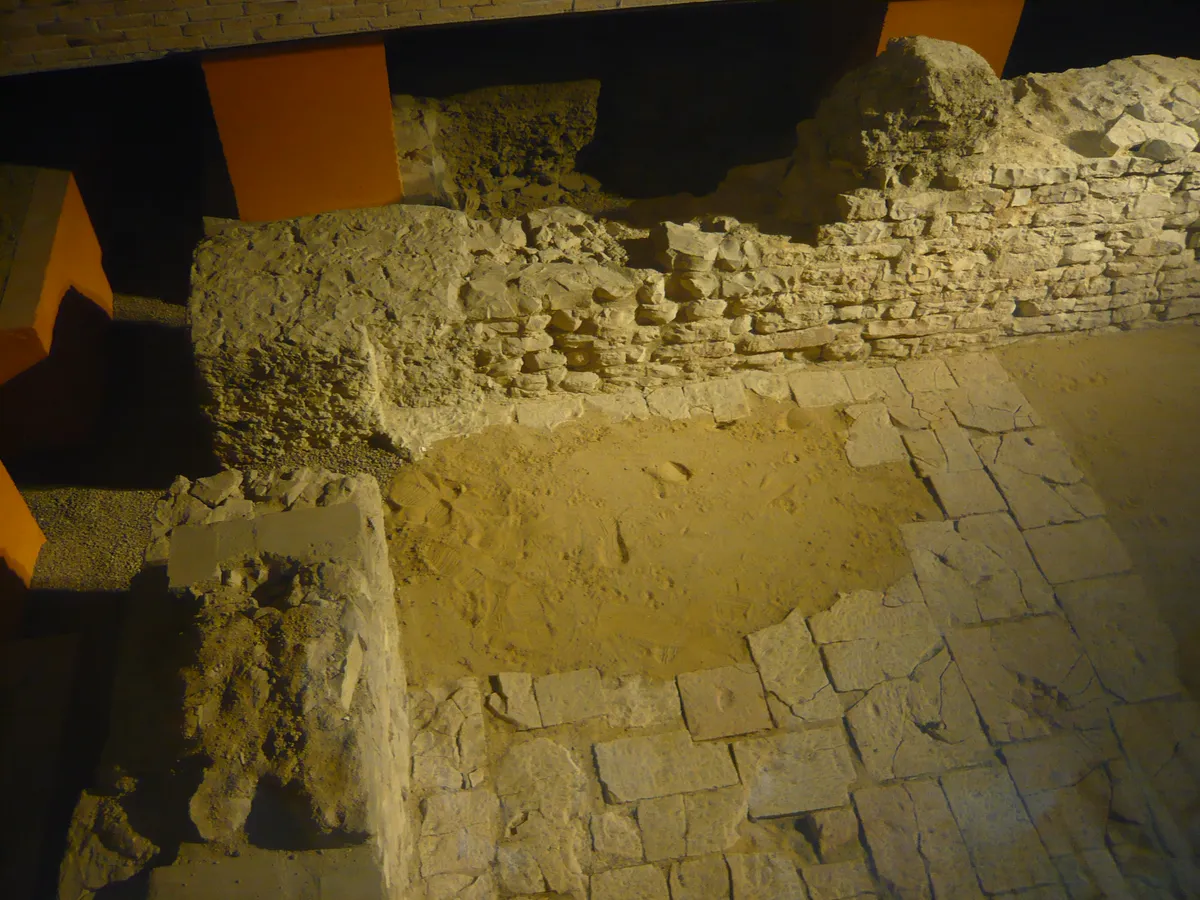
Wenceslaus I encircles Staré Město with about 1,700 m of wall and thirteen towers. To escape flooding, street level is raised by up to 3 m: the Romanesque ground floor of dozens of houses becomes the basement still visited today.

1346–1378 · Charles IV makes Prague an imperial capital
King of Bohemia since 1346, Charles IV founds the university on April 7, 1348, the first north of the Alps and east of Paris, lays out the New Town over about 3.5 km², and sets the first stone of Charles Bridge on July 9, 1357. The city passes 40,000 inhabitants.
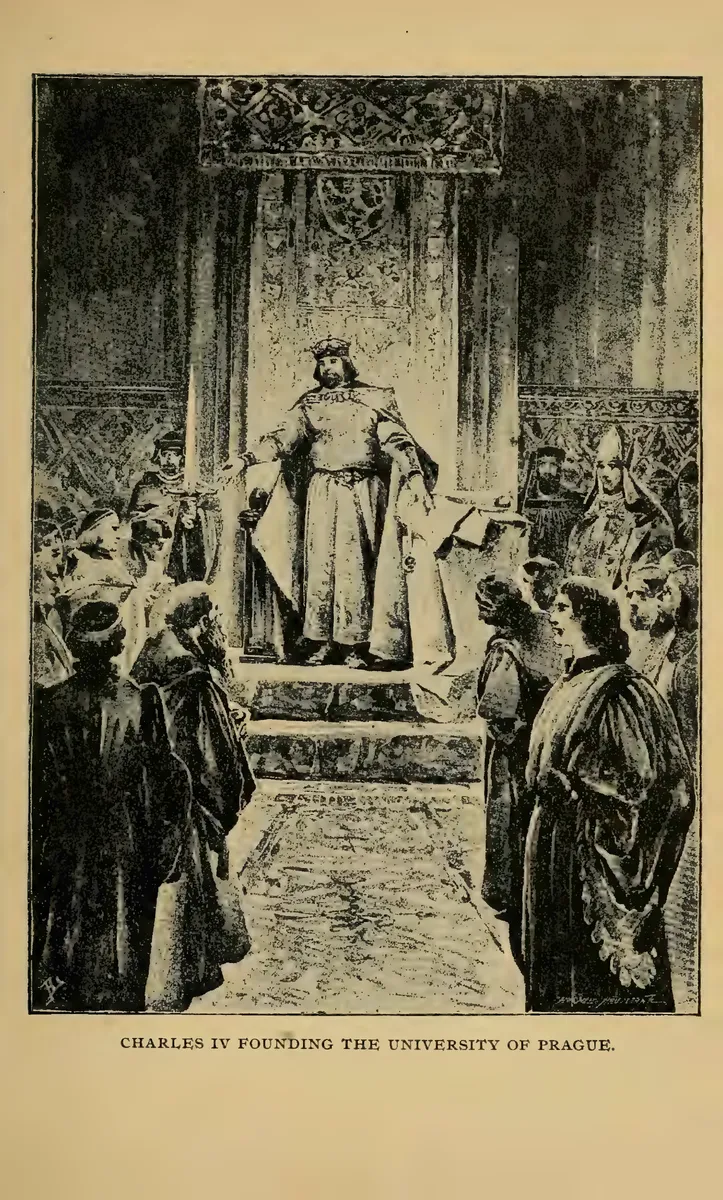
1419–1434 · Hussite Revolution
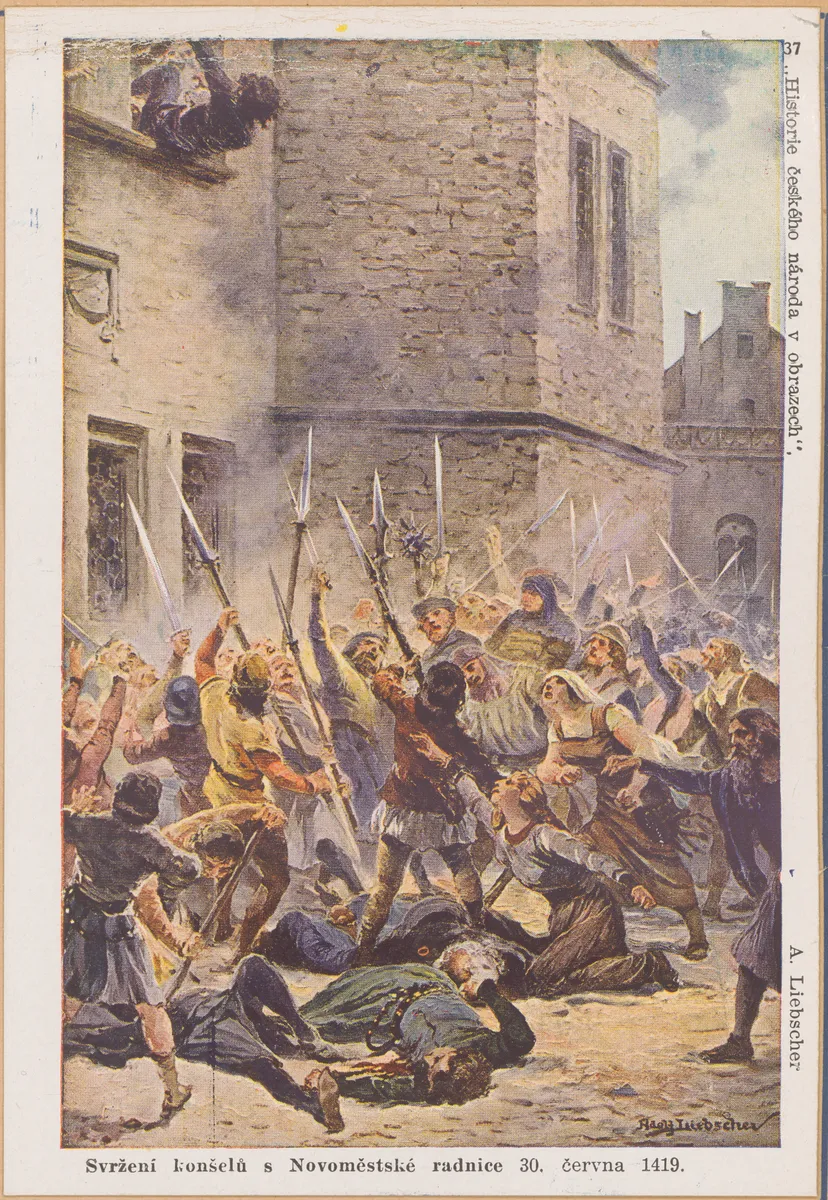
On July 30, 1419, Catholic councilors are thrown out the window of the New Town Hall, the first Defenestration of Prague. Fifteen years of religious war follow, isolating Bohemia and halting work on the cathedral for nearly five centuries.

1583–1612 · Rudolf II's court
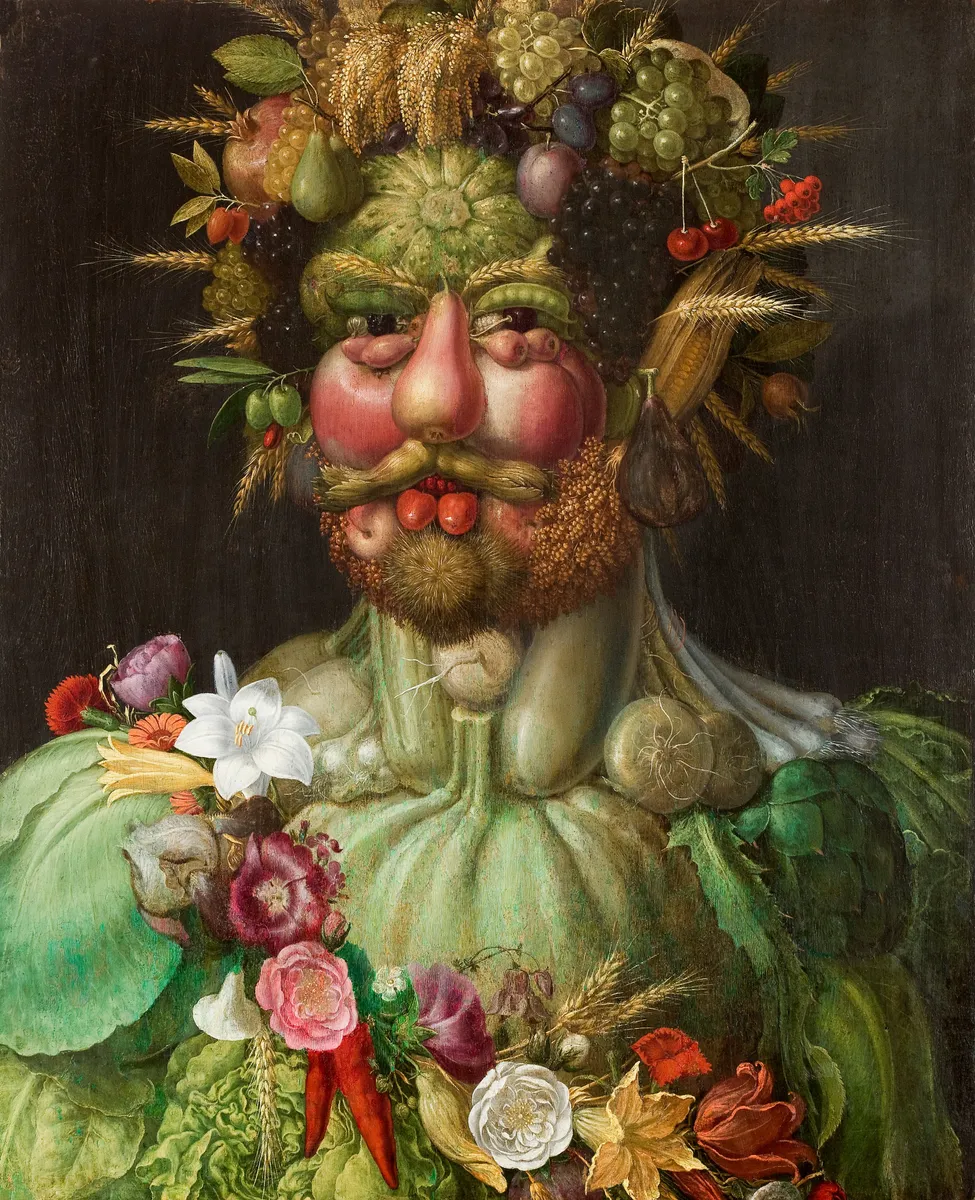
Emperor Rudolf II moves the Habsburg court from Vienna to Prague Castle and gathers there Tycho Brahe, Johannes Kepler, Mannerist painters, alchemists and an encyclopedic collection. Kepler publishes the first two laws of planetary motion in Prague in 1609.

1618–1621 · Third defenestration and White Mountain
On May 23, 1618, two governors and a secretary are thrown out a castle window, about 16 m up, and survive the fall; the Thirty Years' War begins. After the Protestant defeat at White Mountain on November 8, 1620, 27 leaders are executed in Old Town Square on June 21, 1621. The 27 crosses in the pavement mark the spot.


1784–1848 · In 1784, four cities become one; Czech is reborn afterward
Joseph II merges Staré Město, Nové Město, Malá Strana and Hradčany into a single municipality in 1784 and closes dozens of monasteries. The National Revival lifts the Czech language out of rural speech: the National Museum is founded in 1818 and the National Theatre, funded by public subscription, opens in 1881.


1893–1913 · Demolition of the ghetto
The asanace tears down nearly all of Josefov, then the city's most unhealthy quarter, and replaces it with Art Nouveau buildings along Pařížská avenue. Six synagogues survive, along with the Jewish town hall and the Old Cemetery, with about 12,000 gravestones stacked in up to twelve layers.

1918–1945 · Republic, occupation, uprising
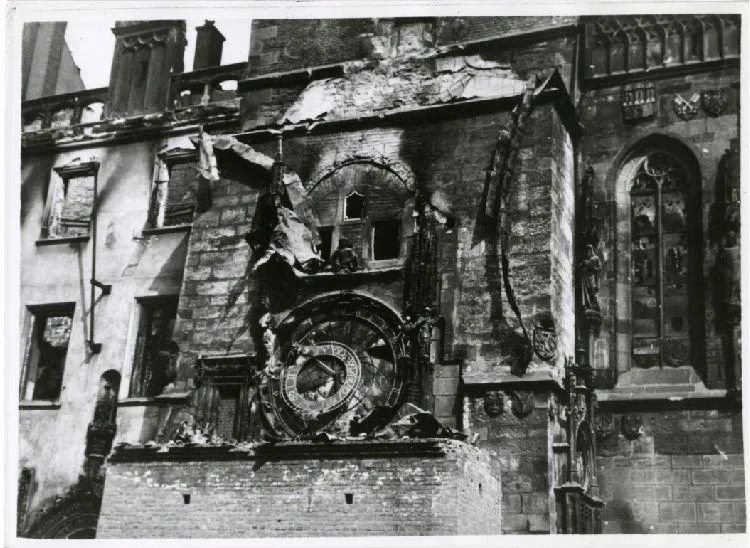
Czechoslovakia is proclaimed on October 28, 1918, with Tomáš Garrigue Masaryk as president; the Wehrmacht enters on March 15, 1939. Reinhard Heydrich is attacked on May 27, 1942, and the paratroopers die in the crypt of the church on Resslova street on June 18; the Prague Uprising, from May 5 to 9, 1945, sets fire to the east wing of the Old Town Hall.
1968–1989 · Prague Spring and Velvet Revolution
Warsaw Pact tanks occupy the city on August 21, 1968, and Jan Palach sets himself on fire at the top of Wenceslas Square on January 16, 1969. On November 17, 1989, police beat students on Národní třída; six weeks later, on December 29, Václav Havel is elected president.

Complete history
A checkpoint over a river crossing
Prague began as a checkpoint over a river crossing. The Vltava runs through a schist valley, and right where Charles Bridge now stands, it was fordable; Hradčany hill commands the ford, and Vyšehrad commands the stretch after it. Around 880, Bořivoj I built a castle on the northern spur, and by the 10th century the trade route between Regensburg, Kraków and Kyiv already passed through there: in 965 the traveler Ibrahim ibn Yaqub described a trading post of stone and lime, full of merchants. Staré Město got its walls between 1231 and 1234, and the flood threat was solved the bluntest way possible: raising the streets by up to 3 m, which pushed the Romanesque ground floor underground. The leap came with Charles IV, king of Bohemia and emperor: between 1346 and 1378 he made the city the seat of an empire, with a university in 1348, a New Town planned that same year with avenues up to 60 m wide, St. Vitus Cathedral begun in 1344, and the stone bridge laid in 1357.
The execution of Jan Hus (1415) sparks 15 years of Hussite war
The 15th century brought the Hussite War. Jan Hus's execution in Constance in 1415 produced Europe's first religious revolution, and the 1419 defenestration opened fifteen years of Hussite war that wrecked the city's finances and halted the cathedral's construction until 1873. Recovery came with the Habsburgs, and above all with Rudolf II, who between 1583 and 1612 brought the imperial court back and with it Tycho Brahe, Kepler, goldsmiths, astrologers and alchemists. The brilliance was short-lived: in 1618 the third defenestration lit the fuse of the Thirty Years' War, the defeat at White Mountain in 1620 wiped out the Protestant Bohemian nobility, and the 27 executions of 1621 ended the kingdom's autonomy. What followed visually explains today's city. A century and a half of Catholic Baroque built by Austrian and Italian families over the existing Gothic: St. Nicholas in Malá Strana, the Vrtba and Wallenstein palaces, the bridge statues, the Loreta.
Trilingual and unequal in the 19th century
In the 19th century Prague was a trilingual, unequal city, with a Czech-speaking majority arriving from the countryside, a German-speaking elite, and a Jewish community confined to Josefov since the Middle Ages. The National Revival gave the Czech language its own institutions (museum, theater, newspapers, sokols) and industrialization filled Karlín, Smíchov and Žižkov with factories and tenements. Between 1893 and 1913 city hall demolished a large proportion of the buildings in the old ghetto in the name of sanitation, replacing it with Art Nouveau blocks; it was in that world, among three languages and two overlapping cities, that Franz Kafka (1883), Rainer Maria Rilke (1875) and Jaroslav Hašek (1883) were born. On October 28, 1918, Czechoslovakia was proclaimed and Prague became the capital of a democratic, industrial state, with architectural Cubism and Functionalism as its own styles: twenty years that ended with the Munich Agreement in September 1938.
The occupation destroyed the Jewish layer
The German occupation began on March 15, 1939, and destroyed Jewish life in the city: of the roughly 55,000 Jews of Prague in 1939, most were deported via Terezín, and the 77,297 names hand-painted on the walls of the Pinkas Synagogue count the dead of Bohemia and Moravia. The attack on Heydrich in May 1942 brought martial law, the Lidice massacre on June 10, and the siege of the crypt at Resslova church on June 18. The bombing of February 14, 1945 hit neighborhoods south of the medieval core, and the May uprising left the Old Town Hall burned. The communist coup of February 1948 sealed the country; the Prague Spring of 1968 lasted until August 21, when half a million Warsaw Pact soldiers entered the country; the normalization that followed kept the center frozen and unmaintained for twenty years, which, by accident, preserved it.
The Velvet Revolution (1989) and the years that followed
The Velvet Revolution began on November 17, 1989 on Národní třída and toppled the communist regime within a few weeks. Property restitution followed, the historic center's UNESCO listing in 1992, the peaceful split of Czechoslovakia on January 1, 1993, and EU entry on May 1, 2004. The August 2002 flood, with peak flow near 5,100 m³/s, submerged Karlín, Holešovice, Malá Strana and eighteen metro stations, and the rebuilding ended up accelerating Karlín's gentrification. Today the problem is the opposite of neglect: the city takes in around 8 million visitors a year, Prague 1 has lost residents to short-term rentals, and city hall regulates guides, Segways, bars and night tours. Meanwhile the real economy has moved: tech and services offices sit in Karlín, Holešovice and Pankrác.
Almost all of the old Jewish quarter, Josefov, was torn down and replaced by the Art Nouveau buildings of Pařížská Avenue.
At the Pinkas Synagogue, 77,297 names are painted by hand.
Geography and shape of the city
The narrow valley and the hills
Prague covers 496 km² in a basin eroded into the Bohemian plateau, ranging from 177 m, where the Vltava leaves the city at Suchdol, to about 399 m, at the far western edge near Zličín. The Vltava, the country's longest river at 430 km, crosses the city south to north for about 31 km, up to 330 m wide in the urban stretch, with eighteen bridges and islands such as Kampa, Střelecký and Štvanice; the valley is narrow and the slopes steep, which explains the fame of the hills: Petřín, at 327 m, Vítkov, Letná, Hradčany, Vyšehrad.
The flat bank and the steep one
The right bank is flat, and it's where the Old Town and New Town stand; the left bank is steep, and Malá Strana and Hradčany arrange themselves in terraces and staircases.
The layers of the street grid and the green belt
The street grid reflects the age of each layer: in Staré Město the streets curve and converge on the square, with no grid at all, because they grew over market paths; the New Town of 1348 has wide axes and three market squares, among them what was once a horse market and is now Wenceslas Square, 750 m long, and Karlovo náměstí, over 8 hectares. Around it came the belt of late 19th-century rental buildings (Vinohrady, Žižkov, Karlín, Smíchov) and, after 1960, prefab panel housing estates on the outskirts, such as Jižní Město, with tens of thousands of residents. About a fifth of the area is green space, including Stromovka, at 95 hectares, and the wild valley of Divoká Šárka.
Wenceslas Square, once a horse market, is 750 m long.
Culture
Three languages in the same block
Prague's literature was born of three languages sharing the same block. Franz Kafka was born in the Old Town on July 3, 1883, and wrote in German; Jaroslav Hašek, born the same year, wrote “The Good Soldier Švejk” in Czech, the most influential portrait of the subject who survives by faking obedience. Then came Bohumil Hrabal, a regular at the U Zlatého tygra beer hall, Milan Kundera, Jaroslav Seifert, 1984 Nobel laureate, and Václav Havel, the playwright who went from political prisoner to president in December 1989. Karel Čapek introduced the word “robot” in the play R.U.R., staged in Prague in 1921. His brother Josef suggested the term, from the Czech robota, forced labor.
Music: a repertoire and dates that repeat every year
In music, the city keeps a fixed repertoire and fixed dates. “Don Giovanni” premiered at the Estates Theatre on October 29, 1787, conducted by Mozart himself, and the 1783 theater is still in use. Bedřich Smetana composed “Má vlast,” whose second symphonic poem follows the course of the Vltava, and Antonín Dvořák directed the local conservatory; the Prague Spring festival opens every May 12, the anniversary of Smetana's death, with a full performance of “Má vlast.” There's near-daily chamber music in churches and palaces downtown, priced 500–1,200 Kč, plus a regular season at the State Opera, the National Theatre and the Rudolfinum.
Mucha, Cubism and marionettes
Visually, Prague has three signatures: the Art Nouveau of Alfons Mucha, a Czech artist who found fame in Paris, the architectural Cubism of Josef Gočár and Pavel Janák, which exists nowhere else in the world at building scale, and marionette theater, inscribed by the Czech Republic and Slovakia on UNESCO's intangible heritage list in 2016. The Barrandov studios have run since 1933 and are where Miloš Forman filmed “Amadeus” in 1983. Sports split between ice hockey, with Sparta and Slavia, and soccer with the same pair of rivals (Sparta in Letná, Slavia in Eden), whose derby draws the heaviest police presence of the calendar. Nightlife revolves around neighborhood hospody, beer gardens open from April to September, and the clubs of Holešovice and Dlouhá street.
Festivals and events
 AI illustration
Pražské jaro Festival
Classical music festival from May 12 to June 3, since 1946; it always opens with Smetana's “Má vlast,” at the Smetana Hall of the Municipal House (Obecní dům), and the popular tickets sell out in January.

Signal Festival
Four nights of light installations in mid-October, with about twenty works spread across downtown and Karlín; most of it is free, and the streets become impassable from 7pm to 11pm.

Christmas markets
From the last week of November to January 6, in Old Town Square and Wenceslas Square, with mulled wine (svařák), grilled food and a tree brought in from Bohemia's forests. It's the winter's price and crowd peak.

Matějská pouť
Traditional funfair set up at the Výstaviště grounds in Holešovice, from mid-February to early April, running since the 16th century. A local family event, with almost no foreigners.
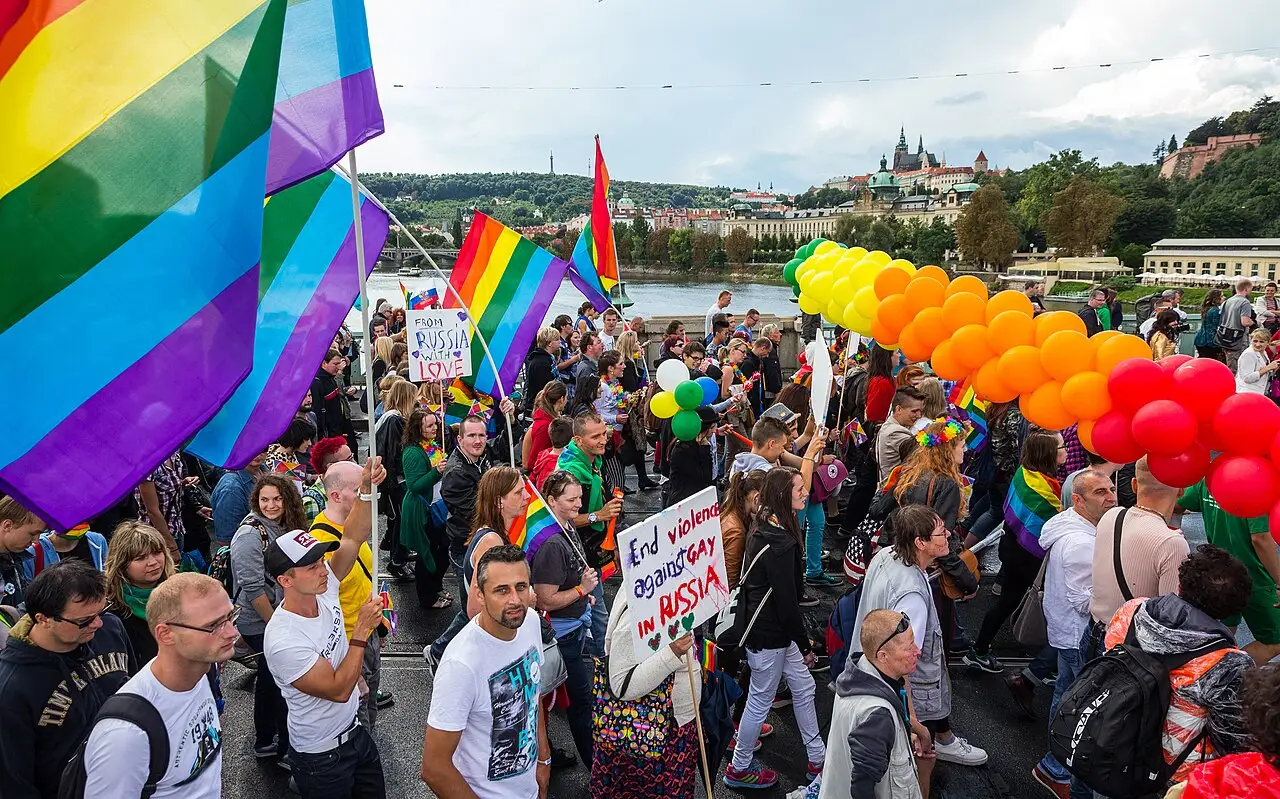
Prague Pride
A week of events in August, with a march from Wenceslas Square to Letná park and a crowd in the tens of thousands. The Czech Republic has recognized same-sex partnerships with expanded rights since January 1, 2025.
Books and films
Magic Prague, by Angelo Maria Ripellino (1973)
A mosaic essay on the city of Rudolf II, of the Golem, of Kafka and of the alchemists; it's the book that explains why the real Prague and the imagined Prague never quite come apart.
The Good Soldier Švejk, by Jaroslav Hašek (1921–1923)
An unfinished novel about a Prague man who survives the Austro-Hungarian empire by obeying orders to the letter; it defines a sense of humor and a form of resistance still heard in the city's pub conversations today.
Amadeus, by Miloš Forman (1984)
Filmed on location in the historic center and at the Estates Theatre, where Mozart really did conduct the premiere of “Don Giovanni” in 1787; it stands as a record of the city before the post-1989 restoration.
Frequently asked questions
Prague: Is it worth exchanging money on Wenceslas Square?
No: the currency exchange offices on Wenceslas Square, with a “0% commission” sign, and the ATM's dynamic conversion cost 5% to 12% of the amount. The conversion comes disguised as a courtesy: the screen asks if you'd prefer your own currency, and the right answer is no.
Prague: What's there to see in Kutná Hora, and how do you get there?
Kutná Hora is 70 km to the east, about an hour by train from the central station. The medieval silver town, a UNESCO World Heritage Site, has the Gothic Cathedral of St. Barbara and the Sedlec Ossuary, decorated with the bones of about 40,000 people.
Prague: What's the currency and how much is it worth?
Here you pay in Czech crowns (Kč), a different currency from the euro, and it's easy to get this math wrong at first: about 25 Kč per euro and 21 to 22 Kč per dollar in 2026, approximate rates.
Prague: What's the climate like throughout the year?
The climate is continental, with about 530 mm of rain a year spread fairly evenly and a sky that cooperates little in the cold half of the year. Winter, from December to February, has highs of 0 to 4°C, lows frequently below zero, darkness by 4:30pm, and snow that rarely lasts. December makes up for it with the Christmas markets and is the only high season of the cold months. Spring kicks in during April, and from mid-May to late June highs run between 19 and 25°C, with days stretching to almost 9:30pm, and it's the best window of the year, the one I'd pick without thinking twice.
Prague: How do you greet when entering a shop?
When you walk through the door of a shop, bakery, doctor's office, elevator or train compartment, greet the room with “dobrý den,” even without looking at anyone, and say “na shledanou” on your way out.
Itineraries through here
 Central Europe by train in 15 daysCentral Europe on railsBerlin · Prague · Vienna · Budapest · Kraków13–16 days5 cities
 Prague, Vienna and Budapest in 8 daysThe Habsburg citiesPrague · Vienna · Budapest8–9 days3 cities
 Germany, Czechia and Austria in 12 daysFrom the Berlin Wall to ViennaBerlin · Prague · Vienna · Munich11–13 days4 cities