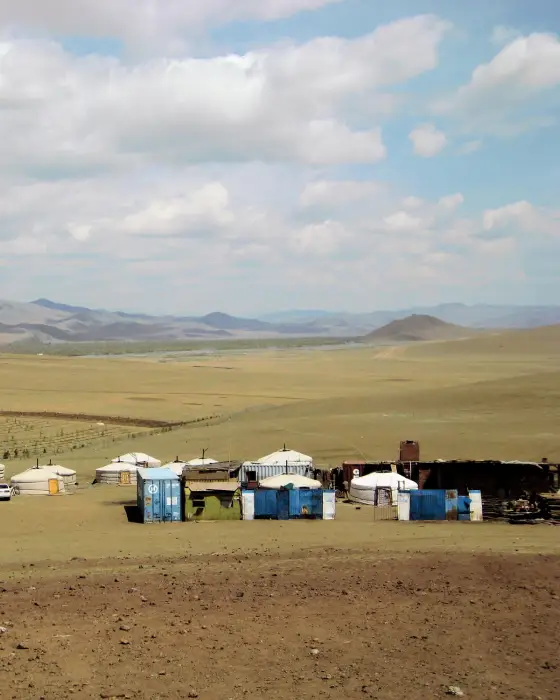
Mongolia
Ulaanbaatar
Gandan Monastery, the Naadam and the steppe an hour away
Days Start with the basic programme and choose extensions for the time you have.
How the guide reaches this number
A third, if you have it, goes entirely outside the valley, to Terelj or Hustai. Don't expect a historic center, because the 1937 to 1939 purge destroyed more than 700 monasteries and what's left fits into four addresses. With just one day, prioritize morning worship at Gandan, checking the religious schedule before you leave. Then continue to Sükhbaatar Square and the National Museum. Have tsuivan for lunch at a guanz on Peace Avenue, for 12,000 to 20,000 ₮. Finish on the roughly 300 steps of the Zaisan Memorial, allowing an hour of traffic for each crossing of the valley. From November to March, the air at the bottom of the valley is a reason to postpone the trip.
2–3
When Mid-June to mid-September; Naadam from July 11 to 13; September is the clearest and cheapest month
How the guide reaches this number
Summer is short and it's the window: mid-June to mid-September, with highs of 22 to 28 °C, cool nights of 8 to 12 °C, and most of the annual rain falling in July and August. Total rainfall is low, around 250 to 300 mm a year. July brings Naadam and the peak in prices and occupancy. September is the best value, with clear skies, a still golden-green steppe, and fewer crowds, though nights already drop below zero by the end of the month. Winter runs November to March: January averages around −20 °C, with lows of −35 to −40 °C, sun almost every day, and the dirtiest air of the year, because the thermal inversion traps coal-stove smoke at the bottom of the valley. It's the month I'd avoid, except for Tsagaan Sar or ice events. April and May bring wind and dust storms blowing in from the Gobi, with the snow gone and green not yet arrived. October is beautiful and cold, with countryside services already shutting down. In any season the daily swing is large: 15 °C between afternoon and dawn is normal, and layers do more than one heavy coat; trade the single winter coat for four thin layers instead.
Per person/day Backpacker 90,000–150,000 ₮ (about US$25–45); mid-range comfort 250,000–450,000 ₮ (about US$70–130) (approximate, 2026)
How the guide reaches this number
Per person per day: accommodation, meals, urban transport, visits and a small allowance for extras. Flights excluded; larger purchases vary. Editorial estimate, not a quote.
 What Nilo thinks
Plan on two days: one for the center, the square and Gandan Monastery, another for the museums, Narantuul market and Zaisan hill. A third, if you have it, goes entirely outside the valley, to Terelj or Hustai. Don't expect a historic center, because the 1937 to 1939 purge destroyed more than 700 monasteries and what's left fits into four addresses. With just one day, prioritize morning worship at Gandan, checking the religious schedule before you leave. Then continue to Sükhbaatar Square and the National Museum. Have tsuivan for lunch at a guanz on Peace Avenue, for 12,000 to 20,000 ₮. Finish on the roughly 300 steps of the Zaisan Memorial, allowing an hour of traffic for each crossing of the valley. From November to March, the air at the bottom of the valley is a reason to postpone the trip.Ulaanbaatar is the world’s coldest capital. At Gandantegchinlen, the city's only major monastery to survive the 1937 purge, the golden statue is 26.5 m tall and worship usually takes place in the morning; check the religious schedule to attend. Around Sükhbaatar Square stands the National Museum, tracing the country from the Paleolithic to socialism; from the hilltop Zaisan Memorial, you can see the entire valley. Order tsuivan, noodles stir-fried with mutton, at a neighborhood guanz. Coal from ger stoves explains the poor winter air, when January lows reach −40 °C. Come in September, with clear skies and green-gold steppe, or in July for Naadam: give the city two days, with Terelj's steppe just over an hour's drive away.
Quick facts
- Population
- about 1.7 million in the city (2026 est.), roughly half of Mongolia's approximately 3.5 million; approximate, sources range from 1.68 to 1.75 million
- Founded
- 1639 as the mobile monastery Örgöö; settled in the Tuul valley in 1778; renamed Ulaanbaatar (“red hero”) in 1924
- Country and region
- Mongolia, Inner Asia; Tuul river valley, at 1,300 m of altitude, between steppe and taiga
- Language
- Khalkha Mongolian, written in Cyrillic since 1941; the traditional vertical script is gradually returning to official use. Russian among the older generation, English among the younger
- Currency
- Tögrög (MNT, ₮); around ₮3,600 per dollar in September 2026. Banknotes from ₮1,000 to ₮20,000
- Time zone
- UTC+8, no daylight saving since 2017
- Best time to visit
- Mid-June to mid-September; Naadam from July 11 to 13; September is the clearest and cheapest month
- Average daily cost
- Backpacker 90,000–150,000 ₮ (about US$25–45); mid-range comfort 250,000–450,000 ₮ (about US$70–130) (approximate, 2026)
When to go
Mid-June to mid-September; Naadam from July 11 to 13; September is the clearest and cheapest month
January
-26° to -15°C
2 mm of rain
February
-22° to -9°C
3 mm of rain
March
-12° to 0°C
4 mm of rain
April
-3° to 11°C
8 mm of rain
May
3° to 18°C
22 mm of rain
October
-4° to 8°C
9 mm of rain
November
-15° to -5°C
6 mm of rain
December
-23° to -14°C
3 mm of rain
How the year changes
Summer is short and it's the window: mid-June to mid-September, with highs of 22 to 28 °C, cool nights of 8 to 12 °C, and most of the annual rain falling in July and August. Total rainfall is low, around 250 to 300 mm a year. July brings Naadam and the peak in prices and occupancy. September is the best value, with clear skies, a still golden-green steppe, and fewer crowds, though nights already drop below zero by the end of the month. Winter runs November to March: January averages around −20 °C, with lows of −35 to −40 °C, sun almost every day, and the dirtiest air of the year, because the thermal inversion traps coal-stove smoke at the bottom of the valley. It's the month I'd avoid, except for Tsagaan Sar or ice events. April and May bring wind and dust storms blowing in from the Gobi, with the snow gone and green not yet arrived. October is beautiful and cold, with countryside services already shutting down. In any season the daily swing is large: 15 °C between afternoon and dawn is normal, and layers do more than one heavy coat; trade the single winter coat for four thin layers instead.
The same numbers as a table
| Month | Temperature °C | Rain mm |
|---|---|---|
| January | -26 to -15 | 2 |
| February | -22 to -9 | 3 |
| March | -12 to 0 | 4 |
| April | -3 to 11 | 8 |
| May | 3 to 18 | 22 |
| June · | 10 to 23 | 46 |
| July · | 14 to 26 | 74 |
| August · | 11 to 23 | 65 |
| September · | 4 to 17 | 29 |
| October | -4 to 8 | 9 |
| November | -15 to -5 | 6 |
| December | -23 to -14 | 3 |
Nilo's tips
Settle the airport car price before you get in
Settled only at the end of the ride, the fare usually ends up double. When you land at Chinggis Khaan Airport, have tögrög in hand and settle the fare with the driver before getting in. For an early return flight, arrange the transfer the night before and leave downtown before dawn, because the road to the airport is long and the bus schedule changes without notice.
On the bus, have your U-Money or bank card ready
In Ulaanbaatar you'll get around by bus, and boarding goes faster when payment is already sorted. For a stay of several days, buy the U-Money card at a CU, Nomin, or E-Mart store as soon as you arrive; for just a few rides, a contactless bank card works on the UBcard validators. Validate once, when boarding.
Narantuul doesn't open on Tuesdays
On other days, the market runs from morning to late afternoon, and it's worth arriving early. Carry your backpack in front of your body and cash in 1,000, 5,000, and 10,000 ₮ bills. An hour is enough to see deel, felt boots, saddles, and snuff bottles. Leave before five, because between 5pm and 7pm the central axis jams and the twenty-minute ride back downtown can turn into an hour.
Exchange money near the State Department Store
The exchange offices cluster around the store, and on arrival it's best to exchange only what you need. In September 2026, the dollar was trading around 3,600 ₮. ATMs cap each withdrawal, so anyone spending several days at a ger camp should withdraw more than once before leaving. Outside the central axis cash still rules, so set aside small bills before leaving your hotel.
Order the khorkhog when you book the camp, hours ahead
Cooking it on hot stones takes hours, and the dish won't be ready when hunger strikes. Order it when you book your ger camp in Terelj. Between June and September, try the airag too, and go slowly with the second bowl, which is when an unaccustomed stomach complains.
July has Naadam; September brings clear skies and cheap hotels
Naadam runs July 11 to 13 and is the peak of the year. Opening-ceremony tickets at the National Stadium sell out weeks ahead, so if your trip is in July, lock in lodging and tickets before booking the flight. The horse race takes place at Khui Doloon Khudag, 40 km from the city, which calls for a car and an early start. September brings clear skies, still-golden steppe, cheaper hotels, and shorter museum lines, but the nights turn cold toward the end of the month.
Explore the map
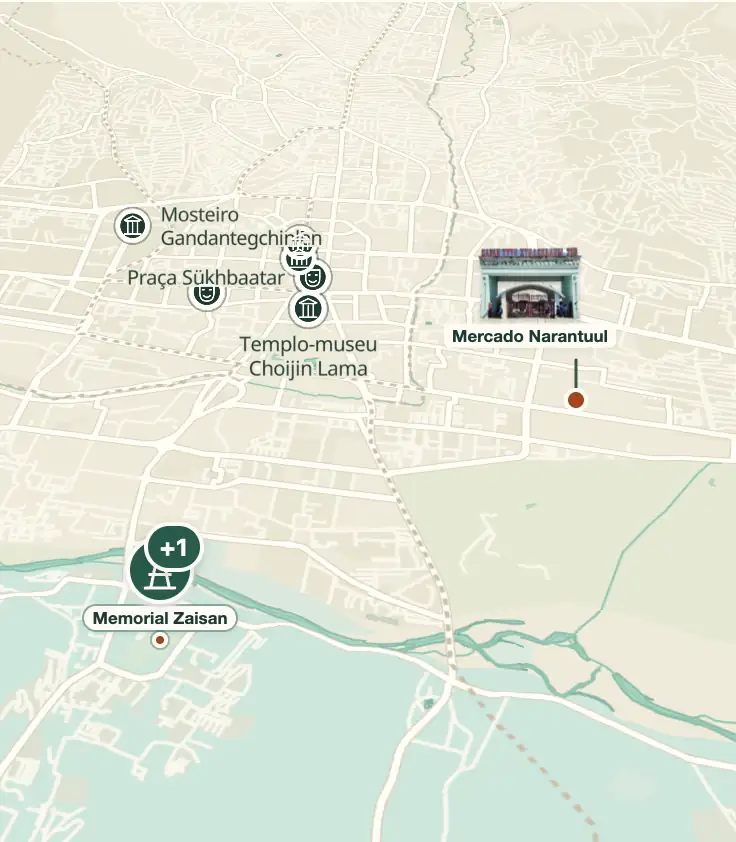
© OpenStreetMap · OpenFreeMap · © OpenMapTiles
Explore the map, read about the other places and plan your travel days in the app.
Open the appWhat to see
Ulaanbaatar: The Tuul basin and the four mountains
The terrain dictates the urban layout: Peace Avenue (Enkh Taivny Örgön Chölöö) runs along the valley floor as the spine, the Soviet apartment microdistricts cluster around it and around the square, and the ger districts climb the northern and western slopes, where there's no hot-water piping or sewage, which is why people heat with coal stoves there. It's the best area for walking and where the mid- and high-range hotels are.

Sükhbaatar Square (Chinggis Khaan)
The civic center, 31,000 m², with the 1946 equestrian statue of Damdin Sükhbaatar at its middle and the Government Palace to the north, whose 2006 colonnade houses a seated 9 m bronze Chinggis Khaan. The official name has swung between Sükhbaatar and Chinggis Khaan more than once since 2013. Both are used on the street.
The 1946 equestrian statue occupies the middle of the 31,000 m² civic square, the colonnade houses a seated 9 m bronze sovereign, and the official name has changed more than once since 2013.
Check access

Gandantegchinlen Monastery
The country's main Buddhist center, founded in 1809 and expanded from 1838, the only major monastery to survive the purge. It holds the golden statue of Migjid Janraisig, 26.5 m tall, rebuilt in 1996: the original, from 1913, was dismantled and taken away in 1938.
Founded in 1809, this is the only major monastery that survived the purge, and the 26.5 m golden statue was remade in 1996 to replace the original, which was dismantled and taken away.
Check access

National Museum of Mongolia
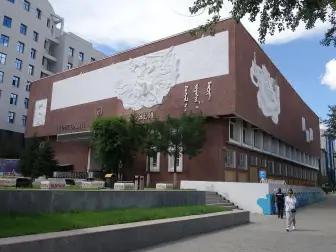
Three floors covering everything from the Paleolithic to socialism, with the best collection of deels and ethnic Mongol headdresses and a candid room on the 1937 purges. It's the quickest way to understand the whole country.
The museum, which across three floors covers from the Paleolithic to socialism and includes the best collection of deels and a frank room on the purges, is the fastest read of the whole country.
Check access

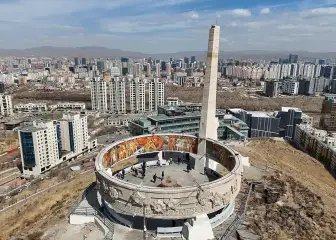
Zaisan Memorial
A 1971 Soviet monument atop a hill south of the Tuul, with a circular mosaic mural narrating Mongolian-Soviet friendship, from 1921 to the space race. It's about 300 steps up, and the best view over the whole valley.
Mongolian-Soviet friendship, from 1921 to the space race, is told in mosaic at the top of the hill, and about 300 steps reveal the valley.
Check access
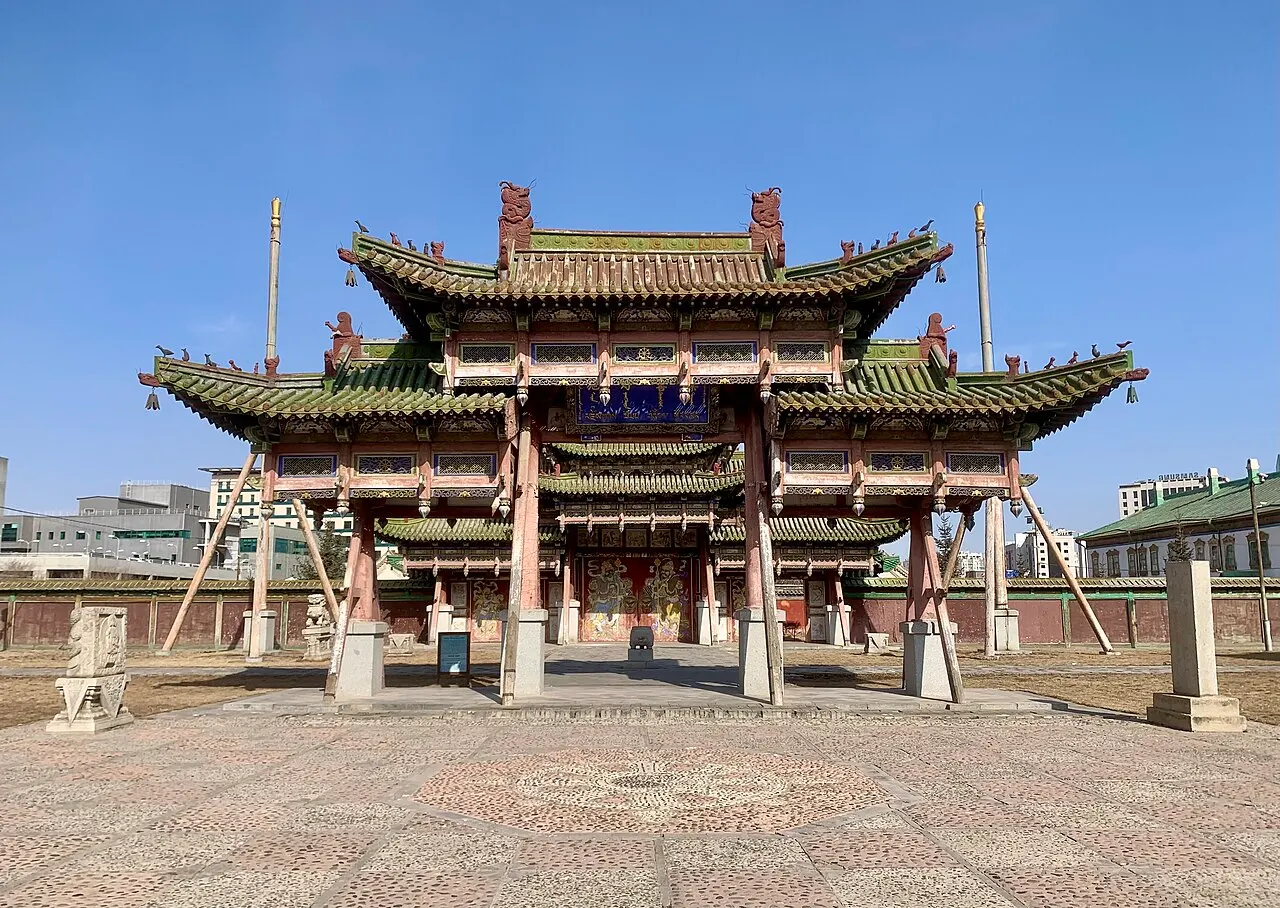
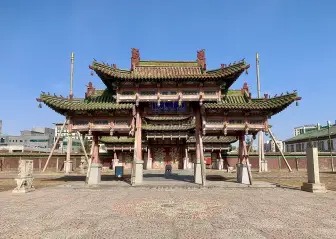
Bogd Khan Winter Palace
Built between 1893 and 1903, it's the only one of the last theocratic ruler's palaces to escape demolition, spared as a museum in 1924. Among the objects are a ceremonial ger lined with 150 snow leopard pelts and the elephant the tsar sent as a gift.
Only this palace of the last theocratic ruler escaped demolition and became a museum in 1924, and inside there's a ger lined with 150 snow leopard pelts, plus the elephant that came as a gift.
Check access
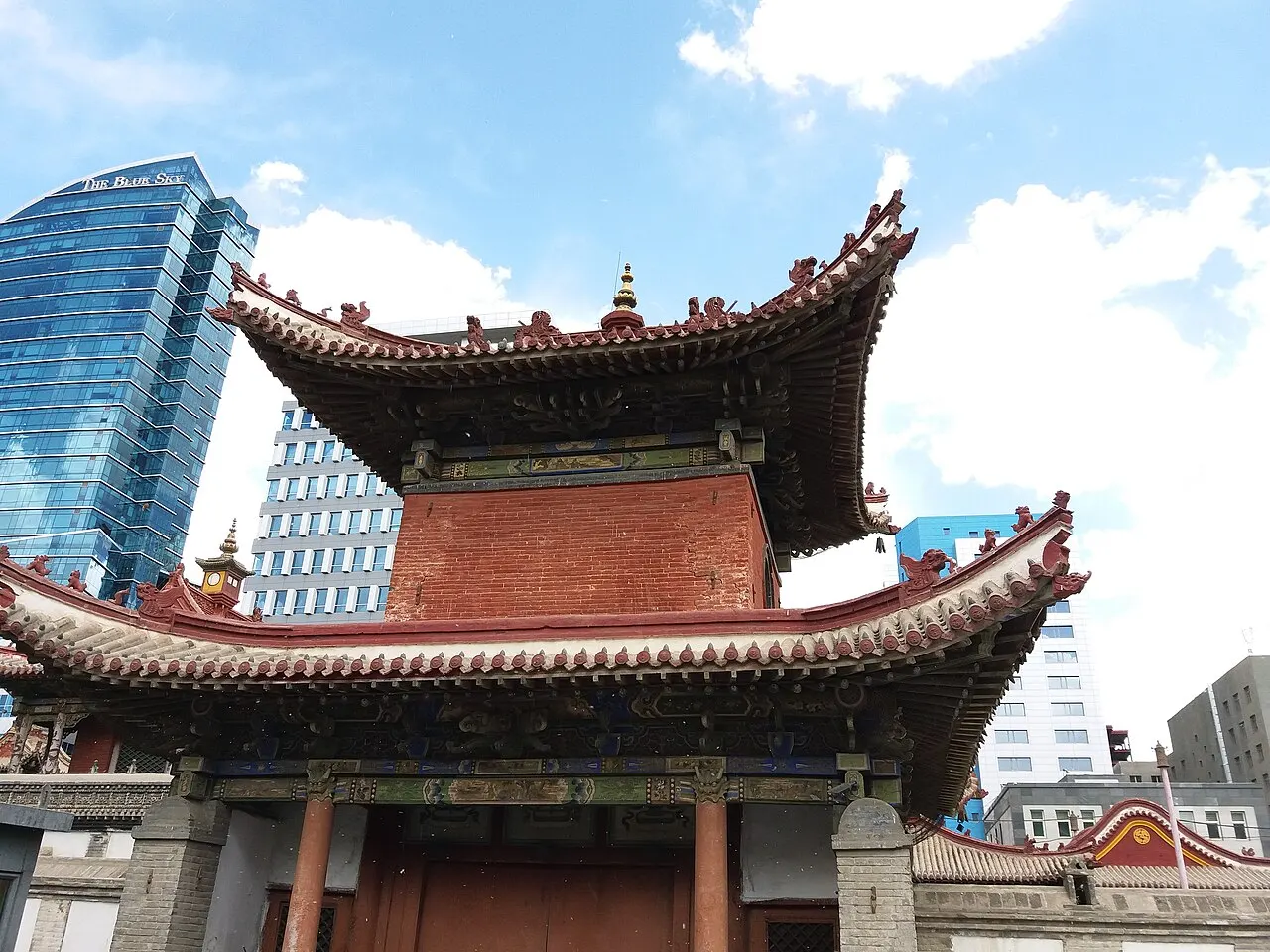
Choijin Lama Temple Museum
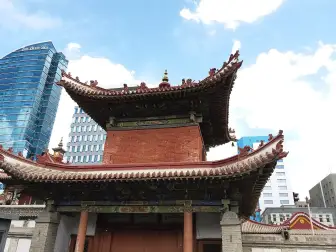
A complex of four temples built between 1904 and 1908 for the Bogd Khan's brother, the state oracle. It holds masks and costumes from the tsam dance and papier-mâché works by Puntsag-Osor; today it's wedged between office towers.
It was built for the Bogd Khan's brother and preserves masks, tsam costumes, and papier-mâché amid office towers.
Check access

Narantuul Market
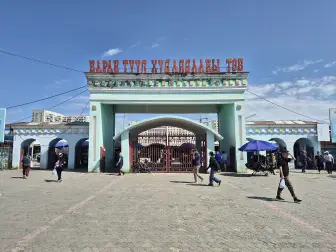
Also called Khar Zakh, the “black market”: hectares of stalls with deels, felt boots, saddles, camel muzzles, snuff bottles, and motorcycle parts. Open from morning to late afternoon, closed on Tuesdays; it's the one place in the city where you wear your backpack on your chest.
Anyone coming to buy deels, felt boots, saddles, horse muzzles, snuff, or motorbike parts at the Khar Zakh wears their backpack in front, and on Tuesdays the Khar Zakh closes.
Check access
Chinggis Khaan Museum
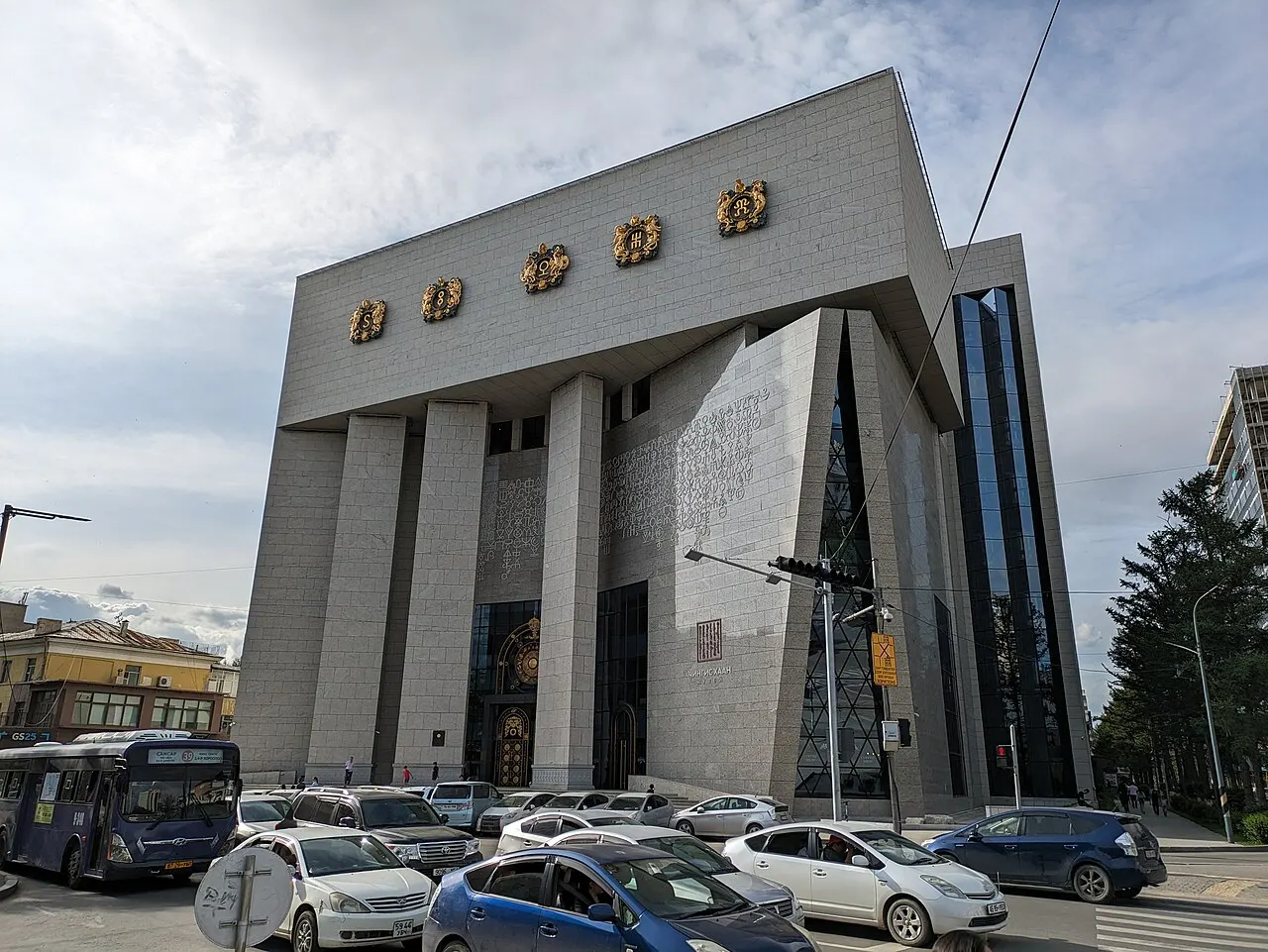
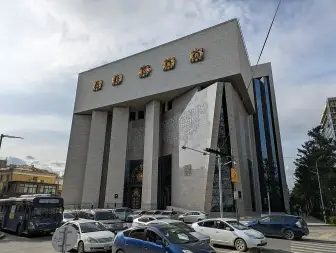
Opened in 2022 beside the square, it occupies a nine-story building with six permanent exhibition rooms and two temporary ones. The displays cover nomadic empires and Mongolian dynasties, from the Xiongnu to the early 20th century. It marks the recovery of Chinggis as a national figure after 1990. During winter hours, from September 15 to May 14, it closes on Tuesdays.
The building has nine floors, with six permanent exhibition halls and two temporary ones. Set aside two hours for the nomadic empires. The National Museum, right next door, already sums up the country from the Paleolithic to socialism, including the 1937 purges. If time is short, I'd prioritize a day in Terelj or Hustai. In winter hours, from September 15 to May 14, the Chinggis Khaan closes on Tuesdays.
Check access
Beatles Monument
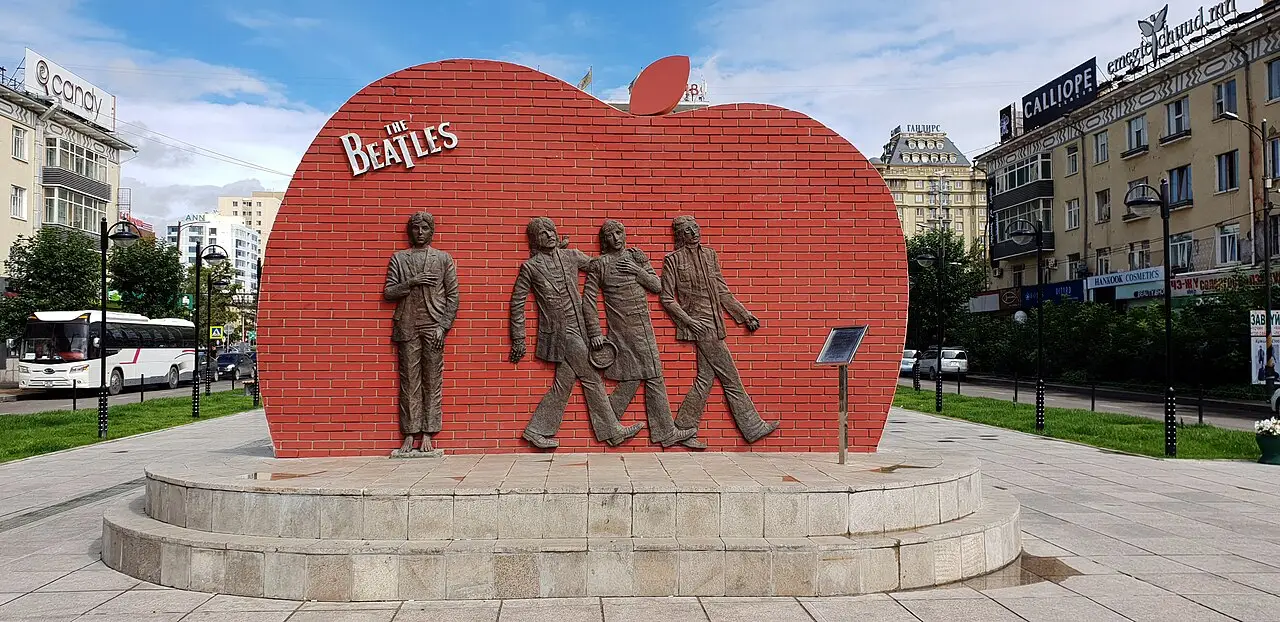
A 2008 sculpture in a square behind the State Department Store, with the four in relief and a young man with his back turned, holding a guitar. It marks the spot where teenagers used to trade X-ray-copied Western records and tapes in the 1970s and 1980s.
It's on a square behind the State Department Store, far from the museums and monasteries, and takes just a few minutes to see. Stop by when you go to exchange money at the exchange offices on the same block, keeping in mind it was there that the youth of the 1970s and 1980s traded Western records recorded on X-ray film.
Check access
Nilo’s itinerary
Start with the basic programme and choose extensions for the time you have.
Plan my days in the app ↗Day 1 · The center, the square, and the monastery
Start in the morning at Gandantegchinlen Monastery to see the Migjid Janraisig statue and try to attend prayers; confirm the local schedule. Walk clockwise and turn the prayer wheels with your right hand.
Then go to Sükhbaatar Square, with its 1946 statue and the Government Palace colonnade. Visit the National Museum of Mongolia, including the room on the 1937 purges, which provides context for the rest of the trip.
Have tsuivan or guriltai shöl for lunch at a guanz on Peace Avenue for 12,000–20,000 ₮.
In the afternoon, continue to Choijin Lama Temple Museum. Check visiting hours and allow time to look at the painted woodwork and Buddhist art before dinner.
Have dinner on Seoul Street, at a local brewery, and order khuushuur to start, the fried meat pastry that is the food of the Naadam.
Day 2 · Museums, market, and the hill
Enter the Chinggis Khaan Museum at 9am and allow two hours for the exhibitions on nomadic empires and Mongolian dynasties. During winter hours, from September 15 to May 14, it closes on Tuesdays; move this visit to another day.
Walk ten minutes to the Zanabazar Museum of Fine Arts, for the 17th-century bronzes and for Sharav's “One Day in Mongolia.”
Spend the afternoon at Narantuul market (closed Tuesdays), among deel, felt boots, snuff bottles and saddles, with your backpack in front and cash on hand; an hour is enough.
Cross the Tuul and climb the roughly 300 steps of the Zaisan Memorial in the late afternoon, for the 1971 mosaic mural and the view over the whole valley.
Head back through the Zaisan neighborhood for dinner, and if it's September, try airag before the season closes.
If you stay longer
Day 3 · Out of the valley
Leave at 8am for Tsonjin Boldog, 54 km east: the 40 m stainless-steel equestrian statue of Chinggis Khaan, unveiled in 2008, with a viewpoint in the horse's head.
Continue another 40 minutes to Gorkhi-Terelj National Park and walk to Turtle Rock (Melkhii Khad), then to Aryabal meditation temple atop a staircase of 108 steps, Buddhism's sacred number, with 108 stupas and 108 prayer wheels around it.
Have khorkhog for lunch at a ger camp in the park: order it in the morning, since the meat takes hours over the hot stones.
Head back in the late afternoon along the eastern road, and if you reach downtown before closing, visit the Bogd Khan Winter Palace; if traffic delays your return, go straight to the evening show.
Close with a khöömii and morin khuur performance at one of the theaters downtown; sessions are usually in the early evening and last about an hour.
Food
 AI illustration
Buuz
Steamed dumplings filled with minced mutton, onion, and garlic, sealed in pleats. They're the dish of Tsagaan Sar, when a family makes hundreds at once and a guest is measured by how many they accept.
 AI illustration
Khuushuur
A half-moon of dough filled with meat and fried, flattened like a slipper. It's the official food of Naadam: in July, stalls around the stadium fry nothing else for three straight days.
 AI illustration
Tsuivan
Hand-cut noodles steamed in the meat's own juices, then stir-fried with mutton, carrot, and potato. The standard lunch dish at any guanz, the neighborhood canteens, for 12,000 to 20,000 ₮.
 AI illustration
Khorkhog and boodog
Goat or mutton cooked from the inside out with red-hot river stones, sealed in a metal milk churn. Only made out in the countryside or at a tourist camp, and the hot stones get passed hand to hand before the meal, for the joints.
 AI illustration
Suutei tsai
Salted milk tea with a bit of butter or fat, served warm in a bowl. It arrives before any conversation, at home or in an office, and isn't turned down: just touch it to your lips.
 AI illustration
Aaruul
Curds sun-dried on the ger's roof, in pieces hard as stone, sweet or sour. Sold by weight at any market, keeps for months with no fridge, and melts against the cheek instead of being chewed.
 AI illustration
Airag
Fermented mare's milk, lightly fizzy and 1 to 3% alcohol, available from June to September. Accepted with the right hand, and you return the bowl with at least one sip taken; drinking too much at once without being used to it usually costs you.
 AI illustration
Niislel salad and guriltai shöl
Russian legacy and winter cooking side by side: the “capital salad” is an olivier of potato, pea, sausage, and mayonnaise, and guriltai shöl is the mutton noodle soup that carries lunch when it's −25 °C outside.
Day trips
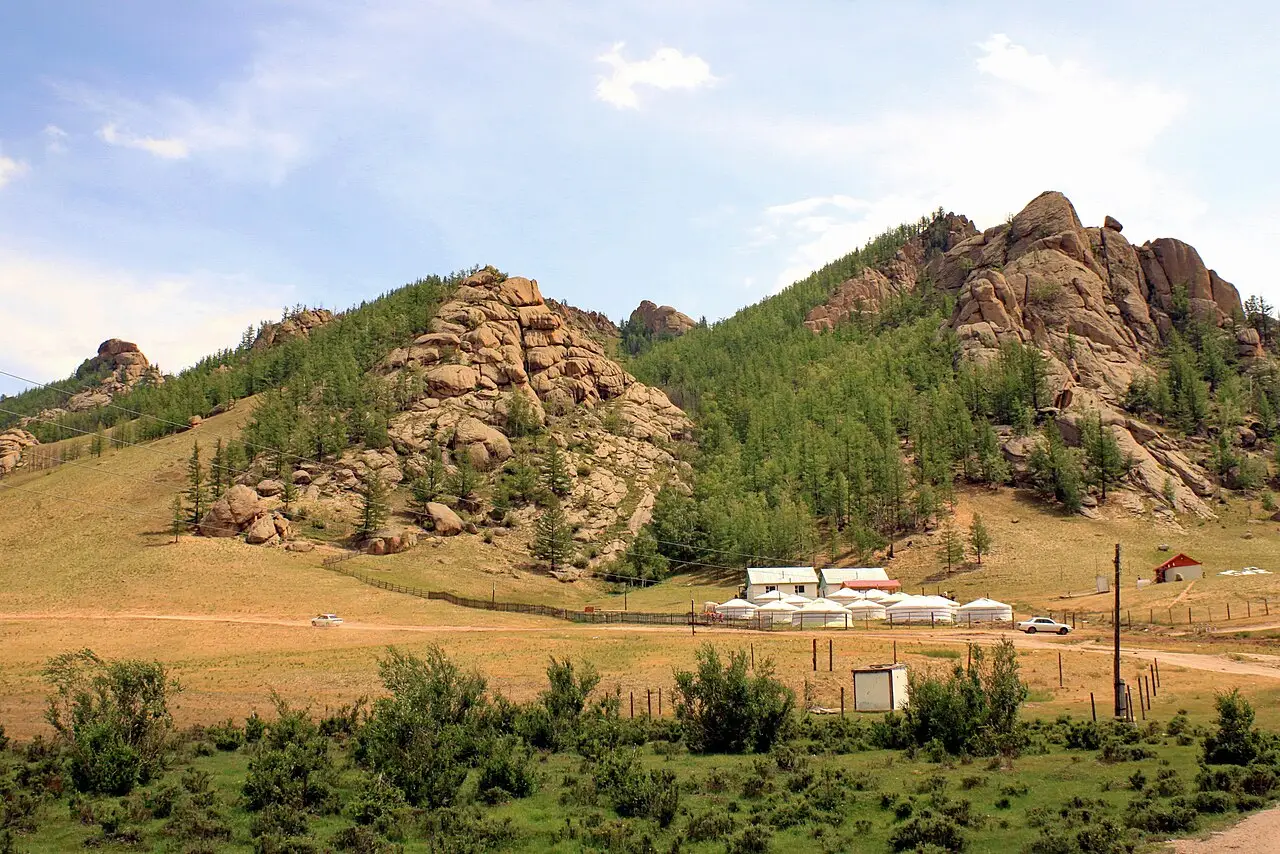
Gorkhi-Terelj National Park
Gorkhi-Terelj National Park is 66 km northeast, 1 hour 15 minutes to 1 hour 30 minutes by car. It's a valley of eroded granite, with larch forest and ger camps, and the main stops are Turtle Rock and the Aryabal temple. You can sleep in a ger with a wood stove for 100,000–200,000 ₮, meals included.

Chinggis Khaan Statue, Tsonjin Boldog
The Chinggis Khaan statue at Tsonjin Boldog is 54 km east, about 1 hour away. It's a 40 m stainless-steel equestrian monument, unveiled in 2008 on a circular base with 36 columns, and you climb up inside to a viewpoint on the horse's head. It pairs well with Terelj on the same day.
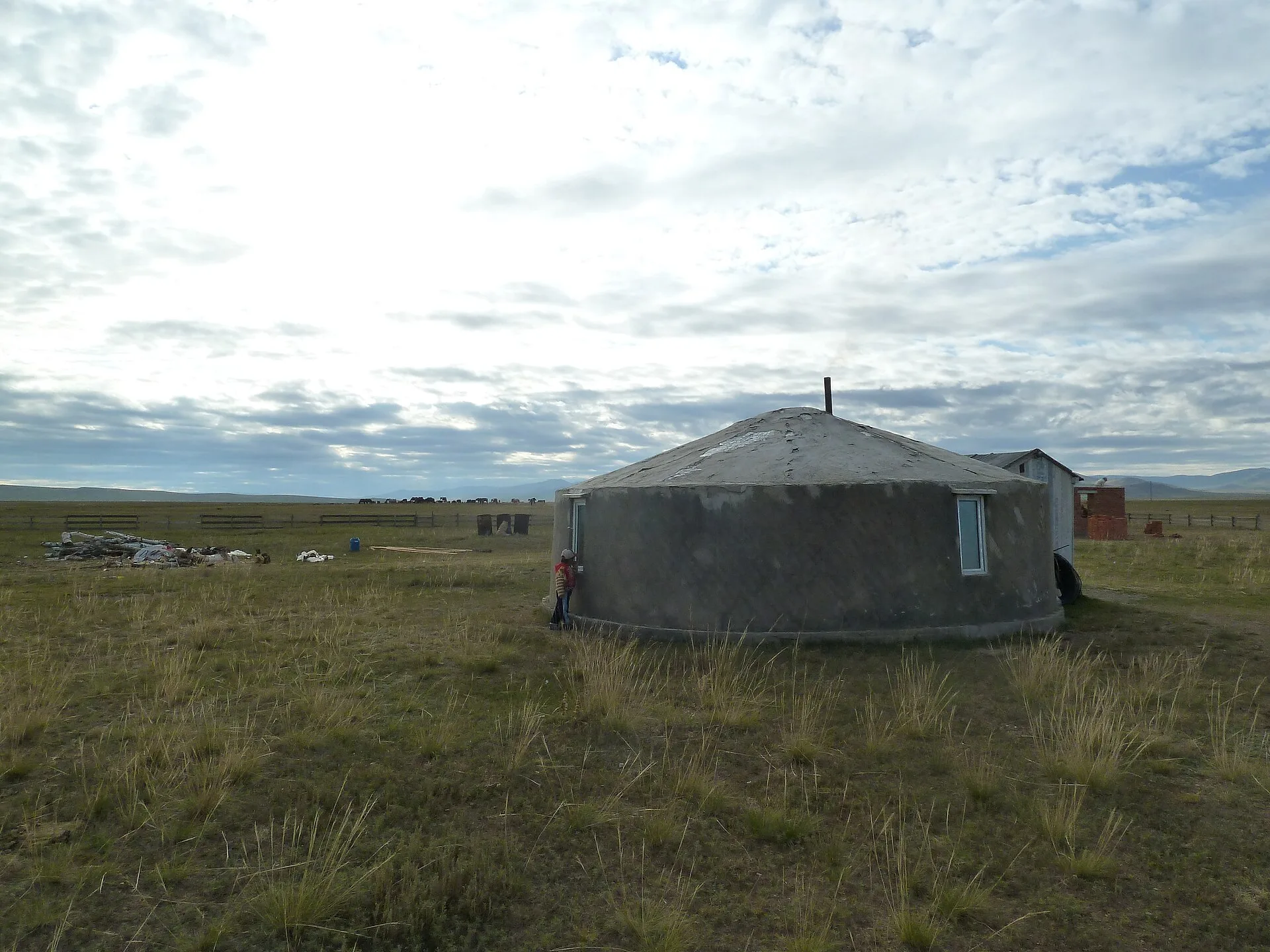
Hustai National Park
Hustai National Park is 100 km west, about 2 hours away. It's the reserve where the takhi, Przewalski's horse, was reintroduced starting in 1992 after going extinct in the wild, and the population has grown from zero to more than 400 animals, with the best sightings early in the morning and late in the afternoon. If you want something closer, go to the ruined Manzushir monastery, 43 km south, via Zuunmod.
Where to begin
The center, the square, and the monastery
Start in the morning at Gandantegchinlen Monastery to see the Migjid Janraisig statue and try to attend prayers; confirm the local schedule. Walk clockwise and turn the prayer wheels with your right hand.
Museums, market, and the hill
Enter the Chinggis Khaan Museum at 9am and allow two hours for the exhibitions on nomadic empires and Mongolian dynasties. During winter hours, from September 15 to May 14, it closes on Tuesdays; move this visit to another day.
Out of the valley
Leave at 8am for Tsonjin Boldog, 54 km east: the 40 m stainless-steel equestrian statue of Chinggis Khaan, unveiled in 2008, with a viewpoint in the horse's head.
Money
The currency is the tögrög (MNT, ₮), around 3,600 ₮ per dollar in September 2026 (the rate moves), and at first the zeros are scarier than the prices. Typical ranges: espresso 6,000–12,000 ₮; lunch at a neighborhood guanz 12,000–20,000 ₮; a decent meal at a local restaurant 15,000–30,000 ₮; a main course at a pricier place 40,000–80,000 ₮; a local beer at a bar 5,000–10,000 ₮; bus fare 1,000 ₮; hostel bed 25,000–50,000 ₮; mid-range hotel 180,000–350,000 ₮ a night; a ger camp in Terelj, with meals, 100,000–200,000 ₮ per person. Cards work fine at hotels, malls, supermarkets, and central restaurants, but the Narantuul market, neighborhood guanz, minibuses, and stalls run on cash: carry small bills. Exchange offices cluster around the State Department Store and usually give a better rate than the airport. ATMs from Khan Bank, Golomt, and TDB accept foreign cards, with a limit per withdrawal. Tipping isn't a tradition: at restaurants aimed at foreigners you round up or leave 10%, and many already include a service charge. There's no municipal tourist tax, and the 10% VAT is usually built into the posted price.
Getting there and around
Chinggis Khaan Airport: 52 km from downtown
Chinggis Khaan International Airport (UBN) is about 52 km south of the center, in the Khushig valley; it opened in July 2021 and replaced the old Buyant-Ukhaa. The trip takes 50 to 80 minutes on the new highway. A taxi or hotel transfer costs around 60,000 to 100,000 ₮, and a shuttle bus covers the same route for a fraction of that, with widely spaced departures; check in the arrivals hall, because the schedule changes. Don't accept a ride from anyone who approaches you inside the terminal without agreeing on a price first. Overland, the train station is in Bayangol and is a stop on the Trans-Mongolian: Beijing in about 27 hours, Irkutsk in about 24 hours, with trains on fixed days of the week and tickets best bought in advance at the international ticket window.
Buses, ride apps, and time for traffic
Within the city, rely on buses; trolleybus service ended in January 2025. The bus fare is 1,000 ₮ in 2026 and can be paid with a prepaid U-Money card. The card costs 3,600 ₮ and can be reloaded at CU, Nomin, and E-Mart stores and at newsstands. Since May 2026 the UBcard validators also accept contactless bank cards, QR codes and an app, and a single tap when boarding is enough, with no second scan on the way out. There's no metro in operation: Line 1 is still in the design and preliminary works phase, with no reliable date. Taxis are informal, any car may stop and the fare runs around 1,500 to 2,000 ₮ per kilometer, so it's more predictable to call one by app (UBCab, Toonot) or ask your hotel. Traffic is the real problem: there's license-plate rotation by day of the week and, even so, the central axis jams from 8am to 10am and from 5pm to 7pm. The center, between the square and Gandan, takes 30 minutes to cross on foot, but watch out for open manholes, broken sidewalks and ice between November and March. Cycling only makes sense from May to September, and there's a bike path along the Tuul River.
Safety
Ulaanbaatar has a low rate of violent crime against foreigners, but theft is common and concentrated: the Narantuul market, the area around the State Department Store, crowded buses, Sükhbaatar Square during shows, and Naadam. A backpack worn in front of the body, a phone kept out of the back pocket, and a wallet in an inside pocket solve most of it. At night, the bigger risk is street drunkenness outside bars, especially from Friday to Sunday: avoid arguments, stick to lit streets, and prefer an app taxi after 11pm. The most underestimated dangers are the air from November to March, when particulate matter levels are among the worst in the world and call for a PM2.5 mask and less time outdoors, and traffic, with crosswalks that do not stop cars and manholes or sidewalk stretches without covers. Cross when locals cross, and watch the ground as much as the sides. In the nearby countryside there are loose guard dogs at the edges of ger districts, ticks with encephalitis risk in the Terelj forests between May and July, and occasional plague cases linked to eating marmot, which sometimes close entire areas under quarantine: do not eat marmot. Brazilians are exempt from visa requirements for stays of up to 90 days, according to the consular list checked in September 2026. Before traveling, confirm the required documents and any registration obligations for the length of your stay with the consulate.
Etiquette tips
Give and receive with the right hand
Extend your right hand and support your right elbow with your left when receiving or handing over money, a card, a bowl, or a gift. Using both hands also works; using only the left is a lapse.
Never step on the threshold
When entering a ger or a house, step over the threshold without touching it: treading on it is taken as disrespect toward the house and its owner. Watch people take a wide step at the door, and copy it.
If you bump someone's foot, shake their hand
If you accidentally step on or kick someone's foot, extend your hand right away and they'll shake it. Not doing so is considered leaving the offense unresolved.
Accept what's offered, even if it's only a taste
Tea, airag, vodka or aaruul are accepted with the right hand and tasted, even if only by touching your lips to the rim before handing it back. Refusing outright is rude; returning the bowl empty isn't required.
Don't point your finger or whistle indoors
To indicate people or objects, use an open hand, palm up. Whistling inside a house or a ger is avoided, associated with calling in bad weather and bad luck.
Rules of the ger
Enter and move clockwise, leave the back (the khoimor, opposite the door) for elders and the altar, don't pass between the two central pillars, and don't throw trash, water, or food scraps into the fire, which is treated as sacred.
Mistakes to avoid
Underestimating the −30 °C winter
Underestimating winter. Cold of −30 °C with wind isn't a matter of one extra coat: it takes thermal layers, thick-soled boots, a hat covering the ears, and planning short stretches between heated places. Anyone arriving in January in European winter gear suffers before their first lunch.
Without an arranged transfer, the airport ride costs double
Arriving without an airport plan. Leaving arrivals with no transfer arranged or tögrög in hand means haggling over a ride in the hall from a weak position, usually paying double; ask your hotel for the transfer before the flight.
Spending the third day in more museums
Thinking the city shows you Mongolia. Two days cover the center, Gandan Monastery, the museums and Zaisan; the steppe begins an hour's drive away, and a full third day in Terelj, Hustai or Manzushir is far more rewarding than another museum amid the valley's traffic.
Narantuul and the neighborhood guanz want tögrög
Carrying only a card. Narantuul, minibuses, neighborhood guanz, and street stalls run on cash, and a card only works in the central axis. Carry 1,000, 5,000, and 10,000 ₮ bills.
Photographing temples without asking
Taking photos inside temples and during ceremonies without asking. At Gandan and Choijin Lama there are rooms and prayer times when cameras aren't welcome, plus a photo fee at some museums; ask first and turn off the flash.
Useful phrases
Сайн байна уу? (sain baina uu)
Hello / how are you? The standard greeting, used at any hour
Баярлалаа (bayarlalaa)
Thank you
Уучлаарай (uuchlaarai)
Sorry / excuse me
Энэ ямар үнэтэй вэ? (ene iamar unetei ve)
How much is this?
Нохой хорио! (nokhoi khorio)
“Hold the dog”: what you shout at the gate before entering a camp, instead of knocking
Баяртай (baiartai)
Bye / see you
Districts
Sükhbaatar
The administrative and cultural district: the central square, the Government Palace, the National Museum, the National University, and most of the embassies. It's the best area for walking and where the mid- and high-range hotels are.
Chingeltei
It's a northern strip that runs out from the center and climbs the slope. It starts in dense Soviet blocks, with the Ard Kino Theater and popular shops, and ends in unpaved ger districts high on the hill.
Bayangol
West of the center, around the railway station. Residential microdistricts from the 1960s–1980s, neighborhood markets, Korean restaurants, and the departure point for the Trans-Mongolian train.
Khan-Uul and Zaisan
South of the Tuul river, up against the national park. Home to the glass condominiums built after 2010, international schools, cafés, and the Zaisan Memorial; the most expensive part of the city.
Bayanzürkh
The most populous district, to the east. Holds the Narantuul market, the Dünjingarav mall, the Sansar neighborhood, and the road out toward Terelj and the Chinggis Khaan statue.
Songinokhairkhan
The far west, industrial and residential, with the country's largest ger districts and the thermal power plants. Little reason to visit as a tourist, but it explains the city better than any museum.
Ger districts (ger khoroolol)
Not a single district, but a type of neighborhood that surrounds all of them: wood-fenced plots with a ger or small house, a communal well, a coal stove. About half the city lives this way, and it's where much of January's smoke comes from.
Nalaikh
A detached district 36 km to the east, a former coal-mining town, home to the region's largest Kazakh community and the eagle-hunting grounds used for demonstrations. Reachable by minibus from the east side of the city.
History
1639 · The mobile monastery is born
Zanabazar, at four years old, is enthroned as the first Jebtsundamba Khutuktu at Shireet Tsagaan Nuur. The monastic camp forming around him, Örgöö, is the seed of the city.
1639–1778 · The camp moved roughly 28 times
The camp moves about 28 times through the Tuul and Orkhon valleys, following pasture, water, and politics. In 1778 it settles at its current site, at the foot of Bogd Khan mountain.
1778 · Bogd Khan Uul, protected by Qing decree
Bogd Khan Uul, 2,268 m, receives official protection by decree of the Qing administration: one of the oldest protected areas in the world still in force. Hunting and logging are banned.
19th c. · Ikh Khüree, city of monasteries
The city grows as Ikh Khüree, the Great Camp, with tens of thousands of monks. Alongside it, the trading district of Maimaicheng houses Chinese merchants and the tea caravans bound for Siberia.

1911 · Independence under the Bogd Khan
With the fall of the Qing dynasty, Outer Mongolia declares independence and the eighth Jebtsundamba is enthroned as Bogd Khan, religious and political head. The city is renamed Niislel Khüree, the Capital Camp.
1921 · The year of two conquests
In February the Russian baron Ungern-Sternberg takes the city from Chinese troops; in July Damdin Sükhbaatar and the Red Army retake it. July 1921 becomes the founding date of the Mongolian socialist state.
1924 · The capital is renamed Ulaanbaatar
With the Bogd Khan dead, the Mongolian People's Republic is proclaimed and the capital is renamed Ulaanbaatar. The country enters the Soviet orbit and stays there for 66 years.
1937–1939 · The purge
Under Khorloogiin Choibalsan, between 20 and 35 thousand people are executed (estimates vary) and more than 700 monasteries are demolished. Gandantegchinlen is closed and reopens in 1944 as a showcase for foreign visitors.
1949–1980 · The city of blocks
Soviet planners design Sükhbaatar Square, Peace Avenue, and the apartment microdistricts with central heating. The Trans-Mongolian Railway, completed in 1956, links Moscow to Beijing through the city.
1990 · The revolution in the square
In March, a hunger strike in Sükhbaatar Square forces the Politburo to resign without a single shot fired. In July Mongolia holds the first multiparty elections of the Asian socialist bloc.
 AI illustration
1999–2026 · The 2021 airport and the herders' exodus
The dzud winters between 1999 and 2010 kill millions of livestock and push herders into the capital, whose ger districts now ring the center. Chinggis Khaan Airport opens in July 2021, 52 km from the center.
 AI illustration
Complete history
Örgöö, the 1639 tent camp
The city began as a mobile monastery. In 1639 the boy Zanabazar, son of a Khalkha prince and recognized as the first Jebtsundamba Khutuktu, was enthroned in a tent camp called Örgöö, a word the Russians heard as “Urga.” It was a monastery on carts: when the pasture ran out or politics changed, everything was taken down and moved on. It moved about 28 times in 139 years, between the valleys of the Tuul, the Orkhon and the Selenge. In 1778 the camp stopped for good where it stands today, a basin sheltered from the wind, with water from the Tuul, winter pasture on the slopes and Bogd Khan mountain closing off the south. That same year the mountain was declared off-limits to hunting and the axe, which makes it one of the oldest nature reserves in the world.
Religious capital and administrative outpost
Under Qing rule, Ikh Khüree became both a religious capital and a trading post. Tens of thousands of monks lived in the temple compounds, and a few kilometers away the walled district of Maimaicheng gathered Chinese merchants and the trade that carried tea from Fujian to Kyakhta and Siberia. When the Qing empire collapsed in 1911, Outer Mongolia declared independence and enthroned the eighth Jebtsundamba as Bogd Khan, uniting theocracy and state in the same palace. Independence didn't last: Chinese troops occupied the city in 1919, the Russian baron Ungern-Sternberg took it in February 1921, and in July of that year Damdin Sükhbaatar rode in with the Red Army. Of the three armies that passed through the city in two years, the Soviet one stayed, and with it came the socialist republic of 1924.
The People's Republic, in 1924
With the death of the Bogd Khan in 1924, the Mongolian People's Republic was proclaimed and the capital took the name it has today. The 1930s exacted a heavy price: between 1937 and 1939, under Choibalsan and with Soviet supervision, more than 700 monasteries were destroyed and somewhere between 20 and 35 thousand people were executed, most of them monks. The city's monastic life (which was practically the city) vanished in two winters. Gandantegchinlen escaped demolition and reopened in 1944 as the only working monastery in the country, kept as a diplomatic front. That's why, in an urban center almost four centuries old, almost no wooden building from before 1930 is still standing.
Concrete planned in Moscow
What replaced the temples was concrete planned in Moscow. Between 1949 and 1980 the city gained Sükhbaatar Square, Peace Avenue crossing the valley from east to west, an opera house, a university, a heating plant, and numbered apartment microdistricts. The Trans-Mongolian Railway, finished in 1956, linked the city to Beijing and Moscow and brought in the tannery, wool, and cement industries. Literacy went from near zero to near universal. This was also the layout the city inherited: a grid built for 400,000 people, with central heating that reaches only where the pipes run. In March 1990, a student hunger strike in the square brought down the Politburo without violence, and in July came the first multiparty elections.
Dzud, rural exodus and the ger districts
The thirty-six years since explain the city as it is today. The market transition of the 1990s dismantled the rural cooperatives; the dzud winters of 1999–2002 and 2009–2010 killed millions of animals and sent entire herding families into the capital, who put up their gers on the northern slopes, outside the water and heating network. Today those neighborhoods house close to half the city's residents, and household coal-burning under a thermal inversion has made Ulaanbaatar one of the cities with the worst air in the world in winter: in 2019 raw coal was banned within the urban perimeter and replaced by refined briquettes, with partial improvement. In parallel, mining (Oyu Tolgoi in production since 2013, Tavan Tolgoi) financed the glass towers of Zaisan and Peace Avenue. Chinggis Khaan Airport, opened in 2021, 52 km to the south, is the symbol of the standoff: new infrastructure an hour's drive from a center that still has no metro.
Almost nothing of the old city is still standing: between 1937 and 1939, more than 700 monasteries were destroyed.
Geography and shape of the city
The Tuul basin and the four mountains
The city occupies a basin of the Tuul River at an altitude of about 1,300 m, stretched east–west for some 20 km and hemmed in by four mountains treated as sacred: Bogd Khan Uul (2,268 m) to the south, Songino Khairkhan to the west, Chingeltei to the north, and Bayanzürkh to the east.
The terrain and the ger districts
The terrain dictates the urban layout: Peace Avenue (Enkh Taivny Örgön Chölöö) runs along the valley floor as the spine, the Soviet apartment microdistricts cluster around it and around the square, and the ger districts climb the northern and western slopes, where there's no hot-water piping or sewage, which is why people heat with coal stoves there.
The trapped air, the river, and the steppe
In winter, cold air gets trapped at the bottom of the basin by a thermal inversion and concentrates smoke over the center; in summer, the same basin heats up fast and reaches 30 °C. The Tuul runs along the south, separating the center from the Zaisan district and the mountain national park; to the north of the city the Siberian taiga begins, to the south and east the steppe opens up within minutes. The border between forest and grassland runs right through the municipality.
The city sits in the valley of the Tuul River, enclosed by four sacred mountains.
Culture
Khöömii and morin khuur, older than the city
The soundtrack predates the city: khöömii, the throat-singing style in which one throat produces two notes at once, and the morin khuur, the two-stringed fiddle carved with a horse's head, both recognized by UNESCO. Both are formally taught at the University of Culture and Arts and turn up at the National Opera and Ballet Theater on the square, as well as in bars. Since 2016 the country's most visible cultural export has been The Hu, a band formed in Ulaanbaatar that fuses morin khuur and khöömii with heavy metal and has passed hundreds of millions of plays; before them, local rock already had Nisvanis and Mohanik, and urban rap is portrayed in the documentary “Mongolian Bling.”
Modern literature was born here
Modern Mongolian literature was born here with Dashdorjiin Natsagdorj (1906–1937), author of the poem “Minii nutag” (“My homeland”), which almost everyone can recite, and with the philologist Byambyn Rinchen, who survived imprisonment and rebuilt the written memory after 1950. After 1990 a small, active contemporary art scene opened up (the 976 Art Gallery, the Red Ger Creative Space, and the Mongolian Contemporary Art Institute) working precisely the friction between steppe and concrete. Religion came back with it: reopened monasteries coexist with shamanism practiced openly, and ovoos, the stone cairns with blue ribbons, appear even on high points in the city, where you circle three times clockwise, adding a stone.
Bökh wrestling and the yokozuna born here
Sport is what everyone talks about. Bökh wrestling, with no weight classes and no time limit, settles national reputation; on the Japanese side, two of sumo history's greatest yokozuna, Asashōryū and Hakuhō, grew up in this city, and their titles make front-page news. Judo and boxing bring in the Olympic medals. Nightlife concentrates on Seoul Street and around the square, with breweries brewing on site, karaoke on nearly every block, and small live-music venues; it closes earlier than you'd expect, and in winter the street empties out around 10pm.
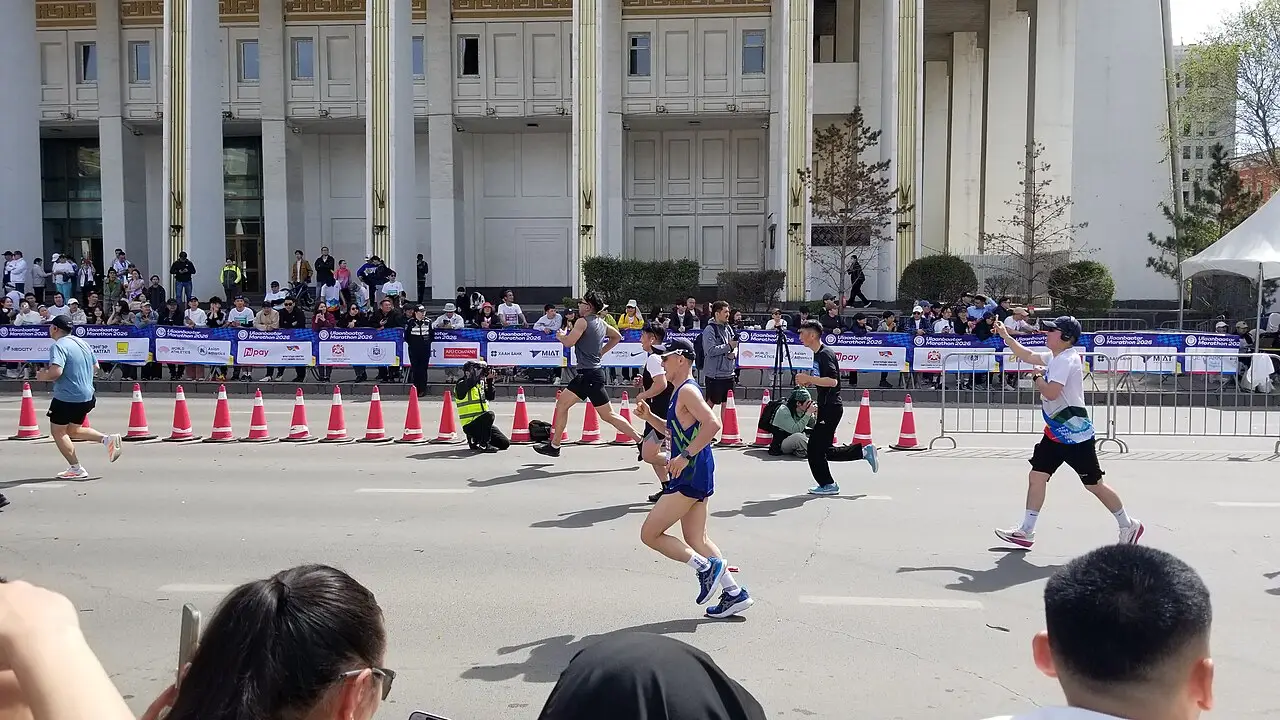
During the marathon, downtown traffic makes way for runners. The 2026 edition was on May 23; check the calendar for the next date.
Festivals and events

Naadam
From July 11 to 13, a national holiday. Opening at the National Stadium with a parade and the three games: bökh wrestling, archery, and long-distance horse racing, with jockeys aged 6 to 12, run at Khui Doloon Khudag, 40 km from the city. Opening-ceremony tickets sell out weeks ahead.
Tsagaan Sar
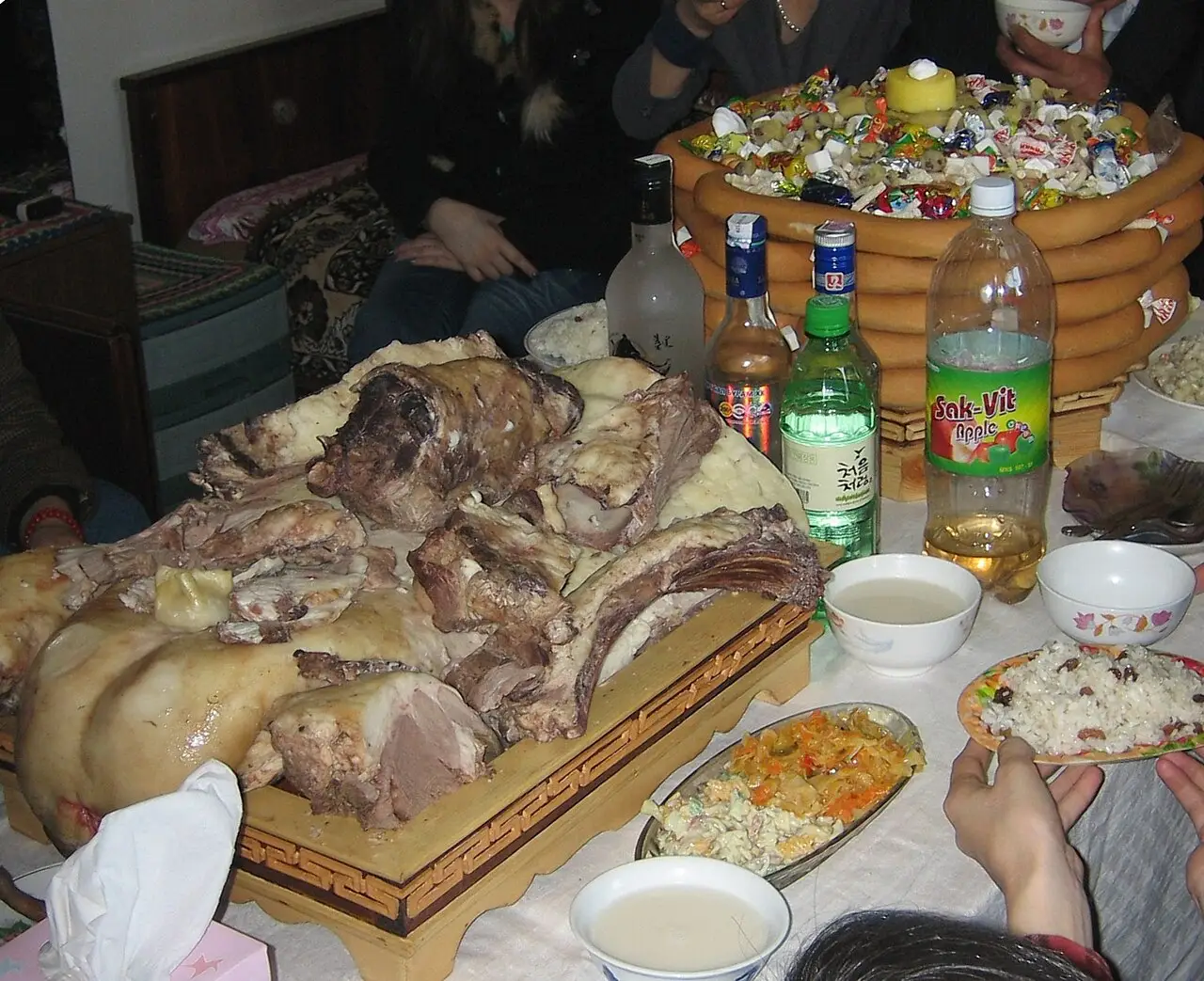
Lunar new year, between late January and early March. Three days of family visits in order of age, a tower of ul boov cookies on the table, buuz by the thousand, and the zolgokh greeting, in which the younger person supports the elder's elbows from below. The city shuts down and the roads to the countryside fill up.
Danshig Naadam
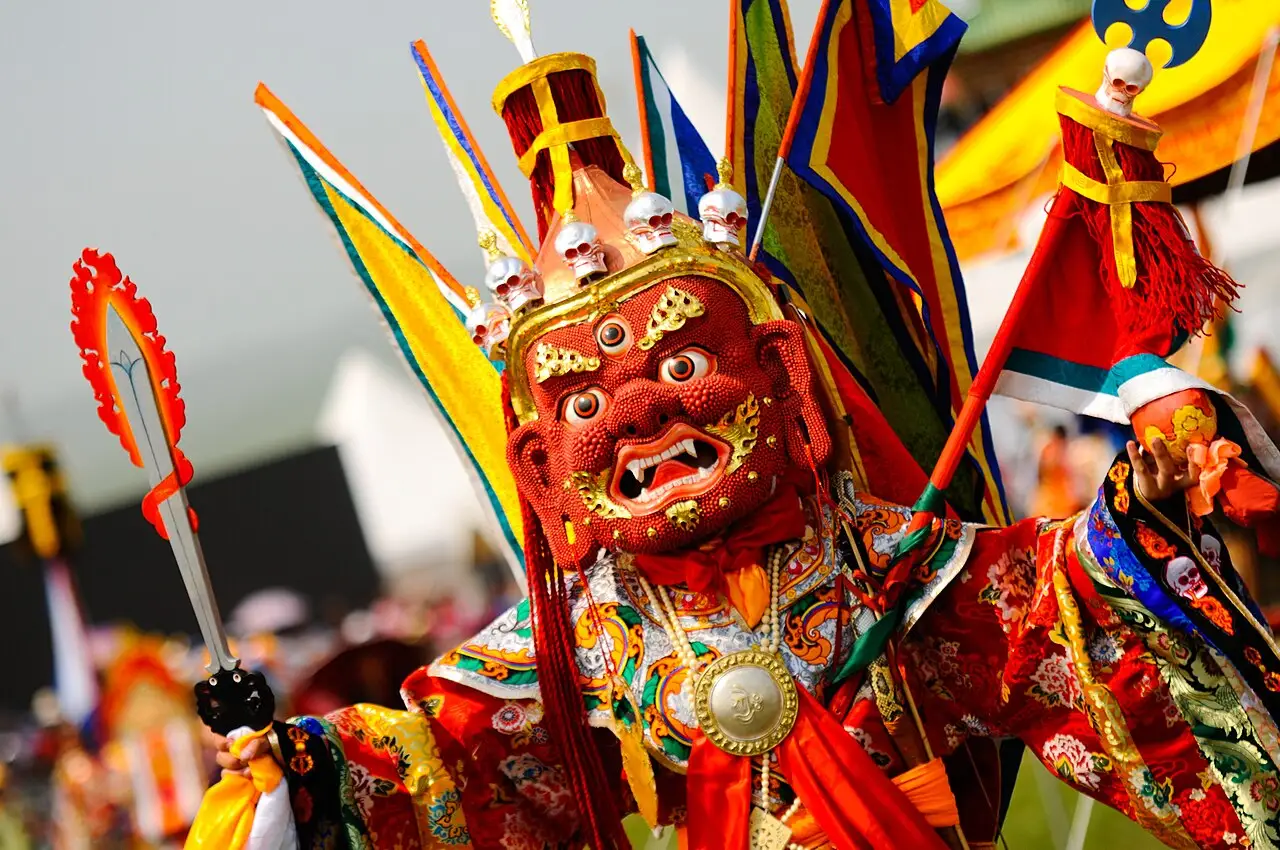
In August, at Khui Doloon Khudag. Revived in 2015 after nearly 100 years, it joins the naadam with a religious festival featuring the masked tsam dance performed by monks from Gandan. It's the best place to see pre-1937 Buddhist liturgy.

Playtime
An open-air rock festival held since 2002, usually in June or July, at a camp near Gachuurt, east of the city. Two or three days, a crowd in the thousands, camping tents, and temperatures dropping from 28 °C to 5 °C at night.
Ulaanbaatar Marathon
A road race with 42, 21, and 10 km courses at about 1,300 m above sea level. The 2026 edition took place on May 23, with downtown road closures; check the official calendar before planning your next trip. The city also holds other car-free days.
Books and films
“Genghis Khan and the Making of the Modern World,” Jack Weatherford (2004)
Explains why, after 1990, a country that spent 66 years under Soviet tutelage rebuilt its national identity around a 13th-century emperor, and why his name is on the airport, the beer, and the square.
“The Secret History of the Mongols” (13th c.)
The only Mongol account written during the empire's own era, full of clan feuds, escapes, and oaths. It reads like a family chronicle and is the source of almost all the imagery seen in the city's museums.
“Mongolian Bling,” Benj Binks (2010)
A documentary about Ulaanbaatar's hip-hop scene that uses the music to show the ger districts, post-transition unemployment, and the gap between the glass center and the hillside. It's the most direct portrait of the city in the 2000s.
Frequently asked questions
Ulaanbaatar: Does European winter gear hold up in January?
No: January has an average around −20 °C and lows of −35 to −40 °C, and with wind, European winter gear isn't enough. Bring thermal layers, thick-soled boots, and a hat that covers the ears, and plan short stretches between heated places.
Ulaanbaatar: How far is Gorkhi-Terelj National Park?
Gorkhi-Terelj National Park is 66 km northeast, 1 hour 15 minutes to 1 hour 30 minutes by car.
Ulaanbaatar: What's the currency, and what's the dollar worth?
The currency is the tögrög (MNT, ₮), around 3,600 ₮ per dollar in September 2026 (the rate moves), and at first the zeros are scarier than the prices.
Ulaanbaatar: What's the best time to go?
Summer is short and it's the window: mid-June to mid-September, with highs of 22 to 28 °C, cool nights of 8 to 12 °C, and most of the annual rain falling in July and August.
Ulaanbaatar: How do you politely give and receive objects?
Extend your right hand and support your right elbow with your left when receiving or handing over money, a card, a bowl, or a gift.