China
Shanghai
1930s facades, glass towers, and plane-tree streets
Days Start with the basic programme and choose extensions for the time you have.
How the guide reaches this number
Don't come looking for ancient China: the classical gardens are in Suzhou, a bullet-train day trip away. With just one day, get to the Bund at 8am and cross the river on the Jinling Road ferry, for 2 CNY. Go up Shanghai Tower before 11am and head back to Puxi for lunch of scallion-oil noodles at a neighborhood shop. In the afternoon, take the subway to the old French Concession and walk under the plane trees of Wukang and Anfu roads. What disappoints is walking in Pudong, with its 500m superblocks, elevated walkways, and almost no street-level shops. In the city's favor, the public museums are free and the subway runs over 800km. Avoid August, which goes past 32°C almost every day.
3
When Late September to November; April and May as a second choice
How the guide reaches this number
The climate is humid subtropical, with four clearly marked seasons. Spring runs from March to May, between 10 and 25°C, with intermittent rain and azaleas and magnolias blooming in April. In mid-June the meiyu begins, the “plum rain”: three to four weeks of continuous drizzle with humidity near 85%, which is when washed clothes simply stop drying. July and August go past 32°C almost every day, with heat-index readings above 38°C, and it's also typhoon season, which extends into September and usually brings a day or two of suspended transit. The best period runs from late September to November: 15 to 25°C, clearer skies, and hairy crab season. Winter, from December to February, sits between 1 and 10°C with high humidity, which makes it feel colder than the thermometer shows; snow is rare and few old buildings have central heating. Avoid Golden Week from October 1 to 7 and the days around the Spring Festival, when prices rise and the Bund operates with crowd control; if you can only pick what to avoid, avoid August.
Per person/day about CNY 450–900 per person with a mid-range hotel, meals and transport; about CNY 250 in budget mode
How the guide reaches this number
Per person per day: accommodation, meals, urban transport, visits and a small allowance for extras. Flights excluded; larger purchases vary. Editorial estimate, not a quote.
 What Nilo thinks
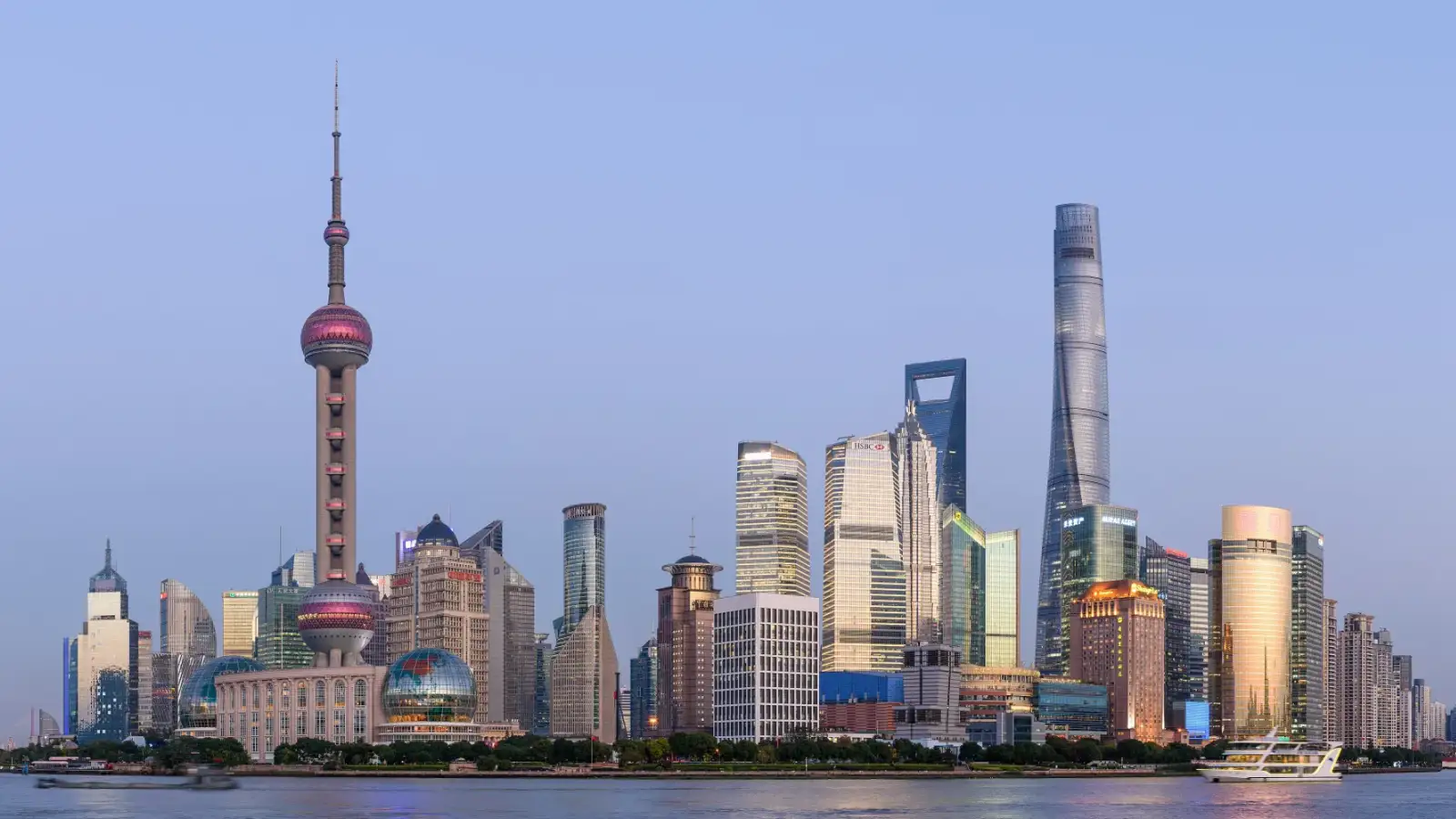
Set aside three days: one for the river and both banks, another for the old concessions and their lanes, and the third for the art museums of the West Bund and the canals of Zhujiajiao. Don't come looking for ancient China: the classical gardens are in Suzhou, a bullet-train day trip away. With just one day, get to the Bund at 8am and cross the river on the Jinling Road ferry, for 2 CNY. Go up Shanghai Tower before 11am and head back to Puxi for lunch of scallion-oil noodles at a neighborhood shop. In the afternoon, take the subway to the old French Concession and walk under the plane trees of Wukang and Anfu roads. What disappoints is walking in Pudong, with its 500m superblocks, elevated walkways, and almost no street-level shops. In the city's favor, the public museums are free and the subway runs over 800km. Avoid August, which goes past 32°C almost every day.In Shanghai, the 52 stone facades of the Bund, built between 1900 and 1937 on the west bank of the Huangpu River, face the skyscrapers of Pudong, where the 632m Shanghai Tower rose over former rice paddies. The Bund is the work of the port's opening to foreign trade in 1843, which split the city into concessions with their own police and building codes. Pudong was born from Beijing's authorization, in 1990, to build on the other bank. Away from the river, the city of the concessions continues in the plane-tree streets of the old French Concession and in the shikumen lane houses of Xintiandi and Tianzifang. The food justifies the trip: shengjianbao seared on the griddle for breakfast, hongshaorou, pork belly braised in soy sauce and rock sugar, and hairy crab in season. Come from late September to November, with 15 to 25°C, outside Golden Week from October 1 to 7, and set aside three days.
Quick facts
- Population
- about 24.9 million in the municipality; about 29 million in the continuous urban area
- Founded
- Huating County in 751; Shanghai County in 1292; port opened to foreign trade in 1843
- Country and region
- China · municipality under direct central administration, Yangtze Delta
- Languages
- Standard Mandarin (putonghua); Shanghainese (Wu family) in local conversation; limited English outside hotels and museums
- Currency
- Yuan renminbi (CNY, ¥): around 6.9 CNY per dollar in 2026
- Time zone
- UTC+8, no daylight saving; all of China uses a single time zone
- Best time
- Late September to November; April and May as a second choice
- Average cost per day
- about CNY 450–900 per person with a mid-range hotel, meals and transport; about CNY 250 in budget mode
When to go
Late September to November; April and May as a second choice
January
2° to 8°C
70 mm of rain
February
4° to 10°C
64 mm of rain
March
7° to 14°C
87 mm of rain
April
12° to 20°C
77 mm of rain
May
18° to 25°C
90 mm of rain
June
22° to 28°C
197 mm of rain
July
26° to 32°C
147 mm of rain
August
26° to 32°C
210 mm of rain
December
4° to 11°C
49 mm of rain
How the year changes
The climate is humid subtropical, with four clearly marked seasons. Spring runs from March to May, between 10 and 25°C, with intermittent rain and azaleas and magnolias blooming in April. In mid-June the meiyu begins, the “plum rain”: three to four weeks of continuous drizzle with humidity near 85%, which is when washed clothes simply stop drying. July and August go past 32°C almost every day, with heat-index readings above 38°C, and it's also typhoon season, which extends into September and usually brings a day or two of suspended transit. The best period runs from late September to November: 15 to 25°C, clearer skies, and hairy crab season. Winter, from December to February, sits between 1 and 10°C with high humidity, which makes it feel colder than the thermometer shows; snow is rare and few old buildings have central heating. Avoid Golden Week from October 1 to 7 and the days around the Spring Festival, when prices rise and the Bund operates with crowd control; if you can only pick what to avoid, avoid August.
The same numbers as a table
| Month | Temperature °C | Rain mm |
|---|---|---|
| January | 2 to 8 | 70 |
| February | 4 to 10 | 64 |
| March | 7 to 14 | 87 |
| April | 12 to 20 | 77 |
| May | 18 to 25 | 90 |
| June | 22 to 28 | 197 |
| July | 26 to 32 | 147 |
| August | 26 to 32 | 210 |
| September · | 22 to 28 | 117 |
| October · | 17 to 23 | 71 |
| November · | 11 to 18 | 58 |
| December | 4 to 11 | 49 |
Nilo's tips
Cross the Huangpu on the 2 CNY ferry, not through the tunnel
The tourist tunnel between the banks charges a lot to show blinking lights, and the ferry at Jinling Road crosses in five minutes, in the open air. It's the crossing locals use to get to work, and you pay with the Alipay QR code at the turnstile. Make the return trip, from Pudong to Puxi, in the late afternoon, with the whole row of Bund facades facing the ferry.
Go to the Bund at 8am, before the evening crowd
At 8am, the light hits the facades at a low angle and the promenade is clear. On the October 1 and New Year holidays, when there's crowd control, early morning is the only quiet time.
Show your boarding pass and pay 40 CNY on the maglev
With the same-day boarding pass, shown at the counter, the fare drops from about 50 to 40 CNY. The 30km trip between Pudong and Longyang Road takes about 8 minutes, and since 2021 the train runs at 300 km/h all day. If your destination is downtown and you have luggage, the direct Line 2 takes 60 to 75 minutes and avoids the transfer at Longyang.
At the Shanghai East Museum, individual visitors have entered without a reservation since 2024
Just bring your physical passport to gate B1 and go through security. The WeChat mini-program requires a reservation again on holidays, school breaks, and special exhibits, and also for the Digital Gallery and Curio-city. It's about 113,000 m²: budget three hours for the main galleries and half a day if you also want to see the painting and calligraphy ones.
Breakfast carts close at 9:30am
The carts don't come back in the afternoon, and that's where you find cifantuan and doujiang. Cifantuan is glutinous rice hand-rolled around a youtiao, and doujiang is hot soy milk. Near them, four shengjianbao cost 8 to 15 CNY, and it's worth letting them cool a little before eating, because the broth stays inside the bun.
In November, steer clear of CIIE week and the art fairs
In the week when the CIIE takes over the Hongqiao convention center, hotels and taxis vanish. West Bund Art & Design and ART021 land together on the same weekend. Check the dates of all three before booking: outside them, November is still a good time. If the trip can shift to September, the Shanghai Tourism Festival opens with a parade on Huaihai Avenue, and for a few days dozens of attractions sell tickets at half price.
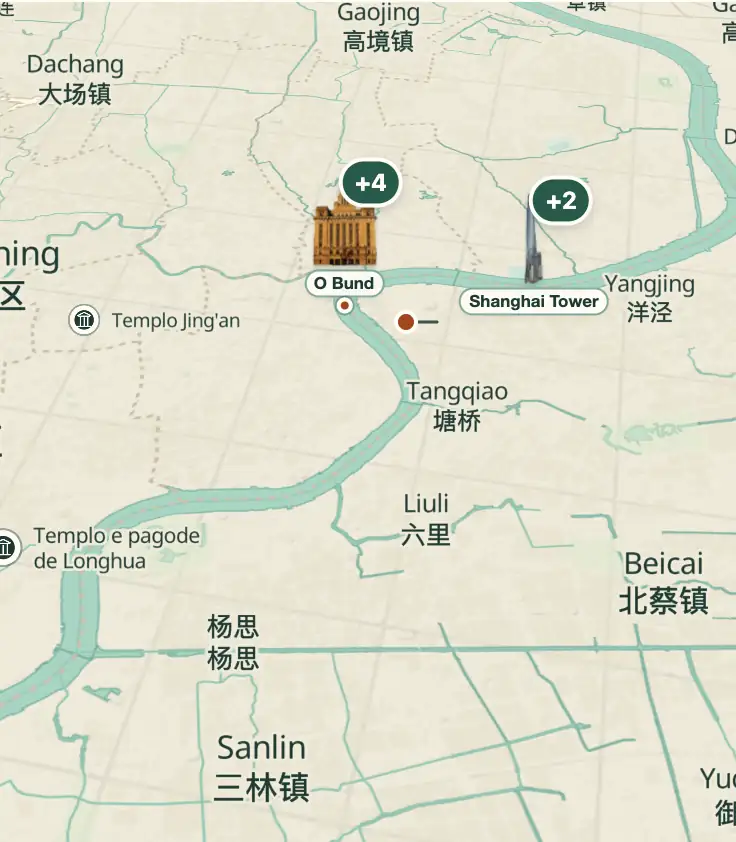
Explore the map
© OpenStreetMap · OpenFreeMap · © OpenMapTiles
Explore the map, read about the other places and plan your travel days in the app.
Open the appWhat to see
In Shanghai, the Bund, with buildings from 1900 to 1937, and Pudong, built over rice paddies after 1990, face each other across the Huangpu River.
Shanghai is a delta plain almost entirely less than five meters above sea level, and the walks follow the Huangpu: the Bund and the old concessions sit on the Puxi bank, and the towers built after 1990, on the other.
The Bund (Waitan)
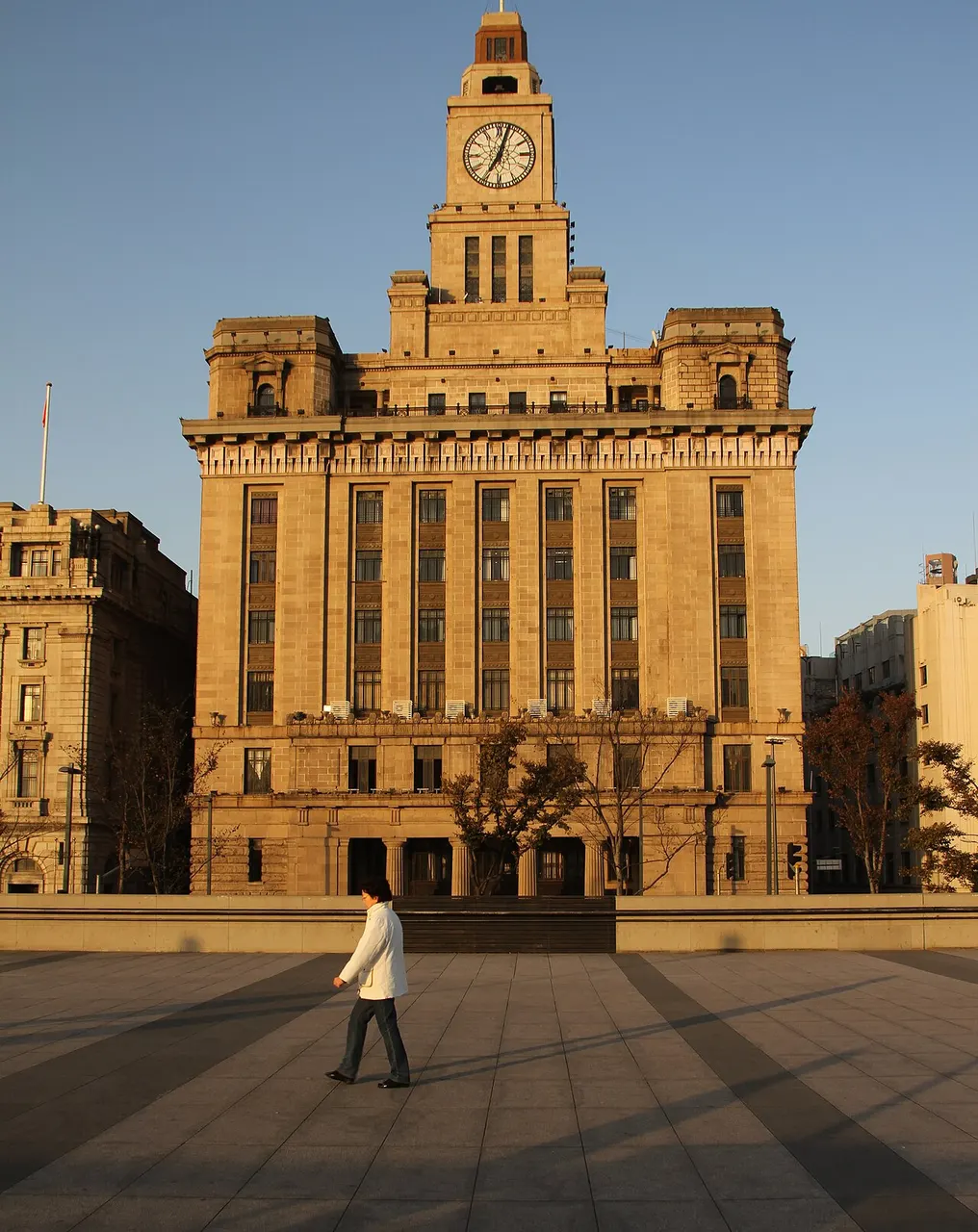
About 1.5km of riverside promenade on the west bank of the Huangpu, with 52 buildings put up between 1900 and 1937. Worth stepping into the lobby of the former HSBC building (1923), whose dome carries a 1923 mosaic of eight port cities, and looking up at the 1927 Customs House, with its 79 m tower and the Big Ching bell.
The Huangpu promenade brings together 52 buildings dating from 1900 to 1937, the lobby of the 1923 HSBC building has a mosaic with eight port cities, and the 1927 Customs House raises a 79m tower.
Check access
Shanghai Tower
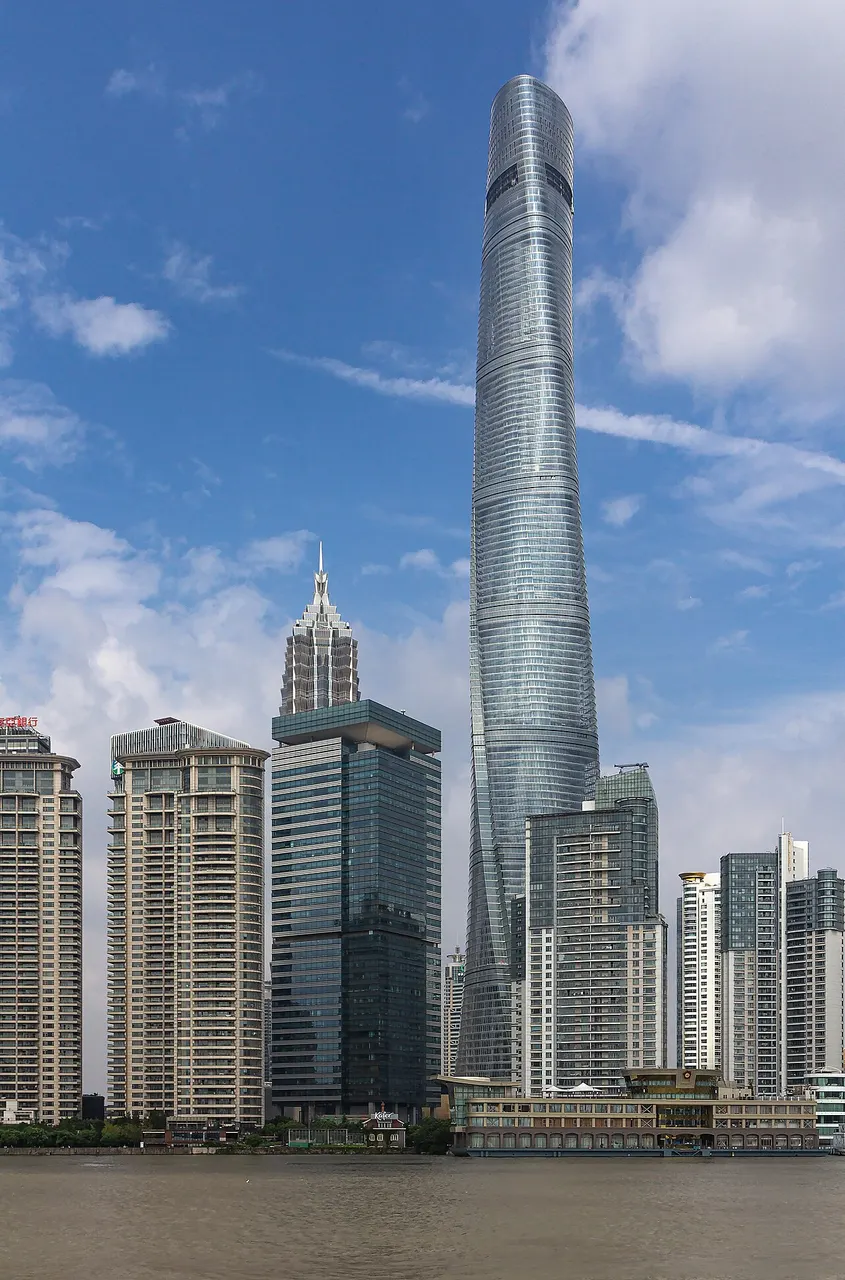
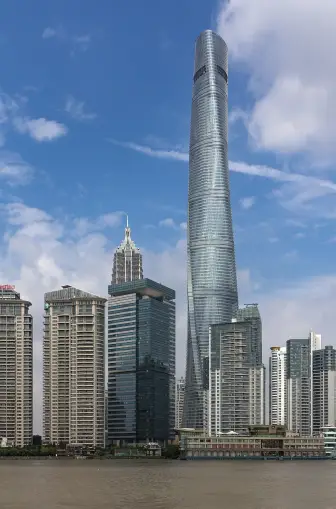
632 m, completed in 2016, the tallest building in China. The observation deck is on the 118th floor, at 546 m, and the elevators climb at about 20.5 m/s; tickets run around 180 CNY, with a timed slot booked through the app.
China's tallest building, at 632m, completed in 2016, puts the observation deck on floor 118, at 546m, with elevators that reach about 20.5 m/s, and charges admission in the range of 180 CNY, with a time slot booked through the app.
Check access
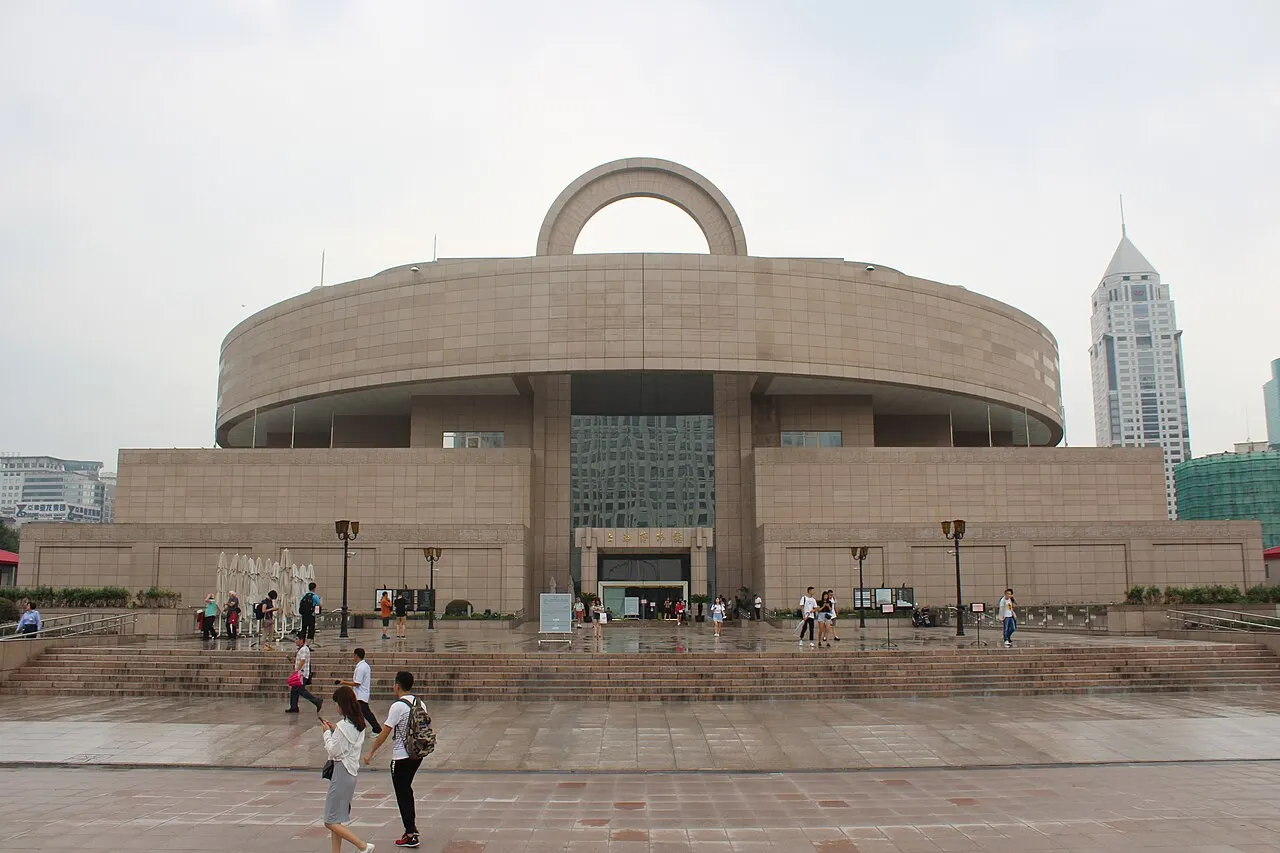
Shanghai Museum (People's Square)
Opened in 1996, laid out in the shape of a ding, the ritual bronze vessel. Its galleries of bronzes, ceramics, calligraphy and Ming furniture remain the best introduction to Chinese art in the country; free admission with advance booking.
Check access
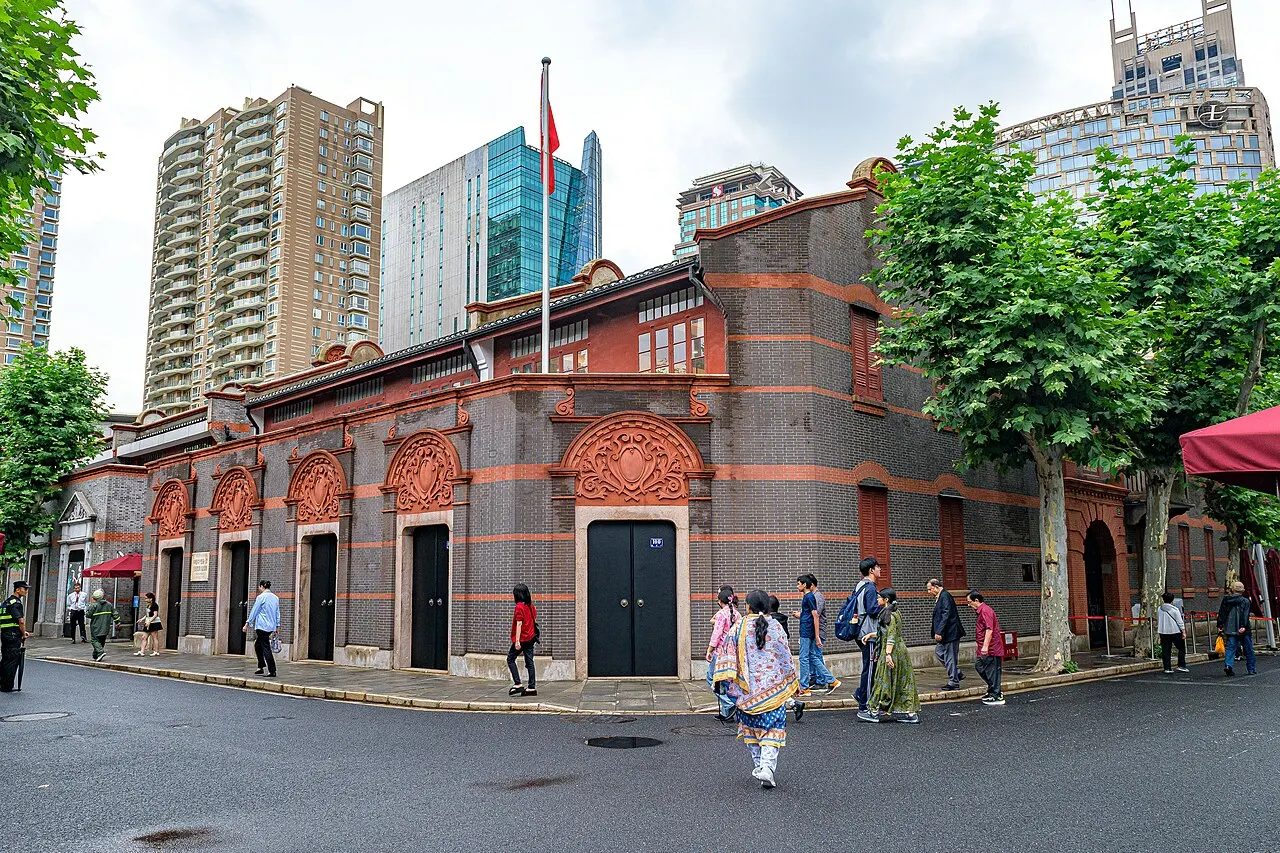
Xintiandi, Tianzifang and Wukang Mansion
Xintiandi and Tianzifang show two fates for the shikumen lane houses: Xintiandi (2001) demolished and rebuilt the houses as a commercial gallery and holds the site of the 1st CCP Congress, while Tianzifang kept its lanes and residents. In the same old concession, Wukang Mansion, designed by László Hudec in 1924 on the prow of a Y-shaped intersection, is the city's most photographed corner.
Xintiandi in 2001 demolished and rebuilt the houses as a commercial gallery and holds the site of the first congress, Tianzifang left residents and alleys in place, and the Wukang, designed by László Hudec in 1924 on the prow of a Y-shaped junction, is the most photographed corner.
Check access
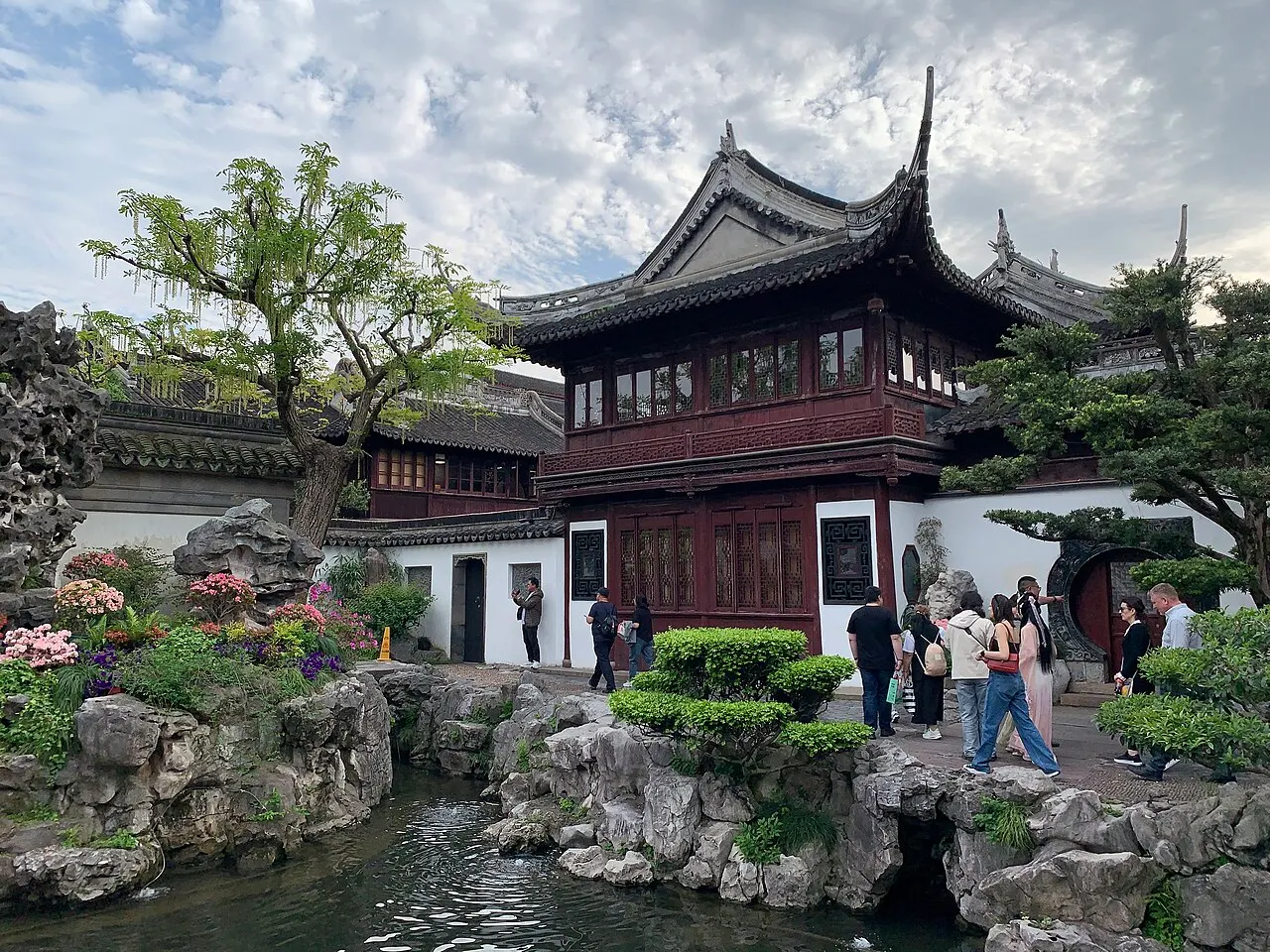
Yu Garden
A private garden built between 1559 and 1577 by Pan Yunduan for his father, covering about 2 hectares, with Lake Tai rocks and dragon-topped walls. Next door are the Yuyuan Bazaar, the City God Temple, and the 1855 Huxinting teahouse at the end of the Nine-Turn Bridge.
Check access
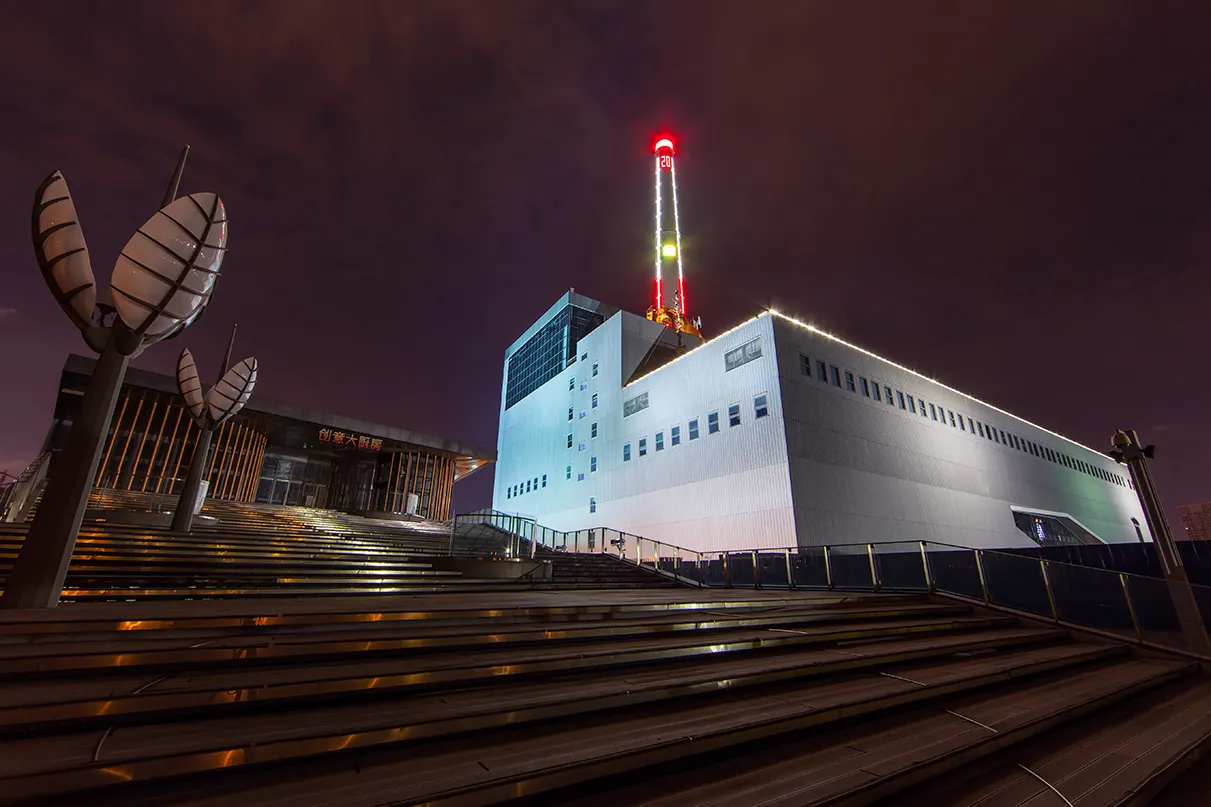
Power Station of Art and West Bund
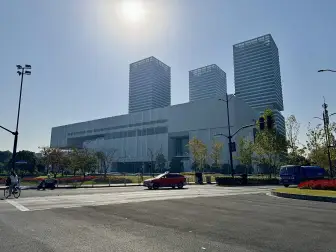
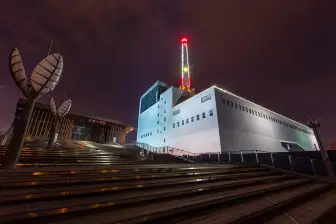
A 1985 power plant converted in 2012 into China's first public museum of contemporary art, with a 165 m chimney; it hosts the Shanghai Biennale in odd-numbered years. 5 km away, West Bund lines up Long Museum, Tank Shanghai (1959 fuel tanks) and the West Bund Museum.
Anyone who steps into the old thermal power plant finds, after its conversion, China's first public museum of contemporary art.
Check access
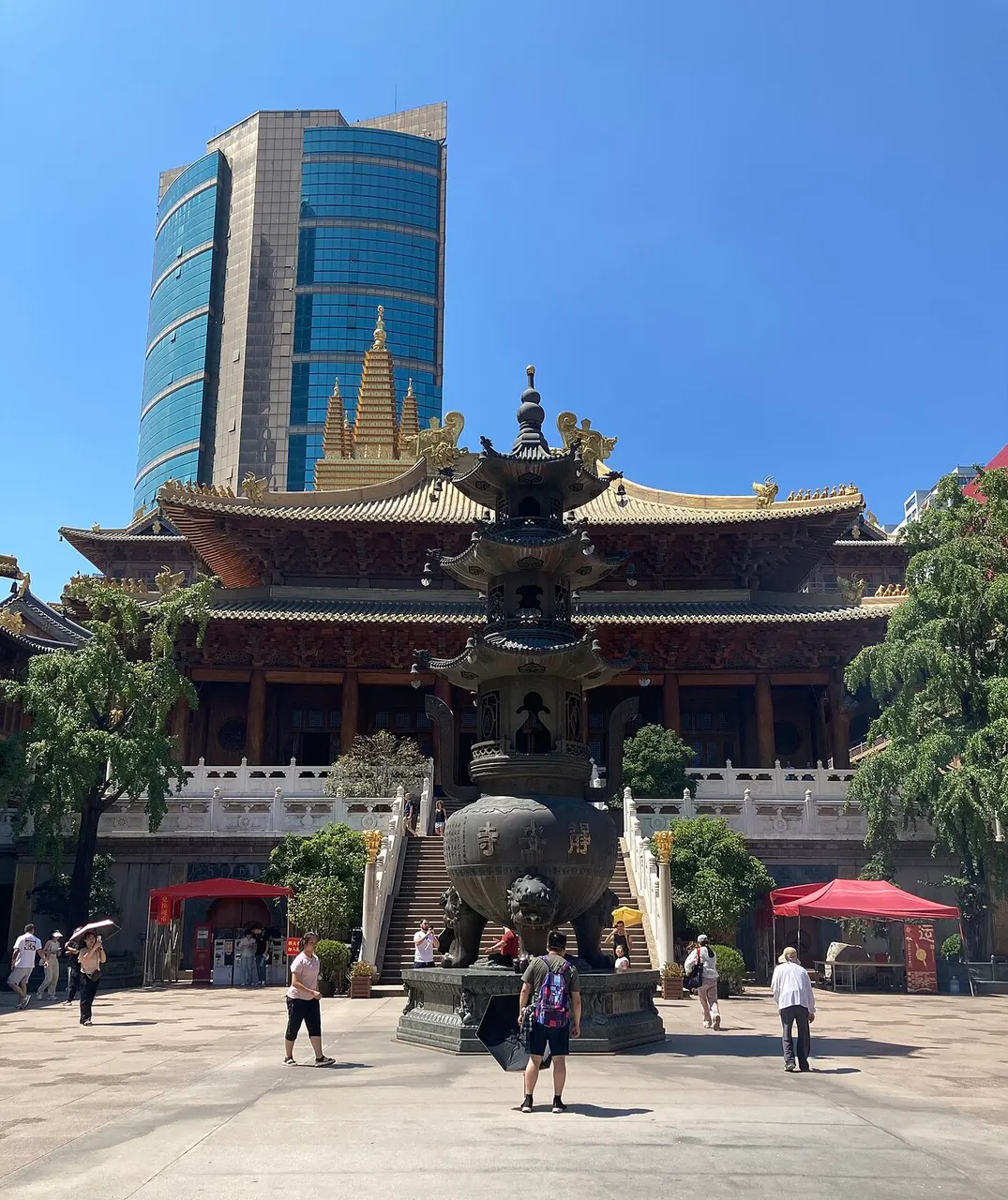
Jing'an Temple
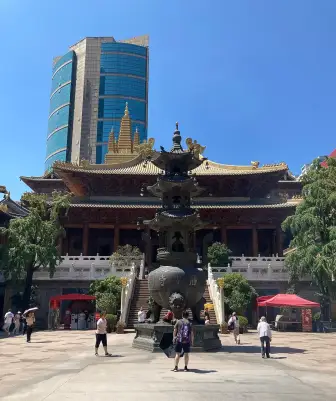
Founding traced to 247, moved to its current site in 1216, and rebuilt in gold and wood between 1980 and 2010. The main hall holds a silver Buddha weighing about 15 tons; outside, the gilded temple presses right up against office towers.
Its origin is given as 247, the temple was moved to its current address in 1216 and rebuilt in gold and wood from 1980 to 2010, and from outside the golden temple presses right up against office towers. The main hall holds a silver Buddha weighing about 15 tons.
Check access
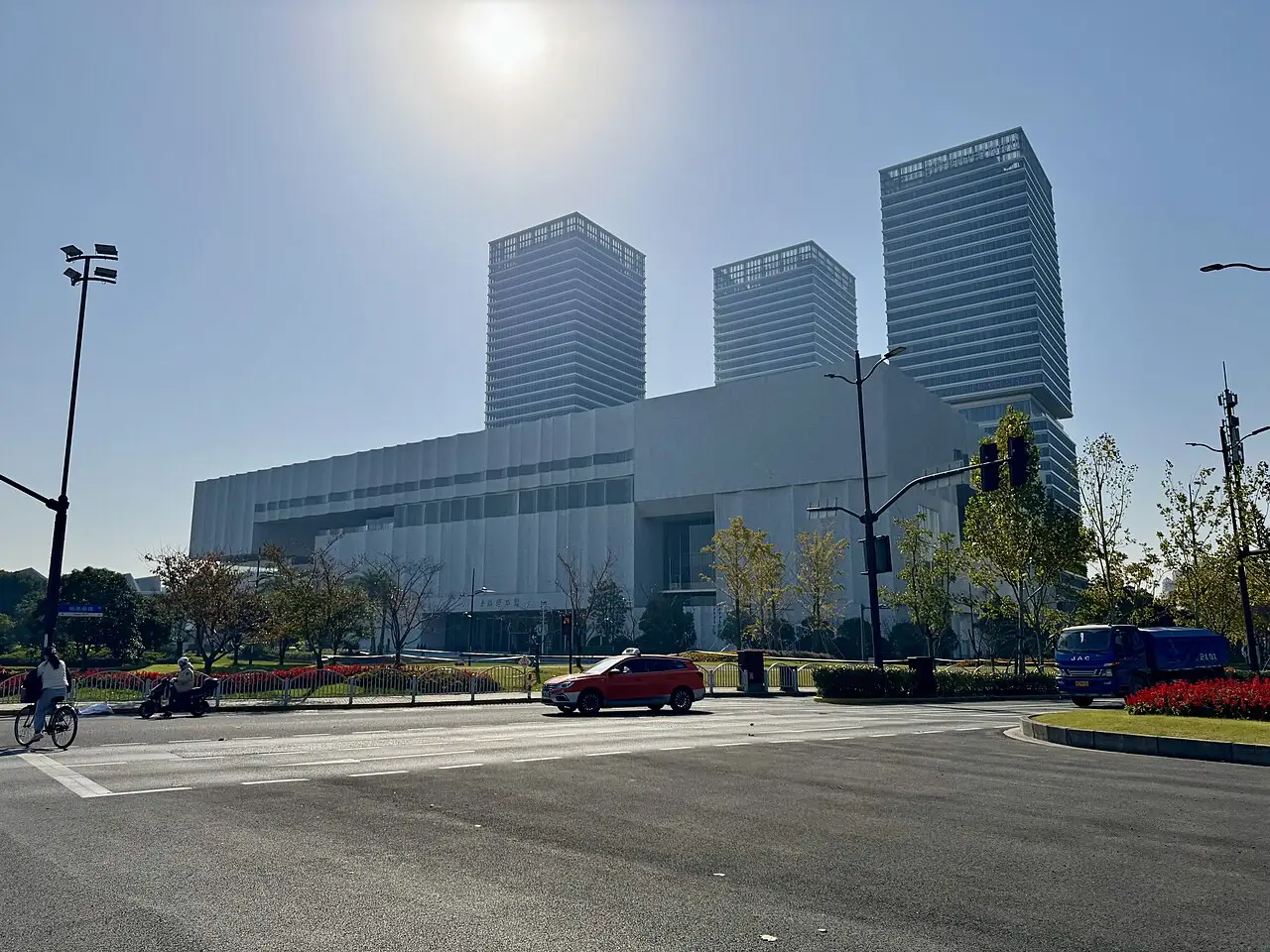
Shanghai Museum East
The new headquarters in Pudong, opened in stages between 2023 and 2024, covers about 113,000 m². The main galleries call for three hours, and anyone who also wants to see the painting and calligraphy galleries needs half a day. Individual visits have skipped the reservation requirement since 2024, with a passport, but on holidays and for special exhibits it's required again.
Check access
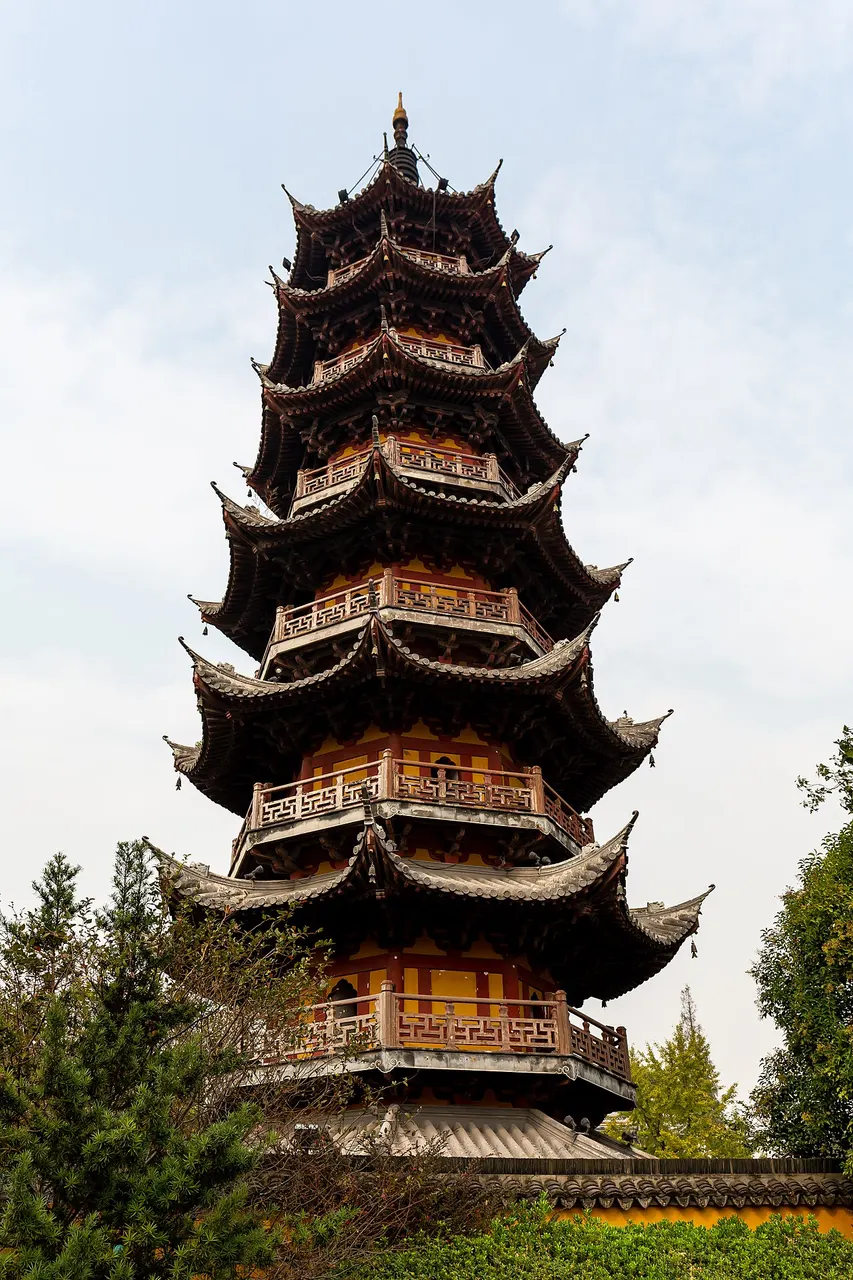
Longhua Temple and Pagoda
The city's largest Buddhist complex, in the south. The seven-story, 40.6 m pagoda was rebuilt in 977 and cannot be climbed; at Lunar New Year the bell is struck 108 times at midnight.
It's the city's largest Buddhist complex, but it's in the south, far from downtown, and the 40.6m pagoda, rebuilt in 977, can't be climbed. On a first visit, the trip out there weighs more than the pagoda, which is only seen from outside.
Check access
Nilo’s itinerary
Start with the basic programme and choose extensions for the time you have.
Plan my days in the app ↗Day 1 · The river and its two banks
Start at 8am on the Bund promenade, between Waibaidu Bridge and Chen Yi Square: the morning light hits the façades and the walkway is still empty.
Step into the lobby of the former HSBC building, at 12 Zhongshan Dong Yi Road, today a bank branch, to see the 1923 dome mosaic.
Cross to Pudong on the Jinling Road ferry, 2 CNY and five minutes, instead of the tourist tunnel.
Go up Shanghai Tower to the 118th floor, at 546 m, with a booked time slot; before 11am the line is short.
Close the day at the Shanghai East Museum, also in Pudong, and budget three hours for the main galleries.
Day 2 · Concessions, lanes and plane trees
Have breakfast of shengjianbao and hot soy milk at a neighborhood shop near Shaanxi South Road station.
Walk Wukang Road from Wukang Mansion (Hudec, 1924) to Anfu Road, ducking into Ferguson Lane and ending on Yongkang Road.
Have benbang food for lunch at a neighborhood restaurant: hongshaorou, sijixi kaofu and cong you ban mian give you the measure of the local cuisine.
In the afternoon, visit Xintiandi and the site of the 1st CCP Congress, at 76 Xingye Road, and then Tianzifang, to see what the same lanes look like when they weren't demolished.
Spend the late afternoon at Jing'an Temple and on West Nanjing Road, and have dinner at the places on Huanghe Road, behind the Grand Theatre.
Day 3 · Art, water and the rest
Start the morning at the Power Station of Art, a 1985 power plant with a 165m chimney, and head to the West Bund, where the Long Museum, Tank Shanghai, and the West Bund Museum are within walking distance.
Have lunch on the Xuhui Binjiang waterfront and walk a stretch of the 11 km river promenade.
Take subway line 17 to Zhujiajiao, about an hour from Hongqiao, for the canals and the 1571 Fangsheng Bridge.
Head back in the late afternoon and walk East Nanjing Road from the Bund to People's Square.
Have hairy crab for dinner if you're there between September and November; out of season, scallion-oil noodles and a cup of warm huangjiu.
Food
 AI illustration
Shengjianbao
A pork bun seared on the griddle, with a crisp bottom, scallions and sesame on top, and hot broth inside. Wait two minutes after it comes off the griddle, bite a corner to let the steam out, and only then eat it; it costs about 8–15 CNY for four pieces.
 AI illustration
Xiaolongbao
The thin-skinned soup dumpling, originally from Nanxiang (Jiading district) in 1871. The wrapper has 16 to 18 pleats, filled with pork and skin gelatin that melts under steam; the historic house is Nanxiang Mantou Dian, at Yuyuan since 1900.
 AI illustration
Hongshaorou
Pork belly cut into cubes and slow-cooked in soy sauce, rock sugar and rice wine until red and glossy. It's the portrait of benbang cooking, summed up in the phrase “nong you chi jiang”: heavy oil, red sauce.
 AI illustration
Da zha xie
Hairy crab from Yangcheng Lake, steamed and served with Zhenjiang vinegar and ginger. In season from September to November; the roe-bearing female is sought after in October, the male in November.
 AI illustration
Cong you ban mian
Dry noodles tossed with slow-burnt scallion oil, soy sauce and sugar, sometimes with dried shrimp. A 15–25 CNY lunch at any neighborhood shop.
 AI illustration
Cifantuan and doujiang
Street breakfast: glutinous rice hand-rolled around a fried youtiao, with sugar or a salty pickle, served with hot soy milk. Sold from carts and small shops until around 9:30am.
 AI illustration
Sijixi kaofu
Roasted wheat gluten braised with shiitake mushroom, day lily buds and peanuts, served cold at the start of the meal. One of the most common starters in benbang restaurants, and one of the few vegetarian ones.
 AI illustration
Shaoxing huangjiu
Yellow rice wine, served warm in small jugs, sometimes with a slice of ginger. It's also the liquor behind drunken chicken (zui ji) and drunken shrimp (zui xia), both served cold.
Day trips
Suzhou
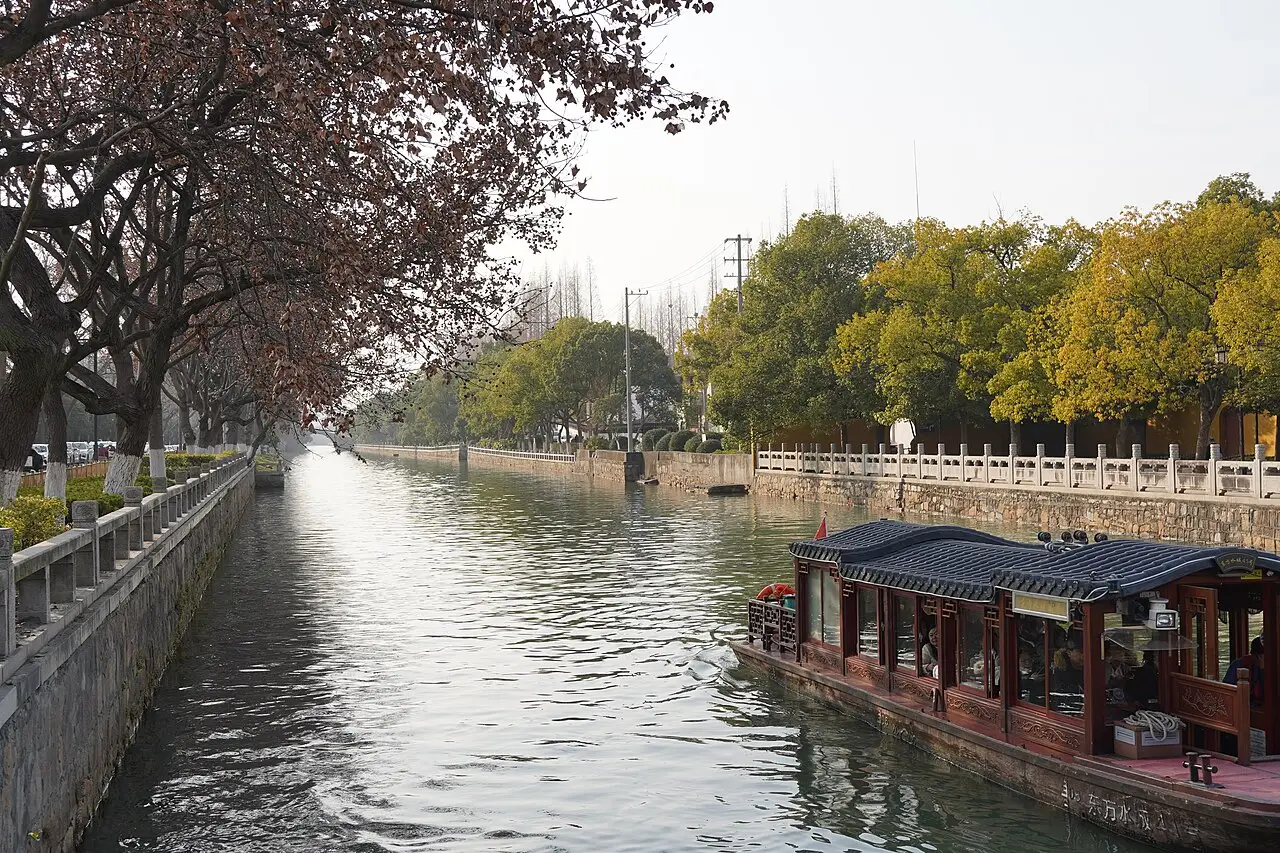
Suzhou is 25–30 minutes away by bullet train from Hongqiao station, for about 40 CNY. It's a canal city with nine classical gardens on the Unesco list, among them the Humble Administrator's Garden (1509) and the Master of the Nets Garden, and it can be done in one unhurried full day.
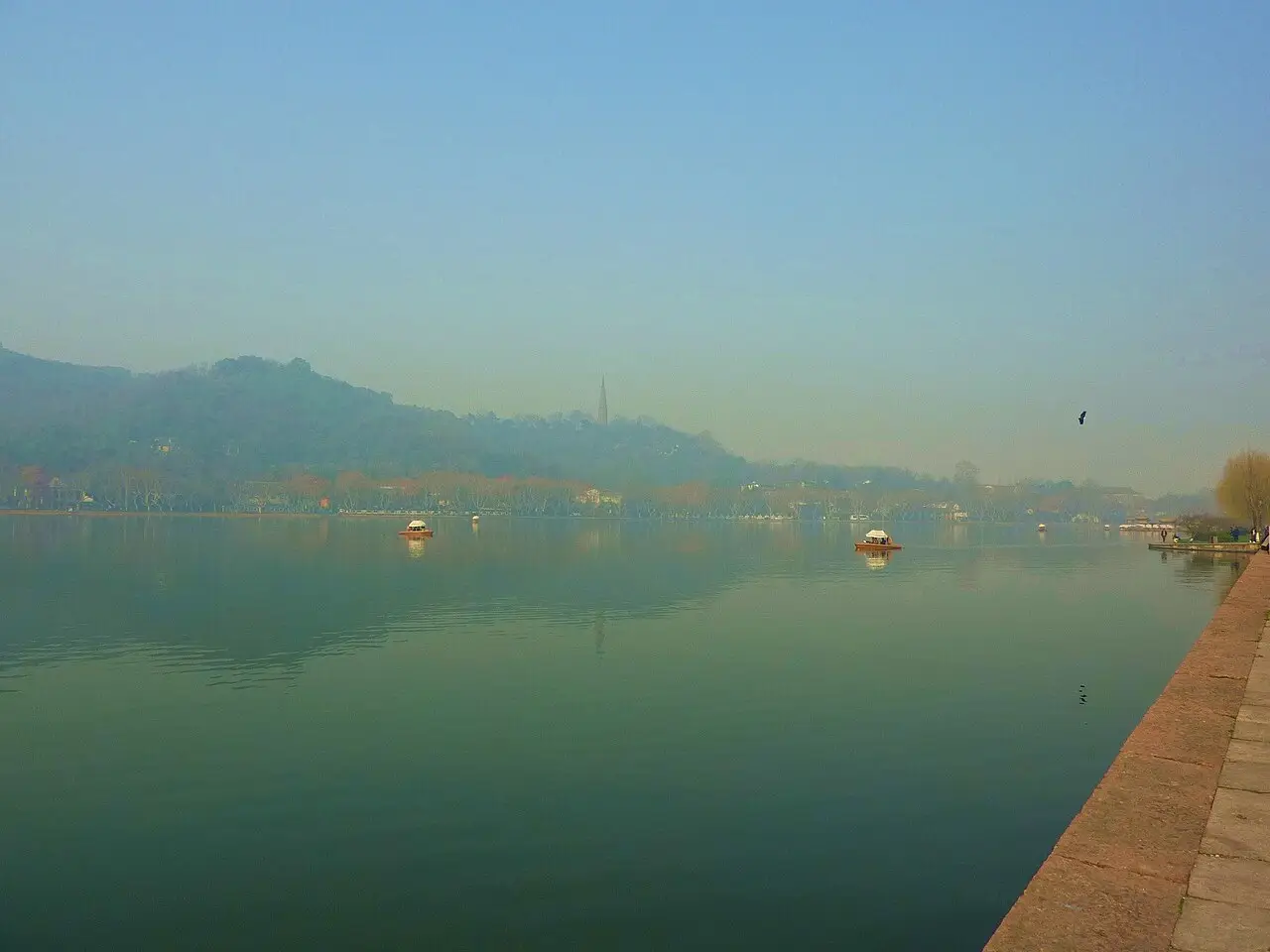
Hangzhou
Hangzhou is 45–60 minutes away by bullet train, with tickets running 75 to 120 CNY. West Lake, also Unesco-listed, is about 15km around on foot or by bike, and the longjing tea plantations of Meijiawu are a 20-minute taxi ride from the lake.
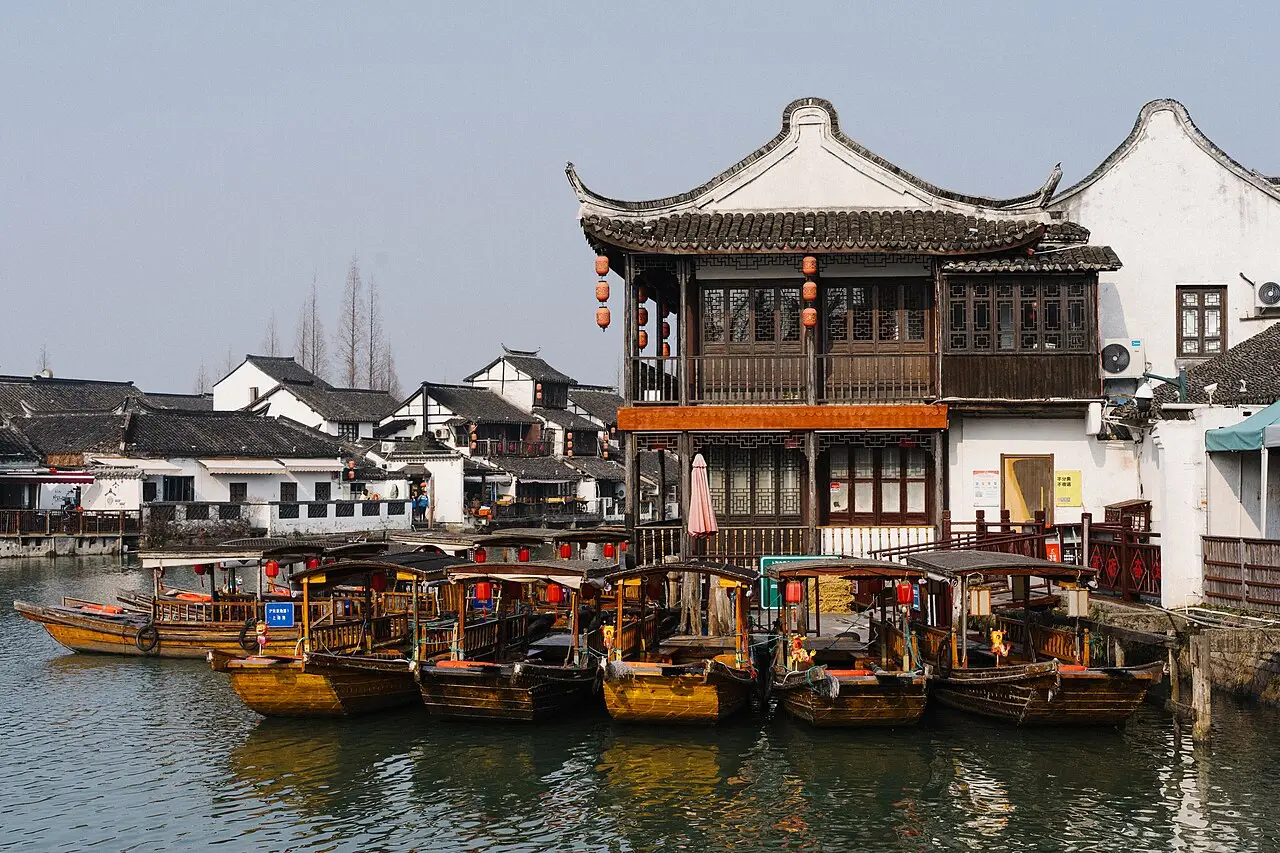
Zhujiajiao and Wuzhen
Zhujiajiao is 45 km out and the cheap option: subway line 17, about an hour from Hongqiao, canals and the 1571 Fangsheng Bridge. Wuzhen is about 1 hour 40 minutes by bus from the south bus station and is worth an overnight: the East Scenic Area works as a daytime open-air museum, the west stays lit and open late.
Where to begin
The river and its two banks
Start at 8am on the Bund promenade, between Waibaidu Bridge and Chen Yi Square: the morning light hits the façades and the walkway is still empty.
Concessions, lanes and plane trees
Have breakfast of shengjianbao and hot soy milk at a neighborhood shop near Shaanxi South Road station.
Art, water and the rest
Start the morning at the Power Station of Art, a 1985 power plant with a 165m chimney, and head to the West Bund, where the Long Museum, Tank Shanghai, and the West Bund Museum are within walking distance.
Money
The currency is the yuan renminbi (CNY, ¥), at about 6.9 to the dollar in 2026. Practically everything is paid by QR code: Alipay and WeChat Pay have accepted foreign Visa and Mastercard cards since 2023, but registration requires SMS and a passport photo, so install and test it before you fly; at the counter, with a line behind you, is not the time to find this out. The limit for foreign cards is US$5,000 per transaction and US$50,000 per year. Cash is still legally accepted, but small shops may not have change for 100-yuan bills; ATMs at the Bank of China and ICBC accept international cards. 2026 price ranges: coffee 15–35 CNY (local chains like Luckin run 10 to 16), street breakfast 8–15, noodle or rice lunch at a neighborhood shop 15–25, dinner at a mid-range restaurant 100–200 per person, a drink at a Bund rooftop 100–150, subway 3–9 downtown and up to 15 on long lines, a taxi ride across downtown 30–60, a three-star hotel night 400–900. Tipping doesn't exist at restaurants, taxis, or hotels. Public museums, including the Shanghai Museum and the Shanghai East Museum, don't charge admission.
Getting there and around
Airports: 2, not interchangeable
The city has two airports and they're not interchangeable, which is worth memorizing before buying a ticket: Pudong (PVG) is about 40km to the east and handles the international flights; Hongqiao (SHA) is 13km to the west, almost entirely domestic, and sits right next to the Hongqiao railway station. Between the two it's 55km and about 1 hour 30 minutes by subway, so check the code before locking in a connection. From Pudong, the maglev covers the 30km to Longyang Road station in about 8 minutes, at 300 km/h, for about 50 CNY: 40 with the same-day boarding pass; there you switch to subway lines 2, 7, 16, and 18. Line 2 goes straight downtown in 60 to 75 minutes, sometimes with a transfer at Guanglan Road, and a taxi to the Bund costs around 200 CNY in 50 to 70 minutes. From Hongqiao station, bullet trains leave for Suzhou (25 minutes), Hangzhou (45 to 60 minutes), Nanjing (1 hour 10 minutes), and Beijing (4 hours 20 minutes to 4 hours 40 minutes).
The world's largest network: 800 km and 500 stations
The subway opened in 1993 and today runs over 800km with more than 500 stations across about 20 lines, the largest network in the world, with daily traffic close to 10 million trips. It operates from 5:30am to 10:30pm–11pm, with some lines extended on Friday and Saturday; every entrance has baggage X-ray, which adds a minute or two that nobody factors into their planning. The fare starts at 3 CNY up to 6km and rises 1 CNY every additional 10km: downtown it runs 3 to 9 CNY, and on the long lines it reaches 15 CNY. You pay by QR code inside Alipay, WeChat, or the Metro Daduhui app, with a public transit card, or with the 1-, 3-, or 7-day Shanghai Pass, which gives unlimited rides on the subway, buses, and ferries. Buses cost 2 CNY, the ferries that cross the Huangpu also 2 CNY and are worth more than the tourist tunnel. Taxis have a 16 CNY flag fall for the first 3km and about 2.9 CNY/km, with a night surcharge between 11pm and 5am; DiDi has an English interface and avoids the spoken-address problem, which rarely works well by voice. Shared bikes require a Chinese app with real-name registration. On foot, the old French Concession, the Bund, and Jing'an work well; Pudong doesn't.
Safety
Shanghai has a very low violent-crime rate for a city of about 24.9 million people, and walking alone at night downtown is routine for residents. There are three real risks. The first is traffic: electric scooters are silent, drive against traffic, and ride up on the sidewalk, and you won't hear one coming. The second is two old scams, run on East Nanjing Road, the Bund, and People's Square: the invitation to a “tea ceremony” and the invitation from “art students” to see a gallery, both of which end in a bill for thousands of yuan; the practical rule is not to follow strangers who approach you in English offering an address. The third is unlicensed taxis at airports and stations: use the official line or DiDi and check that the meter was turned on. Pickpockets show up in holiday crowds, and crowd density is the city's historic risk: the crush on the Bund at the turn of 2014 into 2015 killed 36 people, and the public countdown was canceled for good. Avoid photographing military installations and police operations; VPN use is tolerated in practice, but it isn't legal.
Etiquette tips
Pay with your phone
Alipay and WeChat Pay cover almost everything, from the subway to the street market. Link an international card before you travel, since registration needs an SMS and passport verification, and carry a few 10 and 20 CNY bills for street carts and older buses.
Bring your passport to public museums
Entry to public museums is logged by ID, and at the Shanghai East Museum, in Pudong, the physical passport doubles as the ticket.
Carry your passport
Hotels, trains, SIM cards, museum turnstiles and some cafés require real-name registration, and most systems scan the physical document. A photocopy or a photo on your phone is usually not accepted.
Don't tip
Restaurants, taxis, hotels and guides don't work on tips, and offering one can read as a mistake or something you forgot to collect. Large bills at hotels may already carry a 10–15% service charge built in.
The table is shared
Dishes go in the center and whoever invited orders for everyone; refusing food already placed on your plate is ruder than refusing a second helping. Don't stick your chopsticks upright in your rice (it echoes funeral incense) and pour tea for your neighbor before pouring your own.
Look twice before crossing
Scooters make no noise at all, and that changes how you cross the street here. A green pedestrian light doesn't stop cars from turning right, so look both ways even on a crosswalk.
Mistakes to avoid
Arriving without Alipay or a VPN
Arriving without Alipay or WeChat Pay set up and without having sorted out the internet. Google, Gmail, WhatsApp, Instagram, and most Western services don't open on the Chinese network, and the local app stores don't sell VPNs. Set up payment before you board and, if you depend on those services, install a VPN too, because once you've landed it's too late; VPN use is tolerated in practice, but it isn't legal.
Pudong and Hongqiao are 55 km apart
Mixing up Pudong (PVG) with Hongqiao (SHA). They're 55 km apart, about 1 hour 30 minutes by subway, and many international-to-domestic connections switch airports without a clear warning on the ticket.
Carry the address in characters on your phone
Counting on English outside the hotels. Taxis, markets, and most neighborhood restaurants work only in Chinese; carry the address in characters on your phone screen and use a camera translator for the menu.
The Bund at night on a national holiday
Going to the Bund at night on a national holiday expecting a quiet stroll. On October 1 and New Year's there's crowd control, one-way lanes, and a line to get onto the promenade; the civilized hour is before 9am.
The 240-hour transit without a confirmed onward ticket
Using the 240-hour visa-free transit without a confirmed ticket to a third country. The exemption requires an outbound ticket to a destination different from your origin within the time limit. The boarding counter checks this, not immigration on arrival.
Useful phrases
你好: nǐ hǎo (ni rrão)
Hello
谢谢: xièxie (siê-siê)
Thank you
多少钱?: duōshao qián (duô-sháo tchién)
How much is it?
买单: mǎidān (mái-dan)
The bill, please
我不吃辣: wǒ bù chī là (uô bu tchr lá)
I don't eat spicy food
侬好: nong hó
Hello in Shanghainese, used among older residents
Districts
Huangpu
The central district, which absorbed Luwan in 2011 and holds the Bund, East Nanjing Road, People's Square, the walled Old City with Yu Garden, and Xintiandi. It's where the free public museums and most visitor hotels are.
Former French Concession (Xuhui and western Huangpu)
Four kilometers of curving streets under plane trees planted in the 1920s, with alley houses, art deco mansions, cafés, and designer shops. It's still a residential neighborhood: Wukang, Anfu, Yongkang, and Fumin roads carry the street-level shops.
Jing'an
Offices and luxury along West Nanjing Road, anchored by Jing'an Temple. Includes Zhangyuan, a restored shikumen complex reopened in 2022, and the Suzhou Creek waterfront with the M50 art zone at 50 Moganshan Road.
Lujiazui and central Pudong
The spit of land holding Shanghai Tower, Jin Mao, the World Financial Center and the Oriental Pearl Tower, linked by elevated circular walkways. Good to look at, hard to walk: the blocks run 500 m and street-level commerce is rare.
Hongkou and North Bund
North of Suzhou Creek, this was the American settlement and later the neighborhood that took in Jewish refugees between 1938 and 1945. It has the Shanghai Jewish Refugees Museum (expanded in 2020), Duolun Road with its 1920s houses, and Lu Xun Park.
West Bund (Xuhui Binjiang)
Eleven kilometers of former warehouses, hangars and fuel tanks on the south bank, converted since 2010 into a museum corridor: Long Museum, Yuz, Tank Shanghai, and the West Bund Museum, which has partnered with the Centre Pompidou since 2019.
Yangpu
The university northeast, home to Fudan and Tongji, with the industrial Huangpu riverfront turned into a linear park starting in 2019. Housing and food prices well below downtown.
Qingpu and the rural west
Water districts 30–50 km from the center, with lakes, canals and the water town of Zhujiajiao. Reachable by subway line 17, this is where the city goes back to being two stories tall.
History
751 · Huating County
The Tang administration creates Huating County, about 30 km from today's center. The economy runs on salt, fishing and, later, cotton.
1292 · Shanghai County is born
The Yuan dynasty raises the settlement of Shanghai to its own county. The name means roughly “upon the sea.”
1553–1554 · The Old City wall
A circular wall about 5 km around is built against wokou pirates. It was torn down in 1912, and its line became Renmin and Zhonghua Roads, which still trace a circle on the map.
1842–1843 · Treaty of Nanjing
Defeated in the First Opium War, China opens five ports to British trade. Shanghai opens on November 17, 1843 and gets a British settlement in 1845.
1849–1863 · The foreign concessions
France gets its concession in 1849; the British and American settlements merge into the International Settlement in 1863. Each has its own police, courts, taxes and building codes.
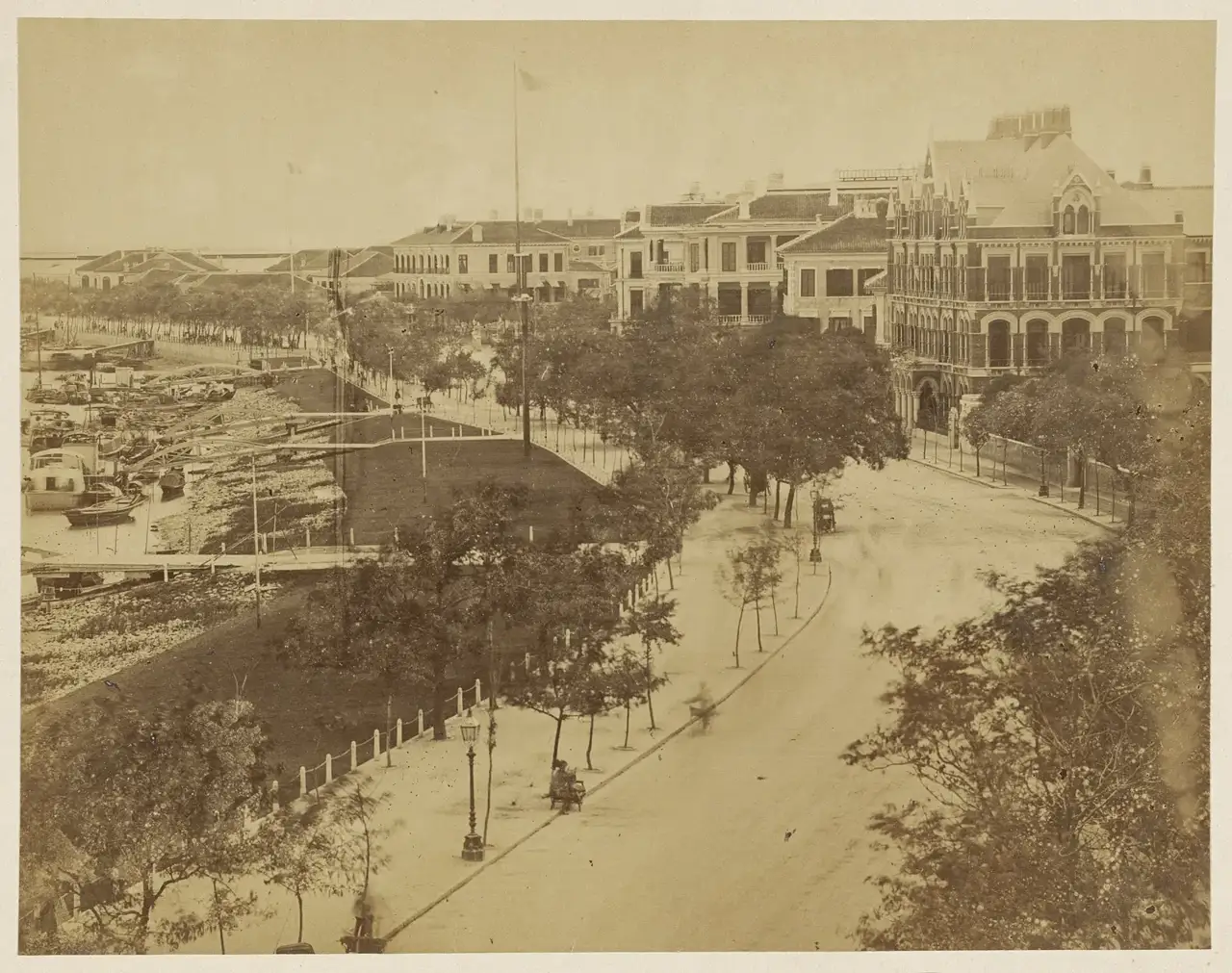
1853–1864 · Refugees and the invention of the shikumen
The Taiping Rebellion and the Small Swords Society push hundreds of thousands of Chinese into the concessions. To house them in bulk, speculators invent the shikumen, the lane house with a stone gate that defined the shape of the city.
1921 · Founding of the Communist Party
The first CCP congress brings together thirteen delegates in a shikumen house in the French Concession, in July 1921. The building is preserved at 76 Xingye Road, today inside Xintiandi.
1927–1937 · The purge and the jazz decade
Chiang Kai-shek breaks with the communists and massacres union leaders on April 12, 1927. Even so, the city keeps growing: it reaches the 1930s with around 3 million people, film studios, newspapers in ten languages, and dance halls.
1937–1945 · War, occupation and refuge
The Battle of Shanghai runs from August to November 1937 and flattens Zhabei and Hongkou. Between 1938 and 1945, about 20,000 European Jews take refuge in Hongkou, one of the few destinations in the world that required no visa.
1949–1978 · The city that footed the bill
The People's Liberation Army enters on May 27, 1949 and foreign businesses liquidate their holdings. Under Mao, Shanghai becomes an industrial park and at one point hands the central government a share close to a sixth of the country's tax revenue.
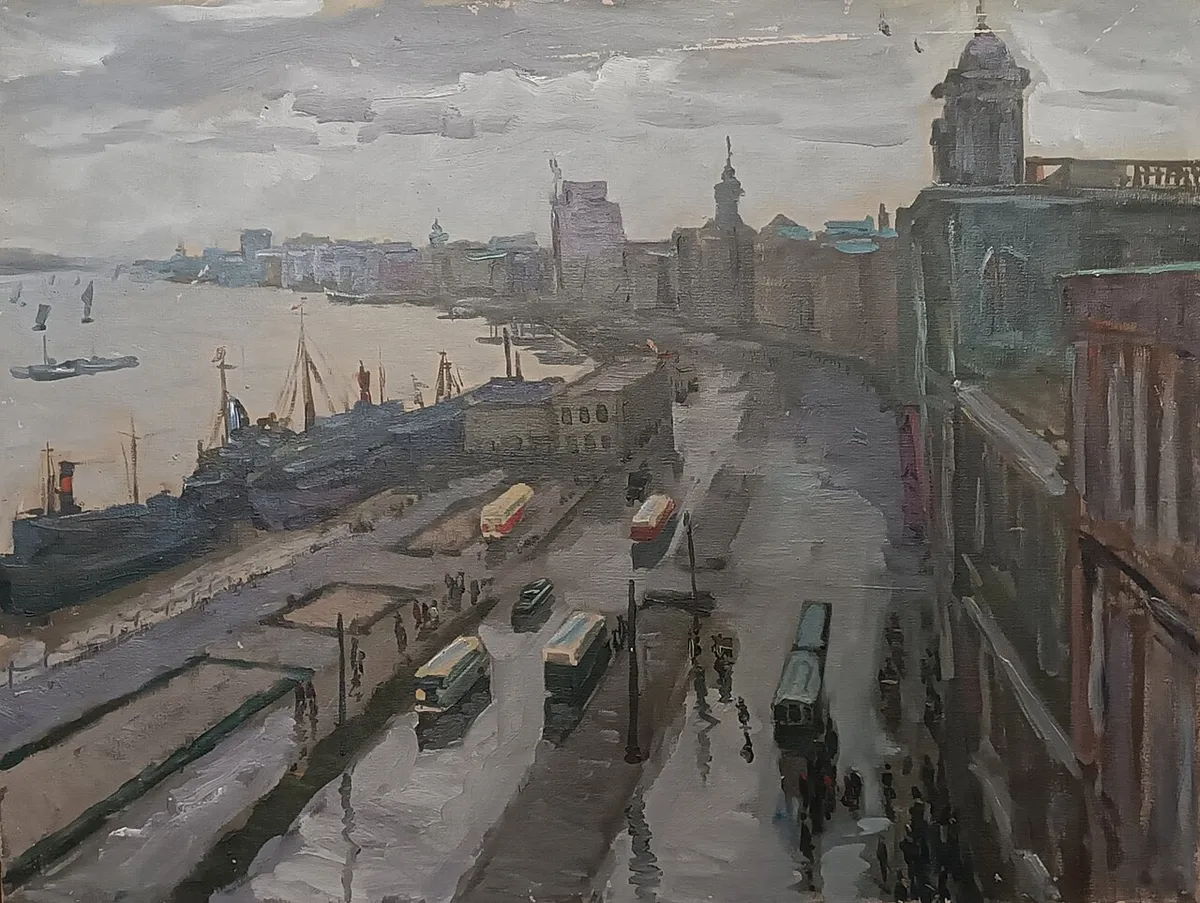
1990–2016 · The Pudong decision
In April 1990 Beijing authorizes the Pudong New Area; the Oriental Pearl Tower is finished in 1994, Jin Mao in 1999, the World Financial Center in 2008, and Shanghai Tower in 2016. The 2010 Expo drew about 73 million visitors, the largest of its kind.
 AI illustration
Complete history
The cotton port and the 1553 wall
Shanghai was born to move the output of the Yangtze delta: salt, rice, and cotton in volumes too large for the roads. The Huangpu River offered a navigable channel to the sea without the sandbars of the main river mouth. Huating County appears in 751, Shanghai County in 1292, and from the 16th century on the city lived off weaving and selling cotton. The 1553 wall against pirates closed a 5km circle that can still be read on the map today: Renmin and Zhonghua avenues run exactly where it stood until it was torn down in 1912. None of this, though, made Shanghai an important city: Suzhou and Hangzhou were bigger, richer, and older.
The Treaty of Nanjing opened the port in 1843
The Treaty of Nanjing, signed in 1842 at the end of the First Opium War, forced China to open five ports; Shanghai was opened in November 1843 and, unlike the other four, had a deep river, a huge hinterland, and no local elite able to resist. In 1845 the British marked out their settlement north of the walled city; France got its own in 1849; in 1863 the British and Americans merged theirs into the International Settlement. The result was a city with three simultaneous administrations, three police forces, three building codes, and a legal gray zone that drew banks, the press, revolutionaries, and smugglers in equal measure. When the Taiping Rebellion pushed Chinese refugees into the concessions starting in 1853, the real estate business invented the shikumen: rows of alley houses with a stone gate, a typology that housed most of the population until the 1990s.
China's largest city between 1920 and 1937
Between 1920 and 1937, Shanghai was China's largest city and a place of extremes: it hosted the first Communist Party congress in July 1921 and, six years later, the massacre with which Chiang Kai-shek wiped out that same party in the city. In the 1930s, the city held film studios that launched Ruan Lingyu, orchestras, unions, gangs, and a currency market that traded in several currencies at once. The Battle of Shanghai, from August to November 1937, destroyed entire neighborhoods and handed the city to the Japanese, and the concessions survived as islands until 1941, taking in about 20,000 European Jews who needed no visa to disembark. In 1943, the powers formally renounced their extraterritorial rights, and on May 27, 1949, the People's Liberation Army entered the city.
Under Mao, commercial Shanghai was dismantled
Under Mao, commercial Shanghai was dismantled and industrial Shanghai was expanded. The city made everything from radios to ships and handed over a huge share of national revenue to the central government, with no right to reinvest: until the 1980s almost nothing new was built, which by accident preserved the concession-era buildings. The Cultural Revolution made Shanghai a political center: the stage of the so-called January Storm of 1967 and, later, the base of the Gang of Four. Deng Xiaoping's opening came late here: the first special economic zones of 1980 were in the south, and Shanghai only got clearance to develop Pudong in April 1990. From then on the curve is vertical: the subway opened in 1993, the Oriental Pearl Tower in 1994, Jin Mao in 1999, Pudong airport in 1999, the maglev in 2004, the Expo in 2010, the Shanghai Tower in 2016.
Migrants without hukou make up 40% of residents
The city of 2026 still manages three legacies at once. The first is demographic: about 40% of residents are migrants without local hukou, and the population born in the city is aging fast, with more than a quarter of registered residents over 60. The second is the recent trauma of the lockdown from April to June 2022, two months that hit 25 million people and changed the way the city talks about stockpiling, neighborhood, and mobility. The third is cultural repositioning: since 2019 the city has opened the West Bund Museum with the Centre Pompidou, the Shanghai Astronomy Museum in Lingang (2021), and the Shanghai East Museum in Pudong (2023–2024), with about 113,000 m² and no admission charge. Meanwhile, the port has passed 50 million TEU containers a year, the world's busiest.
The name Shanghai means, roughly, “upon the sea.”
Geography and shape of the city
A delta plain four meters up
Shanghai covers 6,340 km² of alluvial plain in the Yangtze delta, with an average elevation of around 4 meters; the highest natural point is She Shan hill, at 99 m, 30 km from the center.
The Huangpu, Suzhou Creek, and Chongming
The Huangpu River, about 113 km long, cuts through the city from south to north and flows into the Yangtze at Wusongkou, setting the basic divide between Puxi (the west bank, where everything predating 1990 stands) and Pudong (the east bank, almost all of it later). Suzhou Creek, once called the Wusong River, enters from the west and meets the Huangpu right at the northern tip of the Bund, and that confluence explains why the foreign banks settled there. Chongming Island, in the middle of the river mouth, covers about 1,267 km² and is China's third-largest island.
Subsidence, walls, and a mosaic of street grids
Because the subsoil is soft sediment and the city pumped groundwater until the 1960s, some areas sank more than two meters, which is why flood walls hide the river from anyone not on the promenade. Each era left its own grid, and you can tell where you are by the street layout: short blocks and curved streets in the old French Concession, grid-pattern commercial streets in the old International Settlement, formed in 1863 by the merger of the British and American settlements, and 500m superblocks in Pudong. Over all of it run four ring roads (Inner, Middle, Outer, and the suburban ring), crossed by elevated roads like Yan'an and Nan-Bei.
The city sank more than two meters, and that's why the river sits behind a wall.
Culture
Shanghai, the capital of Chinese cinema before 1949
Shanghai was the capital of Chinese cinema before 1949: the city's studios produced “The Goddess” (1934), starring Ruan Lingyu, and sustained a press and advertising industry whose posters still circulate as iconography. The literature that explains it is local and easy to find: Mao Dun wrote “Midnight” (1933) about the stock exchange and the factories; Eileen Chang published the city's occupied-era stories between 1943 and 1947; Wang Anyi won the Mao Dun Prize in 2000 with “The Song of Everlasting Sorrow,” which follows an alley-house resident from 1945 to the 1980s. The Shanghai International Film Festival, a FIAPF Category A event since 1994, runs for two weeks in June and sells tickets online that vanish in minutes.
The 1879 orchestra and November's art-market weekend
In music and the visual arts the city runs at two speeds. The Shanghai Symphony Orchestra, founded in 1879 as a municipal band and Asia's oldest, has played since 2014 in a hall designed by Arata Isozaki on Fuxing Zhong Road; the Shanghai Grand Theatre, from 1998, on People's Square, hosts opera and dance. On the other side, the contemporary art market crowds into a single November weekend that stirs up the whole city. The live music scene is small and keeps changing addresses; it's worth checking the weekly listings rather than looking for fixed venues.
The tennis Masters in October and the Formula 1 GP
Three annual events mark Shanghai's sports calendar: the tennis Masters, in October, at Qizhong Stadium; the Shanghai Marathon, which closes down the center in November; and the Formula 1 Chinese Grand Prix, held since 2004 at the Shanghai International Circuit, in Jiading. In soccer, Shanghai Port and Shanghai Shenhua split the city's fans. Outside the stadiums, locals meet at the café more than at the bar, and Shanghai has the highest concentration of coffee shops in the world, with estimates above 9,000 addresses, which explains the string of counters along the streets of the old French Concession.
In the 1930s, the city had newspapers in ten languages.
A well-made xiaolongbao has 16 to 18 pleats in the wrapper, and the recipe came from Nanxiang, in 1871.
Festivals and events
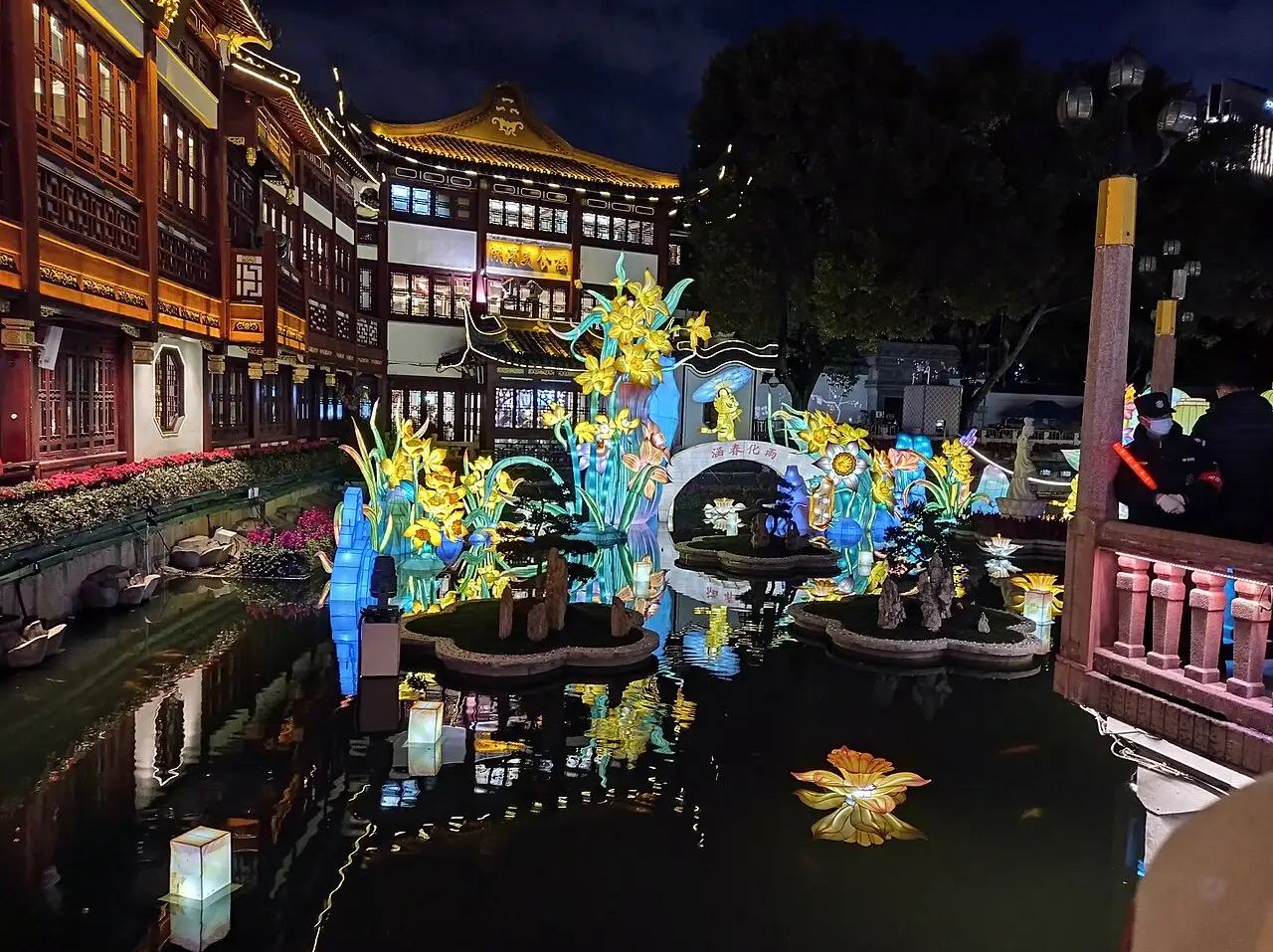
Spring Festival (Chinese New Year)
January or February, a movable date on the lunar calendar. Yuyuan puts up a lantern display for about a month and Longhua Temple strikes its bell 108 times at midnight; many small restaurants close for three to seven days.
 AI illustration
Shanghai International Film Festival
Two weeks in June, with screenings spread across dozens of theaters. FIAPF category A since 1994; tickets go on sale online about ten days ahead, and rare prints sell out in minutes.
 AI illustration
Shanghai Fashion Week
March/April and October, based at Xintiandi with showrooms scattered across Jing'an and Xuhui. It's the main commercial calendar for independent Chinese designers and fills the downtown hotels.
 AI illustration
Shanghai Tourism Festival
September, opened by a parade of floats on Huaihai Road. For a few days, dozens of attractions in the city and around it sell tickets at half price.
Art and business November
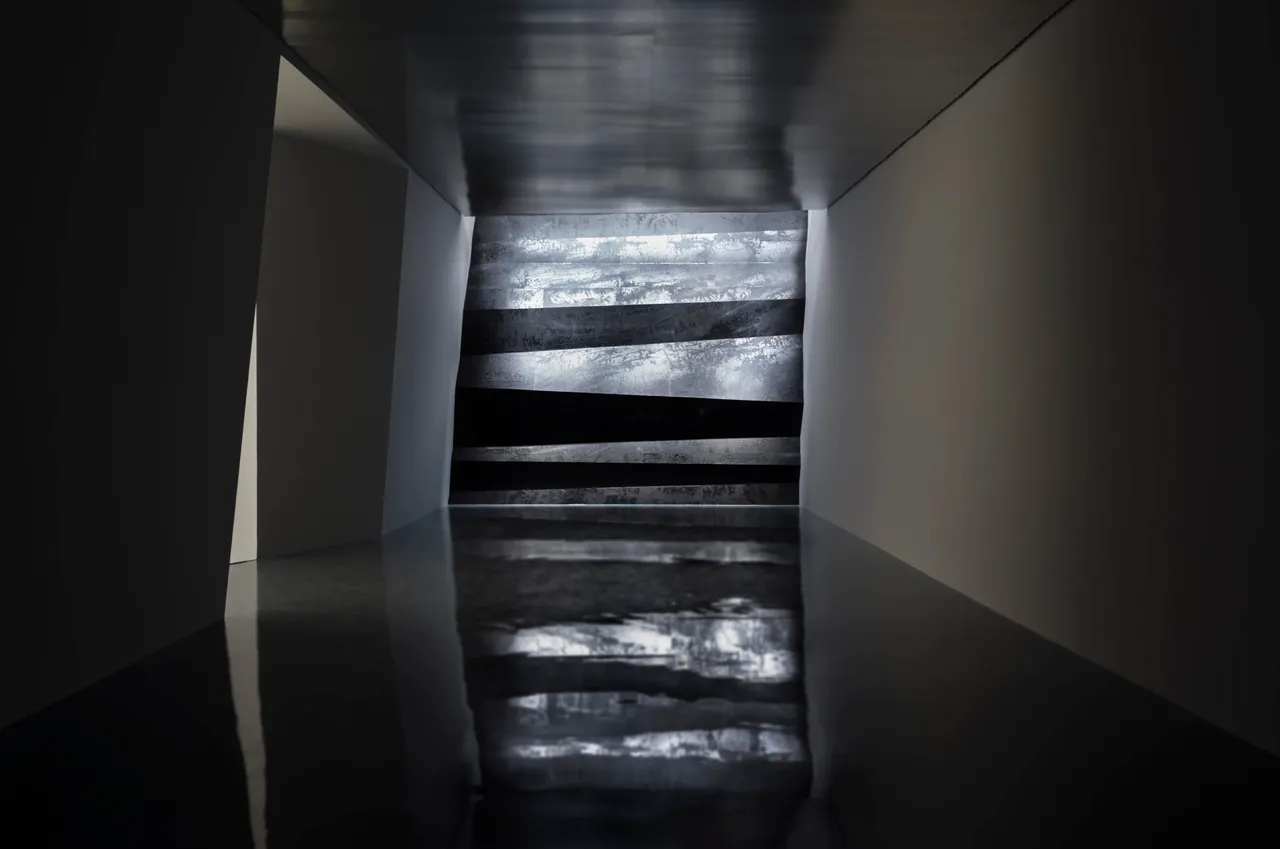
West Bund Art & Design and ART021 land on the same November weekend; in odd-numbered years the Biennale takes over the Power Station of Art; and the CIIE import expo occupies the Hongqiao convention center and saturates hotels and taxis for a week.
Books and films
The Song of Everlasting Sorrow, by Wang Anyi (1995)
Follows an alley-house resident from 1945 to the 1980s and shows what's left of the concession-era city under the socialist one. Won the Mao Dun Prize in 2000.
Flowers of Shanghai, by Hou Hsiao-hsien (1998)
Shot entirely in the interiors of 19th-century courtesan houses, with dialogue in Shanghainese. It explains the economy of favors, debts and patience that the city inherited from the concession years.
Stories by Eileen Chang, Zhang Ailing (1943–1947)
“Love in a Fallen City” and her other stories were written inside occupied Shanghai, in real time. They're the direct source for much of what Chinese cinema still says about the city today.
Frequently asked questions
Shanghai: do Google and WhatsApp work in China?
No: Google, Gmail, WhatsApp, Instagram, and most Western services don't open on the Chinese network, and the local app stores don't sell VPNs. Anyone who needs them installs a VPN before boarding, because once you've landed it's too late; use is tolerated in practice, but it isn't legal.
Shanghai: can you make a connection between Pudong and Hongqiao?
Yes, but with margin: Pudong (PVG) and Hongqiao (SHA) are 55km apart, about 1 hour 30 minutes by subway, and many connections between an international and a domestic flight switch airports without a clear warning on the ticket. Check the code before locking in the connection.
Shanghai: how long does the train to Suzhou take?
Suzhou is 25 to 30 minutes away by bullet train from Hongqiao station, for about 40 CNY.
Shanghai: is it safe to walk at night?
Shanghai has a very low violent-crime rate for a city of about 24.9 million people, and walking alone at night downtown is routine for residents.
Shanghai: what is shengjianbao?
A pork bun seared on the griddle, with a crisp bottom, scallions and sesame on top, and hot broth inside.
Other cities in the country
China ↗- Days
- 4
- When
- Sep–Oct
- Per person/day
- Average 40–70 USDMid-range · per person/day
Cost scope
Per person per day: accommodation, meals, urban transport, visits and a small allowance for extras. Flights excluded; larger purchases vary. Editorial estimate, not a quote.
- Days
- 1–2
- When
- Sep–Oct
- Per person/day
- Average 100–250 JPYMid-range · per person/day
Cost scope
Per person per day: accommodation, meals, urban transport, visits and a small allowance for extras. Flights excluded; larger purchases vary. Editorial estimate, not a quote.