
Netherlands
Amsterdam
Canals, the Rembrandt and Van Gogh museums, and the bike
Days Start with the basic programme and choose extensions for the time you have.
How the guide reaches this number
You can cross the center on foot in thirty minutes, but the Van Gogh and the Anne Frank House only admit visitors with a timed ticket, so book before you lock in your plans. It's not a city for anyone who wants guaranteed sun, cheap food or an improvised night out. With only one day, enter the Rijksmuseum at 9am, walk through the Nine Streets to the Jordaan and, in the late afternoon, take the free ferry to Noord. Damrak and much of De Wallen disappoint, with inflated prices and the same shops over and over. I wouldn't go in November: it rains, it gets dark early, and the light festival only starts at the end of the month.
3
When Late April to mid-June and all of September
How the guide reaches this number
The climate is maritime, without extremes and with constant wind: average highs of 6–7°C in January and 22–23°C in July, and about 800 mm of rain a year spread over 130 to 190 days. It rains a little at a time, almost every month, and because of the wind a rain jacket works better than an umbrella. April and May bring the tulips (Keukenhof opens from mid-March to mid-May) and the busiest day of the year, Koningsdag, on April 27. June to August is high season: daylight until nearly 10:30pm, lines at the museums and expensive hotels. September offers the best balance of weather, price and crowds; October is dark but has ADE. From November to February it gets dark around 4:40pm, the wind blows hard by the water and the city gets cheap. From late November to mid-January, the Amsterdam Light Festival spreads light installations along the canals and gives you a reason to go out after dark. The month to avoid is November: gray, wet, with no tulips and no terraces, and the festival lights only arrive at the end of the month.
Per person/day Budget 70–100 €; mid-range 150–220 €; comfortable from 300 € (2026)
How the guide reaches this number
Per person per day: accommodation, meals, urban transport, visits and a small allowance for extras. Flights excluded; larger purchases vary. Editorial estimate, not a quote.
 What Nilo thinks
Give Amsterdam three days: one for the canal ring and the Jordaan, one for the Rijksmuseum and the Van Gogh, and one for the other side of the IJ and the Plantage. You can cross the center on foot in thirty minutes, but the Van Gogh and the Anne Frank House only admit visitors with a timed ticket, so book before you lock in your plans. It's not a city for anyone who wants guaranteed sun, cheap food or an improvised night out. With only one day, enter the Rijksmuseum at 9am, walk through the Nine Streets to the Jordaan and, in the late afternoon, take the free ferry to Noord. Damrak and much of De Wallen disappoint, with inflated prices and the same shops over and over. I wouldn't go in November: it rains, it gets dark early, and the light festival only starts at the end of the month.Amsterdam is a semicircle of canals dug starting in 1613, lined with narrow merchants' houses that lean forward and have a hook in the attic to hoist furniture through the window. You can cross this center on foot in about 30 minutes, and it holds much of what people come to see: Rembrandt's Night Watch at the Rijksmuseum, the sunflowers at the Van Gogh Museum right next door, and the Anne Frank House, on the Prinsengracht, whose tickets sell only online and sell out weeks in advance. Between one canal and the next, eat raw herring with onion from a street cart and order bitterballen at the borrel, the drink between work and dinner. Behind Central Station, free ferries cross the IJ to Noord, where the former NDSM shipyard, occupied by artists, became a hall of murals. Rent a bike only after watching the bike lane, where cyclists don't brake for anyone standing in the way. Come in September, with mild weather and fewer lines than in summer, and set aside three days.
Quick facts
- Population
- 941,873 in early 2026 in the city; about 2.7 million in the Metropoolregio Amsterdam
- Founded
- Medieval settlement before 1275; toll privilege on October 27, 1275; urban rights in the early 14th century
- Country and region
- Netherlands, province of North Holland; 219 km², seven city districts (stadsdelen)
- Language
- Dutch; fluent English in practically every service interaction; about 180 nationalities among residents
- Currency
- Euro (€); contactless debit (pinnen) dominates commerce
- Time zone
- CET (UTC+1), 4 hours ahead of Brasília; during CEST daylight saving (UTC+2), from late March to late October, 5 hours ahead
- Best time to visit
- Late April to mid-June and all of September
- Average daily cost
- Budget 70–100 €; mid-range 150–220 €; comfortable from 300 € (2026)
When to go
Late April to mid-June and all of September
January
1° to 6°C
67 mm of rain
February
1° to 7°C
55 mm of rain
March
3° to 10°C
52 mm of rain
July
14° to 23°C
82 mm of rain
August
13° to 22°C
99 mm of rain
October
8° to 15°C
87 mm of rain
November
5° to 10°C
85 mm of rain
December
2° to 7°C
82 mm of rain
How the year changes
The climate is maritime, without extremes and with constant wind: average highs of 6–7°C in January and 22–23°C in July, and about 800 mm of rain a year spread over 130 to 190 days. It rains a little at a time, almost every month, and because of the wind a rain jacket works better than an umbrella. April and May bring the tulips (Keukenhof opens from mid-March to mid-May) and the busiest day of the year, Koningsdag, on April 27. June to August is high season: daylight until nearly 10:30pm, lines at the museums and expensive hotels. September offers the best balance of weather, price and crowds; October is dark but has ADE. From November to February it gets dark around 4:40pm, the wind blows hard by the water and the city gets cheap. From late November to mid-January, the Amsterdam Light Festival spreads light installations along the canals and gives you a reason to go out after dark. The month to avoid is November: gray, wet, with no tulips and no terraces, and the festival lights only arrive at the end of the month.
The same numbers as a table
| Month | Temperature °C | Rain mm |
|---|---|---|
| January | 1 to 6 | 67 |
| February | 1 to 7 | 55 |
| March | 3 to 10 | 52 |
| April · | 5 to 14 | 40 |
| May · | 9 to 18 | 54 |
| June · | 11 to 20 | 65 |
| July | 14 to 23 | 82 |
| August | 13 to 22 | 99 |
| September · | 11 to 19 | 84 |
| October | 8 to 15 | 87 |
| November | 5 to 10 | 85 |
| December | 2 to 7 | 82 |
Nilo's tips
Leave Schiphol by train, not by taxi
The train to the center costs about €5.60, well below the €45 to 60 taxi fare. At Schiphol, don't look for a ticket counter: tap your contactless debit or credit card at the train gates, through the OVpay system, or pay about €1 for a disposable card at the machine. If your hotel is in the south, get off at Amsterdam Zuid, 8 minutes away, and skip the Damrak altogether.
The 24 h pass pays off from the third trip
A 1-hour ticket costs €3.40, and the 24-hour pass, at €10, already pays off on the third trip of the day. There's also 48 hours for €16 and 72 hours for €21.50. If you walk more than you ride the tram, stick with the bank card and its distance-based fare. With any option, tap out too: it's the most common thing people forget, and the reason they leave the city thinking they paid too much.
The free ferry behind the station
Behind Central Station the ferries leave for Buiksloterweg, IJplein and NDSM: they're free, run 24 hours, take bikes and take 5 to 15 minutes. It's the same view of the IJ that the paid tours sell, with the difference that you get off in Noord, at the Eye Filmmuseum from 2012 and at the NDSM shipyard. Go in the late afternoon, with the sun behind the center.
The Museumkaart only pays off from the fourth museum
A big museum ticket costs €16–27, and the Museumkaart runs about €80 a year. The math turns in your favor at the fourth museum, and foreigners can use it for 31 days. It's worth it if you're planning the Rijksmuseum, Van Gogh, Stedelijk, Scheepvaartmuseum and Rembrandthuis on the same trip. For two or three museums, buy single tickets and don't worry about it.
Anne Frank and Van Gogh only with a timed slot
Both only let you in with a slot bought in advance, and the Anne Frank House sells out weeks ahead. Its website releases new batches every Tuesday, and the house closes on Yom Kippur: check the calendar before you book. Save the Rijksmuseum for opening time, 9am, because the Gallery of Honour and the Night Watch fit into 90 minutes before the building fills up.
Street market Monday to Saturday, none on Sunday
Monday to Saturday there's a street market: Albert Cuyp, in De Pijp, runs all day, and the Noordermarkt, in the Jordaan, only on Saturdays. On Sunday neither is open, so leave your food shopping for another day. If dinner without a reservation falls through, the FEBO automatiek has you covered: coin or card, open the little door and get a hot croquette for €2–4, into the small hours.
Explore the map

© OpenStreetMap · OpenFreeMap · © OpenMapTiles
Explore the map, read about the other places and plan your travel days in the app.
Open the appWhat to see
Amsterdam: The wet ground and the piles
The city sits in the delta, on peat and sand, with much of the ground between 2 m below and 1 m above sea level, which is why every building in the center rests on piles. On this ground stand the canal ring, Dam Square, the Damrak and the red-light district, the oldest in the city, around the Oude Kerk from 1306.

Rijksmuseum
National museum opened in 1885 in Pierre Cuypers's building and reopened in 2013 after a ten-year renovation. Displays about 8,000 objects, among them Rembrandt's Night Watch (1642), under public-facing research and restoration since 2019; a bike path runs under the building, and the fight to keep it open lasted decades.
It holds Rembrandt's Night Watch, from 1642, undergoing restoration in full view of the public, among about 8,000 objects in Cuypers's building, and a bike path runs right underneath it.
Check access
Van Gogh Museum
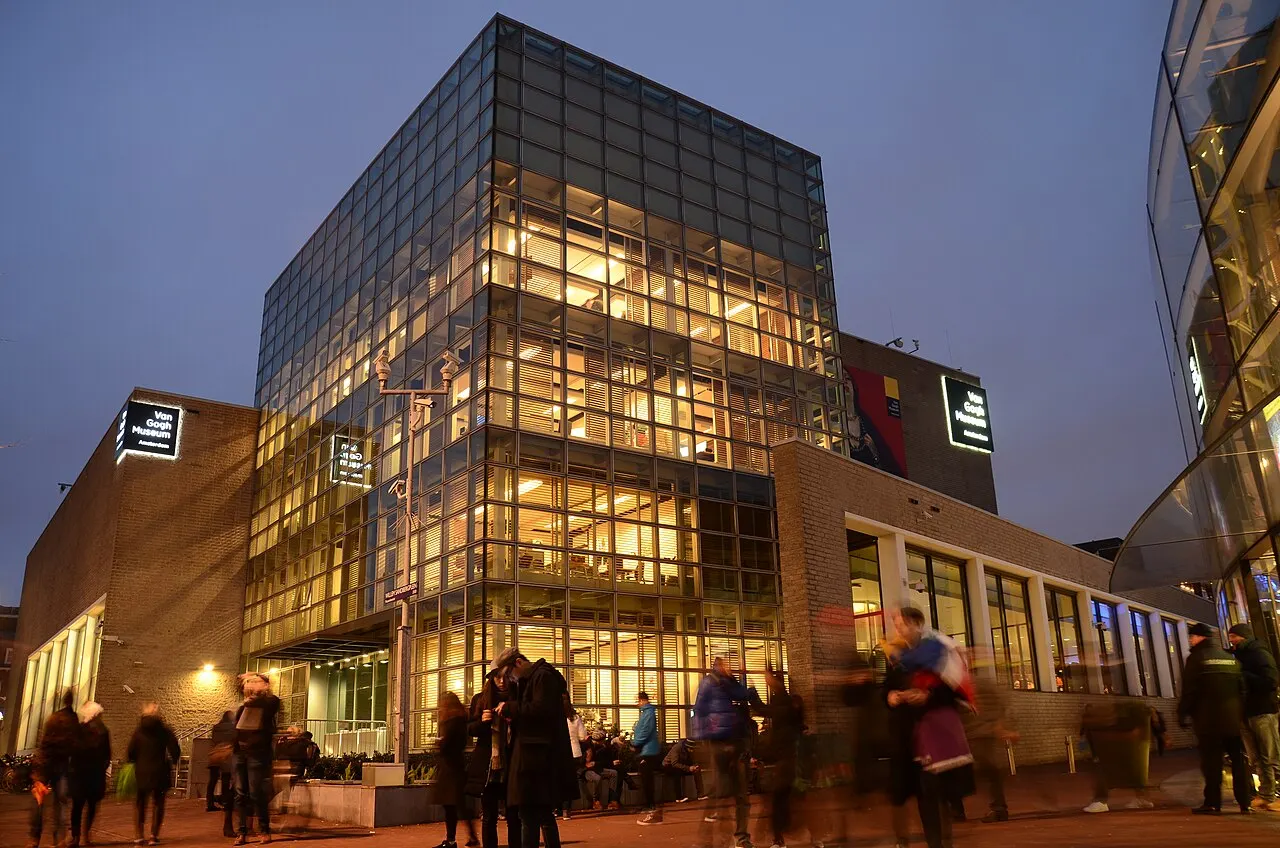
The largest collection of the painter's work in the world: about 200 canvases and about 500 drawings inherited by Theo van Gogh and kept by the family, in Gerrit Rietveld's building (1973) with Kisho Kurokawa's elliptical wing (1999). The visit follows chronological order, from the dark peasants of Nuenen to the sunflowers of Arles; tickets are timed only.
It holds the world's largest collection of the painter's work, about 200 canvases and 500 drawings, in chronological order from Nuenen to Arles; only visitors with a timed ticket get in.
Check access

Canal ring (Grachtengordel)
The houses are narrow because tax followed the width of the facade, they lean forward on purpose so furniture can be hoisted up by the hook in the attic without scraping the wall, and the dated gable at the top tells you the decade of construction.
The ring dug starting in 1613, with Singel, Herengracht, Keizersgracht and Prinsengracht, shows the narrow houses that lean forward to hoist furniture with the attic hook, and it's covered on foot.
Check access
NDSM and Eye Filmmuseum
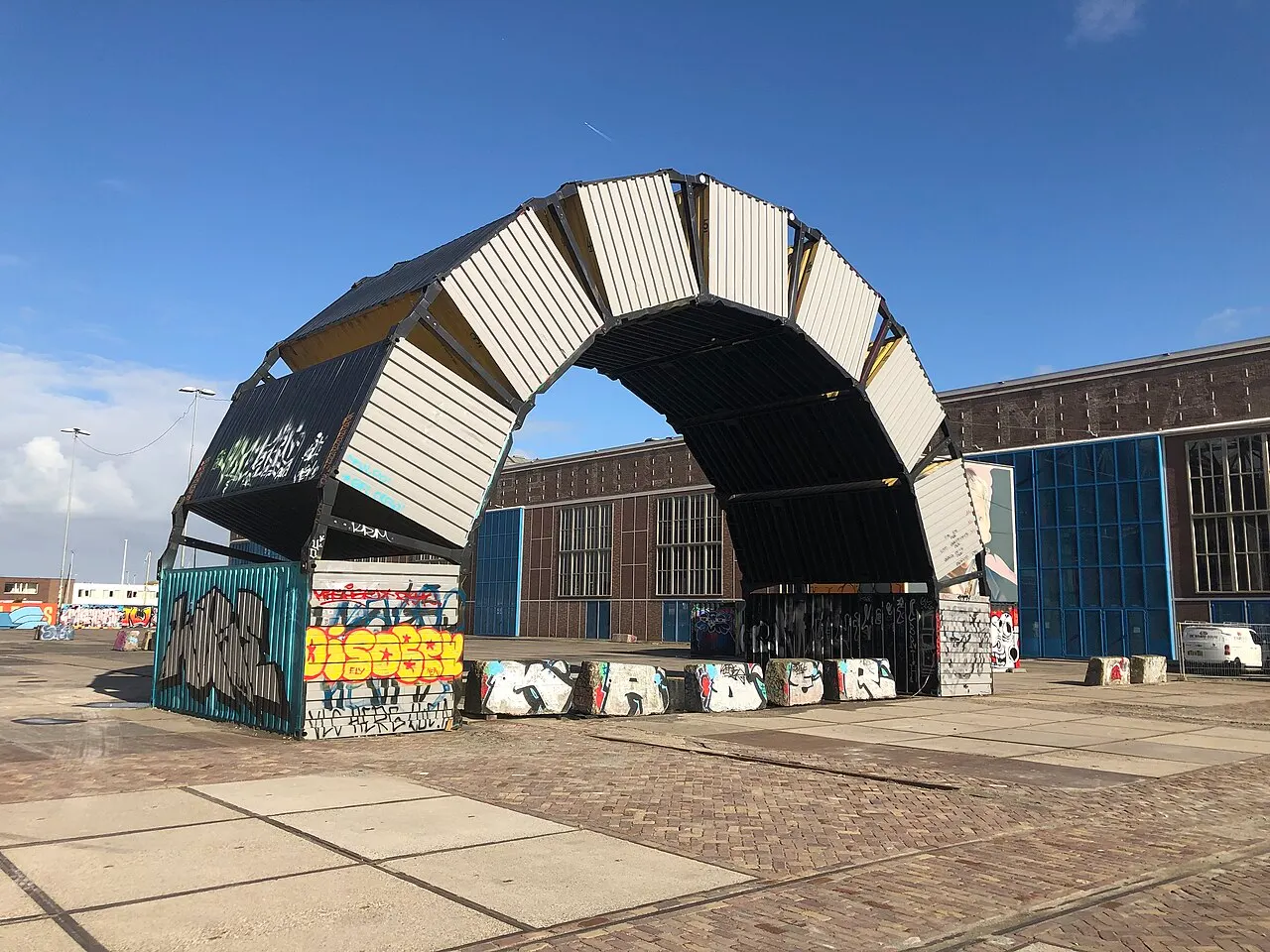
Five to fifteen minutes by free ferry from behind Central Station. The Eye, from 2012, is a film museum with four screening rooms and a view of the IJ; the NDSM is a shipyard closed in 1984 and occupied by artists, where the STRAAT museum's warehouse, opened in 2020, displays more than 150 murals across about 8,000 m².
The free ferry behind Central Station takes five to fifteen minutes to the Eye, a film museum with a view of the IJ, and to the former NDSM shipyard, where STRAAT displays more than 150 murals.
Check access
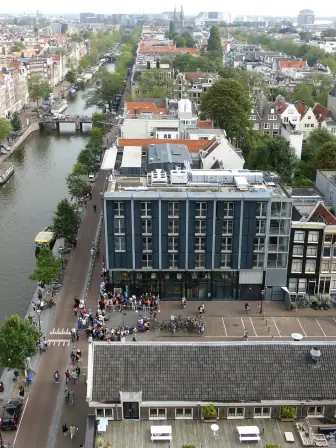
Anne Frank House
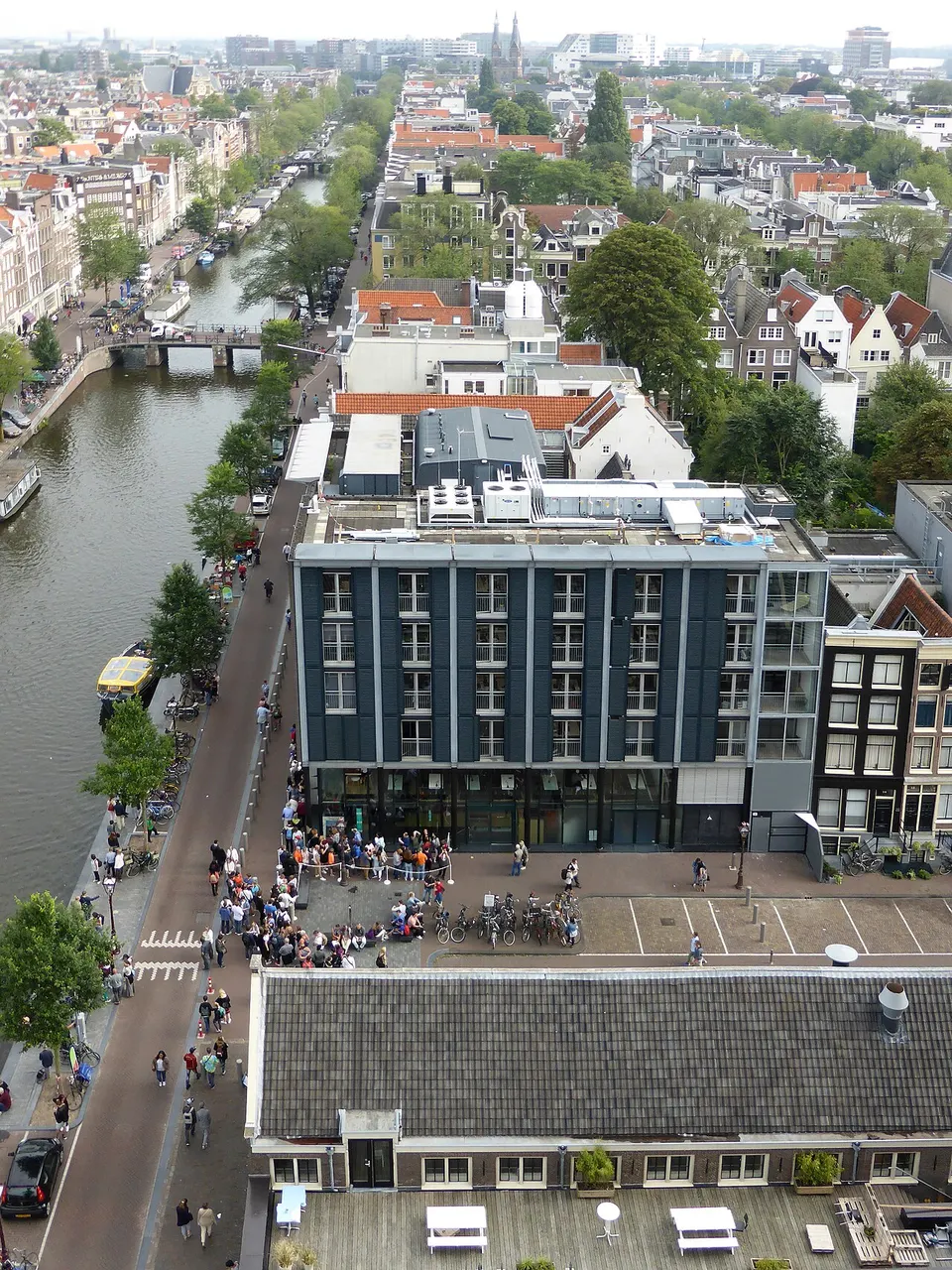
Prinsengracht 263: the annex where eight people hid from July 6, 1942 to August 4, 1944, a museum since May 3, 1960. The rooms remain unfurnished at the wish of Otto Frank, the group's only survivor. Tickets are sold only online, with a timed slot, and the museum closes on Yom Kippur.
In the annex at Prinsengracht 263, eight people hid from 1942 to 1944, and the rooms remain unfurnished by Otto Frank's decision; tickets are sold only online, with a timed slot.
Check access

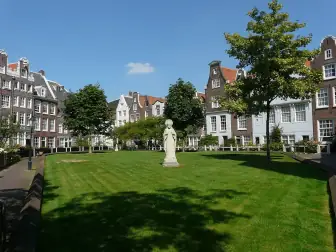
Begijnhof
An enclosed courtyard from 1346 for lay religious women, hidden behind a discreet door near the Spui. It holds the Houten Huys, from around 1528, one of the two wooden houses left in the city after the 16th-century fires, and a clandestine Catholic church. People live here: keep your voice down and don't go in at night.
Behind a discreet door near the Spui, the 1346 courtyard holds the Houten Huys, one of the two wooden houses left in the city, and a clandestine church; it's a residence, so keep your voice down.
Check access
National Holocaust Museum and Portuguese Synagogue
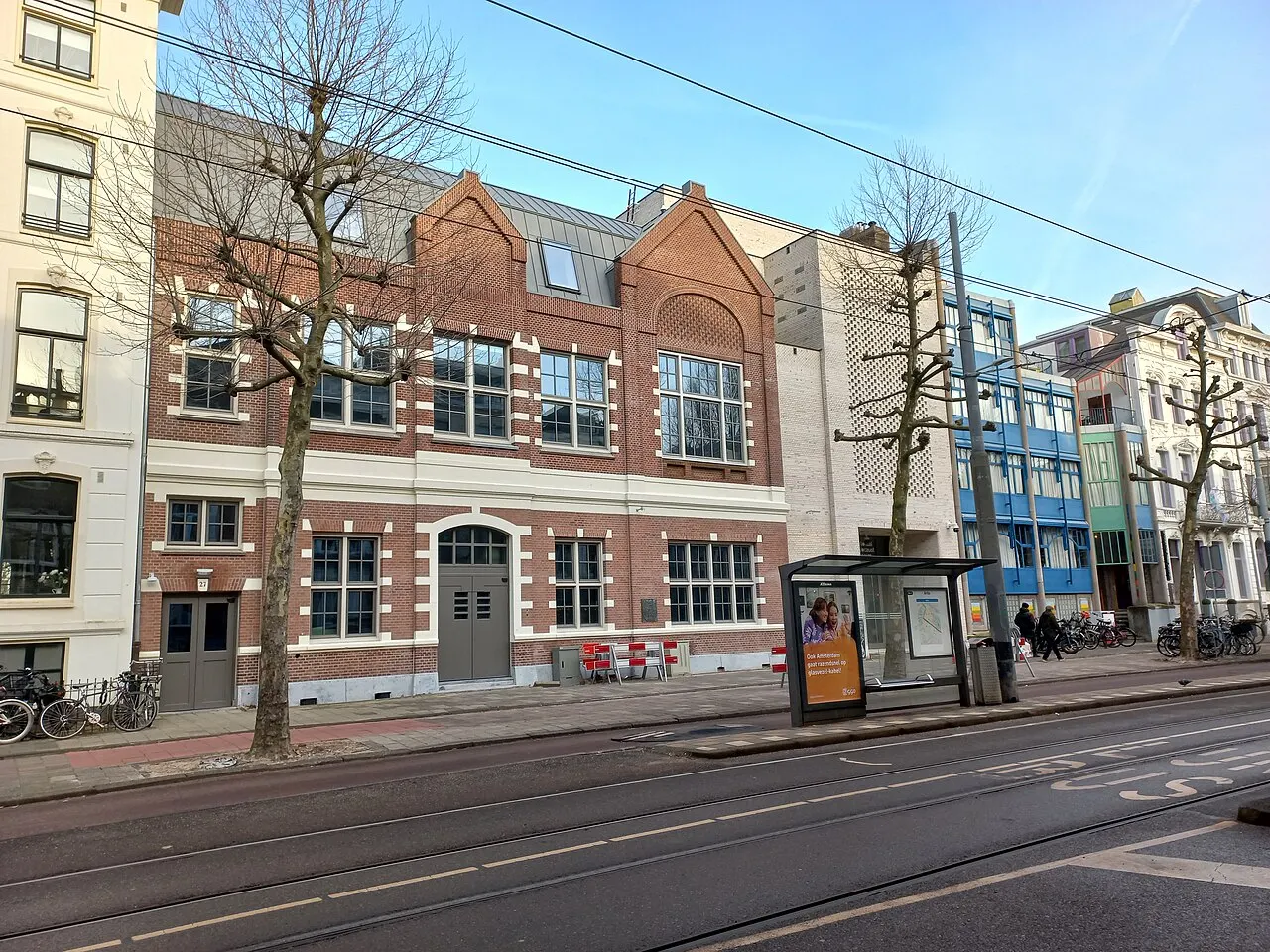
The museum opened in March 2024 in the Plantage, in the former teachers' college from which hundreds of Jewish children were secretly taken out of the deportation nursery across the street. On the same block stand the Portuguese Synagogue from 1675, lit only by candles and with no electricity, and the Namenmonument (2021), with 102,000 bricks.
The museum, opened in 2024 in the Plantage, tells how hundreds of Jewish children were taken out of the deportation nursery, and on the same block the 1675 Portuguese Synagogue is still lit only by candles.
Check access
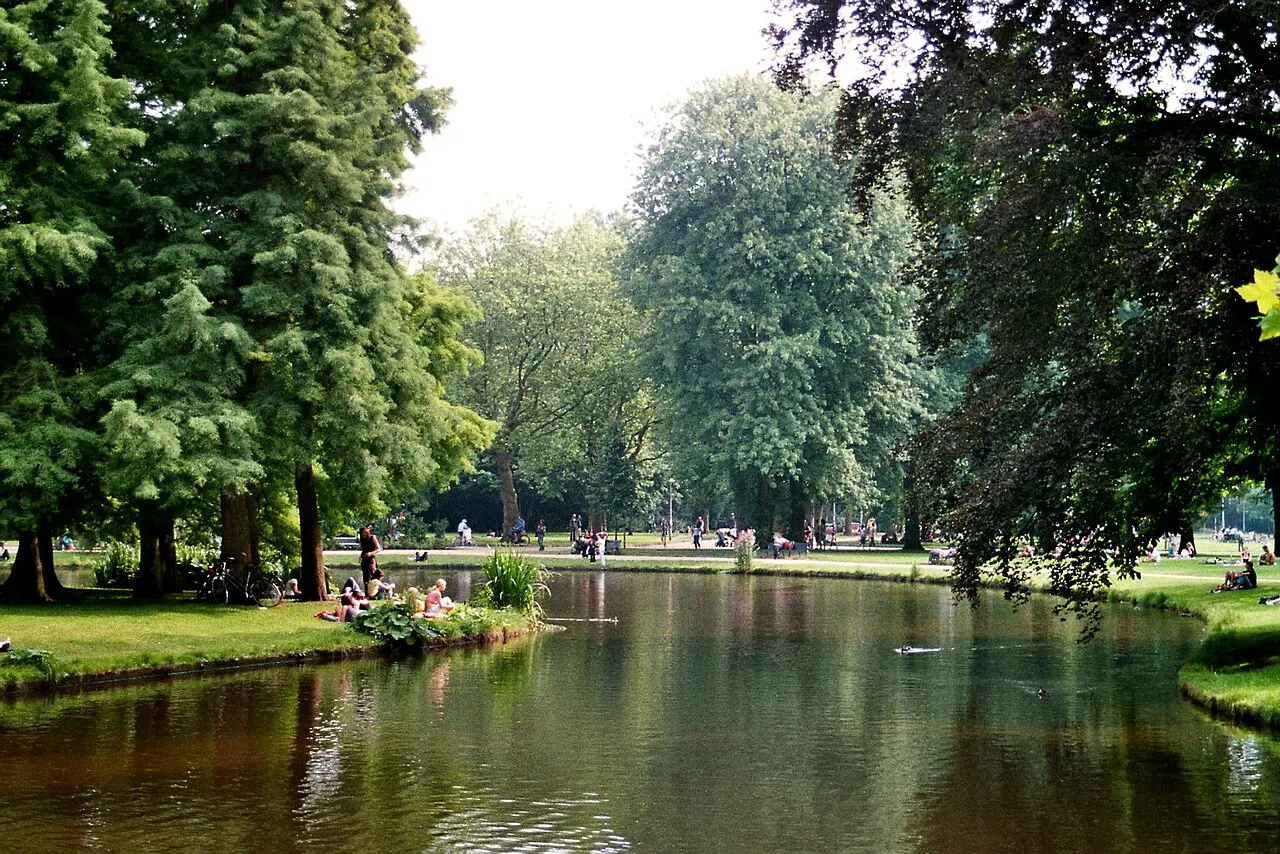
Vondelpark and Museumplein
The park opened in 1865, covers 47 ha and draws about 10 million visits a year; the open-air theater runs free from June to August. Next door, the Museumplein gathers the Rijksmuseum, the Van Gogh, the Stedelijk museum of modern art with its 2012 addition nicknamed the bathtub, and the Concertgebouw of 1888.
The 47 ha of the 1865 park have a free open-air theater from June to August, and next door the Museumplein brings together the Rijksmuseum, the Van Gogh, the Stedelijk and the Concertgebouw.
Check access

Oude Kerk
Consecrated in 1306, it's Amsterdam's oldest building, with a 15th-century wooden ceiling and the gravestone of Saskia van Uylenburgh, Rembrandt's wife, who died in 1642. It's surrounded by De Wallen's window displays and today shares its space with contemporary art shows commissioned for the site.
The Oude Kerk, consecrated in 1306, is Amsterdam's oldest building, but it stands amid the window displays of De Wallen, the stretch with the most visitors per square meter in the center, and today the 15th-century wood-ceilinged nave shares space with contemporary art exhibitions. Go in if you're already passing by, without going out of your way for it.
Check access
Nilo’s itinerary
Start with the basic programme and choose extensions for the time you have.
Plan my days in the app ↗Day 1 · The old center and the canal ring
Start at 9am on Dam Square, at the Royal Palace, the former city hall of 1648–1655 built on 13,659 piles, and the Nieuwe Kerk next door, where the monarchs are inaugurated.
Enter the Begijnhof through the discreet door near the Spui and see the Houten Huys, a wooden house from around 1528; leave through the courtyard quietly.
Lunch on the Nine Streets (De 9 Straatjes) and walk along Herengracht and Keizersgracht to the Jordaan, looking at the dated gables and the attic hooks.
In the late afternoon, visit the Anne Frank House, at Prinsengracht 263, with a timed online ticket.
Have dinner in the Jordaan and order a kopstootje, a glass of jenever filled to the brim with a beer on the side, at an old proeflokaal.
Day 2 · Museums, De Pijp and the park
Enter the Rijksmuseum at opening, at 9am, and see the Gallery of Honour and The Night Watch in 90 minutes, before the museum fills up.
Continue to the Van Gogh Museum, on the same block, with a timed ticket, and allow about two hours for the roughly 200 paintings in chronological order.
Cross the Museumplein and rest in the Vondelpark (1865, 47 ha); from June to August there's free programming at the open-air theater.
In the late afternoon, browse the Albert Cuyp market and the streets of De Pijp, with a freshly made stroopwafel, aged cheese and a coffee.
Before dinner, order bitterballen at borrel; if you want music afterward, Paradiso and Melkweg are a ten-minute walk from Leidseplein.
Day 3 · The Plantage, the docks and the north of the IJ
Start the morning in the Plantage: National Holocaust Museum (2024), Portuguese Synagogue (1675) and the Names Monument.
Continue to the Scheepvaartmuseum, in the Admiralty warehouse from 1656, and walk along the converted docks of the Oostelijk Havengebied.
Have a beer at the foot of the De Gooyer windmill, from 1725, at Brouwerij ’t IJ, opened in 1985 in a former bathhouse building.
In the late afternoon, take the free ferry behind Central Station to Buiksloterweg or NDSM, with the sun behind downtown: the crossing takes 5 to 15 minutes, runs 24 hours and takes bikes.
In Noord, see the Eye Filmmuseum building on the edge of the IJ and the murals of the former NDSM shipyard, and have dinner over the water before heading back by ferry.



Food
 AI illustration
Haring (Hollandse Nieuwe)
Raw herring cured in a light brine with a bit of the fish's own enzyme. In Amsterdam it comes cut into pieces, with chopped onion and pickles, on a toothpick or inside a bun (broodje haring): holding it by the tail is a Rotterdam and The Hague custom. The Hollandse Nieuwe season opens in June; €4–7 at the street cart.
 AI illustration
Bitterballen
Deep-fried balls of beef ragout, crisp outside and molten inside, served with mustard at the late-afternoon borrel, the social drink between work and dinner. A portion of 6 to 8 pieces runs €8–13; waiting two minutes before the first bite avoids scalding the roof of your mouth.
 AI illustration
Kroket and the automatiek
The elongated version of the bitterbal becomes a broodje kroket, eaten in soft white bread with mustard. At the wall shops of FEBO and other automatieks you put in coins or a card, open a little hatch and pull the hot croquette from the display for €2–4; it runs well into the small hours.
 AI illustration
Patat met
Thick fries in a paper cone: ordering them met already means with mayonnaise. Old shops in the center double-fry them and charge €4–7, with variations like peanut satay sauce, raw chopped onion and hot sauce. The combination of the three is called oorlog.
 AI illustration
Indonesian rijsttafel
A direct legacy of the colonization of Indonesia: a table of 12 to 25 small dishes (rendang, satay, sambal, vegetables in coconut milk) served all at once to share. It costs €35–55 per person, needs a reservation and is the classic last-night dinner in the city.
 AI illustration
Surinamese roti and broodje pom
These dishes arrived with the migration from Suriname around independence in 1975 and became everyday food in De Pijp and Zuidoost. The roti pancake with curried chicken, potato and green beans runs €10–15; the broodje pom, a sandwich filled with baked pomtajer root and chicken, costs €6–9.
 AI illustration
Jenever and the kopstootje
The juniper spirit that gave rise to gin, served in a tulip glass filled to the brim: the first shot is drunk with your mouth to the table, without lifting the glass. The kopstootje is that glass paired with a beer chaser, a tradition of the center's proeflokalen, some running since the 17th century.
 AI illustration
Appeltaart and stroopwafel
Dutch apple tart is tall, with a buttery cinnamon-and-raisin crust, served with whipped cream on the side for €6–9: coffee with a slice is an afternoon institution. The stroopwafel made fresh at the markets, still soft with the hot syrup running out, costs €2–4 and has nothing to do with the packaged supermarket kind.
Day trips
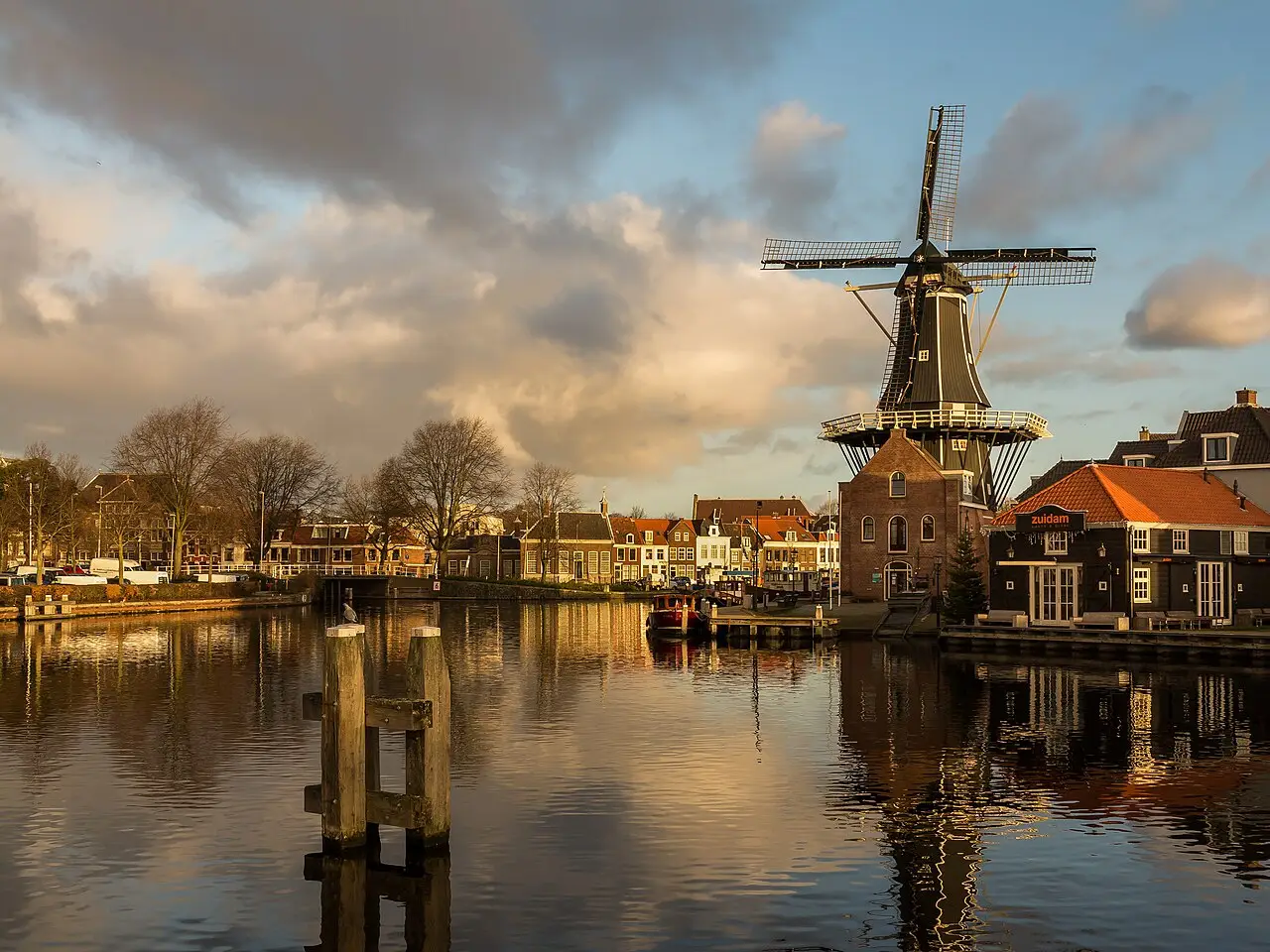
Haarlem
20 km west, 15 to 20 minutes by train from Central Station, with several departures an hour. A medieval center around the Grote Markt, the Grote Kerk with the 1738 organ young Mozart played, the Frans Hals Museum and a whole day without crowds.

Zaanse Schans and Waterland
18 km north: take the train to Zaandijk–Zaanse Schans (17 minutes) to see the 18th-century industrial windmills, still in operation. Marken and Volendam, former fishing villages on the IJsselmeer, are 30–45 minutes from the center on the buses that leave from the back of Central Station: the 316 goes to Volendam, and for Marken you change to the 315.
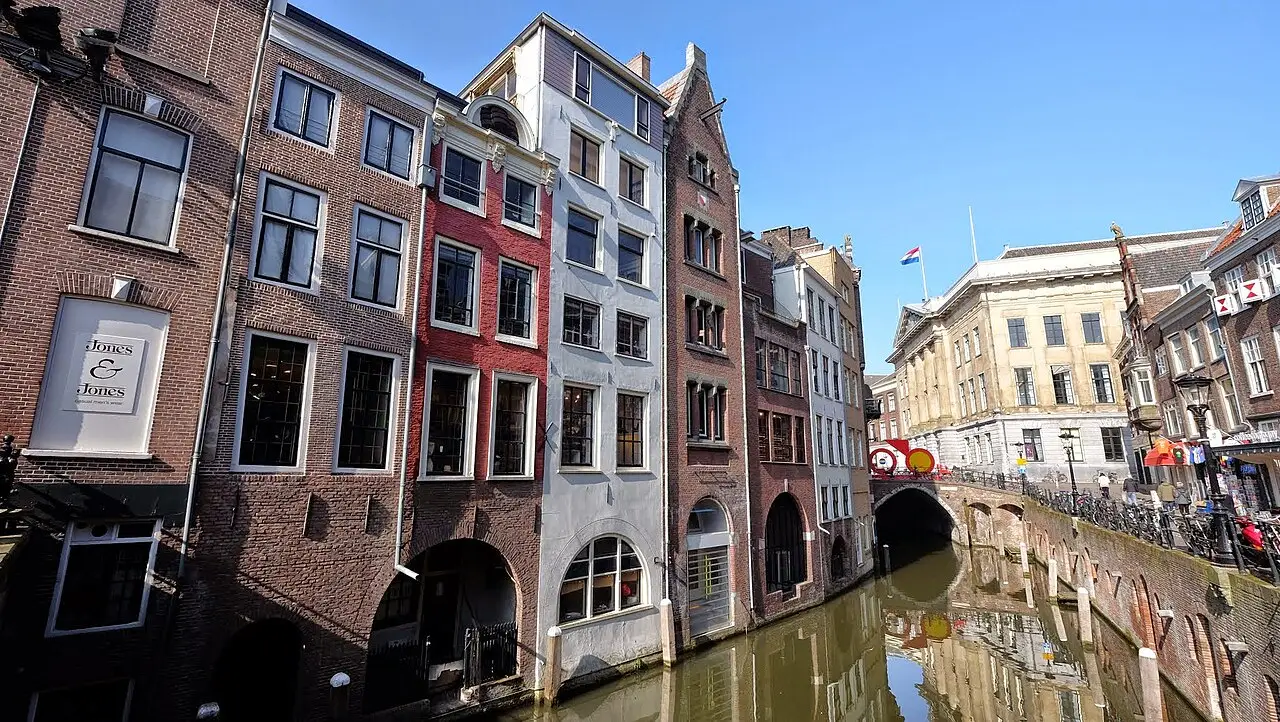
Utrecht
40 km south, 27 minutes by direct train. Two-tiered canals, with the old cellars at water level now occupied by cafés, the 112 m Dom Tower completed in 1382, and a university center with far fewer tourists per square meter.
Where to begin
The old center and the canal ring
Start at 9am on Dam Square, at the Royal Palace, the former city hall of 1648–1655 built on 13,659 piles, and the Nieuwe Kerk next door, where the monarchs are inaugurated.
Museums, De Pijp and the park
Enter the Rijksmuseum at opening, at 9am, and see the Gallery of Honour and The Night Watch in 90 minutes, before the museum fills up.
The Plantage, the docks and the north of the IJ
Start the morning in the Plantage: National Holocaust Museum (2024), Portuguese Synagogue (1675) and the Names Monument.
Money
The currency is the euro, and almost everywhere takes contactless debit, known as pinnen, from cafés to museums. Bakeries, street markets and some cafés still refuse credit cards or charge a fee for them, so bring an international debit card and about €50 in cash for markets and carts. 2026 ranges: coffee €3.50–4.50; 250 ml beer €4.50–7; broodje or a simple lunch €7–13; dinner at a midrange restaurant €28–45 per person without drinks; admission to the big museums €16–27; double room in a three-star hotel €160–260 in high season. The tourist tax is 12.5% of the room rate, one of the highest in Europe, and €15 per passenger per day on cruise ships; check whether the advertised rate already includes it, because it often only shows up on the final bill. Tipping isn't required: round up the bill or leave 5–10% at a dinner with good service, and nothing at a counter bar. To withdraw cash, use the official yellow-and-blue Geldmaat ATMs, and always decline the conversion to your own currency offered on screen. If your plan includes four or more museums, the Museumkaart, about €80 a year, already pays off, and foreigners can use it for 31 days.
Getting there and around
Schiphol connects by train in fifteen minutes
Schiphol sits 9 km southwest of the Dam and connects to the center by train. It's 15 to 20 minutes to Central Station, with 4 to 8 departures an hour and hourly service overnight. The fare runs about €5.60, on the same contactless card as the rest of the system. There are also direct trains to Amsterdam Zuid (8 minutes, better if your hotel is in the south) and to Sloterdijk. The Amsterdam Airport Express bus 397 reaches the Museumplein in about 30 minutes for about €7.50; a taxi or ride-hailing app charges €45–60 and takes longer at rush hour. By international train, the Eurostar links London to Amsterdam in about 4 hours, and there are direct services from Brussels (about 2 hours) and Paris (about 3 hours 20 minutes).
Tap in and tap out with your bank card
Within the city, GVB runs trams, five metro lines (50, 51, 52, 53 and 54), buses and ferries. The standard is to tap your bank card when you get on and off, with fares by distance. If you prefer a fixed price, buy the 1-hour ticket for €3.40, and there are also 24-hour (€10), 48-hour (€16) and 72-hour (€21.50) passes, at 2026 prices. That year fares rose about 3.9%, and the old 1.5-hour ticket was discontinued. Forgetting to check out makes the system charge the maximum fare for the trip, so check the app before getting off. Trams stop around 12:30am, and the N night lines cover the small hours. You can cross the whole center on foot in about 30 minutes. Bikes account for nearly a third of trips, and rental costs €12–20 a day. Front and rear lights are mandatory at night, and a phone in your hand while cycling gets you a fine.
Safety
Amsterdam is a safe city to walk in by day and by night, and the real risks involve property and traffic, not violence against visitors. Pickpockets work the Damrak, Central Station, trams on lines 2, 12 and 14, and museum queues: wear your backpack in front, keep your phone out of your back pocket. Bike theft is routine: use two locks, secure the frame to something fixed, and never buy a bike offered on the street, which is almost always stolen. Don't buy drugs from a street dealer: what's sold as cocaine in De Wallen is often white heroin, and the city has run warning campaigns in English after tourist deaths. Every year people drown in the canals, almost always at night, drunk and alone at the edge. The water sits level with the street, with no railing and no warning, so don't walk along the edge, don't urinate into the canal and don't get in the water. Watch out for bike lanes and scooters, which cause most accidents involving foreign pedestrians. Emergency: 112. Non-urgent police: 0900-8844.
Etiquette tips
The bike lane works like a road, with its own traffic lights
The red asphalt is a one-way vehicle lane with its own traffic lights and high speed. Don't stop on it to take a photo, don't walk on it, and look twice before crossing: cyclists have the right of way, they don't brake, and they use the bell as a warning, not an insult.
The Dutch answer is direct, without beating around the bush
The Dutch answer is usually a plain yes or no, including about your plan or your outfit. Beating around the bush sounds like a lack of clarity; disagreeing out loud doesn't end the conversation or ruin dinner.
Everyone pays their own
Splitting the bill item by item is standard even among friends, and settling up becomes a Tikkie, the payment link everyone uses on their phone. Insisting on paying for everyone forces the other person to refuse and creates an awkwardness no one asked for.
Arrange it in advance
Unannounced visits are rare; even a coffee with a friend goes on the calendar days ahead, and arriving fifteen minutes late calls for an explanation. The same goes for restaurants: without a reservation, on Fridays and Saturdays, you eat dinner at 5:30pm or you don't eat dinner.
In De Wallen, keep the camera put away
Photographing sex workers is forbidden and the reaction is immediate. Guided tours of the district have been banned since January 1, 2020, and since 2023 it's forbidden to smoke cannabis in the streets of the area, with a fine of around €100.
Coffeeshops have rules
Only adults 18 and over with ID, a maximum of 5 g per person per day, no alcohol on the premises and no using it at the door. Ask about the dosage and wait an hour before having more: edibles are the most common cause of medical calls involving tourists.
Mistakes to avoid
Holland is just 2 of the country's 12 provinces
Calling the country Holland. North Holland and South Holland are two of the twelve provinces, and the government dropped the nickname from official communication in 2020. Amsterdam sits in just one of them, and it's common to get it wrong the first two days: whoever does is usually corrected politely and right away.
Anne Frank without a time slot
Showing up at the door of the Anne Frank House or the Van Gogh Museum without a timed ticket. The Anne Frank House sells exclusively online, batches open weeks ahead, and there's no last-minute line that fixes it.
Without tapping the card at the exit, the system charges the maximum fare
Forgetting to tap out on the tram, the metro or the train. Without tapping your card on the way out, the system charges the maximum fare for the trip, and the refund isn't automatic.
A bike on the bike lane at 8:30am.
Renting a bike on day one and getting on the bike lane at 8:30am. The lane has one-way traffic, hand signals, its own lights and a fast average speed; the tourist stopped in the middle of it is the city's main daily friction point.
Thinking Damrak is Amsterdam
Mistaking the Damrak for Amsterdam. The street between Central Station and the Dam concentrates inflated prices, bad exchange bureaus and pickpockets, and 200 m past it start whole neighborhoods that are cheaper and more interesting.
Useful phrases
Hoi / Goedemorgen
Hi / good morning: greeting when you walk into any shop is expected
Dank je wel
Thank you very much (informal); the formal version is dank u wel
Alstublieft
Please, and also “here you go,” when someone hands you something
Mag ik pinnen?
Can I pay by card? The question that solves most checkouts
Sorry, sta ik op het fietspad?
Sorry, am I on the bike lane?
Twee biertjes, graag
Two beers, please
Districts
Centrum and De Wallen
The canal ring, the Dam, the Damrak and the red-light district, the city's oldest, around the Oude Kerk of 1306. Concentrates hotels, museums, high prices and the country's highest density of visitors per square meter.
Jordaan
A 17th-century working-class neighborhood west of the Prinsengracht, now expensive and residential. Narrow streets, hofjes (charity courtyards) hidden behind ordinary doors, galleries, a Saturday market on the Noordermarkt, and the Anne Frank House on its eastern edge.
De Pijp
A late-19th-century grid to the south, built for workers and now the neighborhood for eating and drinking. The Albert Cuyp market has run Monday to Saturday since 1905, and the Heineken Experience occupies the 1867 brewery on the neighborhood's corner.
Oud-West and Westerpark
Between the Vondelpark and the Westerpark, with the covered De Hallen market in a former tram depot and the old Westergas gasworks converted into a cinema, brewery and live-music venues. Fewer tourists, high rents, a crowd in its 30s.
Amsterdam-Noord
Across the IJ, reachable by free ferry, metro line 52 or the tunnel. Home to the decommissioned NDSM shipyard, the Eye Filmmuseum from 2012, clubs with 24-hour licenses and, a 15-minute bike ride away, villages of wooden houses and dikes.
Oost and Plantage
The green east: Artis zoo (1838), the National Holocaust Museum (2024), the Portuguese Synagogue (1675), the Oosterpark and the Indische Buurt, with Moroccan, Turkish and Surinamese cooking. One of the cheaper areas to sleep near the center.
Zuid and Zuidas
Oud-Zuid holds the Museumplein, the Concertgebouw (1888) and the pricey shop windows of the P.C. Hooftstraat; 3 km south, the Zuidas is the office district built since the 1990s around Amsterdam Zuid station, with a direct train to Schiphol in 8 minutes.
Zuidoost (Bijlmer)
A 1966–1975 modernist complex in honeycomb blocks, partly demolished and rebuilt after 1992. It's the most Surinamese, Ghanaian and Antillean neighborhood in the city, home to the Johan Cruijff ArenA, the Kwaku market in summer and the shops of the Amsterdamse Poort.
History
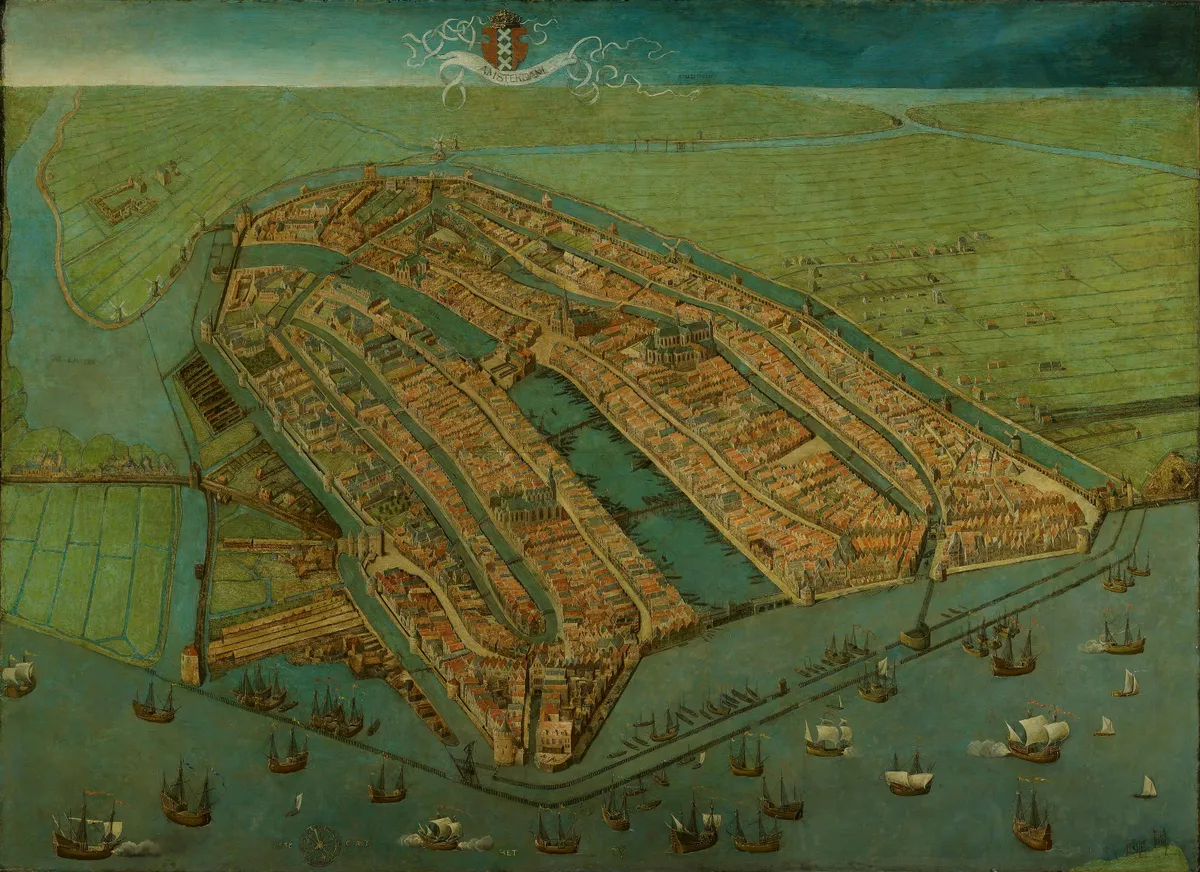
c. 1260 · A dam joins the banks of the Amstel
The region’s first dikes begin to be built around 1200; the dam at the Amstel’s mouth comes around 1260. It joins settlements on both banks, and its widened top becomes a centre of the city. The toll privilege of October 27, 1275 already mentions residents beside the Amsteldam.

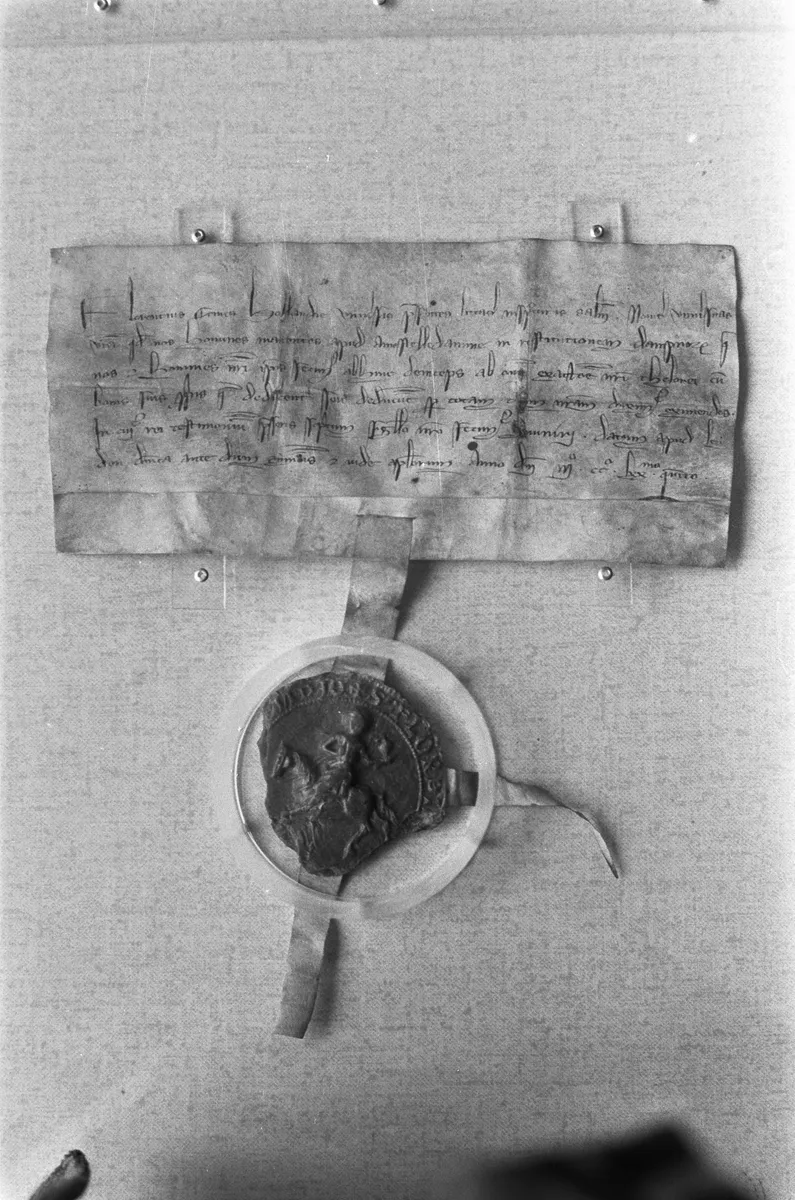
1275 · Floris V's toll exemption
On October 27, 1275, Count Floris V exempts the residents from tolls at the locks and bridges of the county of Holland. It's the oldest documentary mention of the city, and the reason Amsterdam celebrated its 750th anniversary in 2025.

1345 · The Miracle of Amsterdam
A host that doesn't burn turns the city into a pilgrimage destination, bringing money, building works and privileges. The silent procession Stille Omgang still crosses the center in the small hours of a night in March.


1578 · The Alteration
In May 1578 the city's elite switches from the Spanish, Catholic side to the Protestant rebels, without bloodshed. Churches pass to the Reformed Church and Catholic worship hides in attics, like the one at Ons' Lieve Heer op Solder.


1602–1609 · The VOC and the first stock exchange
The Dutch East India Company is founded on March 20, 1602, with shares tradable by anyone, and Hendrick de Keyser's exchange opens in 1611. The Bank of Amsterdam, from 1609, becomes Europe's reference for currency exchange.
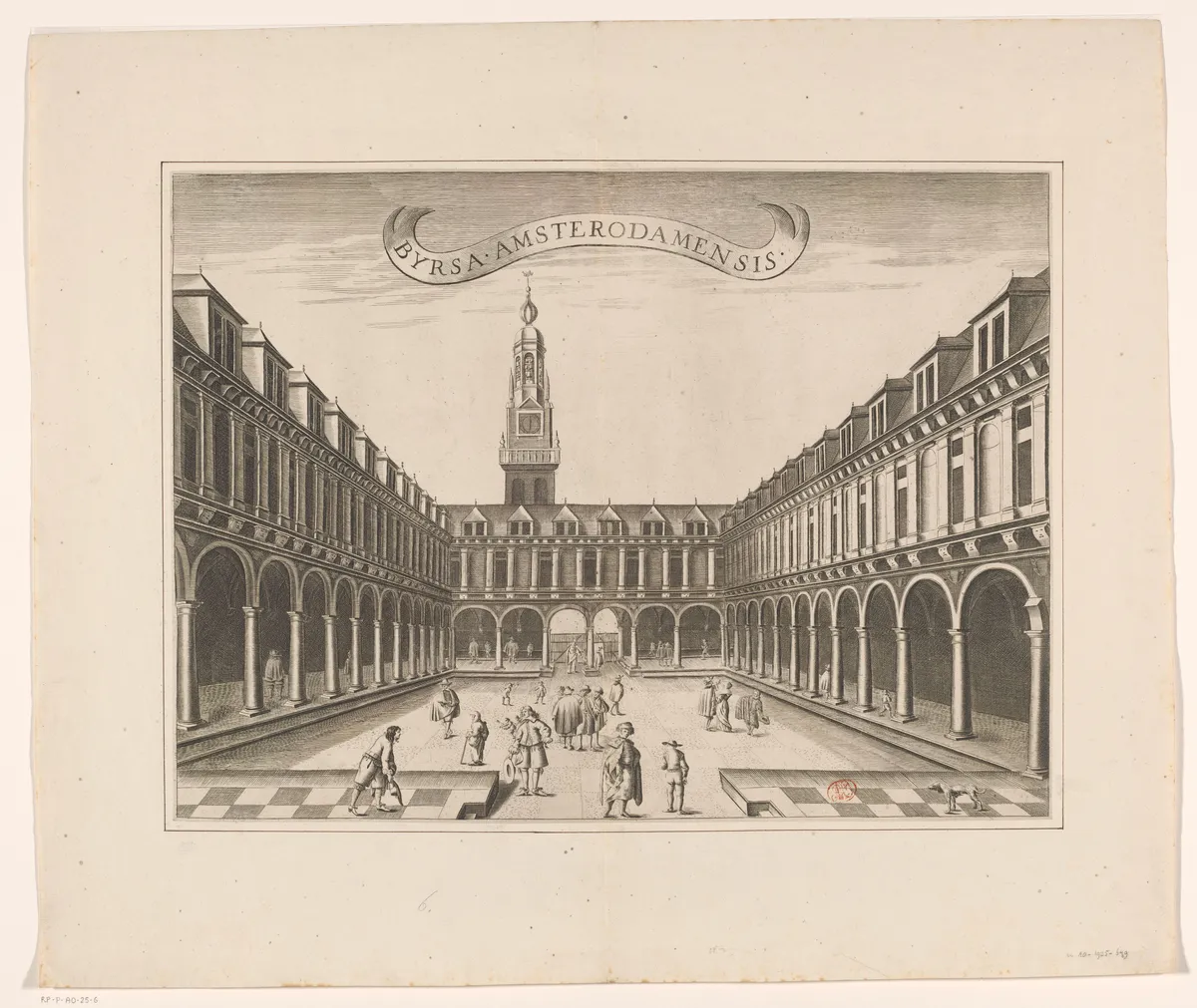

1613–1662 · The canal ring
The city digs Herengracht, Keizersgracht and Prinsengracht in two phases, tripling the urban area. Houses turn out narrow because the tax followed the width of the facade; the ensemble entered the UNESCO list in 2010.


1795–1813 · French occupation and decline
The Batavian Republic is installed in 1795 and the continental blockade strangles the port: the population shrinks and trade migrates to London and Hamburg. Louis Bonaparte converts the Dam town hall into a Royal Palace in 1808.
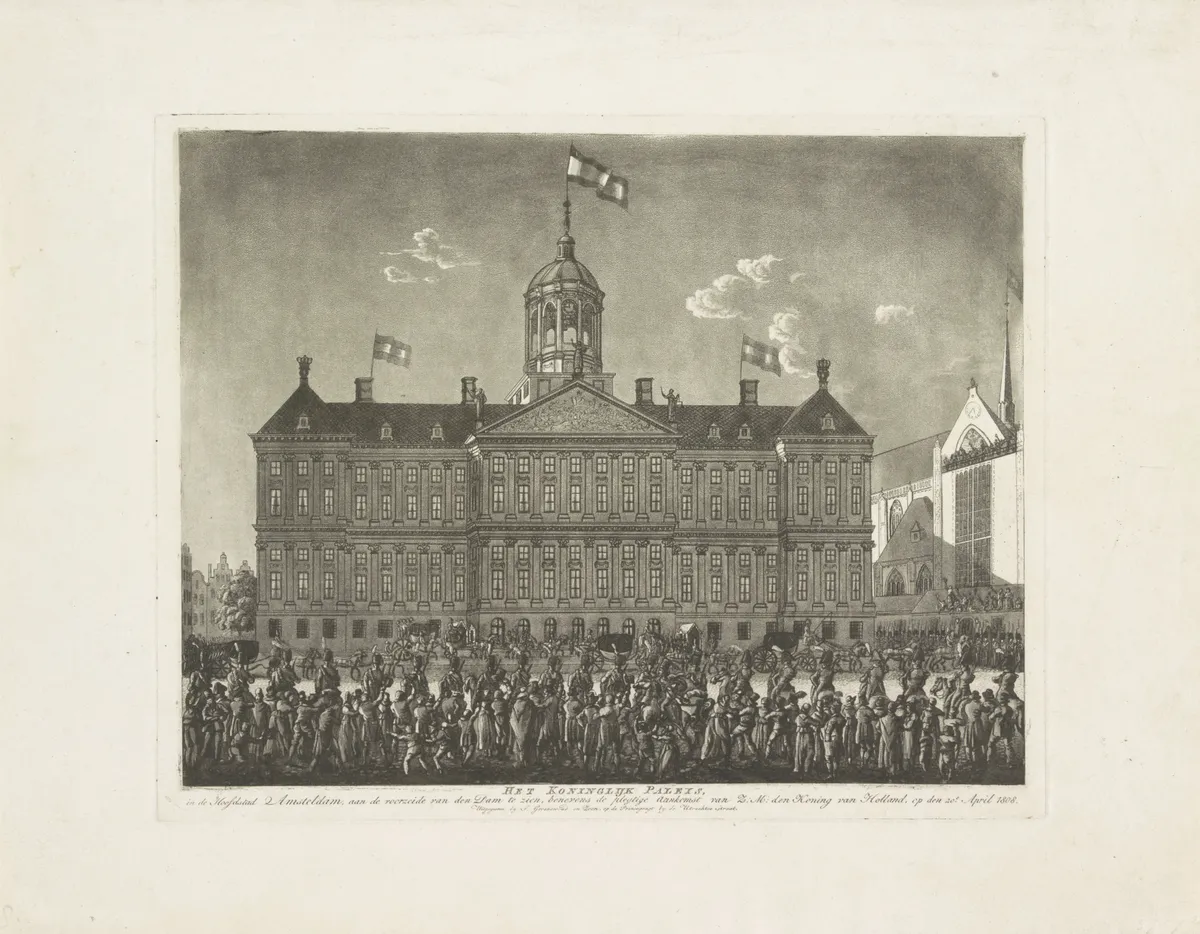

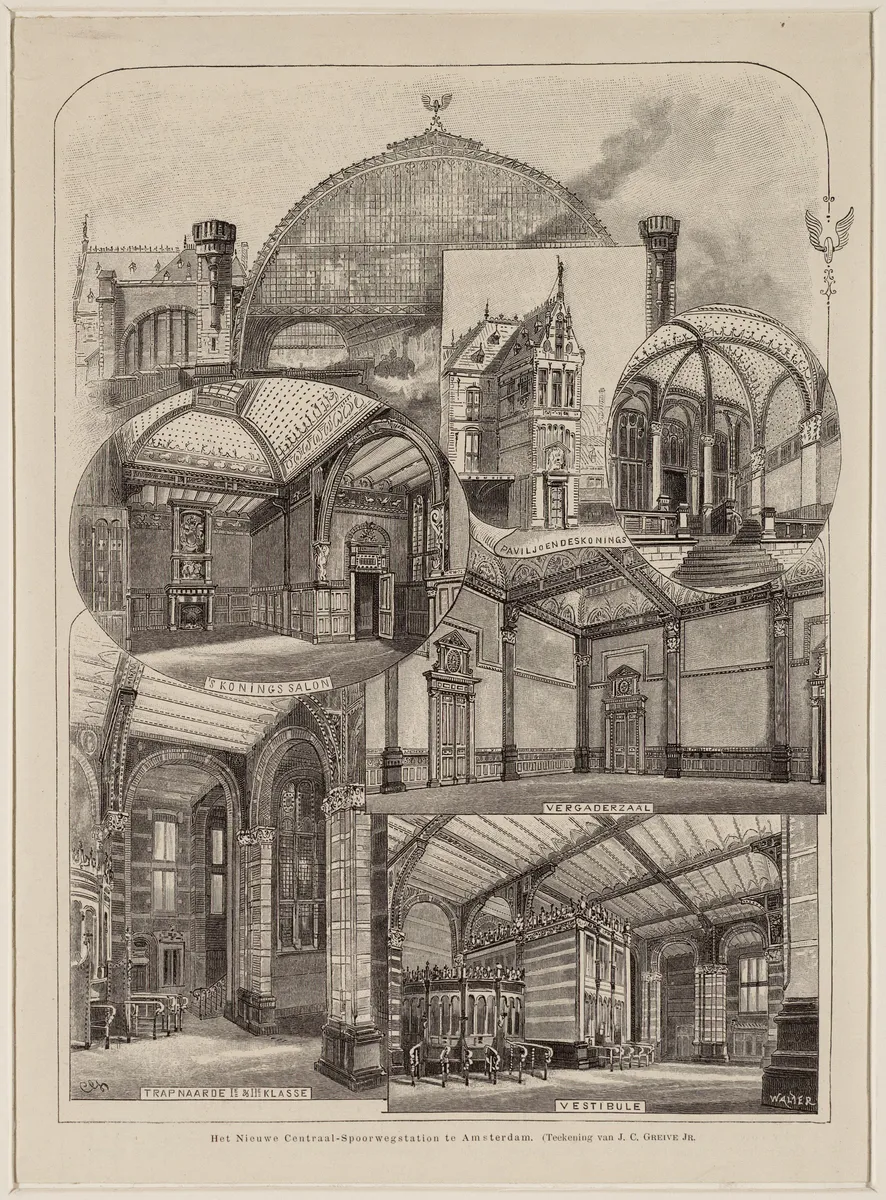
1876–1889 · Canal, museum and station
The Noordzeekanaal, opened in 1876, gives the city back a direct link to the North Sea and revives the port. Pierre Cuypers designs the Rijksmuseum (1885) and Central Station (1889), built on three artificial islands and thousands of piles, with its back to the IJ.

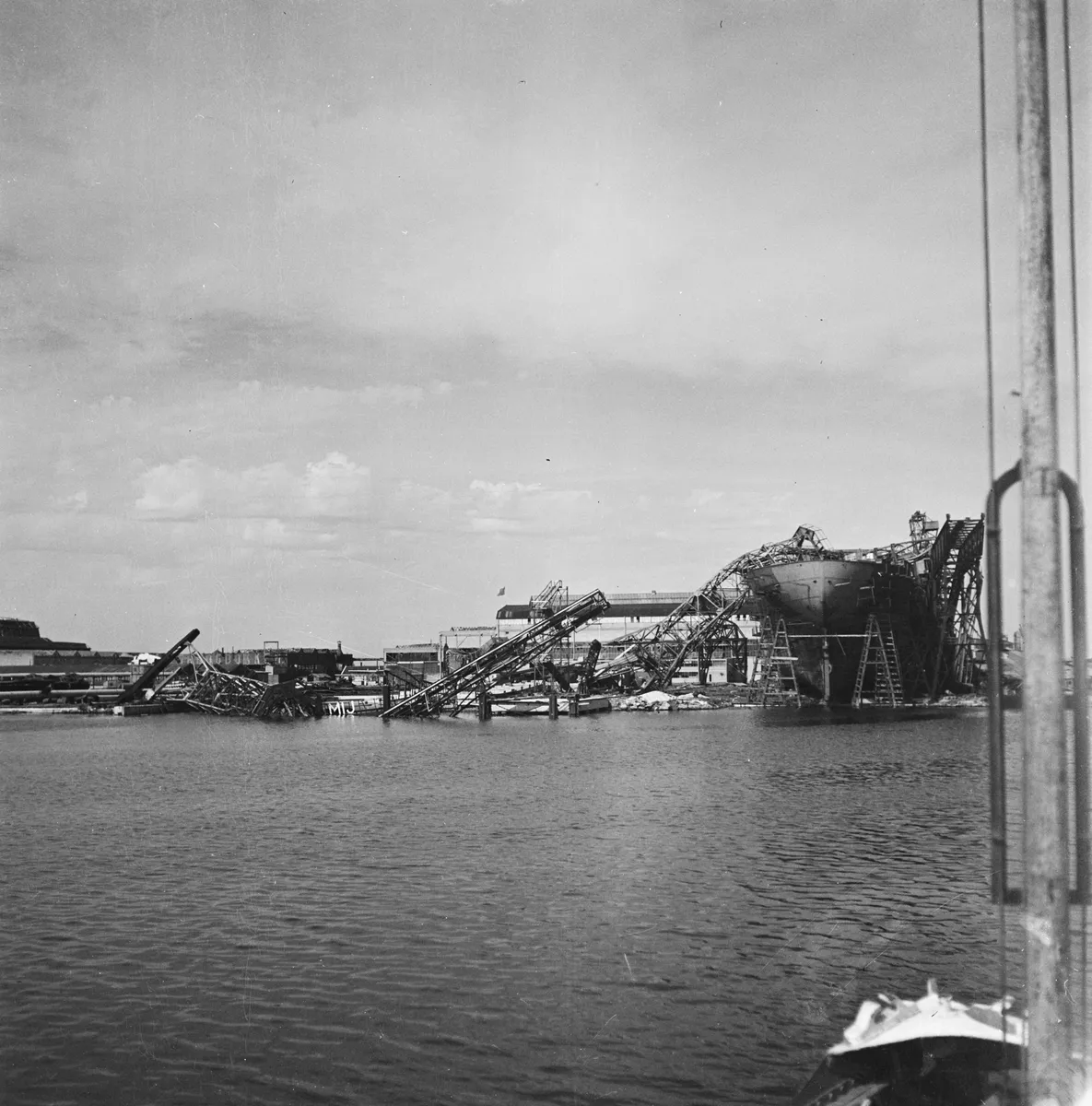
1940–1945 · Occupation and deportation
Germany occupies the country in May 1940. The general strike of February 25, 1941, against the first raids, is crushed within two days; of the city's roughly 80,000 Jewish residents, about 60,000 were murdered. The Hunger Winter of 1944–45 kills thousands.

1965–1980 · Provos, the metro and squats
The Provo movement proposes shared white bicycles in 1965. In 1975 the demolition of Nieuwmarkt to open the metro ends in a pitched battle; on April 30, 1980, Beatrix's coronation coincides with the squatters' riot under the slogan geen woning, geen kroning (no home, no coronation).
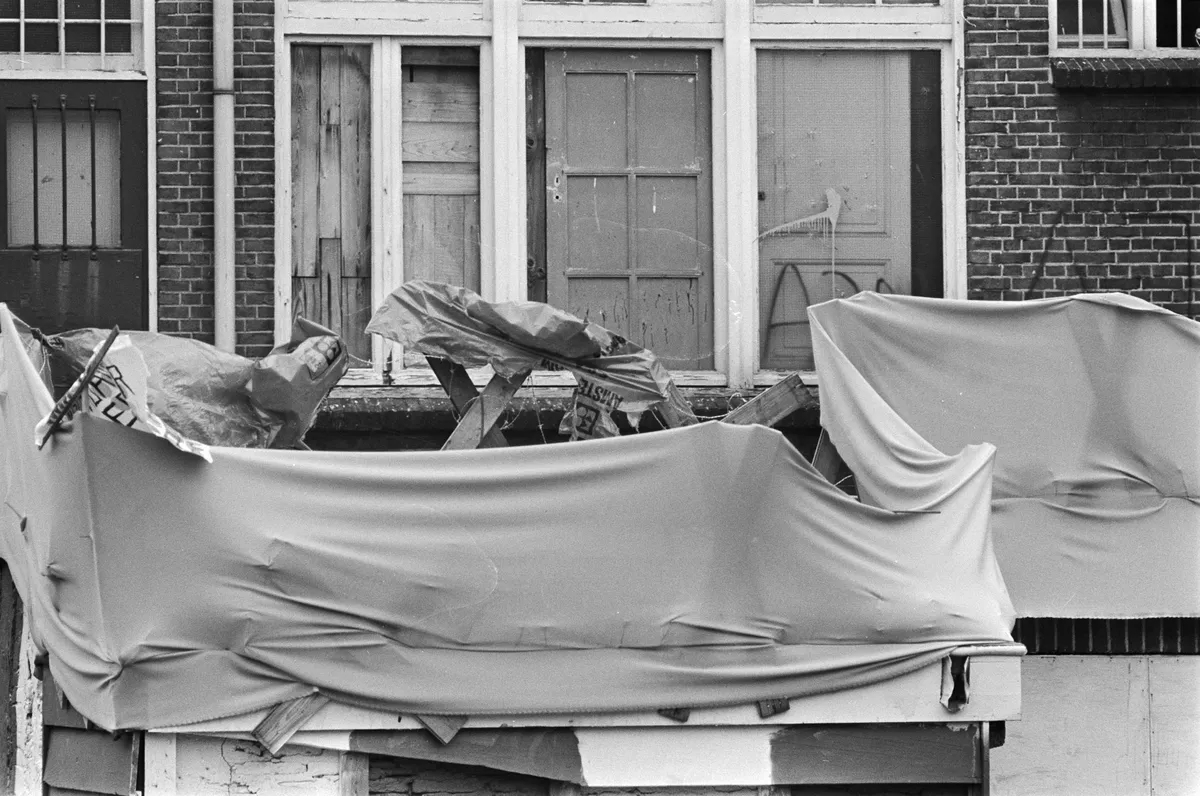

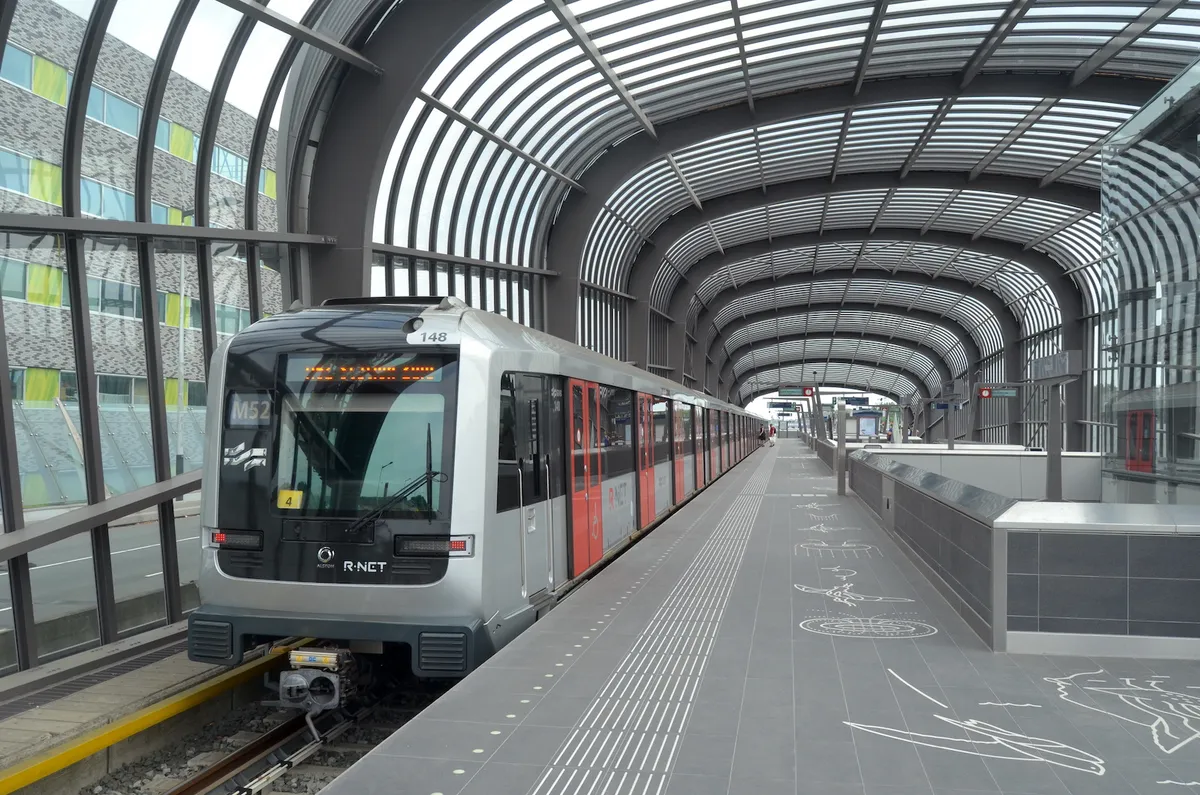
2018–2026 · New metro line and a brake on tourism
The 52 North–South metro line opens on July 22, 2018, after 15 years of work and about 3.1 billion euros. Since 2023 the city has banned new hotels, aims for a cap of 20 million overnight stays a year and charges a 12.5% tourist tax; the Amsterdam Museum closed its Burgerweeshuis home for renovation in 2026, with reopening planned for 2030.

Complete history
Peat, dikes and a dam between two banks
Amsterdam developed on peatland and water where the IJ meets the Amstel. Drainage made farming possible, but also lowered the ground and worsened flooding. The city archives distinguish two stages: the first dikes around 1200 and the dam at the Amstel’s mouth around 1260. The dam joined settlements on both banks; its top was widened into a centre, the origin of the Dam square. On October 27, 1275, Floris V granted residents beside the Amsteldam the right to carry goods through the county of Holland without paying tolls. The document records a community that already existed, rather than dating the dam’s construction to that day. This distinction helps when looking at the city: dikes, a crossing over the river and a trading privilege are different stages in the same growth, rather than a single founding act.
The 1578 Protestant switch drew merchants from Antwerp
The war against Spain reorganized everything. In May 1578 the local elite switched sides in the Alteratie, without bloodshed, and the fall of Antwerp in 1585 pushed north merchants, bankers, printers and Sephardic Jews with contacts and capital. In 1602 the VOC was born, the first company with shares tradable on a secondary market; in 1609 the Bank of Amsterdam stabilized European exchange rates. The population went from about 30,000 residents around 1570 to about 200,000 in 1700, the canal ring was dug starting in 1613 to fit that growth, and the Dam town hall (1648–1655) was built as a statement of wealth. The same money paid for Rembrandt, Vermeer and a painting industry that supplied ordinary households, and it also came from the trafficking of enslaved people and colonial rule in Indonesia, Suriname and the Caribbean, for which the city issued an official apology on July 1, 2021.
A period of stagnation, followed by the French occupation
The 18th century was one of stagnation, and the French occupation between 1795 and 1813 finished the damage: the continental blockade shut the port and the population shrank. Recovery came through engineering. The North Sea Canal, opened in 1876, gave the city a direct outlet to the sea and brought shipping back; industrialization filled the new neighborhoods built quickly around the ring with tenements. The Rijksmuseum (1885) and Central Station (1889), both by Pierre Cuypers, gave the city a civic center, and the station, built on artificial islands, blocked the view of the IJ and settled the debate over which way Amsterdam should face. In 1917 Berlage's Plan South and Amsterdam School architecture invented the curved-brick social housing that still defines whole neighborhoods.
The German occupation (1940–1945) and Holocaust memory
The German occupation, from May 1940 to May 1945, is the rupture the city still manages. Amsterdam responded with the general strike of February 25, 1941, the only public work stoppage against the persecution of Jews in all of occupied Europe, crushed within two days. Even so, the Dutch civil registry was too efficient: of about 80,000 Jews in the city, about 60,000 were murdered, and the old Jodenbuurt was left empty; in the Hunger Winter of 1944–45 residents dismantled abandoned houses to burn, and the neighborhood never rebuilt itself. The Namenmonument, opened in 2021 in the Plantage, carries 102,000 names in brick.
Provos, white bicycles, and squats, since the 1960s
From the 1960s onward the city turned into a laboratory: the Provos and the white bicycles in 1965, squatting empty buildings (kraken) as a mass movement in the 1970s and 1980s, and the Nieuwmarkt battle in 1975 against demolishing a neighborhood to open the metro, which produced the rule never again to tear up historic fabric for road works. Then came tolerance of soft drugs in coffeeshops starting in 1976, the regulation of prostitution in 2000, and, in 2001, the world's first legal same-sex civil marriage. Metro line 52, opened in 2018, was the center's last major construction project. Today the problem is the opposite of decline: with about 942,000 residents and more than 20 million overnight stays a year, the city has barred new hotels, banned guided tours in De Wallen (2020) and smoking cannabis in the streets of the area (2023), limited shops aimed only at tourists and decided to move the cruise terminal out of the center.
In the Plantage, the Names Monument has 102,000 names on bricks.
Geography and shape of the city
The wet ground and the piles
The city sits in the delta, on peat and sand, with much of the ground between 2 m below and 1 m above sea level. The European elevation standard itself, the NAP, was calibrated from Amsterdam's 17th-century water marks. There's no bedrock: every building in the center rests on piles driven down to the sand layer, 12 to 20 m below, and the Royal Palace uses 13,659 of them. The Amstel enters from the south and ends at the old Dam dike; to the north, the IJ links the city to the Noordzeekanaal (1876) and the sea, and separates the center from Amsterdam-Noord, reachable only by ferry, metro or tunnel.
The canal ring dug from 1613 onward
Around the medieval core, the ring dug starting in 1613 draws a semicircle of four waterways (Singel, Herengracht, Keizersgracht and Prinsengracht) in a system of about 165 canals, about 100 km of water and more than 1,200 bridges. Outside the ring come the 19th-century crowns (De Pijp, Oud-West), Berlage's Plan South of 1917, the garden cities of the 1935 expansion plan to the west, the modernist Bijlmer of the 1960s to the southeast and, since 1999, the artificial islands of IJburg in Lake IJmeer.
Maritime climate and flat terrain: why cycling works
The climate is maritime and windy, without extremes, and the flat layout explains the bicycle: there's no hill anywhere.
The canals in the center look alike, and it's easy to spend three days thinking you keep crossing the same one.
Culture
A century of paintings in series
In a single century, Amsterdam produced a painting industry that supplied middle-class homes: estimates speak of millions of canvases painted in the 17th-century Netherlands, and that supply gave rise to Rembrandt (who moved to the city in 1631, lived on Jodenbreestraat and went bankrupt in 1656) and the generation of portraitists and landscape painters in the Rijksmuseum. The museum keeps The Night Watch under scientific research open to the public, the Van Gogh Museum holds the painter's family collection and the Stedelijk covers Malevich through contemporary art. Alongside the big three is a smaller, more interesting layer: Foam for photography, the Rembrandthuis with etching technique demonstrated live, the Scheepvaartmuseum in the Admiralty warehouse of 1656, and the galleries and studios that have moved to Noord.
Two music scenes: the Concertgebouw and regulated electronic nightlife
Musical life splits between the Concertgebouw, opened in 1888 and known for the acoustics of its main hall, with about 900 concerts a year, and an electronic nightlife the city regulated on purpose. Paradiso, in a former church, has run since 1968; the Melkweg, in a former dairy, since 1970. After 2012 the city started granting 24-hour licenses to clubs outside the center, to move noise away from residential areas and make room for long parties, and created the figure of the nachtburgemeester, the night mayor, copied by dozens of cities. The Amsterdam Dance Event, since 1996, is the world's largest electronic music gathering by number of events. In sports, Johan Cruyff's Ajax won three straight European Cups between 1971 and 1973 and plays at the Johan Cruijff ArenA, opened in 1996, in Zuidoost.
Words with no translation: gezelligheid and gedogen
The city organizes itself around two words with no direct translation: gezelligheid, the comfort of being together without ceremony, and gedogen, formally tolerating what the law doesn't authorize, the origin of the coffeeshops since 1976 and the regulation of prostitution in 2000. It was in Amsterdam's city hall that the world's first same-sex marriage was celebrated, on April 1, 2001. About 180 nationalities live in the municipality, and Surinamese, Indonesian, Moroccan, Turkish and, more recently, southern European and Indian layers shape what's eaten and what's heard. In literature, Multatuli attacked the colonial system in Max Havelaar (1860), Nescio wrote the bohemia of the early 20th century, Harry Mulisch built the city's modern novel with The Discovery of Heaven and Geert Mak made Amsterdam: A Brief Life of the City the most-read historical portrait of it.
Gezelligheid is the comfort of being together without formality; gedogen is tolerating what the law doesn't authorize, like the coffeeshops.
Festivals and events

Koningsdag: April 27
The king's birthday: the whole city in orange, a free market (vrijmarkt) where anyone sells whatever they want on the sidewalk, packed boats on the canals and hundreds of thousands of visitors. Much of the transport in the center stops running; anyone who doesn't want crowds leaves the city that day.
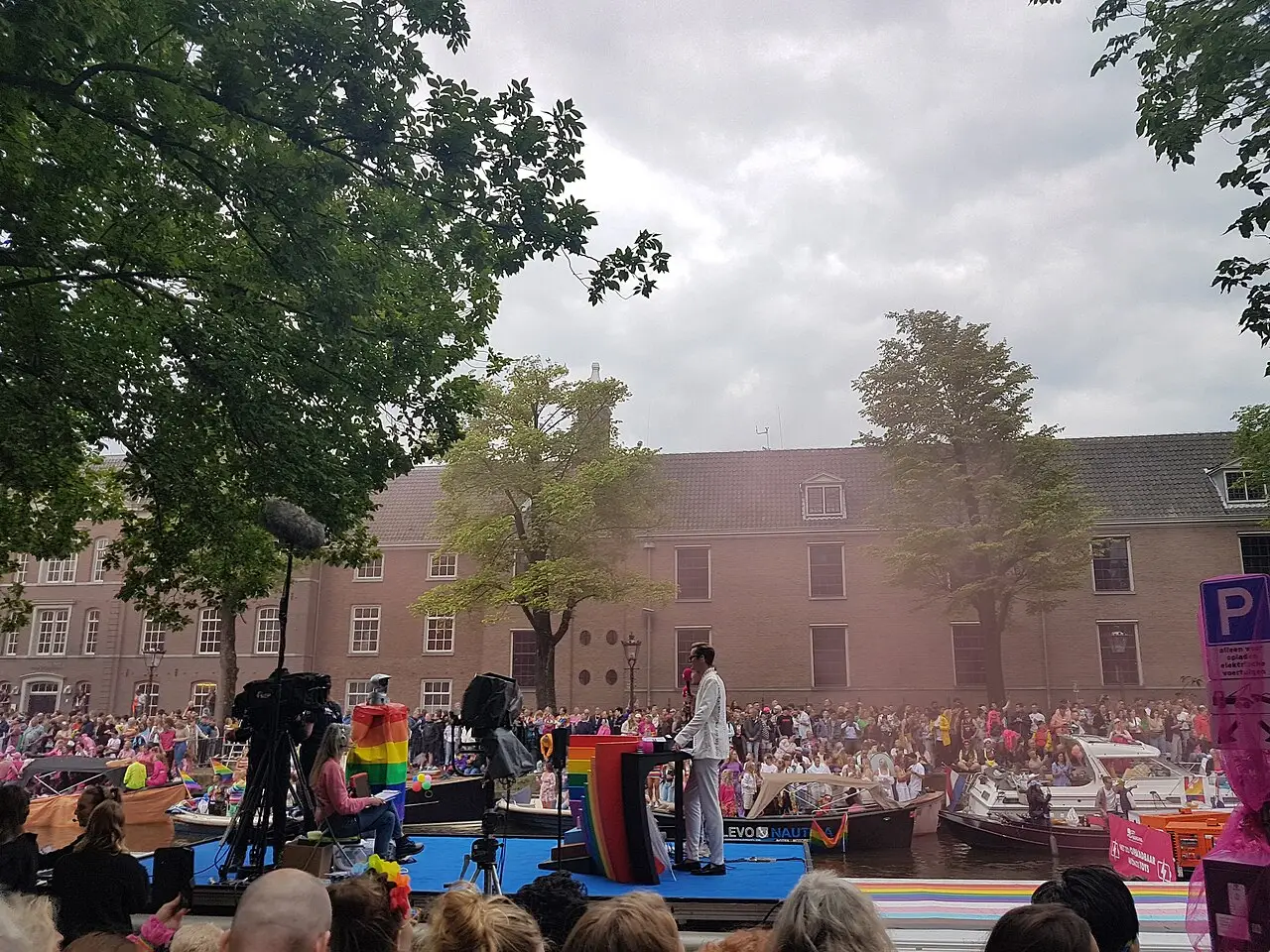
Pride Amsterdam: late July to early August
Nine days of programming closed out by the Canal Parade, a procession of about 80 boats along the Prinsengracht, the only one in the world that takes place on water. It has run in this format since 1996 and draws hundreds of thousands of people along the banks; arrive two hours early to see anything.
 AI illustration
Amsterdam Dance Event: October
Five days with about 1,000 events at about 200 venues, an industry conference by day and parties into the morning. Started in 1996 and is the world's largest electronic music gathering by number of shows; hotel and airfare prices spike that week.

Amsterdam Light Festival: late November to mid-January
About twenty light installations spread along the canals of the center, made to be seen by boat on a route of roughly 1 hour 15 minutes. It's the city's answer to the dark that falls at 4:40pm in winter; you can also walk the route, which is colder and cheaper.
 AI illustration
IDFA: November
International documentary festival created in 1988, the largest of its kind in the world, with hundreds of titles in theaters across the center and Q&As with directors. Screenings sell out weeks in advance; single tickets usually go on sale in October.
Books and films
The Diary of a Young Girl (1947)
Anne Frank began the diary on June 12, 1942, still at the family's apartment on Merwedeplein, and wrote it in the annex at Prinsengracht 263 from July 1942 until August 1, 1944. The book explains the occupation, the geography of the annex and why the city built, in 2021, a monument with 102,000 names fifteen minutes away.
Amsterdam: A History of the World's Most Liberal City, by Russell Shorto (2013)
Links the draining of the marsh to Calvinism, the VOC and the modern idea of tolerance. It's the best available argument for why the city ended up with this shape and these habits.
Turkish Delight (Turks fruit, Paul Verhoeven, 1973)
The Amsterdam of the 1970s filmed on the street, right at the turn in social customs, based on Jan Wolkers's novel. It remains one of the most-watched Dutch films in the country and shows the city before mass tourism.
Frequently asked questions
Amsterdam: Can you call the country Holland?
Better not: Holland is the name of two of the twelve provinces, and Amsterdam lies in only one of them, North Holland. The government dropped the nickname from official communication in 2020, and anyone who gets it wrong is usually corrected politely and right away.
Amsterdam: How do you get from Schiphol to downtown?
By train: it's 15 to 20 minutes from Schiphol to Central Station, for about €5.60, with 4 to 8 departures an hour and hourly service overnight.
Amsterdam: Is the day trip to Haarlem worth it?
Yes: Haarlem is 20 km west, 15 to 20 minutes by train from Central Station, and has a medieval center around the Grote Markt, the Grote Kerk with the 1738 organ young Mozart played, and the Frans Hals Museum, without the crowds.
Amsterdam: Do you need cash?
Little: almost everywhere takes contactless debit, known as pinnen, from cafés to museums, but bakeries, street markets and some cafés refuse credit cards, so bring an international debit card and about €50 in cash for markets and carts.
Amsterdam: What's the climate like throughout the year?
The climate is maritime, without extremes and with constant wind: average highs of 6 to 7°C in January and 22 to 23°C in July, and about 800 mm of rain a year spread over 130 to 190 days.
Itineraries through here
 The Netherlands, Belgium and Paris in 10 daysFrom the canals to the SeineAmsterdam · Brussels · Paris8–10 days3 cities
 London, Paris and Amsterdam in 10 daysLondon to Amsterdam by trainLondon · Paris · Amsterdam10–12 days3 cities
 The Netherlands and Belgium in 5 daysAmsterdam’s canals and the Grand-PlaceAmsterdam · Brussels4–5 days2 cities
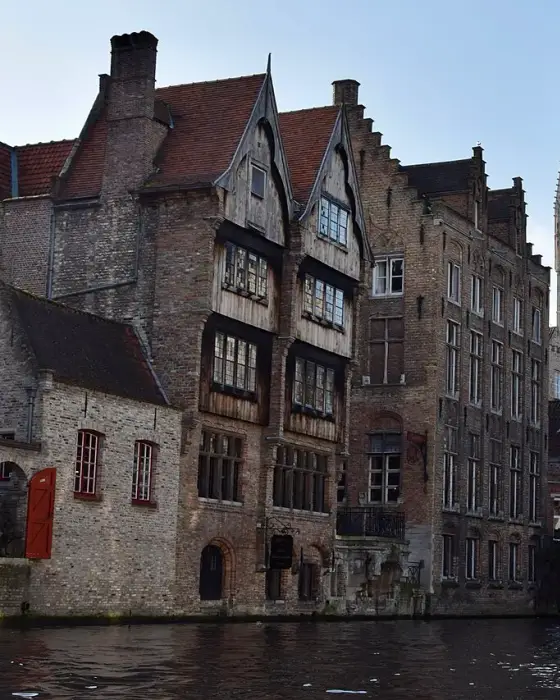 Amsterdam, Bruges and Paris in 10 daysA night in Bruges on the way to ParisAmsterdam · Brussels · Bruges · Paris9–13 days4 cities