
England
London
Free museums, West End theater and the Thames on foot
Days Start with the basic programme and choose extensions for the time you have.
How the guide reaches this number
A fourth day, if you have one, goes to the Windsor and Eton day trip. London doesn't come together in a single stroll, and travelers on a tight budget suffer, because lodging and food run expensive even with free museums. With just one day, enter Westminster Abbey at 9:30am and walk along the Embankment to the Tower of London, with a ticket bought in advance. Then cross Tower Bridge, see the city from above in the late afternoon at the Tate Modern, and close the night at the theater, with a leftover ticket bought the same day. The most crowded spots tend to disappoint: Oxford Street is a run of shops with pickpockets, Leicester Square has nothing beyond ticket booths, and Parliament Square is good for one photo. In December it gets dark just after 3:50pm, so in winter save what's under a roof, like museums and theaters, for the afternoon.
3–4
When May to September; May–June and September bring long days with shorter lines than July and August
How the guide reaches this number
The climate is oceanic, with no extremes and no dry season: average highs go from 8–9 °C in January to 23–24 °C in July and August, and rain is spread over about 110 to 160 days a year. It adds up to 600–690 mm, less than Rome, but it falls as drizzle, and you feel the difference in your clothes. What really changes is the light: at the June solstice the day lasts more than 16 hours and it's still light at 9:30pm, while in December it gets dark shortly after 3:50pm. May and June are the best months, with parks in bloom and temperatures of 18–22 °C; September repeats that with fewer people. July and August bring the tourist peak, longer lines and increasingly frequent heat waves in a city where almost nothing has air conditioning, the Tube included. November is the month I'd avoid: dark, wet, with no festivities and no leaves. January and February are cold and empty, but that's when hotels and theater are cheapest. Bring a windproof jacket and a small umbrella in any month.
Per person/day Budget £70–100; mid-range £150–220; comfortable £300+ (approx., excluding flights)
How the guide reaches this number
Per person per day: accommodation, meals, urban transport, visits and a small allowance for extras. Flights excluded; larger purchases vary. Editorial estimate, not a quote.
 What Nilo thinks
Stay three days: one in Westminster, on the river and at the Tower of London; another in the free museums and on the South Bank; and the third in the east, at the market and the meridian. A fourth day, if you have one, goes to the Windsor and Eton day trip. London doesn't come together in a single stroll, and travelers on a tight budget suffer, because lodging and food run expensive even with free museums. With just one day, enter Westminster Abbey at 9:30am and walk along the Embankment to the Tower of London, with a ticket bought in advance. Then cross Tower Bridge, see the city from above in the late afternoon at the Tate Modern, and close the night at the theater, with a leftover ticket bought the same day. The most crowded spots tend to disappoint: Oxford Street is a run of shops with pickpockets, Leicester Square has nothing beyond ticket booths, and Parliament Square is good for one photo. In December it gets dark just after 3:50pm, so in winter save what's under a roof, like museums and theaters, for the afternoon.In London, the national museums are free, and the Rosetta Stone at the British Museum, the Turners at the National Gallery, and the blue whale at the Natural History Museum cost nothing to see. On the south bank, the old Bankside power station became the Tate Modern, whose tenth floor has the best free view of the river, and from there the walkway runs along the water through Borough Market to Tower Bridge. The city grew by stitching together medieval villages, with no street grid and no single center, so it's best understood by walking from one neighborhood to the next. Eat fish and chips out of the paper, pie and mash from the East End, and curry on Brick Lane, and order your pint at the bar. In the evening, the TKTS booth in Leicester Square sells the West End theaters' leftover seats for the day. Come in May, June, or September, when the lines are shorter than in July and August, and stay three days, with a fourth for Windsor and Eton.
Quick facts
- Population
- about 8.9 million in Greater London; about 14.9 million in the metropolitan region
- Founding
- Londinium, founded by the Romans around AD 47–50
- Country and region
- United Kingdom, England; southeast, in the Thames basin
- Language
- English; more than 300 languages are spoken at home by the city’s schoolchildren
- Currency
- Pound sterling (GBP, £); the United Kingdom does not use the euro
- Time zone
- GMT (UTC+0); BST (UTC+1) from the last Sunday in March to the last Sunday in October
- Best time to visit
- May to September; May–June and September bring long days with shorter lines than July and August
- Average daily cost
- Budget £70–100; mid-range £150–220; comfortable £300+ (approx., excluding flights)
When to go
May to September; May–June and September bring long days with shorter lines than July and August
January
4° to 9°C
58 mm of rain
February
4° to 9°C
44 mm of rain
March
5° to 12°C
37 mm of rain
April
7° to 15°C
43 mm of rain
October
10° to 16°C
67 mm of rain
November
6° to 12°C
66 mm of rain
December
4° to 9°C
59 mm of rain
How the year changes
The climate is oceanic, with no extremes and no dry season: average highs go from 8–9 °C in January to 23–24 °C in July and August, and rain is spread over about 110 to 160 days a year. It adds up to 600–690 mm, less than Rome, but it falls as drizzle, and you feel the difference in your clothes. What really changes is the light: at the June solstice the day lasts more than 16 hours and it's still light at 9:30pm, while in December it gets dark shortly after 3:50pm. May and June are the best months, with parks in bloom and temperatures of 18–22 °C; September repeats that with fewer people. July and August bring the tourist peak, longer lines and increasingly frequent heat waves in a city where almost nothing has air conditioning, the Tube included. November is the month I'd avoid: dark, wet, with no festivities and no leaves. January and February are cold and empty, but that's when hotels and theater are cheapest. Bring a windproof jacket and a small umbrella in any month.
The same numbers as a table
| Month | Temperature °C | Rain mm |
|---|---|---|
| January | 4 to 9 | 58 |
| February | 4 to 9 | 44 |
| March | 5 to 12 | 37 |
| April | 7 to 15 | 43 |
| May · | 10 to 18 | 45 |
| June · | 13 to 21 | 51 |
| July · | 15 to 24 | 43 |
| August · | 15 to 23 | 55 |
| September · | 12 to 20 | 50 |
| October | 10 to 16 | 67 |
| November | 6 to 12 | 66 |
| December | 4 to 9 | 59 |
Nilo's tips
Use the same card all day to cap at £8.90
Switching between card and phone splits the day into two tabs, and it's quite possible that neither one reaches the cap. The £8.90 daily cap applies in Zones 1–2. The TfL day doesn't turn over at midnight: it runs from 4:30am to 4:29am the next day, so a ride home at 3am still counts toward the previous day.
From Heathrow, pay £12–14, not £25
The Elizabeth line reaches Paddington in about 30 minutes for £12–14, almost half the walk-up fare on the express train. It also continues on to Tottenham Court Road and Liverpool Street, which covers almost every central hotel without a change, while the express saves only about fifteen minutes. With no rush, the Piccadilly line costs about £5.60–6 in 50–60 minutes, and a taxi, at £70–100, usually arrives after the train during peak traffic.
Book the Sunday roast on Friday: £18–28, only on Sunday
It always sells out, and it's served roughly between noon and 5pm. For the morning, the plan is the Columbia Road flower market, open from 8am to 3pm; leave Westminster Abbey for another day, because on Sunday it closes to tourists for services. Also avoid the City's Square Mile, which empties out on weekends to the point that the pubs close.
Theater for £15–30 the same day
The West End has about 40 commercial theaters and almost none of them lives on advance sales alone. The order that works is this: box office in the morning, for the day seats; TKTS in Leicester Square in mid-afternoon, for the day's leftovers at £15–30; return line in the last half hour before curtain. Pub theaters charge even less than that.
Go up for free to the tenth floor of the Tate Modern
The view takes in the whole city and the river, while across the water people pay to see less. The floor is in the Blavatnik Building, and admission is free. Go in the late afternoon, to start with daylight and finish with the towers lit up, and then walk along the south bank to Tower Bridge.
Near the curb, keep your phone in your pocket
Phone thieves on bicycles or e-motorbikes target the phone in the hand of anyone walking along the curb. If you need the map, step against a wall and hold the phone in the hand on the side away from traffic. At bar tables near the door and on the crowded Tube, the risk is different, the pickpocket: keep your bag closed in front of your body and your phone off the table.
Explore the map
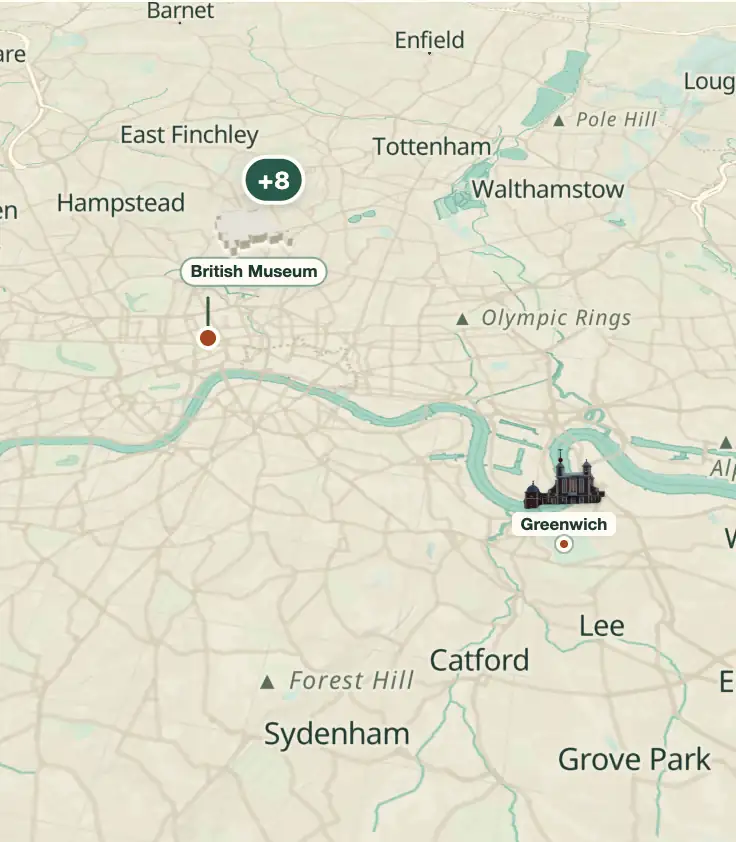
© OpenStreetMap · OpenFreeMap · © OpenMapTiles
Explore the map, read about the other places and plan your travel days in the app.
Open the appWhat to see
London: The clay and the tidal river
The Thames cuts the city from west to east in wide bends, is tidal up to Teddington Lock, and rises about 7 m between low and high tide; the Thames Barrier, at Woolwich, has been operating since 1982 and has already been closed hundreds of times against storm surges. On the north bank, Westminster is good for seeing institutions and walking in a straight line; almost no one lives there, and it empties out at night.

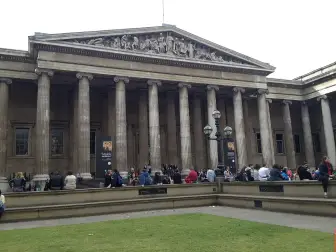
British Museum
Founded in 1753, it is the world’s oldest public museum and is still free. It holds the Rosetta Stone, the Parthenon marbles, and about 8 million objects; the Great Court, roofed by Norman Foster in 2000, is the largest covered square in Europe.
Founded in 1753, the museum is still free and holds the Rosetta Stone alongside about 8 million objects, and the courtyard Foster covered is the largest covered square in Europe.
Check access
Tower of London
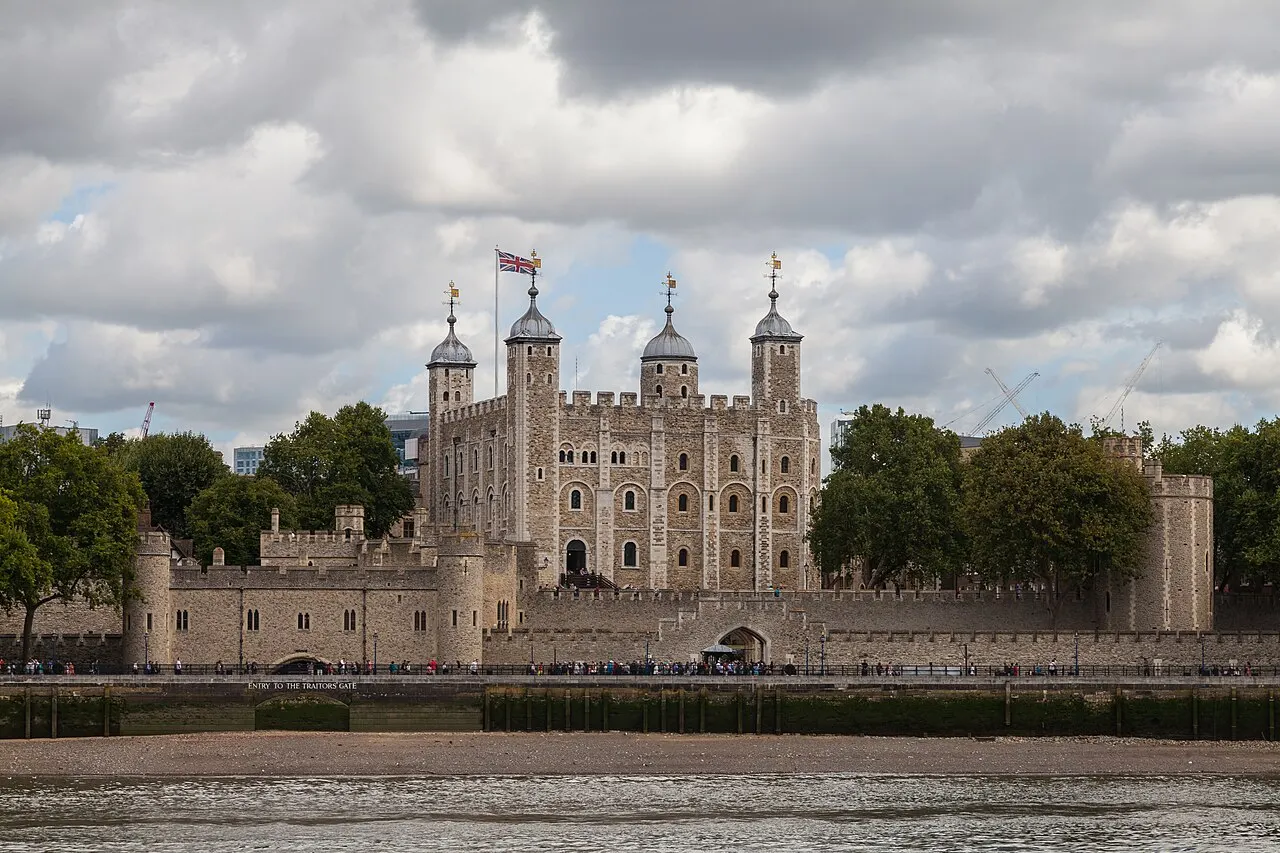
Fortress, palace, prison, and royal mint since 1078. Worth it for the Crown Jewels, the Norman White Tower, and the Yeoman Warders, who live inside the castle; tickets run around £35, book online.
The fortress has served as a palace, prison, and mint over the years, and tickets are booked online; the Crown Jewels are kept there; since 1078.
Check access
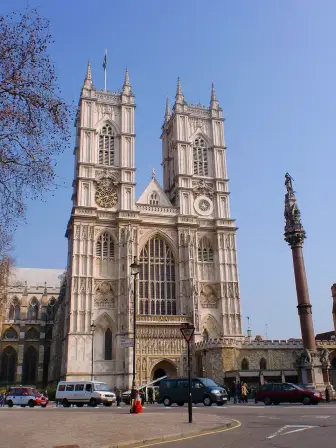
Westminster Abbey
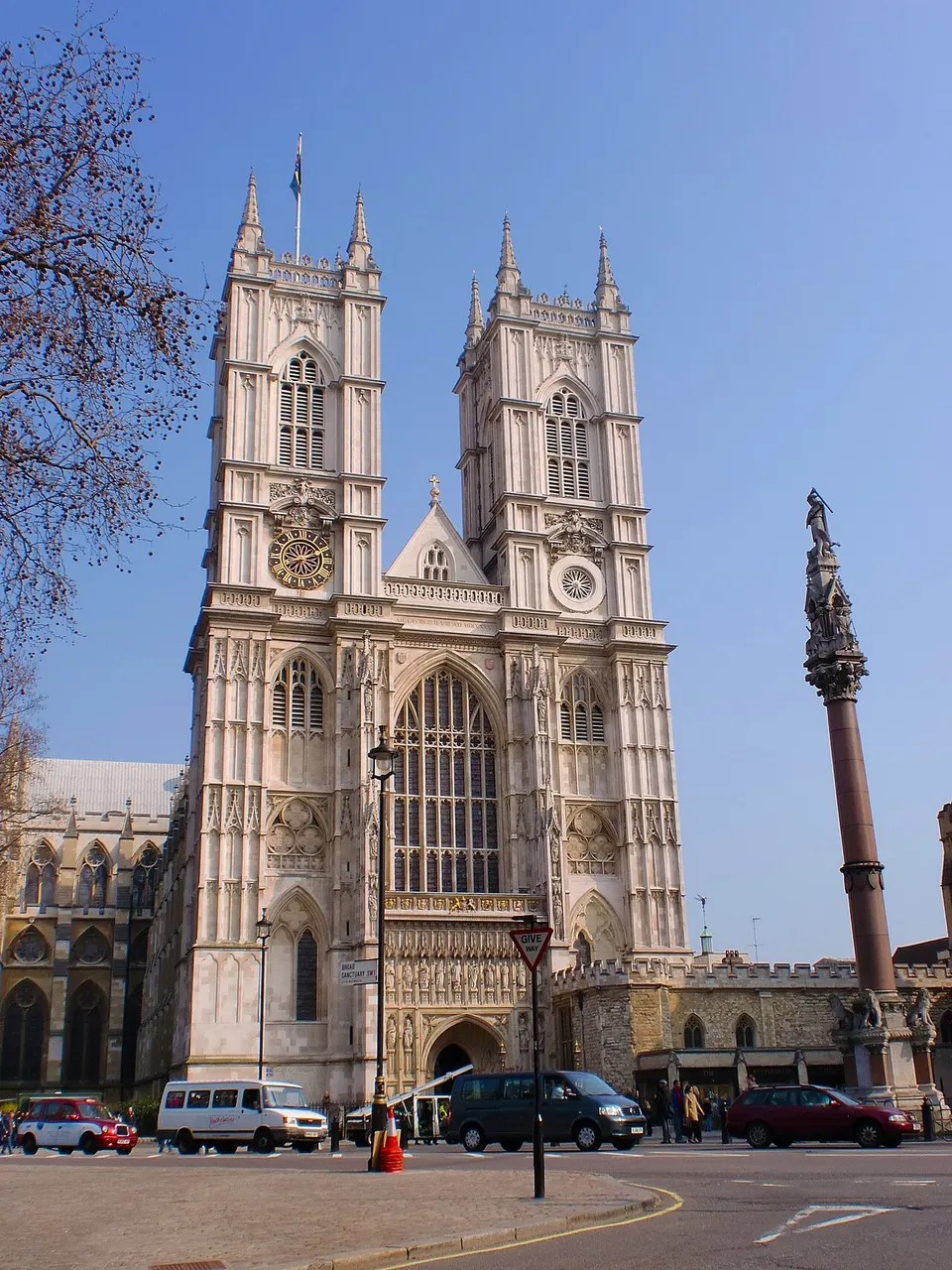
The site of every English coronation since 1066 and of Henry III’s Gothic rebuilding, begun in 1245. More than 3,300 people are buried or commemorated here, from Poets’ Corner to the Tomb of the Unknown Warrior; closed to tourists on Sundays, when there is a service.
Coronations have taken place here since 1066, Henry III's Gothic rebuilding began in 1245, and more than 3,300 people are buried or commemorated inside; it closes to tourists on Sundays for services.
Check access

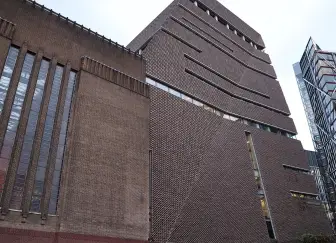
Tate Modern
The Bankside power station, designed by Giles Gilbert Scott, became a museum of modern art in 2000. Admission is free, the Turbine Hall hosts installations on an industrial scale, and the tenth floor of the Blavatnik Building has the best free view of the river; from there to Tower Bridge is about 2 km of continuous riverside walkway, passing near Borough Market, where food has been traded since at least 1276.
A power station became a museum of modern art with free admission, the industrial hall hosts huge installations, and the top floor has a free view of the river; it opened in 2000; from there to the bridge is about 2 km.
Check access
St Paul’s Cathedral
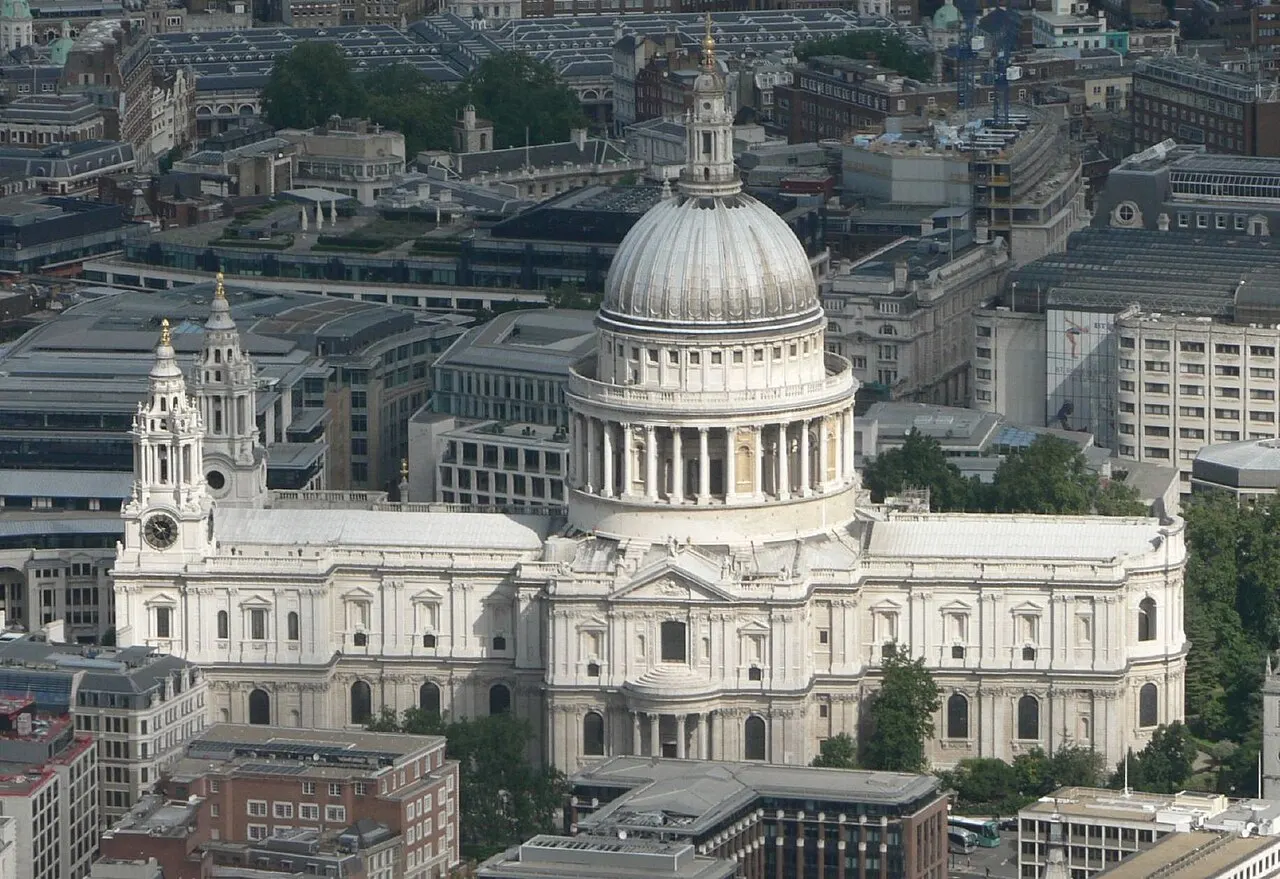
Christopher Wren’s masterpiece, built between 1675 and 1710 over the cathedral burned in 1666. The dome is 111 m high; it is 259 steps up to the Whispering Gallery, where a whisper against the wall carries 33 m.
Wren built the cathedral from 1675 to 1710 on the site of the one the Great Fire destroyed in 1666, and the dome reaches 111 m; the 259-step climb reaches the Whispering Gallery, where a whisper travels 33 m.
Check access

National Gallery
On Trafalgar Square since 1838, it holds about 2,300 European paintings from 1250 to 1900, from Van Eyck to Turner, with free admission. The Sainsbury Wing reopened in 2025 after a complete overhaul of its entrance hall.
Housed in Trafalgar Square since 1838, it brings together about 2,300 paintings made in Europe between 1250 and 1900, and admission is free, while the Sainsbury Wing reopened in 2025 after a full renovation of its entrance hall.
Check access

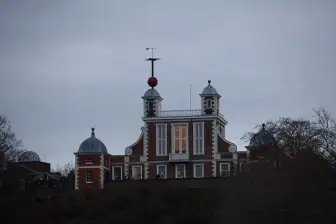
Greenwich
Across the river, it brings together the Royal Observatory of 1675, the Meridian Line, the 1869 clipper Cutty Sark, and the Painted Hall of the Old Royal Naval College, painted by James Thornhill over nineteen years. The climb up the park gives the classic view of Canary Wharf.
On the opposite bank of the river sit together the Royal Observatory from 1675, the Meridian Line, the 1869 clipper Cutty Sark, and the hall called the Painted Hall, and anyone who climbs through the park finds the view over Canary Wharf.
Check access
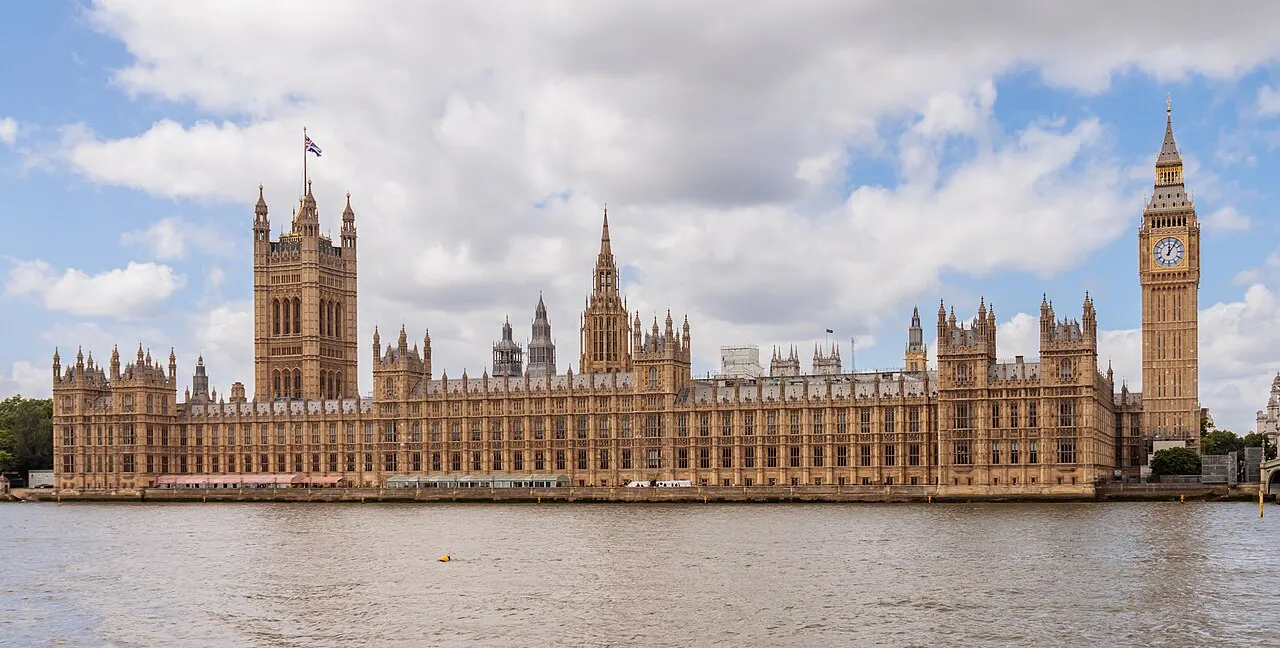
Palace of Westminster and Big Ben
Barry and Pugin’s neo-Gothic Parliament, 1840–1876, with the 96 m Elizabeth Tower. Big Ben is the 13.7-tonne bell, not the tower; restoration finished in 2022, and there are timed guided tours, including on Saturdays.
Big Ben is the 13.7-ton bell, not the 96 m tower you're photographing, and the building only becomes a real visit with a booked slot on the guided tour. Without that ticket, it's just a passage between the Abbey and the Embankment.
Check access
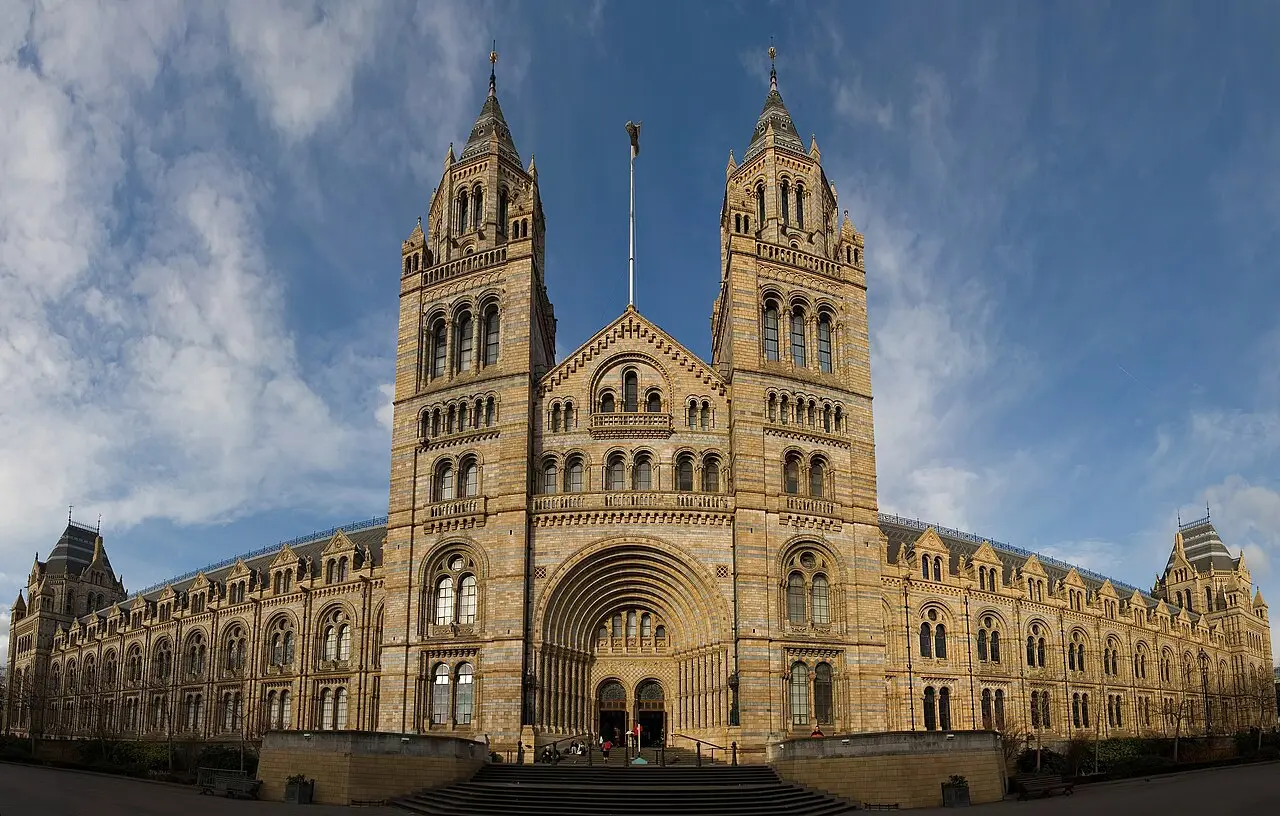
The South Kensington museums
The V&A, the Natural History Museum, and the Science Museum sit side by side and are all free, a legacy of the Great Exhibition of 1851. In the Natural History Museum’s Hintze Hall hangs Hope, a 25 m blue whale skeleton installed in 2017.
These are three free museums side by side (the V&A, the Natural History Museum, and the Science Museum), but on a first visit the British Museum, the National Gallery, and the Tate Modern, also free, already fill the days. Save South Kensington for a rainy day with kids or for a longer stay: the Natural History Museum alone, with the 25 m skeleton of the blue whale Hope hanging in the hall, fills a whole afternoon.
Check access
Nilo’s itinerary
Start with the basic programme and choose extensions for the time you have.
Plan my days in the app ↗Day 1 · Westminster, the river and the Tower of London
Start at 9:30am at Westminster Abbey, before the tour groups: Poets’ Corner, the Coronation Chair, and the Tomb of the Unknown Warrior, about 1 hour 30 minutes.
Cross Parliament Square, see the Elizabeth Tower up close, and follow the Victoria Embankment east, with the river on your right, about 25 minutes.
Have lunch at a pub near the Strand or Fleet Street; order and pay at the bar before sitting down.
Spend the afternoon at the Tower of London, with a ticket bought online: the Crown Jewels first, the White Tower after, about 2 hours 30 minutes.
Cross the Tower Bridge walkway to the south bank and finish at Borough Market or a Southwark pub, such as The George Inn, with its galleries from 1677.
Day 2 · Free museums and the south bank
Walk into the British Museum at 10am, when it opens, to see the Rosetta Stone, the Parthenon friezes and Assyria with free entry, and leave before 12:30pm.
Have lunch in Covent Garden or Soho, twenty minutes’ walk away, and cross over to Trafalgar Square.
In the afternoon, visit the National Gallery, also free, and pick two rooms instead of covering everything: Van Eyck and Turner give you the whole arc.
Cross the Golden Jubilee Bridge to the South Bank and head to Tate Modern; go up to the tenth floor of the Blavatnik Building.
See a play in the evening: TKTS in Leicester Square sells the day’s leftover tickets, and the National Theatre releases cheap seats in the morning.
Day 3 · East, market, and meridian
Start in the East End: a salt beef bagel on Brick Lane and, if it's Sunday, the Columbia Road flower market between 8am and 3pm.
Take the DLR or the train to Greenwich, about 30 minutes, and start with the Cutty Sark and the Painted Hall at the Old Royal Naval College.
Climb the hill to the 1675 Royal Observatory, stand on the Meridian Line, and look out at Canary Wharf from the top of the park.
Have lunch at Greenwich Market and head back to the center by river boat, which takes contactless, about £9.
Finish with a Sunday roast booked in advance, if it is Sunday, or a walk on Hampstead Heath to the sunset at Parliament Hill.
If you stay longer
Day 4 · Windsor and Eton
Day trip
40 km west, 55 minutes from Paddington with a change at Slough. Windsor Castle has been inhabited since the 11th century and is the largest occupied castle in the world; St George's Chapel holds eleven monarchs, Elizabeth II among them, and Eton is just across the bridge.
Food
 AI illustration
Full English breakfast
Eggs, bacon, sausage, beans in tomato sauce, grilled tomato, mushroom, and toast, served all morning at the neighborhood cafés known as caffs. It costs £8–14 and stands in for lunch.
 AI illustration
Fish and chips
Cod or haddock in beer batter with thick-cut chips, almost always with mushy peas and malt vinegar. At chip shops it runs £12–18; ask to eat it off the paper, standing up, and eat it right away.
 AI illustration
Sunday roast
Roast meat with potatoes roasted in the drippings, vegetables, gravy, and Yorkshire pudding, served only on Sundays, roughly between noon and 5pm, and it always sells out. Book the pub on Friday; £18–28 per person.
 AI illustration
Curry and South Asian food
From balti to the Bengali houses of Brick Lane and the Sri Lankan canteens of Tooting, Indian food has been British for generations. Chicken tikka masala was invented on these islands. Southall and Wembley serve the least adapted versions.
 AI illustration
Pie and mash with liquor
A pie of minced beef, mash, and a green parsley sauce called liquor, an East End tradition since the 19th century; some shops still sell jellied eel. It costs £7–10 and the shops close early, many around 4pm.
 AI illustration
Salt beef bagel
Cured beef brisket, English mustard, and pickled cucumber in a boiled bagel, a legacy of Jewish East End London. The two shops on Brick Lane are open through the small hours and charge about £7.
 AI illustration
Pints and the pub
Cask real ale is served at cellar temperature, around 12 °C, and pulled from a hand pump; a pint is 568 ml and costs £6–8 in the center. Order and pay at the bar, and carry your own glass to the table.
 AI illustration
Tea with milk and afternoon tea
Everyday tea is black, strong, and served with milk, in a mug for £2.50–3.50 at any caff. Hotel afternoon tea is another thing entirely: sandwiches, scones with clotted cream and jam, from £45 per person, booked in advance for a set time.
Day trips

Oxford
90 km to the west, about 1 hour by train from Paddington or Marylebone, with departures every 15–30 minutes. Medieval colleges open to visitors, the Bodleian Library from 1602, the free Ashmolean, and punting on the River Cherwell in summer.
Brighton
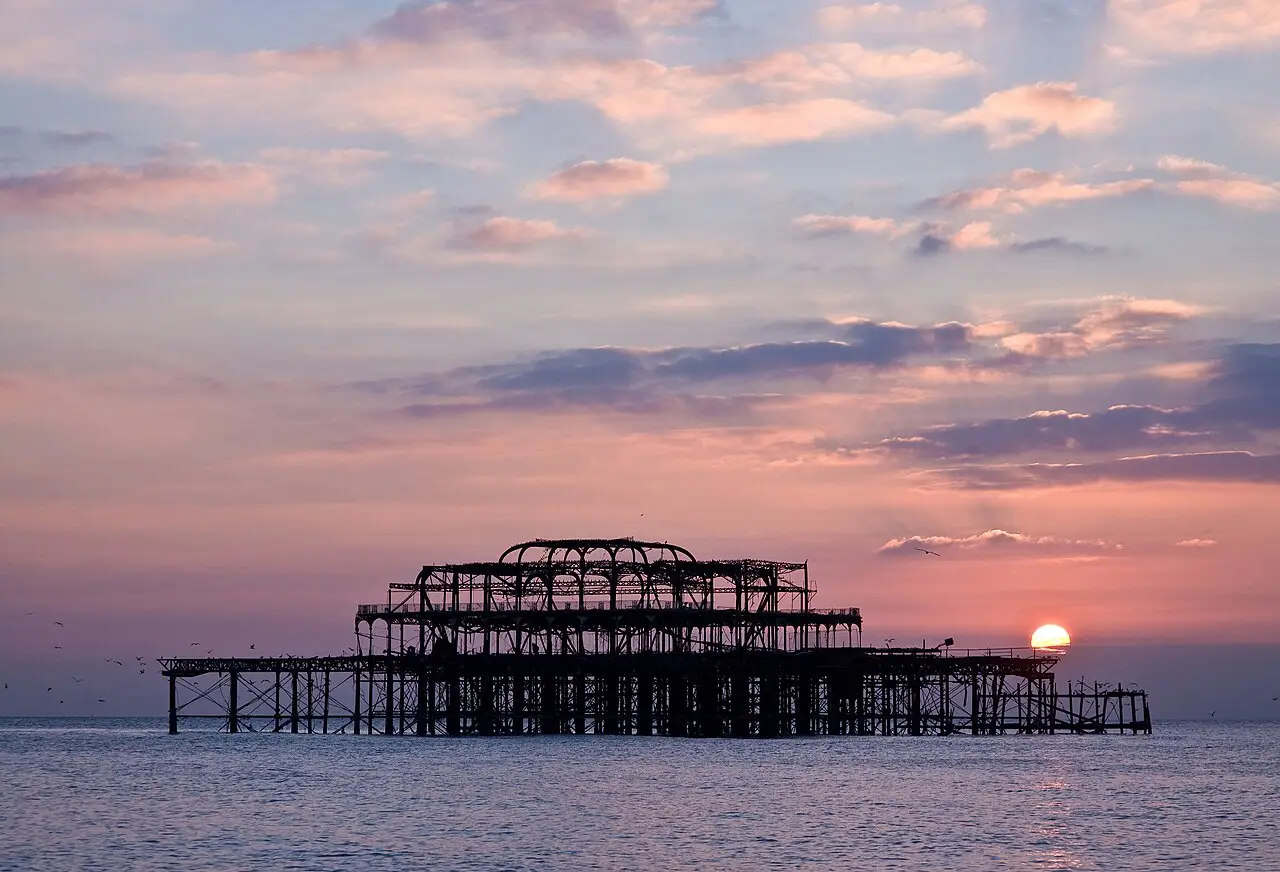
85 km to the south, about 1 hour by train from Victoria or London Bridge. Shingle beach, the Indo-Saracenic Royal Pavilion of 1815–1823, the maze of alleys known as the Lanes, and the Victorian pier; an easy there-and-back in a single day.

Windsor and Eton
40 km west, 55 minutes from Paddington with a change at Slough. Windsor Castle has been inhabited since the 11th century and is the largest occupied castle in the world; St George's Chapel holds eleven monarchs, Elizabeth II among them, and Eton is just across the bridge.
Where to begin
Westminster, the river and the Tower of London
Start at 9:30am at Westminster Abbey, before the tour groups: Poets’ Corner, the Coronation Chair, and the Tomb of the Unknown Warrior, about 1 hour 30 minutes.
Free museums and the south bank
Walk into the British Museum at 10am, when it opens, to see the Rosetta Stone, the Parthenon friezes and Assyria with free entry, and leave before 12:30pm.
East, market, and meridian
Start in the East End: a salt beef bagel on Brick Lane and, if it's Sunday, the Columbia Road flower market between 8am and 3pm.
Money
The currency is the pound sterling and cards handle everything: contactless has a £100 limit per tap in shops, with no limit on transit, and many cafés and buses don't take cash. You can go a week with the same coins in your pocket without spending any of them. Real ranges in 2026: coffee £3–4.50; a sandwich or quick lunch £8–14; a main course at a mid-range restaurant £18–28; a full dinner with drinks £45–70 per person; a pint of beer £6–8 in the center and £5–6.50 outside it; a hostel £35–60 a night; a three-star hotel £150–250; national museums free, temporary exhibitions £18–28. Restaurants with table service usually add a 12.5% service charge to the bill, which is optional and can be removed if you ask; in a pub, ordering at the bar, you don't tip; in a black cab, round up. Bank ATMs don't charge a fee, and the convenience ones inside shops charge £1.75–2.50. Always ask to be charged in pounds, not in your own currency, when the card machine offers the conversion. Add to your budget the Electronic Travel Authorisation, the ETA, which you sort out before leaving home. Since February 25, 2026, Brazilians need it to board a plane, train or ferry to the United Kingdom; since April 8, 2026 it costs about £20, and it's valid for two years for stays of up to six months.
From the airport to the center
Guide estimate
Scroll to compare all columns
| Route | Time | Price |
|---|---|---|
| Heathrow → Paddington · Elizabeth line | about 30 min | £12–14 |
| Heathrow → center · Piccadilly line | 50–60 min | about £5.60–6 |
| Heathrow → Paddington · Heathrow Express | 15 min | £25 on the day, less booked ahead |
| Gatwick → Victoria · Gatwick Express | 30 min | about £21 |
| Gatwick → Victoria · Thameslink and Southern | varies | £12–16 |
| Stansted → Liverpool Street · Stansted Express | 50 min | – |
| Luton → St Pancras · DART and Thameslink | about 1 h | – |
| London City → Bank · DLR | just over 20 min | tube fare |
| Heathrow → center · taxi | varies | £70–100 |
Getting there and around
Heathrow, 24 km west: four ways into the city
From Heathrow (LHR, 24 km to the west) there are four ways into the city, and the difference between them is pure money. The Elizabeth line reaches Paddington in about 30 minutes for £12–14 and continues straight to Tottenham Court Road and Liverpool Street; the Tube's Piccadilly line takes 50–60 minutes and costs about £5.60–6; the Heathrow Express takes 15 minutes to Paddington for £25 bought on the day, much less if bought in advance. From Gatwick (LGW, 45 km to the south), the Gatwick Express reaches Victoria in 30 minutes for about £21, and Thameslink and Southern trains make the same trip for £12–16. Stansted (STN) is 60 km to the northeast, with the Stansted Express to Liverpool Street in 50 minutes; Luton (LTN) uses the DART monorail plus Thameslink to St Pancras in about an hour; London City (LCY) is the only one nearby, with the DLR to Bank in just over 20 minutes at a normal Tube fare. A taxi from Heathrow to the center costs £70–100 and can take longer than the train, so I wouldn't pay for one.
No paper tickets, no Oyster card: just tap
Don't buy a paper ticket or an Oyster card: tap your credit card or phone on the yellow reader, going in and coming out. A Tube ride in Zone 1 costs £3.10 at peak and £3.00 off-peak, the bus costs £1.75 with an hour of free transfers (the Hopper), and the daily cap in Zones 1–2 is £8.90: past that amount, the rest of the day is free (2026 fares). Always use the same card or the same device all day, or the cap won't add up: mixing phone and card on the same day creates two separate tabs. The TfL day runs from 4:30am to 4:29am the next day; on Friday and Saturday nights five Tube lines run 24 hours, and night buses with an N in front cover the rest. Red buses take only cards, never cash. A black cab can be hailed on the street when its yellow light is on; Uber and Bolt work and are cheaper; a private car without an app can't pick up on the street. Walking usually wins in the center (almost every Zone 1 station is ten minutes from the next), and there are public bikes at docking stations and e-bikes by app, with protected lanes on the main Cycleways. Driving is the worst option: the central congestion charge rose to around £18 per weekday in January 2026, the ULEZ charges £12.50 a day for non-compliant vehicles across all of Greater London, and parking in Zone 1 tops £6 an hour.
Safety
London is a big city and a safe one in terms of violence against foreigners, with two concrete problems: pickpocketing and phone snatching on the street. Pickpockets work Oxford Street, Leicester Square, Camden, the crowded Tube and bar tables near the door, so don't hang your bag on the back of your chair or leave your phone on the table. Phone theft by pairs on bicycles or e-motorbikes is frequent in Westminster and the center: don't walk with your phone in your hand near the curb, and use the hand on the side away from the street if you need to check the map. Only black cabs can be hailed on the street; a private car offering a ride from the sidewalk is illegal, and the alternative is to book through an app. When crossing, look right first, because traffic comes from the left and it's easy to get that side wrong on the first day. Be wary of crossings without traffic lights, which don't automatically give pedestrians priority. The most common scams are three: the shell game near Westminster Bridge, inflated service charges at Soho nightclubs and card machines offering conversion to your currency. The emergency number is 999, non-life-threatening urgent care is the NHS's 111, and non-emergency police is 101.
Etiquette tips
Join the back of the line and keep your distance
Join at the back, keep a step's distance and don't chat with the people waiting. Jumping the line is the most visible social offense there is here, and the reaction isn't shouting but a silence in which everyone stares at whoever cut in.
Escalators on the Underground: stand right and walk left
On the underground, whoever stands stays on the right in single file; the left is a moving lane. Standing on the left with your suitcase on the wrong side jams the whole station at rush hour.
“Sorry” is not an apology
In London, “sorry” works as a greeting, to ask to get past, to complain and to fill a silence. If someone steps on your foot, you both say sorry, and answering with sorry closes the matter.
At the pub, order at the bar
There is no waiter coming to the table in most pubs: you go to the bar, order, pay on the spot, and carry your own glass. In a group, it works in rounds: whoever goes to the bar pays for everyone, and the turn goes around.
Silence on the morning underground
No one talks loudly, no one starts a conversation, and playing a phone’s speaker without headphones is the greatest possible transgression. Give up priority seats, and let people off before you get on.
Polite phrases that are serious complaints
“It's a bit of a problem,” “this isn't quite what was ordered,” and “I might be wrong, but…” are formal complaints in code. Take the content seriously and ignore the softness of the delivery.
Mistakes to avoid
£7 on paper, £3.10 with contactless
Buying a paper ticket at the machine. A single Zone 1 journey runs around £7 on paper and £3.10 with contactless, and on top of that, a paper ticket doesn't count toward the daily cap.
Paying for a museum that's free
Paying for a museum when the major national collections are free: the British Museum, National Gallery, Tate Modern, V&A, Natural History Museum, and Science Museum don't charge for permanent entry, and it's possible to visit two of them the same day without taking your wallet out of your pocket.
Underestimating the scale of Greater London
Underestimating the scale. Greater London covers 1,572 km², and two points that look like neighbors on the underground map can be 40 minutes apart: Beck's map is schematic, not geographic, and it's easy not to believe that until getting the calculation wrong a few times.
A cheap hotel far from a station
Booking a cheap hotel far from a station: here the distance that matters is measured to the underground or the train rather than to the center, and ten extra minutes of walking a day turn into an hour lost.
The pub kitchen stops around 9pm
Counting on a late dinner at the pub. Many pub kitchens stop serving around 9pm, and City pubs close early and don't open on weekends.
Useful phrases
Sorry
Apology, excuse me, hello, and also a complaint. It depends entirely on the tone
Cheers
Thanks, bye, or a toast; it is the most used word in the city after sorry
You alright?
A greeting equivalent to “how’s it going?”; the answer is “yeah, you?”, not a health report
Mind the gap
Watch out for the gap between the train and the platform; an underground announcement since 1968
A pint of lager, please
A pint of light beer, please; said at the bar, not at the table
Are you in line?
Are you in line? A mandatory question before stopping near any cluster of people
Districts
Westminster and St James’s
The axis of power: Parliament, the Abbey, Downing Street, Buckingham Palace, and the Whitehall ministries. Good for seeing institutions and walking in a straight line; almost no one lives there, and it empties out at night.
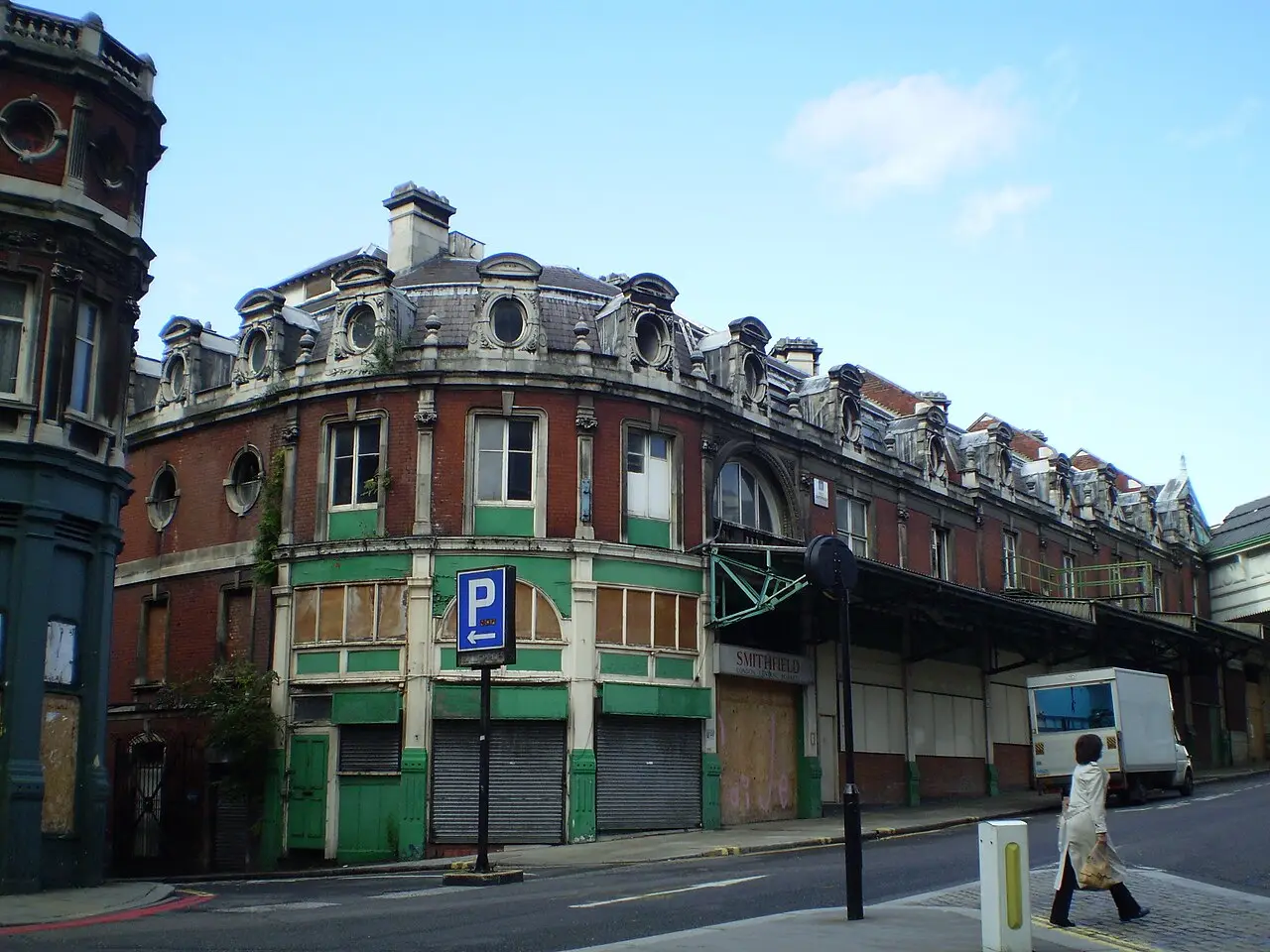
City of London
The Square Mile: 2.9 km² with about 8,600 residents and more than 600,000 workers on a business day. Home to St Paul’s, remnants of the Roman wall, and glass towers; on weekends the streets empty out and the pubs close.
Soho and Covent Garden
A density of theaters, restaurants, and bars between Oxford Street and the Strand. Soho holds the city’s nightlife and queer history; Covent Garden has been a shopping and street-performer zone since the vegetable market left, in 1974.
Bloomsbury and King’s Cross
Georgian squares, the University of London, and the British Museum to the south; to the north, the old railway lands became London’s most successful new neighborhood after 2011, with Coal Drops Yard and the British Library.
Shoreditch, Hackney, and Dalston
The east that went from industrial to expensive in twenty years. Brick Lane has Bengalis and bagels, Columbia Road has flowers on Sunday, Dalston has Turkish charcoal grills serving until late.
South Bank and Southwark
The south bank of the Thames, from Waterloo to Tower Bridge, holds the National Theatre and the Southbank Centre, near Waterloo, and further east the Tate Modern, the Globe, and Borough Market. The Queen's Walk, the riverside path that runs from Lambeth Bridge to Tower Bridge, is about 4 km long and is the city's most continuous walk along the river.
Notting Hill, Kensington, and Chelsea
White stuccoed houses, free museums in South Kensington, and the expensive shops of King’s Road. This is where the city grows most uniform and quiet; the Carnival in August turns that upside down for two days.
Brixton, Peckham, and the south
South of the river, served more by rail than by underground. Brixton has been the heart of Caribbean London since the 1950s, with a covered market and live-music venues; Peckham has paired rooftop bars with a Nigerian and Ghanaian high street.
History
AD 47–50 · Rome founds Londinium
The Romans choose the first point upriver where a bridge could be built while still receiving seagoing ships. It becomes a trading post and, after 60, capital of the province of Britannia.
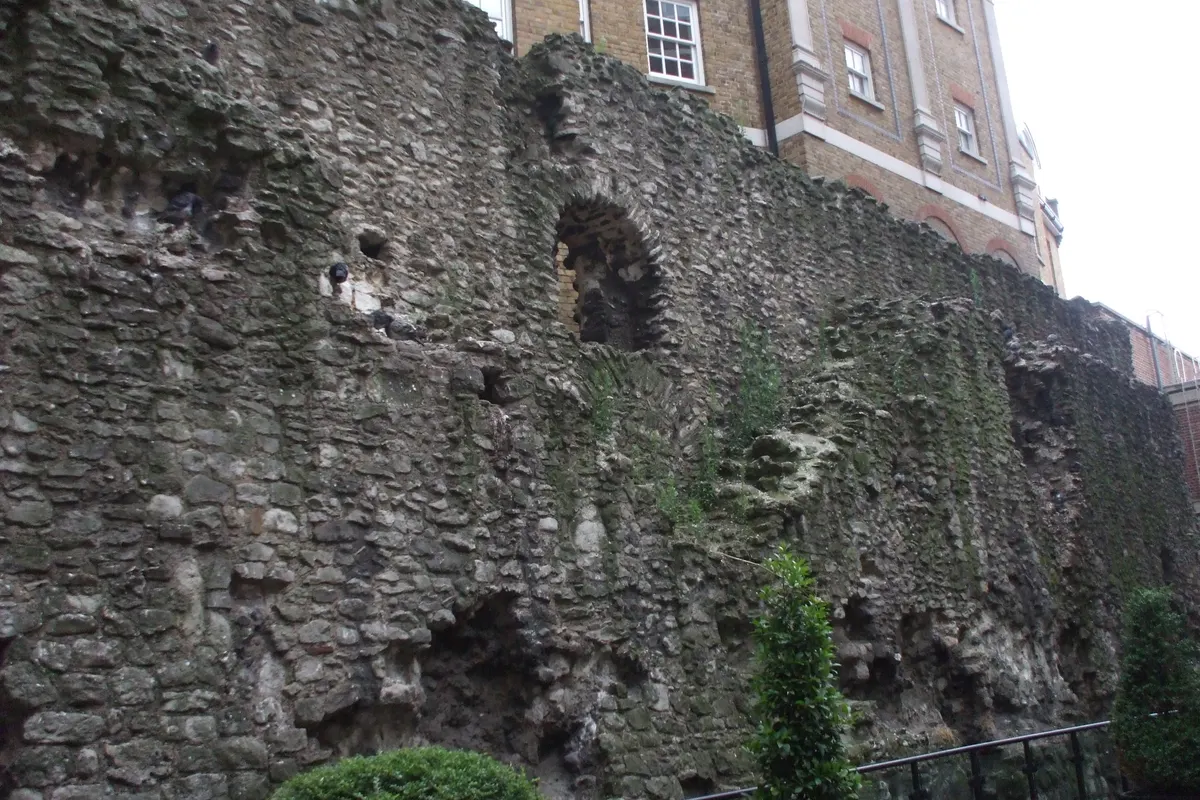
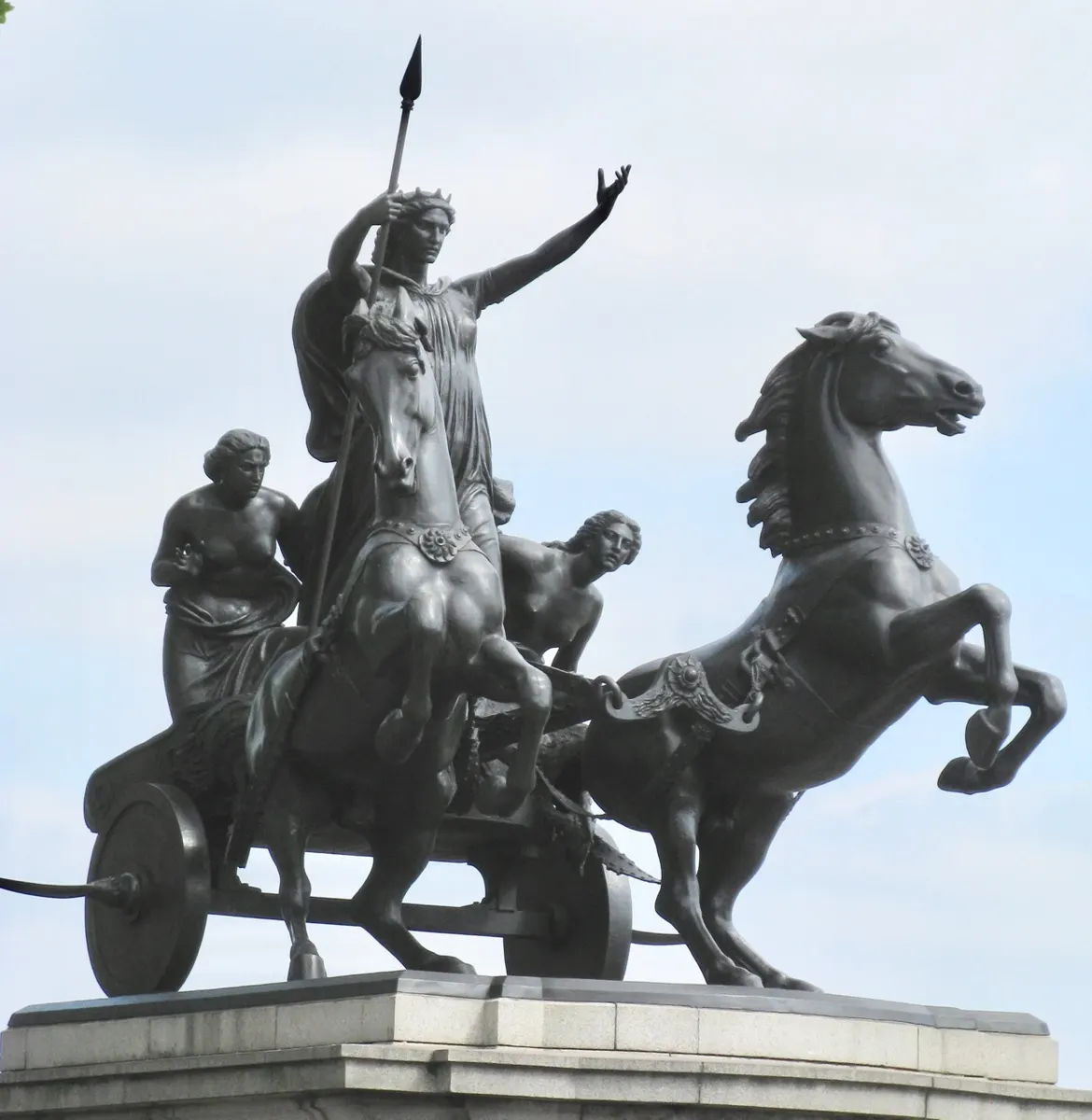
60–61 · Boudica burns the city
The Iceni revolt razes Londinium; excavations still turn up the red layer of ash. The city is rebuilt with a forum, a basilica, and, around 200, the wall that set the City’s layout for 1,500 years.
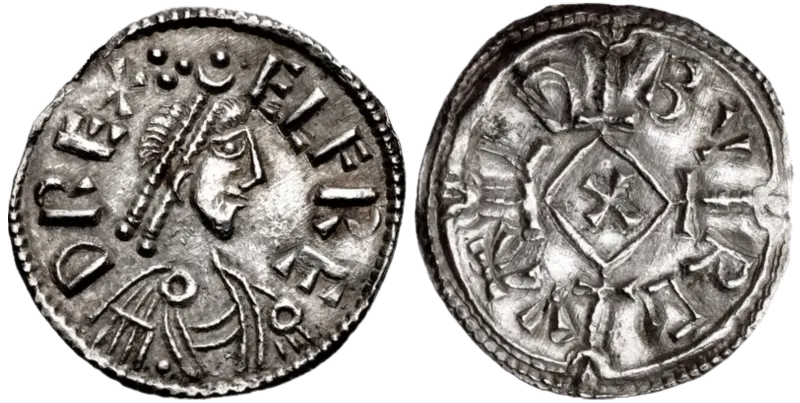
410–886 · Abandonment and the Saxon return
With the legions gone, the walled city empties out. The Saxons build Lundenwic to the west, around the Strand and Aldwych, and Alfred the Great moves the population back inside the Roman walls in 886, because of Viking raids.
1066–1097 · Normans, Abbey, and Tower
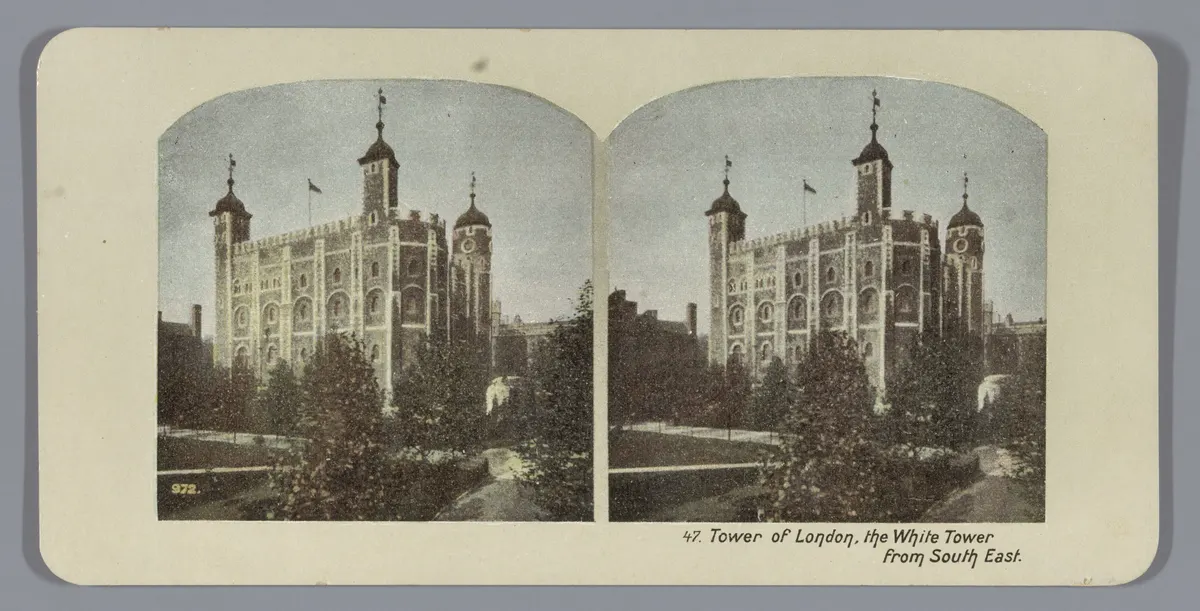
William the Conqueror is crowned in Westminster Abbey on Christmas Day 1066. He starts the Tower of London soon after: the White Tower begins rising around 1078 and is finished around 1100, and Westminster Hall is built in 1097.
1348–1349 · The Black Death
The epidemic kills somewhere between a third and half of Londoners in just over a year. Mass graves such as the one at East Smithfield were excavated in the 1980s and used to sequence the bacterium’s genome.

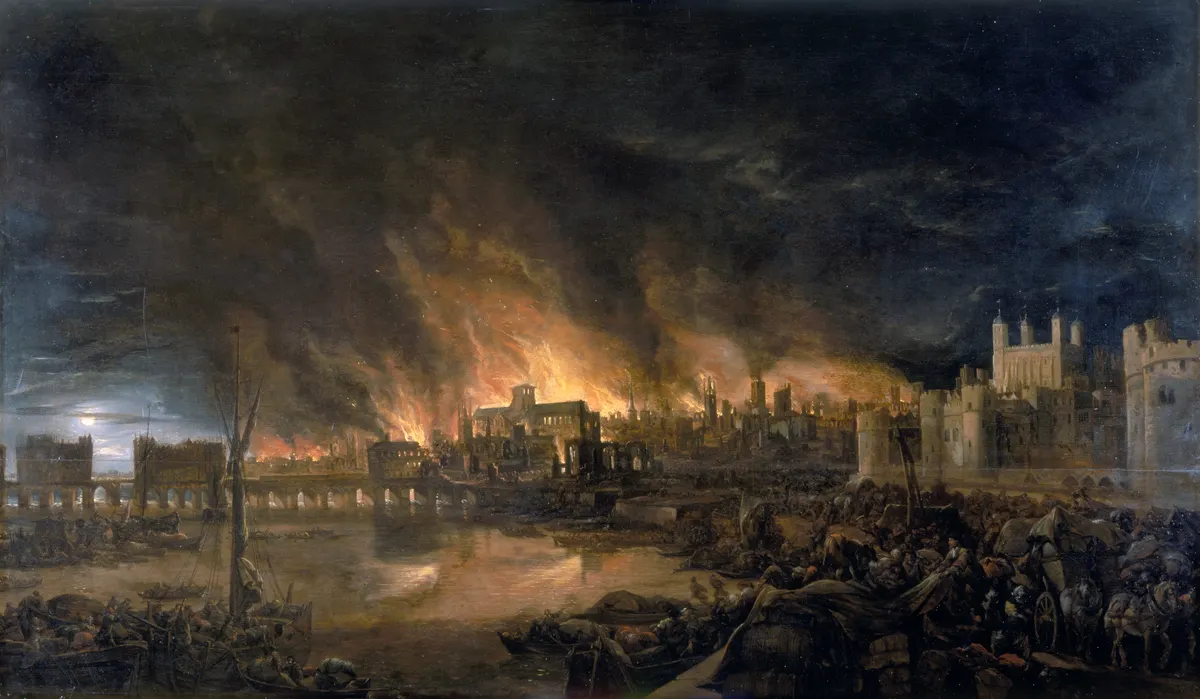
1666 · The Great Fire
Between September 2 and 6, the fire consumes about 13,200 houses, 87 parish churches, and the old St Paul’s Cathedral. Christopher Wren rebuilds 51 churches and the new St Paul’s, raised between 1675 and 1710.
1858–1875 · The Great Stink and the sewers
Between 1801 and 1901 the population jumps from about 1 million to 6.5 million, and the Thames turns into an open sewer: in 1858 the smell empties Parliament. Joseph Bazalgette responds with 132 km of trunk sewers, 1,800 km of drains, and the Embankment landfill, and reduces water contamination. Another cholera outbreak occurred in 1866 in east London, in areas that had not been connected to the new system.

1863 · The world’s first underground railway
The Metropolitan Railway opens on January 10 between Paddington and Farringdon, with steam locomotives in a shallow tunnel. Harry Beck’s schematic map of 1933 turned the network into a way of understanding the city.

1940–1941 · The Blitz
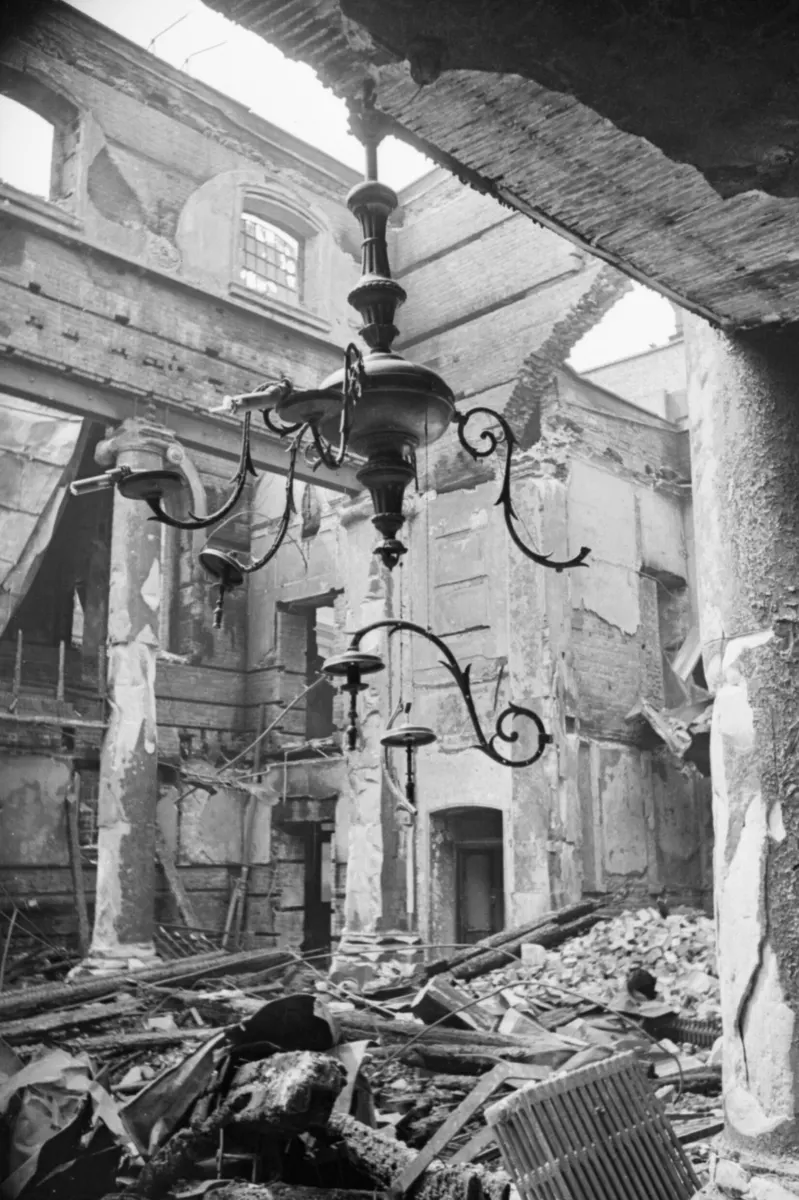
Starting on September 7, 1940, the city is bombed for 57 consecutive nights; about 30,000 civilians die in London over the course of the war, and the East End and the docks are left in ruins. The emptiness left behind opened the way for the postwar housing estates.
1948–1962 · Windrush and the plural city
The ship Empire Windrush docks at Tilbury on June 21, 1948; the passengers disembark on June 22. The arrival of hundreds of Caribbean passengers becomes a landmark of post-war migration that reshaped Brixton, Notting Hill, and public transport. Later came the waves from South Asia, Cyprus, West Africa, and Eastern Europe.

1986–2026 · Big Bang, city hall, and the present
The financial deregulation of 1986 empties the trading floors and fills Canary Wharf, built over the dead docks. In 2000 London gets an elected mayor and the Greater London Authority; in 2022 the Elizabeth line opens; the London Museum announced its reopening for November 28, 2026 in the Victorian market at Smithfield.

Complete history
The Roman calculation behind London: the right point on the Thames
London exists because of an engineering calculation. The Romans needed a point that could take a bridge and still receive seagoing ships; the Thames offers that for only a few kilometers, and that's where Londinium appears around the year 47. The wall built around 200 traced a perimeter of roughly 1.1 km² that survives today in the shape of the City. When the legions leave, in the early 5th century, the walled city is abandoned and the Saxons set up an open port to the west, Lundenwic, whose name stayed trapped in Aldwych. In 886 Alfred the Great sends everyone back inside the Roman stones because of the Vikings, and that move fixed a duality that never left again: money in the City, power in Westminster, two and a half kilometers away.
The 1066 coronation fixes the power
William's coronation at Westminster Abbey, on Christmas Day 1066, formalized the split between the money of the City and the power of Westminster. He built the Tower of London to keep watch over the rich city, not to defend it, and granted the City a charter that preserved its customs; to this day the Corporation of London has its own mayor, its own police and its own ceremonial. Between the Middle Ages and the 17th century the city grew in timber and thatch, and paid for it twice: the plague of 1348 took close to half the population, the plague of 1665 killed around 100,000 people, and the fire of September 1666 wiped out the medieval city in four days. Wren proposed a plan with radial avenues, but it was rejected, because the landowners wanted to rebuild on their own plots. That's why London has no grid: today's streets follow the alleys from before the fire.
The 19th century changed the scale
The 19th century changed everything in scale. The population goes from about 1 million in 1801 to 6.5 million in 1901, fed by docks that took in sugar, tea, cotton, and wool from the empire. The city invents the solutions the rest of the world would later copy: a metropolitan police force in 1829, pressure sewers after the Great Stink of 1858, an underground railway in 1863, railway suburbs with yellow-brick terraced houses. It also produces the inequality that Dickens and later Charles Booth mapped street by street in the 1890s, coloring the poorest East End blocks black. Wealth and poverty stood five minutes' walk apart, and in many neighborhoods they still do.
The twentieth century: the Blitz of 1940 and the Great Smog of 1952
The 20th century broke the city twice and patched it differently each time. The Blitz, which began on September 7, 1940, destroyed much of the East End and the docks; the Great Smog of December 1952 killed thousands in five days and forced through the Clean Air Act of 1956. The rebuilding came in concrete, with estates like the Barbican, opened in 1982 over a flattened block. At the same time, the arrival of the Empire Windrush in 1948 and the migrations that followed made London a city where today about 40% of residents were born outside the UK. The docks, which died out in the 1960s and 70s with containerization, became Canary Wharf after the financial Big Bang of 1986.
Self-government, the congestion charge, and ULEZ since 2000
A series of recent decisions shaped today's London. London regained self-government in 2000, with an elected mayor, and used it to tax cars in the center: the congestion charge in 2003, and the ULEZ emissions zone extended to all of Greater London on August 29, 2023. The city voted 60% to remain in the European Union in 2016 and left along with the country in 2020, which made labor more expensive and changed the profile of migration without emptying the metropolis. The Elizabeth line, opened on May 24, 2022 after thirteen years of construction, is the biggest east-west link since the Victorians. The London Museum announced its reopening for November 28, 2026 in the former Smithfield market buildings, which the city chose to reuse rather than demolish.
The Romans chose the point where the Thames was narrow enough for a bridge and deep enough for ships.
Geography and shape of the city
The clay and the tidal river
London sits in a shallow sedimentary basin, the London Basin, carved into chalk and filled with blue clay, the London Clay, which is easy to tunnel through and terrible for fast foundations: hence the shallow 19th-century underground and the late-arriving skyscrapers. The Thames cuts the city east to west in wide bends, is tidal up to Teddington Lock, and rises about 7 m between low and high tide; the Thames Barrier, at Woolwich, has been operating since 1982 and has already been closed hundreds of times against storm surges.
High north: Hampstead at 134 m; low, floodable south
The north is the high, old side, with Hampstead at 134 m and Parliament Hill at 98 m; the south is flat, floodable, and got bridges late, which explains why the underground network is thin below the river while the surface rail network is dense.
The villages, the Green Belt, and the green
The layout has no grid: every neighborhood was a village with a church, a square, and a tavern, and the city grew by swallowing them one by one along the Roman roads and the railway lines, with no central plan. The Green Belt, set in law in 1947 and put in place from 1955, froze expansion within a ring of protected countryside, pushed growth inward, and is the direct economic reason for housing prices. About 47% of the city's area is green space or water, with eight Royal Parks and more than 3,000 public parks.
The Thames has tides: the same railing shows the river at a different height six hours later.
Culture
The West End: forty theaters that outsell Broadway
Theater is a pillar of London's cultural life. The West End has about 40 commercial theaters and sells more tickets a year than Broadway; alongside it run the National Theatre, opened in 1976 on the South Bank, Shakespeare's Globe, rebuilt in 1997 two hundred meters from the original, and a network of sixty-seat theaters above pubs, where half of British actors got their start. Last-minute tickets go for £15–30 at the TKTS booth in Leicester Square, in return lines, and as day seats sold at the box office in the morning.
From skiffle to grime: British popular music
Much of British popular music was born in London. The line runs from 1950s skiffle to the Kinks and Abbey Road Studios, passes through the punk of 1976 and the jungle of the 90s pirate radio stations, and arrives at grime, born in Bow in the early 2000s with Wiley and Dizzee Rascal and carried forward by Stormzy. Almost always the sound starts on a housing estate and within a few years is playing abroad. To hear it live, Ronnie Scott’s has played jazz in Soho since 1959, the Windmill, in Brixton, and Cafe OTO, in Dalston, keep the new scene going, and the Notting Hill Carnival sets up the largest open-air sound system in Europe.
Literature, visual arts and soccer
Off the stage, the city produces literature in quantity. Dickens wrote London as a character, Virginia Woolf and the Bloomsbury group rewrote it in its squares, and Zadie Smith and Bernardine Evaristo write the multiethnic version. The visual arts had the Young British Artists moment in the 1990s and today revolve around the Tate, the Serpentine and the Frieze art fair, in October. In soccer, the city has several Premier League clubs, among them Arsenal, Chelsea, Tottenham, West Ham, Crystal Palace and Fulham, with stadiums that sell out in minutes; Wembley, with 90,000 seats, is the largest in the country.
For Wimbledon, tickets come through an advance public ballot or the day-of line, The Queue; by tournament week it's already too late.
Festivals and events

Notting Hill Carnival
At the end of August, on the bank holiday weekend, two days of Caribbean parade fill the streets of W10 and W11, since 1966, with sound trucks and crowds of around a million. Sunday is children's day, and Monday is the main parade.

Wimbledon
Two weeks between late June and early July, at the All England Club since 1877. Besides the public ticket ballot, there is the day's line, The Queue, where people camp out the night before to buy entry to the outside courts.
Lord Mayor’s Show
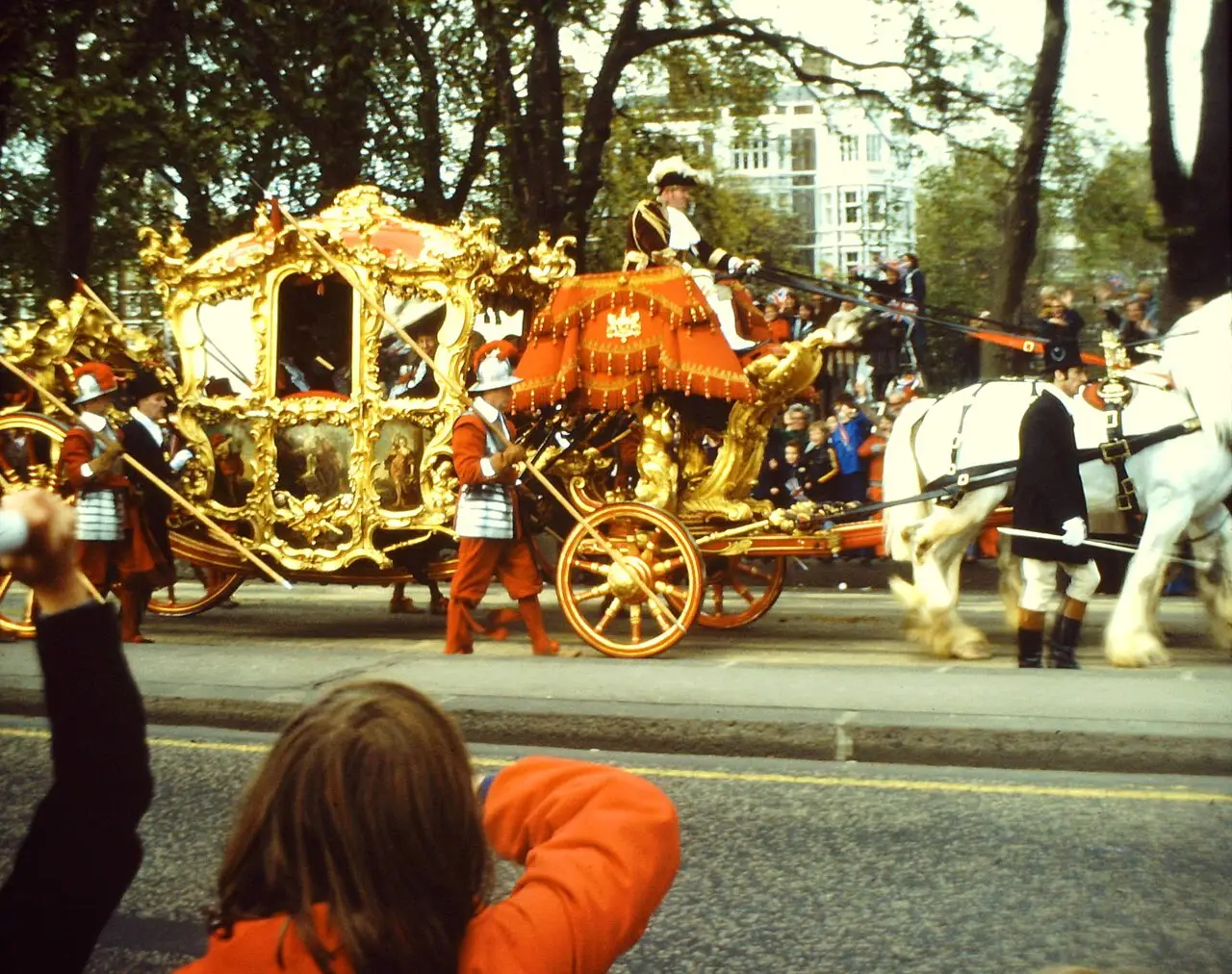
On the second Saturday of November, running since 1215: the new Lord Mayor of the City parades from the Guildhall to the Royal Courts of Justice in a gold state coach from 1757, with about 6,500 participants and fireworks over the river in the afternoon.

Frieze London
In October, at Regent’s Park: a contemporary art fair that since 2003 has stirred up galleries, museums, and parallel shows across the whole city. Tickets are expensive, but Frieze week opens up free programming everywhere.

Bonfire Night
On November 5, the city marks the Gunpowder Plot of 1605 with bonfires and fireworks in parks like Alexandra Palace and Battersea. It isn't a holiday, and shops open as usual, but it's the noisiest night on the calendar.
Books and films
Bleak House, Charles Dickens, 1853
Opens with fog rising off the Thames and turns an endless lawsuit into a portrait of the city; it explains why London still separates those who have a lawyer from those who do not.
White Teeth, Zadie Smith, 2000
Three families (Jamaican, Bengali, and English) in northwest London over fifty years. It is the best map of the post-Windrush city, written from inside it.
London Calling, The Clash, 1979
The album that captures post-industrial London in 1979, with flooding, unemployment, Notting Hill reggae and Camden punk on the same track. Listen before walking those two neighborhoods.
Frequently asked questions
London: Are the distances between neighborhoods large?
Yes: Greater London covers 1,572 km², and two points that look like neighbors on the Tube map can be 40 minutes apart, because Beck's map is schematic, not geographic.
London: How do you get from Heathrow to downtown?
From Heathrow (LHR, 24 km to the west) there are four ways into the city, and the difference between them is pure money. The Elizabeth line reaches Paddington in about 30 minutes for £12 to 14 and continues straight to Tottenham Court Road and Liverpool Street; the Tube's Piccadilly line takes 50 to 60 minutes and costs about £5.60 to 6; the Heathrow Express takes 15 minutes to Paddington for £25 bought on the day, much less if bought in advance.
London: How do you get to Oxford?
90 km to the west, about 1 hour by train from Paddington or Marylebone, with departures every 15 to 30 minutes.
London: Do you need cash, or is a card enough?
The currency is the pound sterling and cards handle everything: contactless has a £100 limit per tap in shops, with no limit on transit, and many cafés and buses don't take cash.
London: What's the weather like throughout the year?
The climate is oceanic, with no extremes and no dry season: average highs go from 8 to 9°C in January to 23 to 24°C in July and August, and rain is spread over about 110 to 160 days a year.
Other cities in the country
United Kingdom ↗- Days
- 2–3
- When
- May–Jun · Sep
- Per person/day
- Average 110–170 GBPMid-range · per person/day
Cost scope
Per person per day: accommodation, meals, urban transport, visits and a small allowance for extras. Flights excluded; larger purchases vary. Editorial estimate, not a quote.


Itineraries through here
 England, Scotland and Ireland in 10 daysCastles and pubs of the British IslesLondon · Edinburgh · Dublin7–10 days3 cities
 Paris and London in 7 daysUnder the ChannelParis · London7–9 days2 cities
 Classic Europe in 15 daysFirst time in EuropeLondon · Paris · Florence · Rome12–17 days4 cities
 London, Paris and Amsterdam in 10 daysLondon to Amsterdam by trainLondon · Paris · Amsterdam10–12 days3 cities