Colombia
Santa Marta
Santa Marta, the colonial city on Colombia's Caribbean coast between Tayrona National Park and the Sierra Nevada
Days Start with the basic programme and choose extensions for the time you have.
How the guide reaches this number
On the first, the Quinta de San Pedro Alejandrino in the morning, the Museo del Oro Tairona and the cathedral in the center, and sunset on the Malecón de Bastidas. The second is entirely Tayrona, on foot from El Zaino to Cabo San Juan del Guía, swimming at La Piscina along the way. The third I'd spend in Minca, among the Pozo Azul, the Cascadas de Marinka and a coffee farm, to see the Sierra Nevada up close. With a fourth day, I'd go back to the park through the Neguanje sector to spend the day at Playa Cristal and finish in Taganga. Ciudad Perdida is a different trip, four to six days of guided hiking, and Palomino and Aracataca are for those with even more time.
3–4
When December to April; it's the dry season, but Tayrona National Park closes from February 1 to 15, and mid-December through January and Holy Week are the busiest periods.
How the guide reaches this number
Santa Marta is hot all year, with averages around 28 °C to 29 °C and highs above 32 °C, so the choice of season depends on rain and crowds. December to April is the dry season, with less than 15 mm of rain a month on average at the airport station; it's the best window for Tayrona and Minca, but the park closes from February 1 to 15 and is crowded from mid-December to the end of January and during Holy Week. Between May and November the rains increase, with October the rainiest month (about 127 mm on average). June and July are high season in the park, which nonetheless closes from June 1 to 15. August, September, October and November have low fares, except on long weekends with a Monday holiday and in the school recess week before the Día de la Raza holiday in October, which the park counts as high season; from October 19 to November 2, the park is closed.
Per person/day Budget around COP62,100; mid-range around COP151,000; comfortable around COP366,000 per person per day, based on spending reported by travelers to Budget Your Trip (checked October 2026).
How the guide reaches this number
Indicative figures, excluding travel to the destination.
Budget around COP62,100; mid-range around COP151,000; comfortable around COP366,000 per person per day, based on spending reported by travelers to Budget Your Trip (checked October 2026). Indicative figures, excluding travel to the destination.
Per person per day: accommodation, meals, urban transport, visits and a small allowance for extras. Flights excluded; larger purchases vary. Editorial estimate, not a quote.
 What Nilo thinks
I'd stay three days in Santa Marta, preferably between December and April and away from the Tayrona closures. On the first, the Quinta de San Pedro Alejandrino in the morning, the Museo del Oro Tairona and the cathedral in the center, and sunset on the Malecón de Bastidas. The second is entirely Tayrona, on foot from El Zaino to Cabo San Juan del Guía, swimming at La Piscina along the way. The third I'd spend in Minca, among the Pozo Azul, the Cascadas de Marinka and a coffee farm, to see the Sierra Nevada up close. With a fourth day, I'd go back to the park through the Neguanje sector to spend the day at Playa Cristal and finish in Taganga. Ciudad Perdida is a different trip, four to six days of guided hiking, and Palomino and Aracataca are for those with even more time.Santa Marta sits on a deep bay at the foot of a massif that rises from the sea to 5,775 m, and that neighborhood defines the trip. To the east, the Troncal del Caribe reaches Tayrona National Park in an hour, where the trail crosses forest and comes out on beaches between huge boulders, all the way to Cabo San Juan del Guía. Inland, a road climbs to Minca, at 650 m, where the air cools, the rivers form pools and the coffee farms begin. The hot, compact city rounds out the picture with the Casa de la Aduana, where Bolívar's body lay in state and Tairona gold is on display, the estate where he died and a seafront that fills at sunset. The peoples of the Sierra Nevada are still present, and it is by agreement with them that the park closes for a few weeks a year.
Quick facts
- Population
- 499,192 inhabitants counted in the district of Santa Marta in DANE's 2018 census.
- Founded
- July 29, 1525, by Rodrigo de Bastidas; some administrative documents of the period record the founding in 1526.
- Country and region
- Colombia, capital of the department of Magdalena, on the Caribbean coast; organized since 1991 as a Tourist, Cultural and Historic District.
- Language
- Spanish. In the Sierra Nevada, the Kogui, Arhuaco, Kankuamo and Wiwa peoples speak their own languages.
- Currency
- Colombian peso (COP).
- Time zone
- America/Bogota: UTC-5 year-round, with no daylight saving time.
- Best time to visit
- December to April; it's the dry season, but Tayrona National Park closes from February 1 to 15, and mid-December through January and Holy Week are the busiest periods.
- Average daily cost
- Budget around COP62,100; mid-range around COP151,000; comfortable around COP366,000 per person per day, based on spending reported by travelers to Budget Your Trip (checked October 2026). Indicative figures, excluding travel to the destination.
When to go
December to April; it's the dry season, but Tayrona National Park closes from February 1 to 15, and mid-December through January and Holy Week are the busiest periods.
May
26° to 33°C
52 mm of rain
June
25° to 33°C
60 mm of rain
July
25° to 33°C
62 mm of rain
August
25° to 33°C
63 mm of rain
September
25° to 33°C
99 mm of rain
October
24° to 32°C
127 mm of rain
November
24° to 32°C
74 mm of rain
How the year changes
Santa Marta is hot all year, with averages around 28 °C to 29 °C and highs above 32 °C, so the choice of season depends on rain and crowds. December to April is the dry season, with less than 15 mm of rain a month on average at the airport station; it's the best window for Tayrona and Minca, but the park closes from February 1 to 15 and is crowded from mid-December to the end of January and during Holy Week. Between May and November the rains increase, with October the rainiest month (about 127 mm on average). June and July are high season in the park, which nonetheless closes from June 1 to 15. August, September, October and November have low fares, except on long weekends with a Monday holiday and in the school recess week before the Día de la Raza holiday in October, which the park counts as high season; from October 19 to November 2, the park is closed.
The same numbers as a table
| Month | Temperature °C | Rain mm |
|---|---|---|
| January · | 23 to 33 | 0 |
| February · | 24 to 34 | 1 |
| March · | 25 to 34 | 2 |
| April · | 26 to 34 | 14 |
| May | 26 to 33 | 52 |
| June | 25 to 33 | 60 |
| July | 25 to 33 | 62 |
| August | 25 to 33 | 63 |
| September | 25 to 33 | 99 |
| October | 24 to 32 | 127 |
| November | 24 to 32 | 74 |
| December · | 23 to 33 | 8 |
Nilo's tips
Tayrona starts the day before
I'd sort out the accident insurance, fill the reusable bottle and set aside the cash the evening before, and I'd take the first bus to El Zaino. The ticket office sells up to the day's capacity, and the return from Cabo San Juan del Guía has to fit before the exit closes.
Swim only where it's allowed
I'd walk through Arrecifes without going into the sea and save swimming for La Piscina and the coves of the Cabo, always watching the flag. On the Palomino River, I'd get out of the tube before the mouth.
Closure dates before the ticket
Before buying the flight, I'd check the Tayrona closures (February, June and late October) and, for anyone going to Ciudad Perdida, the ICANH announcements, which can change from year to year.
Monday in the center
I wouldn't leave the Museo del Oro Tairona for Monday, which doesn't appear in the published schedule; that day, I'd swap in the Museo Etnográfico of the Universidad del Magdalena and the Quinta de San Pedro Alejandrino, which is open every day except January 1.
Explore the map
Explore the map, read about the other places and plan your travel days in the app.
Open the appWhat to see
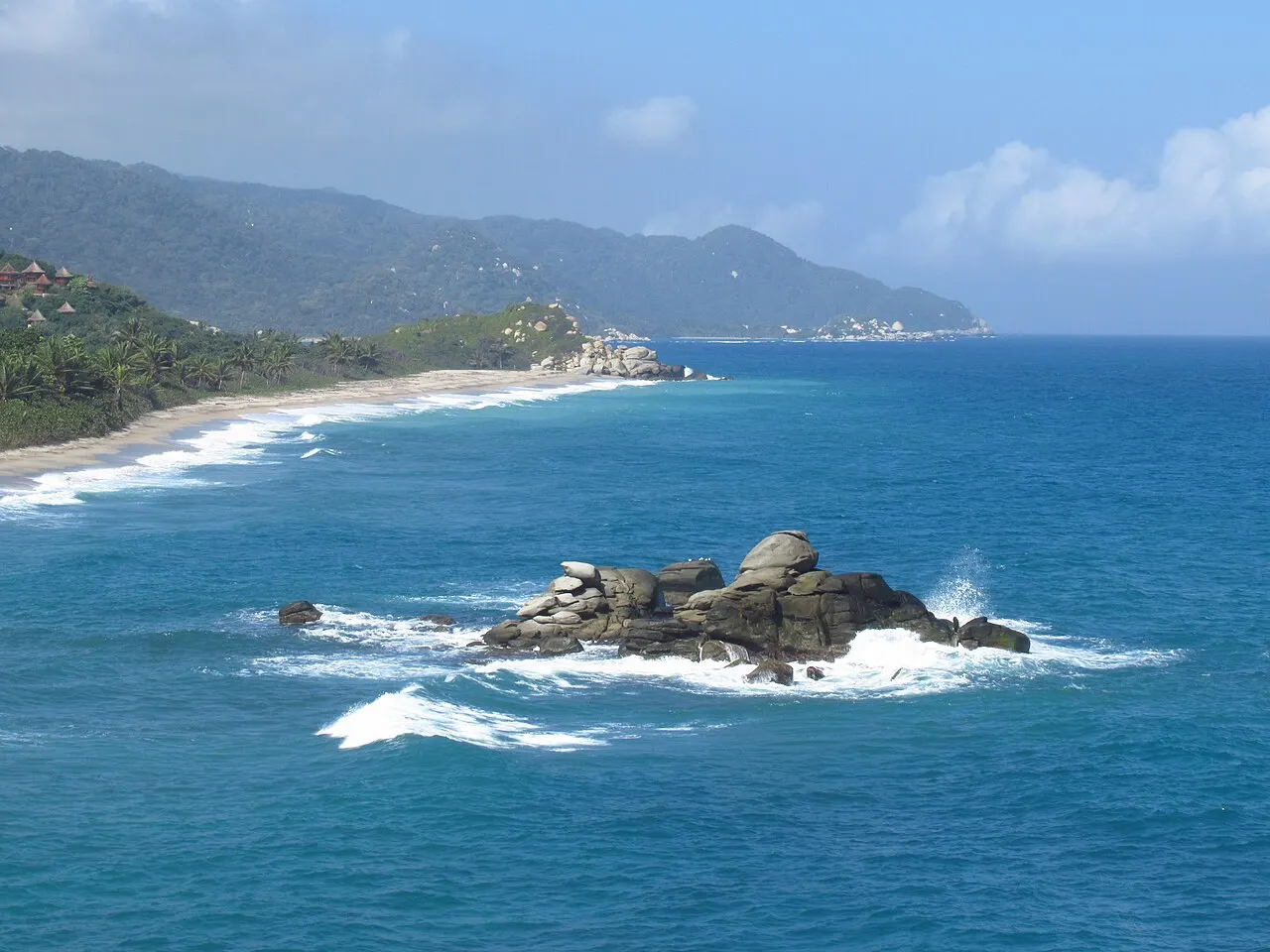
Tayrona National Natural Park
Declared in 1964, the park protects 19,309 hectares of coast, forest, sandy coves and large boulders between the Sierra Nevada and the sea. It has four land entrances, each with a different program: El Zaino, the main one, about 32 km from the center, starts the walk through Cañaveral, Arrecifes and La Piscina to Cabo San Juan del Guía; Calabazo, at km 20 of the Troncal del Caribe, leads by a longer trail to Playa Brava and the Cabo; Palangana, at km 5, gives access to Neguanje and, by boat, to Playa Cristal; and Bahía Concha is in the northwest sector, reached through the city itself. There are no reservations: tickets are sold at the ticket office on the day, up to the daily capacity, and every visitor needs accident insurance with assistance, must attend the orientation talk and register. Single-use plastic, bottles of alcoholic drinks, speakers, unlicensed drones and pets are prohibited. The park closes every year from February 1 to 15, June 1 to 15 and October 19 to November 2, according to the calendar published by the parks agency.
Check access
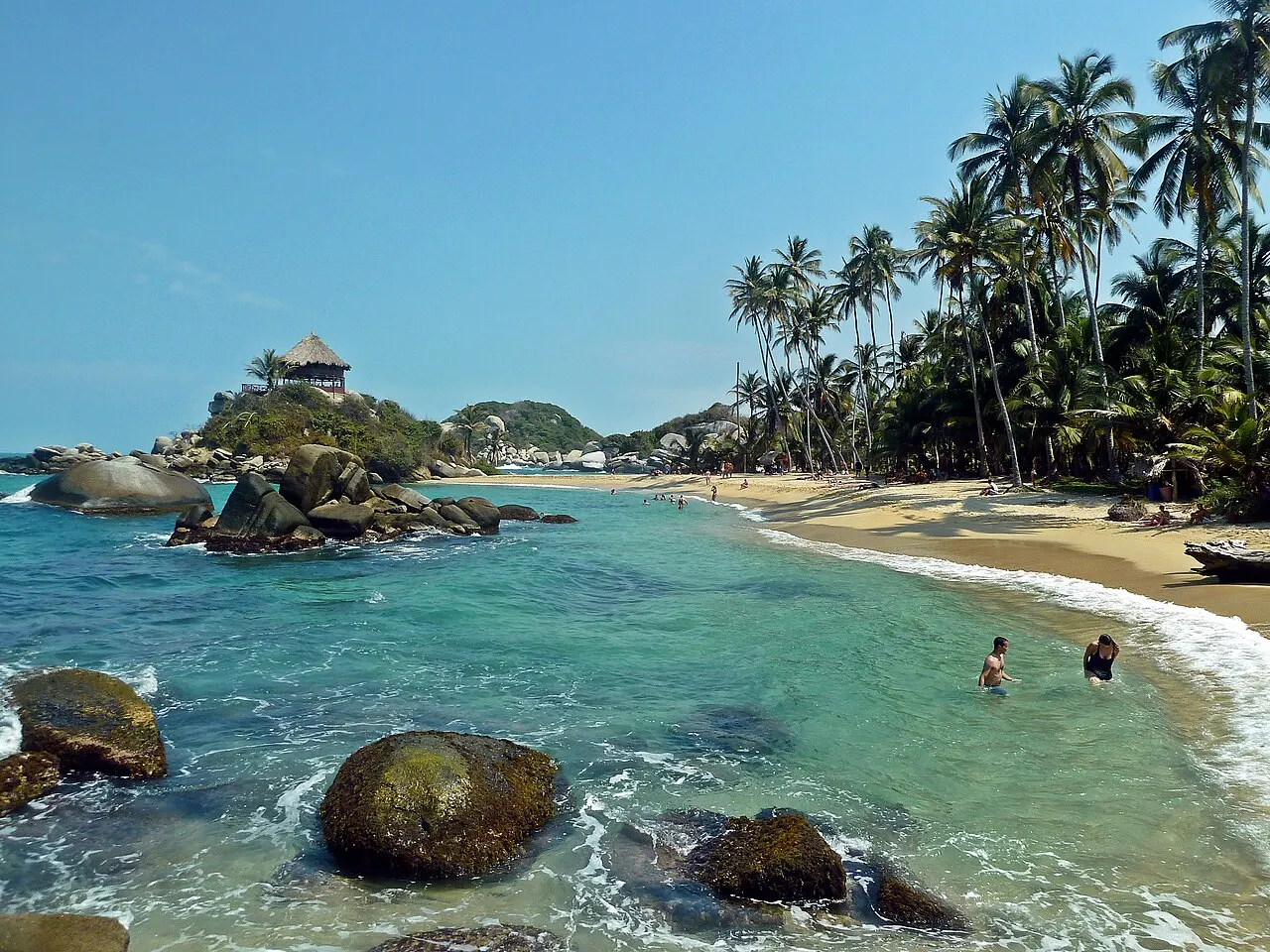
Cabo San Juan del Guía
The postcard of Tayrona: a point of rocks between sandy coves, at the end of the coastal trail. It's the farthest sector of the El Zaino walking circuit, about 9 km and two and a half hours on foot, and it has a camping area, hammocks, restrooms and a restaurant for those who want to sleep in the park. You can also get there by boat from Taganga or Santa Marta; in rough seas, the crossing is uncomfortable.
Check access
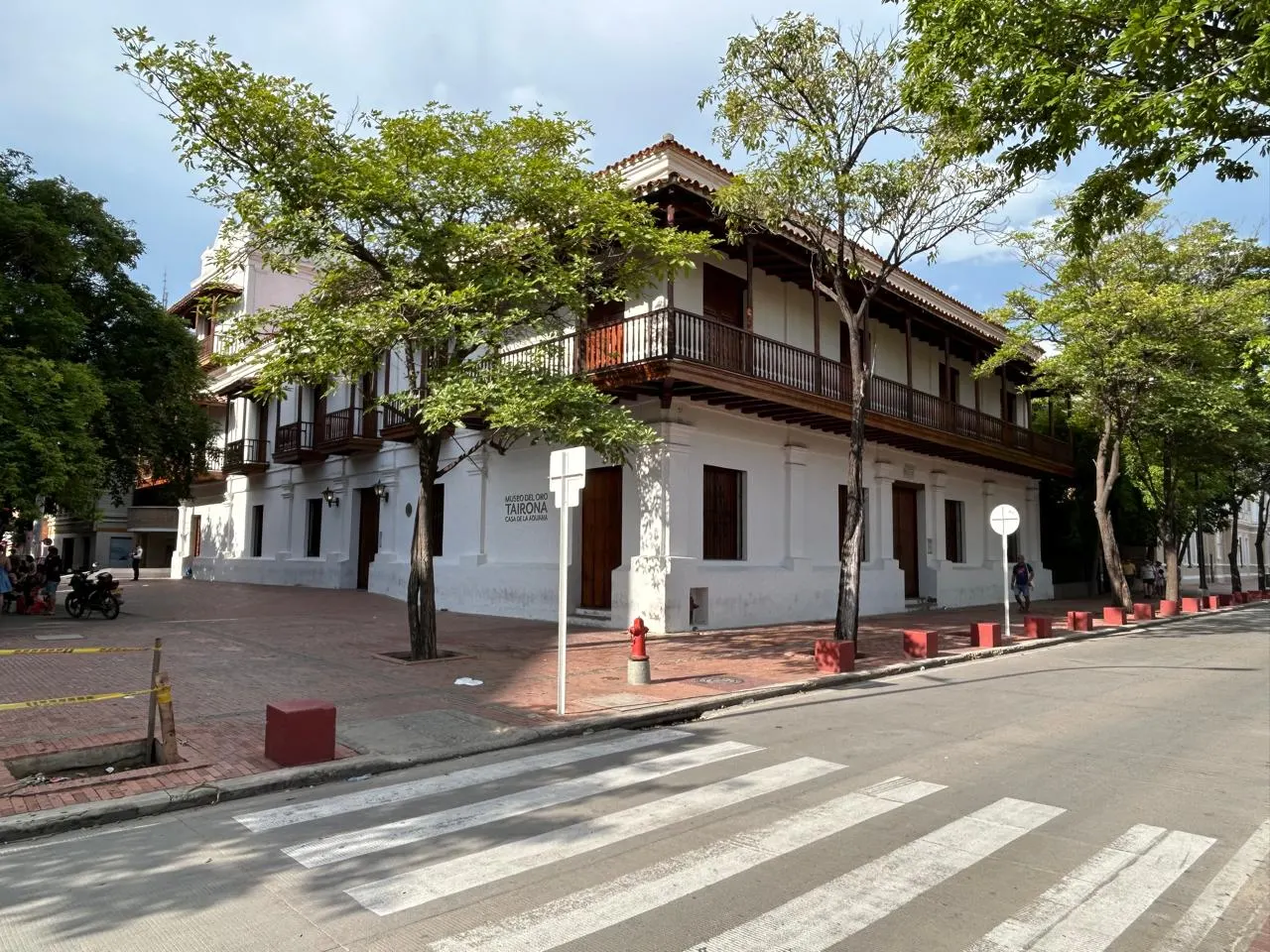
Museo del Oro Tairona
The Banco de la República museum occupies the Casa de la Aduana, built in 1730 with two floors and a tower from which the port was watched; in December 1830, Simón Bolívar's body lay in state on the upper floor. Opened in 2014, the museum shows the goldwork and ceramics of the ancient peoples of the Sierra Nevada. It stands on the Plaza de Bolívar, at Carrera 2 and Calle 14. According to the city government, it is open Tuesday to Saturday, 9 a.m. to 5 p.m., and Sundays, 10 a.m. to 3 p.m.; Monday does not appear in the schedule. On holidays, check with the Banco de la República before going.
Check access
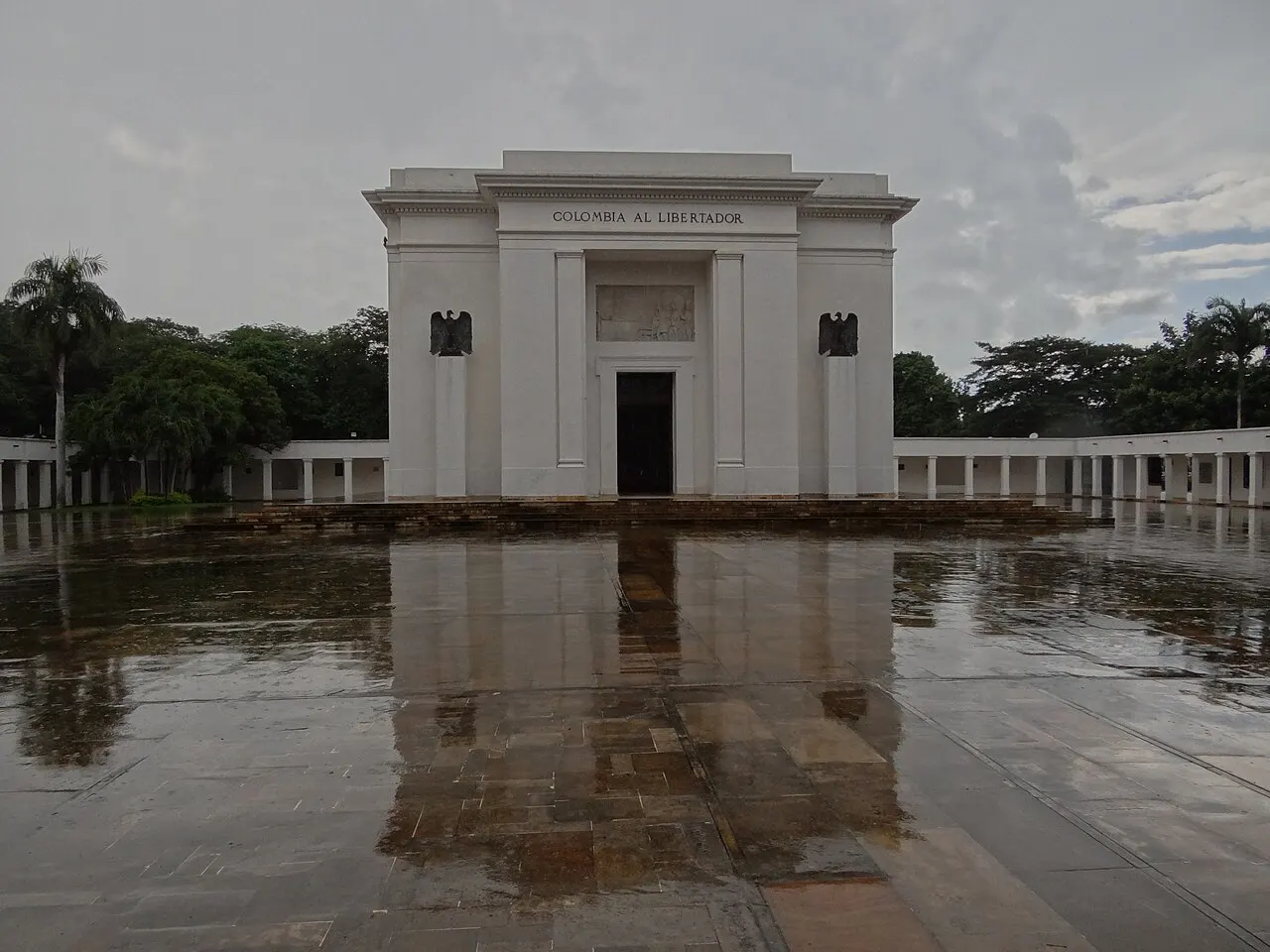
Quinta de San Pedro Alejandrino
An estate founded in 1608 in the Mamatoco neighborhood, where rum, molasses and panela were produced, and where Bolívar spent his last days until he died on December 17, 1830. The visit includes the colonial house, the old sugar mill, the Altar de la Patria (the monument of 1930 inaugurated in 1942), the Museo Bolivariano de Arte Contemporáneo and a botanical garden with remnants of tropical dry forest. It's open every day except January 1; the ticket office runs from 9 a.m. to 4:30 p.m. in the low season and from 8:30 a.m. to 5 p.m. in the high season. In 2026, admission costs COP 30,000 for foreigners aged 13 and over and COP 24,000 for Colombians.
Check access

Arrecifes
The first big beach on the trail from Cañaveral, with lodging, restrooms and a restaurant. The undertow is strong and swimming in the sea is not allowed: it works as a stop to rest in the shade and keep walking along the sand toward La Piscina.
Check access

La Piscina
A cove next to Arrecifes, sheltered by reefs, where swimming is allowed and you can see fish with a mask and snorkel. It's about 15 to 20 minutes on foot from Arrecifes, on the way to Cabo San Juan del Guía, and it's the best stop for swimming midway through the walk.
Check access
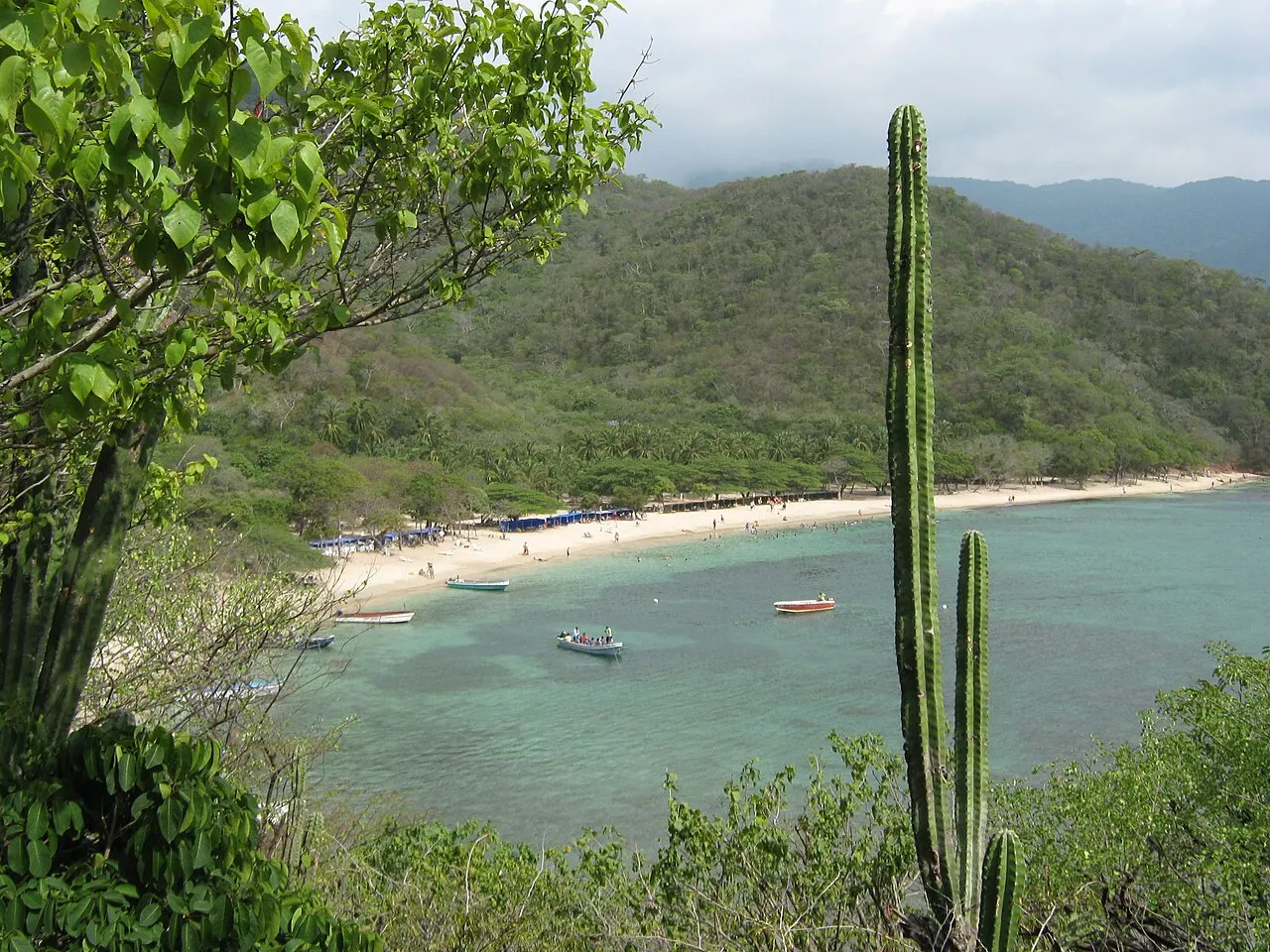
Playa Cristal
A beach in the Neguanje sector reached by boat from Neguanje, as a day visit. You get there through the Palangana entrance, at km 5 of the Troncal del Caribe, before the toll, then about five more minutes by car to the ticket office; the boat is booked with an authorized operator and paid separately from the ticket. It's Tayrona's option for anyone who wants a beach day without the long walk from El Zaino.
Check access
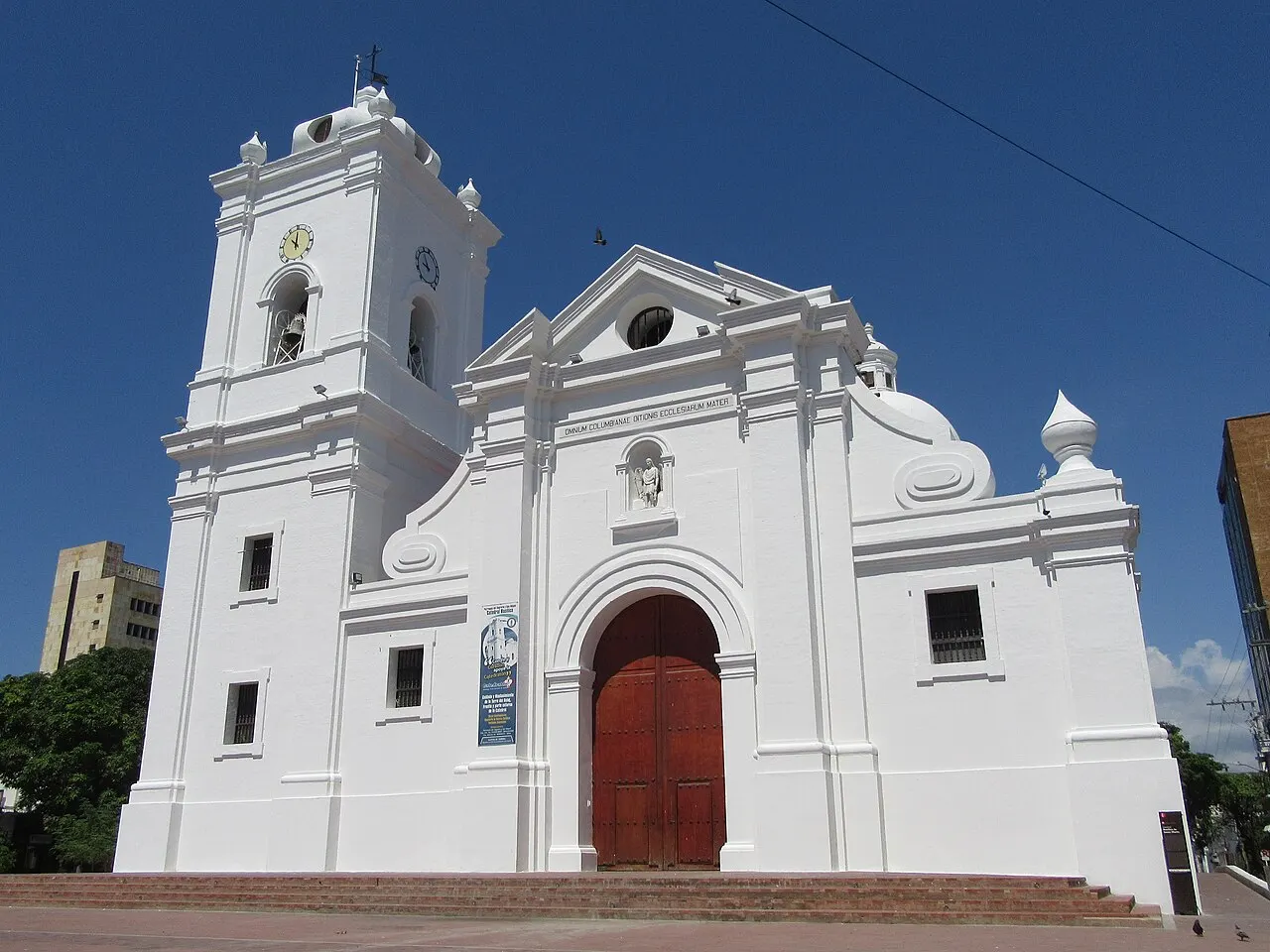
Catedral Basílica de Santa Marta
The cathedral in the center began to be built in 1766, with a Renaissance plan. Since 1953 it has held the remains of Rodrigo de Bastidas, the founder, and an urn with the heart and viscera of Bolívar, whose body lay buried there from 1830 to 1842. The restored square in front is a crossing point between the seafront and the shopping streets.
Check access

Malecón de Bastidas
The bayfront promenade, with the bronze statue of Rodrigo de Bastidas installed in 1928, runs along the front of the historic center and looks out on the Morro and the ships in the port. It's where locals from Santa Marta walk in the late afternoon, when the heat eases and the sun sets over the sea.
Check access
Nilo’s itinerary
Start with the basic programme and choose extensions for the time you have.
Plan my days in the app ↗Day 1 · The Quinta de San Pedro Alejandrino, the historic center and sunset on the bay
Start in the morning in Mamatoco, by taxi or bus, at the Quinta de San Pedro Alejandrino (the ticket office opens at 9 a.m. in the low season and 8:30 a.m. in the high season). Allow about two hours for the house where Bolívar died, the sugar mill, the Altar de la Patria, the contemporary art museum and the botanical garden, before the heat bears down.
Return to the historic center around noon and go into the Museo del Oro Tairona, in the Casa de la Aduana, next to the Plaza de Bolívar (Tuesday to Saturday, 9 a.m. to 5 p.m.; Sunday, 10 a.m. to 3 p.m.). If it's a Monday, swap it for the Museo Etnográfico de la Universidad del Magdalena, in the Claustro San Juan Nepomuceno, open Monday to Saturday.
Have lunch in the center and, in the afternoon, walk the few blocks to the Catedral Basílica, where the remains of Rodrigo de Bastidas lie.
Late in the afternoon, head to the Malecón de Bastidas and watch the sunset facing the Morro. Have dinner at the Parque de los Novios.
Before bed, get the next day ready: Tayrona accident insurance, reusable bottle, sunscreen, swimwear and cash.
Day 2 · Tayrona National Park on foot: from El Zaino to Cabo San Juan del Guía
Leave early for the corner of Calle 11 and Carrera 9, next to the Public Market, and take the white Troncal del Caribe bus to the El Zaino entrance, about an hour away. In the high season, the entrance opens at 7 a.m.; in the low season, at 8 a.m.
At the entrance, buy your ticket, show your insurance, attend the orientation talk and register. Cover the roughly 4 km of road to Cañaveral on foot or in the park's van.
From Cañaveral, the trail takes 45 minutes to an hour to Arrecifes, where swimming is not allowed. Continue 15 to 20 minutes to La Piscina to swim, and another 30 to 40 minutes to Cabo San Juan del Guía.
Have lunch at the Cabo and enjoy the coves, respecting the red flag. Start back in the early afternoon: the whole route to El Zaino is about 9 km and takes around two and a half hours. The exit at El Zaino closes at 6 p.m. in the high season and 5 p.m. in the low season; confirm at the ticket office when you enter.
On the Troncal, catch the bus back to Santa Marta. If you'd rather not make a round trip in one day, sleep at Cabo San Juan del Guía, in a tent or hammock, and head back the next day.
Day 3 · Minca
Day trip
A village on the slope of the Sierra Nevada, about 15 km from the center and about 650 m above sea level. Shared vans leave the Public Market when full and take 30 to 60 minutes; the last one going up from Santa Marta usually leaves around 5 p.m., and the return schedule is not published, so go up in the morning and arrange the ride down with the driver or in the village before mid-afternoon. From the village, a walk of about 45 minutes leads to the Pozo Azul, a pool on the Minca River; the Cascadas de Marinka, two falls with a pool and a paid entrance, and the La Victoria coffee farm, which offers guided visits to the coffee process, are about an hour and a half on foot. The forest around is home to about 300 bird species.
If you stay longer
Day 4 · Playa Cristal through the Neguanje sector and late afternoon in Taganga
Go by taxi or with an organized tour to the Palangana entrance, at km 5 of the Troncal del Caribe, before the toll; from there it's about five minutes by car to the ticket office. In the high season, the entrance is open from 7 a.m. to 2 p.m.; in the low season, from 8 a.m. to 3 p.m. The ticket is valid for one entry: buy another at the ticket office and bring your accident insurance.
Continue to Neguanje and board a boat to Playa Cristal, booked with an authorized operator and paid separately from the ticket. Spend the day on the beach and return to Palangana in time to leave the park by 5 p.m.
Late in the afternoon, head to Taganga, the fishermen's cove northeast of the center, to watch the sunset over the bay and have fish for dinner before returning to Santa Marta.
Food
Cayeye
A dish from Magdalena born in the banana zone: green bananas (guineo) boiled and mashed, served with grated costeño cheese and, in many versions, butter and a tomato and onion sauté. It's eaten mostly at breakfast.
Pescado frito con patacón y arroz con coco
Fried fish served with patacones (flattened slices of fried green plantain) and rice cooked with coconut: these are dishes the national tourism agency associates with Santa Marta, and coconut rice is the usual side for fish and seafood in the city.
Chipi chipi
A small bivalve mollusk, about 2.5 cm, of the donacid family, eaten in broth or cooked with rice. It's one of the flavors the national tourism agency associates with Santa Marta's cooking.
Cocadas
A sweet of grated coconut cooked with sugar, sold in pieces on the street and on the beaches; it's easy to carry in a backpack for the trail.
Sancocho
A hearty soup of fish, chicken or meat with tubers and plantain, served as a full lunch.
Where to eat
- Centro Histórico and Parque de los Novios
The Parque de los Novios has become the city's dining hub, with restaurants, bars and cafés around the square. It's the place for dinner of fish and seafood with coconut rice and patacón, or cuisines from elsewhere, after sunset on the seafront promenade.
- Taganga and El Rodadero
Near the sea, fried fish with patacón and coconut rice is the simplest lunch, and there are vendors of shrimp and seafood cocktails along the shore. Ask the price before ordering, especially on the sand at El Rodadero.
- Breakfast in any neighborhood
Look for cayeye, mashed green banana with costeño cheese, a Magdalena dish eaten in the morning, and a tinto, the small black coffee.
- Minca
The farms in the sierra, such as La Victoria, show the coffee process and sell the beans; it's the place to taste coffee grown in the Sierra Nevada.
Day trips
Minca
A village on the slope of the Sierra Nevada, about 15 km from the center and about 650 m above sea level. Shared vans leave the Public Market when full and take 30 to 60 minutes; the last one going up from Santa Marta usually leaves around 5 p.m., and the return schedule is not published, so go up in the morning and arrange the ride down with the driver or in the village before mid-afternoon. From the village, a walk of about 45 minutes leads to the Pozo Azul, a pool on the Minca River; the Cascadas de Marinka, two falls with a pool and a paid entrance, and the La Victoria coffee farm, which offers guided visits to the coffee process, are about an hour and a half on foot. The forest around is home to about 300 bird species.
Palomino
A beach village already in the department of La Guajira, about 80 km from Santa Marta along the Troncal del Caribe. The white buses from the Public Market stop there, and the intercity buses from the Terminal de Transporte take about an hour and 45 minutes. The classic outing is to float down the Palomino River on an inner tube to the sea; at the mouth, the current is strong.
Ciudad Perdida (Teyuna)
This is not a day trip: the city of terraces built around the year 700, between 900 and 1,300 m above sea level in the Sierra Nevada, can only be reached on a guided hike of four to six days, starting from the El Mamey trailhead. The archaeological park is managed by the ICANH and is open from 7 a.m. to 3 p.m.; in 2026, it was closed from October 1 to 15 for the rest requested by the Indigenous authorities and reopened on October 16. Book the hike with an operator and check the closure dates before booking.
Aracataca
Gabriel García Márquez's hometown, about 80 km south of Santa Marta, in the former banana zone. The house where he was born is now a museum, and the town has a linear park with murals called Macondo. Go by car or on a tour and set aside the whole day.
Where to begin
The Quinta de San Pedro Alejandrino, the historic center and sunset on the bay
Start in the morning in Mamatoco, by taxi or bus, at the Quinta de San Pedro Alejandrino (the ticket office opens at 9 a.m. in the low season and 8:30 a.m. in the high season). Allow about two hours for the house where Bolívar died, the sugar mill, the Altar de la Patria, the contemporary art museum and the botanical garden, before the heat bears down.
Tayrona National Park on foot: from El Zaino to Cabo San Juan del Guía
Leave early for the corner of Calle 11 and Carrera 9, next to the Public Market, and take the white Troncal del Caribe bus to the El Zaino entrance, about an hour away. In the high season, the entrance opens at 7 a.m.; in the low season, at 8 a.m.
Playa Cristal through the Neguanje sector and late afternoon in Taganga
Go by taxi or with an organized tour to the Palangana entrance, at km 5 of the Troncal del Caribe, before the toll; from there it's about five minutes by car to the ticket office. In the high season, the entrance is open from 7 a.m. to 2 p.m.; in the low season, from 8 a.m. to 3 p.m. The ticket is valid for one entry: buy another at the ticket office and bring your accident insurance.
Money

The currency is the Colombian peso (COP). Carry cash for buses, Minca vans, taxis, motorcycle taxis and beach vendors; the safest ATMs are inside bank branches and shopping malls. According to the fares published by the parks agency in October 2026, admission to Tayrona National Park costs non-resident foreigners COP 81,000 in the low season and COP 96,500 in the high season; at Bahía Concha, COP 43,500 year-round. Colombians, residents and citizens of the Andean Community pay from COP 27,500 to COP 43,000 depending on age and season. You can pay at the ticket office or through the park's payment portal; accident insurance with assistance is mandatory and charged separately, as is transport booked with operators, such as boats. At the Quinta de San Pedro Alejandrino, the 2026 fare is COP 30,000 for foreigners aged 13 and over and COP 24,000 for Colombians, with children up to age 5 free.
Getting there and around
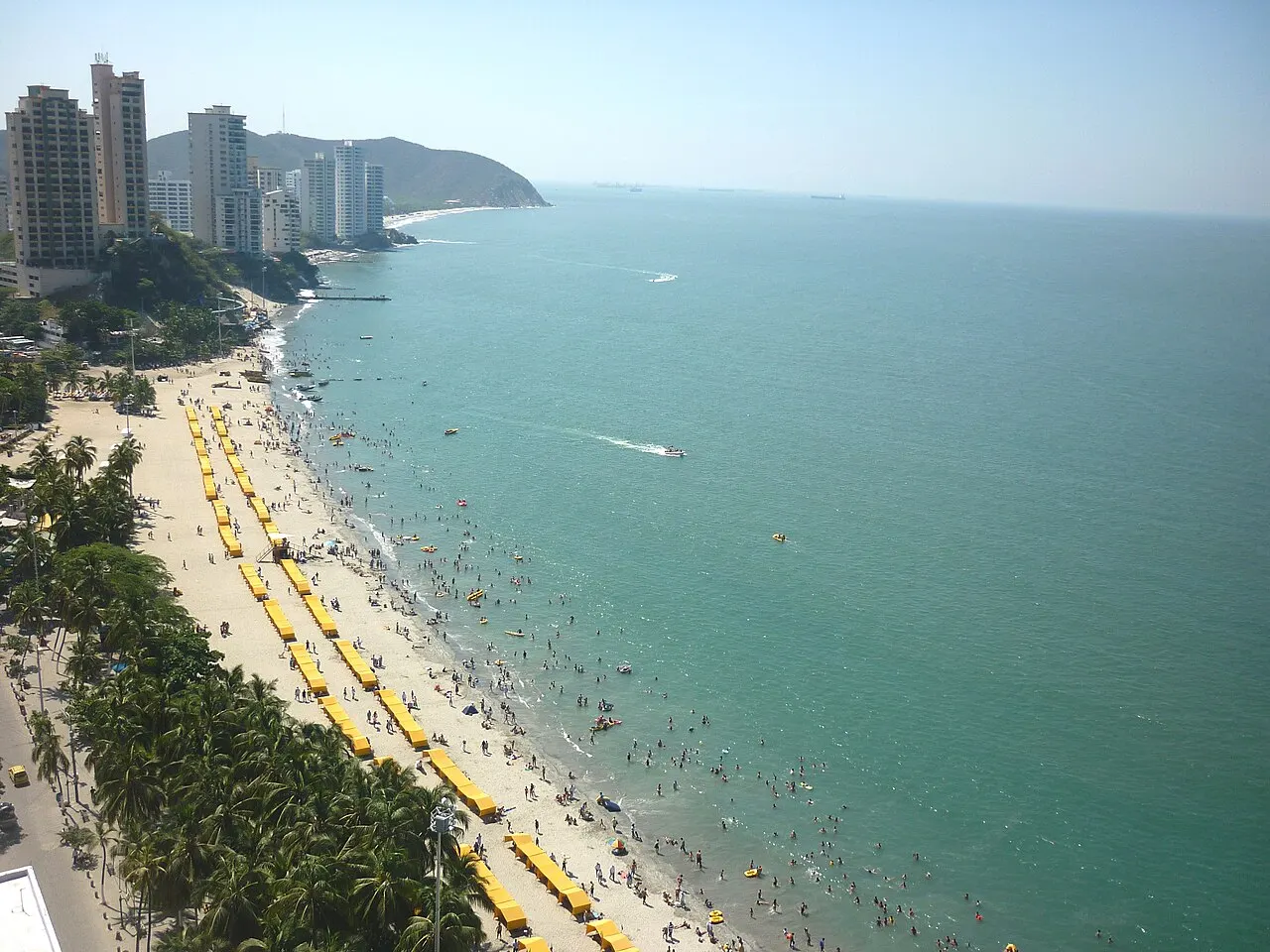
Simón Bolívar International Airport (SMR), whose terminal opened in 2017, lies about 16 km south of the center, past El Rodadero and Pozos Colorados, on the road that follows the coast. Taxis don't use meters, so agree on the price before getting in. The city buses that run along the airport road are cheaper, charge the fare to the driver and stop wherever the passenger asks.
Urban transport is provided by buses from several companies, integrated into the Sistema Integrado de Transporte Unificado (STU), with 23 routes. The fare is paid in cash to the driver (COP 2,700 in May 2025). The historic center can be covered on foot; for Mamatoco, Taganga and El Rodadero, take a bus or taxi.
For Tayrona National Park, the white buses that run along the Troncal del Caribe leave from the corner of Calle 11 and Carrera 9, next to the Public Market, about every 15 minutes, and take about an hour to the El Zaino entrance (COP 10,000 in March 2025). Ask the driver to let you off at the entrance. The same buses continue to Palomino. For Minca, shared vans leave from the same market when full and take 30 to 60 minutes; the last one going up usually leaves around 5 p.m. There are also boats from Taganga, El Rodadero and Santa Marta to sectors of the park, such as Cabo San Juan del Guía; in rough seas, the crossing is uncomfortable.
Long-distance buses leave from the Terminal de Transporte. Barranquilla is about two hours away and Cartagena about four; for Bogotá and Medellín, most travelers prefer to fly, because the road takes more than 15 hours. Between Cartagena and Santa Marta there are also door-to-door vans, which pick you up at the hotel and cost more.
Safety
As in other cities on Colombia's Caribbean coast, the most common risk is theft: phones snatched from hands, bags opened in crowds and robbery in empty places. Keep electronics out of sight, especially on buses, and don't walk the coastal trail between Ziruma and El Rodadero, where armed robberies have occurred in broad daylight; make that trip by bus or taxi. The British government warns about the use of drugs such as scopolamine in drinks, cigarettes and even flyers, about armed scams set up through dating apps, and about express kidnappings: at night, prefer a taxi called by the hotel or through an app, and withdraw cash inside bank branches or shopping malls. At sea, respect the red flag, which closes the beach to swimming; at Arrecifes swimming is not allowed, and at the mouth of the Palomino River the current is strong. In the Sierra Nevada, stay on guided paths. Yellow fever: Colombia has been in a health emergency over the disease since 2025 (Resolution 691 of 2025 of the Ministry of Health), the district of Santa Marta has appeared on the list of high-risk municipalities, and there have been periods when the vaccine was required to enter Tayrona and Sierra Nevada National Park. As of October 2026, the Tayrona page does not list the certificate among the entry requirements, and the Ministry of Commerce and Tourism treats vaccination of visitors as a recommendation, with the dose given at least ten days before arriving in risk areas. Get the vaccine that far in advance, carry the certificate and confirm the current rule with the park before the trip.
Etiquette tips
Indigenous territory in Tayrona and the sierra
The park rules ask for respect toward Indigenous families and sacred places. Ask permission before photographing a person and don't enter paths or spaces that aren't marked for visitors.
Bargaining with beach vendors
In El Rodadero and on the urban beaches, offers of chairs, umbrellas and food are insistent. Ask the price before accepting anything and decline with a firm, friendly “no, gracias.”
Ordering with “me regala”
In Colombia, asking for something at a counter often starts with “¿me regala…?”, which here doesn't mean asking for it for free: it's the polite way of saying “could you give me, please.”
Mistakes to avoid
Scheduling Tayrona during a closure period: February 1 to 15, June 1 to 15 and October 19 to November 2.
Getting to El Zaino mid-morning and having to rush back from Cabo San Juan del Guía to reach the exit before it closes.
Bringing plastic bottles, bags and disposable cups into the park, where single-use plastic is prohibited.
Going into the sea at Arrecifes, where the undertow is strong and swimming is not allowed, instead of waiting for La Piscina.
Arriving at the Tayrona ticket office without the mandatory accident insurance.
Leaving the Museo del Oro Tairona for Monday, a day that does not appear in the schedule published by the city government.
Getting into a taxi without agreeing on the price: the city's taxis don't use meters.
Useful phrases
¿Cuánto vale?
How much is it?
¿Dónde se coge el bus para el Tayrona?
Where do you catch the bus to Tayrona?
¿Se puede nadar aquí?
Can you swim here?
¿Me regala un tinto, por favor?
Could I have a black coffee, please?
No, gracias
No, thank you (for declining vendors)
Where to stay
- Centro Histórico · Those traveling without a car who want museums, restaurants and the departure points for buses to Tayrona, Palomino and Minca a few minutes away.: The Public Market, where the buses and vans leave from, is a few blocks away, and the Parque de los Novios and the seafront promenade hold the nightlife. The drawback is the sea: for a beach day, you leave the center for Tayrona, Taganga or El Rodadero.
- El Rodadero · Those who want an urban beach in front of the hotel and arrive or leave by plane.: It lies between the center and the airport, closer to the latter, and has many oceanfront hotels. On the other hand, it's on the opposite side of the city from Tayrona and the Public Market, and every day in the park starts with crossing Santa Marta.
- Taganga · Divers and those who want to leave by boat along the coast to Tayrona.: The diving schools and the launches to Cabo San Juan del Guía leave from the bay itself. On the other hand, it's on the other side of the hills from the center, and the buses to Tayrona and Minca leave from the Public Market, which calls for a taxi or city bus before each overland trip.
- Minca · Those who prefer milder temperatures, trails, waterfalls and birdwatching.: Sleeping in the sierra lets you start your walks early and avoid the heat of the coast. It's 30 to 60 minutes by van from the center, and the schedule of the vans heading down to Santa Marta is not published: arrange the return at your lodging. Tayrona is too far for a same-day round trip.
- Inside Tayrona National Park (Arrecifes and Cabo San Juan del Guía) · Those who want to wake up inside the park and split the walk over two days.: Arrecifes has lodging, and Cabo San Juan del Guía has camping and hammocks, with restrooms and a restaurant. The lodging is basic, with no road access: luggage goes on foot or on horses and mules along the trail, and the sector is unavailable during the park's closure periods.
- Pozos Colorados and Bello Horizonte · Those looking for a beach resort near the airport who plan to spend most of their time at the hotel.: It concentrates the big beach hotels south of El Rodadero, close to the airport and far from the center. For the historic center and Tayrona, you depend on a taxi or car for every outing.
Districts
Centro Histórico
The colonial center by the bay brings together the cathedral, the Casa de la Aduana with the Museo del Oro Tairona, the Parque de los Novios and the seafront promenade. It's the most practical area for anyone arriving without a car: museums, restaurants and the stop for buses to Tayrona are all a short distance away.
Mamatoco
A residential neighborhood east of the center, home to the Quinta de San Pedro Alejandrino, the estate where Bolívar died, with its museum and botanical garden. It's worth a taxi ride in the morning, before the heat gets strong.

Taganga
A former fishing village in a neighboring cove to the northeast, linked to the center by road since 1956. Today it hosts the city's scuba diving schools, and boats leave from there along the coast to Tayrona National Park.
El Rodadero
A beach resort about 5 km south of the center, linked to it by Avenida Hernández Pardo, with hotels, clubs and street vendors on the sand. It lies on the way between the center and the airport, but far from the Tayrona entrances, on the opposite side of the city.
Pozos Colorados and Bello Horizonte
A strip of beaches south of El Rodadero, near the airport, where the big resorts and beachfront condominiums are. It suits those who want to stay at the hotel; for the center and Tayrona, you depend on a car or taxi.
Minca
A village on the slope of the Sierra Nevada, about 15 km from the center and about 650 m above sea level, with rivers, waterfalls, coffee farms and birdwatching. It belongs to the district of Santa Marta and works as a day trip or as a cooler base.
History
c. 700 · Teyuna, the city in the sierra
The ancestors of the peoples of the Sierra Nevada build Teyuna, now called Ciudad Perdida, with stone terraces on the slope; the same Tairona culture left paths and villages on the coast that now forms Tayrona National Park.
1525 · Founding by Rodrigo de Bastidas
On July 29, the Spanish navigator Rodrigo de Bastidas, who had already sailed this coast with Juan de la Cosa in 1501, founds Santa Marta on the bay. His remains have been in the cathedral since 1953.
17th–18th c. · Pirate attacks and forts on the bay
The city suffers dozens of attacks by pirates and privateers. The Crown builds six forts and two lookout posts; in 1739 and 1743 defensive works are carried out on the Morro, the rocky island at the mouth of the bay.
1830 · The death of Simón Bolívar
Ill and on his way into exile, Bolívar reaches the Quinta de San Pedro Alejandrino on December 6 and dies there on December 17. His body lies in state at the Casa de la Aduana and is buried in the cathedral, from where it goes to Caracas in 1842.
1928 · The banana massacre
On December 5 and 6, a strike by workers of the United Fruit Company ends in a massacre in the plaza of Ciénaga, south of Santa Marta, in the banana zone of Magdalena.
1964 · Creation of Tayrona National Park
Tayrona National Natural Park is declared on August 31, protecting the forested coast and coves northeast of the city; tourism, which had begun to grow in the 1950s, now has its main destination in the park.
1976 · Ciudad Perdida becomes publicly known
The terraces of Teyuna, in the Sierra Nevada, become known outside the region and begin to be studied; the Kogui, Wiwa, Arhuaco and Kankuamo peoples call the place Teyuna, and the site lies inside the Kogui-Malayo-Arhuaco Indigenous reservation.
2017 · New airport and the Bolivarian Games
On March 13, the new terminal of Simón Bolívar International Airport opens; in November, the city hosts the XVIII Bolivarian Games.
Complete history
Long before the Spanish arrived, the Sierra Nevada and the coast at its foot were the territory of the Tairona, who built cities of stone terraces such as Teyuna, the Ciudad Perdida, around the year 700, and seaside villages linked by paved paths. The Kogui, Wiwa, Arhuaco and Kankuamo, who live in the sierra today, are considered direct descendants of that world, and it is by agreement with them that Tayrona National Park closes in certain months to let the territory rest.
Rodrigo de Bastidas founded Santa Marta in 1525 on a deep, sheltered bay, and the city became a port and a provincial capital. The wealth passing through the bay drew dozens of pirate attacks in the 17th and 18th centuries, and the city defended itself with forts around the cove and on the Morro, the stone island still visible from the seafront. Construction of the present cathedral began in 1766.
The episode that most marks local memory is the death of Simón Bolívar. Ill, he arrived at the Quinta de San Pedro Alejandrino, a 17th-century sugarcane estate on the outskirts, in December 1830, and died there on the 17th. His body lay in state at the Casa de la Aduana, today the Museo del Oro Tairona, and was buried in the cathedral until it was taken to Caracas in 1842. Gabriel García Márquez, born in Aracataca, in the same department, recreated that last journey in “The General in His Labyrinth.”
In the 20th century, the banana zone south of the city brought railways, exports and conflict: in 1928, the repression of a strike by United Fruit Company workers ended in a massacre in Ciénaga. Later, the port began shipping coal, and tourism grew from the 1950s. The creation of Tayrona National Park in 1964, the status of Tourist, Cultural and Historic District in 1991 and the airport's new terminal in 2017 consolidated the city as the gateway to Colombia's northern Caribbean.
I'd visit the Quinta de San Pedro Alejandrino and the Casa de la Aduana on the same day: the estate where Bolívar died and the house where his body lay in state tell, together, the last days of December 1830.
Geography and shape of the city
Santa Marta occupies a flat strip between the Caribbean Sea and the first hills of the Sierra Nevada de Santa Marta, an isolated massif that rises from sea level to 5,775 m. The city spreads along a series of bays separated by dry headlands: the bay of the historic center, with the port to the north and the Morro at the entrance; Taganga, in a neighboring cove to the northeast; El Rodadero, about 5 km to the south; and, farther on, Pozos Colorados and the airport, about 16 km from the center. The climate is hot and relatively dry: the 1991–2020 normals for the airport give an average of 28.6 °C and about 560 mm of rain a year, almost all of it between May and November, with October the rainiest month. To the northeast, the Troncal del Caribe runs between the sierra and the sea to the entrances of Tayrona National Park, where the forest descends to sandy coves and large boulders. Inland, a road climbs to Minca, at about 650 m, where the temperature drops and the coffee farms and forests with about 300 bird species begin.
I'd choose lodging by side of the city: the center and Taganga are on the Tayrona side, and El Rodadero and Pozos Colorados on the airport side. Crossing Santa Marta every day costs time.
Culture
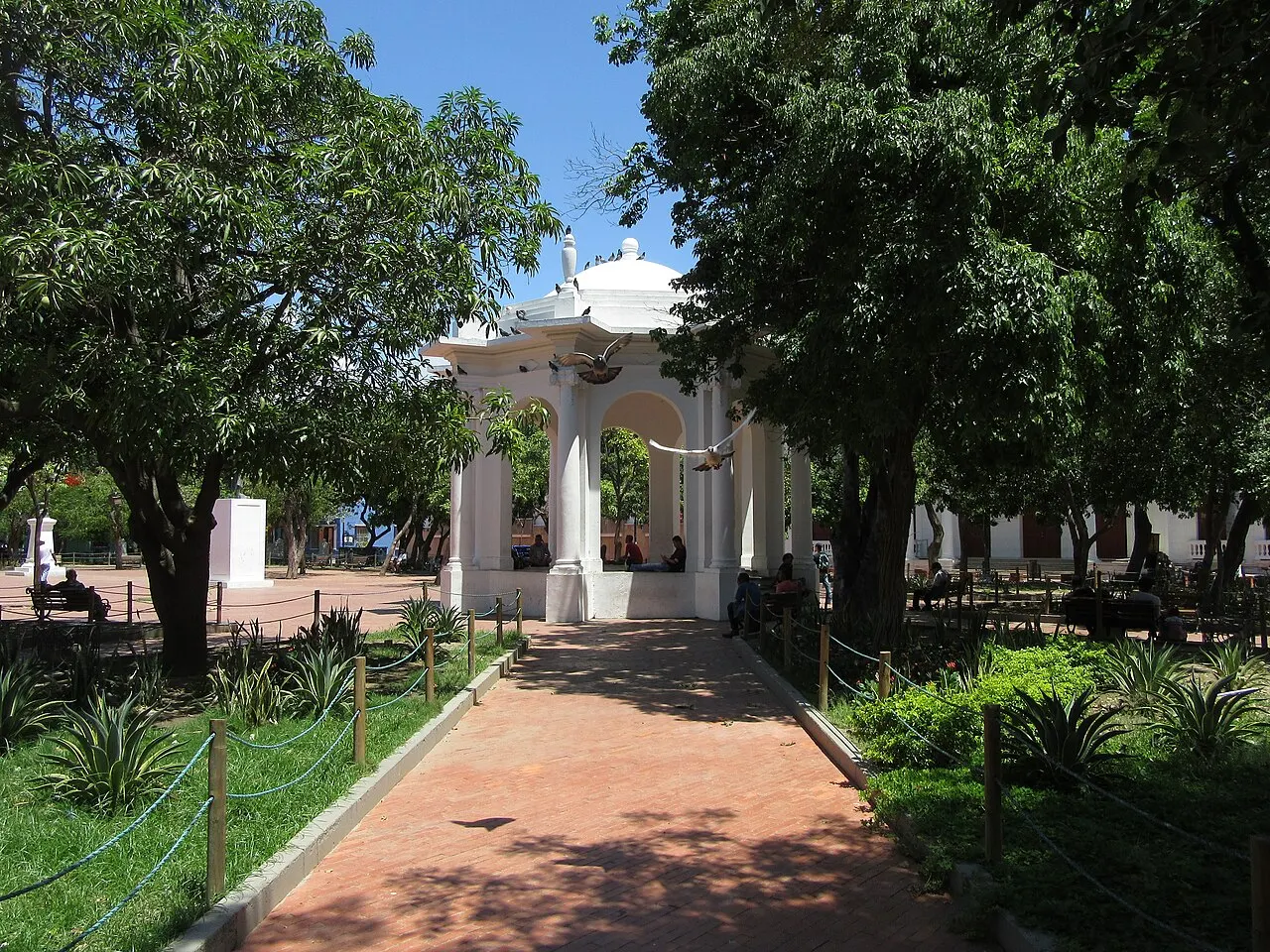
The Sierra Nevada de Santa Marta, a biosphere reserve recognized by UNESCO in 1979, is the territory of about 30,000 Indigenous people of the Kogui, Arhuaco, Kankuamo and Wiwa peoples, according to the national tourism agency. Their presence changes the trip in concrete ways: the three annual closures of Tayrona National Park, in February, June and October–November, are part of a strategy agreed with these peoples, and the October one coincides with the Nabbatashi, a period of renewal and spiritual cleansing in the Indigenous calendar. The October 2026 pause at Ciudad Perdida was also requested by the traditional authorities.
Football is the city's passion. In 1968, Unión Magdalena became the first team on the Caribbean coast to win the Colombian championship, and Carlos “El Pibe” Valderrama, born in the Pescaíto neighborhood, has a statue in the city. On warm nights, social life gathers at the Parque de los Novios and on the bayfront promenade.
The cultural calendar has two annual landmarks: the Fiestas del Mar, in mid-year, with water sports and cultural programming on the bay, and the Festival Internacional de Teatro del Caribe, between late August and early September.
I'd read the Tayrona and ICANH notices as part of the Indigenous calendar of the Sierra Nevada, and not as bureaucracy: it is the authorities of these peoples who ask for the closures so the territory can rest.
Festivals and events
Fiestas del Mar
In mid-year, with water sports and cultural events on the bay. The dates change with each edition; check the city government's calendar before planning.
Festival Internacional de Teatro del Caribe
Between late August and early September, with theater groups from Colombia and other countries on stages around the city.
Books and films
“El general en su laberinto” (The General in His Labyrinth), Gabriel García Márquez (1989)
The novel recreates the last seven months of Simón Bolívar, from his departure from Bogotá to the journey down the Magdalena River and his death in Santa Marta. Reading it before visiting the Quinta de San Pedro Alejandrino gives the house a different weight.
Frequently asked questions
Santa Marta: how do I get from the airport to the center?
Simón Bolívar International Airport (SMR) lies about 16 km south of the center, past El Rodadero and Pozos Colorados, on the road that follows the coast. Taxis don't use meters, so agree on the price before getting in. The city buses that run along the airport road are cheaper, charge the fare to the driver and stop wherever the passenger asks.
Santa Marta: how do I get to Tayrona National Park, and what is required at the entrance?
For the main entrance, El Zaino, the white buses that run along the Troncal del Caribe leave from the corner of Calle 11 and Carrera 9, next to the Public Market, about every 15 minutes, and take about an hour (COP 10,000 in March 2025); ask the driver to let you off at the entrance. In the high season, the entrance opens at 7 a.m.; in the low season, at 8 a.m. There are no reservations: tickets are sold at the ticket office on the day, up to the daily capacity, and every visitor needs accident insurance with assistance, must attend the orientation talk and register. Single-use plastic, bottles of alcoholic drinks, speakers, unlicensed drones and pets are prohibited.
Santa Marta: how much is the Tayrona National Park ticket?
According to the fares published by the parks agency in October 2026, admission to Tayrona National Park costs non-resident foreigners COP 81,000 in the low season and COP 96,500 in the high season; at Bahía Concha, COP 43,500 year-round. Colombians, residents and citizens of the Andean Community pay from COP 27,500 to COP 43,000 depending on age and season. You can pay at the ticket office or through the park's payment portal; accident insurance with assistance is mandatory and charged separately, as is transport booked with operators, such as boats.
Santa Marta: when does Tayrona National Park close?
The park closes every year from February 1 to 15, June 1 to 15 and October 19 to November 2, according to the calendar published by the parks agency. During those periods, the lodging inside the park, at Arrecifes and Cabo San Juan del Guía, is unavailable too; check the dates before planning the trip.
Santa Marta: can I go to Cabo San Juan del Guía and back in one day?
Yes, if you leave early. From the El Zaino entrance, cover the roughly 4 km of road to Cañaveral on foot or in the park's van. From Cañaveral, the trail takes 45 minutes to an hour to Arrecifes, where swimming is not allowed; continue 15 to 20 minutes to La Piscina to swim, and another 30 to 40 minutes to Cabo San Juan del Guía. Start back in the early afternoon: the whole route to El Zaino is about 9 km and takes around two and a half hours. The exit at El Zaino closes at 6 p.m. in the high season and 5 p.m. in the low season; confirm at the ticket office when you enter. To avoid a round trip in one day, you can sleep at the Cabo, in a tent or hammock, or at Arrecifes, which has lodging; the lodging is basic, with no road access, and luggage goes on foot or on horses and mules along the trail.
Santa Marta: how many days should I stay?
I'd stay three days in Santa Marta, preferably between December and April and away from the Tayrona closures. On the first, the Quinta de San Pedro Alejandrino in the morning, the Museo del Oro Tairona and the cathedral in the center, and sunset on the Malecón de Bastidas. The second is entirely Tayrona, on foot from El Zaino to Cabo San Juan del Guía, swimming at La Piscina along the way. The third I'd spend in Minca, among the Pozo Azul, the Cascadas de Marinka and a coffee farm, to see the Sierra Nevada up close. With a fourth day, I'd go back to the park through the Neguanje sector to spend the day at Playa Cristal and finish in Taganga. Ciudad Perdida is a different trip, four to six days of guided hiking, and Palomino and Aracataca are for those with even more time.
Santa Marta: how do I get to Minca and back in one day?
Minca is on the slope of the Sierra Nevada, about 15 km from the center and about 650 m above sea level. Shared vans leave the Public Market when full and take 30 to 60 minutes; the last one going up from Santa Marta usually leaves around 5 p.m., and the return schedule is not published, so go up in the morning and arrange the ride down with the driver or in the village before mid-afternoon. From the village, a walk of about 45 minutes leads to the Pozo Azul; the Cascadas de Marinka, with a paid entrance, and the La Victoria coffee farm are about an hour and a half on foot.
Santa Marta: can I visit Ciudad Perdida on a day trip?
This is not a day trip: the city of terraces built around the year 700, between 900 and 1,300 m above sea level in the Sierra Nevada, can only be reached on a guided hike of four to six days, starting from the El Mamey trailhead. The archaeological park is managed by the ICANH and is open from 7 a.m. to 3 p.m. Book the hike with an operator and check the closure dates before booking.
Santa Marta: when is the best time to go?
December to April is the dry season, with less than 15 mm of rain a month on average at the airport station; it's the best window for Tayrona and Minca, but the park closes from February 1 to 15 and is crowded from mid-December to the end of January and during Holy Week. Between May and November the rains increase, with October the rainiest month (about 127 mm on average). June and July are high season in the park, which nonetheless closes from June 1 to 15. August, September, October and November have low fares, except on long weekends with a Monday holiday and in the school recess week before the Día de la Raza holiday in October, which the park counts as high season; from October 19 to November 2, the park is closed.
Santa Marta: which part of the city should I stay in?
The center and Taganga are on the Tayrona side, and El Rodadero and Pozos Colorados on the airport side; crossing Santa Marta every day costs time. The Centro Histórico suits those traveling without a car: the Public Market, where the buses and vans to Tayrona, Palomino and Minca leave, is a few blocks away, but for a beach day you have to leave the center. El Rodadero has an urban beach in front of the hotel and is closer to the airport, on the opposite side from Tayrona. Taganga suits divers and those heading along the coast by boat to Tayrona, but the buses to the park and to Minca leave from the Public Market, on the other side of the hills.
Santa Marta: what safety precautions should I take?
The most common risk is theft: phones snatched from hands, bags opened in crowds and robbery in empty places. Keep electronics out of sight, especially on buses, and don't walk the coastal trail between Ziruma and El Rodadero, where armed robberies have occurred in broad daylight; make that trip by bus or taxi. The British government warns about the use of drugs such as scopolamine in drinks, cigarettes and even flyers, about armed scams set up through dating apps, and about express kidnappings: at night, prefer a taxi called by the hotel or through an app, and withdraw cash inside bank branches or shopping malls. At sea, respect the red flag; at Arrecifes swimming is not allowed, and at the mouth of the Palomino River the current is strong.
Santa Marta: do I need a yellow fever vaccine?
Colombia has been in a health emergency over the disease since 2025 (Resolution 691 of 2025 of the Ministry of Health), the district of Santa Marta has appeared on the list of high-risk municipalities, and there have been periods when the vaccine was required to enter Tayrona and Sierra Nevada National Park. As of October 2026, the Tayrona page does not list the certificate among the entry requirements, and the Ministry of Commerce and Tourism treats vaccination of visitors as a recommendation, with the dose given at least ten days before arriving in risk areas. Get the vaccine that far in advance, carry the certificate and confirm the current rule with the park before the trip.
Other cities in the country
Colombia ↗- Days
- 2–3
- When
- Jan–Feb · Jul–Aug
- Per person/day
- Average 239,000 COPMid-range · per person/day
Cost scope
Per person per day: accommodation, meals, urban transport, visits and a small allowance for extras. Flights excluded; larger purchases vary. Editorial estimate, not a quote.
- Days
- 2–3
- When
- Jan–Apr · Dec
- Per person/day
- Average 80–130 USDMid-range · per person/day
Cost scope
Per person per day: accommodation, meals, urban transport, visits and a small allowance for extras. Flights excluded; larger purchases vary. Editorial estimate, not a quote.
- Days
- 3–4
- When
- Jan–Mar · Jul–Aug · Dec
- Per person/day
- Average 45–90 USDMid-range · per person/day
Cost scope
Per person per day: accommodation, meals, urban transport, visits and a small allowance for extras. Flights excluded; larger purchases vary. Editorial estimate, not a quote.
- Days
- 3–6
- When
- Feb–Apr
- Per person/day
- Explore costsGuide estimate
Cost scope
Per person per day: accommodation, meals, urban transport, visits and a small allowance for extras. Flights excluded; larger purchases vary. Editorial estimate, not a quote.