
Colombia
Cartagena
City walls, Getsemaní, forts and the Islas del Rosario
Days Start with the basic programme and choose extensions for the time you have.
How the guide reaches this number
With a third, take a boat to the islands. The city isn't for anyone who wants a beautiful beach at the hotel door, because the water at Bocagrande is brown almost all year, and on the sand the massage, bracelet or coconut offered “as a courtesy” ends with a bill. Nor is it for anyone who wants to walk the streets between 11am and 3pm, when the sun sends everyone into the shade. With just one day, climb the walls at 6:30am and see San Pedro Claver and the Palacio de la Inquisición before noon. Have a corrientazo for lunch outside the walls, rest through the hottest hours and reach Getsemaní at 5pm, when Plaza de la Trinidad fills with people. The walled center is expensive and less and less lived in, and Getsemaní has already lost much of its longtime population to gentrification, so look for the city outside the walls as well: in Bazurto, in La Boquilla, on a night of champeta and in San Basilio de Palenque, 50 km away.
2–3
When December to April, the dry season with trade winds.
How the guide reaches this number
January and February are the most bearable months
December to April, the dry season with trade winds. January and February are the most bearable months
Per person/day Budget US$35–50; mid-range US$80–130; comfortable from US$200 (approximate; inside the wall, add 30–50%)
How the guide reaches this number
Per person per day: accommodation, meals, urban transport, visits and a small allowance for extras. Flights excluded; larger purchases vary. Editorial estimate, not a quote.
 What Nilo thinks
Give Cartagena two days: the first in the walled city and Getsemaní, the second at the forts, the Cerro de la Popa and Manga. With a third, take a boat to the islands. The city isn't for anyone who wants a beautiful beach at the hotel door, because the water at Bocagrande is brown almost all year, and on the sand the massage, bracelet or coconut offered “as a courtesy” ends with a bill. Nor is it for anyone who wants to walk the streets between 11am and 3pm, when the sun sends everyone into the shade. With just one day, climb the walls at 6:30am and see San Pedro Claver and the Palacio de la Inquisición before noon. Have a corrientazo for lunch outside the walls, rest through the hottest hours and reach Getsemaní at 5pm, when Plaza de la Trinidad fills with people. The walled center is expensive and less and less lived in, and Getsemaní has already lost much of its longtime population to gentrification, so look for the city outside the walls as well: in Bazurto, in La Boquilla, on a night of champeta and in San Basilio de Palenque, 50 km away.About 11 km of Spanish walls, built over two centuries to protect the silver awaiting shipment in the port, surround Cartagena's historic center. You can walk along the top from bastion to bastion, with the Caribbean on one side and wooden balconies on the other. Inside the walls are the cloister of San Pedro Claver, holding the remains of the Jesuit who attended ships carrying enslaved Africans, and the Palacio de la Inquisición. Outside, Castillo San Felipe de Barajas, the largest Spanish fortress in the Americas, hides tunnels designed to echo an enemy's footsteps. Getsemaní, the artisans' neighborhood where the 1811 independence movement began, now has streets of murals and bars; at night, Plaza de la Trinidad fills around the raspao cart. The walled center has fewer than 10,000 residents. The million people who keep the city running live outside it, and Bazurto market, La Boquilla and champeta parties reveal that other Cartagena. Allow two days and come between December and April, when the trade winds ease the heat.
Quick facts
- Population
- About 1,011,000 residents in the district according to DANE's 2026 projection, slightly down from 2025; fewer than 10,000 people live within the walls
- Founded
- June 1, 1533, by Pedro de Heredia
- Country and region
- On Colombia's Caribbean coast, seat of the department of Bolívar; a Tourist and Cultural District with about 609 km² of area
- Language
- Caribbean Spanish: the final “s” aspirated or dropped, and “ajá” used as a constant filler. In San Basilio de Palenque, 50 km away, people speak Palenquero, a creole based on Spanish and Bantu
- Currency
- Colombian peso (COP). In September 2026, about 4,000 COP per US$1
- Time zone
- UTC−5 year-round; Colombia doesn't observe daylight saving time. Near the equator, days last about 12 hours in any month, and it gets dark around 6pm
- Best time to visit
- December to April, the dry season with trade winds. January and February are the most bearable months
- Average daily cost
- Budget US$35–50; mid-range US$80–130; comfortable from US$200 (approximate; inside the wall, add 30–50%)
When to go
December to April, the dry season with trade winds. January and February are the most bearable months
May
26° to 32°C
117 mm of rain
June
26° to 32°C
93 mm of rain
July
26° to 32°C
121 mm of rain
August
26° to 32°C
128 mm of rain
September
26° to 32°C
133 mm of rain
October
26° to 32°C
237 mm of rain
November
26° to 32°C
178 mm of rain
How the year changes
There are no temperature seasons here, and that changes how you plan the day: the average is about 28 °C every month, with highs of 31–33 °C, lows of 24–26 °C and humidity between 75% and 90%. What changes is the rain and the wind. From December to April the trade winds blow, the sky is clear, it hardly rains and the wind takes the edge off the mugginess. It's the dry season and also high season. From May to November it rains, almost always in short late-afternoon downpours that flood avenues for an hour; there's a partial break in July, the “veranillo”. October is the rainiest and most uncomfortable month, with little wind and more mosquitoes, and it's the one I'd avoid. High-price season: December 20 to January 15, Holy Week and the week of November 11, when room rates double. Low season: May, June, September and October. In any month, plan outdoor sightseeing outside the 11am to 3pm window, when the sun weighs more than the temperature.
The same numbers as a table
| Month | Temperature °C | Rain mm |
|---|---|---|
| January · | 24 to 31 | 1 |
| February · | 24 to 31 | 0 |
| March · | 25 to 31 | 3 |
| April · | 26 to 32 | 19 |
| May | 26 to 32 | 117 |
| June | 26 to 32 | 93 |
| July | 26 to 32 | 121 |
| August | 26 to 32 | 128 |
| September | 26 to 32 | 133 |
| October | 26 to 32 | 237 |
| November | 26 to 32 | 178 |
| December · | 25 to 31 | 45 |
Nilo's tips
The walls at 6:30am, the castle at 8am
Neither the wall nor the Castillo San Felipe de Barajas has shade up top, and from 11am to 3pm the sun turns both into an ordeal. Access to the wall through the Baluarte de Santo Domingo is free and gives you about 40 minutes of continuous walking to Las Bóvedas. The castle opens at 8am, with admission at COP 38,000 for foreigners and COP 33,000 for Colombians. Avoid the last Sunday of the month, when Colombians with ID get in free and the castle fills up; in January and December that free admission doesn't apply.
Agree on the taxi fare through the window: COP 10,000 to 20,000 in the center
Taxis in Cartagena have no meter, and once you sit down the negotiation is already over. Ask “¿a cuánto la carrera hasta…?” through the window, while still on the sidewalk; within the central urban area, the norm is COP 10,000–20,000. At the airport, check the fare table posted at the counter: it runs about COP 15,000–20,000 to downtown and about COP 20,000–28,000 to Bocagrande. If you're heading out at night, it's safer to have the hotel call a car or use an app than to hail one on the street.
Transcaribe doesn't take cash
Cards aren't sold on board: buy one at a station before boarding. The fare is COP 3,900. The system links the east of the city to the historic center and is the cheapest way to reach Bazurto. The airport and Bocagrande are outside the network, so for both go by taxi or app.
Bazurto in the morning, lunch outside the wall
The Mercado de Bazurto, which supplies the city, opens before dawn, and by mid-afternoon only the leftovers remain. Go by 10am, while it's still full. Have lunch nearby or at La Matuna, where a corrientazo costs a third of the price of a tourist restaurant inside the wall.
Go to Barú by car, about 1 hour 15 minutes, not by boat
By car or van, you don't depend on the boat schedule. The trip takes about 1 hour 15 minutes via the Anillo Vial and the bridge over the Canal del Dique. If you'd rather take the boat, ask before paying whether the marine park entry, the boarding fee and lunch are included, because many tours charge the three separately.
Show your passport at the hotel and skip the 19% VAT
Non-resident foreigners don't owe the 19% IVA (VAT), and without your passport stamped at check-in, the hotel charges the tax. Check your bill, because the discount isn't always applied automatically, and see whether the 10% “propina voluntaria” appears as a separate line: declining it is normal. On the card machine, always choose to pay in pesos, because the dollar or euro option charges a worse exchange rate.
Explore the map

© OpenStreetMap · OpenFreeMap · © OpenMapTiles
Explore the map, read about the other places and plan your travel days in the app.
Open the appWhat to see
Cartagena: The reclaimed islands, the bay and the lagoon
Cartagena's center occupies two former islands, Calamarí and Getsemaní, at sea level and linked to the mainland by successive landfills. Manga and Bocagrande are other tongues of land, La Matuna was a lagoon until the 1950s, and the city sits between the Bahía de Cartagena, to the west, and the Ciénaga de la Virgen, to the east.

Walls and bastions
The walls total about 11 km, built between 1586 and the end of the 18th century, with sections up to 15 m thick at the base. You can climb up for free and walk long stretches: the route from the Baluarte de Santo Domingo to the Baluarte de Santa Catalina is the most continuous, and the Baluarte de San Francisco Javier, with its café on the stone, is the classic sunset spot.
You can climb up for free and walk long stretches on top, and one of the spots is the classic place to watch the day end; about 11 km, up to 15 m thick at the base; from Santo Domingo to Santa Catalina.
Check access
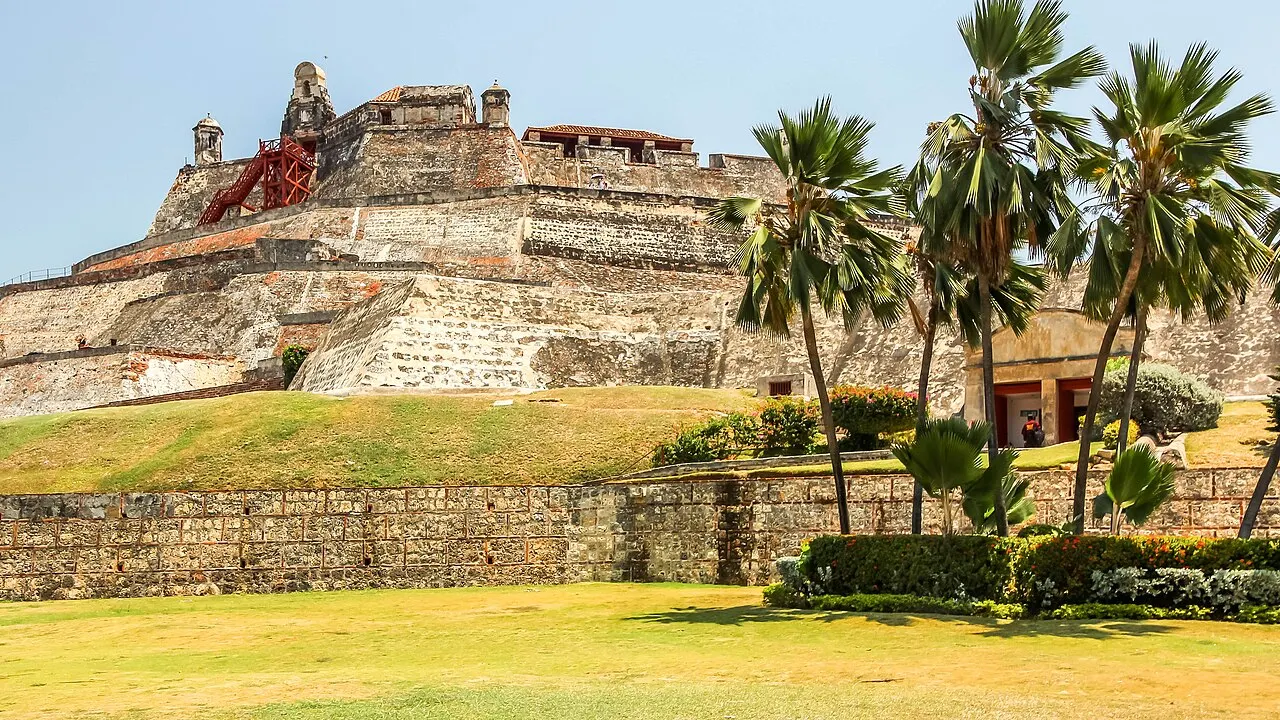
Castillo San Felipe de Barajas
The largest Spanish fortress built in the Americas, begun in 1657 on the San Lázaro hill and expanded between 1762 and 1769 by Antonio de Arévalo, with a network of countermine tunnels designed to echo enemy footsteps. It's open from about 8am to 6pm; admission costs COP 33,000 for Colombians and COP 38,000 for foreigners (adjusted every year), with free entry for Colombians on the last Sunday of the month. Go at 8am: there's no shade at the top.
The tunnels were designed to echo the footsteps of attackers, and there's no shade up top, so going early changes the visit; started in 1657, expanded from 1762 to 1769; admission of 33,000 and 38,000 pesos.
Check access
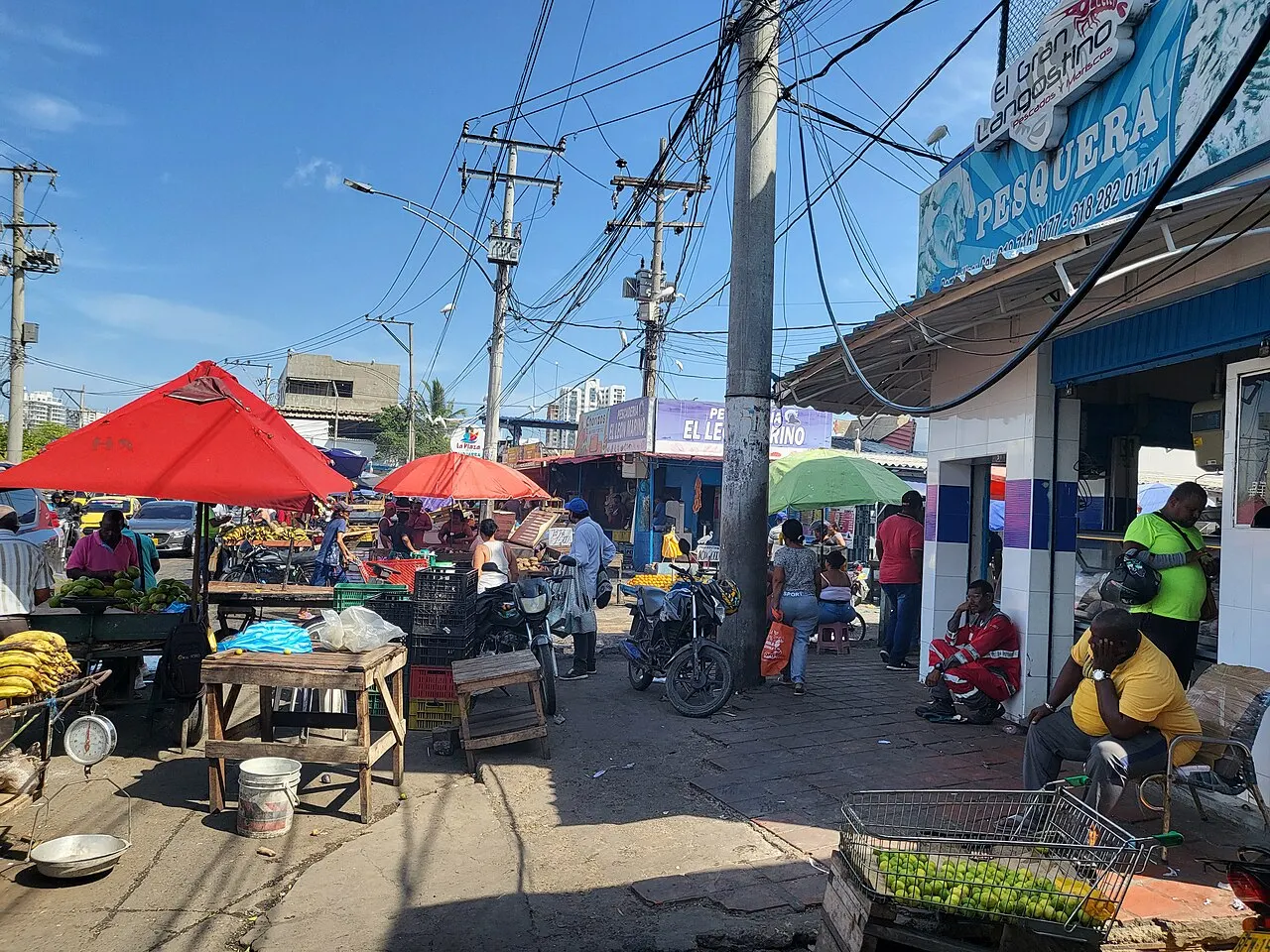
Mercado de Bazurto
The market that supplies the city, about 4 km from downtown, along Avenida Pedro de Heredia: fish, fruit, herbs, ready-made food and the smell the walled city doesn't have. It runs from before dawn until early afternoon, and it's chaotic and cramped; go in the morning, with little in your pocket, and preferably with someone who knows it.
This is the real supply source, with fish, fruit, herbs and ready meals, and the smell the walled center doesn't have, in a tight space that calls for company; about 4 km from downtown; go in the morning, with little in your pocket.
Check access

Torre del Reloj and Plaza de los Coches
The main gate of the walled city; the tower with the Swiss clock dates from 1888, over a 17th-century archway. The triangular square in front was the market where enslaved Africans were sold, and today houses the Portal de los Dulces, a row of stalls selling coconut, tamarind and milk sweets.
The main gate of the walled city opens onto the square where enslaved people were sold, today a row of candy stalls; tower with a Swiss clock, from 1888; coconut, tamarind and milk sweets.
Check access

Sanctuary and cloister of San Pedro Claver
A Jesuit church and convent completed in the 17th century, where the priest Pedro Claver lived and died in 1654, canonized in 1888. His bones lie in a glass urn beneath the main altar, and the attached cloister is a museum, with the original cells and well.
The remains are displayed in the presbytery, and the courtyard next door became a museum with the original rooms; died in 1654, canonized in 1888; bones in a glass urn, original cells and well.
Check access
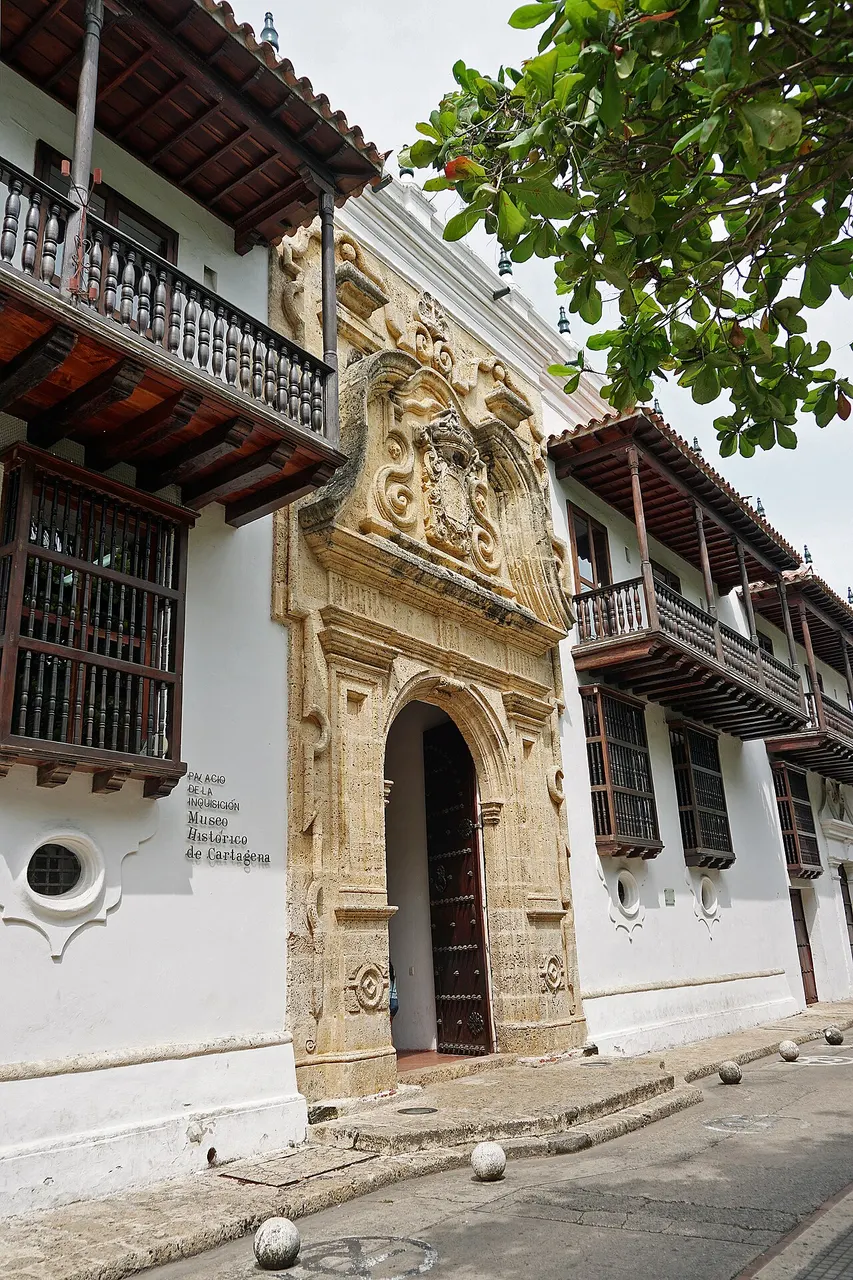
Palacio de la Inquisición
The seat of the Tribunal of the Holy Office installed in Cartagena in 1610; the current building, from 1770, has a baroque stone doorway and, on the side, the denunciation window through which anonymous accusations were handed in. It works as the city's history museum, on Plaza de Bolívar.
The tribunal settled in early, and the current building keeps on its side the window through which anonymous accusations were slipped in; established in 1610, 1770 building; history museum on Plaza de Bolívar.
Check access
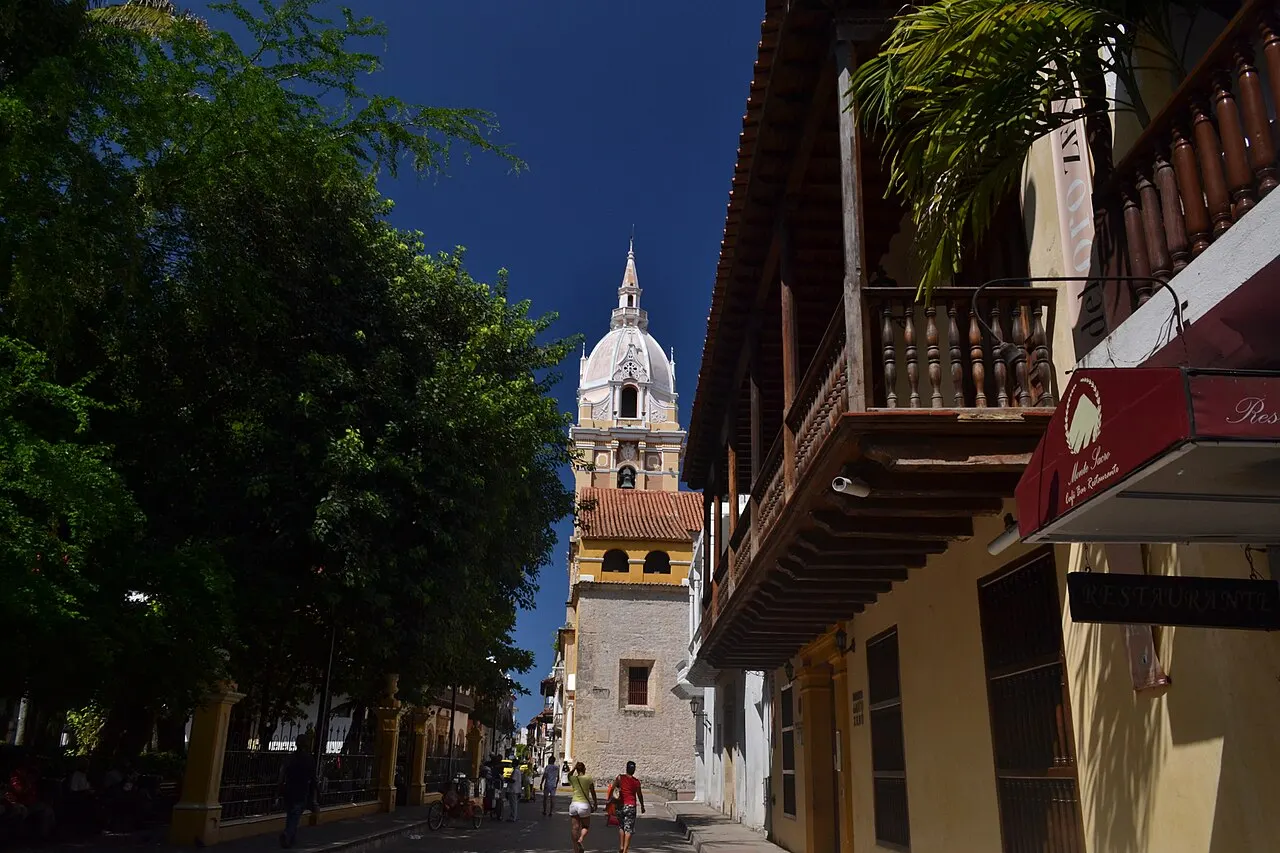
Cathedral of Santa Catalina de Alejandría
Begun in 1577, damaged in Drake's 1586 attack and completed in 1612, it's one of the oldest cathedrals still in use in South America. The tower's striped dome is a 1912 addition by French architect Gastón Lelarge.
Begun in 1577 and finished in 1612, after Drake's attack, it's one of the oldest cathedrals still in use in South America, and it's on the way of any loop through the walled center. Go in for half an hour to see the nave; the tower's striped dome, from 1912, is best seen from the square.
Check access
Convento de Santa Cruz de la Popa
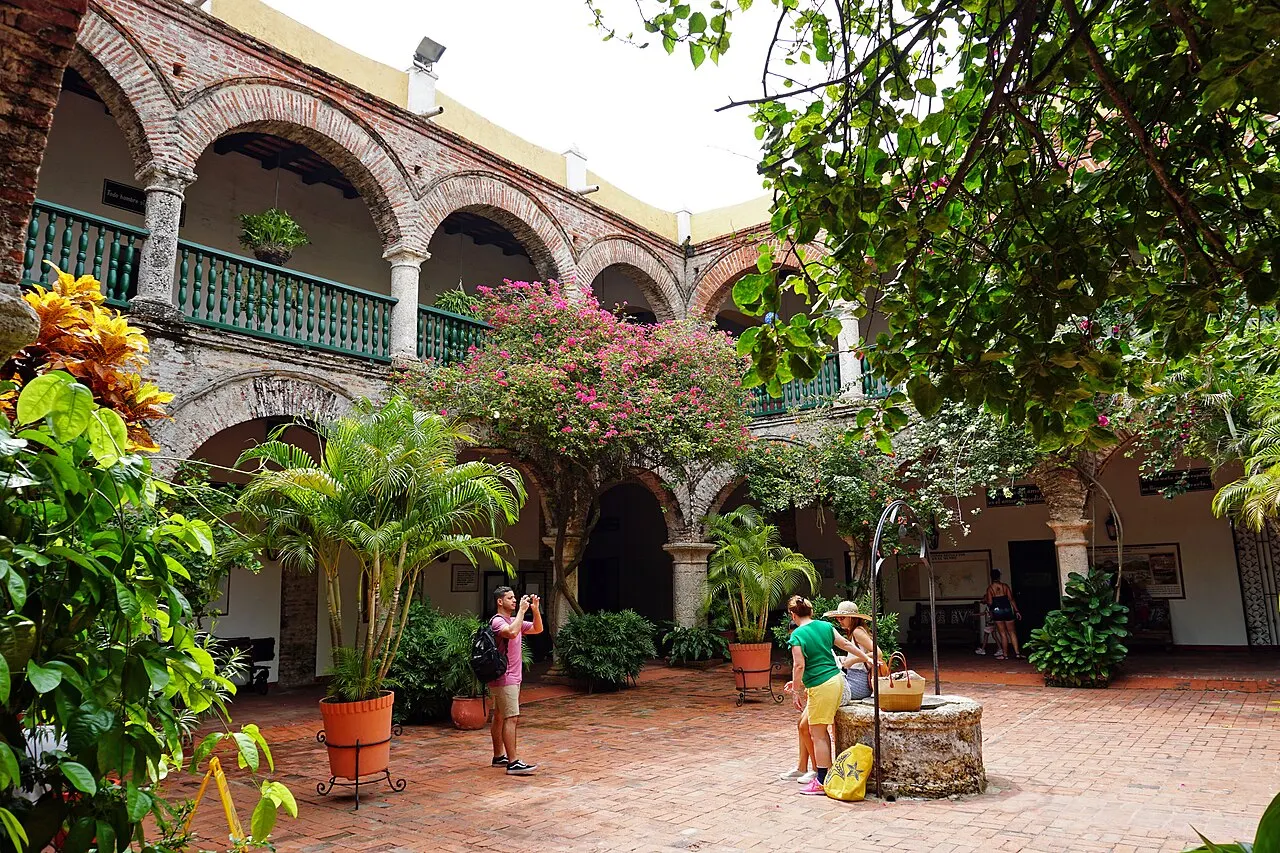
An Augustinian convent founded in 1607 on the city's highest point, 148 m, with an arched courtyard, a well and the chapel of the Virgen de la Candelaria, patron saint of Cartagena. It's the only lookout that shows the bay, the lagoon and the layout of downtown all at once; go up by taxi with the wait arranged in advance, not on foot.
From the top you can read the water on both sides and the layout of the streets all at once, something no other spot does; founded in 1607, at 148 m; go up by taxi, with a wait arranged.
Check access
Las Bóvedas
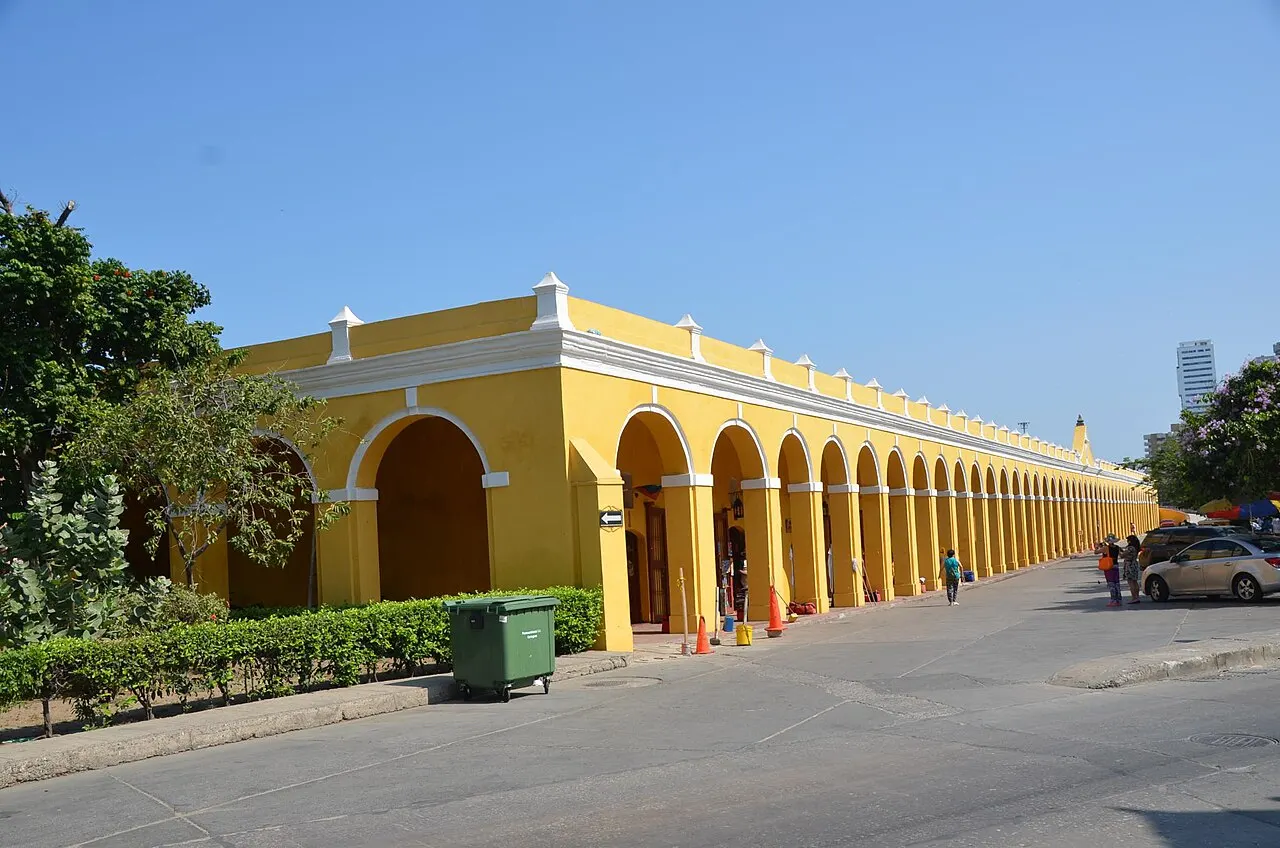
Twenty-three vaults built between 1789 and 1798 inside the wall, at the Baluarte de Santa Clara, to store munitions and later used as a jail. Today they house craft shops, and it's one of the few places downtown where haggling is expected.
The twenty-three vaults from 1789 to 1798 held ammunition and later prisoners, and today hold craft shops: you pass through them for free at the end of the wall walk coming from Santo Domingo, and whatever's left of the visit is bargain-hunting.
Check access
Nilo’s itinerary
Start with the basic programme and choose extensions for the time you have.
Plan my days in the app ↗Day 1 · The city walls at 6:30am, before the heat
6:30am: climb onto the walls at the Baluarte de Santo Domingo and walk to Las Bóvedas before the sun gets strong; free access, about 40 minutes of continuous walkway.
At 9am visit the sanctuary and cloister of San Pedro Claver, then the free Museo del Oro Zenú on Plaza de Bolívar and the Palacio de la Inquisición on the same block.
At 12:30pm have a corrientazo for lunch outside the walls, in La Matuna or Getsemaní, for COP 15,000–28,000.
Rest at the hotel after lunch, while the peak sun lasts from 11am to 3pm, and head out again once it eases.
At 5pm walk through Getsemaní: Calle de la Sierpe, the murals, the church of Santísima Trinidad, from 1643, and Plaza de la Trinidad at nightfall, with a raspao from the cart on the corner.
Day 2 · Forts, the hill and the neighborhoods outside the wall
Go into the Castillo San Felipe de Barajas at 8am, right at opening, including the counter-mine tunnels; set aside 1 hour 30 minutes and bring water.
At 10:30am take a taxi to the Convento de la Popa, at 148 m, with waiting time agreed in advance (about COP 60,000–90,000 for the round trip and wait), to see the bay, the ciénaga and the layout of the center.
At 12:30pm have fried fish with coconut rice and patacón for lunch in Manga or La Boquilla.
At 3:30pm walk past the republican-era mansions of Manga to the Fuerte de San Sebastián del Pastelillo, from 1743.
At 8pm dance champeta at a picó party, if one is on, or at a live music venue in Getsemaní, and head back by app-booked car.


If you stay longer
Day 3 · Water: the bay and the archipelago
Board at 8am at the Muelle de la Bodeguita or the Marina Santa Cruz heading to the Islas del Rosario, 45 minutes to 1 hour 30 minutes by boat, depending on the stop.
Confirm beforehand what's included: the muelle's boarding fee, the Parque Nacional Corales del Rosario entry and lunch are usually charged separately.
For a shorter trip, swap the archipelago for Tierrabomba, 15 minutes by boat from Bocagrande, or for Bocachica, to see the Fuerte de San Fernando (1753–1760) at the mouth of the bay.
Head back to the mainland at 4pm for a shower, before the center fills up with people from 5pm.
Watch the sunset at 6pm from the Baluarte de San Francisco Javier and have dinner in the Centro or in San Diego.
Food
 AI illustration
Arepa de huevo
A fried corn-dough disk, split open and filled with a raw egg that finishes cooking in a second frying. It's a street breakfast, sold from carts from 6am for COP 4,000–8,000; the original version comes from the town of Luruaco, 60 km away.
 AI illustration
Posta negra cartagenera
A cut of beef slow-cooked in a dark sauce of burnt sugar, onion and spices until it's almost black on the outside. It's the lunch dish most associated with the city, served with coconut rice and patacón.
 AI illustration
Coconut rice with titoté
Rice cooked in coconut milk reduced until the coconut caramelizes and darkens. That sweet, toasted residue is the titoté. It accompanies nearly every fried fish on the coast and is the sweet counterpoint to the savory dish.
 AI illustration
Cazuela de mariscos
A stew of shrimp, squid, octopus and fish in a coconut milk base with a touch of brandy, served in a clay pot. A restaurant dish, not a street-stall one; it costs COP 45,000–90,000 downtown.
 AI illustration
Mote de queso
A thick soup of yam (ñame) with salty coastal cheese, garlic and lime juice, of rural origin in Bolívar and Sucre. It appears on the daily menu on Tuesdays and Fridays in many neighborhood restaurants.
 AI illustration
Carimañola and butifarra
The carimañola is a fried cassava-dough fritter filled with ground meat or cheese; the butifarra is a small, round pork sausage from Soledad, sold in pairs with lime juice. Both are street-corner food, from COP 3,000 to 6,000 apiece.
 AI illustration
Fried fish with patacón and bollo
Whole fried snapper or mojarra, with mashed and fried plantain and bollo: cooked corn or cassava dough wrapped in a leaf. It's the standard beach lunch; on the sand it costs COP 45,000–80,000 and the price should be agreed before the fish goes into the pan.
 AI illustration
Raspao, coconut lemonade and Kola Román
The raspao is ice shaved fresh with colored syrup and condensed milk, sold from carts for COP 3,000–6,000; the red syrup is usually Kola Román, a soda created in Cartagena in 1865. Coconut lemonade (lime blended with coconut milk and ice) is the city's lunchtime drink.
Day trips

Islas del Rosario and Playa Blanca (Barú)
An archipelago of about 27 coral islands 20 to 35 km away, inside the Corales del Rosario y San Bernardo National Natural Park, created in 1977; 45 minutes to 1 hour 30 minutes by boat from the Muelle de la Bodeguita. Playa Blanca, on Barú, can also be reached by car, with no line at the dock and no boat package.

San Basilio de Palenque
A village about 50 km southeast, about 1 hour 15 minutes by car, founded by Africans who escaped slavery and recognized by the Spanish Crown in the early 18th century as the first free settlement in the Americas. UNESCO recognized it in 2005 for its oral tradition; visit with a guide from the community.

Volcán del Totumo and the mangroves of La Boquilla
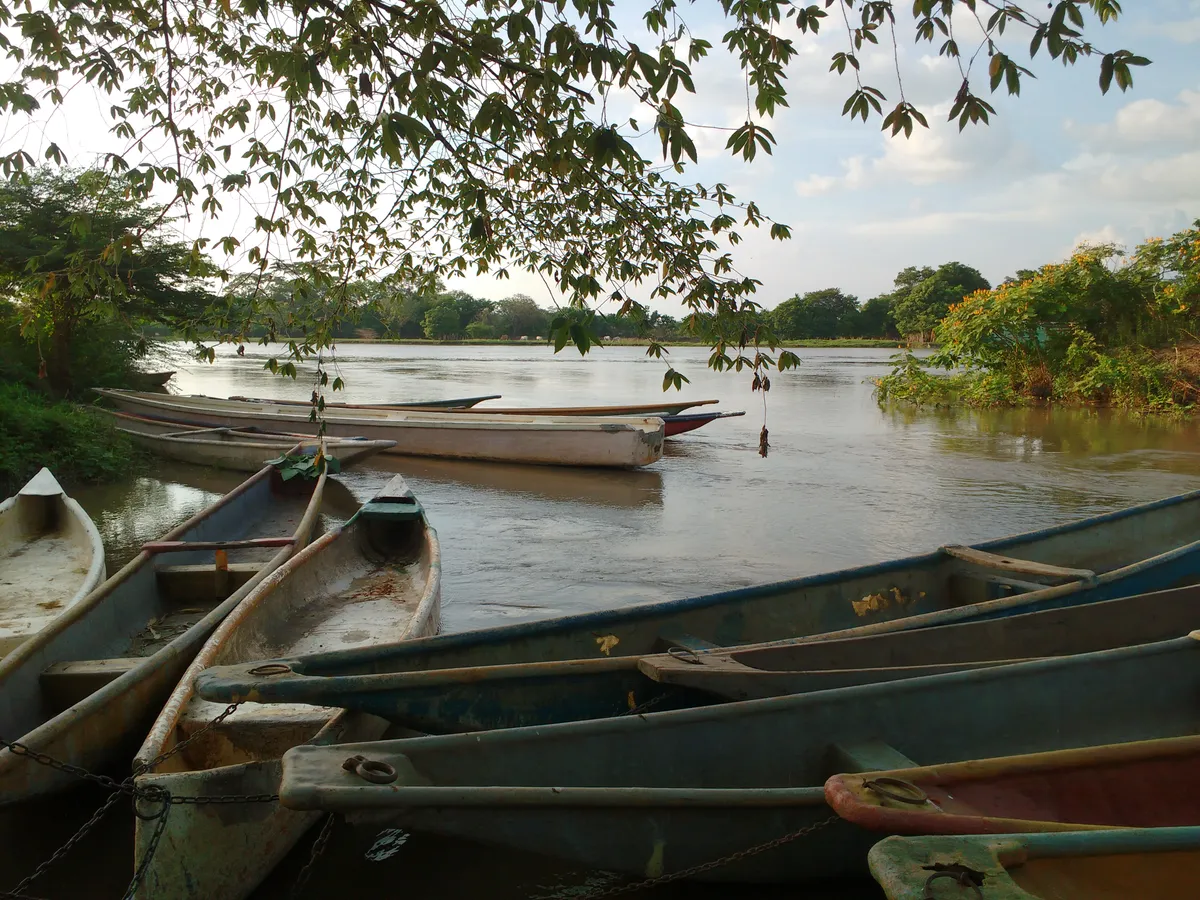
The mud volcano is about 50 km north, about 1 hour by car on the road to Barranquilla: a cone about 15 m high with a crater of thick mud you float in. It's usually paired on the same day with the Ciénaga de la Virgen, in La Boquilla, where fishermen's canoes glide through mangrove tunnels at dawn or sunset.
Where to begin
The city walls at 6:30am, before the heat
6:30am: climb onto the walls at the Baluarte de Santo Domingo and walk to Las Bóvedas before the sun gets strong; free access, about 40 minutes of continuous walkway.
Forts, the hill and the neighborhoods outside the wall
Go into the Castillo San Felipe de Barajas at 8am, right at opening, including the counter-mine tunnels; set aside 1 hour 30 minutes and bring water.
Money
The currency is the Colombian peso (COP), at about 4,000 to the dollar in September 2026. Price ranges: a tinto (small black coffee) on the street COP 2,000–4,000 and at a café COP 6,000–12,000; a “corrientazo”, the set menu of soup, main course and juice, COP 15,000–28,000 outside the walls; a meal at a restaurant in the historic center COP 60,000–150,000 per person; beer from a shop COP 4,000–7,000 and at a bar COP 12,000–20,000; a Transcaribe fare COP 3,900; a city taxi COP 10,000–20,000; a mid-range hotel COP 350,000–700,000 a night, double that in the week around New Year and during the November festivities. Cards are accepted in the historic center, in Bocagrande and in the malls, but bring cash for Bazurto, beaches, street carts, boats and taxis. Withdraw from ATMs inside bank branches or malls, not on the sidewalk at night, and decline when the machine or the merchant offers to charge in dollars or euros, because the conversion comes out worse. The tip is a 10% “propina voluntaria”: under Colombian law the establishment must ask first and itemize it on the bill, and you can say no. Lodging for nonresident foreign tourists is exempt from Colombia's 19% VAT, so check that the hotel applied the exemption when you show your passport with the entry stamp.
Getting there and around
Rafael Núñez Airport, 3 km from the wall
Rafael Núñez International Airport (CTG) is in the Crespo neighborhood, about 3 km from the walls, and is one of the airports closest to a historic center in the Americas: by car, it's 10 to 15 minutes to the Torre del Reloj. At the exit there's an official taxi fare chart posted, and it's worth stopping to read it before agreeing to a price: count on about COP 15,000–20,000 to the center and about COP 20,000–28,000 to Bocagrande. Uber, DiDi and inDrive operate in the city, but usually pick up outside the terminal. The Terminal de Transportes is about 9 km to the southeast, in the opposite direction, and takes 40 to 60 minutes in traffic. From there, buses leave for Barranquilla (about 2 hours), Santa Marta (about 4 hours), Medellín (about 13 hours) and Bogotá (about 18 hours). For Barranquilla and Santa Marta there are also door-to-door vans that pick you up at your hotel and cost more.
Transcaribe runs on a single trunk line
Mass public transport is the Transcaribe, a BRT opened in 2015, with a single trunk corridor along Avenida Pedro de Heredia between the Portal, in the east, and the India Catalina station, on the edge of the historic center, plus feeder routes. The fare rose to COP 3,900 on January 23, 2026 and is paid only with the rechargeable card, with no cash on board. There's a subsidized differential fare for registered students, seniors and people with disabilities, regulated in May 2026. The system doesn't serve the airport or Bocagrande directly. Taxis don't use a meter: agree on the price before getting in, typically COP 10,000–20,000 within the central urban area. The walled enclosure covers about 1 km² and can be crossed on foot in 20 minutes. Getsemaní is a 10-minute walk from the Centro, and Bocagrande 30 to 40 minutes along the Avenida Santander waterfront, which has a bike lane. Bikes work well early in the morning and at night; between 11am and 3pm the heat and lack of shade make pedaling uncomfortable.
Safety
The historic center, Getsemaní and Bocagrande are patrolled and you can walk around them until late, but the main crime is opportunistic theft: phones snatched from hands, backpacks opened in crowds and robberies on empty streets after 2am. Avoid walking on the beach after dark, especially in Bocagrande and Marbella, and don't wander alone and drunk down side streets in Getsemaní in the small hours. Two specific scams deserve attention: drugging with scopolamine in drinks or cigarettes, often linked to dates arranged through apps or to street invitations to “keep the party going”, and the “paseo millonario”, in which an unlicensed taxi takes the victim to withdraw money from several ATMs. So at night, book a car through an app or through your hotel. Drug offers on the street are constant and often come with extortion or a police officer in on it; say no and keep walking, without stopping to explain. Colombia has tough laws against the sexual exploitation of minors (Law 1336) and Cartagena enforces them actively: turn down any approach of that kind and report it. If you want to see the southeastern neighborhoods, go with a local guide, not on your own. Emergencies: 123. Drink bottled water, use insect repellent between May and November because of dengue and chikungunya, and protect yourself from the sun, which is the most likely risk of the trip and hits everyone, every day.
Etiquette tips
Agree on a palenquera photo beforehand
The women in ruffled dresses with bowls of fruit on their heads make their living from photos and don't pose for free. Ask the price before you raise your phone; it's usually COP 10,000–20,000 per photo or per group, and snapping from a distance without an agreement is considered rude.
Agree on the fare before getting in the taxi
Cartagena's taxis have no meters. The right question is “¿a cuánto la carrera hasta…?”, asked through the window before you open the door; once you're sitting down, the negotiation is already lost.
Say hello wherever you walk in
“Buenos días” or “buenas tardes” when you walk into a shop, bakery or doctor's office is a must, and it comes before you ask for anything. Address strangers and older people as “usted”; “vos” and “tú” are for people you already know well.
The 10% tip: the waiter asks before adding it
The waiter will ask, “¿desea incluir la propina?” Saying no is normal and causes no awkwardness, and the amount should appear separately on the bill.
Haggle where haggling is expected
With street vendors, on the beach, at Las Bóvedas and for crafts, the first price is a starting point, and a counteroffer of around half to two-thirds is expected. In restaurants, shops with price tags or pharmacies, you don't haggle, and pushing comes across as aggressive.
Nothing on the beach is “free”
A massage, braids, a bracelet, oysters or a “complimentary” coconut offered on the sand all end in a bill, often per item. Say “no, gracias” without breaking stride, or ask the total price before anything touches you.
Mistakes to avoid
Bocagrande expecting blue water
Booking Bocagrande expecting blue water. Sediment from the Magdalena River, which the Canal del Dique dumps into the bay, leaves the water murky almost all year, and clear sea is found outside the city: at Tierrabomba, 15 minutes by boat from Bocagrande, at the Islas del Rosario, about 20 km away, and at Barú, which can also be reached by car.
Avoid the walls from 11am to 3pm: there's no shade
Scheduling the walk along the wall between 11am and 3pm. There's no shade atop the wall or at the Castillo San Felipe. The workable hours are 6:30am to 9am or after 3pm, when the sun drops, and the difference in heat feels like several degrees.
A cheap tour without asking what's included
Buying the cheapest Playa Blanca tour at the dock without asking what's included. Many packages charge separately for entry to the Parque Nacional Corales del Rosario, the muelle boarding fee and lunch, and stop only at a crowded stretch of beach. Getting to Barú overland on the Anillo Vial, in about 1 hour 15 minutes, sidesteps the whole scheme.
A million people live outside the walled kilometer
Thinking Cartagena is the walled city. The 1 km² historic area has fewer than 10,000 residents. Most of the million inhabitants live outside the walls, mainly to the southeast, and Bazurto, La Boquilla or a picó party explain more about the city than Plaza Santo Domingo.
Sidewalk money changers
Paying in dollars or changing money with a sidewalk changer. Street exchange comes out worse and is the most common setting for fake bills and miscounted change. Use an established exchange house or withdraw pesos inside a bank branch.
Useful phrases
¡Ajá!
“So?”, “right”, “and then?”. The universal connector of the Caribbean coast; it opens, sustains and closes conversation
A la orden
“At your service”: said by vendors, waiters and doormen when they see you and when they thank you; it needs no reply
¿Me regala un tinto?
“Can I get a coffee?”: in Colombia “regalar” is the polite verb for asking and also for buying
¿A cuánto la carrera hasta…?
“How much is the ride to…?”: the phrase said through the window before getting in the taxi
Fresco, hermano
“Relax, brother”: declines and reassures at the same time; used to end a pushy offer
¡Erda! / ¡Eche!
Coastal exclamations of shock or emphasis, equivalent to “wow” and “gosh”
Districts
Historic Center (Centro and San Diego)
The walled enclosure, about 1 km², of narrow streets with wooden balconies and solid-colored facades; San Diego is the northern half, more residential and quieter than the Centro. It concentrates boutique hotels, expensive restaurants, museums and emerald jewelers, and has fewer than 10,000 residents.
Getsemaní
A neighborhood outside the inner wall, historically home to artisans, sailors and free Black people; the November 11, 1811 conspiracy started here, with Pedro Romero's lanceros. Today it's the zone of hostels, bars and murals, with Plaza de la Trinidad serving as a collective living room at night, and a gentrification process that has already pushed out much of the old population.
La Matuna
A strip of offices, banks and popular commerce between the wall and the mainland, built over a lagoon filled in during the 1950s and 1960s, with modernist buildings that clash with the rest. It's where practical things get handled (currency exchange, copies, phones) and where the Transcaribe corridor runs.
Bocagrande, Castillogrande and El Laguito
A modern tourist neighborhood southwest of the center, with malls, restaurants, a gray-sand beach and tall buildings facing the sea. Castillogrande is the upscale residential part; El Laguito, the tip, concentrates large hotels and beach vendors.
Manga
A residential island connected by bridges, with republican-era mansions from the 1910s to 1930s in Caribbean and neo-Mudejar style, marinas and the Fuerte de San Sebastián del Pastelillo, from 1743. It's the neighborhood for walking and looking at civic architecture without the crowds, 15 minutes on foot from the wall.
Pie de la Popa and Torices
Middle- and working-class neighborhoods leaning against the Cerro de la Popa, on the way between downtown and the rest of the city. They concentrate everyday-food restaurants, workshops and the Estadio Once de Noviembre baseball stadium.
Crespo, Marbella and La Boquilla
A coastal strip to the north: Crespo houses the airport, Marbella is the beach most used by locals, and La Boquilla is an Afro-descendant fishing village at the mouth of the Ciénaga de la Virgen, with canoe rides through the mangroves and kitesurfing schools.
Southeast (Olaya Herrera, El Pozón, Nelson Mandela)
The southeastern neighborhoods are home to most of the city's million residents, shaped by rural migration and forced displacement since the 1960s, with shortfalls in running water, drainage and transportation. They're not an area for sightseeing, but they explain the city's social indicators.
History
before 1533 · Calamarí, a Carib village
The shore of the bay was occupied by Carib- and Mokaná-speaking peoples, and the village of Calamarí stood where the walled enclosure sits today. The name Cartagena was given for its resemblance to the bay of Cartagena in Spain.
1533 · Founding by Pedro de Heredia
Heredia founds the city on June 1, 1533, and finances its first years by looting the tombs of the Sinú valley. Zenú funerary gold, melted into bars, paid for the first buildings.
1586 · Francis Drake sacks the city
Drake takes Cartagena with 23 ships and only leaves for a ransom of 107,000 ducats. The Crown responds by sending Italian engineer Battista Antonelli, who begins the bastion system that year.
16th–18th c. · Port of the slave trade
Along with Veracruz, Cartagena was one of the ports authorized to disembark enslaved Africans in Spanish America; the most-cited estimates range from 600,000 to more than a million people. The Jesuit Pedro Claver, who died in 1654, tended to the newly arrived ships and was canonized in 1888.
1610 · Tribunal of the Holy Office
Cartagena receives one of the three tribunals of the Inquisition in Spanish America, alongside Lima and Mexico City. The palace that is now a museum, on Plaza de Bolívar, was completed in 1770.
1697 · The sack by the Baron de Pointis
A French squadron with thousands of men takes the city and carries off the largest plunder of its colonial history. The episode convinces Madrid to rebuild and expand the entire defensive system.
1741 · The siege by Vernon and Blas de Lezo
British admiral Edward Vernon lays siege to Cartagena with about 186 ships and tens of thousands of men, the largest Anglo-American amphibious operation before the 20th century. The defense led by Blas de Lezo holds out for 67 days and the expedition fails.
1771–1778 · Bocagrande's submerged wall
Engineer Antonio de Arévalo closes the bay's northern entrance with a submerged breakwater about 1.1 km long. From then on every ship has to enter through Bocachica, under fire from the Fuerte de San Fernando.
1811–1815 · Independence and Morillo's siege
Cartagena declares absolute independence from Spain on November 11, 1811, which earned it the nickname “La Heroica.” In 1815 Pablo Morillo besieges the city for 105 days, and about 6,000 people starve to death before it surrenders in December.
1870–1930 · Decline and the rise of Barranquilla
Silting in the Canal del Dique and the growth of Barranquilla at the mouth of the Magdalena drain Cartagena's trade; by around 1880, the population falls to about 9,000. The 1894 railway to Calamar and dredging of the canal restore only part of the traffic.
1957–2016 · Refinery, UNESCO and the peace accord
The Mamonal refinery, active since 1957, creates the bay's industrial economy; in 1984 UNESCO inscribes the port, the fortresses and the monumental complex on the World Heritage list. On September 26, 2016 the Colombian government and the FARC sign the peace agreement at the Centro de Convenciones, right against the wall.

Complete history
The bay with two mouths and the 1533 founding
Cartagena exists because of the shape of a bay. The inlet covers about 82 km², is closed off to the west by the island of Tierrabomba and had two entrances (Bocagrande to the north and Bocachica to the south), which made it the best natural harbor between the Isthmus of Panama and the mouth of the Orinoco. Pedro de Heredia founded the city on June 1, 1533, on the Carib village of Calamarí and funded the early years by looting Zenú tombs in the Sinú valley: the funerary gold became bullion and paid for the first stone houses. By the mid-16th century the city was already a mandatory stop for the Flota de Tierra Firme, the annual convoy that carried silver from Potosí to Seville via Portobelo, and the silver stored while waiting to be shipped is what drew pirates and justified the fortifications that came later.
Francis Drake sacks the city in 1586 for 107 thousand ducats
The colonial port held the gold and silver Spain shipped to Europe, and that wealth drew attacks. Francis Drake took the city in 1586 with 23 ships and only left after receiving 107,000 ducats; the Crown reacted by sending Battista Antonelli, who began the bastions that same year. The work took two centuries and was never finished on time: the Baron de Pointis sacked Cartagena in 1697, and in 1741 admiral Edward Vernon besieged it with about 186 ships and tens of thousands of men, the largest Anglo-American amphibious operation before the 20th century. Blas de Lezo, who had already lost an eye, an arm and a leg in other campaigns, held out for 67 days; Vernon had already ordered victory medals struck in London before the outcome. After that, Antonio de Arévalo closed off Bocagrande with a submerged wall built between 1771 and 1778, and the final result was about 11 km of wall, eight forts and the most expensive fortification Spain built in the Americas.
The port of the trade in enslaved Africans
Besides silver, the port of Cartagena received enslaved people. Along with Veracruz, it was one of the ports authorized to land enslaved Africans in Spanish America, and the square in front of the Torre del Reloj, now Plaza de los Coches, served as a market. Estimates of how many people passed through over two and a half centuries range from 600,000 to more than a million, an approximate figure still disputed among historians. The Catalan Jesuit Pedro Claver, who signed his name “slave of the slaves forever”, tended to newly arrived ships until his death in 1654; he was canonized in 1888 and his bones lie beneath the altar of the church that bears his name. At the same time, those who escaped formed palenques in the nearby hills, and San Basilio de Palenque, 50 km away, won recognition from the Crown in the early 18th century and is cited as the first free town of Africans in the Americas. Because of this history, Cartagena today is a majority Afro-descendant city.
Absolute independence in 1811
On November 11, 1811, Cartagena declared absolute independence from Spain, before Bogotá, which is why it's called “La Heroica”. The Spanish response came in 1815: Pablo Morillo besieged the city for 105 days, and about 6,000 people, nearly a third of the population, starved to death before the surrender in December. After the siege, the city kept declining for the rest of the 19th century. The Canal del Dique, opened in 1650 to link the bay to the Magdalena River, kept silting up, and from the 1870s Barranquilla, set right at the river's mouth, took over the trade. Around 1880 Cartagena had about 9,000 inhabitants, fewer than in the 17th century; stretches of the wall were even torn down as a sign of backwardness, and what remained survived partly because there was no money to knock down the rest.
The recovery came through industry, then tourism
The recovery came through industry and then tourism. The Mamonal refinery, operating since 1957, and the petrochemical zone south of the bay gave the city an economy that doesn't depend on visitors; from the 1970s on Bocagrande became a row of hotel and apartment towers on a sand peninsula. In 1984 UNESCO inscribed the port, the fortresses and the monumental complex on the World Heritage list, which froze the downtown architecture and accelerated its conversion into hospitality: the walled enclosure today has fewer than 10,000 residents and receives millions of visitors a year. Cartagena hosted the Non-Aligned Movement summit in 1995, the Summit of the Americas in 2012 and, on September 26, 2016, the signing of the peace agreement with the FARC. The result is a double city: about 1 million people and one of the highest poverty rates among Colombian capitals on one side, 1 km² of 17th-century stone on the other, and a 20-minute bus ride between the two. DANE projects the district's population will start to decline from 2026, reversing half a century of growth and swapping the pressure for new housing for the pressure for services (water, drainage and transport) in the southeastern neighborhoods that grew without a plan between 1960 and 2000.
Geography and shape of the city
The reclaimed islands, the bay and the lagoon
Cartagena sits at sea level on a coastal archipelago stitched together by successive landfills: the historic center occupies two former islands (Calamarí and Getsemaní), Manga and Bocagrande are two other tongues of land, and La Matuna, between the wall and the mainland, is a lagoon filled in during the 1950s. To the west lies the Bahía de Cartagena, about 82 km² enclosed by the island of Tierrabomba, today with a single navigable entrance at Bocachica since Bocagrande was blocked by the submerged breakwater of 1771–1778. To the east, the Ciénaga de la Virgen, a brackish lagoon of about 22 km² connected to the sea at La Boquilla, receives much of the city's wastewater and limits urban expansion on the land side.
The hill and the three overlapping grids
The only relief is the Cerro de la Popa, 148 m, and from the top you can see that the layout has three overlapping logics: the narrow, twisting streets of the walled enclosure, designed for shade and defense; the republican grid of Manga and Pie de la Popa, from the early 20th century; and the unplanned sprawl of the southeast, stretched along Avenida Pedro de Heredia.
The sediment, the rain and the sea
The Canal del Dique dumps sediment from the Magdalena into the far end of the bay, which is why the water off Bocagrande is brown almost all year; the blue only starts about 20 km out, at the Islas del Rosario. The climate is tropical savanna (Aw), averaging about 28 °C every month, with rain concentrated between May and November; heavy downpours turn into “arroyos,” flash floods that race down the avenues because the drainage can't keep up. Cartagena is one of the cities on the continent most exposed to sea-level rise, and part of the Bocagrande waterfront got a coastal protection system of groins and an artificial beach in the early 2020s.
From the top of Cerro de la Popa, at 148 m, you can see the three parts of the city: the walled center, the grid of Manga, and the southeastern sprawl.
Culture
Champeta came from the neighborhood
The music that defines Cartagena is champeta, born in working-class neighborhoods starting in the 1970s when records of Congolese soukous, highlife and African rumba arrived through the port and started playing on picós: giant, hand-painted sound systems with names like El Rey de Rocha, El Coreano and Bombazo. Imitating those records gave rise to champeta criolla, with Viviano Torres, Charles King and Louis Towers in the 1980s and 1990s and, later, Kevin Flórez and Mr. Black. For decades champeta was treated as poor-neighborhood music and barred from downtown venues; today it's officially recognized as intangible cultural heritage of the Nation, and the picó parties in the southeast remain the place where it really happens. Around it also circulate bullerengue, mapalé and cumbia, Afro and mestizo traditions from the same coast.
The city of García Márquez
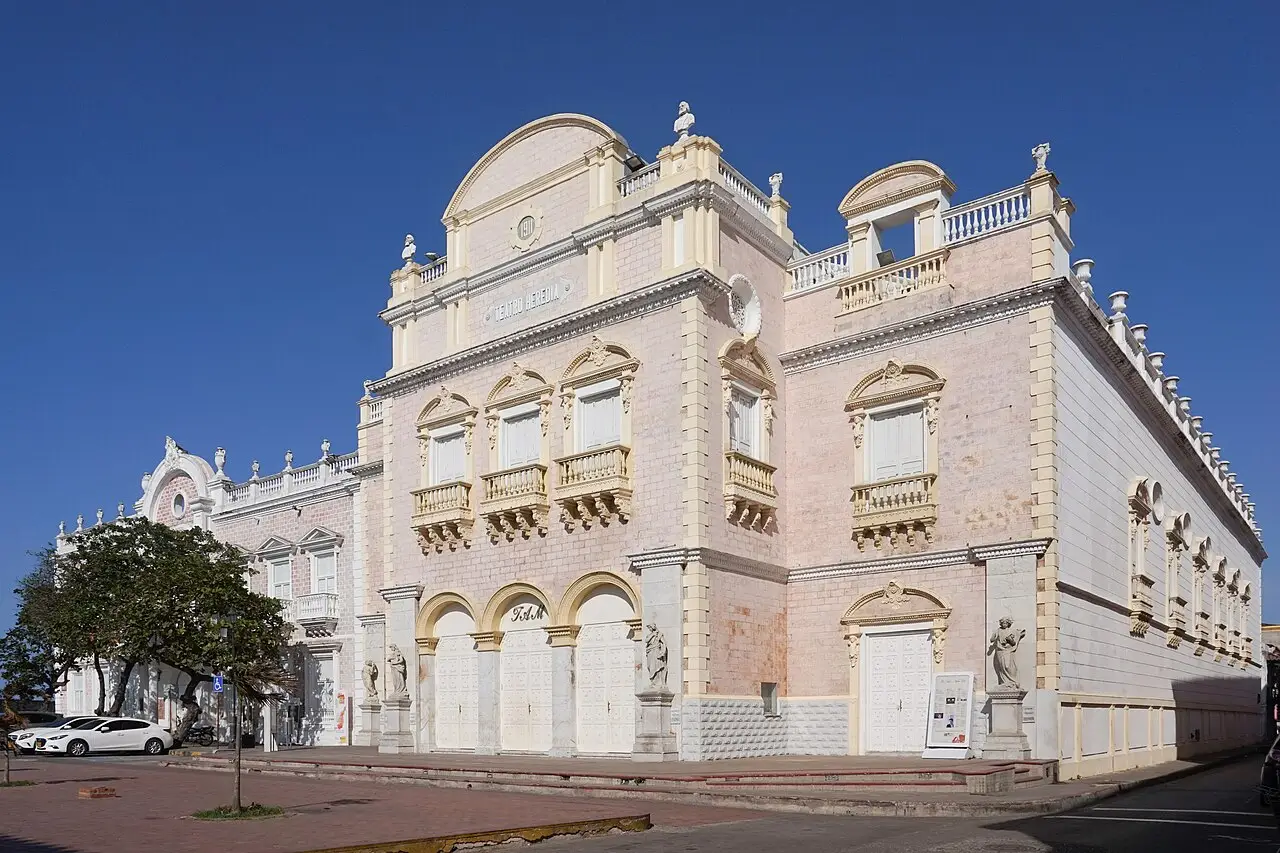
In literature, Cartagena has been Gabriel García Márquez's city since 1948, when he arrived at 21 after the Bogotazo and began writing for the newspaper El Universal. Two of his novels are set here: “Love in the Time of Cholera” (1985), which draws on the late-19th-century port city, and “Of Love and Other Demons” (1994), built around the crypt of the Santa Clara convent. The city has hosted the Hay Festival since 2006, in late January, and the FICCI film festival since 1960, in March. The Teatro Adolfo Mejía, from 1911, is the main venue of the International Music Festival and also hosts FICCI screenings.
The Virgin and the hill
The city's calendar has two big dates: the pilgrimage to the Cerro de la Popa on February 2, feast of the Virgen de la Candelaria, and the November festivities, when the Concurso Nacional de Belleza runs alongside the street parades. The rest of the year, the sport that fills the stands is baseball more than soccer: the Estadio Once de Noviembre hosts Colombia's professional league between October and January, and boxing has a strong tradition on the coast. To get to know the African roots of this culture, go to San Basilio de Palenque, 50 km away, which keeps the Palenquero language, the lumbalú drums and a social organization inherited from colonial maroon communities, recognized by UNESCO in 2005 as a Masterpiece of the Oral and Intangible Heritage of Humanity.
In San Basilio de Palenque, nobody takes lessons to play the lumbalú drums: those who play learned by listening since childhood.
Festivals and events
 AI illustration
Fiestas de Independencia (Fiestas de Noviembre)
Around November 11, the anniversary of the 1811 independence: cabildo parades, comparsas, brass bands in the streets and the Concurso Nacional de Belleza. It's the fullest, loudest week of the year, with hotels booked solid and downtown traffic shut down.
 AI illustration
Hay Festival Cartagena
Late January, usually four days, with writers, journalists and musicians in venues across the historic center and free events in Getsemaní and the neighborhoods. Tickets for the headline sessions sell out weeks in advance.

Festival Internacional de Cine de Cartagena (FICCI)
March, running since 1960: the oldest film festival in Latin America. It combines paid screenings at the Teatro Adolfo Mejía with free outdoor screens in squares and outlying neighborhoods.
 AI illustration
Fiesta de la Virgen de la Candelaria
February 2, preceded by nine days of novena. Thousands climb the Cerro de la Popa on foot, many before dawn and some carrying candles, up to the 1607 convent.
 AI illustration
Festival Internacional de Música
January, classical music in colonial churches, at the Teatro Adolfo Mejía and in squares, with a different country or period each edition. There are free open-air concerts every night of the program.
Books and films
“Love in the Time of Cholera,” Gabriel García Márquez (1985)
Builds a Caribbean port city explicitly modeled on Cartagena, at the moment the Canal del Dique was silting up and trade was migrating to Barranquilla. It explains the smell, the slowness and the elegant decay the historic center still stages.
“Of Love and Other Demons,” Gabriel García Márquez (1994)
Born from a news story about the opening of the crypts at the convent of Santa Clara, in Cartagena, and set in the colonial city of the Inquisition and the slave trade. It's the most direct portrait of the relationship between church power, slavery and African culture in the 18th-century city.
“Cartagena de Indias en la olla,” Teresita Román de Zurek (1963)
The classic cookbook of Cartagena cuisine, reprinted dozens of times since 1963, with posta negra, mote de queso, coconut rice and the Portal's sweets. It works as a record of how the city eats and where each dish came from.
Frequently asked questions
Cartagena: does Bocagrande have blue water?
No: the Canal del Dique dumps the Magdalena River's sediment into the bay, and the water stays murky almost all year. Clear sea is at Tierrabomba, 15 minutes by boat, at the Islas del Rosario, 45 minutes to 1 hour 30 minutes by boat, and at Playa Blanca, on Barú, which can also be reached by car, in about 1 hour 15 minutes via the Anillo Vial.
Cartagena: where's the bus terminal?
The Terminal de Transportes is about 9 km to the southeast, in the opposite direction, and takes 40 to 60 minutes in traffic.
Cartagena: how do you get to the Islas del Rosario and Playa Blanca?
The Islas del Rosario, about 27 coral islands inside a national park, are 45 minutes to 1 hour 30 minutes by boat from the Muelle de la Bodeguita. Playa Blanca, on Barú, can also be reached by car, in about 1 hour 15 minutes via the Anillo Vial.
Cartagena: what's the currency, and how much is the dollar worth?
The currency is the Colombian peso (COP), at about 4,000 to the dollar in September 2026.
Cartagena: what's the climate like through the year?
The temperature barely changes in Cartagena: the average is about 28°C every month, with highs of 31 to 33°C, lows of 24 to 26°C and humidity between 75% and 90%. What changes is the rain: from December to April the trade winds blow, the sky stays clear and it almost never rains, and from May to November it rains in short late-afternoon downpours, with October as the rainiest month. In any season, save outdoor activities for before 11am or after 3pm.
Other cities in the country
Colombia ↗- Days
- 2–3
- When
- Jan–Feb · Jul–Aug
- Per person/day
- Average 239,000 COPMid-range · per person/day
Cost scope
Per person per day: accommodation, meals, urban transport, visits and a small allowance for extras. Flights excluded; larger purchases vary. Editorial estimate, not a quote.
- Days
- 3–4
- When
- Jan–Mar · Jul–Aug · Dec
- Per person/day
- Average 45–90 USDMid-range · per person/day
Cost scope
Per person per day: accommodation, meals, urban transport, visits and a small allowance for extras. Flights excluded; larger purchases vary. Editorial estimate, not a quote.
- Days
- 3–6
- When
- Feb–Apr
- Per person/day
- Explore costsGuide estimate
Cost scope
Per person per day: accommodation, meals, urban transport, visits and a small allowance for extras. Flights excluded; larger purchases vary. Editorial estimate, not a quote.
- Days
- 3–4
- When
- Jan–Apr · Dec
- Per person/day
- Average 151,000 COPMid-range · per person/day
Cost scope
Per person per day: accommodation, meals, urban transport, visits and a small allowance for extras. Flights excluded; larger purchases vary. Editorial estimate, not a quote.


Itineraries through here
 Colombia, Ecuador and Galápagos in 15 daysFrom the Colombian Caribbean to GalápagosCartagena · Medellín · Bogotá · Quito · Puerto Ayora (Galápagos)14–18 days5 cities
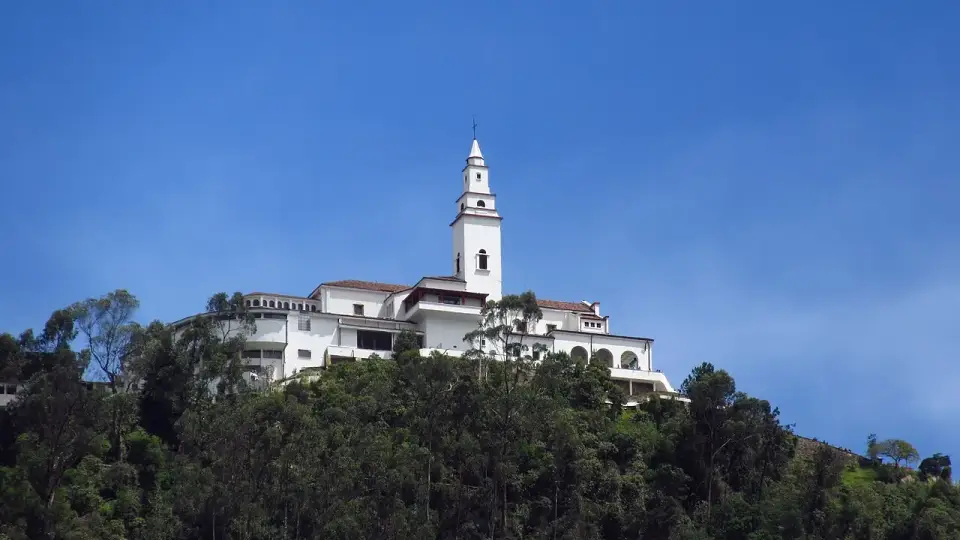
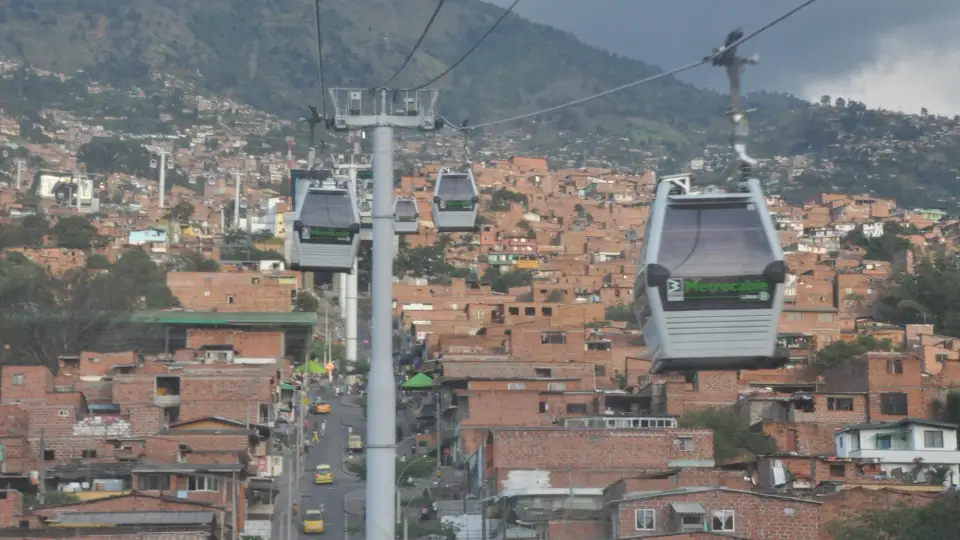
 Colombia in 10 daysCaribbean coast and Andes in ColombiaCartagena · Medellín · Bogotá7–10 days3 cities
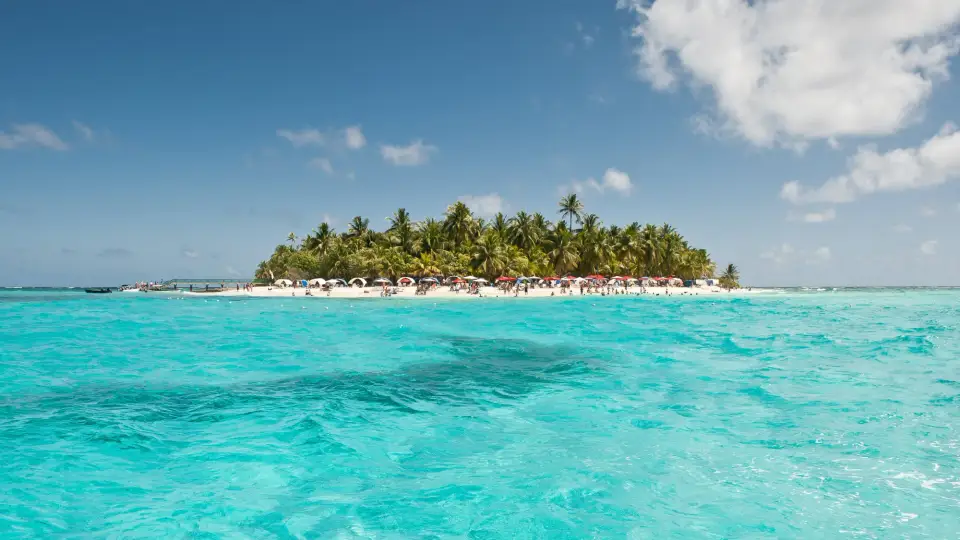
 Cartagena and San Andrés in 7 daysCartagena’s walls, San Andrés’s caysCartagena · San Andrés5–9 days2 cities