Ecuador
Puerto Ayora (Galápagos)
Sea lions, giant tortoises and uninhabited islands
See the 5-day itineraryOpen Puerto Ayora (Galápagos) on the map
Days Start with the basic programme and choose extensions for the time you have.
How the guide reaches this number
With fewer than four, you pay the US$200 entry fee to see little. Don't expect a documentary backdrop on the main avenue, because Puerto Ayora is an ordinary Ecuadorian port, of concrete and dive agencies, and the famous animals are on islands up to two hours away by boat. Those boat trips are where the money goes, and improvising doesn't work: the park sets the routes, and they sell out months in advance. With just one day, book the day trip to North Seymour or Bartolomé and board at 7am. On the way back, around 5pm, have dinner at the kiosks on calle Charles Binford.
5
When December to May (warmer, calmer sea); June to November for more marine life, with fewer people only from September to November
How the guide reaches this number
The year here splits into two seasons. From December to May comes the warm, humid one: 24 to 31°C in the air, 24 to 27°C in the water, short, heavy showers in the early afternoon, clear skies the rest of the day, a calm sea and underwater visibility of 15 to 20 m. From June to November the garúa sets in, the cold mist carried by the Humboldt Current: 19 to 26°C, a sea between 19 and 23°C, a wetsuit that stops being optional, highlands socked in all day and much rougher boat crossings. The payoff is biological: the cold water brings nutrients, so this is when wildlife is most abundant, with whale sharks passing Darwin and Wolf between July and November. High season runs from mid-December to mid-January, plus Holy Week and mid-June to the end of August, when boats and hotels sell out months ahead. May and September give the best balance of price and crowds; September also has the roughest seas, which makes it the worst month if you get seasick.
Per person/day US$90–160 per person on land, not counting boat tours; a 4- to 8-day cruise, US$2,500–6,000
How the guide reaches this number
Per person per day: accommodation, meals, urban transport, visits and a small allowance for extras. Flights excluded; larger purchases vary. Editorial estimate, not a quote.
 What Nilo thinks
Stay five days on land: two in Santa Cruz, one by boat to North Seymour or Bartolomé, one in Isabela, the second inhabited island, and one free, as slack for when the boat runs late. With fewer than four, you pay the US$200 entry fee to see little. Don't expect a documentary backdrop on the main avenue, because Puerto Ayora is an ordinary Ecuadorian port, of concrete and dive agencies, and the famous animals are on islands up to two hours away by boat. Those boat trips are where the money goes, and improvising doesn't work: the park sets the routes, and they sell out months in advance. With just one day, book the day trip to North Seymour or Bartolomé and board at 7am. On the way back, around 5pm, have dinner at the kiosks on calle Charles Binford.In Galápagos, sea lions sleep on the public benches of the port and giant tortoises cross the road in the highlands, because 97% of the land is national park and the animals never learned to fear people. The isolation, about 1,000 km from the coast of Ecuador, produced the finches that Charles Darwin studied in 1835 and the iguanas that dive to eat algae. By boat, the uninhabited islands of North Seymour and Bartolomé have frigatebird and blue-footed booby nests, and you snorkel alongside green turtles. On Santa Cruz, the humid zone has tortoises roaming free on the ranches of Santa Rosa, and at Playa Mansa you swim among marine iguanas. For food, there's tuna encebollado at breakfast and grilled fish at street tables in Puerto Ayora. Come from December to May for calm seas and warmer water, or from June to November, when the cold water brings more wildlife, and set aside five days on land.
Quick facts
- Population
- 28,583 in the province (2022 census); 12,697 in Puerto Ayora, perhaps 15,000 today
- Founded
- Annexed by Ecuador on February 12, 1832; Puerto Ayora grew out of the 1926 Norwegian colony at Bahía Academia
- Country and region
- Ecuador: Galápagos Province, capital Puerto Baquerizo Moreno (San Cristóbal)
- Language
- Spanish; functional English at agencies, on boats, and among naturalist guides
- Currency
- US dollar (US$), adopted in 2000; 15% VAT
- Time zone
- GMT−6, one hour behind mainland Ecuador, no daylight saving
- Best time to visit
- December to May (warmer, calmer sea); June to November for more marine life, with fewer people only from September to November
- Average daily cost
- US$90–160 per person on land, not counting boat tours; a 4- to 8-day cruise, US$2,500–6,000
When to go
December to May (warmer, calmer sea); June to November for more marine life, with fewer people only from September to November
How the year changes
The year here splits into two seasons. From December to May comes the warm, humid one: 24 to 31°C in the air, 24 to 27°C in the water, short, heavy showers in the early afternoon, clear skies the rest of the day, a calm sea and underwater visibility of 15 to 20 m. From June to November the garúa sets in, the cold mist carried by the Humboldt Current: 19 to 26°C, a sea between 19 and 23°C, a wetsuit that stops being optional, highlands socked in all day and much rougher boat crossings. The payoff is biological: the cold water brings nutrients, so this is when wildlife is most abundant, with whale sharks passing Darwin and Wolf between July and November. High season runs from mid-December to mid-January, plus Holy Week and mid-June to the end of August, when boats and hotels sell out months ahead. May and September give the best balance of price and crowds; September also has the roughest seas, which makes it the worst month if you get seasick.
Nilo's tips
Set aside US$200 in bills while still on the mainland
The National Park entry fee, US$200 per adult, is paid in cash at the airport counter, right after landing. Don't count on a card at that counter or on an ATM before it: bring clean bills, already counted, from the mainland.
Set your clock to GMT−6, one hour behind Quito
Flight, boat and dock all follow the islands' schedule, so plan your return around it to avoid missing your flight. The 7am boat leaves at 7am sharp, and dock check-in closes about 20 minutes before, with baggage weigh-in and a name call. Anyone who misses that departure only boards the next one, around 3pm. If you get seasick, avoid September, the roughest month at sea, or pay US$170 to 260 for the leg on the nine-seat plane.
Muelle de los Pescadores fish market between 6am and 10am
That's when the boats come in and the catch is cleaned at the marble counter, with pelicans, herons and a sea lion waiting for the scraps. Arrive around 7am, because by 11am the counter is already empty. Instead of looking at the printed menu, ask what came in that day: whole fried brujo or wahoo in steaks.
Have dinner on Charles Binford: fish for US$12 to 20
There, the fish of the day costs about half the price of the waterfront. From 6pm, the street closes to cars and turns into a row of kiosks with tables on the street. At noon, the eateries off the main avenue serve the almuerzo, with soup, a main and juice, for US$5–8, between 12pm and 3pm. The lobster season changes year to year (in 2026, from August 1 to December 31), and outside it fishing is illegal: decline it even if it's offered.
At Tortuga Bay, go at opening time or after 3pm
At midday the UV index tops 11 and skin burns in twenty minutes. Swim only at Playa Mansa, fifteen minutes past the first beach, and bring water, because nothing is sold along the way.
Split a highlands pickup four ways
A pickup truck for the day costs US$40–60 for up to four people, cheaper than any agency tour of the highlands. Buy the US$10 rubber boots on the avenue the day before and start early at Los Gemelos, before the garúa blots out the view of the craters. Then head to Rancho El Chato or Primicias, where entry costs US$5–10, boots are lent to you and the required distance from the tortoises is 2 m.
Explore the map

© OpenStreetMap · OpenFreeMap · © OpenMapTiles
Explore the map, read about the other places and plan your travel days in the app.
Open the appWhat to see
Puerto Ayora (Galápagos): The islands and the tallest volcano
The archipelago has about 7,880 km² of land spread across a marine area of roughly 45,000 km², and the equator crosses the north of Isabela, right by Ecuador volcano. In Puerto Ayora, Avenida Charles Darwin runs from the Muelle de los Pescadores to the Research Station, with dive shops, restaurants, banks and stores selling rubber boots.

Tortuga Bay
A paved 2.5 km trail starting from calle Charles Binford, open from 6am to 6:30pm, with sign-in at the gate and no fee. The first beach, Playa Brava, has a strong current and isn't for swimming; the second, Playa Mansa, is a shallow lagoon with marine iguanas, mangroves, and small reef sharks.
Two hours round trip with a swim, and it's the only activity in the village that costs nothing. There's no shade along the way: go either early or after three.
Check access
El Chato, Primicias, and El Manzanillo ranches
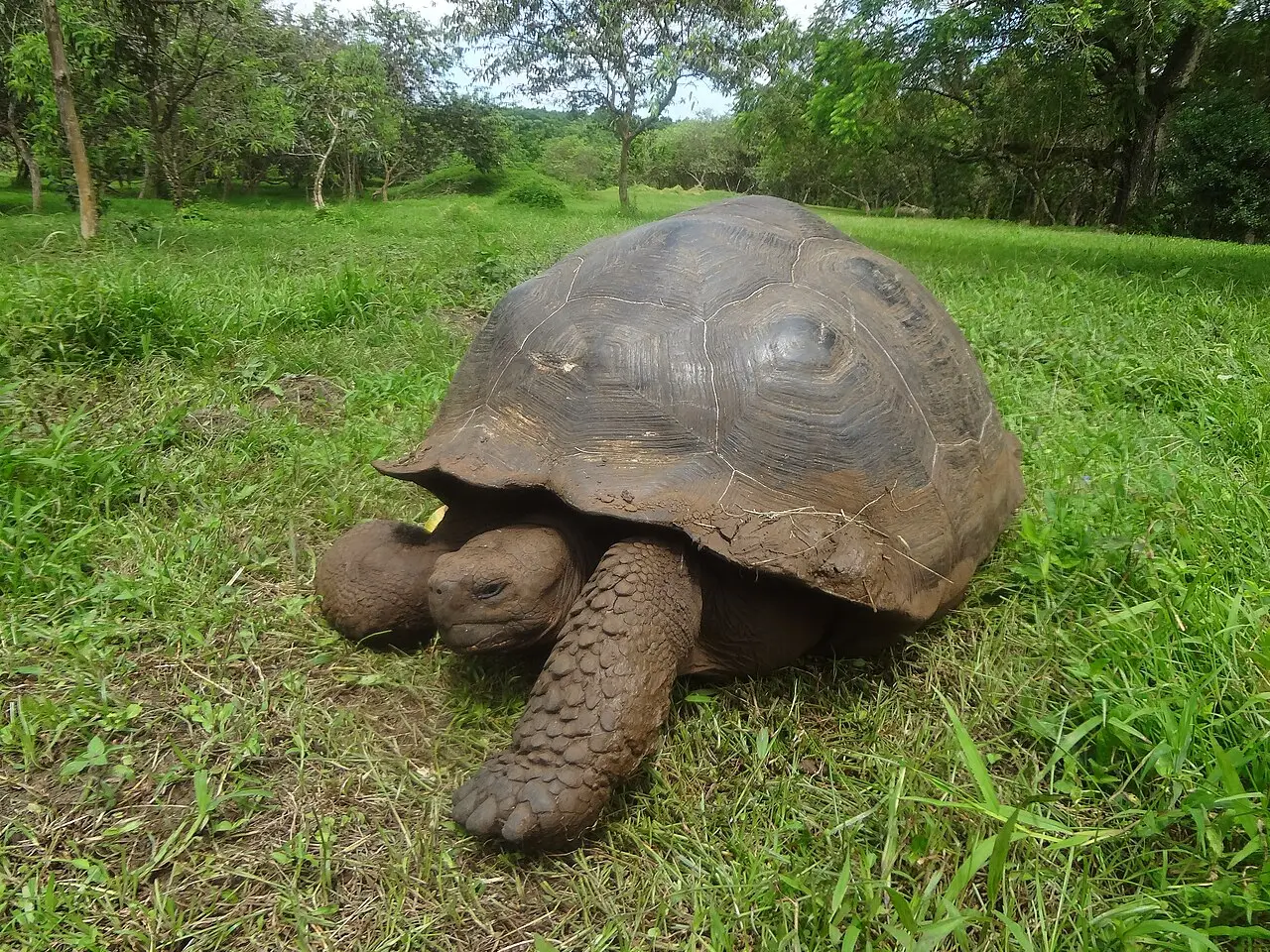
Private farms in the humid zone where wild giant tortoises roam free, especially from June to January. Entry US$5 to 10, rubber boots on loan, and the fixed rule of keeping 2 m away.
This is where you walk among wild giant tortoises, roaming free in the humid zone, especially from June to January, for US$5 to 10 entry and a mandatory 2 m distance. The ranch lends rubber boots, and you'll need them, because the trail is mud almost all year.
Check access

Bartolomé
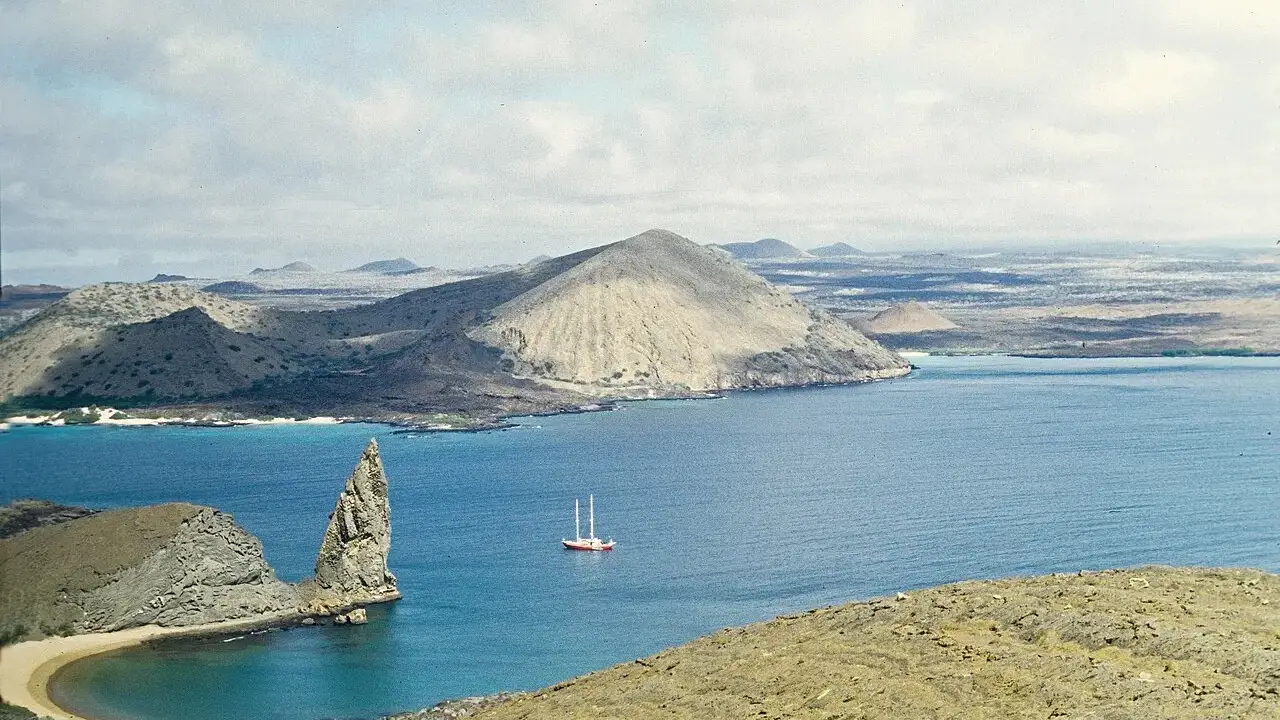
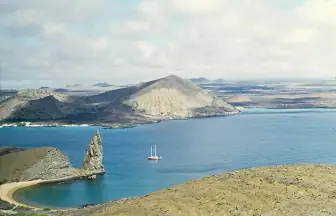
An ash islet with 372 wooden steps up to a viewpoint about 114 m above Pinnacle Rock, a spire once used as a target by American aviators in the 1940s. A full-day tour departing from Santa Cruz, with snorkeling at the base of the rock.
It's US$180 to 260 with a guide, lunch and equipment. Departure around 7am; in the cold season the water gets quite cold, and a wetsuit stops being optional.
Check access

Charles Darwin Research Station and Fausto Llerena Breeding Center
Opened in 1964 at the eastern edge of Puerto Ayora; free entry, an approximately 800 m trail between cacti and pens. Home to the taxidermied body of Lonesome George, the last Chelonoidis abingdonii, who died on June 24, 2012, and was returned to the islands in 2017.
It's the giant tortoise breeding center, with pens and hatchlings along a trail of about 800 m, and it holds the body of Lonesome George, the last Chelonoidis abingdonii. Admission is free, the visit takes an hour and a half and fits in the late afternoon, on the way back from a boat tour.
Check access

Los Gemelos
Two collapse craters more than 30 m deep beside the Santa Rosa road, inside the last large forest of Scalesia, a daisy that evolved on the island into a 15 m tree. It's a good spot to see the pyrocephalus, the endemic red flycatcher.
Start here, while the garúa mist is still low: these are two collapse craters more than 30 m deep inside the last large forest of Scalesia, the daisy that became a 15 m tree on the island.
Check access
Muelle de los Pescadores
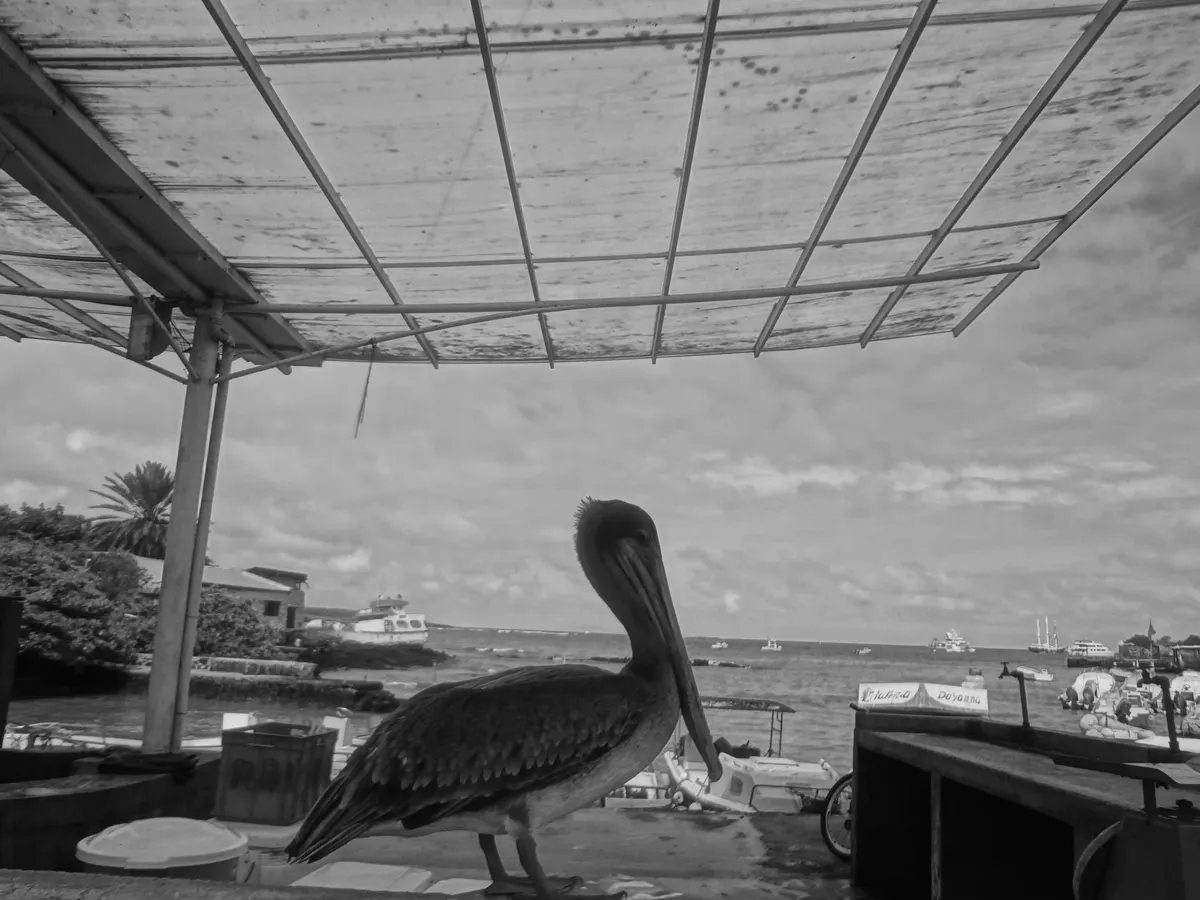
The fish counter at Pelican Bay in central Puerto Ayora, where the catch is cleaned and sold. Pelicans and sea lions may approach the fishermen: activity depends on the boats arriving, so the scene changes from one visit to another.
A short stop on a waterfront walk to watch the fish being cleaned and life on the quay. Activity follows the fishermen arriving; ask locally rather than expecting fish sales or animals at a fixed hour.
Check access

Kicker Rock (León Dormido), San Cristóbal
The remains of a tuff cone split in two, 148 m above the sea, about an hour by boat from Puerto Baquerizo Moreno. The channel between the walls is a spot for hammerhead sharks, green turtles, and rays; entry only with an authorized operator.
It's about an hour by boat from Puerto Baquerizo Moreno, on San Cristóbal (a different island, a different base), and the channel between the two walls can only be entered with a licensed operator.
Check access

Sierra Negra Volcano, Isabela
A caldera about 9 km across, one of the largest on the planet, with its most recent eruption on June 26, 2018. The guided hike runs 16 km round trip from El Cura, crossing lava fields still dark.
The guided hike is 16 km round trip starting from El Cura, on Isabela island: it only fits the schedule for those who spend the night there, because the boat takes 2 to 2 hours 30 minutes and leaves at 7am and around 3pm.
Check access

Las Grietas
A volcanic crevasse flooded with brackish water between walls about 20 m high, on the Punta Estrada side. Reached by water taxi plus a 25-minute walk across a lava field; charges an entry fee of roughly US$10 for foreigners.
It's US$10 entry for foreigners, and getting there is half the experience. An hour and a half round trip, and the swim itself lasts fifteen minutes.
Check access
Nilo’s itinerary
Start with the basic programme and choose extensions for the time you have.
Plan my days in the app ↗Day 1 · Puerto Ayora on foot
Fly into Baltra, pay the US$200 park fee in cash, and make the three-leg trip to Puerto Ayora (bus, ferry, bus), which takes 1 hour to 1 hour 30 minutes.
Drop your bag and walk along Avenida Charles Darwin to the Charles Darwin Research Station: free entry, about 1 hour 30 minutes among the breeding pens and Lonesome George's room.
Buy rubber boots for about US$10 at a shop on the avenue, for the highlands the next day.
Head out at 3pm for Tortuga Bay along the 2.5 km trail; swim only at Playa Mansa and return before closing, at 6:30pm.
Have dinner at the calle Charles Binford stalls, at a table on the street.
Day 2 · The highlands and wild tortoises
Go by the Muelle de los Pescadores fish market at 7am, when the boats come in and pelicans and a sea lion fight over the scraps, and at 8am hire a pickup truck (US$40–60 for the day, split between up to four people) or take the Santa Rosa bus for US$1.
Start with Los Gemelos: it's the first stop on the road and the one the garúa hides if you take too long.
Continue to Rancho El Chato or Primicias and walk among free-roaming giant tortoises: US$5–10, boots on loan, 2 m distance.
Duck into a Bellavista lava tunnel on the way back, US$5–10 and about 30 minutes underground.
End the day at Las Grietas: a US$1 water taxi to Punta Estrada and a 25-minute walk across a lava field.
Day 3 · Uninhabited island: North Seymour or Bartolomé
Book a full-day tour to North Seymour or Bartolomé in advance, US$180–260 with a naturalist guide, lunch, and equipment.
Board around 7am at the pier or the Itabaca Channel, with mineral sunscreen, a hat and water, because nothing is sold on board.
Walk the 2 km trail on North Seymour, among frigatebird and blue-footed booby nests, or, on Bartolomé, climb the 372 steps to the lookout over Pinnacle Rock.
Do the roughly 40-minute snorkel with green turtles and reef sharks; between June and November bring a wetsuit.
Return to the port around 5pm and have your bag packed for the 7am boat to Isabela, whose check-in at the dock closes about 20 minutes before.
Day 4 · Isabela (Puerto Villamil)
Day trip
Puerto Villamil, Isabela's white-sand village, is 2 hours to 2 hours 30 minutes away by boat, leaving early and returning in the late afternoon. It's the base for the guided 16 km round-trip hike to the rim of Sierra Negra, whose 9 km caldera is among the largest in the world and last erupted in 2018. To do the hike without rushing, spend the night on the island, and on arrival pay the US$10 municipal fee.
Day 5 · Free day
Free day: use it to rest, go back to the place you liked most or cover a setback.


Food
 AI illustration
Encebollado
A fresh tuna soup with cassava and red onion cured in lime, finished with cilantro and fried plantain chips on top. Real Ecuadorian breakfast, served from 7am to noon; US$3–5.
 AI illustration
Ecuadorian ceviche
Different from the Peruvian kind: fish or shrimp in a cold lime broth with tomato and onion, almost a soup, served with plantain chips and toasted corn on the side. Shrimp runs US$8–14.
 AI illustration
Almuerzo
The fixed midday menu, with rice and fish or chicken, served from 12 noon to 3pm.
 AI illustration
Calle Binford food stalls
Fish, shrimp and lobster of the day grilled at street tables, from 6pm onward. A whole lobster costs US$25–40, but it can only be served during the open fishing season, whose dates change from year to year; outside of it, decline it.
 AI illustration
Brujo and wahoo
The fish changes with the day's catch: better to ask than trust the printed menu alone.
 AI illustration
Bolón de verde
A ball of mashed green plantain with pork cracklings or cheese, fried and served for breakfast with egg and brewed coffee. US$2–3, on any corner before 10am.
 AI illustration
Galápagos coffee
Arabica grown in the highlands of San Cristóbal and Santa Cruz since the late 19th century, in volcanic soil above 300 m. Sold roasted in the shops of the port; an espresso costs US$2–3.
 AI illustration
Naranjilla, mora, and passion fruit juices
The fruit arrives by boat from the mainland twice a week, which explains the price. Naranjilla is tart and yellow-green, and comes with the almuerzo by default.
Where to eat
- Almar Seafood & Grill · Avenida Charles Darwin, inside Red Mangrove · $$$
Seafood served over the bay's water, with more than 80% of ingredients sourced on Santa Cruz; grilled lobster with tangerine butter is the most ordered dish.
Source · 2026-09-28
- La Garrapata · Avenida Charles Darwin · $$
Ceviche and the catch of the day on an open porch facing the street, priced below the waterfront average.
Source · 2026-09-28
- TJ Restaurante Galápagos · Avenida Charles Darwin · $
Local cooking with fish, shrimp and lobster at neighborhood prices, off the busiest tourist stretch of the waterfront.
Source · 2026-09-28
- Los Kioskos · Calle Charles Binford (Los Kioskos) · $
Stalls side by side grill fish bought at that morning's market; the street closes to cars and tables fill the asphalt at night.
Source · 2026-09-28
$: up to US$8, a stall or kiosk · $$: US$8-25 per dish · $$$: above US$25, or lobster · 2026-09-28
Day trips
Isabela (Puerto Villamil)
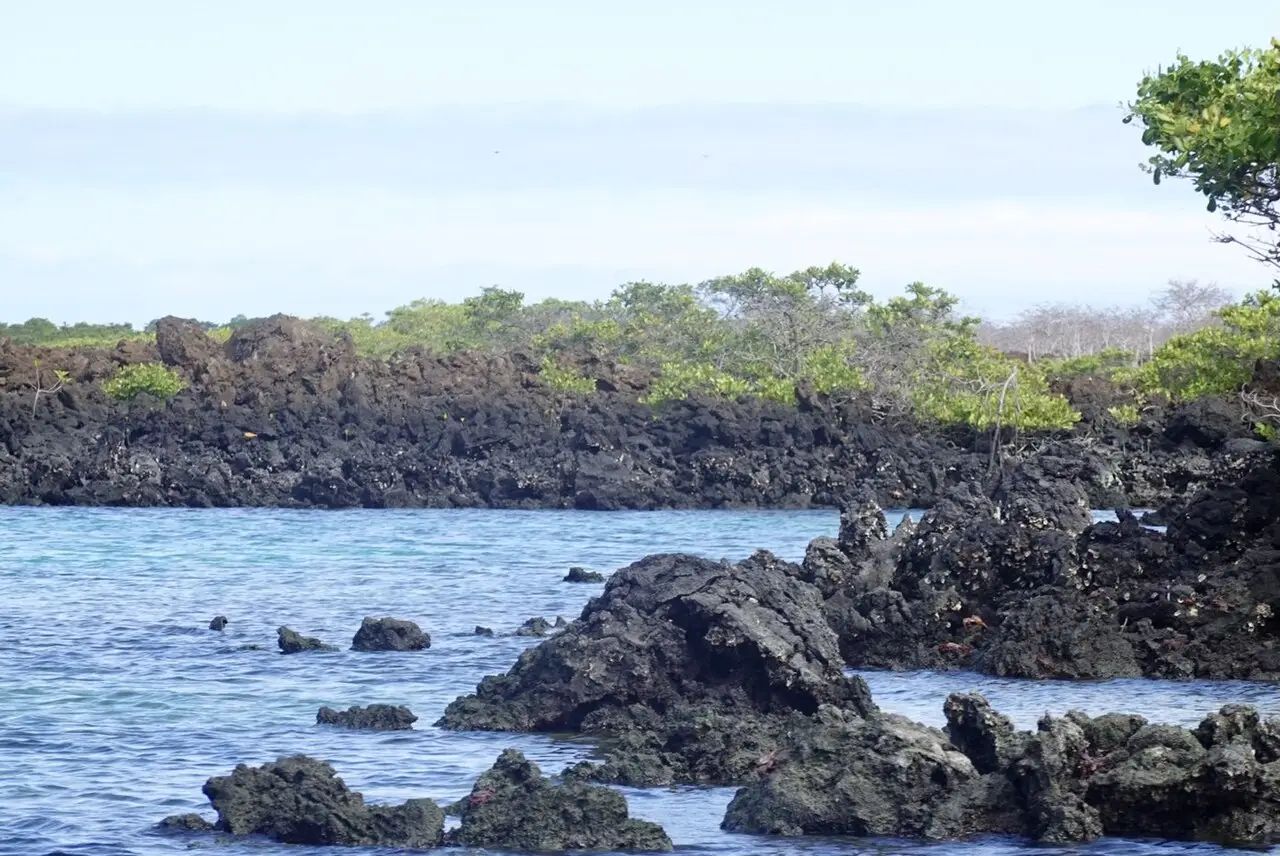
Puerto Villamil, Isabela's white-sand village, is 2 hours to 2 hours 30 minutes away by boat, leaving early and returning in the late afternoon. It's the base for the guided 16 km round-trip hike to the rim of Sierra Negra, whose 9 km caldera is among the largest in the world and last erupted in 2018. To do the hike without rushing, spend the night on the island, and on arrival pay the US$10 municipal fee.

San Cristóbal (Puerto Baquerizo Moreno)
2 hours by boat to the provincial capital: the Interpretation Center, the Cerro Tijeretas viewpoint, El Junco freshwater lagoon at about 700 m elevation, and diving at Kicker Rock, an hour by boat from the village.
North Seymour or Bartolomé
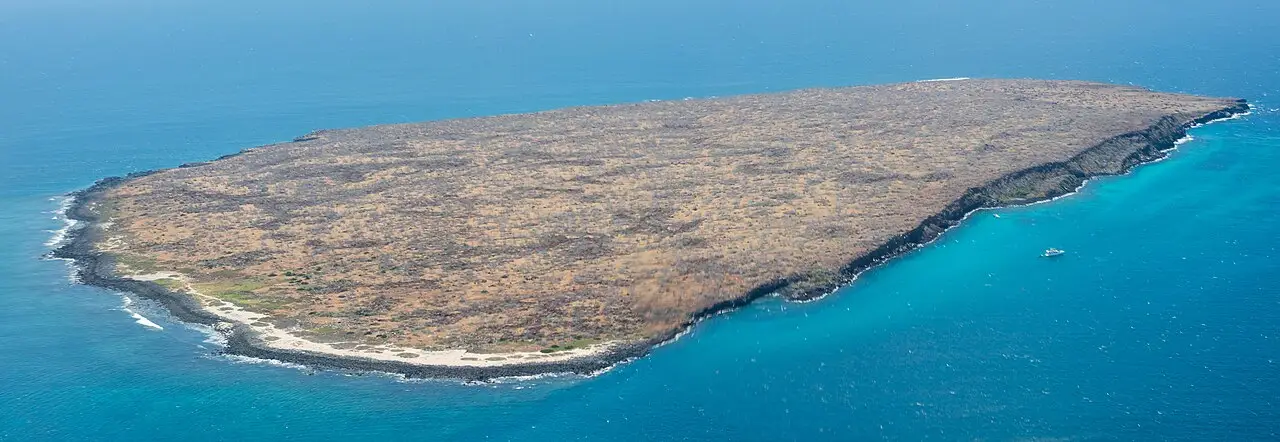
A day trip by boat from Santa Cruz, with 45 minutes to 2 hours of sailing, for US$180–260 with a guide, lunch and snorkeling. Choose North Seymour for the bird colonies and Bartolomé for the lookout view over Pinnacle Rock. Book in advance, because the park sets the routes and spots sell out months ahead.
Where to begin
Puerto Ayora on foot
Fly into Baltra, pay the US$200 park fee in cash, and make the three-leg trip to Puerto Ayora (bus, ferry, bus), which takes 1 hour to 1 hour 30 minutes.
The highlands and wild tortoises
Go by the Muelle de los Pescadores fish market at 7am, when the boats come in and pelicans and a sea lion fight over the scraps, and at 8am hire a pickup truck (US$40–60 for the day, split between up to four people) or take the Santa Rosa bus for US$1.
Uninhabited island: North Seymour or Bartolomé
Book a full-day tour to North Seymour or Bartolomé in advance, US$180–260 with a naturalist guide, lunch, and equipment.
Money
The currency is the US dollar, adopted in 2000, and Ecuadorian centavo coins circulate with the same value and size as American ones, easy to mix up for days. Almost everything costs 30 to 60% more than on the mainland because it arrives by boat from Guayaquil. Price benchmarks: coffee US$2–3; almuerzo US$5–8; fish dinner at the street stalls US$12–20, with lobster US$25–40; beer US$3–5; hostel US$25–45; midrange hotel US$80–150; full-day trip to an uninhabited island US$180–260; two tank dives US$180–250; a 4- to 8-day cruise US$2,500–6,000 per person. There are Banco del Pacífico and Pichincha ATMs in Puerto Ayora and Puerto Baquerizo, with low withdrawal limits and frequent cash shortages in high season, so bring dollars from the mainland in small bills, and keep the US$200 for the park set aside, because payment on arrival doesn't reliably accept cards. Cards work at hotels and agencies, almost always with a 4 to 12% surcharge; VAT is 15% and is usually included. Tipping isn't mandatory: a 10% service charge already appears on restaurant bills, and on cruises the norm is US$10–25 per person per day, split between guide and crew.
Getting there and around
No international flights: arrive via Quito or Guayaquil
There are no international flights to Galápagos, so the route goes through Quito (UIO) or Guayaquil (GYE), on Avianca or LATAM, about 2 hours from Guayaquil and 3 hours from Quito counting the stopover. Before check-in, your luggage goes through the ABG biosecurity inspection, and you must register the INGALA Transit Control Card, US$20 per person, done online since 2025. On arrival, the National Park fee is paid in cash at the airport counter: US$200 per foreign adult, US$100 for children under 12, with reduced rates for Ecuadorians and citizens of the Andean Community (CAN) and Mercosur. From Baltra to Puerto Ayora takes three legs: a bus to the Itabaca Channel (US$5), a five-minute ferry (US$1) and a bus or pickup along the 42 km road (US$5 by bus, about US$25 by pickup), 1 hour to 1 hour 30 minutes in all. If you land on San Cristóbal, you walk ten minutes from the airport to town and won't understand what everyone else is complaining about.
A white pickup truck with a fixed fare, no app
Within Puerto Ayora everything is walkable, and taxis are white pickup trucks with fixed fares of US$1 to 2 in town and about US$25 to the channel. There's no ride-hailing app. The water taxi across Academy Bay costs US$1 by day, leaves from the Muelle de los Pescadores at any time and costs a little more at night. Between the inhabited islands there are speedboats of 2 hours to 2 hours 30 minutes, with fixed departures at 7am and around 3pm and fares of US$35 to 60 per leg (the fare was raised in August 2026 and runs around US$50), plus US$1 to 2 for the water taxi at each end and a US$10 municipal fee when entering Isabela. If you get seasick, consider the nine-seat planes linking Baltra, San Cristóbal and Isabela, at US$170 to 260 per leg. Bikes rent for US$10–15 a day, and the only public transportation besides the airport bus is the vans and buses to Bellavista and Santa Rosa, US$1 with few departures.
Safety
Violence isn't the issue in Galápagos: crime rates are among the lowest in Ecuador, and the islands have stayed out of the security crisis that has hit Guayaquil and the mainland coast since 2023–24. If there's anywhere to be careful, it's during your connection on the mainland, not here. What hurts people is the environment. The sun sits right over the equator and the UV index tops 11 at midday, so a serious burn takes twenty minutes, and sunscreen has to be mineral, without oxybenzone, to protect the reefs. Playa Brava, at Tortuga Bay, has a rip current and isn't for swimming, unlike Playa Mansa, fifteen minutes farther along. Male sea lions defend their territory and bite anyone who gets close to females or pups; iguanas and tortoises don't attack, but stepping on a nest is an environmental offense. Tap water is brackish and not safe to drink, so drink filtered water, sold by the jug all over town. Theft is rare and almost always means a bag left alone on the beach. Medical care is basic: there are hospitals in Puerto Ayora and Puerto Baquerizo Moreno and a hyperbaric chamber in Puerto Ayora, but serious cases are flown out to Guayaquil, which makes travel insurance with evacuation coverage all but mandatory if you dive.
Etiquette tips
Two meters from any animal
Stay two meters from any animal, always, as the park requires: don't touch, don't feed, don't use flash and don't block an animal's path. If a sea lion is lying in the middle of the sidewalk, you're the one who steps around.
Don't leave the marked trail
At visitor sites, walk only on the marked trail and always with a certified naturalist guide. The volcanic ground is fragile, and booby nests sit on the ground, a few centimeters from your feet.
Nothing leaves the island
Taking sand, a shell, lava rock, bone, or coral is an offense, and luggage is searched on the way out too. On the way in, the reverse applies: no seeds, fresh fruit, plants, or meat.
Disposable plastic has been banned since 2015
Bags, straws, and styrofoam don't circulate on the islands. Bring a reusable bottle and refill it at filtered-water stations in hotels and agencies, almost always free.
Greet before asking the price
“Buenos días” or “buenas tardes” opens any conversation in a shop, at a food stall or at a travel agency counter. Leading with the price sounds curt and usually gets you equally curt service.
Boat times are literal
Here the announced hour is the real hour, and the pier calls out names. Arrive with time to spare: missing the departure means missing the day.
Mistakes to avoid
US$200 at the counter, in clean bills
Landing without cash. The US$200 park fee is collected as soon as you get off the plane, always in bills, and there's no reliable ATM before that point. A card won't help at that counter, so bring the bills set aside from the mainland.
Forgetting the one-hour time difference
Planning your return by mainland time. Galápagos is one hour behind Quito, and anyone who times the ride to Baltra airport by the mainland clock gets the time wrong and can miss the flight.
A cheap cruise haggled at the dock
Counting on a cheap “last-minute cruise” haggled at the dock. That worked in the 2000s; today a discount, when there is one, runs 10 to 20%, never close to half.
Spending the whole trip in Puerto Ayora
Staying only in Puerto Ayora and never setting foot on an uninhabited island. The sea lions on the port benches can be seen for free, but the bird colonies are on islands 45 minutes to 2 hours away by boat, on a full-day guided tour for US$180–260. Albatross, flightless cormorant and red-footed booby live on even more distant islands, like Española, Fernandina and Genovesa, which the one-day tour from Santa Cruz doesn't reach: to see them, you need a cruise.
Up top it's 15°C and the ground is mud
Heading to the highlands in shorts and sneakers when the garúa sets in. Up there it's 15 to 18°C and a fine rain falls all day; the ground turns to mud. Rubber boots cost about US$10 on the avenue: they're the most useful purchase for that climb.
Useful phrases
¿A qué hora sale la lancha?
What time does the boat leave? The most useful question in the archipelago
Un almuerzo, por favor
One almuerzo, please: the fixed menu: soup, main course, and juice
¿Se puede nadar aquí?
Can you swim here? The answer changes from beach to beach
Estoy mareado
I'm seasick: the survival phrase for the two-hour crossings
¡Qué chévere!
How cool: the most common positive adjective in Ecuador
Ñaño / ñaña
Brother / sister, also used between friends and coworkers
Where to stay
- Avenida Charles Darwin · A short first trip, everything on foot · $$: It gathers the tour agencies, the water-taxi dock and the waterfront restaurants within a few minutes' walk. It is also the priciest stretch and the noisiest at night.
- Punta Estrada · Quiet, and the town's only public beach · $$$: It sits across the bay, a five-minute, one-dollar water-taxi ride away, next to Playa de los Alemanes. The crossing also keeps the agencies and the downtown noise at a distance.
- Pelican Bay · Close to downtown without sleeping on top of it · $$: It occupies the first block behind the waterfront, with gardens and fewer corner bars than Charles Darwin Avenue, a five-minute walk from the main dock.
- Avenida Baltra · A tight budget, and an early bus to the airport · $: It has the town's cheapest hostels, farther from the waterfront but close to the bus terminal for Baltra and to the Charles Darwin Research Station.
$: hostel bed, US$25-45 · $$: mid-range hotel, US$80-150 · $$$: above US$150 a night · 2026-09-28
Districts
Avenida Charles Darwin (Puerto Ayora)
The main street, running from the Muelle de los Pescadores to the Research Station: dive shops, restaurants, banks, and stores selling rubber boots. Everything is walkable, twenty minutes end to end.
Muelle de los Pescadores (Pelican Bay)
The pier and the open-air fish market, where pelicans and a resident sea lion wait leaning against the cleaning counter.
Barrio Central and calle Charles Binford
The residential area just behind the avenue, and where locals go for dinner.
Punta Estrada
Across Bahía Academia, reachable only by water taxi (US$1, five minutes). It concentrates the pricier hotels, Playa de los Alemanes, and the lava trail to Las Grietas.
Bellavista
A farming village 7 km from the port and 200 m above it, already in the humid zone. Base for the lava tunnels and the way to the tortoise ranches; it has a school, an ecuavóley court, and little else.
Santa Rosa and El Cascajo
The highlands, 15–20 km up, with coffee, cattle, and banana farms, the wild tortoise ranches, and the Los Gemelos craters.
Puerto Baquerizo Moreno (San Cristóbal)
Provincial capital since 1973, about 7,000 residents, more administrative and quieter than Puerto Ayora. Sea lions take over the boardwalk, the steps, and the public benches without ceremony.
Puerto Villamil (Isabela)
A white-sand village with unpaved streets and about 2,500 residents, at the foot of Sierra Negra volcano. Charges a US$10 municipal fee on arrival and turns its lights off early.
History
1535 · Berlanga arrives by accident
On March 10, the Bishop of Panama Tomás de Berlanga is carried off course by the current on his way to Peru and lands on islands with no fresh water. His account to the king describes giant tortoises and gives rise to the name “Galápagos,” an old Spanish word for a riding saddle shaped like their shell.
17th–18th c. · Buccaneers and whalers
The islands become an English hideout and a pantry: between 100,000 and 200,000 giant tortoises are carried off alive because they could survive months in the hold without water or food. In 1793 Captain James Colnett sets up the mail barrel at Bahía del Correo, on Floreana, still in use today.
1832 · Annexation by Ecuador
On February 12, Colonel Ignacio Hernández takes possession of the archipelago in the name of Ecuador, two years after the country split from Gran Colombia. José de Villamil sets up the first penal colony on Floreana.
1835 · The Beagle's five weeks
Darwin lands on September 15 and departs on October 20, visiting San Cristóbal, Floreana, Isabela, and Santiago. Only in 1837, in London, does ornithologist John Gould show that the birds Darwin had mixed together were in fact distinct species from the same group.
1926–1934 · European settlers and the Floreana affair
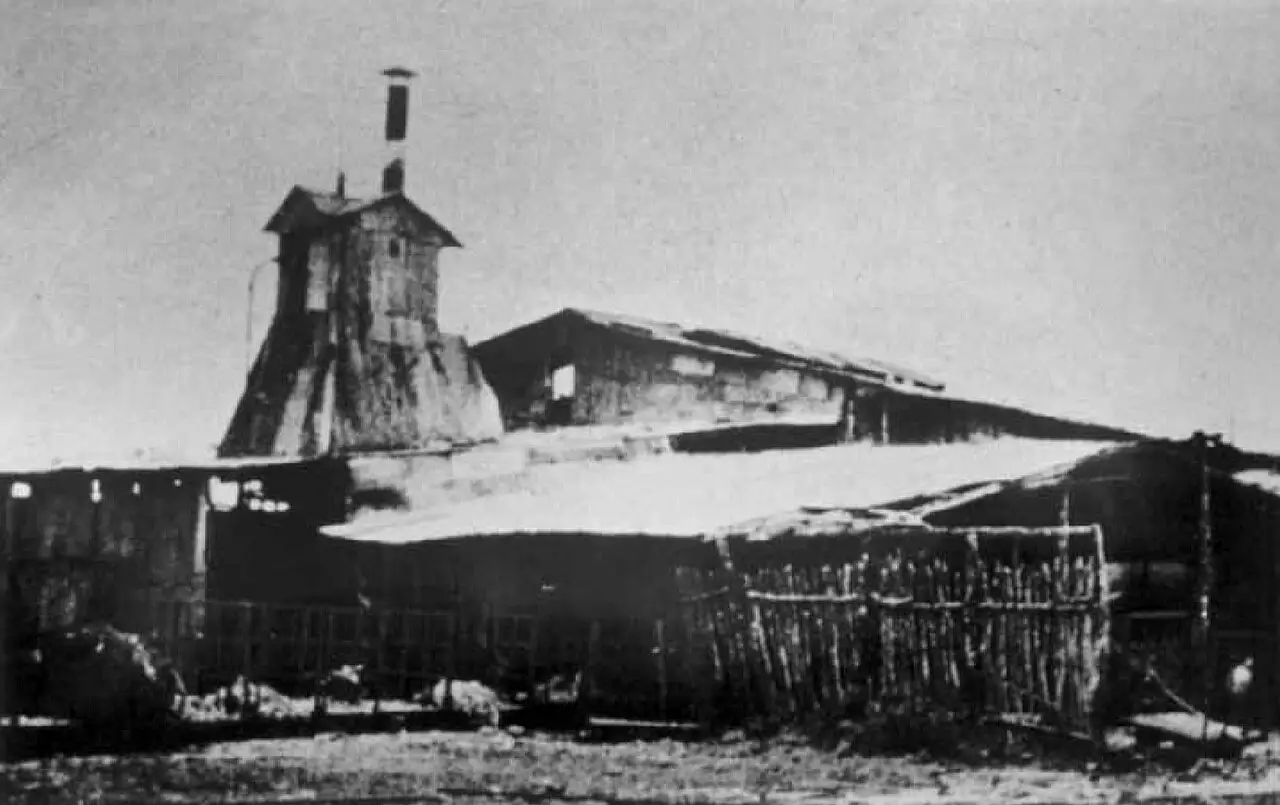
Norwegian cooperatives attempt canning factories on Floreana and Santa Cruz, and nearly all fail; those who stay at Bahía Academia form Puerto Ayora, named for President Isidro Ayora. On Floreana, between 1929 and 1934, physician Friedrich Ritter, the Wittmer family, and an Austrian woman who called herself a baroness are at the center of two deaths and two disappearances never explained.
1942–1946 · US air base at Baltra
The United States builds a base on Baltra to protect the Panama Canal, with a runway, a cinema, and thousands of soldiers. Handed to Ecuador in 1946, the runway became the Seymour airport, the entry point for most visitors to this day.
1959 · National Park and the Darwin Foundation
On the centenary of On the Origin of Species, Ecuador declares 97% of the land area a national park, and the Charles Darwin Foundation is created in Brussels. That same year the Isabela penal colony, whose prisoners had built the Wall of Tears between 1945 and 1959, closes.
1964–1969 · Science and the first cruises
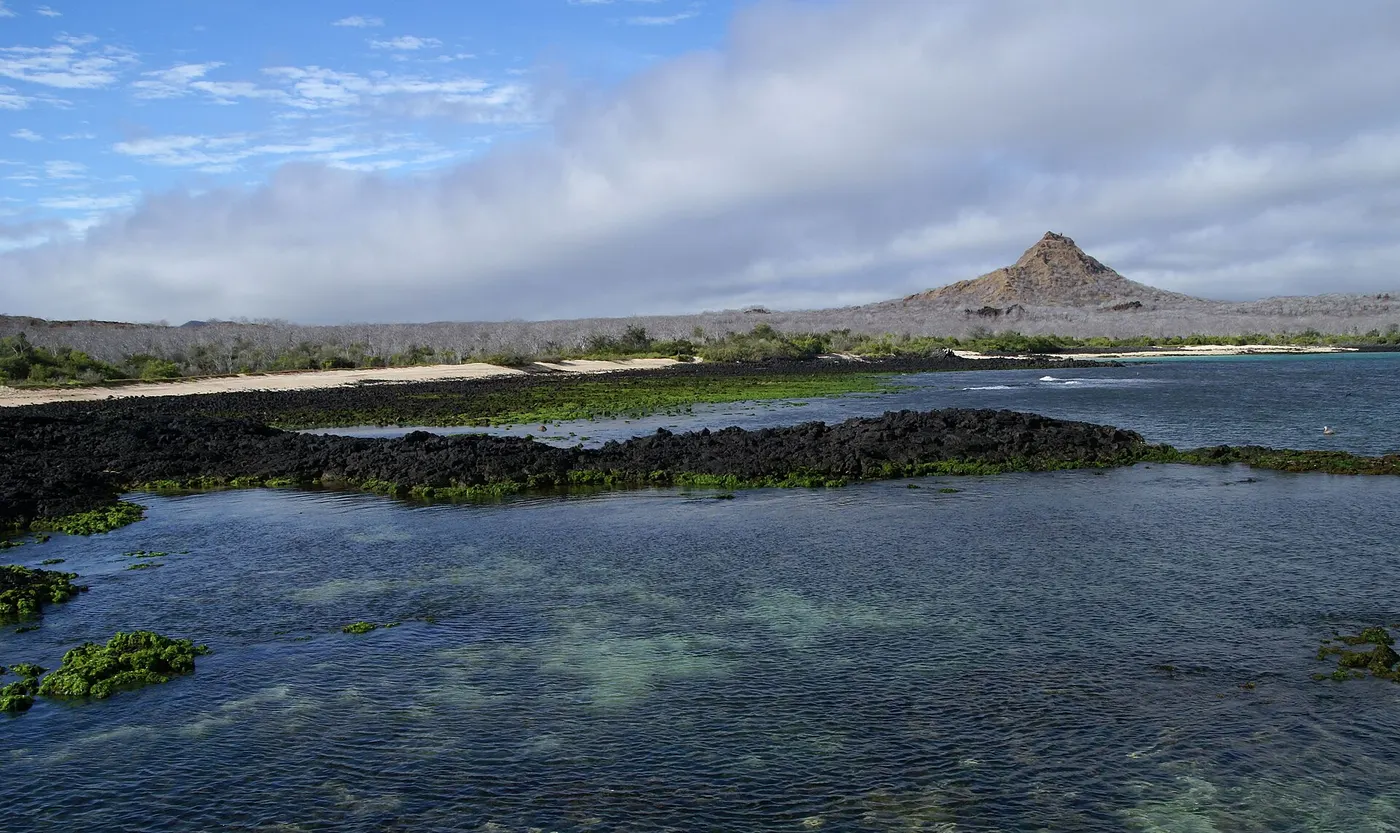
The Charles Darwin Research Station opens in Puerto Ayora, with the captive-breeding program that has since returned thousands of tortoises to the islands. Organized tourism begins in 1969, with two boats and routes set by the park.
1973 / 1978 · Province and World Heritage status
Galápagos becomes a province of Ecuador on February 18, 1973, with its capital in Puerto Baquerizo Moreno. In 1978 it enters UNESCO's very first World Heritage list.
1998 · Special Law and marine reserve
The Galápagos Special Law creates a 138,000 km² marine reserve, bans industrial fishing, and restricts residency to those already living on the islands. The measure follows a decade of conflict with sea cucumber fishing, which at one point occupied the research station.
2007–2010 / 2022–2024 · Danger, delisting and a new fee
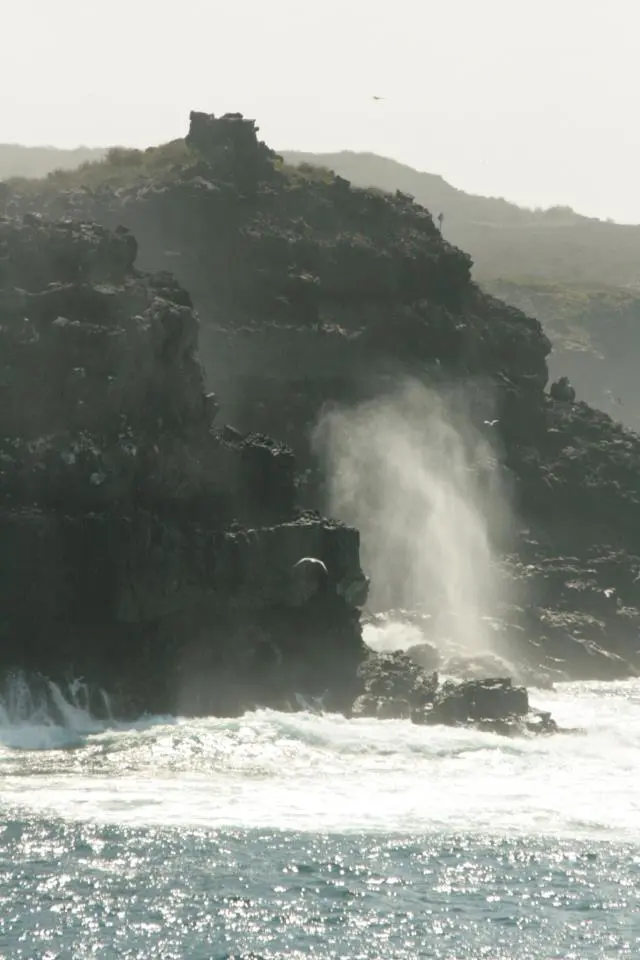
UNESCO places the islands on the List of World Heritage in Danger in 2007 over population growth, and removes them in 2010. In January 2022 the Hermandad Reserve is created, adding 60,000 km²; in May 2023 Ecuadorian debt is swapped for conservation in the largest such deal ever done, and on August 1, 2024, the entrance fee doubles to US$200.
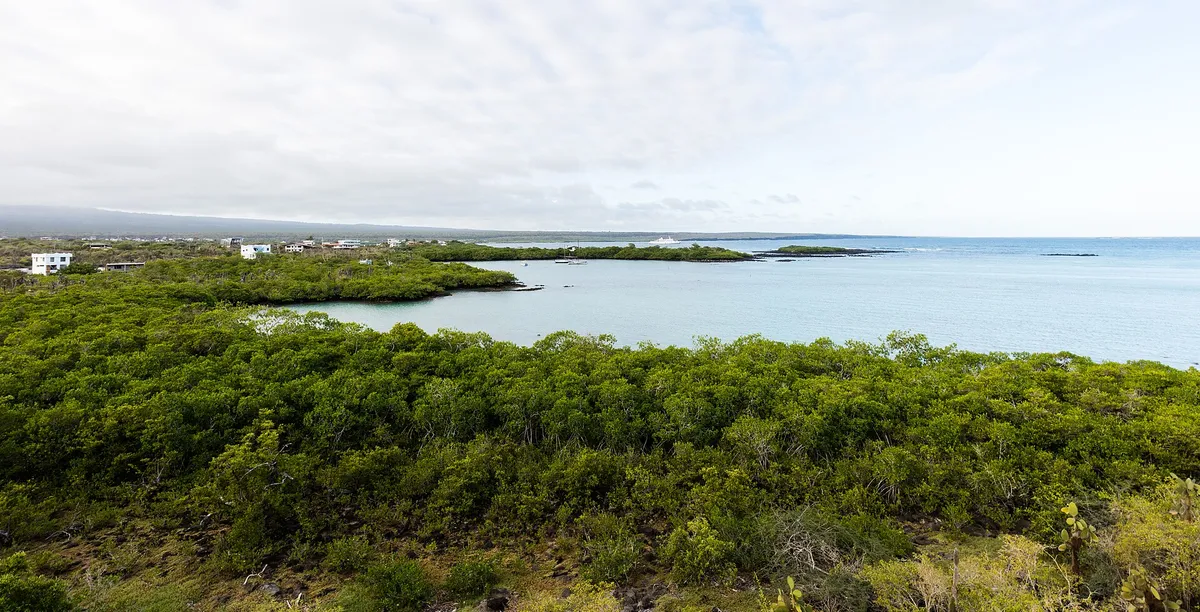
Complete history
Young islands, never joined to the mainland
The islands are young and have never been joined to the mainland. They rose from a hotspot beneath the Nazca plate, which moves east about 5 cm a year: the oldest still above water, to the east, Española and San Cristóbal, are 3 to 4 million years old; Fernandina and western Isabela are less than 700,000 years old and still erupting, most recently on Fernandina in March 2024. Everything living on land arrived by chance, floating on logs, blown off course, or clinging to something else, then had millions of years of isolation to become something new. That's what explains 13 finch species descended from a single ancestor, the only iguana in the world that dives to eat algae, and the only penguin that lives north of the equator.
Three centuries as an ownerless logistics stop
For three centuries the archipelago was a supply stop that belonged to no one. English buccaneers hid in its coves in the 17th century; American and British whalers arrived in the late 18th and took between 100,000 and 200,000 giant tortoises, the only fresh meat available on a two-year voyage. The Floreana post office barrel, from 1793, let homeward-bound ships carry the letters of those who were staying on. The system still works: you leave a postcard in the barrel, and another visitor who lives near the address delivers it by hand. Ecuador, which split from Gran Colombia in 1830, annexed the islands on February 12, 1832 and first turned them into a penal colony, on Floreana and later on San Cristóbal and Isabela, with no other plan for the archipelago until Norwegian settlers arrived in 1926.
Civilian settlement dates from the 1920s and 1930s
Modern civilian settlement dates from the 1920s and 1930s, and was, in nearly every case, a failure. Norwegian cooperatives landed on Floreana and Santa Cruz between 1926 and 1927 to set up fish-canning factories; most gave up within two years, but the few families who stayed at Bahía Academia formed Puerto Ayora. On Floreana, between 1929 and 1934, a vegetarian German doctor, a Bavarian family, and an Austrian woman who presented herself as a baroness were at the center of the episode that later became a book and a documentary, with two disappearances and two deaths never explained. World War II brought the archipelago's one major construction project: the American base at Baltra, opened in 1942 to defend the Panama Canal and handed to Ecuador in 1946, its runway still the main airport today.
National park and the Darwin Foundation, in 1959
1959 was the institutional turning point. On the centenary of On the Origin of Species, Ecuador declared 97% of the land area a national park, and the Charles Darwin Foundation was created in Brussels, opening its station in Puerto Ayora in 1964. Organized tourism began in 1969, with two boats; by 1990 there were about 40,000 visitors a year, and by 2019 more than 270,000. The population grew too: from about 6,000 people in 1982 to 28,583 in 2022, drawn by wages well above the mainland average. The 1998 Special Law tried to close the door. It created a 138,000 km² marine reserve, drove out industrial fishing, and began requiring permanent residency to live and work on the islands.
The danger list, the Hermandad Reserve and the US$200 fee
Today conservation and tourism pull in opposite directions, and Ecuador tries to reconcile them with rules and money. UNESCO put the islands on its list of World Heritage in Danger in 2007 and took them off in 2010, after Ecuador limited vehicles, flights, permits and introduced species. The goats of Santiago and northern Isabela were eradicated between 1997 and 2006, in a program that cost tens of millions of dollars. In January 2022 the Hermandad Reserve added 60,000 km² linking Galápagos to Costa Rica's Cocos Island; in May 2023 part of Ecuador's foreign debt was converted into conservation funding, in the largest debt-for-nature swap on record. On August 1, 2024 the park entry fee doubled from US$100 to US$200 per foreign adult, the first increase in 26 years. The fleet is still capped at just over 70 cruise vessels sailing fixed itineraries approved by the park, so no one gets to choose where they land.
On Floreana, the mail barrel installed in 1793 is still in use.
If you fly into Baltra, you land on the runway the United States built in 1942 to protect the Panama Canal.
Geography and shape of the city
The islands and the tallest volcano
The archipelago has about 7,880 km² of land spread across a marine area of roughly 45,000 km², and the equator crosses the north of Isabela, right by Ecuador volcano. Isabela alone accounts for 4,588 km², more than half the total, and is a row of six fused volcanoes; the tallest, Wolf, reaches 1,707 m.
Three currents and two zones
The climate isn't the humid tropics its latitude would suggest: the cold Humboldt Current rises from the south, the warm Panama Current flows down from the north, and the Cromwell equatorial undercurrent hits the archipelago's western side, bringing cold, nutrient-rich water up from the depths. The result is a coastal desert of cacti and dry scrub up to about 200 m of elevation, and above that, a green, humid zone with permanent mist between June and November, home to Bellavista and Santa Rosa and where the giant tortoises climb during the dry season.
Puerto Ayora and the cross-island road
Puerto Ayora sits on the south coast of Santa Cruz, on Bahía Academia, and grew along a single avenue, Charles Darwin, running from the fishermen's pier to the Research Station; the 42 km cross-island road crosses the island to the Itabaca Channel, facing Baltra, and is the most important route in the whole archipelago.
Culture
Almost no one here is from here
Almost no one in Galápagos has roots on Galápagos going back more than three generations: there was no permanent pre-Columbian settlement, and today's population came from Manabí, Loja, Guayas, and the rest of the Ecuadorian coast starting in the 1970s. Street culture is the coast transplanted: salsa, bachata, and reggaeton in the bars along the avenue, soccer on television, and ecuavóley, the three-a-side Ecuadorian volleyball played with a high net and a heavy ball, on the courts of Bellavista and Barrio Central in the late afternoon. On top of that sits a small, permanent layer of scientists, naturalist guides, and foreign divers, which has made English a second working language, not a home one.
Tourism: two-thirds of the local economy
The economy runs almost entirely on one thing: about two-thirds of jobs depend on tourism, directly or indirectly, and artisanal fishing, once central, is now regulated by quotas and seasons. That dependence has produced a genuine conservationist identity. Schools teach the names of endemic species, park ranger is a prestigious job and single-use plastic has been banned since 2015. The same dependence created an old friction between fishers and the park, which boiled over in the 1990s over sea cucumbers and led to the occupation of the research station, and that's why the same resident who complains about the rules also defends them.
The finch beak research, since 1973
Science is what these islands have produced most. Peter and Rosemary Grant's research on the islet of Daphne Major, begun in 1973 and kept up for more than forty years, measured finch beaks generation after generation and showed natural selection at work on the timescale of droughts and rains. The islands have almost always been written about by outsiders: by Darwin in 1839, by Herman Melville in The Encantadas in 1854, by Margret Wittmer, who told the Floreana story from the inside in 1959, and by Kurt Vonnegut in 1985, while local literature is mostly the oral tradition of fishermen and settlers.
Festivals and events
 AI illustration
Carnival (February or March)
Four days before Lent, with foam, water thrown in the street, and bands on the Puerto Ayora boardwalk. It's the week the island sees more mainland Ecuadorians than foreigners, and hotels fill up.
 AI illustration
Provincialization of Galápagos: February 18
Anniversary of the province's creation in 1973, with school parades in Puerto Baquerizo Moreno and Puerto Ayora and a montubio rodeo in the highlands (exact festivity dates vary from year to year).
 AI illustration
Holy Week (March or April)
Small processions and fanesca, a twelve-grain soup with salt cod served only that week throughout Ecuador. High season: room rates rise 20 to 40%.
Día de los Difuntos: November 2
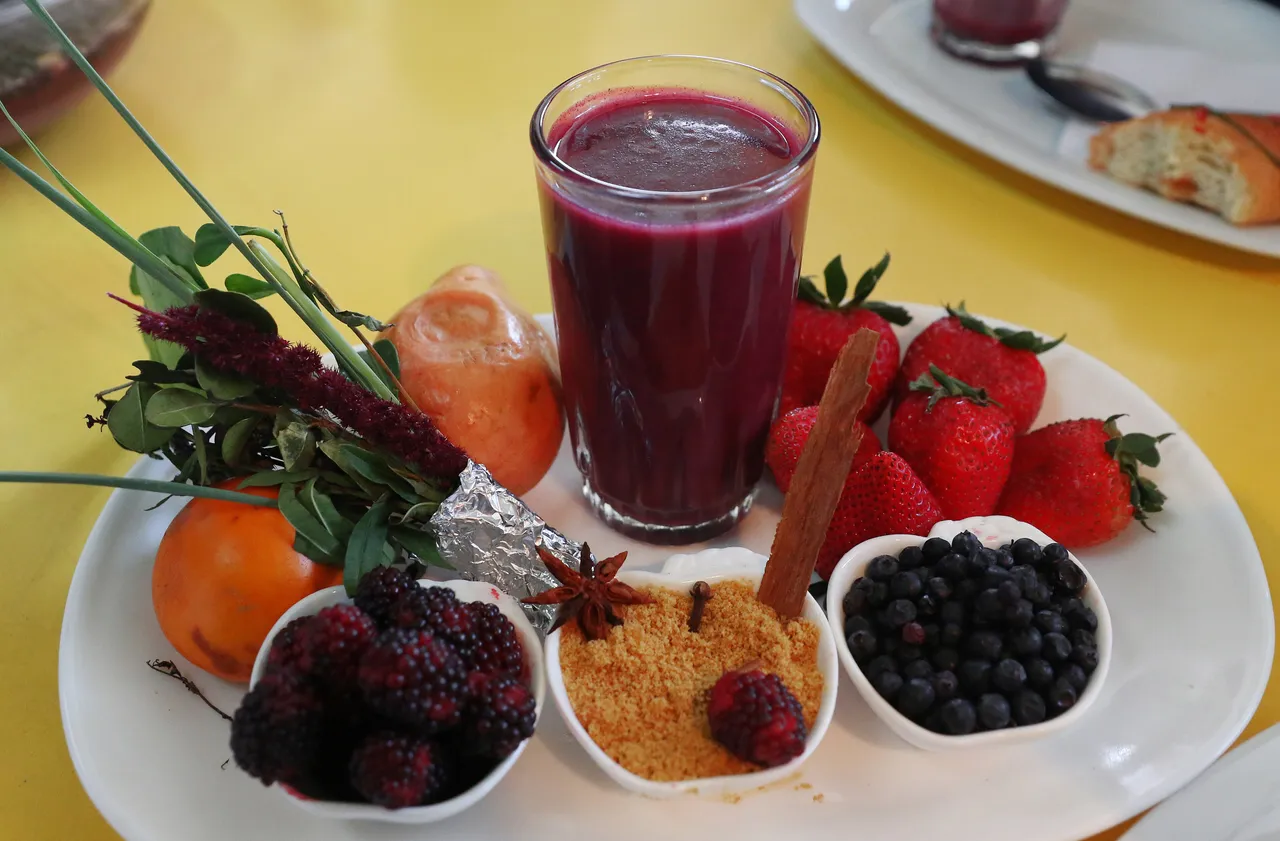
Cemetery visits with colada morada, a warm drink of purple corn and fruit, and guaguas de pan, bread rolls shaped like a swaddled child. National holiday, with nearly everything closed.
 AI illustration
Año Viejo: December 31
Papier-mâché effigies of the outgoing year are burned at midnight on street corners and along the boardwalk. An Ecuadorian tradition taken seriously on the islands, with bonfires lined up along Avenida Charles Darwin.
Books and films
The Voyage of the Beagle (Charles Darwin, 1839)
The chapter on Galápagos describes the islands before any theory: tortoises lined up to drink, iguanas thrown into the sea that swim back, the unbearable heat of the lava. It reads in an afternoon and explains half of what you see.
The Beak of the Finch (Jonathan Weiner, 1994)
Pulitzer Prize for nonfiction, following Peter and Rosemary Grant as they measure finch beaks on the islet of Daphne Major over two decades, showing natural selection operating from one drought to the next.
The Galapagos Affair: Satan Came to Dinner (documentary, 2013)
Rebuilds, through letters and home movies, the Floreana affair of 1929 to 1934: physician Friedrich Ritter, the Wittmer family, the self-proclaimed baroness, and four people who died or vanished without explanation.
Frequently asked questions
Puerto Ayora (Galápagos): how do you pay the US$200 park fee?
In cash, at the airport counter, right after landing. A card won't help at that counter and there's no reliable ATM before it, so bring clean bills set aside from the mainland.
Puerto Ayora (Galápagos): what do you need to do before the flight to the islands?
Before check-in, your luggage goes through the ABG biosecurity inspection, and you must register the INGALA Transit Control Card, US$20 per person, done online since 2025.
Puerto Ayora (Galápagos): how long does the boat to Isabela take?
Puerto Villamil, Isabela's white-sand village, is 2 hours to 2 hours 30 minutes away by boat, leaving early and returning in the late afternoon.
Puerto Ayora (Galápagos): what's the currency, and why does everything cost more?
The currency is the US dollar, adopted in 2000, and Ecuadorian centavo coins circulate with the same value and size as American ones, easy to mix up for days. Almost everything costs 30 to 60% more than on the mainland because it arrives by boat from Guayaquil.
Puerto Ayora (Galápagos): what are the two seasons like?
From December to May comes the warm, humid one: 24 to 31°C in the air, 24 to 27°C in the water, short, heavy showers in the early afternoon, clear skies the rest of the day, a calm sea and underwater visibility of 15 to 20 m. From June to November the garúa sets in, the cold mist carried by the Humboldt Current: 19 to 26°C, a sea between 19 and 23°C, a wetsuit that stops being optional, highlands socked in all day and much rougher boat crossings.
Other cities in the country
Ecuador ↗- Days
- 2–3
- When
- Jun–Sep
- Per person/day
- Average 90–160 USDMid-range · per person/day
Cost scope
Per person per day: accommodation, meals, urban transport, visits and a small allowance for extras. Flights excluded; larger purchases vary. Editorial estimate, not a quote.