Indonesia
Lombok
Lombok: the southern beaches, the Rinjani volcano and the three Gili islands
Days I would spend five days on Lombok, changing base by region: one night in Kuta for the southern beaches, one in Senggigi after Mataram, two on the Gilis and the last in Senaru, on the slope of Rinjani.
How the guide reaches this number
Changing base keeps you from going back along the same road, because the airport is in the south and the Gili harbor in the northwest. With four days, I would cut Senaru and go from the Gilis straight back to the airport. The Rinjani trek is a different trip: it adds several days and only makes sense for someone who is prepared and arrives outside the January to March closure, preferably in the dry season.
4–5
Start with the basic programme and choose extensions for the time you have.
When May to September; it is the dry season, with calmer seas on the Gilis and the Rinjani trails open.
How the guide reaches this number
Rain runs from October or November to April, and Rinjani park closes from January 1 to March 31.
May to September; it is the dry season, with calmer seas on the Gilis and the Rinjani trails open. Rain runs from October or November to April, and Rinjani park closes from January 1 to March 31.
Per person/day Budget around IDR439,000; mid-range around IDR986,000; comfortable around IDR1,940,000 per person per day, based on spending reported by travelers to Budget Your Trip (checked October 2026).
How the guide reaches this number
Indicative figures, excluding travel to the destination.
Budget around IDR439,000; mid-range around IDR986,000; comfortable around IDR1,940,000 per person per day, based on spending reported by travelers to Budget Your Trip (checked October 2026). Indicative figures, excluding travel to the destination.
Per person per day: accommodation, meals, urban transport, visits and a small allowance for extras. Flights excluded; larger purchases vary. Editorial estimate, not a quote.
Salta · among the cheapestZermatt · among the priciest
Cheaper than 94% of them. The tick marks the median. Compared by the middle of each city’s daily range, converted at the 24 Sept 2026 exchange rate.
 What Nilo thinks
I would recommend Lombok to people who like handmade cloth, spicy food served without ceremony and islands small enough to walk around in an afternoon. In the Sasak villages, the hand loom is still a family income, and the architecture that interests me most on the island is that of the traditional houses of bamboo, wood, clay and thatched roofs, which say more about Lombok than the new hotels in the south. At the table, I would go from sate bulayak, with rice cakes wrapped in palm leaf, to sayur ares, the banana-stem pith in coconut milk served at Sasak ceremonies, with beberuk terong beside grilled fish. For people who like a popular festival, I would think of the south in February, even with rain: it is when Bau Nyale brings thousands of people to the beaches of Kuta in search of the worms of the legend of Princess Mandalika.Lombok is about 40 minutes by air from Bali, and the first difference is something you hear: the island is mostly Sasak and Muslim, and the call to prayer from the mosques marks the day, while the offerings and tiered-roof temples of the Balinese community recall the Hindu kings who ruled from Mataram until the end of the 19th century. At Lingsar, the two traditions pray in the same temple complex. The landscape calls for a different rhythm, with no big beach towns: in the south, hill roads lead from one bay to the next, and the first surf lesson happens on a beach wave; on the Gilis, the horse cart is the taxi and turtles show up on the reef; in the north, the blue lake inside Rinjani's caldera is the prize for anyone willing to take days of trail.
Quick facts
- Population
- 4,056,621 inhabitants on the island of Lombok (mid-2024 estimate from BPS, Indonesia's statistics agency, adding up the regencies of West, Central, East and North Lombok and the city of Mataram). Mataram, the provincial capital, has about 445,000 in the same estimate; the three Gilis had about 5,077 residents in 2022.
- Founding
- There is no single founding date: settled by the Sasaks, the island was taken piece by piece by Balinese kingdoms from the early 17th century, unified by the kingdom of Mataram in 1838 and annexed to the Dutch East Indies in 1895.
- Country and region
- Indonesia, province of Nusa Tenggara Barat (Lesser Sunda Islands). It lies between Bali, to the west across the Lombok Strait, and Sumbawa, to the east across the Alas Strait.
- Language
- Indonesian (official). Sasak is spoken at home, and Balinese in the Balinese community of the west; on the Gilis and in Kuta, English covers the tourism basics.
- Currency
- Indonesian rupiah (IDR, Rp).
- Time zone
- Central Indonesia Time (WITA), UTC+8, with no daylight saving time.
- Best time to go
- May to September; it is the dry season, with calmer seas on the Gilis and the Rinjani trails open. Rain runs from October or November to April, and Rinjani park closes from January 1 to March 31.
- Average cost per day
- Budget around IDR439,000; mid-range around IDR986,000; comfortable around IDR1,940,000 per person per day, based on spending reported by travelers to Budget Your Trip (checked October 2026). Indicative figures, excluding travel to the destination.
What’s new
Recent changes that affect the plan, with date and source.
- Oct 2026
A fire that started on September 22, 2026 in Torean burned 1,098.75 hectares of Gunung Rinjani National Park, according to the September 29 tally, and the Torean trail was closed on September 23. On October 3, 2026, Senaru reopened, and five trails were open: Sembalun, Senaru, Timbanuh, Tetebatu and Aik Berik. source
- Aug 2026
On the night of August 22, 2026, a fire destroyed about 120 houses in the Sasak village of Sade, in Rembitan, with no deaths. Confirm whether visits have resumed before including it in your itinerary. source
- Nov 2025
Gunung Rinjani National Park began charging fees by trail class: for foreigners, Rp 250,000 per person per day on the main trails and Rp 200,000 on the alternative ones. At the April 2026 reopening, the park adopted RFID wristbands and trackers for trekkers. source
When to go
May to September; it is the dry season, with calmer seas on the Gilis and the Rinjani trails open. Rain runs from October or November to April, and Rinjani park closes from January 1 to March 31.
January
12 h 34 min of daylight
National holidays
Jan 1 – 3, 2027 · long weekend · Tahun Baru Masehi
Jan 1, 2028 · Tahun Baru Masehi
Source: Nager.Date. Holiday dates shift; check close to your trip.
February
12 h 22 min of daylight
March
12 h 09 min of daylight
National holidays
Mar 26 – 28, 2027 · long weekend · Wafat Isa Almasih, Paskah
Source: Nager.Date. Holiday dates shift; check close to your trip.
April
11 h 55 min of daylight
National holidays
Apr 14 – 16, 2028 · long weekend · Wafat Isa Almasih, Paskah
Source: Nager.Date. Holiday dates shift; check close to your trip.
May
Best time11 h 43 min of daylight
National holidays
May 1, 2027 · Hari Buruh Internasional
May 6 – 9, 2027 · long weekend · Kenaikan Isa Almasih
Source: Nager.Date. Holiday dates shift; check close to your trip.
June
Best time11 h 37 min of daylight
National holidays
May 29 – Jun 1, 2027 · long weekend · Hari Lahir Pancasila
Source: Nager.Date. Holiday dates shift; check close to your trip.
August
Best time11 h 50 min of daylight
National holidays
Aug 14 – 17, 2027 · long weekend · Hari Ulang Tahun Kemerdekaan Republik Indonesia
Source: Nager.Date. Holiday dates shift; check close to your trip.
October
12 h 17 min of daylight
November
12 h 31 min of daylight
December
12 h 37 min of daylight
National holidays
Dec 25 – 27, 2026 · long weekend · Hari Raya Natal
Dec 25, 2027 · Hari Raya Natal
Source: Nager.Date. Holiday dates shift; check close to your trip.
High, shoulder and low season
High · May to August
Dry season and high season: calmer seas, Rinjani trails open and fuller hotels on the Gilis and in Kuta. Book lodging and the Rinjani ticket in advance; jellyfish appear on the Gilis in July and August.
Shoulder · April and September
Transition months, with the Rinjani trails open and fewer people than at the peak. April can still bring showers.
Low · October to March
Rainy season, in showers, with greener scenery and fewer visitors. Rinjani closes from January 1 to March 31; Bau Nyale takes place in February, and the MotoGP week, when there is one, fills Kuta in October.
How the year changes
Lombok has two seasons. The dry one, from May to September, is the best for almost everything: calmer seas on the Gilis, dry roads in the south and the Rinjani trails open; May to August is also high season, with fuller hotels. The rainy season runs from October or November to April, usually in showers of an hour or two, and is when Rinjani is closed, from January 1 to March 31; the beaches remain visitable, with more green and fewer people. Jellyfish are common on the Gilis in July and August. February brings Bau Nyale to the south, and October, in a year with a confirmed calendar, the MotoGP week at Mandalika.
Nilo's tips
The public boat from Bangsal leaves when full
The cooperative boats to the Gilis have no fixed schedule and only run in daylight. I would reach Bangsal by early afternoon and keep a plan B of a chartered fast boat from Teluk Nare in case the flight is late.
Rinjani: ticket and operator before the flight
I would only lock in the trek date after seeing the quota in the eRinjani app and confirming with an accredited operator which trails are open, because fire and rain close sections with little warning.
Rupiah in small bills
Horse carts, public boats, beach stalls and temple donations are paid in cash. I would leave Mataram or Kuta with small change for the Gilis.
Refill your bottle on the Gilis
Tap water on the Gilis is brackish. I would bring a reusable bottle and fill it at the shops that offer refills, instead of buying a new bottle at every stop.
Explore the map
Explore the map, read about the other places and plan your travel days in the app.
Open the appWhat to see
Leave for last, if time allows: Gerupuk · Pertamina Mandalika International Circuit · Desa Sade · Taman Narmada · Kota Tua Ampenan
Gili Trawangan
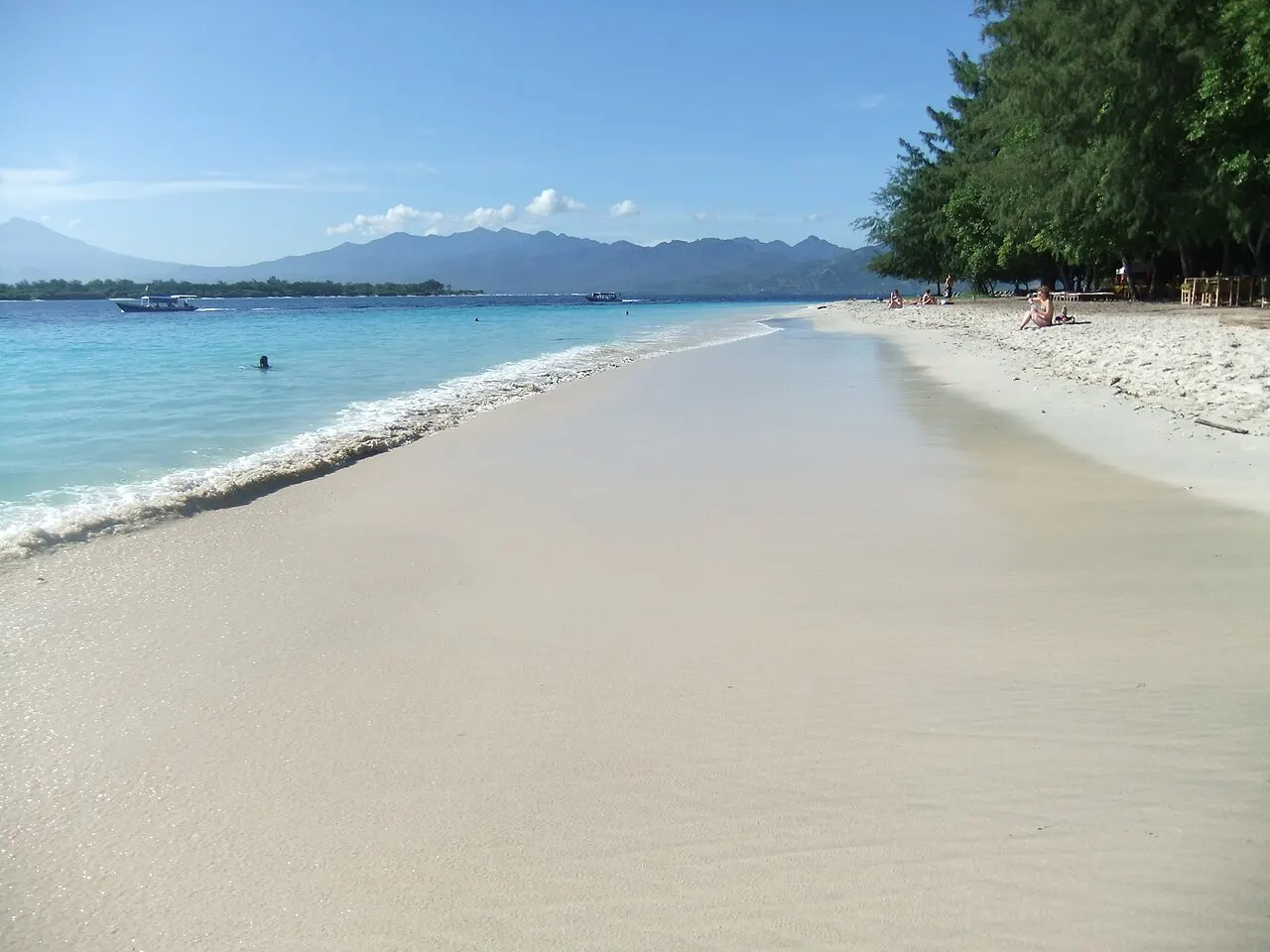
The largest of the three Gilis and the busiest. There are no cars or motorbikes: you get around on foot, by bicycle, by cidomo (the horse-drawn cart) or by electric scooter. The east coast concentrates hotels, dive schools and bars; the west side is the sunset spot, facing Bali. The hill in the south, the islands' only significant elevation (about 30 meters), gives a view of the three Gilis and Lombok and holds the remains of a Japanese World War II observation post. The island has had a party reputation since the late 1980s, and the most-cited dive sites, such as Shark Point, are a few minutes away by boat.
Check access
Gili Meno
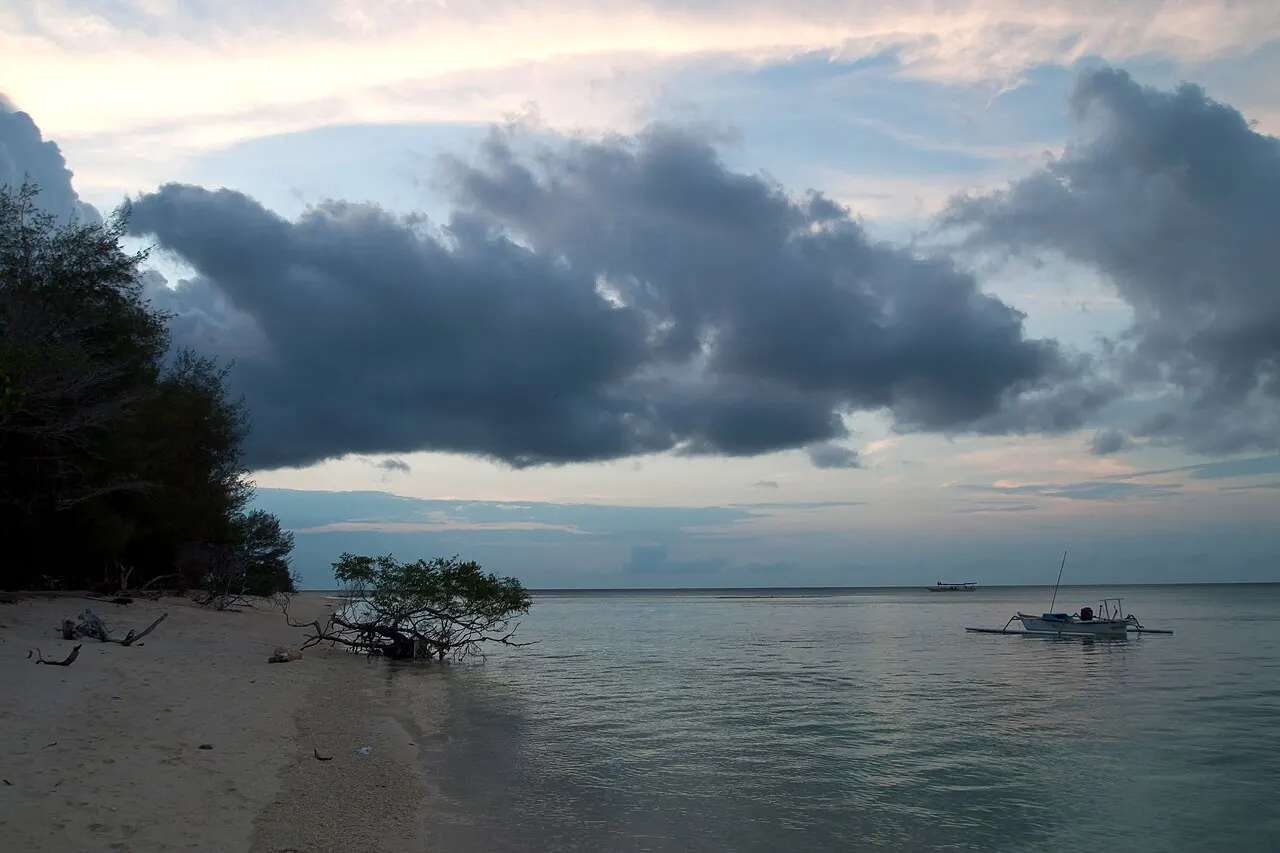
The quietest of the three. Off the west coast is Nest, a circle of 48 life-size sculptures by the artist Jason deCaires Taylor, installed in 2017 at about 4 meters deep, visited with mask and snorkel and serving as a base for coral. The island also has a turtle sanctuary and a bird park. It is the choice for anyone who wants a beach and quiet, with little nightlife.
Check access
Pantai Tanjung Aan
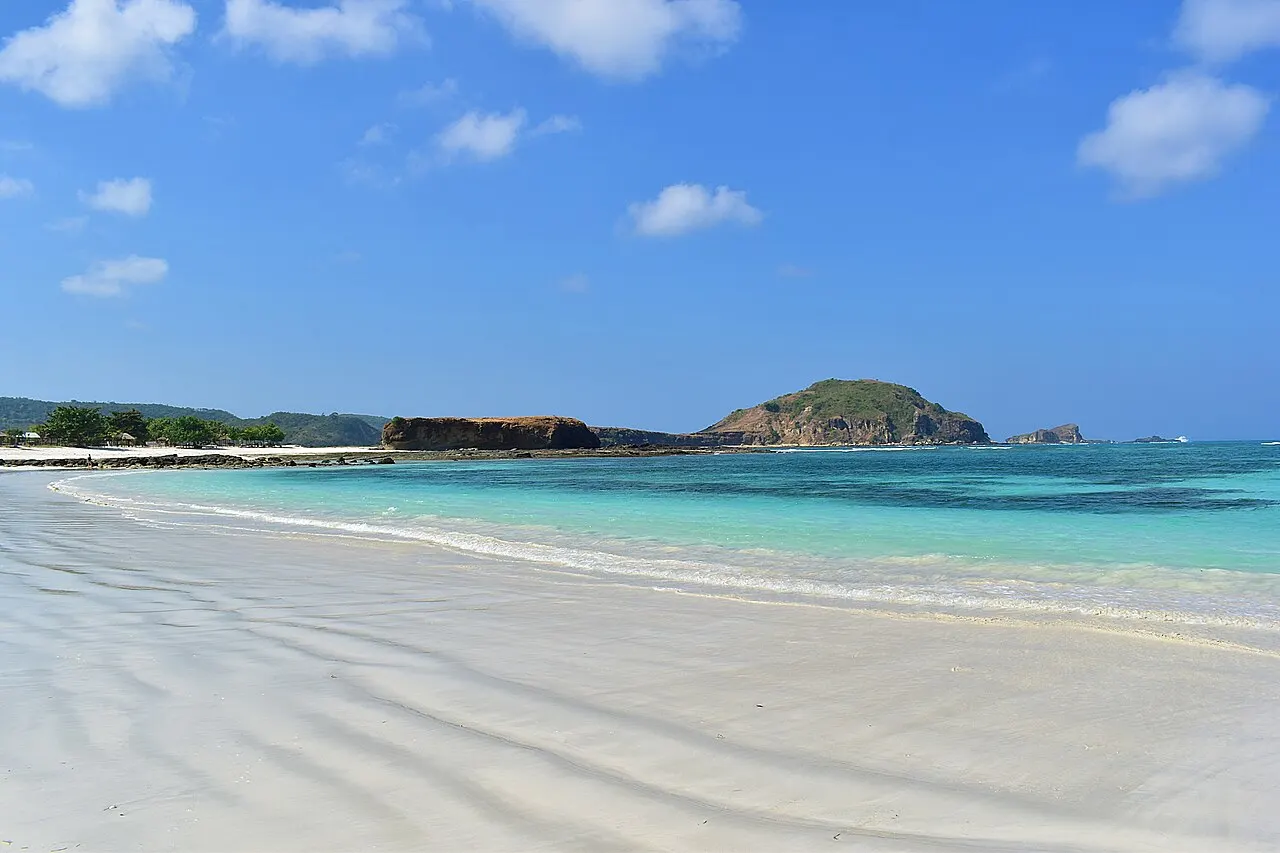
The best-known beach in the south, near Kuta: a pale-sand bay ringed by hills, good for snorkeling and with a beach wave for people who have never surfed, preferably in the morning. The sand, with coarse grains that resemble black pepper, differs from that of the neighboring beaches, and the Bukit Merese headland next door gives a view of the bay from above.
Check access
Gunung Rinjani
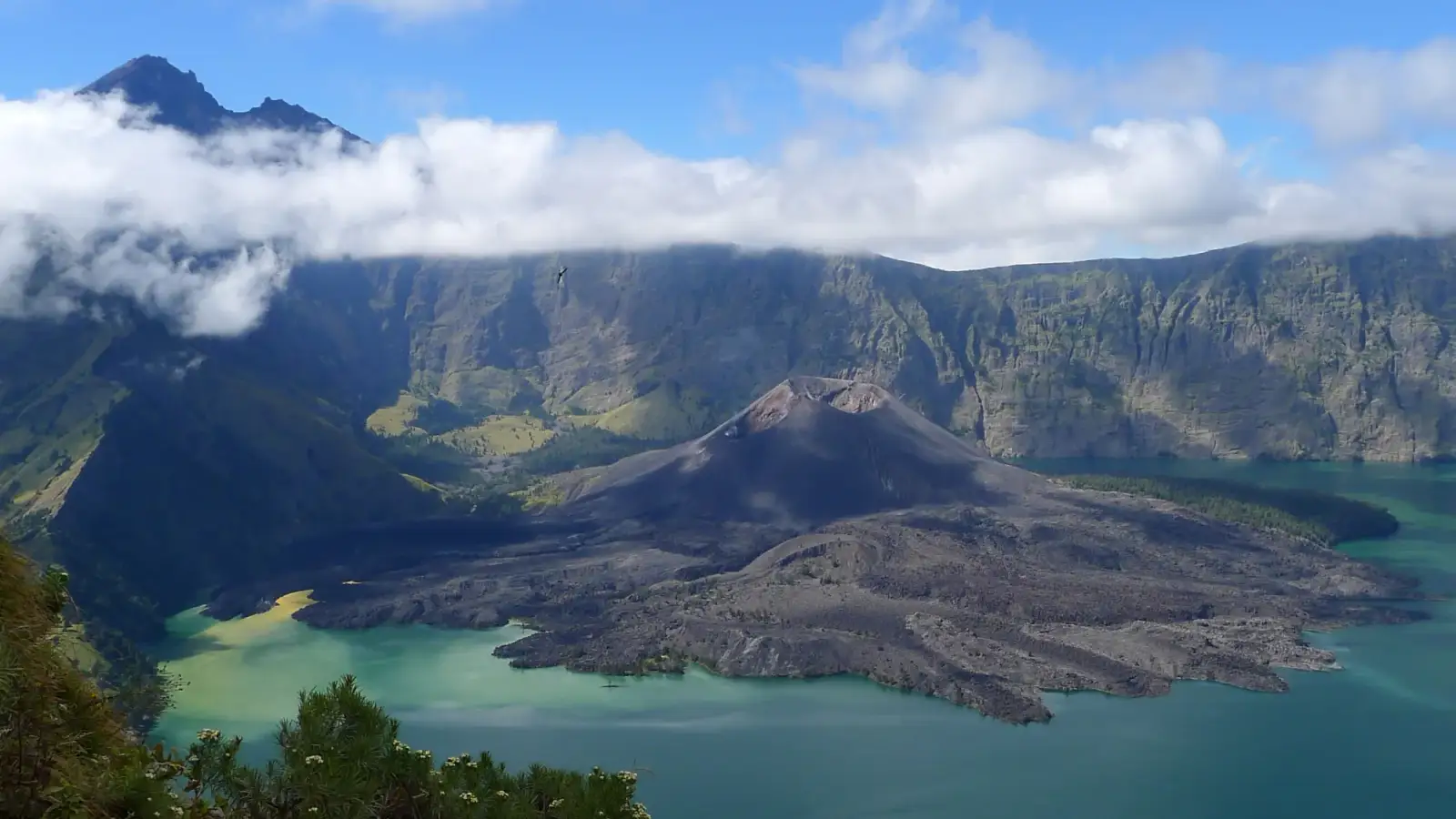
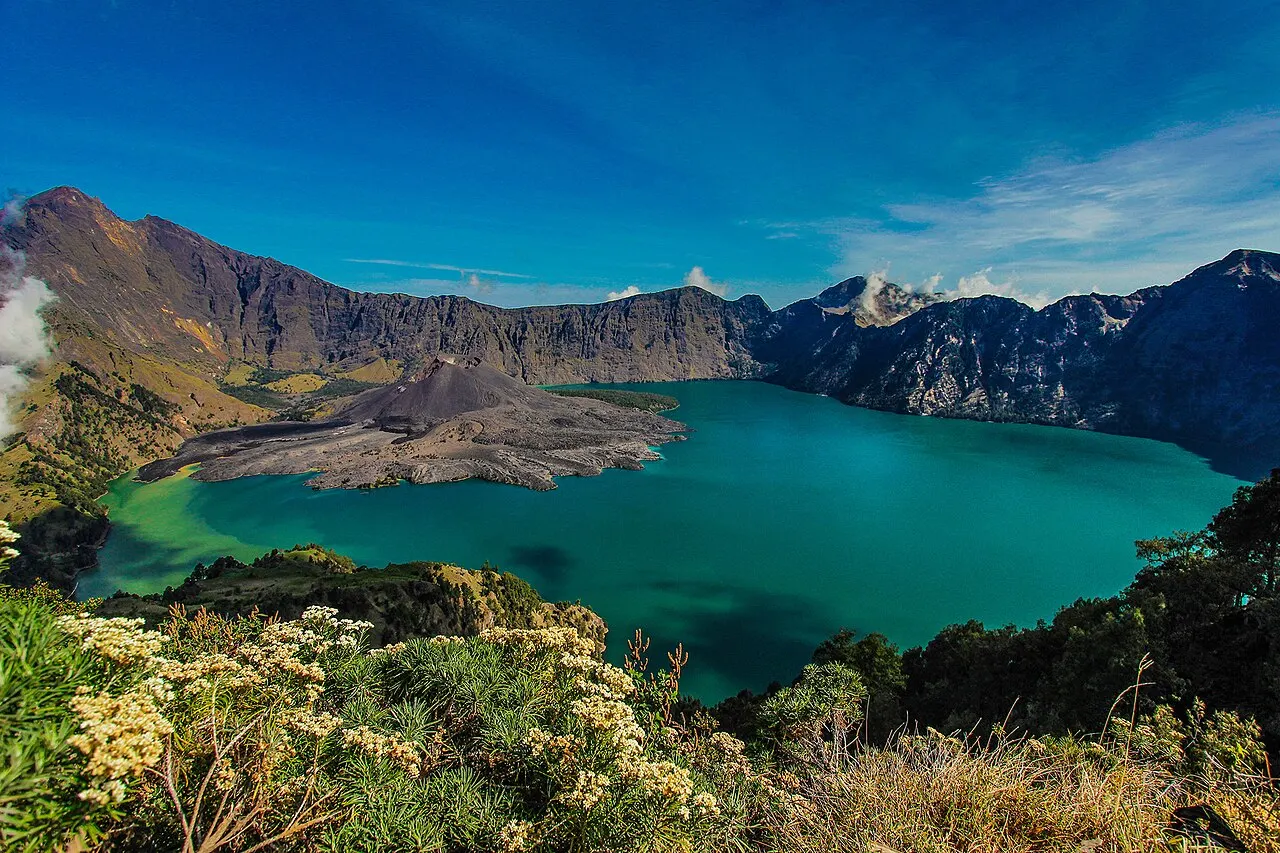
The 3,726-meter volcano, the second highest in Indonesia, fills the north of Lombok and is sacred to Sasaks and Balinese. Inside the caldera, about 6 by 8.5 km, lies Lake Segara Anak, at about 2,000 meters, with hot springs and the young cone of Gunung Barujari. The climb is a multi-day trek with camping on the caldera rim, from Senaru or Sembalun, and it demands preparation: the national park closes the trails from January 1 to March 31, sells tickets and controls the daily quota through the eRinjani app, asks for a recent health certificate and a safety briefing, and requires an experienced guide for beginners, at one guide per five people. The fee for foreigners, since November 3, 2025, is Rp 250,000 per person per day on the main trails (Sembalun, Senaru and Torean) and Rp 200,000 on the alternative ones (Timbanuh, Tetebatu and Aik Berik). Fire and rain close trails outside the calendar: check in the app which ones are open before locking in dates.
Check access
Gili Air
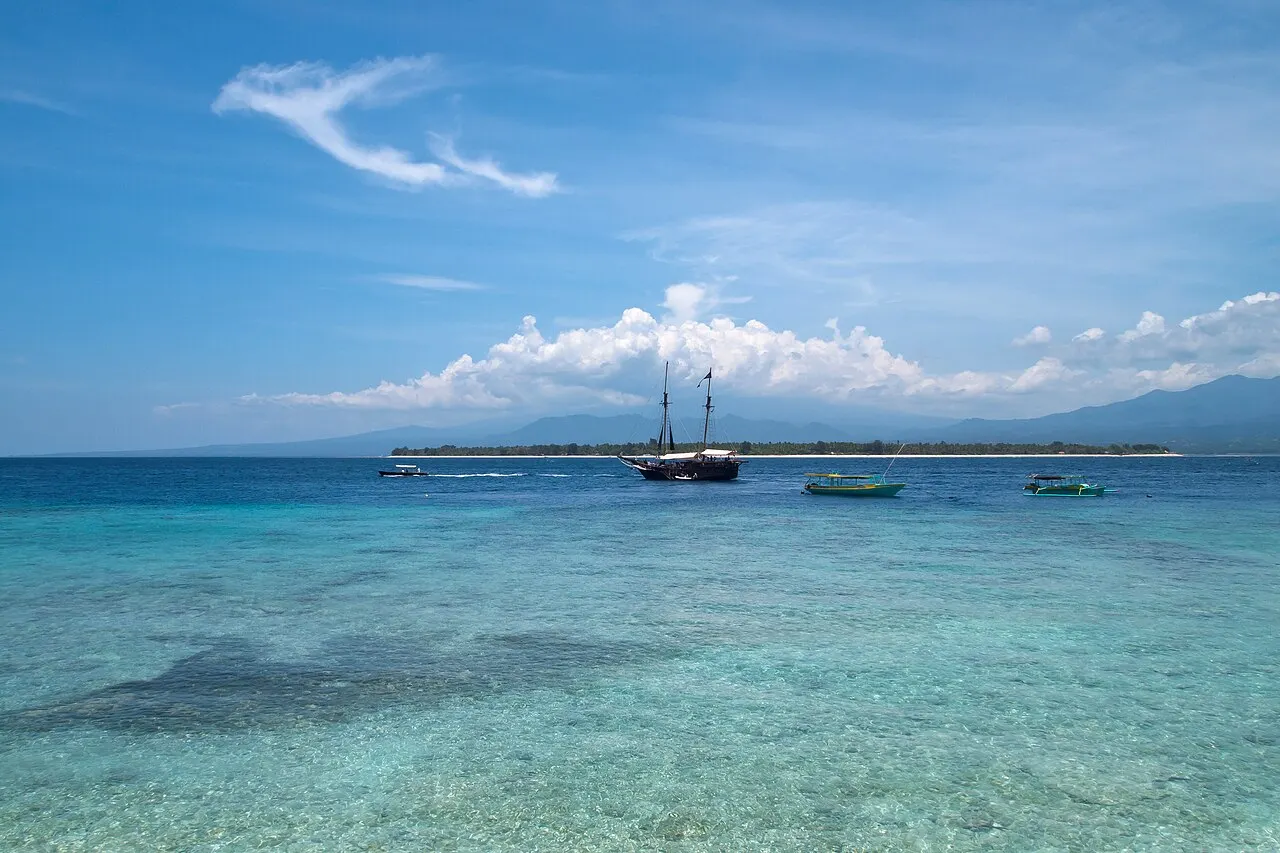
The Gili closest to Lombok, about 15 minutes by public boat from Bangsal. It sits between the bustle of Trawangan and the silence of Meno: it has beach restaurants and open-air cinemas, but the nights are calmer. Turtles often show up on the reef off the east coast. Tap water is brackish and not drinkable; many shops refill bottles.
Check access
Air Terjun Sendang Gile
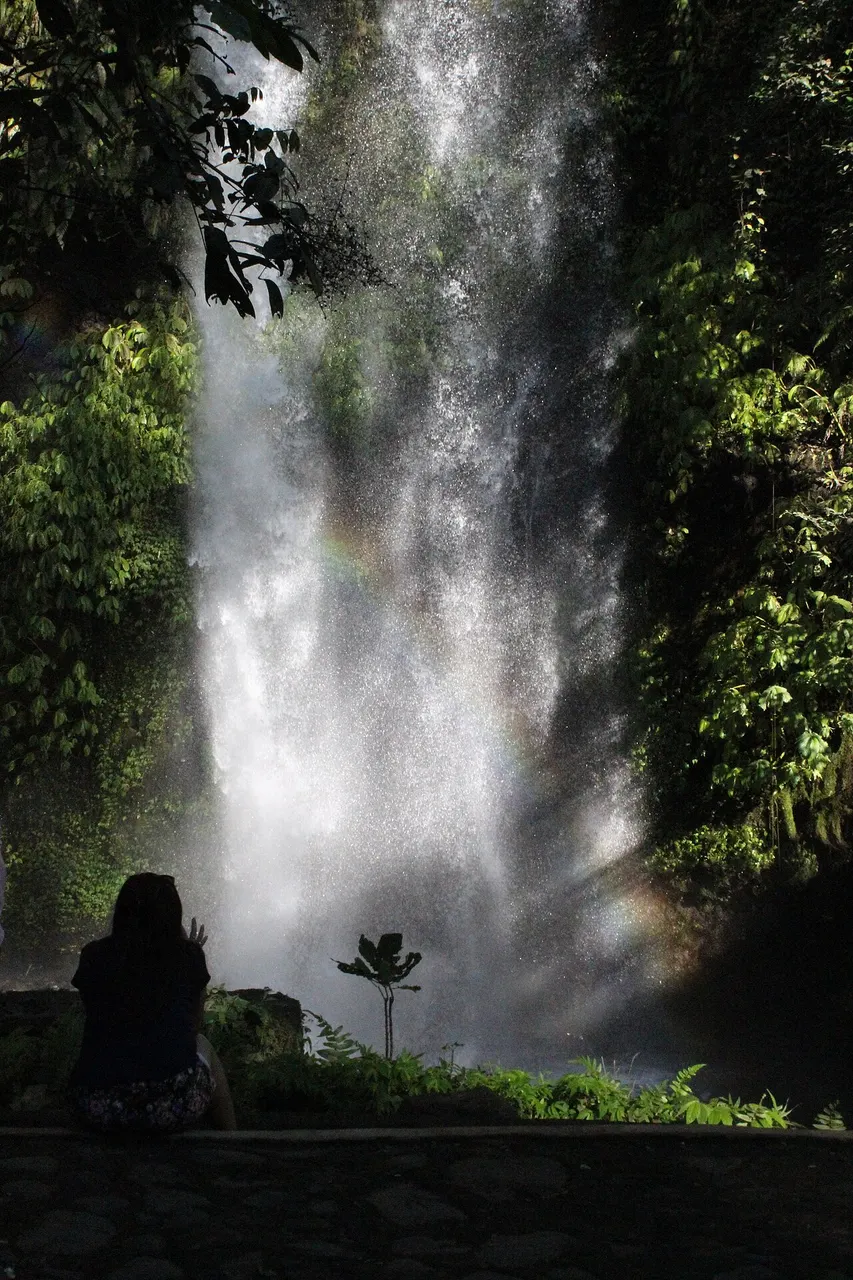
The easiest waterfall to reach in Senaru, on Rinjani's north slope, surrounded by forest and fed by springs from the mountain. The ticket is paid at the entrance; the men who approach tourists near the ticket office are usually not official guides, and accredited ones are in the small shops by the entrance.
Check access
Air Terjun Tiu Kelep
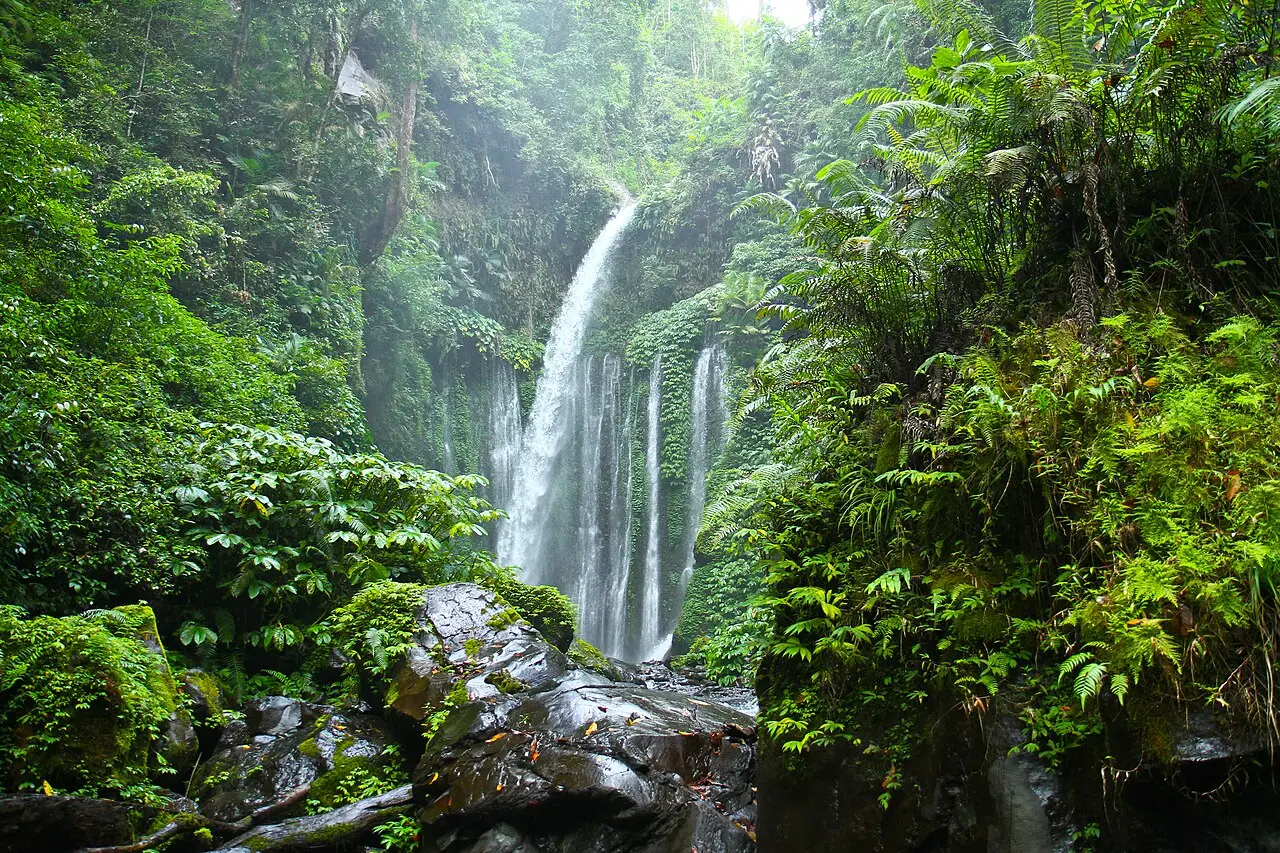
About a 50-minute walk uphill past Sendang Gile, with a swimming pool at the foot of the fall. The trail is steep and calls for a guide; long-tailed macaques and, more rarely, lutungs appear along the way.
Check access
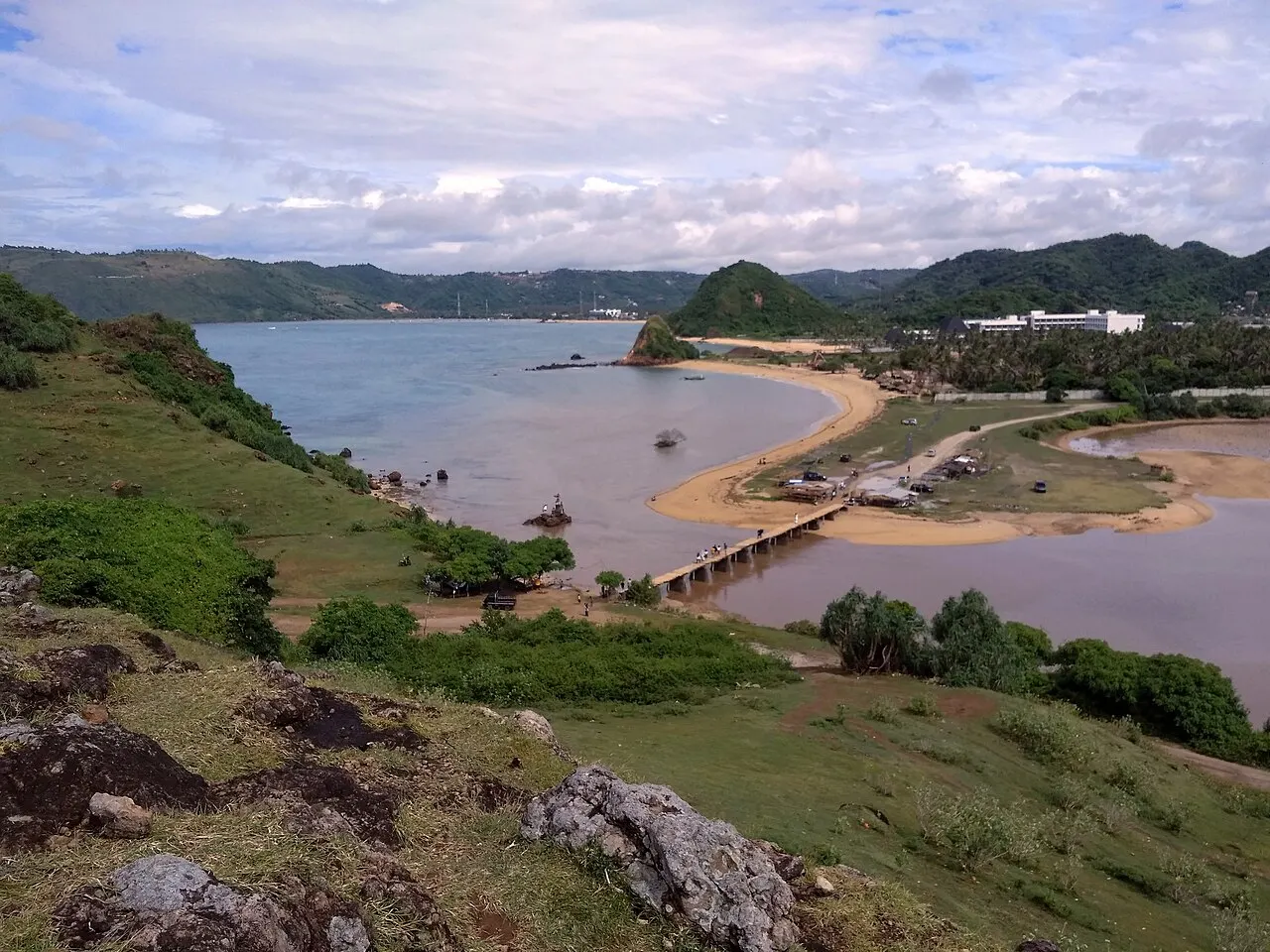
Bukit Merese
A grassy headland above Tanjung Aan, reached by a short, slightly steep climb. The view takes in the bays of Tanjung Aan and Gerupuk and is most sought after at sunrise and sunset. A small entrance fee is charged.
Check access
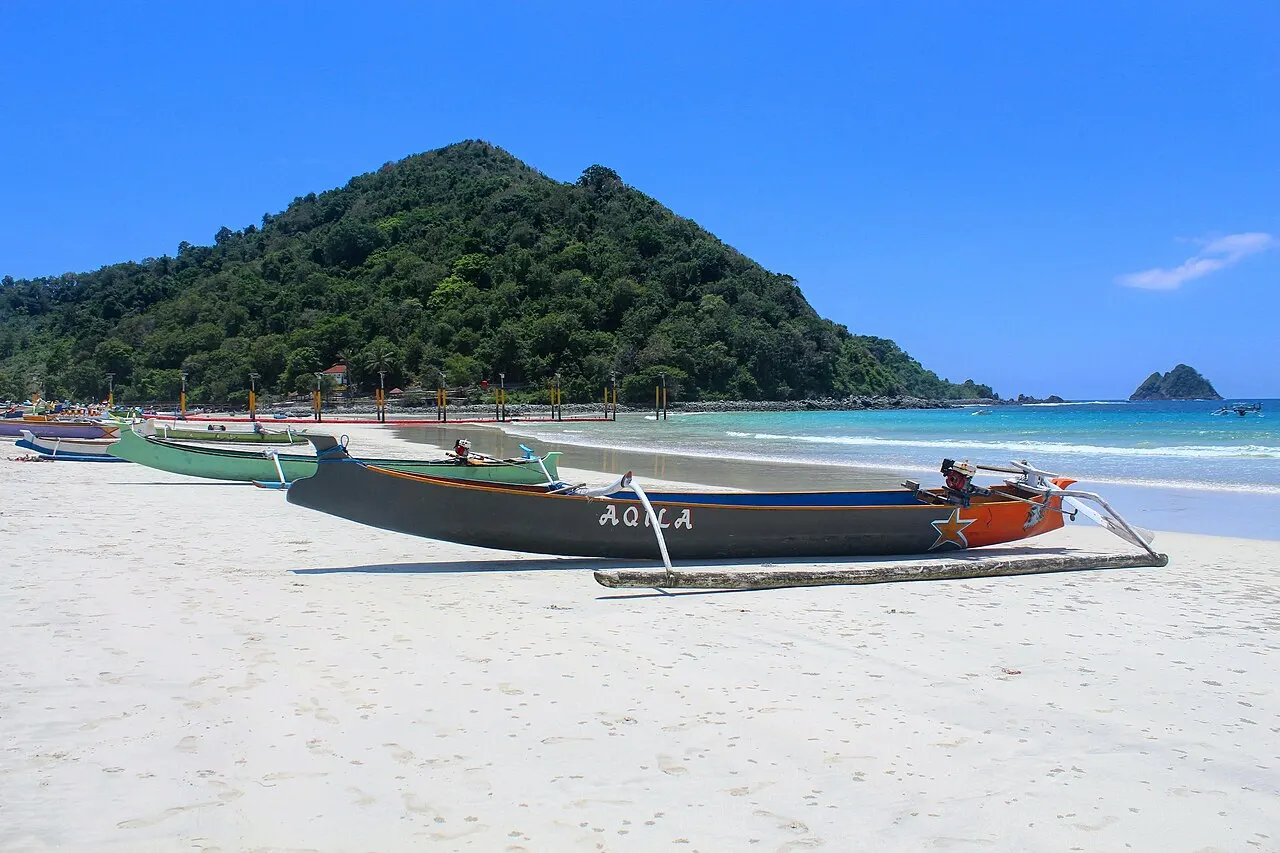
Pantai Selong Belanak
A wide bay of pale sand about 17 km west of Kuta, after a steep hill road. It is the most developed beach on the southwest coast, with a busy surf beach right next to it, and some stalls charge for sun loungers.
Check access
More places in the guide
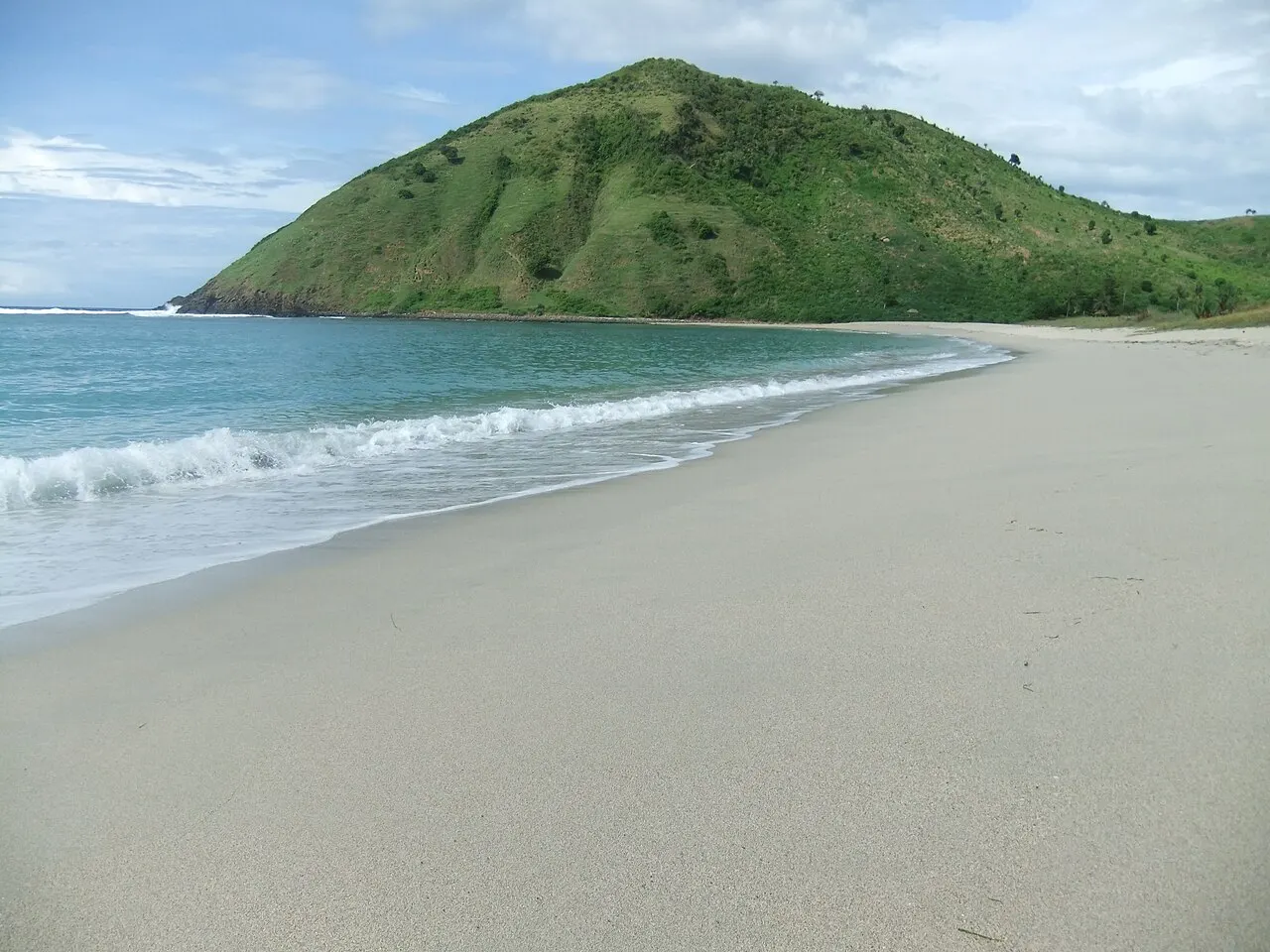
Pantai Mawun
A half-moon bay about 8 km west of Kuta, secluded, with calm water for swimming and a few drink stalls. Bring water and whatever you plan to eat.
Pura Meru
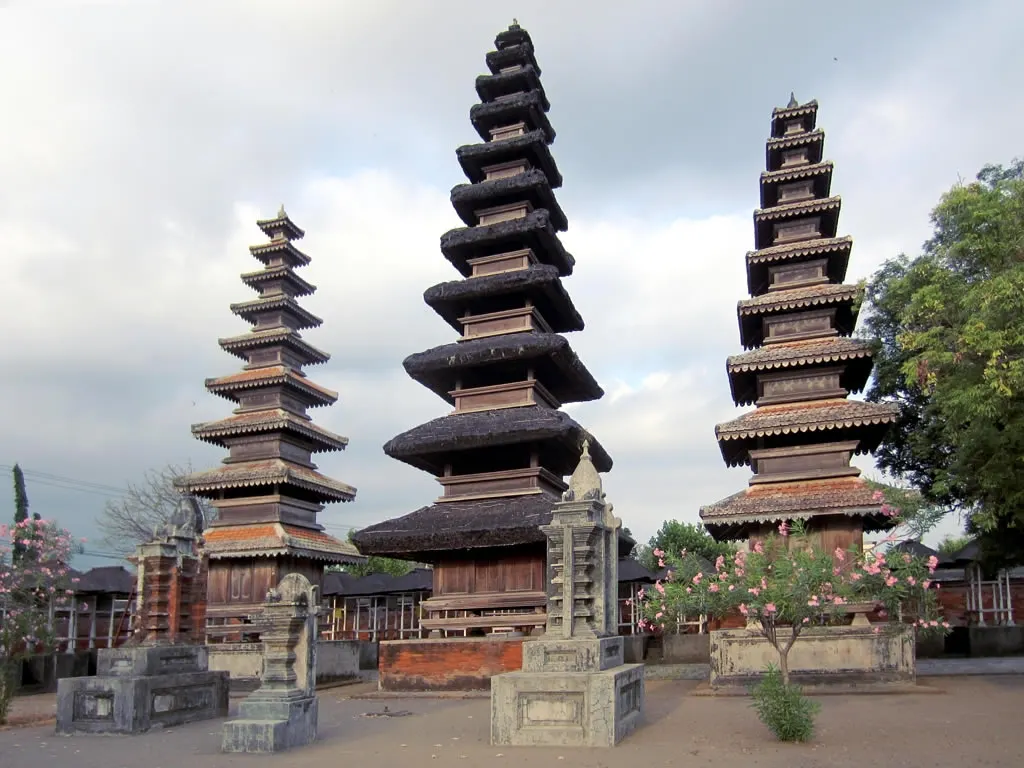
Lombok's largest Hindu temple, built in 1720 in Cakranegara, a district of Mataram, and dedicated to the trinity of Brahma, Vishnu and Shiva. The inner courtyard has 33 small shrines and three meru, the towers with tiered roofs: the central one, with 11 tiers, is Shiva's; the side ones, with nine, are Vishnu's and Brahma's. The caretaker lends a sash and sarong to those who arrive without them.
Taman Mayura
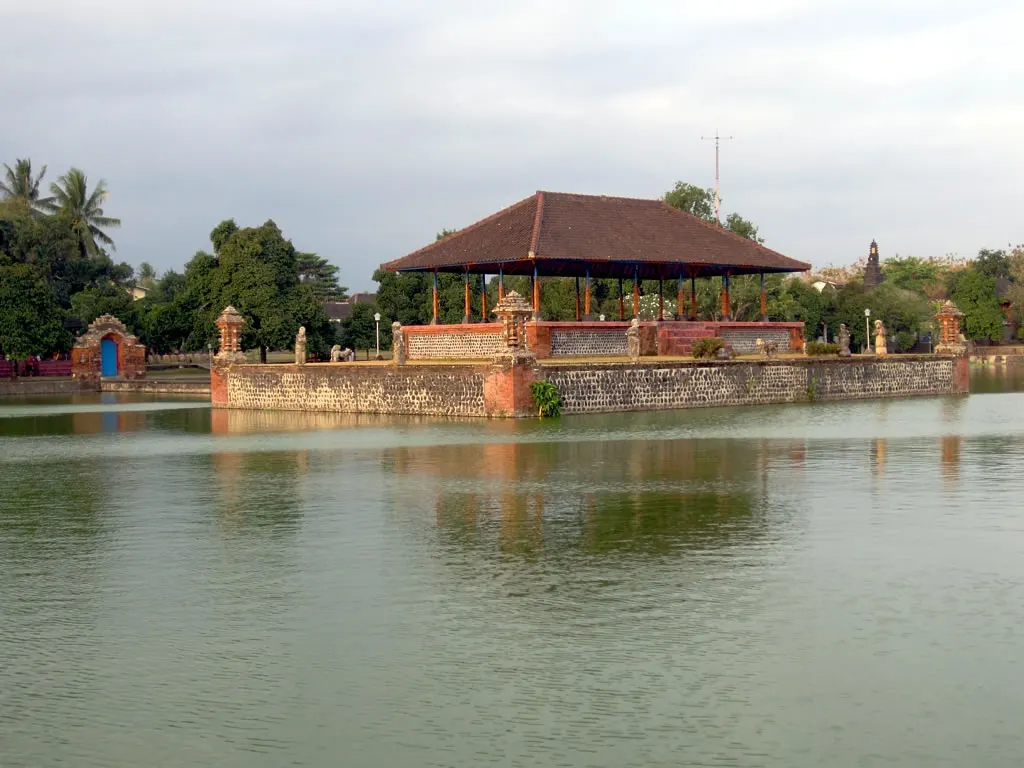
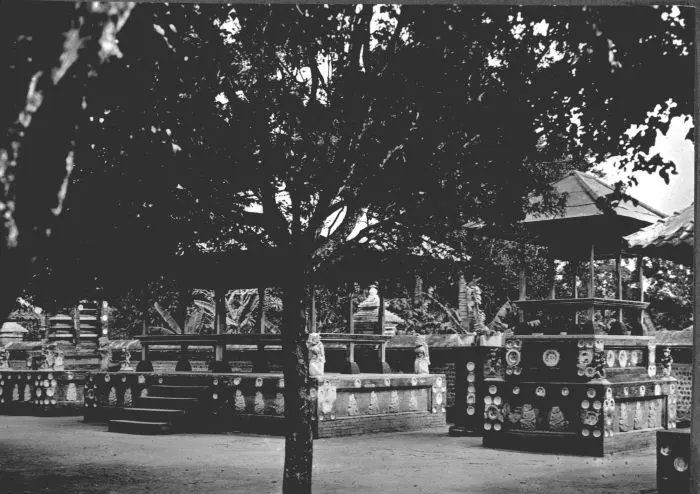
An 18th-century garden and water palace, from the time when Balinese kings ruled Lombok from Mataram. A large pond with a pavilion in the middle, Hindu shrines and lawns, a few blocks from Pura Meru, in Cakranegara.
Islamic Center NTB
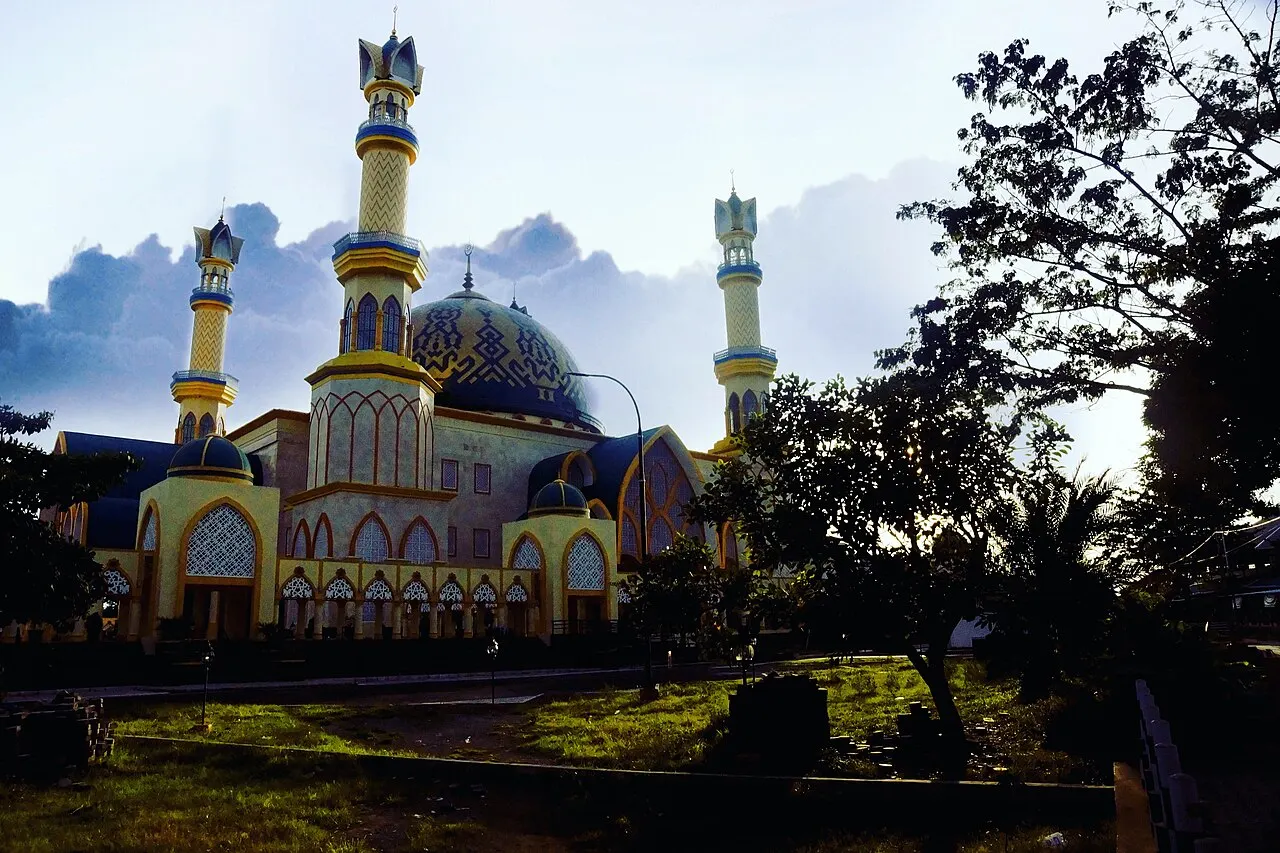
Mataram's great mosque, with green and gold domes and Sasak-motif decoration, lit up at night. According to Lonely Planet, the tallest minaret reaches 114 meters and has a view over the city. Visitors who arrive in shorts are given suitable clothing; avoid prayer times unless entry is permitted.
Pura Lingsar
A temple complex about 6 km east of Mataram, built in 1714 among rice fields and considered the island's most sacred. It combines a Balinese Hindu temple, Pura Gaduh, with shrines facing Rinjani and Gunung Agung, and the Kemaliq, a shrine of Wetu Telu followers, with springs, a lily pond and sacred eels. The annual Perang Topat ceremony takes place here. A sash or sarong can be rented at the entrance.
Pura Batu Bolong
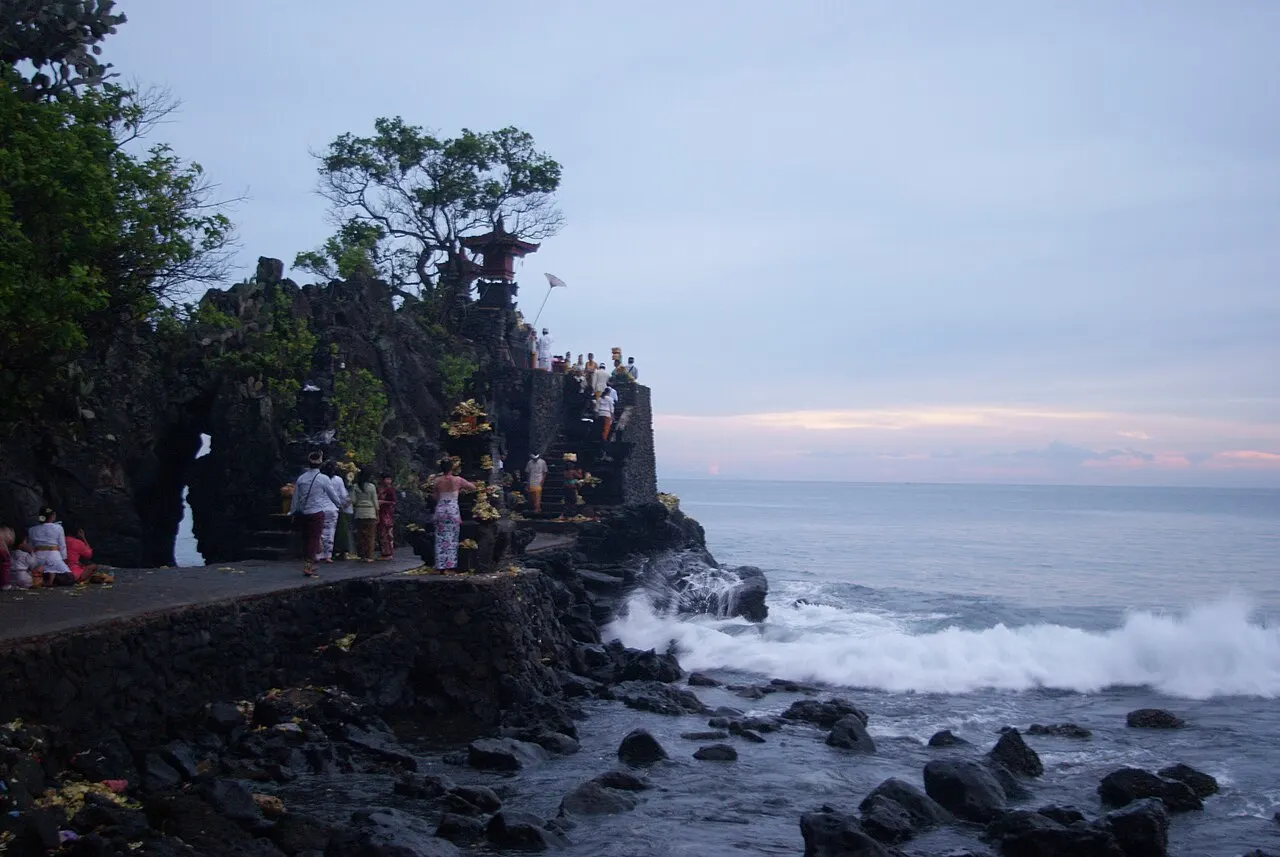
A small Hindu temple on a holed rock (batu bolong means rock with a hole) that juts into the sea, about 2 km south of Senggigi. Offerings are left every day, and it gets busier in the late afternoon, when residents and visitors gather for the sunset facing Bali. Entry is by donation; go with your legs covered or rent a sarong.
Gerupuk
A surf village about 7 km east of Kuta. The waves break far from the sand, and you need to hire a boatman to reach them; boards are rented in the village.
Pertamina Mandalika International Circuit
A street circuit opened in 2021 inside the Mandalika tourist zone, east of Kuta, which hosts the Indonesian round of MotoGP. In 2026 the race ran from October 9 to 11. Outside race weeks, the track matters little to a visit.
Desa Sade
A Sasak village in Rembitan, in the center-south of the island, declared a conservation village by the province in 1989, with houses of bamboo, wood, clay and thatched roofs, and weaving done on hand looms. On the night of August 22, 2026 a fire destroyed about 120 houses, according to the provincial disaster agency, with no deaths. Before you go, confirm whether visits have resumed and how the village is receiving visitors; when a visit is possible, buying cloth directly helps the residents.
Taman Narmada
An 18th-century royal garden about 10 km east of Mataram, designed to evoke Rinjani, with ponds, a Hindu temple and a sacred spring. It gets crowded on weekends.
Kota Tua Ampenan
The old Dutch-era port on Mataram's waterfront, with commercial buildings that carry the mark of the Arab, Chinese and European communities. It is worth one to two hours on foot in the late afternoon.
Nilo’s itinerary
Start with the basic programme and choose extensions for the time you have.
Plan my days in the app ↗Day 1 · Kuta, Tanjung Aan and sunset at Bukit Merese
From the airport, take a taxi or car with a driver to Kuta, about 18 km and 25 minutes, and drop your bags.
Spend the morning or early afternoon at Pantai Tanjung Aan, east of Kuta; if you want to try surfing, the beach waves suit beginners, preferably in the morning.
In the late afternoon, climb Bukit Merese, next to Tanjung Aan, to see the bays of Tanjung Aan and Gerupuk in low light; pay the small entrance fee.
Have dinner in Kuta and sleep there.
Day 2 · Selong Belanak, Mataram and sunset at Batu Bolong
Leave Kuta early for Pantai Mawun, about 8 km west, and continue to Pantai Selong Belanak, about 17 km west of Kuta, to swim or take a surf lesson in the morning.
After lunch, drive north, past the airport area, to Cakranegara, in Mataram.
Visit Pura Meru and, a few blocks away, Taman Mayura; bring a sarong or use the sash lent at the temple.
Continue along the coast to Pura Batu Bolong, about 2 km south of Senggigi, for the sunset.
Sleep in Senggigi or Mangsit.
Day 3 · Lingsar, the Mataram mosque and the crossing to Gili Air
In the morning, go from Senggigi to Pura Lingsar, about 6 km east of Mataram, and see the Hindu temple and the Wetu Telu shrine.
On the way back, stop at the Islamic Center NTB in Mataram, outside prayer times.
In the early afternoon, head to the port of Bangsal; the public boats only run in daylight and leave when full.
Cross to Gili Air, about 15 minutes, and end the day on the west-side beach.
Sleep on Gili Air.
Day 4 · Nest on Gili Meno and sunset on Gili Trawangan
Early, take the inter-island boat from Gili Air to Gili Meno (buy the ticket at the harbor window) or book a snorkel tour that stops at all three islands.
On Gili Meno, snorkel at Nest, the 48 submerged sculptures at about 4 meters off the west coast, and visit the turtle sanctuary.
In the afternoon, take a boat to Gili Trawangan and drop your bags.
Climb Trawangan's southern hill in the late afternoon for the sunset over Bali and the three islands.
Sleep on Gili Trawangan.
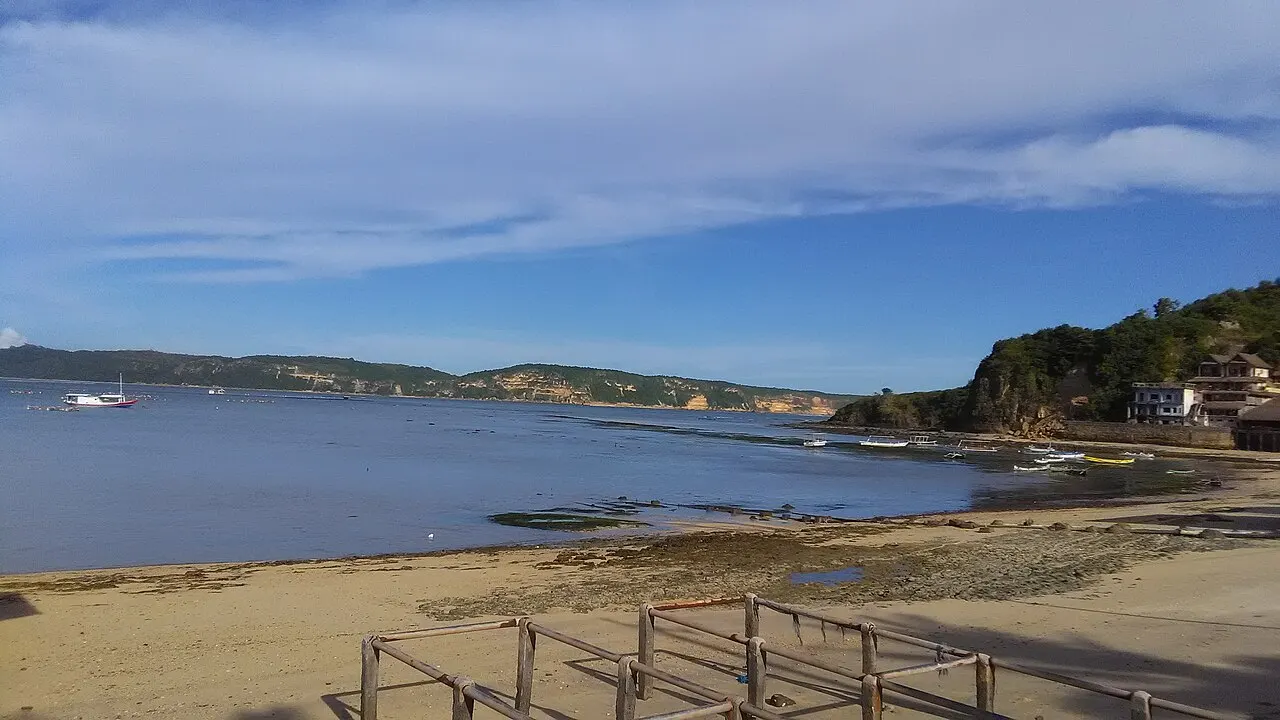
If you stay longer
Day 5 · Senaru and the Rinjani waterfalls
Take one of the first public boats from Gili Trawangan to Bangsal, about 45 minutes.
In Bangsal, continue by car with a driver along the north coast to Senaru.
Walk down to Air Terjun Sendang Gile and hire an accredited guide at the shops by the entrance for the trail of about 50 minutes to Air Terjun Tiu Kelep; bring shoes that can get wet.
Sleep in Senaru. The next day, go back by car with a driver to the airport or to the port of Bangsal, or start the Rinjani trek from here, if it is booked.
Food
Ayam taliwang
The island's best-known dish: young free-range chicken grilled with a paste of chili, onion and shrimp paste, with a sweetish undertone, served mild or very spicy. It comes with white rice and plecing kangkung.
Plecing kangkung
Water spinach (kangkung) and bean sprouts with seasoned grated coconut, topped with a tomato and shrimp-paste sambal. It accompanies ayam taliwang and grilled fish.
Sate rembiga
A beef skewer from the Rembiga district of Mataram, sweetish and spicy in its seasoning.
Sate bulayak
Small meat skewers with a peanut sauce cooked in coconut milk until it resembles a curry, served with bulayak, rice cakes wrapped in palm leaf. It is a specialty of Suranadi, in Narmada.
Nasi balap puyung
White rice with spicy shredded chicken, dried shredded beef, sambal, fried soybeans, grated coconut and sautéed vegetables; a breakfast dish or quick dinner, originally from Puyung, in the center of the island.
Sayur ares
Banana stem pith cooked in coconut milk seasoned with chicken bone broth, present at traditional Sasak ceremonies.
Beberuk terong
A fresh sambal of diced eggplant, long beans and tomato with chili, served alongside grilled fish and chicken.
Where to eat
- Mataram and Cakranegara
The place to try ayam taliwang, the grilled chicken with chili paste, alongside plecing kangkung, and the sate rembiga, from the Rembiga district. The taliwang can come mild or very spicy; ask for tidak pedas if you want it without chili.
- Narmada and Suranadi
Sate bulayak, with peanut sauce in coconut milk and rice cakes in palm leaf, is a specialty of Suranadi and pairs well with a visit to Lingsar and Narmada.
- Kuta
Warungs, the small restaurants serving home cooking, offer nasi campur (rice with assorted portions) and are the cheapest option. On the way from the airport, Puyung is the home of nasi balap puyung, a breakfast dish.
- Gili
All three islands have warungs serving Indonesian food next to restaurants aimed at visitors. Lombok is mostly Muslim and halal food is the rule; alcohol is concentrated in tourist areas, such as the Gilis, and in the larger hotels.
· 2026-10-19
Day trips
Gunung Rinjani trek
A multi-day extension from Senaru, in the north, or from Sembalun, in the northeast, with camping on the caldera rim and, for those who continue, a descent to Lake Segara Anak or a climb to the 3,726-meter summit. The trails close from January 1 to March 31; the ticket (Rp 250,000 per person per day for foreigners on the main trails, since November 3, 2025) and the daily quota are controlled through the eRinjani app. Hire an accredited operator, with guide and porters, and check in the app which trails are open, because fire and rain close sections outside the calendar.
Tetebatu
A village on the southern edge of Gunung Rinjani National Park, in the center-east of the island. A shaded trail of about 4 km leads to the Taman Wisata Tetebatu forest, home to lutungs, black-furred monkeys, and to nearby waterfalls; Lonely Planet recommends a guide, hired through your lodging. Getting there calls for a car with a driver from Kuta, Mataram or Senggigi; agree on the road time with the driver, because it varies with your base.
Pantai Tangsi (Pink Beach)
A pink-sand beach, a mix of white sand and pink coral fragments, in Sekaroh, in the far southeast of East Lombok. By car, head for Tanjung Ringgit: the sign for Pantai Pink appears about 1 km before the Tanjung Ringgit entrance. By boat, you can rent a vessel at the small port of Tanjung Luar, in about an hour, with stops at other beaches and islets along the way. There is no lodging and no guaranteed equipment rental: bring water, food and a snorkel mask, and agree with the driver or boatman on the travel time from your base.
Sukarare
A Sasak weaving village inland, visited from Kuta, where the cloth is made on hand looms and sold in the homes and shops themselves. Go with a car and driver and agree on the stop on the route between Kuta and Mataram.
Where to begin
Kuta, Tanjung Aan and sunset at Bukit Merese
From the airport, take a taxi or car with a driver to Kuta, about 18 km and 25 minutes, and drop your bags.
Selong Belanak, Mataram and sunset at Batu Bolong
Leave Kuta early for Pantai Mawun, about 8 km west, and continue to Pantai Selong Belanak, about 17 km west of Kuta, to swim or take a surf lesson in the morning.
Lingsar, the Mataram mosque and the crossing to Gili Air
In the morning, go from Senggigi to Pura Lingsar, about 6 km east of Mataram, and see the Hindu temple and the Wetu Telu shrine.
Nest on Gili Meno and sunset on Gili Trawangan
Early, take the inter-island boat from Gili Air to Gili Meno (buy the ticket at the harbor window) or book a snorkel tour that stops at all three islands.
Senaru and the Rinjani waterfalls
Take one of the first public boats from Gili Trawangan to Bangsal, about 45 minutes.
Money
The currency is the Indonesian rupiah (IDR). Much of what you pay for day to day is in cash: the DAMRI airport bus, the public boats at Bangsal, the horse carts, the beach stalls and temple donations. Carry rupiah in small bills for the Gilis and for the roads of the south. Some reference prices with dates: in June 2024 the public boat from Gili Air to Lombok cost Rp 18,000, from Gili Air to Meno Rp 40,000 and to Trawangan Rp 45,000. On Rinjani, the park fee for foreigners, since November 3, 2025, is Rp 250,000 per person per day on the main trails and Rp 200,000 on the alternative ones, and the porter, whose price the park fee does not regulate, used to cost Rp 175,000 to Rp 250,000 per day in October 2025, depending on the agreement with the trekker. For horse carts and chartered boats, agree on the price before getting on.
Getting there and around
Lombok International Airport (LOP), opened in 2011, lies inland in the south, near Praya: about 18 km and 25 minutes by taxi to Kuta, and about 50 km and over an hour to Senggigi. It receives flights from Jakarta, Surabaya and other Indonesian cities, from Bali (about 40 minutes by air) and international flights from Singapore and Kuala Lumpur. DAMRI buses link the airport to Mataram, Senggigi and other towns and take cash; metered taxis, such as Bluebird's, and apps such as Grab and Gojek also operate at the airport. Be wary of anyone offering unmarked private transport in the terminal. Visa rules depend on nationality; before your flight, check them on the Indonesian immigration site (allindonesia.imigrasi.go.id), where you also fill out the electronic arrival declaration.
From Bali, besides flying, there is the slow ferry from Padang Bai to Lembar, the port in southwest Lombok, in four to six hours, and the fast boats that leave from Padang Bai, Serangan and Amed directly for the Gilis and Lombok, in about an hour and a half to two and a half hours depending on the port. Safety standards on the fast boats vary: do not board if the sea or the boat look bad.
The Gilis are reached through the port of Bangsal, on the northwest coast, on the public boats of the local cooperative, which leave when full and only during the day: about 15 minutes to Gili Air, 30 to Meno and 45 to Trawangan. In June 2024, the fare from Gili Air to Lombok was Rp 18,000. From Teluk Nare, also on the northwest coast, chartered fast boats leave in 15 to 30 minutes. Between the islands there are infrequent public boats, with the ticket bought at each island's ticket window. On the Gilis no cars or motorbikes circulate: you get around on foot, by bicycle, by cidomo or by electric scooter.
On Lombok, public transport for visitors is weak: bemos, shared minibuses, have no fixed schedule and stop running at dusk. Most people hire a car with a driver by the day, use shuttles between Senggigi, the airport, Lembar and Bangsal, or rent a motorbike. To drive a car or motorbike you need a license from your home country and an International Driving Permit, and the police check; a helmet is mandatory.
Safety
Lombok is a relaxed destination for visitors, and the main risks come from roads, sea, mountains and health. On the roads, avoid driving at night, wear a helmet and watch for potholes and animals on the road; thefts of motorbikes and of belongings left on the beach have been reported in the south, and it is common to pay a local to watch your motorbike while you surf. At sea, do not swim between the Gilis, where currents are strong, and watch out for the small jellyfish, common on the Gilis in July and August; Portuguese man-of-war jellyfish, rarer, give a more serious sting. On the Gilis, do not leave your drink alone at the bar and avoid arak, the local spirit, which can contain methanol; hallucinogenic mushrooms are openly advertised, but Indonesia's drug law provides penalties that reach death for trafficking. Rinjani is a serious mountain: in 2025 two foreign trekkers died in falls, in May and in June, and the park began requiring a health certificate, a briefing and a guide for beginners; go with an accredited operator and respect the time your guide sets for the summit. The island lies in a seismic zone, as the 2018 earthquakes showed. Dengue exists: use repellent and see a doctor if you have a fever. The US CDC lists malaria risk in the rural areas of Lombok, and not on the Gilis; if your route includes rural areas, such as Senaru, Tetebatu or the Rinjani trek, talk to a travel medicine service about prevention. There is no international hospital on the island; the main ones are in Mataram, and the nearest referral hospital outside it is in Denpasar, Bali. Tap water is not drinkable.
Before you go
- Plug
- types C and F
- Voltage
- 127/230 V
- Driving side
- on the left
- Emergency
- General 112
- Country code
- +62
- Official language
- Indonesian
- Currency
- rupiah (IDR)
Source: Wikidata (CC0), checked September 2026.
Etiquette tips
Cover legs and shoulders away from the beach
In villages, temples, mosques and public buildings, swimwear and short shorts are out of place. Keep a sarong in your bag: Hindu temples ask for a sash at the waist and a sarong, and the Mataram mosque lends clothing to those who arrive in shorts.
Take your shoes off when entering homes
The custom applies to family homes and to the inner space of temples and mosques.
Use your right hand
Giving or receiving money, food or objects with the left hand is considered impolite.
Respect Ramadan
During the fasting month, eating, drinking and smoking in public outside tourist areas is frowned upon; many local restaurants only open at sunset.
Avoid prayer times
At mosques, arrive outside prayer times or ask permission; at Hindu temples, do not step on offerings left on the ground.
Mistakes to avoid
Treating the airport as the central point: it is in the south, near Kuta, and the Gili harbor is in the northwest. Anyone who lands at night and booked the first night on the Gilis reaches Bangsal after the last public boat.
Planning the Rinjani trek for January, February or March, when the park closes all trails, or arriving in Senaru without a ticket bought on eRinjani.
Accepting as a guide the first man who approaches tourists at the Sendang Gile ticket office. Accredited guides are in the shops by the entrance or are hired through your lodging.
Trying to swim from one Gili to another. Currents in the channel are strong, and people have died.
Buying the hallucinogenic mushrooms openly advertised on Gili Trawangan. Indonesian drug law is among the harshest in the world, and a sign on the wall does not make anything legal.
Renting a motorbike without an International Driving Permit and without the bike's registration (STNK), or leaving your passport as a deposit with the rental shop. In Kuta there is no insurance for rented motorbikes, and the police check.
Useful phrases
Selamat pagi
Good morning.
Terima kasih
Thank you.
Permisi
Excuse me; used to get past or to call someone politely.
Berapa harganya?
How much is it?
Tidak pedas
No chili; handy before the ayam taliwang.
Tidak, terima kasih
No, thank you; for turning down offers on the beach.
Where to stay
- Kuta · For those who want beach, surf and restaurants near the airport, with budgets of all kinds.: It is about 18 km from the airport and is the base for Tanjung Aan, Bukit Merese, Gerupuk, Mawun and Selong Belanak. The drawback is depending on a motorbike or car for each beach, and the Gili harbor is on the other side of the island.
- Senggigi and Mangsit · For those who want the calm west coast, with sunsets facing Bali and easy access to Mataram and the Gili harbor.: It is about 15 to 20 minutes from Mataram and on the road to Bangsal, which makes the day in Mataram and the crossing easier. Senggigi's main beach is modest and has hawkers; Mangsit is quieter. The airport is more than an hour away.
- Gili Trawangan · For those who want diving, nightlife and the Gilis' biggest choice of hotels and restaurants.: It has the largest selection of dive schools and services, and the sunset hill. The drawback is the noise from bars along part of the east coast and the fullest island of the three.
- Gili Air · For those who want the Gilis with infrastructure but calm nights, and the shortest crossing to Lombok.: It is about 15 minutes by boat from Bangsal and has restaurants and dive schools. Tap water is brackish, as on the other Gilis.
- Gili Meno · For those who want quiet and snorkeling at the door, with no nightlife.: It is the quietest of the three, with Nest and the turtle sanctuary nearby. The restaurant choice is smaller, and boats to the other islands are infrequent.
- Senaru · For those heading to the waterfalls early or starting the Rinjani trek from the north.: It sits at the entrance to Sendang Gile and one of the main trails. Lodgings are simple, and there is no beach or nightlife.
· 2026-10-19
Districts
Kuta and Mandalika
The old fishing village of the south has become the island's main beach resort, with guesthouses, surf schools and restaurants a few minutes from Tanjung Aan, Bukit Merese and Gerupuk. To the east lies the Mandalika tourist zone, with the MotoGP circuit and chain hotels.
Southwest coast
More secluded bays west of Kuta, such as Mawun and Selong Belanak, linked by hill roads. Little infrastructure beyond the beaches, and almost everything requires your own transport.
Mataram and Cakranegara
The provincial capital, with Pura Meru, Taman Mayura and the Islamic Center in Cakranegara, dense markets and the waterfront of the old port of Ampenan. It is a working city, not a beach town, and a good place to understand the island in a day.
Senggigi and Mangsit
Lombok's first tourist hub, on the west coast, north of Mataram. Senggigi has the main beach, shops and Pura Batu Bolong; Mangsit, to the north, is a long, calm beach with hotels. It is the stretch of coast closest to the Gili harbor.
Gili Trawangan
The largest of the Gilis, with the biggest choice of hotels, diving and bars, and the sunset hill.
Gili Meno
The quietest Gili, with the submerged sculptures of Nest and a turtle sanctuary.
Gili Air
The Gili closest to Lombok, with a middle-of-the-road pace, beach restaurants and turtles on the east reef.
Senaru
A village on Rinjani's north slope, gateway to the Sendang Gile and Tiu Kelep waterfalls and to one of the volcano's main trails.
Sembalun
An agricultural plateau in the northeast, starting point of the most-used trail to the summit of Rinjani.
History
1257 · The Samalas eruption
The Samalas volcano, Rinjani's neighbor and taller than it, blew up in one of the largest eruptions of the past two thousand years. What remains is the caldera that now holds Lake Segara Anak.
Early 17th century · The Balinese arrive in the west
Balinese kingdoms, starting from Karangasem, take the west of Lombok. By around 1750 they control the whole island, later divided into four rival kingdoms.
1714–1720 · Lingsar and Meru
The Balinese rulers build Pura Lingsar (1714), where Hindus and followers of Wetu Telu pray side by side, and Pura Meru (1720), the island's largest Hindu temple, in Cakranegara.
1838 · The kingdom of Mataram unifies the island
Mataram subdues the rival kingdoms and rules Lombok, with Sasak chiefs in the east under Balinese rule.
1894–1895 · The Dutch intervention
Sasak chiefs ally with the Dutch against Balinese rule. After a surrender undone by the younger princes and a counterattack, the whole island is annexed to the Dutch East Indies in 1895.
World War II · A Japanese outpost on the Gilis
Japanese troops use the Gilis as an observation post and prison camp; what remains is a bunker on Trawangan's hill and the hull of a patrol boat 45 meters deep south of Gili Air.
1971–1982 · Coconut groves and the first backpackers
The provincial government plants coconut palms on the Gilis from 1971, with labor from prisoners, some of whom stayed on as settlers. In 1982 Trawangan's first guesthouse opens, and backpackers arrive through the decade.
1997 · Gunung Rinjani National Park
The national park is created, covering 41,330 hectares around the volcano. In April 2018 the caldera joins UNESCO's Global Geoparks Network.
2011 · A new airport in the south
Lombok International Airport opens on October 1, 2011 near Praya, replacing the old Selaparang airport in Ampenan and bringing flights closer to the southern beaches.
2018 · The earthquakes
A sequence of tremors hits the island between July and August. The sequence kills more than 550 people; the strongest quake, on August 5, devastates North Lombok; the Gilis escape the worst but suffer structural damage.
2021 · The Mandalika circuit
The street circuit opens inside the Mandalika tourist zone, east of Kuta; it begins hosting MotoGP and speeds up hotel construction in the south.
2025–2026 · New rules on Rinjani
After fatal falls by trekkers in May and June 2025, the park reinforces trails and safety rules, charges new fees from November 3, 2025 and uses RFID wristbands and trackers from the reopening in April 2026.
Complete history
The Sasaks, who still make up about 85% of the population, have lived on Lombok far longer than any written record, and the landscape they knew was remade in 1257, when the Samalas volcano exploded and left the caldera that now holds Lake Segara Anak. The mountain stayed at the center of island life: Rinjani is sacred to Sasaks and Balinese alike, and ceremonies still climb to the crater.
From the early 17th century, Balinese kingdoms from Karangasem crossed the strait and took the west of the island. The Hindu side of Lombok dates from this period, not from a common origin: the Balinese community of the Mataram plain, the temples of Lingsar (1714) and Meru (1720) and the royal gardens of Mayura and Narmada. The kingdom of Mataram unified the island in 1838, and Sasak chiefs in the east, under Balinese rule, sought an alliance with the Dutch. The intervention of 1894 ended with the annexation of the whole island to the Dutch East Indies in 1895.
The religion of the majority is Islam, to the point that Lombok is called the island of a thousand mosques. Some Sasaks, mainly in the north, follow Wetu Telu, a practice that combines Islam with ancestral beliefs and Hindu elements and prays three times a day rather than five. At Lingsar, the two worlds share the same temple complex.
Tourism reached the Gilis first, where coconut groves planted in the 1970s became a backpacker destination in the 1980s and later a diving one. Growth was fast: Gili Trawangan alone went from about 35,000 visitors in 2009 to more than a million in 2015, putting pressure on waste, water and reefs. In 2018, a sequence of earthquakes killed more than 550 people and destroyed much of North Lombok. The following decade brought the southern airport, the Mandalika circuit and new hotels around Kuta, while Rinjani got stricter rules after the trekker deaths of 2025.
Geography and shape of the city
Lombok covers about 4,567 km², and the terrain peaks in the north, where Gunung Rinjani rises to 3,726 meters. The caldera, about 6 by 8.5 km, holds Lake Segara Anak, at about 2,000 meters, and the young cone of Gunung Barujari; Senaru, on the north slope, and Sembalun, on the northeastern plateau, are the gateways to the trails. In the west, the Mataram plain joins three former towns (Ampenan, the port; Mataram; and Cakranegara, the commercial center), and the coastal road runs north through Senggigi and Mangsit to the port of Bangsal, where boats leave for the Gilis, three flat islets of 6.78 km² combined. The south is a shoreline of dry hills and pale-sand bays, with Kuta and the Mandalika zone at the center, Selong Belanak and Mawun to the west and Gerupuk and Tanjung Aan to the east; the airport lies inland, near Praya, about 18 km from Kuta. The Lombok Strait, which separates the island from Bali, marks the Wallace Line, the boundary between Asian and Australasian fauna described by the naturalist Alfred Russel Wallace. The climate is tropical and drier than Bali's.
Culture
The Sasak majority is Muslim, and the call to prayer shapes the day across most of the island; Lombok is known as the island of a thousand mosques, and Mataram's Islamic Center is its most visible image. In the west, the Balinese community keeps temples, daily offerings and Hindu ceremonies, and at Lingsar the two traditions share the same complex. Wetu Telu, a Sasak practice that combines Islam and ancestral beliefs, survives mainly in the north, near Rinjani.
Weaving is the art most present in everyday Sasak life. Villages such as Sukarare and Sade live off cloth made on hand looms, and traditional houses of bamboo, wood and thatched roofs follow a layout of rooms of their own. The legend of Princess Mandalika, who is said to have thrown herself into the sea and returned as the colorful worms called nyale, gives its name to the southern tourist zone and to the Bau Nyale festival.
On the Gilis the culture is different: descendants of Bugis fishermen, who used the islands as a stopover, and of settlers who came from Lombok in the 1970s share the islands with dive schools, bars and a floating population of foreigners. The Gili Eco Trust, an organization created in 2000 with residents and dive schools, works on reefs, waste, erosion and the care of the horses that pull the carts.
Festivals and events
Bau Nyale
A Sasak festival of catching nyale, sea worms that rise to the surface once a year on the southern beaches, tied to the legend of Princess Mandalika. The date is set by traditional leaders according to tides and the local calendar; in 2026 the main night was February 7 to 8, centered on Pantai Seger, in Kuta, with events on other beaches.
Perang Topat
An annual ceremony at Pura Lingsar, whose name means war of the topat (a rice cake boiled in coconut leaf), bringing Balinese Hindus and Wetu Telu Sasaks together in the same complex. The date follows the traditional calendar; confirm with the West Lombok tourism office.
Ramadan and Eid al-Fitr
The fasting month changes the routine of the Muslim island: many restaurants outside tourist areas close until sunset. The month follows the Islamic lunar calendar and starts about 11 days earlier each year; check the dates for the year of your trip.
Indonesian MotoGP
The Indonesian round of MotoGP at the Mandalika circuit; in 2026 it ran from October 9 to 11. That week, hotels in the south fill up and prices rise.
Books and films
The Malay Archipelago, by Alfred Russel Wallace (1869)
The naturalist passed through Lombok in 1856 and described the difference between the birds of Bali and those of Lombok, separated only by the Lombok Strait. It is the origin of the Wallace Line and a portrait of the island under the Balinese kings.
Frequently asked questions
Lombok: how do I get from the airport to Kuta or Senggigi?
Lombok International Airport (LOP), opened in 2011, lies inland in the south, near Praya: about 18 km and 25 minutes by taxi to Kuta, and about 50 km and over an hour to Senggigi. DAMRI buses link the airport to Mataram, Senggigi and other towns and take cash; metered taxis, such as Bluebird's, and apps such as Grab and Gojek also operate at the airport. Be wary of anyone offering unmarked private transport in the terminal.
Lombok: do I need a visa to enter?
Visa rules depend on nationality; before your flight, check them on the Indonesian immigration site (allindonesia.imigrasi.go.id), where you also fill out the electronic arrival declaration.
Lombok: how do I get there from Bali?
Lombok International Airport receives flights from Bali, about 40 minutes by air. Besides flying, there is the slow ferry from Padang Bai to Lembar, the port in southwest Lombok, in four to six hours, and the fast boats that leave from Padang Bai, Serangan and Amed directly for the Gilis and Lombok, in about an hour and a half to two and a half hours depending on the port. Safety standards on the fast boats vary: do not board if the sea or the boat look bad.
Lombok: how do I get to the Gili Islands?
The Gilis are reached through the port of Bangsal, on the northwest coast, on the public boats of the local cooperative, which leave when full and only during the day: about 15 minutes to Gili Air, 30 to Meno and 45 to Trawangan. In June 2024, the fare from Gili Air to Lombok was Rp 18,000. From Teluk Nare, also on the northwest coast, chartered fast boats leave in 15 to 30 minutes. Between the islands there are infrequent public boats, with the ticket bought at each island's ticket window. Anyone who lands at night and booked the first night on the Gilis reaches Bangsal after the last public boat.
Lombok: how many days should I stay?
I would spend five days on Lombok, changing base by region: one night in Kuta for the southern beaches, one in Senggigi after Mataram, two on the Gilis and the last in Senaru, on the slope of Rinjani. Changing base keeps you from going back along the same road, because the airport is in the south and the Gili harbor in the northwest. With four days, I would cut Senaru and go from the Gilis straight back to the airport. The Rinjani trek is a different trip: it adds several days and only makes sense for someone who is prepared and arrives outside the January to March closure, preferably in the dry season.
Lombok: which of the Gili Islands should I stay on?
Gili Trawangan suits those who want diving, nightlife and the Gilis' biggest choice of hotels and restaurants; the drawback is the noise from bars along part of the east coast and the fullest island of the three. Gili Air is for those who want the Gilis with infrastructure but calm nights, and the shortest crossing to Lombok, about 15 minutes by boat from Bangsal. Gili Meno is the quietest of the three, for those who want quiet and snorkeling at the door, with Nest and the turtle sanctuary nearby; the restaurant choice is smaller, and boats to the other islands are infrequent.
Lombok: what do I need to climb Rinjani?
The climb is a multi-day trek with camping on the caldera rim, from Senaru or Sembalun, and it demands preparation: the national park closes the trails from January 1 to March 31, sells tickets and controls the daily quota through the eRinjani app, asks for a recent health certificate and a safety briefing, and requires an experienced guide for beginners, at one guide per five people. The fee for foreigners, since November 3, 2025, is Rp 250,000 per person per day on the main trails (Sembalun, Senaru and Torean) and Rp 200,000 on the alternative ones (Timbanuh, Tetebatu and Aik Berik). The porter, whom the park fee does not cover, used to cost Rp 175,000 to Rp 250,000 per day in October 2025, depending on the agreement with the trekker. Hire an accredited operator, with guide and porters. Fire and rain close trails outside the calendar: check in the app which ones are open before locking in dates.
Lombok: when is the best time to go?
From May to September, the dry season, with calmer seas on the Gilis, dry roads in the south and the Rinjani trails open; May to August is also high season, with fuller hotels. The rainy season runs from October or November to April, usually in showers of an hour or two, and is when Rinjani is closed, from January 1 to March 31; the beaches remain visitable, with more green and fewer people. Jellyfish are common on the Gilis in July and August.
Lombok: can I rent a motorbike or drive on the island?
To drive a car or motorbike you need a license from your home country and an International Driving Permit, and the police check; a helmet is mandatory. When renting a motorbike, also have the bike's registration (STNK) and do not leave your passport as a deposit with the rental shop; in Kuta there is no insurance for rented motorbikes. On the roads, avoid driving at night and watch for potholes and animals on the road.
Lombok: do I need to carry cash?
Much of what you pay for day to day is in cash: the DAMRI airport bus, the public boats at Bangsal, the horse carts, the beach stalls and temple donations. Carry rupiah in small bills for the Gilis and for the roads of the south. For horse carts and chartered boats, agree on the price before getting on.
Lombok: what changes during Ramadan?
The fasting month changes the routine of the Muslim island: many restaurants outside tourist areas close until sunset, and eating, drinking and smoking in public outside tourist areas is frowned upon. The month follows the Islamic lunar calendar and starts about 11 days earlier each year; check the dates for the year of your trip.
Lombok: what safety and health precautions should I take?
Lombok is a relaxed destination for visitors, and the main risks come from roads, sea, mountains and health. On the roads, avoid driving at night, wear a helmet and watch for potholes and animals on the road; thefts of motorbikes and of belongings left on the beach have been reported in the south, and it is common to pay a local to watch your motorbike while you surf. At sea, do not swim between the Gilis, where currents are strong, and watch out for the small jellyfish, common on the Gilis in July and August; Portuguese man-of-war jellyfish, rarer, give a more serious sting. On the Gilis, do not leave your drink alone at the bar and avoid arak, the local spirit, which can contain methanol; hallucinogenic mushrooms are openly advertised, but Indonesia's drug law provides penalties that reach death for trafficking. Rinjani is a serious mountain: in 2025 two foreign trekkers died in falls, in May and in June, and the park began requiring a health certificate, a briefing and a guide for beginners; go with an accredited operator and respect the time your guide sets for the summit. The island lies in a seismic zone, as the 2018 earthquakes showed. Dengue exists: use repellent and see a doctor if you have a fever. The US CDC lists malaria risk in the rural areas of Lombok, and not on the Gilis; if your route includes rural areas, such as Senaru, Tetebatu or the Rinjani trek, talk to a travel medicine service about prevention. There is no international hospital on the island; the main ones are in Mataram, and the nearest referral hospital outside it is in Denpasar, Bali. Tap water is not drinkable.
Other cities in the country
Indonesia ↗- Days
- 1–2
- When
- Jun–Sep
- Per person/day
- Average 800,000–1,500,000 IDRMid-range · per person/day
Cost scope
Per person per day: accommodation, meals, urban transport, visits and a small allowance for extras. Flights excluded; larger purchases vary. Editorial estimate, not a quote.
- Days
- 3–4
- When
- Apr–May · Sep–Oct
- Per person/day
- Average 600,000–1,800,000 RpMid-range · per person/day
Cost scope
Per person per day: accommodation, meals, urban transport, visits and a small allowance for extras. Flights excluded; larger purchases vary. Editorial estimate, not a quote.
- Days
- 3–4
- When
- Jun–Sep
- Per person/day
- Average 1,060,000 IDRMid-range · per person/day
Cost scope
Per person per day: accommodation, meals, urban transport, visits and a small allowance for extras. Flights excluded; larger purchases vary. Editorial estimate, not a quote.