Kenya
Nairobi
Nairobi has savanna right up against the financial district
Days Start with the basic programme and choose extensions for the time you have.
How the guide reaches this number
A third leaves room for Karen and Langata, or Karura, without compressing visits. If no Sheldrick booking is available, the park remains an outing in its own right; the nursery is not a requirement for discovering Nairobi. The city calls for transport choices but also offers places to walk, eat and learn at an unhurried pace. With little time, choose the experience that matters most and keep a margin for the airport return. I’d avoid making a long Ngong Hills hike or a Naivasha day trip a rushed addition to the capital.
2–3
When Drier periods: January–February and parts of June–September; check the forecast for outdoor activities.
How the guide reaches this number
Altitude gives Nairobi fresher mornings and evenings than its position near the equator might suggest. Layers help you move through the day; bring rain protection too. Typical climate helps with choosing a season, while a forecast close to your trip is more useful for deciding on a trail or park outing.
Per person/day Budget about 6,700 KES; mid-range about 8,700 KES; comfortable about 13,500 KES per person, based on what travellers report to Budget Your Trip (checked October 2026).
How the guide reaches this number
Nairobi National Park and the Sheldrick charge separately; add those admissions on the day you go.
Budget about 6,700 KES; mid-range about 8,700 KES; comfortable about 13,500 KES per person, based on what travellers report to Budget Your Trip (checked October 2026). Nairobi National Park and the Sheldrick charge separately; add those admissions on the day you go.
Per person per day: accommodation, meals, urban transport, visits and a small allowance for extras. Flights excluded; larger purchases vary. Editorial estimate, not a quote.
 What Nilo thinks
I’d allow two days to begin: one for the park and conservation, another for museums and downtown. A third leaves room for Karen and Langata, or Karura, without compressing visits. If no Sheldrick booking is available, the park remains an outing in its own right; the nursery is not a requirement for discovering Nairobi.
The city calls for transport choices but also offers places to walk, eat and learn at an unhurried pace. With little time, choose the experience that matters most and keep a margin for the airport return. I’d avoid making a long Ngong Hills hike or a Naivasha day trip a rushed addition to the capital.Nairobi deserves time beyond a safari gate. In the national park, savanna and buildings on the horizon reveal how close conservation and city are; downtown, museums and memorials explore the railway, colonial history and struggles over public space. At a nyama choma meal, meat comes from charcoal to the table, while markets and music programmes offer other ways to begin.
Read more
Organise days by area and interest. Sheldrick requires its own booking and access arrangements; Karen and Langata combine conservation visits with Karen Blixen’s house. An extra day leaves room for these places without sacrificing museums, meals and journeys. For trails, prepare a separate outing and choose walking conditions with local guidance.
Quick facts
- Population
- About 4.4 million in Nairobi County in the 2019 census; this is not a current estimate of the metropolitan area.
- Founded
- 1899, as a depot for the Mombasa–Uganda railway; capital of the protectorate from 1905; city charter in 1950
- Country and region
- Kenya, Nairobi County, central highlands of East Africa
- Language
- Swahili and English (official); sheng, urban slang, on the street
- Currency
- Kenyan shilling (KES); check exchange rates and fees before changing or withdrawing money.
- Time zone
- EAT, UTC+3, no daylight saving
- Best time to visit
- Drier periods: January–February and parts of June–September; check the forecast for outdoor activities.
- Average daily cost
- Budget about 6,700 KES; mid-range about 8,700 KES; comfortable about 13,500 KES per person, based on what travellers report to Budget Your Trip (checked October 2026). Nairobi National Park and the Sheldrick charge separately; add those admissions on the day you go.
When to go
Drier periods: January–February and parts of June–September; check the forecast for outdoor activities.
January
14° to 27°C
58 mm of rain
February
14° to 28°C
36 mm of rain
March
15° to 28°C
75 mm of rain
April
16° to 26°C
130 mm of rain
May
15° to 25°C
102 mm of rain
June
13° to 24°C
29 mm of rain
July
12° to 24°C
11 mm of rain
August
13° to 24°C
19 mm of rain
September
13° to 26°C
17 mm of rain
October
15° to 27°C
50 mm of rain
November
15° to 25°C
131 mm of rain
December
15° to 26°C
85 mm of rain
How the year changes
Altitude gives Nairobi fresher mornings and evenings than its position near the equator might suggest. Layers help you move through the day; bring rain protection too. Typical climate helps with choosing a season, while a forecast close to your trip is more useful for deciding on a trail or park outing.
Long rains are concentrated between March and May, and short rains between October and December. Leave more flexibility then: heavy rain can affect roads, paths and journeys. Museums and leisurely meals offer alternatives to outdoor activities. January and February and parts of June–September tend to offer drier conditions, with cool mornings and evenings around midyear.
If combining Nairobi with another part of Kenya, consider that destination’s climate and availability too. Hotels, outings and flights vary by date; compare the whole journey when choosing a season.
The same numbers as a table
| Month | Temperature °C | Rain mm |
|---|---|---|
| January | 14 to 27 | 58 |
| February | 14 to 28 | 36 |
| March | 15 to 28 | 75 |
| April | 16 to 26 | 130 |
| May | 15 to 25 | 102 |
| June | 13 to 24 | 29 |
| July | 12 to 24 | 11 |
| August | 13 to 24 | 19 |
| September | 13 to 26 | 17 |
| October | 15 to 27 | 50 |
| November | 15 to 25 | 131 |
| December | 15 to 26 | 85 |
Nilo's tips
Book Sheldrick and plan the park day
The nursery visit runs from 11am to 12 noon and requires confirmation from the Trust itself. Plan to arrive by 10:30am through the Mbagathi/Workshop Gate on Magadi Road, with KWS entry arranged and cash for the separate contribution. Agree with the operator whether the wildlife drive will be before or after, allowing for access, transfer, a break and departure; being “next door” on a map does not remove the journey between gates.
Arrange registration and payment alternatives
If you want to use M‑Pesa, ask an authorised Safaricom shop or agent to explain registration, identification, fees and funding. Protect your PIN and check recipient and amount before confirming. Carry a card and cash for places accepting different methods; SIM, data and wallet are distinct services.
Airport: check the route and full cost
For JKIA, arrange identified transport and check the meeting point. Mombasa Road and Nairobi Expressway are usual routes; traffic, security checks and the final address affect timing. Ask whether the price includes tolls and other charges. Compare the service and quoted cost for your journey rather than assuming a counter or app is always cheaper.
Check the airport for each flight
Nairobi has JKIA and Wilson, and some safari flights use Wilson. Read the airport and terminal on each flight’s ticket. If changing airports, allow for first-flight delays, baggage collection, traffic, security and check-in; an estimated road journey does not guarantee the connection.
KICC with confirmed access in daylight
Check rooftop availability, fees and entry hours for the day before crossing the city. When the weather allows, the view helps identify downtown and its main arteries. Plan a daytime visit and arrange transport back.
Maasai Market changes address: check where it is that day
Confirm the Maasai Market’s location for your visiting day with a current local source. At craft stalls, ask about materials, makers and price; bargaining may be part of the purchase, without a fixed discount rule. Leave time to look before deciding and keep an eye on your belongings.
Explore the map

© OpenStreetMap · OpenFreeMap · © OpenMapTiles
Explore the map, read about the other places and plan your travel days in the app.
Open the appWhat to see
Nairobi: Altitude and the slope of the land
To the west, the Rift escarpment climbs to the Ngong Hills, which reach 2,460 m and are visible from downtown on clear days; to the south, Nairobi National Park covers 117 km², fenced on three sides and open toward the Kitengela plains through the migration corridor.
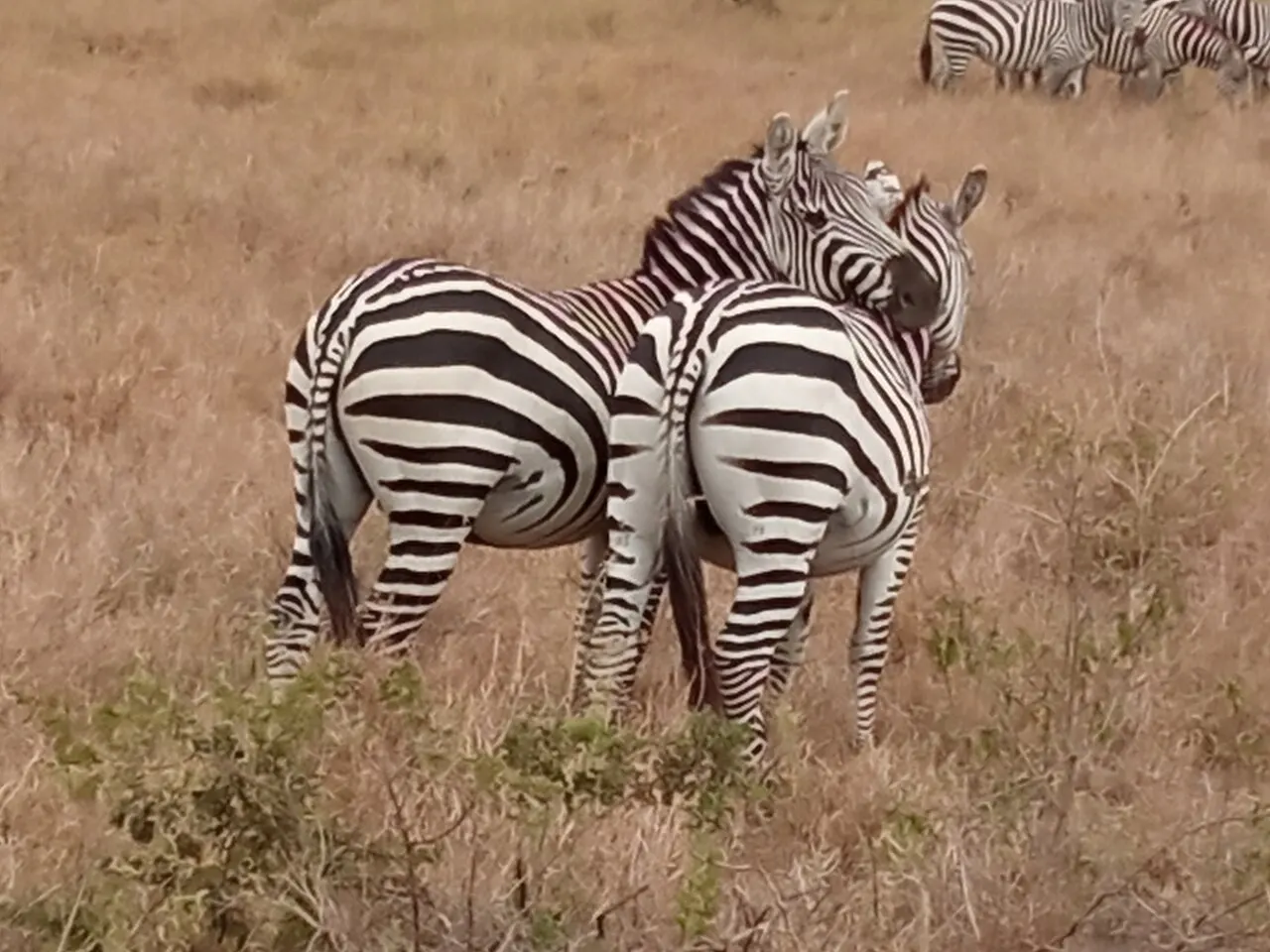
Nairobi National Park
Nairobi National Park’s savanna begins at the capital’s southern edge: 117 km² protected since 1946, with rhinos, lions, giraffes and other species. Buildings on the horizon reveal how close city and habitat are, but sightings depend on the outing’s conditions. Arrange a drive with an identified operator and check KWS/eCitizen fees: the adult Non-resident category is US$ 80 in the table consulted in October 2026; African citizens, East African citizens and Kenya residents have distinct categories. Vehicles, drivers and the Sheldrick visit can add separate charges.
Check access
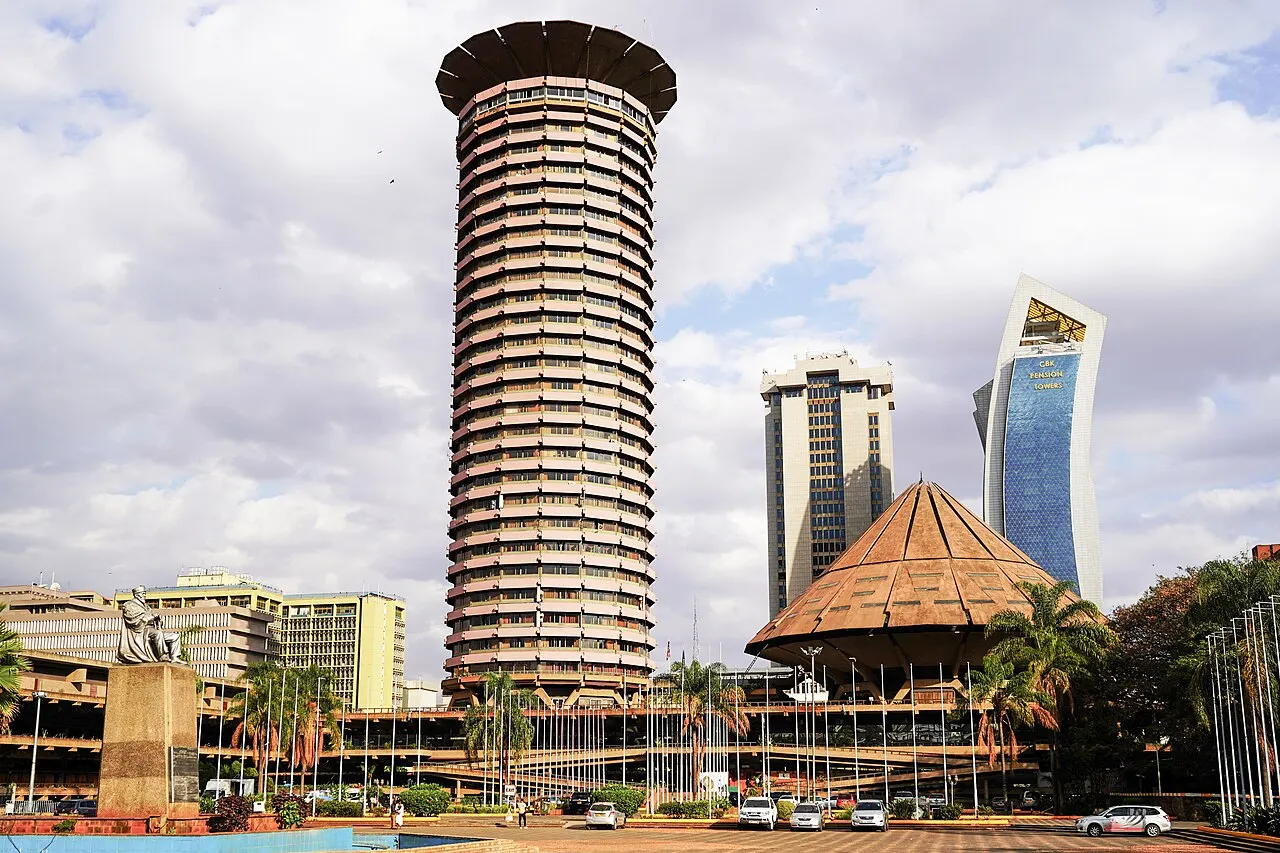
Kenyatta International Convention Centre
The KICC’s cylindrical tower and neighbouring amphitheatre are downtown landmarks. When rooftop visits are available, the panorama helps relate public buildings, avenues and green spaces. Check access, hours, fees and event-related restrictions directly with the centre before going; prefer a daytime visit and arrange the return.
Check access

Sheldrick Wildlife Trust
The Sheldrick Wildlife Trust cares for orphaned elephants at a nursery inside the national park. The public visit follows feeding and the mud bath with keepers’ explanations, from 11am to 12 noon except on 25 December. You need a confirmed booking issued by the Trust itself; a tour listing on another platform does not replace it. Arrive by 10:30am at the KWS Mbagathi/Workshop Gate on Magadi Road. Park admission is paid separately through eCitizen, and the nursery contribution is collected in cash on arrival; check amounts, category and any vehicle and driver fees.
Check access
Nairobi National Museum
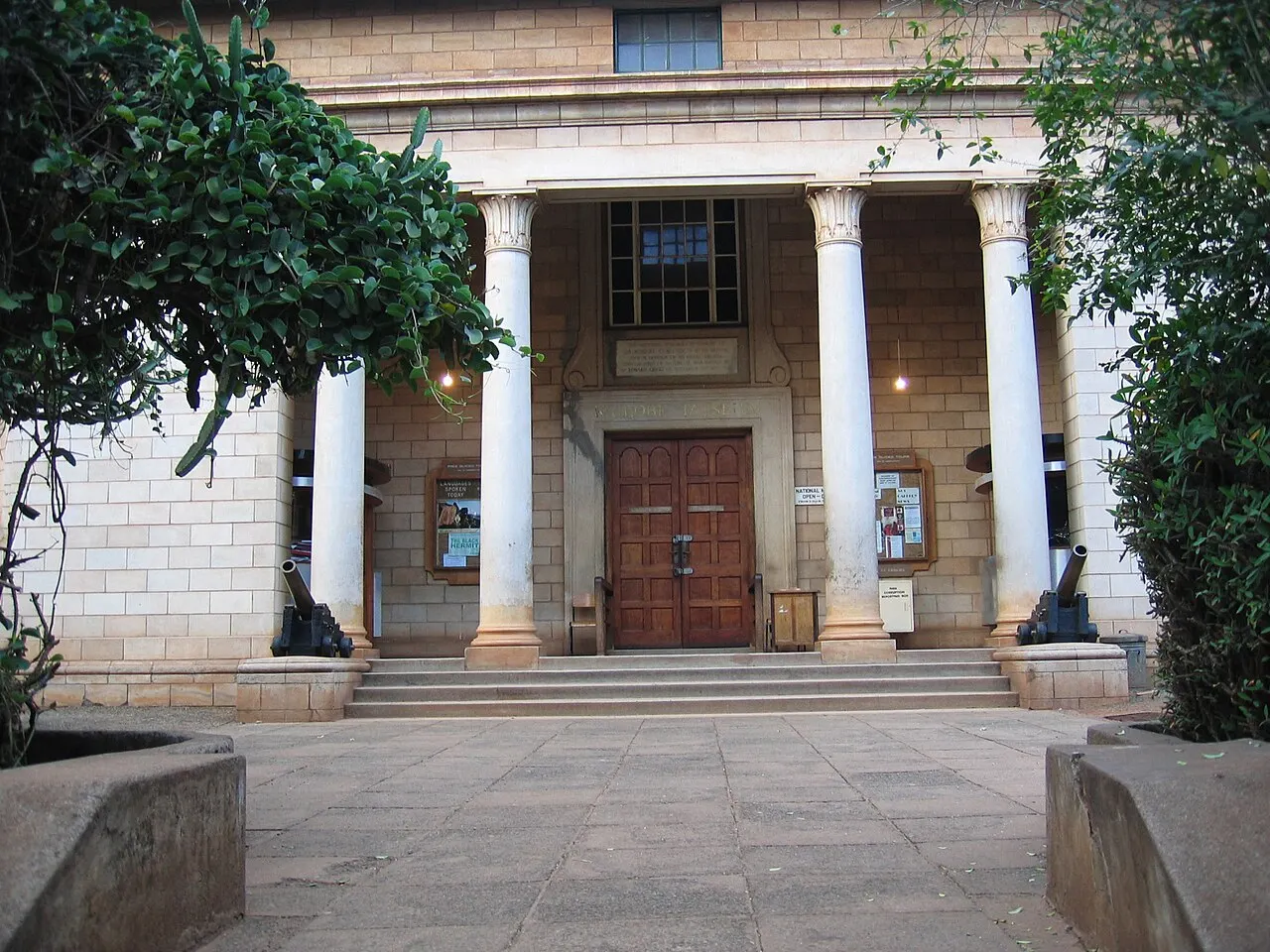
On Museum Hill, in a 1930 building renovated between 2005 and 2008, it holds the prehistory hall with hominid fossils from the Leakey family's excavations, the bird collection, and the country's history. In the garden stand the statue of Ahmed, the giant-tusked elephant placed under presidential protection in 1970, and the Snake Park.
Check access
Karen Blixen Museum
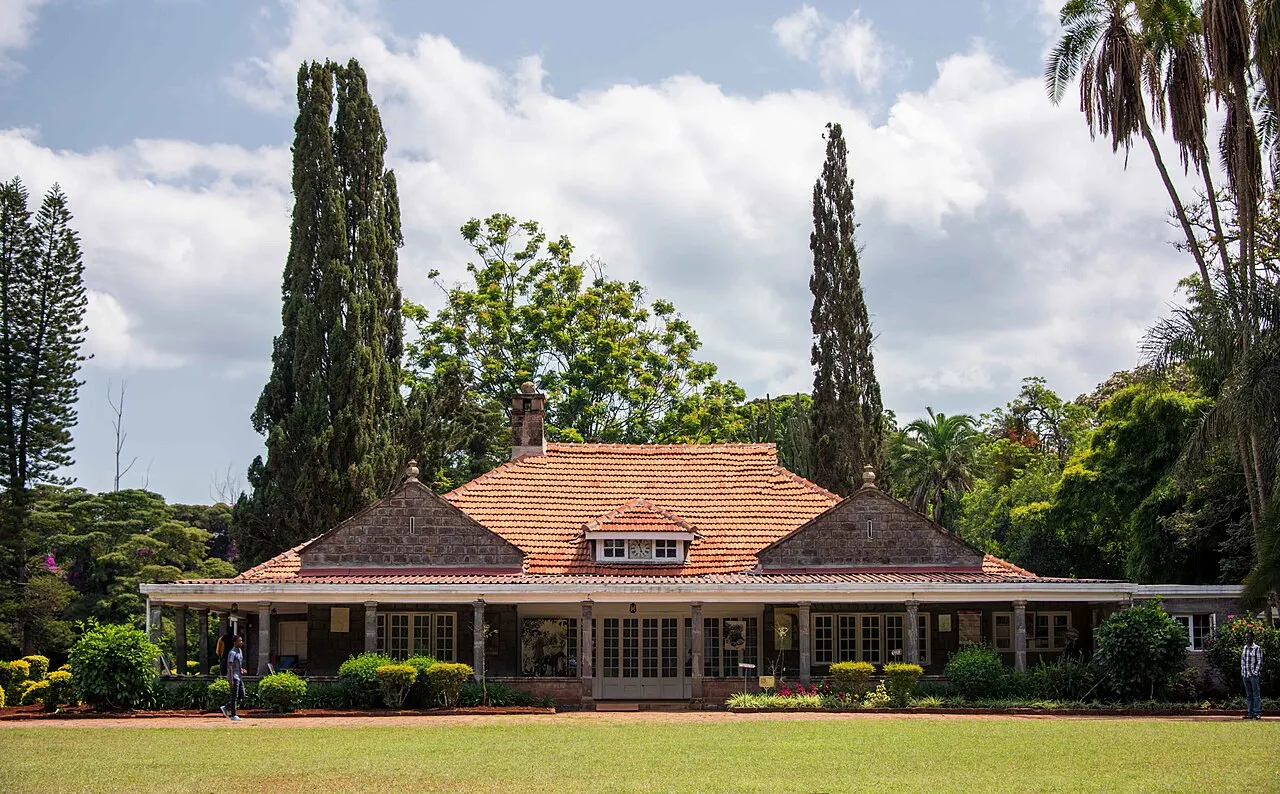
A 1912 house where the Danish writer lived from 1917 to 1931 running a coffee farm that failed. It became a museum in 1986, a year after the film Out of Africa; the visit is guided and takes about 40 minutes, with the Ngong Hills behind the garden.
Check access
Giraffe Centre
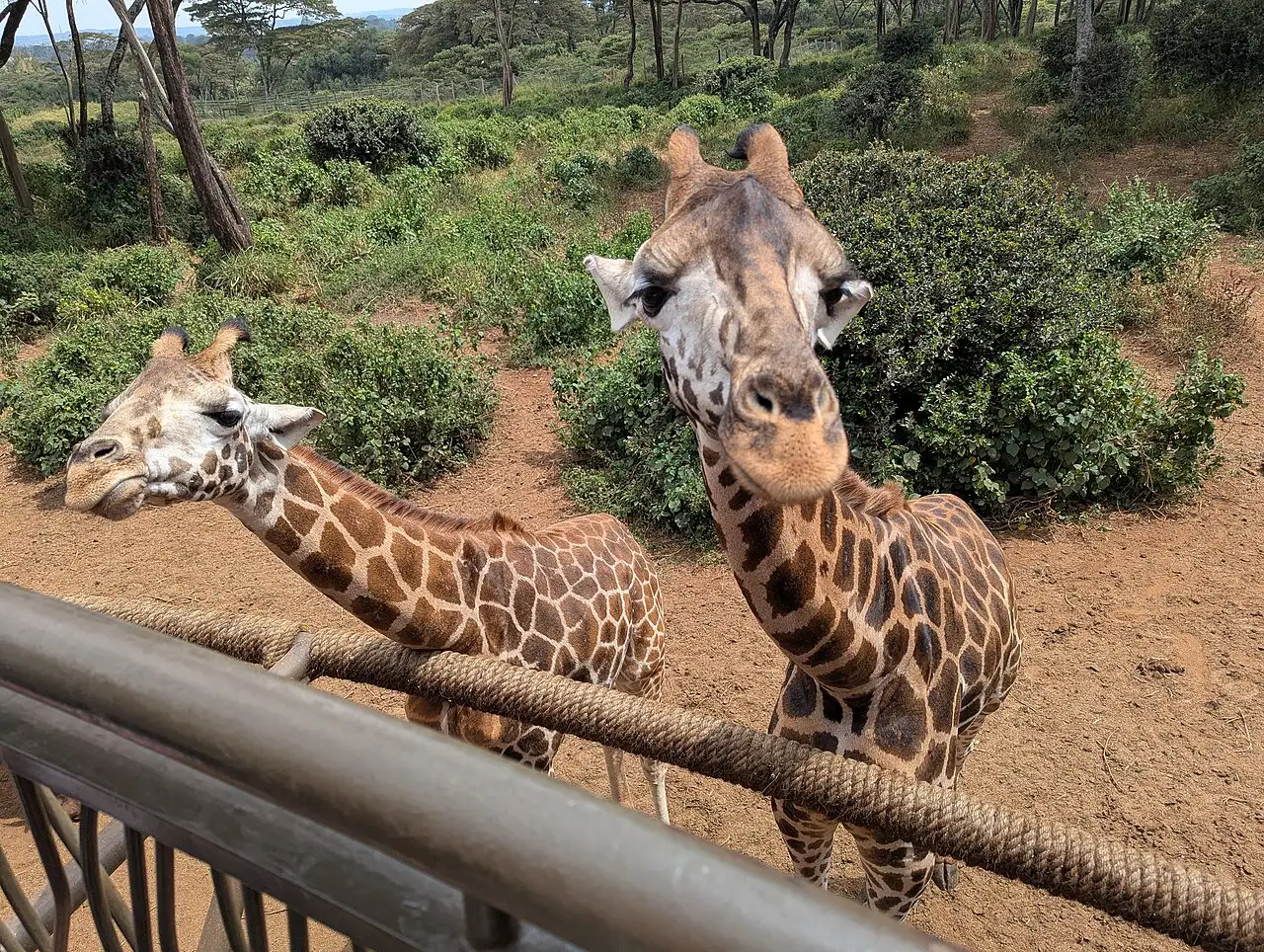
The Giraffe Centre in Langata combines giraffe observation with environmental education and conservation information. Its platform brings visitors near the animals’ head height; follow staff and feeding rules without demanding contact. The centre lists daily opening from 9am to 5pm and KES 1,500 admission for a non-resident adult, paid by card or M‑Pesa. Check your category and conditions before leaving, and allow time for the educational activities too.
Worth visiting for conservation work and observing giraffes with educators’ guidance. It offers a different experience from a safari: choose it for that interest, respect contact rules and check payment and access.
Check access
Karura Forest
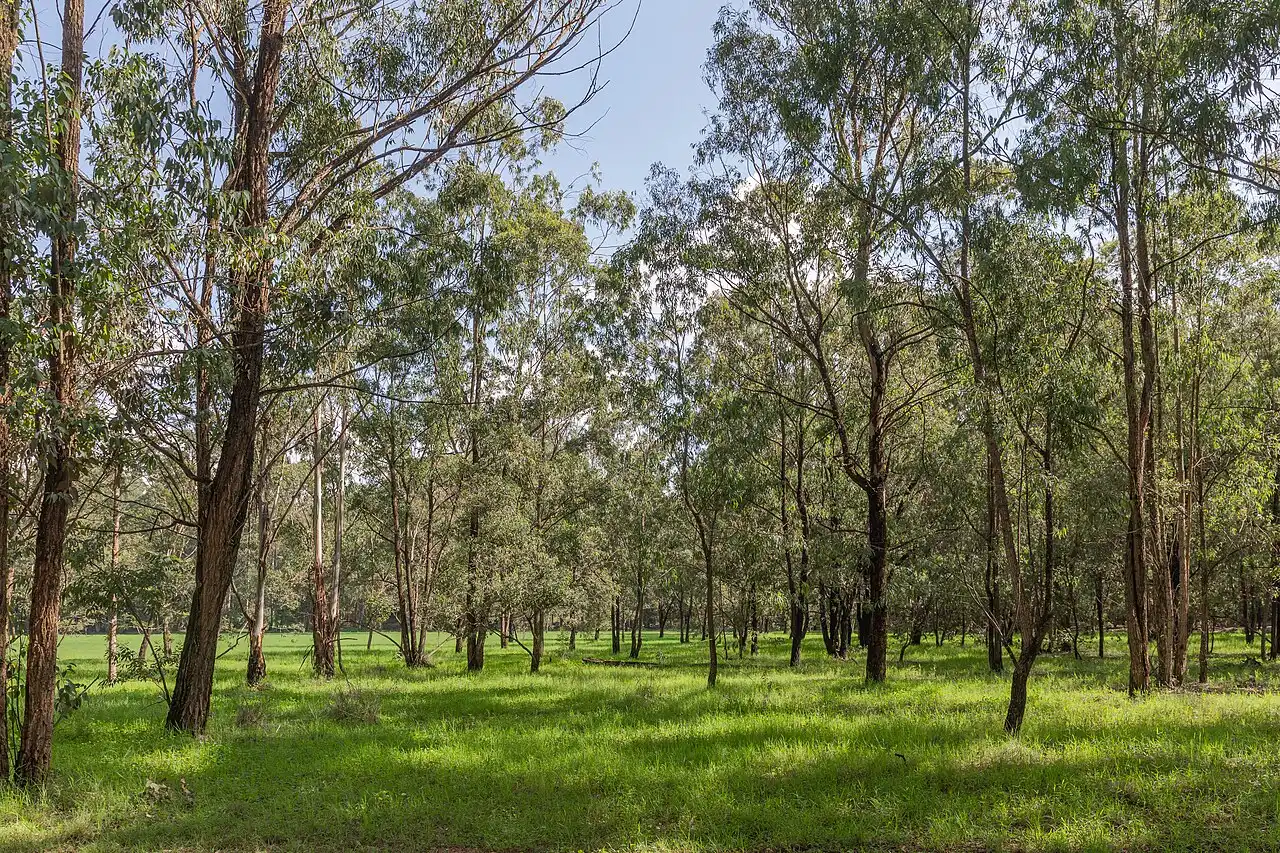
Karura offers tree-shaded trails, walking areas and cycling routes within the city. Its preservation is linked to Wangari Maathai and the Green Belt Movement, which faced violence while defending the forest in 1999. Consult the Friends of Karura map, choose an entrance and route suited to your time and mobility, and check closing arrangements. Rain, trail conditions and wardens’ guidance should shape the outing; fences and gates are not a guarantee of individual safety.
Check access

Uhuru Park and Central Park
Uhuru Park and Central Park are green spaces beside downtown. Uhuru is significant in the defence of public space: the Green Belt Movement campaign begun in 1989 prevented a tower from being built in the park. In 1992, a separate campaign for political prisoners’ release was violently suppressed there. A visit connects this memory with today’s urban space; check access, go in daylight and respect any restrictions.
Worth visiting as a public space connected to the city’s history and Wangari Maathai’s campaigns. Visit in daylight when access is permitted and allow time for that history rather than making it a compulsory stop between other outings.
Check access
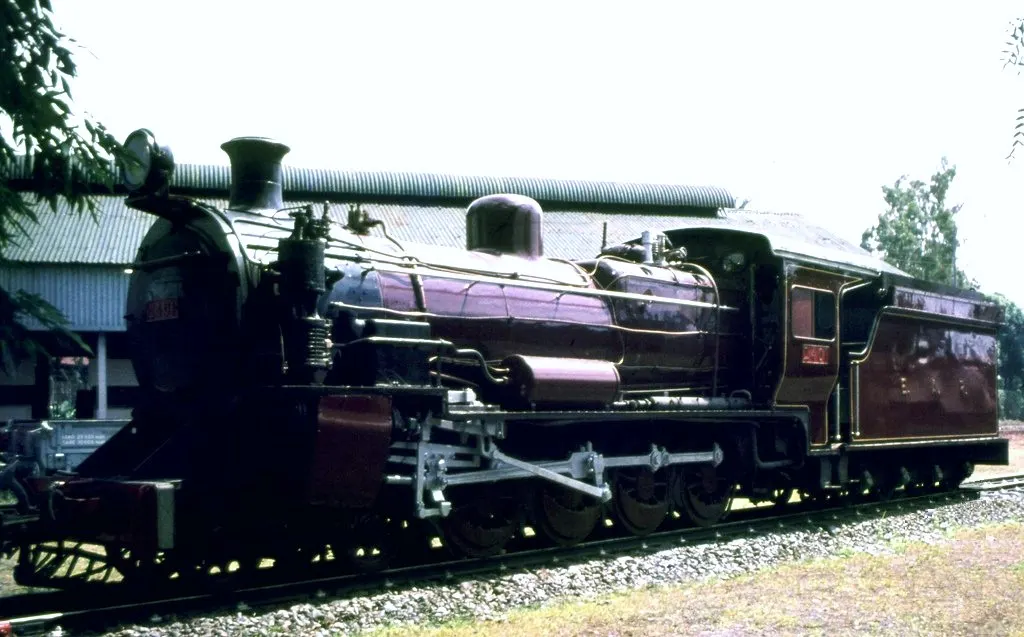
Nairobi Railway Museum
Next to the central station, opened in 1971, it holds an open-air yard of steam locomotives from the Mombasa–Kampala line and the rolling stock linked to the man-eating lions of Tsavo episode of 1898. It's the most direct explanation of why the city exists.
Check access
Nilo’s itinerary
Start with the basic programme and choose extensions for the time you have.
Plan my days in the app ↗Day 1 · Wildlife and conservation in the park
With a confirmed Sheldrick booking, begin at the nursery: arrive by 10:30am at the KWS Mbagathi/Workshop Gate on Magadi Road for the 11am–12 noon visit. Bring the Trust’s confirmation, park admission and cash for the separate contribution. Without a booking, focus on the park; do not count on last-minute nursery entry.
Arrange a vehicle circuit of Nairobi National Park after the visit, respecting gates and closing time. Check admission category, driver, vehicle and inclusions. Rhinos, giraffes and lions live in this landscape, but the outing does not guarantee sightings.
Allow a lunch and water break at a permitted place agreed with the operator. Check what you may bring to the nursery and park in advance; do not approach animals to eat or take photographs.
Use the afternoon to observe the landscape at an unhurried pace, according to the circuit and conditions. Save downtown and its museums for another day rather than crossing the city between timed appointments.
Arrange the return before dark and dine near your accommodation or somewhere with both journeys organised. The first day introduces the relationship between the capital and its neighbouring conservation area.
Day 2 · Museums, downtown and memory
Begin at the Kenya National Museum on Museum Hill for collections of natural and human history. If the city’s railway origins are your main interest, choose the Railway Museum as the morning alternative; check each museum’s hours and access.
Take a lunch break and plan the journey from the museum you chose. In Parklands or Diamond Plaza, dishes such as bhajia and pilau introduce the South Asian presence in city cooking; check price and ingredients before ordering.
In the afternoon, visit August 7th Memorial Park, dedicated to victims of the 1998 bombing. Leave time for testimonies and the exhibition, respecting the memorial setting and photography guidance.
If rooftop access is confirmed, finish the daytime visit at the KICC to recognise downtown’s layout from above. Uhuru Park can replace this stop if public-space history interests you more; check local conditions rather than treating both as compulsory appointments.
For the evening, check for live music at a venue suited to your interests and confirm the programme. Arrange the return journey; dinner without a show also leaves time to rest and talk about what you saw.


If you stay longer
Day 3 · Unhurried Karen and Langata
This third day is optional. Begin at the Karen Blixen Museum to see the house and garden associated with the author of Out of Africa. Check available guided visits and read the site as part of colonial history, alongside the other voices and histories encountered in the city’s museums.
Continue to the Giraffe Centre, leaving time for observation and educational activities. Bring a card or M‑Pesa and check your admission category. Follow staff guidance around the animals; conservation is part of the visit, beyond a platform photograph.
Have lunch in the area and keep the rest of the afternoon flexible. If you want to see ceramics at Kazuri, confirm current operation, address and workshop visiting arrangements before adding the stop.
If you prefer walking under trees, Karura is an alternative to the Karen and Langata day, in another part of the city. Choose a route on the official map, check the gate and departure arrangements and organise transport; do not automatically add this alternative to both visits.
Heavy rain or an unusable trail calls for a change of plans, not an automatic move to another outdoor area. Choose a museum with confirmed access or a break near your accommodation. Save the Ngong Hills hike for a separate outing with the route and conditions prepared.


Food
 AI illustration
Nyama choma
Nyama choma is charcoal-grilled meat, often goat or beef, ordered by weight and served chopped with sides such as ugali and kachumbari. Choosing the cut and waiting for the fire are part of the meal: ask about cut, quantity and price, especially when sharing. Around the restaurants and stalls of Kenyatta Market, Dagoretti and Langata, lunch can be an outing in its own right.
 AI illustration
Ugali with sukuma wiki
Ugali is a firm block of cornmeal cooked with just water, no salt, cut by hand and used as cutlery. Sukuma wiki is finely chopped kale sautéed with onion and tomato; the name means “push the week,” because it's the cheap side dish that stretches the food until payday.
 AI illustration
Mutura
Mutura is a seasoned offal sausage, sometimes including blood depending on the recipe, grilled over coals. Stalls may sell it in pieces with kachumbari. Ask about ingredients and preparation; it is not vegetarian, and sauces or sides vary.
 AI illustration
Smokie pasua
A smokie pasua is a split sausage with a filling, often tomato-and-onion kachumbari. Carts with a small charcoal box form part of the street scene. Check filling, preparation, price and payment at the stall rather than assuming one way to buy.
 AI illustration
Chai and mandazi
Chai is tea prepared with milk and sugar, sometimes with cardamom or ginger. Mandazi is a lightly sweet fried bread in different shapes; together they make a pause at cafés and small eateries known as kibanda. Ask about milk, sugar and ingredients if you have dietary restrictions.
 AI illustration
Githeri and mukimo
Githeri is maize and beans boiled together, a dish of Kikuyu origin that became school food, work-site food, and home food. Mukimo is a green mash of potato, maize, peas, and pumpkin leaves, served with a meat stew and common at family lunches.
 AI illustration
Sambusa, bhajia, and pilau
Filled sambusa, potato bhajia in spiced batter and fragrant pilau show encounters between South Asian traditions and Swahili coastal cooking. Look for them in Parklands, Ngara and Diamond Plaza and ask about the house recipe; meat, seasoning and sides vary by place.
 AI illustration
Tusker and dawa
Tusker is a well-known Kenyan beer, one option to accompany a meal. Dawa, whose Swahili name means “medicine”, is a vodka, honey and lime cocktail and contains alcohol. If you prefer an alcohol-free drink, ask about the available options and their ingredients.
Day trips
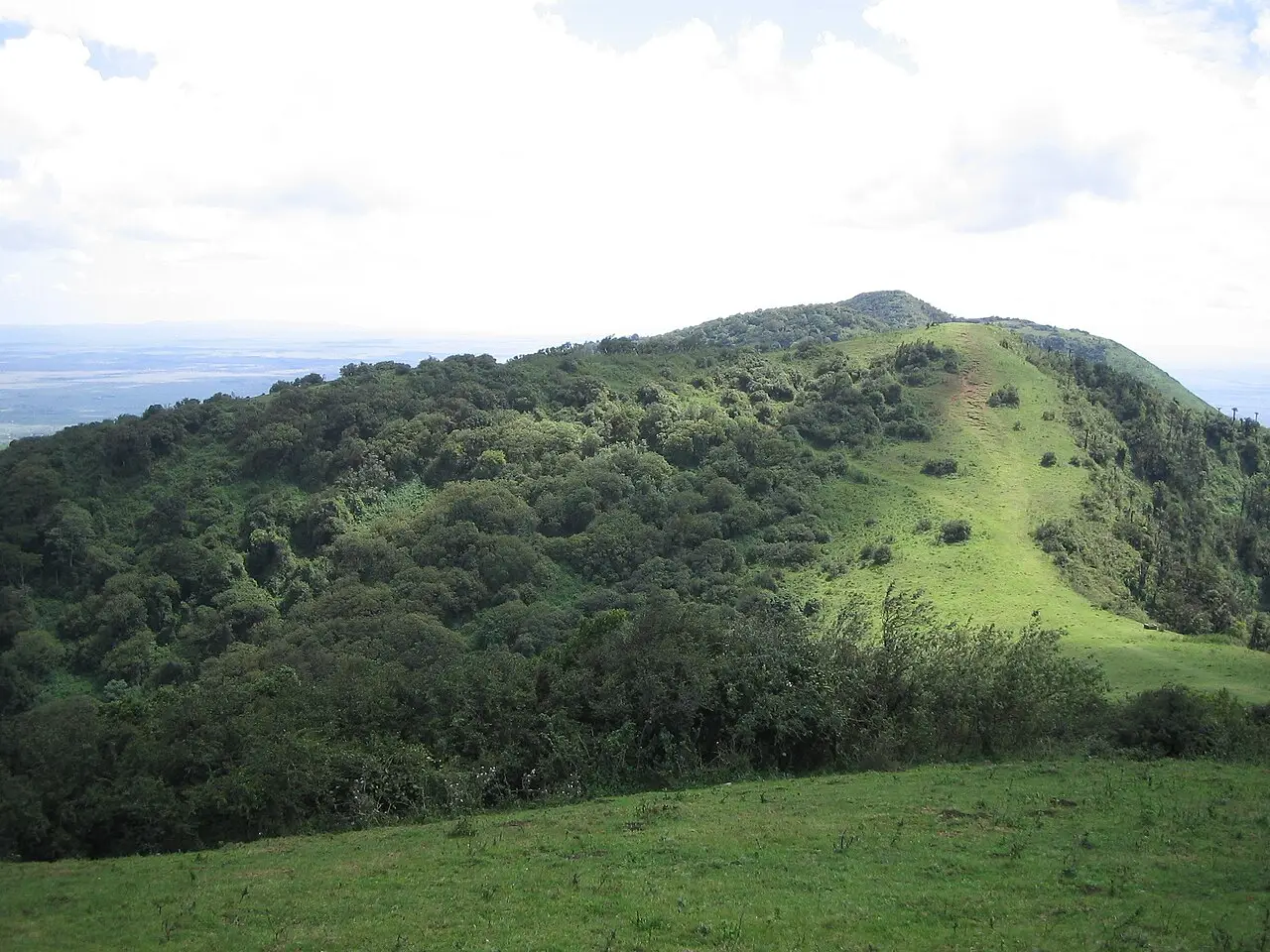
Ngong Hills
The Ngong Hills offer views towards the city and the Rift Valley, but a ridge hike deserves its own outing. Decide between a short segment and a crossing, and confirm access, guide requirements, effort and return transport with the area’s managers. Bring water and protection from sun, wind and rain; do not treat a long hike as a simple addition to a Karen afternoon.
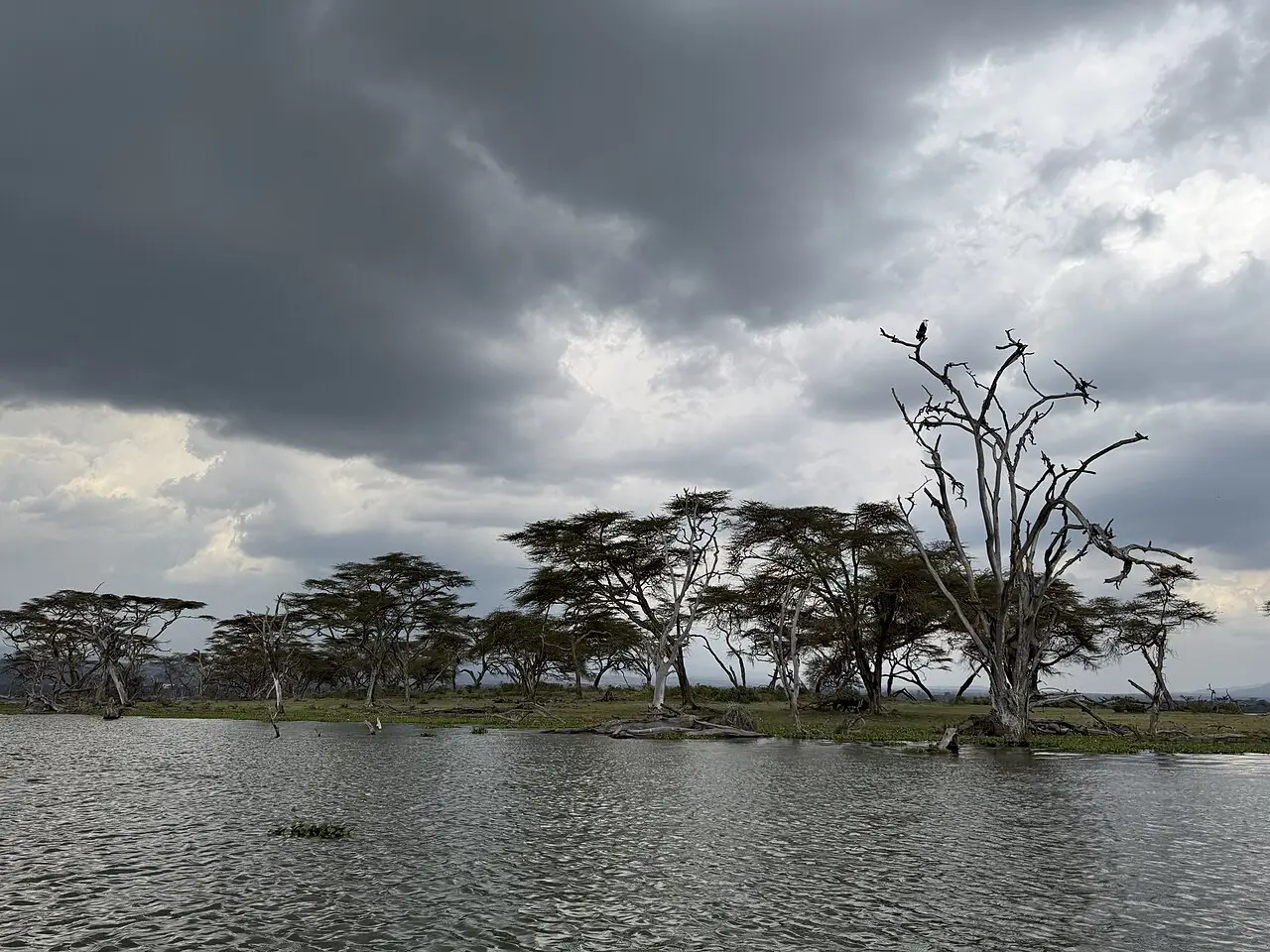
Lake Naivasha and Hell's Gate
Lake Naivasha and the cliffs of Hell’s Gate offer an outing into the Rift landscape. Set aside a day for the region and choose activities at your pace: a lake visit and a cycling or walking route in the park already need transport and planning. Check open trails and gorge-entry conditions with KWS; the gorge should not be treated as a guaranteed part of the outing. Boat trips and Crescent Island have their own access arrangements and charges. Agree on outward travel, return and inclusions before booking.

Olorgesailie and Lake Magadi
65 km and 105 km southwest, 1 hour 30 minutes and 2 hours 30 minutes by car. Olorgesailie is the prehistoric site excavated by Mary and Louis Leakey from 1942 on, with Acheulean hand axes hundreds of thousands of years old displayed on the very ground where they were found; Magadi is a soda lake at about 600 m above sea level, with flamingos, pink salt pans and hot springs. A full day, with water and a high-clearance car.
Where to begin
Wildlife and conservation in the park
With a confirmed Sheldrick booking, begin at the nursery: arrive by 10:30am at the KWS Mbagathi/Workshop Gate on Magadi Road for the 11am–12 noon visit. Bring the Trust’s confirmation, park admission and cash for the separate contribution. Without a booking, focus on the park; do not count on last-minute nursery entry.
Museums, downtown and memory
Begin at the Kenya National Museum on Museum Hill for collections of natural and human history. If the city’s railway origins are your main interest, choose the Railway Museum as the morning alternative; check each museum’s hours and access.
Unhurried Karen and Langata
This third day is optional. Begin at the Karen Blixen Museum to see the house and garden associated with the author of Out of Africa. Check available guided visits and read the site as part of colonial history, alongside the other voices and histories encountered in the city’s museums.
Money
The currency is the Kenyan shilling (KES). M‑Pesa, Safaricom’s mobile-money service, appears on signs at shops, stalls and restaurants; learning how it works offers a useful glimpse of everyday city life. Using it requires registration of the line and account with identification accepted by the operator. Ask an authorised shop or agent for help: buying a SIM or data plan does not automatically activate the wallet. Check limits, fees and how to fund the account before relying on it.
Carry a card and small notes too. Acceptance varies by business, including for foreign cards; ask before eating or boarding. The Giraffe Centre accepts cards or M‑Pesa, while the Sheldrick visiting contribution is paid in cash, separately from park admission. These two examples explain why one payment method can complicate a day. Use an ATM in a secure location or an authorised exchange business and compare the full transaction cost.
Build the budget in parts: a room per night, meals per person, a car or journeys between districts, and each admission. Driver-led outings and park fees can cost more than lunch. Check whether accommodation is priced per room or per person and whether taxes, service, driver, vehicle and admissions are included; make an informed choice about tips without paying twice for service already charged.
Getting there and around
JKIA and Wilson: airports and connections
JKIA handles international and domestic flights; Wilson is used by several regional and safari aviation services. Check the airport and terminal on your ticket rather than inferring them from the destination. Arrange identified transport to the hotel or confirm the chosen service’s meeting point. Mombasa Road and Nairobi Expressway connect the JKIA side with the city; ask about tolls, luggage and total cost and allow for traffic and security checks. For a bus or matatu, confirm the current route, boarding location and fare before relying on a route number.
Matatus, trains and journeys between districts
Matatus are vans and buses run by different operators and part of everyday Nairobi; paintwork, music and names help reveal this transport culture. Confirm destination, drop-off stop, fare and payment with the operator because one rule does not cover every route. Prefer vehicles in good condition with seatbelts and without overcrowding; motorcycles are not a risk-free answer to congestion.
Kenya Railways offers commuter services and the Madaraka Express to Mombasa. Check schedules, fares and station on the official channel, distinguishing the central station from the Syokimau terminal. Include the journey to the station in your plan. For outings between districts, compare identified transport, accommodation location and available time; choose walking segments according to street conditions and current local advice rather than treating the whole itinerary as a walk.
Safety
Theft, violent robbery and carjacking are risks in Nairobi, including during daylight hours. Plan journeys with current local advice, especially downtown and in isolated areas. Keep phones and valuables out of sight, lock car doors and close windows in traffic, and avoid resisting an attack. These precautions reduce exposure but do not guarantee safety. For an evening out, arrange both journeys with an identified driver and check the vehicle and destination before boarding.
Protests can close roads and turn violent at different times of year; follow local news and instructions, avoid political crowds and adjust the itinerary. Kenya faces a terrorism risk and Nairobi has experienced attacks: respect access checks without treating them as proof that a place is safe. LGBT+ travellers should also consult specific legal and travel guidance because legal restrictions and discrimination risks apply. In parks, follow guides and wardens; being near the city does not make wildlife predictable.
Seek health advice for the full itinerary before travelling. The malaria assessment for Nairobi’s highly urbanised centre differs from that for parks and other regions: altitude alone does not determine prevention. Check vaccinations and any yellow-fever certificate requirement for your origin, connections and entry rules. Use safe water, consider food hygiene and choose transport with seatbelts; motorcycles and overcrowded vehicles add risks that simply avoiding traffic does not offset.
Etiquette tips
Start with a greeting
A brief greeting and an unhurried conversation help when meeting vendors and hosts. “Habari?” is one way to ask how someone is; English is useful too. You do not need to master a formula to be welcomed or assume that a greeting determines the price.
Follow your host’s lead
A handshake may accompany an introduction, but see whether the other person offers one. Use their name or the form of address they prefer; age, religion and personal preference affect the interaction. A verbal greeting is enough when touch is uncomfortable or not possible.
“Pole” in context
“Pole” and “pole sana” can express sympathy after a mishap or difficult news. Listen to the context and the person’s response: the word is not an automatic solution to a sensitive situation.
Photograph with consent
Ask before photographing people and respect a refusal. Official buildings, airports and secure areas have legal restrictions; check signs and do not photograph without permission. Residential neighbourhoods are not a backdrop for pictures taken from a passing car.
Haggle only where haggling exists
At craft stalls, ask whether the price is negotiable and agree on an amount you are willing to pay. Compare materials and workmanship rather than targeting a fixed fraction of the first price. Where prices are displayed, such as restaurants and supermarkets, follow the stated amount.
Dress for the setting
Bring a layer for cool mornings and evenings and footwear suited to your plans. Check entry rules at religious sites, offices and some event venues; there is no single dress code for every neighbourhood, bar and resident.
Mistakes to avoid
Measuring distance in kilometers
Leaving too little time between Karen, downtown and Westlands. Traffic varies with the hour, rain and precise starting point; nearby places on a map can require a long journey. Group visits by area and check travel time before setting off.
Checking entry rules too late
Check etakenya.go.ke to see whether your passport and circumstances require an eTA or qualify for an exemption. If required, obtain approval before boarding and allow processing time; submitting an application is not approval. Check documents, connections and airline requirements too.
Relying on one payment method
M‑Pesa is useful but requires registration; cards and cash still matter. Check payment for each visit: the Giraffe Centre does not take cash, while the Sheldrick contribution is paid in cash. Do not confuse that contribution with park admission.
At 1,795 m the night hits 10 °C
Dressing for the tropics. At 1,795 m, from June to August nights drop to 10 °C and mornings are overcast, so pack a jacket and long pants. The equatorial midday sun, on the other hand, burns even at 21 °C under clear skies, and calls for sunscreen and a hat.
Treating Nairobi as a safari layover
Leaving visits to a few hours between checkout and a flight creates a fragile plan. Sheldrick depends on a booking and fixed hours; the park needs its own transport and planning. On a short stopover, choose a visit suited to the time and conditions rather than promising to fit everything in.
Useful phrases
Habari?
How are you? (literally “news?”): the reply is “Nzuri,” good
Asante sana
Thank you very much; the reply is “karibu,” which also means welcome
Ni bei gani?
How much does it cost? To ask for a discount, “punguza kidogo,” lower it a bit
Shukisha hapa, tafadhali
Let me off here, please: what you say to the matatu conductor
Pole sana
I'm really sorry; used for a stumble, exhaustion, rain, and bad news
Sasa? / Poa
An informal greeting and reply; listen to how they are used in conversation rather than applying an age rule.
Districts
Downtown (CBD)
Downtown brings together ministries, banks, the KICC, archives, markets and book stalls. Daytime visits here connect the contemporary city with its history. Activity and conditions vary by street and occasion; arrange the return and avoid relying on an improvised walk at night.
Westlands
The second business center, 3 km northwest: office towers, the Sarit Centre (1983, one of East Africa's first malls), Westgate, and the city's biggest concentration of restaurants and bars. It's where you have dinner and where you go out at night.
Kilimani, Kileleshwa, and Hurlingham
A residential area of cafés and services between downtown and Westlands, with streets and buildings from different periods. It can work as a base when your plans span these areas; compare journeys from the exact accommodation address rather than choosing by the district name or number of days alone.
Karen and Langata
A leafy southwest of large lots, named after Karen Blixen. It holds the Karen Blixen Museum, the Giraffe Centre, the Sheldrick Trust, and the national park's main gate; without a car or a ride app, it's far from everything.
Gigiri, Runda, and Muthaiga
The diplomatic zone to the north: the UN complex, embassies, the Village Market mall, and the Muthaiga Country Club (1913). Wide streets, tall walls, and practically no sidewalks.
Parklands and Ngara
Neighborhoods of South Asian origin since the early 20th century, with Hindu and Sikh temples, the Diamond Plaza, and the city's best Indo-Kenyan food. Ngara also concentrates the secondhand clothing trade, mitumba.
Eastleigh
The Somali commercial center to the northeast, known as Little Mogadishu: entire blocks of wholesale malls, informal currency exchange, and rice-and-camel restaurants. Heavy foot traffic by day, poor pavement, and gridlocked streets.
Eastlands
The working-class east (Kariokor, Jericho, Buruburu, Umoja, Kayole, Dandora) planned from the 1920s as an African zone and today home to most of the population. Dandora is at once the birthplace of Kenyan hip-hop and the address of the city's biggest dump.
History
before 1899 · Enkare Nyirobi, the cold swamp
The site was a cold-water wetland on Maasai land, a grazing spot between the Rift escarpment and the Athi plains. The name comes from the Maasai enkare nyirobi, “place of cold waters.”
1899 · The rail line reaches the swamp
In May 1899 the Uganda Railway reached kilometer 527 coming from Mombasa and set up its workshops there before tackling the climb into the Rift Valley. The rail camp became a town within months.

1902–1905 · Plague, fire, and capital
A bubonic plague outbreak in 1902 led the administration to burn down the Indian bazaar in the name of sanitation. In 1905 the seat of the East Africa Protectorate moved from Mombasa to Nairobi.
1907–1930 · A city segregated by plan
The 1907 urban regulations and the 1927 plan divided the city into racial zones: Europeans on the high hills of the west and north, South Asians in Parklands and Ngara, Africans in the low ground to the east. Today's social geography still follows that layout.
1950 · Royal city charter
Nairobi receives formal city status with about 120,000 residents. Commerce is already concentrated along the Kenyatta Avenue–Moi Avenue axis, where it remains.
1952–1960 · Emergency and Operation Anvil
With the State of Emergency declared in October 1952, the Mau Mau uprising turns the capital into a screening zone. On April 24, 1954, Operation Anvil surrounds the city block by block and detains about 20,000 people.
1963 · Independence and national capital
On December 12, 1963, Kenya becomes independent under Jomo Kenyatta and Nairobi becomes the country's capital. The KICC, opened in 1973, becomes the graphic symbol of the new state.
1972–1996 · The city of the United Nations
UNEP arrives in 1972 and UN-Habitat in 1978; in 1996 the Gigiri complex becomes UNON, the only UN headquarters office in the Southern Hemisphere, and it reshapes the economy of the city's north.
1989 · Uhuru Park saved
The Green Belt Movement campaign led by Wangari Maathai prevents a 60-storey tower in Uhuru Park. The assault she suffers there in 1992 takes place during a separate campaign for political prisoners’ release; in 1999, the movement faces violence while defending Karura. Maathai receives the Nobel Peace Prize in 2004.
1998 · The embassy bombing
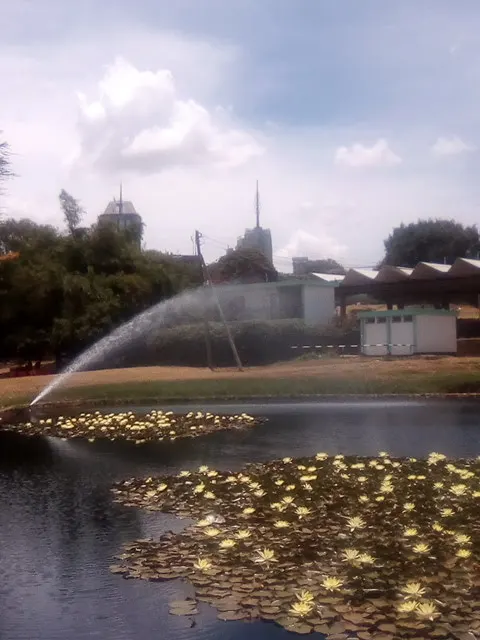
On August 7, 1998, an Al-Qaeda truck bomb explodes at the corner of Haile Selassie Avenue and Moi Avenue and kills 213 people, almost all Kenyan. The site became the August 7th Memorial Park.

2013–2026 · Devolution, attacks, and concrete
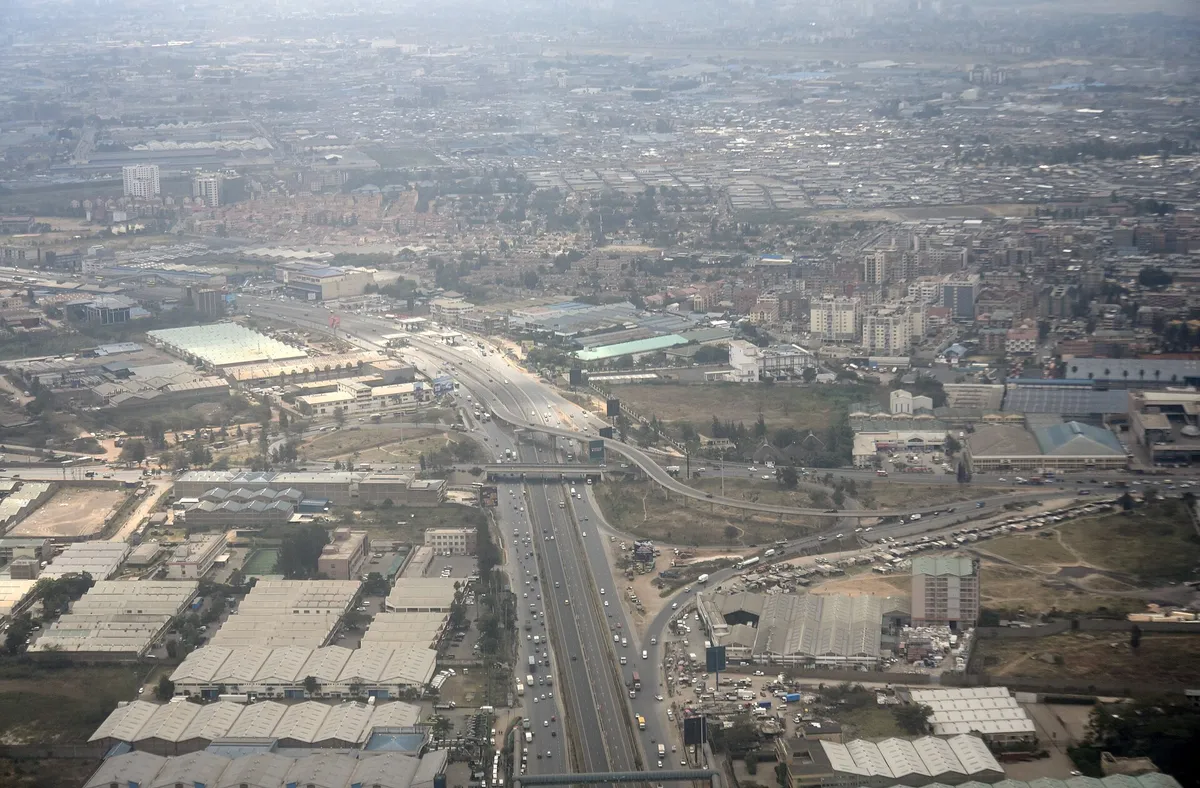
The 2010 constitution creates Nairobi County with an elected governor in 2013; the same years bring the Westgate attack (2013) and the dusitD2 attack (2019), the SGR railway (2017), and the Nairobi Expressway (2022). In June 2024 protests against the finance bill occupy downtown and Parliament is stormed.
Complete history
A railroad yard in a Maasai swamp
Nairobi began as a construction camp for the Uganda Railway. In May 1899 the engineers of the Uganda Railway, the British press's “Lunatic Express”, reached kilometer 527 coming from Mombasa and needed flat ground with water and firewood before facing the climb of over 2,000 m into the Rift Valley. The Maasai swamp called Enkare Nyirobi had those three things and no other advantage: it was waterlogged, cold at night, and full of mosquitoes. The workshops became a neighborhood, the neighborhood became a trading post, and in 1905 the administration of the East Africa Protectorate moved there from Mombasa. The city got the capital before it got drainage: in 1902 a bubonic plague outbreak led the government to burn down the Indian bazaar in the name of sanitation.
The social layout came with the street plan
From the start, the urban layout divided the city by race: the 1907 urban regulations and the 1927 plan put Europeans on the high, cool hills of the west and north (Muthaiga, Karen, Kilimani), South Asians, descendants of the roughly 32,000 laborers contracted in India to build the railroad, in Parklands and Ngara, and Africans on the low ground of the east, in council-built neighborhoods such as Pumwani (1922), Shauri Moyo and Kaloleni. Kibera was born around 1912 as a settlement of Nubian soldiers demobilized from the King's African Rifles, on land granted without title deeds. The internal pass called the kipande, mandatory from 1920, controlled who could be in the city and for how long. Nairobi still has high incomes in the west and high density in the east because that's how it was built.
The Mau Mau uprising and Operation Anvil
In the 1950s, the colonial government made Nairobi the center of the crackdown on the Mau Mau uprising. With the State of Emergency declared in October 1952, it sealed off the city on April 24, 1954, in Operation Anvil: about 25,000 soldiers and police surrounded Nairobi neighborhood by neighborhood, detained around 20,000 Kikuyu, Embu and Meru and deported tens of thousands more to the reserves. Independence came on December 12, 1963, with Jomo Kenyatta. The new state built its own portrait downtown: the cylindrical tower of the KICC (1973, 28 stories, designed by Karl Henrik Nøstvik with David Mutiso) rose next to Parliament and is still the image the city uses of itself. Under Daniel arap Moi (1978–2002) came one-party rule, the failed Air Force coup of August 1982 and a stagnant economy, and it was against a government-linked project that Wangari Maathai saved Uhuru Park in 1989.
A humanitarian capital and a target at once, since the 1990s
From the 1990s on, Nairobi carried two identities at once: humanitarian capital and target. UNEP has been there since 1972, UN-Habitat since 1978, and in 1996 the Gigiri complex became UNON, the only UN headquarters office in the Southern Hemisphere, which brought thousands of international staff, hundreds of NGOs and the expensive rental economy of Gigiri, Runda and Kilimani. On August 7, 1998, Al-Qaeda set off a truck bomb next to the United States embassy, at the corner of Haile Selassie and Moi Avenue: 213 dead and about 4,000 wounded. Later came the attack on the Westgate mall, on September 21, 2013, with 67 dead, and on the dusitD2 complex at 14 Riverside Drive, on January 15, 2019, with 21 dead. Since then, bag checks and metal detectors at the doors of malls and hotels have been routine.
Devolution, the SGR and the expressway since 2013
After 2013, the devolution set out in the new Constitution created Nairobi County, with its own governor, and brought construction with it: the SGR to Mombasa, inaugurated in May 2017, and a toll expressway linking the airport to the city's financial center. The bus rapid transit system, approved around the same time, was still not fully running in 2026.
Geography and shape of the city
Altitude and the slope of the land
Nairobi sits in Kenya’s highlands, just south of the equator, with higher ground to the west and land descending towards the Athi plains. Altitude helps explain cool mornings and evenings but does not alone explain the distribution of income and housing. Segregated colonial planning, infrastructure and later growth also shaped differences between neighbourhoods. For visitors, this geography appears in cool early hours, views and the time needed to cross districts.
Rivers, the escarpment, and the national park
Three small, polluted rivers cut through the grid: the Nairobi, the Ngong, and the Mathare, all tributaries of the Athi, and their floodplains concentrate informal settlements. To the west, the Rift escarpment climbs to the Ngong Hills, which reach 2,460 m and are visible from downtown on a clear day; to the south, Nairobi National Park covers 117 km², fenced on three sides and open toward the Kitengela plains through the migration corridor.
Journeys between districts
Ngong Road, Waiyaki Way, Thika Road, Jogoo Road and Mombasa Road are important city arteries. New roads and bypasses change the available routes, but journey time still depends on traffic, rain and destination. Plan by area and allow time between visits, especially when crossing downtown.
The name Nairobi comes from Enkare Nyirobi, “cold water” in Maa, the swamp where the railroad engineers set up the yard in 1899.
Culture
Music in the city
Nairobi brings together studios, musicians and audiences from different parts of Kenya. Benga, genge, gengetone and afro-pop offer different ways into this music: listen for benga guitars, Sheng in the lyrics and Sauti Sol’s vocal harmonies. A performance adds the encounter between artists and audience. In Westlands and other areas, choose a venue by its programme and arrange your return before heading out.
Books, cinema and visual arts
Books and films let you return to the city through other voices. Ngũgĩ wa Thiong’o taught at the University of Nairobi and helped transform its literature department; Meja Mwangi brought urban workers into fiction in Going Down River Road. In cinema, Nairobi Half Life follows an aspiring actor between opportunity and crime.
For visual arts during your trip, look at the programmes of GoDown Arts Centre, Circle Art Gallery and Kuona. Exhibitions, workshops and visiting arrangements vary; choose an activity that leaves time to explore the artists’ work.
Sports and meeting places
The Gor Mahia–AFC Leopards rivalry, known as the Mashemeji Derby, is a reference point in Kenyan football; distance running also has an important place in the country. A match or race can introduce visitors to sporting life, but venue, route and admission depend on the edition.
The city has many other meeting places: churches, Jamia Mosque, Hindu and Sikh temples, cafés, technology spaces and music venues. None represents every resident. Choose what interests you, check access conditions and respect the space’s religious or everyday use.
For nyama choma, meat is usually chosen by weight and grilled over charcoal. Agree on the quantity and leave time for the meal.
Festivals and events
 AI illustration
Jamhuri Day, December 12
Jamhuri Day celebrates independence in 1963 and the republic’s proclamation in 1964. With Madaraka Day on 1 June and Mashujaa Day on 20 October, it forms part of the national calendar. Ceremonies and programmes change by year; check access and transport and ask each business before assuming it will close.
 AI illustration
Nairobi International Trade Fair, late September into early October
The Agricultural Society of Kenya fair at Jamhuri Park connects the city with agriculture and trade: exhibits of animals, machinery, production and food offer an outing beyond museums. The organiser listed the 2026 edition for 28 September–4 October. For another trip, check that year’s dates, admission and programme rather than assuming the same schedule or activities.
 AI illustration
Blankets & Wine, by edition
Founded in Nairobi in 2008, Blankets & Wine brings together music, food and fashion. Format and venue depend on the edition: the June 2026 Kenyan programme included indoor space at Kasarani, so an outdoor picnic cannot simply be assumed. Check country, city, date and tickets on the official channel; Kampala events are not Nairobi listings.
 AI illustration
Koroga Festival, programme to check
Koroga combines concerts and food in a weekend gathering. Before including it in a trip, look for an edition announcement from organiser Capital FM and check venue, artists and admission.

Nairobi Marathon, late October
The marathon brings together races over different distances and spectators along the course. Specific roads may close for runners and crowds; check the edition, map and traffic notices whether taking part or planning another outing that day. Course closures do not make the entire city car-free.
Books and films
Nairobi Half Life (film, 2012)
In David Tosh Gitonga’s film, Mwas arrives in Nairobi hoping to become an actor and becomes involved with a criminal group after losing what he brought. Stage, street and survival pull the story in different directions. Watch for a narrative set in the city and its conversations, remembering that it is fiction.
Going Down River Road (book, 1976)
Meja Mwangi’s novel follows construction workers in 1970s Nairobi. Building sites, rent, drink and personal relationships enter the same story. Reading it before visiting River Road adds a literary perspective on the centre and the people who built it.
Live and Die in Afrika (album, 2015)
An album by Sauti Sol, a quartet formed in Nairobi in 2005, released free online before coming out on CD. It works as a cross-section of 2010s Kenyan afro-pop, with lyrics switching between English, Swahili, and sheng.
Frequently asked questions
Nairobi: What document does Kenya require to enter?
Check etakenya.go.ke to see whether your passport and circumstances require an eTA or qualify for an exemption. If required, apply before travelling; the portal recommends at least two weeks ahead. Confirm documents, fee and approval before boarding.
Nairobi: How do you avoid the traffic between the airport and downtown?
The Nairobi Expressway, an elevated toll road opened in 2022, links the airport to Westlands over 27 km. Without it, the same route via Mombasa Road turns into a test of patience during rush hour. Taxis at the airport counter charge more than Uber, Bolt, and Little.
Nairobi: What is Kenya's currency, and what's it worth?
The currency is the Kenyan shilling (KES), with bills from 50 to 1,000 and an approximate exchange rate, in September 2026, of KES 129 per dollar and KES 24 per real: check before you travel.
Nairobi: What's the climate like throughout the year?
Nairobi sits just over one degree south of the equator, but at 1,795 m, so the temperature changes little over the year and a lot over the day, which calls for layered clothing.
Nairobi: How do you greet someone before asking for a price or information?
Begin with a greeting and wait for the reply. “Habari?” is one way to ask how someone is; English is useful too. You need not master a formula or assume it determines the price.