Norway
Oslo
Opera on the fjord and forest 30 minutes by metro
Days Start with the basic programme and choose extensions for the time you have.
How the guide reaches this number
Spend the first in Bjørvika and downtown, between the Opera House, MUNCH and the new museums lined up along the water, and walk through Kvadraturen, the grid of wide streets and brick buildings Christian IV laid out after the fire of 1624 took the old wooden city. Give the second to the Nasjonalmuseet, the sculptures of Vigelandsparken and the Bygdøy peninsula. With just one day, go up to the Opera House roof at 9am, see MUNCH, have lunch in Grønland and in the afternoon take line 1 to Frognerseteren, from where you walk down in 20 minutes to Holmenkollen, ending the day in the forest. Plan your meals with your budget in mind, because a main course costs 280–420 NOK at a mid-range restaurant and eating out every day adds up. Downtown nightlife tends to disappoint: Kvadraturen empties out after 6pm, and if you want busy streets at night you need to go to Grünerløkka.
2
When May to August for long days and bright light; February and March for snow and skiing in the Marka
How the guide reaches this number
Oslo changes a lot from one season to the next, so pick your month by what you want to do. Summer, from June to August, has average highs of 20–22 °C, occasional peaks above 28 °C and, on the longest day, about 18 hours 45 minutes of daylight, with the sun rising just before 4am and eleven at night looking like late afternoon. It's high season, when the ferries to the islands and the Bygdøy beaches are running. To avoid the crowds, May has fewer people, trees in bloom and the May 17 holiday, and September brings good light, the forest in color and lower prices. Winter runs from December to March, with averages between −7 °C and −1 °C, reliable snow in the Marka above 300 m and, at the end of December, only about 6 hours of daylight, with the sun setting just after 3pm. For skiing, choose February and March, when the sun is already higher. Avoid November, which is dark, damp, snowless and without events; January is just as dark, but at least it has skiing. Bring a rain jacket in any month, because it rains or snows all year, for a total of about 760 mm, heaviest at the end of summer. At Easter, many residents head to their cabins and shops close for several days.
Per person/day about 1,100–1,700 NOK per person (about €95–150) with simple lodging, transport and two meals
How the guide reaches this number
Per person per day: accommodation, meals, urban transport, visits and a small allowance for extras. Flights excluded; larger purchases vary. Editorial estimate, not a quote.
 What Nilo thinks
Oslo calls for two days. Spend the first in Bjørvika and downtown, between the Opera House, MUNCH and the new museums lined up along the water, and walk through Kvadraturen, the grid of wide streets and brick buildings Christian IV laid out after the fire of 1624 took the old wooden city. Give the second to the Nasjonalmuseet, the sculptures of Vigelandsparken and the Bygdøy peninsula. With just one day, go up to the Opera House roof at 9am, see MUNCH, have lunch in Grønland and in the afternoon take line 1 to Frognerseteren, from where you walk down in 20 minutes to Holmenkollen, ending the day in the forest. Plan your meals with your budget in mind, because a main course costs 280–420 NOK at a mid-range restaurant and eating out every day adds up. Downtown nightlife tends to disappoint: Kvadraturen empties out after 6pm, and if you want busy streets at night you need to go to Grünerløkka.In Oslo, the marble roof of the Opera House slopes down in a ramp to the water of the fjord, and anyone can walk to the top with no ticket or time slot. Next door, on the new Bjørvika waterfront, the MUNCH museum holds the roughly 26,000 works the painter left to the city, and the 1893 version of The Scream is at the Nasjonalmuseet. Oslo is among Europe's most expensive capitals, but Vigelandsparken, the grounds of Akershus Fortress and the Marka forest charge no admission, and the forest is reached with a regular metro ticket. On the Bygdøy peninsula sit the polar ship Fram, which carried Amundsen to the South Pole, and the Kon-Tiki raft. To eat cheaply, order a sausage wrapped in lompe, a thin potato pancake, at a kiosk, or a Pakistani plate in Grønland. Come between May and August, with long days, or in February and March to ski in the Marka, and set aside two days.
Quick facts
- Population
- about 729,000 in the municipality (1/1/2026); about 1.6 million in the metropolitan region
- Founded
- Urban settlement dated to around the year 1000; the sagas credit the founding to Harald Hardrada. Re-founded as Christiania in 1624
- Country and region
- Norway, Østlandet region, at the far north end of the Oslofjord
- Language
- Norwegian, mostly in the bokmål standard; English spoken fluently by nearly the entire urban population
- Currency
- Norwegian krone (NOK, kr). In 2026, about 11.5–12 NOK per euro and about 10 NOK per dollar
- Time zone
- UTC+1 in winter and UTC+2 during daylight saving
- Best time to visit
- May to August for long days and bright light; February and March for snow and skiing in the Marka
- Average daily cost
- about 1,100–1,700 NOK per person (about €95–150) with simple lodging, transport and two meals
When to go
May to August for long days and bright light; February and March for snow and skiing in the Marka
January
-5° to 0°C
58 mm of rain
February
-5° to 1°C
46 mm of rain
March
-2° to 5°C
41 mm of rain
April
2° to 11°C
48 mm of rain
September
9° to 16°C
82 mm of rain
October
4° to 10°C
93 mm of rain
November
0° to 4°C
85 mm of rain
December
-4° to 1°C
54 mm of rain
How the year changes
Oslo changes a lot from one season to the next, so pick your month by what you want to do. Summer, from June to August, has average highs of 20–22 °C, occasional peaks above 28 °C and, on the longest day, about 18 hours 45 minutes of daylight, with the sun rising just before 4am and eleven at night looking like late afternoon. It's high season, when the ferries to the islands and the Bygdøy beaches are running. To avoid the crowds, May has fewer people, trees in bloom and the May 17 holiday, and September brings good light, the forest in color and lower prices. Winter runs from December to March, with averages between −7 °C and −1 °C, reliable snow in the Marka above 300 m and, at the end of December, only about 6 hours of daylight, with the sun setting just after 3pm. For skiing, choose February and March, when the sun is already higher. Avoid November, which is dark, damp, snowless and without events; January is just as dark, but at least it has skiing. Bring a rain jacket in any month, because it rains or snows all year, for a total of about 760 mm, heaviest at the end of summer. At Easter, many residents head to their cabins and shops close for several days.
The same numbers as a table
| Month | Temperature °C | Rain mm |
|---|---|---|
| January | -5 to 0 | 58 |
| February | -5 to 1 | 46 |
| March | -2 to 5 | 41 |
| April | 2 to 11 | 48 |
| May · | 7 to 17 | 60 |
| June · | 11 to 20 | 80 |
| July · | 13 to 23 | 87 |
| August · | 13 to 21 | 103 |
| September | 9 to 16 | 82 |
| October | 4 to 10 | 93 |
| November | 0 to 4 | 85 |
| December | -4 to 1 | 54 |
Nilo's tips
From the airport, take the Vy train, cheaper than Flytoget
It goes to the same destination for about half of Flytoget's 240 NOK, and it's the train locals take every day. In the Gardermoen arrivals hall, the Flytoget counter is the most visible, but just walk up the ramp to find the Vy platform right after it.
Buy wine by 6pm: the Vinmonopolet is closed on Sunday
Wine and spirits are only sold at the Vinmonopolet, the state chain, which closes at 6pm on weekdays and 4pm on Saturday. After that time, all that's left is beer at the supermarket, until 8pm on weekdays and 6pm on Saturdays.
Go up to the Opera roof at 9am, before the tour groups
At 9am the marble is still nearly empty, and the view of the fjord is practically yours alone. The roof has no ticket office and no set hours, and the ramp takes you from the ground to the top in ten minutes. Wear rubber-soled shoes, because wet marble is slippery and in Oslo it rains or snows all year.
Take the fjord ferry with the regular 46 NOK ticket
It's the cheapest boat ride on the fjord, and no one sells it as a tour. Ferry 91 leaves Rådhusbrygge for Bygdøy, and line B ferries leave Vippetangen for Hovedøya, Lindøya, Gressholmen and Langøyene. All of them run on the single 1-zone ticket, valid for 60 minutes. On Hovedøya, the ruins of the 1147 Cistercian monastery are a few minutes from the dock.
Lunch in Grønland for 120–180 NOK, dinner off the water
On Grønlandsleiret, a full Turkish or Pakistani plate costs 120–180 NOK, well below the 280–420 NOK of a main course at a mid-range restaurant downtown. At Aker Brygge dinner follows the same logic: the restaurants one block back from the waterfront charge about a third less than those right on the water.
On Sunday shops close: go up to the forest, 30 min by metro
That's where locals go, and Line 1 of the T-bane climbs packed with backpacks and skis to Frognerseteren, at about 470 m. From there you walk down in 20 minutes to Holmenkollen. Museums, cafés and restaurants are open, and you can be back downtown in the afternoon. Bring a windbreaker, because up there the wind blows harder.
Explore the map

© OpenStreetMap · OpenFreeMap · © OpenMapTiles
Explore the map, read about the other places and plan your travel days in the app.
Open the appWhat to see
Oslo: The fjord, the light and the forest
The Kvadraturen, the rectangular grid from 1624, runs down to Akershus Fortress, with free grounds and a lookout over the fjord, and borders Karl Johans gate to the north, home to the Grand Café, which Ibsen visited every day. Around it, the Marka, forest and water covering about two-thirds of the municipality's 454 km² and protected by law since 2009, presses right up against the neighborhoods and keeps the urban footprint from spreading.

Operahuset
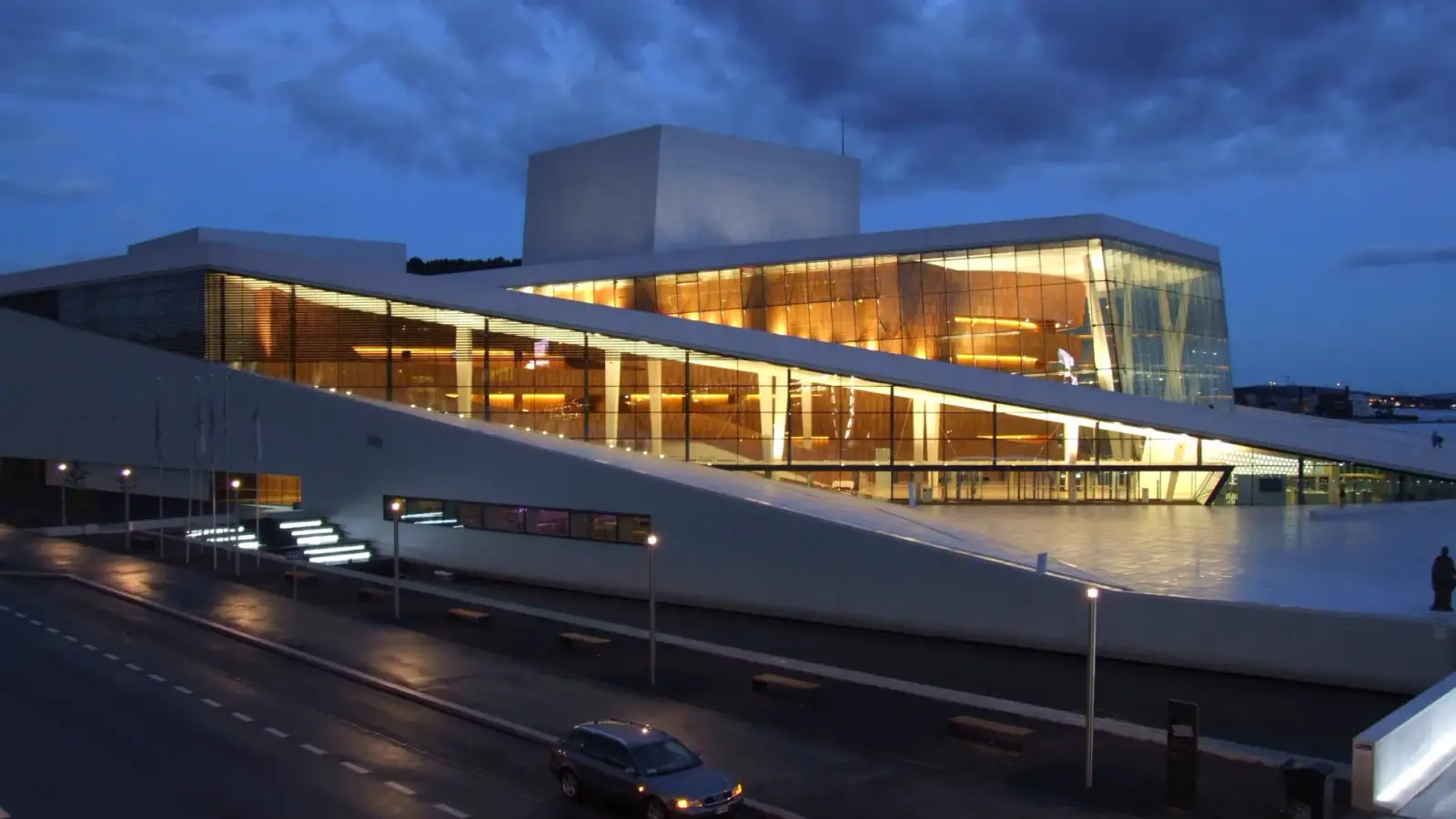
National opera house opened in April 2008, designed by the Snøhetta firm. Its Carrara marble roof slopes down to the waterline and is public space with no hours and no ticket: you can walk to the top in ten minutes.
Check access

MUNCH Museum
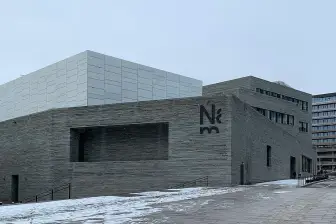
A 13-story tower about 60 m tall, leaning over Bjørvika, opened in October 2021. It holds the collection Edvard Munch left the city when he died in 1944 (about 26,000 works) and rotates one of the versions of The Scream on display.
The tower, about 60 m tall, opened in October 2021 over Bjørvika, holds the roughly 26,000 works Munch left in 1944 and rotates The Scream on display.
Check access

Vigelandsparken
Inside Frognerparken, about 200 sculptures in granite, bronze and wrought iron by Gustav Vigeland, installed between 1924 and 1949. The Monolith stands 17.3 m tall with 121 figures carved from a single block; admission is free and the park never closes.
It's essential because it gathers about 200 sculptures by Gustav Vigeland in a park that never closes and charges no admission. Go early and walk through the park to the Monolith, 17.3 m tall with 121 figures carved from a single block.
Check access
Nasjonalmuseet
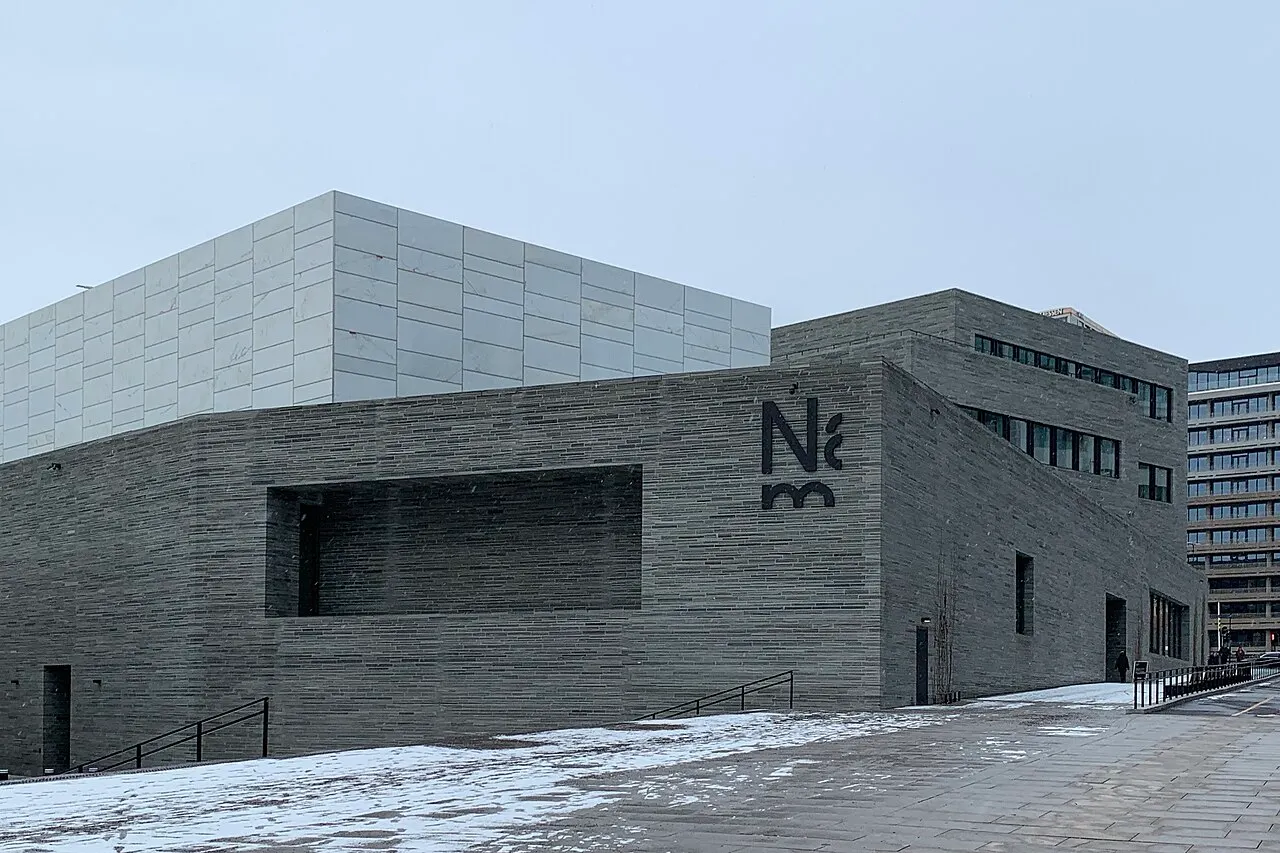
The largest art museum in the Nordic countries, opened in June 2022 next to the Rådhus, with about 13,000 m² of exhibition space. The 1893 version of The Scream hangs in the Munch Room, on the second floor, alongside Madonna and The Dance of Life.
It's worth it for the Munch Room, on the second floor, where the 1893 version of The Scream hangs alongside Madonna and The Dance of Life. Arrive at opening and go straight to that room before touring the rest of the largest art museum in the Nordic countries.
Check access
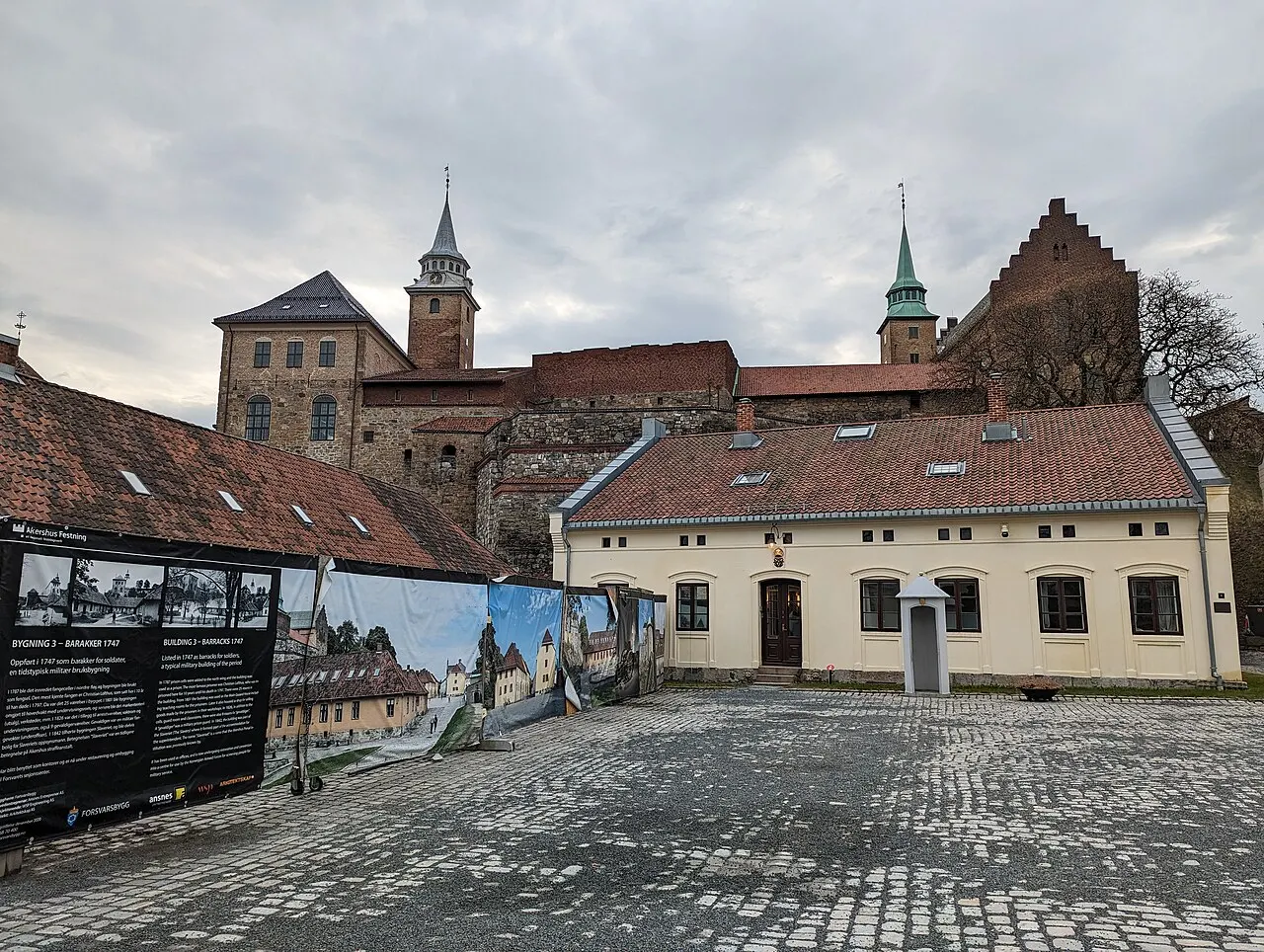
Akershus Fortress
A castle begun around 1290 by Håkon V, converted into a Renaissance residence by Christian IV and still used by the Armed Forces. The grounds are open to all; inside are the Norwegian Resistance Museum and the royal mausoleum.
It's worth it for the free-access grounds, with a lookout over the fjord, in a castle from the end of the 13th century still used by the Armed Forces. If you want to go inside, the Norwegian Resistance Museum operates within the walls; the rest can be seen from outside, in a short visit.
Check access

Holmenkollbakken
Ski jump rebuilt in 2010, the latest in a line of ramps on the same hill since 1892. The steel structure has a lookout about 60 m above the track, and at its base sits the Ski Museum, opened in 1923, the oldest of its kind in the world.
Check access

The Bygdøy museums
The Fram Museum holds the entire polar ship Fram, from 1892, which carried Amundsen to the South Pole. 200 m away are Thor Heyerdahl's Kon-Tiki raft (1947) and the Norsk Folkemuseum, with about 160 reassembled wooden buildings, among them the Gol stave church, from around 1200.
It's worth it for the polar ship Fram, from 1892, which you can tour in its entirety inside the Frammuseet, and the Kon-Tiki raft, 200 m away. Set aside half a day for Bygdøy, adding the Norsk Folkemuseum if you want to see the Gol stave church.
Check access

The inner fjord islands
Ruter's line B ferries leave Vippetangen for Hovedøya, Lindøya, Gressholmen and Langøyene on the same ticket as the metro. Hovedøya has the ruins of a Cistercian monastery from 1147; Langøyene is the busiest beach in summer.
Check access

Rådhuset
The red-brick city hall with two towers of 63 and 66 m, opened in 1950 to mark the city's 900th anniversary, counted from 1048, the year the sagas give for its founding by Harald Hardrada. Every December 10 the Nobel Peace Prize is awarded in the main hall, under murals by Henrik Sørensen and Alf Rolfsen.
The red-brick city hall, from 1950, stands facing Rådhusbrygge, the pier where ferry 91 leaves for Bygdøy, and the two towers, 63 and 66 m, can be seen whole from outside, for free, while you wait for the boat. Inside, what's worth half an hour are the murals by Henrik Sørensen and Alf Rolfsen in the hall where the Nobel Peace Prize is awarded every December 10.
Check access
Nilo’s itinerary
Start with the basic programme and choose extensions for the time you have.
Plan my days in the app ↗Day 1 · Bjørvika and the historic center
Start at 9am on the Opera House roof: the climb is free, takes ten minutes and there's no tour group yet.
Cross over to the MUNCH museum and set aside two hours; The Scream sits in a light-controlled room, with versions rotating on display.
Have a salmon smørbrød for lunch downtown and walk Karl Johans gate to the Royal Palace. The changing of the guard is at 1:30pm, every day.
Enter Akershus fortress through the Kirkegata gate: the grounds are free and the fjord viewpoint is the best in the city center.
Finish in Aker Brygge, dining one block back from the waterfront, where the price drops by a third.
Day 2 · Art, sculptures and the peninsula
Be at the Nasjonalmuseet at opening, 10am, and go straight to the Munch Room before the crowd reaches the second floor.
Take the metro or tram 12 to Majorstuen and walk ten minutes to Vigelandsparken, which is free, with about 200 sculptures and the 17.3 m Monolith on the central axis.
From Rådhusbrygge, take ferry 91 to Bygdøy (included in the Ruter ticket) and pick two museums: the Fram and the Kon-Tiki sit 200 m apart.
In summer, stop at Huk beach before heading back; in winter, swap it for an hour at the Norsk Folkemuseum and the Gol stave church.
Have dinner in Grünerløkka and walk back along the Akerselva to Mathallen, at Vulkan.



Food
 AI illustration
Pølse i lompe
A sausage wrapped in a lompe (a thin, soft potato pancake) instead of bread, with mustard, ketchup and crispy onions. Sold at kiosks and gas stations open 24 hours for about 45–75 NOK; it's the city's standard street meal.
 AI illustration
Brunost
Brown cheese made from whey cooked until it caramelizes, sweet and dense, served in wafer-thin slices cut with the ostehøvel, the cheese slicer Thor Bjørklund invented in 1925. It goes on breakfast bread and over waffles.
 AI illustration
Cured and smoked salmon
Gravlaks, cured in salt, sugar and dill, and røkelaks, cold-smoked, served over rye bread with sweet mustard. It's the base of the lunchtime smørbrød and any hotel breakfast buffet.
 AI illustration
Dockside prawns
In summer, fishing boats sell shrimp cooked on board at Rådhusbrygge and Vippetangen, by the kilo. You peel them right there, with white bread, mayonnaise and lemon, sitting on the dock.
 AI illustration
Kjøttkaker and fårikål
Kjøttkaker are beef patties with dark gravy, mashed peas and lingonberry jam. Fårikål (mutton stewed with cabbage and peppercorns) is the national dish and appears on menus from late September on.
 AI illustration
Kanelbolle and coffee
The cinnamon bun and the cream-and-coconut skolebrød accompany one of the highest coffee consumptions in the world, about 8 kg per person a year. Roasteries like Tim Wendelboe, in Grünerløkka since 2007, defined the Nordic light roast.
 AI illustration
Kebab and Pakistani food in Grønland
The kebabs and Pakistani dishes of Grønland are a legacy of Turkish and Pakistani immigration from the 1970s on, and they make up the cheapest hot meal in the city: 120–180 NOK for a full plate on Grønlandsleiret.
 AI illustration
Akevitt and beer
Potato-and-caraway aquavit pairs with Christmas meats; the Linie variety ages while crossing the equator in sherry barrels. Like every drink above 4.7% alcohol, it's only sold at the Vinmonopolet, the state-run chain.
Day trips
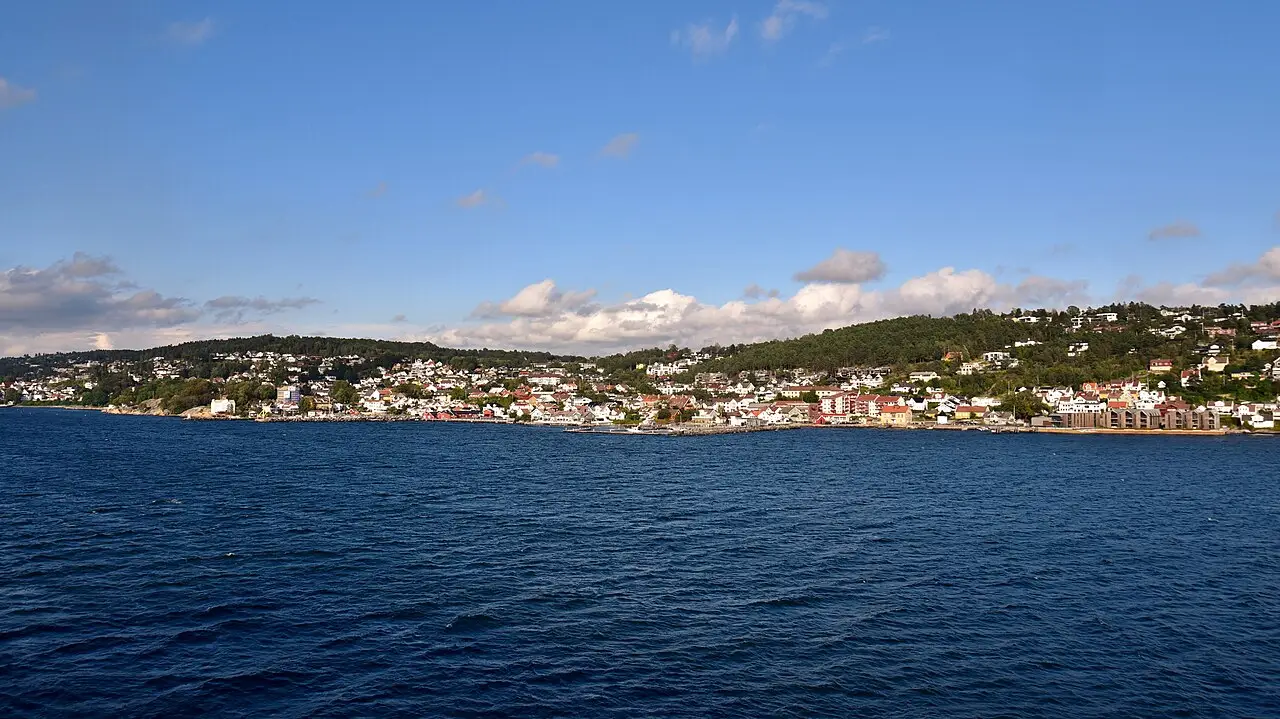
Drøbak and Oscarsborg fortress
40 km to the south, about 50 minutes on bus 500 from the bus terminal, or by boat in summer. An 18th-century wooden village; from the harbor a ferry runs to Oscarsborg, the fort whose guns sank the German cruiser Blücher in the early hours of April 9, 1940.

Fredrikstad
95 km to the south, about 1 hour 10 minutes by regional train. The Gamlebyen, a fortress town founded in 1567 and walled in the 17th century, is the best preserved in the Nordic countries, and the ferry crossing from the modern center is free.
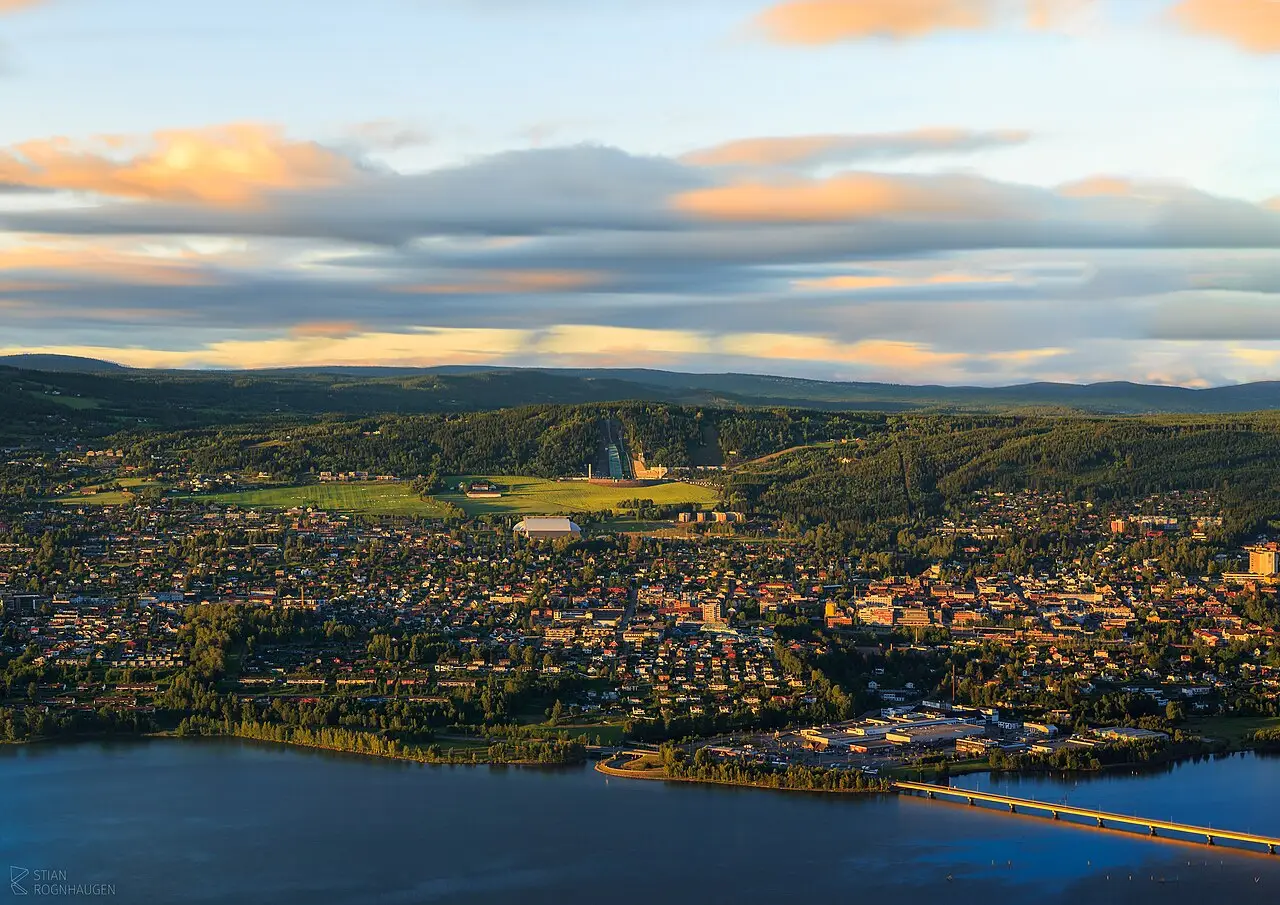
Lillehammer
180 km to the north, about 2 hours 10 minutes by train alongside Lake Mjøsa. Host of the 1994 Winter Olympics, with the Lysgårdsbakken ski jump, the bobsleigh track and the open-air Maihaugen museum, with about 200 historic buildings.
Where to begin
Bjørvika and the historic center
Start at 9am on the Opera House roof: the climb is free, takes ten minutes and there's no tour group yet.
Art, sculptures and the peninsula
Be at the Nasjonalmuseet at opening, 10am, and go straight to the Munch Room before the crowd reaches the second floor.
Money
The currency is the Norwegian krone (NOK), trading in 2026 at around 11.5–12 to the euro and 10 to the dollar. Oslo is one of Europe's most expensive capitals and almost entirely cashless: cards work at street stalls, public toilets and ferries, and some places simply don't accept notes, to the point that you can carry the same bills for your whole trip without spending any. Typical 2026 prices: filter coffee 45–60 NOK, draft beer 100–140 NOK, a simple dish or kebab 150–280 NOK. A main course at a mid-range restaurant costs 280–420 NOK, and a night at a mid-range hotel runs 1,300–2,200 NOK. Tipping is neither expected nor included: rounding up the bill or leaving 5–10% covers good service. Residents from outside the European Economic Area can claim a VAT refund on purchases over 315 NOK in the same store. Norway has approved a visitor tax of up to 3% on overnight stays, applying from summer 2026; municipalities opt in one by one, Bergen and Tromsø went first, and Oslo hasn't confirmed yet, so check when you book.
Getting there and around
Gardermoen Airport: 47 km north, by Flytoget or Vy train
Oslo-Gardermoen airport (OSL) is 47 km north. The first decision of the trip is which train to take. The Flytoget express takes 19–22 minutes to Oslo S and costs about 240 NOK. Vy's regional trains make the same trip in 23–26 minutes for about half the price, and they're what locals use (2026 prices). The Flybussen bus costs around 200 NOK and takes 45 to 60 minutes, depending on traffic. A taxi to downtown runs 1,100–1,600 NOK: fares aren't set by law. Each car displays a yellow price sticker in the window, and it's worth reading before you get in, because once the door is closed you can't renegotiate. The second airport is Torp/Sandefjord (TRF), 110 km south, used by low-cost airlines. From there, the train to Oslo takes about 1 hour 50 minutes.
Metro, tram and bus on the same Ruter ticket
Inside the city everything belongs to Ruter: the T-bane metro, six tram lines, buses and the island ferries. The same ticket works on every mode, including the boat. Since January 2026, a single 1-zone ticket costs 46 NOK and is valid for 60 minutes with transfers. Buy through the RuterBillett app before boarding: tickets aren't sold on board, inspectors work in plain clothes, and the fine is 1,250 NOK paid on the spot. Downtown is walkable end to end: it's 25 minutes on foot from Oslo S to Aker Brygge. Nearly the whole area went car-free after parking spaces were removed in 2017–2019. The Oslo Bysykkel public bikes run from April to November or December, with trips up to 45 minutes included in the seasonal pass. Uber and Bolt operate normally. The Oslo Pass costs about 500 NOK per 24 hours, includes transport and most museums, and only pays off from three visits in the same day.
Safety
Oslo is one of Europe's safest capitals, and violent crime against visitors is rare. The real risks are petty theft on Karl Johans gate, at Oslo S station and on the metro on Friday and Saturday nights, and the open drug scene around Brugata, Vaterland and the lower part of Storgata, which gets heavier at night: uncomfortable to walk through, but rarely aggressive. The most common practical hazard between December and March is ice on the sidewalks, which sends people to the emergency room every winter: a pair of brodder (grips that slip onto your shoes) costs about 150 NOK at any sporting goods store and solves the problem. Taxis have no regulated fares, so book through an app, which shows the price of the ride before you get in the car. Tap water is excellent, and there's no reason to buy bottled. Emergencies: 112 police, 113 ambulance, 110 fire.
Etiquette tips
Take off your shoes entering a home
Taking off your shoes applies to any visit, even for five minutes and in summer. Nobody asks out loud; the pile of shoes at the entrance is the signal.
Take a number (kølapp)
Pharmacies, bakeries, post offices, cheese counters and government offices have a number dispenser at the door. Jumping the line for not seeing the slip is the most visible mistake a visitor makes.
Respect the standard distance
You don't sit next to a stranger when there is an empty seat, and the bus line forms with about an arm's length between people. Norwegians don't do this out of coldness: it's the distance they consider polite.
Be punctual, to the minute
“At 7pm” means 7pm, not 7:15. Being late without warning is a real offense; a short message ahead of time fixes everything.
Split the bill exactly
Everyone pays for what they had, and locals settle down to the cent by Vipps right at the table. Insisting on paying for everyone tends to cause discomfort, not gratitude.
Don't brag
The Janteloven, the unwritten code against setting yourself above others, still governs conversation. People talk about work without saying how much they earn, even though tax returns have been public by law since the 19th century.
Mistakes to avoid
Boarding without a ticket bought beforehand
Boarding a tram or the metro without buying the ticket first. Enforcement is discreet, but it exists, and the fine is 1,250 NOK paid on the spot. No one makes an exception for tourists.
Leaving the wine for after 6pm
Leaving your wine or spirits shopping for the evening or for Sunday. Vinmonopolet, the only chain that sells drinks over 4.7%, closes in the late afternoon and doesn't open on Sundays, and after that all the law lets you buy is regular supermarket beer, which also has a cutoff time.
On Sundays, only shops up to 100 m² open
Counting on shops being open on Sunday. Outside kiosks, bakeries and stores under 100 m², shops are closed. Museums, cafés and restaurants open as usual.
The Vy train costs half and gets there just the same
Buying the Flytoget out of habit at the airport counter. The Vy platform is a few steps away: it arrives a few minutes later, for about half the price.
Thinking Oslo ends at the ring of buildings
Thinking Oslo ends at the ring of buildings. Forest and water cover two-thirds of the municipality, the Marka is half an hour from downtown by metro, and those trails are where many people head on weekends. Pack clothes for wind and rain, heavier than any outing downtown calls for.
Useful phrases
Hei
Hi: works at any hour, with anyone, at any counter
Takk / tusen takk
Thanks / thank you very much (literally “a thousand thanks”)
Unnskyld
Excuse me, and also sorry: used both to get past someone and to approach them
Snakker du engelsk?
Do you speak English? The answer is yes almost anywhere in the city
En kaffe, takk
A coffee, please
Skål
Cheers: said while looking someone in the eye before the first sip, and again after
Districts
Sentrum and Kvadraturen
The historic and administrative center, laid out as a rectangular grid of wide streets by Christian IV after the fire of 1624 and crossed by Karl Johans gate, which ends at the Royal Palace. Here you'll find Akershus Fortress, with free grounds and a lookout over the fjord, and the Grand Café, where Ibsen went every day. It suits anyone who wants to see the city on foot by day; at night Kvadraturen empties out after 6pm.
Bjørvika
A former container port, rebuilt since 2008 over the E18 tunnel. Home to the Opera House, the MUNCH museum, the Deichman library and the twelve Barcode towers; it's the most photographed neighborhood and the most argued-over by locals.
Aker Brygge and Tjuvholmen
The Akers Mekaniske Verksted shipyard closed in 1982, and the site reopened as a commercial boardwalk in 1986. Today it's a strip of expensive restaurants, a marina, urban swimming at Tjuvholmen and Renzo Piano's Astrup Fearnley museum (2012).
Grünerløkka
Late-19th-century brick working-class blocks along the Akerselva, gentrified from the 1990s on. Roasteries, thrift shops, and the squares Olaf Ryes plass and Birkelunden; it's where people eat and drink when they don't want downtown.
Grønland and Tøyen
East of the central station, the city's most immigrant area, with Turkish, Pakistani and Somali groceries and the cheapest hot meal in Oslo. Tøyen has the Botanical Garden, from 1814, and the building of the old Munch Museum.
Frogner and Majorstuen
The bourgeois west, of stuccoed facades, embassies, Bygdøy allé avenue and the shops of Hegdehaugsveien. Home to Vigelandsparken and the most expensive real estate in Norway.
Bygdøy
A residential peninsula ten minutes by boat from Rådhusbrygge, with five museums (Fram, Kon-Tiki, Folkemuseum, the Maritime Museum and the Viking Age one, closed for renovation) and the beaches of Huk and Paradisbukta.
Holmenkollen and the Marka
A slope at about 350 m altitude, with the ski jump, wooden houses and a station on metro line 1. The line keeps climbing to its end, at Frognerseteren, at about 470 m, where the hiking trails and lit cross-country ski tracks begin, 20 minutes on foot from Holmenkollen.
History
c. 1000 · The port at the head of the fjord
Excavations in Gamlebyen date urban settlement to around the year 1000, where the Alna river meets salt water. That date is the basis for the millennium the city celebrated in 2000; the sagas, which place the founding in 1048, were the basis for the 900th anniversary celebrated in 1950.
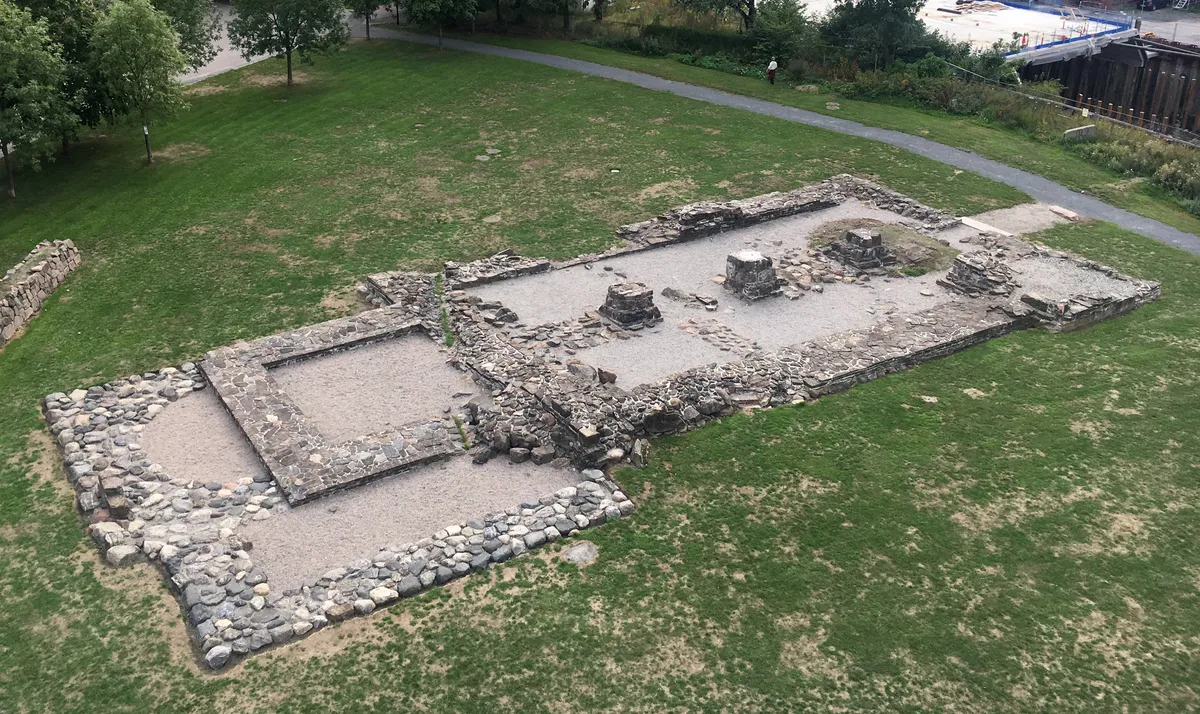
1299–1319 · Håkon V's court
Håkon V Magnusson moved the royal seat to Oslo and had Akershus fortress built over the harbor entrance. The saga tradition of Snorri Sturluson credits the city's founding to Harald Hardrada, in 1048.

1349–1350 · Black Death
The epidemic killed close to half of Norway's population and wiped out the local nobility. Weakened, Norway fell into the Danish orbit, and Oslo became a provincial town for nearly four centuries.
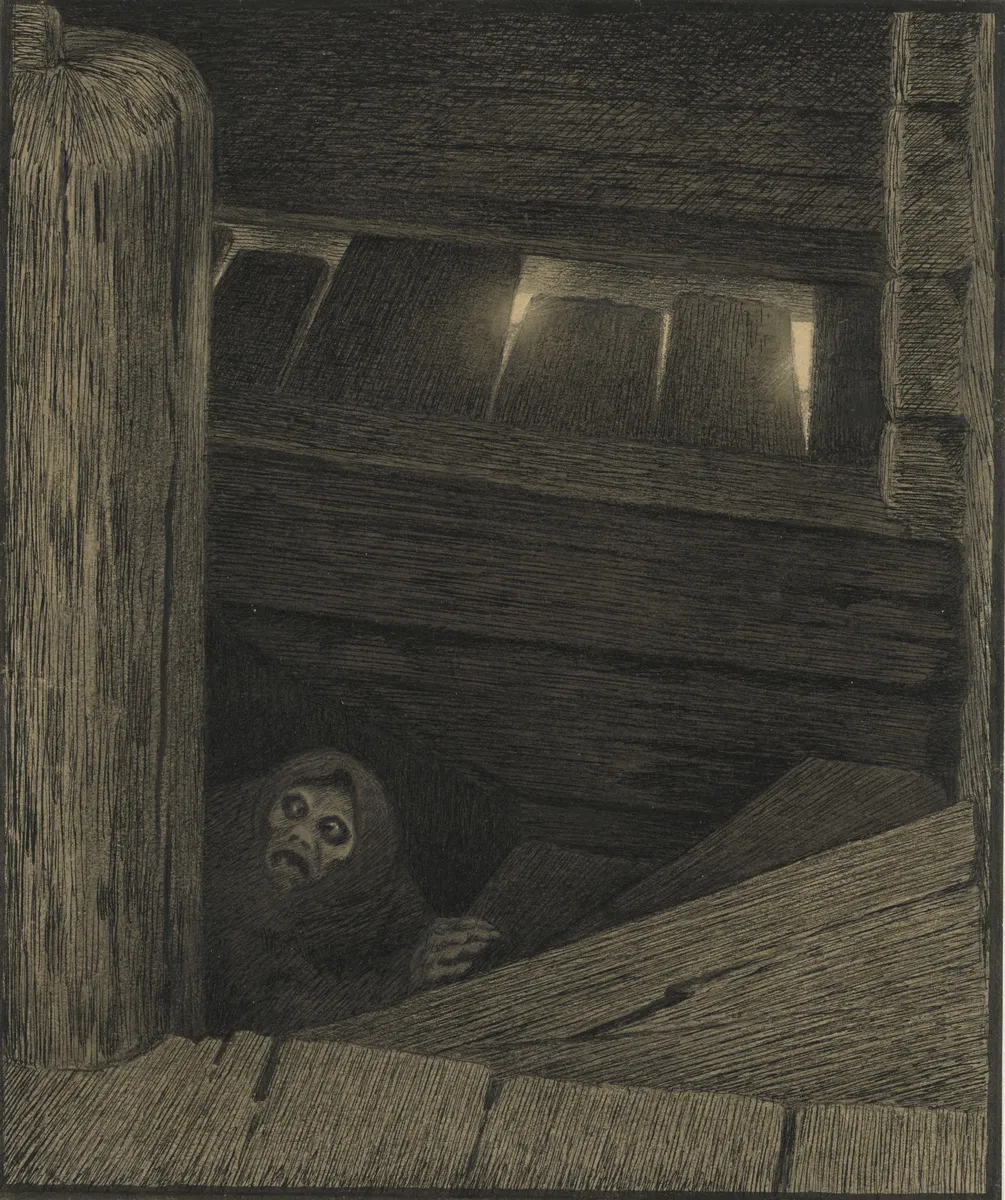
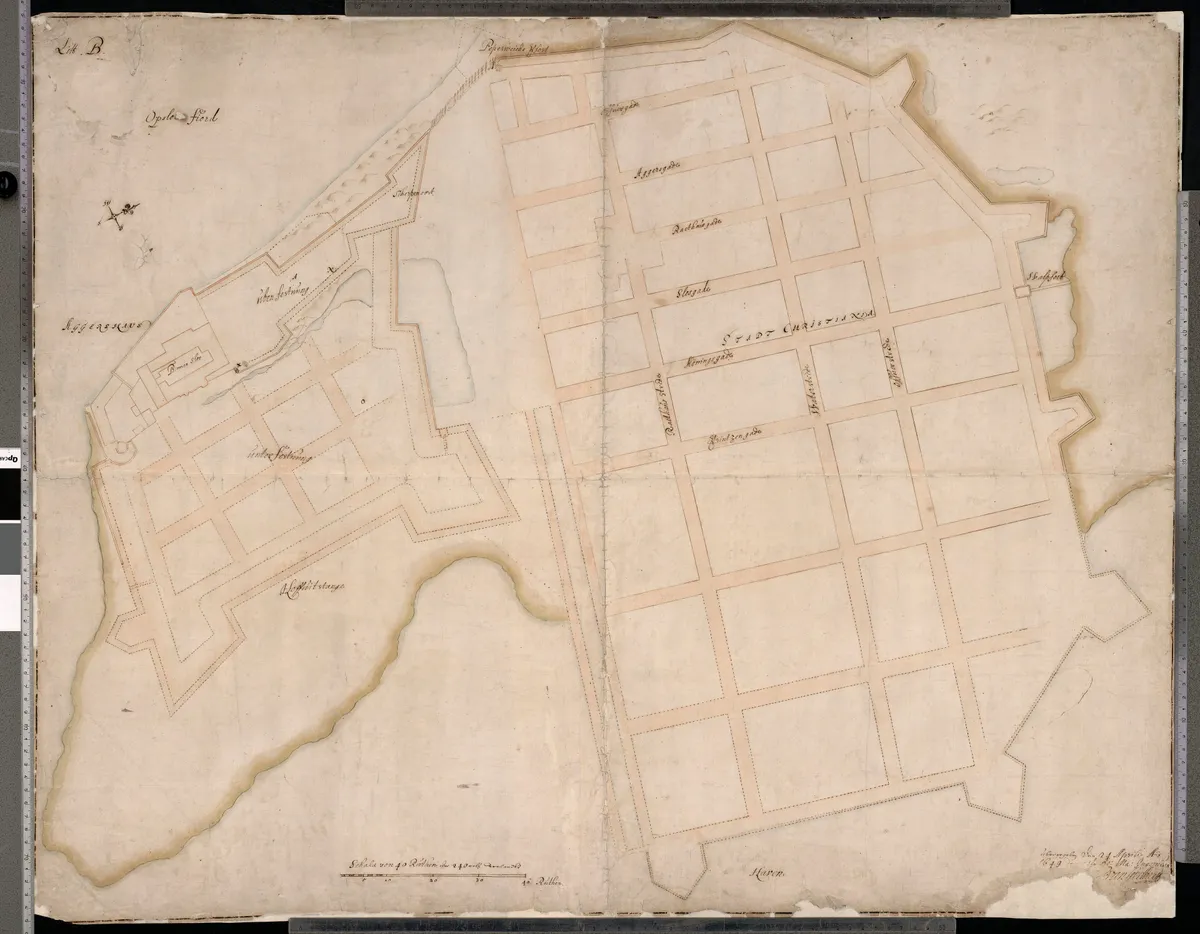
1624 · The fire and Christiania
In August 1624 fire consumed the wooden city. Christian IV rebuilt it on a new site under the guns of Akershus, in a rectangular grid with a requirement to build in brick, and gave it his own name.
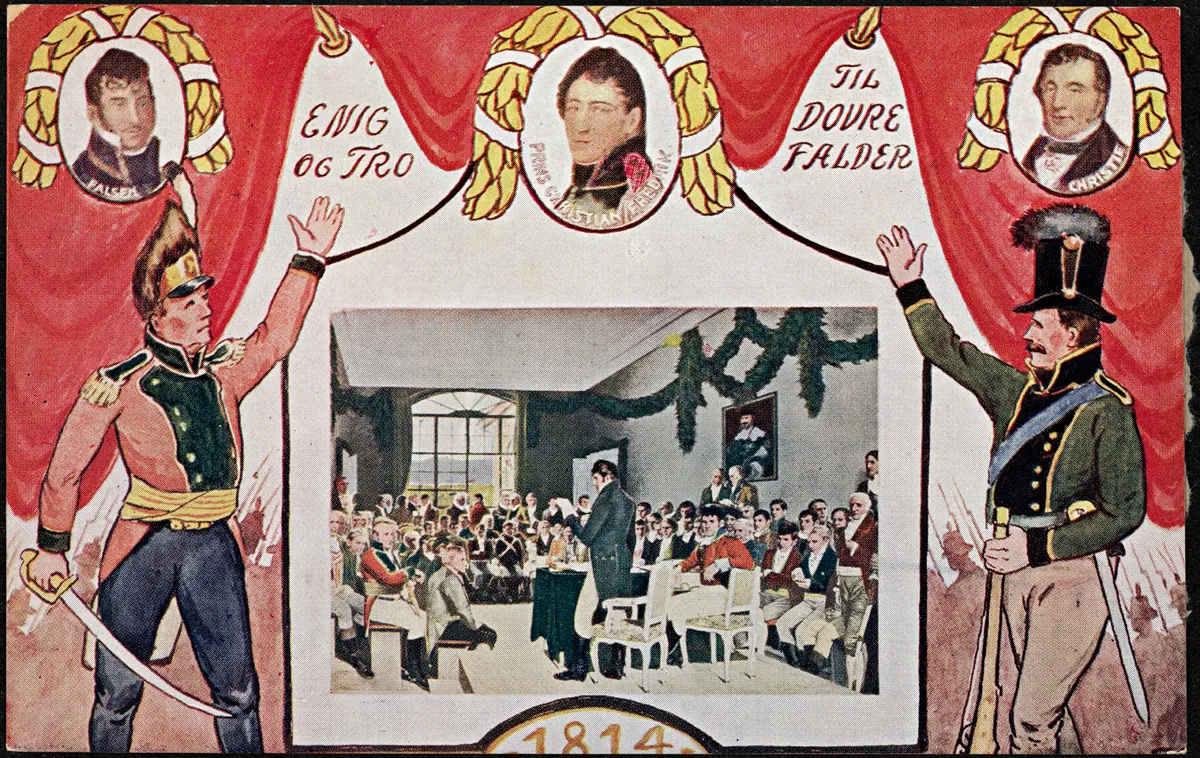
1814 · Constitution and capital
The constitution signed at Eidsvoll on May 17 created the Norwegian state, which that same year entered a personal union with Sweden. Christiania became the capital and gained a palace, a university and a stock exchange.
1840–1900 · The Akerselva factories
Textile mills, sawmills and foundries lined up along the Akerselva river and drew in peasants from the countryside. The working-class blocks of Grünerløkka, Sagene and Kampen were born, along with the east-west divide that still organizes the city.

1905–1925 · Independence and the name Oslo
The union with Sweden was dissolved without war in 1905, and Danish prince Carl took the throne as Haakon VII. On January 1, 1925, the city dropped the Danish king's name and became Oslo again.
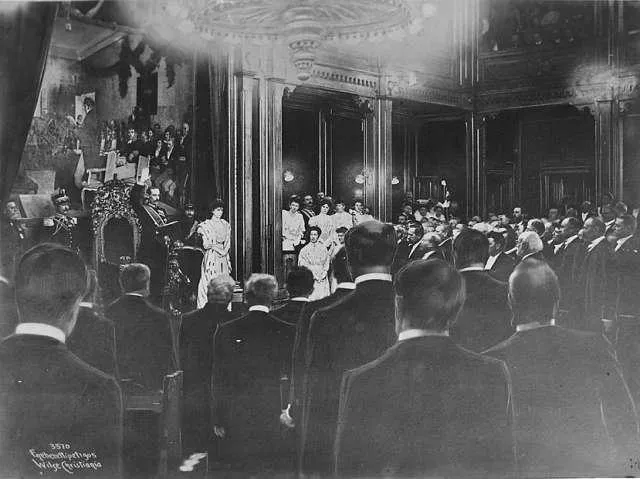
1940–1945 · German occupation
German troops entered on April 9, 1940, delayed by hours by the Oscarsborg fortress, which sank the cruiser Blücher in the fjord and allowed the king to escape. Vidkun Quisling ruled as a collaborator and was executed by firing squad at Akershus in October 1945.
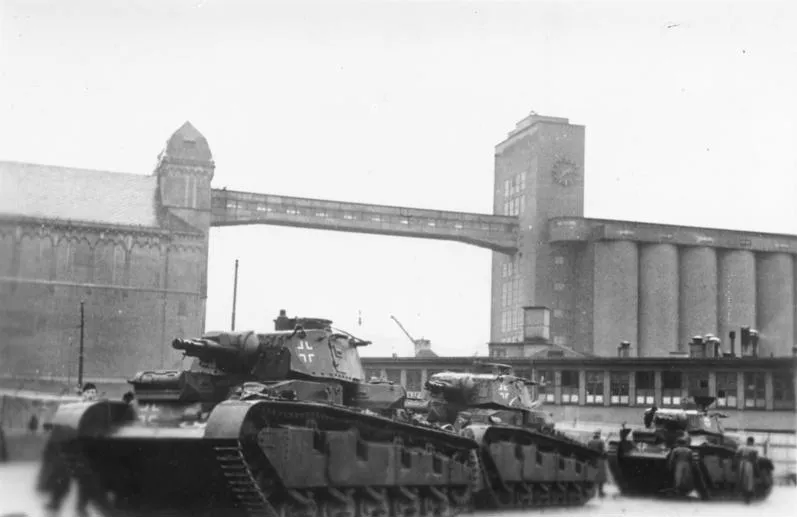
1948–1969 · Aker, the Games and oil
The 1948 annexation of the rural municipality of Aker multiplied the city's area and handed it the Marka forest; in 1952 Oslo hosted the Winter Olympics. The discovery of the Ekofisk field on Christmas 1969 changed the country's economy.

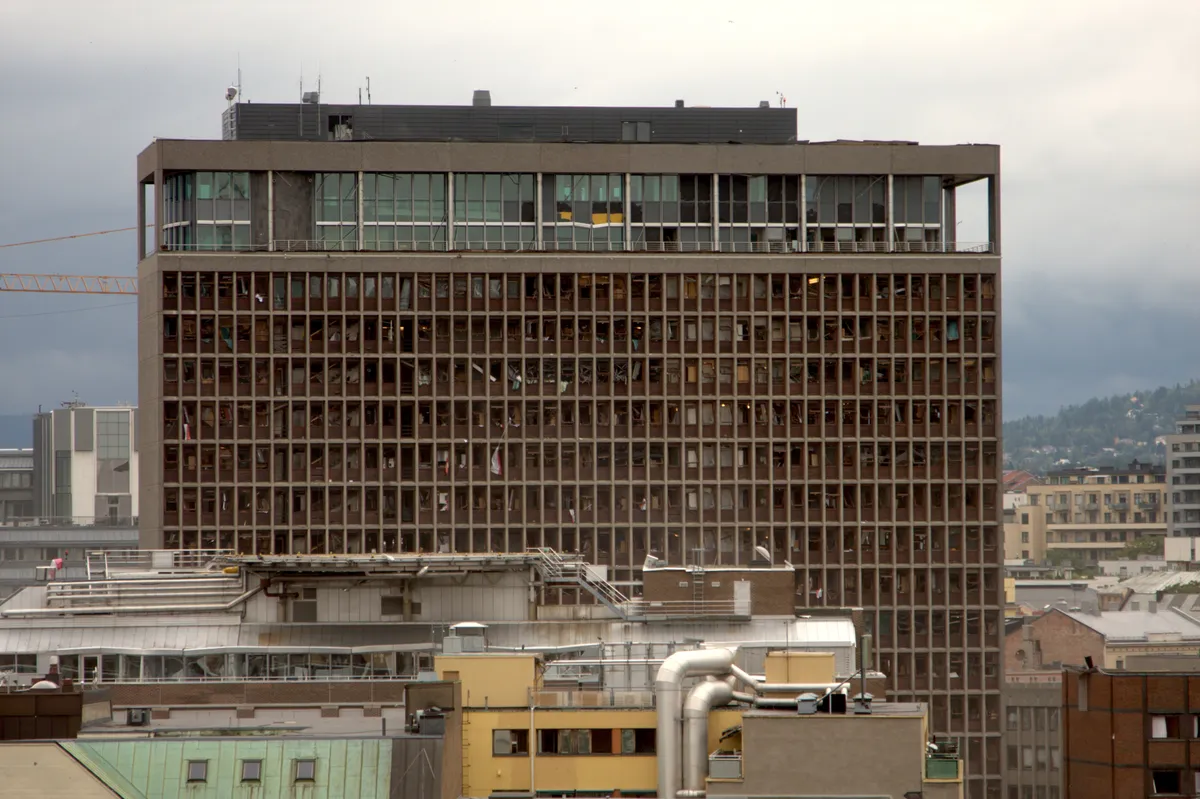
July 22, 2011 · The attack on the government quarter and Utøya
A right-wing extremist detonated a car bomb in the government quarter, killing eight people, then murdered 69 young people on the island of Utøya. The quarter is still being rebuilt.
2008–2022 · The Fjord City
Snøhetta's Opera House (2008), Astrup Fearnley (2012), the Deichman library (2020), the MUNCH museum (2021) and the Nasjonalmuseet (2022) rebuilt the harbor front. Between 2017 and 2019 the city council removed nearly all parking spaces downtown.

Complete history
Port at the head of the fjord
Oslo began as a port at the head of the fjord, where the Alna river meets salt water. Excavations in the Gamlebyen neighborhood date urban settlement to around the year 1000, and it was on that basis that the city marked its millennium in 2000, though literary tradition, backed by the sagas of Snorri Sturluson, credits the founding to King Harald Hardrada in 1048. The political leap came with Håkon V Magnusson: in the 1290s he began building Akershus fortress over the harbor entrance, and as king from 1299 to 1319 he made Oslo the royal seat. The Black Death of 1349–1350 killed close to half of Norway's population, broke the local nobility, and pushed the country into union with Denmark; for nearly four centuries Oslo decided little and obeyed Copenhagen.
The 1624 fire moved the city
In August 1624 a fire burned the wooden city for the last time. Christian IV crossed the fjord, chose a new site under the guns of Akershus, imposed a rectangular grid of wide streets and a requirement to build in brick, and named the result after himself: Christiania. That grid, the Kvadraturen, is still the layout of downtown. The next decisive year is 1814: the constitution signed at Eidsvoll on May 17 created the Norwegian state, which that same year fell into a personal union with Sweden. Christiania became the capital and set about building what a capital lacked: the Royal Palace (1849), the university, the stock exchange, the Storting building (1866) and the Nationaltheatret (1899).
Industry arrived by the river
Industry arrived by the river. Starting in 1840, textile mills, sawmills and foundries lined up along the Akerselva, and peasants from the countryside filled the tenement blocks of Grünerløkka, Sagene and Kampen. In this working-class city the spelling of the name changed: from 1877 Christiania began to be written Kristiania, with a K, the form that appears in the novels of the end of the century. By around 1900 the city had about 230,000 residents, more than ten times the figure a century earlier, and a social divide that stuck to the map: workers east of the river, officials and merchants to the west. That line still shows up today in property prices and life expectancy. In 1905 the union with Sweden was dissolved without war, and Danish prince Carl took the throne as Haakon VII; on January 1, 1925, the capital dropped the Danish king's name and reclaimed its medieval name, Oslo.
Occupation began on April 9, 1940
The German occupation began on April 9, 1940, and was delayed by hours by the guns of Oscarsborg, which sank the cruiser Blücher in the fjord and gave the king, the government and the gold reserve time to leave the city. Vidkun Quisling governed as a collaborator and was executed by firing squad at Akershus in October 1945; his surname entered dictionaries as a synonym for traitor. After the war, two changes remade the city. In 1948, Oslo annexed the rural municipality of Aker, multiplying its territory many times over and gaining the suburbs and the Marka forest in one stroke. From 1969, with the discovery of the Ekofisk field in the North Sea, it entered an economy of oil income that the sovereign wealth fund created in 1990, with its first deposit in 1996, turned into a stable public budget.
The July 22, 2011 attack shapes today's Oslo
On July 22, 2011, a far-right extremist set off a car bomb in the government quarter, killing eight people, and then murdered 69 young people at a summer camp on the island of Utøya; the government quarter is still under construction, and the public response (marches with roses, with no added restrictions on freedoms) became part of the national self-image. The other date that defined today's Oslo is 2008, when Snøhetta's Opera House opened on the old dock and the sinking of the E18 highway into the Bjørvika tunnel, finished in 2010, gave the waterfront back to the city: then came the Barcode, the Astrup Fearnley (2012), the Deichman (2020), MUNCH (2021) and the Nasjonalmuseet (2022). Meanwhile, between 2017 and 2019 almost all parking spaces downtown were removed, and Oslo was European Green Capital in 2019. Today the city is growing more slowly than in the last decade: it gained about 4,400 people in 2025, with lower immigration and residents moving out to neighboring municipalities.
Geography and shape of the city
The fjord, the light and the forest
Oslo sits at the bottom of a glacial basin at the head of the Oslofjord, at 59°55′ north latitude, practically the same as St. Petersburg, which explains the stark difference between June's 18 hours of light and December's 6. The municipality covers 454 km², about two-thirds of it forest and water: the Marka, a green belt frozen by law since the 2009 Markaloven, presses right up against the neighborhoods and keeps the urban footprint from spreading.
The slope and the river that divides
The land rises in an amphitheater from sea level up to 629 m at Kjerkeberget, and that slope organizes society: money climbed west and uphill (Frogner, Holmenkollen), industry stayed low and to the east. The Akerselva river drops 8 km from Lake Maridalsvannet to Bjørvika with a fall of about 150 m (the power that once ran 19th-century factories) and became the social border between the city's two halves.
The 1624 grid and the rails
Downtown is the rectangular grid of 1624, the Kvadraturen, extended in the 19th century by the ceremonial axis of Karl Johans gate, between the central station and the Royal Palace. From 1900 on, growth followed the rails: the T-bane's five lines fan out from a shared tunnel under downtown, and each suburban district grew up around a station. Since 2010 the waterfront, once occupied by port and highway, has been a continuous strip of public space from Bjørvika to Tjuvholmen.
Oslo sits practically at the latitude of St. Petersburg: 18 hours of light in June and 6 in December.
Oslo's wealthy neighborhoods ended up high up and to the west; industry, down low and to the east.
Culture
Two authors this city exported
Oslo is the city of two authors it exported. Edvard Munch (1863–1944) painted most of his work here and left the city about 26,000 pieces when he died, making the municipality the largest holder of Munch works in the world. Henrik Ibsen lived at Arbins gate 1 from 1895 until his death in 1906, and walked the same route to the Grand Café on Karl Johans gate every day; the Nationaltheatret, from 1899, has statues of him and Bjørnstjerne Bjørnson at the entrance and keeps a standing Ibsen season. Knut Hamsun made Hunger (1890) the street portrait of poor Kristiania, and Karl Ove Knausgård and Jo Nesbø provide the contemporary addresses.
The music scene: from black metal to export pop
In music, the city turns out far more than its size suggests. Norwegian black metal formed in the early 1990s around the Helvete shop, opened by Euronymous in Grønland, and the bands Mayhem and Darkthrone; the Inferno festival, at Easter, still gathers that crowd. Export pop runs from a-ha (1985) to Röyksopp, Kygo, Sigrid, Aurora and girl in red, and the small-venue circuit centers on Grünerløkka and Youngstorget. Jazz has its own hall, the Nasjonal jazzscene Victoria, and the by:Larm showcase gathers the Nordic industry in February or March.
Friluftsliv: the right to roam on others' land (allemannsretten)
Outdoor life, friluftsliv, organizes the week in Oslo. Allemannsretten, the right to roam and camp on uncultivated land, even someone else's, is written into law, and on Sundays the metro heads uphill packed with skis and backpacks to Frognerseteren and Sognsvann, where Skiforeningen maintains thousands of kilometers of groomed trails in the region. The city's signature sport is cross-country skiing, done on those same trails when snow covers the Marka.
Festivals and events

May 17: Grunnlovsdagen
The anniversary of the 1814 constitution. From the morning on, children's parades from every school march down Karl Johans gate to the Palace, with bands, regional costumes (bunad) and the royal family on the balcony. It's the day of the year with the most people on Oslo's streets, from early morning to night.
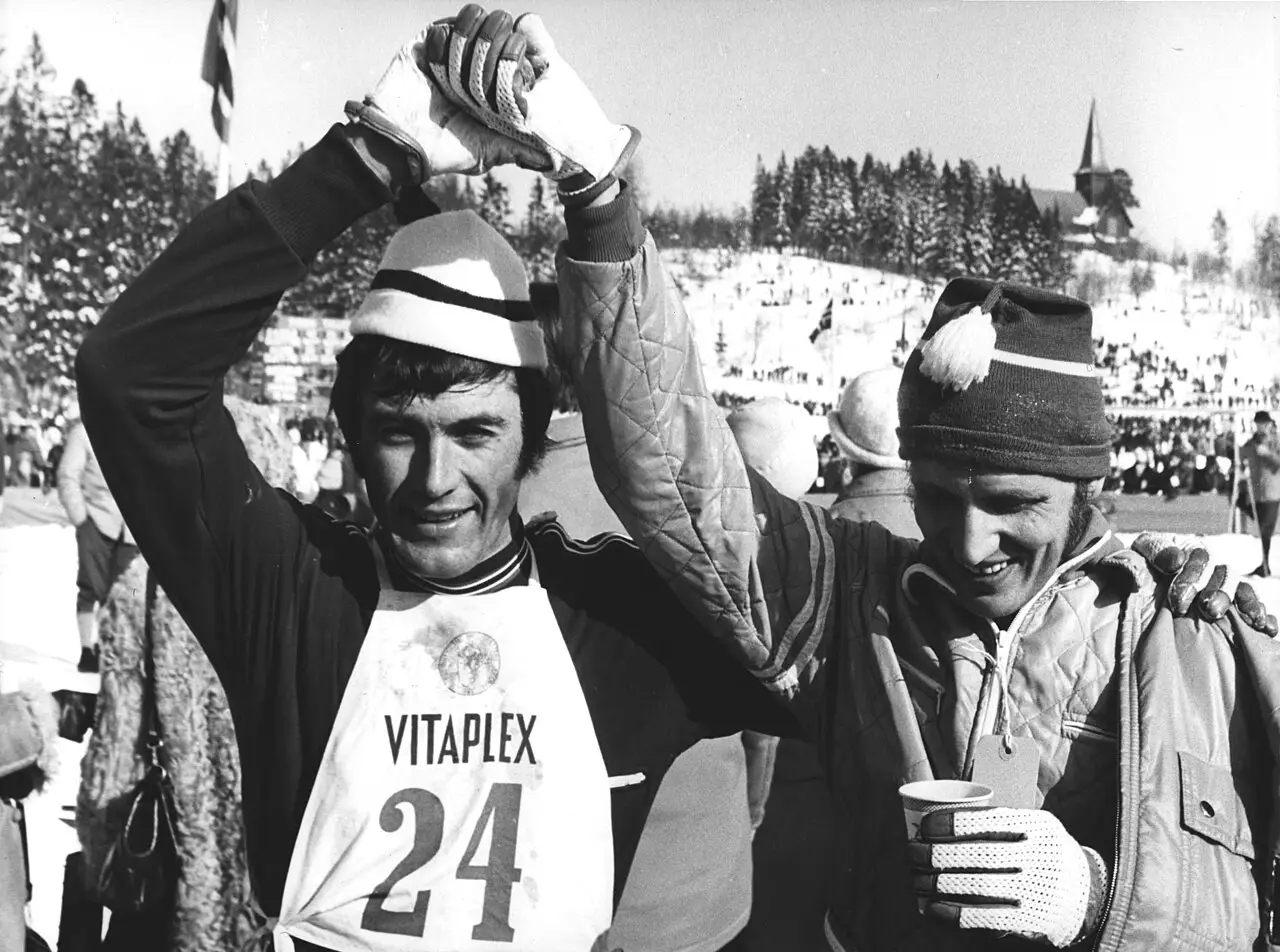
Holmenkollen Ski Festival
First weekend of March, with ski jumping and cross-country events on the slope since 1892. Draws tens of thousands of people; metro line 1 becomes mass transit, and it pays to leave early.

Øyafestivalen
Second week of August, in Tøyenparken. Four days of music with Nordic and international lineups; the festival's waste and food rules became a reference for the European industry.

Oslo Jazzfestival
Mid-August, since 1986, with concerts in downtown venues and outdoors. Complements by:Larm, the new-music trade fair that fills the city's clubs in February or March.

Nobel Peace Prize
December 10, the date of Alfred Nobel's death. The ceremony takes place in the Rådhuset's main hall, followed at night by a torchlight procession to the laureate's hotel.
Books and films
Hunger, by Knut Hamsun (1890)
The novel crosses Kristiania street by street in the voice of a starving writer; the names of corners and squares still match today's map.
The Worst Person in the World, by Joachim Trier (2021)
Films Oslo as a city of people in their thirties: Grünerløkka, the banks of the Akerselva, the office, and the summer light that never ends.
The Snowman, by Jo Nesbø (2007)
A detective Harry Hole novel with real geography of the city's winter: Holmenkollen, Bygdøy and the Grønland police station appear by address.
Frequently asked questions
Oslo: How do you get to Drøbak and Oscarsborg fortress?
Drøbak is 40 km to the south, about 50 minutes from the bus terminal on bus 500, or by boat in summer. From the village's harbor a ferry runs to Oscarsborg fortress.
Oslo: Does Norway use the euro?
No: the currency is the Norwegian krone (NOK), trading in 2026 at around 11.5 to 12 to the euro and 10 to the dollar.
Oslo: What's the best time to go?
Go from May to August for long days and bright light, or in February and March for snow and skiing in the Marka. To escape the summer crowds, May and September have fewer people.
Oslo: Do you need to take off your shoes when visiting someone's home?
Yes: taking off your shoes applies to any visit, even one of five minutes and in summer.
Oslo: Is it safe for tourists?
Yes: Oslo is one of the safest capitals in Europe, and violent crimes against visitors are rare. The real risks are petty theft on Karl Johans gate, at Oslo S station and on the metro on Friday and Saturday nights, and, between December and March, ice on the sidewalks.
Other cities in the country
Norway ↗- Days
- 3
- When
- Jan–Mar · Sep–Dec
- Per person/day
- Average 1,700–2,800 krMid-range · per person/day
Cost scope
Per person per day: accommodation, meals, urban transport, visits and a small allowance for extras. Flights excluded; larger purchases vary. Editorial estimate, not a quote.