Peru
Puno
Puno, port on Lake Titicaca: totora reed islands, Taquile, and the funerary towers of Sillustani
Days Start with the basic programme and choose extensions for the time you have.
How the guide reaches this number
With a third day, I'd go to Chucuito along the south shore of the lake, or swap the boat day for the two-day tour with an overnight on Amantaní. Copacabana and Isla del Sol make sense for those continuing to Bolivia, and not as a rushed day trip. With only one day, I'd do the boat to the Uros and Taquile if I had already arrived acclimatized, overland from Cusco or La Paz; arriving by plane the day before, I'd stay with the Uros, which don't require a climb, and the center, and leave Taquile for another trip.
2–3
When May to October; February for the Virgen de la Candelaria festival, and from December to April the rains are concentrated.
How the guide reaches this number
From May to October it rains little, and that is the best window for the lake and for Sillustani; June to August concentrates the highest demand, so book ahead in those months: days are usually clear and sunny, and nights are cold, with an average annual low of 1.3 °C. From December to April most of the roughly 700 mm of the year's rain falls, and it is wise to leave slack in the boat schedules and bring a rain jacket. February is the month of the Festivity of the Virgen de la Candelaria, in the first two weeks: to see the festival, it is the right moment despite the rain, but lodging and transport need to be arranged ahead. At any time of year, sunscreen, sunglasses, and a warm layer are necessary, because the altitude sun burns and the temperature drops as soon as it sets.
Per person/day Add up lodging per night, meals per person, the entry and boat fees for the Uros and Taquile and the trip to Sillustani; the Candelaria festival in February changes the total considerably.
How the guide reaches this number
Per person per day: accommodation, meals, urban transport, visits and a small allowance for extras. Flights excluded; larger purchases vary. Editorial estimate, not a quote.
 What Nilo thinks
I'd stay two full days in Puno: the first for the center, with the cathedral, the Museo Carlos Dreyer, and Jirón Lima, and Sillustani in the late afternoon; the second on the boat to the Uros and Taquile. With a third day, I'd go to Chucuito along the south shore of the lake, or swap the boat day for the two-day tour with an overnight on Amantaní. Copacabana and Isla del Sol make sense for those continuing to Bolivia, and not as a rushed day trip. With only one day, I'd do the boat to the Uros and Taquile if I had already arrived acclimatized, overland from Cusco or La Paz; arriving by plane the day before, I'd stay with the Uros, which don't require a climb, and the center, and leave Taquile for another trip.I'd go to Puno for the lake, and for the way life around it is still organized by the water. From the shallow bay covered in totora, boats reach the floating islands of the Uros in twenty minutes, made of the same plant that serves as house and boat; farther out, on open Titicaca, Taquile shows the textile art that UNESCO recognizes and Amantaní receives visitors in family homes. On land, the city holds a baroque stone cathedral with Andean reliefs, and half an hour down the road the chullpas of Sillustani, funerary towers of the Colla lords, rise above Laguna Umayo. In February, the festival of the Virgen de la Candelaria fills the streets with dancers from across the region. All of this happens at 3,828 m, and altitude sets the pace of the trip.
Quick facts
- Population
- About 208,000 inhabitants in Puno province, which includes the city and the surrounding rural districts, according to the first results of INEI's 2025 National Census released in 2026; the department of Puno totals about 1.23 million.
- Founding
- Local tradition dates the founding to November 4, 1668, when the viceroy Count of Lemos renamed the settlement San Carlos de Puno, after ordering the mining camp of San Luis de Alba destroyed.
- Country and region
- Peru, department of Puno, on the altiplano along the shore of Lake Titicaca, near the border with Bolivia.
- Language
- Spanish; Quechua and Aymara are spoken in the region, and Taquile belongs to the Quechua language area.
- Currency
- Peruvian sol (PEN, written S/).
- Time zone
- America/Lima, UTC−5 year-round, no daylight saving time. Crossing into Bolivia, the clock moves ahead one hour (UTC−4).
- Best time to visit
- May to October; February for the Virgen de la Candelaria festival, and from December to April the rains are concentrated.
- Average daily cost
- Add up lodging per night, meals per person, the entry and boat fees for the Uros and Taquile and the trip to Sillustani; the Candelaria festival in February changes the total considerably.
When to go
May to October; February for the Virgen de la Candelaria festival, and from December to April the rains are concentrated.
January
5° to 16°C
142 mm of rain
February
5° to 16°C
140 mm of rain
March
5° to 16°C
103 mm of rain
April
3° to 16°C
50 mm of rain
November
4° to 19°C
57 mm of rain
December
5° to 18°C
111 mm of rain
How the year changes
From May to October it rains little, and that is the best window for the lake and for Sillustani; June to August concentrates the highest demand, so book ahead in those months: days are usually clear and sunny, and nights are cold, with an average annual low of 1.3 °C. From December to April most of the roughly 700 mm of the year's rain falls, and it is wise to leave slack in the boat schedules and bring a rain jacket. February is the month of the Festivity of the Virgen de la Candelaria, in the first two weeks: to see the festival, it is the right moment despite the rain, but lodging and transport need to be arranged ahead. At any time of year, sunscreen, sunglasses, and a warm layer are necessary, because the altitude sun burns and the temperature drops as soon as it sets.
The same numbers as a table
| Month | Temperature °C | Rain mm |
|---|---|---|
| January | 5 to 16 | 142 |
| February | 5 to 16 | 140 |
| March | 5 to 16 | 103 |
| April | 3 to 16 | 50 |
| May · | 1 to 17 | 5 |
| June · | -1 to 16 | 3 |
| July · | -2 to 16 | 3 |
| August · | 0 to 17 | 8 |
| September · | 2 to 17 | 18 |
| October · | 3 to 18 | 46 |
| November | 4 to 19 | 57 |
| December | 5 to 18 | 111 |
Nilo's tips
A light day before the boat
If you arrive by plane through Juliaca, I'd leave the first day for the center and Sillustani and only book the Uros and Taquile for the next day. People who come from Cusco overland tend to feel it less, but Puno sits higher.
Fast boat or overnight
I'd do the Uros and Taquile in one day by fast boat if time is short. With one more night, I'd swap that day for the two-day tour with an overnight on Amantaní, which lets you see the islands outside the tour boats' hours.
Taquile at your own pace
The climb of about 540 steps to the plaza on Taquile goes past 3,900 m. I'd climb slowly, with pauses, and agree with the guide on the time to return to the boat.
A border with opening hours
If you are continuing to Copacabana, I'd leave Puno in the morning to cross at Kasani while the post is open, remembering that on the Bolivian side the clock is one hour ahead.
Explore the map
Explore the map, read about the other places and plan your travel days in the app.
Open the appWhat to see
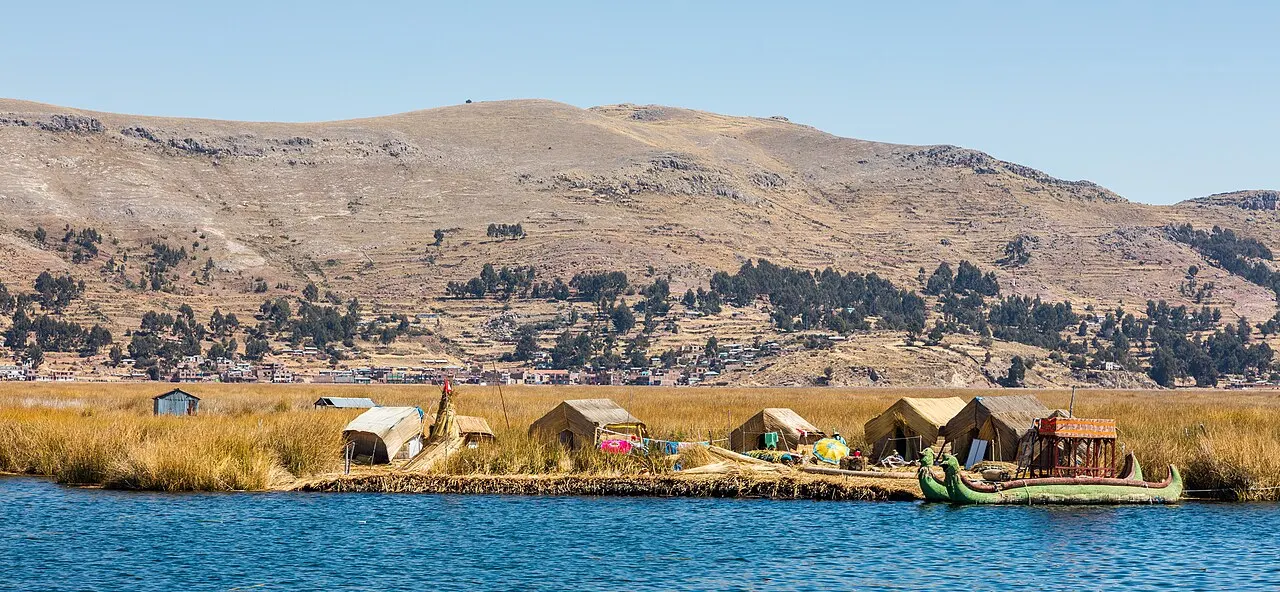
Islas Flotantes de los Uros
Artificial islands built from layers of totora about 6 km from Puno, inside or on the edge of the Titicaca National Reserve. Some are set up to receive visitors, others serve only as homes. The visit usually includes an explanation of how the island is built and maintained, crafts, and, if you like, a ride on the totora boat. The fast boat takes about 20 minutes from the dock, and the community charges an entrance fee on arrival (S/10 in August 2025, according to Wikivoyage, in addition to the round-trip boat from the dock). It is a heavily visited place, set up for tourism, and worth understanding before you go.
Check access

Isla Taquile
Terraced island on Lago Mayor, Quechua-speaking, known for its textile art recognized by UNESCO: men and women weave and knit in daily life, on four-stake looms, and the woven calendar belt records the agricultural and ritual cycle. The boats leave Puno bay between 7 and 9 a.m.; on the fast-boat tour, the crossing from the Uros to Taquile takes about an hour. Those who land at Puerto Chilcano climb about 540 steps to the plaza, above 3,900 m. The community organizes tourism, with homestays for those who want to sleep over.
Check access

Complejo Arqueológico de Sillustani
A necropolis on a peninsula of Laguna Umayo, about 31 km from Puno and near 3,900 m, where the Colla nobility built cylindrical funerary towers, the chullpas, wider at the top than at the base. The Chullpa del Lagarto, about 12 m tall, takes its name from a lizard relief on one of the blocks, and near it the so-called Sillustani treasure was found in 1971, now partly displayed in the Sala Sillustani of the Museo Carlos Dreyer in Puno. The complex has been national cultural heritage since 2003. Most visits are on a half-day tour from Puno.
Check access
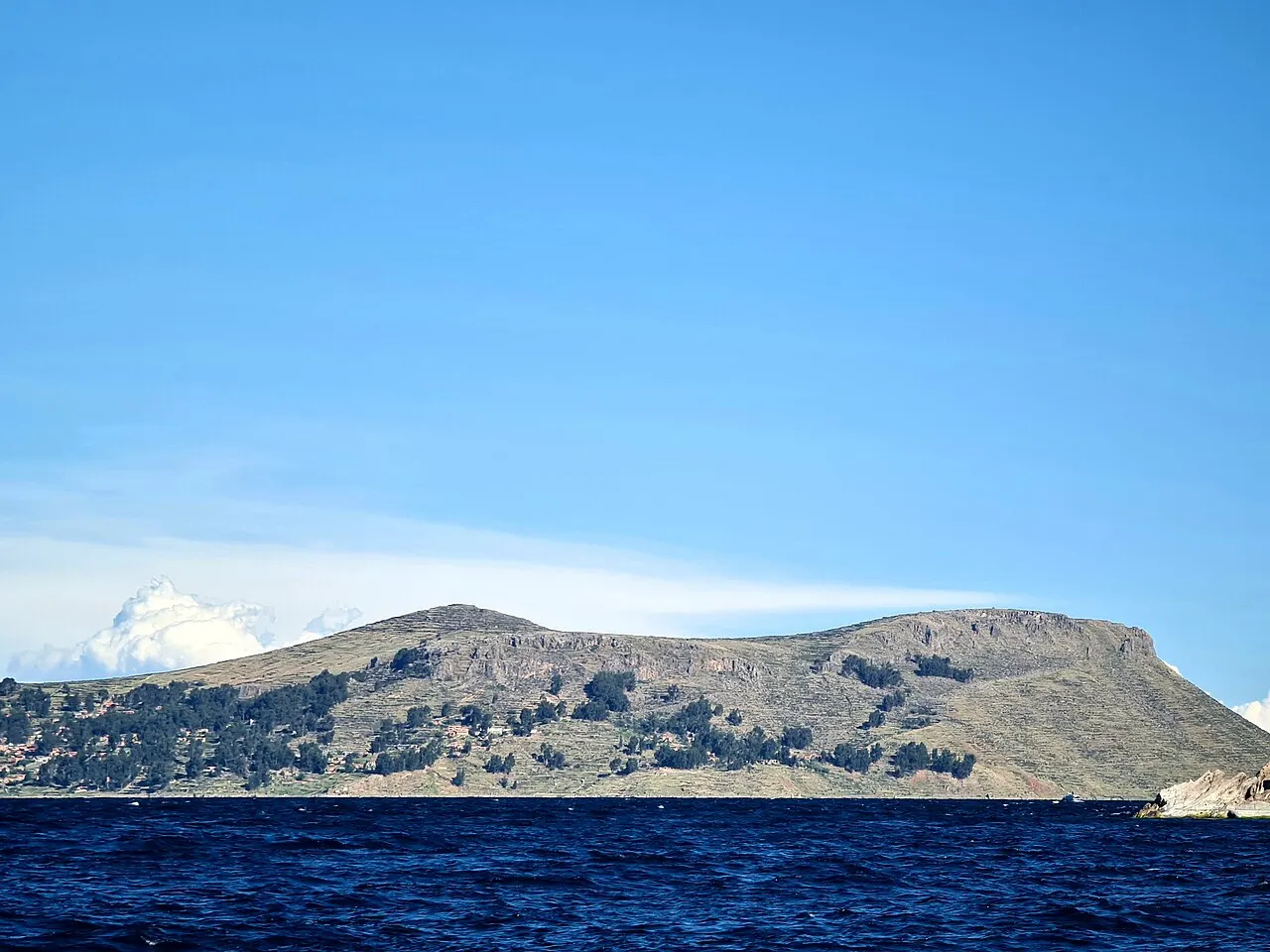
Isla Amantaní
The largest of the inhabited islands in this sector, with about 9 km² divided among ten communities that live from farming, weaving, and stonework. At the top are the ceremonial centers of Pachatata and Pachamama, and the highest point, Mount Llacastiti, reaches 4,150 m. It makes more sense with a night in a family home, usually combined with Taquile the next day.
Check access
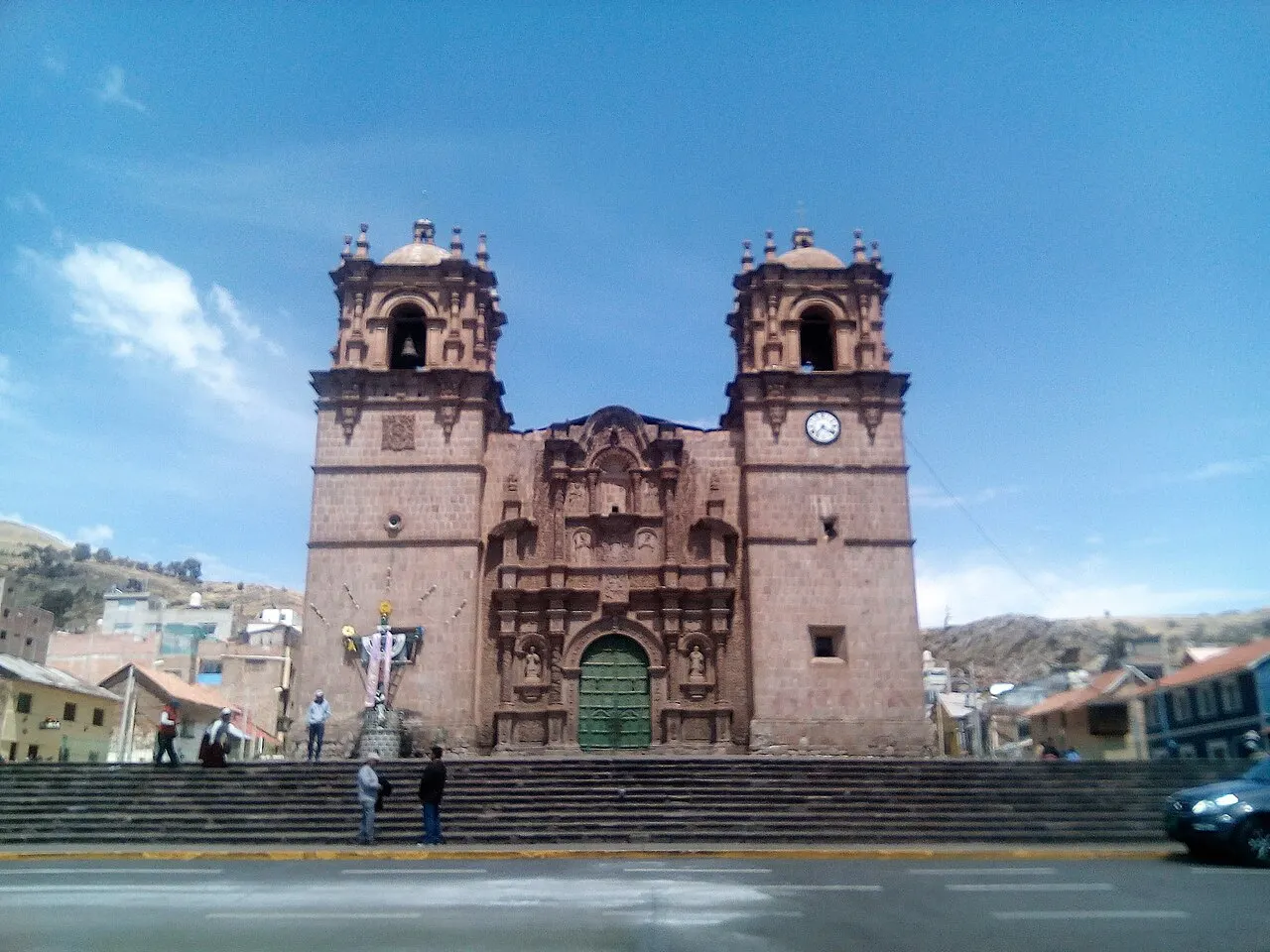
Catedral de Puno
The Catedral Basílica de San Carlos Borromeo, built between 1669 and 1757 on the Plaza de Armas, has a baroque stone facade with reliefs of Andean motifs, one of the examples of so-called mestizo baroque. A fire in 1930 destroyed much of the interior. Among the most venerated images is the Señor de la Bala, also called the Señor del Quinario. It has been national cultural heritage since 1972.
Check access
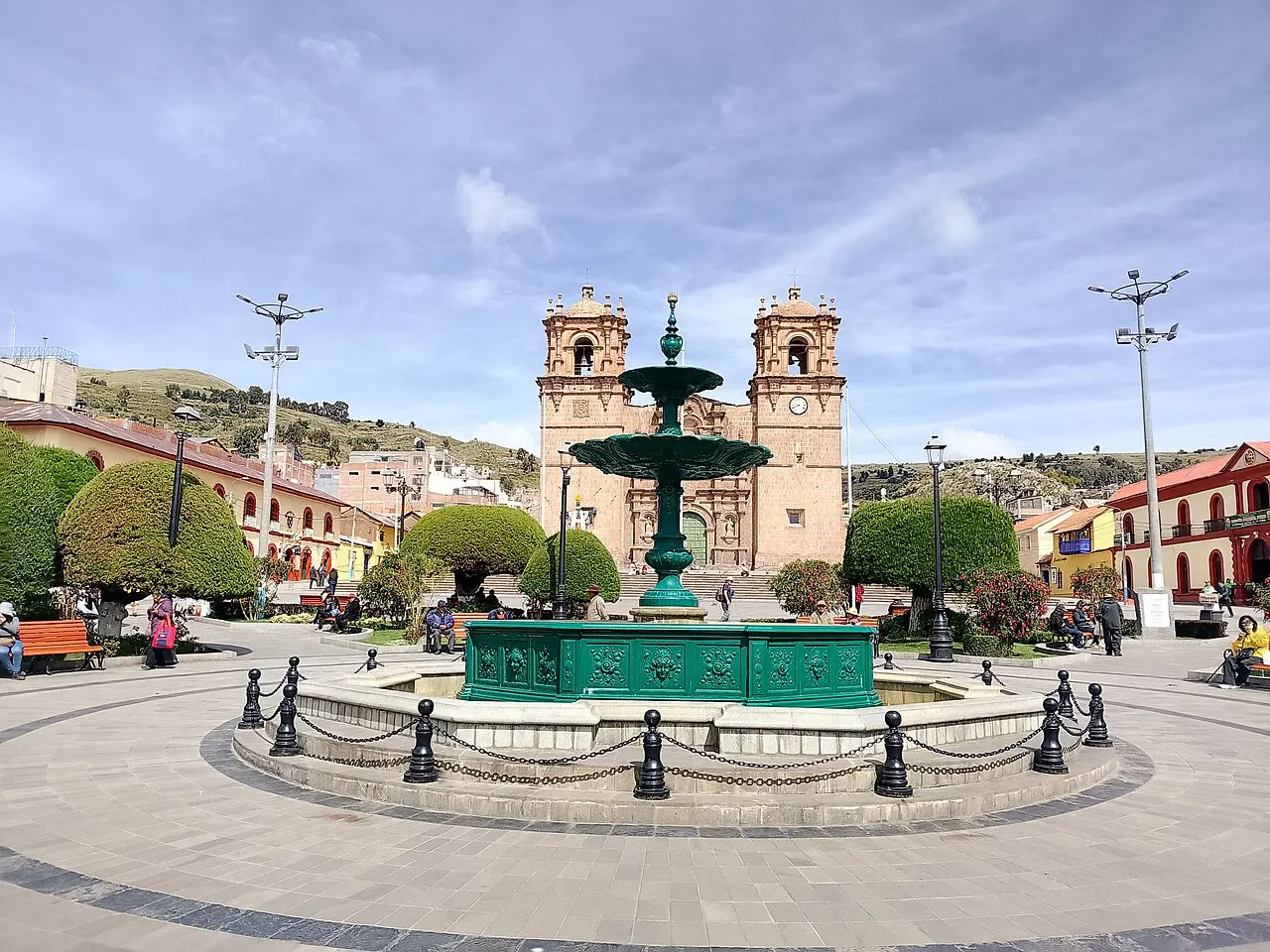
Plaza de Armas (Puno)
The political and religious center of the colonial city, with the cathedral on one side and Jirón Lima leaving from one corner. It is the natural starting point for walking the center, and one block away are the Balcón del Conde de Lemos and the Museo Carlos Dreyer.
Check access
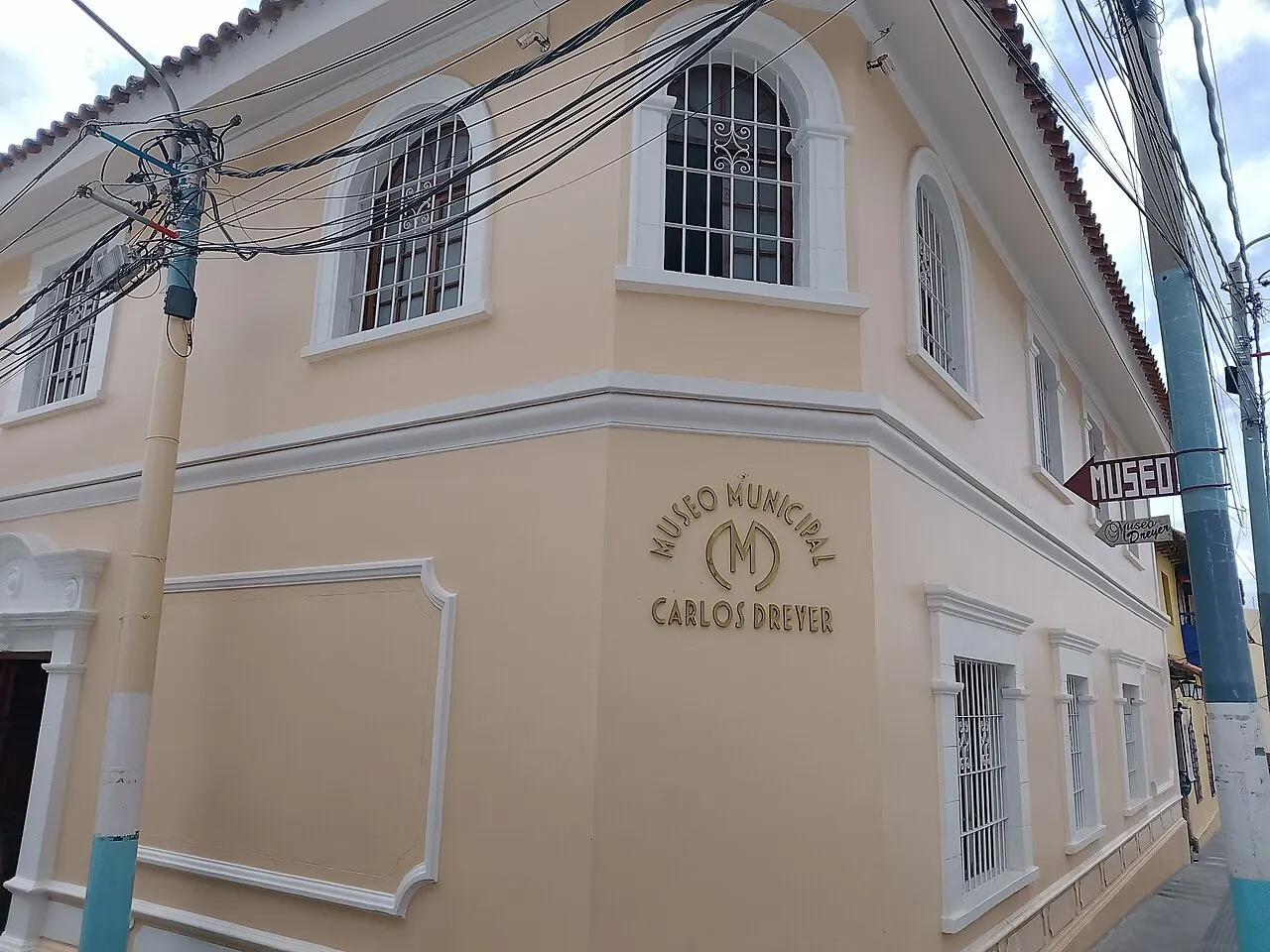
Museo Municipal Carlos Dreyer
A municipal museum at Jirón Conde de Lemos 289, one block from the plaza, with pre-Inca, Inca, colonial, and republican pieces. The Sala Sillustani displays part of the treasure found near the chullpas, with objects from the complex, mummies, funerary goods, and a replica of a chullpa. It is the best introduction, inside the city, to what you see at Sillustani. Check the hours on site, because they change.
Check access
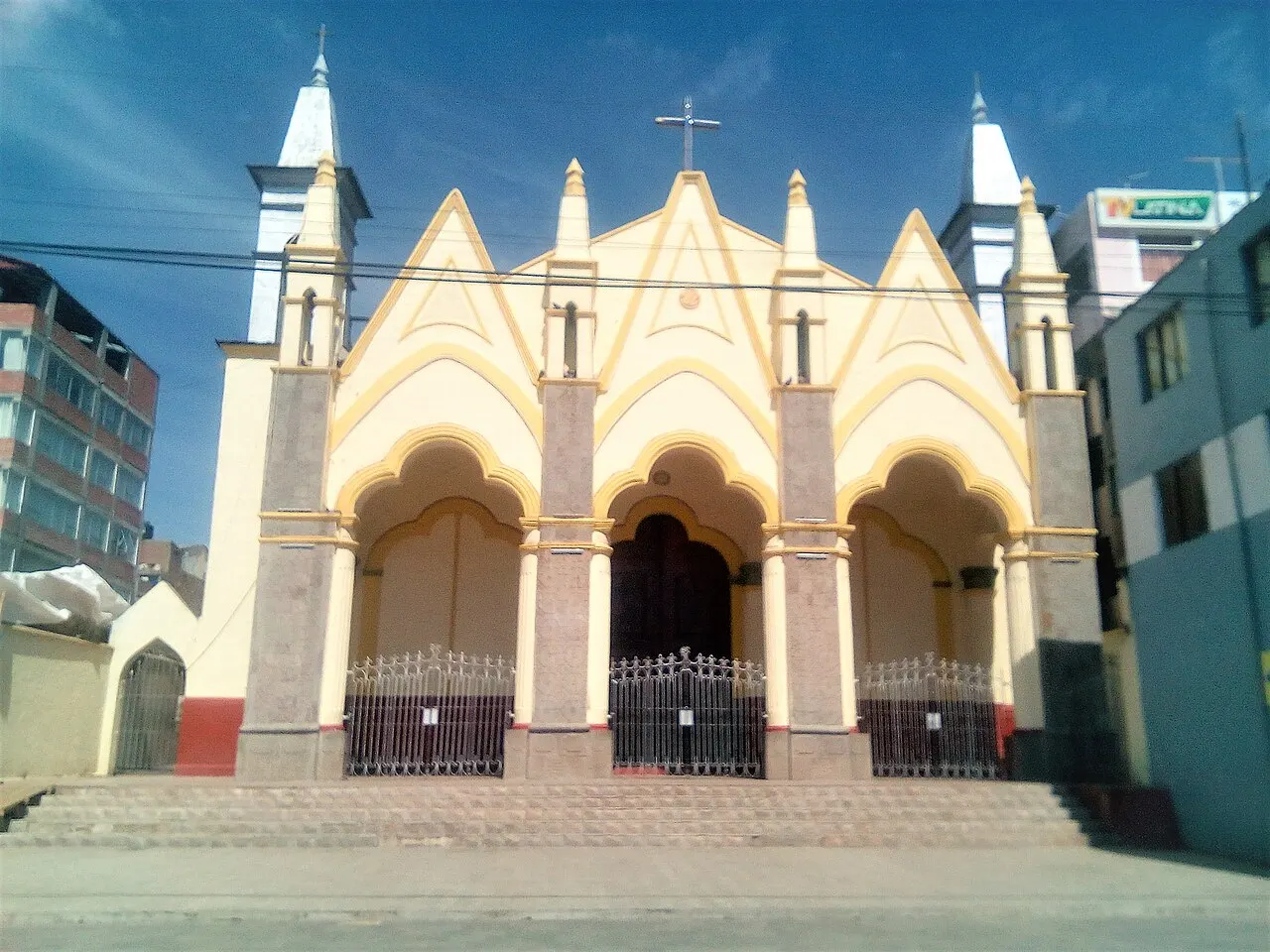
Iglesia de San Juan Bautista (Santuario de la Virgen de la Candelaria)
On Jirón Lima, three blocks from the Plaza de Armas, the church rebuilt in 1876 in Gothic style holds the image of the Virgen de la Candelaria, patron of Puno, and more than a hundred embroidered mantles offered by devotees. The image's feast day is February 2 and organizes the city's calendar.
Check access

Jirón Lima
Pedestrian street between the Plaza de Armas and Parque Pino, with restaurants, cafés, and tour agencies. It is where most visitors have dinner and book the boats and the Sillustani tour.
Check access
Nilo’s itinerary
Start with the basic programme and choose extensions for the time you have.
Plan my days in the app ↗Day 1 · Central Puno and the chullpas of Sillustani
Start slowly at the Plaza de Armas and the Cathedral of Puno, with its baroque stone facade; one block away, see the Balcón del Conde de Lemos.
Visit the Museo Municipal Carlos Dreyer, on Jirón Conde de Lemos, to see the Sillustani pieces before going to the site; check the hours that day.
Continue on foot along Jirón Lima to the church of San Juan Bautista, home of the Virgen de la Candelaria, and have lunch around there: trucha frita or chupe de quinua.
In the afternoon, take the half-day tour to Sillustani, about 31 km away, returning to Puno in the late afternoon or early evening, depending on the operator; bring a warm layer for the wind off Laguna Umayo.
If you still have energy, have dinner on Jirón Lima and book the next day's boat there, confirming the hotel pickup time.
Day 2 · Uros and Taquile by boat
Leave around 7 a.m. on the fast boat from the bay dock, with cash in small notes, sunscreen, and a warm layer.
At the Uros, about 20 minutes from the dock, hear how the totora island is built and maintained, and decide whether the extra ride on the totora boat is worth it.
Continue to Taquile, about an hour from the Uros; climb at your own pace to the plaza, see the textiles made on the island, and have lunch there.
Return to Puno in the middle or late afternoon and save the end of the day for rest or a short walk around Parque Pino.
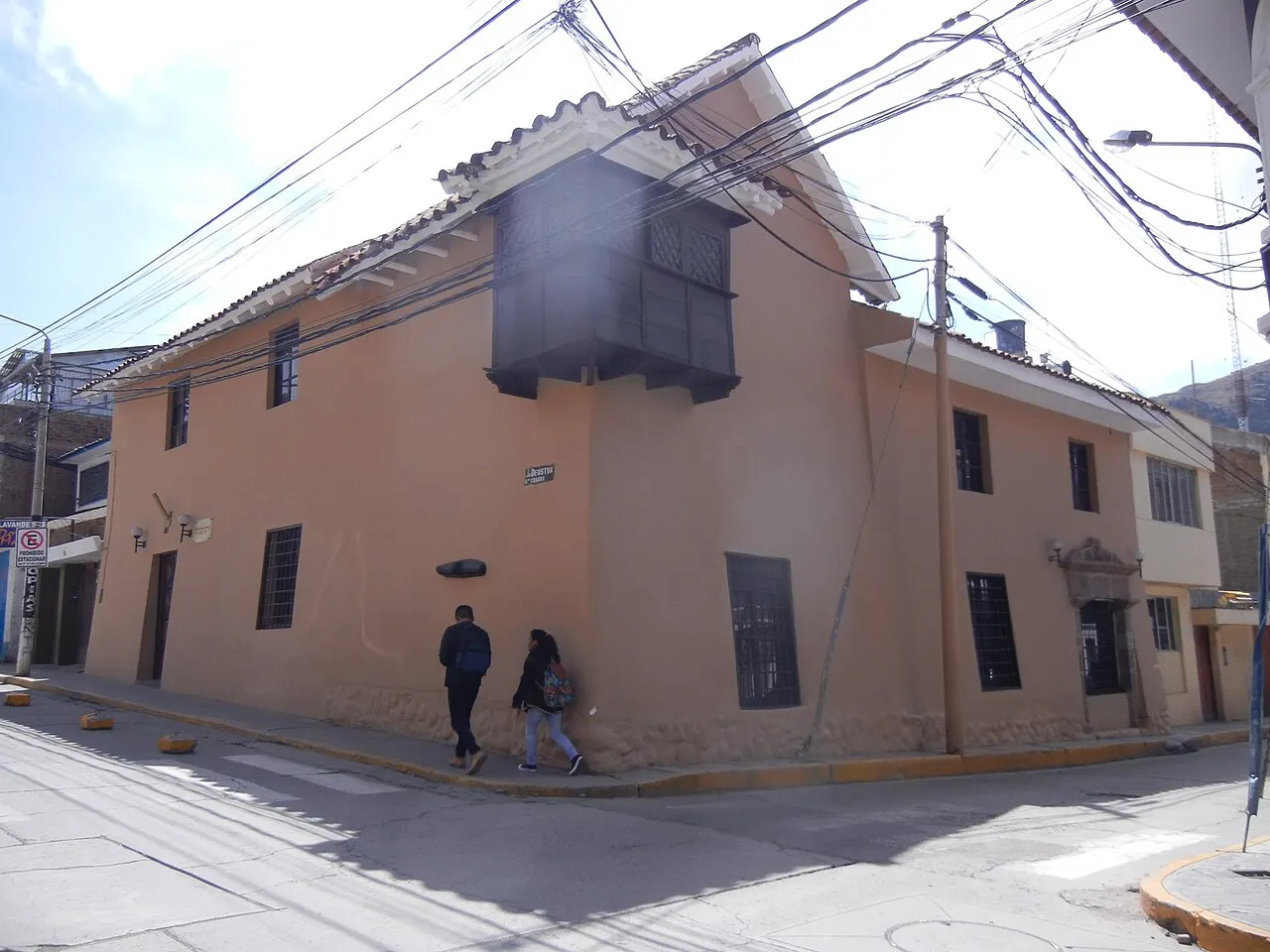
If you stay longer
Day 3 · Chucuito
Day trip
17 km from Puno along the south shore of the lake, at 3,875 m. The church of Santo Domingo, from 1581, is considered the oldest in the region, the church of Nuestra Señora de la Asunción has a much-cited stone side portal, and the Inca Uyo is a pre-Hispanic ceremonial enclosure with stone walls. You go by taxi or local transport along the south-shore road; on the way back, there is time to visit the Yavarí in the bay, if the visit has been booked in advance.
Food
Trucha frita
Fried lake trout, served with rice and fried or boiled potatoes. It is the dish you see most on Puno menus, from market kitchens to the restaurants of Jirón Lima.
Chupe de quinua
A thick quinoa soup; the department of Puno is Peru's largest producer of the grain. It is lunch food and food for cold days.
Sopa chairo
Lamb broth with potato, black chuño (potato dehydrated by the frost and sun of the altiplano), vegetables, and herbs.
Kankacho
Roast lamb, served with roasted potato and chuño and corn humitas.
Huarjata or caldo de cabeza
Lamb or pork head broth with white or black chuño and potato.
Chicharrón de alpaca
Fried pieces of alpaca meat, served at restaurants in the city.
Quispiño
A sweet quinoa roll, among the region's sweets alongside pudding, flan, and quinoa mazamorra.
Where to eat
- Jirón Lima and around the Plaza de Armas
Restaurants with menus for visitors, where trucha frita, chupe de quinua, and alpaca meat appear alongside Italian and international cooking. It is the most practical area for dinner after the tours.
- Mercado Central
Simple, inexpensive lunch in the style of market cooking, with daily specials. Good for anyone who wants to eat what the city eats at midday.
- Lake islands
Full-day tours to Taquile usually include lunch on the island, and on an overnight stay on Amantaní the meals are with the host family. Confirm what is included when you book.
· 2026-10-17
Day trips
Chucuito
17 km from Puno along the south shore of the lake, at 3,875 m. The church of Santo Domingo, from 1581, is considered the oldest in the region, the church of Nuestra Señora de la Asunción has a much-cited stone side portal, and the Inca Uyo is a pre-Hispanic ceremonial enclosure with stone walls. You go by taxi or local transport along the south-shore road; on the way back, there is time to visit the Yavarí in the bay, if the visit has been booked in advance.
Amantaní with an overnight stay
The two-day tours leave Puno in the morning, pass through the Uros, sleep in a family home in one of the ten communities of Amantaní, and continue to Taquile the next day, returning to Puno in the afternoon. The Capachica peninsula, about 4 km west of Amantaní, with Llachón, offers the same kind of community lodging and kayaking on the lake.
Copacabana and Isla del Sol (Bolivia)
About 3 hours by tourist bus to Copacabana, leaving Peru through Yunguyo and entering Bolivia at the Kasani post (usually open from 7:30 a.m. to 6 p.m. on the Peruvian side and from 8:30 a.m. to 7 p.m. on the Bolivian side). From Copacabana, boats of about 1 hour 30 minutes go to Isla del Sol. Bring your passport, check the entry rules for your nationality, and remember that in Bolivia the clock is one hour ahead. Those continuing their trip can go on to La Paz.
Cutimbo
A funerary complex near Puno, described by PromPerú as the most important funerary center in southern Peru. You get there by van or taxi from Puno; transport and entrance prices change and should be checked before you go, because the published ones are old.
Where to begin
Central Puno and the chullpas of Sillustani
Start slowly at the Plaza de Armas and the Cathedral of Puno, with its baroque stone facade; one block away, see the Balcón del Conde de Lemos.
Uros and Taquile by boat
Leave around 7 a.m. on the fast boat from the bay dock, with cash in small notes, sunscreen, and a warm layer.
Money
The currency is the Peruvian sol (PEN, written S/). Set aside cash in small notes for the islands: the Uros entrance is charged by the community on arrival (S/10 in August 2025, plus S/10 for the round-trip boat from the dock, according to Wikivoyage). Full-day fast-boat tours to the Uros and Taquile, with lunch and hotel transport, appear on booking platforms at prices between about US$37 and US$66 per adult in 2026; compare what each one includes, because lunch, a bilingual guide, and the ride on the totora boat change the price. The fare for the PeruRail Titicaca train, which runs on some days of the week, and the entrance fees for Sillustani and the museums change and should be checked at the source before you go.
Getting there and around
The nearest airport is Inca Manco Cápac (JUL), in Juliaca, north of Puno. The flight from Lima takes about 1 hour 40 minutes, according to PromPerú, and the road trip from Juliaca to Puno takes under an hour. Arrange the transfer before the flight with your hotel or a well-known operator, and confirm the price in writing.
From Cusco, the direct bus takes about 7 hours to the Terminal Terrestre in Puno. The tourist buses of the so-called Ruta del Sol make the same journey in a full day, 10 to 11 hours, with stops at Andahuaylillas, Raqchi, La Raya, and Pucará. The PeruRail Titicaca train connects the two cities on some days of the week: toward Cusco, it leaves the Lago Titicaca station in Puno at 7:50 a.m. and arrives at the Wanchaq station in Cusco at 6:20 p.m., according to PeruRail's notice of August 24, 2026. The Puno-bound direction has its own schedule, and the days for each direction and the fare should be checked on the company's website before buying. From Lima by road, the trip to Puno takes about 21 hours, according to PromPerú.
There are two ways to Bolivia. The tourist crossing is the one between Yunguyo, a Peruvian town, and Kasani, a Bolivian locality in the municipality of Copacabana, on the way to Copacabana: the tourist bus takes about 3 hours, and the posts usually open from 7:30 a.m. to 6 p.m. in Peru and from 8:30 a.m. to 7 p.m. in Bolivia, according to operators consulted in May 2026. You get off the bus to stamp your exit from Peru, walk a few hundred meters, and stamp your entry into Bolivia. The direct route to La Paz goes through Desaguadero, a freight border post with lines that can be long. In Bolivia the clock is one hour ahead.
In the center, almost everything is done on foot, between the Plaza de Armas, Jirón Lima, and Parque Pino. For the dock, Isla Esteves, the Yavarí, and the viewpoints, use a taxi and agree on the price before getting in. The boats to the islands leave from the bay dock, usually early; the full-day fast-boat tours to the Uros and Taquile start around 7 a.m., with hotel pickup.
Safety

The most certain risk in Puno is altitude: the city sits at 3,828 m, and shortness of breath, headache, and fatigue are common in the first days, especially for those arriving by plane. Plan a light first day and seek medical care if symptoms worsen. In the center, the caution is that of any city with tourist traffic. On the city's hills there are reports of armed muggings of tourists, and the approach to the Mirador Kuntur Wasi has a history of problems: go during the day, in a group, or by taxi. Arrange the Juliaca airport transfer with your hotel or a well-known operator, and on overnight buses keep an eye on your luggage during inspection stops. The region has a history of protests with road blockades; in May 2025, during a national strike, the Ilave bridge, on the road to Bolivia, and the road from Juliaca to Cusco were blocked. Before traveling overland, check the situation with the transport company and with your government's travel advisory. Tap water is not recommended for drinking.
Etiquette tips
Ask before photographing
On the islands and at the festivals, ask permission before photographing people up close. Buying crafts directly from the people who made them is the most direct way for the visit to leave money in the community.
Community tourism has rules
On Taquile and Amantaní the community organizes the welcome, the lodging, and the distribution of visitors among the families. Follow what the guide or the host family arranges about schedules and meals.
At the festival, the dance is not a show for tourists
The Candelaria is a religious festival organized by federations and groups that rehearse all year. Do not cross through the groups during the parade, and respect the Masses and processions.
Mistakes to avoid
Booking the boat trip for the morning after a flight into Juliaca. The city sits at 3,828 m, and Taquile requires climbing about 540 steps above 3,900 m; a light day in the center beforehand helps.
Counting on a daily train between Cusco and Puno. The PeruRail Titicaca runs on some days of the week, with a different schedule in each direction; check the days on the company's website before locking in hotels and tours.
Walking up to the Huajsapata or Kuntur Wasi viewpoints alone or late in the afternoon. There are reports of muggings on the hills; go during the day, with company, or by taxi.
Heading out for the boat in just a T-shirt because the morning is sunny. The wind on the lake and the late afternoon cool quickly in any month.
Useful phrases
¿A qué hora sale la lancha a Taquile?
What time does the boat to Taquile leave?
¿Cuánto es la entrada?
How much is the entrance fee?
Tengo soroche
I have altitude sickness
Un mate de coca, por favor
A coca leaf tea, please
¿Puedo tomar una foto?
May I take a photo?
¿Me lleva al puerto?
Can you take me to the port?
Where to stay
- Historic center and Jirón Lima · Those traveling without a car, arriving by bus or train, who want restaurants and tour agencies within walking distance.: It is near the cathedral, the museum, and the streets where you book the boats and the Sillustani tour, and many tours pick up at the hotel. The drawback is that the dock and Isla Esteves require a taxi, and some streets climb steeply. In any area, ask before booking whether the room has heating: average lows hover around 1.3 °C.
- Lakeshore and Isla Esteves · Those who want a lake view and prefer a larger hotel, without needing nightlife at the door.: The hotels face the water, near the Yavarí. To have dinner in the center and come back at night, count on a taxi.
- Family homes on Amantaní, Taquile, or the Capachica peninsula · Those who want to spend a night on the lake and accept simple facilities.: Lodging is organized by the community and lets you see the islands after the tour boats have left. Facilities are basic, nights are cold, and access depends on the boat schedules.
· 2026-10-17
Districts
Historic center
The Plaza de Armas, the cathedral, the Balcón del Conde de Lemos, and the Museo Carlos Dreyer are one or two blocks from each other. It is the most practical area for anyone without a car who wants to eat and walk near the hotel.
Jirón Lima and Parque Pino
The pedestrian street that leaves the Plaza de Armas concentrates restaurants, cafés, and tour agencies; three blocks from the plaza stands the church of San Juan Bautista, sanctuary of the Virgen de la Candelaria, next to Parque Pino.
Bay and port
The dock where the boats leave for the Uros, Taquile, and Amantaní is on the lakeshore, east of the center. It is where you buy boat tickets and where the organized tours begin.
Isla Esteves and the lakeshore
The bay shore between the center and Isla Esteves has waterfront hotels, and the island itself, connected to the city, has a large hotel. The Yavarí is moored along this stretch, between the city and the island.

Western slopes
Residential neighborhoods on steep slopes that lead to Cerro Huajsapata and the Mirador Kuntur Wasi. The view of the lake is the best in the city, but the paths are steep and call for caution about safety.
History
Before the 12th c. · Tiwanaku on the altiplano
The Tiwanaku culture, whose ceremonial center lies on the now Bolivian side of the lake, left materials in the Sillustani area, before the Colla occupation.
12th–15th c. · The Colla lordships
The Colla nobility built the funerary towers (chullpas) of Sillustani, on the shore of Laguna Umayo, some as tall as 12 m.
1657 · Silver of Laikakota
The discovery of the Laikakota silver mines draws miners and merchants to the settlement of San Luis de Alba, near the bay.
1668 · San Carlos de Puno
The viceroy Count of Lemos orders San Luis de Alba destroyed, executes the Salcedo brothers, and renames the settlement of San Juan Bautista de Puno as San Carlos de Puno. The Balcón del Conde de Lemos recalls the viceroy's passage.
1757 · The cathedral
The parish church that is now the Cathedral of Puno is completed, in the baroque style, with a worked stone facade carrying Andean motifs; it was declared national cultural heritage in 1972.
1860s · An iron ship on the lake
The Yavarí, ordered in Great Britain by the Peruvian government, climbs from the Pacific coast to the altiplano in 2,766 pieces to sail on Titicaca.
1978 · Titicaca National Reserve
On October 31 the reserve is created, with 36,180 hectares of reed beds and waters in two separate sectors; the Peruvian side of the lake is recognized as a wetland of international importance by the Ramsar Convention in 1997.
1985 · Folklore Capital of Peru
Decree Law 24325 gives Puno the official title by which the city presents itself.
2005–2014 · UNESCO recognition
The textile art of Taquile is proclaimed in 2005 and inscribed in 2008 on the Representative List of the Intangible Cultural Heritage; the Festivity of the Virgen de la Candelaria joins the same list in 2014.
Complete history
Long before the Spanish city, Titicaca was the center of an agricultural and ceremonial world. The Tiwanaku culture, with its ceremonial center across the lake, left traces in the region, and after it the Colla lordships buried their nobles in the chullpas of Sillustani, cylindrical stone towers on a peninsula of Laguna Umayo. Today those towers, and the pieces on display at the Museo Carlos Dreyer, are the most direct way to see that past from Puno.
The colonial city was born of silver. The discovery of the Laikakota mines in 1657 filled the settlement of San Luis de Alba, near the bay, with miners, and the conflicts there ended with the intervention of the viceroy Count of Lemos in 1668: the settlement was destroyed, the Salcedo brothers were executed, and the neighboring settlement came to be called San Carlos de Puno. The Plaza de Armas, the cathedral completed in 1757, and the balcony that bears the viceroy's name form the core of that phase.
In the 19th century, its position between the Pacific and the lake made Puno a port. The Yavarí, an iron ship ordered in Great Britain in the 1860s, reached the altiplano in 2,766 pieces and is now moored in the bay as a museum. In the 20th century, environmental protection and living culture came to define the city: the Titicaca National Reserve, from 1978, protects the totora reed beds where the Uros live, and the title of Folklore Capital of Peru, from 1985, recognizes a calendar in which the Virgen de la Candelaria festival brings together thousands of Quechua and Aymara dancers and musicians from across the region.
I wouldn't skip the Museo Carlos Dreyer before Sillustani: seeing the gold and the pieces from the site in the city helps you understand who the Colla lords buried in the chullpas were.
Geography and shape of the city
Puno lies on the west shore of Puno bay, an arm of the larger sector of Lake Titicaca, whose surface averages 3,812 m in altitude. The city climbs from the lakeshore, between 3,810 and about 4,050 m, in streets that form a kind of amphitheater: the flat center around the Plaza de Armas and Jirón Lima is close to the water, and the slopes to the west lead to the Huajsapata and Kuntur Wasi viewpoints. The bay is shallow and covered in totora, the aquatic plant the Uros use to build islands, houses, and boats; farther out, in the sector Peruvians call Lago Mayor or Chucuito, with a maximum depth of 283 m, lie Taquile and Amantaní. Titicaca is divided between Peru, with about 56% of the surface, and Bolivia. The climate is cold at altitude, tempered by the lake: the annual average is around 8.4 °C, with average highs of 15.5 °C and average lows of 1.3 °C, and most of the roughly 700 mm of rain falls between December and April.
I'd look at the bay from the top of Huajsapata, during the day: from there you understand that the Uros sit in the shallow part covered in totora and that Taquile and Amantaní are on the open lake, much farther out.
Culture
Dance is what defines Puno. The region has more than 350 traditional dances, according to PromPerú, performed at festivals throughout the year, and the Festivity of the Virgen de la Candelaria, in the first two weeks of February, is the largest showcase for them: it begins with a dawn Mass and a purification ceremony, continues with a procession and two group competitions, and ends with a parade and farewell Masses. Three regional federations organize the festival and teach dance, music, and mask-making in rehearsals throughout the year, and emigrants return to the city to dance.
Quechua and Aymara people are the main practitioners of these traditions, and the lake communities keep their own forms of organization. On Taquile, weaving is a daily activity for men and women of all ages, and tourism is controlled by the community. On Amantaní, the Pachatata Pachamama ritual was declared national cultural heritage in 2020.
Puno also had a literary avant-garde. In the early 20th century, the Grupo Orkopata, led by Gamaliel Churata, published the Boletín Titikaka and marked the city's culture, with influence in Peru, Bolivia, Argentina, and Chile; the poet Carlos Oquendo de Amat is the other great name of that generation.
I'd choose the travel date either for the Candelaria or away from it: in the first half of February the city is a different place, with the festival taking over the streets and lodging in demand.
Festivals and events
Festivity of the Virgen de la Candelaria
In the first two weeks of February, with the image's feast day on February 2. Dawn Mass, procession, dance competitions, and thousands of dancers and musicians from across the region; inscribed by UNESCO in 2014 on the Representative List of the Intangible Cultural Heritage.
Puno Anniversary
Around November 4, the traditional founding date. The municipal program usually includes a food fair, civic and religious ceremonies, and the reenactment of the emergence of Manco Cápac and Mama Ocllo from the waters of the bay, with rituals to the Pachamama and dances.
Books and films
Wiñaypacha (2017), by Óscar Catacora
The first feature film spoken in Aymara, shot near Macusani, in the department of Puno, at about 5,000 m. It follows an elderly couple who keep their traditions alone after their only son migrates. It was Peru's submission for the Oscar for international feature film.
El pez de oro, by Gamaliel Churata
The central work of the leader of the Grupo Orkopata, the literary avant-garde of Puno, published in La Paz in 1957. It helps explain how the city blended modernism, Quechua, and Aymara in the early 20th century.
Frequently asked questions
Puno: how do I get there by plane?
The nearest airport is Inca Manco Cápac (JUL), in Juliaca, north of Puno. The flight from Lima takes about 1 hour 40 minutes, according to PromPerú, and the road trip from Juliaca to Puno takes under an hour. Arrange the transfer before the flight with your hotel or a well-known operator, and confirm the price in writing.
Puno: how many days should I stay?
Two full days: the first for the center, with the cathedral, the Museo Carlos Dreyer and Jirón Lima, and Sillustani in the late afternoon; the second on the boat to the Uros and Taquile. With a third day, it is worth going to Chucuito along the south shore of the lake, or swapping the boat day for the two-day tour with an overnight on Amantaní. Copacabana and Isla del Sol make sense for those continuing to Bolivia, and not as a rushed day trip. With only one day, the boat to the Uros and Taquile suits those who have already arrived acclimatized, overland from Cusco or La Paz; arriving by plane the day before, stick to the Uros, which involve no climb, and the center, and leave Taquile for another trip.
Puno: how do I get there from Cusco, by bus or by train?
From Cusco, the direct bus takes about 7 hours to the Terminal Terrestre in Puno. The tourist buses of the so-called Ruta del Sol make the same journey in a full day, 10 to 11 hours, with stops at Andahuaylillas, Raqchi, La Raya, and Pucará. The PeruRail Titicaca train connects the two cities on some days of the week: toward Cusco, it leaves the Lago Titicaca station in Puno at 7:50 a.m. and arrives at the Wanchaq station in Cusco at 6:20 p.m., according to PeruRail's notice of August 24, 2026. The Puno-bound direction has its own schedule, and the days for each direction and the fare should be checked on the company's website before buying, and before locking in hotels and tours.
Puno: how does the Uros and Taquile tour work, and how much does it cost?
Full-day fast-boat tours to the Uros and Taquile start around 7 a.m., with hotel pickup. The fast boat takes about 20 minutes from the dock to the Uros, and from there the crossing to Taquile takes about an hour; those who land at Puerto Chilcano climb about 540 steps to the plaza, above 3,900 m. The Uros entrance is charged by the community on arrival (S/10 in August 2025, plus S/10 for the round-trip boat from the dock, according to Wikivoyage), so bring cash in small notes. Tours with lunch and hotel transport appear on booking platforms at prices between about US$37 and US$66 per adult in 2026; compare what each one includes, because lunch, a bilingual guide, and the ride on the totora boat change the price.
Puno: is it worth sleeping on Amantaní instead of the day tour?
If time is short, the Uros and Taquile fit into one day by fast boat. With one more night, the two-day tour with an overnight on Amantaní lets you see the islands outside the tour boats' hours: it leaves Puno in the morning, passes through the Uros, sleeps in a family home in one of the ten communities of Amantaní, and continues to Taquile the next day, returning to Puno in the afternoon. The Capachica peninsula, about 4 km west of Amantaní, with Llachón, offers the same kind of community lodging and kayaking on the lake.
Puno: how do I cross into Bolivia?
The tourist crossing is the one between Yunguyo, a Peruvian town, and Kasani, a Bolivian locality in the municipality of Copacabana: the tourist bus takes about 3 hours to Copacabana, and the posts usually open from 7:30 a.m. to 6 p.m. in Peru and from 8:30 a.m. to 7 p.m. in Bolivia, according to operators consulted in May 2026, so leave Puno in the morning. You get off the bus to stamp your exit from Peru, walk a few hundred meters, and stamp your entry into Bolivia. Bring your passport and check the entry rules for your nationality. The direct route to La Paz goes through Desaguadero, a freight border post with lines that can be long. In Bolivia the clock is one hour ahead.
Puno: what precautions should I take with altitude and safety?
The most certain risk in Puno is altitude: the city sits at 3,828 m, and shortness of breath, headache, and fatigue are common in the first days, especially for those arriving by plane. Plan a light first day and seek medical care if symptoms worsen. On the city's hills there are reports of armed muggings of tourists, and the approach to the Mirador Kuntur Wasi has a history of problems: go during the day, in a group, or by taxi. Arrange the Juliaca airport transfer with your hotel or a well-known operator, and on overnight buses keep an eye on your luggage during inspection stops. The region has a history of protests with road blockades; before traveling overland, check the situation with the transport company and with your government's travel advisory. Tap water is not recommended for drinking.
Puno: when is the best time to go?
From May to October it rains little, and that is the best window for the lake and for Sillustani; June to August concentrates the highest demand, so book ahead in those months: days are usually clear and sunny, and nights are cold, with an average annual low of 1.3 °C. From December to April most of the roughly 700 mm of the year's rain falls, and it is wise to leave slack in the boat schedules and bring a rain jacket. February is the month of the Festivity of the Virgen de la Candelaria, in the first two weeks: to see the festival, it is the right moment despite the rain, but lodging and transport need to be arranged ahead.
Other cities in the country
Peru ↗- Days
- 2–3
- When
- Jan–Apr
- Per person/day
- Average 350–550 S/Mid-range · per person/day
Cost scope
Per person per day: accommodation, meals, urban transport, visits and a small allowance for extras. Flights excluded; larger purchases vary. Editorial estimate, not a quote.
- Days
- 4–5
- When
- Apr–May · Sep–Oct
- Per person/day
- Average 350–600 S/Mid-range · per person/day
Cost scope
Per person per day: accommodation, meals, urban transport, visits and a small allowance for extras. Flights excluded; larger purchases vary. Editorial estimate, not a quote.
- Days
- 1–2
- When
- Apr–Oct
- Per person/day
- Average 425 S/Mid-range · per person/day
Cost scope
Per person per day: accommodation, meals, urban transport, visits and a small allowance for extras. Flights excluded; larger purchases vary. Editorial estimate, not a quote.
- Days
- 2–3
- When
- Apr–Nov
- Per person/day
- Average 209 PENMid-range · per person/day
Cost scope
Per person per day: accommodation, meals, urban transport, visits and a small allowance for extras. Flights excluded; larger purchases vary. Editorial estimate, not a quote.
- Days
- 2–3
- When
- Jan–Apr · Dec
- Per person/day
- Average 294 PENMid-range · per person/day
Cost scope
Per person per day: accommodation, meals, urban transport, visits and a small allowance for extras. Flights excluded; larger purchases vary. Editorial estimate, not a quote.