Kenya
Maasai Mara
The wildebeest migration on the Mara River, big cats on open plains and the Maasai conservancies around the reserve
Days I'd stay three days in the Masai Mara, with three nights in the same camp, and I'd consider a fourth.
How the guide reaches this number
The first day is the arrival, with the afternoon outing; the second is entirely on the Mara River, with a picnic in the car, because the crossing keeps no schedule; the third begins with the balloon or Musiara Marsh and ends at a Maasai village or with one last drive across the plains. With two days, you will see big cats, but you are at the mercy of luck at the river. The fourth day, with one more night, I'd spend in the Mara Triangle, crossing the Purungat bridge, to see the other bank with fewer cars. During the migration, I'd book early and pick the camp by its distance to the river; outside it, I'd consider splitting the nights with a conservancy to walk with a guide.
3–4
Start with the basic programme and choose extensions for the time you have.
When July to October; this is when the wildebeest migration is usually in the Mara and river crossings happen, but the arrival changes every year with the rain.
How the guide reaches this number
From January to June the non-resident entry fee is half, and April and May bring the long rains, with dirt roads waterlogged.
July to October; this is when the wildebeest migration is usually in the Mara and river crossings happen, but the arrival changes every year with the rain. From January to June the non-resident entry fee is half, and April and May bring the long rains, with dirt roads waterlogged.
Per person/day Budget around KES7,530; mid-range around KES17,200; comfortable around KES32,900 per person per day, based on spending reported by travelers to Budget Your Trip (checked October 2026).
How the guide reaches this number
Indicative figures, excluding travel to the destination.
Budget around KES7,530; mid-range around KES17,200; comfortable around KES32,900 per person per day, based on spending reported by travelers to Budget Your Trip (checked October 2026). Indicative figures, excluding travel to the destination.
Per person per day: accommodation, meals, urban transport, visits and a small allowance for extras. Flights excluded; larger purchases vary. Editorial estimate, not a quote.
Salta · among the cheapestZermatt · among the priciest
Pricier than 56% of them. The tick marks the median. Compared by the middle of each city’s daily range, converted at the 24 Sept 2026 exchange rate.
 What Nilo thinks
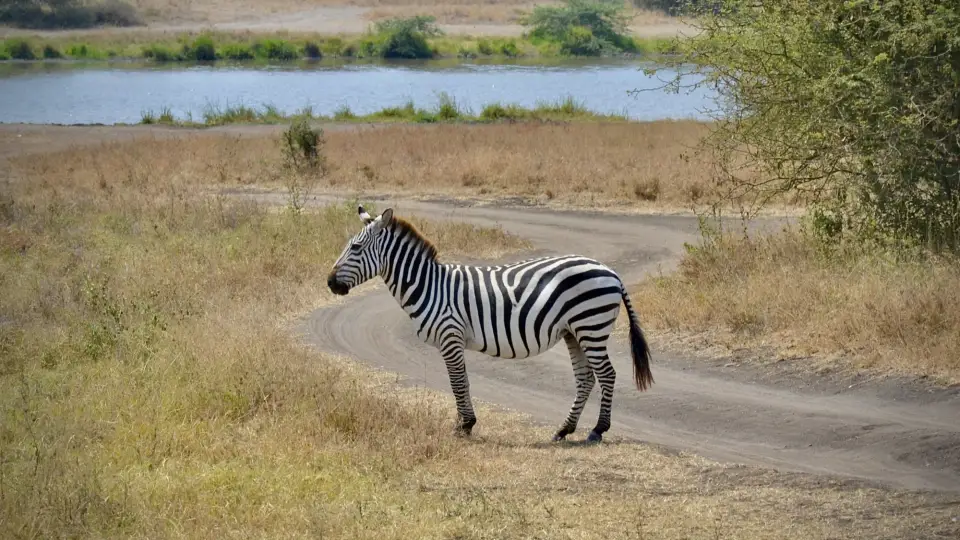
I'd recommend the Masai Mara to anyone who likes unfussy food, crafts that carry meaning and seeing herders and wild animals share the same grass. An enkang explains a lot about the region in a few meters: houses of branches covered with mud and cow dung, which keeps out the rain, around a corral closed by a thorn fence, because cattle are the measure of a family's wealth. That cattle is where the fermented milk of Maasai homes comes from, while the ugali with sukuma wiki and the chai of the Talek restaurants show what is eaten today on both sides of the gate, and nyama choma appears at the camps' barbecue dinners. The bead necklaces and bracelets, which indicate the age and situation of the wearer, I'd buy in a village, asking first what each piece means, because buying there is the most direct way to support the community.The Masai Mara is where safari happens in open country. There is no forest hiding the animals: the grass, the lone acacias and the low hills let you see a cheetah lying on a termite mound hundreds of meters away, and the lions, used to vehicles, are easy to spot. The Mara River organizes everything. It is here that, in the months of the migration, herds from the Serengeti pile up on the bank, hesitate for hours and cross in front of the crocodiles; and it is in the woodland along the bank that the leopards and the few black rhinoceroses live. The reserve is split in two, with different rules and roads on each side of the river, and surrounded by Maasai lands that have become conservancies, where the experience changes again: fewer cars, guided walks, night drives. Choosing where to sleep is, here, choosing what kind of safari to take.
Quick facts
- Population
- The reserve has no town within its boundaries. Narok County, where it lies, had 1,157,873 inhabitants in the 2019 census of the Kenya National Bureau of Statistics.
- Founding
- 1948, when the Mara Triangle was declared a game reserve; extended east under the Narok council in 1961 and within its current limits of 1,530 km² since 1984, according to the county management plan
- Country and region
- Kenya, Narok County; northern tip of the Serengeti-Mara ecosystem, on the border with Tanzania
- Language
- Swahili and English (official in Kenya); Maa, the language of the Maasai, in the communities around the reserve
- Currency
- Kenyan shilling (KES); entry fees for non-residents are charged in US dollars
- Time zone
- EAT, UTC+3, no daylight saving time
- Best time to visit
- July to October; this is when the wildebeest migration is usually in the Mara and river crossings happen, but the arrival changes every year with the rain. From January to June the non-resident entry fee is half, and April and May bring the long rains, with dirt roads waterlogged.
- Average daily cost
- Budget around KES7,530; mid-range around KES17,200; comfortable around KES32,900 per person per day, based on spending reported by travelers to Budget Your Trip (checked October 2026). Indicative figures, excluding travel to the destination.
What’s new
Recent changes that affect the plan, with date and source.
- 2026
In the Mara Triangle, the Mara Conservancy began controlling off-road driving in 2026 in the strip next to the Tanzanian border: only vehicles with the Masai Mara tracker, authorized and accompanied by the Conservancy's anti-harassment teams, may leave the track there. When booking with an operator, it is worth asking whether the car has the tracker. source
When to go
July to October; this is when the wildebeest migration is usually in the Mara and river crossings happen, but the arrival changes every year with the rain. From January to June the non-resident entry fee is half, and April and May bring the long rains, with dirt roads waterlogged.
January
12 h 12 min of daylight
National holidays
Jan 1 – 3, 2027 · long weekend · New Year's Day
Jan 1, 2028 · New Year's Day
Source: Nager.Date. Holiday dates shift; check close to your trip.
February
12 h 10 min of daylight
March
12 h 07 min of daylight
National holidays
Mar 26 – 29, 2027 · long weekend · Good Friday, Easter Monday
Source: Nager.Date. Holiday dates shift; check close to your trip.
April
12 h 05 min of daylight
National holidays
Apr 14 – 17, 2028 · long weekend · Good Friday, Easter Monday
Source: Nager.Date. Holiday dates shift; check close to your trip.
May
12 h 03 min of daylight
National holidays
May 1, 2027 · Labour Day
Source: Nager.Date. Holiday dates shift; check close to your trip.
June
12 h 02 min of daylight
National holidays
May 29 – Jun 1, 2027 · long weekend · Madaraka Day
Source: Nager.Date. Holiday dates shift; check close to your trip.
October
Best time12 h 08 min of daylight
National holidays
Oct 17 – 20, 2026 · long weekend · Mashujaa Day
Oct 9 – 11, 2027 · long weekend · Mazingira Day
Oct 20, 2027 · Mashujaa Day
Source: Nager.Date. Holiday dates shift; check close to your trip.
November
12 h 11 min of daylight
December
12 h 13 min of daylight
National holidays
Dec 12, 2026 · Jamhuri Day
Dec 25 – 27, 2026 · long weekend · Christmas Day, Boxing Day
Dec 11 – 13, 2027 · long weekend · Jamhuri Day
Dec 25, 2027 · Christmas Day
Dec 26, 2027 · Boxing Day
Source: Nager.Date. Holiday dates shift; check close to your trip.
High, shoulder and low season
High · July to October
The migration is usually in the Mara and the river crossings happen. The US$200 fee per non-resident adult applies, camps fill up and dozens of cars gather at the crossing points.
Shoulder · June, November to March
In June the first herds arrive from the south and the fee is still US$100. In November and December, with the short rains, the fee stays at US$200, but crowding drops. From January to March, with the US$100 fee, the short grass makes it easier to see the big cats.
Low · April and May
Long rains of six to eight weeks: muddy tracks, areas nearly inaccessible, possible suspension of balloon flights. The fee is US$100 and the camps are emptier.
How the year changes
The animals are in the Mara all year; what changes is the crowd and the price. The wildebeest migration usually arrives from the Serengeti between June and July and may stay until November, with the peak of the crossings generally from July to October, but the calendar depends on the rain: a storm in the middle of the dry season can send the herds back to the Serengeti, and they may return weeks later. From July to December the high-season fee applies, and from July to October the camps fill up and cars pile up at the crossing points. April and May are the months of the long rains: some areas turn muddy and nearly inaccessible, and the roads take more time. The short rains of November and December last about four weeks. The hottest months are December and January, and the coolest are June and July; the early mornings are cold all year, and a warm layer for the 6 a.m. outings is a must. January to March, with the lowest fee and short grass, is a good time for those who want big cats without the crowds of the migration.
Nilo's tips
The fee is paid where you sleep
Those who sleep in the Triangle and arrive by road through Sekenani do not pay on the Narok side; they pay on entering the Triangle, at the Purungat bridge. The ticket paid in the sector of your lodging covers the other side of the river.
The ticket is valid from 6 a.m. to 6 p.m.
The daily fee covers 12 hours from 6 a.m., whatever time you enter. Those who arrive in the afternoon pay for the whole day; if your package charges the fee separately, plan to arrive in the morning.
From January to June entry costs half
The non-resident adult fee drops from US$200 to US$100 in the first half of the year. Outside the migration, the lions, cheetahs and elephants are still there.
Take your passport on outings
It is the passport, with a visa or residence permit when applicable, that sets the fee category. A driver's license is not accepted, and without a document the non-resident rate is charged.
To walk, go to a conservancy
Inside the reserve you walk only in picnic areas and at the accommodations. Guided walks and night drives require sleeping in a conservancy that offers them.
Explore the map
Explore the map, read about the other places and plan your travel days in the app.
Open the appWhat to see
Leave for last, if time allows: Sand River · Oloololo Escarpment · Keekorok
Mara River
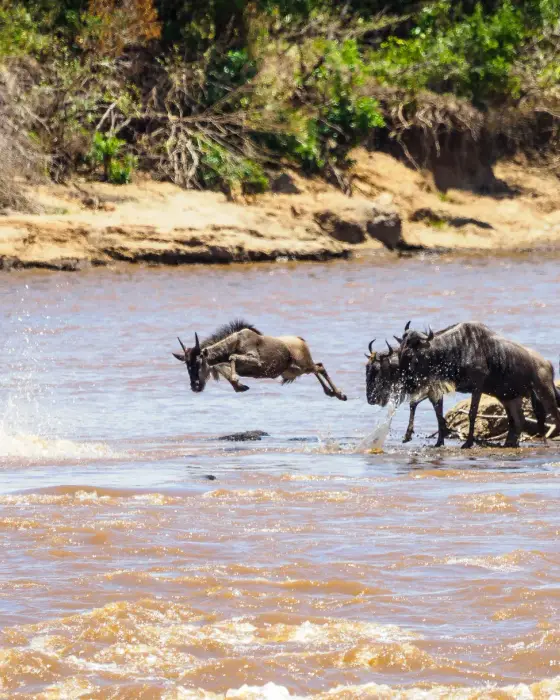
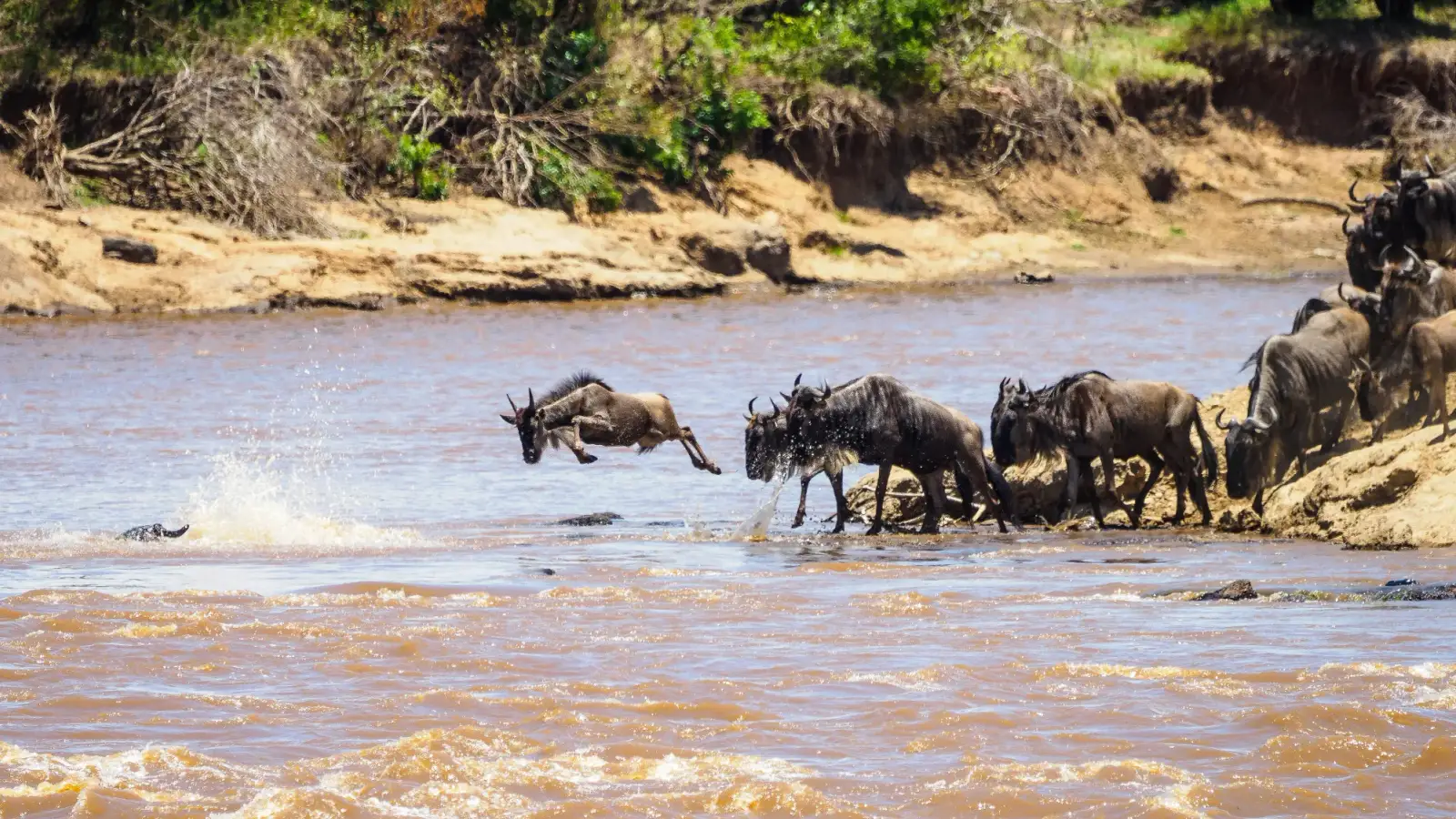
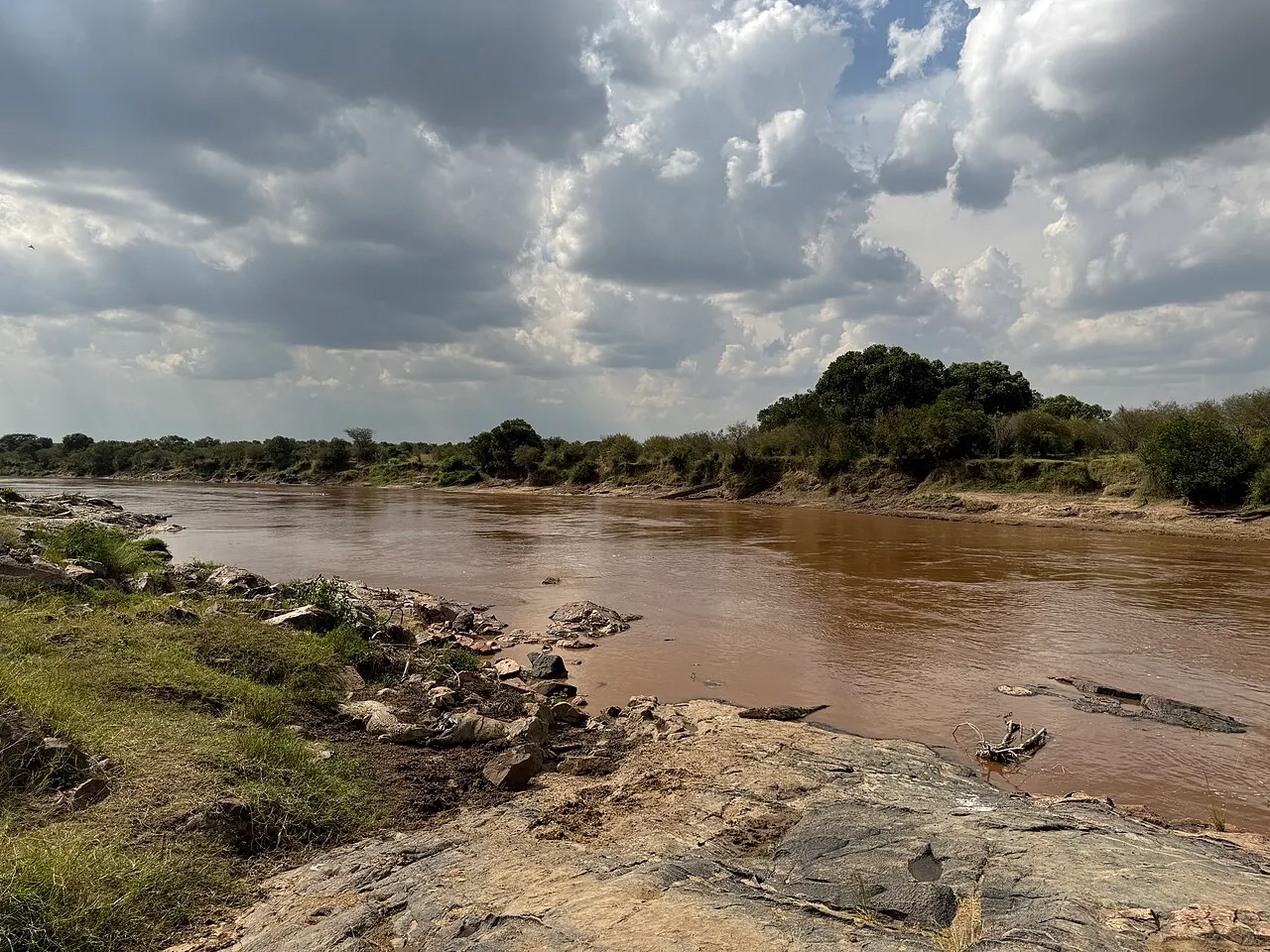
The river that rises on the Mau escarpment and cuts across the reserve to Tanzania is the stage for the crossings: when the migration is in the Mara, columns of wildebeest and zebra gather on the bank, hesitate and cross in front of crocodiles, sometimes in both directions on the same day. Nobody can predict the time; the Mara Conservancy says only that restless animals crowded on the bank are a good sign. The 1.5 km strip on each side of the river is a special zone: no leaving the road, no getting out of the car and no parking that blocks the way. Outside the migration, the river is still worth visiting for its hippos, crocodiles and riverine woodland.
Check access
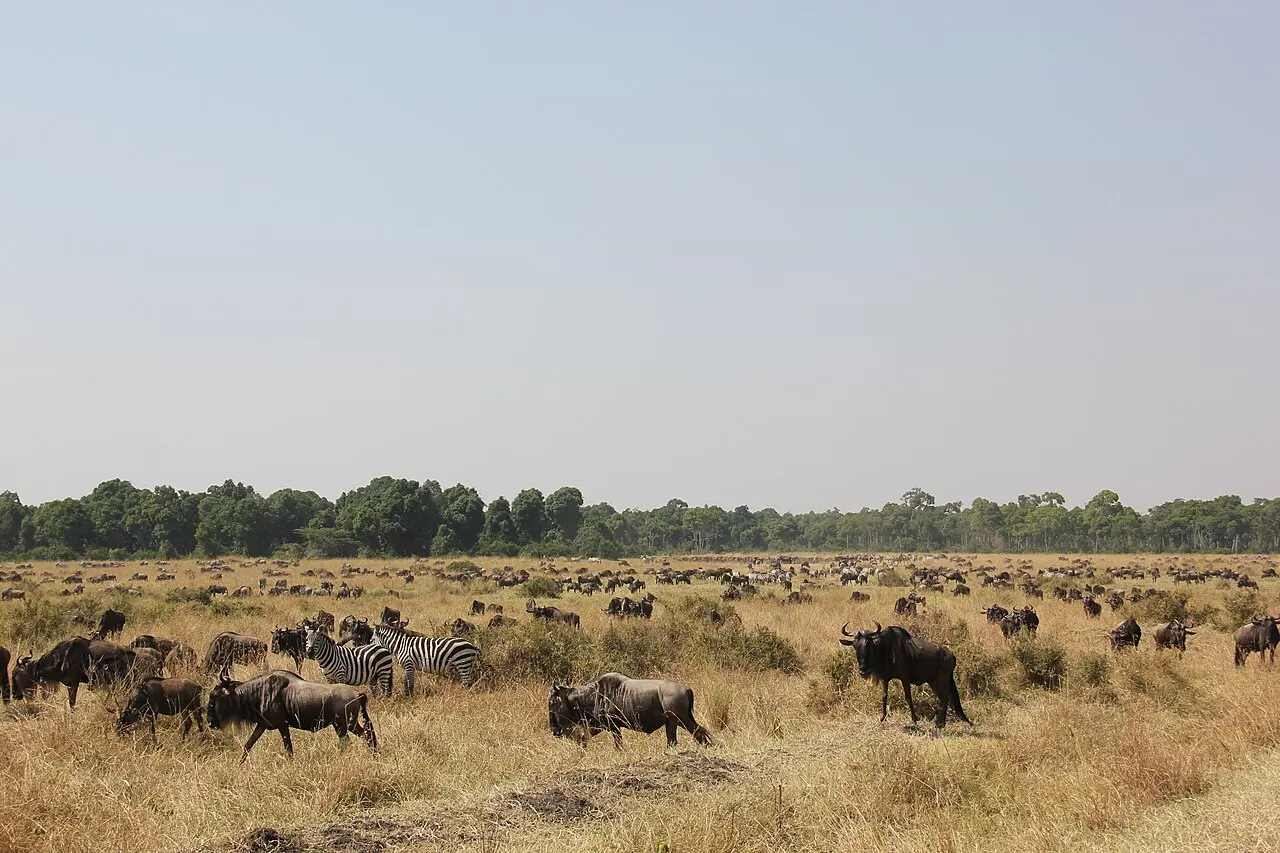
Mara Triangle
The sector west of the river, run by the Mara Conservancy since 2001, has well-kept gravel roads, only two places to stay within its boundaries and control over the number of vehicles around the animals: when more than five are waiting, each gets ten minutes. The Oloololo escarpment closes the horizon to the west, and the Conservancy monitors more than ten black rhinoceroses there; the county management plan estimated about 50 in the whole reserve in 2023. From the Oloololo gate to the Purungat bridge is a little over an hour by car on the main road.
Check access
Lookout Hill
A hill in the Central Mara used as a viewpoint over the plains; according to the Mara Conservancy, when the herds enter from the south, they move toward Lookout Hill before going down to the Mara River. The county management plan lists it among the busiest places, with restrooms for visitors.
Check access
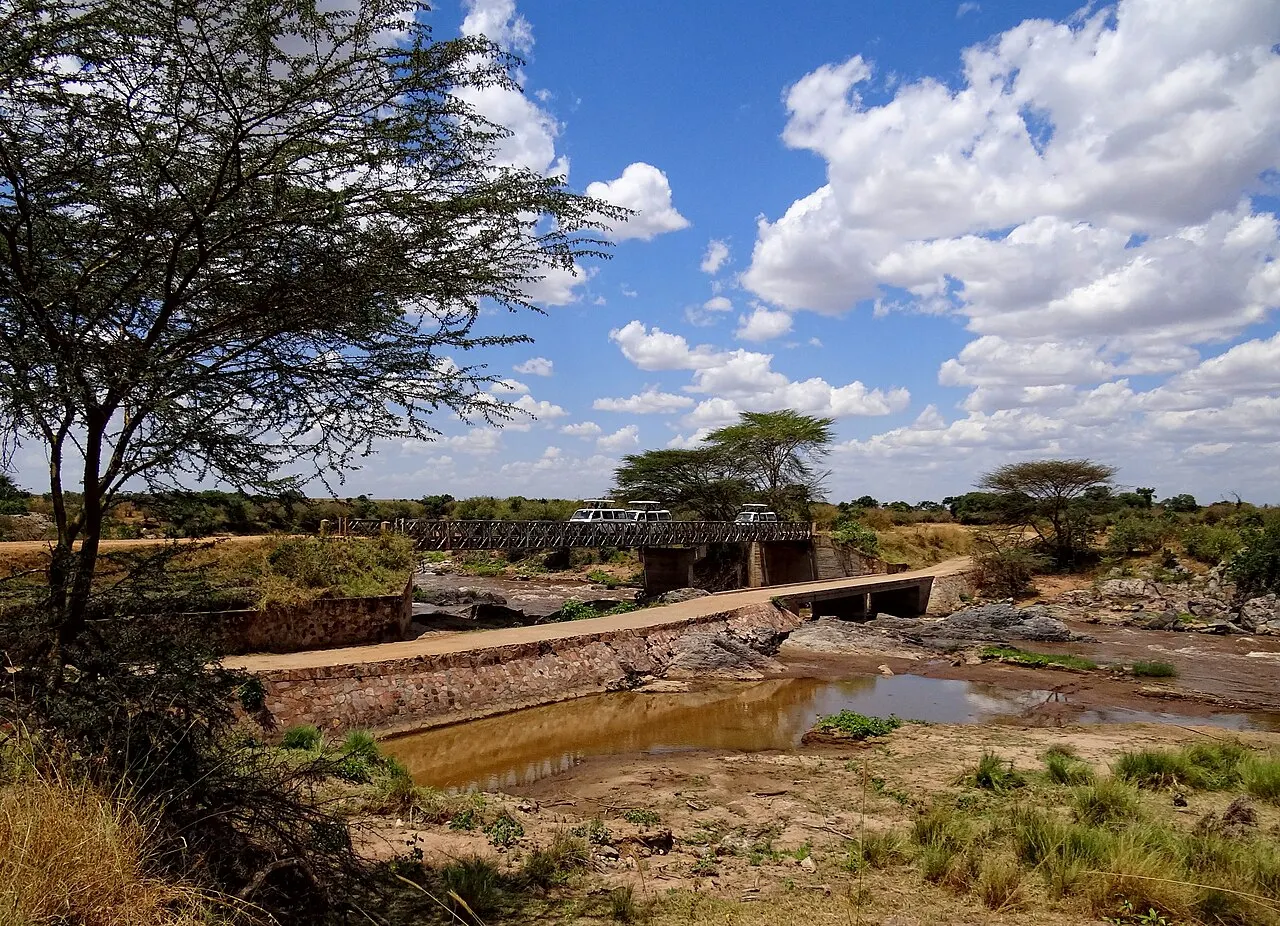
Purungat Bridge
The bridge over the Mara River that links the Central Mara to the Triangle, with a Triangle fee post. The county management plan cites the hippo pool next to the bridge as one of the most sought-after stops, and it is the required crossing for anyone going from one sector to the other.
Check access
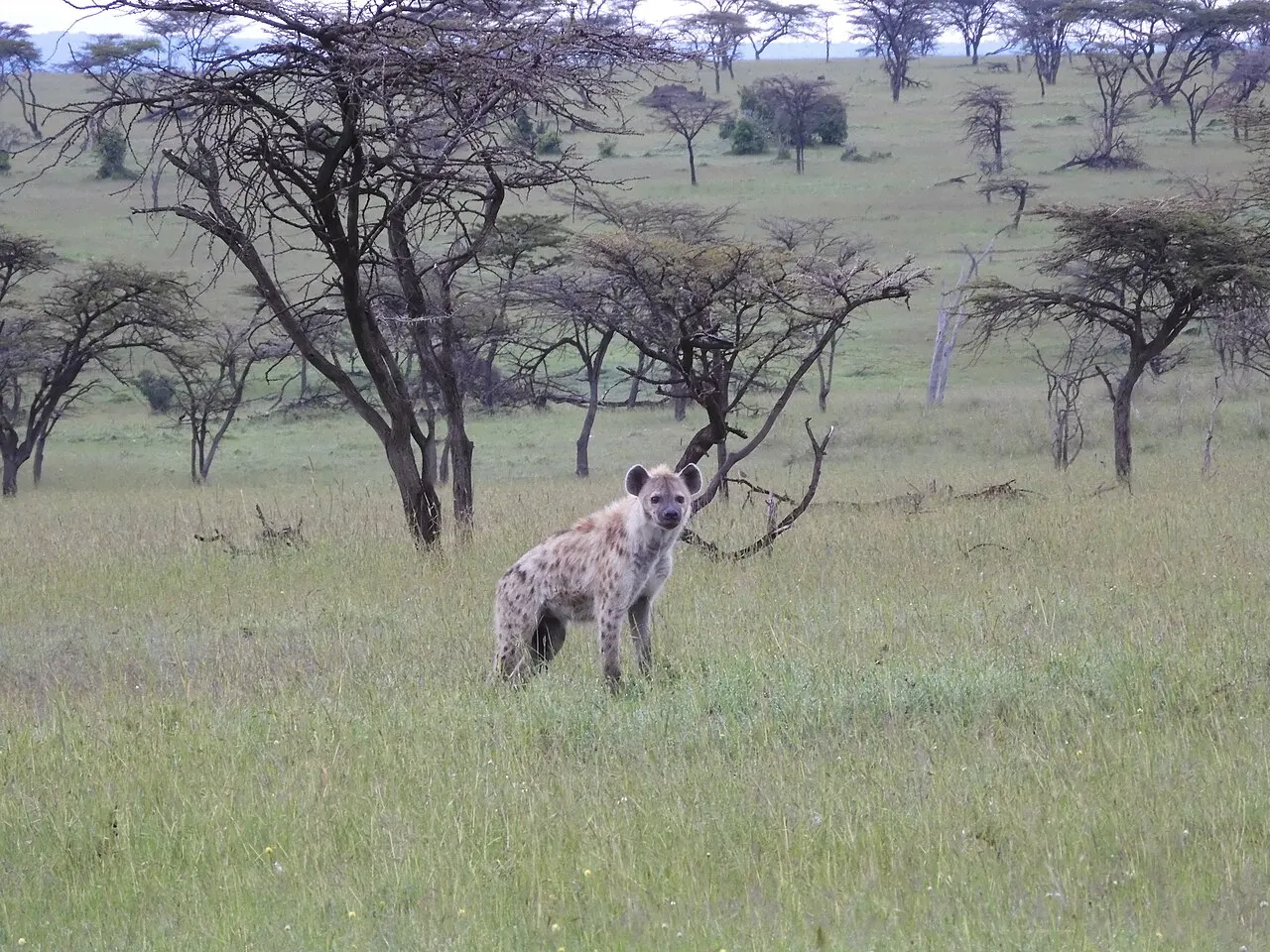
Olare Motorogi Conservancy
A 140 km² conservancy created in 2006 on Maasai land next to the Central Mara. Like the other conservancies, it has few camps and receives only their guests: in return, it allows guided walks, night drives and off-road driving to see the animals, activities prohibited inside the reserve.
Check access
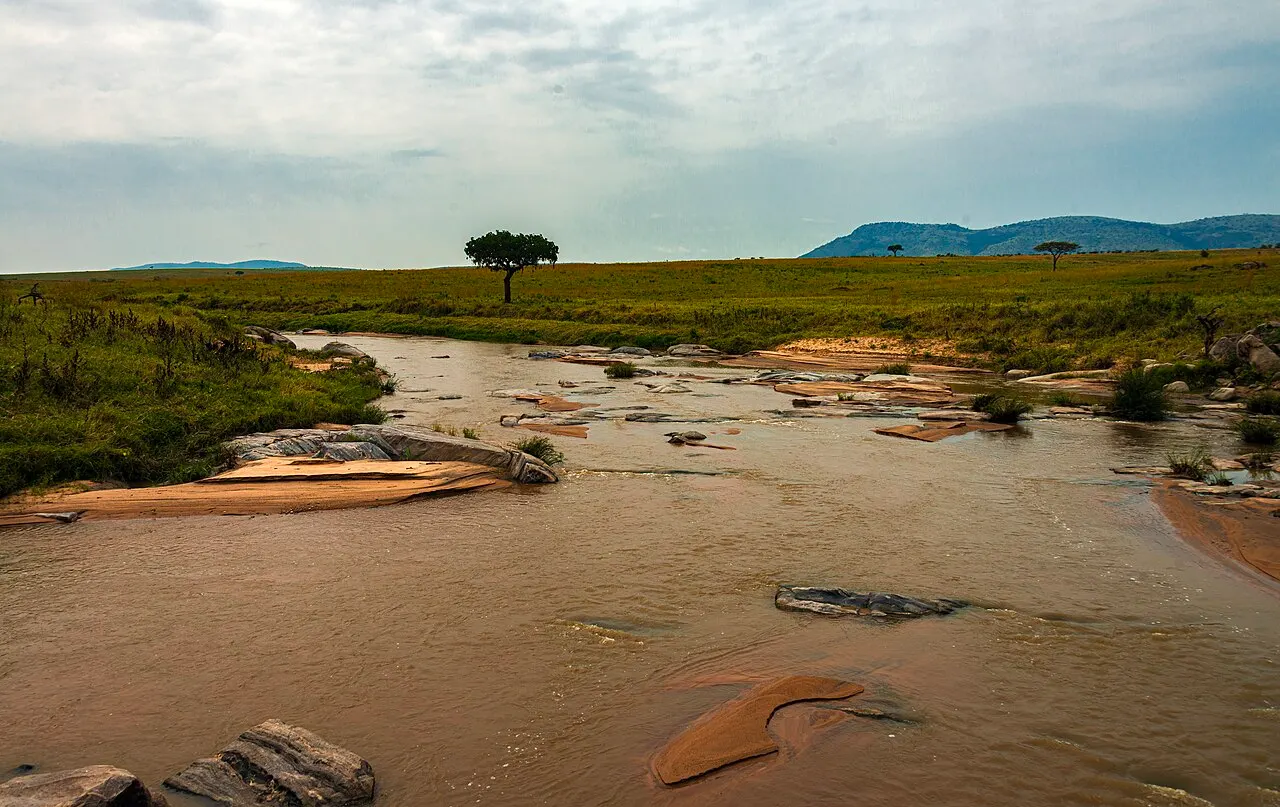
Sand River
The river at the far south, next to the Tanzanian border, gives its name to a gate and a public campsite. This is where the first migration herds usually enter the reserve from the Serengeti, before heading north.
Check access
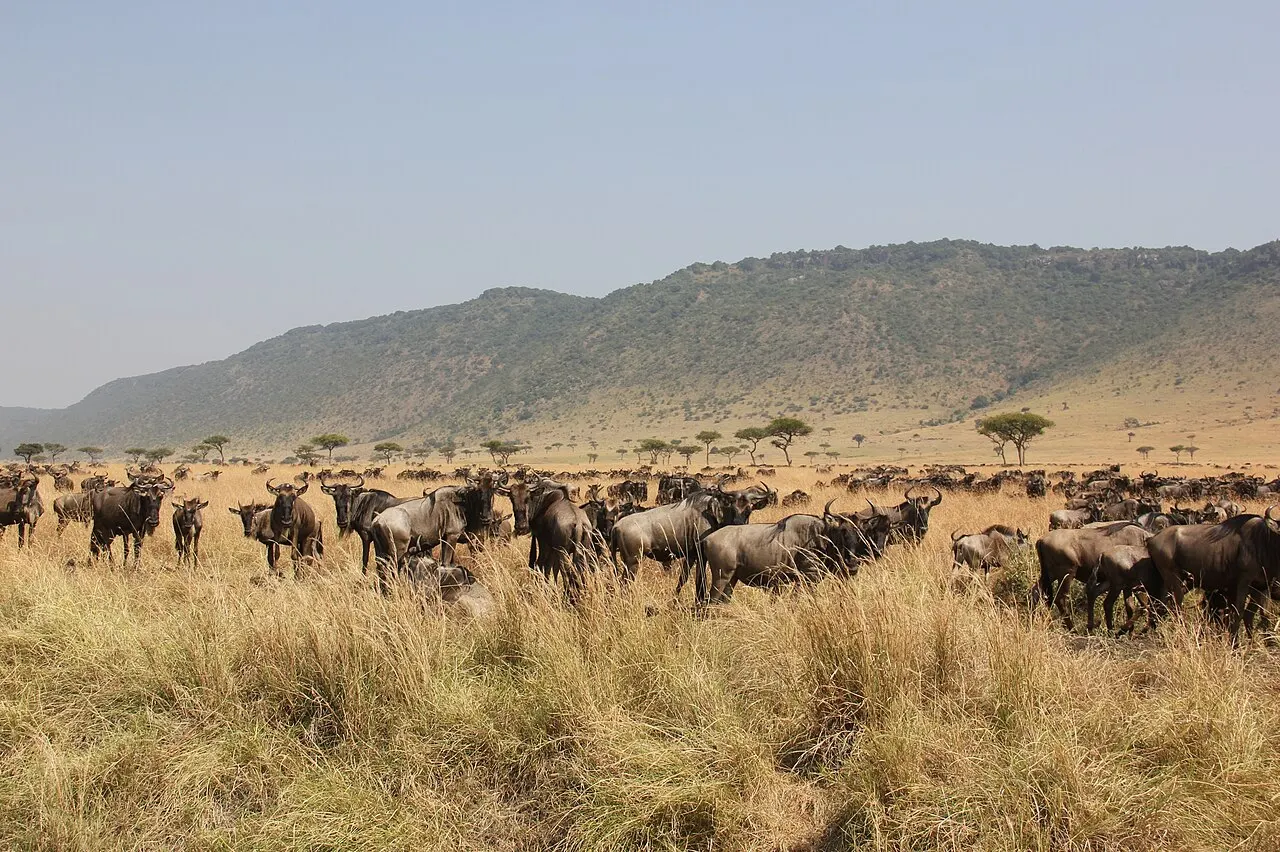
Oloololo Escarpment
The step of the Rift Valley that forms the western edge of the Triangle. Seen from below, it closes off the landscape; from above, where some camps outside the reserve are located, it opens a view over the Mara River and the plains. The waterlogged ground at the foot of the escarpment concentrates animals.
Check access
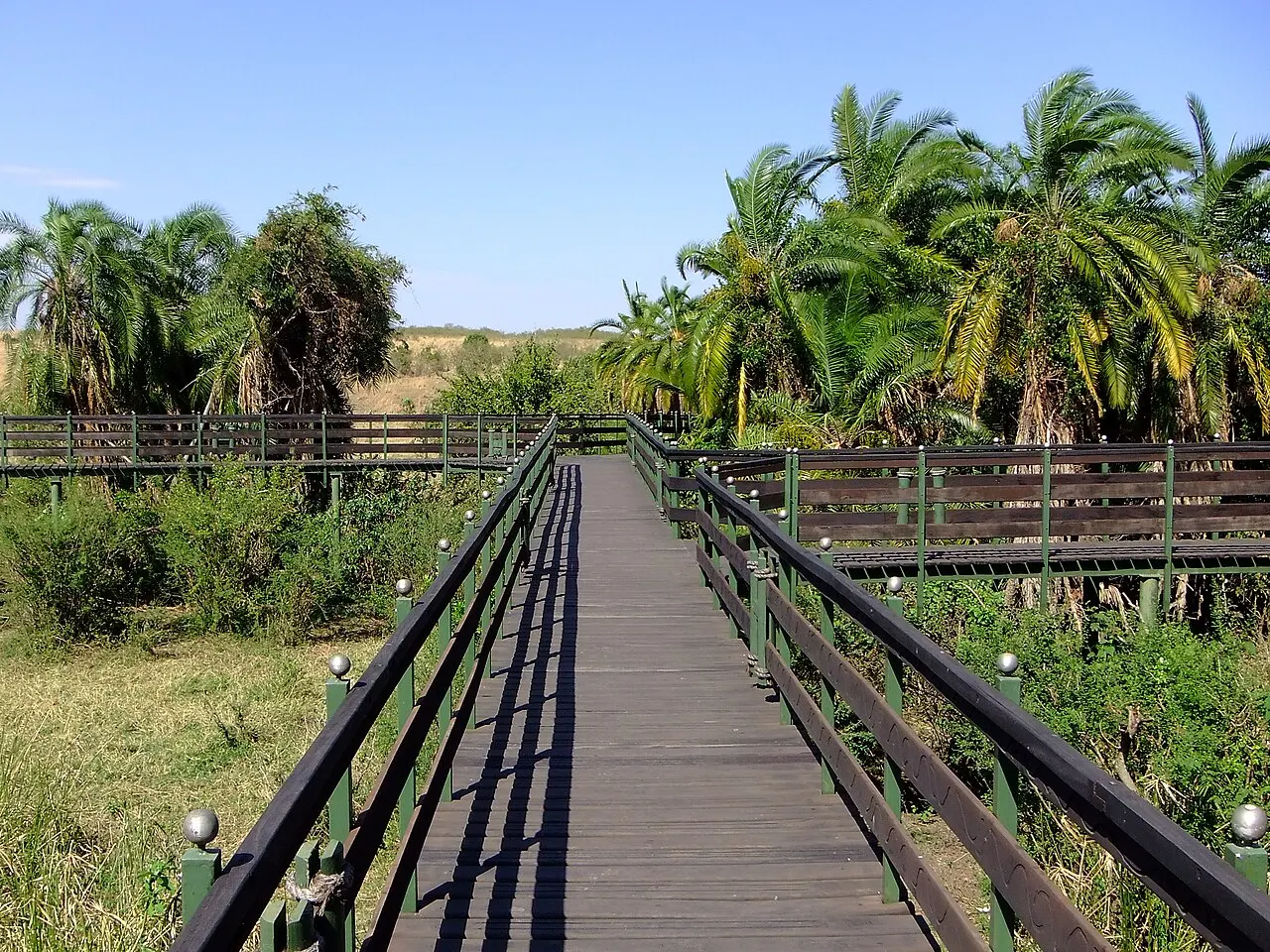
Keekorok
The reserve's first lodge, from 1965, gave its name to this area in the south of the Central Mara, with an airstrip and a wooden walkway to a hippo pool. The area has a 16 km zone where no new accommodation is allowed.
Check access
More places in the guide
Musiara Marsh
Musiara Marsh, at the northern tip of the reserve near the gate and airstrip of the same name, was one of the settings of the BBC series Big Cat Diary, which followed the Mara's lions, leopards and cheetahs. The wet ground holds water and green grass even in the dry season, and animals concentrate around it.
Nilo’s itinerary
Start with the basic programme and choose extensions for the time you have.
Plan my days in the app ↗Day 1 · Arrival by air and a first afternoon outing
Take the morning flight from Wilson Airport in Nairobi to the airstrip closest to your camp (Keekorok, Olkiombo, Musiara, Mara Serena or Kichwa Tembo); confirm the airstrip with the reserve.
The camp picks you up at the airstrip; have lunch and rest during the hottest hours.
Head out by car in the middle of the afternoon across the plains around the camp, with the day's ticket already paid by the operator or the camp.
Return to camp before 7 p.m., as the reserve rules require.
By road, leave Nairobi very early: it is about five hours in the dry season to Sekenani, and the entrance closes at 6:30 p.m.
Day 2 · A full day to the Mara River
Leave at 6 a.m., when the gates open, with breakfast and lunch in a picnic box in the car.
Stop at Lookout Hill to see the plains and, from July to October, the direction the herds are moving.
Go down to the Mara River and wait at the crossing points, at a distance and without blocking the bank; stay in the vehicle the whole time.
At midday, stop to eat at an authorized picnic area and continue to the Purungat bridge to see the hippos.
Outside the migration season, use the day for the river's riverine woodland, where leopards, hippos and crocodiles live.
Return to camp before 7 p.m.
Day 3 · Balloon at dawn and Musiara Marsh
If you booked the balloon, leave before dawn: takeoffs are only permitted between 6 and 7 a.m., from approved bases, and the flight may be canceled if the ground is waterlogged.
Without the balloon, leave at 6 a.m. for Musiara Marsh, in the north of the reserve, where water attracts animals even in the dry season.
Return to camp for lunch and a rest.
In the late afternoon, make the visit arranged by the camp to a Maasai village near the gates, or one last outing across the plains.
Return before 7 p.m.
If you stay longer
Day 4 · Mara Triangle (from the Central Mara)
Day trip
For those sleeping east of the river, the Triangle is a full day by car: you cross the river by the Purungat bridge and drive the gravel roads to near the Oloololo escarpment, a little over an hour away by the main road. The fee paid in the sector where you sleep is valid for the visit. Leave at 6 a.m. with a picnic, pick the rhinoceroses and the western bank of the river, and come back over the same bridge before 7 p.m.
Food
Camp meals
Inside the reserve there is no restaurant open to the public: those who eat are guests of a lodge or camp, almost always on full board. Breakfast and dinner are served at camp, and on long outing days lunch comes in a picnic box in the car.
Ugali and sukuma wiki
Ugali is a firm cornmeal paste cooked in water or milk, eaten by hand and used to scoop up the accompaniment. Sukuma wiki, collard greens sautéed with onion and seasonings, is the most common partner. Ugali is now also the base of the Maasai diet, which no longer depends only on cattle.
Nyama choma
Goat or beef grilled over coals, the gathering dish in Kenya. It appears at the camps' barbecue dinners and in the simple restaurants of Talek and Sekenani.
Fermented milk
Milk is the traditional basis of the Maasai diet, and most of it is consumed fermented or as buttermilk. On visits to communities, it is the food that shows up in everyday life in the homes.
Chai
Kenyan tea with milk, served freely at camps and carried in a thermos on outings. On days with a 6 a.m. departure, it is what warms the cold savanna dawn.
Where to eat
- Camps and lodges inside the reserve
Full board, with breakfast and dinner at camp and a picnic lunch on long outing days. The menu mixes international cooking with Kenyan dishes such as ugali, sukuma wiki, chapati and nyama choma; many serve sundowner drinks, although in some zones of the reserve this is restricted.
- Talek, Sekenani and Mara Rianta
Simple restaurants, which in Kenya are called hotels, with ugali, chapati, beans, meat stew and chai at low prices. It is the only option for eating outside a camp.
- Conservancies
Meals at the camp itself, which receives only its own guests, and sundowner drinks at a viewpoint, without the restrictions that apply in some zones of the reserve.
· 2026-10-19
Day trips
Mara Triangle (from the Central Mara)
For those sleeping east of the river, the Triangle is a full day by car: you cross the river by the Purungat bridge and drive the gravel roads to near the Oloololo escarpment, a little over an hour away by the main road. The fee paid in the sector where you sleep is valid for the visit. Leave at 6 a.m. with a picnic, pick the rhinoceroses and the western bank of the river, and come back over the same bridge before 7 p.m.
Where to begin
Arrival by air and a first afternoon outing
Take the morning flight from Wilson Airport in Nairobi to the airstrip closest to your camp (Keekorok, Olkiombo, Musiara, Mara Serena or Kichwa Tembo); confirm the airstrip with the reserve.
A full day to the Mara River
Leave at 6 a.m., when the gates open, with breakfast and lunch in a picnic box in the car.
Money
The currency is the Kenyan shilling (KES), but entry fees for non-residents are set in US dollars. The Narok County schedule, in force since January 2024, charges non-resident adults US$200 from July to December and US$100 from January to June; children aged 9 to 17 pay US$50, and those up to 8 pay nothing. Residents and East African citizens have their own schedules in shillings. The ticket is valid for 12 hours, from 6 a.m. to 6 p.m., and does not carry over the night: each day in the park is a new ticket. A car of up to five seats pays KES 1,000 per day. In the Triangle, nothing is paid in cash: only card or M-Pesa, online with the ticketing company KAPS, in Nairobi, or with its staff at the Purungat bridge, the Oloololo gate and the Mara Serena airstrip. On the Narok side, the same KAPS issues the electronic tickets, usually requested by the tour operator; confirm the payment method with the operator before reaching the gate. Bring your passport: it is what proves your category, and a driver's license will not do. In most packages, the fee, vehicle, driver and full board are included in the price of the camp or operator. The balloon flight carries a county landing fee of US$80 per adult, in addition to the operator's price. Inside the Triangle, fuel is available only at the camps' and lodges' pumps, with occasional shortages.
Getting there and around
From Nairobi by air
Regional airlines such as Airkenya and Safarilink fly daily from Wilson Airport in Nairobi to the Mara's dirt airstrips: Keekorok, Olkiombo, Musiara, Mara Serena and Kichwa Tembo. On Airkenya's 2025 schedule, the first landing was about 40 minutes after takeoff; the plane usually lands at more than one strip, so the time to yours depends on the day's route. The camp picks guests up at the airstrip. The planes are small: check the baggage limit and accepted bag type with the airline. International flights arrive at Jomo Kenyatta Airport (JKIA), about 15 km from central Nairobi; Wilson is 11 km from the center, in another part of the city, and the connection between the two is by road. At Wilson there is no official taxi counter and each airline has its own terminal: arrange the transfer in advance, and allow for Nairobi traffic or spend a night in the city before the flight to the Mara.
From Nairobi by road
The reserve's eastern edge is 224 km from Nairobi. The trip takes about five hours in the dry season and up to seven in the rain, on the road that passes through Narok; the pavement runs from Narok to the Sekenani gate. For the Triangle, those sleeping outside the western gates, near Oloololo, use the route through Aitong. Off the pavement, only with a 4x4 vehicle.
Inside the reserve
You get around only by car, usually in a safari vehicle with a driver-guide from the camp or a tour operator. The maximum speed is 50 km/h on graded roads and 30 km/h on other tracks. Walking is prohibited outside picnic areas and accommodations, and the conservancies do not accept self-drive cars without a guide.
Between sectors
The Purungat bridge links the Central Mara to the Triangle. From the Oloololo gate to the bridge is a little over an hour by car on the main road. The fee paid in the sector where you sleep covers the visit to the other.
Safety
The real risk in the Mara is the animals, and the reserve's rules exist for that reason: stay inside the vehicle, get out only at picnic areas and at most 10 m from the car, and never at the river's edge during a crossing. Do not sit or stand on the roof. Buffalo are dangerous on foot: in 2026 a Mara Conservancy ranger died after being attacked by a buffalo during a patrol. At camps without fences, follow the staff's instructions for walking between your tent and the common area after dark. Anyone driving near the border should be careful not to enter Tanzania: the reserve administration warns that it takes no responsibility for anyone detained on the other side. In the rainy season, dirt tracks bog down cars, and balloon flights may be suspended. Before the trip, seek medical advice on malaria and yellow fever for the region and for your connections; drink bottled or filtered water, which the camps provide. Help is far away: according to the Mara Conservancy's emergency page, there are clinics at Angama Mara Lodge, Kichwa Tembo Camp and Mara Serena Lodge, and air evacuation of serious patients is carried out by AMREF Flying Doctors, who may charge up to US$5,000 to non-members; the Conservancy recommends temporary membership during the visit. Also check what your insurance covers. The camp is the first to call it in.
Before you go
- Plug
- type G
- Voltage
- 240 V
- Driving side
- on the left
- Emergency
- Ambulance, Police, Fire 112 · Ambulance, Police, Fire 999
- Country code
- +254
- Official languages
- Swahili and English
- Currency
- Kenyan shilling (KES)
Source: Wikidata (CC0), checked September 2026.
Etiquette tips
No noise around the animals
The rules ask you to speak softly and not to clap, shout or cheer near the animals, to turn down the radio and to switch off the camera sound. Silence applies to the other cars too.
Five cars and fifteen minutes
In the Central Mara, no more than five vehicles may stay around lions, rhinoceroses, leopards and cheetahs; whoever arrives later waits 100 m away. If people are waiting, the time with the animals is 15 minutes; in the Triangle, 10. Ask the driver to respect the turn.
Never block a crossing
On the river bank, cars may not park too close or drive through the herd. A pile of vehicles has already interrupted crossings and caused stampedes in which many wildebeest died.
Ask before taking photos
In villages and at the gates, ask permission before photographing a person. A visit to a Maasai village is arranged in advance and paid to the community; agree on the amount before going.
Take nothing from the reserve
Collecting bones, flowers, plants, wood or any object is prohibited, and all your trash goes back with you.
Mistakes to avoid
Cramming too many parks into a short safari
Week-long packages that pass through many parks spend a good part of the time on the road and leave little for the animals. In the Mara, one more day in the same place pays off more than one more park on the itinerary.
Choosing the vehicle by price alone
Some cheap offers use minibuses with six passengers, all with bags and cameras. Ask how many people ride in the car and whether the roof opens for everyone.
Reaching the gate in the late afternoon
Nobody enters the reserve after 6:30 p.m., and those sleeping outside must leave by 7 p.m. A delay on the road can mean a night away from the camp you booked.
Getting out of the car on the river bank
Outside picnic areas, you get out of the vehicle only at designated places and at most 10 m from it; at crossings, never. Buffalo, lions and crocodiles hide in the grass and in the water.
Counting on a crossing at a set time
The migration moves with the rain, and a crossing may not happen on the day you are at the bank. A stay of one or two days in July does not guarantee wildebeest at the river.
Useful phrases
Jambo
Hello (to one person); the reply is sijambo
Habari za safari?
How was the trip?
Asante sana
Thank you very much
Tafadhali
Please
Samahani
Excuse me; sorry
Choo iko wapi?
Where is the restroom?
Maji
Water
Where to stay
- Inside the Central Mara · For those who want to be on the plains and at the river at 6 a.m., without going through a gate, and do not mind the high-season crowds.: The camps and lodges inside the reserve are near the crossing points and the airstrips. The county management plan froze new accommodation and the expansion of existing ones; during the migration, there are many cars at the same sightings. Each night requires the day's ticket, which usually comes in the package.
- Mara Triangle and the Oloololo escarpment · For those who prefer fewer cars around the animals and better-kept roads.: Inside the Triangle there are only two places to stay, Mara Serena Safari Lodge and Little Governors' Camp; other camps are outside, near the Oloololo gate and on top of the escarpment, and take guests into the Triangle. Enforcement limits crowding at sightings. The drawback is the distance from the eastern plains, such as Talek and Keekorok, more than an hour by car.
- Northern and eastern conservancies · For those who want to walk with a guide, go out at night and see animals with few cars, and can pay for an exclusive camp.: Few camps, a limit on vehicles per sighting and activities prohibited in the reserve. The lease money goes to the Maasai owners of the land. The reserve remains reachable by car for a day at the river, with the corresponding ticket; some conservancies are far from the crossing points.
- Talek and Sekenani · For those traveling on a smaller budget who accept simple lodging outside the gates.: These are the settlements right up against the gates, with the highest concentration of budget camps, shops and simple restaurants. Quality varies a lot: check the recent reviews, the type of vehicle and the number of passengers included. Each entry into the reserve requires a ticket, and nobody enters after 6:30 p.m.
· 2026-10-19
Districts
Central Mara (Narok sector)
Most of the reserve, east of the Mara River, run by the Narok County government. This is where almost all the camps and lodges inside the reserve are, along with the Talek plains, Lookout Hill, Musiara Marsh and most of the crossing points. The road gates include Sekenani, Talek, Musiara, Ololaimutia and Sand River, and the management plan provides for a new one at Enoompuai, where a road now enters the reserve with no fee post. In high season it is the busiest sector.
Mara Triangle
The 510 km² west of the river, between the Oloololo escarpment and the Tanzanian border, run by the Mara Conservancy. It has only two places to stay inside its boundaries, Mara Serena Safari Lodge and Little Governors' Camp, maintained gravel roads, and rangers who limit the number of cars around the animals. You enter through the Oloololo gate or the Purungat bridge, which connects to the Central Mara.
Talek and Sekenani
Commercial settlements just outside the Talek and Sekenani gates, in the 2 km strip around the reserve. The cheapest camps are concentrated here and receive most of the visitors, along with shops and simple restaurants. Quality varies a lot, and the county management plan records buildings put up without environmental assessment.
Mara conservancies
North and east of the reserve, Maasai land leased to safari camps, such as Olare Motorogi, Mara North, Mara Naboisho, Ol Kinyei, Lemek and Enonkishu. The association that groups them totals 24 conservancies and about 450,000 acres. They have few camps and a limit on vehicles per sighting, and they allow guided walks, night drives and off-road driving; they do not accept self-drive cars without a guide. Cattle and wild animals share part of the pasture.
History
17th century onward · The Maasai and their cattle
Maasai pastoralists, coming from the north along the Nile valley, settle the plains and give the place the name it has today. Cattle, not hunting, organize their lives.
1948 · The reserve is born in the Triangle
The 520 km² between the Siria escarpment, the Tanzanian border and the Mara River, today's Mara Triangle, are declared a game reserve to protect the ecosystem's wildlife.
1961 · The reserve grows eastward
The Narok County council takes over the reserve and extends the central area eastward, to 1,831 km².
1965 · Keekorok, the first lodge
Keekorok Lodge opens, the first accommodation inside the reserve. In 2016, a survey counted 31 lodges and permanent camps within the boundaries, with 1,382 beds.
1970s · The migration grows
Vaccinating cattle against rinderpest makes the disease disappear among wildebeest and buffalo as well. The Serengeti wildebeest population grows and the migration begins to spill over into the Mara.
1974–1984 · National reserve and current limits
In 1974 part of the area gains national reserve status. In 1984, sections are removed to give cattle access to watering points, and the reserve is left with today's 1,530 km².
1995 · The reserve split in two
With the creation of the Trans Mara district, management is separated: the eastern side stays with the Narok council and the Mara Triangle, west of the river, with the Trans Mara council.
2001 · The Mara Conservancy takes over the Triangle
A nonprofit company created by local leaders begins to manage the Triangle on June 12, 2001, under an agreement later renewed with the Narok County government.
2006–2013 · The conservancies
Maasai landowners next to the reserve begin leasing their land to safari camps; Olare Motorogi is born in 2006 and the Mara conservancies association in 2013.
2024 · Seasonal fee
The county's fee schedule takes effect, replacing the single US$80 fee per non-resident adult with US$200 from July to December and US$100 from January to June.
Complete history
Herders' land before it was a reserve
Before it was a protected area, the Mara was pasture. The Maasai, pastoralists who arrived from the north, shared the plains with wild animals and measured wealth in head of cattle. Between 1883 and 1902, the period they call Emutai, epidemics of rinderpest, cattle pleuropneumonia and smallpox among people killed much of the herds and the population and emptied the pastures. The reserve, created from 1948 and extended in 1961, took another part of that land from the Maasai. This history explains a tension that is still visible: the reserve belongs to the county, but the surrounding lands, where the animals move, belong to Maasai families.
How the migration reached the Mara
The great migration that now fills the Mara did not always come this far. According to the Mara Conservancy, periodic outbreaks of rinderpest kept the Serengeti wildebeest at about 250,000 animals. With cattle vaccination in the 1960s, the disease also disappeared among wild animals, the population grew and, from the early 1970s, the herds began to spill northward, crossing the Mara River. Meanwhile, the Mara's own resident wildebeest, which came from the Loita plains, declined, because fences and farmland cut off their route.
Two administrators and a conservation model
Since the mid-1990s the reserve has had two managements. The Central Mara, to the east, belongs to the Narok County government; the Mara Triangle, west of the river, has been run since 2001 by the Mara Conservancy on behalf of the county. Outside the reserve, the conservancies have turned land leasing into income for more than 15,000 Maasai landowners. The result is a mosaic: roads, rules and crowding change depending on which side of the river and which side of the invisible fence you are on.
The Mara today
The county's 2023–2032 management plan describes a reserve over capacity in the Central Mara, with more than 150 registered vehicles at a single crossing and a strip of budget camps on the edge that receives about 60% of visitors. The plan bans new accommodation and new balloons and creates a special zone around the river. In parallel, the county's finance act replaced the single US$80 fee per non-resident adult with US$200 in high season and US$100 in low season, in force since January 2024. According to the Kenyan government's Economic Survey 2026, cited by the Business Daily, the number of visitors fell from 420,000 in 2023 to 213,000 in 2025.
Geography and shape of the city
Plain, rivers and the pattern of the mara
Most of the reserve is open country, with grass that grows tall after the rains and clumps of shrubs scattered about, the spotted pattern that gives the place its name. In the southeast, groves of acacia appear. Three rivers drain the reserve: the Mara, which rises on the Mau escarpment and runs into Tanzania, and its tributaries the Talek and the Sand. Riverine woodland grows along them, home to the black rhinoceros and many leopards.
The Oloololo escarpment
The western edge is the Oloololo escarpment, also called Siria or Esoit, a step of the Rift Valley that bounds the Mara Triangle. The triangular shape that names the sector lies between the escarpment, the Mara River and the Tanzanian border. Waterlogged ground at the foot of the escarpment provides water all year and concentrates animals.
Altitude and climate
The reserve lies between 1,500 and 2,180 m. Temperatures range from about 12 °C in the early morning to 30 °C on hot afternoons. There are two rainy seasons: the long rains, six to eight weeks in April and May, and the short rains, about four weeks in November and December. It rains less in the east, about 800 mm a year, and more in the west, close to 1,200 mm.
Part of a larger ecosystem
The Mara is the northern end of the Serengeti-Mara ecosystem. To the south, with no fence, lies the Tanzanian Serengeti; to the north, east and west are Maasai lands, where the conservancies are. Animals do not respect these lines, which is why the migration depends on open corridors outside the reserve.
Culture
The Maasai and cattle
Traditional Maasai life revolves around zebu cattle, which give milk, meat on special occasions and define a family's wealth. Goats and sheep complete the herds. The houses of an enkang, the family compound, are made of branches covered with mud and cow dung, which waterproofs them, and stand inside a thorn fence that protects the animals at night. Visits to villages near the gates show this arrangement, and these are homes where people live, not a stage set.
Shúkà and beads
The shúkà is the cloth, usually red, wrapped around the body; it replaced skins from the 1960s onward. Bead necklaces and ornaments indicate the age, sex and situation of the wearer. Necklaces and bracelets are sold at the reserve gates and in the villages.
Age sets and ceremonies
Maasai society is organized by age sets. Young warriors wear their hair long and braided, shaved at the Eunoto, the ceremony in which they become elders and which can last ten days or more, with singing and the adumu, the dance in which people jump in place.
Conservation as income
The conservancies changed the economy around the reserve: landowners receive guaranteed lease payments from the camps and, in several of them, keep the right to graze cattle on part of the area. The relationship is not always smooth, with disputes over pasture and over how income is shared, and it is part of what visitors pay for when they choose where to sleep.
Festivals and events
Eunoto
The ceremony in which Maasai warriors become elders, with days of singing, dancing and ritual and the cutting of the long hair. It happens when the community decides, has no tourist calendar and is not a show for visitors.
Books and films
Big Cat Diary (BBC, 1996–2008)
The BBC documentary series followed the Mara's lions, leopards and cheetahs, filmed at places such as Musiara Marsh, Leopard Gorge and the Mara River. It helps you recognize the terrain and the animals' behavior.
Maasai, by Tepilit Ole Saitoti and Carol Beckwith (1980)
Text by a Maasai and photographs by Carol Beckwith on age sets, ceremonies, hair and dress. Good for understanding what you see in the villages around the reserve.
Frequently asked questions
Maasai Mara: how do you get there by plane?
Regional airlines such as Airkenya and Safarilink fly daily from Wilson Airport in Nairobi to the Mara's dirt airstrips: Keekorok, Olkiombo, Musiara, Mara Serena and Kichwa Tembo. On Airkenya's 2025 schedule, the first landing was about 40 minutes after takeoff; the plane usually lands at more than one strip, so the time to yours depends on the day's route. The camp picks guests up at the airstrip. The planes are small: check the baggage limit and accepted bag type with the airline. International flights arrive at Jomo Kenyatta Airport (JKIA), about 15 km from central Nairobi; Wilson is 11 km from the center, in another part of the city, and the connection between the two is by road. At Wilson there is no official taxi counter and each airline has its own terminal: arrange the transfer in advance, and allow for Nairobi traffic or spend a night in the city before the flight to the Mara.
Maasai Mara: can you go by road from Nairobi?
The reserve's eastern edge is 224 km from Nairobi. The trip takes about five hours in the dry season and up to seven in the rain, on the road that passes through Narok; the pavement runs from Narok to the Sekenani gate. For the Triangle, those sleeping outside the western gates, near Oloololo, use the route through Aitong. Off the pavement, only with a 4x4 vehicle.
Maasai Mara: how many days should I stay?
I'd stay three days in the Masai Mara, with three nights in the same camp, and I'd consider a fourth. The first day is the arrival, with the afternoon outing; the second is entirely on the Mara River, with a picnic in the car, because the crossing keeps no schedule; the third begins with the balloon or Musiara Marsh and ends at a Maasai village or with one last drive across the plains. With two days, you will see big cats, but you are at the mercy of luck at the river. The fourth day, with one more night, I'd spend in the Mara Triangle, crossing the Purungat bridge, to see the other bank with fewer cars. During the migration, I'd book early and pick the camp by its distance to the river; outside it, I'd consider splitting the nights with a conservancy to walk with a guide.
Maasai Mara: when is the best time to go?
July to October; this is when the wildebeest migration is usually in the Mara and river crossings happen, but the arrival changes every year with the rain. From January to June the non-resident entry fee is half, and April and May bring the long rains, with dirt roads waterlogged.
Maasai Mara: when can you see the Mara River crossing?
The wildebeest migration usually arrives from the Serengeti between June and July and may stay until November, with the peak of the crossings generally from July to October, but the calendar depends on the rain: a storm in the middle of the dry season can send the herds back to the Serengeti, and they may return weeks later. Nobody can predict the time; the Mara Conservancy says only that restless animals crowded on the bank are a good sign. A stay of one or two days in July does not guarantee wildebeest at the river.
Maasai Mara: how does the entry fee work?
Entry fees for non-residents are set in US dollars. The Narok County schedule, in force since January 2024, charges non-resident adults US$200 from July to December and US$100 from January to June; children aged 9 to 17 pay US$50, and those up to 8 pay nothing. Residents and East African citizens have their own schedules in shillings. The ticket is valid for 12 hours, from 6:00 to 18:00, and does not carry over the night: each day in the park is a new ticket. Bring your passport: it is what proves your category, and a driver's license will not do. In most packages, the fee, vehicle, driver and full board are included in the price of the camp or operator.
Maasai Mara: how do you pay the fee?
In the Triangle, nothing is paid in cash: only card or M-Pesa, online with the ticketing company KAPS, in Nairobi, or with its staff at the Purungat bridge, the Oloololo gate and the Mara Serena airstrip. On the Narok side, the same KAPS issues the electronic tickets, usually requested by the tour operator; confirm the payment method with the operator before reaching the gate.
Maasai Mara: is it better to sleep inside the reserve, in a conservancy or in Talek?
Inside the Central Mara, the camps and lodges are near the crossing points and the airstrips, for those who want to be at the river at 06:00 without going through a gate; during the migration, there are many cars at the same sightings, and each night requires the day's ticket, which usually comes in the package. The northern and eastern conservancies, for those who can pay for an exclusive camp, have few camps, a limit on vehicles per sighting, and offer what the reserve prohibits, such as walking with a guide and going out at night; the reserve remains reachable by car for a day at the river, with the corresponding ticket, but some conservancies are far from the crossing points. Talek and Sekenani, right up against the gates, concentrate the budget camps; quality varies a lot: check the recent reviews, the type of vehicle and the number of passengers included. Each entry into the reserve requires a ticket, and nobody enters after 18:30
Maasai Mara: can you do a walking or night safari?
Reserve rules prohibit walking safaris, horseback and bicycle safaris, and night drives; inside the reserve you walk only in picnic areas and at the accommodations. Guided walks and night drives require sleeping in a conservancy that offers them.
Maasai Mara: is it safe?
The real risk in the Mara is the animals, and the reserve's rules exist for that reason: stay inside the vehicle, get out only at picnic areas and at most 10 m from the car, and never at the river's edge during a crossing. Do not sit or stand on the roof. At camps without fences, follow the staff's instructions for walking between your tent and the common area after dark. Anyone driving near the border should be careful not to enter Tanzania: the reserve administration warns that it takes no responsibility for anyone detained on the other side. Before the trip, seek medical advice on malaria and yellow fever for the region and for your connections; drink bottled or filtered water, which the camps provide. Help is far away: according to the Mara Conservancy's emergency page, there are clinics at Angama Mara Lodge, Kichwa Tembo Camp and Mara Serena Lodge, and air evacuation of serious patients is carried out by AMREF Flying Doctors, who may charge up to US$5,000 to non-members; the Conservancy recommends temporary membership during the visit. Also check what your insurance covers.
Maasai Mara: is it worth visiting the Mara Triangle?
For those sleeping east of the river, the Triangle is a full day by car: you cross the river by the Purungat bridge and drive the gravel roads to near the Oloololo escarpment, a little over an hour away by the main road. The fee paid in the sector where you sleep is valid for the visit. Leave at 6:00 with a picnic, pick the rhinoceroses and the western bank of the river, and come back over the same bridge before 19:00
Other cities in the country
Kenya ↗- Days
- 2–3
- When
- January and February; part of June to September
- Per person/day
- Average 8,700 KESMid-range · per person/day
Cost scope
Per person per day: accommodation, meals, urban transport, visits and a small allowance for extras. Flights excluded; larger purchases vary. Editorial estimate, not a quote.