Japan
Tokyo
Temples, markets, districts, and lookouts of Japan's capital
Days Start with the basic programme and choose extensions for the time you have.
How the guide reaches this number
With five, the Kamakura and Hakone day trips fit in, each one a full day. Group each day on one side of the city, because crossing Tokyo several times a day costs half an hour at every change of line and train operator. With just one day, stay in the east: arrive at Sensō-ji before 7am, grab breakfast in Asakusa, and walk along the Sumida riverbank to Ryōgoku for a lunch of chanko-nabe, the stew sumo wrestlers eat. Spend the afternoon at the Sumida Hokusai Museum, a ten-minute walk away, or, in January, May, or September, at a tournament day at the Kokugikan, and have monjayaki for dinner in Tsukishima, ten minutes away by subway. The biggest letdown is the lookouts on an overcast day, so only go up with a clear sky, or stick with the free Metropolitan Government Building lookout. For a first trip, I'd pick April or November.
3–5
When Late March to mid-April, and mid-October to early December
How the guide reaches this number
Choose when to go carefully. I would recommend April and November: they're the months when the temperature lets you walk around, rain is scarce, and the city looks beautiful with no effort at all. Spring runs from March to May, with 10 to 22 °C. The famous cherry blossom, the sakura, usually happens between late March and the first week of April, with variation of up to ten days, and it draws crowds to every park. From around June 7 to mid-July comes tsuyu, the rainy season: it doesn't rain all day, but it rains nearly every day and humidity runs high. July and August are the real problem: 30 to 36 °C, humidity above 70%, nights that don't drop below 25 °C, and official heatstroke warnings. It's also typhoon season, which runs through October and can cancel trains for a day. Autumn, from mid-October to early December, is dry and stable, with the yellow of the ginkgo trees at the end of November. Winter is cold but sunny, 2 to 12 °C, with rare snow and the best chance of seeing Mount Fuji from an observation deck. Avoid traveling within Japan during Golden Week (April 29 to May 5), Obon (mid-August), and the New Year period, between December 29 and January 3: prices go up, trains get packed, and many family restaurants close.
Per person/day Budget ¥9,000–13,000; mid-range ¥20,000–30,000; comfortable from ¥50,000 up, not counting flights
How the guide reaches this number
Per person per day: accommodation, meals, urban transport, visits and a small allowance for extras. Flights excluded; larger purchases vary. The figures are the guide’s estimate.
 What Nilo thinks
Stay at least three days: one for Asakusa and the Sumida River, another for Meiji Jingū, Shibuya, and Shinjuku, and the third for Tsukiji, the Imperial Palace, Ueno, and Yanaka. With five, the Kamakura and Hakone day trips fit in, each one a full day. Group each day on one side of the city, because crossing Tokyo several times a day costs half an hour at every change of line and train operator. With just one day, stay in the east: arrive at Sensō-ji before 7am, grab breakfast in Asakusa, and walk along the Sumida riverbank to Ryōgoku for a lunch of chanko-nabe, the stew sumo wrestlers eat. Spend the afternoon at the Sumida Hokusai Museum, a ten-minute walk away, or, in January, May, or September, at a tournament day at the Kokugikan, and have monjayaki for dinner in Tsukishima, ten minutes away by subway. The biggest letdown is the lookouts on an overcast day, so only go up with a clear sky, or stick with the free Metropolitan Government Building lookout. For a first trip, I'd pick April or November.At the Shibuya crossing, every green light sends the crowd surging in every direction at once, and that's how all of Tokyo works: packed neighborhoods clustered around train stations. Asakusa holds Sensō-ji, a Buddhist temple founded, by tradition, in 628, and the roughly 100,000 trees of the Meiji Jingū forest were all planted from scratch. Little of what you see is actually old; even Sensō-ji is concrete, rebuilt in 1958 after the firebombing. You eat well at any price, from conveyor-belt sushi at ¥120 a plate to the grilled chicken skewers in the alleys of Omoide Yokochō and the monjayaki cooked right on the table griddle in Tsukishima. Come in April for the cherry blossoms, or in November for the dry autumn, and stay at least three days; with five, Kamakura and Hakone fit in too.
Quick facts
- Population
- about 14.2 million in the Tokyo metropolis; about 9.7 million in the 23 special wards; about 37 million in the Kantō metropolitan region
- Founding
- Fort of Edo built by Ōta Dōkan in 1457; capital in fact since 1868
- Country and region
- Japan: Tokyo-to (metropolis), Kantō region, island of Honshu
- Language
- Japanese; English on station signage, but rarely spoken on the street
- Currency
- Japanese yen (¥, JPY): in 2026, roughly ¥150 to the dollar and ¥27 to the Brazilian real
- Time zone
- JST, UTC+9, no daylight saving time
- Best time to visit
- Late March to mid-April, and mid-October to early December
- Average daily cost
- Budget ¥9,000–13,000; mid-range ¥20,000–30,000; comfortable from ¥50,000 up, not counting flights
When to go
Late March to mid-April, and mid-October to early December
January
1° to 10°C
60 mm of rain
Winter
February
2° to 11°C
57 mm of rain
Winter
May
15° to 24°C
140 mm of rain
Spring
June
19° to 26°C
168 mm of rain
Rainy season
July
22° to 30°C
156 mm of rain
Hot summer
August
24° to 31°C
155 mm of rain
Hot summer
September
20° to 28°C
225 mm of rain
Late summer
How the year changes
Choose when to go carefully. I would recommend April and November: they're the months when the temperature lets you walk around, rain is scarce, and the city looks beautiful with no effort at all. Spring runs from March to May, with 10 to 22 °C. The famous cherry blossom, the sakura, usually happens between late March and the first week of April, with variation of up to ten days, and it draws crowds to every park. From around June 7 to mid-July comes tsuyu, the rainy season: it doesn't rain all day, but it rains nearly every day and humidity runs high. July and August are the real problem: 30 to 36 °C, humidity above 70%, nights that don't drop below 25 °C, and official heatstroke warnings. It's also typhoon season, which runs through October and can cancel trains for a day. Autumn, from mid-October to early December, is dry and stable, with the yellow of the ginkgo trees at the end of November. Winter is cold but sunny, 2 to 12 °C, with rare snow and the best chance of seeing Mount Fuji from an observation deck. Avoid traveling within Japan during Golden Week (April 29 to May 5), Obon (mid-August), and the New Year period, between December 29 and January 3: prices go up, trains get packed, and many family restaurants close.
The same numbers as a table
| Month | Temperature °C | Rain mm |
|---|---|---|
| January | 1 to 10 | 60 |
| February | 2 to 11 | 57 |
| March · | 5 to 14 | 116 |
| April · | 10 to 19 | 134 |
| May | 15 to 24 | 140 |
| June | 19 to 26 | 168 |
| July | 22 to 30 | 156 |
| August | 24 to 31 | 155 |
| September | 20 to 28 | 225 |
| October · | 15 to 22 | 235 |
| November · | 9 to 17 | 96 |
| December · | 4 to 12 | 58 |
Month by month, with the guide’s notes
Temperature and rain are the measured normal, with the source below. Blossom and crowds are my own notes and vary from year to year.
Scroll to compare all columns
| Month | °C | Rain (mm) | Crowds (1–5, guide estimate) |
|---|---|---|---|
| Jan | 2–10 | 50 | 2 |
| Feb | 2–11 | 55 | 1 |
| Mar | 5–14 | 115 | 3 |
| Apr | 10–20 | 130 | 5 |
| May | 15–25 | 140 | 4 |
| Jun | 19–27 | 170 | 2 |
| Jul | 23–31 | 155 | 3 |
| Aug | 24–33 | 170 | 3 |
| Sep | 21–29 | 210 | 2 |
| Oct | 15–23 | 200 | 3 |
| Nov | 9–17 | 90 | 3 |
| Dec | 4–12 | 50 | 3 |
Nilo's tips
Stay on one side of the city each day
Combining both sides in a single day burns hours on the train. Asakusa, the Sumida River, and Ryōgoku sit to the east. Shinjuku and Shibuya sit to the west.
See Sensō-ji before 7am and Nakamise after
Before 7am the courtyard is already open, with the shops still shuttered, and Nakamise is worth returning to once the stalls open. There are about 90 shops along the 250m street.
On the subway, pay with Suica or Pasmo, not the Japan Rail Pass
The Japan Rail Pass only pays off on the Shinkansen and isn't valid on the subway, where each urban ride runs ¥150–330. The Welcome Suica lasts 28 days and skips the deposit.
The tuna auction has been at Toyosu since 2018
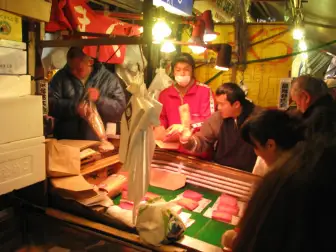
The tuna auction happens in Toyosu and can be viewed from a walkway that opens at 5:30am. Tsukiji kept the outer market, with about 400 shops, good for breakfast between 7am and 10am.
If the sky is overcast, swap Shibuya Sky for the free lookout in Shinjuku
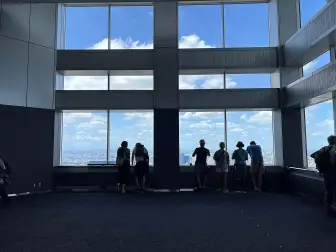
In Shinjuku, the lookout at the Metropolitan Government Building sits at 202m and is free, so you lose nothing if the sky clouds over. Shibuya Sky, at 229m and open-air, requires a booked time slot and only pays off with a clear sky, and the sunset slot sells out days in advance.
The last train leaves between midnight and 1am
There's no overnight subway, and anyone who misses the last train heads back by taxi, at the night rate, the most expensive of the day. Plan the end of the night near your hotel or the line that gets you there.
Explore the map
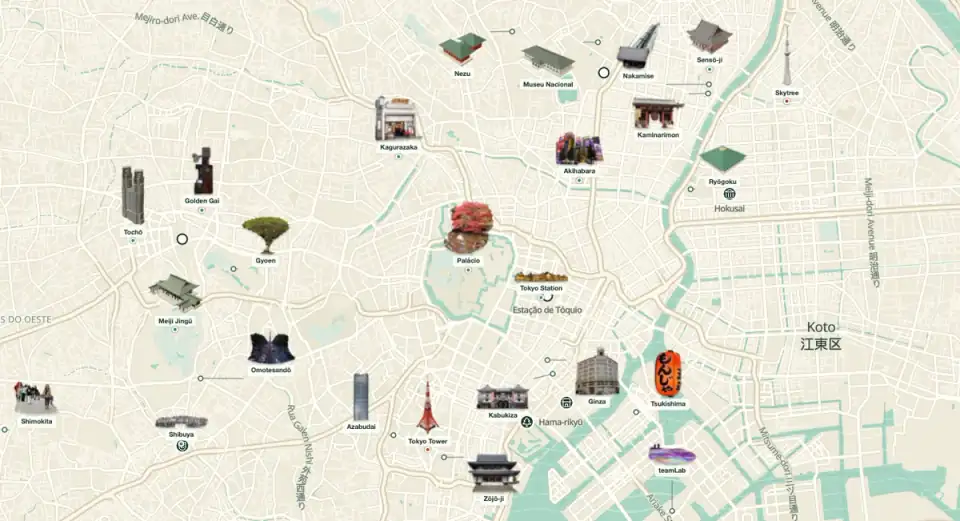
© OpenStreetMap · OpenFreeMap · © OpenMapTiles
Explore the map, read about the other places and plan your travel days in the app.
Open the appWhat to see
Tokyo has dozens of centers, linked by train
Tokyo grew into dozens of neighborhoods around train stations, and the Yamanote loop line links the main ones, from Shinjuku and Shibuya in the west to Ueno and Tokyo Station in the east. So the simplest way to plan a visit is to give a full day to each end of the Yamanote, without crossing back to the other side before nightfall.
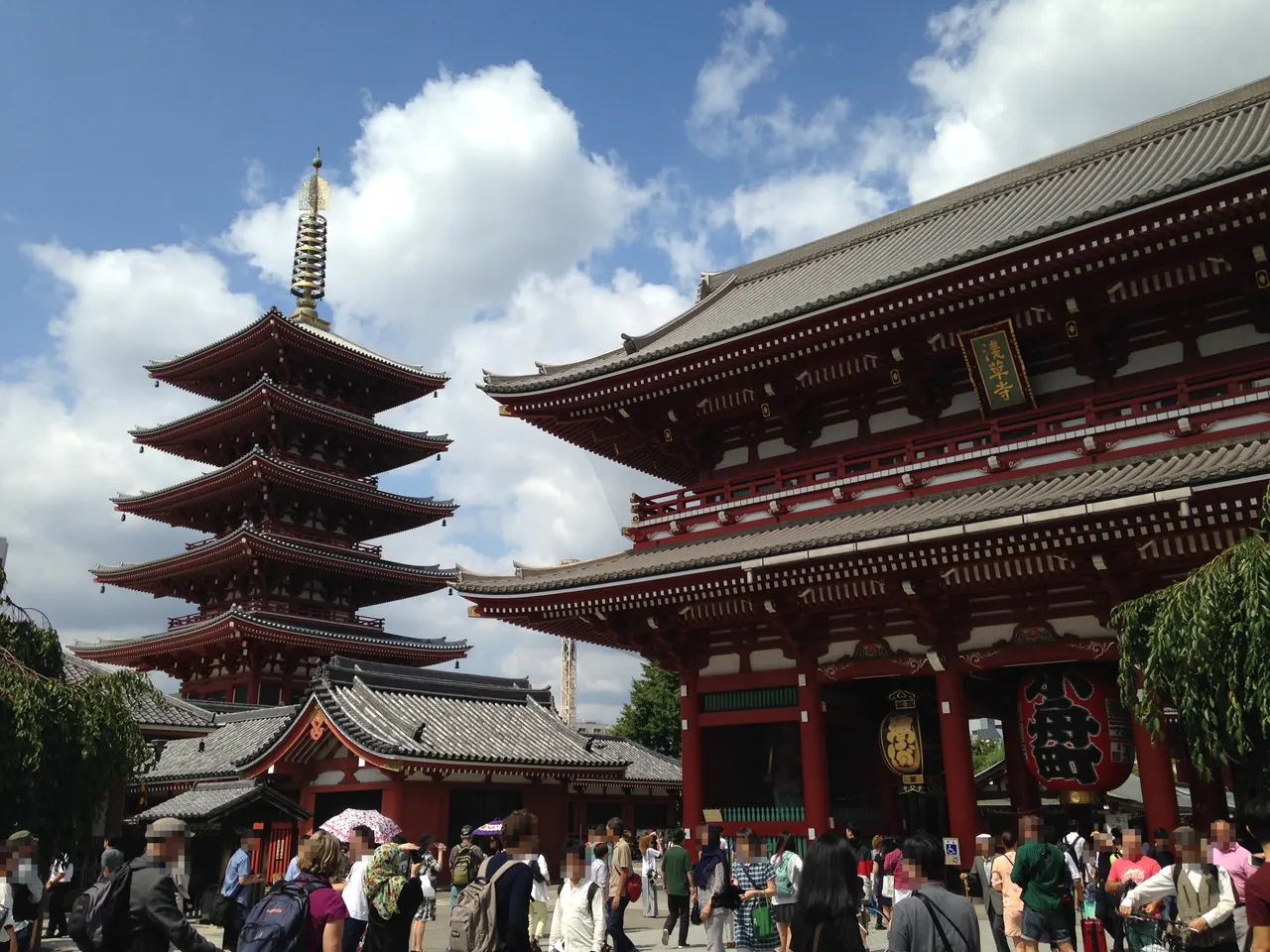
Sensō-ji
A Buddhist temple at the heart of Asakusa.
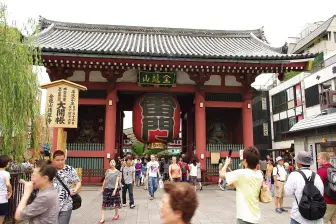
Since the courtyard never closes, you can see it without crowds before 7am, and the Sumida River is just steps away, which makes it the natural start to a day in the east.
Free access · Sensō-ji temple grounds; shops, charms and guided tours extra
Source and admission detailsSource consulted:
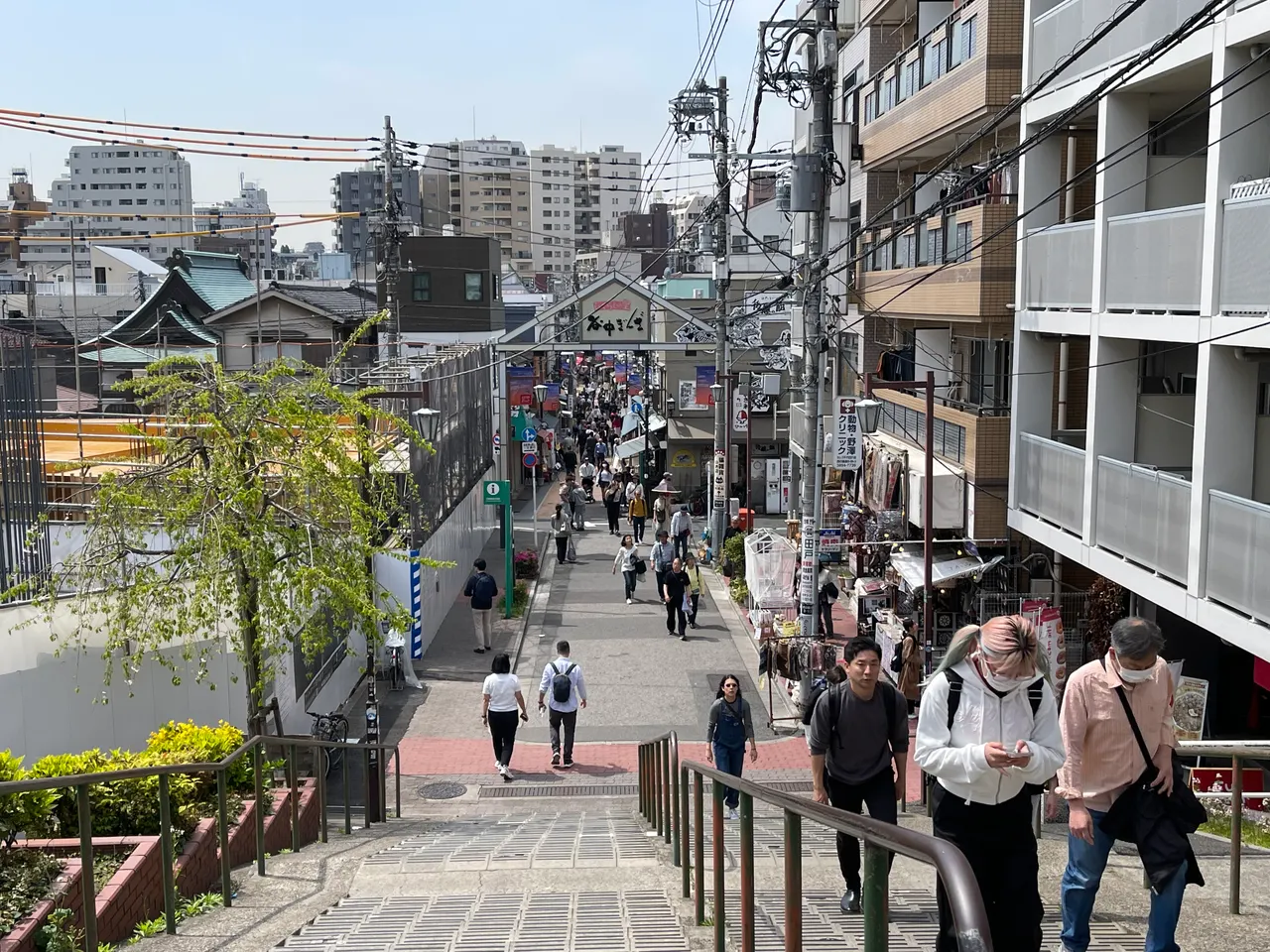
Yanaka
Neighborhood streets, small shops and temples for an unhurried walk.
It suits an afternoon of small streets, neighborhood shops, and walking through the north of Tokyo.
Free access · Yanaka streets and Yanaka Ginza; museums, shopping and meals extra
Source and admission detailsSource consulted:
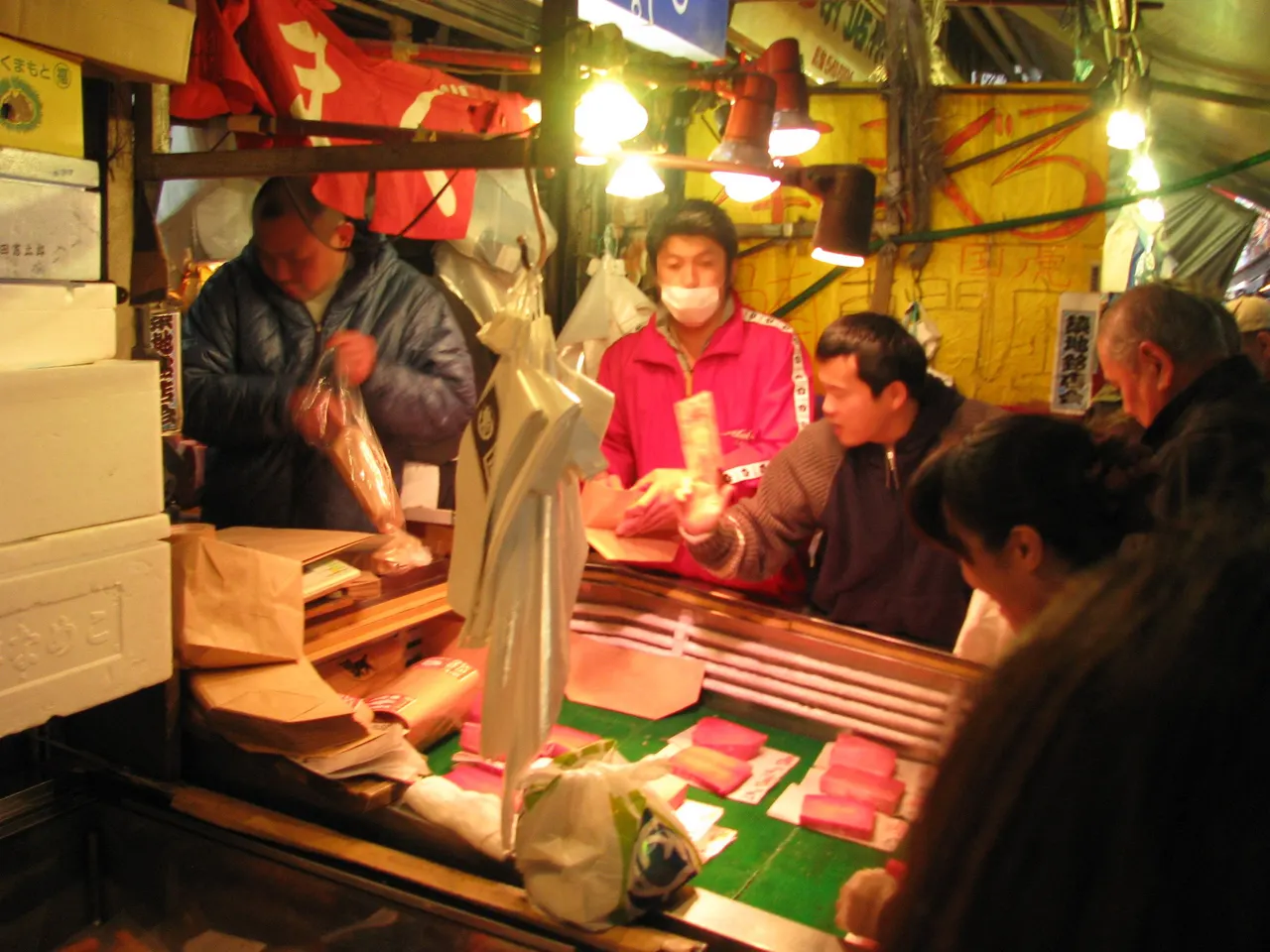
Tsukiji Outer Market
Food stalls and shops; purchases and meals are paid separately.
It's the easiest way to eat fish for breakfast, with tamagoyaki on a stick and bowls of raw fish for ¥1,500–3,000, early, when the stalls open.
Free access · Outer market; food extra
Source and admission detailsSource consulted:
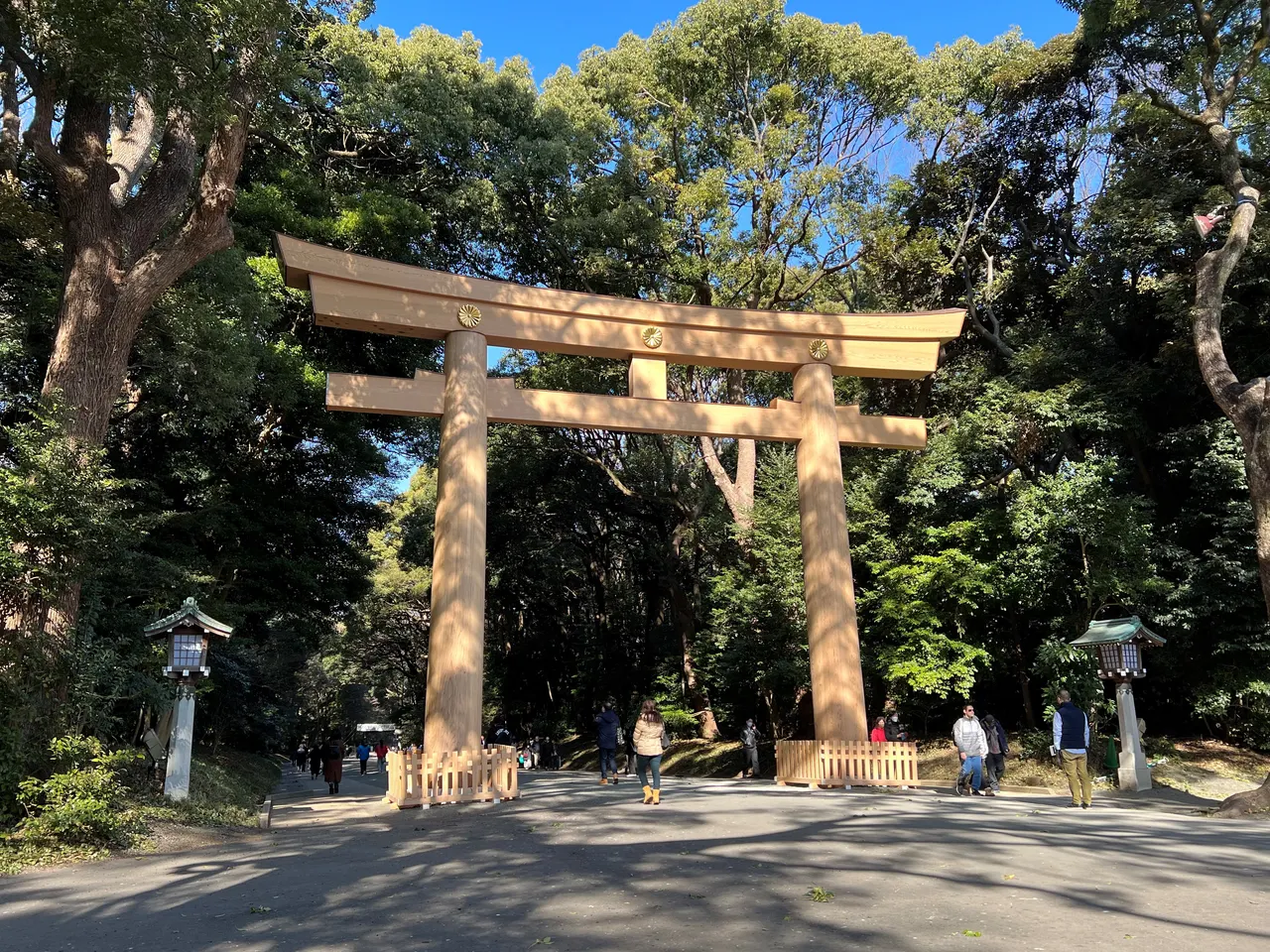
Meiji Jingū
A forested approach to a Shinto shrine near Harajuku.
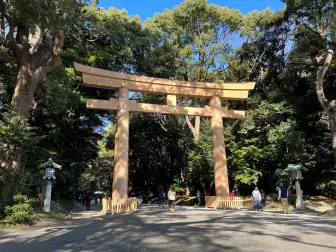
The forest and the shrine offer a contrast to the shopping streets of the west.
Free access · Meiji shrine grounds and forest paths; museum and inner garden extra
Source and admission detailsSource consulted:
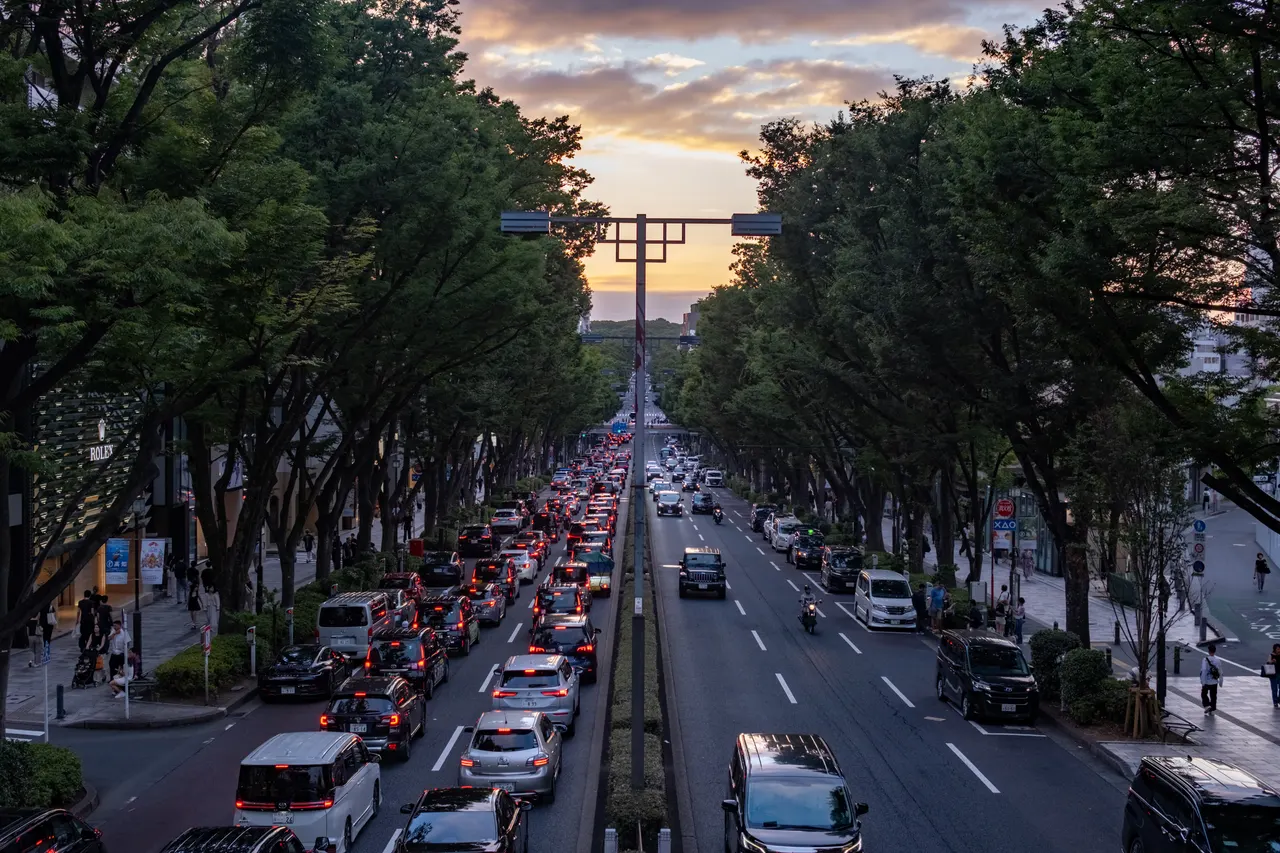
Omotesandō avenue
Architecture and fashion along Omotesandō, distinct from Takeshita Street.
A walk for watching facades, storefronts, and the way people dress, close to the Meiji–Shibuya axis.
Free access · Omotesandō pavements and façades; shops, cafés and exhibitions extra
Source and admission detailsSource consulted:
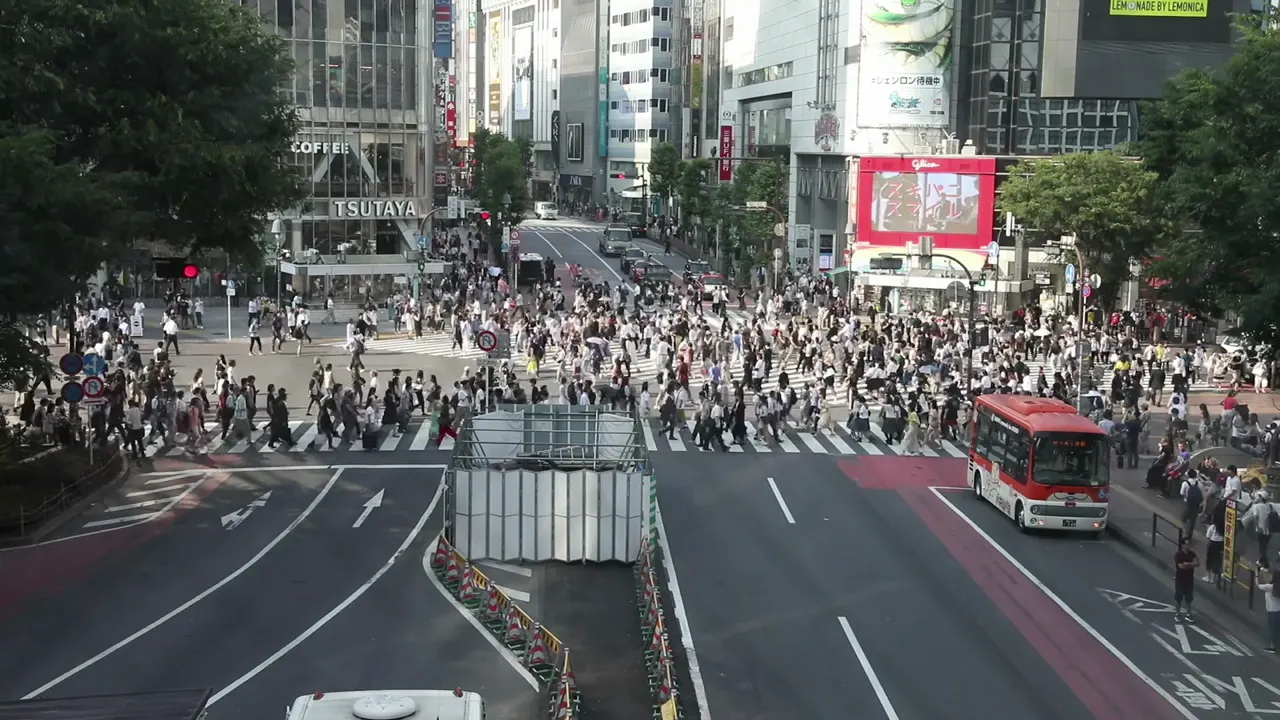
Shibuya Crossing
Experience the street-level crossing; observation decks are separate attractions.
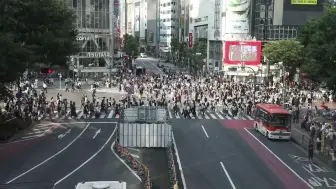
Up to 3,000 people cross the intersection at each green light, for free, and walking across it two or three times gives you a sense of the city's scale.
Free access · Crossing only; observation decks extra
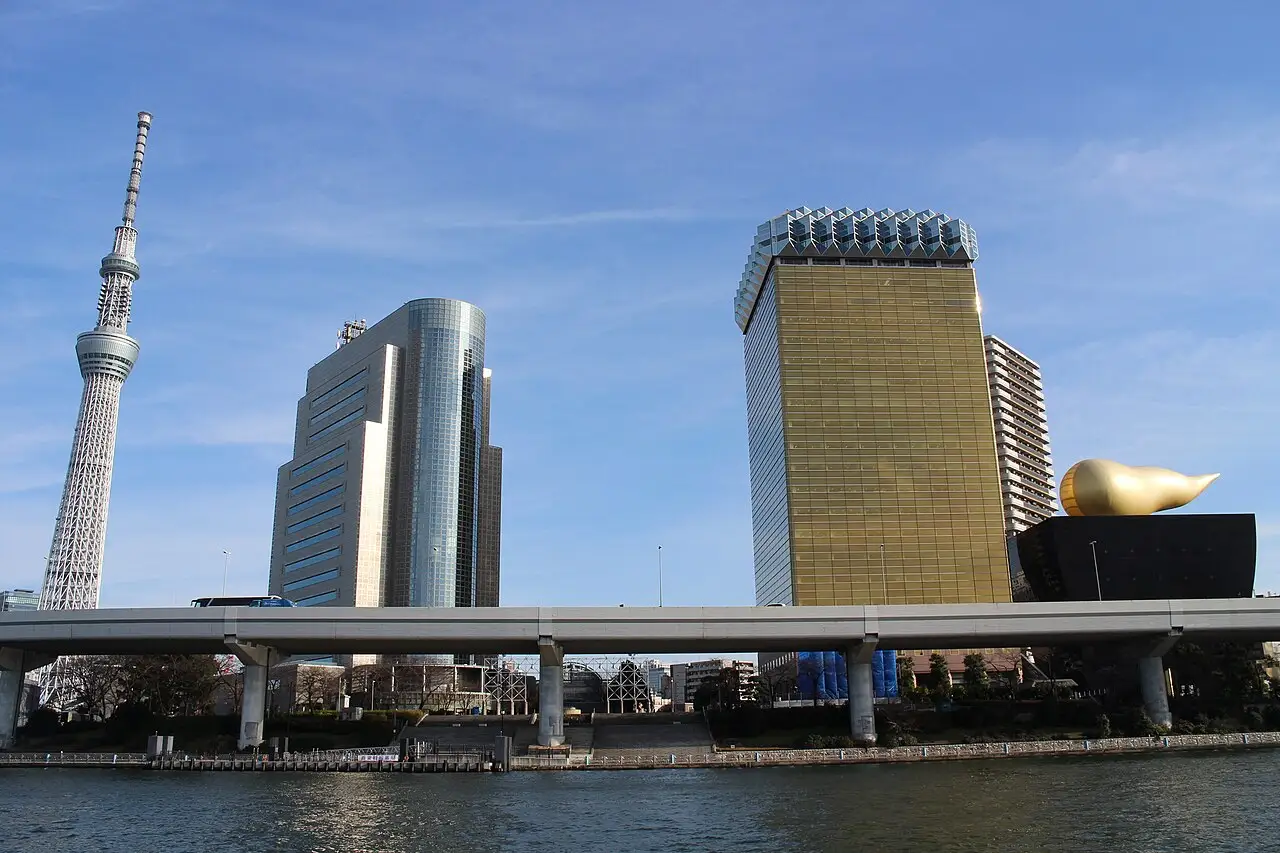
Tokyo Skytree
Observation decks above Oshiage; choose the deck when booking.
At 634m, with decks at 350m and 450m, it's the tallest tower of its kind in the world and shows the whole city; on an overcast day, though, the view disappears and the ticket loses its point.
Ticket price to confirm · Tembo Deck at 350 m; the 450 m Tembo Galleria needs an extra or combined ticket
Source and admission detailsSource consulted: Price reference consulted:
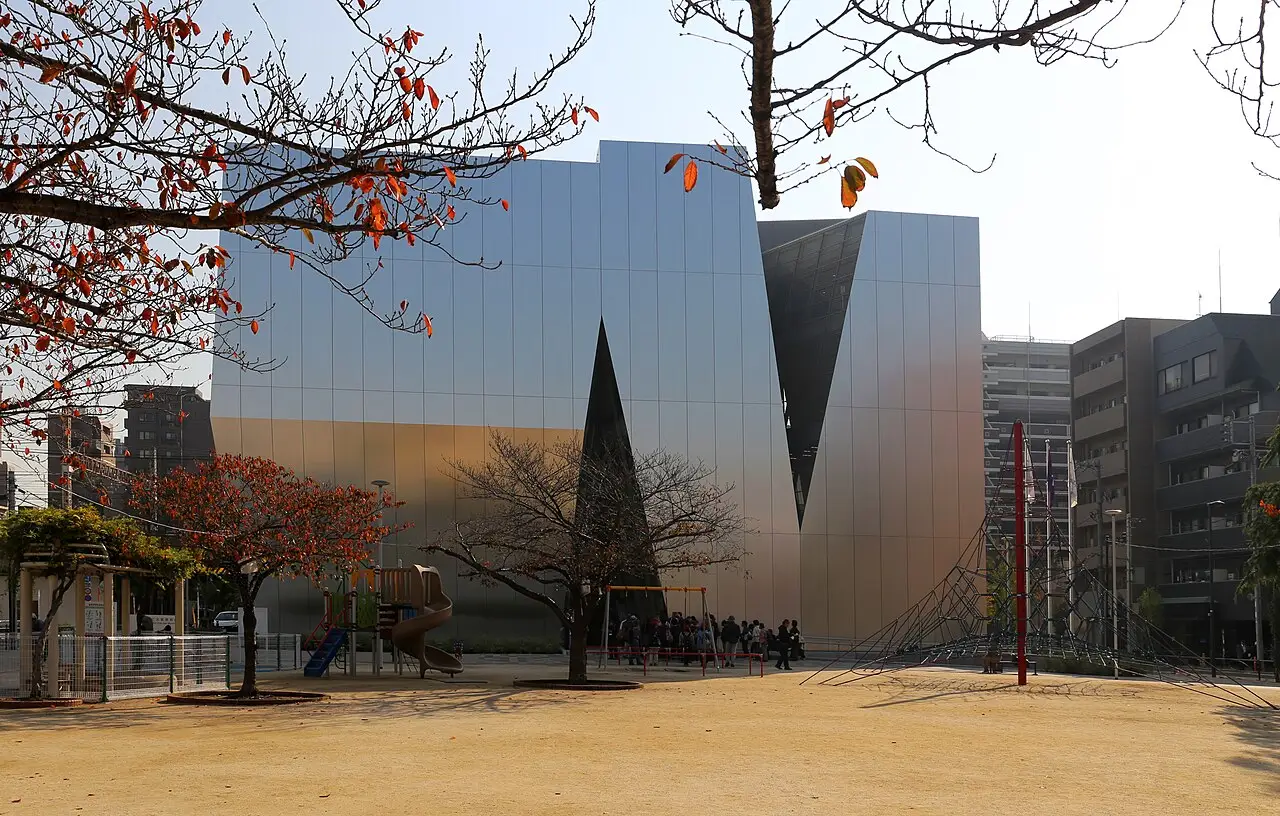
Sumida Hokusai Museum
Explore Hokusai’s work in Ryōgoku; exhibition admission varies.
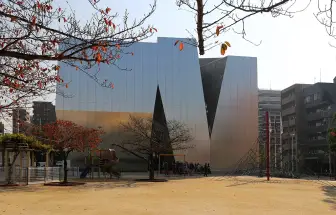
The ¥400 ticket gets you into a compact collection, good for fitting into a visit to Ryōgoku. In the 2016 building, Kazuyo Sejima used metal panels that reflect the light and the neighborhood.
¥400 · Adult · Education Room: Discover Hokusai; other exhibitions have separate admission
Source and admission detailsSource consulted: Price checked:
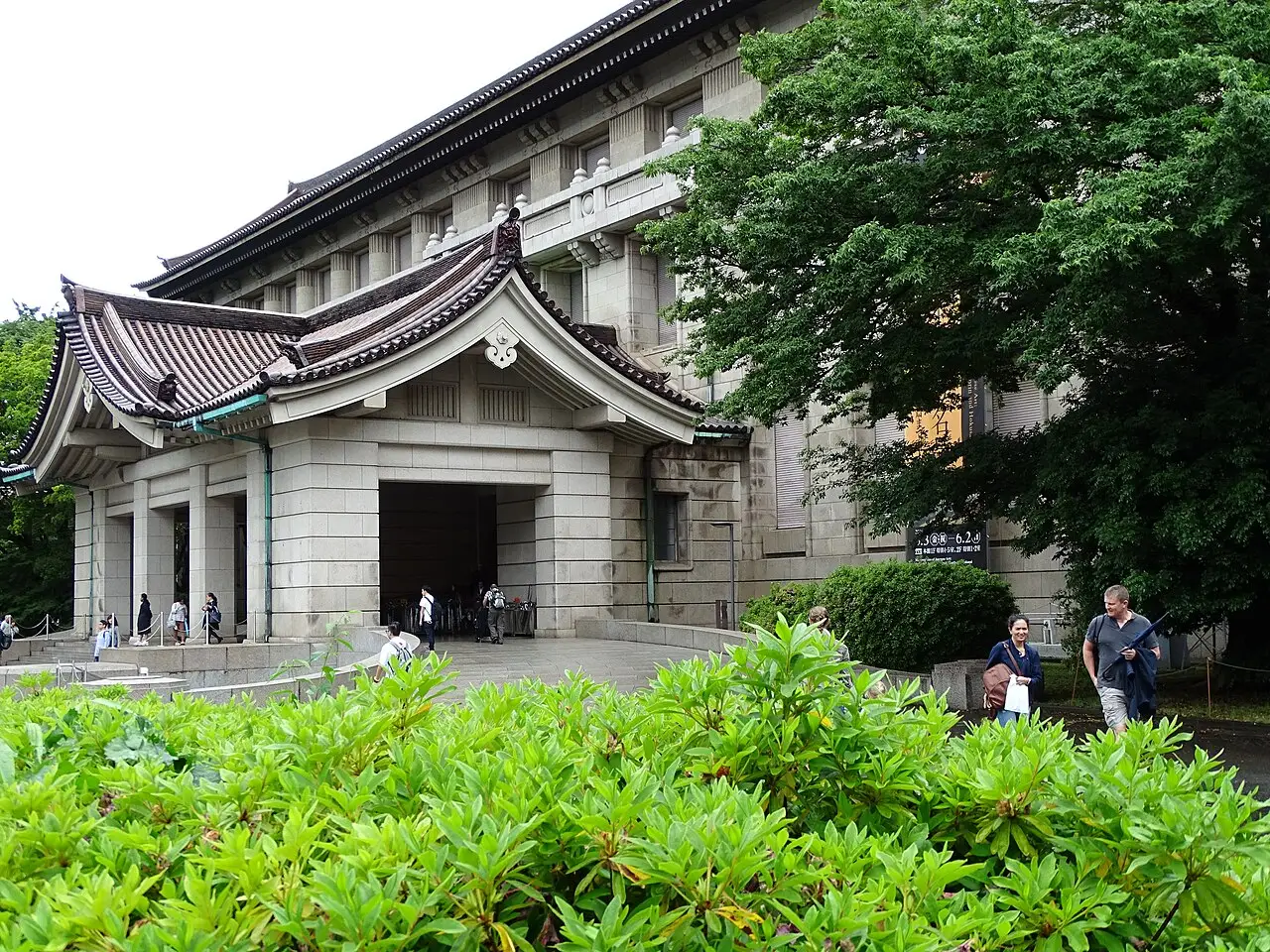
Tokyo National Museum
Japanese art and history in Ueno Park, with separate special exhibitions.
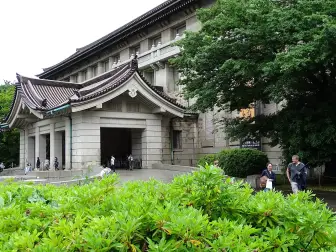
The Hōryū-ji Treasures gallery alone, in a separate building and nearly always empty, is worth the ¥1,000 admission.
¥1,000 · Adult · collection exhibitions; special exhibitions separate
Age, disability and selected-day exemptions apply; check the source.
Source and admission detailsSource consulted: Price checked:
Nilo’s itinerary
Start with the basic programme and choose extensions for the time you have.
Plan my days in the app ↗Day 1 · Low city: Asakusa, the river, and Ryōgoku
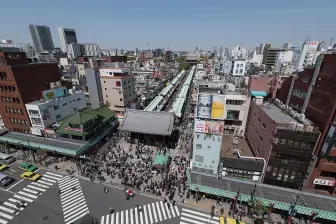
Arrive at Sensō-ji before 7am, while the courtyard is open and the shops along Nakamise street haven't raised their shutters yet; look up from underneath at the Kaminarimon lantern, which weighs about 700kg.
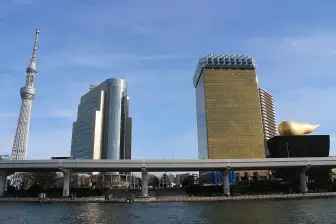
Have breakfast in Asakusa and walk to the river through Sumida Park, with views of the 634-meter Skytree from both banks.
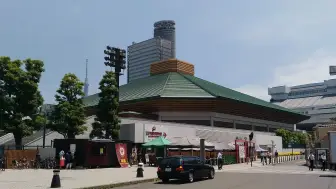
Follow the Sumida riverbank to Ryōgoku and have chanko-nabe for lunch, the stew sumo wrestlers eat, served at restaurants opened by former athletes around the Kokugikan.
In the afternoon, walk ten minutes to the Sumida Hokusai Museum, designed by Kazuyo Sejima in 2016, in the district where the painter was born; the permanent exhibit is small and takes about an hour.
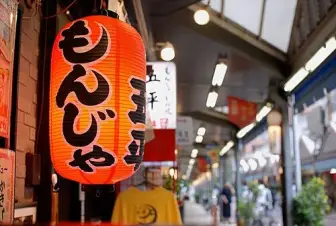
End the day in Tsukishima, ten minutes by subway, eating monjayaki on the table griddle along the district's street of dozens of restaurants.
Day 2 · High city: Meiji Jingū, Shibuya, and Shinjuku
Enter Meiji Jingū through the Harajuku gate right at opening, at dawn, and walk the 700 m of planted forest to the 1920 shrine.
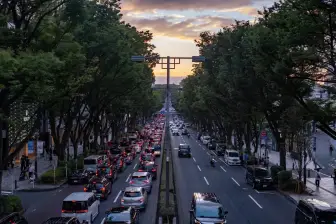
Walk down Takeshita-dōri to see the teen shopping scene, then head back along Omotesandō, a corridor of signature contemporary architecture (Prada, Tod's, Dior) that takes fifteen minutes on foot.
Have lunch in Shibuya and book Shibuya Sky, at 229 m, in advance, ideally an hour before sunset; then come back down and cross the scramble crossing on foot two or three times.
Take the Yamanote to Shinjuku and go up for free to the Metropolitan Government observation deck, at 202 m, open until 10pm.
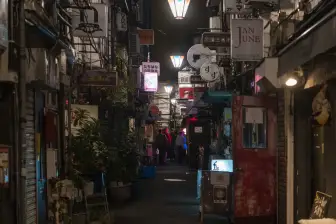
Have skewers for dinner at Omoide Yokochō and finish with a drink at one of Golden Gai's about 200 six-seat bars. Check whether the place charges a table fee before you sit down.
Day 3 · Historic center, museums, and Yanaka
Start at 7am at the Tsukiji outer market, with tamagoyaki on a stick and a bowl of raw fish, before the streets fill up.
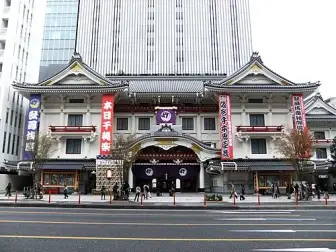
Walk to Ginza for a single act at the Kabuki-za, checking its start time and duration. Book online the day before or check the unreserved seats sold on the day. Arrange lunch around your chosen act.
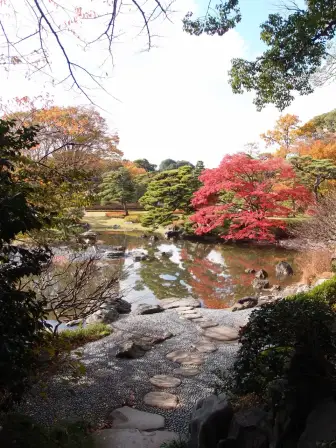
Cross over to the Imperial Palace East Garden (free, closed Mondays and Fridays) and climb up onto the stone base of the keep that burned in 1657.
Take the subway to Ueno for the Tokyo National Museum, from 1872; if time is short, see just the Gallery of Hōryū-ji Treasures and the Honkan building.
Finish on foot in Yanaka at dusk, among wooden houses, the old cemetery, and the sloped shopping street of Yanaka Ginza.
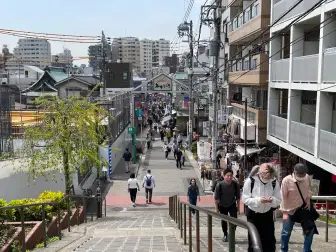
If you stay longer
Day 4 · Kamakura
Day trip
Kamakura is about 55 km to the south, 55 to 65 minutes by train from Tokyo Station on the Yokosuka line. It was Japan's military capital between 1185 and 1333, and the bronze Great Buddha of 1252 stands 11.3 m tall and has sat in the open air since a tsunami swept away its hall in the 15th century. You can continue on the Enoden line, a small train that runs between houses to the beach at Enoshima.
Day 5 · Hakone
Day trip
Hakone is about 90 km to the southwest, 85 minutes from Shinjuku on the Odakyu Romancecar express. It's a volcanic area with hot springs, the Ōwakudani valley venting sulfur, Lake Ashi, and the Open-Air Museum, and on a clear day it's the most accessible place to see Mount Fuji in a day. The Hakone Free Pass covers train, funicular, ropeway, and boat.
Food
 AI illustration
Sushi edomae
The style was born in Edo in the 1820s as street-stall food: without ice, fish was cured in salt, vinegar, or soy sauce before going onto the rice. Today it ranges from conveyor-belt plates at ¥120–200 to omakase counters starting at ¥15,000 and up; at the counter you eat with your hand, and the fish, not the rice, touches your tongue.
 AI illustration
Tokyo ramen
The local version has a clear chicken and dried-sardine broth seasoned with soy sauce, served in a bowl for ¥900–1,400. You almost always buy a ticket from a machine at the entrance before sitting down, slurping loudly is accepted, and the custom is to clear out within fifteen minutes to free up the counter.
 AI illustration
Soba
Buckwheat noodles, Edo's traditional dish since the 18th century, eaten cold on a bamboo mat (morisoba) with dipping sauce on the side, or hot. It exists at two extremes: artisan shops that grind the grain fresh on the spot, and station counters where you eat standing up for ¥400–600. On December 31, people eat soba to cross into the new year.
 AI illustration
Tempura
Tempura was born as street food in the 17th century and today is fried in sesame oil at the old restaurants of Nihonbashi and Asakusa. At a counter, the pieces come out one by one straight onto your plate; the cheap version is tendon, a bowl of rice topped with tempura, for ¥1,000–1,800.
 AI illustration
Monjayaki
Monjayaki is the specialty of Tsukishima island, whose main street has dozens of restaurants serving it. It's a runnier batter than okonomiyaki, cooked on the griddle built into your own table and eaten straight from it with a metal spatula the size of a spoon, no plate at all.
 AI illustration
Unagi kabayaki
Eel split open, skewered, steamed Edo-style, and then grilled with sweet sauce over rice. It became expensive as stocks fell: ¥3,500–7,000 at a serious restaurant. The day to eat it is the “day of the ox” at the height of summer, when the lines wrap around the block.
 AI illustration
Yakitori and izakaya
Grilled chicken skewers, ¥150–350 each, served in alleys like Omoide Yokochō in Shinjuku and under the tracks in Yūrakuchō. At an izakaya you order a little at a time, and the bill includes the otōshi, a ¥300–600 cover charge that arrives unasked and isn't optional.
 AI illustration
Takoyaki
Balls of dashi batter with pieces of octopus, turned with a skewer on a dimpled griddle, topped with sauce, mayonnaise and bonito flakes that move in the steam. It's an Osaka invention from the 1930s, but in Tokyo it's at every festival stall, in Asakusa and in Ameyoko: six to eight pieces for ¥500–800, eaten standing next to the stall.
Day trips
Kamakura
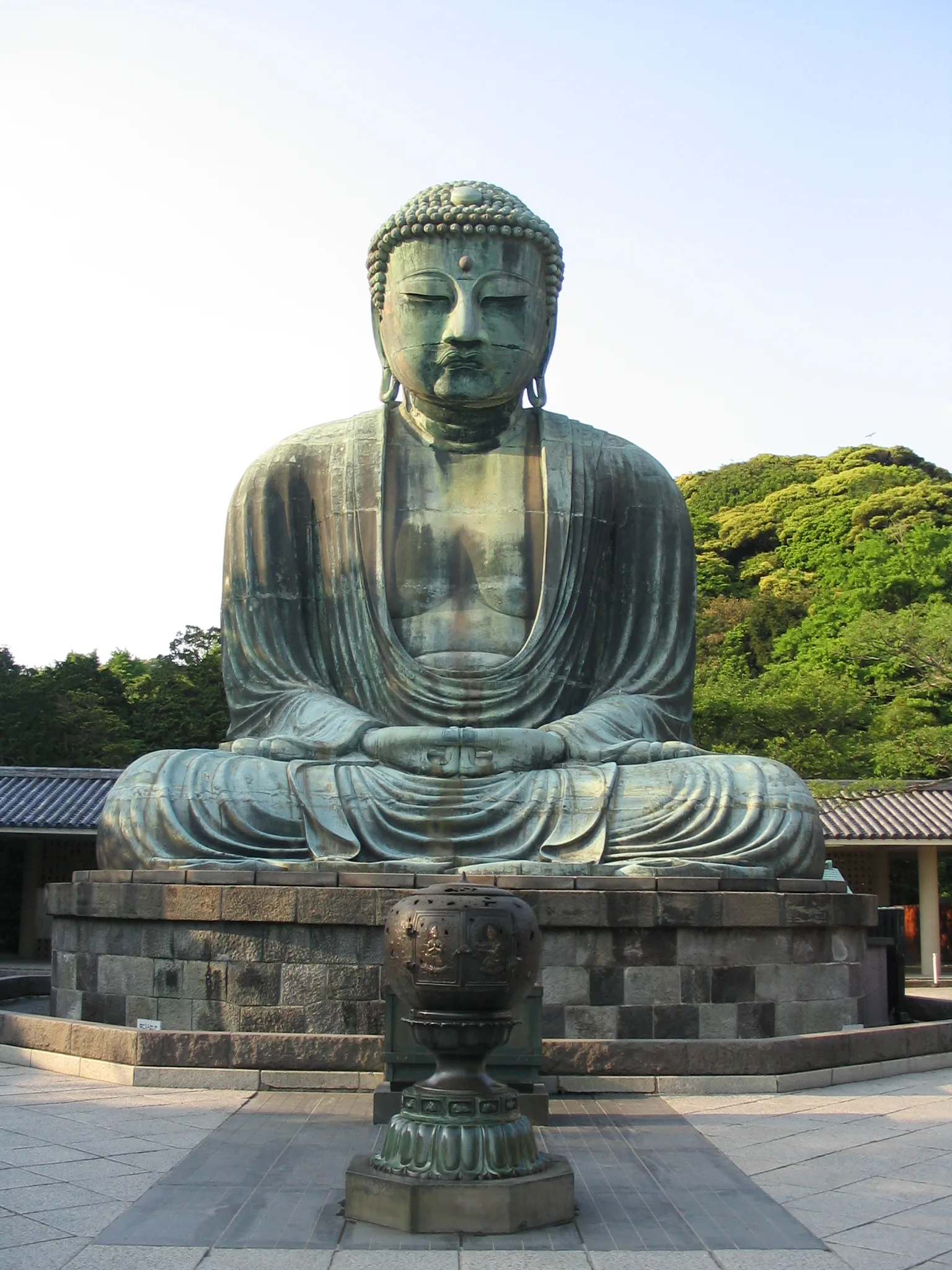
Kamakura is about 55 km to the south, 55 to 65 minutes by train from Tokyo Station on the Yokosuka line. It was Japan's military capital between 1185 and 1333, and the bronze Great Buddha of 1252 stands 11.3 m tall and has sat in the open air since a tsunami swept away its hall in the 15th century. You can continue on the Enoden line, a small train that runs between houses to the beach at Enoshima.
Nikkō
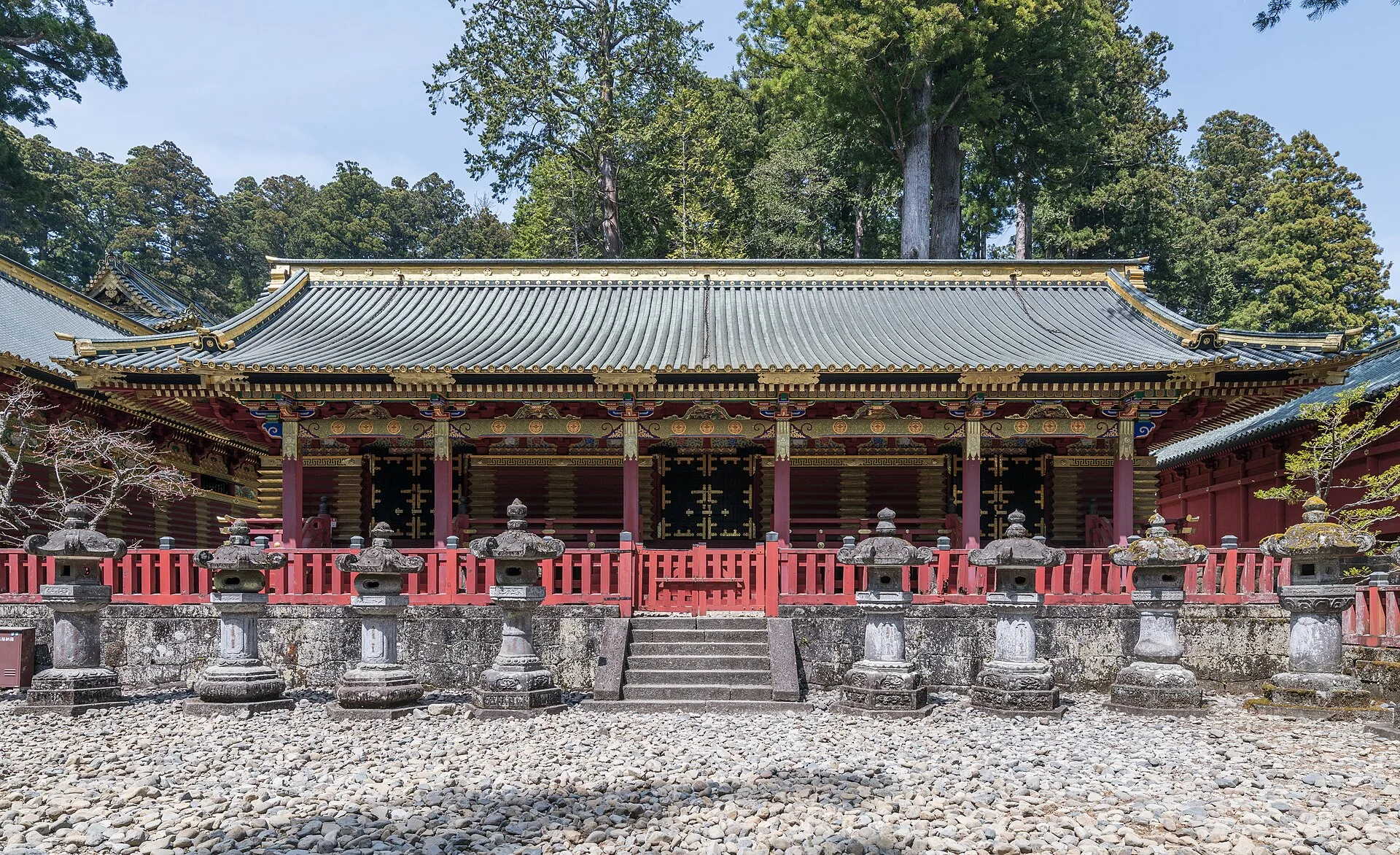
Nikkō is about 140 km to the north, about 2 hours from Asakusa on the Tōbu express train. The Tōshō-gū shrine, from 1617, is the mausoleum of Tokugawa Ieyasu, covered in gilded carving, far from the sober aesthetic of the rest of the country, and has been a World Heritage Site since 1999. The area has waterfalls and a lake at 1,270 m, and fall brings crowds everywhere.
Hakone
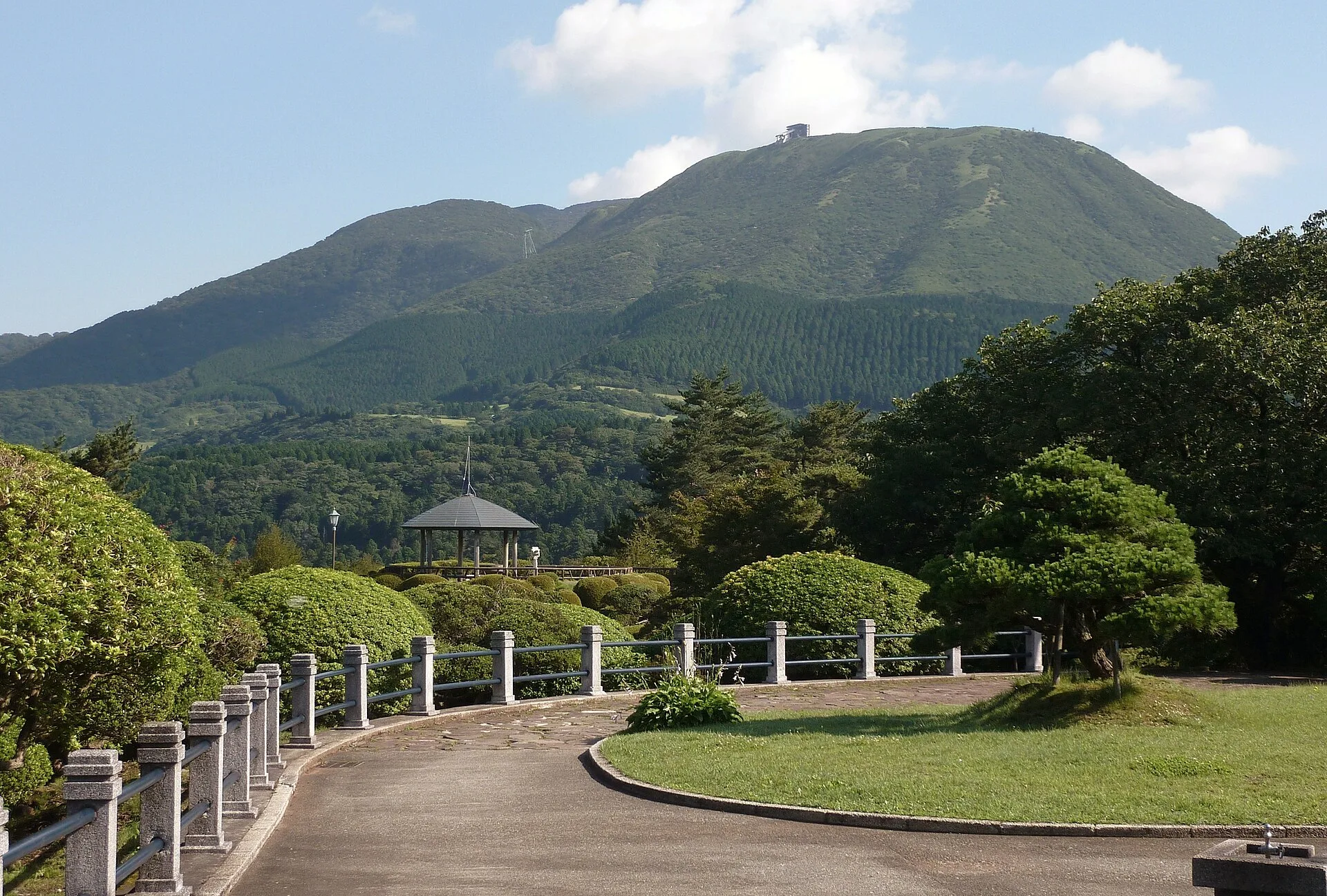
Hakone is about 90 km to the southwest, 85 minutes from Shinjuku on the Odakyu Romancecar express. It's a volcanic area with hot springs, the Ōwakudani valley venting sulfur, Lake Ashi, and the Open-Air Museum, and on a clear day it's the most accessible place to see Mount Fuji in a day. The Hakone Free Pass covers train, funicular, ropeway, and boat.
Where to begin
Asakusa and the river
Lanterns, shops and a tower across the Sumida.
From the forest to Shibuya
Quiet Meiji, Omotesandō façades and the crossing.
Tsukiji and Ginza
Start at the market and discover the surrounding streets.
Budget per person per day
Per person per day: accommodation, meals, urban transport, visits and a small allowance for extras. Flights excluded; larger purchases vary. The figures are the guide’s estimate.
JPY · Guide estimate
- Budget
- 9,500 JPY
- Mid-range
- 25,400 JPY
- Comfort
- 58,000 JPY
See the cost by item
Scroll to compare all columns
| Style | Accommodation | Meals | Urban transport | Admission | Extras | Total |
|---|---|---|---|---|---|---|
| Budget | 4,500 | 2,800 | 900 | 500 | 800 | 9,500 |
| Mid-range | 14,000 | 6,000 | 1,100 | 1,800 | 2,500 | 25,400 |
| Comfort | 32,000 | 14,000 | 2,500 | 3,500 | 6,000 | 58,000 |
Money
Japan's official currency is the yen (¥). In 2026 the exchange rate hovers around ¥150 per dollar and ¥27 per real, which made the city noticeably cheaper for visitors from abroad than it was ten years ago. To give you a sense of prices: coffee at a convenience store ¥130–200 and at a street café ¥450–800; a bowl of ramen ¥900–1,400; a set lunch (teishoku) ¥900–1,600; izakaya dinner with drinks ¥3,000–5,000 per person; a 500 ml can of beer at a convenience store ¥250–350 and a draft at a bar ¥500–900; a subway trip ¥150–330; a short taxi ride ¥1,300–1,800; a dorm bed ¥3,500–6,500; a business hotel with a small, clean room ¥12,000–22,000 a night. There's no tipping anywhere: it's common to leave change on the table and have the waiter run after you on the sidewalk to give it back. Cards work in nearly every formal place, but small izakaya, festival stalls, temples, and some ramen shops still take cash only: carry ¥5,000–10,000 in cash. ATMs that accept foreign cards 24 hours a day exist in every 7-Eleven and at post office branches. Consumption tax is 10%, and there's a tax exemption for tourists on purchases over ¥5,000 with a passport, but watch the date: starting November 1, 2026, the exemption stops being applied at the store and becomes a refund at the airport, subject to receipt verification. Tokyo's lodging tax today is ¥100 per night for rooms of ¥10,000 to ¥14,999 and ¥200 above that, and becomes 3% of the nightly rate starting April 2027. The country's exit tax rose to ¥3,000 in July 2026 and already comes built into the airfare.
From the airport to the center
Guide estimate
Scroll to compare all columns
| Route | Time | Price |
|---|---|---|
| Narita → Tokyo Station · Narita Express | about 55 min | about ¥3,100 |
| Narita → Nippori and Ueno · Keisei Skyliner | 41 min | about ¥2,600 |
| Narita → center · express bus | 80–110 min | ¥1,300–1,500 |
| Narita → center · taxi | varies | over ¥20,000 |
| Haneda → Hamamatsuchō · monorail | 13–18 min | about ¥520 |
| Haneda → Shinagawa · Keikyū train | 11–14 min | about ¥330 |
Getting there and around
Narita sits 60–80 km from downtown
Narita sits 60 to 80 km east of the center, which already tells you something about the scale of the thing. JR's Narita Express reaches Tokyo Station in about 55 minutes for about ¥3,100, the Keisei Skyliner goes to Nippori and Ueno in 41 minutes for about ¥2,600, and express buses cost ¥1,300–1,500 and take 80 to 110 minutes. A taxi from Narita to the center runs over ¥20,000 and rarely pays off. Haneda is about 15 km to the south and is much more convenient: the monorail takes 13 to 18 minutes to Hamamatsuchō for about ¥520, and the Keikyū train reaches Shinagawa in 11 to 14 minutes for about ¥330; there are buses in the early hours, because neither the monorail nor the train run all night. Check the airport on your ticket before leaving home: flights sold as “Tokyo” land at either one, and the difference is an hour and a half of travel time.
Metro, Toei, JR and the loop line coexist
Within the city, the Tokyo Metro subway (9 lines), the municipal Toei subway (4 lines), JR East lines (the Yamanote loop, the Chūō, the Sōbu), and half a dozen private railways that carry on to the suburbs all run side by side, often running into the subway with no change of train. Single tickets cost ¥150–330 per ride, but the standard is the prepaid card: regular Suica and Pasmo cards went back on sale in March 2025, and for visitors there are the Welcome Suica (28 days, no deposit), Welcome Suica Mobile on the iPhone (since March 2025, 180 days, accepts foreign cards), and the Tourist Pasmo, launched in May 2026. The same card pays for buses, station lockers, and convenience stores, which simplifies the whole trip. The 24-, 48-, or 72-hour Tokyo Subway Ticket (¥1,000/¥1,500/¥2,000 for an adult since March 14, 2026) is valid only on Metro and Toei lines, not on JR, and the Japan Rail Pass makes no sense if you're staying in the city. Trains stop between midnight and one in the morning, there's no night subway, and taxis charge about ¥500 at flag fall with a 20% surcharge between 10pm and 5am; the GO and S.RIDE apps work better than Uber. The city is flat in the east and walkable within a radius of two or three kilometers; bicycles are common, but since April 2026 adult cyclists get traffic tickets for offenses such as using a phone while riding.
The bullet train to Kyoto and Osaka
The Shinkansen leaves from Tokyo Station and Shinagawa and reaches Kyoto in 2 hours 15 minutes and Osaka in 2 hours 30 minutes. It's the fastest and most expensive way to cross the country, and it's the train the Japan Rail Pass needs to ride to pay for itself. Buy tickets on the JR Central website or at the station machines. Kamakura, Nikkō, and Hakone are off that line and are reached by local and express trains leaving from Tokyo, Asakusa, and Shinjuku.
Hiroshima on the same corridor
Hiroshima is about four hours from Tokyo on the Tōkaidō and Sanyō lines. The Peace Memorial Museum and Miyajima call for an overnight stay rather than a same-day return.
Safety
Tokyo is one of the safest big cities in the world, and violent crime against foreigners is rare: a forgotten item is usually handed in at the station counter or the kōban, the corner police box, and often makes its way back to its owner. What calls for attention are earthquakes, summer heat, and a few nighttime scams. Buildings have followed a seismic code since 1981, revised in 2000, and in a quake the procedure is to stay where you are, move away from glass, and follow staff instructions; install an app with early warnings, such as the official Safety Tips, and know that September 1 is the national drill day. Between July and September, heatstroke sends thousands of people to the hospital every year, and the official advice is water, salt, and shade every hour; in the same season, typhoons cancel trains with a day's notice. On packed trains there is groping (chikan), the reason for women-only cars at rush hour, and anyone who experiences it should press the emergency button or call the platform staff. In Kabukichō and Roppongi, touts approach tourists on the sidewalk and take them to bars that present inflated bills of tens of thousands of yen, so don't follow anyone who calls out to you on the street. Drug laws are strict and zero-tolerance, including for tiny amounts and for medicines common in other countries that are banned here, so check your pill box before you fly.
Etiquette tips
Don't eat while walking
Street food is eaten standing still, next to the stall that sold it, and the trash goes back to that stall. The exception is inside a festival ground. The same goes for drinking: an open bottle in the middle of the sidewalk is frowned on, and Shibuya bans drinking in public during certain hours near the station.
Silence on the train
Phones on silent, and no calls inside the car; conversation, if any, stays quiet. A large backpack goes in front of your body or in the overhead rack. During peak hours there are women-only cars, marked in pink on the platform floor.
Queuing and boarding order
Marks on the platform floor show where the doors will stop; the line forms there, and people getting off go first, through the middle. On a Tokyo escalator, anyone standing still keeps to the left (it’s the opposite in Osaka), though operators have been asking since 2024 that no one walk on the escalator at all.
Shoes off at the genkan: the exact spot
Whenever there's a step at the entrance (genkan), shoes stay below it: in homes, temples, some restaurants, store fitting rooms, and ryokan. There are indoor slippers and, often, a separate pair just for the bathroom, which never leaves it.
Wash at the shower before entering the tub
At onsen and sentō, a full wash happens sitting at the shower before you get in; the tub is shared common water, no soap and no swimsuit go in it, and the small hand towel never touches the water. Tattoos still bar entry at many establishments, though the number that accept them is growing.
Money on the little tray
When paying, bills go on the plastic tray at the counter, not into the clerk's hand, and change comes back the same way. Business cards are given and received with both hands and read before being put away. Never straight into a back pocket.
Mistakes to avoid
Buying the Japan Rail Pass just for Tokyo
Buying the Japan Rail Pass for a trip that stays in Tokyo. It costs ¥50,000 for seven days since the 2023 price increase and isn't valid on the subway. It only pays off on the bullet train; in the city, a Suica or Pasmo card covers everything.
Planning the day by distance, not by line
Planning the day by distance on the map and not by train line. It's a common mistake on day one: two points three kilometers apart can take two transfers and thirty minutes, and going from JR to the subway means passing through different companies' ticket gates; in Shinjuku, picking the wrong exit out of more than two hundred costs fifteen minutes on foot.
The auction moved to Toyosu in 2018
Going to Tsukiji expecting the tuna auction. The wholesale market moved to Toyosu in October 2018: the auction is there, starts before 6am and the upper walkway has limited access. What's left in Tsukiji is the outer market, which is great, but it's street commerce, never an auction.
Counting on cards and running out of cash
Counting on cards everywhere and running out of cash. Festival stalls, temples, seven-seat izakaya and many ticket-machine ramen-ya only take bills; ordinary bank ATMs tend to reject foreign cards, and the ones that work are at 7-Eleven stores and post offices.
Having lunch at 3:30pm or dinner at 10pm
Showing up for lunch at 3:30pm or for dinner at 10pm. Many good places close between 2:30pm and 5:30pm and stop taking orders an hour before closing; and the time to head home is that of the last train, between midnight and one, after which a taxi to the suburbs costs ¥8,000–15,000.
Useful phrases
すみません: sumimasen (sumimassên)
Excuse me / sorry / hey, waiter. The single most useful word in the country. It covers all three.
ありがとうございます: arigatō gozaimasu (arigatô gozaimáss)
Thank you very much. The short form, “arigatō,” is for people you already know.
英語のメニューはありますか: eigo no menyū wa arimasu ka (êigo no meniú ua arimáss ka)
Do you have an English menu?
お会計お願いします: okaikei onegai shimasu (okaikêi oneguai shimáss)
The check, please. In many places you carry your order slip to the register on your way out.
…はどこですか: … wa doko desu ka (… ua dokô déss ka)
Where is…? Say the name of the place first, and point at your phone's map.
大丈夫です: daijōbu desu (daidjôbu déss)
It's all right / no, thank you. Good for turning down a bag, a straw, or a street approach without sounding rude.
Districts
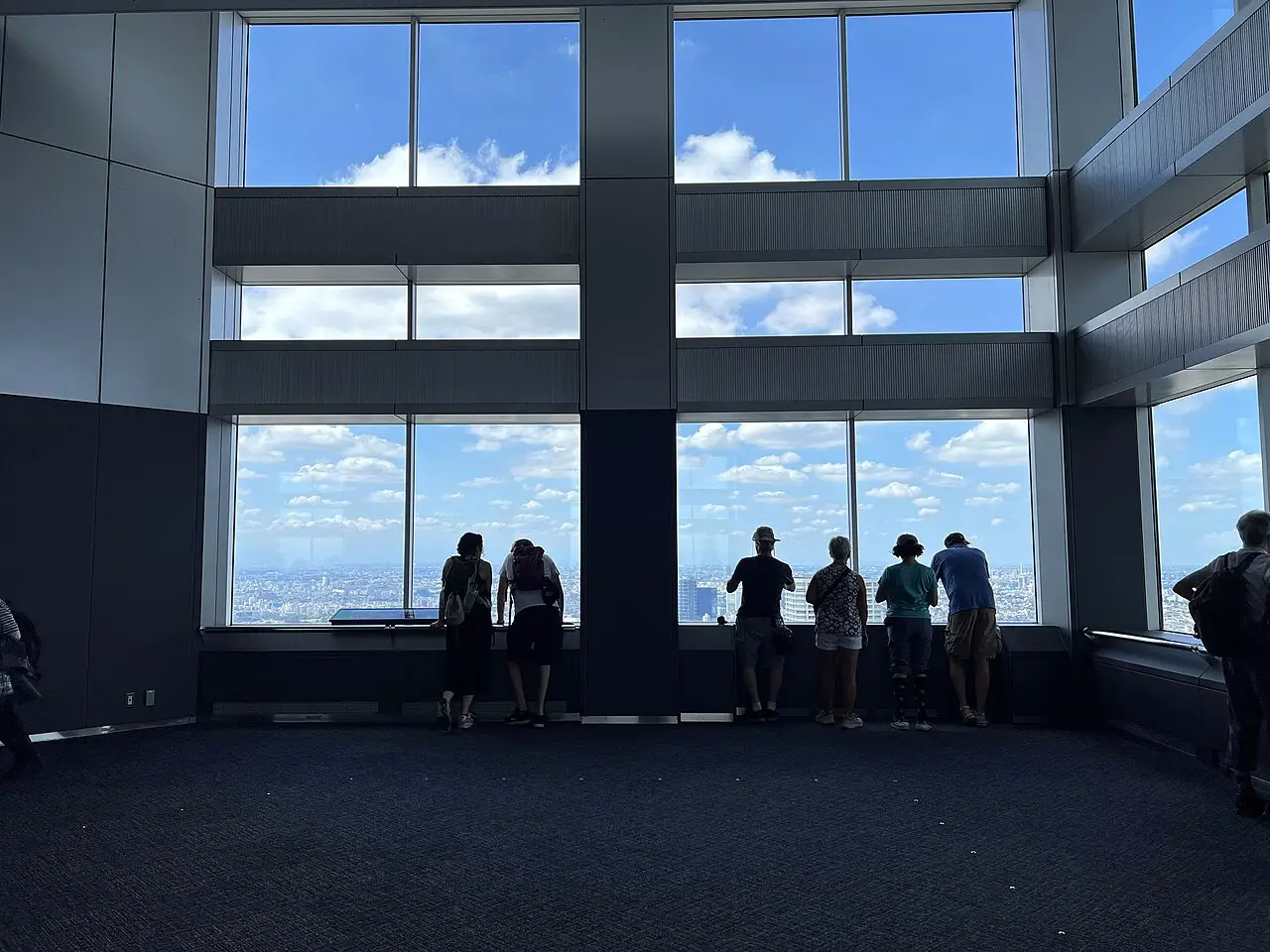
Shinjuku
Built around the busiest station in the world, with about 3.5 million passengers a day and more than 200 exits. To the west are the skyscrapers and the Metropolitan Government Building (Kenzō Tange, 1991, with a free observation deck at 202 m); to the east, Kabukichō, the about 200 tiny bars of Golden Gai, and Nichōme, the country's largest LGBT district, with hundreds of bars packed into six blocks.
Shibuya
Youth retail, fashion, and tech offices around the scramble crossing, which releases up to about 3,000 people per signal cycle. It has been under permanent construction since 2012: Shibuya Stream (2018), Shibuya Sky (2019), Miyashita Park (2020), and Sakura Stage (2024) were all built over old rail lines and viaducts.
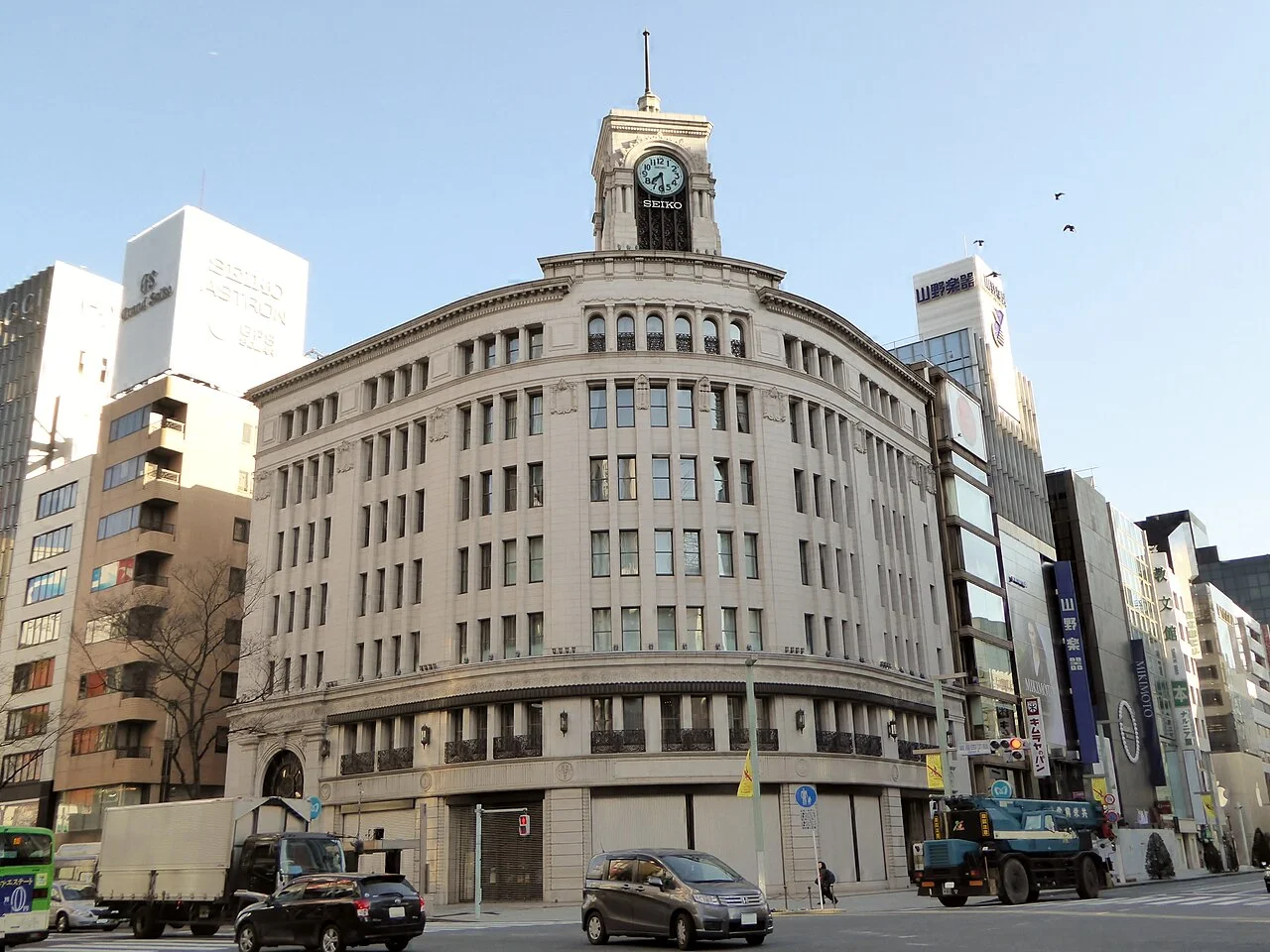
Ginza and Marunouchi
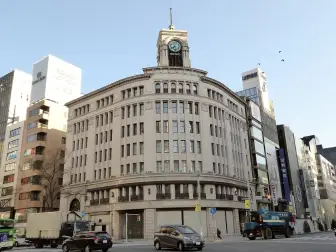
Ginza has been the luxury quarter since its 1872 brick reconstruction, home to the Mitsukoshi and Wako department stores, the Kabuki-za theater, and the avenue closed to traffic on Saturday and Sunday afternoons since 1970. Marunouchi, on the other side of the tracks, is the financial district around Tokyo Station's 1914 brick façade, restored in 2012.
Asakusa and Sumida
Home to Sensō-ji temple and the Nakamise shopping street, with about 90 stalls packed into 250 m. This is the Tokyo of craftspeople, old-fashioned sweets, and tempura restaurants; across the river stand the Skytree and the Sumida Hokusai Museum (Kazuyo Sejima, 2016), in the district where the painter was born.
Ueno and Yanaka
Ueno has the public park opened in 1873, five major museums, and the Ameyoko market, with about 400 stalls on the site of the postwar black market. Yanaka, next door, escaped both the 1923 earthquake and the 1945 bombs: wooden houses, a cemetery with thousands of graves, and a sloped shopping street, the Yanaka Ginza.
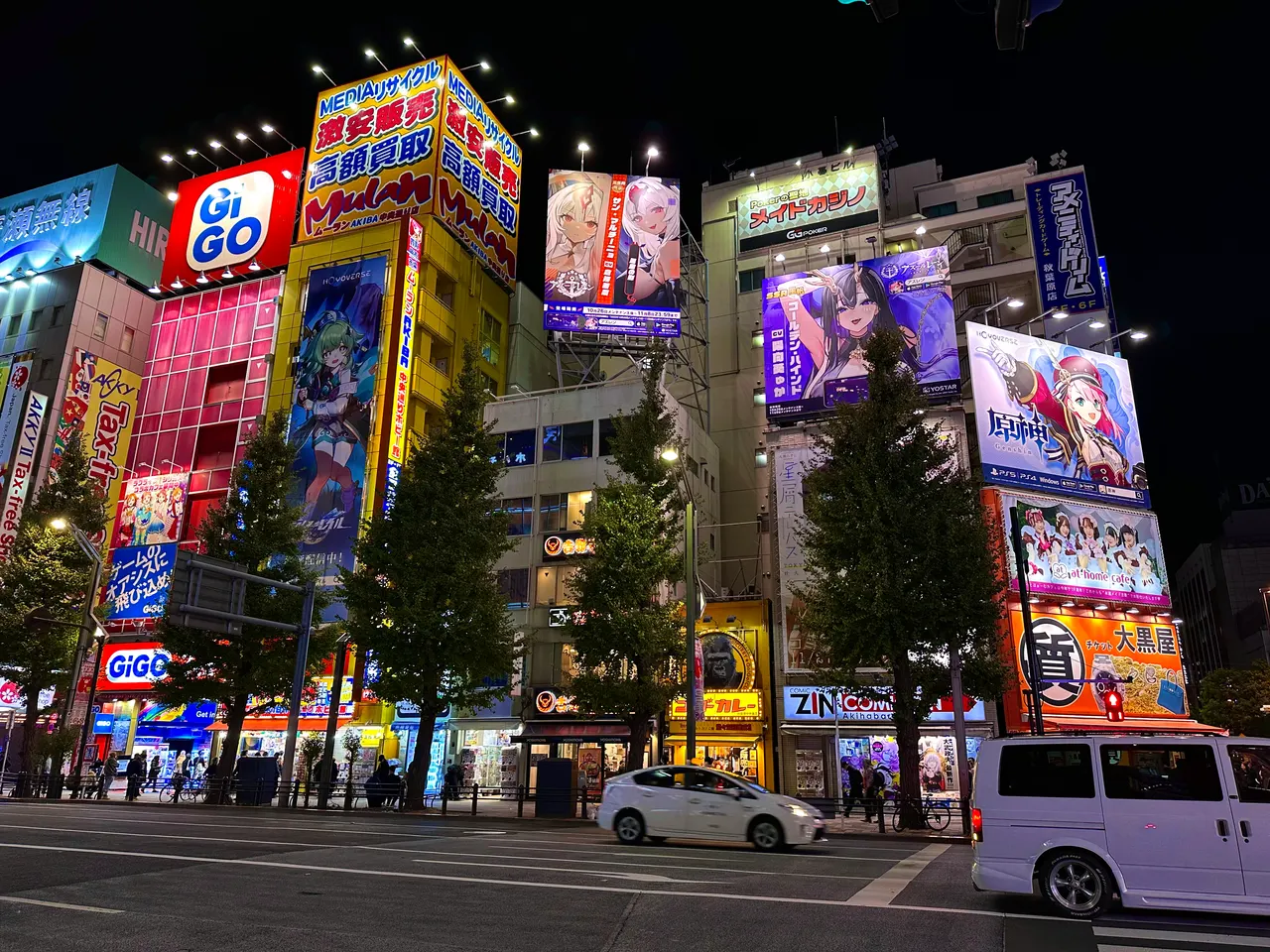
Akihabara and Jinbōchō
Akihabara began as a postwar radio market and became the center for electronics, manga, games, and themed cafés. Twenty minutes on foot away, Jinbōchō packs about 130 used bookstores into a few blocks, alongside the headquarters of the major publishing houses. This is where manga is made, not just sold.
Shimokitazawa, Kōenji and Nakano
The strip of used clothing, secondhand record shops and small music venues. In Shimokitazawa the railway was put underground in 2013 and the surface became 1.7 km of new shops (Bonus Track, 2020); Kōenji has the region's largest awa odori dance festival; Nakano Broadway is a 1960s mall taken over by collectibles shops.
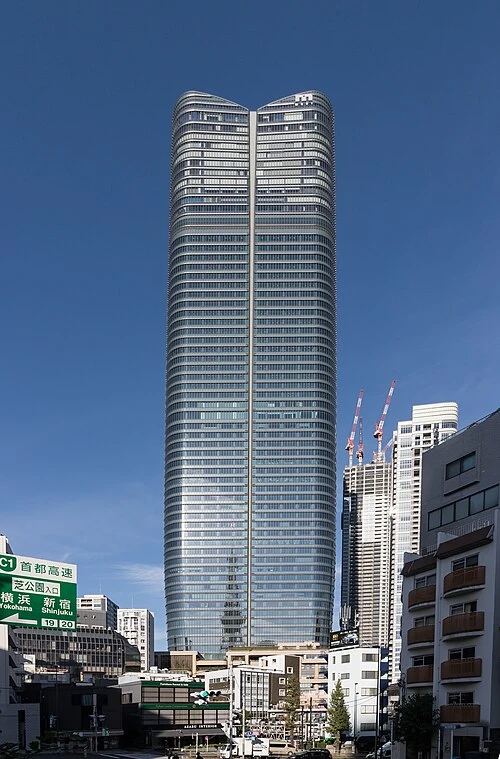
Roppongi and Azabudai
A concentration of museums and tall buildings: Roppongi Hills (2003), with the Mori Art Museum on the 53rd floor, Tokyo Midtown (2007), the National Art Center (Kisho Kurokawa, 2007), and Azabudai Hills, opened in November 2023, whose 325 m Mori JP Tower is the tallest building in Japan until Torch Tower is finished. The neighborhood's nightlife is the most international in the city and also the pushiest with foreigners on the street.
History
1457 · Ōta Dōkan's fort
The vassal Ōta Dōkan builds a fort atop a bluff overlooking a fishing village at the mouth of the Sumida. The site is the same one occupied by the Imperial Palace today.
 AI illustration
1590 · Ieyasu receives Kantō
Toyotomi Hideyoshi transfers Tokugawa Ieyasu to the Kantō plain, far from the court. Ieyasu fills in the Hibiya inlet and begins digging the spiral canals around the castle.
 AI illustration
1603 · The Edo shogunate
Ieyasu becomes shogun and makes Edo the military capital, while the emperor remains in Kyoto. The country enters two and a half centuries of relative isolation and internal peace.
 AI illustration
1635 · Alternate attendance
The sankin-kōtai system requires some 260 feudal lords to keep a residence in Edo and to leave their wife and heir permanently in the city. Half the urban area becomes samurai land.
 AI illustration
1657 · The Meireki fire
Three days of fire kill roughly 100,000 people and burn nearly two-thirds of the city. The castle's main keep is never rebuilt: only the stone base remains, and it can still be visited.
 AI illustration
1721 · A million inhabitants
Shogunate census figures put the population at about 1 million, probably the largest city in the world at the time. Commoners are packed into the shitamachi, the low city, at extremely high densities.
 AI illustration
1868 · Edo becomes Tokyo
With the Meiji Restoration, the shogunate falls and the city is renamed Tōkyō, “capital of the east.” Emperor Meiji moves from Kyoto in 1869 and occupies the castle.
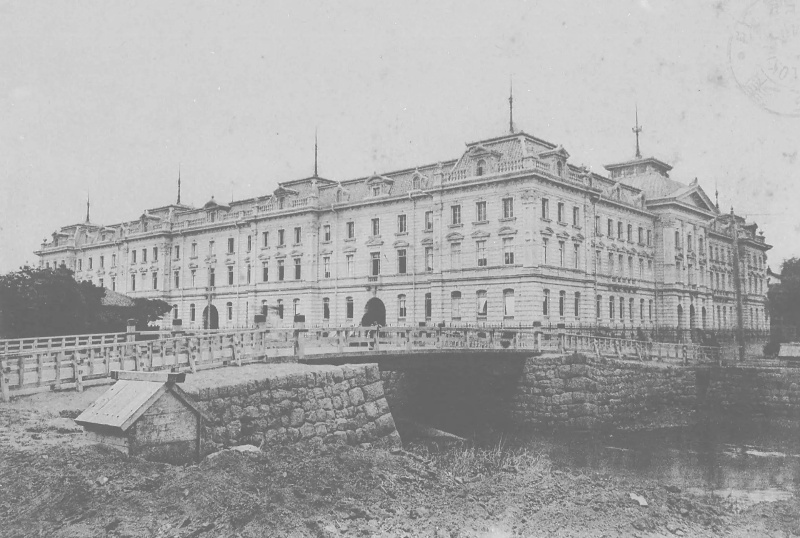
1872–1927 · Rails, brick and subway
The country's first railway links Shimbashi to Yokohama in 1872, and Ginza is rebuilt in brick after a fire the same year. In 1927 Asia's first subway opens, between Ueno and Asakusa, 2.2 km: today's Ginza Line.
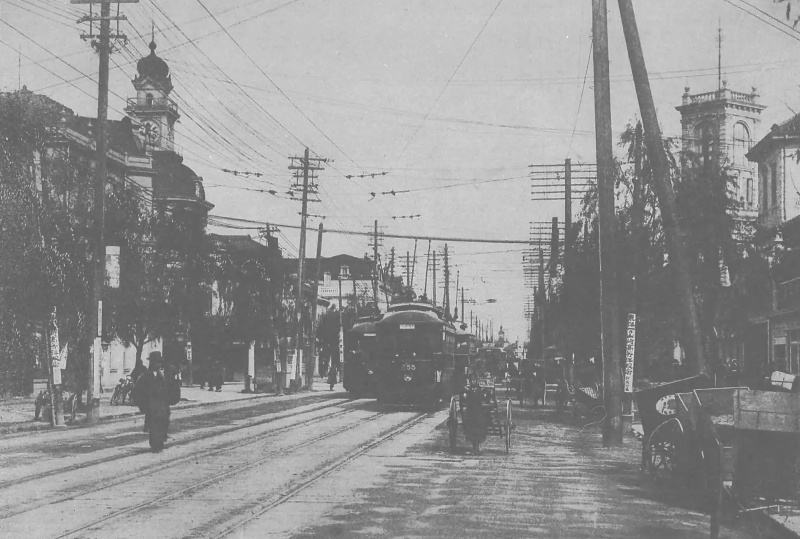
September 1, 1923 · The Great Kantō earthquake
A magnitude-7.9 quake at 11:58am and the fires that follow kill roughly 105,000 people across the region. The date is still Japan's National Disaster Prevention Day, marked with drills across the city.
 AI illustration
March 10, 1945 · The firebombing
About 280 B-29 bombers drop incendiary bombs on the wooden low city: around 100,000 dead in a single night and about 41 km² burned. It is the deadliest air raid in history.
 AI illustration
1964 · The Olympics that remade the city
The Games finance the Tōkaidō bullet train (opened October 1, 1964), the Haneda monorail, and the elevated expressways over the old canals. The modern city emerges from that construction.
 AI illustration
Complete history
It begins as Edo, at the mouth of the Sumida
Tokyo begins as Edo, a settlement at the mouth of the Sumida River where Ōta Dōkan built a fort in 1457. The turning point is 1590: Toyotomi Hideyoshi moves Tokugawa Ieyasu to the Kantō plain, a punishment disguised as a reward, and Ieyasu treats the marsh as an engineering project. He filled in the Hibiya inlet, dug canals spiraling out from the castle and diverted the course of the Tone River to the east, a project that dragged on from 1594 to 1654 and still defines where the plain's water drains today. When Ieyasu becomes shogun in 1603, the country's administrative capital becomes Edo, while the emperor stays in Kyoto: a split that lasts 265 years.
A bureaucratic rule made Edo grow
What made Edo grow was a bureaucratic rule. Starting in 1635, the sankin-kōtai required about 260 feudal lords to maintain residence in the city, spend alternating periods there, and leave family behind as a guarantee. That turned half the urban land into samurai territory and pushed commoners into the shitamachi, the low city east of the castle, where density reached numbers that would not return until the 20th century. By around 1721 Edo had about 1 million inhabitants. Wood-and-paper houses, charcoal cooking, and narrow streets produced fires so constant that they earned a nickname: “the flowers of Edo.” The largest of them, in 1657, killed about 100,000 people and led the government to open firebreaks, widen avenues, and give up on rebuilding the castle keep.
In 1868 Edo becomes Tokyo
In 1868 the shogunate falls, Edo becomes Tokyo and the emperor arrives the following year. The city loses population as the samurai class disperses, then grows in another key: a railway from Shimbashi to Yokohama in 1872, a brick district in Ginza the same year, Ueno Zoo in 1882, Tokyo Station in 1914, Asia's first subway in 1927. This is also when the pattern the city keeps to this day appears: private railway companies run tracks from the center to the suburbs and build, at the end of each line, the department store, the movie theater and the neighborhood. Shinjuku, Shibuya and Ikebukuro are commercial products before they are neighborhoods.
The 1923 Kantō earthquake, magnitude 7.9
The Kantō earthquake and the incendiary bombing explain today's landscape. On September 1, 1923, at 11:58am, the Kantō earthquake (magnitude 7.9) brings down part of the city and wind from a typhoon spreads the fire: about 105,000 dead, a third of them on a single vacant lot in Honjo. In the following days, rumors lead to massacres of Koreans: an episode the city still debates. The reconstruction under Gotō Shinpei left the wide avenues, the steel bridges over the Sumida and dozens of parks designed as refuges. On March 10, 1945, about 280 B-29s drop incendiary bombs on the low city: one night, about 100,000 dead, about 41 km² burned, a million homeless. That is why Tokyo has so few prewar buildings, and why Yanaka, spared both times, looks like another city.
Postwar rebuilding: bullet train, elevated highways, and the 1991 bubble
The postwar era is a sequence of building projects. The American occupation ends in 1952; the 1964 Olympics deliver the bullet train, the monorail and the elevated expressways over the canals: the reason the 1911 Nihonbashi bridge sits under a viaduct that is only now being put underground, with completion expected around 2040. In the 1980s the asset bubble pushes the nominal value of Tokyo's land above that of the entire United States; it bursts in 1991 and freezes prices for two decades. On March 20, 1995, the sarin gas attack on the subway kills 13 people and injures thousands. Then came the 2011 Tōhoku earthquake, which left millions walking home, and the 2020 Games, held in 2021 without spectators. The present is made of two pressures: record foreign tourism, helped by the weak yen, and fast vertical growth. Azabudai Hills in 2023, the 385 m Torch Tower planned for 2028, and the Jingū Gaien plan running to 2036, challenged in court over tree felling.
Shinjuku, Shibuya, and Ikebukuro began as terminals of private railways, which built the department store and the movie theater there before the neighborhood itself existed.
Geography and shape of the city
Tokyo occupies the southern edge of the Kantō plain, the largest in Japan, at the western end of Tokyo Bay. The metropolis administers 2,194 km², a figure that includes the Izu and Ogasawara islands, the latter more than 1,000 km to the south; the 23 special wards together total about 627 km². The relief divides the city in two: to the west, the Musashino terrace, 20 to 40 m above sea level, is the Yamanote, the “high city” of the old samurai lots and expensive residential districts; east of the Imperial Palace begins the alluvial plain, the shitamachi or “low city,” built on river sediment and landfill, with stretches below sea level protected by levees and pumps. Three rivers organize the east: the Sumida, the Arakawa (diverted by an artificial channel completed in 1930 precisely to spare the center from flooding), and the Tama, which forms the southern boundary. The climate is humid subtropical: summer of 30 to 36 °C with nights above 25 °C, a dry and sunny winter, a rainy season in June, and typhoons between August and October; the heat-island effect has raised the local average temperature by about 3 °C in a century, well above the global average. The grid has no single center: the Yamanote loop line, 34.5 km and 30 stations, stitches together the major terminals, Shinjuku, Shibuya, Ikebukuro, Ueno, Tokyo, Shinagawa, and each of them works as a center of its own, with its department store and its bar district. Addresses don't follow street names but blocks numbered by order of registration (chōme-banchi-gō), which makes a phone map practically mandatory. Three tectonic plates meet beneath the region, and the metropolitan government works with a probability on the order of 70% of a magnitude-7 earthquake in the region within the next 30 years.
Addresses follow numbered blocks, not street names.
Culture
The neighborhoods of manga, anime and cinema
The country's big manga publishers sit between Jinbōchō and Iidabashi, a few blocks from the roughly 130 secondhand bookstores that make Jinbōchō the largest used-book district on the planet, and anime production is spread across dozens of small studios in Nerima and Suginami, residential wards with no storefront to announce what goes on inside. The city's cinema reads in three layers: the domestic interiors of Yasujirō Ozu, the devastated Tokyo of “Godzilla” (1954), which restages the 1945 bombing with a monster in place of the B-29s, and the city of routine and cleaning in “Perfect Days” (2023).
Kabuki, sumo, baseball, and live music, each at its own address
Cultural life works by address, which helps a lot if you arrived yesterday. The Kabuki-za in Ginza, rebuilt in 2013 on the 1889 theater, sells single-act tickets, with seats reserved online the day before or unreserved seats at the box office on the day, subject to availability. Sumo holds three of its six annual tournaments in the city, at the Ryōgoku Kokugikan, in January, May, and September, fifteen days each; baseball splits the city between the Yomiuri Giants, at the Tokyo Dome, and the Yakult Swallows, at Jingū Stadium. Live music happens in basement “live houses” in Kōenji and Shimokitazawa and in jazz kissa, listening cafés where conversation is discouraged and the record plays at high volume.
The calendar and the last train
Religion shows up as a calendar, not as doctrine: Shinto for birth, marriage and New Year; Buddhism for funerals and for Obon in August, when the city empties out. Tiny bars define the night: Golden Gai has about 200 of them in six alleys, many with six seats and a table charge, some with a sign saying they only take regulars, which is a consequence of the size of the room. The last train, between midnight and 1am, is the city's social clock: either you run for the station, or you stay until five. That is the whole explanation for the number of karaoke places and saunas open all night.
Golden Gai has about 200 bars in six alleys.
Festivals and events
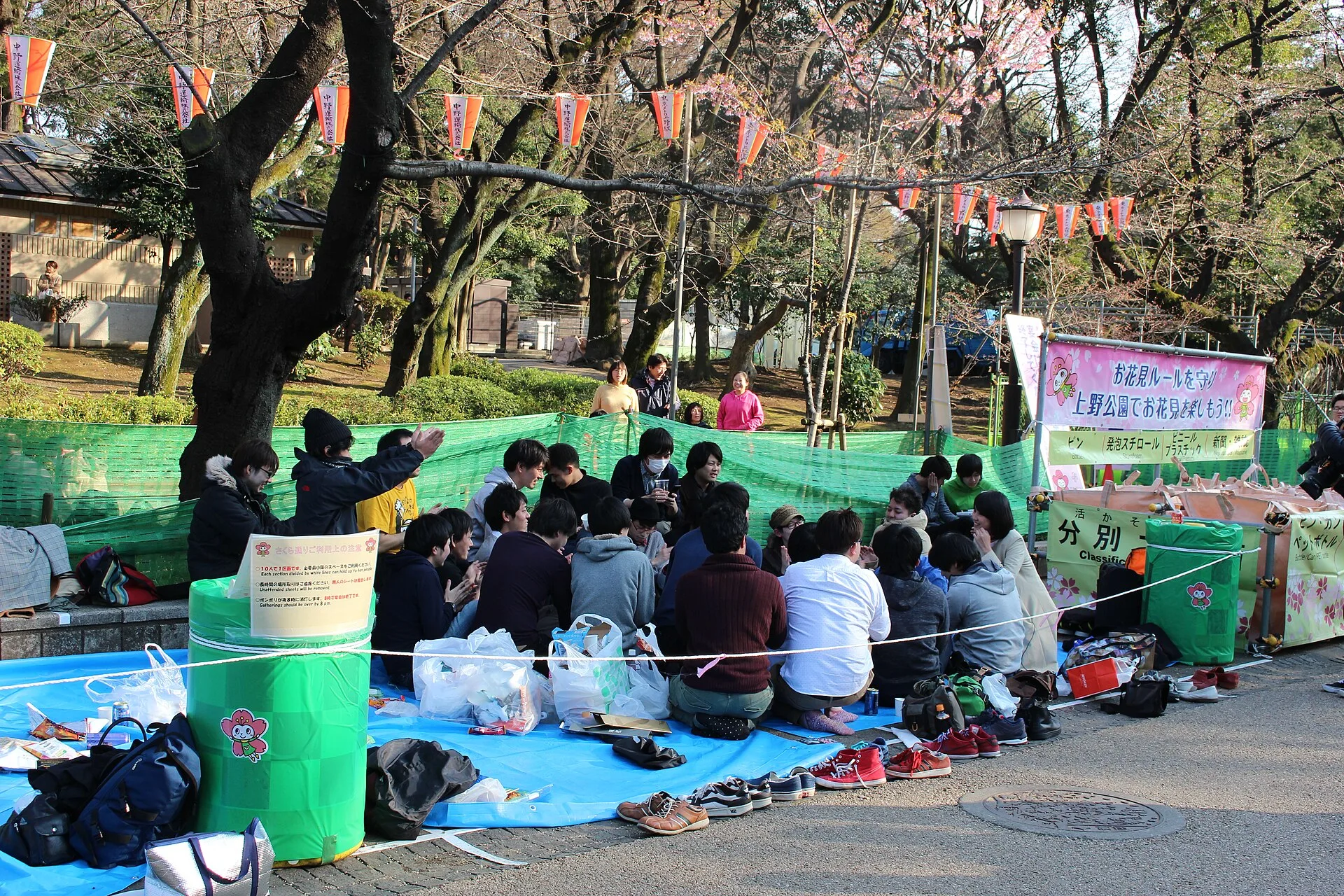
Hanami (late March to mid-April)
Two weeks in which the whole city eats lunch under the cherry trees. The classic spots are Ueno Park, the Meguro River canal, the Chidorigafuchi moat, and Shinjuku Gyoen; the meteorological agency publishes bloom forecasts, and the date shifts from year to year by up to ten days.
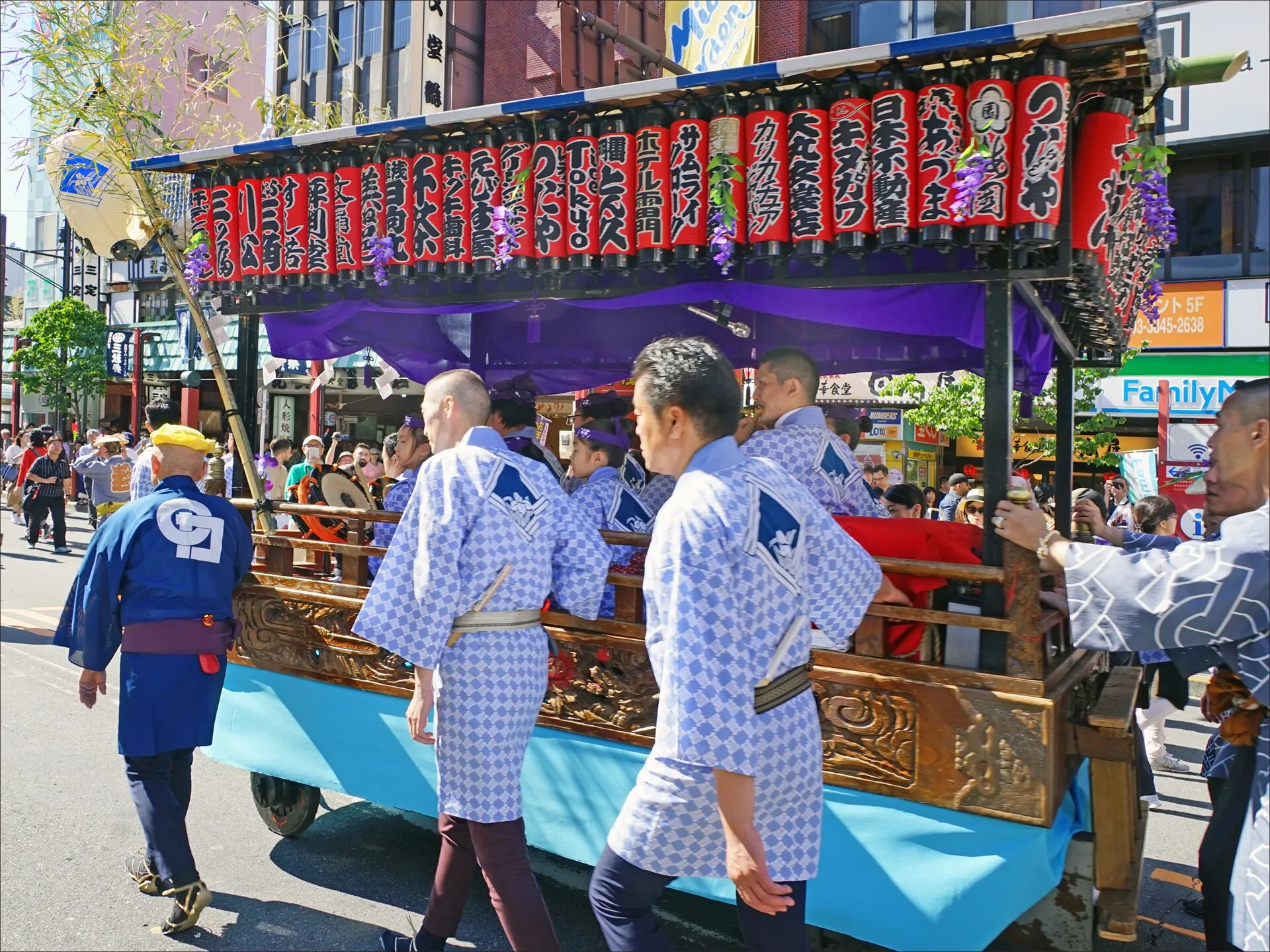
Sanja Matsuri (third weekend of May, Asakusa)
Tokyo's largest shrine festival, centered on Asakusa Shrine: about a hundred mikoshi palanquins carried on the shoulders of neighborhood teams, and somewhere between 1.5 and 2 million people over three days. It's also the occasion when traditional tattoos appear in public.
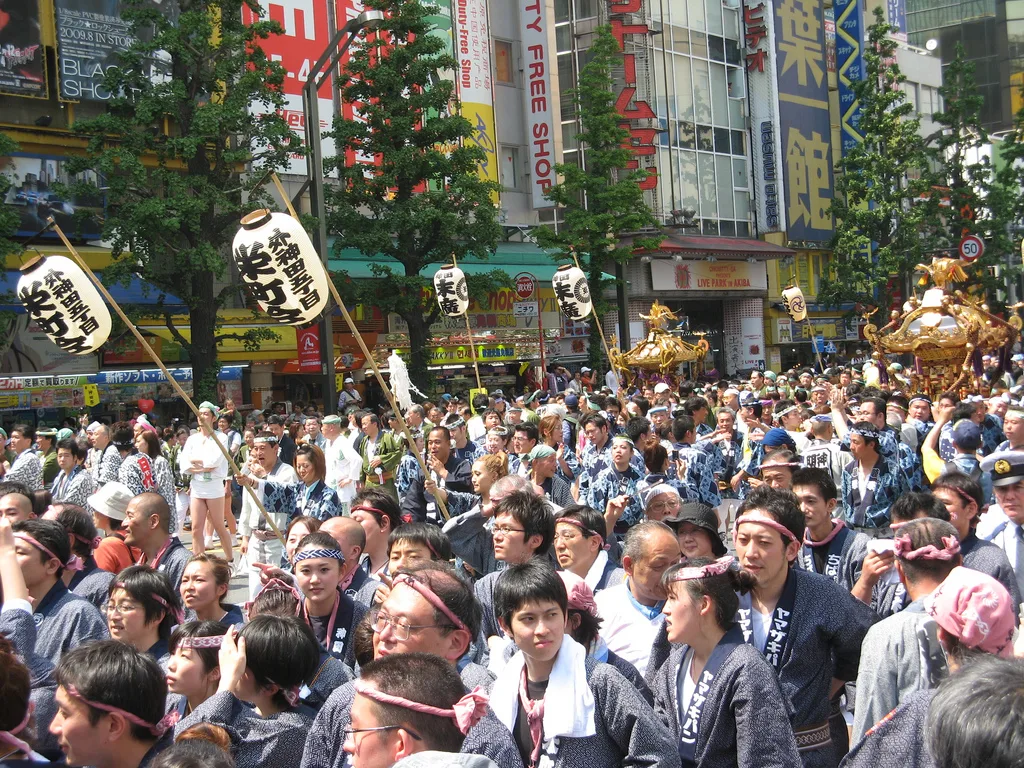
Kanda Matsuri (mid-May, odd-numbered years)
A procession from Kanda Myōjin shrine that crosses Nihonbashi, Ōtemachi, and Marunouchi, about 30 km of route, with the palanquins passing between office towers. A scaled-down version happens in even-numbered years.
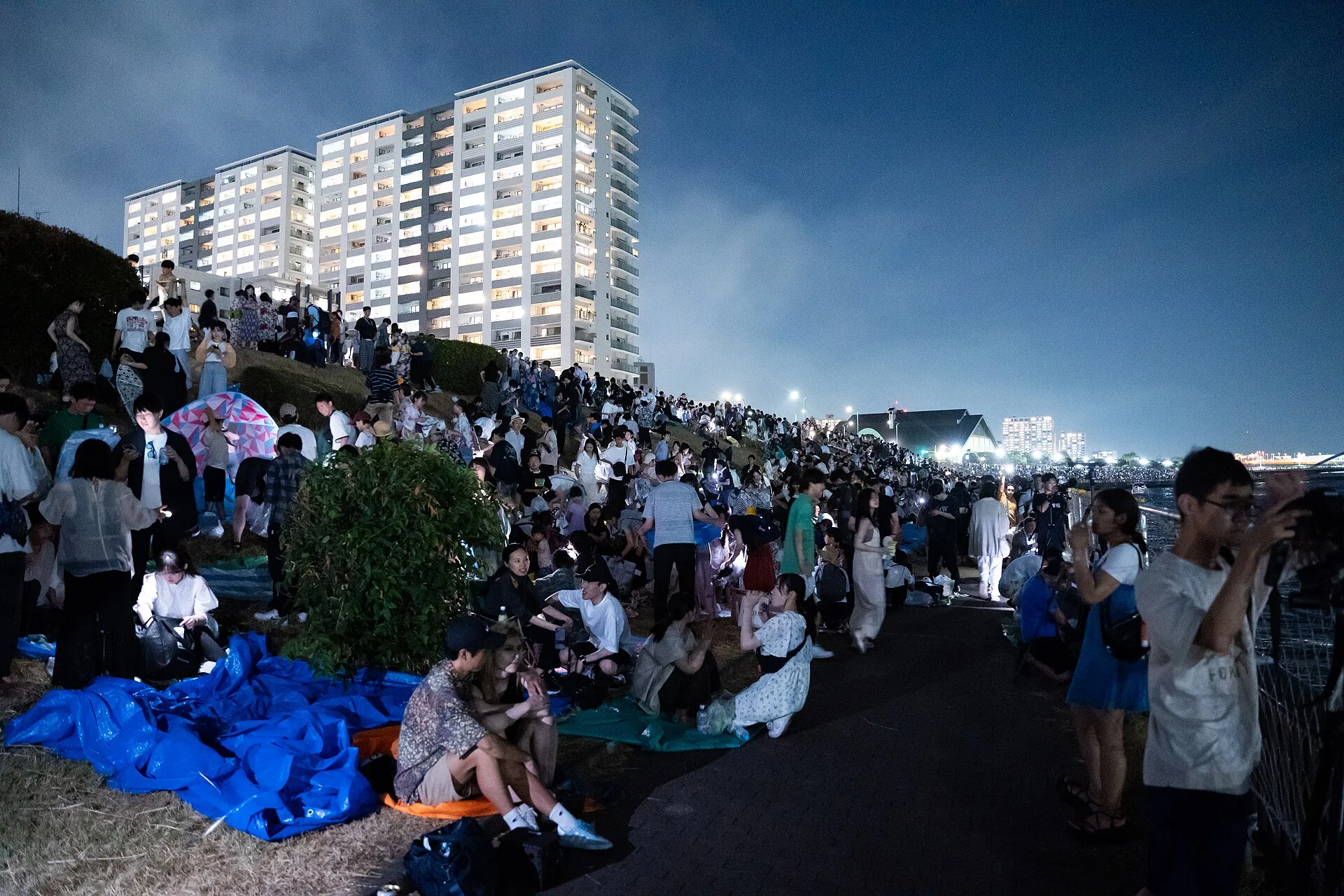
Sumida River Fireworks (last Saturday of July)
The city's oldest fireworks festival, dating back to 1733, when they were launched in memory of the victims of a famine. Today there are about 20,000 shells fired from two points on the river and nearly a million spectators; anyone arriving after 4pm watches standing, packed in.
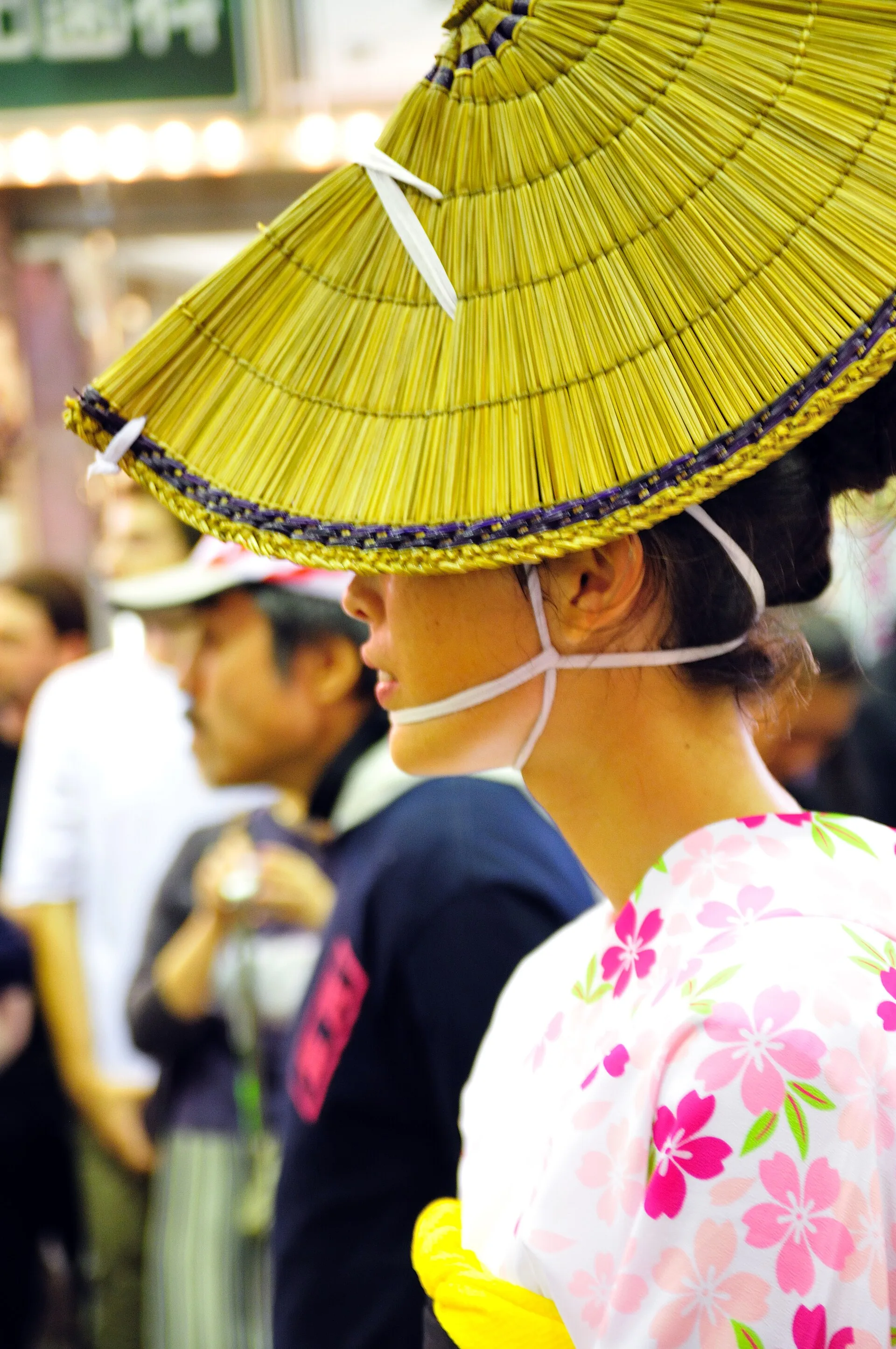
Kōenji Awa Odori (last weekend of August)
A dance imported from Tokushima and adopted by the district in 1957. About 10,000 dancers in street troupes and close to a million spectators over two nights, within a few blocks of the station.
Books and films
“Tokyo Story” (Yasujirō Ozu, 1953)
An elderly couple from the countryside visits their children in the city and discovers that no one has time for them. It shows the Tokyo of the early reconstruction years and explains, without ever saying so, why the Japanese family scattered across the railway suburbs.
“Norwegian Wood” (Haruki Murakami, 1987)
A novel set in the student Tokyo of 1969, its city walked block by block, on foot. It works as an emotional map of Shinjuku, Waseda, and the western suburbs before the property bubble.
“Perfect Days” (Wim Wenders, 2023)
Wim Wenders's film follows Hirayama, played by Kōji Yakusho, a man who cleans public restrooms in Shibuya and repeats the same routine every day, from canned coffee to the cassette tape in his van. It shows up close the restrooms of The Tokyo Toilet project, commissioned from architects between 2020 and 2023, and the care for service and order that visitors notice on the street.
Frequently asked questions
How many days should you spend in Tokyo?
Set aside three to five days to start, grouping nearby places. Kamakura and Hakone each need their own day. With just one day, I'd choose Asakusa and the area around the Sumida, leaving other regions for another visit.
What's the best time to go to Tokyo?
April, for the cherry blossoms, and November, for the dry, stable autumn. Avoid July and August (30 to 36°C with high humidity) and the first week of May (Golden Week, everything packed). June is the rainy season; September brings typhoons.
How much does a day cost in Tokyo?
Per person, without flights, in 2026: about ¥9,500 backpacking (dorm, ramen, subway), ¥25,000 in the middle range (business hotel, izakaya, one lookout), and ¥58,000 in comfort. With the yen at about ¥27 per real, that comes to about R$ 350, R$ 930, and R$ 2,150 a day.
Do Brazilians need a visa for Japan?
For tourism, no: with a regular electronic passport, Brazilians enter Japan without a visa for up to 90 days, under the reciprocal exemption extended until September 29, 2029. Check the rule on the website of the Japanese Embassy in Brazil before buying your ticket.
Is the Japan Rail Pass worth it in Tokyo?
No, if the trip stays within the city. It has cost ¥50,000 for seven days since 2023 and isn't valid on the subway. Get a Welcome Suica (or the Welcome Suica Mobile on iPhone) and pay for each ride, ¥150 to ¥330.
Dá para pagar com cartão em Tóquio?
Em quase todo lugar formal, sim. Izakaya pequeno, barraca de festa, templo e alguns ramen-ya ainda aceitam só dinheiro. Ande com ¥5.000 a ¥10.000 e saque no caixa do 7-Eleven, que aceita cartão estrangeiro.
As pessoas falam inglês em Tóquio?
Nas placas de estação e nos hotéis, sim. Na rua, pouco. Uma palavra resolve muito: sumimasen serve para com licença, desculpe e chamar o garçom. Tradutor de câmera no celular resolve o cardápio.
Onde ficar em Tóquio?
Na primeira viagem, fique em Shinjuku ou Shibuya, que têm as conexões mais fáceis para o resto da cidade e vida à noite; para pagar menos, Asakusa, perto do Sensō-ji e do rio Sumida. Em qualquer bairro, prefira um hotel a poucos minutos de uma estação, porque o último trem passa entre meia-noite e uma.
Tóquio é segura?
É uma das cidades grandes mais seguras do mundo. O risco real é outro: golpe de calor no verão, terremoto (leia o cartaz do hotel) e o último trem, que passa entre meia-noite e uma. Em Kabukichō, recuse quem convida para bar na rua.
Other cities in the country
Japan ↗- Days
- 3–4
- When
- Spring and autumn
- Per person/day
- Average 15,000–20,000 JPYMid-range · per person/day
Cost scope
Per person per day: accommodation, meals, urban transport, visits and a small allowance for extras. Flights excluded; larger purchases vary. Editorial estimate, not a quote.
- Days
- 2–3
- When
- Mar–Apr · Oct–Nov
- Per person/day
- Average 9,000–15,000 JPYMid-range · per person/day
Cost scope
Per person per day: accommodation, meals, urban transport, visits and a small allowance for extras. Flights excluded; larger purchases vary. Editorial estimate, not a quote.
- Days
- 2–3
- When
- Mar–Apr · Oct–Nov
- Per person/day
- Average 18,000–28,000 JPYMid-range · per person/day
Cost scope
Per person per day: accommodation, meals, urban transport, visits and a small allowance for extras. Flights excluded; larger purchases vary. Editorial estimate, not a quote.
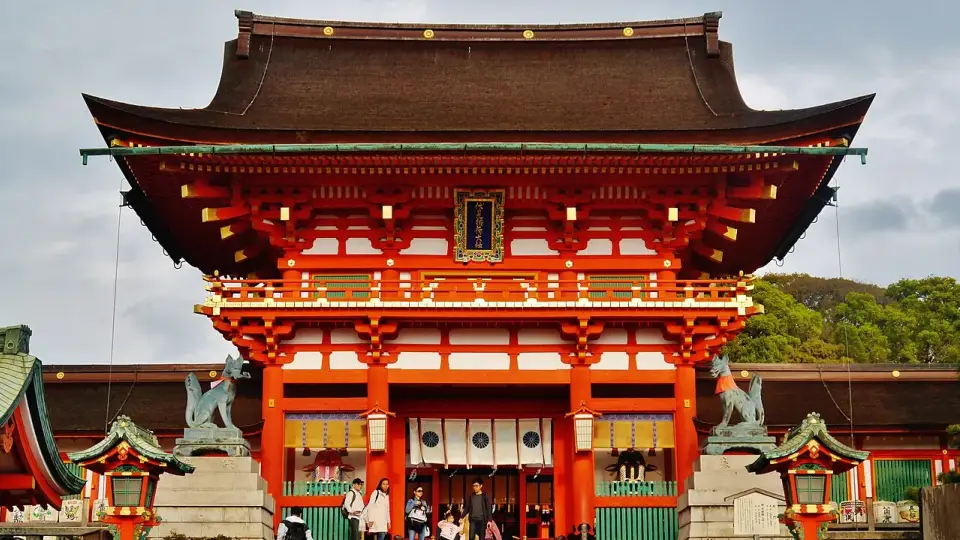
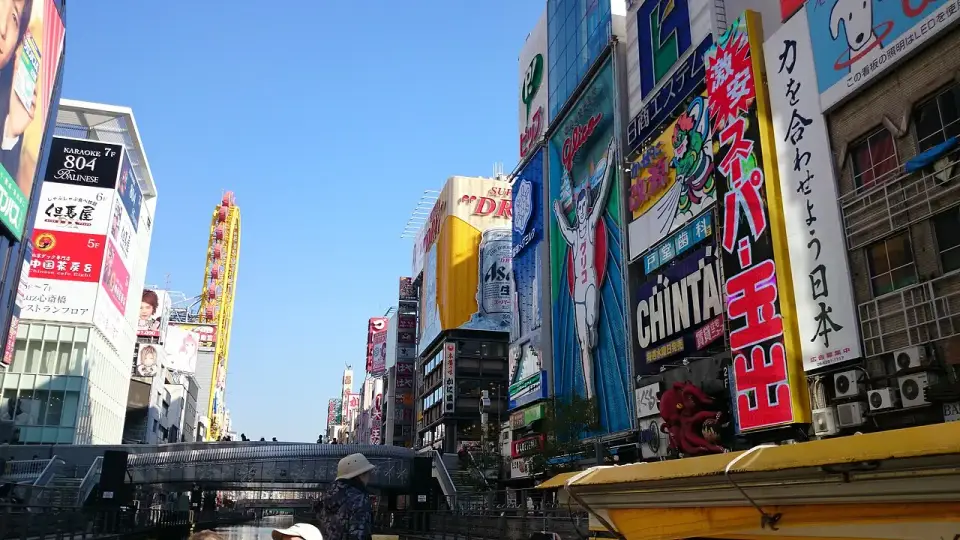
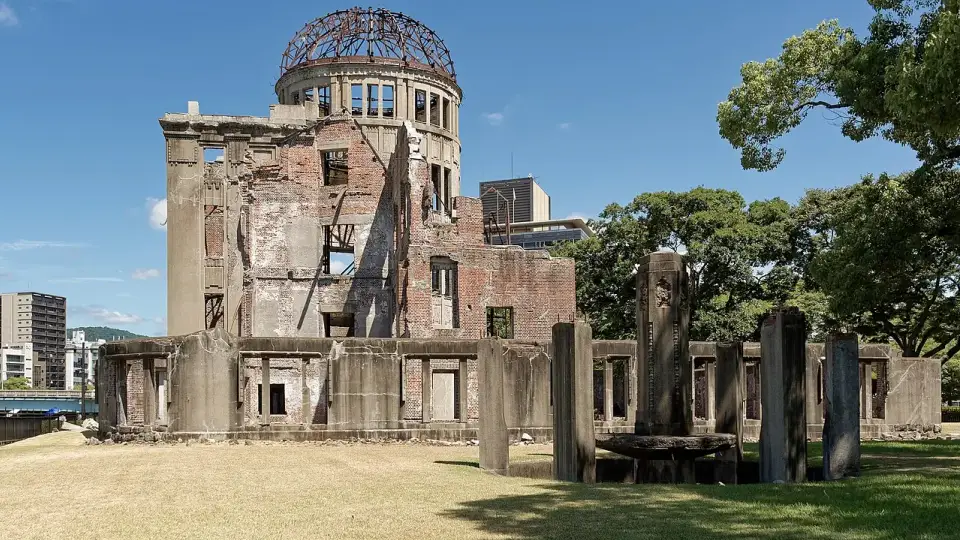
Itineraries through here
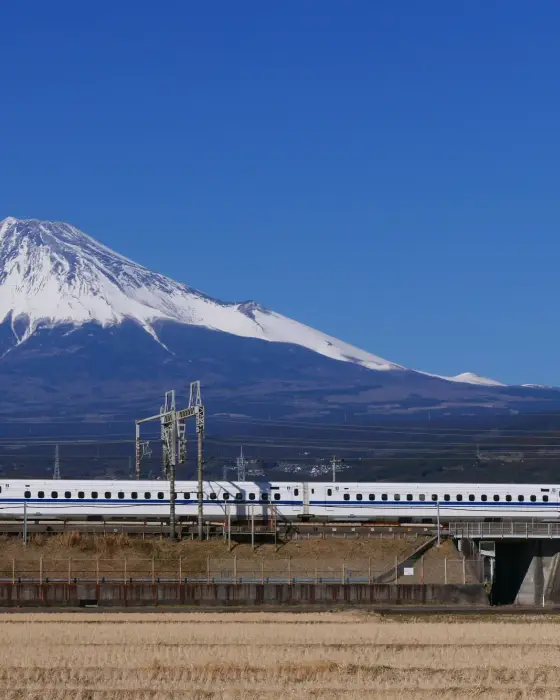 Japan in 15 daysThe bullet train routeTokyo · Kyoto · Osaka · Hiroshima10–15 days4 cities
 South Korea and Japan in 15 daysAcross the Korea StraitSeoul · Busan · Osaka · Tokyo10–15 days4 cities
 Tokyo and Kyoto in 7 daysTokyo neon, Kyoto templesTokyo · Kyoto6–9 days2 cities
 China, South Korea and Japan in 15 daysThe capitals of East AsiaBeijing · Shanghai · Seoul · Tokyo13–16 days4 cities