Panama
Panama City
The Panama Canal, old cities and urban rainforest
Days Start with the basic programme and choose extensions for the time you have.
How the guide reaches this number
With a third, go to the Gamboa rainforest and the bay. It's not a city for walking all day or for postcard beaches, because at low tide the waterfront turns to mud, a protected wetland where millions of migratory birds stop. With one day, get to Miraflores at 8:30am to see a ship rise 16.5 m, because the transits cluster between 9am and 11am and between 3pm and 5pm, and outside those windows the lookout shows an empty chamber. Then have a $3–5 ceviche for lunch at the Mercado de Mariscos and spend the afternoon in the Casco until sunset at Plaza de Francia. The skyline disappoints up close: Punta Pacífica and Costa del Este are gated communities, and the sidewalk ends mid-block. The photo that sold the city is taken from the other side of the bay.
2–3
When Mid-December to mid-April, the dry season
How the guide reaches this number
Panama City has two very different seasons, even without a winter. The dry season, locally called verano, runs from mid-December to mid-April, with sun almost every day, strong north winds, lows around 24 °C, highs of 31–33 °C and almost no rain. It's high season, with pricier hotels and Carnival in the middle. The rainy season, the invierno, runs from May to mid-December, with rain almost every day, nearly always in one- to two-hour downpours in the late afternoon. So the morning stays fully usable, and you can travel in this season as long as outings happen before lunch. Temperature changes little over the year; what changes is humidity, above 80% in the rainy season. Avoid October and November if you can choose, because they're the wettest months and flooding closes streets and slows traffic. January and February are the best, and in August there are usually a few weeks of respite, the veranillo, which isn't guaranteed.
Per person/day about US$55–110 per person; backpacker about US$35, mid-range comfort about US$140 (2026)
How the guide reaches this number
Per person per day: accommodation, meals, urban transport, visits and a small allowance for extras. Flights excluded; larger purchases vary. Editorial estimate, not a quote.
 What Nilo thinks
Give Panama City two days: one for the two old cities, Panamá Viejo and the Casco Antiguo, and another for the working canal. With a third, go to the Gamboa rainforest and the bay. It's not a city for walking all day or for postcard beaches, because at low tide the waterfront turns to mud, a protected wetland where millions of migratory birds stop. With one day, get to Miraflores at 8:30am to see a ship rise 16.5 m, because the transits cluster between 9am and 11am and between 3pm and 5pm, and outside those windows the lookout shows an empty chamber. Then have a $3–5 ceviche for lunch at the Mercado de Mariscos and spend the afternoon in the Casco until sunset at Plaza de Francia. The skyline disappoints up close: Punta Pacífica and Costa del Este are gated communities, and the sidewalk ends mid-block. The photo that sold the city is taken from the other side of the bay.In Panama City, ships line up in the bay to enter the canal, and from the terrace at the Miraflores Locks you can watch a freighter rise 16.5 m in two steps. The city has lived from the crossing between two oceans for five centuries. Founded in 1519 to ship out Peruvian silver, it was destroyed by privateer Henry Morgan in 1671 and refounded two years later in today's Casco Antiguo. Explore both old cities: the ruins of Panamá Viejo and the Casco's plazas and churches. This is also the continent's only capital with tropical forest inside its urban limits, and the wooded Cerro Ancón takes about 30 minutes to climb on foot. Eat a cup of ceviche at Mercado de Mariscos and sancocho de gallina at a fonda in Calidonia. Come from mid-December to mid-April, in the dry season, and give the city two days, or three for Gamboa's forest.
Quick facts
- Population
- about 1.1 million in Panama district; about 2.1 million in the metro area with San Miguelito, Arraiján and La Chorrera (2026)
- Founded
- August 15, 1519 in Panamá Viejo; refounded in Casco Antiguo in 1673
- Country and region
- Panama, Panama province, Central American isthmus
- Language
- Spanish; Antillean English-based creole in Río Abajo and Colón; fluent English in the banking district
- Currency
- Balboa (PAB), pegged 1:1 to the dollar; US dollar bills and balboa coins both circulate
- Time zone
- UTC−5 year-round, no daylight saving (same time as New York in the northern winter)
- Best time to visit
- Mid-December to mid-April, the dry season
- Average daily cost
- about US$55–110 per person; backpacker about US$35, mid-range comfort about US$140 (2026)
When to go
Mid-December to mid-April, the dry season
How the year changes
Panama City has two very different seasons, even without a winter. The dry season, locally called verano, runs from mid-December to mid-April, with sun almost every day, strong north winds, lows around 24 °C, highs of 31–33 °C and almost no rain. It's high season, with pricier hotels and Carnival in the middle. The rainy season, the invierno, runs from May to mid-December, with rain almost every day, nearly always in one- to two-hour downpours in the late afternoon. So the morning stays fully usable, and you can travel in this season as long as outings happen before lunch. Temperature changes little over the year; what changes is humidity, above 80% in the rainy season. Avoid October and November if you can choose, because they're the wettest months and flooding closes streets and slows traffic. January and February are the best, and in August there are usually a few weeks of respite, the veranillo, which isn't guaranteed.
Nilo's tips
At Miraflores, arrive at 8:30am to see the ships
Transits at Miraflores are concentrated, roughly, between 9am and 11am and between 3pm and 5pm. Be on the terrace at 8:30am and stay until you see a ship rise the 16.5 m in two steps. In 2026, nonresidents pay about $17, and residents about $3, for the same ticket at any time.
Metro by card only, about $2
No metro station accepts cash, so buy the rechargeable Metro/Metrobús card, about $2, at the machine in the station itself. A ride costs $0.35 on Line 1 and $0.50 on Line 2, and the same card works on the red Metrobús buses, for about $0.25 on regular routes. The best place to sort this out is Albrook, where the station, the Gran Terminal de Transporte, the domestic airport and the mall are all on the same block.
Agree on the taxi price before getting in
Since street taxis charge by zone, with no meter, agree on the fare through the window before opening the door. From Tocumen to the Casco, an official taxi runs about $30–40, and Uber or InDrive come out 30% to 50% cheaper, from the signposted pickup point. If the driver stops to pick up another passenger along the way, don't be surprised: shared rides are normal and don't change the agreed price.
Eat the ceviche at the Mercado de Mariscos before 2pm
The market works from morning until early afternoon, and after 2pm there's little fish left. At the Mercado de Mariscos, on Avenida Balboa, a cup of corvina ceviche costs about $3–5 and is eaten standing at the counter, with soda crackers. Bring small bills, because cards aren't taken there and $50s or $100s are refused.
Take the Colón train only on weekdays, one departure only
The train to Colón leaves only once, early in the morning and only Monday to Friday, for about $25. On weekends, drive along the Transisthmian Highway. Check beforehand whether individual tickets are on sale, because the train has run reserved for cruise excursions. On the Caribbean side, combine the trip with the Agua Clara locks, with admission of about $10, and the fortifications of Portobelo on the same day.
Outings before noon, bars only after 10pm
In the rainy season, from May to mid-December, rain falls in late-afternoon downpours. Leave Panamá Viejo, the Amador Causeway and the roughly 30-minute climb up Cerro Ancón for before noon. For Gamboa and Pipeline Road, leave at 6:30am, because the birds disappear as the heat rises. At night, don't rush, because the bars and rooftops of the Casco and Calle Uruguay only fill up after 10pm.
Explore the map

© OpenStreetMap · OpenFreeMap · © OpenMapTiles
Explore the map, read about the other places and plan your travel days in the app.
Open the appWhat to see
Panama City: The coastal plain and the isthmus lying flat
Panama City is a 30 km line along a shallow Pacific bay, where the tide reaches 5 to 6 m in range and, at low tide, exposes kilometers of mud, the wetlands where millions of migratory birds stop. On this coast sit the two old cities: Panamá Viejo, from 1519, and, eight kilometers to the southwest, the Casco Antiguo, refounded in 1673 on a walled peninsula and a World Heritage site since 1997.

Casco Antiguo
The city refounded in 1673, with a Spanish grid layout and three centuries of overlapping architecture. In the Plaza de la Independencia the separation from Colombia was proclaimed on November 3, 1903; the Santa María la Antigua Basilica Cathedral, built between 1688 and 1796, was restored for World Youth Day 2019.
They restored the cathedral for World Youth Day.
Check access

Panamá Viejo
The ruins of the 1519 city, eight kilometers east of downtown, along the coast. The cathedral tower, from about 1626, can be climbed by stairs and gives a view of the skyscrapers over the treetops; the site museum explains the silver route.
The 1519 ruins are eight kilometers east, the tower from about 1626 shows the skyscrapers above the forest, and the site museum explains the silver route; you can climb the cathedral's staircase.
Check access
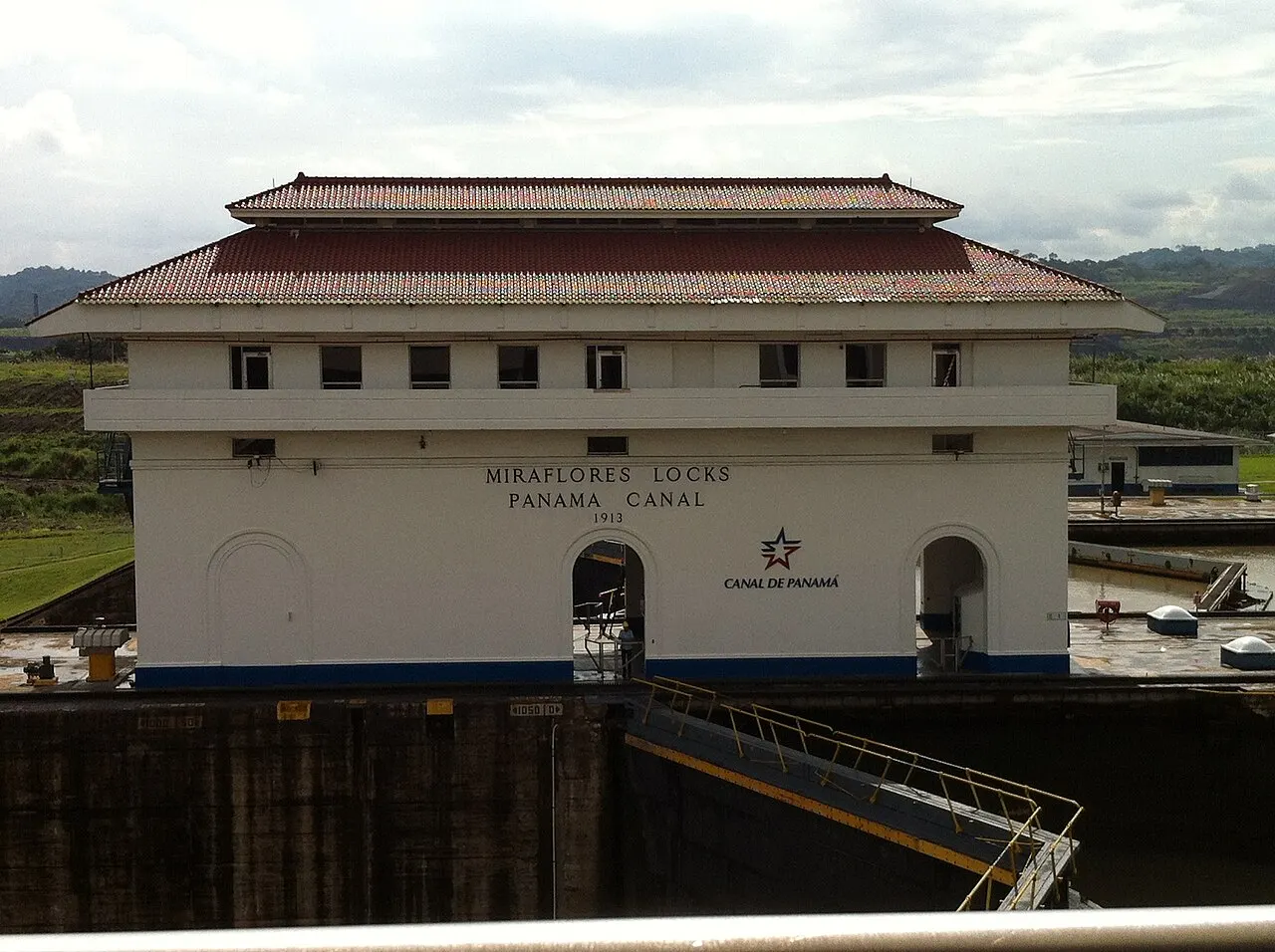
Miraflores Locks
A visitor center with a terrace over the chamber, where ships rise or fall 16.5 m in two steps. Entry costs about $17 for non-residents and about $3 for residents (2026); transits cluster in the morning and late afternoon.
From the terrace over the chamber you can see a ship climb 16.5 m in two steps; admission is about $17 for non-residents and about $3 for residents, in 2026, and the transits bunch up in the morning and late afternoon.
Check access

Iglesia de San José and the Golden Altar
A baroque gold-leaf wooden altar, brought from the old city after 1671. Local tradition says a friar painted it black to hide it from Morgan, and the boat carrying it went through the raid untouched.
The altar was brought from the old city after 1671.
Check access

Museum of the Interoceanic Canal
On the Plaza de la Independencia, in the 1875 building that was once the Grand Hotel and later the headquarters of the French company. Covers the 1855 railway, Lesseps's failure, the 1903 separation, the Antillean workers, and the 1999 handover.
The museum covers Lesseps's failure at the canal.
Check access
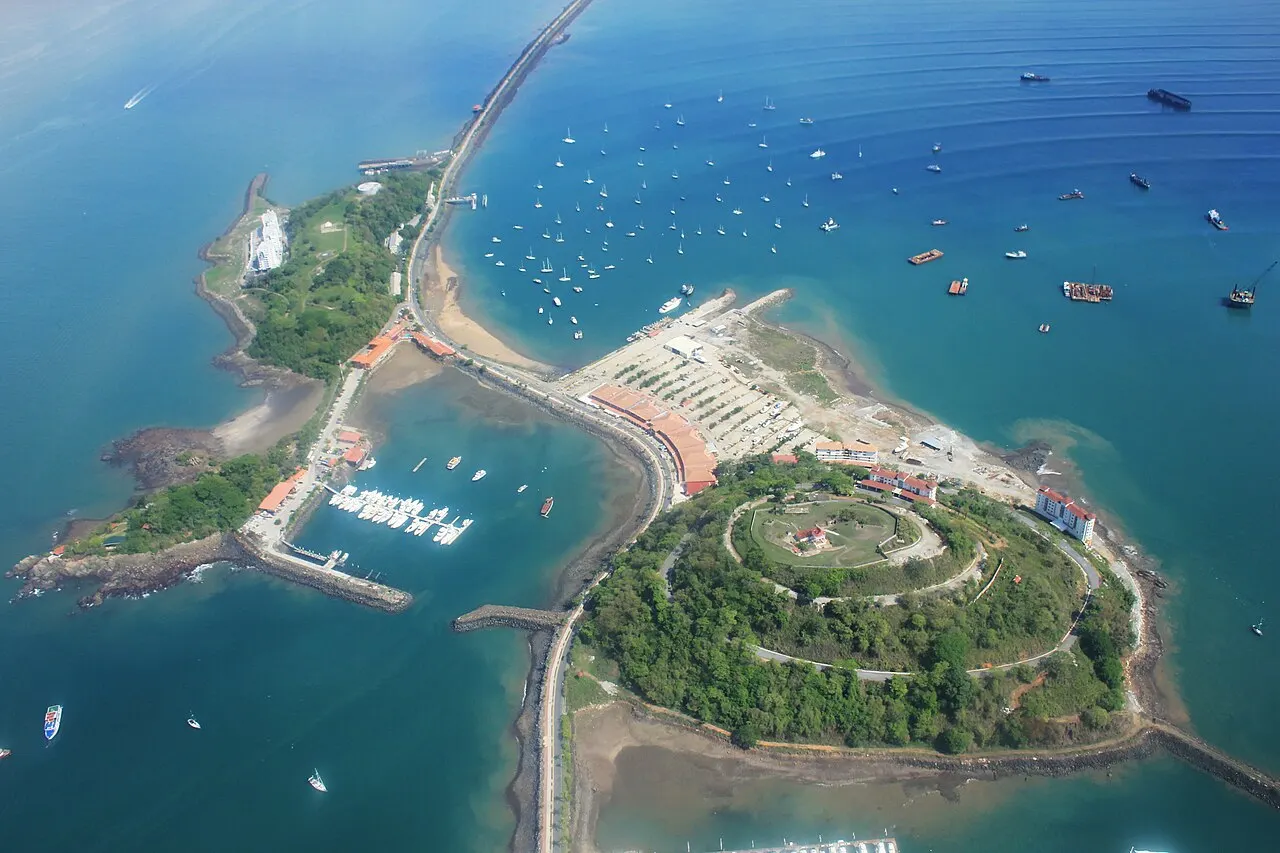
Calzada de Amador
A causeway about 6 km long, built with rock excavated from the Culebra Cut, linking the mainland to the islands of Naos, Perico, Culebra and Flamenco. It's the city's most obvious walk and bike ride, with the skyline on one side and the line of ships on the other.
The roughly 6 km causeway, built with rock excavated from the Culebra Cut, is the city's most obvious walk or bike ride.
Check access
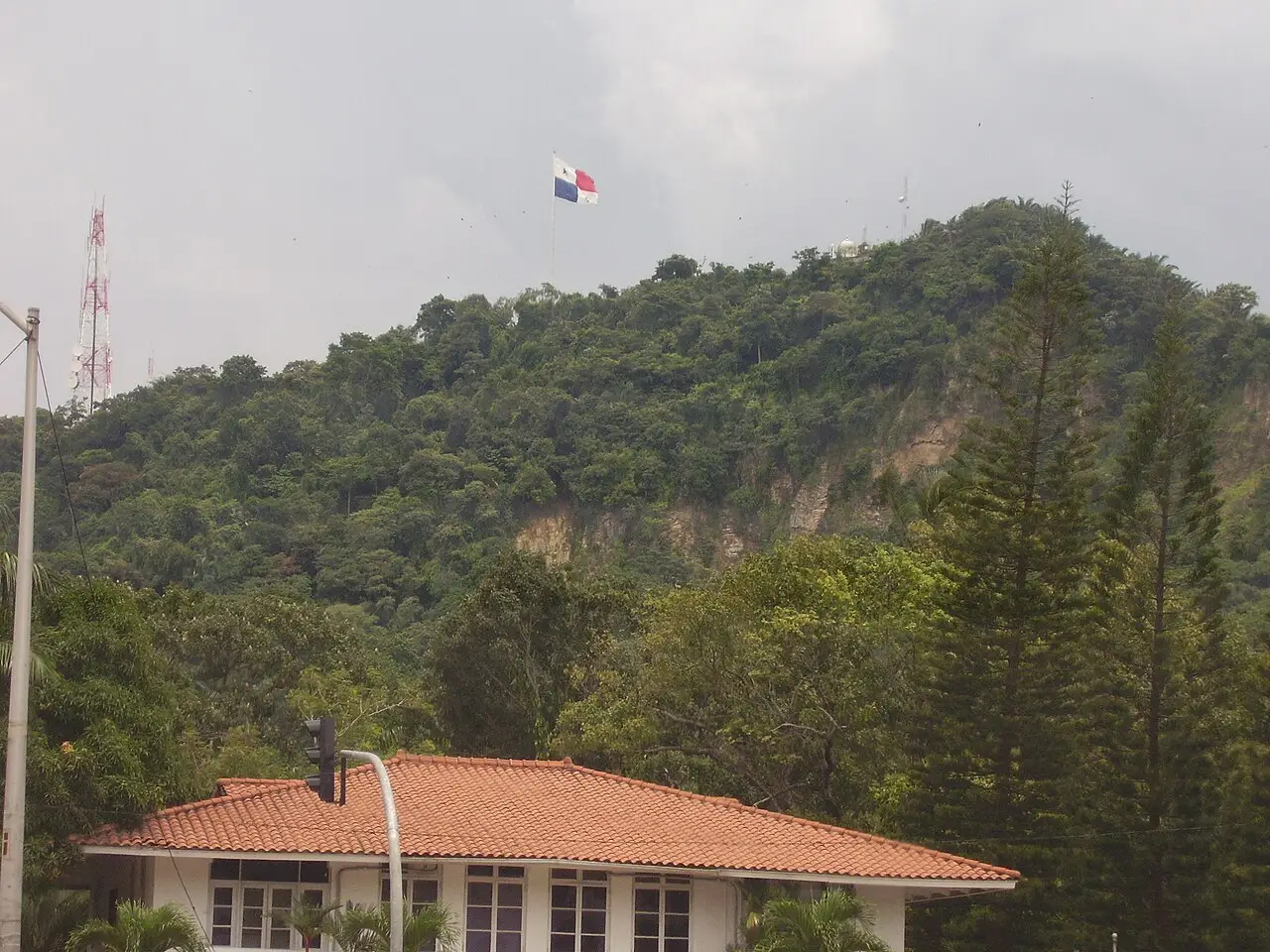
Cerro Ancón
A 199 m forested hill with a giant national flag at the top. The hill was one of the first areas of the Canal Zone returned to Panama when the Torrijos–Carter Treaties took effect, and the flag has flown there since that day, October 1, 1979. The climb takes about 30 minutes on foot, often with sightings of sloths, toucans and squirrel monkeys.
The 199 m forested hill has had a giant flag at the top since October 1, 1979, when the Torrijos-Carter treaties returned the hill, and the climb takes about 30 minutes; it usually turns up sloths, toucans and titi monkeys.
Check access

Mercado de Mariscos and Cinta Costera
The fish market on Avenida Balboa, where you eat a cup of corvina ceviche for about $3–5 standing up, from morning until early afternoon. Next to it runs the Cinta Costera, a roughly 26-hectare landfill promenade with a bike path, outdoor gym and bay view, opened in phases starting in 2009.
At the market you have corvina ceviche for about $3 to 5, standing, from morning to early afternoon, and the Cinta Costera, a landfill of about 26 ha with a bike path, an outdoor gym and the view of the bay, runs right alongside; it opened in phases starting in 2009.
Check access
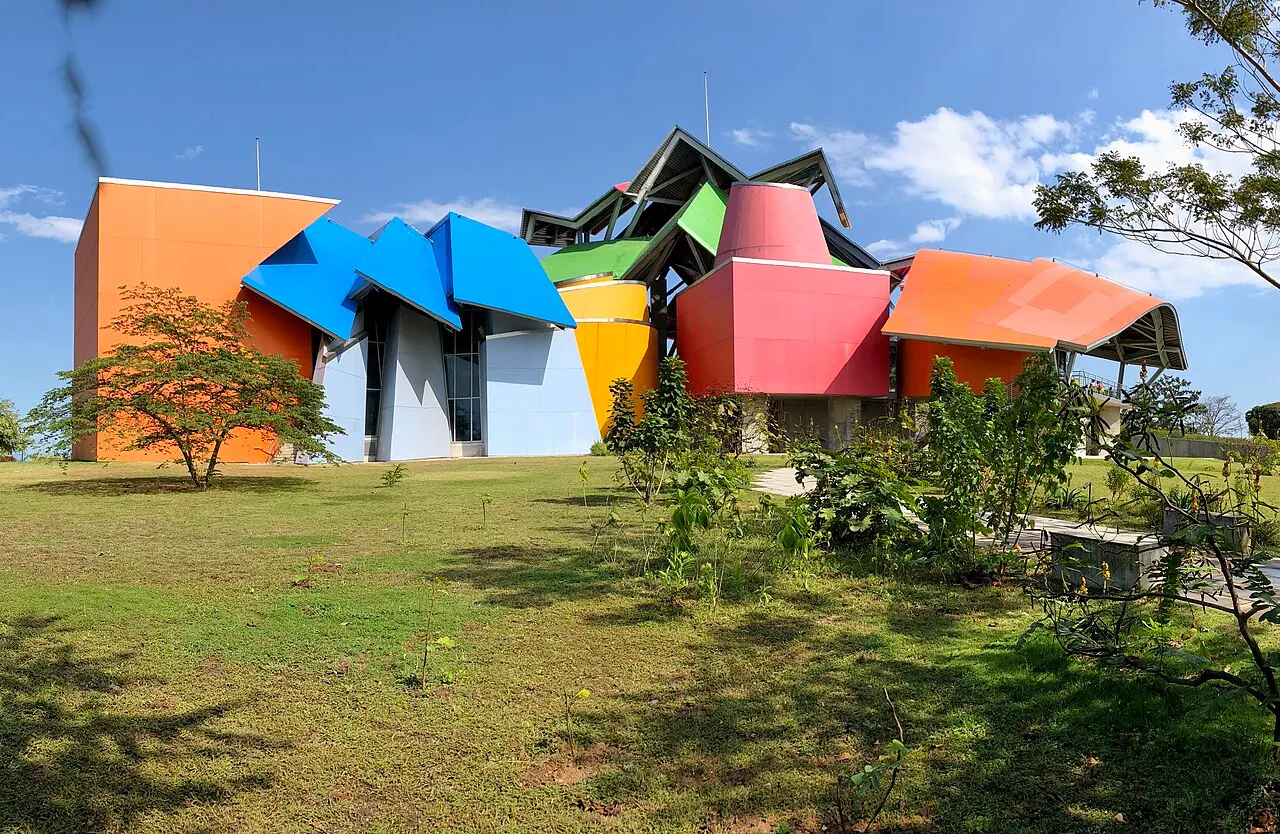
Biomuseo
Frank Gehry's only project in Latin America, opened in 2014 at the entrance to the Calzada de Amador, with a folded-metal roof in red, yellow and blue. Its eight galleries tell how the isthmus closed about 3 million years ago and triggered the Great American Biotic Interchange.
In a city that has lived for five centuries off charging for passage between two oceans, the room that explains it is the Museo del Canal Interoceánico, in the 1875 Grand Hotel. The Biomuseo tells the other isthmus, the geological one of about 3 million years, and Gehry's 2014 roof is already on your way: it stands at the entrance to the Calzada de Amador. With two museums and three days, start with the canal one.
Check access
Nilo’s itinerary
Start with the basic programme and choose extensions for the time you have.
Plan my days in the app ↗Day 1 · The two old cities
Arrive at Panamá Viejo at 8:30am, before the heat, climb the cathedral tower from about 1626, and set aside an hour for the site museum and the model of the silver route.
Have lunch at a fonda in Calidonia: sancocho de gallina or ropa vieja with patacones, $4–7.
Start Casco Antiguo at 3pm from the Plaza de la Independencia, go into the Santa María la Antigua Cathedral, and continue to Iglesia de San José to see the Golden Altar.
Close the afternoon at the Museum of the Interoceanic Canal, which explains in one go the 1855 railway, the French failure and the 1999 handover.
Watch the sunset at Plaza de Francia and along the Paseo de las Bóvedas, have dinner in the Casco and, for a skyline view, head to a rooftop after 10pm, when they fill up.
Day 2 · The canal at work
Be at the Miraflores Locks by 8:30am and stay on the terrace until you see at least one full transit, with a ship rising 16.5 m in two steps.
Climb Cerro Ancón on foot, about 30 minutes to the flag lookout, or swap it for a short trail in the Metropolitan Natural Park.
Have lunch in Balboa or at the Ciudad del Saber, the former Fort Clayton base turned into a campus in 1999.
Visit Frank Gehry's Biomuseo at 3pm, with the galleries on the isthmus closing about 3 million years ago.
Rent a bike and ride the 6 km of the Calzada de Amador to sunset, with the skyline on one side and the line of ships on the other.





If you stay longer
Day 3 · Forest, bay and neighborhood
Leave at 6:30am for Gamboa and the Pipeline Road, in Soberanía National Park, 45 minutes from downtown, with more than 400 bird species recorded.
Come back along the shore of Lake Gatún and stop to see the entrance to the Culebra Cut from the road.
Have a cup of corvina ceviche for lunch at the Mercado de Mariscos, on Avenida Balboa, for about $3–5, ideally before 2pm.
Walk or bike the Cinta Costera to Avenida Balboa, with low tide exposing the bay's mudflats.
End in El Cangrejo, on Vía Argentina, or on Calle Uruguay, keeping in mind that Panamanian nightlife only starts after 10pm.

Food
 AI illustration
Sancocho de gallina
Free-range chicken broth with ñame yam, corn and plenty of culantro: the broad-leaf herb, not cilantro. It's the national dish and gets eaten at any hour, including the middle of the night, with white rice on the side.
 AI illustration
Hojaldra and tortilla de maíz
Breakfast: hojaldra is a flattened piece of fried dough, and the Panamanian tortilla is a thick fried corn disc, nothing like the Mexican one. They come with bisteque encebollado, egg or white cheese, for about $2–4.
 AI illustration
Carimañola
An elongated fritter of boiled, mashed yuca, stuffed with seasoned ground beef and fried. Sold at any fonda in the morning for about $1, next to the corn empanadas.
 AI illustration
Corvina ceviche
Corvina fish in lime juice with red onion and aji chombo, served in a plastic cup with soda crackers. The classic spot is the Mercado de Mariscos, but stands are scattered around the city.
 AI illustration
Ropa vieja and arroz con pollo
The fonda lunch: shredded beef in tomato sauce, or yellow rice with chicken, served with beans, salad and patacones. A full plate with soup runs $4–7.
 AI illustration
Raspao
Ice shaved by hand at the corner cart, with fruit syrup and condensed milk on top. It costs about $1 and is the only dessert the city sells on the street year-round.
 AI illustration
Chicheme and chichas
Chicheme is corn cooked with milk, cinnamon and vanilla, drunk cold and almost chewable; chichas are juices made from passionfruit, tamarind or saril. The national spirit is seco herrerano, made from sugarcane, drunk with milk or coconut water.
 AI illustration
Afro-Antillean food
The heritage of workers from Barbados, Jamaica and Martinique who built the canal: saus (pickled pig's feet with cucumber and aji), fufú, bacalao with plantain, and plantain tarts. Found in Río Abajo, in Calidonia and at church fundraisers.
Day trips

Taboga Island
20 km offshore, a 30- to 45-minute ferry leaving from Isla Perico, on the Calzada de Amador, for about $20–25 round trip. A village founded in 1524, car-free streets, a calm-water beach and a one-hour trail up Cerro de la Cruz; the neighboring island, Urabá, holds one of the largest brown pelican colonies on the Pacific.
Portobelo and the Agua Clara locks
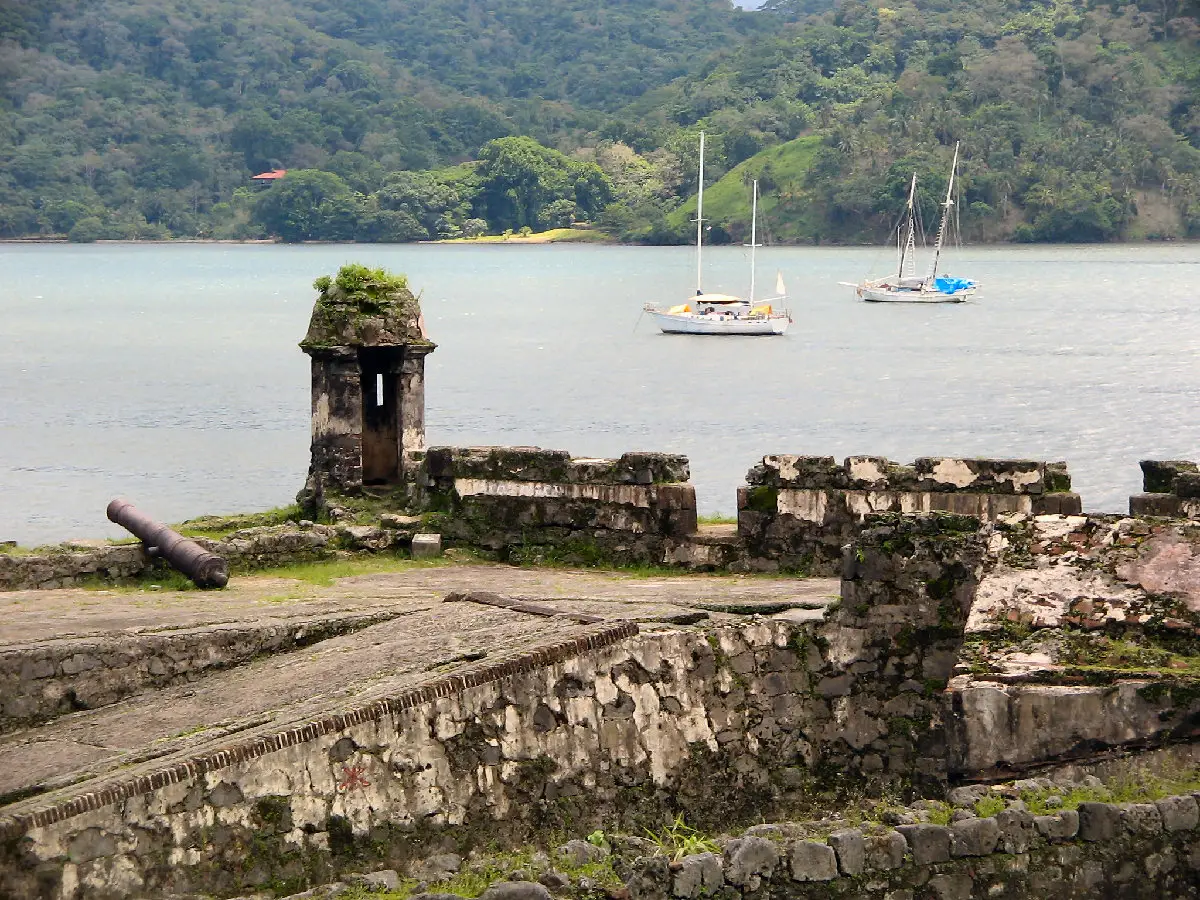
Portobelo is about 100 km away, 1 hour 30 minutes to 2 hours by road along the Transisthmian Highway, on the Caribbean side. The town has Spanish fortifications from the 17th and 18th centuries, a World Heritage Site on the danger list since 2012, and the church of the Black Christ, whose feast day is October 21. On the way, near Colón, you can stop at the Neopanamax locks of Agua Clara, with admission of about $10.
Gamboa and Soberanía National Park
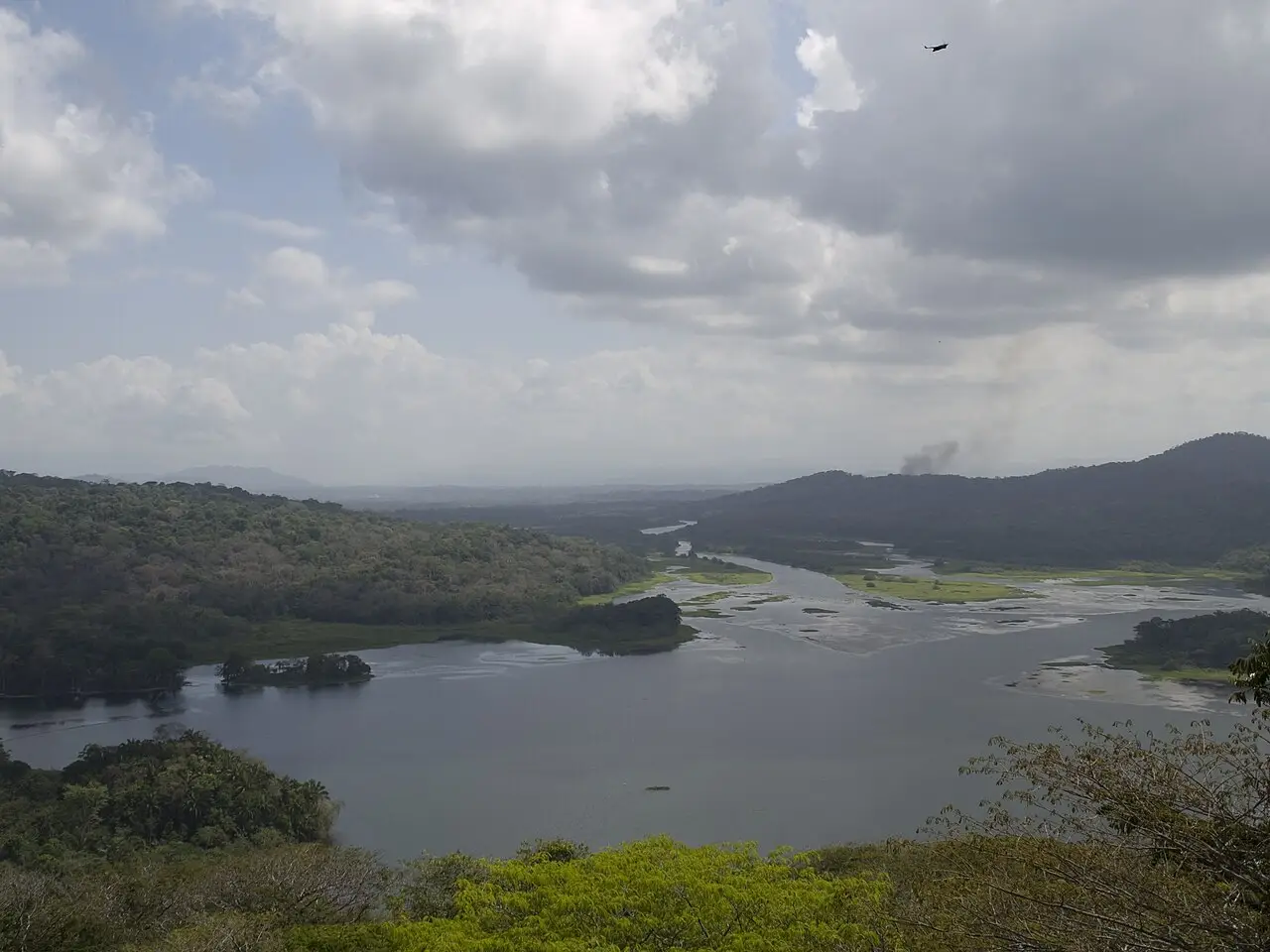
40 km and about 45 minutes, right in the middle of the canal. The Pipeline Road is one of the world's best-known birdwatching trails; there are boat tours on Lake Gatún to the monkey islands and to the Smithsonian's research station on Barro Colorado, visitable only by advance reservation.
Where to begin
The two old cities
Arrive at Panamá Viejo at 8:30am, before the heat, climb the cathedral tower from about 1626, and set aside an hour for the site museum and the model of the silver route.
The canal at work
Be at the Miraflores Locks by 8:30am and stay on the terrace until you see at least one full transit, with a ship rising 16.5 m in two steps.
Forest, bay and neighborhood
Leave at 6:30am for Gamboa and the Pipeline Road, in Soberanía National Park, 45 minutes from downtown, with more than 400 bird species recorded.
Money
The US dollar has circulated as legal tender since 1904, and anyone arriving with dollars doesn't need a currency exchange. The balboa is pegged 1:1 and exists only as coins, the same size and weight as American ones, which mix in your change without anyone noticing. Approximate ranges for 2026: coffee at a fonda $1–2 and at a specialty café $3–4.50; full fonda lunch $4–7; dinner at a mid-range restaurant $15–30 per person; cocktail at a Casco rooftop $9–15; Balboa or Atlas beer at a neighborhood bar $1.50–2.50; metro $0.35–0.50; city ride by app $4–8; hostel $15–25 and mid-range hotel $70–140 a night. Cards are accepted at almost all formal businesses, but fondas, taxis, markets and carts take cash only. Carry $1, $5 and $10 bills, because $50s and $100s are refused almost everywhere for fear of counterfeits. The 7% ITBMS is usually built into the price, and hotels add a 10% lodging tax. Many restaurants already add a 10% “servicio” to the bill, so check before leaving more of a tip; in taxis, no tip is expected.
Getting there and around
Tocumen, Central America's biggest hub
Tocumen International Airport (PTY) is about 24 km east of downtown and is Central America's biggest hub, home base of Copa Airlines, with two terminals since T2 opened in 2022. An official taxi to Bella Vista or the Casco costs about $30–40 on a flat zone fare, agreed before getting in. Uber and InDrive also serve the airport, picking up at the marked terminal spot. Metro Line 2 has a branch to the airport: check on arrival whether it's running on your date. There's also a bus along the Corredor Sur, cheap and slow, only worth it if you're in no hurry. Domestic flights and flights to Guna Yala leave from Albrook Airport (PAC), right by the city, next to the Gran Terminal de Transporte and Albrook Mall.
Metro by card, taxis by zone and the train to Colón
The metro is the city's most predictable transportation. Line 1, opened on April 5, 2014, was the first in Central America and runs north–south, from Albrook to Villa Zaita; Line 2, from 2019, runs east to Nuevo Tocumen. Line 3, a monorail to Panamá Oeste, is under construction and expected around 2028. Payment is by Metro/Metrobús card only, bought at station machines, because no turnstile accepts cash, and the same card works on the red Metrobús buses. The “diablos rojos,” the old hand-painted buses, were pulled from the capital around 2010–2011 and survive on the outskirts. Street taxis have no meter and charge by zone, with the price agreed through the window before you get in. Sharing a ride with strangers is normal, and anyone who doesn't know that may think the driver took a wrong turn when he just went to pick up another passenger. Traffic jams up from 7am to 9am and from 4pm to 7pm. The city is walkable in patches (Casco, Amador, Cinta Costera, El Cangrejo) and uncomfortable on foot elsewhere, with broken sidewalks, heat and rain. You can rent bikes on the Amador Causeway. The Panama Canal Railway links the capital to Colón in about 1 hour, with a single early-morning departure on weekdays, for about $25 each way.
Safety
In Panama City the risk is predictable, by address and by hour, and what usually affects visitors is street theft; violence against tourists is rare. The tourist core of the Casco Antiguo is patrolled, including by tourist police, and walkable until late. The streets that run west toward El Chorrillo change character within a block and shouldn't be crossed on foot, not even by day. After dark, avoid Curundú, El Chorrillo, parts of Santa Ana and El Marañón and the area around the Albrook Terminal. San Miguelito and Río Abajo call for local company at night. The common scams are the taxi that “has no change” or charges a foreigner's fare, the fake guide who approaches you at the entrance to Panamá Viejo and the inflated bill at a rooftop bar with no menu in sight. Ask for the printed menu and check the “servicio.” Don't flash your phone on Avenida Central or at metro exits at rush hour, and don't leave anything visible in a rental car. At night, calling an Uber or InDrive costs a few dollars and solves almost everything. Tap water is drinkable in the capital, unlike in Bocas del Toro, and the emergency number is 911.
Etiquette tips
Greet before you ask
Say “buenas” when entering a shop, elevator, bus, office or waiting room, and “permiso” to get past someone. Going straight to the request without greeting reads as rude, not efficient.
Use “usted”
The formal address is standard with strangers of any age, including among young people, and only changes once the other person switches first. In a work setting, use the title (licenciado, ingeniero, doctora) if someone is introduced that way.
Agree on the taxi fare through the window
Street taxis have no meter and the fare is by zone. Ask “¿cuánto es la carrera hasta…?” before opening the door; getting in first and asking after is the fastest way to pay double.
Dress for the air conditioning
Offices, restaurants, buses and the metro run between 18 and 20°C, against 32°C on the street. Bring an extra layer even on a sunny day, and note that tank tops and flip-flops, common on the street, aren't well received in offices, banks and churches.
Canal: 6% of GDP and a symbol of sovereignty since 1999
The canal accounts for about 6% of GDP and has been a symbol of national sovereignty since 1999. Jokes about “the Americans' canal” or about who should control it land very badly, even among people who disagree with each other.
Ask before photographing people
In Panamá Viejo, in the Casco and in working-class neighborhoods, photographing residents, children or Guna vendors without asking is considered offensive. With Guna artisans, the photo is usually negotiated along with buying a mola.
Mistakes to avoid
A ship at Miraflores at any hour
Thinking you can see a ship at any hour at Miraflores. Transits concentrate roughly between 9am and 11am and between 3pm and 5pm. Arriving at noon costs the same price for an empty chamber and a terrace under the blazing sun.
The 1519 ruins and the 1673 city
Confusing Panamá Viejo with the Casco Antiguo. They're two separate sites, eight kilometers apart, with the ruins of 1519 to the east and the walled city of 1673 to the southwest, so check which of the two is on the tour before booking.
Picking a hotel for the skyline
Choosing a hotel just for the skyline: the most photogenic buildings have no sidewalk. Anyone who wants to walk should stay in the Casco, El Cangrejo or Bella Vista.
Walking from downtown to the Casco at night
Walking from downtown to the Casco along the waterfront at night. The route skirts the edges of Santa Ana and El Chorrillo, and the change in atmosphere happens within a block; an app ride costs $4 to $6.
Only big bills, no metro card
Arriving with only big bills and no metro card. $50 and $100 bills are refused at fondas, taxis and markets, and no metro station takes cash at the turnstile. The card costs about $2 at the station machines, and it's worth buying before you need it.
Useful phrases
¿Qué xopá?
What's up? Panamanian slang formed by flipping the syllables of “qué pasó,” used among acquaintances
Buenas
Hi / good day: a neutral greeting for any time, said on entering anywhere
¿Cuánto es la carrera hasta…?
How much is the ride to…? The required question before getting into a street taxi
Chuleta
Wow / darn: an interjection of surprise or shock, literally “chop”
Vaina
Thing, thingy, deal: used for any object or problem whose name doesn't come to mind
Ahorita
In a little while: can mean five minutes, three hours or never, and no one finds that contradictory
Districts
Casco Antiguo (San Felipe)
The 1673 city, a World Heritage site since 1997, in about fifteen walkable blocks of houses with iron balconies. Restored since the 2000s: boutique hotels, rooftops, the 1908 National Theater and the presidential palace, with gentrification and longtime residents still in the mix.
Calidonia and Santa Ana
Dense working-class commerce between the Casco and the banking district, with a pedestrian stretch on Avenida Central, electronics shops and cheap clothing. Busy by day, empties out at night.
Bella Vista, Marbella and El Cangrejo
The restaurant, bar and mid-range hotel axis, between Vía España, Vía Argentina and Calle Uruguay. El Cangrejo has streets named after countries, a good density of small eateries and cafés, and is the best base for walking outside the Casco.
Obarrio and the banking district
Office towers along Calle 50 and Vía España, with dozens of international banks. Packed executive lunches at midday and empty streets on weekends.
Punta Paitilla, Punta Pacífica and Costa del Este
Residential skyscrapers on landfill, the buildings that make up the postcard skyline. Pretty from a distance, hostile on foot: broken sidewalks, gated condos, everything done by car.
Amador, Ancón and Balboa
The former Canal Zone, with low wooden houses, lawns, tree-lined streets and the scale of a 1920s American suburb. Home to the Biomuseo, the Calzada de Amador, the Smithsonian Institute and the canal administration.
San Francisco and Parque Omar
A middle-class neighborhood with the city's most-used urban park, about 55 hectares of lawn and running tracks. Fairs, schools and neighborhood restaurants.
Río Abajo and El Chorrillo
Working-class neighborhoods rooted in canal labor. Río Abajo holds the Afro-Antillean heritage in churches and food; El Chorrillo, next to the Casco, was leveled in the 1989 invasion and rebuilt as housing blocks.
History
1519 · Founded on the Pacific
Pedro Arias Dávila founds Nuestra Señora de la Asunción de Panamá on August 15. It's the first permanent European city on the Pacific coast of the Americas.
1533–1670 · The silver route
With the conquest of Peru, metal from the south begins crossing the isthmus, and after 1545 it's the silver of Potosí that arrives by sea and crosses by mule along the Camino Real and the Camino de Cruces to the fairs of Portobelo. The city produces nothing; its income comes from the fees charged on that passage.
1671 · Morgan's raid
Henry Morgan comes up the Chagres River with about 1,400 men and takes the city on January 28. Fire consumes it, and the ruins become the site of Panamá Viejo.
1673 · Walled refounding
The crown rebuilds the city eight kilometers to the southwest, on a narrow, defensible peninsula, surrounded by walls. It's today's Casco Antiguo, or the San Felipe neighborhood.
1739–1821 · Decline and independence
The isthmus passes from the Viceroyalty of Peru to that of New Granada and grows poorer as galleons start rounding Cape Horn instead. On November 28, 1821 Panama separates from Spain and joins Gran Colombia.
1855 · The interoceanic railway
The Panama Railroad, 76 km between Colón and the capital, is completed to serve the California gold rush. It's the first railroad in the world to link two oceans, built at a very high human cost.
1881–1889 · The French failure
Ferdinand de Lesseps attempts a sea-level canal. Yellow fever, malaria and landslides in the Culebra Cut kill about 22,000 workers, and the company goes bankrupt in 1889.
1903 · Separation from Colombia
On November 3, Panama separates with American naval support. The Hay–Bunau-Varilla Treaty, signed November 18, hands the US a 16-km-wide strip “in perpetuity.”
1914 · The canal opens
On August 15 the steamship Ancon makes the first official transit. William Gorgas's sanitation campaign had eliminated yellow fever from the city in 1905.

1964 and 1989 · Martyrs and invasion
On January 9, 1964, the flag conflict in the Canal Zone kills 21 Panamanians. On December 20, 1989 the American invasion topples Manuel Noriega and levels the El Chorrillo neighborhood.

1999 and 2016 · Panamanian canal and expansion
On December 31, 1999 the canal and the former Zone pass to Panama under the 1977 Torrijos-Carter treaties. On June 26, 2016 the Neopanamax locks at Cocolí and Agua Clara open.
 AI illustration
Complete history
The 1519 founding and the Peruvian silver route
The city was born as a transshipment point between the two oceans. Pedro Arias Dávila, known as Pedrarias, founded Nuestra Señora de la Asunción de Panamá on August 15, 1519, on a shallow Pacific beach chosen less for the quality of its harbor than for the narrowness of the isthmus. After the conquest of Peru in 1533, metal from the south began landing there, and from 1545, when the silver of Potosí was discovered, the cargo grew: it crossed 80 km of forest by mule along the Camino Real, or by river and trail along the Camino de Cruces, and was reloaded at Portobelo and Nombre de Dios bound for Seville. The city reached about 5,000 inhabitants and a bishopric, and its reputation for wealth drew the privateers.
Morgan crossed the isthmus in 1671
In January 1671, Henry Morgan crossed the isthmus along the Chagres River with about 1,400 men and took the city. It burned, and it's still debated whether the fire was set by the invaders or by the defenders themselves as they blew up the powder stores. The ruins remained standing on the coast and are the archaeological site of Panamá Viejo. In 1673 the crown refounded everything eight kilometers to the southwest, on a peninsula easy to wall in, with a grid layout and bastions: Casco Antiguo. After 1739, with the isthmus transferred to the Viceroyalty of New Granada and Spanish trade rerouted around Cape Horn, the city shrank for nearly a century.
The Panama Railroad, 76 km between 1850 and 1855
Geography mattered again with the California Gold Rush. Between 1850 and 1855, American contractors built the Panama Railroad, 76 km of track between Colón and the capital, with brutal mortality among Chinese, Irish and West Indian workers; it was the first railroad to link two oceans. The shortcut's success drew Ferdinand de Lesseps, who had built Suez, and in 1881 excavation began on a sea-level canal. The project failed: yellow fever, malaria and the landslides of the Culebra Cut killed about 22,000 people, and the 1889 bankruptcy became the biggest financial scandal of the French Third Republic.
The Americans bought the French assets
The United States bought the French assets and, when the Colombian senate rejected the treaty, backed Panama's separation on November 3, 1903. The Hay–Bunau-Varilla Treaty, signed two weeks later by a French engineer on behalf of the newly created country, ceded a 16-km strip “in perpetuity.” Work resumed in 1904, now with a lock canal and the artificial Gatún Lake, and with William Gorgas's campaign against the mosquito; the canal opened on August 15, 1914, three weeks after the start of World War I. Tens of thousands of workers came from Barbados, Jamaica and Martinique and stayed: it's the origin of the Afro-Antillean community of Río Abajo, of the English-based creole still heard today, and of much of the city's food and music.
The Canal Zone, from the martyrs of 1964 to the 1999 handover
Panama's 20th century revolved around the Canal Zone, a foreign territory that cut the capital in half. On January 9, 1964, students tried to raise the national flag in Balboa and the clash killed 21 Panamanians, who now give their name to Avenida de los Mártires. The Torrijos–Carter Treaties of 1977 set the handover for December 31, 1999. Before that came the military regime of Omar Torrijos, killed in a plane crash in 1981, that of Manuel Noriega and the US invasion of December 20, 1989, which destroyed El Chorrillo with hundreds of civilian deaths. With the canal in Panamanian hands, the city exploded eastward in residential towers, became a banking center and Copa Airlines' logistics hub, opened Central America's first metro in 2014 and expanded the canal in 2016. That growth brought today's problems: traffic, the gap between Costa del Este and Curundú, and the 2023–24 drought, which cut the number of daily transits and pushed the country to debate new reservoirs on the Indio River.
Geography and shape of the city
The coastal plain and the isthmus lying flat
The city occupies a narrow coastal plain on the eastern side of the canal's Pacific entrance, with isolated forested hills within the urban fabric: Cerro Ancón is 199 m high and the Metropolitan Natural Park protects about 232 hectares of forest. Here the isthmus runs east to west, and the canal crosses it from northwest to southeast: as a practical consequence, the Pacific entrance sits further east than the Atlantic one, and in Panama City the sun rises over the Pacific Ocean.
The tide, the wetlands and the climate
The bay is shallow, with an enormous tidal range by tropical standards, up to about 5–6 m on the Pacific side versus about 30 cm on the Caribbean side: at low tide, kilometers of mudflats appear, forming the wetlands of the Bay of Panama, a Ramsar site and a stopover for millions of migratory birds. The climate is tropical savanna, with a dry season from December to April and a rainy one from May to December.
The 30-km line and the expansion
The urban grid is a 30-km line along the coast, because the Canal Zone blocked growth to the west until 1999: the city moved in stages from Panamá Viejo (1519) to the Casco (1673), then to Calidonia and Bella Vista in the early twentieth century, to Paitilla and Costa del Este from the 1990s on, and to the Cinta Costera landfills, opened in phases since 2009. Only after the canal's handover did expansion jump across the interoceanic highway toward Arraiján and La Chorrera, today the fastest-growing area.
Culture
Rubén Blades and the salsa of “Pedro Navaja,” 1978
Music is where the city best explains its own mix. Rubén Blades was born in 1948 in the Guachapalí neighborhood, next to the Casco, and turned salsa into urban storytelling with “Pedro Navaja” in 1978; he was minister of tourism from 2004 to 2009 and a presidential candidate in 1994. Danilo Pérez, a jazz pianist trained in Panama and Boston, created the Panama Jazz Festival in 2003 and a foundation that brings music education to public schools. It was also here, in the 1980s, among descendants of the canal's West Indian workers, that Jamaican dancehall became reggae en español with El General and Nando Boom, the direct line that leads to reggaeton. Alongside all that plays the música típica of the interior, with accordion and saloma, heard at any party and on much of the radio.
From colonial Casco to the bungalows of Balboa and Ancón
The city is physically stratified in layers of empire, and you can cross them in one afternoon. First comes the Spanish grid of the Casco, the wooden bungalows and lawns of the former Canal Zone in Balboa and Ancón, and finally the towers of Paitilla and Costa del Este, built from the 1990s onward. The former Fort Clayton military base became, in 1999, the Ciudad del Saber, with universities, NGOs and regional offices of UN agencies. The Smithsonian Tropical Research Institute has operated in the country since 1923, headquartered in Ancón, with a field station on Barro Colorado, an island in Lake Gatún that was isolated when the lake filled in 1914. Today it's one of the most studied stretches of tropical forest in the world.
Boxing, baseball, faith and nights that start at 10pm
In sports, the idol is boxing: Roberto Durán was born in El Chorrillo in 1951 and the city's arena bears his name, and in baseball the country produced Rod Carew and Mariano Rivera. In religion, Catholicism is the majority, with a growing evangelical presence and Anglican and Baptist churches of West Indian origin in Río Abajo; World Youth Day in January 2019 drew hundreds of thousands of people and funded the restoration of the cathedral. Nightlife is split between the rooftops of the Casco, the bars of Calle Uruguay and the neighborhood cantinas of El Cangrejo, and it starts late, because before 10pm the places are empty.
The salsa of Rubén Blades, born in Guachapalí next to the Casco, and the reggae en español of the descendants of the canal's West Indian workers came out of the same city.
Cerro Ancón takes about 30 minutes to climb, inside the city.
The bars only fill up after 10pm.
Festivals and events

Carnival
Four days before Ash Wednesday, in February or March. In the capital there are parades and the “culecos,” water tankers that spray the crowd in the afternoon on the Cinta Costera; much of the city travels to Las Tablas, and shops and offices close.
 AI illustration
Panama Jazz Festival
One week in January, created by Danilo Pérez in 2003. Concerts and workshops at the Ciudad del Saber and in the Casco, with a free open-air closing show.
 AI illustration
Patriotic Month
All of November, with holidays on the 3rd (separation from Colombia, 1903), 4th (Flag Day), 5th (consolidation of the separation in the city of Colón, 1903), 10th (Cry of La Villa, 1821) and 28th (independence from Spain, 1821). School bands parade for hours along Vía España and the Casco, with drums audible for blocks.
 AI illustration
Martyrs' Day
January 9, a national holiday in memory of the 21 killed in 1964. Ceremonies and a procession along Avenida de los Mártires, at the foot of Cerro Ancón.
 AI illustration
City founding
August 15, with mass and civic ceremonies in Panamá Viejo and the Casco. In 2019 the date marked the 500th anniversary and concentrated restoration work in the historic center.
Books and films
“The Tailor of Panama,” John le Carré (1996)
A novel about the city of middlemen, rumor and money in transit on the eve of the canal handover in 1999. The 2001 film adaptation, with Pierce Brosnan and Geoffrey Rush, was shot in Casco Antiguo and in Colón.
“The Path Between the Seas,” David McCullough (1977)
The full story of the canal between 1870 and 1914: the French failure, the 1903 separation, the Gatún engineering and Gorgas's sanitation campaign. It's the book that explains why the city is shaped the way it is.
“Siembra,” Rubén Blades and Willie Colón (1978)
The album that made salsa a street narrative, written by a Panamanian born two blocks from the Casco. “Pedro Navaja” tells the story of an entire neighborhood in seven minutes and still plays in the city almost fifty years later.
Frequently asked questions
Panama City: A ship at Miraflores at any hour?
No: transits at Miraflores concentrate roughly between 9am and 11am and between 3pm and 5pm. Arriving at noon costs the same price for an empty chamber and a terrace under the blazing sun.
Panama City: How much does the taxi from the airport to downtown cost?
An official taxi to Bella Vista or the Casco costs about $30 to 40 on a flat zone fare, agreed before getting in.
Panama City: How do you get to Taboga Island?
20 km offshore, a 30- to 45-minute ferry leaving from Isla Perico, on the Calzada de Amador, for about $20 to 25 round trip.
Panama City: What's the country's currency?
In practice, the US dollar, which has circulated as legal tender since 1904; the balboa, the official currency, is worth exactly one dollar and exists only as coins, which mix with American ones in change. Anyone arriving with dollars doesn't need a currency exchange.
Panama City: How do you greet people when entering a shop?
Say “buenas” when entering a shop, elevator, bus, office or waiting room, and “permiso” to get past someone.