Iceland
Reykjavík
Geothermal pools, the northern lights and the Golden Circle
Days Start with the basic programme and choose extensions for the time you have.
How the guide reaches this number
Stay two days in the city and add a third for the Golden Circle. More than that means using Reykjavík as a hotel for the rest of the island, which is what almost everyone does. Don't expect a historic center, because the city is low, new, and built of wood clad in corrugated iron. The oldest thing visible is a stretch of turf wall predating 871, at Aðalstræti 16. It's also not a destination for a tight budget, because the minimum with simple lodging runs between 20,000 and 35,000 kr per person per day. With just one day, walk the center starting from Austurvöllur, see the ruins at Landnámssýningin, and take the elevator up Hallgrímskirkja's 74.5 m tower. In the afternoon, head down to Sólfar and Harpa's free lobby, and finish at Vesturbæjarlaug at dusk. What disappoints is the nightlife outside Friday and Saturday, when the center empties early and Laugavegur turns into a street of closed shops and wind.
2–3
When June to August for the light; late September to March for the aurora; November is the month to avoid
How the guide reaches this number
Summer runs from June to August: highs of 11 to 15 °C, lows near 8 °C, and near-constant light; at the June 21 solstice the sun disappears for a little over three hours and the sky never really darkens, which disrupts the sleep of anyone not used to it. It's peak season, with full hotels and top prices; late May and September give the same access with fewer people. From late September to March there's enough darkness for the northern lights, and what keeps you from seeing them is the cloud cover. December gets 4 to 5 hours of daylight and a decorated downtown, but also storms that close roads. Winter is mild for the latitude, with an average of 0 °C in January and rare lows below −10 °C, and the real problem is wind, which exceeds 20 m/s in common fronts and turns rain horizontal. With that wind, an umbrella is no use. November is the month to avoid: dark, rainy, without photogenic snow, and at the peak of autumn storms. Check vedur.is for weather and road.is for road conditions before any trip out of the city.
Per person/day 20,000–35,000 kr (about 135–235 €) per person with simple lodging
How the guide reaches this number
Per person per day: accommodation, meals, urban transport, visits and a small allowance for extras. Flights excluded; larger purchases vary. Editorial estimate, not a quote.
 What Nilo thinks
Reykjavík works as a small, safe, heated base for day trips, and the city's social life happens inside the water of its pools. Stay two days in the city and add a third for the Golden Circle. More than that means using Reykjavík as a hotel for the rest of the island, which is what almost everyone does. Don't expect a historic center, because the city is low, new, and built of wood clad in corrugated iron. The oldest thing visible is a stretch of turf wall predating 871, at Aðalstræti 16. It's also not a destination for a tight budget, because the minimum with simple lodging runs between 20,000 and 35,000 kr per person per day. With just one day, walk the center starting from Austurvöllur, see the ruins at Landnámssýningin, and take the elevator up Hallgrímskirkja's 74.5 m tower. In the afternoon, head down to Sólfar and Harpa's free lobby, and finish at Vesturbæjarlaug at dusk. What disappoints is the nightlife outside Friday and Saturday, when the center empties early and Laugavegur turns into a street of closed shops and wind.Reykjavík has been heated with underground water since 1930, and locals meet in the hot tubs of the municipal pools, at 38 to 42 °C. The world's northernmost national capital is low and new, built of wood houses clad in corrugated iron, and the viewing platform atop Hallgrímskirkja's 74.5 m tower looks over the whole city. On the harbor front stand Harpa, with its honeycomb glass facade by Olafur Eliasson, and the Bæjarins Beztu Pylsur stand, with its lamb hot dog. On clear winter nights, the northern lights appear without leaving the city. Come from June to August for the near-permanent light, or from late September to March for the aurora, and avoid November. Reykjavík can be seen in two days on foot, and Þingvellir, Geysir and Gullfoss call for a third on the road.
Quick facts
- Population
- about 140,000 in the municipality, about 250,000 in the capital region, about 394,000 in the country (1/1/2026)
- Founded
- Settlement by Ingólfur Arnarson around 874; Innréttingar workshops in 1752; town charter on August 18, 1786
- Country and region
- Iceland: capital region (Höfuðborgarsvæðið), southwest of the island, on Faxaflói bay
- Language
- Icelandic; English fluent in practically the entire population under 70
- Currency
- Icelandic króna (ISK, kr): about 140–150 kr per euro in 2026; the euro doesn't circulate
- Time zone
- GMT (UTC+0) all year, no daylight saving
- Best time to visit
- June to August for the light; late September to March for the aurora; November is the month to avoid
- Average daily cost
- 20,000–35,000 kr (about 135–235 €) per person with simple lodging
When to go
June to August for the light; late September to March for the aurora; November is the month to avoid
January
-2° to 3°C
87 mm of rain
February
-2° to 3°C
91 mm of rain
March
-1° to 4°C
81 mm of rain
April
1° to 7°C
59 mm of rain
May
4° to 10°C
53 mm of rain
September
6° to 11°C
87 mm of rain
October
3° to 8°C
80 mm of rain
November
0° to 5°C
87 mm of rain
AvoidDecember
-2° to 3°C
95 mm of rain
How the year changes
Summer runs from June to August: highs of 11 to 15 °C, lows near 8 °C, and near-constant light; at the June 21 solstice the sun disappears for a little over three hours and the sky never really darkens, which disrupts the sleep of anyone not used to it. It's peak season, with full hotels and top prices; late May and September give the same access with fewer people. From late September to March there's enough darkness for the northern lights, and what keeps you from seeing them is the cloud cover. December gets 4 to 5 hours of daylight and a decorated downtown, but also storms that close roads. Winter is mild for the latitude, with an average of 0 °C in January and rare lows below −10 °C, and the real problem is wind, which exceeds 20 m/s in common fronts and turns rain horizontal. With that wind, an umbrella is no use. November is the month to avoid: dark, rainy, without photogenic snow, and at the peak of autumn storms. Check vedur.is for weather and road.is for road conditions before any trip out of the city.
The same numbers as a table
| Month | Temperature °C | Rain mm |
|---|---|---|
| January | -2 to 3 | 87 |
| February | -2 to 3 | 91 |
| March | -1 to 4 | 81 |
| April | 1 to 7 | 59 |
| May | 4 to 10 | 53 |
| June · | 7 to 13 | 43 |
| July · | 9 to 15 | 50 |
| August · | 9 to 14 | 65 |
| September | 6 to 11 | 87 |
| October | 3 to 8 | 80 |
| November | 0 to 5 | 87 |
| December | -2 to 3 | 95 |
Nilo's tips
Go to the municipal pool at seven, for 1,500 kr
At seven in the morning, the people in the water are locals on their way to work, and admission costs a fraction of any tourist lagoon's price. Sundhöllin, Vesturbæjarlaug and Laugardalslaug charge 1,500 kr. The water sits around 29 °C, and the outdoor tubs run from 38 to 42 °C.
Buy your alcohol before leaving the airport
Vínbúðin, the state-run store and the only one selling wine, spirits and strong beer, closes on Sundays and early on weekdays. That's why Icelanders themselves buy at the Keflavík duty-free on arrival, and supermarkets sell pilsner of 2.25% at most. For drinks out, aim for the three-hour late-afternoon happy hour, when draft beer runs 800–1,200 kr.
Kolaportið only opens Saturday and Sunday, 11am to 5pm
It's the city's only flea market, in a warehouse by the harbor, so don't schedule your out-of-town trip for those days. At the food counter, try a cube of hákarl and flakes of harðfiskur before buying a whole package by mistake. The used wool sweater goes for a fraction of the price of the shop windows on Laugavegur.
The Strætó doesn't take cash: pay through Klappið or by card
The 690 kr fare comes off your phone, through Klappið, or by tapping a card at the entrance, and the charge caps out on its own at 3 fares a day, or 2,070 kr. There's no more 24-hour pass. Watch the schedule more closely, because buses stop running between 11pm and 12:30am, and Friday and Saturday night only gets going after midnight, so anyone heading back from the bar around half past four walks or takes a taxi.
Check vedur.is before driving 187 km to Reynisfjara
Reynisfjara is 187 km one way, about 12 hours total, and in December the drive back is in the dark with crosswinds. Open vedur.is and road.is at breakfast and only then decide the day's trip. If Esja, the mountain across the bay, is clouded over in the morning, save the drive for another day. The Golden Circle, 230 to 300 km in 6 to 8 hours, fits into a winter day.
Aurora: start for free, at the Grótta lighthouse
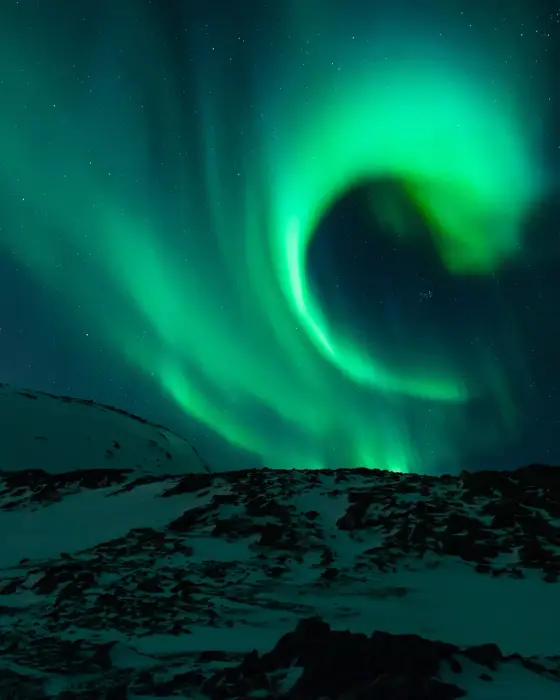
The lighthouse sits within the urban area, in Seltjarnarnes, costs nothing, and is already far enough from the city lights. Walk out to it at dusk, from late September to March, after checking vedur.is for a clear-sky forecast, because it's clouds that hide the aurora. Save the paid bus tour for a night when the city is clouded over, when the driver takes the group chasing a patch of open sky. Between mid-May and early August, don't bother, because it never gets dark enough.
Explore the map

© OpenStreetMap · OpenFreeMap · © OpenMapTiles
Explore the map, read about the other places and plan your travel days in the app.
Open the appWhat to see
Reykjavík: The lava peninsula and Esja
The climate is subpolar oceanic, moderated by the North Atlantic current: the average sits near 0 °C in January and 11 °C in July, with about 800 mm of precipitation and close to 200 days a year of rain or snow. For the day's plans, wind matters more than temperature.

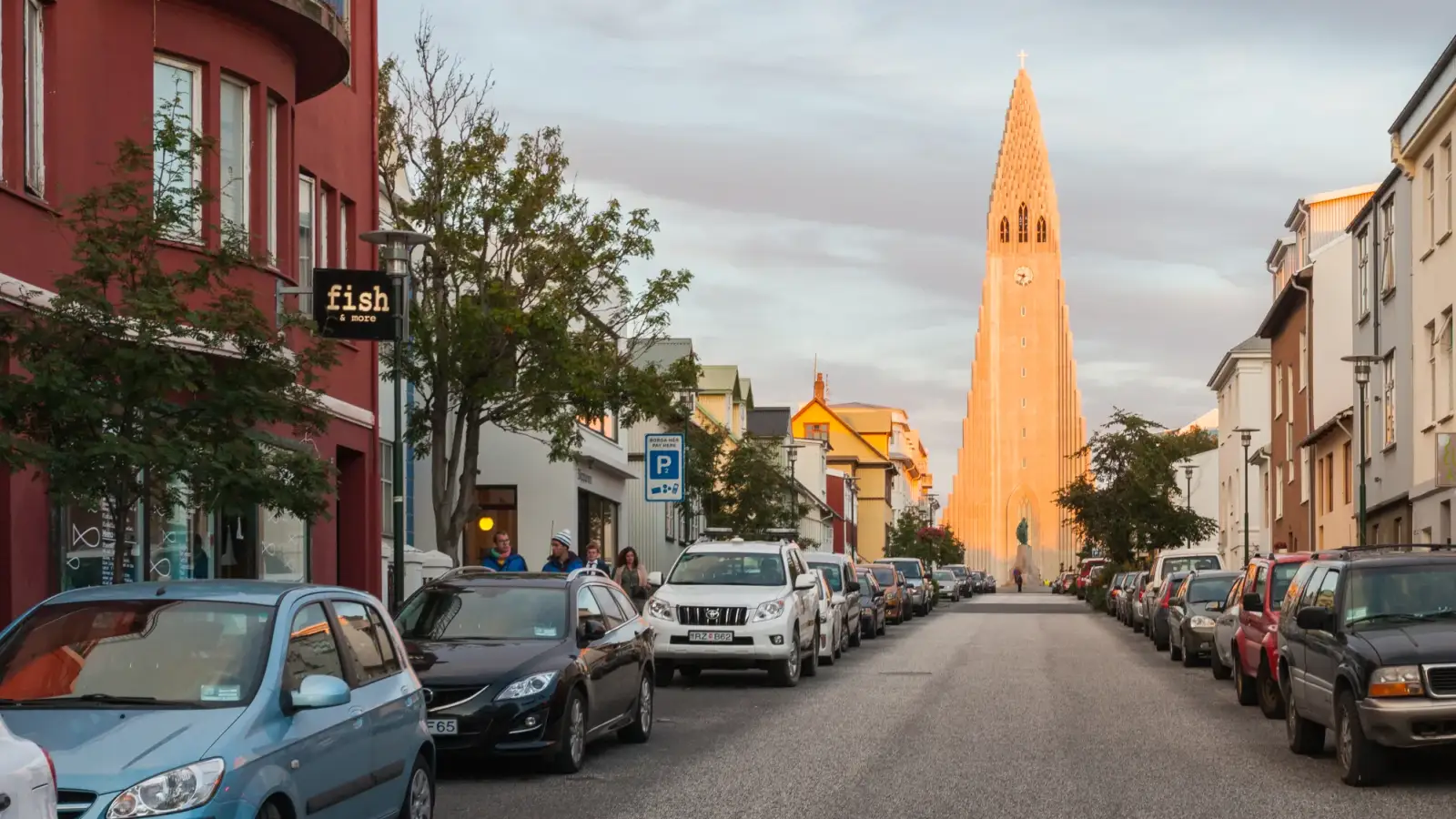
Hallgrímskirkja
Lutheran church atop Skólavörðuholt, designed by Guðjón Samúelsson in 1937 in the shape of basalt columns and built between 1945 and 1986. The tower is 74.5 m tall and has an elevator to the lookout; out front, the statue of Leifur Eiríksson was a gift from the United States in 1930, for the Alþingi's thousandth anniversary.
The 74.5 m tower echoes the shape of basalt columns and has an elevator up to the viewing platform, while the statue of Leifur Eiríksson out front arrived as a gift in 1930.
Check access
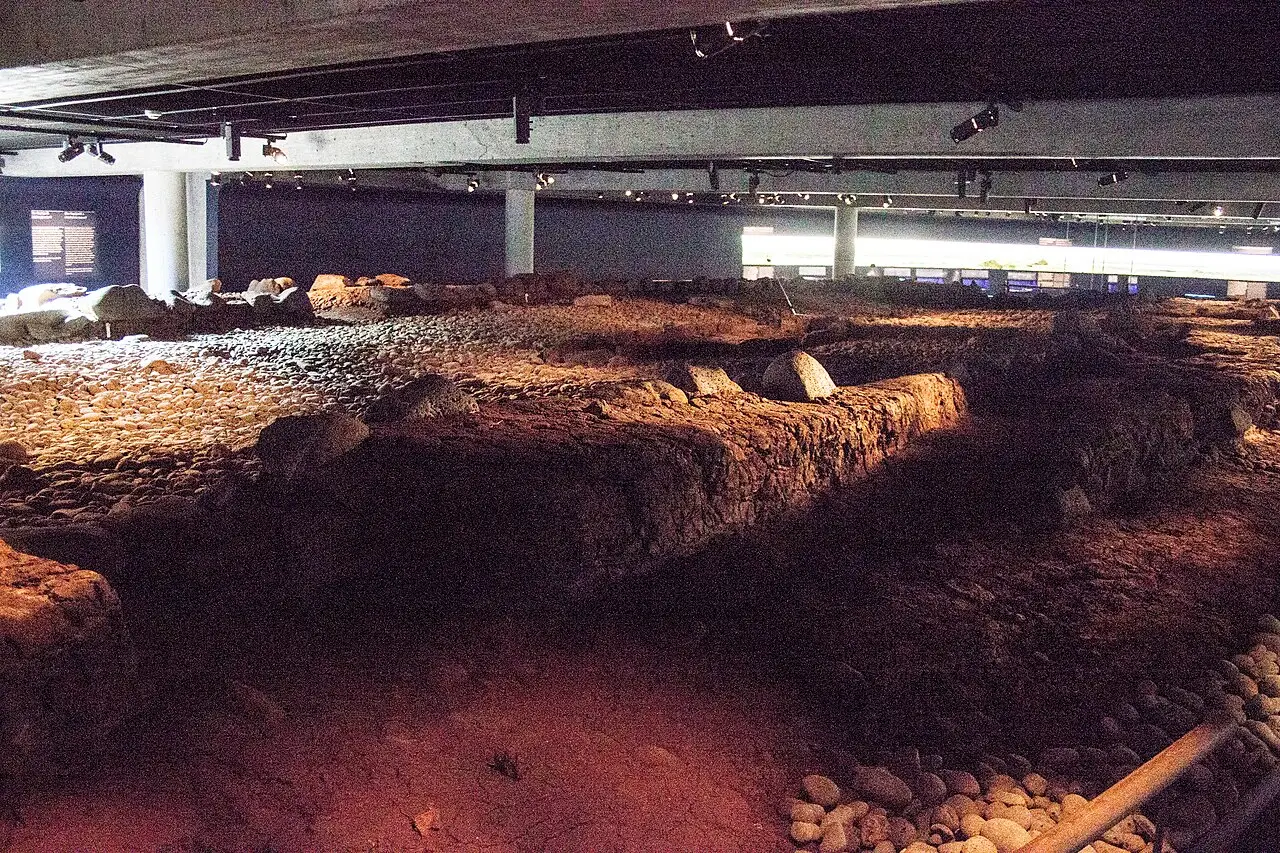
Landnámssýningin, at Aðalstræti 16
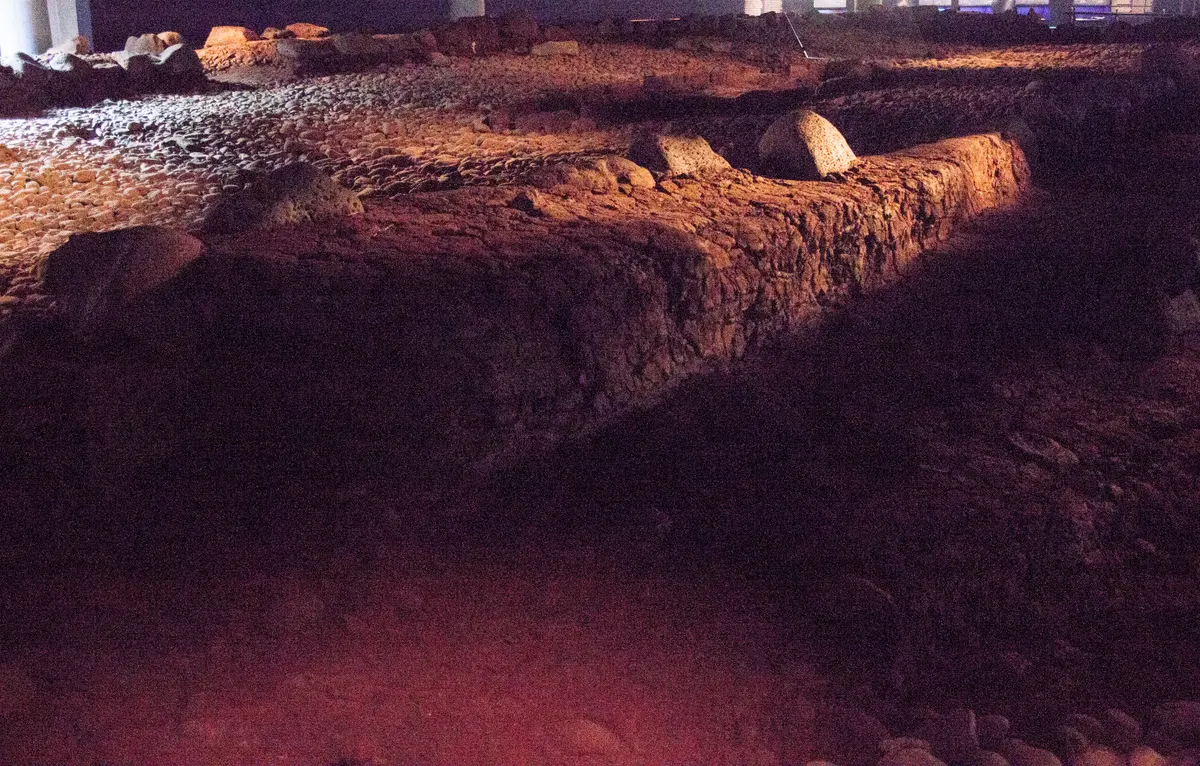
Settlement exhibit built around the ruins of a 10th-century longhouse, excavated on the spot in 2001, and a stretch of turf wall predating the 871 volcanic ash layer. It's the oldest thing visible within the city.
The exhibit was built around the ruins of a longhouse unearthed on the site in 2001 and a turf wall older than the 871 ash layer.
Check access
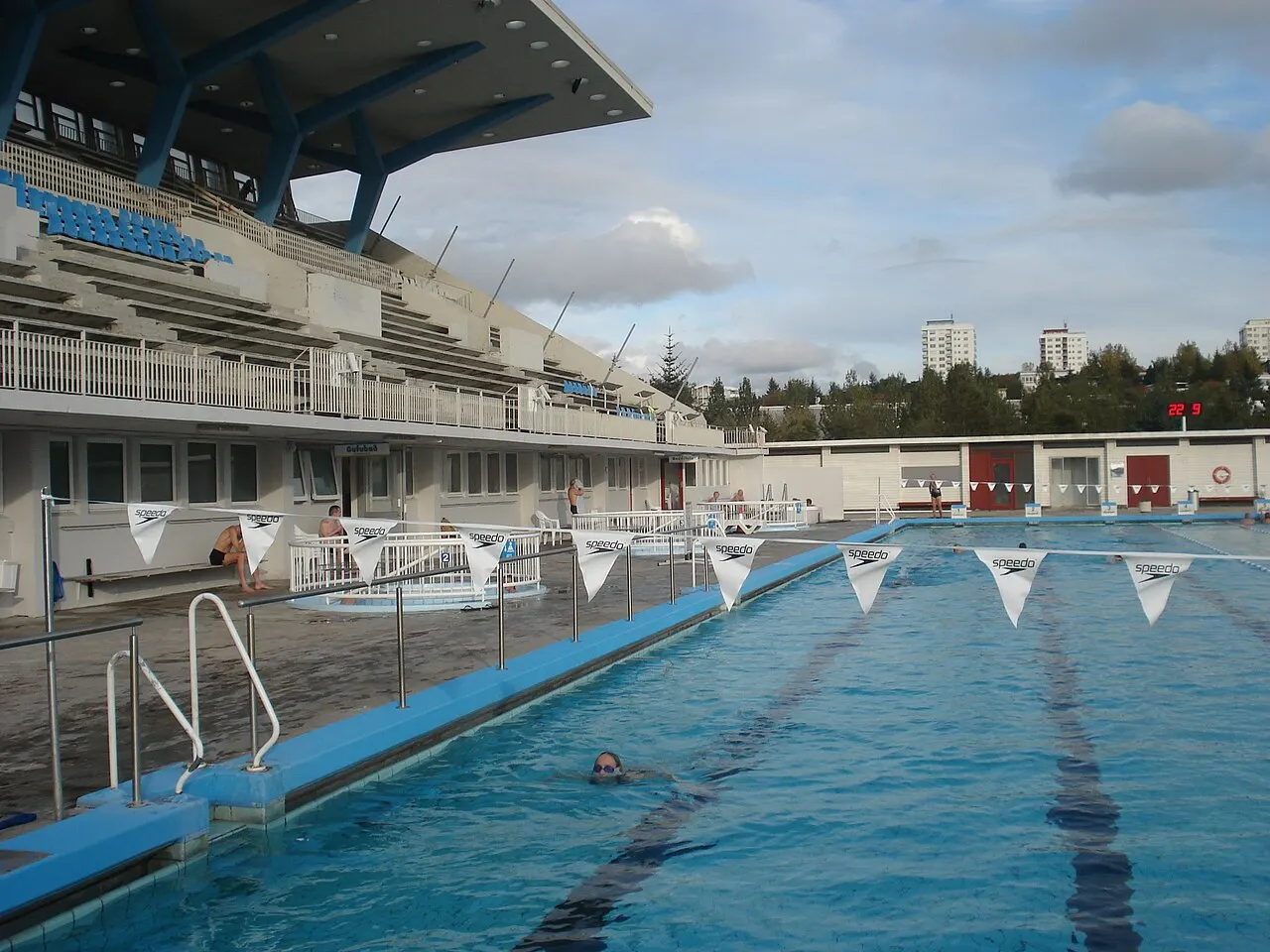
The geothermal pools
The city's social institution: Sundhöllin (1937, by Guðjón Samúelsson), Vesturbæjarlaug and Laugardalslaug, with water around 29 °C and hot outdoor tubs from 38 to 42 °C. Admission costs 1,500 kr at all three.
The neighborhood pool is where locals meet, early in the morning or after work, and the talk happens in the hot outdoor tub: it's the city's most local activity and costs a fraction of any tourist lagoon.
Check access

Harpa
Concert hall and convention center on the harbor front, opened in May 2011 after construction had stalled with the 2008 crash. The honeycomb glass facade is by Olafur Eliasson; entering and climbing the stairs is free, and the Iceland Symphony Orchestra plays there.
The glass facade belongs to the hall that opened in May 2011, after construction had stalled with the 2008 crash, and going in and climbing the stairs is free.
Check access

Sólfar (Sun Voyager)
Steel sculpture by Jón Gunnar Árnason installed in 1990 on Sæbraut avenue, facing Esja. It's not a Viking ship: the artist described it as a dream boat and an ode to light.
The steel piece facing Esja since 1990 is not a Viking ship; the artist described it as a dream boat.
Check access
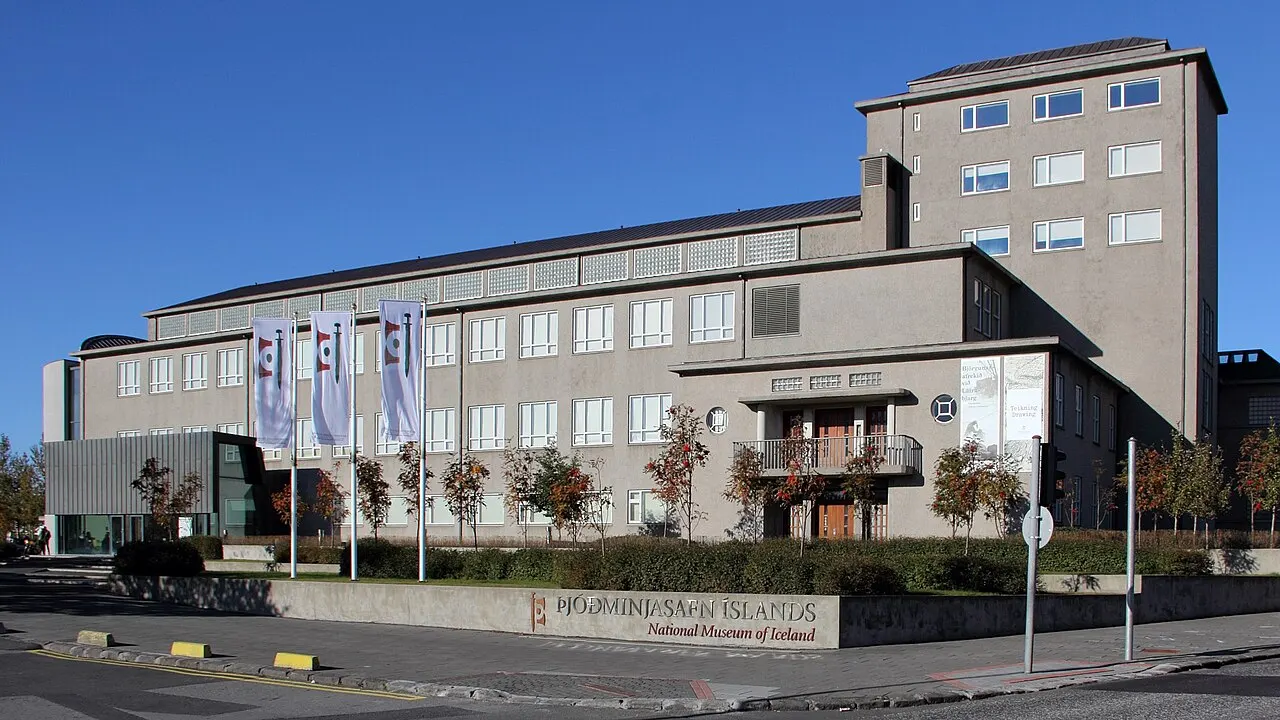
Þjóðminjasafn Íslands
The National Museum, next to the university, tells the country's history through about 2,000 objects, from settlement to the present. The centerpiece is the carved door from Valþjófsstaður, from the 13th century.
In the building next to the university, the visit tells the country's history through about 2,000 pieces, from the arrival of the first settlers to today, and the centerpiece is the carved door of Valþjófsstaður.
Check access
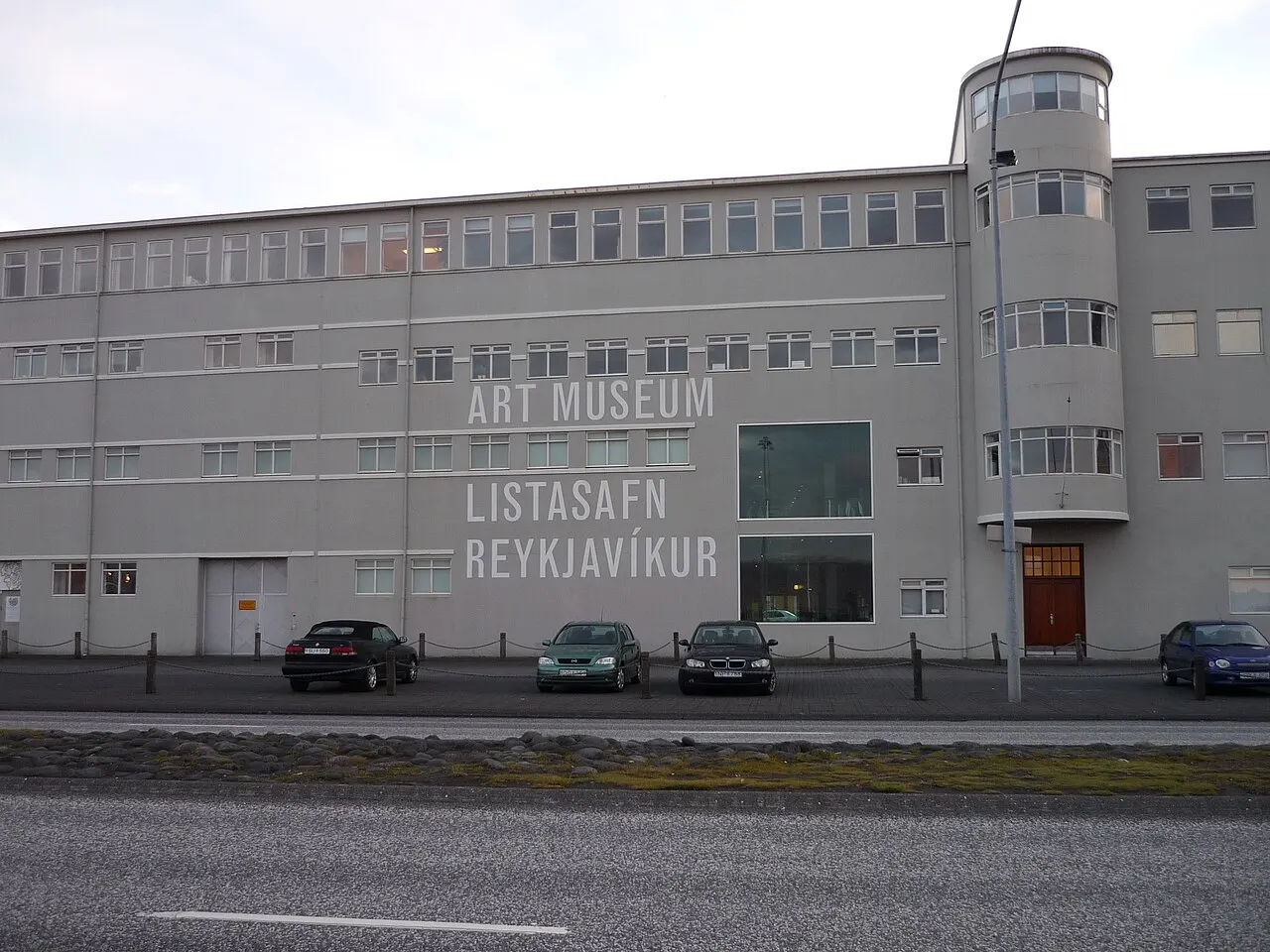
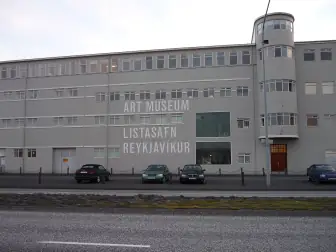
Hafnarhús, part of the Reykjavík Art Museum
Harbor warehouse converted into a museum, holding the collection the painter Erró donated to the city in 1989. The other two venues are Kjarvalsstaðir, dedicated to Jóhannes Kjarval, and Ásmundarsafn, sculptor Ásmundur Sveinsson's dome-shaped house.
The former harbor warehouse became a museum with the collection Erró donated to the city in 1989.
Check access

Kolaportið
Weekend flea market in a warehouse by the harbor, open Saturdays and Sundays from 11am to 5pm. It sells new and used wool sweaters, books, records, dried fish, and fermented shark at the food counter.
The weekend warehouse mixes wool sweaters, books and records with dried fish and fermented shark, and opens Saturdays and Sundays from 11am to 5pm.
Check access

Perlan
Glass dome over six hot water tanks on Öskjuhlíð hill, with a 360° observation deck, an artificial ice cave about 100 m long and a planetarium dedicated to the northern lights, all on one ticket.
The dome over the six tanks charges admission for an artificial ice cave 100 m long and a planetarium dedicated to the northern lights, while the real aurora can be seen for free at the Grótta lighthouse, within the urban area, from late September to March.
Check access
Nilo’s itinerary
Start with the basic programme and choose extensions for the time you have.
Plan my days in the app ↗Day 1 · Downtown on foot
Start at Austurvöllur, between the 1881 parliament and the 1796 cathedral, and continue to city hall, built over Lake Tjörnin.
See the 10th-century longhouse and the stretch of turf wall predating 871 at the Landnámssýningin, Aðalstræti 16, then have plokkfiskur or kjötsúpa for lunch nearby.
Climb Skólavörðustígur to Hallgrímskirkja and pay for the elevator up the 74.5 m tower to understand the city's layout from above.
Head down to the Sólfar sculpture, on Sæbraut, and step into Harpa: the glass lobby and the stairs are free.
Finish at Sundhöllin or Vesturbæjarlaug: shower naked first, then get into the outdoor hot tub at 40 °C, where locals arrive from work at the end of the day.
Day 2 · Museums, harbor and market
If it's Saturday or Sunday, open the day at Kolaportið, from 11am to 5pm, and try a cube of hákarl and flakes of harðfiskur at the food counter.
Go to the Þjóðminjasafn, next to the university, for the permanent exhibition on the country's formation.
Have lunch in Grandi, the old harbor, and see the Erró collection at Hafnarhús, part of the Reykjavík Art Museum.
Choose between a whale-watching trip leaving from the harbor (3 hours, 12,000–14,000 kr) and Perlan, with the ice cave and the aurora planetarium.
From late September to March, at dusk, walk out to the Grótta lighthouse.




If you stay longer
Day 3 · Out of town
Rent a car or take a tour to the Golden Circle: Þingvellir, Geysir, and Gullfoss, 230 to 300 km round trip.
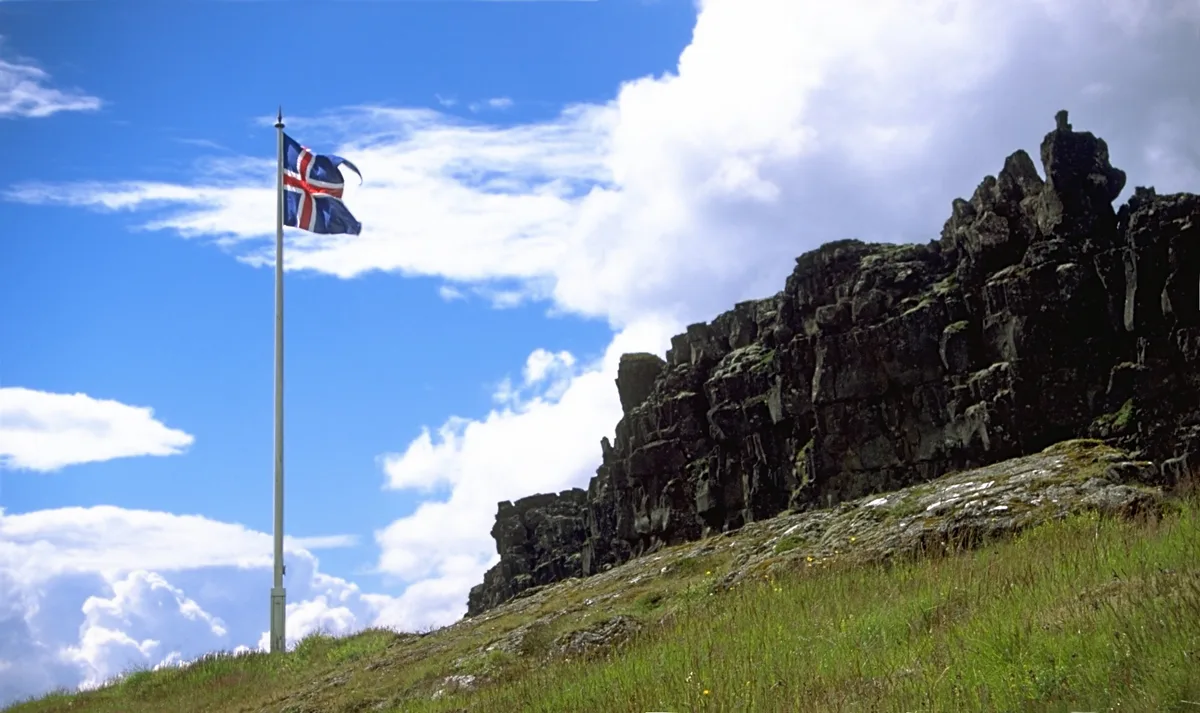
At Þingvellir, walk the Almannagjá rift, where the Alþingi met from 930 onward, between the North American and Eurasian plates.
Stop at Geysir to watch Strokkur erupt every 5 to 10 minutes, since the original Geysir has been almost inactive since the 20th century.
Head back from Geysir on Route 37 and stop in Laugarvatn to eat rúgbrauð baked in the geothermal ground.
If you'd rather have water than road, swap the day for Sky Lagoon, in Kópavogur, or Blue Lagoon. Check the Reykjanes peninsula's status first.
Food
 AI illustration
Pylsa
The Icelandic hot dog, made of lamb, pork, and beef. “Eina með öllu” means one with everything: raw onion, crispy fried onion, ketchup, sweet mustard (pylsusinnep), and remoulade. The Bæjarins Beztu Pylsur stand has been running near the harbor since 1937; 700–900 kr.
 AI illustration
Plokkfiskur
Sautéed shredded cod or haddock with potato, onion, and white sauce, served with rye bread and butter. It's home cooking and a cheap lunch: 2,500–3,500 kr at a café.
 AI illustration
Kjötsúpa
Lamb soup with potato, carrot, turnip, and oats or rice, seasoned with little more than salt and wild thyme. It’s available year-round and is the dish served in the street on June 17 and at Menningarnótt.
 AI illustration
Skyr
Curdled skimmed milk, technically a fresh cheese and not a yogurt, made on the island since the settlement. Costs 200–350 kr a tub at any supermarket; the traditional version is tart and eaten with milk and sugar.
 AI illustration
Harðfiskur and hangikjöt
Wind-dried fish, eaten in flakes with butter, and lamb smoked over birch and sheep dung, sliced over flatkaka. They're the country's pre-refrigeration pantry and are found in any supermarket.
 AI illustration
Rúgbrauð
Dense, slightly sweet rye bread, baked slowly; the hverabrauð version is buried in geothermal ground in Laugarvatn and takes 24 hours. It comes with butter and fish and goes alongside plokkfiskur.
 AI illustration
Hákarl with brennivín
Hákarl is fermented shark, cut into cubes, with a strong smell and taste, and it traditionally comes with a shot of brennivín, the Icelandic schnapps. It appears at þorrablót dinners and at the food counter in Kolaportið: try a small portion on the spot before taking home a whole packaged piece.
 AI illustration
Kleina, snúður and coffee
Bakeries sell kleina (a twisted, fried doughnut), snúður (a frosted roll), and cinnamon bread; the coffee is strong and a second cup is usually free at traditional cafés. An espresso runs 600–900 kr.
Where to eat
- Dill · Laugavegur 59 · $$$
A New Nordic tasting menu built on what the Icelandic season provides, holding the country's first Michelin star since 2017 and renewed in 2026.
Source · 2026-09-28
- Grandi Mathöll · Grandagarður 16, Grandi · $$
Nine stalls side by side in the old harbor, from Icelandic fish to Indonesian, Korean and Indian food; open every day from 11am to 9pm.
Source · 2026-09-28
- Sægreifinn (Sea Baron) · Old harbor, Grandi · $
A green wooden hut on the pier, famous for lobster soup served in a paper cup and eaten standing on the dock.
Source · 2026-09-28
- Svarta Kaffið · Laugavegur 54 · $
Soup of the day served inside a hollowed-out round loaf, the recipe of the first house in Iceland to do it, over 20 years ago.
Source · 2026-09-28
$: up to 2,500 kr, soup or stall · $$: 2,500-6,000 kr per dish · $$$: above 6,000 kr, or a tasting menu · 2026-09-28
Day trips
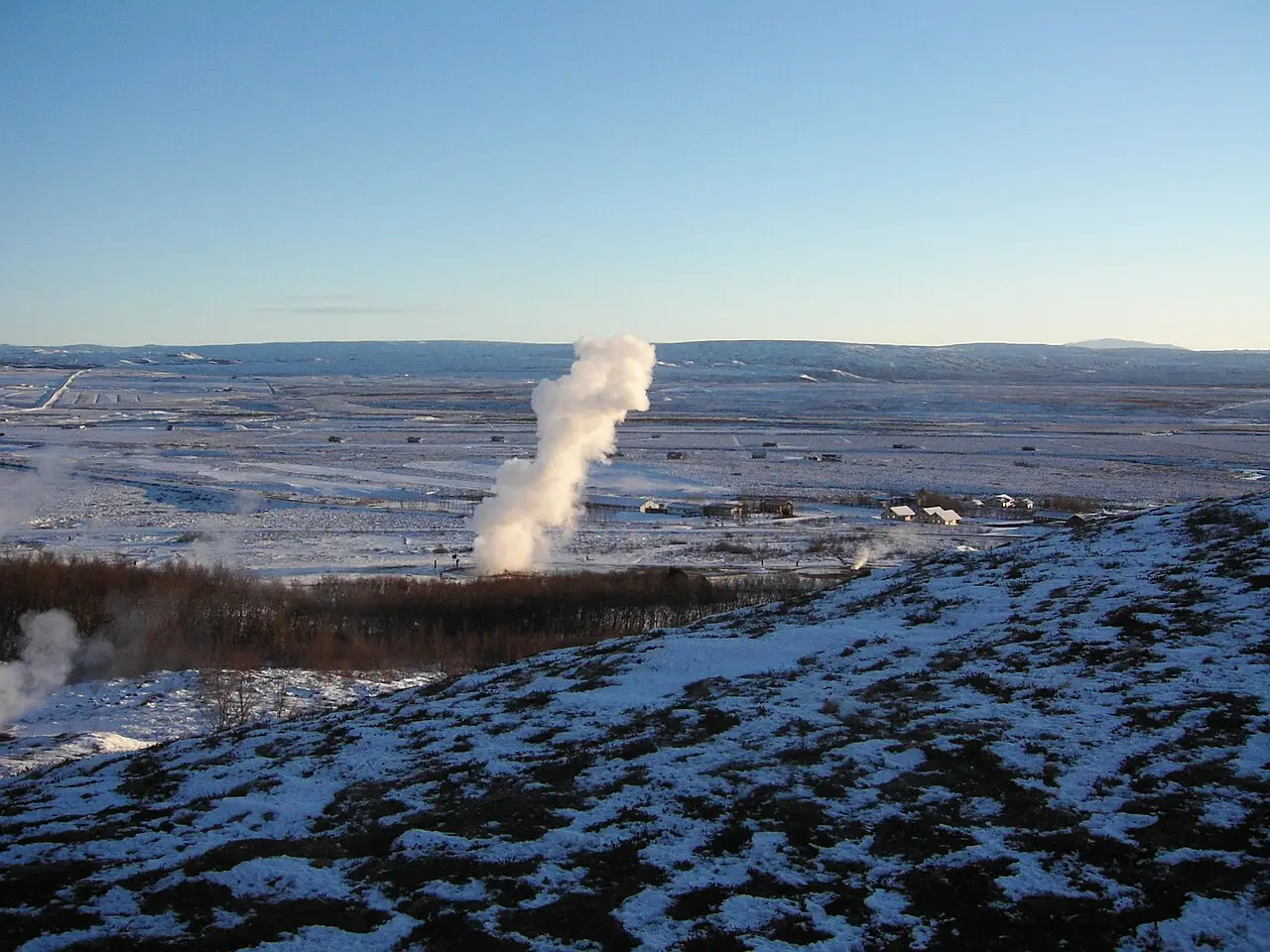
Golden Circle
Þingvellir at 45 km (about 50 min), Geysir at 115 km, and Gullfoss at 125 km, with a full round trip of 230 to 300 km in 6 to 8 hours. Doable by rental car or on a bus tour for 12,000–18,000 kr.

Reykjanes peninsula and the lagoons
The Reykjanes peninsula, southwest of the city, is the one with Keflavík airport, and it combines moss-covered lava fields with the Blue Lagoon. The region has seen volcanic activity since 2021, and Grindavík was evacuated in November 2023, so check the official alerts at safetravel.is before you go.
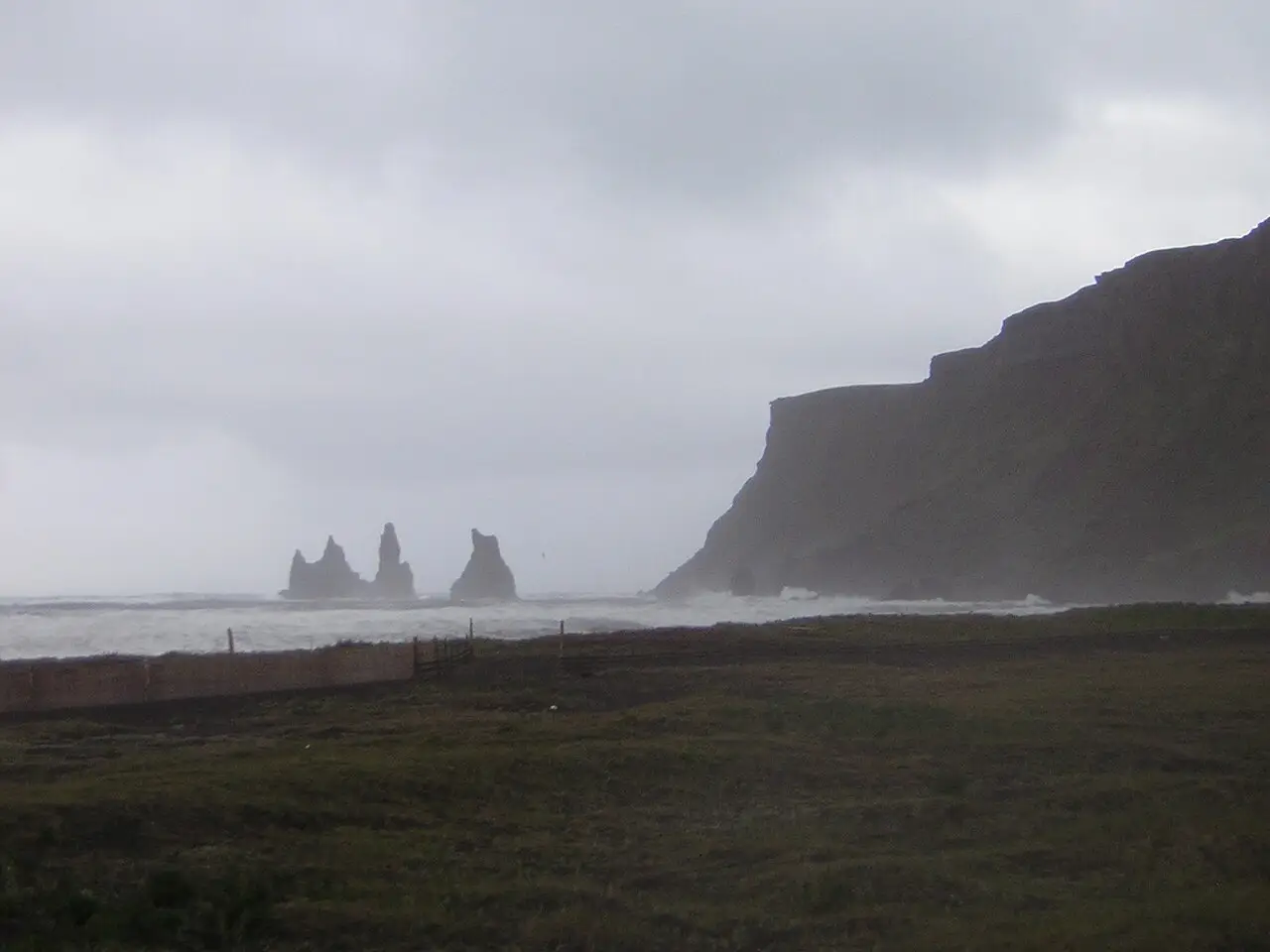
South coast to Vík
Seljalandsfoss at 125 km (about 1 hour 50 minutes), Skógafoss at 155 km, and the black sand beach of Reynisfjara, near Vík, at 187 km (about 2 hours 20 minutes). It's a full day of about 12 hours; in winter, leave with daylight and check road.is.
Where to begin
Downtown on foot
Start at Austurvöllur, between the 1881 parliament and the 1796 cathedral, and continue to city hall, built over Lake Tjörnin.
Museums, harbor and market
If it's Saturday or Sunday, open the day at Kolaportið, from 11am to 5pm, and try a cube of hákarl and flakes of harðfiskur at the food counter.
Money
The currency is the Icelandic króna (kr, ISK), at around 140–150 kr to the euro and 125–140 kr to the dollar in 2026, and the euro doesn't circulate. Don't bother with paper krónur: the country is practically cashless, and contactless cards work on the bus, in public restrooms, at the hot dog stand and at the pool. There's no tipping culture either, because service is included in the price. Prices are high across the board, so arrive knowing the 2026 ranges so your first bill doesn't come as a shock. An espresso costs 600–900 kr and a pylsa 700–900 kr; a half-liter beer at a bar runs 1,300–1,900 kr, or 800–1,200 kr during happy hour, which usually lasts from 4pm to 7pm. At lunch, soup with bread costs 2,500–3,500 kr, a main course at a mid-range restaurant 4,500–7,500 kr, and dinner for two with drinks 20,000–30,000 kr. For a bed, a hostel dorm costs 8,000–13,000 kr, and a three-star hotel 30,000–50,000 kr a night. VAT is 24%, with a reduced 11% rate for food, books and accommodation, and every visitor who doesn't live in Iceland, Europeans included, gets a tax-free refund on purchases of at least 12,000 kr on a single receipt: ask for the form in the store and get it stamped at Keflavík airport before boarding. The accommodation tax returned on January 1, 2024, and since 2025 it has been 800 kr per night per unit at hotels and guesthouses, added to the bill; campsites pay a smaller amount, and cruise passengers pay a daily fee.
Getting there and around
Keflavík Airport: 49 km, no train or platform
The international airport is Keflavík (KEF), 49 km southwest, 45 to 55 minutes by road, and there's no point looking for a platform: there's no train in Iceland. The Flybus and Airport Direct buses leave timed to each flight and cost around 4,000–4,500 kr per leg to the BSÍ terminal, with a transfer to your hotel for about 1,000 kr more; the Strætó route 55 is cheaper and much less frequent. A taxi from the airport to downtown runs 18,000 to 22,000 kr, and apps like Uber don't operate in the country. The local dispatchers are Hreyfill and BSR, called by phone or their own app. Reykjavík airport (RKV), inside the city, handles domestic flights to Akureyri, Egilsstaðir, and Ísafjörður, plus Greenland and the Faroe Islands.
Bus only: the yellow Strætó
Inside the city there are only buses: the yellow Strætó, with about 27 routes across the capital region and two main hubs, Hlemmur and Mjódd. A ticket costs 690 kr and lets you transfer for 75 minutes. Pay through the Klappið app or with a contactless card at the validator, because drivers don't take cash. Strætó has discontinued its 24-hour and 72-hour passes, and the cap is now automatic: at most 3 fares charged per day (2,070 kr) and 9 per week. Buses run every 15 to 30 minutes and stop between 11pm and 12:30am, which changes your evening plans. Work on Borgarlína, the bus rapid transit corridor that will link Reykjavík to neighboring municipalities, moved ahead from 2025, but the first line isn't expected to run until around 2030. In practice, you can cross downtown on foot in 20 to 25 minutes. There are good bike lanes in summer and Hopp scooters year-round, and downtown parking is paid by zone (P1 to P4) Monday to Friday from 9am to 6pm and Saturday from 10am to 4pm.
Safety
Reykjavík is one of the safest cities in the world. Iceland has led the Global Peace Index since 2008, regular police don't carry guns, and violent crime is rare. There are three risks, and all depend on the situation and time of day. The first is weather and nature: wind strong enough to knock pedestrians over, icy sidewalks between November and March, and unfenced hot springs. For the ice, buy mannbroddar, shoe grips, for about 2,000 kr at the supermarket. The second is the small hours of Friday and Saturday on Laugavegur, when the bars close around 4:30am: there's drunken scuffling and phone and wallet theft, nothing serious, and just walk a block away. The third is driving, with two-lane roads, one-way bridges, crosswinds, and volcanic sand that sandblasts the paint. The emergency number is 112, and the 112 Iceland app sends your location. Register hiking plans at safetravel.is and check road.is before hitting the road.
Etiquette tips
Pool rule: shower naked with soap before any dip
It applies to every pool and hot lagoon: it's a written rule, with a diagram on the wall showing the body parts to wash and staff who remind you. The water has little chlorine precisely because of this.
Take off your shoes when entering a house
No exceptions and no need to ask, even for a ten-minute visit and even in a rented apartment. The floor is heated from below and bare feet don't feel cold.
Don't leave a tip
It's not offensive, but it causes confusion: service is already in the bill and the waiter may run after you to return the change. Compliment and come back another day. That's how good service is recognized here.
Call people by their first name
Icelanders don't have family surnames: “Jónsdóttir” means daughter of Jón. The phone book is ordered by first name, the president is addressed by first name, and “Mr. Sigurðsson” doesn't exist.
Don't test anyone's belief in elves
People who work in tourism hear the question several times a day and the joke has worn thin. Ask about the specific case (why a certain construction project detoured around a certain rock) instead of asking someone to declare their belief.
Never leave the trail or drive off-road
Driving off marked roads has been a crime in Iceland since 1999, with a fine running into several hundred thousand krónur, because the mark on the moss takes decades to disappear. The same applies to stepping on the moss of the lava fields right next to the city.
Mistakes to avoid
Counting on Uber: ride-hailing apps don't operate in the country
Counting on Uber or another ride-hailing app to get back from the bar or to the airport. They don't operate in Iceland: taxis are called by phone, and for Keflavík the Flybus is much cheaper than a cab ride.
Opening the car door in strong wind
Opening the rental car door in strong wind. The gust tears the door off its hinge, basic insurance doesn't cover it, and the repair runs over 200,000 kr. Hold the door with both hands and park with the car's front facing into the wind.
Turning your back on the sea at Reynisfjara
Walking down to the water's edge on the black-sand beach at Reynisfjara, near Vík, for the photo. This beach's sudden sneaker waves have killed tourists: stay away from the wet sand and never turn your back on the sea.
Buying bottled water in a city with clean water
Buying bottled water. Tap water comes from a spring and is among the cheapest and cleanest in the world; the hot tap is geothermal, smells of sulfur, and isn't for drinking. Let the cold run a few seconds and fill your bottle.
Assuming the Golden Circle, the south coast and Snæfellsnes are equal in winter
Treating the Golden Circle, the south coast and Snæfellsnes as equivalent day trips in winter. The full Golden Circle loop runs 230 to 300 km, and the south coast and Snæfellsnes ones reach 380 and 400 km, with only four to five hours of daylight. Check conditions before setting out: without that, the trip can end in the dark with crosswinds.
Useful phrases
Góðan daginn
Good morning (GOH-than DIE-in)
Takk fyrir
Thank you (tahk FIH-rir)
Afsakið
Excuse me, sorry (AHF-sah-kith)
Talar þú ensku?
Do you speak English? (TAH-lar thoo ENS-koo)
Eina með öllu
One with everything: the standard hot dog order (AY-na meth UHT-loo)
Þetta reddast
It'll work out in the end (THET-ta RED-ast): the country's most-used phrase
Where to stay
- Miðborg and Kvosin · A short first trip, everything on foot · $$$: It holds most of the city's hotels and sits minutes from everything worth walking to; it is also the priciest stretch in town and the loudest on Friday and Saturday nights.
- Grandi · Museums, whales and the food hall without sleeping on top of the nightlife · $$: It is a 15 to 20 minute walk from downtown, with newer apart-hotels cheaper than Kvosin, and the whale-watching boats leave right from the old harbor.
- Vesturbær · Residential quiet, close to the university · $$: It lies west of downtown, with no big hotel chain, but cheaper short-term rentals and the neighborhood pool, Vesturbæjarlaug, a short walk away.
- Laugardalur · A car, a family, or a backpack · $: It gathers the municipal campsite, the city hostel and the country's biggest pool, a 25 to 30 minute walk from downtown or two Strætó buses.
$: hostel, 8,000-13,000 kr · $$: three-star hotel, 30,000-50,000 kr · $$$: above 50,000 kr a night · 2026-09-28
Districts
Kvosin and Miðborg
The original quadrilateral between Lake Tjörnin and the old harbor, with the 1881 parliament and the 1796 cathedral on Austurvöllur square, city hall over the water, and wooden houses clad in corrugated iron. It holds most of the hotels and nearly everything you visit on foot.
Laugavegur and Skólavörðustígur
The two shopping streets that climb from downtown up to Hallgrímskirkja, closed to cars in the central stretch. They gather shops, restaurants, and Friday-and-Saturday nightlife, which only starts after midnight.
Grandi and the old harbor
Former fish-processing area west of downtown, now home to galleries in the Marshall House, the Valdís ice cream shop, museums, and the whale- and puffin-watching boats. Fishing vessels still work right alongside.
Vesturbær
Residential neighborhood to the west, with the University of Iceland, the National Museum, the Vesturbæjarlaug pool, and the KR soccer club. It's the Reykjavík of people who actually live there, without a shop window.
Þingholt
The slope east of Tjörnin, with the city's oldest and most expensive wooden houses on narrow, steep streets. Good for walking without a destination between the lake and Hallgrímskirkja.
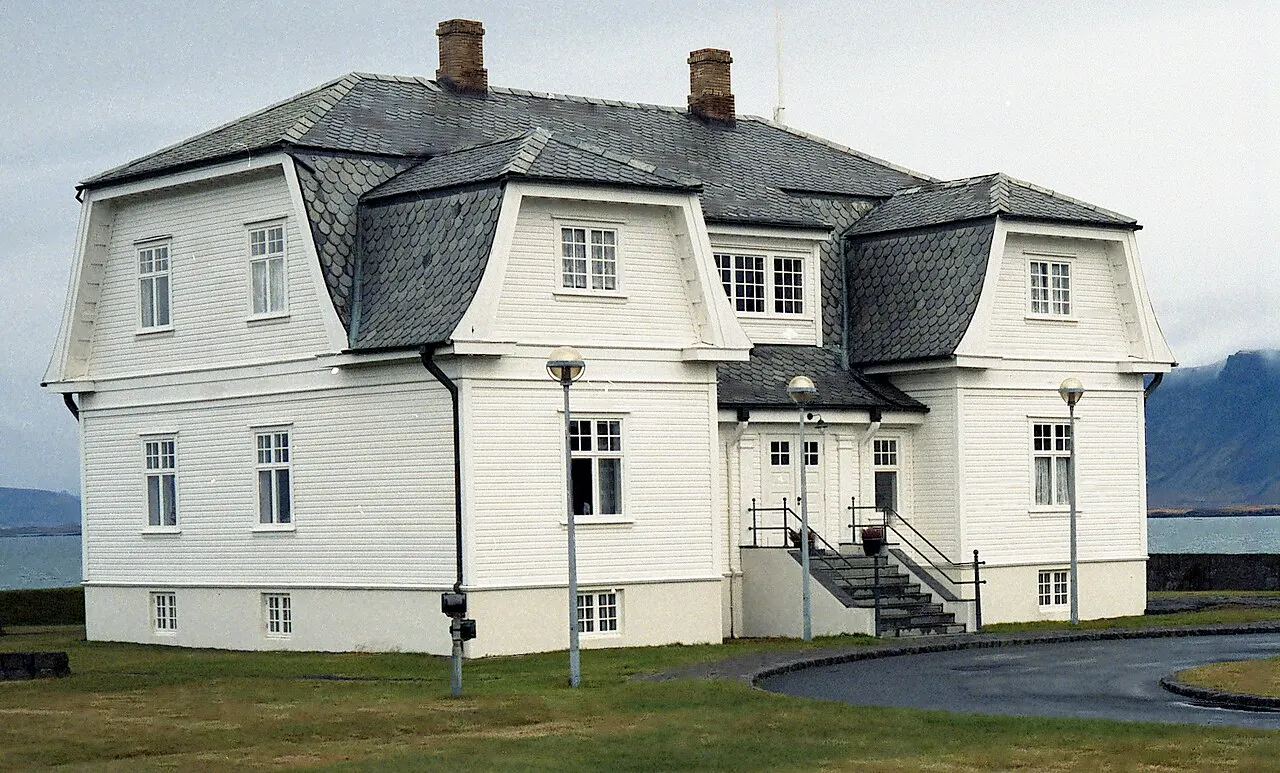
Laugardalur
The valley to the east that holds the national stadium Laugardalsvöllur, the country's largest pool (Laugardalslaug), the botanical garden, the family zoo, and the municipal campsite. The name comes from the hot springs where people used to wash clothes until the 20th century.
Hlemmur and Rauðarárholt
Around the old bus terminal, converted in 2017 into the Hlemmur Mathöll food hall, with Klambratún park and the Kjarvalsstaðir museum a few minutes away.
Breiðholt
Housing development from the 1960s and 1970s in the southeast, the city's most diverse neighborhood, with the Gerðuberg cultural center and the Mjódd bus hub. It's 20–25 minutes by bus from downtown.
History
c. 874 · The bay of smoke
The Landnámabók dates to around 874 the arrival of the Norse settler Ingólfur Arnarson, who is said to have named the place Reykjavík, “bay of smoke,” after the steam from the hot springs. The excavation at Aðalstræti 16 found a turf wall predating the 871±2 ash layer and a longhouse from the 10th century.
930 · The Alþingi at Þingvellir
The assembly of Icelandic chieftains begins meeting every summer at Þingvellir, 45 km to the east, in the open air. It is the origin of the parliament that today meets at Austurvöllur.

1262–1264 · End of the free commonwealth
Under the Gamli sáttmáli the chieftains accept the Norwegian crown and the island stops being a country without a king. In 1380 it passes, together with Norway, to the Danish crown.
1602–1787 · Danish trade monopoly
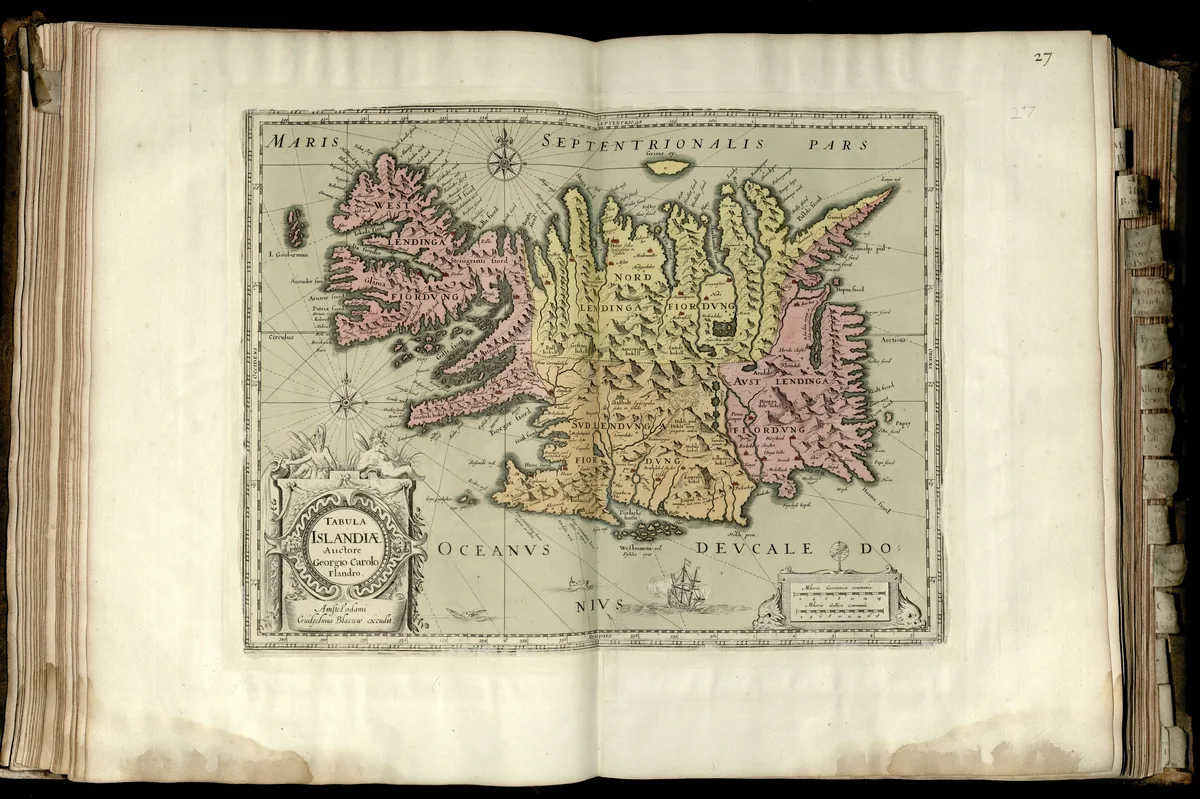
Copenhagen hands all Icelandic trade to privileged companies and forbids trading with anyone else. The impoverishment that follows frames Iceland's 18th century.
1752 · Skúli Magnússon's workshops
The administrator Skúli Magnússon sets up the Innréttingar in Reykjavík (wool weaving, dyeing, rope-making) to industrialize the island. The buildings from then form the core of Aðalstræti street.

1786 · Town charter
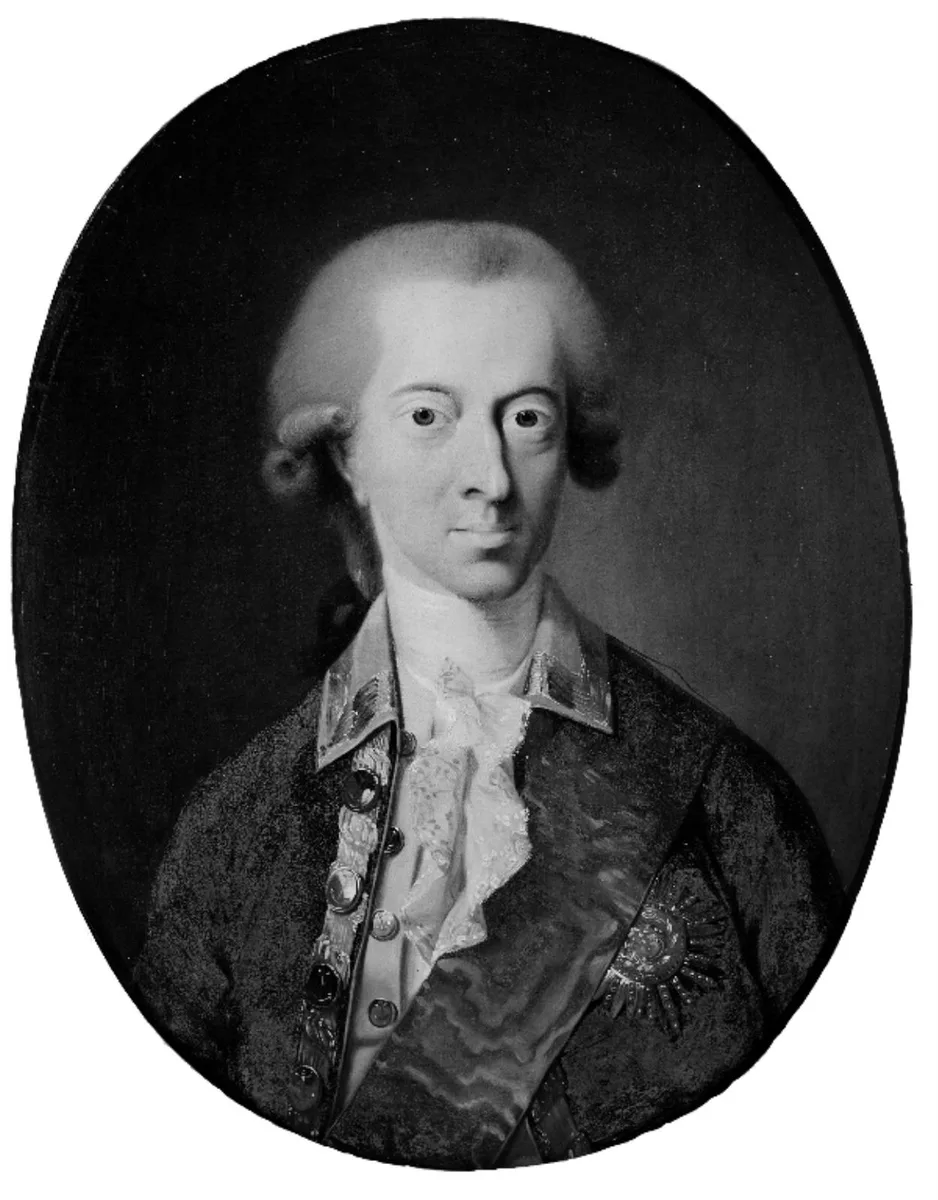
On August 18, 1786, King Christian VII grants Reykjavík the status of kaupstaður, when about 170 people live there. The date is the city's anniversary and the reason for Menningarnótt.
1845 · Parliament moves to the city
The Alþingi, abolished in 1800, is restored and begins meeting in Reykjavík, which becomes the country's political center. The basalt parliament building dates from 1881; the cathedral next door, from 1796.

1904–1918 · Home rule and sovereignty
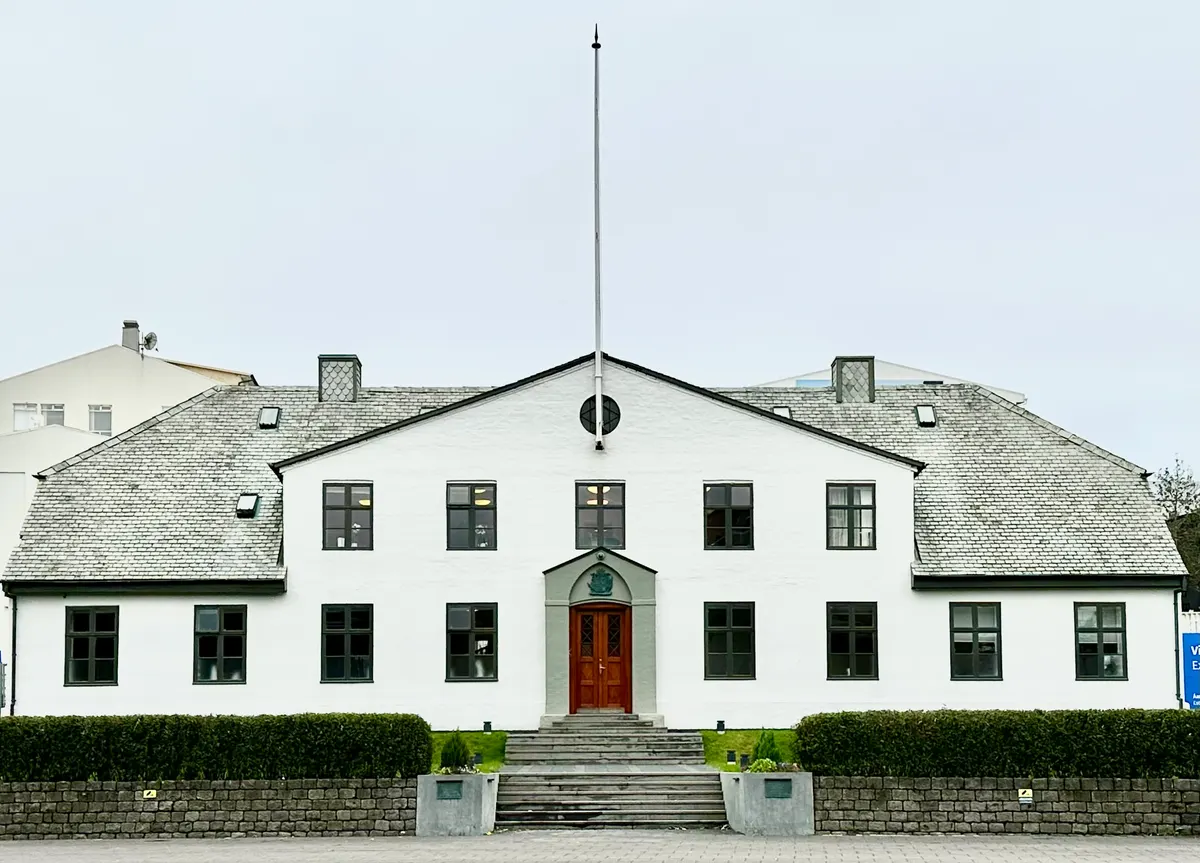
In 1904 Iceland gains its own government, based in Reykjavík, with Hannes Hafstein as first minister. On December 1, 1918, it becomes a sovereign kingdom in personal union with Denmark.
1940–1945 · British and American occupation
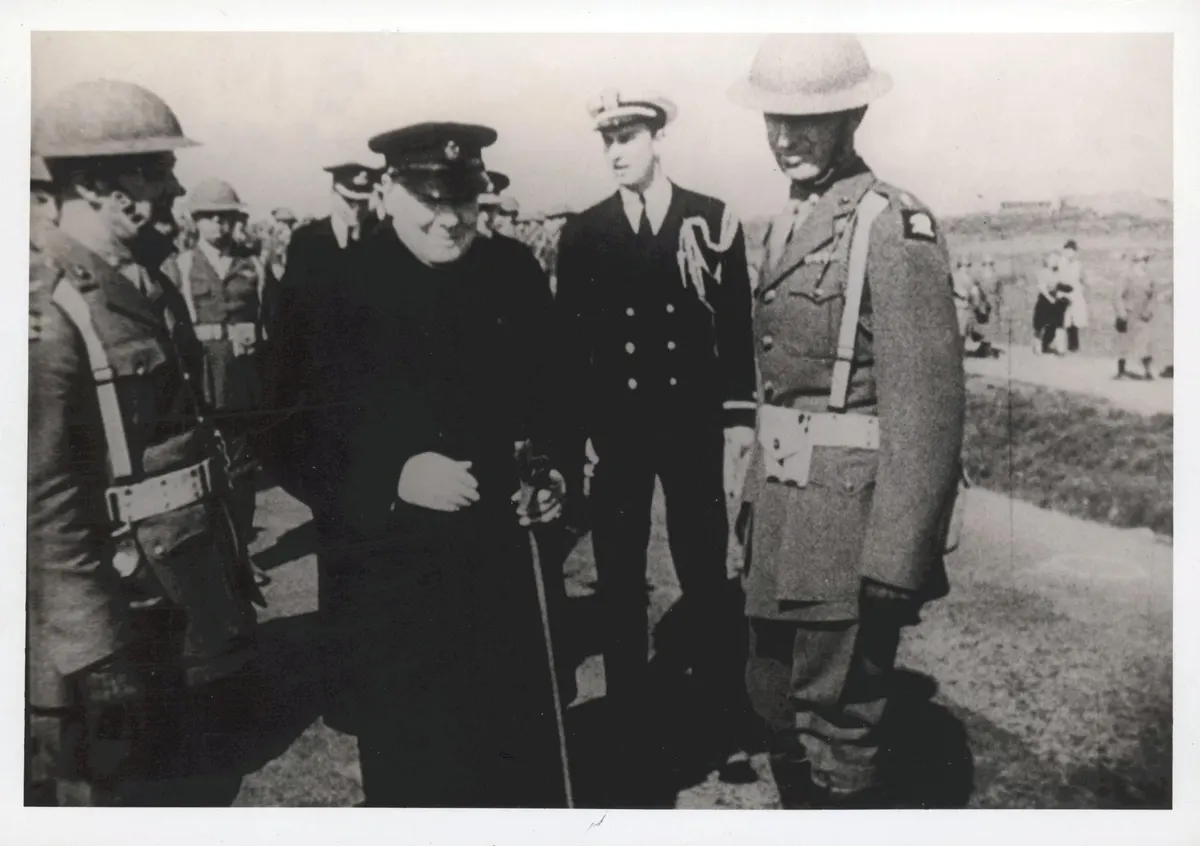
British troops land in Reykjavík on May 10, 1940, and are replaced by American forces in 1941, who build Keflavík airport. The construction work and wages transform a town of about 38,000 into a city with jobs and money.
6/17/1944 · Republic proclaimed
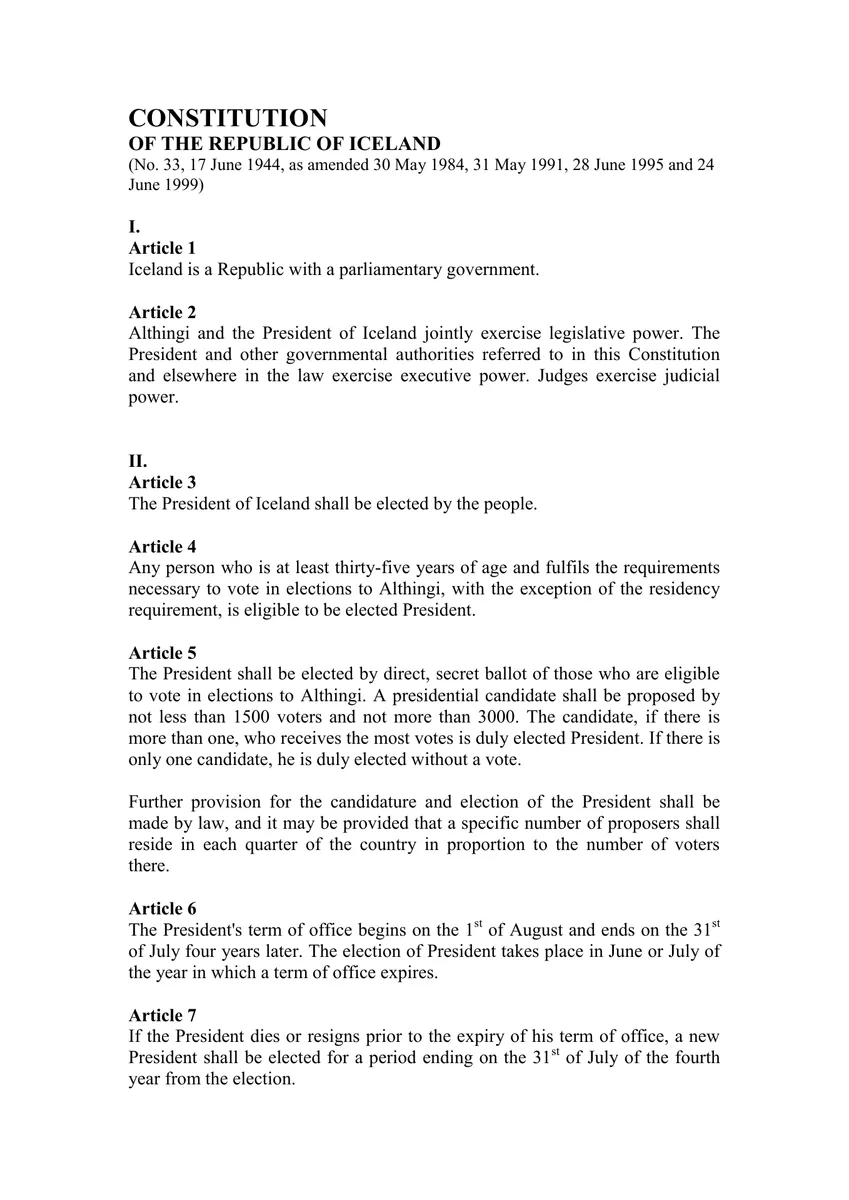
With Denmark occupied, Iceland proclaims the republic at Þingvellir, in the rain, and elects Sveinn Björnsson as first president. June 17 is the national holiday.
2008–2010 · The crash and tourism
In October 2008 the three big banks fail in a single week, the króna loses about half its value, and the pot-banging in Austurvöllur brings down the government in January 2009. The Eyjafjallajökull eruption in April 2010 puts the island in the world's news and opens the tourism cycle that has supported the city ever since.

Complete history
Settled late, between 870 and 930
Iceland was settled late, between about 870 and 930, by Norse people coming from Norway and the British Isles, many with wives and servants of Gaelic origin: the population's genetics still show that mix. Reykjavík is the spot where tradition says Ingólfur Arnarson cast his high-seat pillars into the sea and built his house where they washed ashore; archaeology confirms occupation of the site since the 10th century. Medieval Reykjavík, though, doesn't exist: for nine hundred years Iceland was a country without cities, with power resting in chieftains' farms and the bishoprics of Skálholt (1056) and Hólar (1106), and all politics concentrated into two summer weeks at the Alþingi at Þingvellir, in the open air.
The economy turns Reykjavík into a city
What made Reykjavík a city was the economy. Under the Danish trade monopoly (1602–1787) the island grew poorer; the Laki eruption of 1783–84 killed about a fifth of Icelanders and most of the livestock, and Copenhagen even discussed evacuating the country. In 1752 Skúli Magnússon had already set up the Innréttingar there, and in 1786 the king granted a charter to a settlement of 170 people. The 19th century did the rest: the Alþingi began meeting again in Reykjavík in 1845, the parliament building dates from 1881, the modern harbor was finished in 1917, and motorized fishing concentrated people and money on Faxaflói bay.
Fast and uneven, the 20th century
The 20th century was fast and uneven. Sovereignty in 1918 arrived together with an ice-cold winter, the Katla eruption, and the Spanish flu. In 1930 the city began heating with hot water pumped from underground, and today practically all of the country's heating and nearly all of its electricity are geothermal or hydroelectric. That's why there's no coal soot in a city at 64° latitude. The war accelerated everything: the British occupation of May 10, 1940, and the American one from 1941 brought roads, the Keflavík and Reykjavík airports, and wages paid in cash; the municipal population jumped from about 38,000 in 1940 to about 56,000 in 1950. The republic was proclaimed at Þingvellir on June 17, 1944.
A city of new neighborhoods
The Reykjavík of the second half of the century is a city of new neighborhoods: Breiðholt and Árbær were built in the 1960s and 1970s to house people arriving from the countryside, and the suburban model of car and parking lot shaped the urban grid seen today. Two world events happened here: the chess championship between Bobby Fischer and Boris Spassky at the Laugardalshöll arena, in 1972, and the summit between Ronald Reagan and Mikhail Gorbachev at Höfði house, on October 11 and 12, 1986, which unlocked the end of the Cold War. On October 24, 1975, 90% of Icelandic women stopped working for a single day; five years later the country elected Vigdís Finnbogadóttir, the first woman head of state chosen by direct election in the world.
The 2008 crash and the eruption that brought tourists
The city's present grows out of two episodes: the banking crisis and the volcanic eruption that closed European airspace. In October 2008, Landsbanki, Kaupthing, and Glitnir failed within a week, with liabilities many times larger than GDP; the króna crashed, the country kept capital controls until 2017, and the following winter brought daily protests in front of parliament. In April 2010 the Eyjafjallajökull eruption closed European airspace and turned Iceland into a headline: foreign visitors went from about 460,000 in 2010 to more than 2 million a year within the following decade, and tourism became the leading export sector alongside fishing and aluminum. The consequences are on the street: Harpa, opened in 2011, hotels where there used to be fish warehouses, short-term rentals pressuring housing downtown, and, since 2021, a sequence of eruptions on the Reykjanes peninsula (the harshest forced the evacuation of Grindavík in November 2023) which the city follows on the news without leaving home. Reykjavík is today a capital of services, university, and tourism, with aluminum in Straumsvík and a fishing port still active in Grandi, and this decade's public debate is that of any city that grew fast: housing prices, densifying downtown, the Borgarlína corridor, and how much tourism fits in a metropolitan area of 250,000 people.
Reykjavík has no medieval center: for nine hundred years Iceland was a country without cities, and Reykjavík only became an official town in 1786.
The Icelandic parliament, the Alþingi, used to meet outdoors in Þingvellir, 45 km from here, two weeks every summer.
Geography and shape of the city
The lava peninsula and Esja
Reykjavík occupies a low peninsula between Faxaflói bay and Kollafjörður fjord, sitting on lava from post-glacial eruptions, with very few points above 60 m: the hills of Skólavörðuholt, where Hallgrímskirkja stands, and Öskjuhlíð, where Perlan stands, plus Lake Tjörnin in the middle of downtown and the salmon-bearing Elliðaár river cutting through the east. Across the water rises Mount Esja, 914 m, which the city uses as a weather forecast: when Esja disappears, rain is coming.
The wind and the light
The climate is subpolar oceanic, moderated by the North Atlantic current: average of about 0 °C in January and about 11 °C in July, about 800 mm of precipitation, and close to 200 days a year with rain or snow; what matters most for the day's plans is the wind, more than the temperature. Light is the other extreme: on June 21 the sun stays almost 21 hours above the horizon and the night never truly darkens; on December 21 it rises around 11:20am and sets at 3:30pm.
A low, spread-out city
In its urban layout it's a low-density, very car-dependent city: the old core, Kvosin, can be crossed on foot in twenty minutes, but the neighborhoods from the 1960s and 1970s stretch across 15 km along avenues like Miklabraut, and the city plan since 2010 has been trying to densify the corridors set aside for Borgarlína, the bus rapid transit system under construction.
Culture
A music scene out of all proportion to its size
The city turns out music far out of proportion to its size. Björk came out of here with the Sugarcubes in the 1980s, Sigur Rós recorded “Ágætis byrjun” in 1999, and the recent lineup includes Of Monsters and Men, GusGus, Ólafur Arnalds, Laufey, born in Reykjavík in 1999, and Hildur Guðnadóttir, who won the Oscar for Best Score for “Joker” in 2020. The Iceland Airwaves festival, started in 1999, takes over bars, churches, and bookshops downtown in early November; outside of it, the Symphony Orchestra plays at Harpa and there's a small concert almost every night in some bar on Laugavegur.
Publishes and reads more per capita
Iceland publishes and reads more per capita than almost any country, and Reykjavík has been a UNESCO City of Literature since 2011. The foundation is the sagas written in the 13th and 14th centuries, preserved and displayed by the Árni Magnússon Institute; the modern peak is Halldór Laxness, Nobel laureate in 1955, whose house in Mosfellsdalur, 15 km away, is now a museum. The most visible custom is the jólabókaflóð, the Christmas book flood: nearly all of the year's releases come out between October and December, the Bókatíðindi catalog is delivered to every home, and the gift for the night of the 24th is a book. In film, Baltasar Kormákur (“101 Reykjavík,” 2000) built the RVK studio and the island became a frequent location for foreign productions.
The pool and the weekend
The municipal pool is the meeting point of the week: it's in the hot tub, early morning or after work, that locals catch up. Nightlife, by contrast, concentrates on the weekend, and almost everything happens only between Friday and Saturday, until the bars close around 4:30am.
Laufey was born in Reykjavík in 1999, the same year as the first Iceland Airwaves.
Festivals and events
 AI illustration
Menningarnótt (Culture Night)
The Saturday closest to August 18, anniversary of the 1786 town charter. The whole downtown turns into free programming from 1pm until the fireworks at 11pm, and the Reykjavík Marathon runs that morning.
Iceland Airwaves
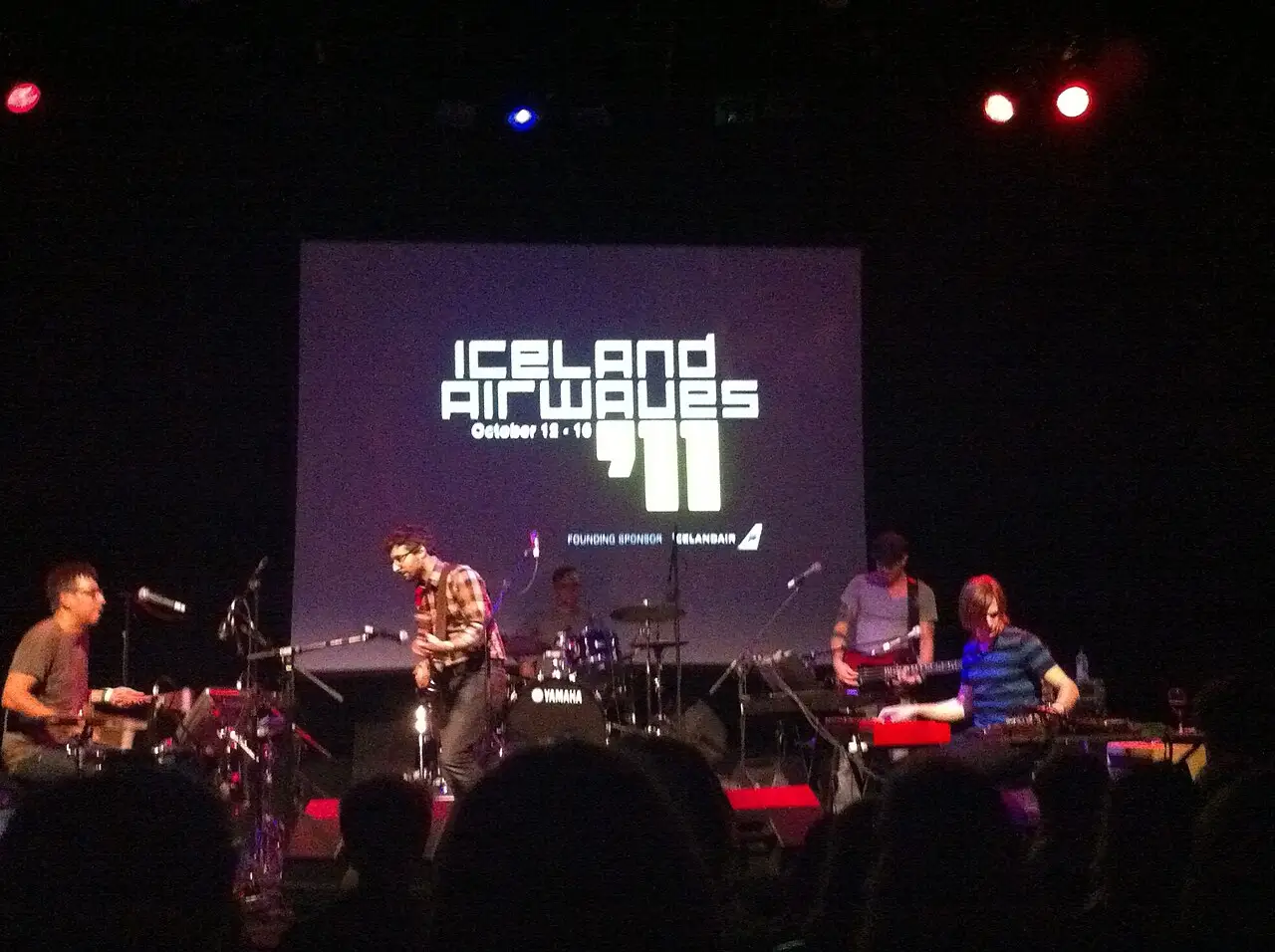
Early November, since 1999. Five days of shows in small downtown venues, with a free parallel program in bars and shops, the off-venue.
 AI illustration
June 17th, National Day
Anniversary of the 1944 republic and of Jón Sigurðsson's birth. Parade, balloons, kjötsúpa in the street, and the Fjallkonan, the “lady of the mountain,” reading a poem in national dress.

Þorrablót
Between mid-January and mid-February, during the old month of þorri. Community dinners of preserved food (lamb in whey, hákarl, sheep's head) with speeches, singing, and brennivín.
 AI illustration
Vetrarhátíð (Winter Lights Festival)
Four days in early February, with Museum Night and Pool Night, when the municipal pools stay open late with lights and music.
Books and films
“Independent People,” by Halldór Laxness (1934–35)
The novel that underpinned the 1955 Nobel Prize. It explains the rural stubbornness that, in two generations, produced the city that exists today.
“101 Reykjavík,” by Hallgrímur Helgason (1996), and Baltasar Kormákur's film (2000)
The downtown postal code became the definition of a way of life: small apartment, long winter, Friday night. It's the portrait of the city before tourism.
“Heima,” a Sigur Rós documentary (2007)
Record of the free tour the band did around the island in 2006, playing in gymnasiums, churches, and farms. It shows the relationship between the landscape and the sound Reykjavík exports.
Frequently asked questions
Reykjavík: Can you use Uber?
No: Uber-type apps don't operate in the country, and Hreyfill or BSR taxis are called by phone.
Reykjavík: How do you get from Keflavík Airport to downtown?
The Flybus and Airport Direct buses leave timed to each flight and cost around 4,000 to 4,500 kr per leg to the BSÍ terminal, with a transfer to your hotel for about 1,000 kr more; Strætó route 55 is cheaper and much less frequent.
Reykjavík: How long does the Golden Circle loop take?
The full loop takes 6 to 8 hours and covers 230 to 300 km. Þingvellir is 45 km away (about 50 min), Geysir 115 km, and Gullfoss 125 km.
Reykjavík: What's the currency, and is the euro accepted?
The currency is the Icelandic króna (kr, ISK), around 140 to 150 kr to the euro and 125 to 140 kr to the dollar in 2026, and the euro doesn't circulate.
Reykjavík: What's summer like?
Summer runs from June to August: highs of 11 to 15 °C, lows near 8 °C, and near-constant light; at the June 21 solstice the sun disappears for a little over three hours and the sky never really darkens, which disrupts the sleep of anyone not used to it.