
Turkey
Istanbul
Hagia Sophia, bazaars, Bosphorus ferries and meyhanes
Days Start with the basic programme and choose extensions for the time you have.
How the guide reaches this number
It's a big city, spread across two shores and many hills, so come ready to climb all day and count getting around as part of the plan. With just one day, enter the Blue Mosque at opening and Hagia Sophia at 9:30am, with a ticket bought the day before, and have lunch in Fatih. At four in the afternoon, take the ferry from Eminönü to Kadıköy, because the day ends better on the Asian side than at a fourth monument. What disappoints is Sultanahmet, almost all hotels and tour groups, with menus in six languages.
3–4
When April–May and September–October
How the guide reaches this number
April–May and September–October are the best windows: 15–25 °C, moderate rain and long days. Summer, July to August, runs 28 to 33 °C with high humidity off the sea, and that's when the lines at Hagia Sophia and Topkapı run over an hour. Winter, December to February, has 5–10 °C, frequent rain, the north poyraz wind and snow once or twice a year, which stops the whole city for a day. In return, hotels drop by nearly half and mosques stand empty. Rain concentrates from November to January. In April the city plants tulips in Emirgan and Gülhane parks, and it's worth knowing the order of things: the tulip is an Ottoman flower before it's a Dutch one. August brings heat, humidity, high prices and lines together. During the four days of Kurban Bayramı the city empties out, which is good for the monuments and bad for neighborhood shops. One of those days is likely to bring empty streets, an open museum and the corner bakery closed.
Per person/day €40–70 per person, splitting a double room and not counting admission fees charged in euros
How the guide reaches this number
Per person per day: accommodation, meals, urban transport, visits and a small allowance for extras. Flights excluded; larger purchases vary. Editorial estimate, not a quote.
 What Nilo thinks
Istanbul calls for three days: one for the historic peninsula, another for Galata and the Bosphorus and the third for the Golden Horn and the Asian side, with a fourth, if you have it, for the Princes' Islands. It's a big city, spread across two shores and many hills, so come ready to climb all day and count getting around as part of the plan. With just one day, enter the Blue Mosque at opening and Hagia Sophia at 9:30am, with a ticket bought the day before, and have lunch in Fatih. At four in the afternoon, take the ferry from Eminönü to Kadıköy, because the day ends better on the Asian side than at a fourth monument. What disappoints is Sultanahmet, almost all hotels and tour groups, with menus in six languages.In Istanbul, one city occupies two continents, and the public ferry across the Bosphorus between Europe and Asia is part of everyday transport, with fares that vary by route. On the historic peninsula, Romans, Byzantines and Ottomans left buildings a few blocks apart: the dome of Hagia Sophia, the Basilica Cistern and the courtyards of Topkapı Palace. At the Grand Bazaar, shopkeepers offer tea constantly, and accepting a glass does not oblige you to buy anything. Across the Golden Horn, Galata and Beyoğlu have meyhanes serving fish, meze and rakı, while the Süleymaniye terrace reveals the whole Golden Horn without an admission charge. On the Asian shore, Kadıköy and Moda have neighborhood life, with fish markets, pickles and baklava sold by weight. The best time is spring and early fall, with temperatures of 15 to 25 °C, and the city needs three full days.
Quick facts
- Population
- about 15.8 million in the province (TÜİK, 2026); about 16 million in the metro area
- Founded
- about 660 BC as Byzantium; refounded as Constantinople in AD 330
- Country and region
- Turkey: Marmara region, straddling Europe and Asia
- Language
- Turkish; English in tourist areas, Arabic and Russian common in commerce
- Currency
- Turkish lira (₺, TRY)
- Time zone
- UTC+3 year-round, no daylight saving
- Best time to visit
- April–May and September–October
- Average daily cost
- €40–70 per person, splitting a double room and not counting admission fees charged in euros
When to go
April–May and September–October
January
4° to 9°C
96 mm of rain
February
4° to 9°C
88 mm of rain
March
5° to 12°C
70 mm of rain
June
17° to 26°C
45 mm of rain
July
20° to 28°C
36 mm of rain
August
21° to 28°C
44 mm of rain
November
9° to 15°C
101 mm of rain
December
6° to 11°C
125 mm of rain
How the year changes
April–May and September–October are the best windows: 15–25 °C, moderate rain and long days. Summer, July to August, runs 28 to 33 °C with high humidity off the sea, and that's when the lines at Hagia Sophia and Topkapı run over an hour. Winter, December to February, has 5–10 °C, frequent rain, the north poyraz wind and snow once or twice a year, which stops the whole city for a day. In return, hotels drop by nearly half and mosques stand empty. Rain concentrates from November to January. In April the city plants tulips in Emirgan and Gülhane parks, and it's worth knowing the order of things: the tulip is an Ottoman flower before it's a Dutch one. August brings heat, humidity, high prices and lines together. During the four days of Kurban Bayramı the city empties out, which is good for the monuments and bad for neighborhood shops. One of those days is likely to bring empty streets, an open museum and the corner bakery closed.
The same numbers as a table
| Month | Temperature °C | Rain mm |
|---|---|---|
| January | 4 to 9 | 96 |
| February | 4 to 9 | 88 |
| March | 5 to 12 | 70 |
| April · | 8 to 16 | 45 |
| May · | 13 to 21 | 37 |
| June | 17 to 26 | 45 |
| July | 20 to 28 | 36 |
| August | 21 to 28 | 44 |
| September · | 17 to 25 | 81 |
| October · | 14 to 20 | 98 |
| November | 9 to 15 | 101 |
| December | 6 to 11 | 125 |
Nilo's tips
Buy the Istanbulkart before the first turnstile
With it, each ride costs ₺42, compared with ₺60 for a single ticket. The card itself cost ₺165 in 2026, with no credit included, and the ₺18 difference per trip pays for it from the tenth ride on. Buy it right at the airport, from the machines next to the turnstiles. Transfers made within 90 minutes cost less than a full fare, and one card can pay for more than one person, so couples and families don't need two.
Do the Bosphorus on the public ferry, in 20 minutes
It crosses the same water and the same skyline as the tour boats, without their commentary or their price. The public ferries from Eminönü to Kadıköy and from Karaköy to Üsküdar take about 20 minutes and accept Istanbulkart, with its own fare for each route. Take the Üsküdar one in the late afternoon, because it's from the Asian shore that the historic peninsula appears against the sun.
Hagia Sophia has its own ticket and isn't on the Museum Pass
Since 2024, foreigners enter through the upper gallery, with a ticket of about €25 in 2026 sold separately. Buy it online the day before and arrive around 9:30am. Beforehand, stop at the Blue Mosque, which is free and opens early, and keep both visits away from Friday at noon.
Skip Galata Tower: the line runs over an hour
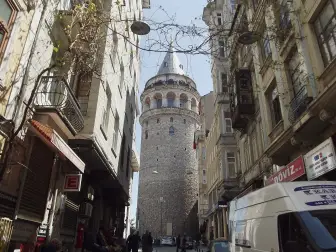
Besides the line, the climb costs almost as much as a drink on the terrace of a hotel next door. The Genoese tower, from 1348, is 67 m tall. If you insist, go before 10am, when the line is still short. I'd trade the line for the free view from the back terrace of the Süleymaniye, from 1550–1557, where the whole Golden Horn opens up.
The Grand Bazaar closes Sundays: shop the streets around it
On Sundays, and any other day, the real commerce is in the streets around the bazaar. The Kapalıçarşı, begun in 1461, has about 60 streets and 4,000 shops, and also closes on religious holidays. On Hasırcılar, next to the 1664 Egyptian Bazaar, you'll find the coffee roasters and cheese shops. In the kitchenware shops of Tahtakale, the city buys its own pots and pans.
Set aside a whole Saturday morning for kahvaltı
Weekend kahvaltı takes two hours and is a Saturday ritual in Beşiktaş, Moda, and Cihangir. Ordering the same thing at eleven on a Tuesday won't get you the same spread. It costs ₺300–600 per person, and on the Saturday you set aside for it, don't book anything before two in the afternoon.
Explore the map

© OpenStreetMap · OpenFreeMap · © OpenMapTiles
Explore the map, read about the other places and plan your travel days in the app.
Open the appWhat to see
Istanbul: The three bodies of water
The city organizes itself around three bodies of water: the Bosphorus, which runs 31 km from the Black Sea to the Sea of Marmara and separates the European side from the Asian one; the Golden Horn, a 7.5-km estuary that cuts through the European side between the historic peninsula and Galata; and the Marmara itself, to the south.
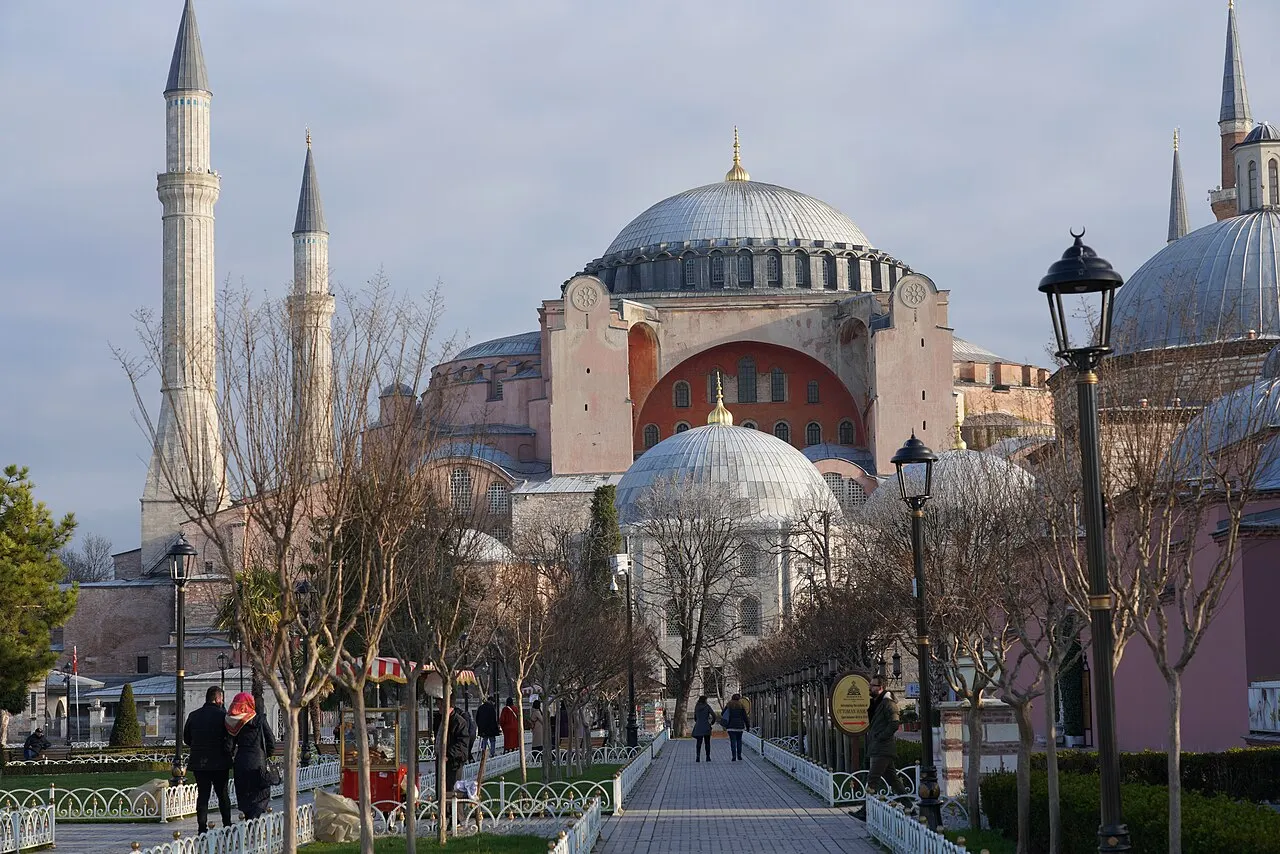
Hagia Sophia (Ayasofya)
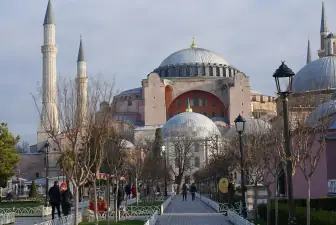
Basilica completed in 537, a mosque from 1453, a museum from 1935 to 2020, and a mosque again since July 2020. The dome is 31 m across, 55 m off the ground. Since 2024, foreigners enter through the upper gallery.
A basilica from 537 and a mosque since 1453, Hagia Sophia holds under the same 31 m dome, 55 m off the ground, the two empires that made the city, and the upper gallery takes two hours. Buy the ticket for the first morning slot, before the line grows.
Check access
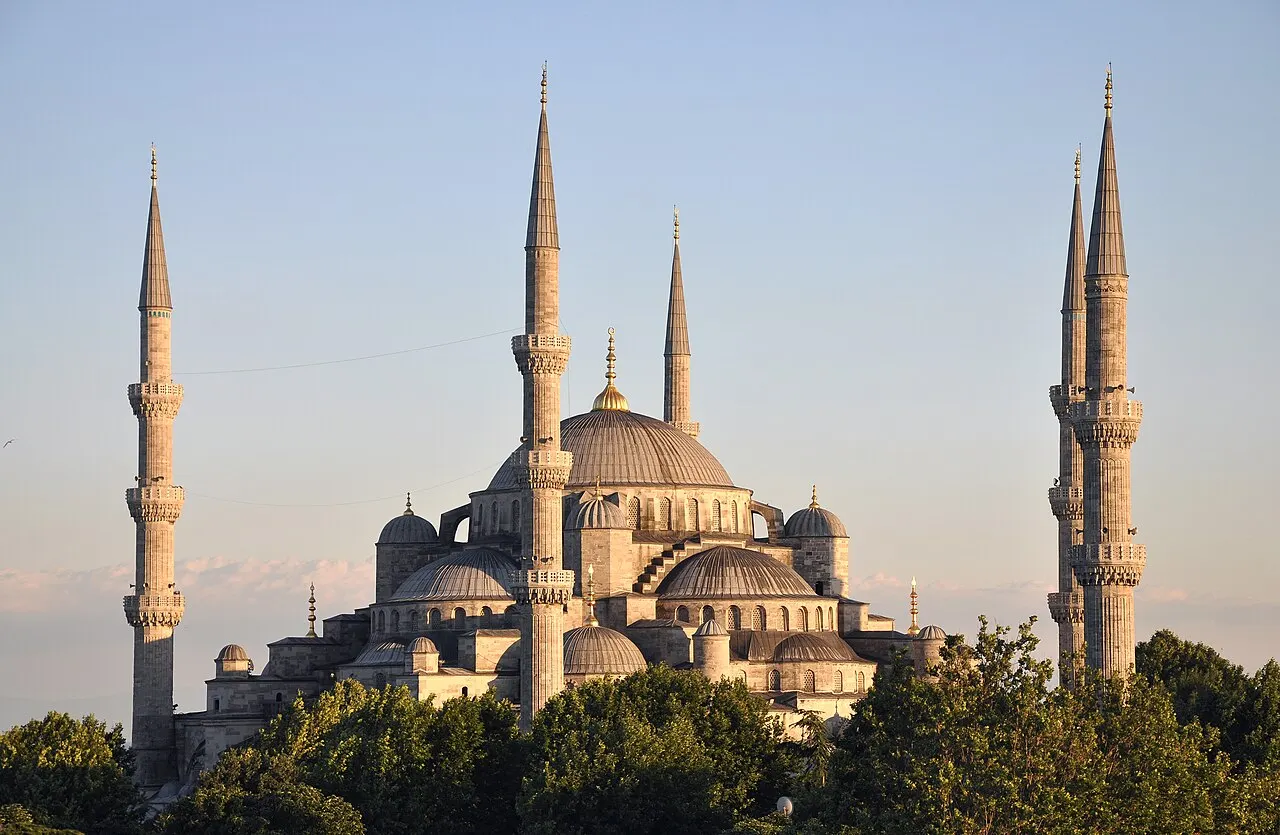
Blue Mosque (Sultanahmet Camii)
Built from 1609 to 1617, it has six minarets and an interior lined with more than 20,000 İznik tiles. Admission is free, and it closes to visitors during prayer times; the long restoration was completed in 2023.
Admission is free and it opens early, which makes it the right first stop of the day. Forty minutes is enough, and it's the courtyard that stays in memory.
Check access

Topkapı Palace
Residence of the sultans from 1478 to 1856, laid out in four successive courtyards, each more restricted than the last. The Treasury and the sacred relics are in the third; the Harem has a separate ticket. Admission about €55 / 2,750 ₺ in 2026, 3 hours to visit.
Admission about €55 / 2,750 ₺ in 2026, with the Harem charged separately, and the visit calls for three hours across the four courtyards; in summer the line runs over an hour, and Gülhane Park is the exit downhill.
Check access
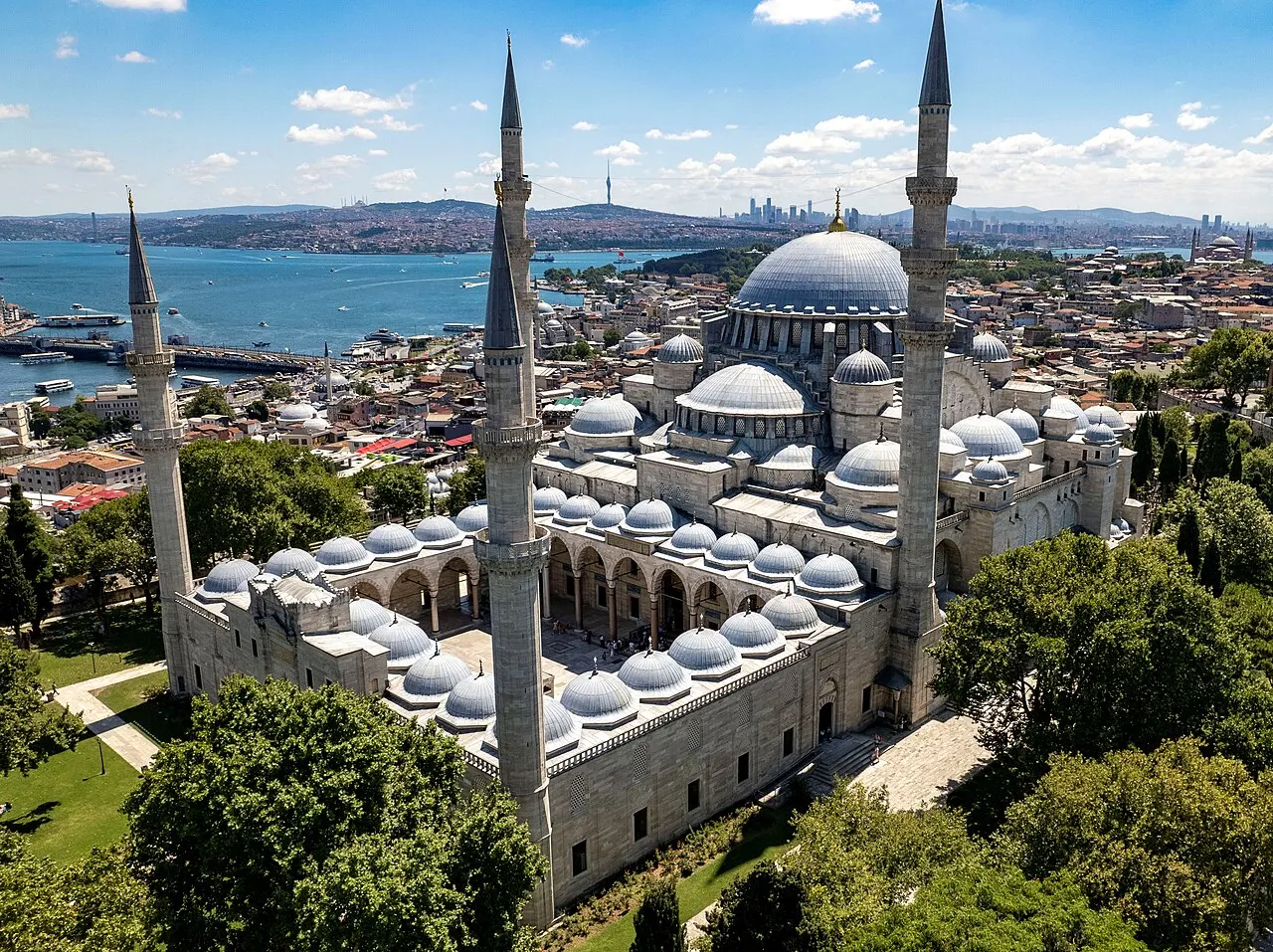
Süleymaniye Mosque
Mimar Sinan's masterwork, 1550 to 1557, on the third hill. Its garden holds the tombs of Suleiman and Roxelana, and the terrace behind it has the fullest open view of the Golden Horn. Admission free.
Free admission, a 1550–1557 work by Mimar Sinan, and the back terrace has the most complete open view of the Golden Horn. It's the best value visit in the city.
Check access

Basilica Cistern (Yerebatan)
Underground reservoir from 532, with 336 columns reused from older temples and two Medusa heads used as bases, one sideways and one upside down. Reopened in 2022 with a new walkway and lighting; about €38 / 1,950 ₺.
It reopened in 2022 with a new walkway and lighting and charges about €38 / 1,950 ₺: expensive for thirty minutes, but the 336 reused columns and the two Medusa heads are two blocks from Hagia Sophia, in the same morning block.
Check access

Egyptian Bazaar (Mısır Çarşısı)
Spice market from 1664, financed by taxes from Egypt. Around it is the real commerce: Hasırcılar Street with its roasters and cheesemongers, and the kitchenware shops of Tahtakale, where the city buys its pots.
Taxes from Egypt paid for the market, but the real shopping happens on the streets around it; market from 1664; Hasırcılar street and Tahtakale.
Check access

Dolmabahçe Palace
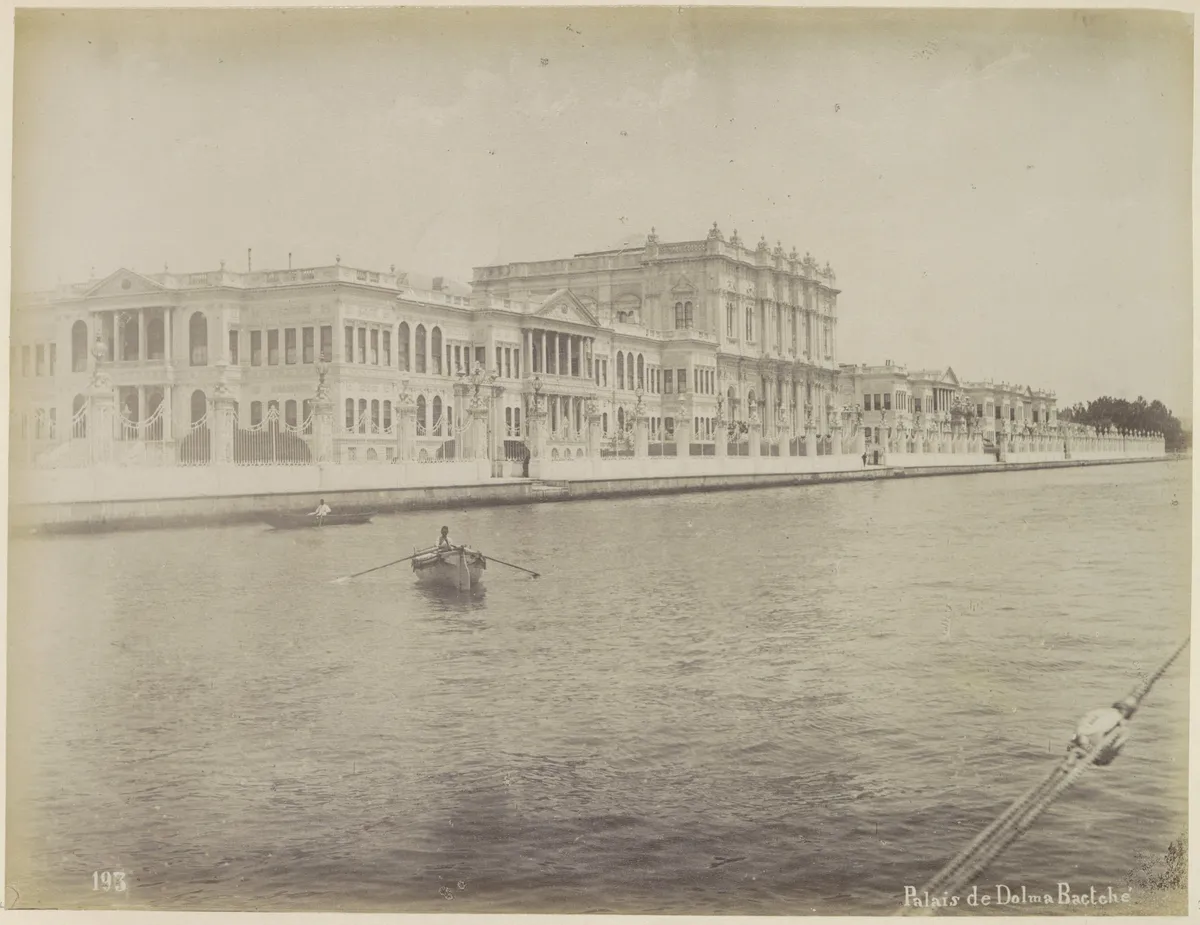
Opened in 1856 on the Bosphorus shore, with 285 rooms and a crystal chandelier weighing about 4.5 tons in the ceremonial hall. Atatürk died there on November 10, 1938, at 9:05am, and the palace's clocks are all set to that hour. Closed Mondays.
The visit to Dolmabahçe is guided, between the palace and the Harem, and takes about two hours; avoid Mondays, when it's closed. The clocks inside are stopped at 9:05, the hour Atatürk died there, on November 10, 1938.
Check access

Chora (Kariye)
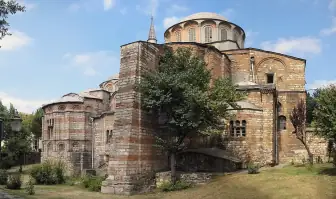
A church with the most complete set of 14th-century mosaics and frescoes that survives from the Byzantine world, from the Palaiologan period. It went back to functioning as a mosque in 2024, with restricted access to part of the nave. Check before crossing the city for it.
It's in Edirnekapı, by the walls, at the opposite end of the historic peninsula, and the trip eats up half a day. Go if the mosaics are the reason for the trip, not as the fourth stop of the afternoon.
Check access

Grand Bazaar (Kapalıçarşı)
Covered market begun in 1461, with about 60 streets and 4,000 shops under its vaults. Gold and jewelry in the old core of the Cevahir Bedesten, rugs and leather along the edges. Closed on Sundays and religious holidays.
It's 4,000 shops under vaults since 1461. Haggle inside; to actually buy, go out the door that leads to Tahtakale.
Check access
Nilo’s itinerary
Start with the basic programme and choose extensions for the time you have.
Plan my days in the app ↗Day 1 · Historic peninsula, from the walls to the bazaar
Have simit and çay at 8am near Sirkeci station and enter the Blue Mosque right at opening, ahead of the tour buses.
Enter Hagia Sophia at 9:30am through the upper gallery, with a ticket bought online the day before, and continue to the Basilica Cistern, two blocks away.
Visit Topkapı Palace and the Harem at noon, allowing three hours, and leave through Gülhane Park, downhill.
Explore the Grand Bazaar at 3:30pm (closed Sundays) and then the Egyptian Bazaar, walking down Hasırcılar street to Eminönü.
At 7pm, have fish and rakı at a meyhane in Kumkapı, or eat balık ekmek standing on the Galata Bridge among the fishermen.
Day 2 · Galata, İstiklal and the Bosphorus shore
Have specialty coffee in Karaköy at 9am and walk up to Galata Tower; if you want to climb it, do so before 10am, the only time without an hour-long line.
Walk İstiklal at 11am, from Tünel to Taksim Square, detouring through the Flower Passage and the secondhand bookshops of Aslıhan.
Visit Dolmabahçe Palace at 2pm (closed Mondays), on a guided tour of about two hours through the palace and the Harem.
At 4:30pm, take the public Beşiktaş–Üsküdar ferry and walk to the Maiden's Tower to see the historic peninsula against the sun.
Finish at 8pm at a meyhane in Asmalımescit or in the bars of Karaköy; some ferry lines still leave from the center after midnight.
Day 3 · Golden Horn and the Asian side
At 9am, walk through Balat and Fener, among colorful houses, the secondhand shops of Vodina street, the Ecumenical Patriarchate and the cast-iron church of Sveti Stefan, from 1898.
At 11:30am, see the 14th-century mosaics at Chora (confirm access before going) and have kebap for lunch in Fatih.
At 2pm, climb to the Süleymaniye and its courtyard of tombs, with the wide view of the Golden Horn, and walk down through the kitchenware shops of Tahtakale to Eminönü.
At 4pm, take the ferry from Eminönü to Kadıköy, 20 minutes, and explore the Kadıköy market: fish, pickles, coffee roasters and baklava by weight.
At 7pm, try midye dolma with a beer on Kadife Sokak, or walk to Moda for sunset over the historic peninsula.



If you stay longer
Day 4 · Princes' Islands (Büyükada)
Day trip
Ferry from Kabataş, Eminönü or Kadıköy, 60 to 90 minutes to Büyükada, the largest of the nine islands. No cars run: you get around on foot, by bicycle, or in the electric carriages that replaced the horse-drawn ones in 2020. 19th-century wooden mansions, the Monastery of St. George up top, and beaches on the south side.
Food
 AI illustration
Kahvaltı
Turkish breakfast (kahvaltı) arrives in fifteen little dishes: cheeses, olives, tomato, cucumber, honey with kaymak, jams, eggs with sucuk and endless tea. It's the most generous meal of the day, served slowly, never rushed.
 AI illustration
Simit
A sesame-coated ring of bread dipped in grape molasses, baked before dawn and sold all day from red carts for 15–25 ₺. Eaten with cream cheese and tea, or alone, while walking.
 AI illustration
Balık ekmek
Grilled mackerel sandwich with red onion, lettuce and lemon, made on boats moored at Eminönü, under the Galata Bridge. Eaten standing up, alongside the fishermen lining the bridge's railing.
 AI illustration
Midye dolma
Mussels stuffed with rice seasoned with allspice, cinnamon and currants, sold from trays on the street with freshly squeezed lemon. You pay by the piece, counting the empty shells at the end. A nighttime habit in Kadıköy and Beyoğlu.
 AI illustration
Kebap and köfte
The Adana is spicy and the Urfa mild, both from the southeast; the İskender, with bread, tomato and melted butter, is from Bursa. Look for an ocakbaşı, the counter around the grill, and order the sumac onion salad alongside.
 AI illustration
Lahmacun and pide
Thin dough with minced meat, tomato and parsley, rolled up with lemon inside; the pide is the boat-shaped dough with cheese, egg or pastırma. It's the city's cheap lunch, 100–200 ₺.
 AI illustration
Sweets
Pistachio baklava from Gaziantep, sold by weight; hot künefe with cheese in shredded pastry; Maraş dondurma cut with a knife because it doesn't melt fast. Traditional shops sell by the 100 grams, not by portion.
 AI illustration
Drinks
Çay in a tulip glass all day, served without asking; Turkish coffee boiled in a cezve and served with water and a sweet; salty ayran with meat dishes. At night, rakı diluted with cold water, with meze and fish, at a table that lasts three hours. In winter, boza and salep.
Day trips

Princes' Islands (Büyükada)
Ferry from Kabataş, Eminönü or Kadıköy, 60 to 90 minutes to Büyükada, the largest of the nine islands. No cars run: you get around on foot, by bicycle, or in the electric carriages that replaced the horse-drawn ones in 2020. 19th-century wooden mansions, the Monastery of St. George up top, and beaches on the south side.

Bursa
About 150 km and 2 hours 30 minutes by bus over the Osmangazi bridge, or a fast ferry to Mudanya plus a bus. It was the first Ottoman capital, in 1326: the Green Mosque, the Green Tomb, the Koza Han silk market and the Çekirge thermal baths. The İskender kebap was born there, and a cable car climbs Mount Uludağ, 2,543 m.

Edirne
235 km and about 2 hours 30 minutes by bus toward the border with Greece and Bulgaria. Ottoman capital before 1453 and home to the Selimiye Mosque, Sinan's final work (1575) and a World Heritage site since 2011, with a dome slightly larger than Hagia Sophia's. In June comes Kırkpınar, an oil-wrestling tournament held since 1362.
Where to begin
Historic peninsula, from the walls to the bazaar
Have simit and çay at 8am near Sirkeci station and enter the Blue Mosque right at opening, ahead of the tour buses.
Galata, İstiklal and the Bosphorus shore

Have specialty coffee in Karaköy at 9am and walk up to Galata Tower; if you want to climb it, do so before 10am, the only time without an hour-long line.
Golden Horn and the Asian side
At 9am, walk through Balat and Fener, among colorful houses, the secondhand shops of Vodina street, the Ecumenical Patriarchate and the cast-iron church of Sveti Stefan, from 1898.
Money
The currency is the Turkish lira (₺), and prices age quickly here: high inflation changes the numbers fast, so confirm them before relying on them. In mid-2026, çay costs ₺25–50, a simit ₺15–25, a lokanta lunch ₺200–400, a sit-down dinner with a drink ₺700–1,500 per person, and a double room in a three-star hotel €60–110 a night, all approximate. Cards work almost everywhere, including taxis and stalls with QR payment, but keep cash for markets, tips and neighborhoods outside the usual circuit. Change money at a döviz bürosu in Eminönü, the Grand Bazaar or Beyoğlu, which work without commission and with small spreads, never at the airport. The biggest budget item is the major monuments, which charge foreigners in euros: Hagia Sophia around €25, Topkapı around €55 and the Basilica Cistern around €38 in 2026. Museum Pass İstanbul is valid for five days from the first entry and covers participating museums, but not Hagia Sophia. Tip 5% to 10% in restaurants and round up taxi fares; some places already add service to the bill, so check before tipping a second time.
Getting there and around
Airports on two different continents
The city has two airports, and they sit on different continents, which changes the route to your hotel. IST (Istanbul Airport), opened in 2018 on the European side, sits about 40 km from the center: the M11 metro links the terminal to Gayrettepe in about 25 minutes, where you switch to the M2 toward Şişhane and Taksim. Havaist buses go directly to Taksim, Sultanahmet, and Kadıköy in 1 hour to 1 hour 30 minutes, depending on traffic. SAW (Sabiha Gökçen), on the Asian side, has been served by the M4 metro since 2022, which reaches Kadıköy in about an hour, and by Havabüs buses. By taxi, IST to Sultanahmet runs somewhere between ₺1,100 and ₺1,600 and takes 45 minutes to 1 hour 30 minutes.
Istanbulkart: one card for more than one person
One card works for everything, and that is the city’s best news. The Istanbulkart cost ₺165 in February 2026, is rechargeable and can be used by more than one person. It pays for itself in a few rides, and transfers within a short interval cost less than separate trips. The network has eleven metro lines, the T1 tram (Kabataş–Bağcılar), which stops in Sultanahmet and Eminönü, Marmaray, which has crossed beneath the Bosphorus since 2013 and is the fastest crossing, the metrobüs on dedicated lanes, and urban ferries whose fares vary by route and which accept Istanbulkart. Two funiculars tackle the hills: F1, from Kabataş to Taksim, and Tünel, dating from 1875, the world’s second-oldest urban underground railway. In taxis, insist on the meter or book through BiTaksi or Uber, which dispatches an official taxi. Cycling is impractical because of the hills and traffic, but Beyoğlu, Galata and the historic peninsula are walkable.
Safety
Violent crime against tourists is rare, and in Istanbul people walk around at night. The real risks are to your pockets and from smooth talkers: pickpockets on the packed T1 tram between Sultanahmet and Eminönü, on İstiklal and on the ferries at rush hour, and the bar scam, in which a friendly stranger invites you to a friends' place and the bill arrives in the hundreds of dollars. In taxis, check your change and the meter, which sometimes shows the night rate at two in the afternoon. Women traveling alone get around normally, but verbal harassment happens on empty streets late at night; Kadıköy, Beşiktaş, Moda and Nişantaşı stay busy until well after midnight. Avoid political gatherings in Taksim Square and Beşiktaş, because demonstrations are dispersed with tear gas and transport in the area shuts down without warning. The structural risk is earthquakes, from the fault that runs under the Marmara, and knowing where your building's exit is comes recommended by the city government itself. Emergency: 112.
Etiquette tips
In mosques
Take off your shoes at the door, cover shoulders and knees, and for women, hair; loaner scarves are available at the entrance. Mosques close to visitors during each of the five daily prayers, with a longer closure at Friday noon.
The tea they offer
Accepting a çay in a shop or workshop doesn't obligate you to buy anything, and turning it down doesn't offend. The glass opens the conversation rather than advancing a deal; to decline, hand on chest and a “teşekkürler.”
Whoever invites, pays
Splitting the bill evenly is rare among Turks, and asking to split embarrasses whoever invited. Offer to pay once, accept the refusal gracefully, and invite next time.
Where you haggle
Bargaining is expected for rugs, leather, jewelry and souvenirs in the Grand Bazaar: start at around half the first price and accept the tea while you negotiate. Outside it (markets, pharmacies, restaurants, shops with price tags) prices are fixed, and pushing doesn't go down well.
Atatürk isn't part of the joke
Mustafa Kemal's portrait hangs in every government office, school and shop, and insulting his memory is a crime under Law 5816 of 1951. Domestic politics, the Kurdish question and 1915 are topics to listen to without offering an opinion.
In someone's home
In someone's home, take off your shoes at the door and put on the slippers offered, and arrive with sweets, fruit or flowers, never empty-handed. Don't praise an object too much, because your host may want to give it to you, and turning it down afterward is hard.
Mistakes to avoid
Three days in Sultanahmet without taking the ferry
Spending three days in Sultanahmet without ever taking a ferry. A third of the city lives on the Asian side, where people eat and drink away from the tourist circuit; Eminönü–Kadıköy takes 20 minutes and has its own public transport fare. It is easy to put off the crossing because it looks like an excursion, but it is transport.
Bringing cash to the ticket counter of major museums
Arriving at the Topkapı or Basilica Cistern ticket counter with lira in cash. Since August 2025, the major museums and monuments only accept card or Istanbulkart, and anyone without either goes back to the end of the line.
A taxi without the meter running
Getting into a taxi without the meter running, accepting the excuse that it's broken, or paying with a large bill without announcing the amount out loud. Call one through BiTaksi or Uber, and check the bill you hand over.
The friendly guy striking up a chat on İstiklal
Accepting the invitation of a friendly man who strikes up a conversation in English on İstiklal or near Hagia Sophia and suggests a bar nearby. The check arrives multiplied, with company you never asked for, and arguing gets you nowhere.
A hundred meters of climb between Karaköy and Taksim
Underestimating the slopes. On the map, Karaköy and Taksim look right next to each other; between them there's a 100-meter climb. Use the F1 funicular or the 1875 Tünel, both covered by the Istanbulkart.
Useful phrases
Merhaba (mérrabá)
Hello
Teşekkür ederim (teshekiúr edérim)
Thank you
Ne kadar? (nê cadár)
How much does it cost?
Hesap, lütfen (hessáp, liútfen)
The check, please
Afiyet olsun (afiét olssún)
Enjoy your meal
Anlamadım (anlamadúm)
I didn't understand
Districts
Sultanahmet and Fatih
Historic peninsula: Hagia Sophia, Topkapı, the Hippodrome and the Grand Bazaar within a twenty-minute walk. Sultanahmet is almost all hotels and tour groups; Fatih, right behind it, is residential, conservative and where you eat cheap.
Beyoğlu, İstiklal and Taksim
The modern axis since the 19th century, with the nostalgic tram on İstiklal Avenue, cinemas, secondhand bookshops, covered passages and the meyhanes of Asmalımescit. It's also where demonstrations happen.
Galata and Karaköy
Genoese slope under the 1348 tower, today full of specialty cafés, galleries and design studios. The Galataport cruise terminal opened in 2021 and remade the whole waterfront.
Beşiktaş and Ortaköy
A student neighborhood, fish market and cheap nightlife around the çarşı, plus the Beşiktaş stadium. In Ortaköy, under the first bridge, sit the 1856 mosque and the kumpir stalls.
Kadıköy and Moda
The Asian side, where the people who work in the city actually live: street market, roasters, bookshops and the bars of Kadife Sokak. Moda slopes down to the sea along a promenade facing the Princes' Islands.
Üsküdar
Also Asian and more conservative, with mosques by Sinan and the Maiden's Tower offshore. The best spot to see the historic peninsula against the late-afternoon sun.
Balat and Fener
Colorful houses on slopes along the Golden Horn, former Jewish and Greek quarters. Home to the Ecumenical Patriarchate and the 1898 cast-iron Bulgarian church of Sveti Stefan, and turned into thrift-shop and café territory after 2015.
Nişantaşı and Şişli
Luxury shopping, late-19th-century buildings and offices. It's the neighborhood where Orhan Pamuk grew up, the wealthy, quiet counterpoint to the noise of Beyoğlu.
History
about 660 BC · Byzantium, the choice of the site
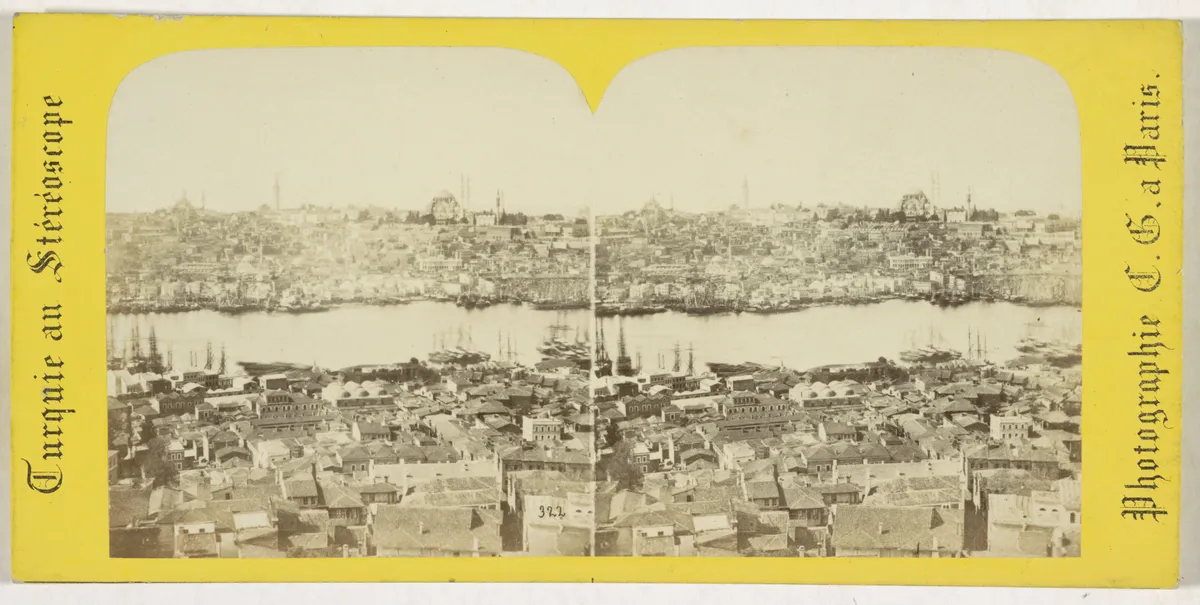
Settlers from Megara occupy the spit of land between the Golden Horn and the Marmara. The harbor is sheltered, the peninsula is defensible on three sides, and the strait can be taxed.
AD 196 · Rome levels and rebuilds it
Septimius Severus destroys the city for having backed the wrong rival and rebuilds it soon after, with a new hippodrome and walls.
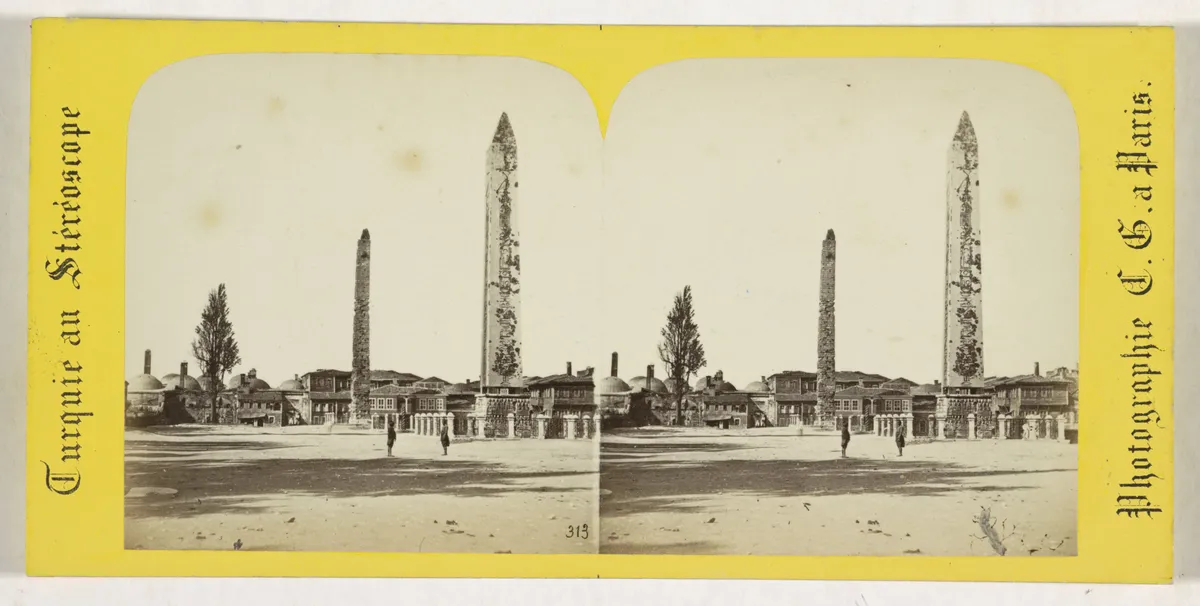
330 · Constantinople is inaugurated
Constantine consecrates New Rome on May 11, 330. When the western Roman empire falls in 476, the eastern half keeps running from here for another thousand years.

532–537 · The Nika riots and Hagia Sophia
The Hippodrome factions' riot burns the center and kills tens of thousands. Justinian uses the leveled ground and completes Hagia Sophia in five years.
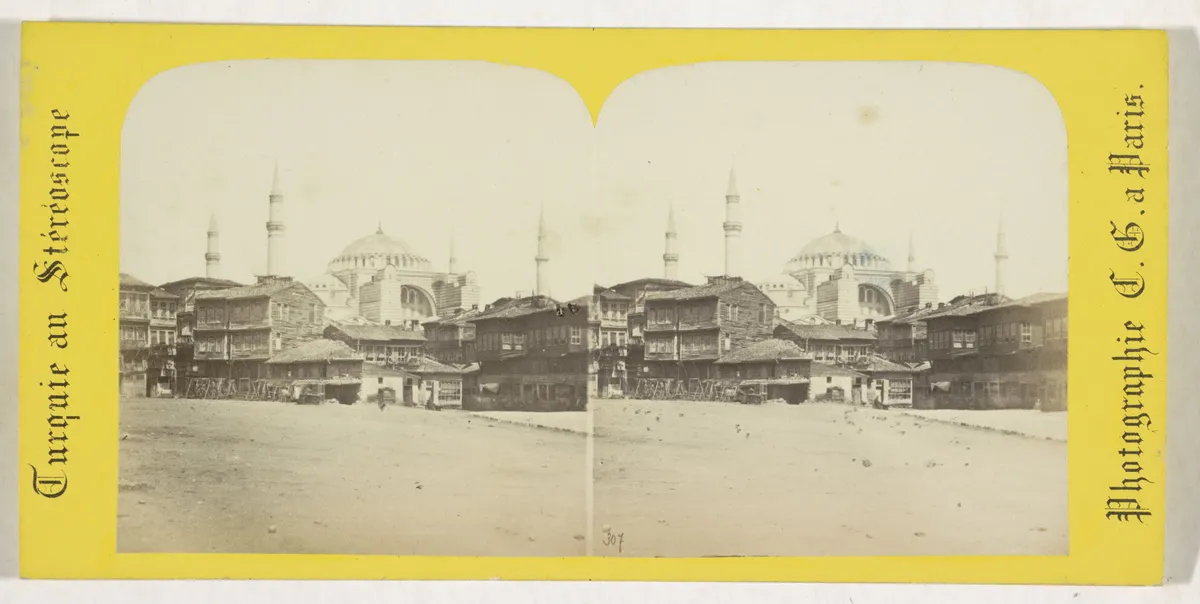
413–447 · The Theodosian Walls
A triple line 6.5 km long seals off the peninsula by land. It holds off Arabs, Bulgars, Rus, and Avars until 1204, when the Crusaders enter from the sea side, and it's only breached by land in 1453, by the Ottomans.

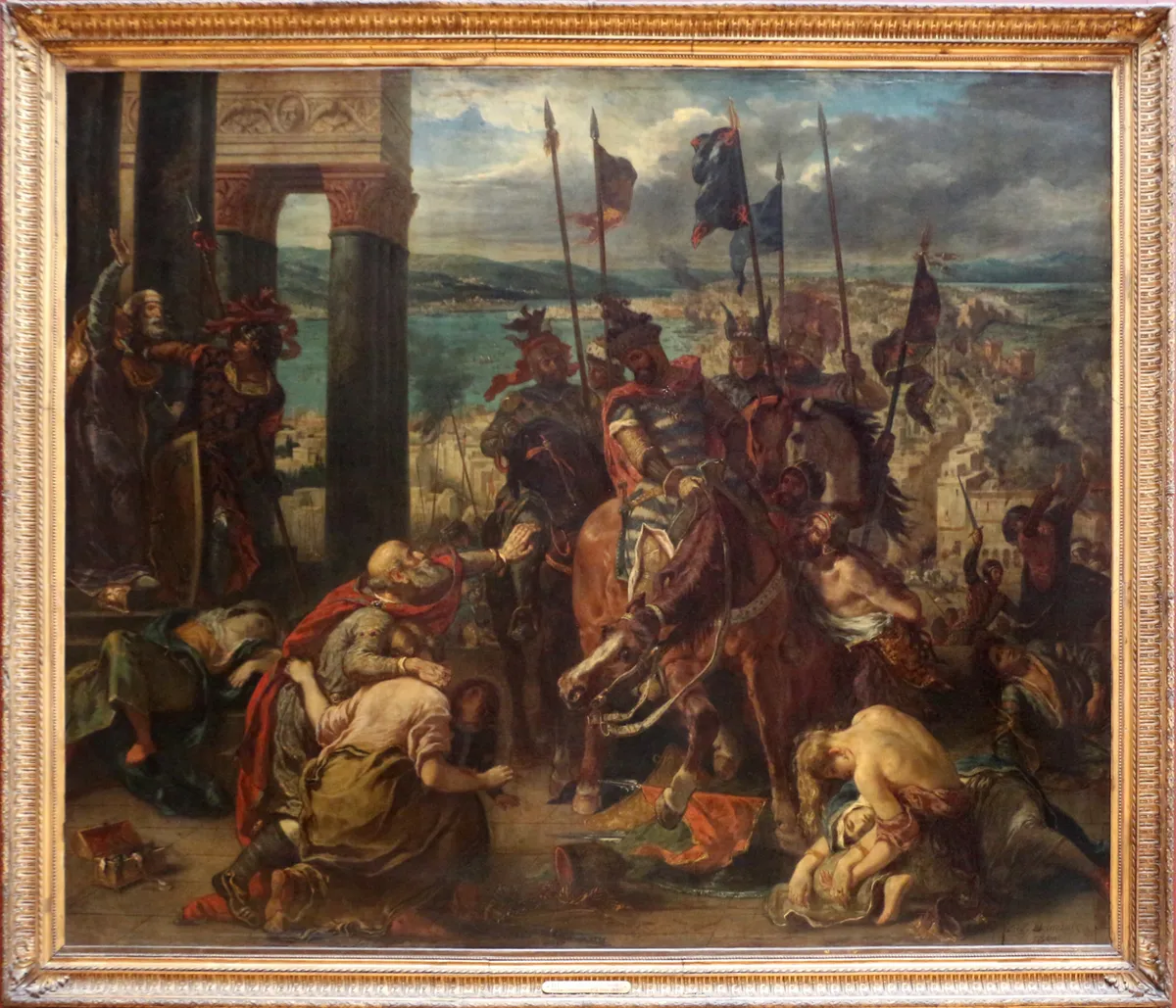
1204 · The Fourth Crusade sacks the city
Crusaders and Venetians take the Christian capital they had come to relieve. The Latin empire lasts until 1261, and the city never recovers its earlier population.
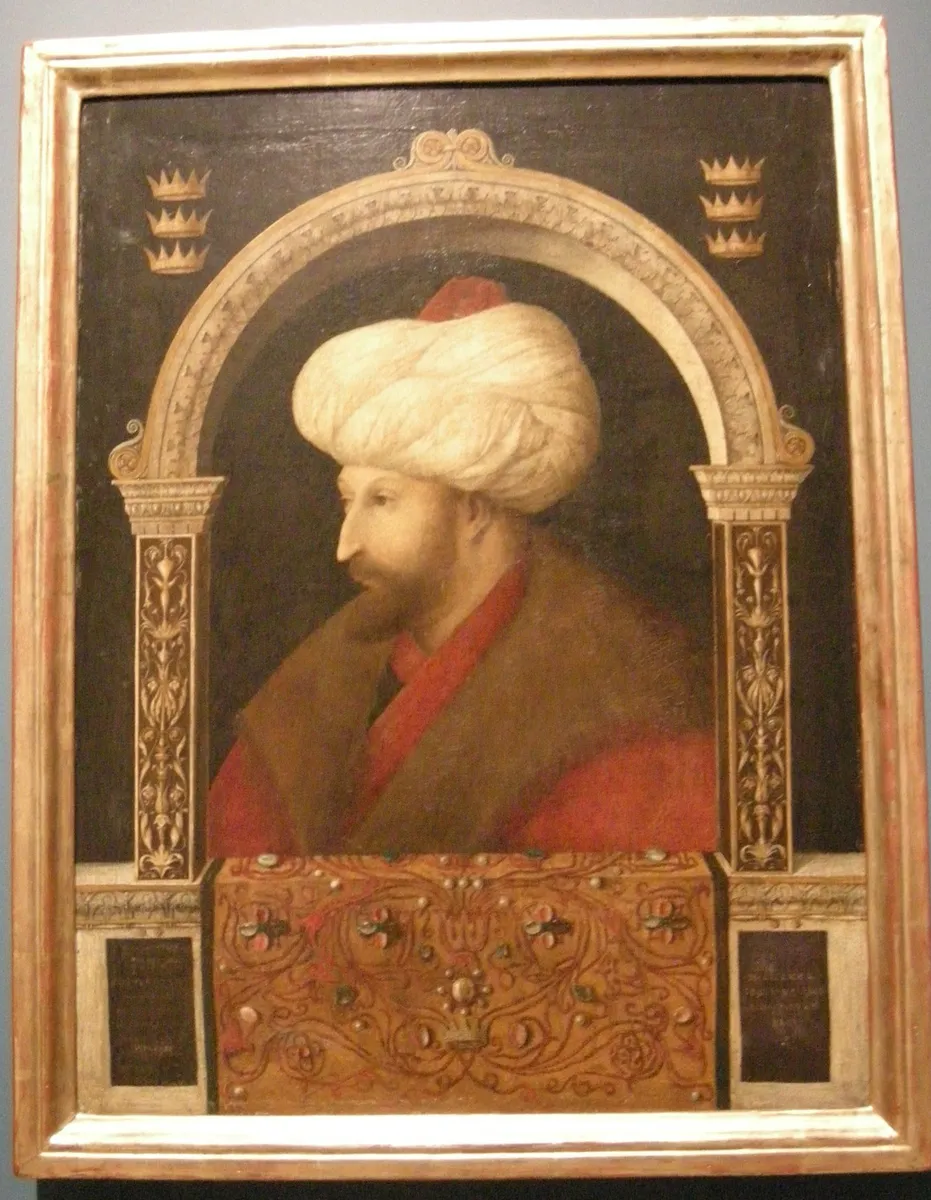
1453 · Mehmed II enters on May 29
After 53 days of siege and cannons cast by the Hungarian Orbán, the 21-year-old sultan takes the city. Hagia Sophia becomes a mosque that same day.
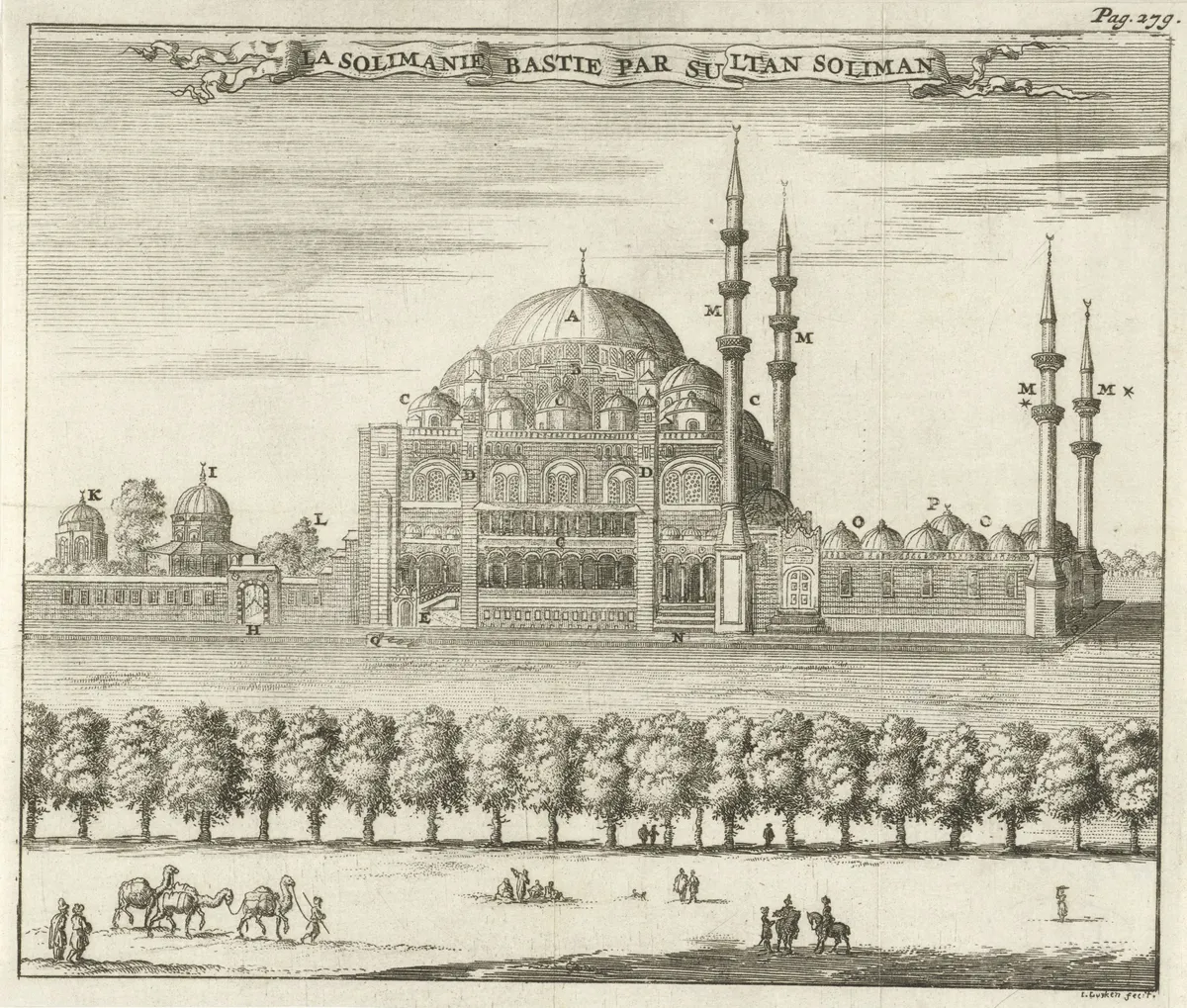
16th c. · Sinan and the Ottoman peak
Under Suleiman, the architect Mimar Sinan builds the Süleymaniye (1550–1557) and dozens of other works. The city passes 700,000 residents and becomes the largest in Europe.
1839–1883 · Tanzimat, Dolmabahçe, Orient Express
Legal and administrative reforms bring European codes and schools. Dolmabahçe opens in 1856, the Tünel funicular in 1875, and Orient Express journeys begin in 1883.
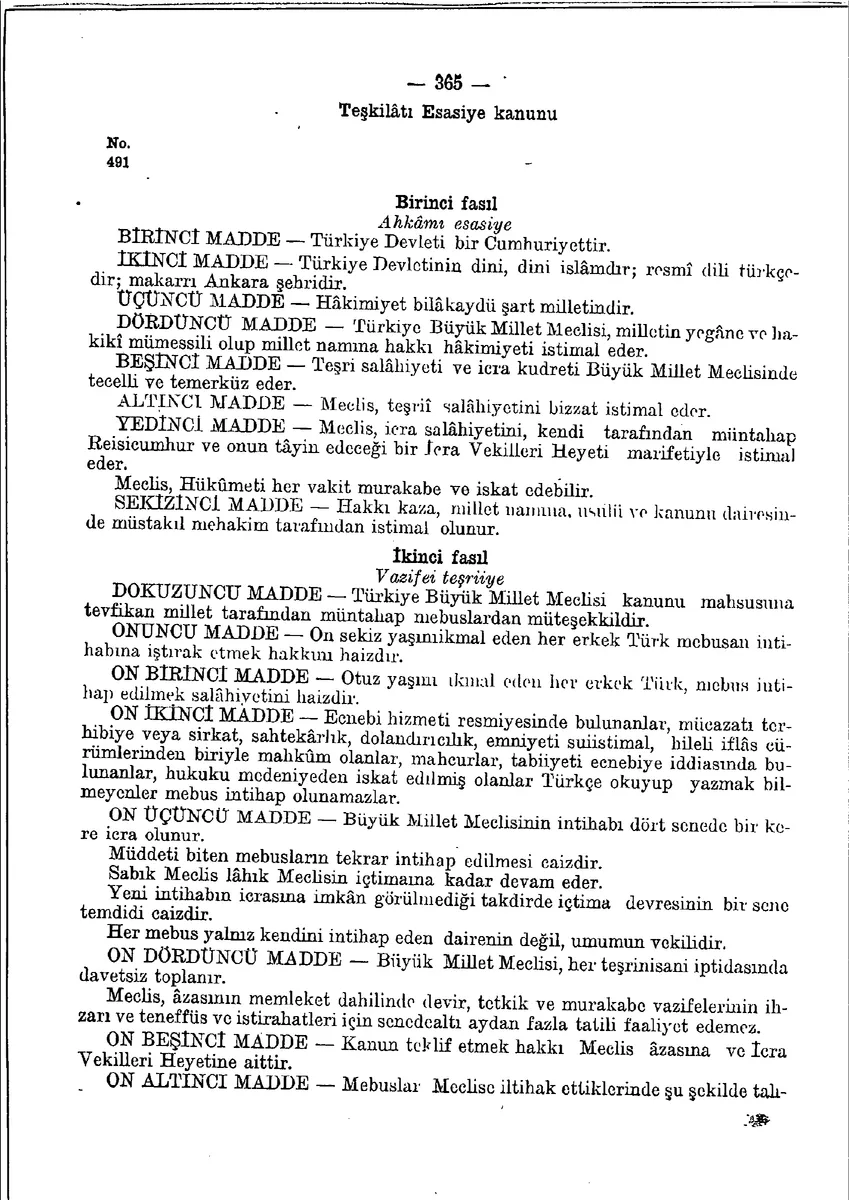
1923–1955 · Ankara and pressure on minorities
Ankara becomes the capital on October 13, 1923. The population-exchange convention with Greece excludes Greeks established in Constantinople before October 30, 1918, within the boundaries specified in the agreement. Later, the discriminatory application of the 1942 Varlık Vergisi wealth tax affects non-Muslims. On September 6–7, 1955, attacks directed mainly against the Greek community devastate homes, businesses and churches and contribute to further departures from the city.
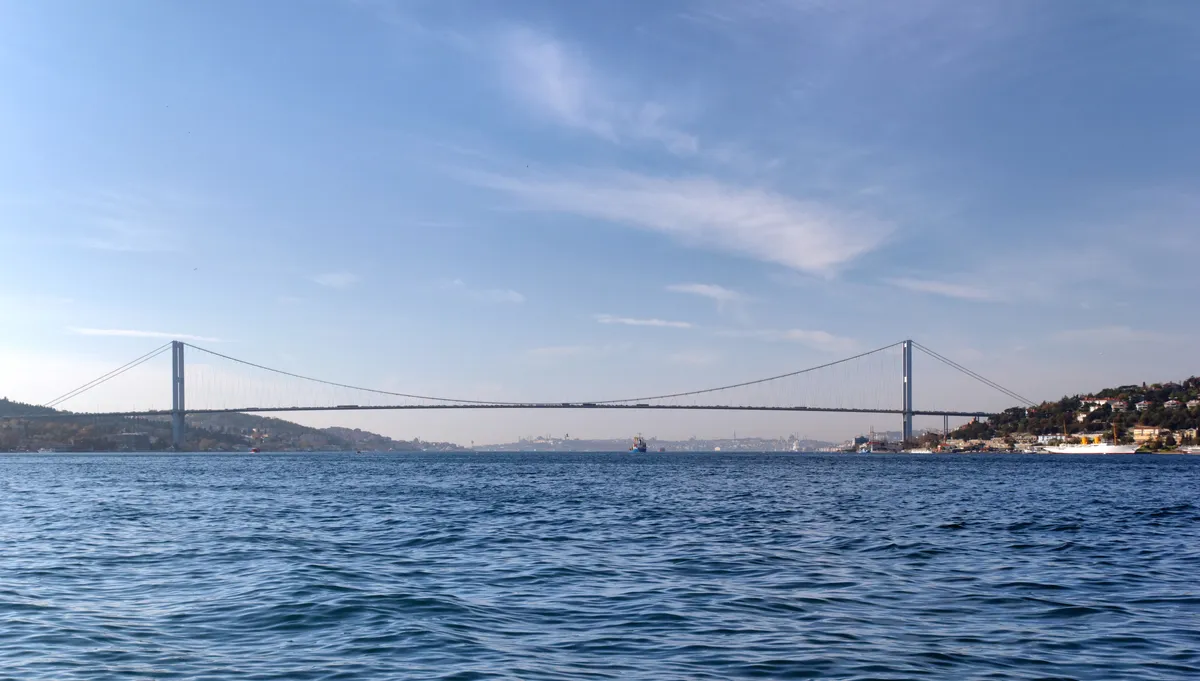
1973–2018 · The bridges and the nearly 16 million residents
The first Bosphorus bridge opens in 1973, the second in 1988, the third in 2016. The Marmaray tunnel runs under the strait from 2013 and the new airport opens in 2018, while the population, about one million in 1950, reaches nearly 16 million.
Complete history
Born of a geographic decision
The city was born of a geographic decision. Around 660 BC, settlers from Megara set up on the spit of land between the Golden Horn and the Sea of Marmara and called the place Byzantium. The Golden Horn estuary was a natural, sheltered harbor that could be closed off with a chain stretched shore to shore; the peninsula was protected by water on three sides; and every ship going from the Mediterranean to the Black Sea had to pass by there. In AD 330, Constantine refounded the settlement as the capital of the Roman Empire, inaugurated on May 11. When Rome fell in the West in 476, the eastern half kept running from there for another thousand years.
Justinian, the walls and the sack of 1204
The Byzantine period gave the city its scale and its vocabulary. The Nika riots, in January 532, started in the Hippodrome's stands, burned the center, and ended with tens of thousands dead; Justinian used the leveled ground and raised Hagia Sophia in five years, completed in 537, with a dome 31 meters across, 55 meters off the ground. The Theodosian Walls, built between 413 and 447, held off siege after siege until 1204, when the Fourth Crusade took and sacked the Christian city it had come to relieve. The sixty years of Latin rule emptied out Constantinople, and it reached 1453 with maybe 50,000 residents inside walls built for half a million.
May 29, 1453
On May 29, 1453, after a 53-day siege, Mehmed II entered through the breach opened by bronze cannons cast by the Hungarian Orbán. He was 21. He converted Hagia Sophia into a mosque that day and spent the following decades repopulating the city by decree, bringing Greeks, Armenians and Turks from Anatolia, each group with its own neighborhood and court. Sephardic Jews expelled from Spain in 1492 were welcomed under his successor, Bayezid II. In the sixteenth century, under Suleiman, the architect Mimar Sinan built the Süleymaniye (1550–1557) and dozens of other mosques, bridges and aqueducts; the city exceeded 700 thousand inhabitants and was Europe’s largest. The map you walk today in Sultanahmet, Fatih and Eminönü is substantially that of that century.
Reform and debt in the 19th century
The 19th century was one of reform and debt. The Tanzimat brought codes, schools and European architecture: Dolmabahçe became a home for the court in 1856, the Tünel funicular opened in 1875, and Orient Express journeys began in 1883.
Then came the 1918 defeat, Allied occupation ending in 1923 and Atatürk’s republic. The transfer of the capital to Ankara on October 13, 1923, ended Istanbul’s role as the seat of government, while the city retained its commercial importance.
The convention of January 30, 1923, ordered a compulsory exchange between Greek Orthodox Turkish nationals in Turkey and Muslim Greek nationals in Greece. It excluded Greeks established in Constantinople before October 30, 1918, within the boundaries defined by the agreement, and Muslims in Western Thrace. In subsequent decades, the discriminatory application of the 1942 Varlık Vergisi wealth tax affected non-Muslims; the pogrom of September 6–7, 1955, primarily targeted the Greek community and also affected other minorities. The destruction of homes, businesses and churches contributed to the emigration of Greek residents.
Internal migration and the metropolis, 1950 to today
Today's Istanbul is a product of internal migration. In 1950 it had about a million residents; in 1980, nearly five; today it's nearly 16 million, most of them arriving from Anatolia after farming became mechanized. The gecekondu (literally houses put up in one night, on land that isn't yours) turned into neighborhoods and then concrete towers. The first Bosphorus bridge opened in 1973, the third in 2016, the Marmaray rail tunnel began running in 2013, and the new airport in 2018. The city accounts for about a third of Turkey's GDP and sits over the North Anatolian Fault, which runs a few kilometers off the southern coast: the İzmit earthquake, on August 17, 1999, killed over 17,000 people in the region and rewrote the building code that today is reinforcing whole blocks. In July 2020, Hagia Sophia went back to functioning as a mosque, eighty-five years after opening as a museum, in February 1935, by a decree from November 1934. The decision was the most visible episode in the ongoing dispute between the city's layers, and it changed even the practical routine of visiting it.
In 330 AD, Constantine refounded ancient Byzantium as the capital of the Roman Empire, and the eastern half of the empire kept being governed from there for another thousand years.
Geography and shape of the city
The three bodies of water
The city is organized around three bodies of water. The Bosphorus runs 31 km from the Black Sea to the Sea of Marmara, about 700 meters wide at its narrowest point, and splits the metropolis into a European side, home to about two-thirds of the population, and an Asian side. The Golden Horn, a 7.5-km estuary, cuts through the European side and separates the historic peninsula, with its seven hills of Sultanahmet, Beyazıt and Fatih, from the Genoese slope of Galata and the plateau of Beyoğlu.
The slope and the growth heading north
Almost everything is a slope: streets climb and drop between sea level and around 100 meters the whole time, which is why the city has funiculars, public stairways and a cable car. Growth has followed the bridges and highways northward, eating into the Belgrade Forest and the basins that supply the city's water.
The poyraz and the fault line underneath
The climate is transitional Mediterranean, with hot, humid summers and gray, windy winters; the north wind, poyraz, can close the strait to shipping, and the North Anatolian Fault runs under the Marmara, a few kilometers off the southern shore.
To find your way, use the water instead of street names: the Bosphorus, the Golden Horn and the Sea of Marmara come into view from the top of almost every hill.
Culture
Written by its own residents
Istanbul is one of the cities most written about by its own residents. Orhan Pamuk, the 2006 Nobel laureate, is the entry point: in “Istanbul: Memories and the City” (2003) he names hüzün, the collective melancholy of living amid the ruins of an empire, and in 2012 he opened the Museum of Innocence in Çukurcuma, a real museum built from a novel. Before him, Ahmet Hamdi Tanpınar wrote “The Time Regulation Institute” (1961), about the collision between Ottoman time and modern time, and the poet Nâzım Hikmet, jailed in the 1940s and later exiled, became a staple of popular song. Secondhand bookshops cluster in Beyoğlu and Kadıköy.
1970s Anatolian rock
In music, the city produced 1970s Anatolian rock (Barış Manço, Erkin Koray, Selda Bağcan), the popular songs of Sezen Aksu, who carries half the national repertoire, and fasıl from the meyhanes, played live between tables with clarinet, ud, and kanun. In film, Nuri Bilge Ceylan shot the urban winter in “Uzak” (2002), and Turkish-German Fatih Akın mapped the music scene in “Crossing the Bridge” (2005). The Istanbul Biennial has run since 1987 in buildings loaned by the city, Istanbul Modern got a new Renzo Piano building in 2023, and the Archaeological Museum holds the so-called Sarcophagus of Alexander, from the 4th century BC.
Soccer sets the week's rhythm
Soccer shapes the week: Galatasaray and Beşiktaş are on the European side, Fenerbahçe on the Asian side, and matches between the first two and Fenerbahçe are derbies played across continents. Religion marks the day in another way, with about 3,000 mosques issuing the call to prayer five times, the Orthodox Ecumenical Patriarchate in Fener since 1601, synagogues in Galata and Balat and Armenian churches in Beyoğlu. The night runs late: meyhanes serve until one in the morning, the bars of Kadife Sokak and Karaköy carry on after that, and sidewalk tea comes out at any hour, even at four.
In the meyhanes' fasıl, musicians play among the tables, with no stage, and the table that sings loudest picks the next song.
Festivals and events

Ramadan (Ramazan)
A moving month on the lunar calendar; in 2026 it ran from mid-February to mid-March and shifts about eleven days earlier each year. Communal iftar tables at sunset, lit phrases strung between minarets (mahya), and the three-day Şeker Bayramı holiday at the close.
 AI illustration
Kurban Bayramı
A four-day holiday, also moving, that fell in late May in 2026. Half the city travels to Anatolia and Istanbul turns empty and quiet: transit and museums run, but neighborhood shops close.
 AI illustration
Istanbul Music Festival
June, organized by the İKSV institute since 1973, with classical concerts at the Hagia Irene church, inside Topkapı's first courtyard, and in other historic courtyards. The same institute runs the jazz festival in July.
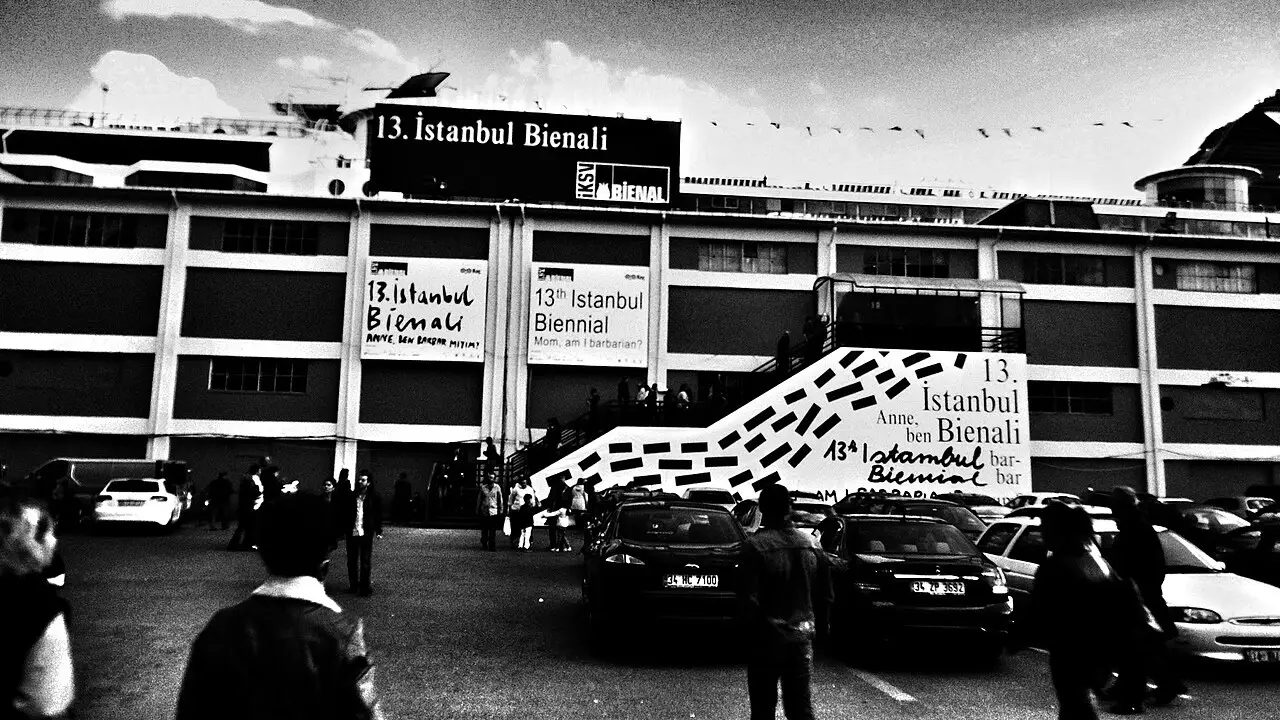
Istanbul Biennial
September to November, since 1987, spread across warehouses, schools and former banks loaned by the city. Usually free admission; the 2026 edition is the most recent (check the dates, which change every edition).

Hıdrellez
The night of May 5 to 6, the start of summer on the folk calendar shared with the Balkans. Wishes written and tied to trees, bonfires and music in the street, especially in the Ahırkapı neighborhood, behind Sultanahmet.
Books and films
“Istanbul: Memories and the City”, Orhan Pamuk (2003)
Childhood memoir set in the Nişantaşı of the 1950s and 60s, and the naming of hüzün, the melancholy of growing up amid the ruins of an empire. It explains the city's mood better than any guidebook.
“1453: The Holy War for Constantinople”, Roger Crowley (2005)
A narrative of the 53-day siege, Orbán's cannons and the Theodosian Walls, told from both sides. After reading it, the stones of Sultanahmet gain a timeline.
“Kedi” (2016), by Ceyda Torun
A documentary following seven street cats through Karaköy, Cihangir and Kandilli. It's the most accurate portrait of the relationship between the city, its courtyards and the animals no one owns and everyone feeds.
Frequently asked questions
Istanbul: Is it worth crossing by ferry to the Asian side?
Yes: a third of the city lives on the Asian side, and that's where you eat and drink away from the tourist circuit. The ferry from Eminönü to Kadıköy takes 20 minutes and charges the public transport fare, so treat the crossing as a commute, not a tour.
Istanbul: How do you get from IST Airport to downtown?
IST (Istanbul Airport), opened in 2018 on the European side, sits about 40 km from the center: the M11 metro links the terminal to Gayrettepe in about 25 minutes, where you switch to the M2 toward Şişhane and Taksim.
Istanbul: How do you get to the Princes' Islands?
Ferry from Kabataş, Eminönü, or Kadıköy, 60 to 90 minutes to Büyükada, the largest of the nine islands.
Istanbul: What's the currency, and how much do things cost?
The currency is the Turkish lira (₺), and prices age quickly here: high inflation changes the numbers fast, so confirm them before relying on them. In mid-2026, çay costs ₺25 to 50, a simit ₺15 to 25, a lokanta lunch ₺200 to 400, a sit-down dinner with a drink ₺700 to 1,500 per person, and a three-star hotel night €60 to 110, all approximate.
Istanbul: What should you do when entering a mosque?
Take off your shoes at the door, cover shoulders and knees, and for women, hair; loaner scarves are available at the entrance.
Other cities in the country
Türkiye ↗- Days
- 3–4
- When
- Apr–Jun · Sep–Oct
- Per person/day
- Average 6,070 TRYMid-range · per person/day
Cost scope
Per person per day: accommodation, meals, urban transport, visits and a small allowance for extras. Flights excluded; larger purchases vary. Editorial estimate, not a quote.


Itineraries through here
 The Silk Road in 7 daysAlong the Silk RoadIstanbul · Samarkand · Almaty7–9 days3 cities
 Turkey and Greece in 7 daysFrom the Bosphorus to the AcropolisIstanbul · Athens5–7 days2 cities
 Turkey and Egypt in 10 daysFrom Istanbul to the pyramidsIstanbul · Cairo · Luxor8–11 days3 cities
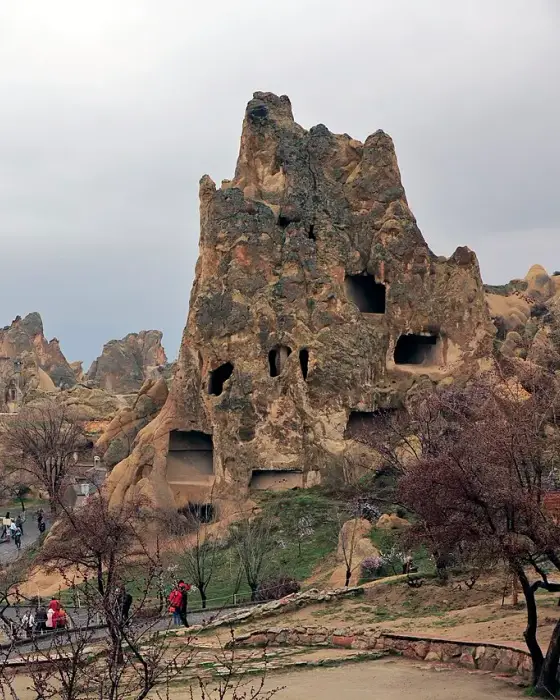 Istanbul and Cappadocia in 7 daysHagia Sophia and Cappadocia’s fairy chimneysIstanbul · Cappadocia6–8 days2 cities
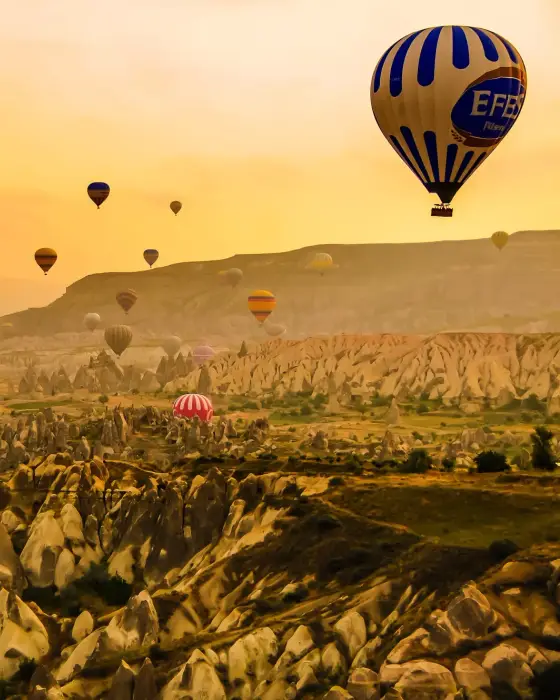 Turkey and Greece in 15 daysFrom Cappadocia’s balloons to Santorini’s calderaIstanbul · Cappadocia · Athens · Mykonos · Santorini12–17 days5 cities