Spain
Málaga
Málaga between fortresses, museums and the coast
Days Start with the basic programme and choose extensions for the time you have.
How the guide reaches this number
That leaves time to rest and select museums by interest without driving through the centre. The Caminito del Rey needs an additional day with its own ticket and logistics and does not increase the city's minimum. With only two days, remove the eastern coast and one collection, preserving breaks.
3
When April to June and September to October; a better balance for walking, checking heat, rain and events for your chosen dates.
How the guide reaches this number
April to June and September to October suit a first visit combining walks, museums and coast. This recommendation does not guarantee mild temperatures every day: check forecasts and reduce climbs during heat episodes. Summer is dry and hot, with greater coastal demand and the Feria in August. Autumn, winter and spring have a greater likelihood of rain, including intense episodes, while winter is usually milder than the region's interior. Holy Week can fall in March or April and changes traffic, prices and availability. Winter also works for a cultural trip if sea bathing is not a main requirement.
Per person/day Budget about EUR 69; mid-range about EUR 165; comfortable about EUR 390 per person per day, based on spending reported by travellers to Budget Your Trip (consulted October 2026).
How the guide reaches this number
Indicative amounts, excluding travel to the destination.
Budget about EUR 69; mid-range about EUR 165; comfortable about EUR 390 per person per day, based on spending reported by travellers to Budget Your Trip (consulted October 2026). Indicative amounts, excluding travel to the destination.
Per person per day: accommodation, meals, urban transport, visits and a small allowance for extras. Flights excluded; larger purchases vary. Editorial estimate, not a quote.
 What Nilo thinks
I would allow at least three full days for Málaga: the first for theatre, Alcazaba and history; the second for market, Picasso or another collection, and cathedral; the third for Gibralfaro and a coastal meal. That leaves time to rest and select museums by interest without driving through the centre. The Caminito del Rey needs an additional day with its own ticket and logistics and does not increase the city's minimum. With only two days, remove the eastern coast and one collection, preserving breaks.I would use the proximity of Málaga's monuments to understand their differences. On Alcazabilla, the Roman theatre and fortress of al-Andalus occupy different hillside levels; in neighbouring streets, the Picasso and cathedral offer other readings of the city. The market and fish restaurants add programmes without a major excursion journey. Farther east, it is worth choosing one beach and an unhurried meal, checking Pedregalejo access during refurbishment.
Quick facts
- Population
- 603,144 inhabitants in the municipality, provisional INE figures for 1 January 2026 released by the city council. This is not the province's population.
- Foundation
- Phoenician origins in the first millennium BC; the old settlement developed beside the hill now occupied by the Alcazaba.
- Country and region
- Spain, Andalusia, capital of Málaga province.
- Language
- Castilian/Spanish.
- Currency
- Euro (EUR, €).
- Time zone
- Europe/Madrid: UTC+1 in winter and UTC+2 during daylight saving time.
- Best time
- April to June and September to October; a better balance for walking, checking heat, rain and events for your chosen dates.
- Average daily cost
- Budget about EUR 69; mid-range about EUR 165; comfortable about EUR 390 per person per day, based on spending reported by travellers to Budget Your Trip (consulted October 2026). Indicative amounts, excluding travel to the destination.
When to go
April to June and September to October; a better balance for walking, checking heat, rain and events for your chosen dates.
How the year changes
April to June and September to October suit a first visit combining walks, museums and coast. This recommendation does not guarantee mild temperatures every day: check forecasts and reduce climbs during heat episodes. Summer is dry and hot, with greater coastal demand and the Feria in August. Autumn, winter and spring have a greater likelihood of rain, including intense episodes, while winter is usually milder than the region's interior. Holy Week can fall in March or April and changes traffic, prices and availability. Winter also works for a cultural trip if sea bathing is not a main requirement.
Nilo's tips
A collection for each interest
I would choose the Museo de Málaga for archaeology and regional context, the Thyssen for 19th-century Spanish painting and the Picasso for the artist's work. Two museums visited attentively can be more useful than trying every door.
Two fortresses
I would separate the Alcazaba and Gibralfaro to distribute the effort. For visits on different days, I would buy individual tickets; I would choose the combined one only after confirming that its validity covers both dates. There is no internal visitor path between the monuments.
Ask for the right unit
I would ask how many sardines come on an espeto and whether other fish is priced by weight. The dish's name alone does not explain the size of the bill.
Waterfront access
I would confirm the section under construction before heading east for lunch. If a change is needed, La Malagueta allows city and beach on the same day.
Explore the map
Explore the map, read about the other places and plan your travel days in the app.
Open the appWhat to see

Alcazaba de Málaga
The palatial fortress of al-Andalus combines defensive enclosures, courtyards and city views. Explore at an unhurried pace and observe materials and entrances, rather than reducing it to a viewpoint. There are ramps, steps and uneven surfaces; confirm entrance arrangements appropriate to your mobility. Gibralfaro has a separate entrance, even with a combined ticket.
Courtyards and defensive enclosures explain the city of al-Andalus and its hillside position.
Check access

Museo Picasso Málaga
The collection in Palacio de Buenavista traces different approaches and periods in Picasso's work. Book a slot suited to your interests and use the audio guide, included in the published admission. This is different from the Casa Natal on Plaza de la Merced. The museum opens daily, with seasonal hours and specific free-admission conditions.
The collection offers a substantial visit to Picasso’s work in his birth city.
Check access

Teatro Romano de Málaga
The remains stand at the foot of the Alcazaba and can be seen from Calle Alcazabilla's urban space. Check opening to enter the circuit and interpretation centre; it normally closes on Mondays. The structure dates from the Roman period, and its discovery took place in 1951 during works on the site.
Roman remains complement the Alcazaba in the same sector, with interior access subject to opening.
Check access
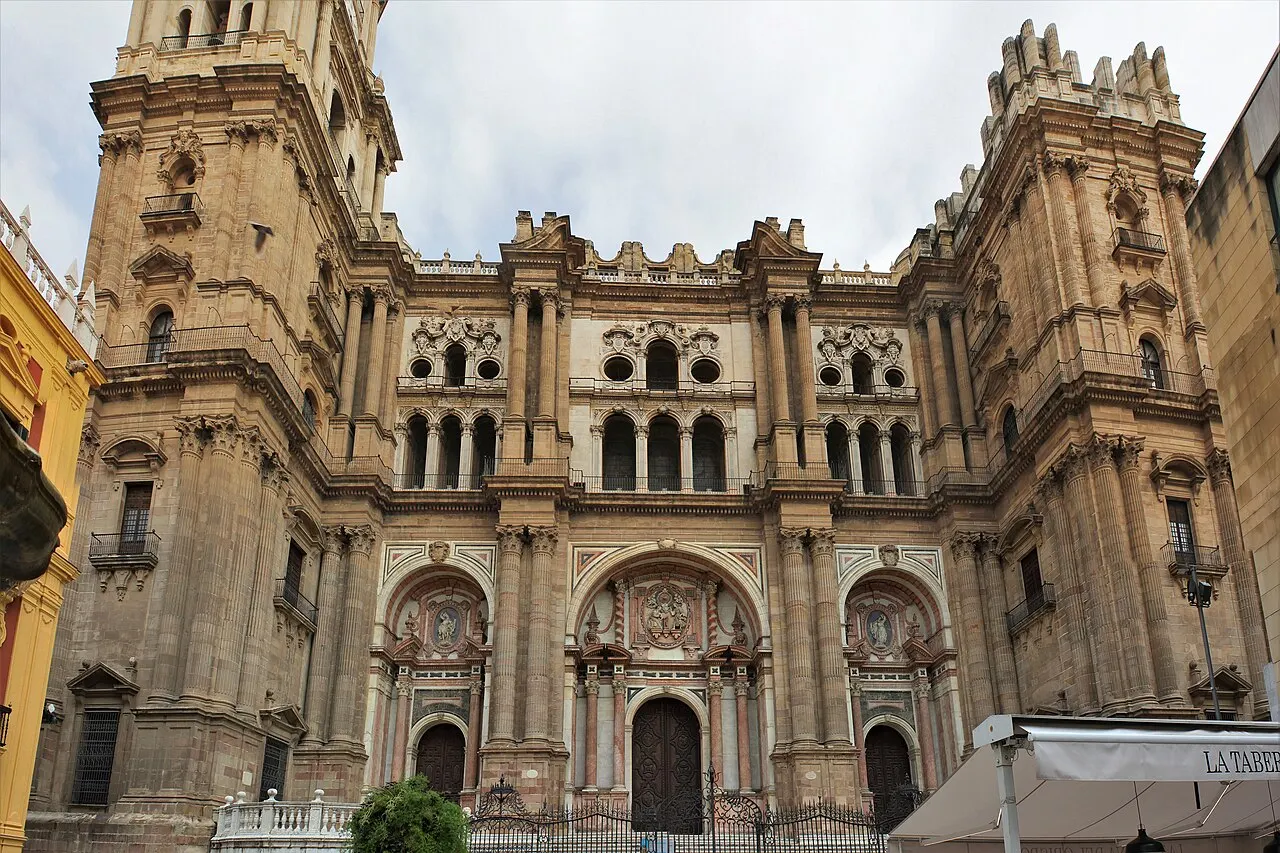
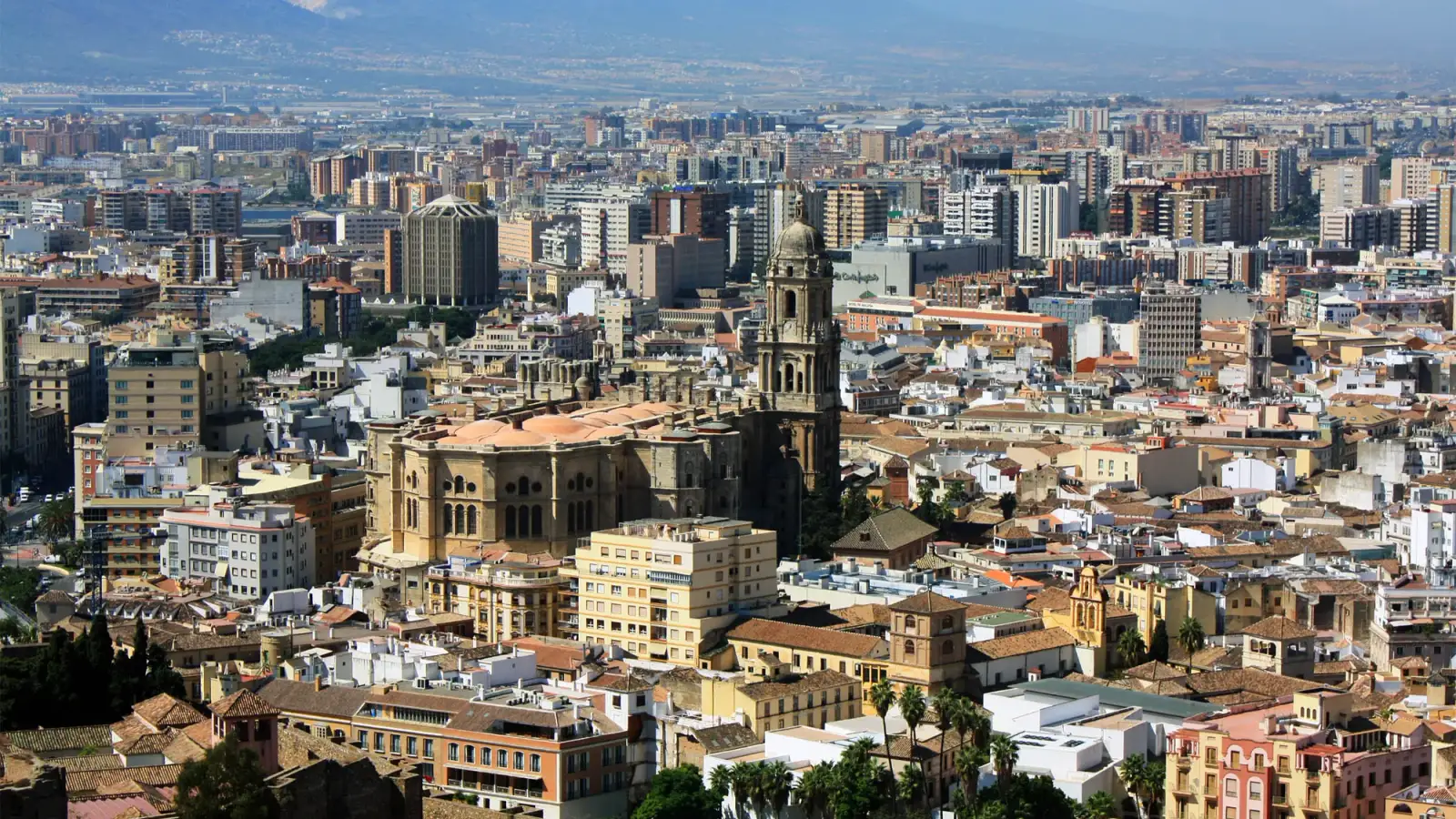
Catedral de la Encarnación de Málaga
The cathedral offers a visit focused on architecture and religious art in the centre. Cultural admission and entry for worship have different purposes. This guide proposes visiting the church without relying on a rooftop climb: works and specific conditions require checking that programme separately with the operator.
Architecture and religious art add another chapter of local history without relying on a rooftop climb.
Check access
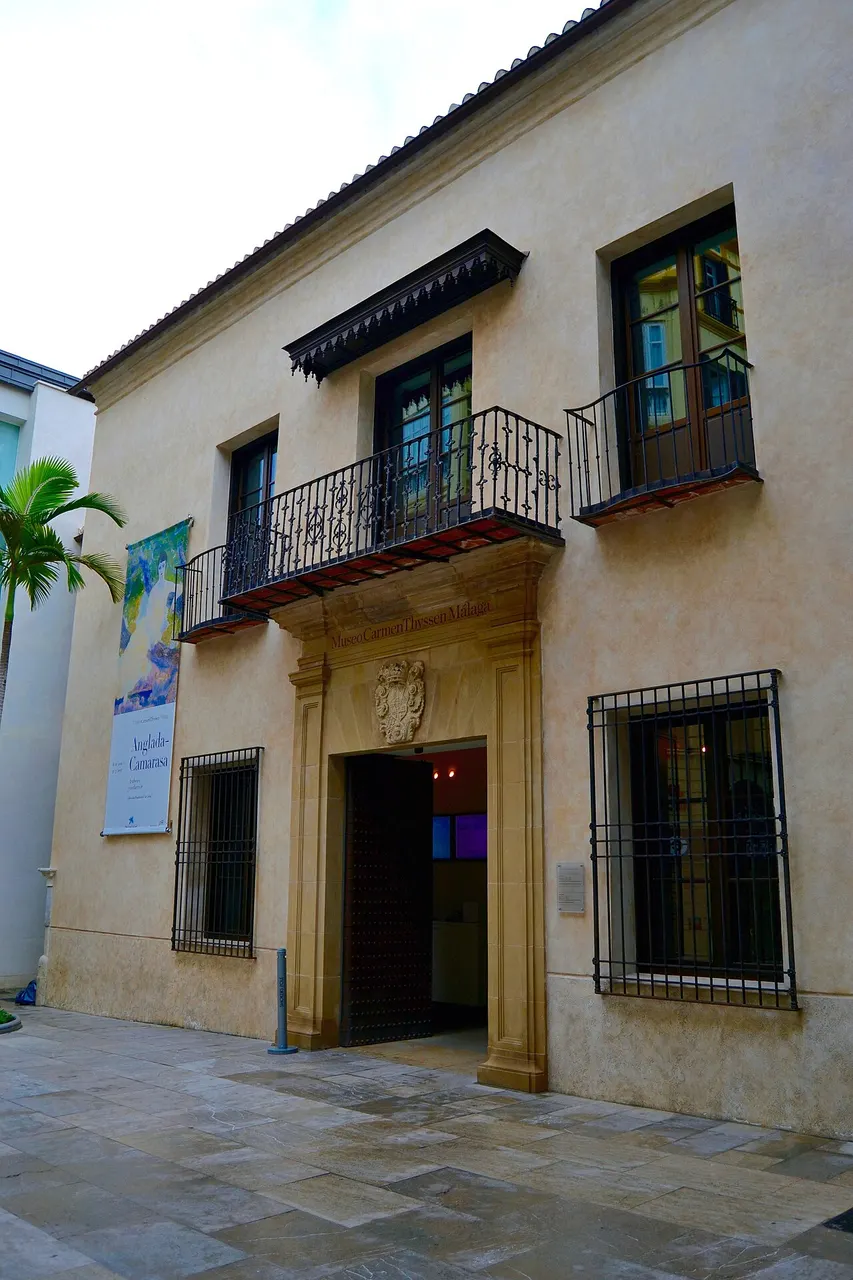
Museo Carmen Thyssen Málaga
The collection in Palacio de Villalón brings together Spanish painting, with significant emphasis on 19th-century Andalusian art. Suits those interested in landscape and depictions of social life. The underground archaeological site has its own reserved visit with capacity limits; it is not included in every museum ticket. Normally closed on Mondays, with published exceptional openings.
Spanish and Andalusian painting suits those choosing this collection, with the archaeological site reserved separately.
Check access

Museo de Málaga
Housed in Palacio de la Aduana, it combines archaeology and fine arts and helps explain the history of the city and region. It is the first-day choice on this itinerary to deepen the monument visits; on a short stay, it can replace another collection. Check seasonal hours: it closes on Mondays except for calendar exceptions.
Archaeology and fine arts provide regional context for the monument visits.
Check access
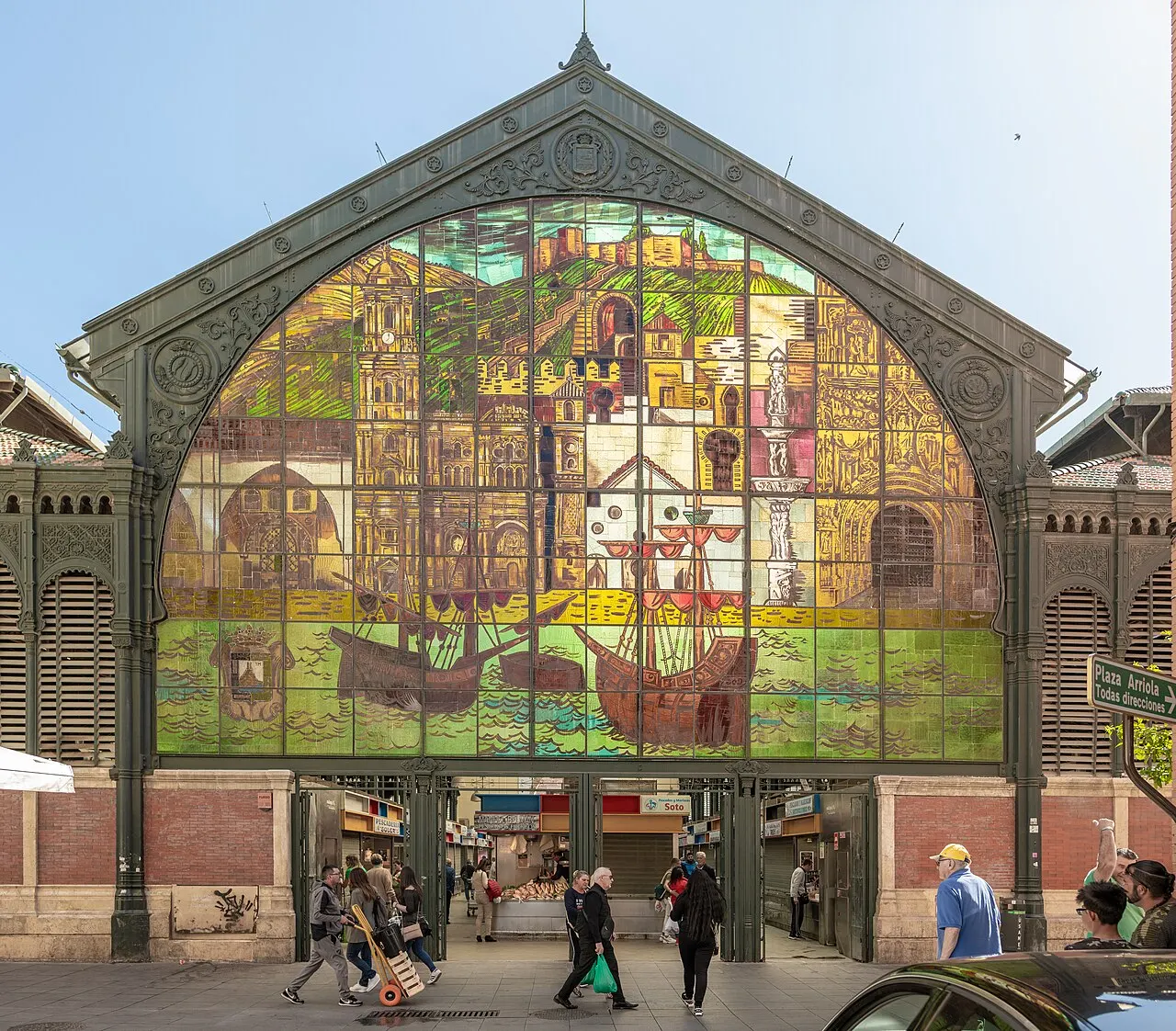
Mercado de Atarazanas
The market preserves a gateway from the old shipyards incorporated into the 19th-century building. Fresh-produce stalls and bars share the space; distinguish shopping activity from food service. Municipal hours run from morning to mid-afternoon, Monday to Saturday, with variation by stall and public holiday.
Market architecture and provisioning broaden the daytime central walk.
Check access

Castillo de Gibralfaro
The castle and walls provide defensive context and views over the city, port and hillside. Walking up requires energy, especially in heat. The municipality identifies EMT route 35 as an alternative; check timetables and the actual stop. Combined admission with the Alcazaba excludes travel between them.
The castle combines views and defence, provided effort and transport suit the group.
Check access
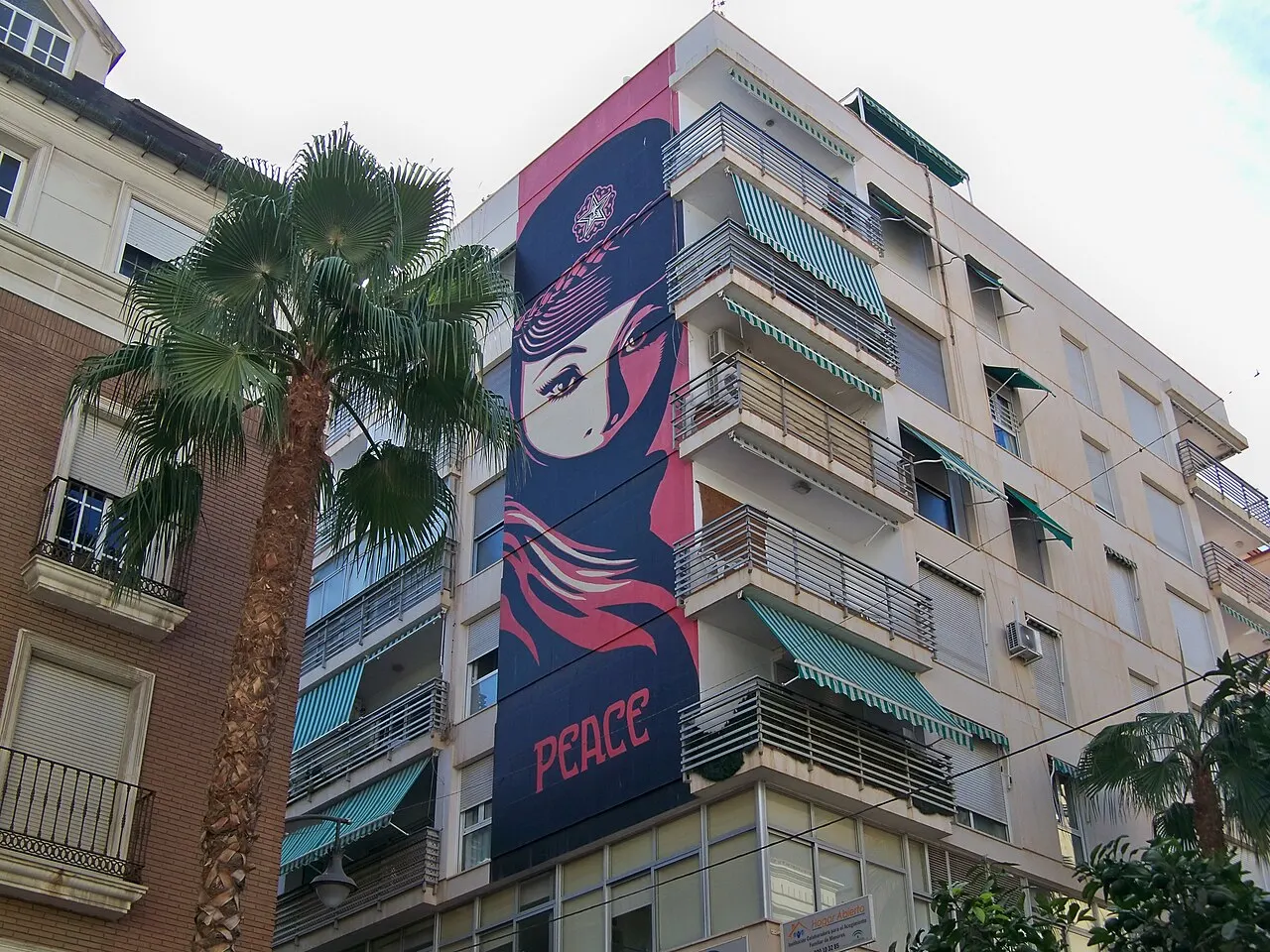
Soho Málaga
The arts neighbourhood offers a walk past murals and shops between centre and port. Fit it into your route, observing works actually visible rather than expecting a permanent mural list or an unconfirmed exhibition. Choose a programme if you want to enter a cultural venue.
A walk through street art and shops fits the route between centre and port.
Check access
Nilo’s itinerary
Start with the basic programme and choose extensions for the time you have.
Plan my days in the app ↗Day 1 · Theatre, Alcazaba and city history
Start on Calle Alcazabilla, observing the Roman theatre. Enter the circuit if open; on Monday, keep the exterior view and move the interior to another day if a priority.
Visit the Alcazaba in the morning, with water, suitable footwear and time for courtyards and ramps. The programme does not include continuing internally to Gibralfaro.
Have lunch in the centre and rest before choosing the afternoon. For archaeology and fine arts, visit the Museo de Málaga in the Aduana during seasonal opening; on Monday, substitute a walk and keep the collection for another day. For contemporary art, replace the Museo de Málaga with the Centre Pompidou, checking its regular Tuesday closure and the day's exhibition; do not schedule lengthy visits to both on the same afternoon.
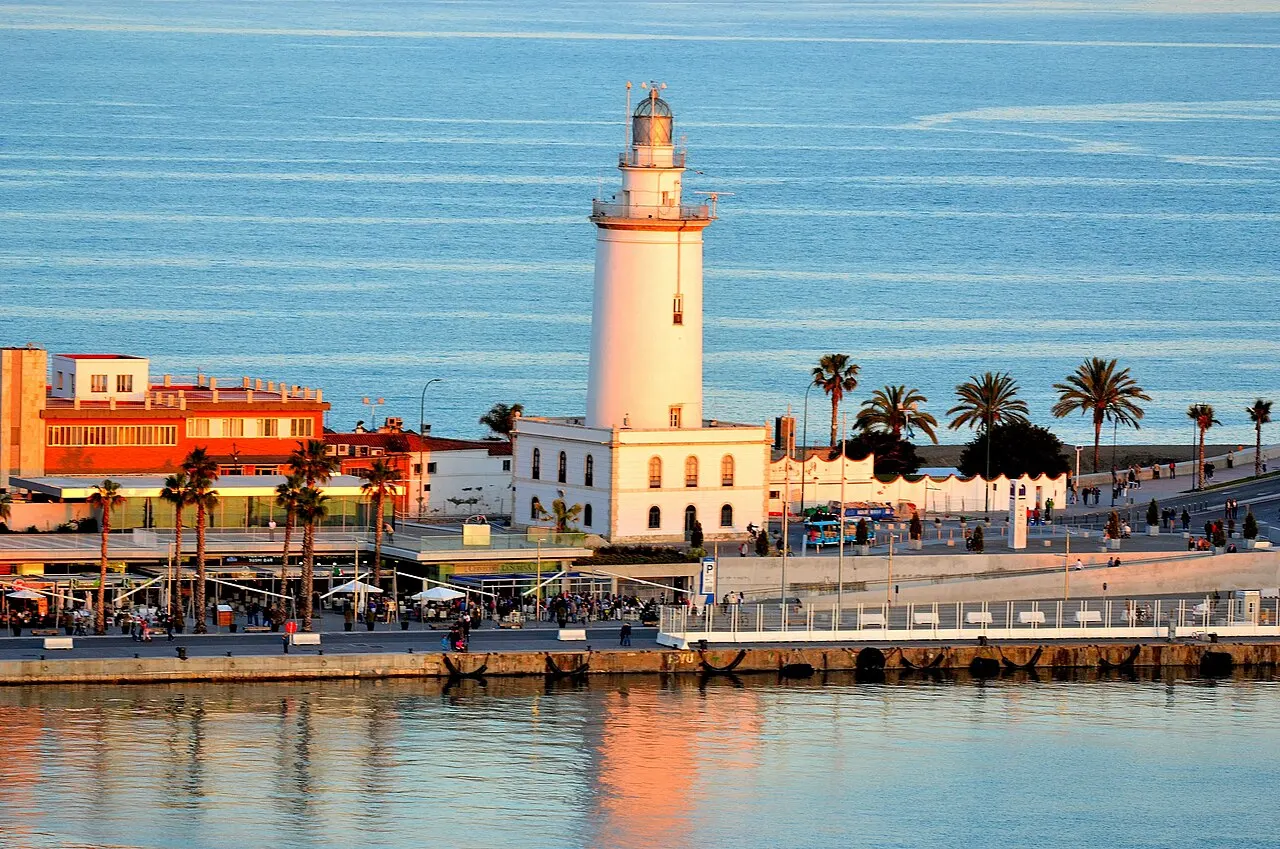
Finish at the port and Muelle Uno, walking to see La Farola's exterior if energy and authorised access allow. Respect operational-area boundaries. Dine and sleep in Málaga; no rental car is necessary for this circuit.
Day 2 · Market, Picasso and central streets
Visit Atarazanas in the morning from Monday to Saturday and observe the gateway and stalls. If this day falls on Sunday, switch the order of days; do not expect an operating fresh-produce market. Continue along Calle Larios and Plaza de la Constitución as you organise the central route.
Go to the Museo Picasso at your reserved time, leaving the cathedral for another window. Check the date and ticket inclusions, without confusing it with the Casa Natal. To prioritise the artist's biography and family connection with the city, replace this visit with the Casa Natal on Plaza de la Merced, choosing whether to include its temporary exhibition. Do not add both museums out of obligation.
Take a long lunch break and then visit the Catedral de la Encarnación during cultural opening, respecting services. The itinerary does not depend on a rooftop climb.
Explore central streets and Soho in the late afternoon. Those preferring 19th-century Spanish painting can replace the Museo Picasso with the Carmen Thyssen, respecting its Monday closure. The archaeological site requires its own ticket type and reservation. Sleep in Málaga again.
Day 3 · Gibralfaro and lunch on the eastern coast
Begin at Gibralfaro during opening, using EMT route 35 or a taxi if you prefer avoiding the walk up. Check outbound and return times and bring water and allow time for a break.
Descend to the centre and continue by urban transport or taxi to the eastern coast. Before choosing Pedregalejo, confirm works and access to the relevant stretch and restaurant. El Palo can be a lunch alternative, with local conditions checked too.
Have fish or espeto for lunch and leave the afternoon for rest and a permitted stretch of the promenade. Bathing depends on flags and notices; the programme remains possible without entering the water.
Return to Málaga to sleep or continue your trip with a realistic transport buffer. To reduce travel, replace the east with lunch and rest in La Malagueta. The Caminito del Rey is not included on this day.

Food
Sardine espeto
Sardines are threaded onto a cane and roasted beside a fire, often on structures on the sand near beach restaurants. The cooking method and the espetero's skill are part of local tradition. Confirm portion size, quantity and price; an espeto is not equivalent to a complete meal with a drink.
Pescaíto frito
Small fish and other seafood are served fried. Ask which species and items are in the portion and whether it is individual or for sharing. For dietary restrictions, confirm coating and fryer use.
Ajoblanco
The cold almond-and-garlic soup associated with the Málaga region adds another texture to a meal. It contains nuts and may include bread; do not assume cold soup automatically suits every allergy.
Ensalada malagueña
The regional combination of potato, orange and salt cod, with other ingredients according to the recipe, works as a starter. Its fish content matters for those seeking a vegetarian option.
Gazpachuelo
The hot soup with fish and an egg emulsion broadens the repertoire beyond beach dishes. Check the recipe and daily availability, especially on menus that change seasonally.
Where to eat
- Pedregalejo or El Palo
Espeto and fish in a seaside meal, choosing an operating venue with confirmed access. Ask quantity, preparation and pricing unit; Pedregalejo works may justify choosing another beach.
- Atarazanas and centre
Fried fish or tapas allow lunch beside the shopping and museum circuit. Observe each bar's portions and hours: the market is a good daytime option, not a guaranteed dinner.
- Historic centre
Look for ajoblanco, ensalada malagueña or gazpachuelo for variety after sardines. Confirm recipes, as almonds, bread, fish and egg may matter for dietary restrictions.
- La Malagueta
Lunch and rest near the beach as an alternative to travelling east. The choice is based on proximity to the itinerary; compare menus and portions without assuming every beach restaurant prepares food alike.
· 2026-10-16
Day trips
Caminito del Rey
The official platform gives 59.1 km and just over 50 minutes by car from Málaga via the A-357 and MA-5403 to the access area, excluding parking, local transport and the walking approach. Allow an extra day and a dated, timed ticket; arriving in the area by car or train is not the same as reaching trail control. The route is linear and requires a planned return. Children under eight cannot enter, and unsuitable footwear is prohibited under the 2026 rules. Check weather closure, physical ability and complete logistics before buying; it is not a universally accessible family option.
Where to begin
Theatre, Alcazaba and city history
Start on Calle Alcazabilla, observing the Roman theatre. Enter the circuit if open; on Monday, keep the exterior view and move the interior to another day if a priority.
Market, Picasso and central streets
Visit Atarazanas in the morning from Monday to Saturday and observe the gateway and stalls. If this day falls on Sunday, switch the order of days; do not expect an operating fresh-produce market. Continue along Calle Larios and Plaza de la Constitución as you organise the central route.
Gibralfaro and lunch on the eastern coast
Begin at Gibralfaro during opening, using EMT route 35 or a taxi if you prefer avoiding the walk up. Check outbound and return times and bring water and allow time for a break.
Money
The currency is the euro. As consulted on 16 October 2026, the municipal tariff lists €7 general admission to either the Alcazaba or Gibralfaro and €10 combined admission to both, with specific reduced and free categories. Before buying a combined ticket, confirm its validity window for both visits; for this different-day itinerary, choose individual tickets if those dates are not covered. The ticket excludes travel between the monuments. The Museo Picasso publishes full-access admission at €13, with reductions and free entry for specific categories and times. Museums' free-admission rules differ. For food, compare quantities and inclusions, especially fish priced by weight or portion; drinks and accompaniments may be separate. Compare accommodation for the same dates and occupancy, without using a low-season nightly rate as a Feria reference.
Getting there and around
Airport and Cercanías
AGP airport is served by C1 between Málaga Centro-Alameda and Fuengirola. Aena publishes about 12 minutes to Centro-Alameda and 8 to María Zambrano, train times excluding waiting, airport walking or hotel access. Check the day's operation and final departure before relying on it.
Stations and arrival
María Zambrano handles long-distance trains and connects with Cercanías. Centro-Alameda is nearer the central core but does not receive the same long-distance services. The metro is a separate network; it does not link directly to the air terminal.
Centre on foot
The area around the market, museums, cathedral and Alcazabilla can be explored on foot, with breaks for heat and meals. Those with mobility limitations should check each monument's surfaces and entrances, rather than map distance alone.
Gibralfaro and coast
The municipality identifies EMT route 35 for Gibralfaro. For Pedregalejo and El Palo, consult EMT by address and direction, including return and possible diversions. Avoid relying on a route number without checking the current stop.
Car and regional outings
A car is unnecessary for the urban programme. If arriving by car, confirm a garage and authorised accommodation access. For the Caminito del Rey, plan ticket, parking or rail connection, walking approach and return from the linear route before finalising transport.
Safety
Protect yourself from sun and heat and bring water for outdoor visits; the climb to Gibralfaro and Alcazaba surfaces require care. Check weather warnings and do not cross flooded areas, closed passages or works. At the beach, respect flags and lifeguard guidance; services are seasonal and the water's appearance does not replace local notices. Look after belongings on beaches and in stations, markets and busy streets. In an emergency, call 112. For nature outings such as the Caminito del Rey, first check minimum age, footwear, mobility restrictions and possible bad-weather closures.
Etiquette tips
In the church
Follow the cathedral's clothing guidance, remain quiet and distinguish cultural visiting from participation in a service.
At the table
Confirm price and portion size before ordering fish or fried dishes to share. Mention allergies; a traditional recipe does not guarantee the absence of an ingredient or cross-contamination.
Processions and residents
Respect processions and crowd-control instructions. At night, lower conversation volume in residential streets and on the way back to your accommodation.
At the beach
Use permitted access points, respect flags and take away rubbish. Do not light fires or enter work areas.
Mistakes to avoid
Expecting an internal passage to the castle
The Alcazaba and Gibralfaro have separate entrances. Include travel and effort even when buying a combined ticket.
Confusing the two Picasso institutions
The Museo Picasso in Palacio de Buenavista and Casa Natal on Plaza de la Merced have different collections, aims and tickets.
Treating Sunday as universally free
Each institution sets hours, categories and capacity. Picasso's free entry in the final two hours on Sunday does not apply to other museums.
Planning the market for Sunday afternoon
Atarazanas trading hours are Monday to Saturday, morning and early afternoon. Do not expect open stalls at night or on Sunday.
Expecting a continuous Pedregalejo promenade
Pedregalejo's refurbishment may affect routes, noise and access. Confirm the stretch and keep an alternative for lunch and walking.
Adding the Caminito to a museum day
There is travel, a walking approach, entry control and a linear route. Allow an additional day with a planned return.
Useful phrases
¿Qué incluye esta entrada?
What does this ticket include?
¿La ración es para compartir?
Is this portion for sharing?
¿El pescado se cobra por peso?
Is the fish priced by weight?
¿Por dónde se accede con las obras?
Where is the entrance during the works?
¿Este plato lleva almendras o pan?
Does this dish contain almonds or bread?
¿Dónde se toma el autobús de vuelta?
Where do you catch the bus back?
Where to stay
- Historic centre · First visit, museums and meals on foot.: Reduces travel between market, cathedral and central collections. The main concern is the street: bars, events and processions can bring noise and complicate access with luggage. Confirm lift, parking and permitted arrival if using a vehicle.
- Soho and the Alameda area · Those arriving by Cercanías who want walking access to centre and port.: The intermediate position can make a car-free stay easier. Check actual distance to Centro-Alameda station and the luggage route. Do not use the name Soho as a guarantee of a quiet street or equal proximity to every museum.
- La Malagueta · Those alternating city and beach during one stay.: Allows sea access without travelling to and from the more distant eastern neighbourhoods, while keeping port and centre within reach. Convenience depends on the address; check shade, air conditioning and sound insulation for your season.
- María Zambrano · Early train arrival or departure and short connection stays.: Prioritises the long-distance station and airport access by Cercanías. The historic core and beach require travel; not the first choice if your main aim is walking back from dinner in the historic centre.
- Pedregalejo and El Palo · Longer stays prioritising the eastern coast.: Can work for beach days and local meals, accepting transport to museums and airport. Before choosing Pedregalejo, confirm works, noise and access to the exact street. Do not book from an old photograph of a finished promenade.
· 2026-10-16
Districts
Historic centre
The cathedral, Picasso, Atarazanas and shopping streets combine on foot. Noise and traffic restrictions vary by street, especially during processions and festivals.
Alcazabilla and Gibralfaro
The theatre stands at the Alcazaba's foot; Gibralfaro is higher. The area links defence with topography but offers no internal visitor connection between the two fortresses.
Soho
Between Alameda and the port, the neighbourhood brings together street art, cultural spaces and shops. Depending on the address, its position can be practical for staying near the centre and Cercanías station.
La Malagueta
A neighbourhood beside the beach, port and eastern part of the centre. Suits those alternating city and sea without travelling daily from more distant neighbourhoods.
Pedregalejo and El Palo
Eastern coastal areas connected with fishing, beaches and food. They are not a short walking extension of the museum core. In Pedregalejo, waterfront works require checking the street, stretch and access before booking.
María Zambrano and the station area
Arrival area for long-distance trains and Cercanías connections. Useful for an early departure, but proximity to the station is not equivalent to staying inside the historic centre.
History
First millennium BC · Phoenician port
The establishment of Malaka connected the coast with Mediterranean trading networks. The settlement beside the future Alcazaba forms part of this history of occupation.
Roman period · Theatre of Malaca
The theatre built during Augustus's reign embodies the role of the Roman city. Its remains were only discovered in the 20th century.
11th century · The palatial fortress
The Alcazaba acquired its central form during the taifa period, with subsequent alterations. Defence and residence were linked on the hillside.
1487 · Conquest by the Catholic Monarchs
Incorporation into the Crown of Castile changed the city's political and religious organisation and began another cycle of building.
19th century · Trade and industry
Commercial and industrial expansion transformed Málaga and its urban spaces. The Aduana and market help reveal different economic functions in the centre.
1951 · The theatre reappears
Works beside the former Casa de la Cultura led to the discovery of the Roman theatre, later incorporated into the public space of Calle Alcazabilla.
2003 · Museo Picasso Málaga
The museum's opening in Palacio de Buenavista established an institution dedicated to the work of the artist born in the city.
Complete history
A hillside with different occupations
The proximity of theatre, fortress and present-day city makes the overlapping periods easy to recognise. Roman materials were reused in later buildings. The relationship between the monuments is more interesting than a list of peoples disconnected from what visitors can observe.
The port and provisioning
Málaga grew through maritime, trading and industrial functions. Atarazanas market occupies the site of former shipyards and preserves a marble gateway from that complex, incorporated into a 19th-century market structure. The Aduana has a different origin and now houses the Museo de Málaga.
Picasso in the city
The Museo Picasso in Palacio de Buenavista is a collection of works. The Casa Natal on Plaza de la Merced explores another aspect of his life and family ties to Málaga. Choose according to your interests; the two visits do not share the same ticket.
This page's basic circuit visits the church. Works and specific conditions prevent treating the roof as a guaranteed extension.
Geography and shape of the city
Centre and hills
The flat historic centre approaches the Alcazaba hillside and Gibralfaro hill. Two nearby points on the map may require a climb and a different entrance. Plan effort according to heat and the group's mobility.
Port and beaches
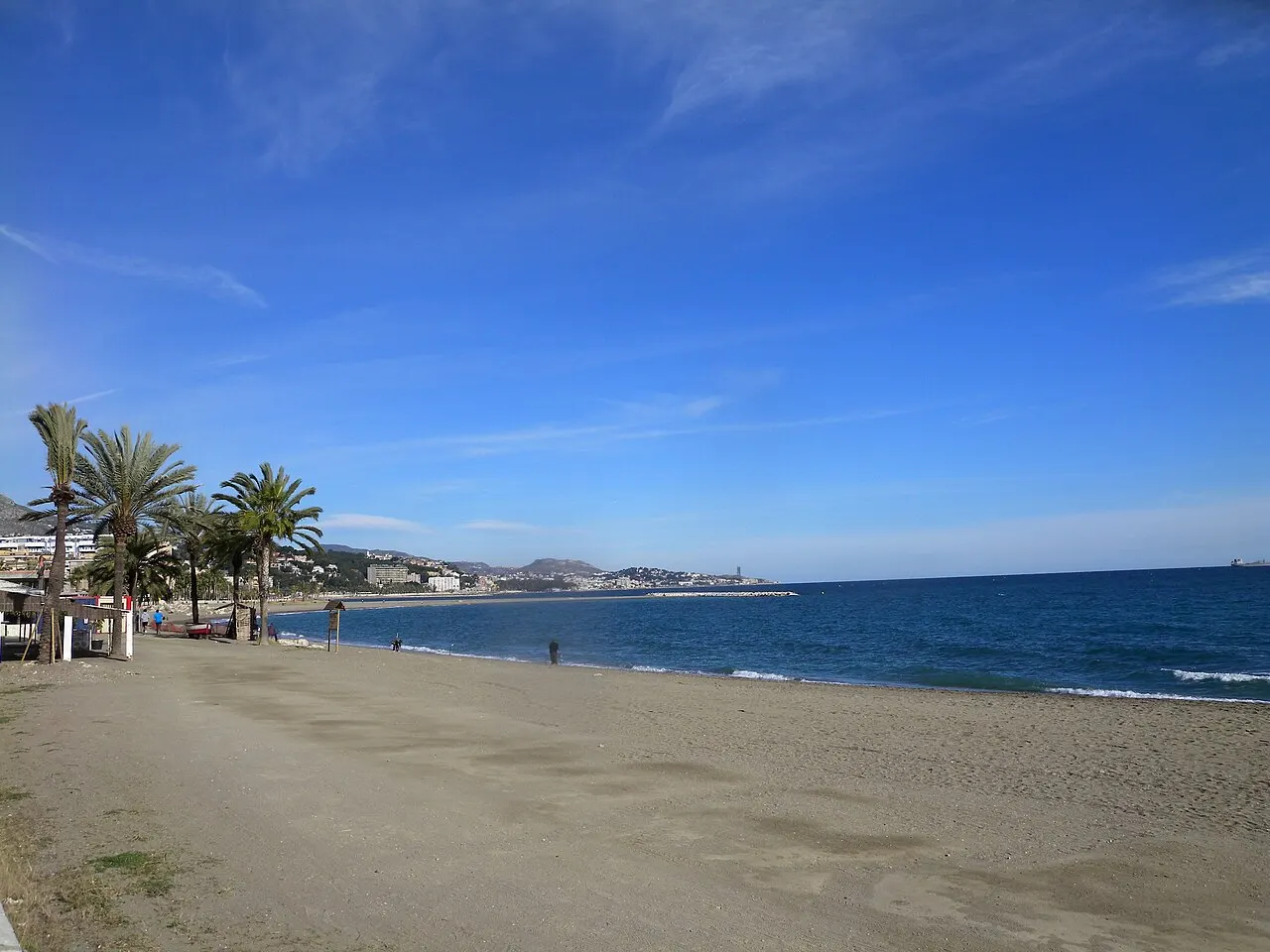
The port is south of the centre. La Malagueta offers an initial beach visit without going far beyond the urban core; Pedregalejo and El Palo are farther east and work better with transport both ways.
Coast and interior
The city can start an Andalusian trip, but an excursion to the inland gorges has its own logistics. Do not treat the Caminito del Rey as a gap between museum visits.
Centro-Alameda and María Zambrano serve different functions. The first is closer to the centre; the second also handles long-distance trains.
Culture
A city of museums
Different collections coexist in a compact centre: Picasso, archaeology, fine arts and 19th-century painting. Proximity may suggest a marathon, but choosing by subject allows closer attention and time to experience the city outside the galleries.
Maritime memory
Espeto, the market and eastern neighbourhoods connect food with trades and patterns of coastal settlement. These are complementary experiences: seeing a cooking technique does not alone describe the whole local culture.
Holy Week
The cofradías organise processions and carry large tronos through the streets. For visitors, the event has religious and community dimensions as well as practical effects on movement and noise. Do not cut across a procession as a shortcut.
Hours and conditions vary by institution. Check the exact ticket before reorganising your afternoon around free admission.
Festivals and events
Holy Week
Dates move with Easter; in 2026 it ran from 29 March to 5 April. Check routes and restrictions for your travel year. Even those not attending processions need to plan access and return journeys.
Feria de Málaga
The August festival spreads activities between the centre and the Cortijo de Torres fairground. In 2026, the municipal calendar announced 15 to 22 August. Choose accommodation and transport knowing that routines and sound levels change during this period.
Festival de Málaga
The film festival has screenings, meetings and activities around the city. Check dates and screening languages for your travel edition; do not rely on a fixed annual date when planning.
Books and films
Museo Picasso Málaga collection
The museum's introduction and audio guide help trace the artist's different working methods. Check works displayed on your date instead of expecting a permanent list of famous paintings.
City history, Málaga City Council
The municipal overview places Phoenician settlement, the Roman period, al-Andalus and contemporary growth in context. Useful reading before Calle Alcazabilla and the Museo de Málaga's archaeological collection.
Frequently asked questions
Málaga: how many days should I allow?
I would allow at least three full days for Málaga: the first for theatre, Alcazaba and history; the second for market, Picasso or another collection, and cathedral; the third for Gibralfaro and a coastal meal. That leaves time to rest and select museums by interest without driving through the centre. The Caminito del Rey needs an additional day with its own ticket and logistics and does not increase the city's minimum. With only two days, remove the eastern coast and one collection, preserving breaks.
Málaga: how do I arrive from the airport and which station should I choose?
AGP airport is served by C1 between Málaga Centro-Alameda and Fuengirola. Aena publishes about 12 minutes to Centro-Alameda and 8 to María Zambrano, train times excluding waiting, airport walking or hotel access. Check the day's operation and final departure before relying on it. María Zambrano handles long-distance trains and connects with Cercanías. Centro-Alameda is nearer the central core but does not receive the same long-distance services. The metro is a separate network; it does not link directly to the air terminal.
Málaga: how should I organise the Alcazaba and Gibralfaro on different days?
I would separate the Alcazaba and Gibralfaro to distribute the effort. For visits on different days, I would buy individual tickets; I would choose the combined one only after confirming that its validity covers both dates. There is no internal visitor path between the monuments.
Málaga: are the Museo Picasso and Casa Natal the same visit?
The collection in Palacio de Buenavista traces different approaches and periods in Picasso's work. Book a slot suited to your interests and use the audio guide, included in the published admission. This is different from the Casa Natal on Plaza de la Merced. The museum opens daily, with seasonal hours and specific free-admission conditions. On Plaza de la Merced, the birthplace presents Picasso's family and biographical connection with Málaga. It is not the Museo Picasso in Palacio de Buenavista and does not automatically share its ticket. The municipal channel distinguishes the house at number 15 from the temporary exhibition gallery at number 13, with separate or combined options. Choose by content and check exhibition opening before buying.
Málaga: how can I visit Pedregalejo during the works?
The neighbourhood's coast combines small beaches, maritime tradition and fish restaurants. Promenade refurbishment remains relevant to an October 2026 visit: confirm the stretch and restaurant access. If works compromise the outing, choose another authorised sector such as El Palo, without assuming the whole coast is closed.
Málaga: can I add the Caminito del Rey to a museum day?
The official platform gives 59.1 km and just over 50 minutes by car from Málaga via the A-357 and MA-5403 to the access area, excluding parking, local transport and the walking approach. Allow an extra day and a dated, timed ticket; arriving in the area by car or train is not the same as reaching trail control. The route is linear and requires a planned return. Children under eight cannot enter, and unsuitable footwear is prohibited under the 2026 rules. Check weather closure, physical ability and complete logistics before buying; it is not a universally accessible family option.
Málaga: when is best for city and coast?
April to June and September to October suit a first visit combining walks, museums and coast. This recommendation does not guarantee mild temperatures every day: check forecasts and reduce climbs during heat episodes. Summer is dry and hot, with greater coastal demand and the Feria in August. Autumn, winter and spring have a greater likelihood of rain, including intense episodes, while winter is usually milder than the region's interior. Holy Week can fall in March or April and changes traffic, prices and availability. Winter also works for a cultural trip if sea bathing is not a main requirement.
Other cities in the country
Spain ↗- Days
- 3–4
- When
- May–Jun · Sep–Oct
- Per person/day
- Average 140–200 EURMid-range · per person/day
Cost scope
Per person per day: accommodation, meals, urban transport, visits and a small allowance for extras. Flights excluded; larger purchases vary. Editorial estimate, not a quote.
- Days
- 3–4
- When
- Apr–Jun · Sep–Oct
- Per person/day
- Average 156 EURMid-range · per person/day
Cost scope
2026 planning examples per person per day: accommodation, food, local transport, admission fees and extras. Flights and trips to other cities excluded. Hostel: one bed; hotels: one whole room allocated to one person. If sharing, divide accommodation. Admission and transport amounts are averages across the stay; check prices for your dates.
- Days
- 2–3
- When
- Mar–May · Oct–Nov
- Per person/day
- Average 70–120 EURMid-range · per person/day
Cost scope
Per person per day: accommodation, meals, urban transport, visits and a small allowance for extras. Flights excluded; larger purchases vary. Editorial estimate, not a quote.
- Days
- 2–3
- When
- Apr–May · Oct
- Per person/day
- Average 150 EURMid-range · per person/day
Cost scope
Per person per day: accommodation, meals, urban transport, visits and a small allowance for extras. Flights excluded; larger purchases vary. Editorial estimate, not a quote.
- Days
- 3–4
- When
- Apr–Jun · Sep–Oct
- Per person/day
- Average 153 EURMid-range · per person/day
Cost scope
Per person per day: accommodation, meals, urban transport, visits and a small allowance for extras. Flights excluded; larger purchases vary. Editorial estimate, not a quote.
- Days
- 4–5
- When
- May–Jun · Sep–Oct
- Per person/day
- Explore costsGuide estimate
Cost scope
Per person per day: accommodation, meals, urban transport, visits and a small allowance for extras. Flights excluded; larger purchases vary. Editorial estimate, not a quote.
- Days
- 3
- When
- May–Jun · Sep
- Per person/day
- Average 113 EURMid-range · per person/day
Cost scope
Per person per day: accommodation, meals, urban transport, visits and a small allowance for extras. Flights excluded; larger purchases vary. Editorial estimate, not a quote.