
Spain
Madrid
The Prado, the Royal Palace, Retiro and tapas bars
Days Start with the basic programme and choose extensions for the time you have.
How the guide reaches this number
A fourth day goes to Toledo, 33 minutes away by train. This isn't a city for scenery: there's no sea or navigable river, and the photos are of façades and people. With just one day, go into the Prado at 10am for about €15 and have a €12–16 menú del día in the Barrio de las Letras. Then cross the Retiro in the late afternoon and end at the Templo de Debod for sunset. What disappoints is the Mercado de San Miguel, which is only worth it for the architecture, and the Plaza Mayor terrace, where you pay for the view. Avoid August, which hits 40°C with half the doors closed for vacation. With more time, spend more nights in a single neighborhood, like La Latina or Malasaña, instead of stacking museums.
3–4
When April to June and September to October, with highs of 18 to 28 °C
How the guide reaches this number
The best windows are April to June and September to October, with highs of 18 to 28°C, clear skies most days and terraces open. Don't underestimate the summer: July and August sit between 33 and 40°C in the shade, and nights have an average low near 20°C, above 25°C during heatwaves. In August the city still empties out, and many neighborhood bars and restaurants close for two or three weeks for vacation, with a handwritten notice on the door. Winter is dry and sunny, 2 to 12°C between December and February, with little snow. About 430 mm of rain falls a year, concentrated in April–May and October–November. Hotels in the center go up 30 to 60% during San Isidro, in May, on the long holiday weekends of May and October, during Pride week, at the end of June, and at Christmas.
Per person/day The budget examples total €60 with a hostel bed, €156 with a hotel and €300 for greater comfort, per person per day.
How the guide reaches this number
They include accommodation, food, local transport, admission fees and extras, excluding flights. These are 2026 planning references; check rates for your dates.
The budget examples total €60 with a hostel bed, €156 with a hotel and €300 for greater comfort, per person per day. They include accommodation, food, local transport, admission fees and extras, excluding flights. These are 2026 planning references; check rates for your dates.
2026 planning examples per person per day: accommodation, food, local transport, admission fees and extras. Flights and trips to other cities excluded. Hostel: one bed; hotels: one whole room allocated to one person. If sharing, divide accommodation. Admission and transport amounts are averages across the stay; check prices for your dates.
 What Nilo thinks
Three days cover Madrid: one for the Austrias quarter and the Royal Palace, one for the Prado triangle with the Retiro, and one for the Reina Sofía, Lavapiés and the river. A fourth day goes to Toledo, 33 minutes away by train. This isn't a city for scenery: there's no sea or navigable river, and the photos are of façades and people. With just one day, go into the Prado at 10am for about €15 and have a €12–16 menú del día in the Barrio de las Letras. Then cross the Retiro in the late afternoon and end at the Templo de Debod for sunset. What disappoints is the Mercado de San Miguel, which is only worth it for the architecture, and the Plaza Mayor terrace, where you pay for the view. Avoid August, which hits 40°C with half the doors closed for vacation. With more time, spend more nights in a single neighborhood, like La Latina or Malasaña, instead of stacking museums.Madrid holds, within a twenty-minute walk along the Paseo del Prado, Velázquez's Las Meninas, Goya's Black Paintings and Picasso's Guernica, and it's through this triangle of museums that most people arrive. On the other side of downtown, the Royal Palace and the streets of the Austrias quarter lead to the Plaza Mayor and the taverns of the Cava Baja, in La Latina, where the bocadillo de calamares is eaten standing at the counter, wrapped in paper, with a 200 ml caña. In the late afternoon, when the heat lets up, the walk is through the Retiro, Felipe IV's former garden. The city eats late, and the night in the bars of Malasaña and Chamberí starts when in Brazil people are already thinking about sleep. Come in spring or early fall, away from the heat of July and August, and allow three days.
Quick facts
- Population
- 3,497,277 registered residents (empadronados) on January 1, 2026 (about 3.5 million); about 6.8 million in the metropolitan area and about 7 million in the Community of Madrid
- Founded
- Islamic fortress of Mayrit, c. 865; capital of the Spanish monarchy since 1561
- Country and region
- Spain: Community of Madrid, at the center of the Meseta Central, 650 m of altitude
- Language
- Spanish (Castilian); functional English at hotels, museums and downtown, scarce in neighborhood bars
- Currency
- Euro (€). Consumer prices include applicable taxes; the VAT rate depends on the product or service.
- Time zone
- CET (UTC+1), daylight saving CEST (UTC+2) from late March to late October
- Best time to visit
- April to June and September to October, with highs of 18 to 28 °C
- Average daily cost
- The budget examples total €60 with a hostel bed, €156 with a hotel and €300 for greater comfort, per person per day. They include accommodation, food, local transport, admission fees and extras, excluding flights. These are 2026 planning references; check rates for your dates.
When to go
April to June and September to October, with highs of 18 to 28 °C
January
3° to 10°C
32 mm of rain
February
4° to 12°C
34 mm of rain
March
6° to 16°C
35 mm of rain
July
20° to 33°C
9 mm of rain
August
19° to 33°C
10 mm of rain
November
6° to 14°C
52 mm of rain
December
4° to 10°C
42 mm of rain
How the year changes
The best windows are April to June and September to October, with highs of 18 to 28°C, clear skies most days and terraces open. Don't underestimate the summer: July and August sit between 33 and 40°C in the shade, and nights have an average low near 20°C, above 25°C during heatwaves. In August the city still empties out, and many neighborhood bars and restaurants close for two or three weeks for vacation, with a handwritten notice on the door. Winter is dry and sunny, 2 to 12°C between December and February, with little snow. About 430 mm of rain falls a year, concentrated in April–May and October–November. Hotels in the center go up 30 to 60% during San Isidro, in May, on the long holiday weekends of May and October, during Pride week, at the end of June, and at Christmas.
The same numbers as a table
| Month | Temperature °C | Rain mm |
|---|---|---|
| January | 3 to 10 | 32 |
| February | 4 to 12 | 34 |
| March | 6 to 16 | 35 |
| April · | 8 to 19 | 46 |
| May · | 12 to 24 | 48 |
| June · | 17 to 29 | 20 |
| July | 20 to 33 | 9 |
| August | 19 to 33 | 10 |
| September · | 16 to 27 | 24 |
| October · | 11 to 20 | 64 |
| November | 6 to 14 | 52 |
| December | 4 to 10 | 42 |
Nilo's tips
The T4 train costs €2.60; the metro costs €5
From Barajas airport, the Cercanías train leaves T4 for about €2.60 and is the cheapest option into the center. From T2, the metro adds a €3 supplement to the ticket and comes to almost €5. With two suitcases, or arriving in the early hours, take a taxi: the flat fare to the M-30 ring road is €33, at any hour.
One Tarjeta Multi covers the whole group
The card isn't personal and passes from hand to hand between a couple or a small group. Buy the Tarjeta Multi, at €2.50, before anything else, because without it you're stuck at the metro turnstile. Loaded with 10 trips, now about €7.30 with a temporary discount, it makes the single ticket pointless.
Choose a visit slot to suit your interests
For a long Prado visit, paid morning entry gives you more time than the two free hours at the end of the day. The free slot is also a valid choice for a shorter visit; there may be a queue. The Galería de las Colecciones Reales offers free entry Monday to Thursday, 6pm–8pm, to EU citizens, EU residents or work-permit holders and Ibero-American citizens, with proof. Check your eligibility before changing the itinerary; basic entry is €14.
Counter, table or terrace
To try a bocadillo de calamares near Plaza Mayor, compare the menus of bars in the surrounding streets. If you want a rest, choose a table or terrace that suits your budget. Check whether prices change with the seating area rather than assuming every bar charges in the same way.
Check the menú del día
Before sitting down, check the menú del día price, the dishes offered and whether bread and a drink are included. Availability and hours vary; check with the kitchen if you arrive late for lunch. To try cocido at a traditional restaurant, ask whether you need to reserve or order it the day before.
Sunday: Rastro market in the morning, vermouth at noon
The Rastro sets up on the Ribera de Curtidores between 9am and 3pm on Sundays. Get there before 11am, while it's still possible to walk through, and bring cash, because many stalls don't take cards or set a minimum of €5 to €10. It's also the week's biggest concentration of pickpockets, along with the escalators at Sol: bag in front of your body. At noon, step out of the crowd and do what the neighborhood does: vermouth on tap with ice, an orange slice and an olive at the bars of La Latina, between noon and two, with a tin of cockles or pickled mussels.
Explore the map

© OpenStreetMap · OpenFreeMap · © OpenMapTiles
Explore the map, read about the other places and plan your travel days in the app.
Open the appWhat to see
In Madrid, life happens at the bar, in the hall and in the square.
Group the Palace and the Austrias quarter in one day, the Prado triangle with the Retiro in another, and the south, by the Manzanares river, in the third. In July and August, with 33 to 40°C in the shade, walk early and save the hours between 2pm and 6pm for museums.
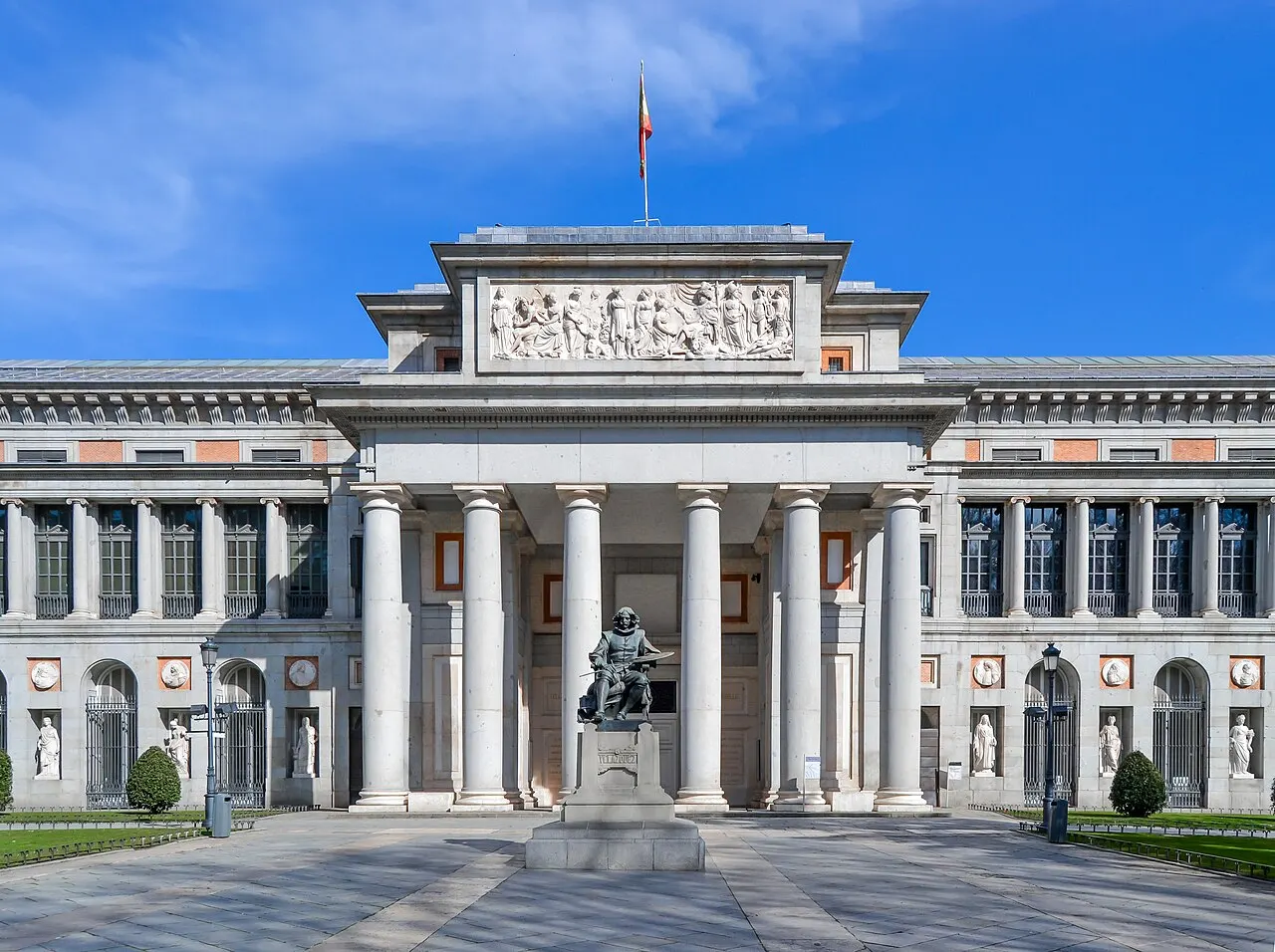
Museo Nacional del Prado
One of the largest art museums in the world, opened in 1819 in the neoclassical building Juan de Villanueva designed in 1785. It holds Velázquez's Las Meninas (1656), Goya's Black Paintings and Bosch's The Garden of Earthly Delights. Tickets are about €15, free Monday to Saturday from 6pm to 8pm and Sundays from 5pm to 7pm. Under-18s and students up to 25 get in free at any time.
It's the reason to come to Madrid: Las Meninas, Goya's Black Paintings and Bosch's The Garden of Earthly Delights in the same building. Go in at 10am, pay the roughly €15, and allow two to three hours, because the free window at the end of the day is when the line wraps around the building.
Check access
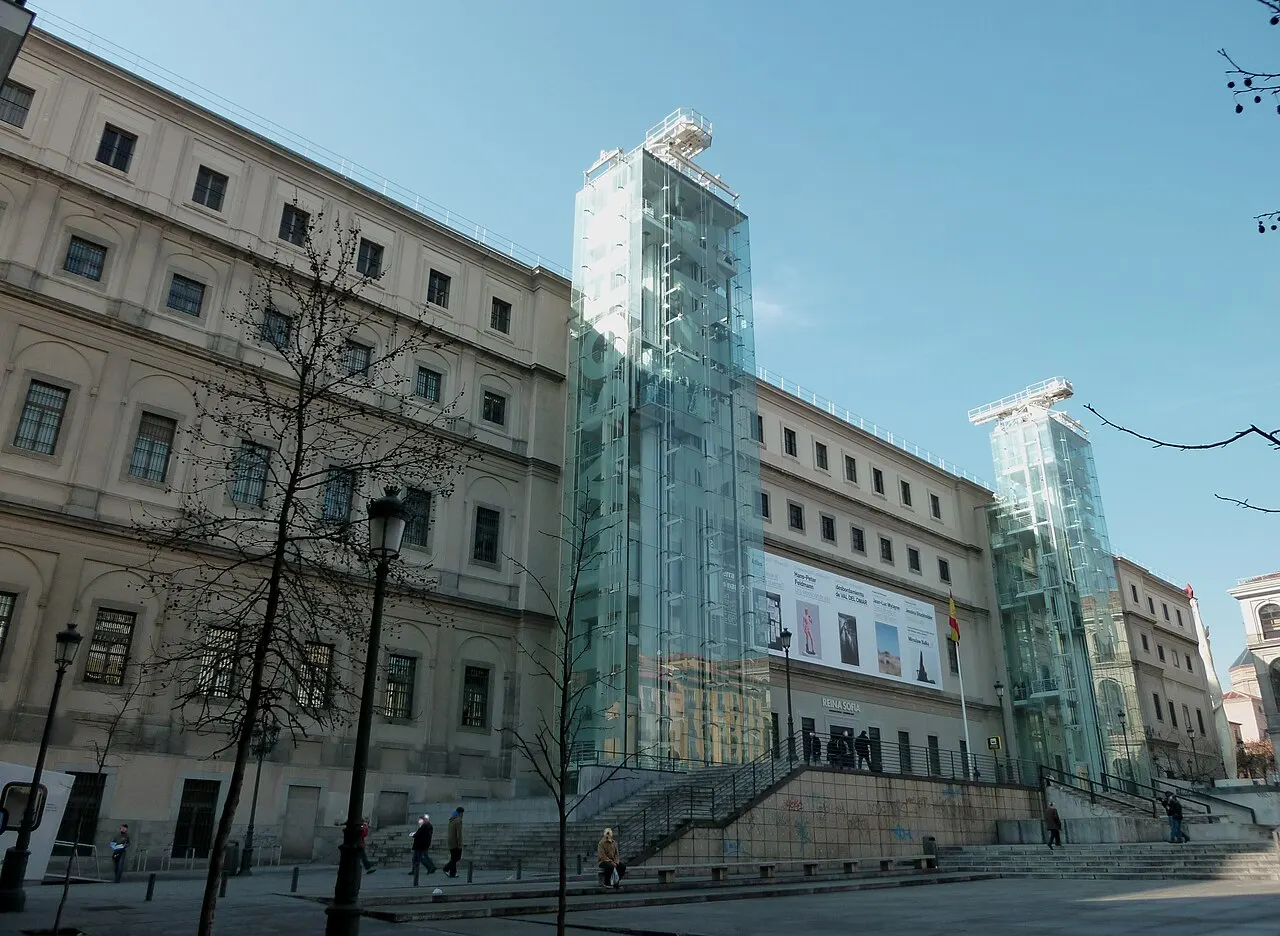
Museo Reina Sofía
20th-century art in Sabatini's former Hospital General, with Jean Nouvel's red extension (2005). It holds Picasso's Guernica, painted in 1937 for the Spanish pavilion at the Paris Exposition, which came to Spain from New York's MoMA in 1981 and moved to the museum in 1992. Tickets cost about €12, with free time slots at the end of the day.
It holds Picasso's Guernica, painted in 1937, and the Dalí and Miró room, closing out the Paseo del Prado museum triangle with the 20th century. Go in at 10am for about €12, and remember the museum closes on Tuesdays.
Check access

Retiro Park
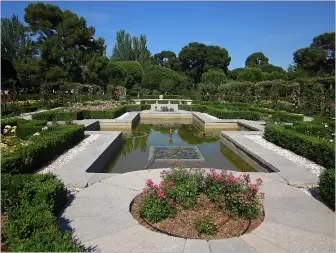
Retiro brings together the lake with the Alfonso XII monument, tree-lined paths and the Palacio de Cristal, an 1887 iron-and-glass pavilion. Since 2021 it has shared World Heritage status with Paseo del Prado as the Landscape of Light. Palacio de Cristal is temporarily closed for building works; the art installation covering it can be viewed outside. In intense heat, favour early morning and check park access notices.
Cross, in the late afternoon when the heat lets up, the 118 hectares that were Felipe IV's garden: the lake with the monument to Alfonso XII, the 1887 Palacio de Cristal and the memorial grove for the victims of the March 11, 2004 bombings, exiting through the Puerta de Alcalá.
Check access

Cava Baja
Rua de tabernas em La Latina, cheia de balcões de tapas e de casas de menú del día.
Two blocks from the Plaza Mayor, the dish goes back to neighborhood prices: menú del día at lunch and bocadillo de calamares at the counter.
Check access

Museo Thyssen-Bornemisza
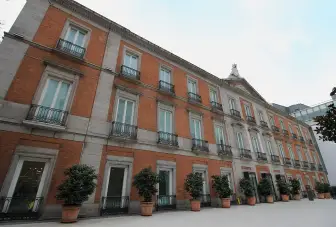
A private collection of about a thousand works bought by the Spanish State in 1993 and installed in the Palacio de Villahermosa. It covers what its neighbors lack: Italian primitives, Dutch masters, Impressionists, German Expressionism and pop art. Admission about €13.
It covers what its neighbors lack, from Italian and Dutch primitives to Impressionists, German Expressionism and pop art, for about €13. On a day of intense heat, it's the air-conditioned museum to spend the afternoon in.
Check access
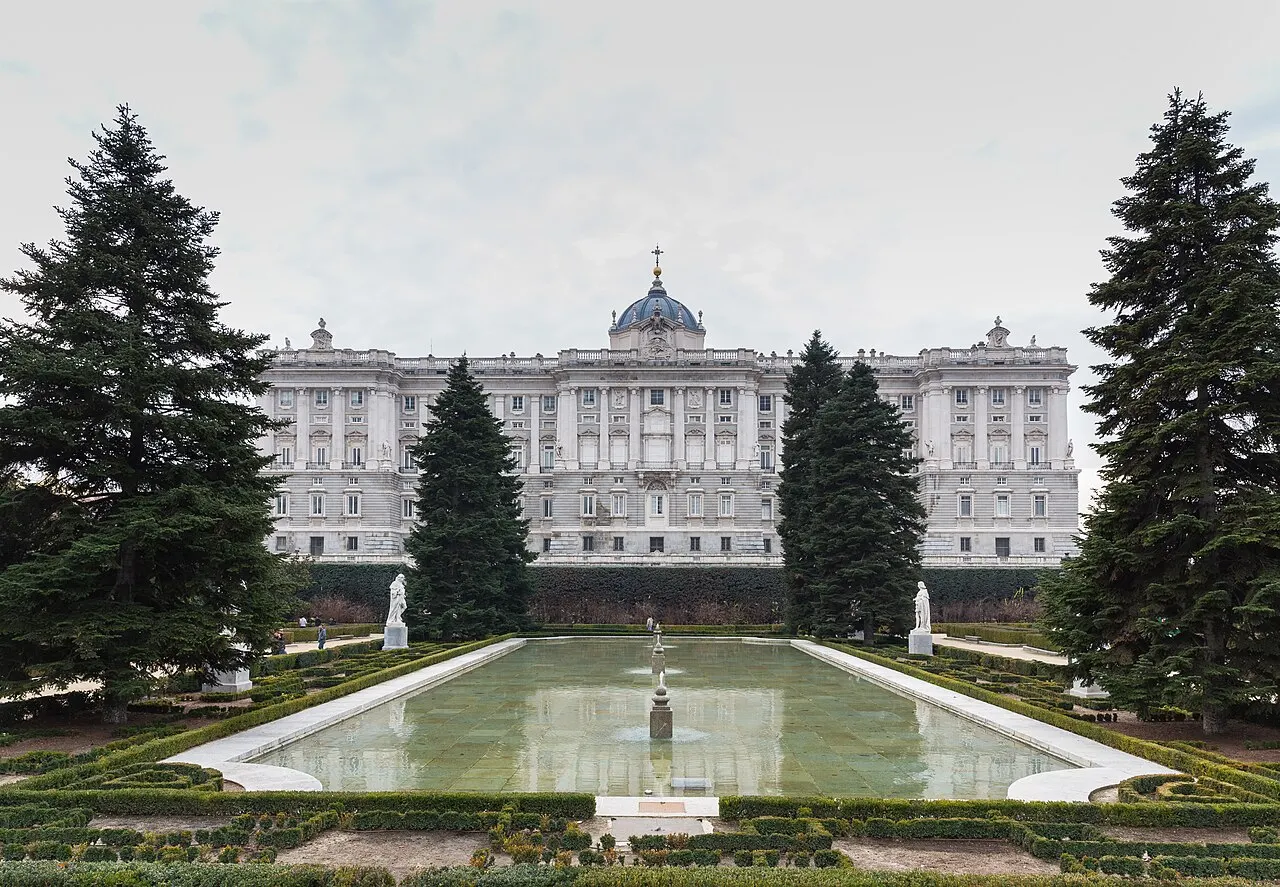
Royal Palace
It was built between 1738 and 1755 on the ruins of the Alcázar, which burned on Christmas Eve 1734. At about 135,000 m² and with more than 3,000 rooms, it's the largest royal palace in Western Europe by area; the royal family doesn't live there, and the palace hosts state ceremonies and is open to visitors. Tickets cost €18 for self-guided entry, with possible online booking fees, and the solemn changing of the guard takes place on the first Wednesday of the month.
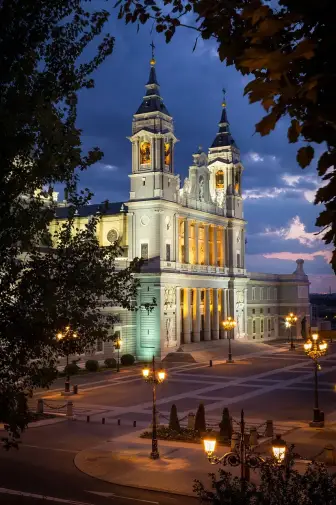
With more than 3,000 rooms, it's the largest royal palace in Western Europe by area. Go in at 10am, for about €14, cross the courtyard to the Almudena Cathedral, and if it's the first Wednesday of the month, stay for the solemn changing of the guard.
Check access
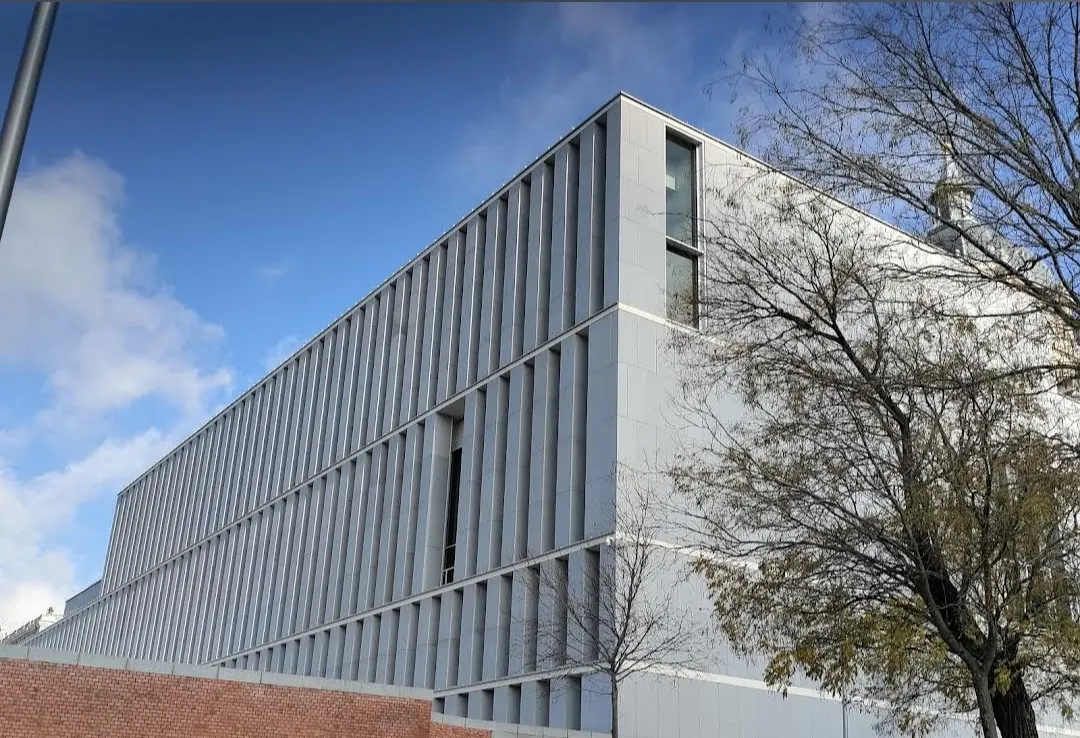
Galería de las Colecciones Reales
A museum opened in 2023 right next to the palace, dug into the hillside on three granite levels. It displays tapestries, carriages, armor and paintings accumulated over five centuries of monarchy. Basic admission is €14, with possible online booking fees. Monday to Thursday, 6pm–8pm, self-guided entry is free for EU citizens, EU residents or work-permit holders and Ibero-American citizens, with proof of eligibility. This slot is not free for every visitor; Patrimonio Nacional lists other exemptions and open days.
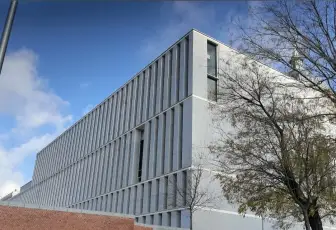
It shows, in a building dug into the slope next to the palace, tapestries, carriages, armor and paintings from five centuries of monarchy. The €14 ticket becomes free admission Monday to Thursday from 6pm to 8pm, and that's the free window worth taking in Madrid.
Check access

Temple of Debod
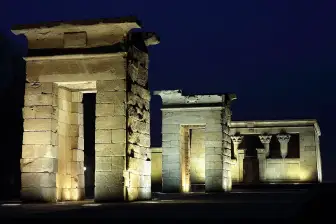
An Egyptian temple from the 2nd century BC, given by Egypt to Spain in 1968 in gratitude for the rescue of the Nubian monuments before the Aswan Dam. Reassembled stone by stone in the Parque del Oeste in 1972; the viewpoint next to it is the city's classic sunset spot.
It's a 2nd-century BC Egyptian temple, donated by Egypt in 1968 and reassembled in the Parque del Oeste in 1972, and the viewpoint next to it is the city's classic sunset spot. Go at the end of the day and follow it with the night in Malasaña.
Check access

Gran Vía and Círculo de Bellas Artes
The avenue cut through between 1910 and 1929 lines up the Edificio Metrópolis (1911), the Edificio Telefónica (1929, 89 m, Spain's first skyscraper) and the country's biggest concentration of theaters and musicals. The rooftop of the Círculo de Bellas Artes, on the corner with Alcalá, charges about €5 and gives you the highest view of downtown.
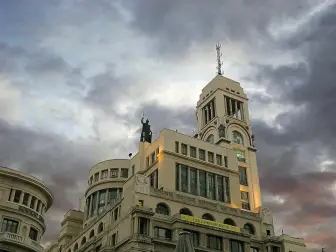
The avenue, cut through between 1910 and 1929, lines up the Edificio Metrópolis, the Edificio Telefónica, Spain's first skyscraper, and the country's musical theaters. Go up to the rooftop of the Círculo de Bellas Artes, on the corner with Alcalá, for about €5, for the highest view downtown, and walk down the avenue at dusk.
Check access
Nilo’s itinerary
Start with the basic programme and choose extensions for the time you have.
Plan my days in the app ↗Day 1 · Austrias, Sol and the 17th-century core
Enter the Royal Palace at 10am (€18 for self-guided entry) through the Plaza de la Armería, with the Almudena Cathedral on the opposite side of the courtyard.
At noon, continue to the Galería de las Colecciones Reales beside the palace. Basic entry is €14. If you qualify as an EU citizen, EU resident or work-permit holder, or Ibero-American citizen, with proof, change the order: have lunch and explore the squares first, then visit the gallery at 6pm, Monday to Thursday.
At 2pm, have a menú del día (€12–16) for lunch on Cava Baja or in the streets behind the Plaza Mayor, with a bocadillo de calamares at the counter to start.
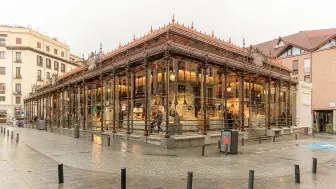
At 5pm, cross the Plaza Mayor and the Mercado de San Miguel, to see the 1916 iron structure rather than to eat, and try chocolate con churros at San Ginés, open since 1894.
At 7:30pm, go up to the rooftop of the Círculo de Bellas Artes (about €5) for sunset, then walk down the Gran Vía to the Plaza de España.
Day 2 · Paseo del Prado: museums and the Retiro
Enter the Prado Museum at 10am (about €15) and set aside two to three hours for Las Meninas, Goya's Black Paintings and The Garden of Earthly Delights, in that order.
At 1:30pm, have lunch in the Barrio de las Letras, a five-minute walk away, where Cervantes and Lope de Vega lived.
On a mild day, spend the afternoon in Retiro between the lake, the Alfonso XII monument and the 11-M memorial grove. The 1887 Palacio de Cristal is temporarily closed for building works; the installation covering it can be viewed outside. In intense heat, avoid the park at 3:30pm: visit the Thyssen after lunch and leave Retiro for early morning on another day, or until temperatures fall.
If the day is mild and you want another view after Retiro, check the opening hours of the Palacio de Cibeles viewpoint on city hall’s eighth floor. On the intense-heat itinerary, the afternoon is already devoted to the Thyssen: take a break afterwards rather than adding another visit or returning to the park in the sun.
At 9:30pm, head out for tapas on Calle Ponzano, in Chamberí, or on Cava Baja, in La Latina, always going from counter to counter.
Day 3 · 20th-century art, the south and the river
Start at 10am at the Reina Sofía Museum (about €12), with Picasso's Guernica and the Dalí and Miró room; if you'd rather not pay, entry is free Monday to Saturday from 7pm to 9pm (the museum closes on Tuesdays) and on Sundays from 12:30pm to 2:30pm.
At noon, walk through Lavapiés to the Mercado de San Fernando; if it's Sunday, start earlier at the Rastro, on the Ribera de Curtidores, between 9am and 3pm.
At 2:30pm, have a cocido madrileño in three vuelcos for lunch at a traditional house, booked a day ahead, as most of them require.
At 4:30pm, visit Matadero Madrid, a 1911 slaughterhouse turned cultural center in 2007, and walk along Madrid Río to the Arganzuela footbridge.
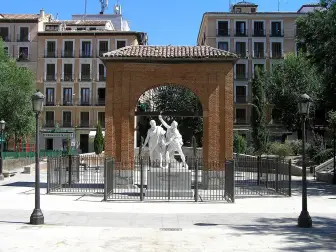
At 8pm, watch the sunset at the Temple of Debod and spend the evening in Malasaña, starting at the Plaza del Dos de Mayo.










If you stay longer
Day 4 · Toledo
Day trip
Toledo lies south of Madrid. Avant trains leave Atocha; check journey time, fare and availability for your date and book the return. From the station, you still need to reach the historic centre uphill. It's a walled city on a bend of the Tagus, a World Heritage Site since 1986, with the Gothic cathedral, the Sinagoga del Tránsito, the Cristo de la Luz mosque and El Greco's The Burial of the Count of Orgaz, in the church of Santo Tomé.
Food
 AI illustration
Cocido madrileño
A chickpea stew with cabbage, potato, chorizo, blood sausage, bacon and meats, served in three courses (vuelcos): first the noodle soup, then the chickpeas with vegetables, finally the meats. A winter dish for a long lunch; many traditional places ask you to order it a day ahead.
 AI illustration
Bocadillo de calamares
Bread with breaded, fried squid rings, no sauce, in a city with no sea. It's the street food most identified with Madrid, concentrated in the bars around the Plaza Mayor, costs €4–7 and is eaten standing, at the counter.
 AI illustration
Callos a la madrileña
Tripe stewed with chorizo, blood sausage, paprika and chickpeas, in a gelatinous sauce. It's the flagship of Madrid's casquería, which makes use of offal: also look for oreja a la plancha (grilled pig's ear) and fried gallinejas.
 AI illustration
Churros and porras with chocolate
Thin churro or thick porra dipped in thick hot chocolate, eaten as breakfast, a six o'clock snack or a way to close out the night. The Chocolatería San Ginés has run since 1894 in an alley behind the Puerta del Sol and is open nearly 24 hours a day.
 AI illustration
Vermouth on tap
Red vermouth served from the barrel with ice, an orange slice and an olive, between noon and two in the afternoon on Saturdays and Sundays. “Going for vermut” is a street ritual with a set time, usually paired with canned seafood: cockles, pickled mussels, potato chips.
 AI illustration
Tortilla de patatas and huevos rotos
The potato tortilla is a local argument over onion or no onion, and over how set the center should be, which in Madrid is preferred runny. Huevos rotos (fried eggs broken over potato and ham or chorizo) were popularized by Casa Lucio on the Cava Baja since 1974.
 AI illustration
Patatas bravas and bar tapas
Many bars serve a small accompaniment with a drink, such as olives, crisps or bread with cold cuts. What you receive and how much vary by bar. Raciones and medias raciones are larger, paid portions suited to sharing; check the menu for what is included before ordering.
 AI illustration
Menú del día
The menú del día is a fixed-price lunch, often offered on weekdays. It usually includes a starter, main course and dessert or coffee; drinks and bread depend on the restaurant. Read the board or menu for what is included and when it is served. For a longer lunch, cocido madrileño is another option, with an advance reservation if the restaurant requires one.
Day trips

Toledo
Toledo lies south of Madrid. Avant trains leave Atocha; check journey time, fare and availability for your date and book the return. From the station, you still need to reach the historic centre uphill. It's a walled city on a bend of the Tagus, a World Heritage Site since 1986, with the Gothic cathedral, the Sinagoga del Tránsito, the Cristo de la Luz mosque and El Greco's The Burial of the Count of Orgaz, in the church of Santo Tomé.
Segovia
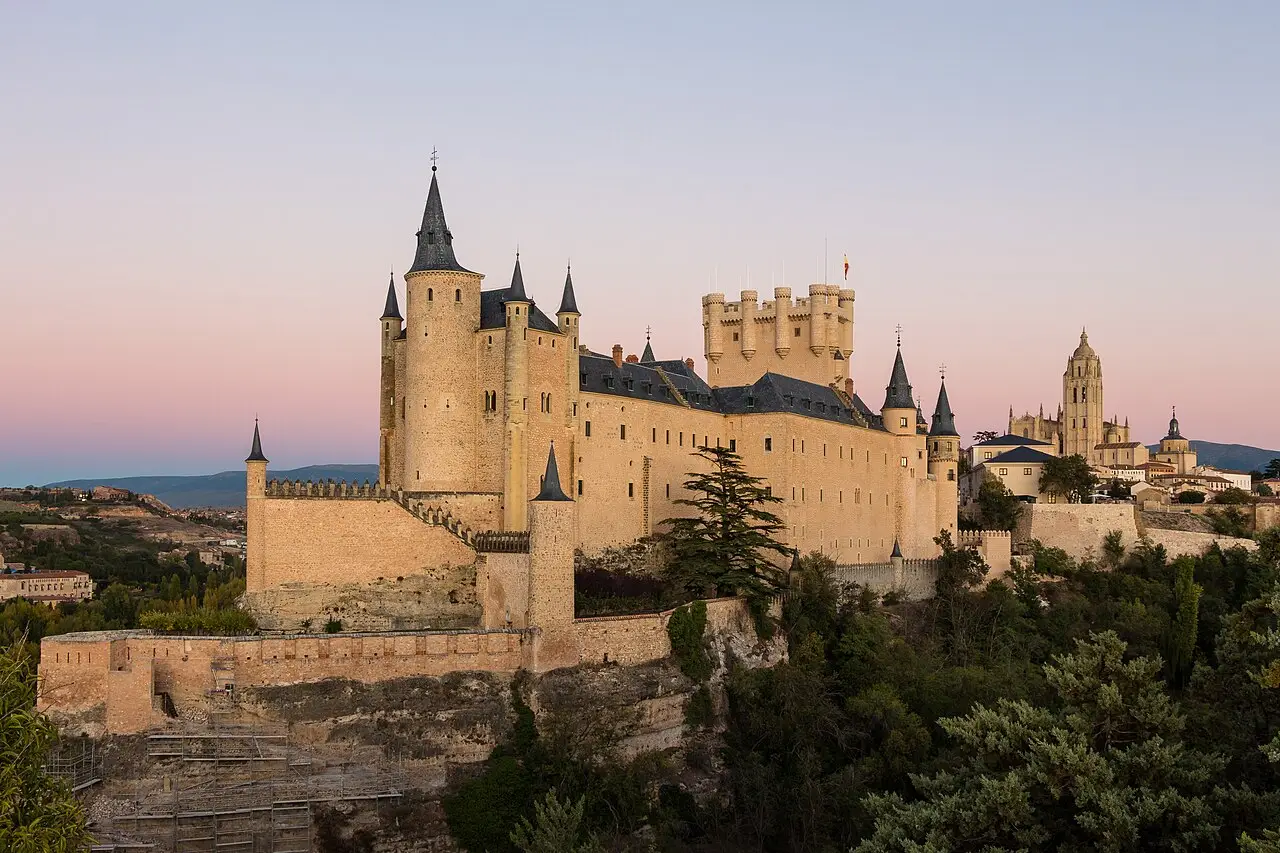
90 km north; 27 min by AVE from Chamartín to Segovia-Guiomar, plus 15 min by city bus to downtown. The 1st-century Roman aqueduct is 28 m tall with 167 arches assembled without mortar; round it out with the Alcázar on the rock, the late-Gothic cathedral and roast cochinillo for lunch.

San Lorenzo de El Escorial
To reach the monastery, look for the Cercanías C8a service to El Escorial and check connections and any works for your date. The station is in El Escorial, below San Lorenzo: allow for a bus ride or uphill walk to the visit. A complex of monastery, palace, basilica and royal pantheon built between 1563 and 1584 by order of Felipe II, with a library ceiling painted by Tibaldi and the Sierra de Guadarrama in the background.
Where to begin
Habsburg Madrid and the Royal Palace
Armería courtyard, cathedral, royal collections and a break in La Latina’s taverns.
Puerta del Sol and Plaza Mayor
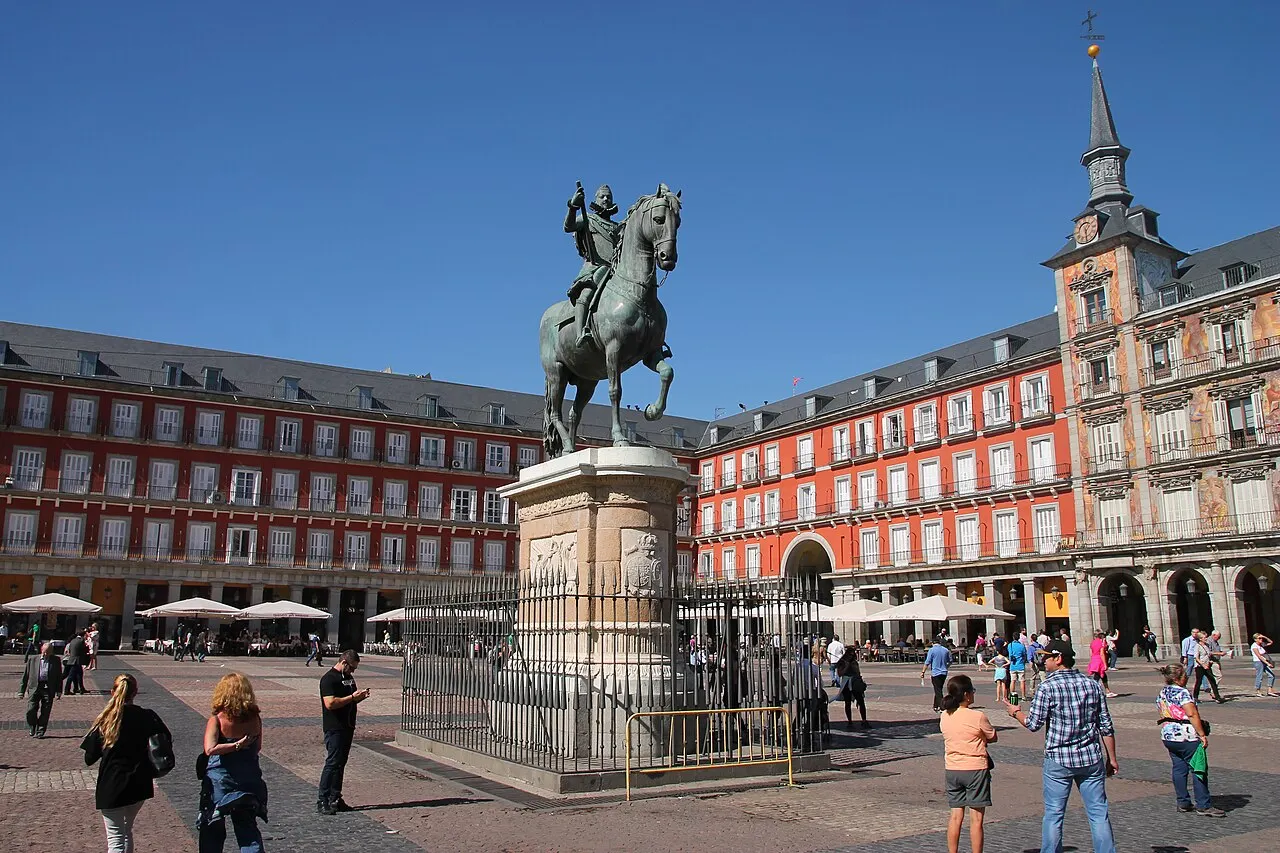
Spain’s kilometre zero, the 1916 ironwork of the Mercado de San Miguel and churros served since 1894.
Debod and the river
Sunset at the temple, Movida in the square, Matadero on Madrid Río.
Budget per person per day
2026 planning examples per person per day: accommodation, food, local transport, admission fees and extras. Flights and trips to other cities excluded. Hostel: one bed; hotels: one whole room allocated to one person. If sharing, divide accommodation. Admission and transport amounts are averages across the stay; check prices for your dates.
EUR · Guide estimate
- Mochila
- 60 EUR
- Meio-termo
- 156 EUR
- Conforto
- 300 EUR
See the cost by item
Scroll to compare all columns
| Style | Dormir | Comer | Andar | Entrar | Extras | Total |
|---|---|---|---|---|---|---|
| Mochila | 28 | 16 | 4 | 8 | 4 | 60 |
| Meio-termo | 90 | 28 | 8 | 18 | 12 | 156 |
| Conforto | 170 | 45 | 20 | 35 | 30 | 300 |
Money
Madrid uses the euro. Advertised consumer prices include applicable taxes; do not add 21% to the bill, as VAT rates vary by product or service. Before booking, check the total and any booking charges.
Accommodation usually has the greatest effect on the budget. Compare the room price for your dates and check how many people it accommodates. The 2026 examples total €60, €156 and €300 per person per day, including food, local transport, admission fees and extras. In the hostel scenario, accommodation is one bed; in the hotel scenarios, the whole room is allocated to one person. If sharing, divide only that portion. Flights and journeys to other cities are excluded.
To manage food costs, check what the menú del día includes and compare counter, table and terrace menus. Tipping is a choice; you can leave something when you enjoy the service. Carry some cash for small purchases and check card acceptance before ordering.
At ATMs, read the withdrawal fee before confirming and consider your own bank’s charges too. If the machine or payment terminal offers to convert the bill to another currency, compare the offer with your card’s cost of paying in euros. No ATM type or conversion option is always cheapest for every traveller.
Getting there and around

From the airport to your neighbourhood
Choose your route from Barajas according to your arrival terminal and the station nearest your accommodation. Metro line 8 serves Aeropuerto T1-T2-T3 and Aeropuerto T4 and continues to Nuevos Ministerios. Single and ten-trip tickets require a €3 airport supplement; a zone A single costs €1.50–€2.
At T4, Cercanías C1 connects the airport with Chamartín. To continue to Nuevos Ministerios or Atocha, check the connection available at Chamartín; C10 no longer runs to T4. Works can change the service, so check your route with Renfe before leaving.
The Exprés Aeropuerto bus costs €5 and may suit accommodation near Cibeles or Atocha; check the stop and service hours. Official taxis charge a fixed €33 between the airport and addresses inside the M-30, at any time. If using a ride app, check the total price and indicated pickup point before confirming.
Metro, buses and walks through the centre
The metro has 12 lines plus the Ópera–Príncipe Pío Ramal. General service hours are 6am–1.30am; check works notices and the last train for your route. Between central sights, combine walking with metro or bus journeys, allowing time for rest and hot weather.
The Tarjeta Multi is a rechargeable ticket carrier. A zone A single costs €1.50–€2, depending on the number of stations; the ten-trip Metrobús costs €7.30 at the fare checked in October 2026 and covers zone A metro, ML1 and EMT buses, except the Exprés Aeropuerto. A group can share a ten-trip ticket: validate once per person and travel together on the same route. The Abono Turístico is personal, offers unlimited travel within the selected zone and period and includes the metro airport supplement. Compare the pass with your planned journeys before buying it.
Cercanías’ own tickets are separate from Multi tickets. For trips beyond the centre, check the line, fare zones and arrival station. If driving, consult the Low Emission Zone rules and the specific restrictions in Distrito Centro. Access depends on environmental classification and authorisations, rather than simply displaying a sticker; foreign-registered vehicles must also meet the rules and may require advance registration.
The AVE to Seville and Barcelona
AVE high-speed trains leave from Atocha. Seville is 2 hours 30 minutes away, to Santa Justa, and Barcelona two and a half to three hours, to Sants, leaving from the same concourse. Buy your ticket on the Renfe website or at the station machine. For Toledo, Segovia and El Escorial, the trains are different ones, shorter and cheaper.
Lisbon and Porto: fly
There's no direct train from Madrid to Lisbon or to Porto, and by land the trip, with transfers, takes the whole day. The flight takes about an hour to each. If you want both cities, fly from Madrid to one of them and do the other on the Alfa Pendular, with three hours between Lisbon and Porto, instead of going back to Madrid in between.
Safety
The real risk is theft, almost never assault. Pickpockets work metro lines 1 and 5, the escalators at Sol and Gran Vía, the Rastro on Sunday mornings, the terraces on the Plaza Mayor and the Atocha concourse. Three scams keep coming back. Near Sol and the Plaza Mayor, women offer a sprig of rosemary “as a gift” and then charge for reading your palm. On the Gran Vía, the trile, the shell game with a ball and cups, always has accomplices in the crowd winning first. There are also people asking for signatures with a clipboard while another hand works your backpack. Carry your bag in front of your body on the metro, keep your phone off the terrace table and your wallet in your front pocket. At night, the internal roads of the Casa de Campo have street prostitution and aren't worth crossing on foot; by day, the park is calm and busy. In an emergency, call 112, which answers in Spanish and English; 24-hour duty pharmacies have a green cross. In summer, the most concrete health risk is the heat, up to 40 °C in the shade in July and August, and the parks have drinking fountains to refill your bottle.
Etiquette tips
Meal times
Lunch is commonly between 2pm and 4pm, with dinner around 9pm. These are habits, not compulsory hours. For an earlier meal or a trip with children, check kitchen hours before choosing a restaurant.
Check the menu for your seating area
Some bars have different menus or prices for the counter, tables and terrace. Check the information before ordering. The counter can be practical for a short break; a table is a good choice when you want to rest or enjoy a longer meal.
Order “una caña”
A caña is a small glass of draught beer, generally around 200 ml. Other sizes and names depend on the bar. Order the amount you prefer or ask the server.
The check comes when you ask for it
Nobody brings the check to free up the table: after eating, Spaniards stay at the table talking, the so-called sobremesa, and that's part of the meal. When you want to pay, ask with “¿me cobras?”. In a group, the custom is to split the total by the number of people, not to ask for separate checks.
Greetings
Two cheek kisses are common in informal encounters, but greetings depend on the relationship and each person’s preference. If unsure, “hola” and a smile are enough. Wait for the other person’s lead before making physical contact.
Napkins and wrappers
Leave a used napkin on your plate or ask where to dispose of it. After a break at the counter, leave the space clear for the next person.
Mistakes to avoid
Missing the kitchen hours
Choosing a restaurant by its bar hours without checking whether the kitchen is open. Dinner around 9pm is common, but some restaurants serve earlier or throughout the day. If you need an earlier meal, check this when booking.
A tapa and a ración are different
Mistaking a drink’s accompaniment for an included meal. Many bars offer a small tapa without a separate charge; larger dishes and sharing portions go on the bill. Check the menu and ask when ordering, since the custom varies between establishments.
The Tarjeta Multi and the airport surcharge
Not budgeting for the Tarjeta Multi or the airport surcharge. The physical card costs €2.50 on top of the fare, and the metro ride to Barajas adds €3 extra that isn't included in the regular ticket.
The Plaza Mayor terrace
Sitting on a Plaza Mayor terrace expecting neighborhood prices. The same dish costs double there; two blocks away, on the Cava Baja or the streets around Cuchilleros, it goes back to normal.
Walking in the sun between 2pm and 6pm
Planning walks in the sun between 2pm and 6pm in July and August. At 38 °C the city moves through the shade and the metro, and a visit to parks like the Retiro only works early in the morning or after 7pm.
A Seville day trip eats up the whole day
Doing Seville as a day trip. It's two and a half hours on the AVE each way, and the city calls for at least one night. For a day out of Madrid, Toledo is 33 minutes away by train.
Useful phrases
Una caña, por favor
A small draft beer, please: the standard measure at any bar
¿Me pones un café con leche?
Can you get me a coffee with milk? The normal way to order, more common than “quiero”
¿Me cobras?
Can you close out the check? Said at the counter or raising a hand to the waiter
¿Qué me recomiendas?
What do you recommend? Works better than trying to decipher the chalkboard
Vale
OK, agreed: the most-repeated word in the city, also used to mean “got it”
Perdona, ¿está libre?
Excuse me, is this free? For a table, chair or spot at the counter
Districts
Centro (Sol, Austrias, Ópera)
The 17th-century core around the Plaza Mayor, the Royal Palace and the Puerta del Sol, with short, irregular streets. It concentrates hotels, street commerce and the biggest crowds; good for sleeping if you accept noise until late.
Malasaña and Chueca
Two adjoining neighborhoods north of the Gran Vía: Malasaña is the cradle of the 1980s Movida, today full of independent shops and bars on the Plaza del Dos de Mayo; Chueca has been the center of Spanish LGBT life since the 1990s and hosts Pride.
La Latina and Lavapiés
South of the old quarter. La Latina lives off the Cava Baja and its tapas taverns, and hosts the Rastro flea market on Sundays; Lavapiés is the city's most mixed neighborhood, with Bangladeshi and Senegalese restaurants and the Mercado de San Fernando.
Jerónimos and Retiro
The museum quarter: Prado, Thyssen, the Botanical Garden and the Retiro park, with wide streets and expensive residences. It's the quietest part of downtown, and the one you walk at museum pace.
Salamanca
The bourgeois ensanche of 1860, on a perfect grid. Calle Serrano and the Golden Mile concentrate the luxury brands; at night it's the neighborhood of expensive restaurants and wine bars, not partying.
Chamberí
Residential and upper-middle-class, north of Malasaña, with early-20th-century buildings. Calle Ponzano became the busiest tapas corridor in the city. The local verb is “ponzanear.”

Arganzuela
Between downtown and the river. Home to the Matadero Madrid, a 1911 slaughterhouse converted into a cultural center in 2007, the Mercado de Frutas and much of the Madrid Río park; bikeable and crowd-free.
Usera and Carabanchel
Neighborhoods south of the river, working-class and changing. Usera has Spain's largest Chinese community and the city's best Chinese restaurants; Carabanchel has become a hub of artist studios and galleries since 2018, with rents still below downtown.
History
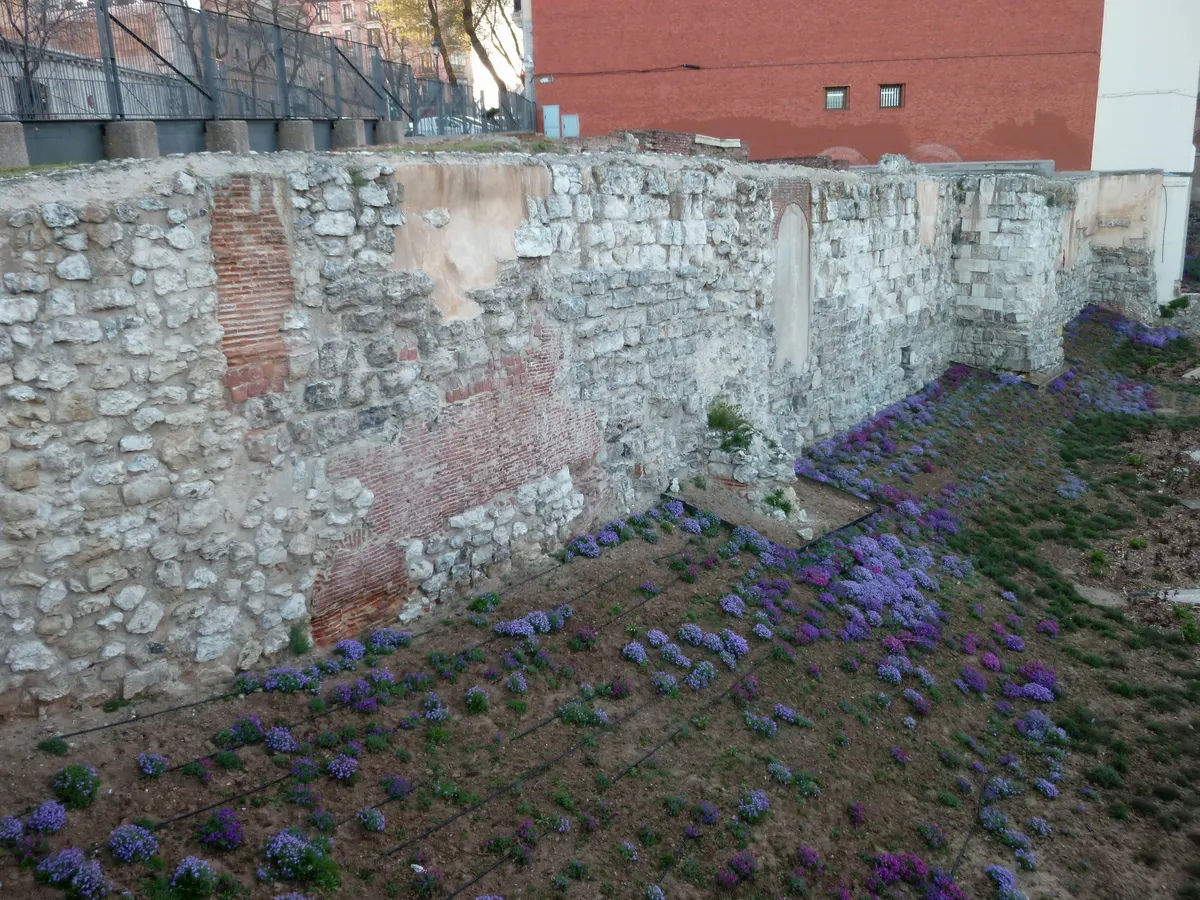
c. 865 · The fortress of Mayrit
Emir Muhammad I of Córdoba has a citadel raised on the escarpment above the Manzanares to watch the route from the Sierra de Guadarrama to Toledo. One hypothesis links the name Mayrit to plentiful watercourses; its etymology is not settled.
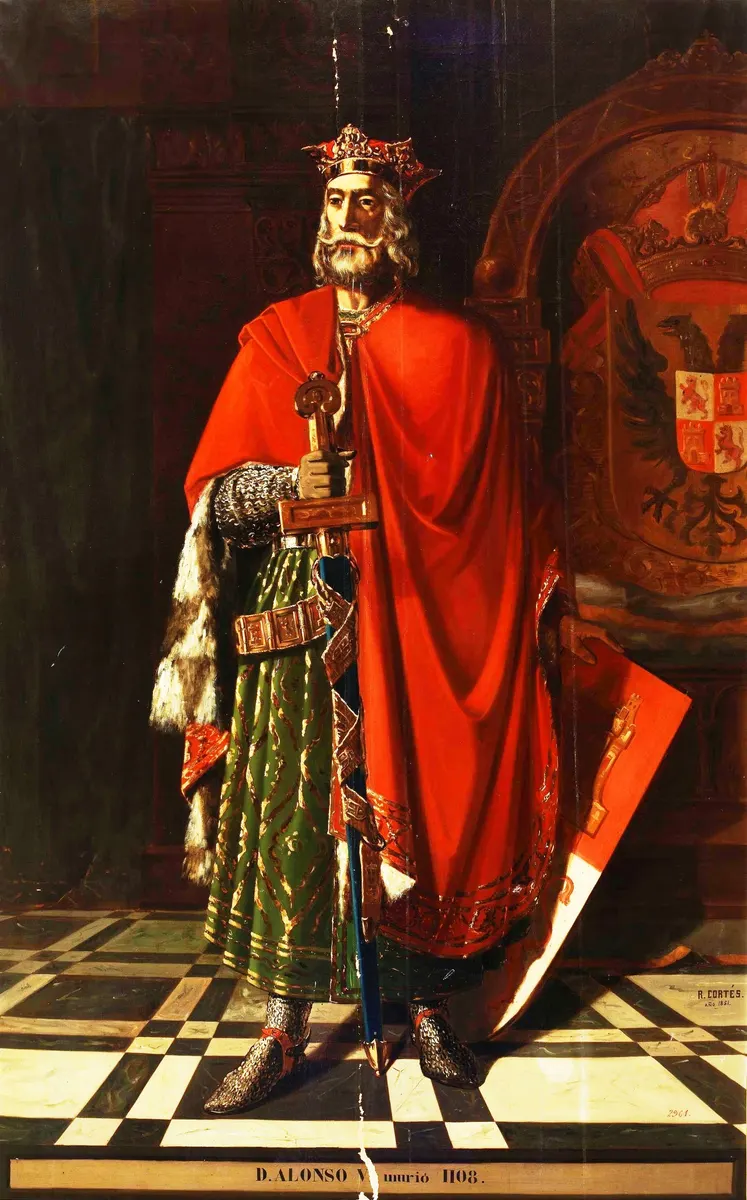
1085 · Castilian conquest
Alfonso VI incorporates the stronghold into his domains in the late 11th century. Before becoming the court’s seat in 1561, Madrid already hosts stays by Castilian kings and meetings of the Cortes, including the one in 1309.
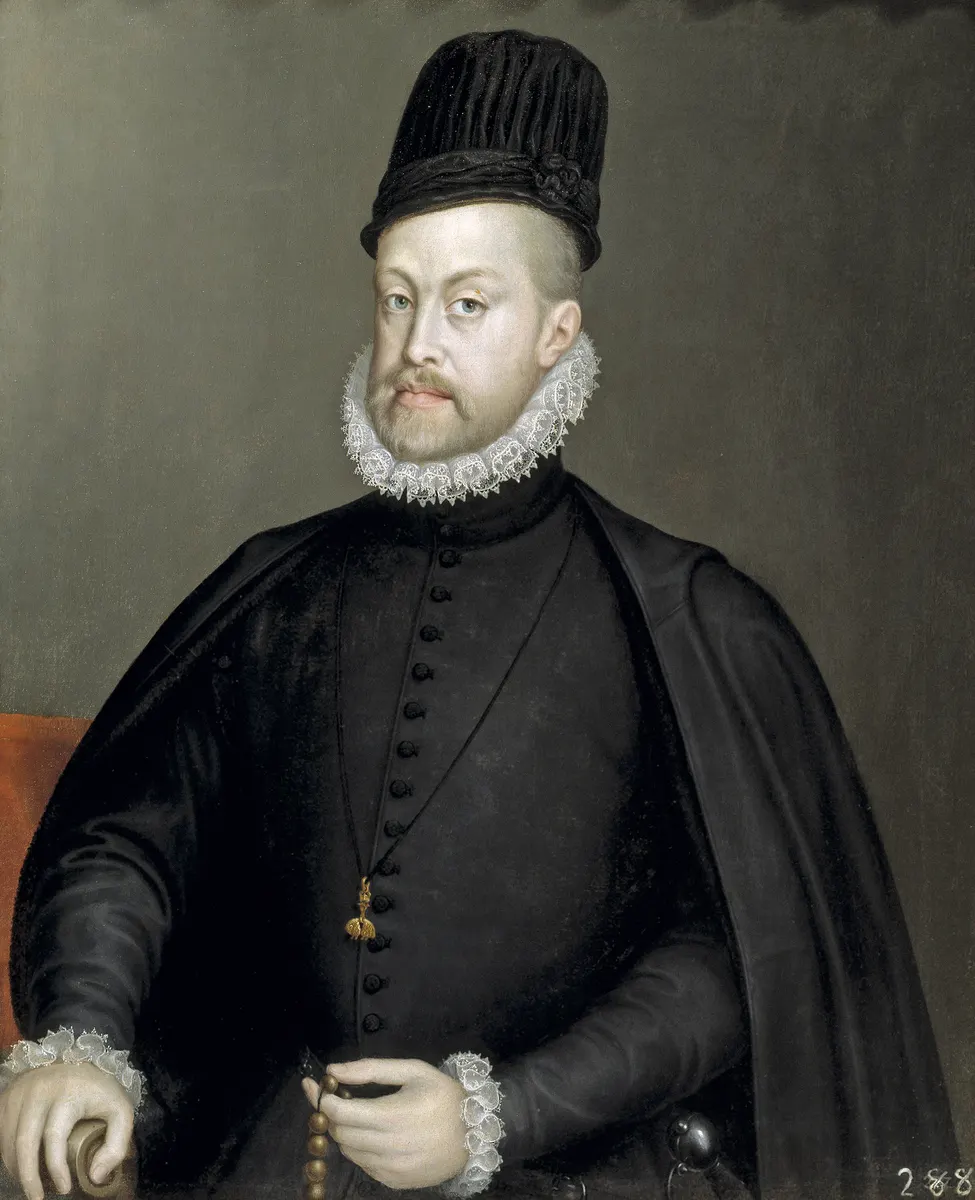
1561 · The court leaves Toledo
Felipe II establishes the court in Madrid in 1561, in a town of about 20,000 people, with no port, bishopric or university. Its central location, water supply and the Alcázar help explain the choice. The court moves to Valladolid between 1601 and 1606 before returning to Madrid.
1617–1619 · The Plaza Mayor
Juan Gómez de Mora encloses the old suburb market in a colonnaded rectangle 129 by 94 meters. It hosts autos-da-fé, bullfights, executions and royal proclamations.

1759–1788 · Carlos III modernizes
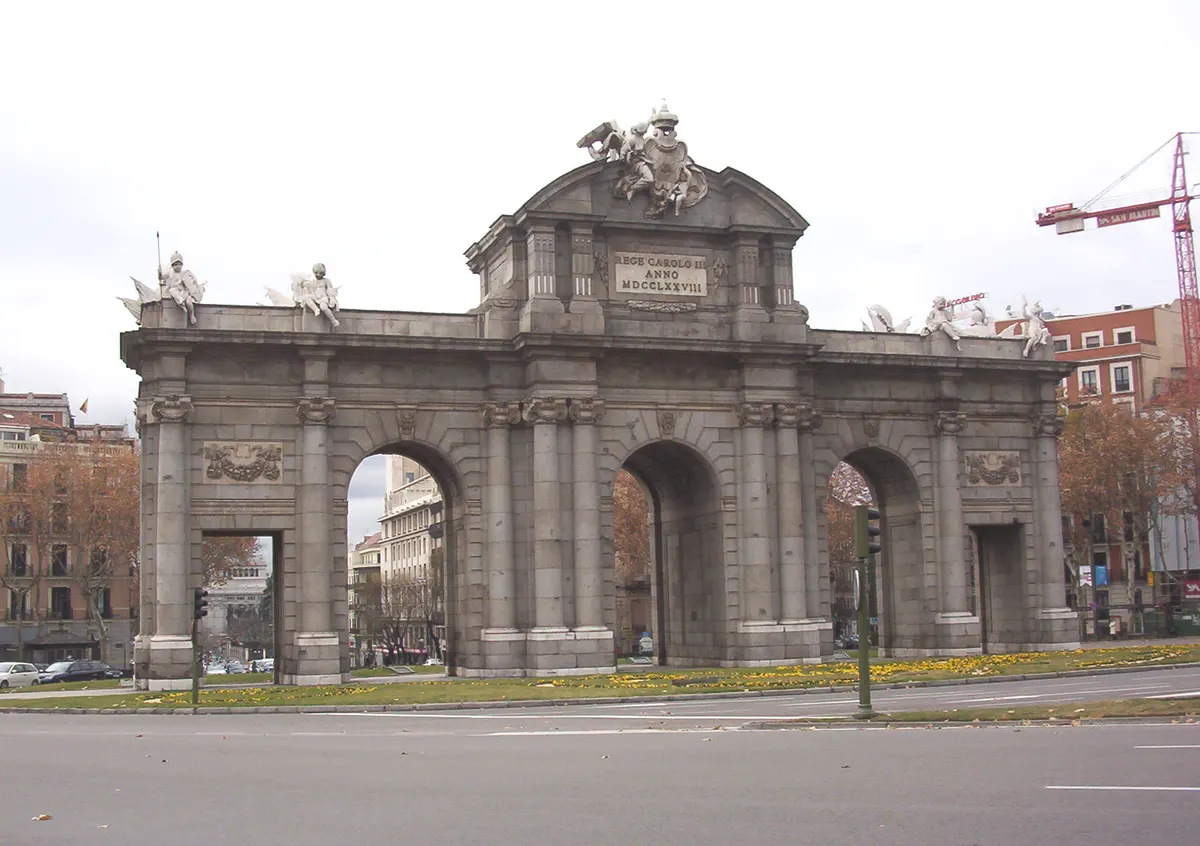
The king paves and lights the streets, installs sewers and opens the Paseo del Prado as a scientific axis, with a botanical garden, an observatory and Juan de Villanueva's natural history cabinet (1785). He also commissions the Puerta de Alcalá, by Sabatini, in 1778.
May 2, 1808 · Uprising against Napoleon
The population confronts French troops at the Puerta del Sol; the next dawn brings executions on the Príncipe Pío hill. Goya paints the two canvases in 1814, now in the Prado.

1860–1929 · The Ensanche and Gran Vía
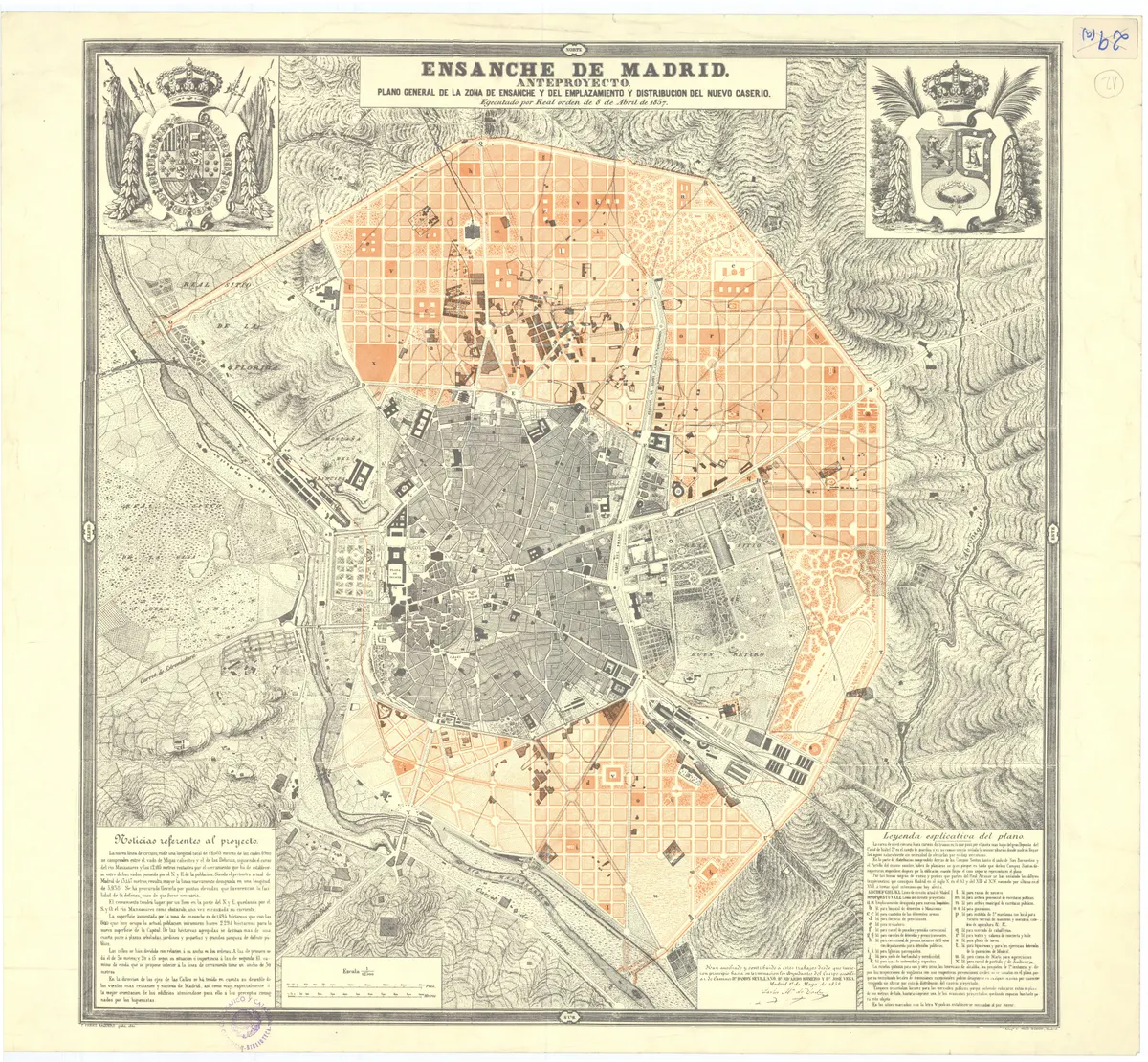
The Castro Plan, approved in 1860, lays out the grid expansion of Salamanca, Chamberí and Argüelles. Philip IV’s fiscal enclosure is demolished in 1868. Between 1910 and 1929 the Gran Vía is cut through 14 streets and more than 300 buildings.
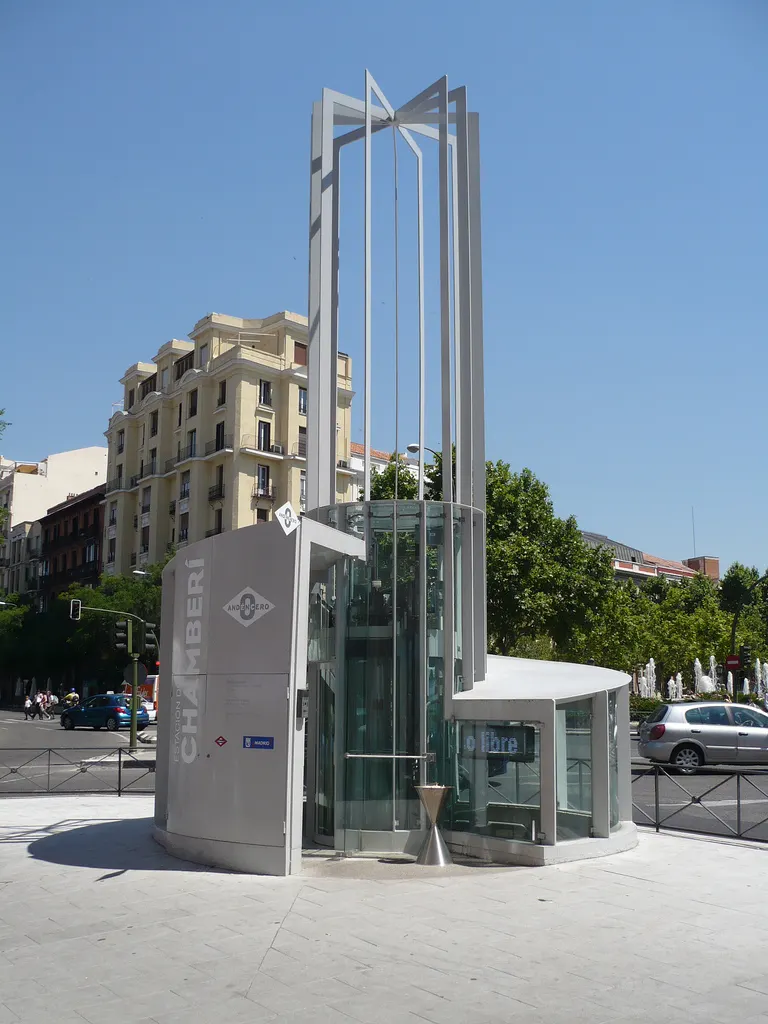
1919 · The first metro line
On October 17, Alfonso XIII inaugurates the 3.5 km between Sol and Cuatro Caminos, with eight stations. It's the seed of what becomes Europe's third-largest network.
1936–1939 · The siege of Madrid
The city holds out for 28 months against Franco's army under the slogan “No pasarán,” with the front line stuck inside the University City. It surrenders on March 28, 1939.

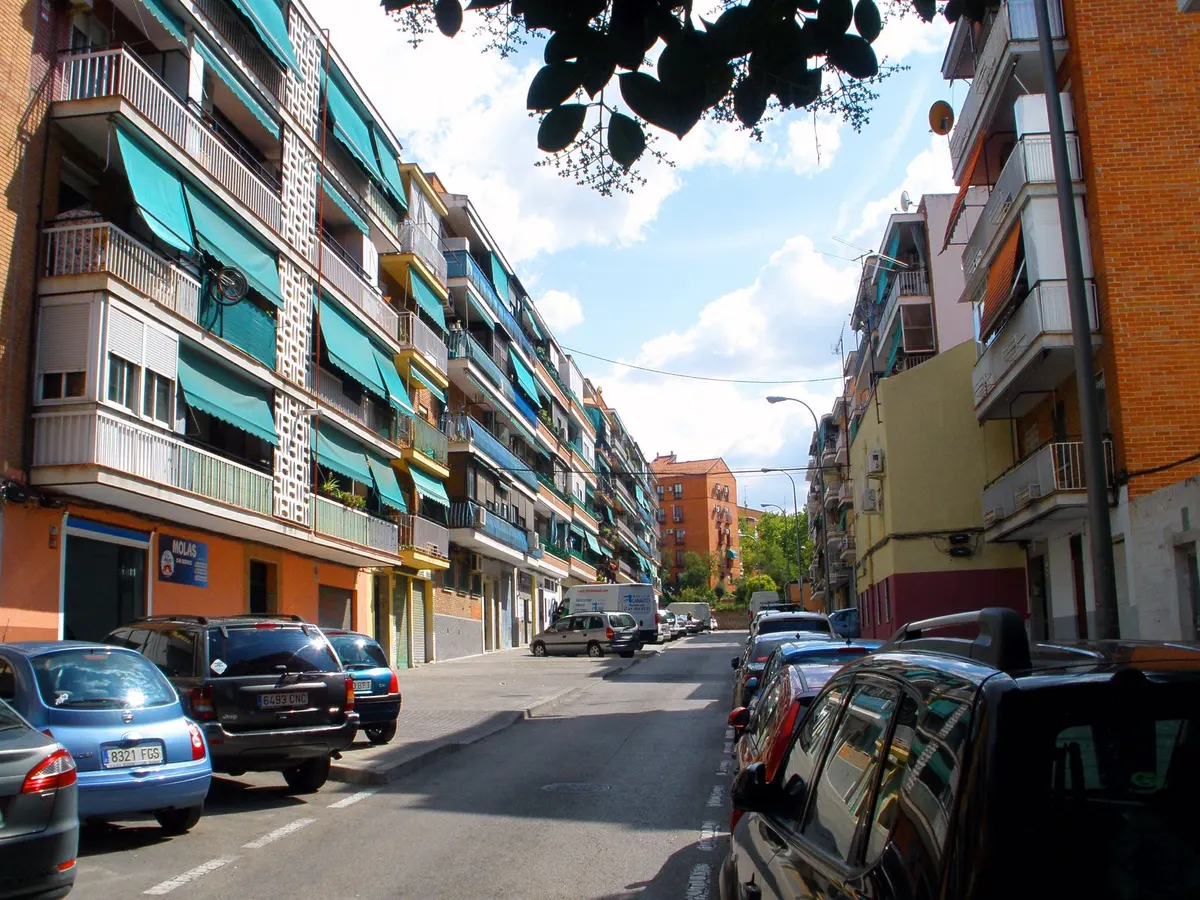
1950–1975 · Rural exodus and periphery
Migration from rural areas accelerates the growth of the periphery. Older municipalities, such as Vallecas and Villaverde, are annexed to Madrid; new areas of self-built housing coexist with earlier settlements and housing developments.
1977–2026 · Transition, Movida and present
After the first free elections in 1977, the Movida of the 1980s decompresses forty years of censorship. Then come the March 11, 2004 bombings at Atocha, the Madrid Río park (2011), the UNESCO listing for the Paseo del Prado and the Retiro (2021), and the opening of the Galería de las Colecciones Reales (2023).

Complete history
From Arab citadel to walled town, 865–1561
Around 865, Emir Muhammad I of Córdoba had a citadel built on a bluff above the Manzanares to guard the route between the Sierra de Guadarrama and Toledo. One hypothesis associates Mayrit with plentiful watercourses, but its etymology is not settled. The viajes de agua collected groundwater and carried it through tunnels: the technique had Andalusi precedents, and the network expanded chiefly in the early modern period, supplying the city until the 19th century. Alfonso VI incorporated the stronghold into his domains in the late 11th century. Before receiving the court in 1561, Madrid already hosted stays by Castilian kings and meetings of the Cortes, including the one in 1309.
Madrid's administrative turning point in 1561
In 1561 Felipe II moved the court from Toledo to this town of about 20,000 people, with no port, no navigable river, no bishopric and no university; its central location, water supply and the royal residence in the Alcázar help explain the choice. The court moves to Valladolid between 1601 and 1606 before returning to Madrid. The population multiplied fivefold in four decades. The city that rose there is a 17th-century one: the Plaza Mayor (1617–1619), the convents, the brick-and-slate houses of the Austrias quarter, the maze of short streets that still follows no grid today. In the 18th century Carlos III paved and lit what he inherited and opened the Paseo del Prado as a scientific axis: botanical garden, observatory and a natural history cabinet that in 1819 would open as a painting museum.
From the 1808 revolt to the 1860 city plan
The 19th century began with an uprising and ended with an urban plan. On May 2, 1808, the population confronted Napoleon's troops at the Puerta del Sol, and the executions the following dawn became the two paintings Goya made in 1814. Approved in 1860, the Castro Plan laid out the grid ensanche, including Salamanca, Chamberí and Argüelles. Philip IV’s fiscal enclosure was demolished in 1868. Between 1910 and 1929 the Gran Vía was cut through by expropriation across 14 old streets, and on October 17, 1919, the first metro line entered service. These changes expand the city and open new routes through its centre.
The Civil War and the 28-month siege, 1936–1939
The Civil War stopped everything. The city withstood 28 months of Franco's siege starting in November 1936, with the front line stuck inside the University City, and was one of the first European capitals subjected to systematic aerial bombing of the population. It surrendered on March 28, 1939. Postwar expansion combines migration from rural areas, annexation of municipalities and housing construction. Vallecas, Carabanchel and Villaverde already had settlements before annexation; they did not all originate as self-built neighbourhoods in the 1950s. On the periphery, precarious settlements and areas of self-built housing coexisted with planned housing developments. With Franco's death in 1975, the city became the laboratory of the transition, and the Madrid Movida of the 1980s (Almodóvar, Alaska, Radio Futura, the bars of Malasaña) was less an aesthetic movement than a decompression of forty years.
The Atocha bombings of March 11, 2004
The big projects and the big traumas of recent decades explain today's Madrid. On March 11, 2004, ten bombs on four Cercanías trains killed 193 people as they pulled into Atocha, and the memorial grove in the Retiro has one tree per victim. Between 2003 and 2011, six kilometers of the M-30 expressway along the river were buried, and the surface became the Madrid Río park, which gave the Manzanares back to the city. In 2011 the Puerta del Sol was the camp of the 15-M movement. In 2021 the Paseo del Prado and the Retiro were added to Unesco's list as the “Landscape of Light,” the Galería de las Colecciones Reales opened in 2023 and the Bernabéu reopened after its remodel in 2024, while Madrid Nuevo Norte is starting to raise towers north of Chamartín. In January 2026 the city had 3,497,277 registered residents, 19.4% of them foreign nationals.
The name comes from Mayrit, the fortress the Muslims built here in the 9th century.
Geography and shape of the city
The plateau and a river no boat can use
Madrid, at 650 m, is the highest capital in the European Union, and the nearest sea is 350 km away. The city's river, the Manzanares, is narrow and flows into the Jarama; it was never navigable, and that's why Madrid never had a river port.
The mountains that make the climate
To the north, 50 km away, the Sierra de Guadarrama rises past 2,400 m at Peñalara and acts as a climate barrier: it blocks Atlantic moisture and leaves Madrid with a continental Mediterranean climate, about 430 mm of rain a year, summers of 33 to 40°C and dry winters of 2 to 12°C.
Two grids and the rings
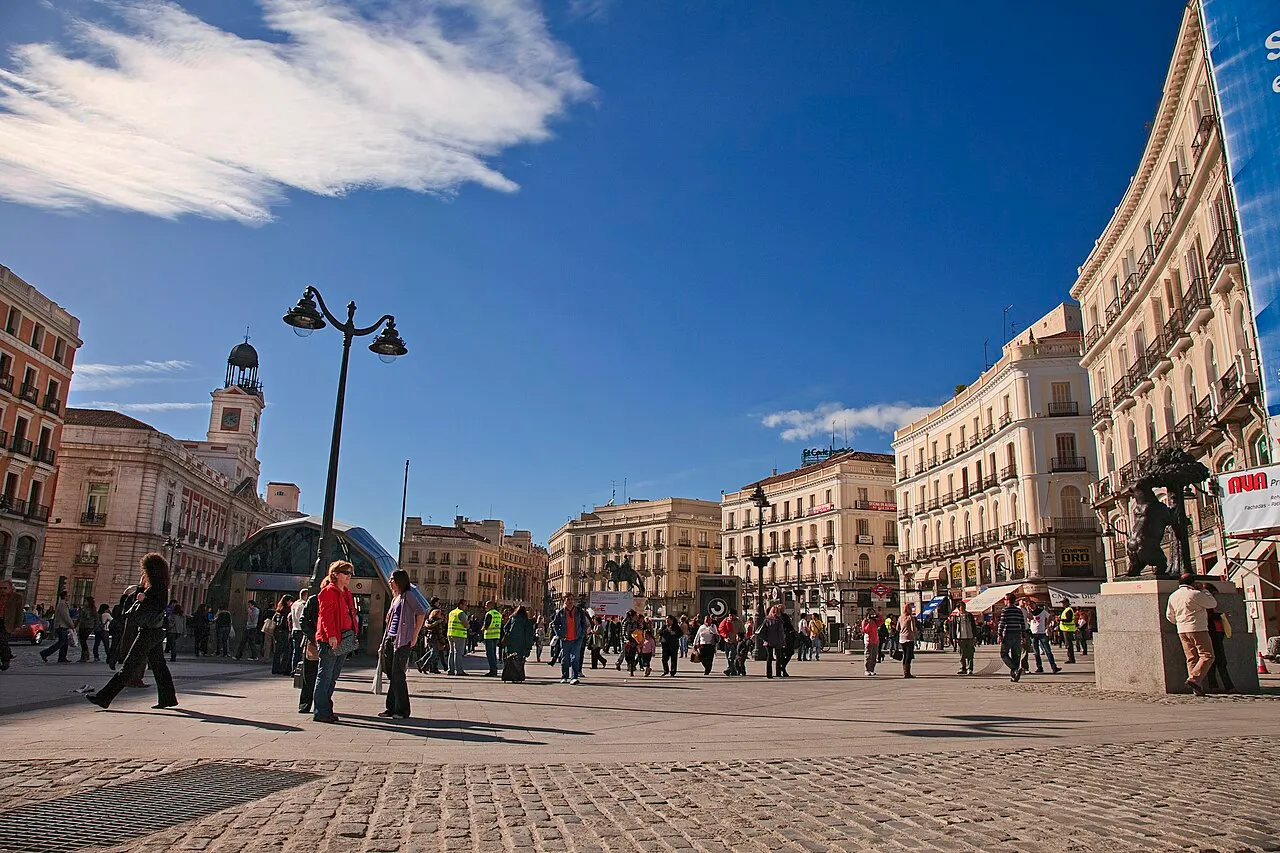
The urban fabric has two overlapping logics: the old quarter of the Austrias, a tangle of short streets around the Plaza Mayor and the Puerta del Sol, where the zero-kilometer marker of Spain's roads sits; and the 1860 ensanche grid, to the north and east. Over that runs a radial structure (six highways, A-1 to A-6, radiating from the center, cut across by the M-30, M-40 and M-50 ring roads), which explains why almost every trip passes through the core. The river separates the historic center from the working-class south; since 2011 the Madrid Río park has stitched the two banks together with footbridges.
Downtown has two grids: the short streets around the Plaza Mayor and the 1860 grid, to the north and east.
Culture
The Paseo del Prado triangle
The city's cultural axis is the museum triangle of the Paseo del Prado (Prado, Thyssen and Reina Sofía) which packs Velázquez, Goya, Bosch, Picasso and Dalí into less than a kilometer. But the density continues outside it: the Museo Arqueológico Nacional holds the Lady of Elche and a full replica of the Altamira ceiling; the Museo Sorolla occupies the Valencian painter's house-studio; the Cerralbo keeps intact the interior of an 1893 aristocratic mansion. Literature has its own address: the Barrio de las Letras, where Cervantes, Lope de Vega, Quevedo and Góngora lived. Lope's house is a museum; Cervantes's remains were identified in 2015 in the Convento de las Trinitarias, on the same street.
Nightlife, zarzuela, opera and tablaos
Madrid's nightlife is long by habit, not by exception: after the late dinner, cocktail bars open at midnight and clubs close at six in the morning. Malasaña, Chueca, La Latina and Lavapiés concentrate the small bars; Salamanca and Chamberí, the expensive ones. The city is also home to zarzuela (Spanish musical theater, with its own house since 1856) and the Teatro Real, which worked as a concert hall until 1988 and reopened as an opera house in 1997, after nine years closed for renovations. Flamenco isn't originally from Madrid, but the city has tablaos running for half a century, like the Corral de la Morería, opened in 1956.
Soccer sets the calendar
Soccer organizes the calendar for much of the city: Real Madrid at the Bernabéu, Atlético de Madrid at the Metropolitano, Rayo Vallecano in Vallecas, and Getafe and Leganés on the southern outskirts. Las Ventas, opened in 1931 with room for 23,000 people, is the largest bullring in Spain, and the San Isidro fair, between May and June, is the longest on the circuit, a subject that divides madrileños and brings protests to the doors of the ring. On the arts calendar, the ARCO fair, in February, gets galleries across the city moving, and Matadero runs theater, film and dance programs all year.
Dinner around 9pm is common. If you prefer an earlier meal, check kitchen hours when booking.
Festivals and events

San Isidro (May 15)
The feast of the city's patron saint, with a street party in the Pradera de San Isidro, chulapos and chulapas in traditional dress, a barrel organ and rosquillas tontas y listas. The San Isidro bullfighting fair at Las Ventas runs for about a month, between May and June.

Dos de Mayo (May 2)
A holiday of the Community of Madrid in memory of the 1808 uprising against Napoleon's troops. Celebrations center on the Plaza del Dos de Mayo, in Malasaña, with open-air concerts and closed streets.

MADO: Pride (late June and early July)
One of the world's largest Pride events, centered on Chueca with a parade along the Paseo del Prado to the Plaza de Colón. It fills the city for a week; downtown hotels sell out and prices rise.

August verbenas (August 6 to 15)
San Cayetano, San Lorenzo and La Paloma follow one another in La Latina, Lavapiés and the Embajadores neighborhood, with street dances, lemonade with wine and stalls. It's practically the only thing happening in the city at the height of summer.

Christmas and New Year (December and January 5)
A crafts and nativity-figure market on the Plaza Mayor, lights on the Gran Vía and the twelve grapes eaten to the chimes of the Puerta del Sol clock at midnight. The Cabalgata de Reyes parade runs on the afternoon of January 5, the eve of the day children get presents.
Books and films
Fortunata and Jacinta (1887), Benito Pérez Galdós
The novel that maps 19th-century Madrid by class and by street: the shops of the Puerta del Sol, the tenements of the south, the bourgeoisie of the ensanche. Galdós walked the city noting façades and speech, and the book still works as a neighborhood guide.
The Hive (1951), Camilo José Cela
Three hundred characters circulating through a Madrid café in December 1943. It's the portrait of hunger, informing and the cold of the postwar years, the period the city least likes to remember and that explains much of its outskirts.
Women on the Verge of a Nervous Breakdown (1988), Pedro Almodóvar
The Madrid of the Movida filmed in apartments with terraces, printed taxis and telephones that never stop. It explains why the city links freedom to nighttime, and why the 1980s are still an aesthetic reference here.
Frequently asked questions
Madrid: How many days should you stay?
Stay three days: one for the Austrias quarter and the Royal Palace, one for the Prado triangle with the Retiro, and one for the Reina Sofía, Lavapiés and the river. To see Toledo, 33 minutes away by train, add a fourth day instead of cutting one of the three.
Madrid: What's the best time to go?
Go from April to June or September to October, with highs of 18 to 28°C. Avoid August: 40°C and neighborhood doors closed for vacation.
Madrid: How much does a day cost?
Count on €40 to 55 a day on a budget trip and €90 to 130 on a mid-range trip, with hotel, transport and two meals. The 21% VAT is already included in the price.
Madrid: How do you get from the airport to downtown?
From T4, the Cercanías costs about €2.60 and is the cheapest way; from T2, the metro adds a €3 surcharge to the ticket, about €5 total, and the taxi has a flat fare of €33 to anywhere inside the M-30.
Madrid: Do you need the AVE to get to Toledo?
No. Toledo is 33 minutes away by Avant from Atocha, about €14. The AVE from Atocha serves Seville and Barcelona; the short day trip is a different line.
Madri: a tapa vem grátis com a bebida?
Em muitos bares, sim: uma pequena tapa acompanha a bebida sem cobrança à parte. O conteúdo e a quantidade variam. Raciones e medias raciones são porções maiores e pagas; confira a carta e pergunte o que está incluído antes de pedir.
Madri: a que horas se janta?
O almoço costuma acontecer entre 14h e 16h, e o jantar por volta das 21h. São hábitos, não horários obrigatórios. Para comer mais cedo ou viajar com crianças, confira os horários da cozinha antes de escolher o restaurante.
Other cities in the country
Spain ↗- Days
- 3–4
- When
- May–Jun · Sep–Oct
- Per person/day
- Average 140–200 EURMid-range · per person/day
Cost scope
Per person per day: accommodation, meals, urban transport, visits and a small allowance for extras. Flights excluded; larger purchases vary. Editorial estimate, not a quote.
- Days
- 2–3
- When
- Mar–May · Oct–Nov
- Per person/day
- Average 70–120 EURMid-range · per person/day
Cost scope
Per person per day: accommodation, meals, urban transport, visits and a small allowance for extras. Flights excluded; larger purchases vary. Editorial estimate, not a quote.
- Days
- 2–3
- When
- Apr–May · Oct
- Per person/day
- Average 150 EURMid-range · per person/day
Cost scope
Per person per day: accommodation, meals, urban transport, visits and a small allowance for extras. Flights excluded; larger purchases vary. Editorial estimate, not a quote.
- Days
- 3–4
- When
- Apr–Jun · Sep–Oct
- Per person/day
- Average 153 EURMid-range · per person/day
Cost scope
Per person per day: accommodation, meals, urban transport, visits and a small allowance for extras. Flights excluded; larger purchases vary. Editorial estimate, not a quote.
- Days
- 4–5
- When
- May–Jun · Sep–Oct
- Per person/day
- Explore costsGuide estimate
Cost scope
Per person per day: accommodation, meals, urban transport, visits and a small allowance for extras. Flights excluded; larger purchases vary. Editorial estimate, not a quote.
- Days
- 3
- When
- May–Jun · Sep
- Per person/day
- Average 113 EURMid-range · per person/day
Cost scope
Per person per day: accommodation, meals, urban transport, visits and a small allowance for extras. Flights excluded; larger purchases vary. Editorial estimate, not a quote.
- Days
- 3
- When
- Apr–Jun · Sep–Oct
- Per person/day
- Average 165 EURMid-range · per person/day
Cost scope
Per person per day: accommodation, meals, urban transport, visits and a small allowance for extras. Flights excluded; larger purchases vary. Editorial estimate, not a quote.
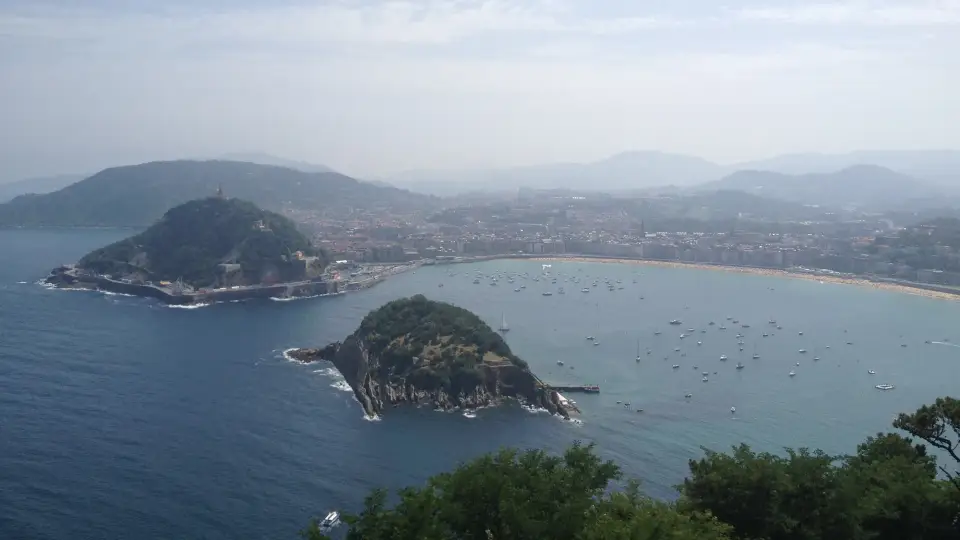
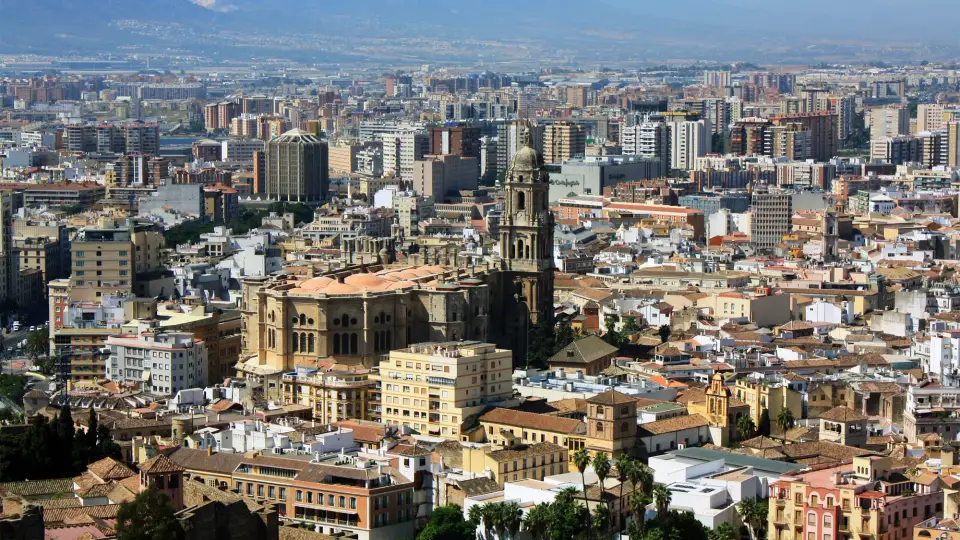


Itineraries through here
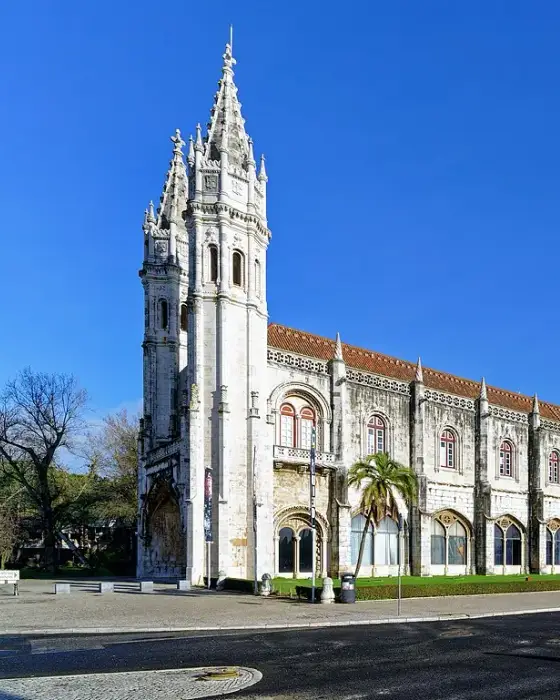 Portugal and Spain in 15 daysIberia from end to endLisbon · Porto · Madrid · Seville · Barcelona13–18 days5 cities
 Spain in 10 daysPrado, flamenco and GaudíMadrid · Seville · Barcelona8–11 days3 cities
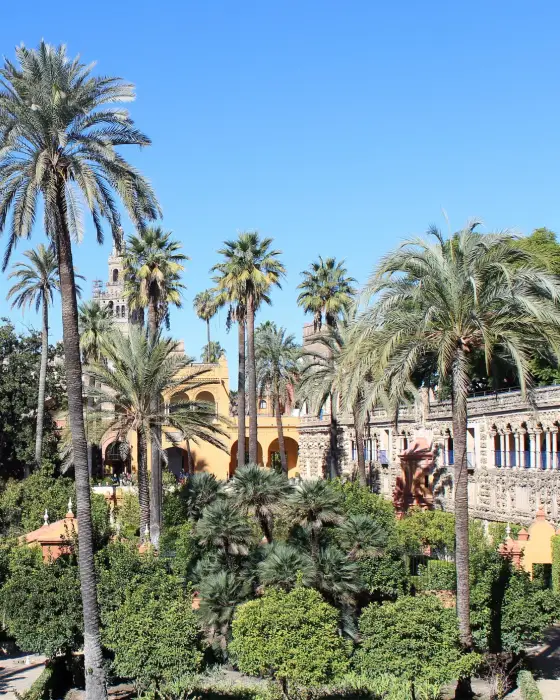 Spain and Morocco in 10 daysBoth sides of the StraitMadrid · Seville · Marrakesh8–10 days3 cities
 Lisbon, the Algarve and Andalusia in 15 daysSagres, Seville and the AlhambraLisbon · Algarve · Seville · Granada · Madrid13–18 days5 cities
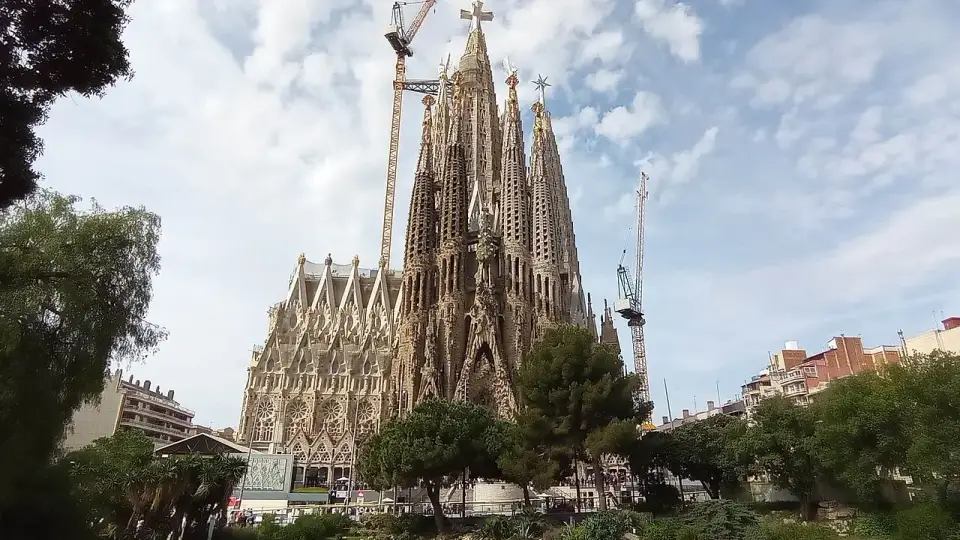
 Madrid, Valencia and Barcelona in 10 daysAlbufera paella and the Sagrada FamíliaMadrid · Valencia · Barcelona9–12 days3 cities