Portugal
Porto
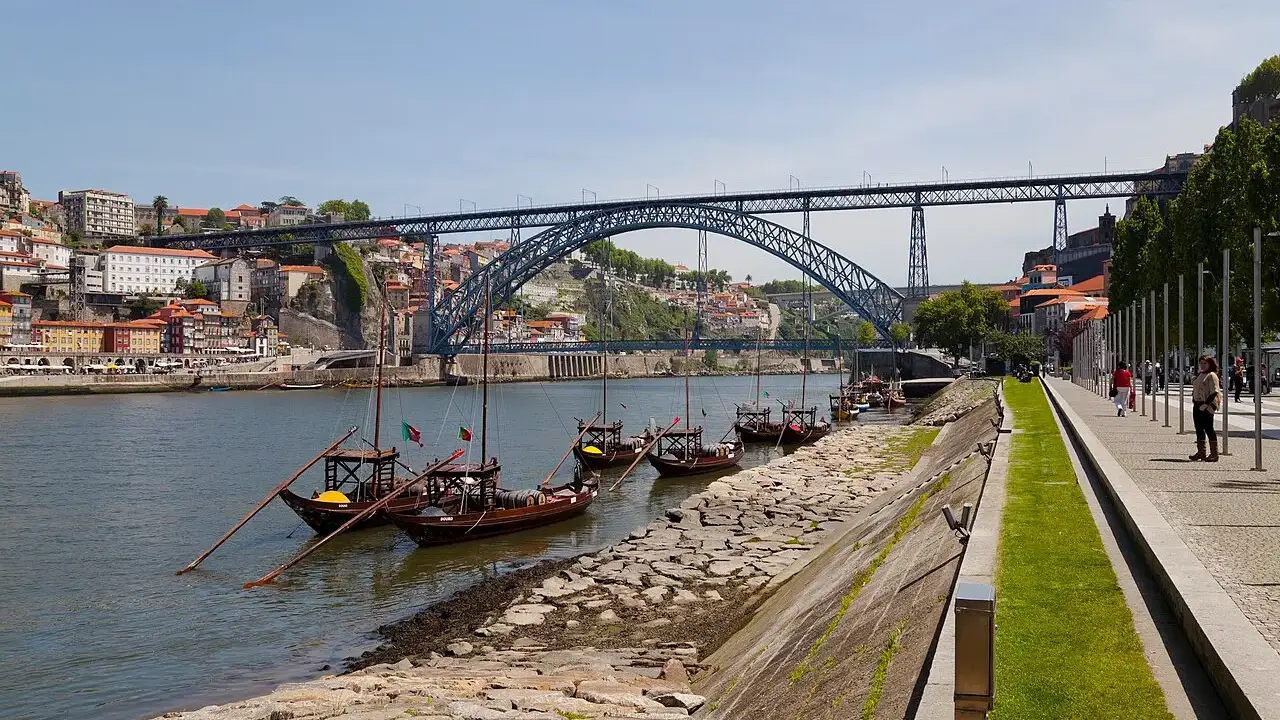
Ribeira, Gaia cellars and Luís I Bridge over the Douro
Days Start with the basic programme and choose extensions for the time you have.
How the guide reaches this number
If you have a third day, spend it in Boavista, at Serralves, in the Foz and at the grills of Matosinhos. Anyone looking for a swimming beach is disappointed, because the Atlantic stays between 17 and 19°C even in August, and anyone with bad knees suffers, because almost every route is stairs or a slope. With just one day, go into São Bento Station at 8:30am, climb the 225 steps of the Clérigos Tower and have lunch at Praça dos Poveiros. In the afternoon, head downhill past the Cathedral to the Ribeira, and at the end of the day, cross the Luís I Bridge on the upper deck. The Ribeira after five disappoints, because the narrow street fills up and the menu gets pricier. November is the rainiest month, so prefer May, June or September.
2–3
When May–June and September–early October; 20–25 °C and infrequent rain
How the guide reaches this number
The climate is Atlantic and mild, with about 1,200 mm of rain a year. Porto is one of the rainiest cities in southern Europe. Rain concentrates from October to March. Summer (July–August): highs of 25–28 °C, rarely above 32. Cool nights of 15–17 °C, with the northwest nortada blowing in the afternoon. The sea sits at 17 to 19 °C, cold for a long swim. Winter (December–February): 5–14 °C, many days of thin, persistent rain. Frost is rare, but the cold feels stronger inside poorly heated old houses than outside. The best windows are May–June and September–early October: 20–25 °C, long days, and occasional rain. High season runs from June to September. The peak is São João week (June 23–24), when lodging prices double. If you can avoid one month, avoid November: it's the rainiest and has the fewest hours of sun.
Per person/day €70–120 per person with a mid-range hotel; €40–55 on a budget, not counting flights
How the guide reaches this number
Per person per day: accommodation, meals, urban transport, visits and a small allowance for extras. Flights excluded; larger purchases vary. Editorial estimate, not a quote.
 What Nilo thinks
Stay two days in Porto: one for the Baixa, the Cathedral and the Ribeira, going downhill from top to bottom, and another for Gaia, the cellars and the river. If you have a third day, spend it in Boavista, at Serralves, in the Foz and at the grills of Matosinhos. Anyone looking for a swimming beach is disappointed, because the Atlantic stays between 17 and 19°C even in August, and anyone with bad knees suffers, because almost every route is stairs or a slope. With just one day, go into São Bento Station at 8:30am, climb the 225 steps of the Clérigos Tower and have lunch at Praça dos Poveiros. In the afternoon, head downhill past the Cathedral to the Ribeira, and at the end of the day, cross the Luís I Bridge on the upper deck. The Ribeira after five disappoints, because the narrow street fills up and the menu gets pricier. November is the rainiest month, so prefer May, June or September.Porto is a city of gray granite covered in tiles, on a slope above the Douro, and almost every walk ends with a descent down stairs to the river. The UNESCO-listed historic center stretches from the hall of São Bento Station, lined with Jorge Colaço’s tiles, to the gilded carving of São Francisco Church, made with gold from Brazil. Across Luís I Bridge, in Gaia, the cellars have aged the wine bearing the city’s name since the 18th century. Eat like the locals: francesinha drenched in sauce, a roast pork sandwich with Serra cheese and a cimbalino drunk standing at the counter. Wear sturdy shoes, because almost every route involves stairs or slopes, and come between May and June or in September, with temperatures of 20 to 25 °C and little rain. Allow two days, and a third for Serralves, Foz and grilled fish in Matosinhos.
Quick facts
- Population
- about 253,000 in the municipality (2024, 41.4 km²); about 1.8 million in the Porto Metropolitan Area, 17 municipalities
- Founded
- Roman Portus Cale (1st c.); episcopal borough charter in 1123; historic center UNESCO since 1996
- Country and region
- Portugal, North region; right bank of the Douro river, 5 km from the Atlantic
- Language
- European Portuguese; English common in shops, hotels and restaurants
- Currency
- Euro (€); cards accepted almost everywhere, including neighborhood cafés
- Time zone
- UTC+0 in winter, UTC+1 in summer
- Best time to visit
- May–June and September–early October; 20–25 °C and infrequent rain
- Average daily cost
- €70–120 per person with a mid-range hotel; €40–55 on a budget, not counting flights
When to go
May–June and September–early October; 20–25 °C and infrequent rain
How the year changes
The climate is Atlantic and mild, with about 1,200 mm of rain a year. Porto is one of the rainiest cities in southern Europe. Rain concentrates from October to March. Summer (July–August): highs of 25–28 °C, rarely above 32. Cool nights of 15–17 °C, with the northwest nortada blowing in the afternoon. The sea sits at 17 to 19 °C, cold for a long swim. Winter (December–February): 5–14 °C, many days of thin, persistent rain. Frost is rare, but the cold feels stronger inside poorly heated old houses than outside. The best windows are May–June and September–early October: 20–25 °C, long days, and occasional rain. High season runs from June to September. The peak is São João week (June 23–24), when lodging prices double. If you can avoid one month, avoid November: it's the rainiest and has the fewest hours of sun.
Nilo's tips
Arrive early at the hall, while the station is still empty
At 8:30am the São Bento lobby has only passengers passing through, and after ten the tour groups take over the atrium. Admission is free, the tiles can be seen in a quarter of an hour, and whoever arrives late photographs other people's backs. If you're catching the Alfa Pendular, follow it with the 5-minute urban train to Campanhã.
Buy the Lello ticket online the day before, about €10
The line for same-day tickets runs up to an hour, and the ticket is only valid for the chosen time slot. The price becomes a discount if you buy a book. Since the forked red staircase is small, go at the first slot and look down from above before the space fills up.
Load the Andante with the Z2 ticket, at €1.40
The Andante Azul card, at €0.60, is just the holder, and the Z2 ticket covers almost everything of tourist interest. If you're making many trips in the same day, load the Andante 24, starting at €5.35. Carry the card on the tram and on STCP buses too, which use the same fare system.
Drink it at the counter: the cimbalino costs €0.80 to €1.20
At a sidewalk table the same cup usually costs more, and the difference is the table rate, not a rip-off. If the idea is just a quick coffee, check the outdoor-table price list before sitting down.
Look for tripas at casas de pasto, for €10–15
Availability varies, so check a traditional casa de pasto's menu of the day before counting on tripas à moda do Porto. If you go on a Saturday, follow it with Rua de Miguel Bombarda, in Cedofeita: several times a year the galleries open together on a set Saturday, and the street becomes one big opening, for free.
Take the first cellar tour of the day in Gaia, and the bridge in the late afternoon
After lunch the cellar rooms fill up. Book at Taylor's, Graham's, Cálem or Ferreira, where the visit lasts 45–60 min and costs €20–35 with a tasting, and ride back up on the cable car (€7 one way, €10 round trip, 600 m). In the late afternoon, walk across the upper deck of the Luís I Bridge to the churchyard of the Serra do Pilar Monastery. It's the same route as metro line D, but free and slower.
Explore the map

© OpenStreetMap · OpenFreeMap · © OpenMapTiles
Explore the map, read about the other places and plan your travel days in the app.
Open the appWhat to see
Porto: 41.4 km² of granite dropping sheer to the Douro
Whoever arrives reads the city in slices: first the walled hill of the Sé, then the straight 19th-century grid, and finally the avenue that points toward the Atlantic along 5.5 km.

Luís I Bridge
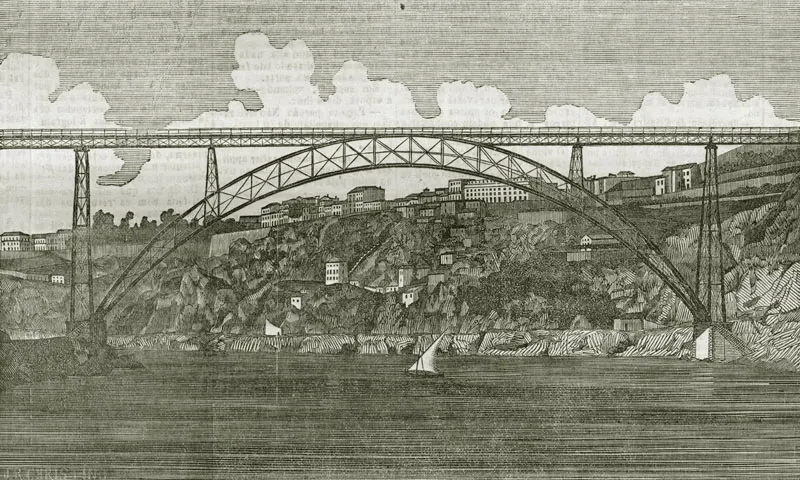
Opened in 1886, designed by Théophile Seyrig, a former partner of Eiffel: a 172 m arch and two stacked decks. The upper one, about 45 m above the water, carries metro line D and a pedestrian walkway that leads to the Serra do Pilar Monastery, whose 16th-century circular church and cloister give the best viewpoint over the city; the lower deck is for cars and pedestrians.
Climb the walkway in the late afternoon: it leads to the circular viewpoint of the Serra do Pilar, and the 172 m arch fits whole in the frame.
Check access
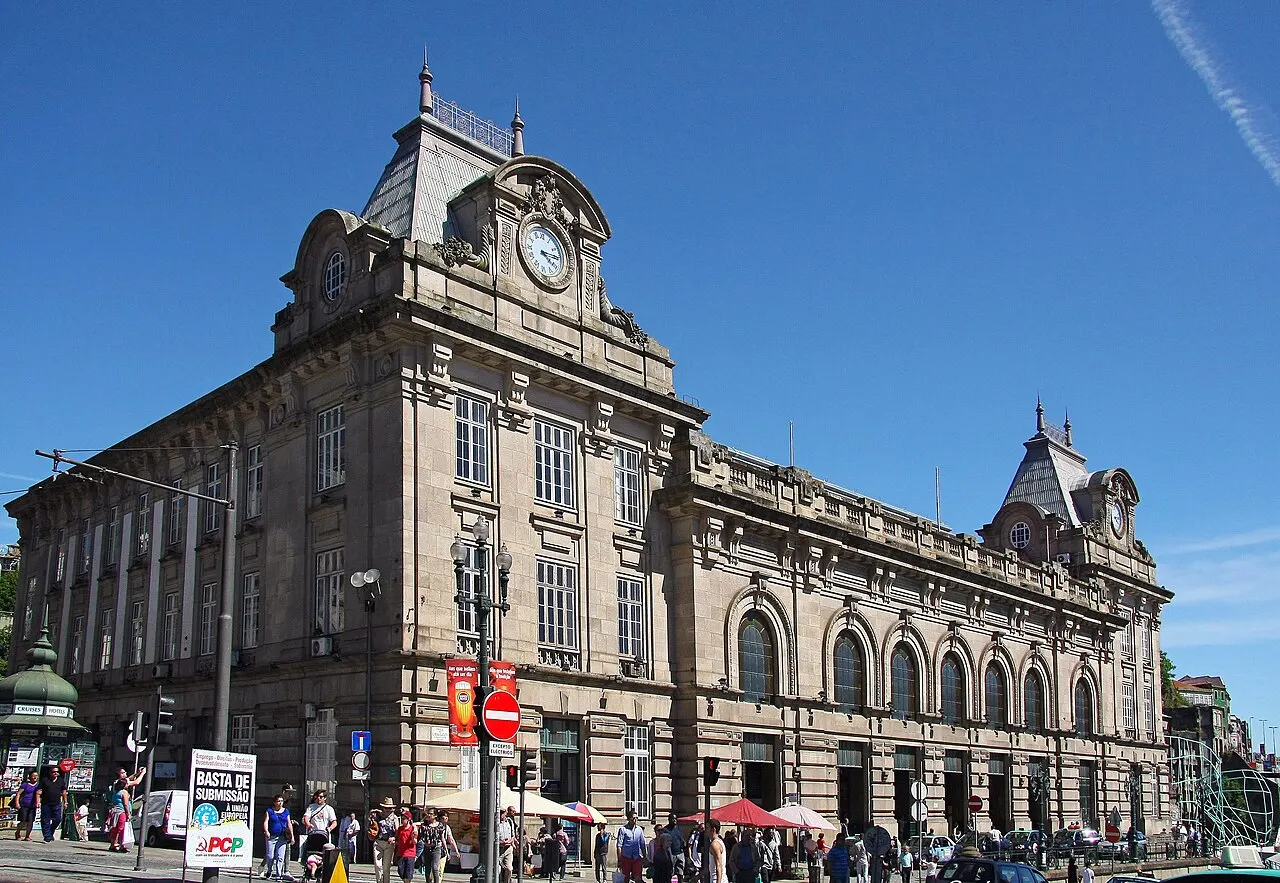
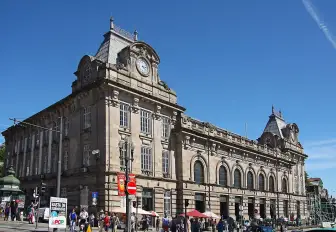
São Bento Station
Built on the site of the São Bento de Ave-Maria convent and completed in 1916. The entrance hall has about 20,000 tiles laid by Jorge Colaço between 1905 and 1916, depicting medieval battles, the 1387 wedding, and rural work scenes. Entry is free, and it's still a working station for urban and regional trains.
Go in without paying and look at the hall painted by Colaço between 1905 and 1916: battles, the 1387 wedding and farm work, with trains still departing.
Check access
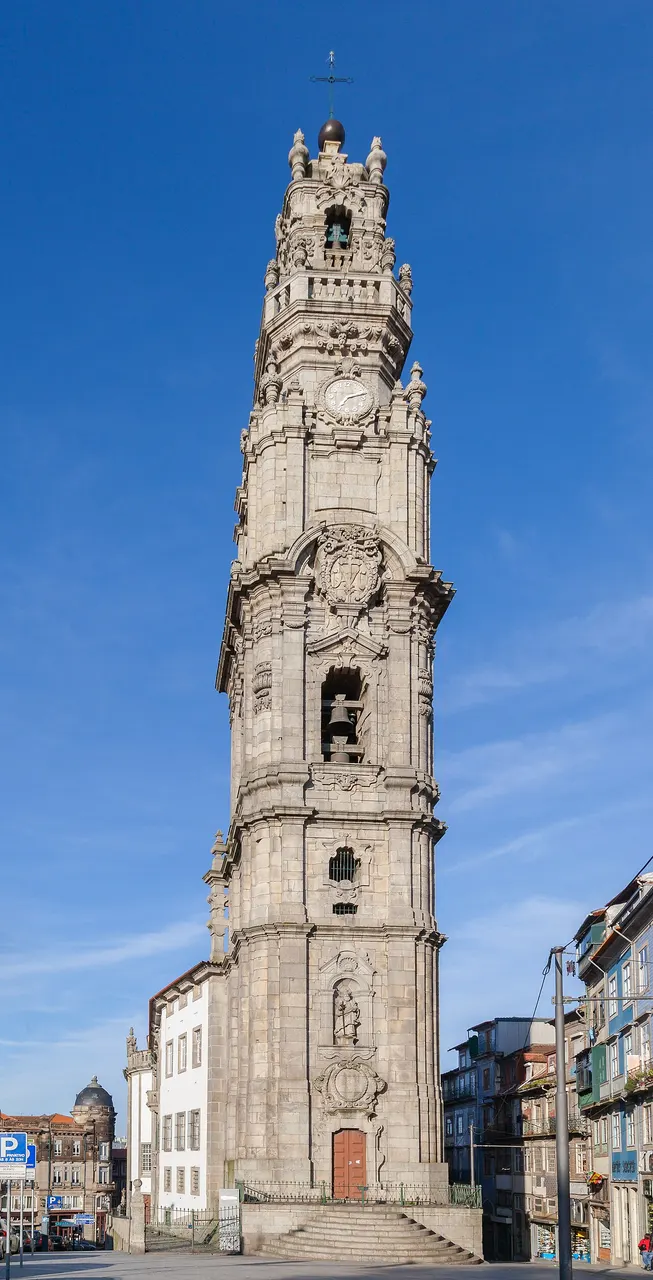
Clérigos Tower and Church
An oval-plan baroque church built between 1732 and 1750 by Nicolau Nasoni, with the tower raised between 1754 and 1763. It's 75.6 m and 225 steps to the terrace, the visual landmark of the whole Baixa; Nasoni is buried in the crypt.
Climb the 225 steps to 75.6 m: from the terrace you can get your bearings on the whole city, and Nasoni is buried in the crypt.
Check access
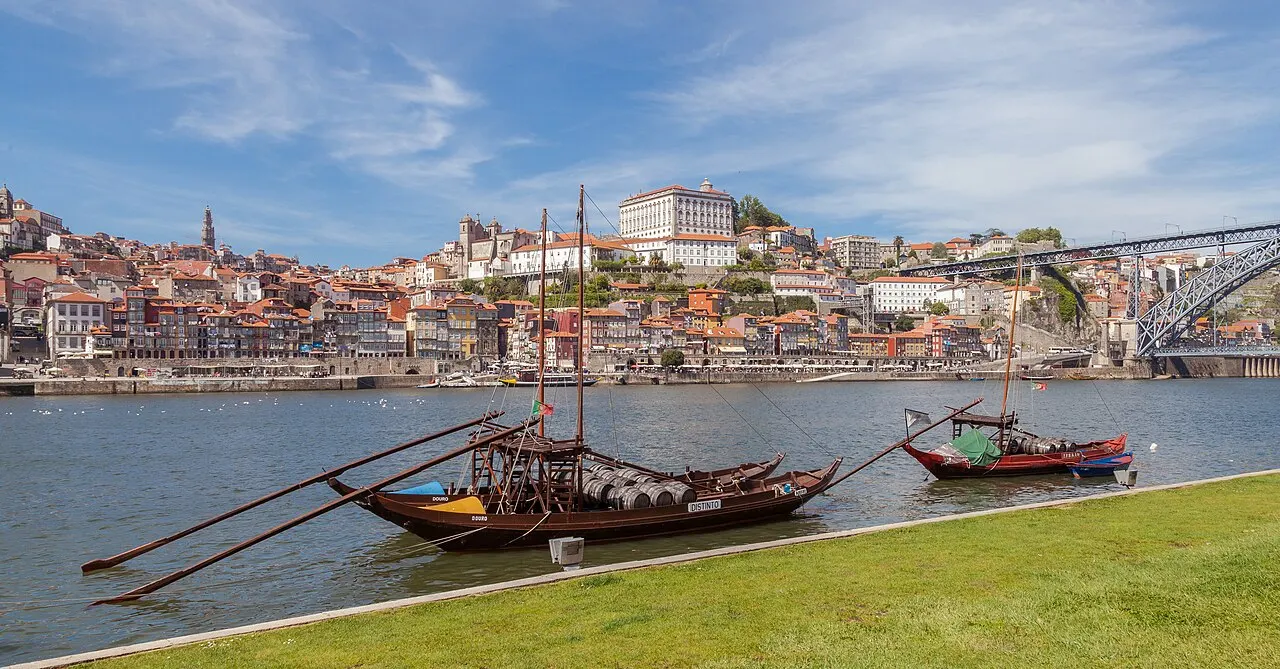
Port wine cellars, in Gaia
Aging warehouses on the left bank, operating since the 18th century: Taylor's, Graham's, Sandeman, Cálem, Ferreira, Ramos Pinto, and two dozen others. Tours run about 45–60 min and cost €20–35 with a tasting of two or three wines. The wine isn't made there: it comes from the Douro, about 100 km east.
Book the first slot at a cellar on the left bank, before the rooms fill up.
Check access

Porto Cathedral
A 12th-century Romanesque cathedral built as a fortress, with battlemented towers and an original rose window. It has a 14th-century Gothic cloister with tiles by Vital Rifarto, a silver high altar that residents hid behind plaster to save it from the French in 1809, and the Episcopal Palace next door, remodeled by Nasoni.
Start with the 12th-century Romanesque fortress: the Gothic cloister holds the panels by Vital Rifarto, and the altar's silver was hidden in 1809.
Check access

Church and Catacombs of São Francisco
A 14th-century Gothic shell with an interior entirely covered in 18th-century gilded woodwork, made with Brazilian gold; the Tree of Jesse, on the left, is the most cited piece. Beneath the floor lie the catacombs, with ossuaries visible through a glass panel in the ground.
Brazilian gold covers the whole nave, the Tree of Jesse is on the left, and a glass panel in the floor opens onto the ossuary.
Check access
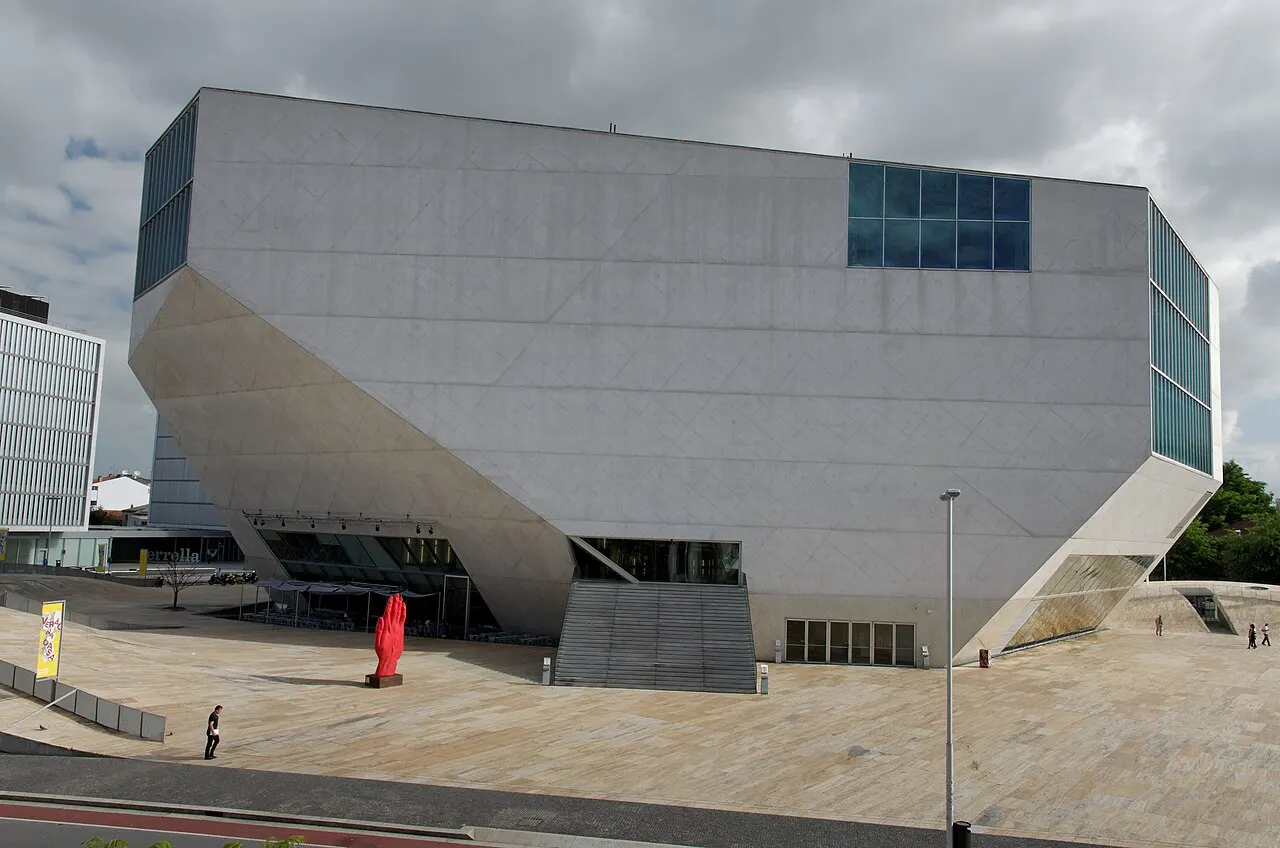
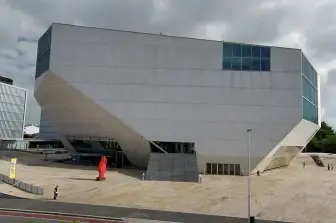
Casa da Música
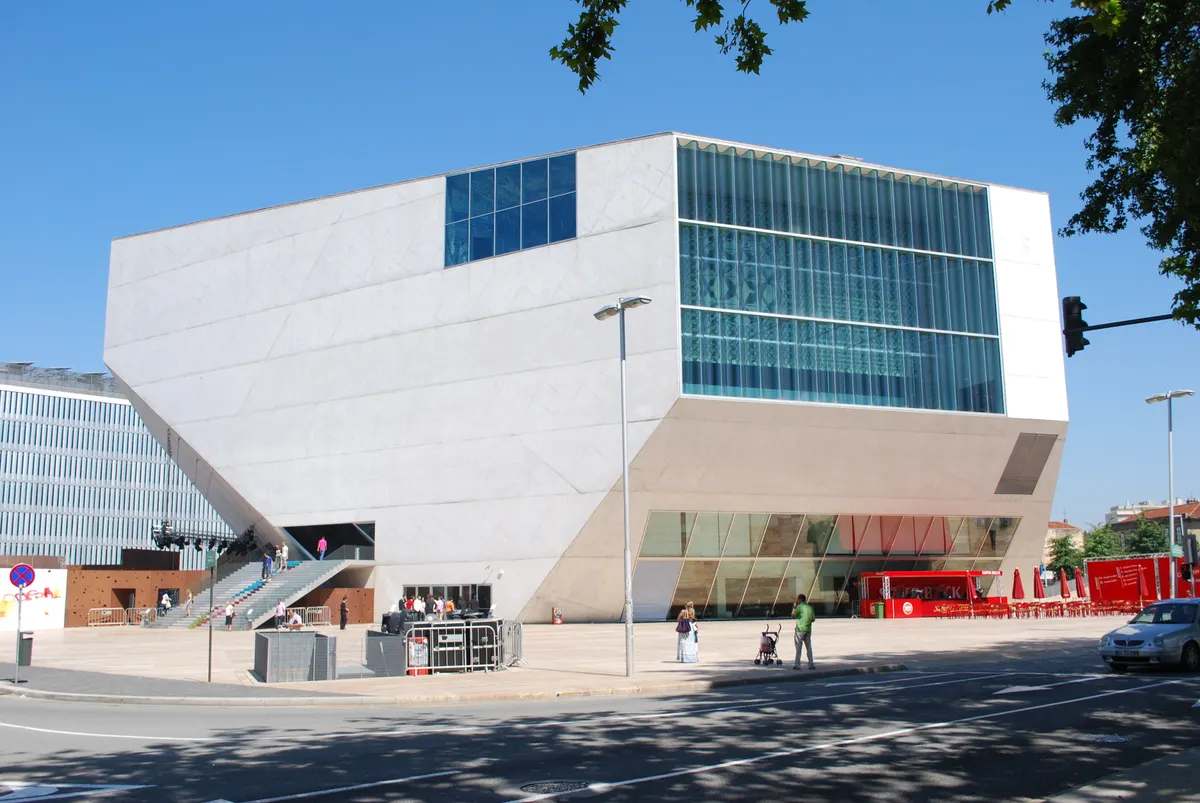
Opened in April 2005 as a legacy of the 2001 European Capital of Culture, designed by Rem Koolhaas and the OMA office. A white concrete polyhedron set on a Boavista square, with the main hall glazed at both ends, facing the city. Daily guided tours, and home to the Porto Symphony Orchestra.
Koolhaas's white polyhedron opened in April 2005, a legacy of the European Capital of Culture, and the glass-walled hall hosts the house orchestra.
Check access
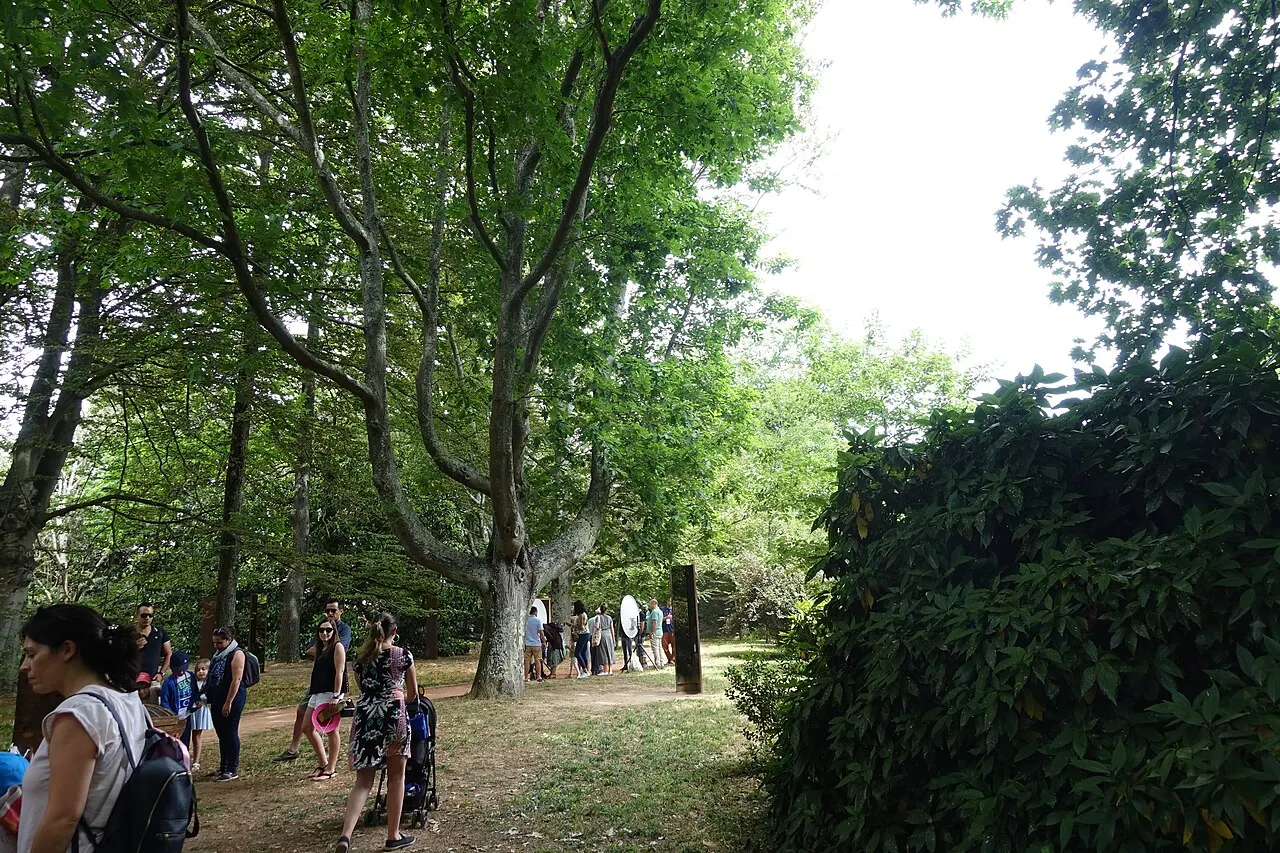
Serralves Foundation
An 18-hectare complex with the art deco Casa de Serralves (1925–1944), the Museum of Contemporary Art designed by Álvaro Siza Vieira and opened in 1999, the park with formal gardens and a wood, and the Manoel de Oliveira Cinema House. General admission ticket €24; set aside half a day.
Siza designed the museum that opened in 1999, the art deco house sits in the 18-hectare park, and the general ticket costs €24.
Check access

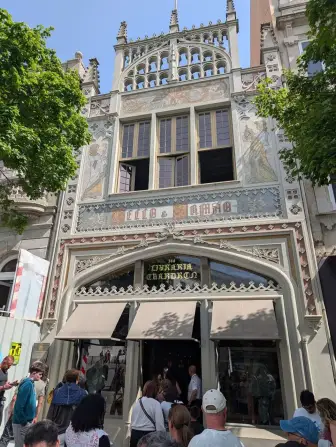
Lello Bookshop
Opened on January 13, 1906, with a neo-Gothic façade by Xavier Esteves and the forked red staircase that dominates the interior. Entry is paid and by timed slot (about €10, deducted from a book purchase); booking online ahead of time avoids an hour-long line.
Admission costs about €10 with a timed slot, and the same-day line runs up to an hour; inside, the forked red staircase is small and the 1906 bookshop is done in fifteen minutes, with the ticket only coming back to you if you buy a book.
Check access
Nilo’s itinerary
Start with the basic programme and choose extensions for the time you have.
Plan my days in the app ↗Day 1 · Baixa, the Cathedral, and the Ribeira, top to bottom
Start at São Bento Station at 8:30am, before the tour groups: the entrance hall with about 20,000 tiles by Jorge Colaço is free and takes 15 minutes.
Climb the Clérigos Tower (225 steps, 75.6 m) and enter the Lello Bookshop with a timed slot booked online the day before; the two are 300 m apart.
Have lunch at Praça dos Poveiros: a roast pork sandwich (sande, as it is called here) at Casa Guedes for €5–8, or a francesinha at a neighborhood restaurant for €12–18.
Head down through the Cathedral (14th-century Gothic cloister) and past the Casa do Infante to the Ribeira, taking the Guindais stairs; if your legs complain, the funicular does it in reverse for about €4.
Cross the upper deck of the Luís I Bridge on foot, about 45 m above the river, and watch the sunset from the churchyard of the Serra do Pilar Monastery.
Day 2 · Gaia, the wine, and the river
Cross the bridge's lower deck to Vila Nova de Gaia and take a guided tasting tour at a cellar (Taylor's, Graham's, Cálem, or Ferreira), 45–60 min, €20–35, booked ahead.
Ride the cable car up to the bridge (€7 one way, 5 minutes) or set aside two hours for the WOW complex, opened in 2020, with museums of wine, cork, and chocolate.
After lunch at Cais de Gaia, take the six-bridges boat tour: about 50 minutes, €15–20, departing from either quay.
Back on the right bank, visit the Palácio da Bolsa with a guide (about €12) and the Church of São Francisco, with the gilded woodwork and the catacombs.
Have dinner in the Baixa and finish standing up at Galerias de Paris or Rua Cândido dos Reis, where people drink on the sidewalk.


If you stay longer
Day 3 · Boavista, Serralves, the Foz, and Matosinhos
Guided tour of the Casa da Música, by Rem Koolhaas, in Boavista: about an hour, with access to the main hall when there's no rehearsal.
Late morning and lunch at the Serralves Foundation: Siza Vieira's museum, the art deco house, and 18 hectares of park, general admission ticket €24.
From Serralves, walk down to Foz, where the Douro meets the sea, and follow the waterfront from Passeio Alegre, the terminus of tram 1, to Felgueiras Lighthouse, built in 1886.
Walk about 3 km along the coast to Matosinhos, then cross the movable bridge over Leixões harbor to Leça da Palmeira, where Siza Vieira’s tidal swimming pools, from 1966, are carved into the rock.
Go back over the same bridge for grilled fish for dinner on Rua Heróis de França, next to the lota, the fish market, and return downtown by metro on line A.
Food
 AI illustration
Francesinha
A sandwich of sliced bread with sausage, cold cuts, ham, and steak, covered in melted cheese and drowned in a hot sauce of tomato, beer, and spices, with a fried egg on top and fries on the side. Created in the 1950s and credited to Daniel David da Silva, who adapted the French croque-monsieur. Costs €12–18 and is a single-person dish.
 AI illustration
Tripas à moda do Porto
A stew of tripe with white beans, veal, chouriço, ear, chicken, and cumin, served with white rice. It's the dish that gives the tripeiros their name, typical of traditional casas de pasto, for €10–15.
 AI illustration
Cachorrinho
Sausage and cheese inside thin bread, pressed on the griddle, brushed with spicy sauce and cut into three or four strips with a blade. The cachorrinho is eaten standing at the counter, with a fino on the side; the spot most associated with the dish is Gazela, near the Batalha, open since the 1960s. Runs €4–7.
 AI illustration
Sande de pernil with Serra cheese
Roast pork leg, shredded hot, with Serra da Estrela cheese melting over bread. Casa Guedes, on Praça dos Poveiros, has served it since 1987 and is the city's reference. A sandwich runs €5–8.
 AI illustration
Bacalhau à Gomes de Sá
Shredded salt cod with potato, onion, olive oil, hard-boiled egg, and black olives, baked au gratin. Created in Porto in the 19th century by José Luís Gomes de Sá Júnior, son of a salt cod merchant on Rua do Muro dos Bacalhoeiros. A full plate, €12–18.
 AI illustration
Grilled fish from Matosinhos
Sea bass, sea bream, sardines and octopus à lagareiro grilled right on the pavement, on charcoal grills lined up on Rua Heróis de França, next to the lota, the fish market. The fish is sold by the kilo and the price varies by species: count on €18–30 per person with couvert and a drink.
 AI illustration
Port wine
Douro wine fortified with grape spirit, which stops fermentation and leaves residual sugar. Ruby and LBV are fruity and young; tawny ages in wood and comes labeled 10, 20, 30, or 40 years; vintage is only declared in exceptional years. Dry white port with tonic water and mint is the local summer aperitif.
 AI illustration
Cimbalino, fino, and vinho verde
In Porto espresso is called a cimbalino, after the Italian La Cimbali machines, and the small draft beer is the fino. Vinho verde comes from the Minho, has 9–11% alcohol, a light sparkle and is served well chilled with fish.
Day trips

Douro Valley (Régua and Pinhão)
The Douro Line train leaves from São Bento or Campanhã: about 2 hours to Peso da Régua and about 2 hours 30 minutes to Pinhão, the last hour running right along the river. It's the region demarcated in 1756, a World Heritage Site since 2001, with terraced schist slopes and estates that take visitors for tastings.
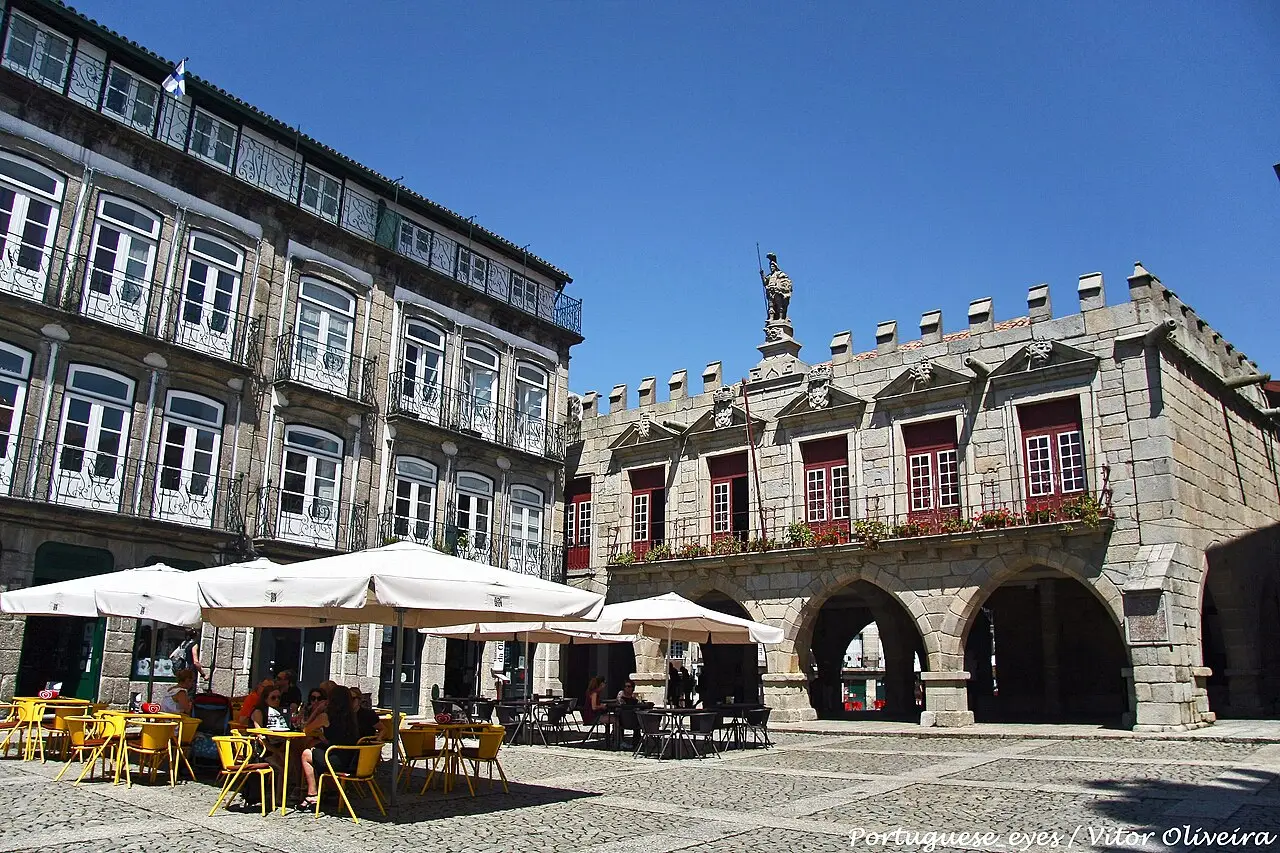
Guimarães and Braga
About an hour by train each, and 25 km apart. Guimarães has a 10th-century castle, the Paço dos Duques, and a historic center UNESCO-listed since 2001; Braga has the Bom Jesus do Monte, UNESCO since 2019, with a water-counterweight funicular running since 1882.

Aveiro and Costa Nova
About 1 hour 10 minutes by regional train south. Aveiro has canals and painted moliceiro boats; a 15-minute bus ride away, Costa Nova lines up wooden palheiros striped white and color, built by fishermen in the 19th century.
Where to begin
Baixa, the Cathedral, and the Ribeira, top to bottom
Start at São Bento Station at 8:30am, before the tour groups: the entrance hall with about 20,000 tiles by Jorge Colaço is free and takes 15 minutes.
Gaia, the wine, and the river
Cross the bridge's lower deck to Vila Nova de Gaia and take a guided tasting tour at a cellar (Taylor's, Graham's, Cálem, or Ferreira), 45–60 min, €20–35, booked ahead.
Boavista, Serralves, the Foz, and Matosinhos
Guided tour of the Casa da Música, by Rem Koolhaas, in Boavista: about an hour, with access to the main hall when there's no rehearsal.
Money
The currency is the euro, and these are the 2026 price ranges: cimbalino (espresso) at the counter €0.80–1.20; fino (small draft beer) €1.50–2.50; a glass of port €3–6; lunch set menu €8–13; francesinha €12–18; dinner at a mid-range restaurant €20–35 per person with a drink; a cellar visit with tasting €20–35. A three-star hotel downtown runs €90–160 in high season and €60–100 between November and February. Add €3 per person per night in municipal tourist tax, charged from age 13 and capped at 7 nights per stay. The city council is weighing raising it to €4. Cards are accepted almost everywhere, including neighborhood tascas. But some places still have a €5 or €10 minimum; carry some cash. At ATMs, use the Multibanco network (MB logo). Decline the dynamic currency conversion at Euronet machines, which bakes in a bad exchange rate. The couvert (bread, olives, butter, pâté) arrives without being asked for and costs €1.50–4 per person. If you don't touch it, you don't pay. Tipping isn't mandatory or built in: rounding up the bill or leaving 5–10% at a restaurant is the custom.
Getting there and around
Sá Carneiro Airport: 11 km from downtown, 16 million passengers a year
Francisco Sá Carneiro Airport (OPO) is about 11 km north, in Maia and Moreira. It handles about 16 million passengers a year. Metro line E (purple) connects the airport to the center in about 25–30 minutes, with trains every 15 minutes. Destinations alternate between Trindade and Campanhã. Read the sign before boarding. The fare is zone Z4 (about €2.30) plus €0.60 for the Andante Azul card, which is reusable through the end of the trip. A taxi or Uber/Bolt to the Baixa costs €20–30 and takes 20–30 minutes outside rush hour. Long-distance and international trains leave from Campanhã (Lisbon in about 2 hours 45 minutes to 3 hours on the Alfa Pendular). São Bento is the urban and regional terminal, 5 minutes by train from Campanhã. It's where the Douro Line departs from.
Metro: six lines, most of it at street level
The metro has 6 lines (A, B, C, D, E, F), about 85 stations, and about 67 km. A good part of the route runs at street level, like a light rail vehicle. Line D crosses the upper deck of the Luís I Bridge. Add the STCP bus network and three historic tram lines. Line 1, from the Infante to Passeio Alegre along the riverside, is the most useful. A single ticket costs about €6. The Andante fare system is zone-based. In 2026 the Z2 pass, which covers nearly all tourist interest, costs €1.40; Z3 rose to €1.85, and Z4 to €2.30. There's the Andante 24, a day pass, from €5.35 for Z2. You must validate the card on the yellow post at every boarding and every transfer, even within the hour of validity, or risk a fine. The Guindais Funicular (about €4) handles the climb from the Ribeira to the Batalha in two minutes. The Gaia cable car (€7 one way, €10 round trip) covers 600 m between the bridge and the cellars' quay. You can explore the center on foot, along steep streets and granite paving. A bicycle only pays off on the flat riverside stretch, about 6 km from the Ribeira to the Foz.
Safety
Porto has low rates of violent crime, and it's safe to walk around at night in the Baixa, the Ribeira, and the Foz. The real risk is theft without confrontation: pickpockets work the packed cars of metro line D, São Bento Station, Rua de Santa Catarina, and the crowds at São João; a backpack worn in front and a phone out of the back pocket handle most of it. In the Ribeira and on Rua Cândido dos Reis it's common to be approached by people selling drugs. In most cases it's a fake substance, a scam rather than a threat, and a “não, obrigado” without stopping settles it. Two physical hazards are more concrete than the rest: the Ribeira quay has no railing along several stretches, and there are drownings every year, especially after drinking; and the Foz breakwater shouldn't be walked in rough seas, because the waves come right over it. Taxis must run the meter; Uber and Bolt operate normally and are the more predictable option at night. Emergency: 112.
Etiquette tips
Ask for “um fino,” not “uma imperial”
In Porto the small draft beer glass is called a fino; imperial is Lisbon's word, and using it gives you away right away as coming from the south, or from a guidebook.
The couvert is optional and gets charged
Bread, olives, butter, and pâté arrive at the table unasked and go on the bill if eaten, at €1.50–4 per person. Just say “não queremos o couvert, obrigado” and the waiter clears it without fuss.
Say “se faz favor” and get the gender of thanks right
At the counter, Porto prefers “se faz favor” to “por favor”. And the word for thanks agrees with the speaker, not the listener: a man says obrigado, a woman says obrigada.
Don't turn everything into a comparison with Lisbon
The rivalry is old and political (Porto was the engine of the 1820 Liberal Revolution and withstood the 1832 siege) and ranking the two cities out loud lands badly. Talking about what the city is works better than saying which one wins.
Coffee is drunk standing and paid for on the way out
The cimbalino is usually drunk standing at the counter, in two sips. Nobody charges you beforehand: the custom is to keep ordering and pay it all together on your way out.
Francesinha: a single portion, served with the sauce
The sauce defines the francesinha and usually arrives covering the sandwich. If you want to share, order a half portion or have the sauce on the side, ask what the restaurant offers before ordering.
Mistakes to avoid
Thinking the wine is made in Gaia
Thinking port wine is made in Gaia. The grapes and the wine come from the Douro, about 100 km east. The cellars on the left bank have been aging warehouses since the 18th century. Anyone who wants to see the production needs to take the train or the boat to Régua and Pinhão.
Wearing smooth soles on the granite
Wearing smooth-soled shoes. The granite of the streets and stairs gets very slippery when wet, and from Batalha, at about 80 m altitude, to the Ribeira, by the river, it's just a few hundred meters, almost all of it stairs and slopes.
Not validating Andante at every transfer
Boarding without validating means traveling without a ticket, even with balance on the card and within an already-paid hour, and inspections are frequent on the metro: the inspector fines anyone who didn't tap the card on the validator.
Long-distance departs from Campanhã
Mixing up São Bento with Campanhã. The Alfa Pendular and international trains leave from Campanhã, while São Bento handles urban and regional services. Going to São Bento with a Campanhã ticket adds another 5 minutes by train, so check the station on your ticket.
The Atlantic sits at 17 to 19 °C
Expecting a warm beach. The sea runs 17–19 °C even at the peak of summer, and the nortada picks up in the afternoon. On the Porto beach, the swim tends to be brief: the cold water invites a walk and lunch nearby more than a two-hour swim.
Useful phrases
Se faz favor
“please”: the most common form at the counter and on the street in Portugal
Um cimbalino, se faz favor
“an espresso, please”: that is how you order the short coffee at the counter
Um fino
a small draft beer; in Lisbon it's called “uma imperial”
Não queremos o couvert, obrigado
declines the bread and olives that arrive unasked and get charged
Estou a chegar
“I'm arriving”: European Portuguese uses “a” + infinitive instead of the gerund
Bora à Ribeira?
“shall we head to the Ribeira?”: “bora” is the casual invitation, and “à” carries the contraction because you're heading to a feminine place
Districts
Ribeira and Sé
The medieval core against the river, inside the old Fernandine wall, UNESCO-listed since 1996. Streets two to three meters wide, stairs in place of corners, and the city's highest concentration of restaurants for visitors: lovely early in the morning, packed by late afternoon.
Aliados and Santo Ildefonso
The 19th- and 20th-century downtown: Avenida dos Aliados, the City Hall with its roughly 70 m tower, the commercial Rua de Santa Catarina, and the Bolhão Market. This is where paperwork gets sorted, shopping gets done, and every bus line passes.
Cedofeita and Miguel Bombarda
Rua de Cedofeita is a pedestrian-only shopping axis; Rua de Miguel Bombarda concentrates the art galleries that hold simultaneous openings on set Saturdays. A neighborhood of students, secondhand bookshops, and cafés with sidewalk tables.
Bonfim
East of the center, a 19th-century working-class fabric full of ilhas: rows of one-story houses at the back of the yards. Workshops, corner grocers, and neighborhood restaurants sit alongside restored buildings and fast-rising rents.
Boavista
An office and services axis around the Mouzinho de Albuquerque roundabout and Avenida da Boavista. Home to the Casa da Música, Boavista FC's Estádio do Bessa, and the Mercado Bom Sucesso: where Porto looks like a business city.
Massarelos and Miragaia
The slope between the Ribeira and the Foz, with the Crystal Palace Gardens, the Soares dos Reis National Museum, and the old Jewish quarter of Miragaia. Tram line 1 runs along the riverside from here down to the sea.
Foz do Douro
Where the river meets the Atlantic, 5 km west of the center: the breakwater, the Felgueiras Lighthouse (1886), the 1930s pergola, and Porto's most expensive residential area. Sandy beaches with water at 17 to 19 °C even in August.
Vila Nova de Gaia and Matosinhos
Neighboring municipalities that function as part of the city. Gaia (about 300,000 residents) has the port wine cellars and the WOW complex, opened in 2020, on the left bank; Matosinhos, to the north, has the fishing port, the grilled-fish stalls on Rua Heróis de França, and, in Leça da Palmeira on the other side of Leixões harbor, the tidal swimming pools designed by Siza Vieira in 1966.
History
1st c. BC–5th c. · Roman Portus Cale
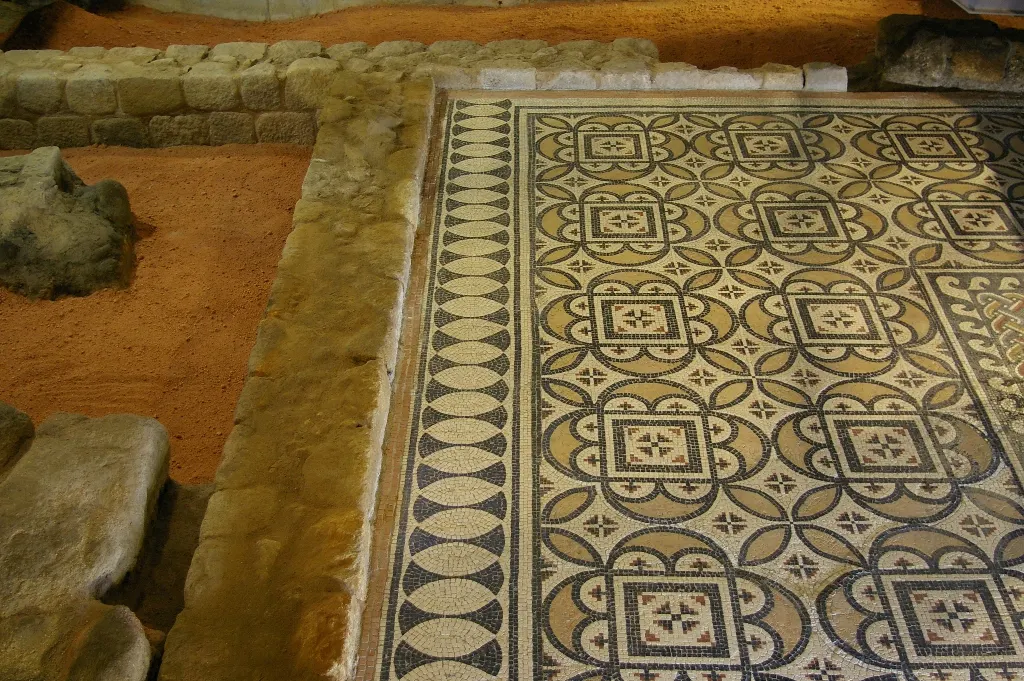
A river port at the mouth of the Douro, with a settlement on the Pena Ventosa hill, where the cathedral now stands. The name Portus Cale gives us the word Portugal.
1120–1123 · The bishop's borough
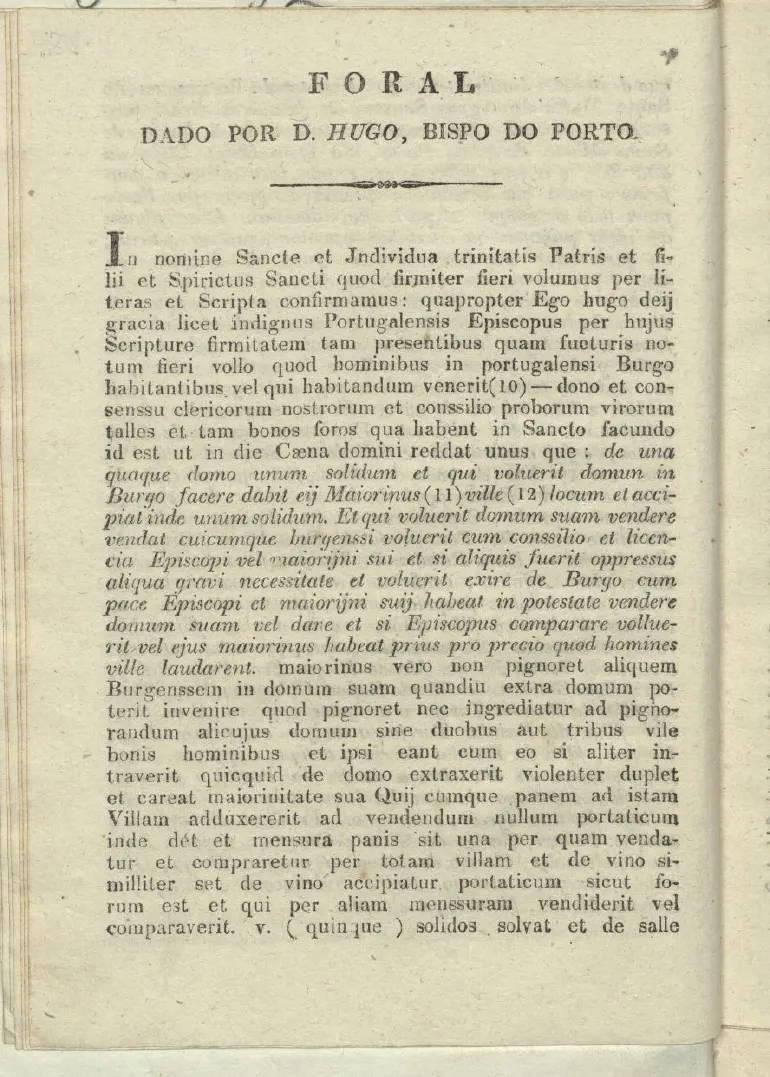
Countess D. Teresa grants the city to Bishop D. Hugo, who gives it a charter in 1123. Porto is born as an ecclesiastical lordship and spends three centuries at odds with the merchants of the Ribeira.
1387 · Marriage and the English alliance
D. João I marries Philippa of Lancaster at Porto Cathedral, sealing the Treaty of Windsor signed in 1386. The alliance with England shapes six centuries of the city's trade.
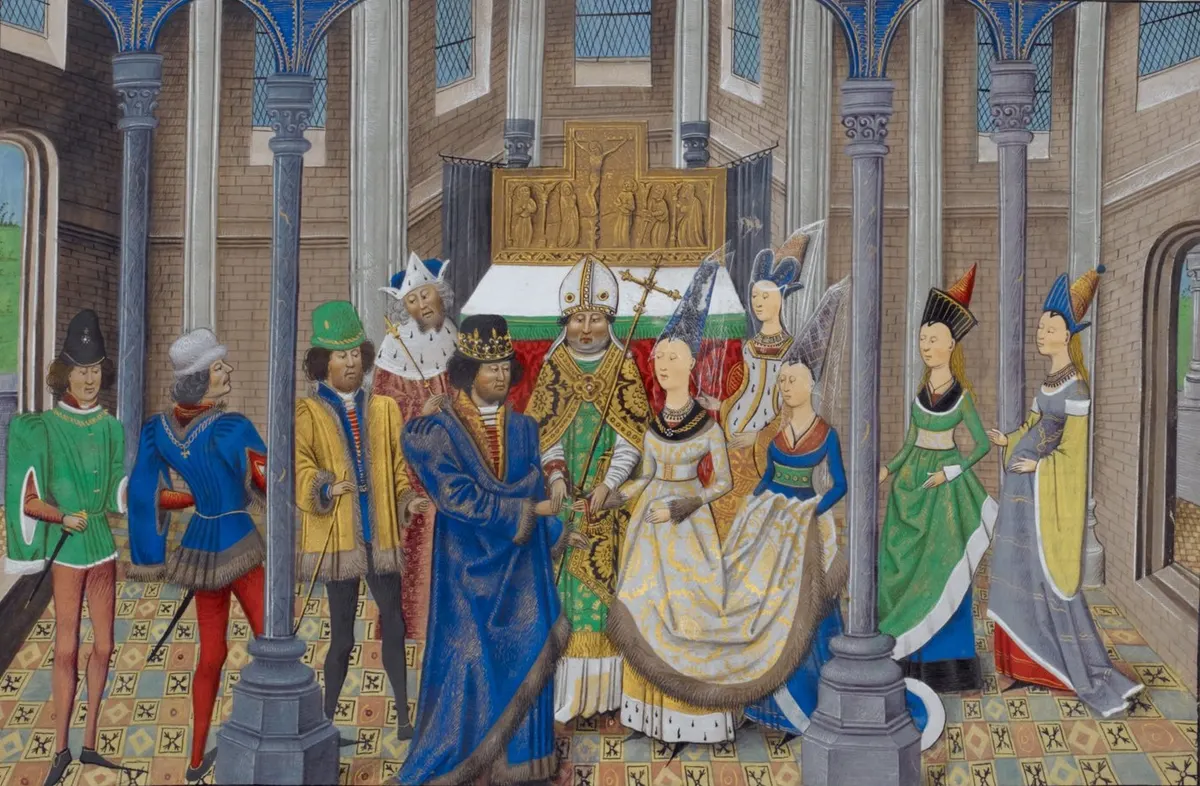
1415 · The Ceuta fleet
Porto arms the fleet that conquers Ceuta; legend says the city sent all the meat to the ships and kept the tripe. Hence the nickname tripeiros and the dish still on menus.
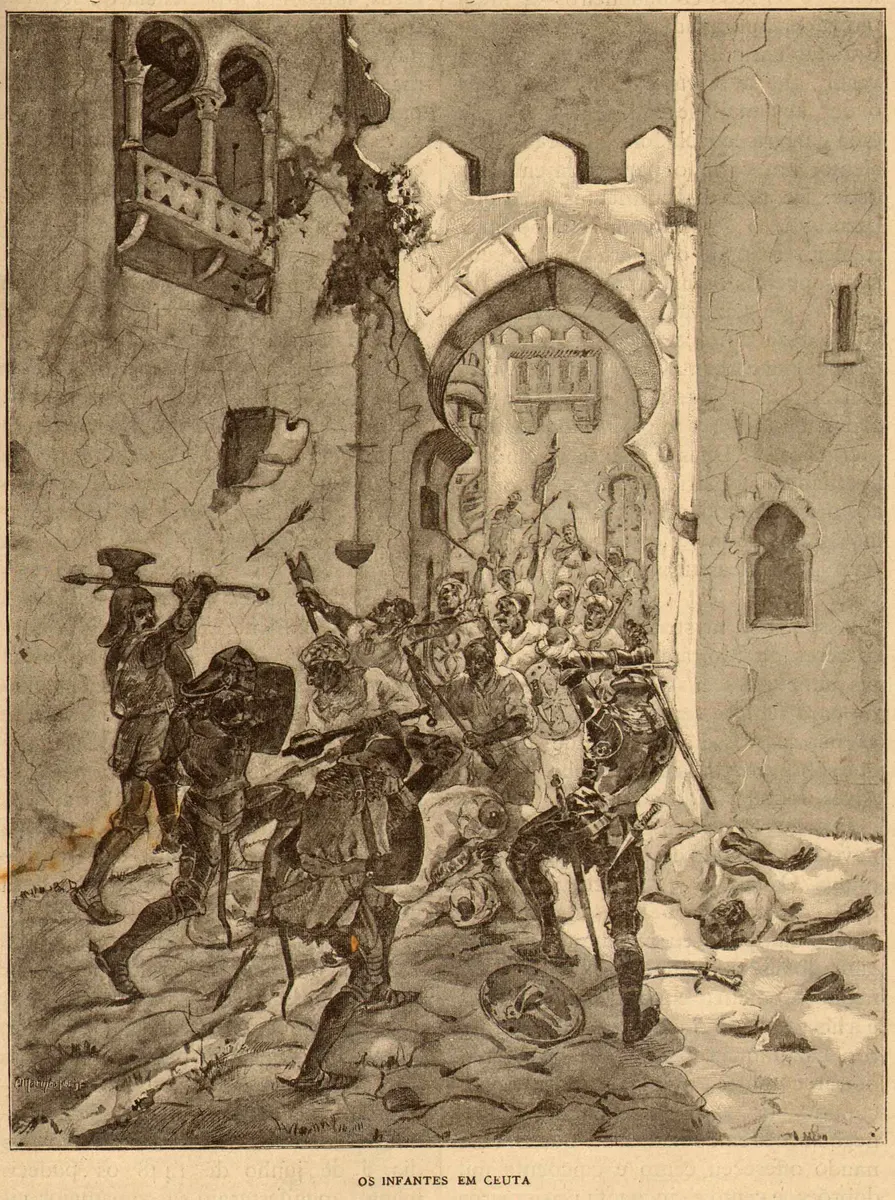
1703–1756 · Wine: from Methuen (1703) to the first regulated region (1756)
The Methuen Treaty (1703) opens the English market to Douro wine. In 1756 the Marquis of Pombal creates the Companhia Geral da Agricultura das Vinhas do Alto Douro and demarcates the world's first regulated wine region.
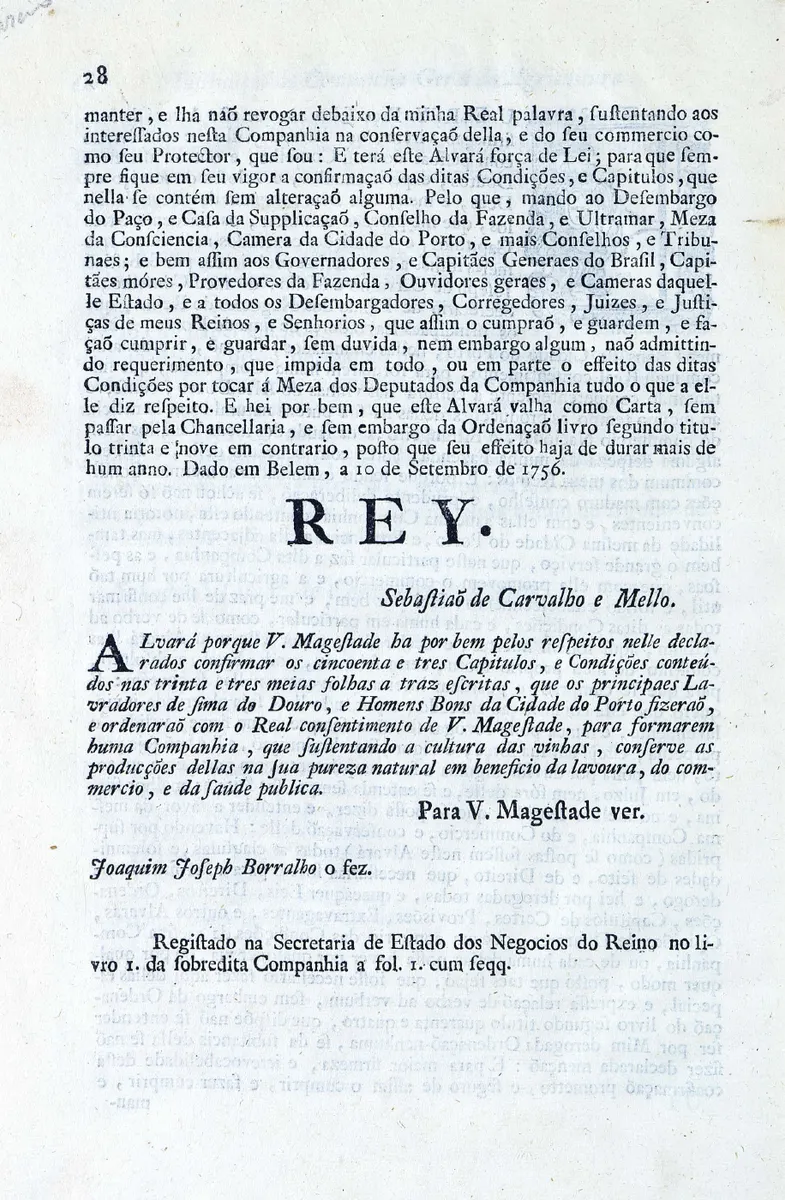
1809 · French invasion and the Ponte das Barcas
Marshal Soult's troops take the city on March 29; the pontoon bridge collapses under the weight of those fleeing and hundreds die in the river. It's the worst civil disaster in local memory.
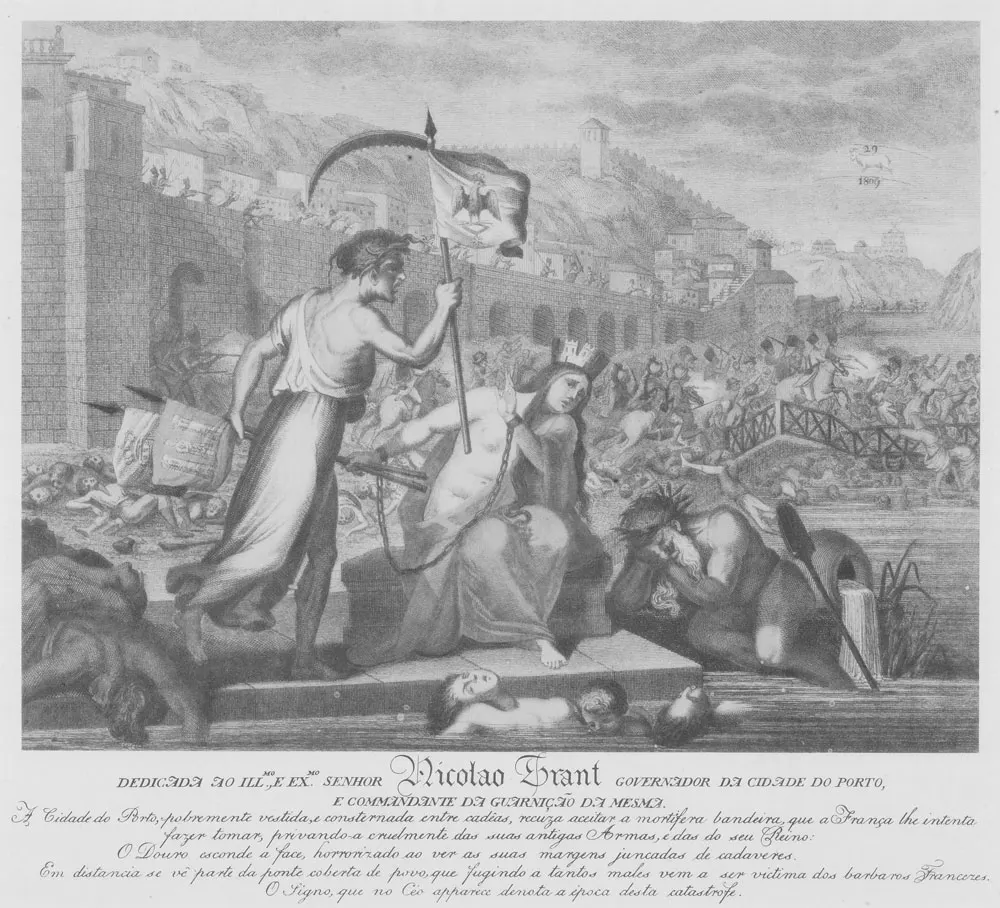
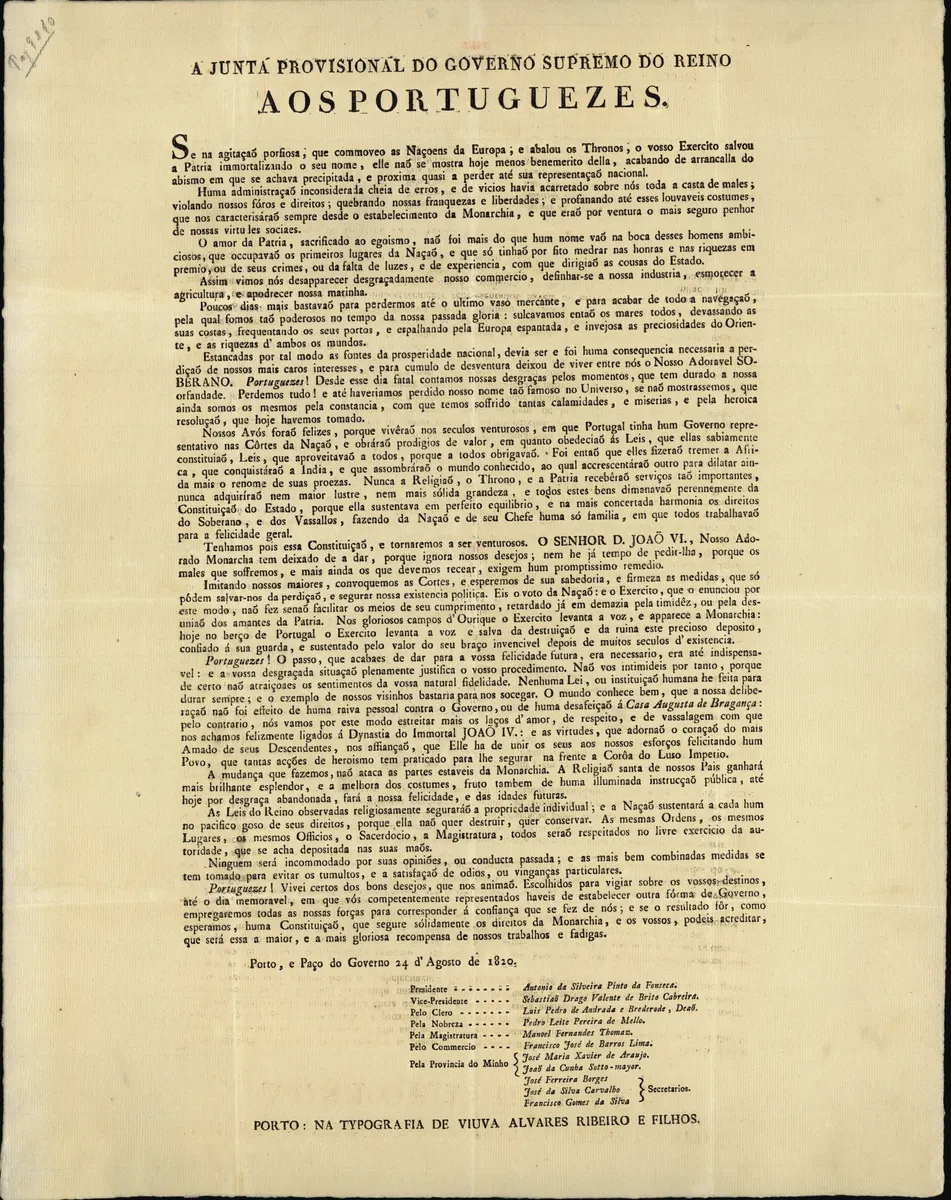
1820 · Liberal Revolution
On August 24 the uprising that summons the Cortes and produces the 1822 Constitution begins in Porto. The city becomes the political engine against the court in Lisbon.
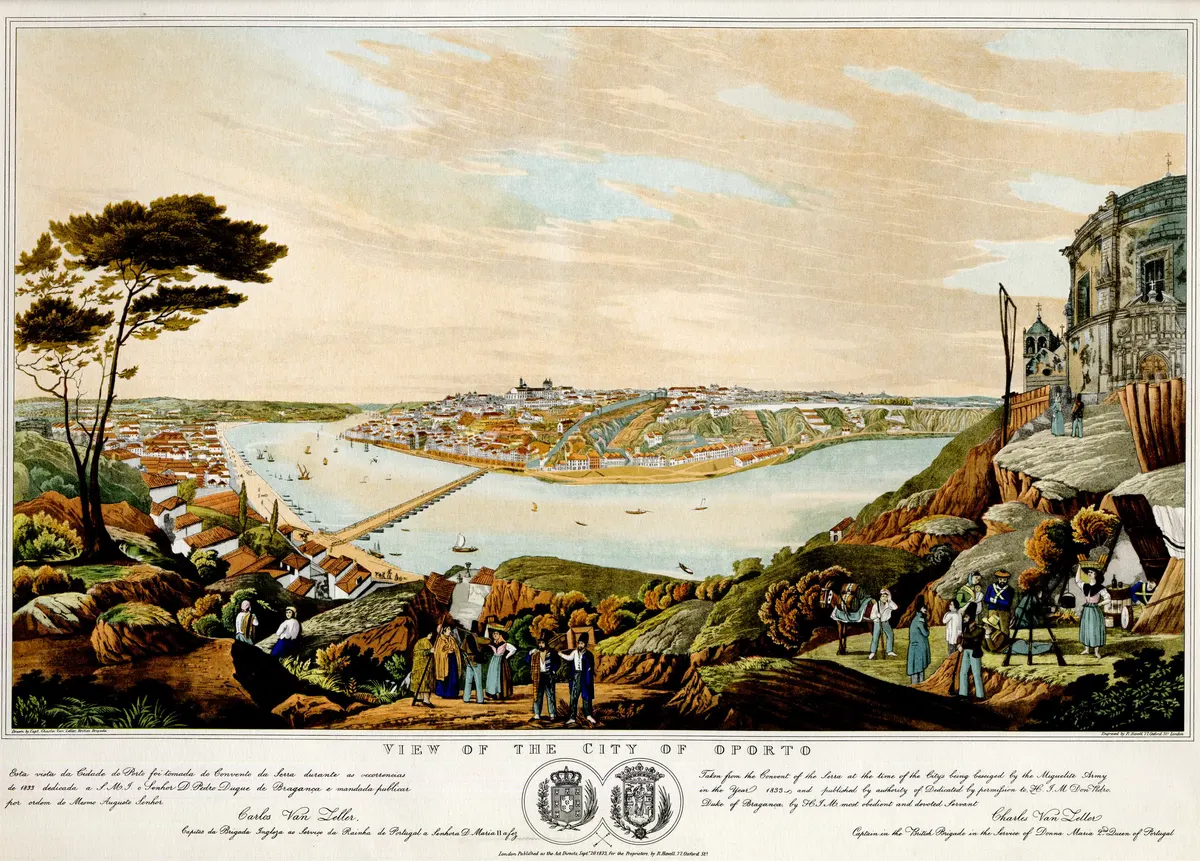
1832–1833 · The Siege of Porto
For about a year and a half the liberal city withstands the siege by Miguelist troops, amid famine, cholera and bombardment. D. Maria II grants it the title of Invicta, which became a lasting nickname.
1877–1886 · The iron bridges
The Maria Pia Bridge, designed in Gustave Eiffel's office, opens on November 4, 1877 for the railway. Théophile Seyrig designs the Luís I Bridge, opened in 1886, with a 172 m arch and two stacked decks.
1996–2005 · UNESCO, the metro and culture
The historic center joins the UNESCO list in 1996; in 2001 Porto is European Capital of Culture, the metro opens in December 2002, and the Casa da Música, by Rem Koolhaas, in April 2005. The city redirects its economy toward services and visitors.
2013–2026 · Tourism, construction and urban pressure
Low-cost flights and short-term rentals fill the center; the airport has passed about 16 million passengers a year and the Bolhão Market reopened on September 15, 2022 after four years of work. The tourist tax rose from €2 to €3 a night in December 2024, brought in about €32.3 million in 2025, and the city council is weighing €4.
Complete history
The site exists because of the river
The city grew from the river. An Iron Age hillfort settlement occupied the Pena Ventosa hill, and the Romans set up Portus Cale there, a trading post on the last navigable bend of the Douro before the sea. In 868 the Galician noble Vímara Peres takes the region and organizes the County of Portucale, which lends its name to the kingdom founded in the 12th century. In 1120 Countess D. Teresa grants the city to Bishop D. Hugo, and in 1123 he gives it a charter: for three hundred years Porto will be a bishop's lordship, with the merchants of the Ribeira in permanent conflict with the bishopric. The Fernandine wall, begun in 1336 and finished in 1376, still has stretches visible above the Cais da Estiva.
The Atlantic turn at the end of the 14th century
The Atlantic turn comes at the end of the 14th century. In 1387 D. João I marries Philippa of Lancaster at the Cathedral, sealing the English alliance of the Treaty of Windsor; in 1394 Prince Henry the Navigator is born in the city, whose birth house, the Casa do Infante, was actually the royal customs house. In 1415 the shipyards of the Ribeira arm the fleet for Ceuta, the episode that tradition made the origin of the nickname tripeiros. In the 17th and 18th centuries Brazilian gold and colonial trade finance the city's baroque boom: the gilded woodwork of the Church of São Francisco, the works of the Italian Nicolau Nasoni, who arrives in 1725, and the Clérigos Tower, built between 1754 and 1763.
The Methuen Treaty
The wine trade brought the English to the city. The Methuen Treaty of 1703 gives Portuguese wine preferential tariffs in England in exchange for English textiles entering the market, and British merchants settle in the city. The Feitoria Inglesa, from 1790, still operates on Rua do Infante D. Henrique. In 1756 Pombal creates the Companhia Geral da Agricultura das Vinhas do Alto Douro and demarcates the Douro region with stone markers, the world's first regulated wine boundary; the popular revolt against the monopoly, in 1757, was put down with hangings. Wine came down the river in rabelo boats to the cellars of Vila Nova de Gaia, a practice that only ended in the 1960s, when dams on the Douro made the river navigable a different way.
Portugal's political city
The 19th century made Porto Portugal's political city. Soult occupies the city in 1809 and the tragedy of the Ponte das Barcas kills hundreds of civilians; on August 24, 1820 the Liberal Revolution begins there; between 1832 and 1833 the city withstands the Siege of Porto against absolutist forces and receives the title of Invicta from D. Maria II. Industry follows: textiles and metalworking in Bonfim and Campanhã, and the ilhas: rows of tiny houses built in the backyards of the bourgeoisie to house workers, a type of housing that still exists. The railway arrives with the Maria Pia Bridge in 1877, the Luís I Bridge opens in 1886, São Bento Station is completed in 1916, and in January 1919 the city lives through the few weeks of the Monarchy of the North.
It shrank before it became a destination
In the 20th century Porto shrank before it became a destination. Emigration to France in the 1960s and 1970s, suburbanization, and the cost of restoration emptied out the center: the municipality fell from about 327,000 residents in 1981 to about 232,000 in 2021, with whole buildings shuttered in the Baixa. Joining the EEC in 1986, the UNESCO listing in 1996, and being European Capital of Culture in 2001 financed the turnaround: the metro in 2002, the Casa da Música in 2005, the redesign of Avenida dos Aliados by Siza Vieira and Souto de Moura in 2006. From 2013 on, with low-cost flights and short-term rentals, the flow reversed: population climbed back to about 253,000 in 2024, the Bolhão reopened in 2022, the tourist tax rose to €3 a night in December 2024, and housing prices became the central political issue. The metro's Ruby Line, with a new crossing of the Douro, was pushed back to 2028.
The Bolhão Market reopened on September 15, 2022, after four years of work.
Geography and shape of the city
Porto: 41.4 km² of sheer granite above the Douro
Porto sits on the right bank of the Douro, on a granite outcrop that drops nearly straight down to the river: from the Batalha, at about 80 m elevation, to the Cais da Ribeira, at about 5 m, it's just a few hundred meters of street, handled with stairs, alleys, and the Guindais Funicular. The municipality covers only 41.4 km², one of the smallest in Portugal by area, which explains why the city feels bigger than its population suggests: people who work there live in Gaia, Matosinhos, Maia, or Gondomar.
From the Cathedral to Boavista: the city's three layers
The urban fabric reads in three legible layers: the medieval core around the Cathedral and the Ribeira, within the Fernandine wall; the 19th-century liberal city on the ridge, with the straight streets of Santa Catarina, Cedofeita, and Aliados; and the 20th-century expansion along Avenida da Boavista, which runs about 5.5 km in a straight line from the Mouzinho de Albuquerque roundabout to the sea.
Rain and the nortada
The climate is oceanic temperate (Köppen Csb), with about 1,200 mm of rain a year concentrated between October and March, mild summers, and the nortada, the northwest wind that rises in the afternoon in summer and knocks down the perceived temperature.
Avenida da Boavista runs straight to the sea: 5.5 km.
Culture
The faculty of Siza and Souto de Moura
The Porto School, formed at the University of Porto's Faculty of Architecture, produced Portugal's only two Pritzker Prize winners: Álvaro Siza Vieira (1992), author of the Serralves museum, the Leça tide pools, and the Nadir Afonso Foundation, and Eduardo Souto de Moura (2011), of the Porto Metro and, with Siza, the redesign of Avenida dos Aliados. The earlier architectural heritage is baroque and Italian, signed by Nicolau Nasoni between 1725 and 1773, and the most visible one is the tiled façade, a technique that covered the city from the 19th century on because it protects the granite from damp. Contemporary art clusters at Serralves and on Rua de Miguel Bombarda, the city's gallery district.
On screen, it's Manoel de Oliveira
On screen, Porto is Manoel de Oliveira (1908–2015), born in the city, who debuted with the silent documentary “Douro, Faina Fluvial” (1931), about work on the river, and filmed “Aniki-Bóbó” (1942) with children of the Ribeira, when the neighborhood was still working-class. In literature, Camilo Castelo Branco wrote “Amor de Perdição” in 1861 while jailed at the Cadeia da Relação, today the Portuguese Center of Photography; Sophia de Mello Breyner Andresen was born in Porto in 1919, and Agustina Bessa-Luís directed the Teatro Nacional São João. In music, the city has the Porto Symphony Orchestra at Casa da Música and is home to Rui Veloso, whose album “Ar de Rock” (1980) launched the boom in rock sung in Portuguese, and to Ornatos Violeta, a band from the 1990s. Since 2012, NOS Primavera Sound has taken place at Parque da Cidade.
FC Porto: founded in 1893, European champion in 1987
Soccer organizes the calendar and the conversation. FC Porto, founded in 1893, plays at the Estádio do Dragão (opened 2003, about 50,000 seats, designed by Manuel Salgado) and won the European Champions' Cup in 1987 and the Champions League in 2004 with José Mourinho. Boavista, from the district of the same name, was national champion in 2001 and plays at the Bessa. Nightlife happens standing up and in the street, especially around Galerias de Paris and Rua Cândido dos Reis, where people drink on the sidewalk late into the night: since 2018 municipal noise rules have shut down street drinking at set hours.
If FC Porto plays at the Estádio do Dragão during your stay, it's worth going for the match and for the crowd of a club that was European champion in 1987 and in 2004.
Festivals and events
São João
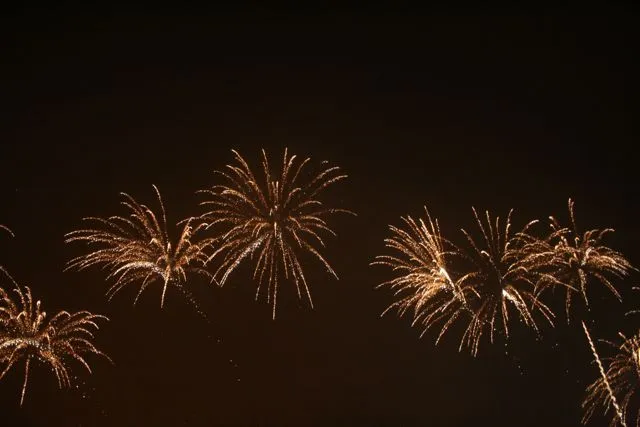
The night of June 23 to 24, the city's biggest festival. People bop each other on the head with plastic hammers and leeks, eat grilled sardines and meat in the streets of Miragaia, Fontainhas, and Ribeira, and there are fireworks over the Douro at midnight. On the 24th, rabelo boats race between Gaia and the river mouth. Hotels fill up months in advance.

NOS Primavera Sound
Early June, at Parque da Cidade, since 2012. A three-day festival with an international lineup of rock, electronic, and pop; the park is a 15-minute walk from Matosinhos beach.

Serralves em Festa
Late May or early June: about 40 straight hours of free programming in art, dance, circus, and music at the Serralves Foundation's park and museum, most of it outdoors.
 AI illustration
Fantasporto
Porto's International Film Festival, in February or March, dedicated to fantasy and horror since 1981. Screenings at Teatro Rivoli, downtown.

Queima das Fitas
First half of May: the University of Porto's academic festival, with a parade of floats down Avenida dos Aliados and a week of concerts at the Queimódromo, next to Parque da Cidade.
Books and films
“Aniki-Bóbó” (1942), by Manoel de Oliveira
The director's first feature, filmed in the Ribeira with local kids when it was still poor and working-class. It shows the city's topography (stairs, walls, the river as backdrop to everything) before any tourism.
“Amor de Perdição” (1862), by Camilo Castelo Branco
A novel written in 1861 while the author was jailed at the Cadeia da Relação do Porto, today the Portuguese Center of Photography. It gives the measure of the morals, the families, and the social geography of the 19th-century city.
“Ar de Rock” (1980), by Rui Veloso
The first album by Rui Veloso, who grew up in Porto, with lyrics by Carlos Tê, launched the boom in rock sung in Portuguese. Its best-known track, “Chico Fininho,” portrays a young man in Baixa’s nightlife in the years after the end of the Estado Novo.
Frequently asked questions
Porto: How much does the metro from the airport to downtown cost?
The ticket is zone Z4 (about €2.30) plus €0.60 for the Andante Azul card, which is reusable through the end of the trip.
Porto: How do you get to the Douro Valley by train?
The Douro Line train leaves from São Bento or Campanhã and takes about 2h to Peso da Régua and 2h30 to Pinhão, with the last hour running right along the river. The quintas that offer visits with tastings sit up on the hillside, far from the stations, and call for a taxi or an organized tour; if you just want the scenery, get off at Pinhão and have lunch there.
Porto: How much do coffee, wine and a meal cost?
In 2026, the cimbalino (the espresso) at the counter costs €0.80 to 1.20, the fino (the small draft beer) €1.50 to 2.50, a glass of Port wine €3 to 6, the lunch dish of the day €8 to 13, a francesinha €12 to 18, dinner at a mid-range restaurant €20 to 35 per person with a drink, and a cellar visit with a tasting €20 to 35.
Porto: What's the best time to go?
Go in May and June, or from September to early October, with 20 to 25°C, long days and occasional rain. Avoid November, the rainiest month, and, if you don't want to pay double for lodging, São João week, on June 23 and 24.
Porto: How do you order a small draft beer at the counter?
In Porto the small draft beer glass is called a fino; imperial is Lisbon's word, and using it gives you away right away as coming from the south, or from a guidebook. It costs €1.50 to 2.50 at the counter.
Other cities in the country
Portugal ↗- Days
- 3–4
- When
- Apr–Jun · Sep–Oct
- Per person/day
- Average 130–200 EURMid-range · per person/day
Cost scope
Per person per day: accommodation, meals, urban transport, visits and a small allowance for extras. Flights excluded; larger purchases vary. Editorial estimate, not a quote.
- Days
- 4–5
- When
- Apr–Jun · Sep–Oct
- Per person/day
- Average 116 EURMid-range · per person/day
Cost scope
Per person per day: accommodation, meals, urban transport, visits and a small allowance for extras. Flights excluded; larger purchases vary. Editorial estimate, not a quote.
- Days
- 3–4
- When
- May–Jun · Sep–Oct
- Per person/day
- Average 143 EURMid-range · per person/day
Cost scope
Per person per day: accommodation, meals, urban transport, visits and a small allowance for extras. Flights excluded; larger purchases vary. Editorial estimate, not a quote.
- Days
- 5–6
- When
- Jun–Sep
- Per person/day
- Explore costsGuide estimate
Cost scope
Per person per day: accommodation, meals, urban transport, visits and a small allowance for extras. Flights excluded; larger purchases vary. Editorial estimate, not a quote.