Chile
Puerto Varas
Lake Llanquihue, wooden houses from the German settlement and the Petrohué rapids at the foot of Osorno
Days Start with the basic programme and choose extensions for the time you have.
How the guide reaches this number
I'd use the first to cover the Costanera, the Iglesia del Sagrado Corazón, the wooden houses of the Zona Típica, Cerro Philippi, the Molino Machmar and the Museo Pablo Fierro, ending the afternoon at a kuchen pastry shop. I'd give the whole second day to the Ruta 225, adding the Laguna Verde, the Saltos del Petrohué, the shore of Lake Todos los Santos and the climb to the Centro de Montaña Volcán Osorno. On the third day, I'd go in the morning to Frutillar to walk the waterfront, visit the Museo Colonial Alemán and see the Teatro del Lago, stopping on the way back at the Museo Antonio Felmer, in Nueva Braunau. Anyone with a fourth day can sail to Peulla or head down to the Reloncaví Estuary and Cochamó; to see Chiloé beyond Ancud, I'd book nights on the island itself instead of spending almost eight hours of road and ferry on a day trip.
3
When October to April; the December-to-February summer brings average highs near 20 °C and longer days for seeing Osorno's cone, while from May to August it rains most days of the week and the lake boats run on reduced schedules.
How the guide reaches this number
The best time runs from October to April, when days are longer, temperatures milder and the chance of seeing Osorno Volcano's cone without clouds goes up. At the height of summer (January and February), average highs are around 20 °C, the sun sets after 9 p.m. and the Semanas Musicales take place in neighboring Frutillar, but January and February also concentrate the Chilean school holidays, slow traffic on the Ruta 225 to Ensenada and higher lodging rates. October, November, March and April balance smaller crowds at the viewpoints with good walking conditions: in spring the roses of the center bloom, along with the yellow gorse (espinillo) on the roads; in April the beeches and lengas on the slopes turn orange. From May to August is the rainy winter: the highest temperature is near 10 °C, it rains on a good share of the days and the lake boats run shorter schedules, although the Centro de Montaña Volcán Osorno gets snow for skiing when the weather opens up. In any month of the year, bring a waterproof jacket and a windbreaker in your backpack.
Per person/day Budget around CLP52,500; mid-range around CLP121,000; comfortable around CLP247,000 per person per day, based on spending reported by travelers to Budget Your Trip (checked October 2026).
How the guide reaches this number
Indicative figures, excluding travel to the destination.
Budget around CLP52,500; mid-range around CLP121,000; comfortable around CLP247,000 per person per day, based on spending reported by travelers to Budget Your Trip (checked October 2026). Indicative figures, excluding travel to the destination.
Per person per day: accommodation, meals, urban transport, visits and a small allowance for extras. Flights excluded; larger purchases vary. Editorial estimate, not a quote.
 What Nilo thinks
I'd stay three full days in Puerto Varas. I'd use the first to cover the Costanera, the Iglesia del Sagrado Corazón, the wooden houses of the Zona Típica, Cerro Philippi, the Molino Machmar and the Museo Pablo Fierro, ending the afternoon at a kuchen pastry shop. I'd give the whole second day to the Ruta 225, adding the Laguna Verde, the Saltos del Petrohué, the shore of Lake Todos los Santos and the climb to the Centro de Montaña Volcán Osorno. On the third day, I'd go in the morning to Frutillar to walk the waterfront, visit the Museo Colonial Alemán and see the Teatro del Lago, stopping on the way back at the Museo Antonio Felmer, in Nueva Braunau. Anyone with a fourth day can sail to Peulla or head down to the Reloncaví Estuary and Cochamó; to see Chiloé beyond Ancud, I'd book nights on the island itself instead of spending almost eight hours of road and ferry on a day trip.I'd pick Puerto Varas for the way Lake Llanquihue and the volcanoes organize everything you do in and around the city. From the Costanera itself, without boarding a boat, you can already see the symmetrical cone of Osorno Volcano and the truncated silhouette of Calbuco across more than 800 km² of water. A few blocks above the shore, the blocks of the Zona Típica show how 19th-century German immigration adapted to the rainforest of southern Chile, with board houses, roofs of alerce shingles and a church clad in iron sheets.
Read more
What makes the city a good base is the short distance between those two worlds. The same shore that serves once with murta kuchen leads, along the Ruta 225, to the Valdivian forest of Vicente Pérez Rosales National Park, the oldest in Chile, where the Petrohué River runs turquoise over black lava and the road climbs to the snow of Osorno. In the other direction, Frutillar adds the Teatro del Lago to the same stay, without making you change hotels.
Quick facts
- Population
- 52,942 inhabitants in the commune of Puerto Varas, according to the 2024 census of the Instituto Nacional de Estadísticas (INE); there were 44,578 in the 2017 census.
- Founding
- Official settlement began in 1852–1853 on the shores of Lake Llanquihue; the town of Puerto Varas was created by decree on October 30, 1897, named after the minister Antonio Varas.
- Country and region
- Chile, Los Lagos Region, Llanquihue Province, on the southwestern shore of Lake Llanquihue, at about 60 m above sea level.
- Language
- Chilean Spanish; German terms remain in the food vocabulary and in street and family names.
- Currency
- Chilean peso (CLP); about CLP 964 per dollar at the September 24, 2026 reference rate.
- Time zone
- America/Santiago: UTC-4 on standard winter time and UTC-3 on daylight saving time, from early September to early April.
- Best time to go
- October to April; the December-to-February summer brings average highs near 20 °C and longer days for seeing Osorno's cone, while from May to August it rains most days of the week and the lake boats run on reduced schedules.
- Average daily cost
- Budget around CLP52,500; mid-range around CLP121,000; comfortable around CLP247,000 per person per day, based on spending reported by travelers to Budget Your Trip (checked October 2026). Indicative figures, excluding travel to the destination.
When to go
October to April; the December-to-February summer brings average highs near 20 °C and longer days for seeing Osorno's cone, while from May to August it rains most days of the week and the lake boats run on reduced schedules.
May
6° to 13°C
181 mm of rain
June
4° to 11°C
213 mm of rain
July
4° to 10°C
177 mm of rain
August
4° to 11°C
175 mm of rain
September
4° to 13°C
116 mm of rain
How the year changes
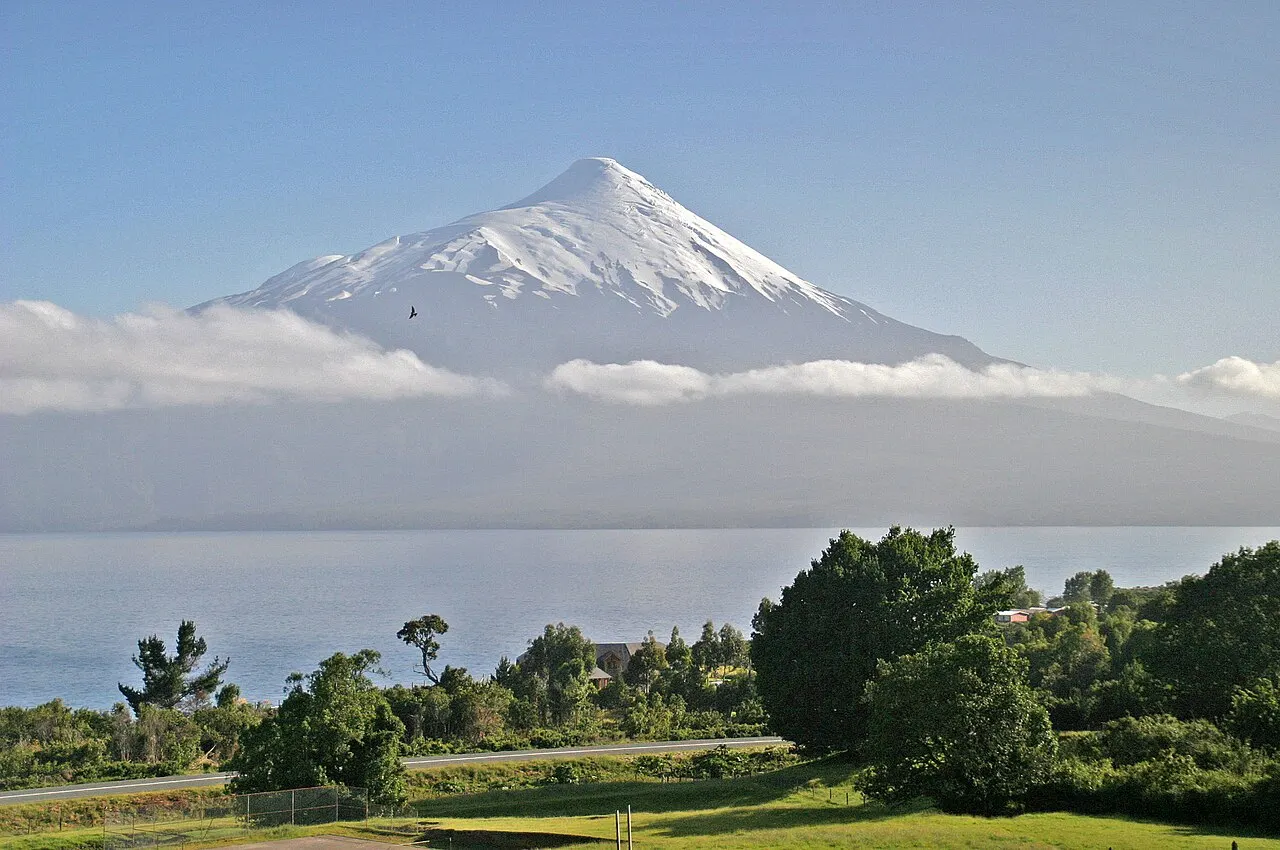
The best time runs from October to April, when days are longer, temperatures milder and the chance of seeing Osorno Volcano's cone without clouds goes up. At the height of summer (January and February), average highs are around 20 °C, the sun sets after 9 p.m. and the Semanas Musicales take place in neighboring Frutillar, but January and February also concentrate the Chilean school holidays, slow traffic on the Ruta 225 to Ensenada and higher lodging rates. October, November, March and April balance smaller crowds at the viewpoints with good walking conditions: in spring the roses of the center bloom, along with the yellow gorse (espinillo) on the roads; in April the beeches and lengas on the slopes turn orange. From May to August is the rainy winter: the highest temperature is near 10 °C, it rains on a good share of the days and the lake boats run shorter schedules, although the Centro de Montaña Volcán Osorno gets snow for skiing when the weather opens up. In any month of the year, bring a waterproof jacket and a windbreaker in your backpack.
The same numbers as a table
| Month | Temperature °C | Rain mm |
|---|---|---|
| January · | 9 to 20 | 77 |
| February · | 9 to 20 | 69 |
| March · | 8 to 18 | 99 |
| April · | 7 to 15 | 142 |
| May | 6 to 13 | 181 |
| June | 4 to 11 | 213 |
| July | 4 to 10 | 177 |
| August | 4 to 11 | 175 |
| September | 4 to 13 | 116 |
| October · | 5 to 15 | 121 |
| November · | 7 to 17 | 102 |
| December · | 8 to 19 | 93 |
Nilo's tips
Swap the order of the days according to the clouds
In Puerto Varas, the most common mistake is tying the trip to Osorno Volcano and the Saltos del Petrohué to a fixed day and running into thick fog. I'd check the Costanera early on the first morning: if Osorno's cone is clear, I'd save the walk among the houses of the center for a cloudy day and take the Ruta 225 right then.
Buy the Saltos del Petrohué at pasesparques.cl before leaving
The Saltos del Petrohué ticket is sold through CONAF's platform, and the last entry is at 5 p.m. I'd issue the pass the night before on the official site and save the confirmation as a screenshot on my phone.
Compare a rental car and the minibus depending on Osorno Volcano
To go only to Frutillar or as far as the gate of the Saltos del Petrohué and the port of Lake Todos los Santos, the minibuses that leave from San Bernardo street do the job well and cost little. But they don't climb the mountain road to the Osorno Volcano station: if you want to combine the rapids, the lake and the climb up the volcano in a single day, I'd rent a car for 24 hours or book a tour.
Ask about the VAT exemption before booking the hotel
If you are a foreign tourist with no residence in Chile, I'd ask when booking whether the hotel is registered with the Servicio de Impuestos Internos for the 19% VAT exemption and how to pay in foreign currency with an export invoice. At check-in, bring your passport and the proof of entry into the country; paying in Chilean pesos charges the tax.
Explore the map
Explore the map, read about the other places and plan your travel days in the app.
Open the appWhat to see
Iglesia del Sagrado Corazón de Jesús
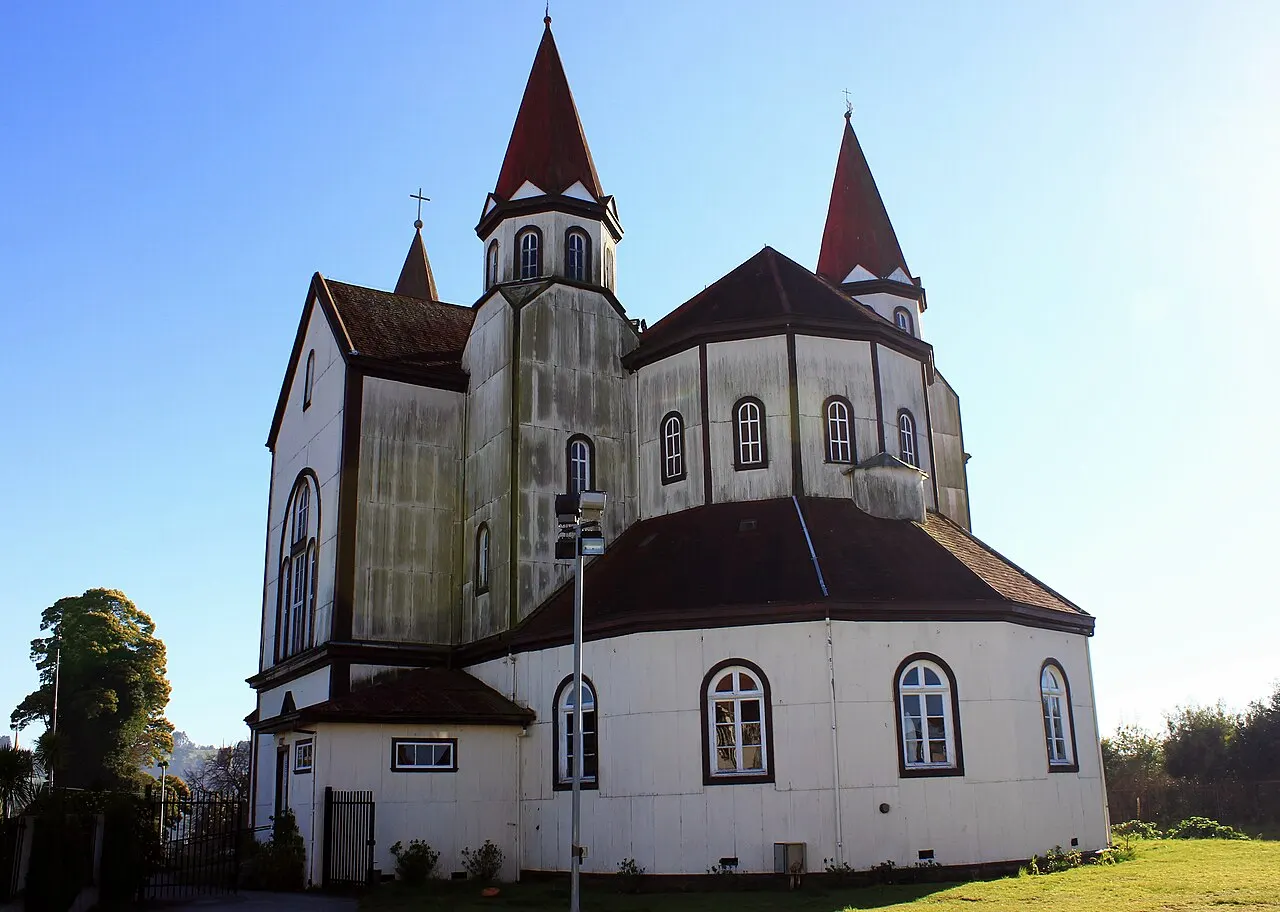
Built between 1915 and 1918 on a hill above the center, the parish church was designed by Edmundo Niklitschek and Bernardo Klenner after the Marienkirche in Germany's Black Forest. The frame is ulmo and roble, the interior is lined with mañío and laurel and, outside, the church is clad in iron sheets, with a roof of alerce shingles. The façade is dominated by a tall tower with a three-sided clock, the city's visual landmark seen from the Costanera. It was declared a Historic Monument in 1992. The hours when the nave is open outside Mass are not published: check at the door.
Check access
Costanera de Puerto Varas
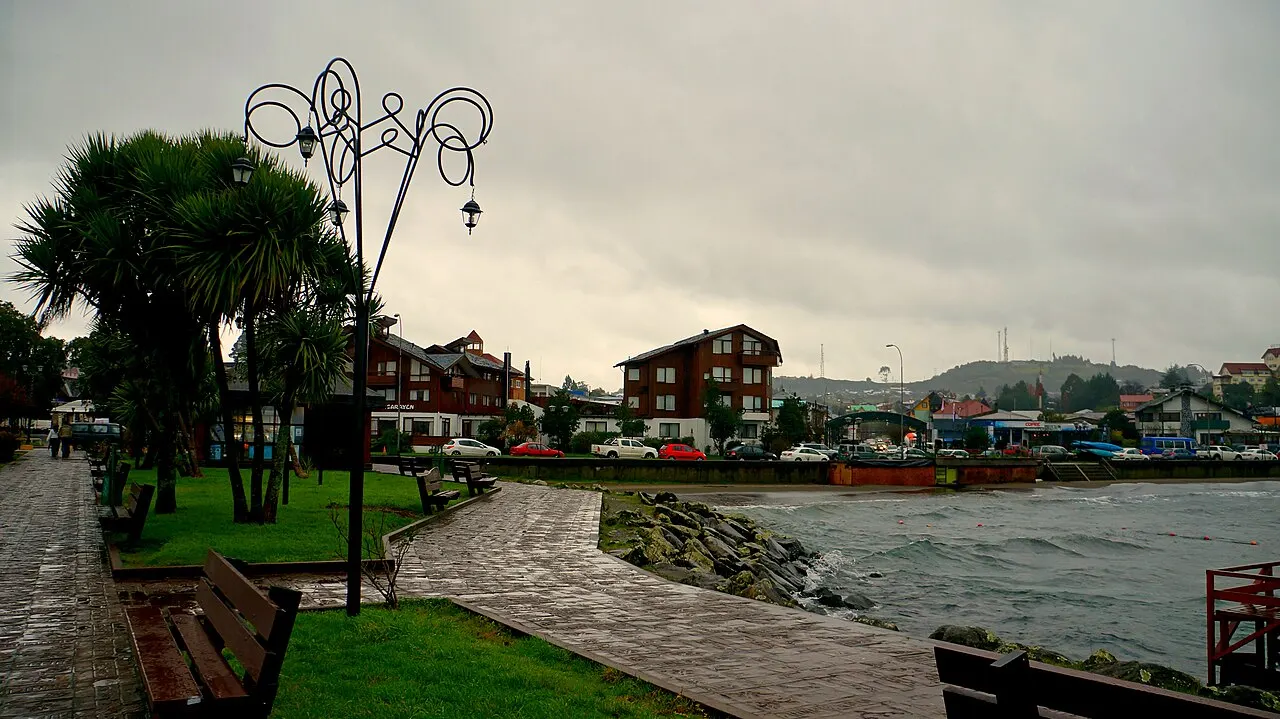
The public promenade follows the southwestern shore of Lake Llanquihue from the center to Puerto Chico, where the municipal beach resort is. Along the walkway are the Muelle Piedraplen, beaches of dark volcanic sand and benches facing the Osorno and Calbuco volcanoes, which show up whole on clear days. The walk is flat and free, and it is the best spot in town to check in the morning whether Osorno's cone is clear.
Check access
Saltos del Petrohué
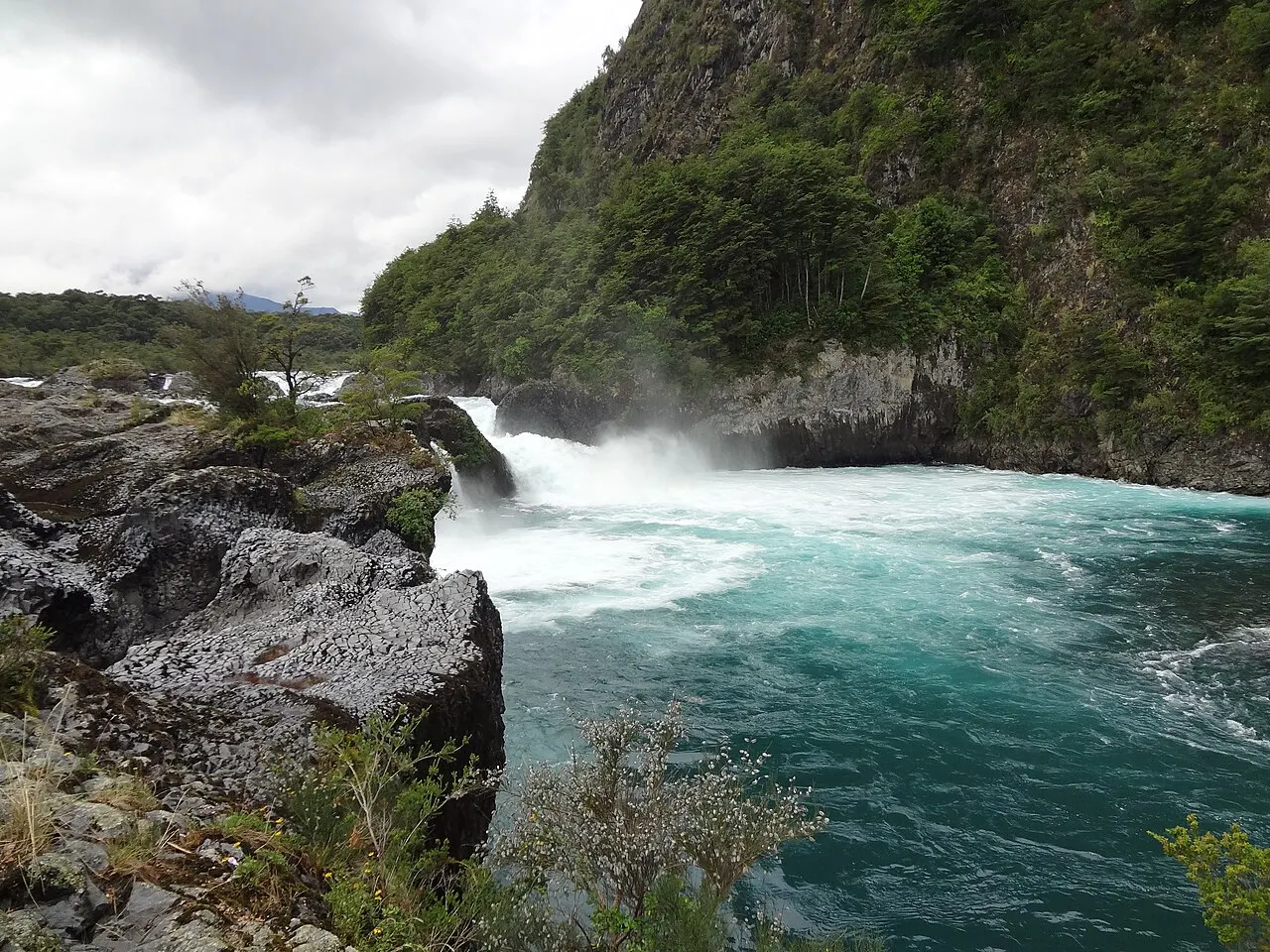
Located 56 km east of Puerto Varas along the Ruta 225, inside Vicente Pérez Rosales National Park, the rapids form where the emerald-green Petrohué River narrows over channels of basaltic lava left by ancient eruptions of Osorno Volcano. Walkways lead in 30 to 45 minutes to the main viewpoints, with Osorno's cone right behind. The park is open every day from 9 a.m. to 6 p.m., with last entry at 5 p.m., and the ticket is bought in advance at pasesparques.cl, CONAF's platform. The 2026 fares are CLP 8,200 for a foreign adult (including seniors and people with disabilities) and CLP 4,500 for ages 13 to 17; for Chileans, CLP 3,900 for an adult and CLP 2,800 for ages 13 to 17, with free entry for seniors and people with disabilities. Children up to age 12 do not pay. Check the current fare in the system before buying.
Check access
Lago Todos los Santos
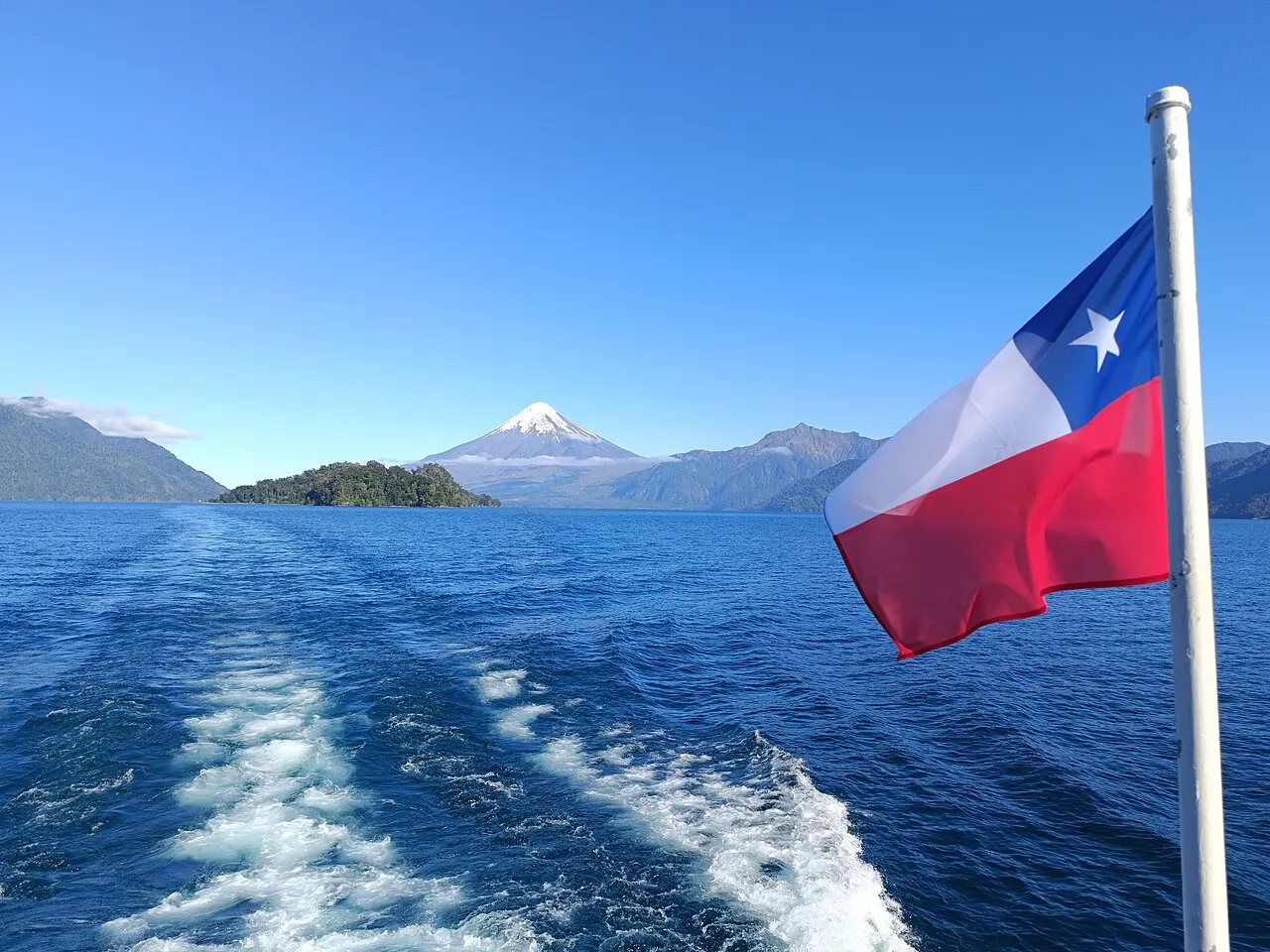
Six km past the Saltos del Petrohué, at the end of the Ruta 225 (km 62), the road ends at the port of Petrohué, on the western shore of Lake Todos los Santos, also called Lago Esmeralda for the color of its water, surrounded by dense Valdivian forest and by the Osorno, Puntiagudo and Tronador volcanoes. From the volcanic-sand beach leave short 30- to 45-minute boat rides around the bay and the all-day catamaran to the eco-village of Peulla, which is also part of the Chilean stretch of the Cruce Andino toward Bariloche. Walking along the shore is free; the boats charge a fare and depend on wind conditions.
Check access
Volcán Osorno
At 2,652 m, the stratovolcano separates Lake Llanquihue from Lake Todos los Santos. From Ensenada, a paved mountain road climbs to the Centro de Montaña Volcán Osorno, where there are a cafeteria, ski runs in winter and chairlifts (telesillas), paid separately, that take you to higher viewpoints when the wind allows. You don't need to ski or climb to visit the base: from the cafeteria you can already see Lake Llanquihue, Calbuco and the Petrohué valley. The operator's website did not respond when checked in October 2026, so confirm the price and operation of the chairlifts with the mountain center and, in winter, whether the road requires snow chains.
Check access
Cerro Philippi
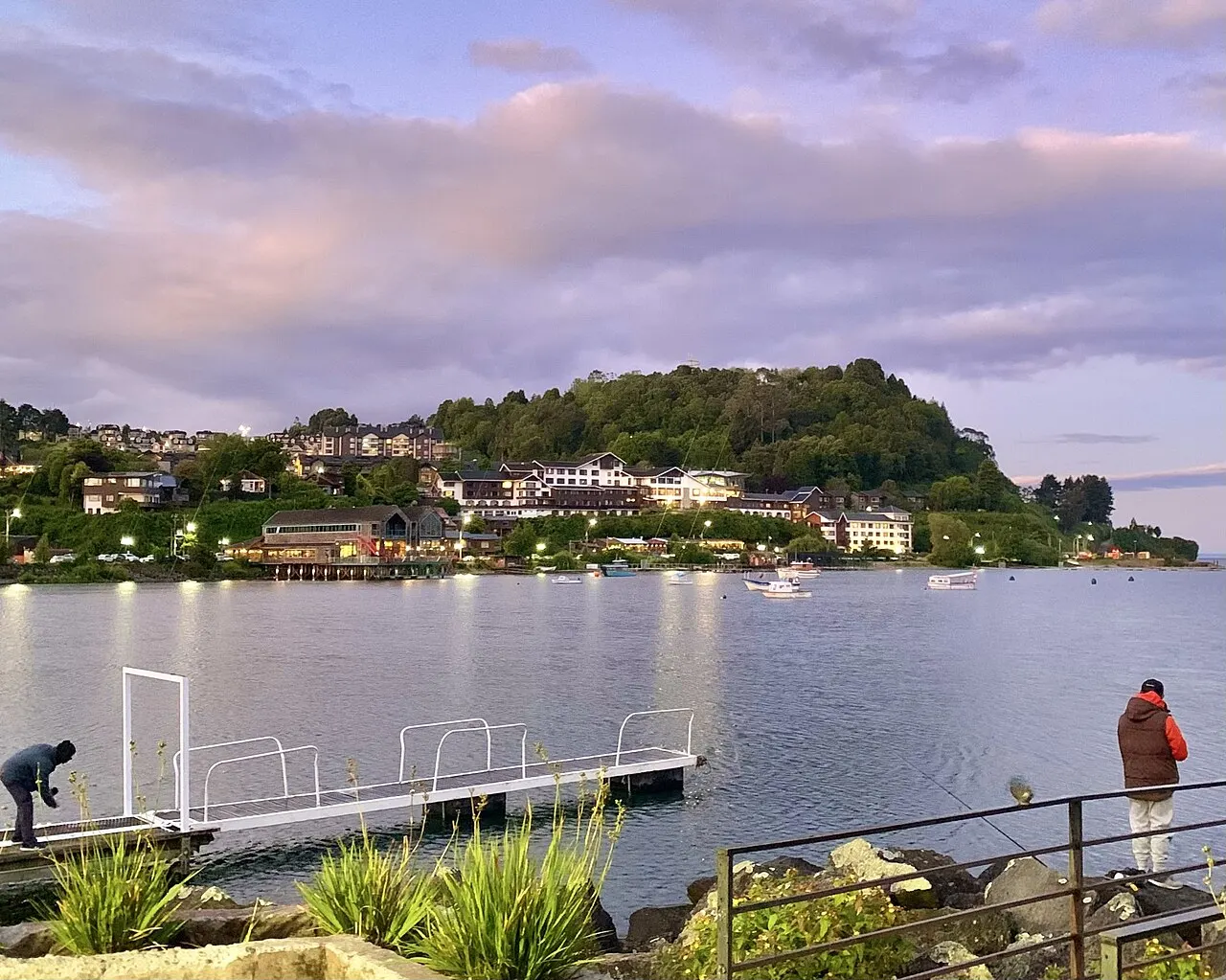
A wooded urban park that preserves a fragment of native forest and introduced species just above the Barrio Patrimonial, named in memory of the naturalist and colonizer Bernhard Eunom Philippi. A short zigzag trail leads in about 15 to 20 minutes to the iron cross at the top, with a view of the rooftops of the historic houses in the foreground, the bay of Lake Llanquihue and the volcanoes. The main access is on Klenner street and is free; after heavy rain the mud calls for closed shoes.
Check access
Museo Pablo Fierro
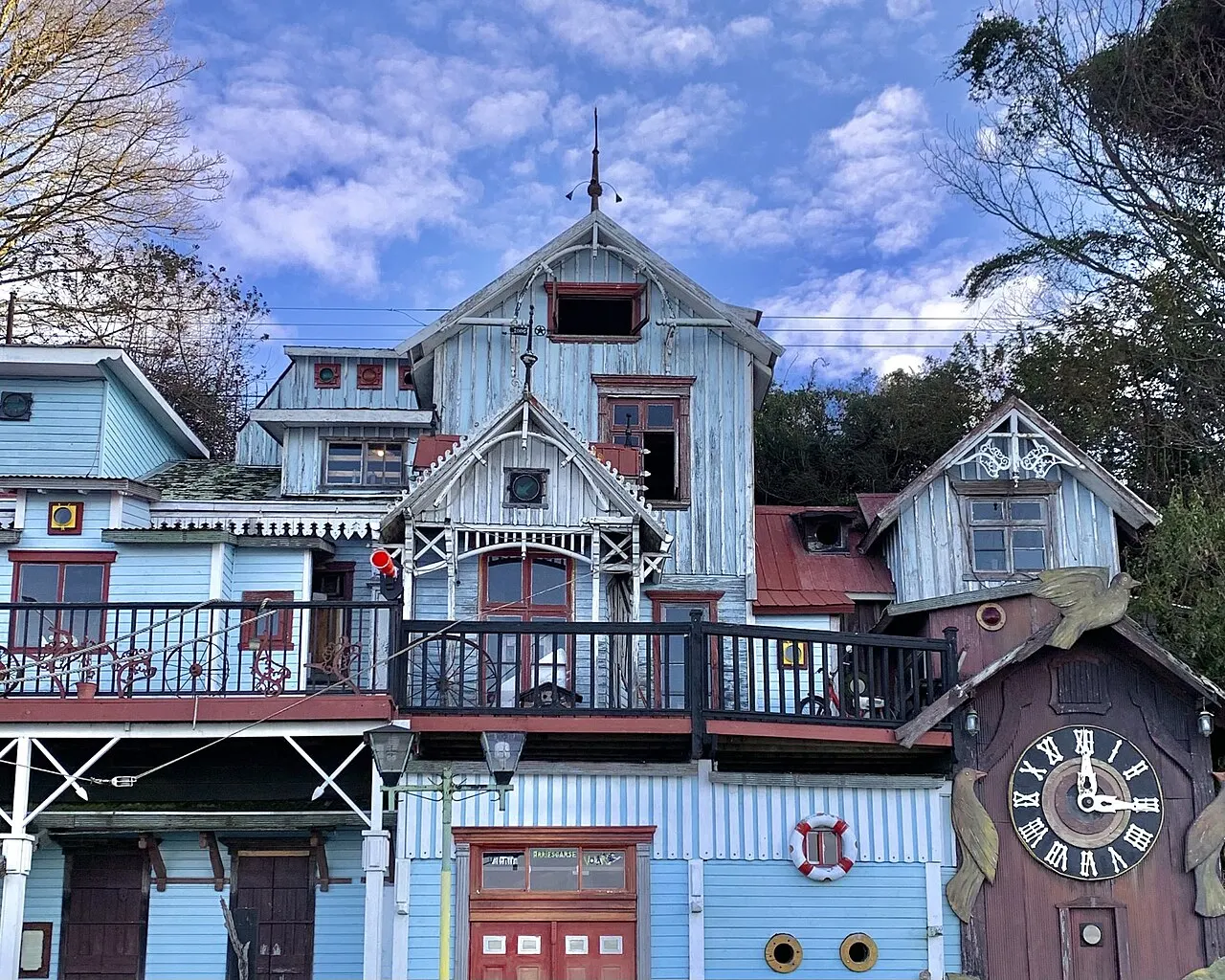
On the Costanera, the avenue Vicente Pérez Rosales, less than 1.5 km from the Plaza de Armas (about 20 minutes on foot), the artist Pablo Fierro turned a former water-pumping house into a museum of decorated rooms. The façade carries a large cuckoo clock and a boat's prow; inside are vacuum-tube radios, typewriters, cameras and old telephones, the reconstruction of a rural classroom and oil and acrylic paintings by Fierro himself of old houses in southern Chile. Admission is free, with a voluntary contribution. In August 2026, Meteored reported it open Sunday to Friday, from 11:30 a.m. to 7:30 p.m., with no published hours for Saturday; confirm at the door or on the museum's social media before going.
Check access
Centro de Arte Molino Machmar
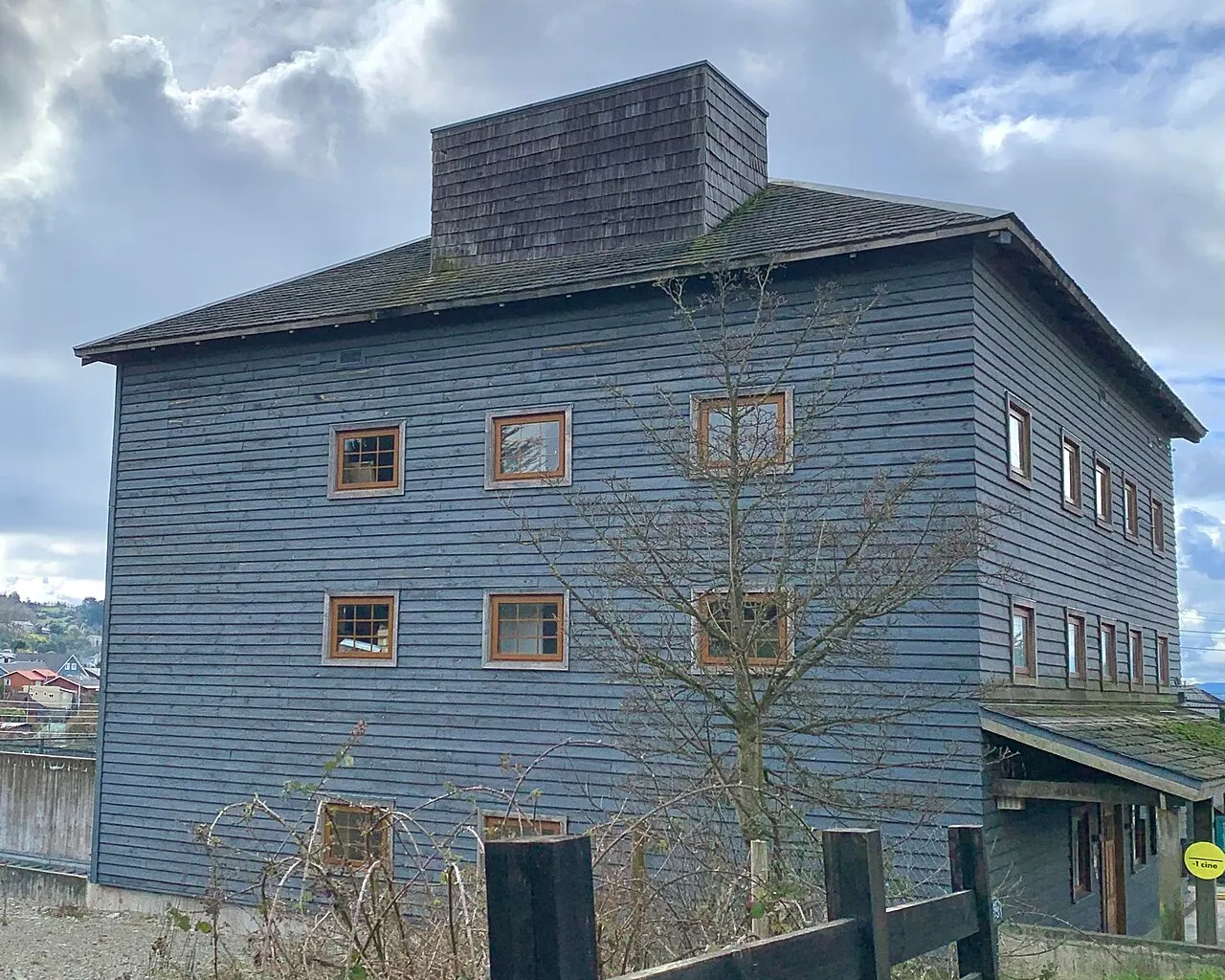
At avenida Gramado 1100, the former mill of Humberto Machmar, which operated throughout the 20th century, was restored starting in 2015 and reopened as an arts center in October 2016. It has two exhibition rooms, one for visual arts and one for volcanology, plus a cinema and a café. When checked in October 2026, the rooms were open Tuesday to Saturday, from 10 a.m. to 7 p.m., and on Sunday from 10 a.m. to 2 p.m.; they are closed on Monday. The website does not say whether the exhibitions charge admission: check the ticket office listed at molinomachmar.cl, which also has the schedule of film screenings, workshops and the Remolino theater festival.
Check access

Casa Kuschel
At Klenner 299, this residence was built between 1915 and 1917 for the family of Franz Joseph Kuschel Gaber; it is a Historic Monument and part of the Zona Típica protected since 1992. The most visible feature is the turret where the two volumes of the house meet, where the entrance is. The interior is occupied by offices and does not receive tourist visits, so the stop is part of the architectural walking circuit, seen from the sidewalk.
Check access
Nilo’s itinerary
Start with the basic programme and choose extensions for the time you have.
Plan my days in the app ↗Day 1 · Costanera, the wooden houses of the Zona Típica and sunset over the lake
Do this day from Tuesday to Friday or on Sunday, when the Molino Machmar and the Museo Pablo Fierro are open. Start the morning walking the Costanera of Puerto Varas from the Muelle Piedraplen to see where the Osorno and Calbuco volcanoes stand over Lake Llanquihue.
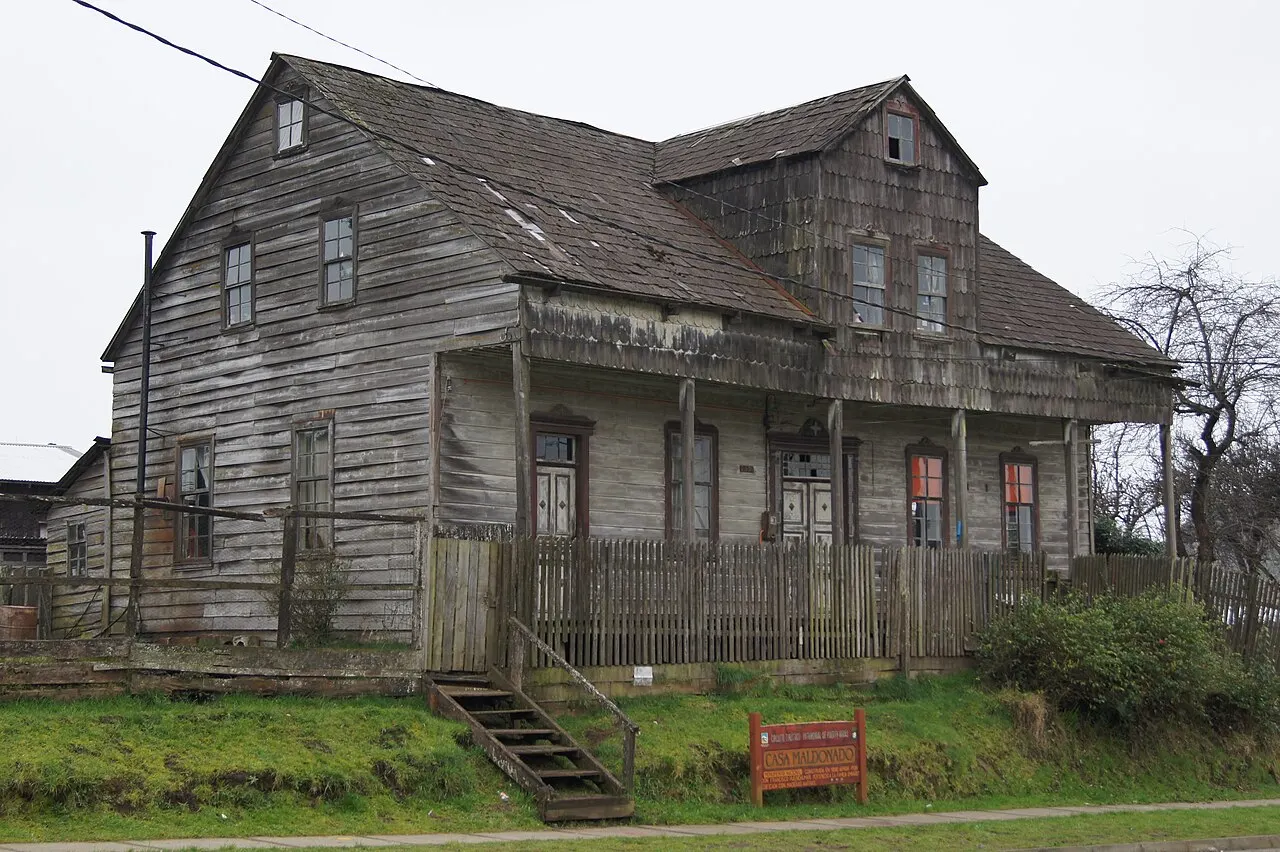
Climb three blocks to the Iglesia del Sagrado Corazón de Jesús and walk the streets Nuestra Señora del Rosario, Klenner and Quintanilla to see the wooden houses of the Zona Típica: the Casa Kuschel, at Klenner 299, the Casa Maldonado, at Quintanilla 852, and the Casa Gotschlich.
Climb the Cerro Philippi trail in 15 to 20 minutes, with access from Klenner street, to the cross viewpoint, and come down to the rooms of the Centro de Arte Molino Machmar, at avenida Gramado 1100 (on Sunday, only until 2 p.m.).
Have lunch with grilled salmon, trout or cancato at a restaurant in the center or on the Costanera.
In the afternoon, walk along the waterfront toward Puerto Chico to the Museo Pablo Fierro, open from 11:30 a.m. to 7:30 p.m. according to the latest published information, and end the day with once of murta or raspberry kuchen at a pastry shop facing the lake.
Day 2 · Saltos del Petrohué, Lake Todos los Santos and the Osorno Volcano station
This day calls for a rental car or a tour, because the minibus does not go up the volcano. With the ticket already bought at pasesparques.cl, leave early along the Ruta 225 following the south shore of Lake Llanquihue, stopping briefly at Playa Venado (km 20) if Osorno's cone is clear.
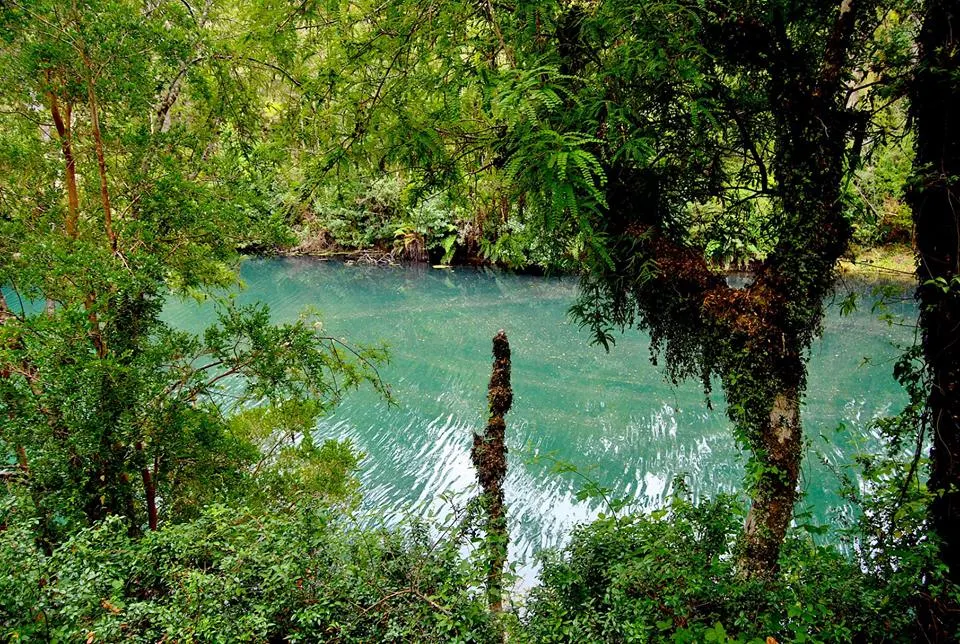
After Ensenada, stop for 20 minutes on the flat Laguna Verde trail and continue to the gate of the Saltos del Petrohué (km 56), which opens at 9 a.m., to walk the walkways over the turquoise rapids early in the morning.
Continue another 6 km to the end of the road at the port of Petrohué, on the shore of Lake Todos los Santos, to walk along the dark volcanic-sand beach or take the short boat ride around the bay.
On the way back to Ensenada, take the mountain road up to the Centro de Montaña Volcán Osorno to have lunch or a coffee looking down at the Llanquihue basin and, if the wind allows, take the chairlift to the upper viewpoint.
Return to Puerto Varas in the late afternoon and try a local craft beer at dinner.
Day 3 · Frutillar, the Teatro del Lago and the rural memory of Nueva Braunau
In the morning, head north to Frutillar (26 km, about 40 minutes on the minibuses that leave from the center or 30 minutes by car) and walk in Frutillar Bajo along the lakeside avenida Philippi, among gardens, historic houses and the wooden pier pointing at Osorno Volcano.
Visit the Museo Colonial Alemán de Frutillar (a park with a reconstructed water mill, forge, bell tower and country house, run by the Universidad Austral de Chile) and check the guided tours or the schedule of the Teatro del Lago, built over the water.
Have lunch or a coffee with kuchen in Frutillar Bajo and return to Puerto Varas in the early afternoon.
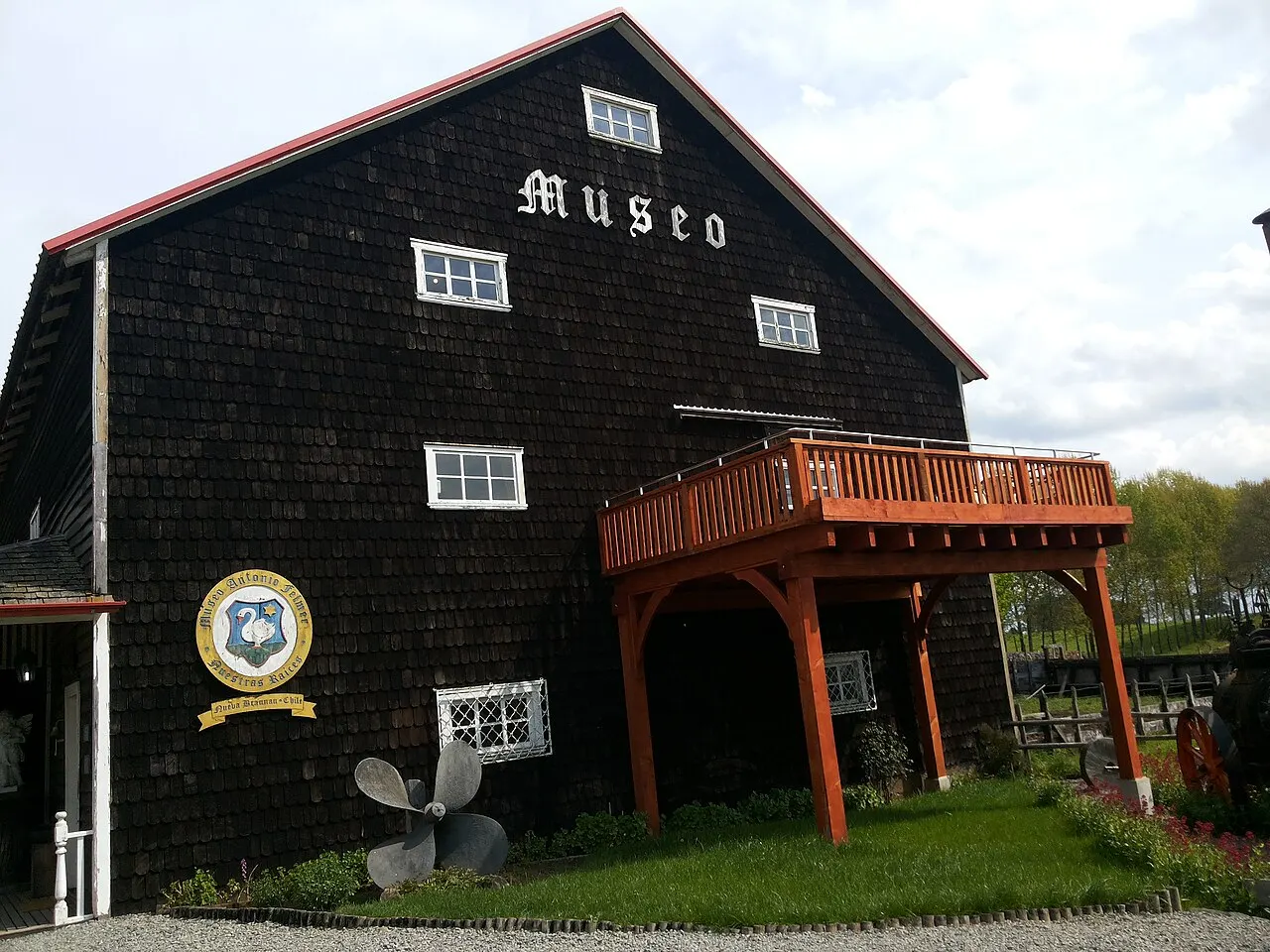
At 4:30 p.m., when the Museo Antonio Felmer reopens after the lunch break, drive along the Ruta V-50 to Nueva Braunau, 9 km west of the center, to see the settlers' tools and objects. The museum closes on Mondays and at 6:30 p.m., so confirm by phone before setting out and return to Puerto Varas for dinner.
Food
Kuchen and German once
A sweet butter-dough tart brought by 19th-century settlers and adapted to the fruit of southern Chile: murta (murtilla), raspberry, blueberry (arándano), blackberry, apple and walnuts, often topped with cream or sweet crumble (streusel). It is part of once, the late-afternoon meal that in the region includes homemade breads, farm cheeses, smoked cold cuts and jams.
Salmon and trout from the lakes and fjords
The Los Lagos Region concentrates Chile's salmon and trout farming, served grilled (a la plancha), smoked, as ceviche or on cold platters in the restaurants of the Costanera and Puerto Chico.
Cancato
A traditional dish of southern Chile and Chiloé baked in the oven, made with a salmon or white fish fillet split open and covered with slices of sausage (longaniza), melted cheese, tomato and onion, served with native potatoes.
Chupe de centolla or shellfish
A creamy baked gratin made with shredded meat of centolla (southern king crab) or of locos and jaiba, bread soaked in milk, cheese and seasonings, served piping hot in a clay bowl (greda) on rainy days.
Craft beer from Lake Llanquihue
The brewing tradition begun by German immigrants in the 19th century has been renewed by microbreweries on the road to Ensenada, in Frutillar and in central Puerto Varas, which produce lager, bock and amber ale styles.
Where to eat
- Centro and Costanera
Tea houses and pastry shops that serve German once with slices of murta, raspberry, blueberry or walnut kuchen, apple strudel and filtered coffee. Choose from the counter of the day's fresh tarts and book a table on rainy late afternoons.
- Costanera and Puerto Chico
Lakeside restaurants specializing in salmon, trout, congrio, baked cancato with sausage and cheese, and chupe de centolla in a clay bowl.
- Ensenada Road (Ruta 225) and Nueva Braunau
Craft breweries and rural restaurants along the south shore of the lake, where roast meats, platters of smoked cold cuts (cecinas) and the region's craft beers come together.
· 2026-10-17
Day trips
Frutillar and the Teatro del Lago
26 km north of Puerto Varas along the Ruta 5 Sur, about 30 minutes by car or 40 minutes on the minibuses that leave from the center of Puerto Varas. Frutillar Bajo preserves a waterfront entirely given over to pedestrians facing Lake Llanquihue, with the Museo Colonial Alemán and the Teatro del Lago, opened in 2010 over the waters of the lake.
Peulla and the Cruce Andino to Bariloche
From Puerto Varas, the tour goes by bus to Petrohué (62 km) and boards the catamaran that crosses Lake Todos los Santos in about 1 hour 45 minutes to the village of Peulla, in the heart of the mountains. It can be done as an all-day round trip from Puerto Varas or as an international crossing to Bariloche, in Argentina, combining four overland legs and three lake crossings (lakes Todos los Santos, Frías and Nahuel Huapi) in one or two days.
Cochamó, Reloncaví Estuary and Termas del Sol
Skirting Ensenada to the south along the Ruta V-69, the road follows the fjord of the Reloncaví Estuary to the village of Cochamó (about 95 km from Puerto Varas, 1 hour 30 minutes by car), with its seaside wooden church and view of Yates Volcano, continuing to Puelo and the slate walkways of the Termas del Sol (about 125 km, 2 hours 15 minutes by car, admission booked separately).
Chiloé Island: Ancud and Castro
For those with a long day, the Ruta 5 Sur leads from Puerto Varas to Pargua (80 km), where continuous ferries cross the Chacao Channel in 30 minutes to Chacao and Ancud (about 2 to 2.5 hours in total from Puerto Varas). To Castro and its stilt houses is about 190 km (3.5 to 4 hours each way, including the ferry), a distance that pays off much more with at least one night on the island than on a rushed day trip.
Where to begin
Costanera, the wooden houses of the Zona Típica and sunset over the lake
Do this day from Tuesday to Friday or on Sunday, when the Molino Machmar and the Museo Pablo Fierro are open. Start the morning walking the Costanera of Puerto Varas from the Muelle Piedraplen to see where the Osorno and Calbuco volcanoes stand over Lake Llanquihue.
Saltos del Petrohué, Lake Todos los Santos and the Osorno Volcano station
This day calls for a rental car or a tour, because the minibus does not go up the volcano. With the ticket already bought at pasesparques.cl, leave early along the Ruta 225 following the south shore of Lake Llanquihue, stopping briefly at Playa Venado (km 20) if Osorno's cone is clear.
Frutillar, the Teatro del Lago and the rural memory of Nueva Braunau
In the morning, head north to Frutillar (26 km, about 40 minutes on the minibuses that leave from the center or 30 minutes by car) and walk in Frutillar Bajo along the lakeside avenida Philippi, among gardens, historic houses and the wooden pier pointing at Osorno Volcano.
Money
The currency is the Chilean peso (CLP), marked with the $ symbol. At the September 24, 2026 reference rate, one dollar was worth about CLP 964. Contactless credit and debit cards are accepted in practically all restaurants, pastry shops, supermarkets and gas stations, and the EFE train accepts cash, card and QR in the app. Even so, keep small bills of CLP 1,000 to 5,000 to pay for the intercity minibuses to Frutillar, Puerto Montt and Petrohué, which charge cash on board, and for crafts fairs. Foreign tourists with no domicile or residence in Chile may be exempt from the 19% VAT on lodging when the hotel is registered with the Servicio de Impuestos Internos for this exemption and payment is made in foreign currency, with an export invoice and presentation of the passport and the proof of entry into the country; ask when booking whether the hotel applies the rule, because paying in Chilean pesos charges the tax. In restaurants and cafés with table service, the usual tip suggested on the bill is 10%. The Saltos del Petrohué ticket is bought in advance, at pasesparques.cl.
Getting there and around
From El Tepual Airport (PMC) to Puerto Varas
Puerto Varas has no airport of its own; flights arrive at El Tepual Airport (PMC), in Puerto Montt, about 22 km southwest of central Puerto Varas via the Ruta V-500 and Ruta 5 Sur (25 to 35 minutes by car). There are frequent daily flights from Santiago (about 1 hour 45 minutes in the air), plus direct connections to Punta Arenas (gateway to Torres del Paine), Balmaceda and Concepción. Outside the terminal, shared transfer vans and official taxis with fixed fares operate to the hotels in Puerto Varas; there is no direct city bus between the El Tepual airfield and Puerto Varas without changing at the Puerto Montt bus terminal.
EFE Llanquihue–Puerto Montt train and regional buses
Since April 22, 2025, the EFE Sur regional train covers the 27.4 km between Llanquihue and Puerto Montt, with stops at Puerto Varas (at the top of the Barrio Patrimonial), Alerce and La Paloma, the Puerto Montt station. It runs only Monday to Friday: there is no train on Saturday or Sunday, and the extra Saturday departures were canceled in April 2026. When checked in October 2026, EFE listed the first train leaving Llanquihue at 6:50 a.m. and the last leaving Puerto Montt at 9:20 p.m., and warned that travel times were longer than usual because of operational adjustments; at launch, EFE Sur gave about 40 minutes for the whole line. The fare to Puerto Varas was CLP 1,200 in the launch table (April 2025), and the current price appears in the calculator on the website. You pay in cash, by credit or debit card, or with a QR code in the EFE Trenes de Chile app. Besides the train, minibuses leave every 15 to 30 minutes from the stops on the streets San Bernardo and Del Salvador for Puerto Montt, Llanquihue and Frutillar, paid in Chilean pesos in cash directly to the driver.
How to get to Ensenada, the Saltos del Petrohué and Osorno Volcano
Rural minibuses leave the center of Puerto Varas (corner of San Bernardo and Martínez de Rozas) throughout the day along the Ruta 225 to Ensenada (km 43), the gate of the Saltos del Petrohué (km 56) and the port of Petrohué on Lake Todos los Santos (km 62); confirm the time of the last return with the driver before getting off. The minibus runs along the lake shore and does not climb the mountain road that leaves Ensenada for the Centro de Montaña Volcán Osorno. To combine the Saltos del Petrohué, Lake Todos los Santos and the climb up Osorno Volcano in the same day, the practical options are renting a car or booking a tour.
Safety
Puerto Varas is a calm city for walking both by day and at night through the center, the Costanera and the Barrio Patrimonial. Basic urban care mostly concerns people who rent a car: don't leave bags, backpacks or camera gear visible on the seat when parking in the center, in Frutillar or at the viewpoints on the Ruta 225. In nature, the risks are real: at the Saltos del Petrohué, the basaltic rock is extremely slippery and the glacial current is fatal, so never go past the guardrails to take photos. On Osorno Volcano, climbs to the glacial summit require an accredited guide, crampons, an ice ax and registration with CONAF; ordinary visitors should stay in the marked areas around the chairlifts and the cafeteria. In winter, the road up the volcano may require carrying and using tire chains because of ice (hielo negro). The region lies in a volcanic and seismic zone monitored by Sernageomin; always follow the evacuation-route signs in Ensenada and in the park.
Etiquette tips
Buy the CONAF pass before heading to the park
At the Saltos del Petrohué, the ticket is bought in advance at pasesparques.cl, CONAF's platform; carry the confirmation saved on your phone. Inside the park, never leave the marked walkways over the wet rocks of the river.
Respect the privacy of the historic houses
The houses of the Zona Típica of Puerto Varas are mostly private homes or offices in use. Photograph from the sidewalk without opening gates, climbing onto porches or entering the gardens.
Stop at crosswalks and carry coins for the minibus
In Chile drivers usually stop right away when a pedestrian steps onto the crosswalk (paso de cebra); if you rent a car, respect the right of way strictly. On regional minibuses, board with small Chilean peso bills.
Mistakes to avoid
Going to the Saltos del Petrohué without a ticket bought online
Entry to Vicente Pérez Rosales National Park is sold at pasesparques.cl, CONAF's platform. Buy the day before, save the confirmation on your phone and remember that the last entry at the Saltos is at 5 p.m.
Taking the minibus thinking it goes up to the Osorno Volcano station
For those who want the volcano, the minibus that runs from Puerto Varas to Petrohué only goes as far as Ensenada, at lake level: from there the mountain road climbs to the Osorno center, with no regular public transport. Go by rental car or tour.
Fixing the Osorno Volcano on a set day without checking the cloud cover
Going up the mountain inside low cloud hides Lake Llanquihue and the snowy summit. As soon as a clear day dawns at the Costanera, swap the order of the itinerary and do the Petrohué and Osorno axis that morning.
Paying the hotel in Chilean pesos without asking about the VAT exemption
The 19% VAT exemption on lodging applies to foreign tourists with no domicile or residence in Chile, at a hotel registered with the Servicio de Impuestos Internos, paying in foreign currency with an export invoice. Ask when booking whether the hotel is registered: a Chilean living abroad is not covered by the rule, and paying in Chilean pesos charges the tax.
Trying to do the full 186 km loop around Lake Llanquihue in a single shift
The circuit of the lake passes through Puerto Octay, Las Cascadas and Ensenada, with winding rural stretches. To see Frutillar and Petrohué without rushing, split the east side and the west side into two separate days.
Useful phrases
¿Tomamos once?
Shall we have afternoon tea? The meal between 5 and 8 p.m. with coffee, tea, bread, cheese and a slice of kuchen.
Un trozo de kuchen de murta, por favor
A slice of murta tart, please. The wild red fruit ripens in summer and is the most typical of the south.
¿Está despejado el volcán?
Is the volcano clear, without clouds? The question that decides whether today is the day to climb Osorno.
¿Hasta qué hora pasa la micro de vuelta desde Petrohué?
What time does the minibus back from Petrohué run until? Essential to confirm when boarding on the way out.
Con propina incluida, por favor
With the 10% tip included, please: the usual answer when paying the bill by card at a restaurant.
Where to stay
- Centro and Costanera · Those traveling without a car who want to do everything on foot, with easy access to minibuses and restaurants.: It puts you a few minutes from the bus stops for Petrohué and Frutillar, the pastry shops and the lakeshore. The downside is the heavier traffic and nightlife on the waterfront avenue on summer weekends.
- Barrio Patrimonial and the surroundings of Cerro Philippi · Those who prefer quieter streets among the historic houses and want to be near the train station.: It is five to ten minutes' walk from the lake, in a calm residential setting. It means going up and down short slopes whenever you come back from the Costanera.
- Puerto Chico and the road out to Ensenada · Those with a rental car or looking for larger hotels with a head-on view of the two volcanoes.: It makes the morning departure along the Ruta 225 toward the Saltos del Petrohué and Osorno Volcano easier without crossing the center's traffic, but it takes a 20- to 30-minute walk along the waterfront to reach the Plaza de Armas.
· 2026-10-17
Districts
Centro and Costanera
The central stretch around the Plaza de Armas, the streets Del Salvador, Santa Rosa and San Pedro, and the waterfront by the Piedraplen pier. It concentrates cafés, pastry shops, restaurants, stores and the minibus stops for Ensenada, Petrohué, Llanquihue and Puerto Montt. It is flat along the water and easy to cover on foot.
Barrio Patrimonial and Cerro Philippi
The blocks along the streets Nuestra Señora del Rosario, Klenner, Imperial, San Ignacio and Miraflores, climbing toward the railway station and the Cerro Philippi park. It holds the Iglesia del Sagrado Corazón, most of the houses declared National Monuments and the Centro de Arte Molino Machmar.
Puerto Chico and the southern Costanera
The continuation of the waterfront to the southeast, where the Ruta 225 toward Ensenada begins. It has the Museo Pablo Fierro, hotels facing the lake, a bike path, urban beaches of dark gravel such as Playa Niklitschek and an unobstructed view of the Osorno and Calbuco volcanoes.
Ensenada Road and Vicente Pérez Rosales National Park
The 60 km corridor along the Ruta 225 on the south shore of Lake Llanquihue to the rural village of Ensenada (km 43), the climb to the Centro de Montaña Volcán Osorno, the Saltos del Petrohué (km 56) and the Petrohué landing on Lake Todos los Santos (km 62).
Nueva Braunau
A rural locality of the commune about 9 km west of the center along the Ruta V-50, founded in 1875 by Austro-Bohemian immigrants. It keeps wooden farm architecture and the Museo Antonio Felmer.
History
Before the 19th century · Huilliche territory on the lake shores
Mapuche-Huilliche communities lived on the shores of Lake Llanquihue and in the forested valleys that linked the Reloncaví estuary to the Andean passes before state colonization.
1852–1853 · The arrival of the German settlers
Driven by the Selective Immigration Law of 1845 and organized by Bernhard Eunom Philippi and Vicente Pérez Rosales, the settling of German families from 1852 opened clearings, sawmills and lake ports in Llanquihue.
1897 · Town of Puerto Varas
The decree of October 30, 1897 granted town status to the port settlement, named in honor of the Minister of the Interior Antonio Varas, a backer of the colonization project.
1913 · The Longitudinal Railway reaches the south
The rail link between Santiago, Puerto Varas and Puerto Montt replaced part of the coastal shipping, boosting farm trade and the first summer hotels by the lake.
1915–1918 · Building the Iglesia del Sagrado Corazón
Designed by Edmundo Niklitschek and Bernardo Klenner after the Marienkirche in Germany's Black Forest, the parish church was built with a frame of ulmo and roble, an interior of mañío and laurel, iron-sheet cladding outside and a roof of alerce shingles.
1926 · Vicente Pérez Rosales National Park
Created on August 17, 1926, it became Chile's oldest national park, protecting the Valdivian forests around Lake Todos los Santos, the Saltos del Petrohué and Osorno Volcano.
1992 · Protection of the Zona Típica
Supreme Decree No. 290 of 1992 declared the Iglesia del Sagrado Corazón a National Monument and a group of 19th- and 20th-century wooden houses a Zona Típica of Puerto Varas.
April 2015 · The eruption of Calbuco Volcano
After 43 years without a major eruption, Calbuco erupted on April 22, 2015, sending a column of ash over Ensenada, the Blanco River and the Llanquihue basin.
April 2025 · The Llanquihue–Puerto Montt train returns
On April 22, 2025, EFE Sur began commercial operation of the regional train between Llanquihue, Puerto Varas, Alerce and Puerto Montt, resuming passenger rail service after more than 15 years.
Complete history
The Valdivian forest and the colonization project
Until the mid-19th century, the Lake Llanquihue basin was covered by temperate rainforest of alerces, coigües and ulmos, crossed by Mapuche-Huilliche communities who used the valleys and the low mountain passes. The Chilean state, concerned with consolidating sovereignty between Valdivia and the Chacao Channel, passed an immigration law in 1845 and appointed Vicente Pérez Rosales as colonization agent. Between 1852 and 1853, settlers from Westphalia, Silesia, Bohemia and Swabia landed at Melipulli, now Puerto Montt, and crossed the dense woods to receive plots of land around the lake. Puerto Varas was born as the southern port of this inland navigation, from which timber, butter, leather and wheat were shipped.
Shingle carpentry and the Zona Típica
With no cut stone and little lime available, the immigrants combined the half-timbered structure and steep attics of central Europe with native wood worked by Chilean and Chilote carpenters. Façades and roofs came to be covered with tejuelas, small alerce shingles split with an ax that withstand decades of constant rain, and later with corrugated iron sheets painted red or ocher. The arrival of the railway in 1913 brought a second generation of larger buildings, among them the Casa Kuschel, the Casa Maldonado and the Iglesia del Sagrado Corazón de Jesús, completed in 1918. In 1992, the National Monuments Council protected this group as a Zona Típica, preserving the low scale of the blocks above the station.
The lakes route to Bariloche and life under two volcanoes
Before paved highways, trade between southern Chile and Argentine Patagonia ran along Lake Llanquihue itself, crossed the Ensenada isthmus to Lake Todos los Santos, went up to Peulla and crossed the Pérez Rosales pass to Nahuel Huapi. It was along this corridor that Carlos Wiederhold set out in the late 19th century to open the store that would give rise to Bariloche, and it is the same route that survives today as the Cruce Andino tour. The landscape behind this tourism is still geologically active: Osorno Volcano last erupted in 1869, but its neighbor Calbuco woke up by surprise in April 2015, covering Ensenada in volcanic ash and reminding everyone that the turquoise waters of the Petrohué River run over recent lava scoria.
The tejuelas that clad Puerto Varas's German houses came from Chiloé's traditional carpentry: the immigrants brought the design of the steep attics, but learned from Chilote carpenters to use alerce wood against the rain.
Geography and shape of the city
The southwest bay and the amphitheater of hills
Puerto Varas sits at about 60 m above sea level in a cove on the southwestern shore of Lake Llanquihue, a body of glacial water of about 860 km² and more than 300 m deep. The urban grid is split into two levels: below, following the curve of the water, runs the Costanera avenue (Vicente Pérez Rosales and Juan Soler Manfredini), flat and exposed to the wind that crosses the lake; right behind it, the ground rises in a ramp toward the Barrio Patrimonial, the railway, Cerro Philippi and Monte Calvario. This topography means that a few blocks' distance involve short slopes and stairways.
The two volcanoes on the horizon
When the sky clears, Puerto Varas's waterfront points straight at two stratovolcanoes to the east. To the north, about 45 km away in a straight line, rises the symmetrical cone of Osorno Volcano (2,652 m), snow-capped at the top; to the south, the truncated profile of Calbuco Volcano (2,015 m), whose caldera changed shape in the 2015 eruption. Between the two runs the Petrohué River valley, which rises in Lake Todos los Santos and empties into the Reloncaví estuary.
Wet oceanic climate
The city has a humid temperate oceanic climate, with rain spread over all twelve months and an annual total of around 1,700 to 2,000 mm, heavier on the mountain slopes. In summer, from December to February, average highs are near 19–21 °C and there are longer windows of clear weather; in winter, from June to August, highs hover around 10–11 °C, lows drop to 3–4 °C and cold fronts from the Pacific can hide the volcanoes for several days in a row.
The Petrohué River is turquoise blue because it rises in Lake Todos los Santos carrying glacial flour, a very fine powder of rock ground by the ice that stays suspended in the water and reflects the light.
Culture
Three roots in the same basin: Huilliche, Chilote and German
Although tourist brochures highlight the German houses and the kuchen pastry shops, the material culture of Puerto Varas results from the meeting of three groups. The Mapuche-Huilliche communities gave the region its place names (Llanquihue, Petrohué, Calbuco, Reloncaví) and their knowledge of the plants of the Valdivian forest; the carpenters from the Chiloé archipelago brought the technique of splitting alerce into tejuelas, essential for protecting houses and churches from the rain; and the German and Austro-Bohemian settlers introduced the layout of dairy farms, the music and gymnastics clubs (Vereine), the charcuterie and the pastry making.
From farm port to the lake's cultural scene
Over the last two decades, Puerto Varas has drawn residents from Santiago and other parts of Chile in search of an outdoor life, which raised the commune's population by almost 19% between the 2017 and 2024 censuses. Former warehouses and mills became exhibition spaces such as the Centro de Arte Molino Machmar, while neighboring Frutillar, 26 km north along the same lake, built an international hub for classical music and performing arts with the Teatro del Lago and the Semanas Musicales in January and February.
Festivals and events
Semanas Musicales de Frutillar, late January and early February
Held every year since 1968 in neighboring Frutillar, 26 km from Puerto Varas, it brings together symphony orchestras, choirs and soloists at the Teatro del Lago and in free outreach concerts in towns around the basin, including Puerto Varas.
Festival Remolino de Teatro, October
The Centro de Arte Molino Machmar organizes the Remolino theater festival; the sixth edition runs from October 1 to 17, 2026, with the schedule and tickets published on the center's website.
Puerto Varas anniversary, October 30
On October 30 the city marks the date of the 1897 decree that raised it to town status, with official ceremonies and a tribute to residents declared distinguished sons and daughters.
Semana Puertovarina, February
A three-day event in the city center that closes the summer season, in February.
Books and films
Recuerdos del pasado (1814–1860), by Vicente Pérez Rosales
The classic memoirs of the colonization agent appointed by the Chilean government give a firsthand account of the opening of the forest around Lake Llanquihue, the burning of the woods to create farmland and the arrival of the first German families in the 1850s.
The Settlers (2023), film by Felipe Gálvez
Although set farther south, in Tierra del Fuego, the Chilean feature that won an award at Cannes sheds light on the Chilean state's policy of territorial occupation and land grants in the late 19th and early 20th centuries, helping to understand the broader context of southern colonization.
Frequently asked questions
Puerto Varas: how do I get there from the airport?
Puerto Varas has no airport of its own; flights arrive at El Tepual Airport (PMC), in Puerto Montt, about 22 km southwest of central Puerto Varas via the Ruta V-500 and Ruta 5 Sur (25 to 35 minutes by car). Outside the terminal, shared transfer vans and official taxis with fixed fares operate to the hotels in Puerto Varas; there is no direct city bus between the El Tepual airfield and Puerto Varas without changing at the Puerto Montt bus terminal.
Puerto Varas: how many days should I stay?
Three full days. The first, from Tuesday to Friday or on Sunday, when the Molino Machmar and the Museo Pablo Fierro are open (on Sunday, the Molino only until 2 p.m.), covers the Costanera, the Iglesia del Sagrado Corazón, the wooden houses of the Zona Típica, Cerro Philippi, the Molino Machmar and the Museo Pablo Fierro; the second goes entirely to the Ruta 225, with the Laguna Verde, the Saltos del Petrohué, the shore of Lake Todos los Santos and the climb to the Centro de Montaña Volcán Osorno; the third takes you to Frutillar in the morning and to the Museo Antonio Felmer, in Nueva Braunau, on the way back, when it reopens at 4:30 p.m.; the museum closes on Mondays. Anyone with a fourth day can sail to Peulla or head down to the Reloncaví Estuary and Cochamó; to see Chiloé beyond Ancud, it is worth booking nights on the island itself instead of spending almost eight hours of road and ferry on a day trip.
Puerto Varas: can I get to the Saltos del Petrohué and Osorno Volcano without a car?
Rural minibuses leave the center of Puerto Varas (corner of San Bernardo and Martínez de Rozas) throughout the day along the Ruta 225 to Ensenada (km 43), the gate of the Saltos del Petrohué (km 56) and the port of Petrohué on Lake Todos los Santos (km 62); confirm the time of the last return with the driver before getting off. The minibus runs along the lake shore and does not climb the mountain road that leaves Ensenada for the Centro de Montaña Volcán Osorno, which has no regular public transport. To combine the Saltos del Petrohué, Lake Todos los Santos and the climb up Osorno Volcano in the same day, the practical options are renting a car or booking a tour.
Puerto Varas: how do I buy the Saltos del Petrohué ticket?
Entry to Vicente Pérez Rosales National Park is sold at pasesparques.cl, CONAF's platform: buy the day before and save the confirmation on your phone. The park is open every day from 9 a.m. to 6 p.m., with last entry at 5 p.m. The 2026 fares are CLP 8,200 for a foreign adult (including seniors and people with disabilities) and CLP 4,500 for ages 13 to 17; for Chileans, CLP 3,900 for an adult and CLP 2,800 for ages 13 to 17, with free entry for seniors and people with disabilities. Children up to age 12 do not pay. Check the current fare in the system before buying.
Puerto Varas: when is the EFE train useful?
The EFE Sur regional train covers the 27.4 km between Llanquihue and Puerto Montt, with stops at Puerto Varas (at the top of the Barrio Patrimonial), Alerce and La Paloma, the Puerto Montt station. It runs only Monday to Friday: there is no train on Saturday or Sunday, and the extra Saturday departures were canceled in April 2026. When checked in October 2026, EFE listed the first train leaving Llanquihue at 6:50 a.m. and the last leaving Puerto Montt at 9:20 p.m., and warned that travel times were longer than usual because of operational adjustments. The fare to Puerto Varas was CLP 1,200 in the launch table (April 2025), and the current price appears in the calculator on the website; you pay in cash, by credit or debit card, or with a QR code in the EFE Trenes de Chile app. Besides the train, minibuses leave every 15 to 30 minutes from the stops on the streets San Bernardo and Del Salvador for Puerto Montt, Llanquihue and Frutillar, paid in Chilean pesos in cash directly to the driver.
Puerto Varas: do I need cash, and how does the hotel VAT exemption work?
Contactless credit and debit cards are accepted in practically all restaurants, pastry shops, supermarkets and gas stations, but keep small bills of CLP 1,000 to 5,000 for the intercity minibuses to Frutillar, Puerto Montt and Petrohué, which charge cash on board, and for crafts fairs. Foreign tourists with no domicile or residence in Chile may be exempt from the 19% VAT on lodging when the hotel is registered with the Servicio de Impuestos Internos for this exemption and payment is made in foreign currency, with an export invoice and presentation of the passport and the proof of entry into the country. Ask when booking whether the hotel applies the rule: a Chilean living abroad is not covered by it, and paying in Chilean pesos charges the tax.
Puerto Varas: when is the best time to go?
From October to April, when days are longer, temperatures milder and the chance of seeing Osorno Volcano's cone without clouds goes up. January and February have average highs around 20 °C and the Semanas Musicales in neighboring Frutillar, but they also concentrate the Chilean school holidays, slow traffic on the Ruta 225 to Ensenada and higher lodging rates; October, November, March and April balance smaller crowds at the viewpoints with good walking conditions. From May to August is the rainy winter: the high is near 10 °C, it rains on a good share of the days and the lake boats run shorter schedules, although the Centro de Montaña Volcán Osorno gets snow for skiing when the weather opens up. In any month, bring a waterproof jacket and a windbreaker.
Puerto Varas: which day trip should I take?
Frutillar is 26 km north along the Ruta 5 Sur, about 30 minutes by car or 40 minutes on the minibuses that leave from the center, with the Frutillar Bajo waterfront, the Museo Colonial Alemán and the Teatro del Lago. The Peulla tour goes by bus to Petrohué (62 km) and boards the catamaran that crosses Lake Todos los Santos in about 1 hour 45 minutes; it can be done as an all-day round trip or as an international crossing to Bariloche, in one or two days. Cochamó and the Reloncaví Estuary are about 95 km away (1 hour 30 minutes by car), and the Termas del Sol about 125 km (2 hours 15 minutes, admission booked separately). Ancud, on Chiloé, is about 2 to 2.5 hours away with the Chacao Channel ferry; Castro, at 3.5 to 4 hours each way, pays off much more with at least one night on the island.
Other cities in the country
Chile ↗- Days
- 2–3
- When
- Mar–May · Sep–Nov
- Per person/day
- Average 110,000 CLPMid-range · per person/day
Cost scope
Per person per day: accommodation, meals, urban transport, visits and a small allowance for extras. Flights excluded; larger purchases vary. Editorial estimate, not a quote.
- Days
- 1–2
- When
- Jan–Mar · Nov–Dec
- Per person/day
- Average 80–130 USDMid-range · per person/day
Cost scope
Per person per day: accommodation, meals, urban transport, visits and a small allowance for extras. Flights excluded; larger purchases vary. Editorial estimate, not a quote.
- Days
- 4–5
- When
- Apr–May · Sep–Nov
- Per person/day
- Average 66,200 CLPMid-range · per person/day
Cost scope
Per person per day: accommodation, meals, urban transport, visits and a small allowance for extras. Flights excluded; larger purchases vary. Editorial estimate, not a quote.
- Days
- 6–7
- When
- Jan–Mar · Nov–Dec
- Per person/day
- Average 99,900 CLPMid-range · per person/day
Cost scope
Per person per day: accommodation, meals, urban transport, visits and a small allowance for extras. Flights excluded; larger purchases vary. Editorial estimate, not a quote.
- Days
- 4
- When
- Jan–Apr · Oct–Dec
- Per person/day
- Average 93,600 CLPMid-range · per person/day
Cost scope
Per person per day: accommodation, meals, urban transport, visits and a small allowance for extras. Flights excluded; larger purchases vary. Editorial estimate, not a quote.