
Chile
Santiago
Andes at the end of the street, museums, markets, wineries
Days Start with the basic programme and choose extensions for the time you have.
How the guide reaches this number
Go from Plaza de Armas to Cerro Santa Lucía on the first; save the second for the Museo de la Memoria, La Chascona and San Cristóbal. With more time, add the upper city and Persa Bío Bío on a third day, leaving Valparaíso or Cajón del Maipo for a fourth. The visit helps explain Chile, with its government, banks and universities concentrated here, but anyone expecting a preserved historic center will be disappointed. The 1647 earthquake destroyed much of the city, and the one in 1730 damaged its buildings again. The grid plan remained. For a one-day stop, combine Plaza de Armas with the Precolombino and eat at the side counters of Mercado Central. Climb Cerro Santa Lucía in the late afternoon and have dinner in Lastarria after 9pm. Avoid choosing winter for the views: the air grows heavy and the mountain range can disappear for days.
2–3
When March to May and September to November
How the guide reaches this number
Summer runs from December to February, with highs of 30 to 34 °C, dry air, cool nights thanks to the altitude and practically no rain. In February much of the city goes on vacation, and restaurants and theaters close for weeks. Fall, from March to May, brings temperatures of 18 to 25 °C, clear light and the first rains. Winter, from June to August, ranges between 2 and 14 °C, with morning frost, snow only on the surrounding peaks and almost all of the roughly 300 mm of annual rainfall concentrated in these months. It's also ski season, an hour and a half from downtown, and the season when thermal inversion triggers environmental pre-emergency alerts, with heavy air and the Andes invisible for days. Spring, from September to November, offers the best mix of clear skies, mild temperatures and a lively city. If you can choose, avoid June and July for the pollution and the second half of February for the heat and closed businesses; and if you come in September, expect everything to shut down on the 18th and 19th.
Per person/day Budget about CLP 45,000; mid-range about CLP 110,000; comfortable from about CLP 220,000
How the guide reaches this number
Per person per day: accommodation, meals, urban transport, visits and a small allowance for extras. Flights excluded; larger purchases vary. Editorial estimate, not a quote.
 What Nilo thinks
Two days in Santiago let you explore the original city center and visit the museums without cramming everything into one walk. Go from Plaza de Armas to Cerro Santa Lucía on the first; save the second for the Museo de la Memoria, La Chascona and San Cristóbal. With more time, add the upper city and Persa Bío Bío on a third day, leaving Valparaíso or Cajón del Maipo for a fourth. The visit helps explain Chile, with its government, banks and universities concentrated here, but anyone expecting a preserved historic center will be disappointed. The 1647 earthquake destroyed much of the city, and the one in 1730 damaged its buildings again. The grid plan remained. For a one-day stop, combine Plaza de Armas with the Precolombino and eat at the side counters of Mercado Central. Climb Cerro Santa Lucía in the late afternoon and have dinner in Lastarria after 9pm. Avoid choosing winter for the views: the air grows heavy and the mountain range can disappear for days.At the end of almost every street in Santiago rises a wall of rock topped with snow, the Andes range, and it's by that range, to the east, that the city takes its bearings. Earthquakes took down almost all the colonial-era buildings, which is why downtown is worth more for its museums, like the Precolombino and the Museo de la Memoria, which documents the dictatorship from 1973 to 1990, than for its architecture. From Cerro Santa Lucía you see the 1541 street grid down below, and you can ride a funicular up San Cristóbal. Have caldillo for lunch at the side counters of the Mercado Central, and dine late, in Lastarria or Bellavista. Come between September and November or from March to May, preferably right after a rain, when the air clears and the mountains show up in full, and allow two days, plus one more for the upper city and the Persa Bío Bío.
Quick facts
- Population
- about 6.2 million in Santiago province; about 8.5 million in the Metropolitan Region (INE projection, 2026)
- Founded
- February 12, 1541, by Pedro de Valdivia, as Santiago del Nuevo Extremo
- Country and region
- Chile: Santiago Metropolitan Region, in the Central Valley
- Language
- Spanish; Chilean Spanish has its own vocabulary and pace
- Currency
- Chilean peso (CLP); about 950 CLP per US$1 (approximate, 2026)
- Time zone
- UTC−4; UTC−3 during daylight saving, September to April
- Best time to visit
- March to May and September to November
- Average daily cost
- Budget about CLP 45,000; mid-range about CLP 110,000; comfortable from about CLP 220,000
When to go
March to May and September to November
January
14° to 30°C
1 mm of rain
February
13° to 30°C
1 mm of rain
June
5° to 16°C
80 mm of rain
July
4° to 16°C
50 mm of rain
August
5° to 18°C
44 mm of rain
December
12° to 29°C
3 mm of rain
How the year changes
Summer runs from December to February, with highs of 30 to 34 °C, dry air, cool nights thanks to the altitude and practically no rain. In February much of the city goes on vacation, and restaurants and theaters close for weeks. Fall, from March to May, brings temperatures of 18 to 25 °C, clear light and the first rains. Winter, from June to August, ranges between 2 and 14 °C, with morning frost, snow only on the surrounding peaks and almost all of the roughly 300 mm of annual rainfall concentrated in these months. It's also ski season, an hour and a half from downtown, and the season when thermal inversion triggers environmental pre-emergency alerts, with heavy air and the Andes invisible for days. Spring, from September to November, offers the best mix of clear skies, mild temperatures and a lively city. If you can choose, avoid June and July for the pollution and the second half of February for the heat and closed businesses; and if you come in September, expect everything to shut down on the 18th and 19th.
The same numbers as a table
| Month | Temperature °C | Rain mm |
|---|---|---|
| January | 14 to 30 | 1 |
| February | 13 to 30 | 1 |
| March · | 12 to 28 | 4 |
| April · | 9 to 23 | 18 |
| May · | 7 to 19 | 43 |
| June | 5 to 16 | 80 |
| July | 4 to 16 | 50 |
| August | 5 to 18 | 44 |
| September · | 7 to 20 | 25 |
| October · | 9 to 23 | 12 |
| November · | 10 to 27 | 5 |
| December | 12 to 29 | 3 |
Nilo's tips
At Mercado Central, eat at the side counter before 4pm
At Mercado Central, the tables in the middle charge much more than the side counters, for the same food. Sit at the counter. Go before 4pm, while the fish from San Antonio and Valparaíso is still there. After that, what's left is the menu for whoever wanders in.
Go up to Sky Costanera on the morning after a rain
The view from Sky Costanera is only there on clear days, and the good window is the morning after a rain, or late afternoon. The lookout is on floors 61 and 62 of the Gran Torre, 300 m up. Tickets cost about CLP 25,000 at regular hours and CLP 30,000 at sunset, from 4pm to 6pm. If the day dawns hazy, swap it for the Precolombino and save the lookout for another day.
Buy the bip! card at the first metro station
You pay for the metro and buses with the bip! card, and the bus doesn't take cash. The card costs about CLP 1,550 and can be loaded on the spot. A transfer made within about two hours comes discounted or free.
Go downtown on a weekday and to Persa Bío Bío on the weekend
Persa Bío Bío, on Line 2 in Franklin, mainly operates on weekends, and during the week half of it stays closed. Santiago Centro is the opposite: it fills up on weekdays and empties out at night and on weekends. Leave Plaza de Armas, La Moneda, and the Museo Chileno de Arte Precolombino for Tuesday to Friday, along with the Museo de la Memoria, which is free and needs two full hours. Both museums close on Mondays.
Have dinner between 9pm and 10pm: at 7:30pm the dining room is empty
At 7:30pm many kitchens are on their break, and santiaguinos only have dinner between 9pm and 10pm. Book for after 9pm, and if hunger hits earlier, do as the Chileans do and have once between 7pm and 9pm, with bread, cheese, avocado, and tea.
Ask for the VAT exemption at check-in
Nobody applies the exemption on their own, and the 19% VAT is almost a fifth of the nightly rate. It applies to anyone who pays for the hotel in foreign currency, with passport and proof of entry. Ask at the front desk, at check-in, before settling on the payment method; asking bothers no one.
Explore the map

© OpenStreetMap · OpenFreeMap · © OpenMapTiles
Explore the map, read about the other places and plan your travel days in the app.
Open the appWhat to see
Santiago, the capital of Chile, has the Andes in view at the end of its streets, plus museums, markets, and hills with lookouts.
Santiago occupies a closed basin between the Andes mountain range, to the east, and the Coastal Range, to the west. The Mapocho River flows down from the Andes and crosses the city from east to west, channeled since the 18th century; to the south, the Zanjón de la Aguada does the same drainage job.
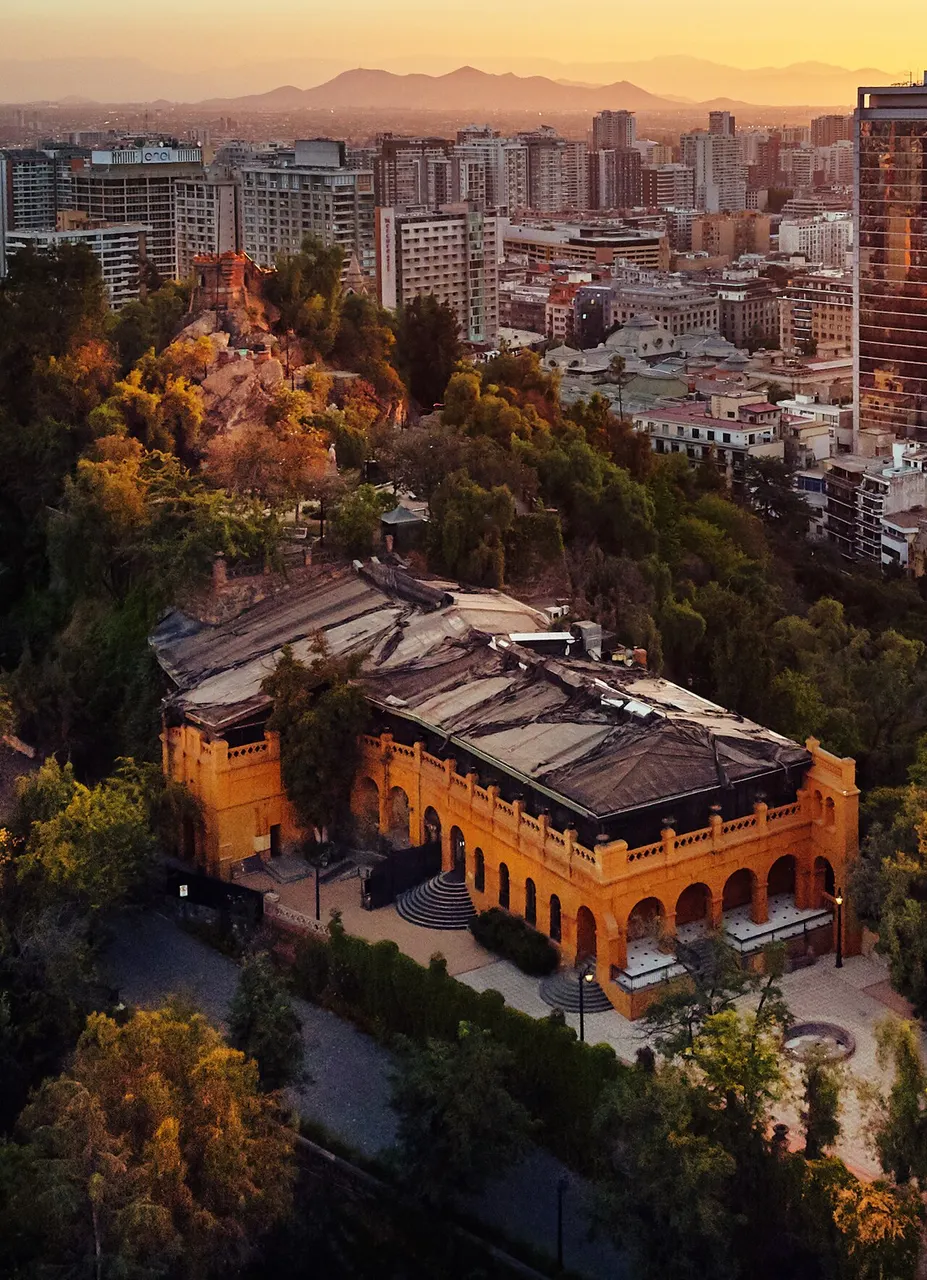
Cerro Santa Lucía
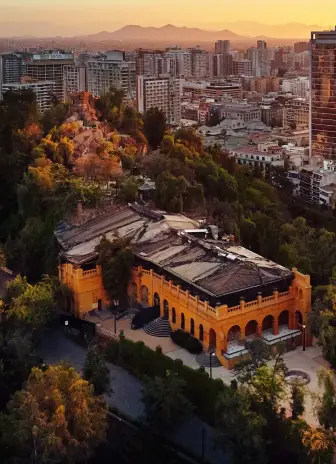
The former Huelén, a 69 m rock outcrop over the city, landscaped by Vicuña Mackenna in 1872 with terraces, staircases, and the Terraza Neptuno. A quick climb, a good view of the grid, and a requirement to sign the guestbook at some entrances.
The former Huelén, a landscaped outcrop with terraces and stairways, climbs fast, shows the grid, and at some entrances you have to sign the logbook.
Check access
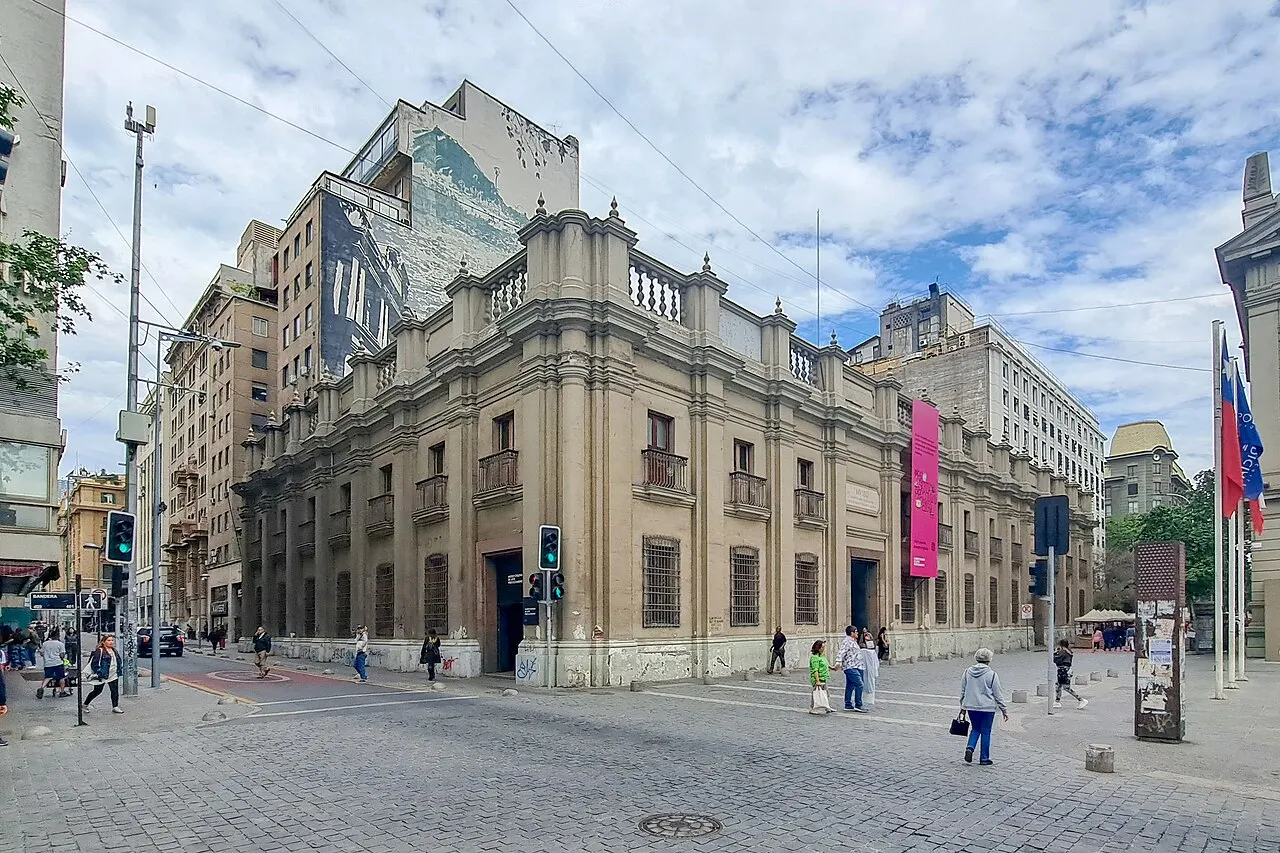
Museo Chileno de Arte Precolombino
Opened in 1981 in the former Real Casa de Aduana (1805), it holds about 3,000 pieces from across the Americas, from Mexico to the southern Andes. The basement room devoted to Chilean cultures includes chinchorro mummies, the oldest in the world.
In the former customs building, turned into a museum in 1981, there's an American collection of about 3,000 items, and in the basement, the country room holds Chinchorro mummies, the oldest known.
Check access

Museo de la Memoria y los Derechos Humanos
Opened in 2010 in Matucana, it documents the human-rights violations committed between 1973 and 1990 with photos, letters, objects, and original audio of the La Moneda bombing. Free admission; set aside at least two hours.
Images, letters, objects, and the recorded sound of the bombing document the abuses that took place from 1973 to 1990, admission is free, and it's worth setting aside at least two hours.
Check access
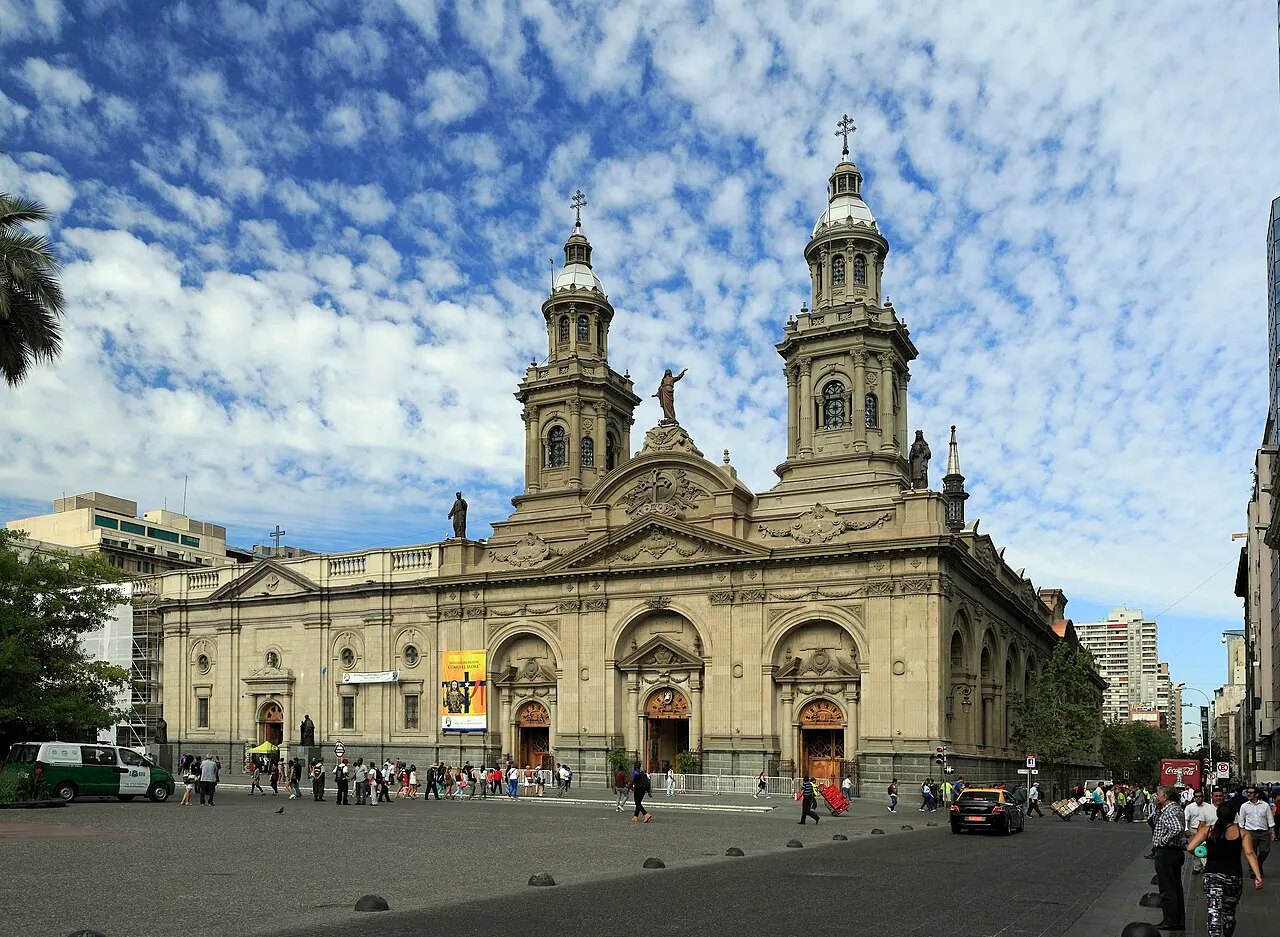
Plaza de Armas and Catedral Metropolitana
The city's zero point since 1541, with the Correo Central sitting over the ruins of Valdivia's house. The current cathedral, built 1748–1800 with a façade finished by Joaquín Toesca, is the fifth raised on this same ground.
The 1541 founding point has the Correo Central built on the ruins of Valdivia's residence, and the cathedral, its façade finished by Toesca, is the fifth building on this ground.
Check access

Palacio de La Moneda
Designed by Toesca as a mint and finished in 1805, it's been the seat of the presidency since 1846 and was bombed on September 11, 1973. The changing of the guard happens on alternate days, around 10am, and the central courtyard is open to visitors at set times.
The mint house was finished in 1805, became the presidential seat in 1846, and was bombed on September 11, 1973, while the changing of the guard happens on alternating days, around 10am.
Check access
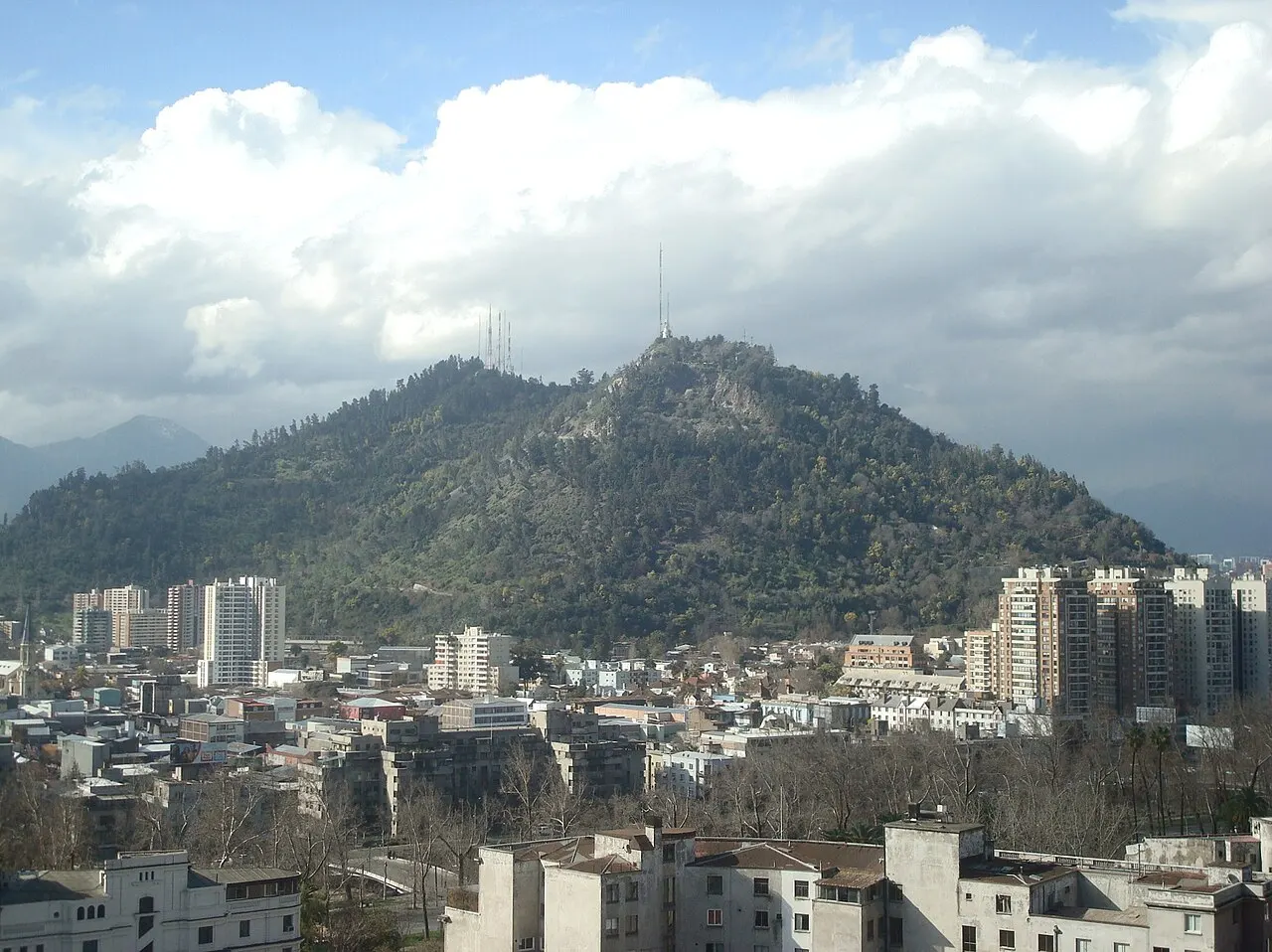
Parque Metropolitano and Cerro San Cristóbal
Chile's largest urban park, with the 880 m summit crowned by the 22 m statue of the Immaculate Conception, unveiled in 1908. You go up by the 1925 funicular, leaving from Pio Nono, or on foot along the Pirámide path.
The funicular leaves from Pío Nono, and the walking route is the path of the Pirámide, in Chile's largest urban park, where the statue of the Immaculate Conception crowns the summit.
Check access
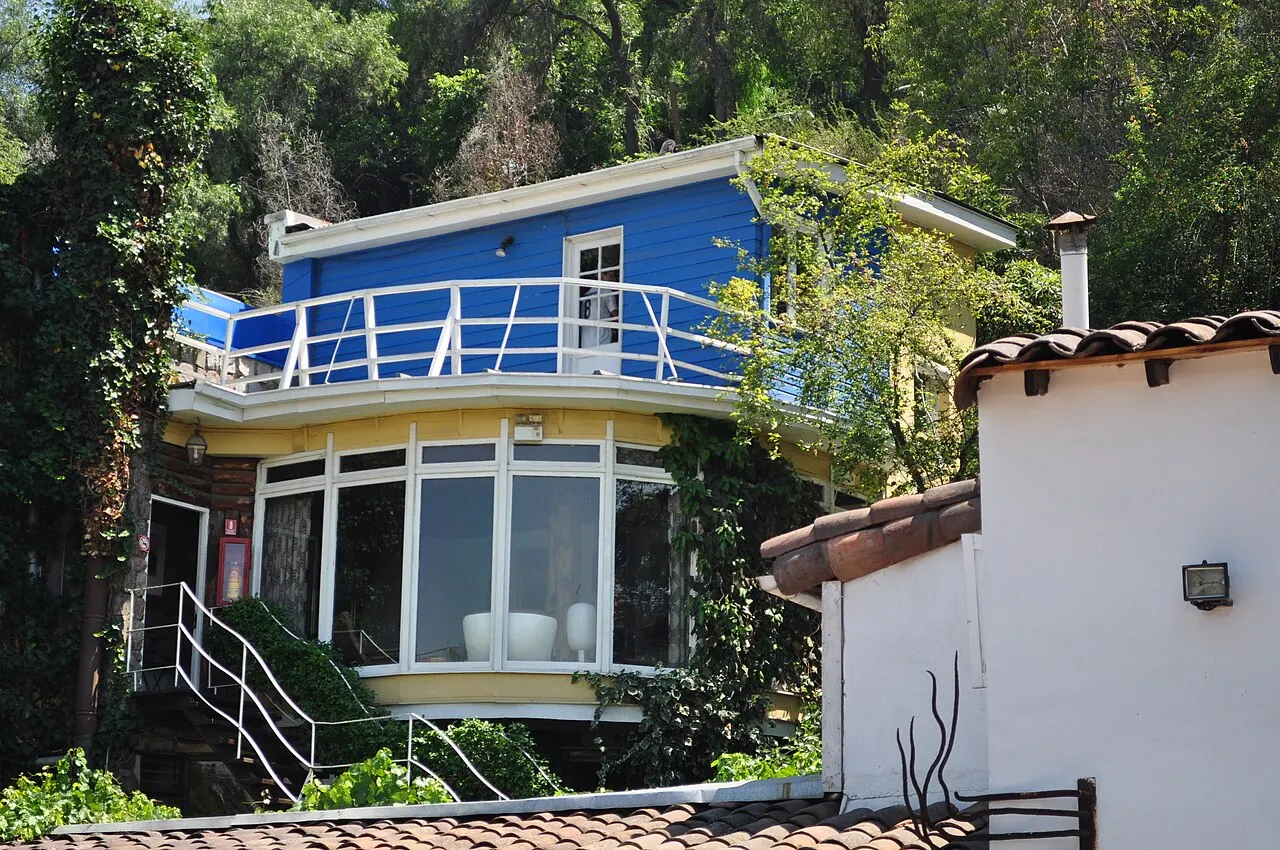
La Chascona
The house Pablo Neruda built in 1953 at the foot of San Cristóbal for Matilde Urrutia, laid out like a ship across three levels. It was ransacked in September 1973, and the poet's wake was held right there, among the wreckage.
In 1953, Pablo Neruda built, at the foot of the hill, the house meant for Matilde Urrutia, arranged over three floors like a ship, and the poet's wake took place there amid the wreckage after the looting of September 1973.
Check access

Mercado Central and La Vega
The fish market, under a prefabricated iron structure raised in 1872, and, across the Mapocho, La Vega Central, where the city buys its fruit and vegetables. At Mercado Central, the side counters serve caldillo and machas for far less than the central tables charge.
Under the ironwork, the side counters serve caldillo and machas for a much lower price than the central tables, and across the Mapocho the city buys its fruit and vegetables.
Check access
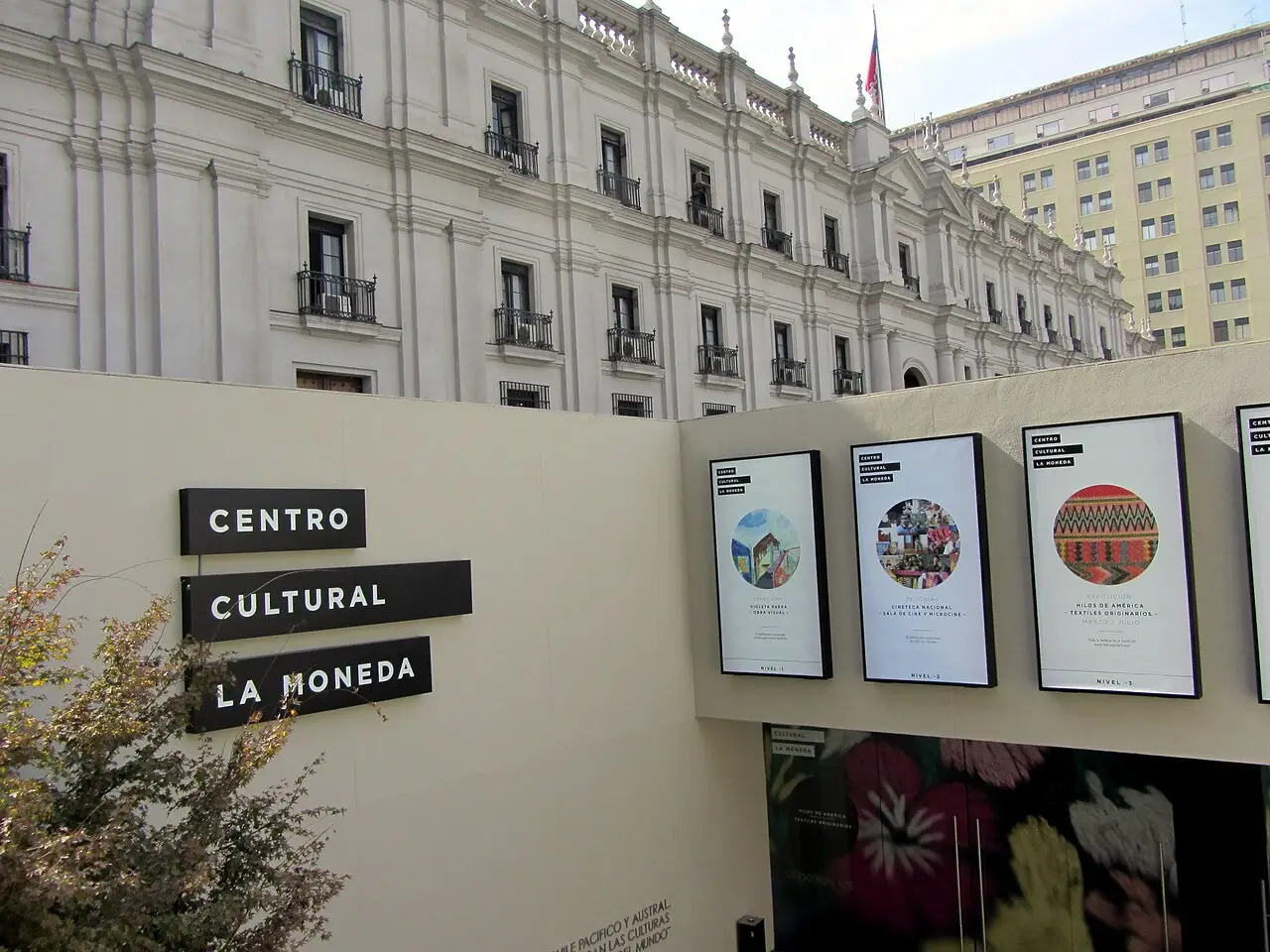
Centro Cultural La Moneda
An underground exhibition hall opened in 2006 beneath Plaza de la Ciudadanía, with the Cineteca Nacional and international shows. It's downtown's main exhibition space, and often has free-entry days or hours.
It's a temporary exhibition hall: without a show on that interests you, there's no permanent collection to make the visit worthwhile. Six blocks away, the Museo Chileno de Arte Precolombino has 3,000 permanent pieces and the Chinchorro mummies, the oldest in the world, and doesn't depend on the calendar.
Check access
Nilo’s itinerary
Start with the basic programme and choose extensions for the time you have.
Plan my days in the app ↗Day 1 · The founding grid and the 20th century
Start at 9am at Plaza de Armas: the cathedral, Correo Central, and the Museo Histórico Nacional, in the former Palacio de la Real Audiencia.
Walk three blocks to the Museo Chileno de Arte Precolombino and allow 90 minutes, including the basement gallery of Chilean cultures and the Chinchorro mummies. The Precolombino closes on Mondays; on that day, keep the walk through the center and visit the museum on another date.
Have lunch at the side counters of the Mercado Central, then cross the Mapocho to La Vega Central, where the city buys its fruit and vegetables.
Walk on through Parque Forestal to the Museo Nacional de Bellas Artes (1910) and climb Cerro Santa Lucía in the late afternoon.
Have dinner in Lastarria after 9pm and finish with a pisco sour at a bar on Merced.
Day 2 · Museo de la Memoria, La Chascona, and San Cristóbal
Take the metro to Quinta Normal and allow two hours for the Museo de la Memoria y los Derechos Humanos, with free admission. Visit from Tuesday to Sunday, as the museum closes on Mondays.
Head back through downtown and pass by Plaza de la Ciudadanía to see La Moneda from outside and the Centro Cultural's exhibits, downstairs.
Have lunch in Barrio Yungay or Barrio Brasil, where the colación runs CLP 7,000 to 10,000.
In the afternoon, visit La Chascona, in Bellavista, and take the funicular up Cerro San Cristóbal for sunset.
Walk down along Pio Nono and have dinner in Bellavista or Barrio Italia, two metro stops away.



If you stay longer
Day 3 · The high city, the market, and the mountains
Start at Sky Costanera, on the 61st floor of the Gran Torre, right at opening, while the air is still clear.
Walk through El Golf and Nueva Las Condes to see corporate Santiago and have lunch there or at Parque Bicentenario, in Vitacura.
Take Line 2 to Franklin and wander the Persa Bío Bío, a flea market open mostly on weekends.
Head back downtown for a terremoto at La Piojera, or listen to cueca brava at a bar on Bandera.
If you have half a day to spare, swap the Persa for a winery in the Maipo Valley, 45 minutes from downtown.

Food
 AI illustration
Empanada de pino
Baked, large, filled with hand-chopped beef, sautéed onion, an olive with the pit in, raisins, and a quarter of a hard-boiled egg. It's the national dish of September; many bakeries sell them only until they run out, around midday.
 AI illustration
Completo italiano
A hot dog topped with chopped tomato, mashed avocado, and mayonnaise: the colors of the Italian flag. Eaten standing up, napkin in hand, at chains like Domino or on any corner after 11pm.
 AI illustration
Mote con huesillo
A summer drink from street carts, made of mote (cooked wheat) in a sweetened cinnamon syrup, with a dried peach floating in it.
 AI illustration
Sopaipillas
Fried discs of pumpkin dough, sold on the sidewalk, especially on rainy days. Savory ones come with pebre or mustard; sweet ones are drizzled with chancaca syrup, orange, and cinnamon.
 AI illustration
Pastel de choclo and cazuela
Two pot dishes: pastel de choclo layers beef, chicken, olive, and egg under a gratinéed crust of ground corn and sugar, served in a clay pot; cazuela is a broth with a piece of meat, potato, pumpkin, and corn. Both show up at lunch, not dinner.
 AI illustration
Barros Luco and churrasco
A sandwich of sliced beef with melted cheese, named after President Ramón Barros Luco (1910–1915), who always ordered it. The barros jarpa variant swaps the beef for ham; the bread is marraqueta or frica.
 AI illustration
Seafood and caldillo
The sea arrives daily from San Antonio and Valparaíso: machas a la parmesana, oysters from Chiloé, congrio in caldillo, sea urchin in summer. Eat at Mercado Central before 4pm or at the cocinerías of the Terminal Pesquero.
 AI illustration
Terremoto and pisco sour
A terremoto is white pipeño wine with pineapple ice cream and a splash of grenadine, served in a big glass at La Piojera and at the September fondas; a réplica is the second, smaller round. Pisco sour, made with Chilean pisco, Pica lime, and sugar, is the standard aperitif.
Day trips

Valparaíso and Viña del Mar
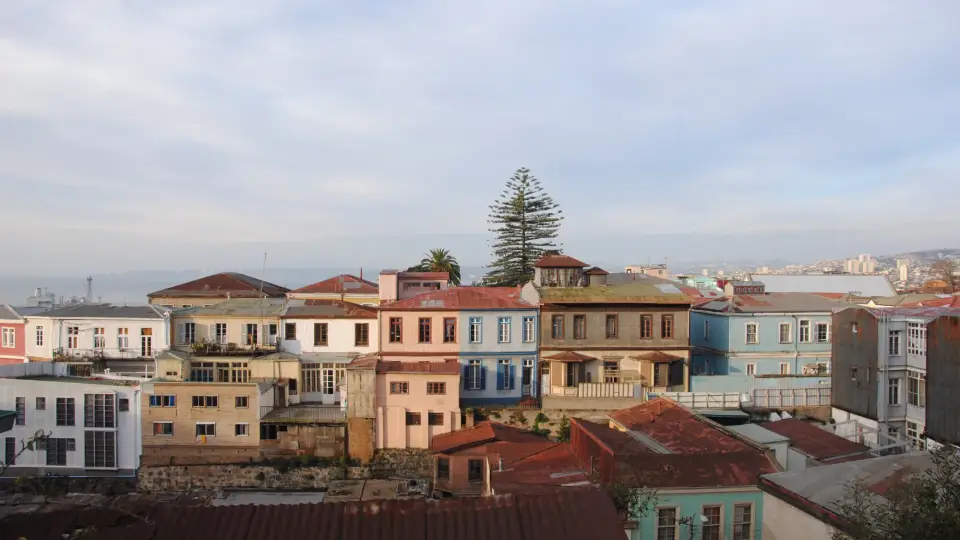
120 km west, about 1 hour 40 minutes to 2 hours by bus leaving from Terminal Alameda every 15 minutes, for CLP 8,000–14,000. Valparaíso offers the ascensores, the Alegre and Concepción hills, and Neruda's house La Sebastiana; Viña adds a beach and the garden of the Museo Fonck.

Cajón del Maipo and Embalse El Yeso
An Andean valley to the southeast, between 50 and 100 km from downtown depending on the spot; San José de Maipo is about 1 hour 15 minutes away, and the El Yeso reservoir about 2 hours 30 minutes, over an unpaved road for the last 25 km. Go with a rental car or a tour, bring a jacket even in summer, and expect the road closed by snow between June and August.

Maipo Valley and Andes wineries
Concha y Toro, in Pirque, and Santa Rita, in Alto Jahuel, are 40–60 minutes from downtown and offer guided tours with tastings that require a reservation. In winter, you can swap the wineries for snow: the Farellones, El Colorado and Valle Nevado ski resorts, at 2,400–3,000 m, are about an hour and a half from downtown.
Where to begin
The founding grid and the 20th century
Start at 9am at Plaza de Armas: the cathedral, Correo Central, and the Museo Histórico Nacional, in the former Palacio de la Real Audiencia.
Museo de la Memoria, La Chascona, and San Cristóbal
Take the metro to Quinta Normal and allow two hours for the Museo de la Memoria y los Derechos Humanos, with free admission. Visit from Tuesday to Sunday, as the museum closes on Mondays.
The high city, the market, and the mountains
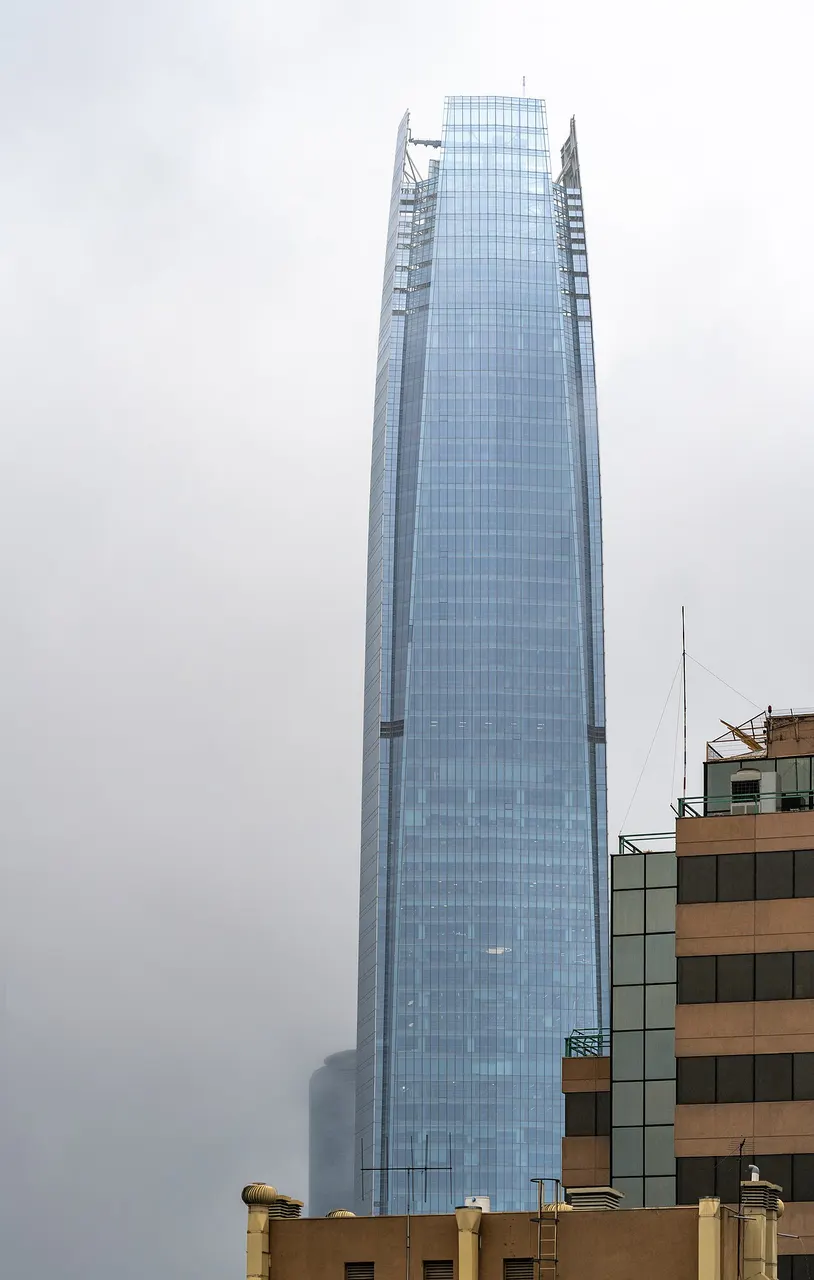
Start at Sky Costanera, on the 61st floor of the Gran Torre, right at opening, while the air is still clear.
Money
The currency is the Chilean peso (CLP), with bills from 1,000 to 20,000 and coins from 10 to 500. The rate hovered around CLP 950 to the dollar in 2026. Price ranges: espresso CLP 2,000–3,500, set lunch (colación) CLP 7,000–13,000, dinner at a mid-range restaurant CLP 18,000–30,000 per person. Empanada CLP 2,500–4,000, completo CLP 3,000–5,000, mote con huesillo CLP 1,500–2,500, draft beer CLP 4,000–6,000. A short ride-hailing trip costs CLP 4,000–8,000; a mid-range hotel CLP 70,000–120,000 a night. Cards work almost everywhere, including contactless and at market stalls with a card reader. Carry cash for La Vega, the persas, and the street carts. Redbanc ATMs charge CLP 3,500 to 8,000 per withdrawal with a foreign card. The exchange houses on Agustinas and around Ahumada pay better than the airport. A 10% tip is suggested on the bill. It's voluntary by law and you can decline it without awkwardness: servers ask out loud, and nobody takes offense at the answer.
Getting there and around
Airport: 22 km northwest, still no metro
Arturo Merino Benítez International Airport (SCL) sits in Pudahuel, about 22 km northwest of downtown, and still has no metro line. The future Line A is only planned for the early 2030s. Three options remain: official bus, taxi, and ride app. The official Centropuerto and Turbus Aeropuerto buses run to Pajaritos station (Line 1) or to Los Héroes for about CLP 2,500 to 4,000, departing every 10–15 minutes; official taxi-stand cabs and transfers run CLP 25,000 to 40,000; and ride apps (Uber, Cabify, DiDi), regulated since 2023, have their own pickup point on the upper level. With free-flowing traffic the trip takes 30 minutes, and it can double during the morning and evening peaks. In the arrivals hall someone will offer you a ride before you've decided anything; ignore them and head to the counter.
Metro and bus on the same bip! card
Within the city, the Red system combines metro and buses on the bip! card, sold at stations and Red outlets for about CLP 1,550 and reloadable with cash or card. Since February 22, 2026, a metro ride costs CLP 895 at peak hours, CLP 815 at mid hours and CLP 735 at off-peak hours, and buses charge a flat CLP 795. Transfers made within about two hours are discounted or free. Buses don't take cash: without a bip! card, the door won't open. The metro runs roughly from 6am to 11pm, from 8am on Sundays, with seven lines (1, 2, 3, 4, 4A, 5 and 6), about 140 km of track and about 140 stations. Line 7, between Renca and Vitacura, was more than 42% built in 2026 and is due to open in late 2028. Downtown, Lastarria, Bellavista and Barrio Italia are easy on foot; for longer distances, the Line 1 corridor covers almost everything. There are continuous bike lanes in Providencia, on the Alameda and along the Mapocho, plus a public bike-share system.
Safety
Santiago is a moderate-risk capital: the most common problem is pickpocketing and phone theft, and violence against tourists is rare. The spots to watch are Plaza de Armas, Paseo Ahumada, the area around Estación Central and Barrio Meiggs, Patronato and metro exits at rush hour, plus Bellavista in the small hours, when the bars empty out. The practical rule is the one locals follow: don't stand still on the sidewalk with your phone in your hand, and don't leave it on a bar table facing the street. Leave your passport at the hotel, wear your backpack on your front on the metro and don't walk around downtown with a camera hanging from your neck. At night, between neighborhoods, take a ride-hailing app instead of walking, especially if you're crossing the Mapocho. Avoid Plaza Baquedano and the Alameda on protest days, because metro stations can close without warning and tear gas spreads for blocks. If you run into a protest, go around it and don't take photos up close. Earthquakes are frequent and buildings follow a strict seismic code; in a tremor, move away from glass, stay on the floor you're on and follow the building's instructions. Emergencies: 133 for the carabineros (police), 131 for an ambulance, 132 for the fire department.
Etiquette tips
The once, Chile's evening meal from 7pm to 9pm
Between 7pm and 9pm, many people swap dinner for bread, cheese, avocado, tea, and something sweet. An invitation to “tomar once” is an invitation to a full meal; bring fresh bread, kuchen, or something sweet.
Greeting: one kiss on the right cheek
Women greet women and men with a kiss, including on first meeting and in informal professional settings; men shake hands with each other. Offering only a handshake to a woman can come across as distant.
“Al tiro” doesn't mean now
“Al tiro” literally means “immediately,” but in practice it covers anything from five minutes to half an hour. For social plans, arriving 15 to 20 minutes after the agreed time is normal; for a business meeting, it isn't.
Don't open the pisco Chile-vs-Peru debate
The dispute over where pisco originated is taken seriously on both sides, and the foreigner's joke lands badly. Order a pisco sour and let the topic drop.
The 1973 coup still causes clashes on its anniversary
The anniversary of the 1973 coup still divides families and brings demonstrations and clashes to Santiago. Ask, listen, but don't treat the subject as tourist curiosity or make a joke of it.
On the metro, stand on the right on the escalator and let people off first
On the escalator, stand on the right and walk on the left; on the train, let passengers off before you board and give up the priority seats, a rule people actually enforce. Wearing your backpack on your back at rush hour earns you a loud scolding.
Mistakes to avoid
Walking from downtown to Las Condes
Thinking you can walk from downtown to Las Condes. It's about 12 km in a straight line along Alameda-Providencia-Apoquindo, and the eastern stretch is nothing but office towers, so ride metro Line 1 instead.
Trying to pay the bus in cash
Heading out to the bus stop without a loaded bip! card. Red buses don't take bills or coins, so anyone without a card misses the ride; buy and load the bip! at a metro station beforehand.
Going up to a viewpoint on a winter morning
Going up to San Cristóbal or the Sky Costanera on a winter morning expecting to see the mountain range. Look east before paying for the ticket: if the Andes don't show from the street, they won't show from up there either.
Booking dinner at Brazilian hours
Booking dinner for 7:30pm, like in Brazil. At that hour, anyone eating in Santiago is having once, and whoever shows up hungry for dinner is left with the counter and a snack.
Paying for the hotel without asking for the VAT exemption
Closing out the hotel bill in Chilean pesos at check-out, without having asked for the exemption at check-in. Paid in pesos, the 19% VAT is added to the bill.
Useful phrases
¿Cuánto vale?
How much is it? The form used in Chile, instead of “¿cuánto cuesta?”
Al tiro
Right away, right now: in practice, “in a little while”
¿Cachai?
You get it? An almost automatic sentence-closer in casual conversation
Una luca
A thousand pesos; a “gamba” is a hundred pesos and a “quina” is five hundred
La cuenta, por favor
The check, please: they don't bring it unless you ask
Vamos a tomar once
Let's have once: bread, tea, and cold cuts between 7pm and 9pm, in place of dinner
Districts
Santiago Centro
The founding grid, with Plaza de Armas, La Moneda, ministries, courts, and universities. Dense and busy on weekdays, much emptier at night and on weekends, with a strong presence of budget shops and recent migrants.
Lastarria and Bellas Artes
Two stone-paved streets and 1920s buildings between Parque Forestal and Cerro Santa Lucía, with museums, an art-house cinema, bookshops, and restaurants. It's the slice of downtown built for a slow walk; it holds most of the boutique hotels.
Bellavista
Wedged between the Mapocho and Cerro San Cristóbal, split between the comunas of Providencia and Recoleta. Home to La Chascona, Pablo Neruda's house, and the largest cluster of bars in the city: lively till late Thursday through Saturday, and not the place to walk distracted at dawn.
Providencia and Barrio Italia
Upper-middle class, tree-lined, with Providencia's commercial axis and Baquedano station as the network's hinge. Barrio Italia, between Providencia and Ñuñoa, has become a corridor of antique shops, studios, cafés, and design stores in restored mansions.
Las Condes and Vitacura
The easternmost and wealthiest end, with the El Golf and Nueva Las Condes financial district nicknamed Sanhattan, plus the Gran Torre Santiago and the Costanera Center. Vitacura adds art galleries, expensive restaurants, and Parque Bicentenario.
Ñuñoa
A residential neighborhood of low houses and universities, with Plaza Ñuñoa as its hub of bars and theater. Home to Estadio Nacional, with a younger, less corporate feel than Las Condes.
Yungay and Barrio Brasil
Heritage neighborhoods west of downtown, with 19th-century façades, plazas, and a cultural life of independent venues, used bookshops, and cheap restaurants. They were the first elite suburb and today hold students, artists, and migrant communities.
Recoleta, Patronato, and La Vega
North of the Mapocho: La Vega Central, the city's biggest fruit and vegetable market, and Patronato, a textile district founded by Palestinian and Syrian merchants and today also Korean and Chinese. Cheap, loud, busy in the morning, and closed early.
History
1541 · Founding beside the Huelén
Pedro de Valdivia founds Santiago del Nuevo Extremo on February 12, between two branches of the Mapocho and at the foot of the Huelén hill. The grid layout of 126 blocks starts from Plaza de Armas.
Sept. 1541 · Michimalonco's attack
Picunche forces led by Michimalonco destroy almost the entire newly founded city. The defense is led by Inés de Suárez while Valdivia is in the south; rebuilding takes years.
1647 · The Great Earthquake
On May 13, an earthquake brings down the city and kills around 600 people out of a population of about 12 thousand. In 1730, another earthquake damages buildings, including the cathedral.
1780–1805 · Tajamares and La Moneda
Italian architect Joaquín Toesca designs the tajamares that hold back the Mapocho's floods and the Casa de Moneda, completed in 1805. The building becomes the seat of government in 1846.
1810–1818 · Junta and independence
The Primera Junta Nacional de Gobierno is installed on September 18, 1810. Independence is sealed with the Battle of Maipú, on April 5, 1818, fought on the city's own southern edge.
1863 · The Compañía fire
On December 8, the fire at the Compañía church kills about 2,000 people, nearly all women. The disaster speeds the creation of Santiago's volunteer fire brigade, in 1863.

1872–1875 · Vicuña Mackenna's city
As intendant, Benjamín Vicuña Mackenna turns Cerro Santa Lucía into a park and lays out the camino de cintura, which formally separates the city from its outskirts. It's Santiago's first major piece of urban surgery.
1910–1913 · Centennial works
The Museo Nacional de Bellas Artes (1910) and the Estación Mapocho (1913), both by Emilio Jéquier, mark the Frenchified Santiago of the nitrate elite. Parque Forestal is born over the Mapocho's canalized bed.
1930–1970 · Migration and periphery
The nitrate crisis and industrialization draw hundreds of thousands of rural migrants. The poblaciones callampas appear, and later the large land takeovers, like La Victoria in 1957.
1973 · The bombing of La Moneda
On September 11, the military coup bombs the presidential palace; Salvador Allende dies in the building. The Estadio Nacional is used as a detention center, and the dictatorship lasts until 1990.

2019 · Estallido social
A 30-peso fare hike on the metro triggers, in October, the largest wave of protests since 1990. Dozens of stations are burned, and Plaza Baquedano comes to be called Plaza Dignidad.
 AI illustration
Complete history
The founding of Santiago: a military camp in 1541
Santiago was born as a military camp of conquest, not as a port or trading post. In 1541, Pedro de Valdivia chose a triangle of land between two branches of the Mapocho, protected by the Huelén hill, within a territory already occupied by Picunche communities under Inca influence. The Inca road passed right there. Pedro de Gamboa's grid layout, with blocks 138 meters to a side radiating from Plaza de Armas, set a logic the city never abandoned: straight streets, equal blocks, and a central square holding the church, the jail, and the government. Michimalonco's attack that same September nearly wiped out the founding, and for decades Santiago was a poor adobe town, sustained by wheat and tallow, far from the silver routes enriching Lima and Potosí.
The earthquakes of 1647 and 1730 marked the colonial city
The 1647 earthquake devastated Santiago, and the one in 1730 damaged buildings again, including the cathedral. Colonial architecture featured low houses, thick walls and inner courtyards. In the eighteenth century, under the Bourbons, money arrived, followed by Joaquín Toesca: the embankments that controlled the Mapocho floods, the Metropolitan Cathedral and the Casa de Moneda, completed in 1805 to mint coins and turned into the presidential palace in 1846. When the junta of September 18, 1810 assembled in the Cabildo, Santiago was already the administrative center of a peripheral colony. Independence, secured at Maipú in 1818, made it the capital of a narrow, centralized country, a status that still explains why almost everything in Chile is decided here.
Nitrate and the Centennial: European Santiago, 1857 to 1913
The late 19th century and the Centennial gave Santiago its European layer. The Teatro Municipal opened in 1857, before the wealth from the north; after the War of the Pacific (1879–1884), nitrate money from Tarapacá and Antofagasta financed palaces, the Museo Nacional de Bellas Artes (1910), and the Estación Mapocho (1913). Benjamín Vicuña Mackenna, intendant between 1872 and 1875, canalized the river, landscaped Santa Lucía, and laid out the camino de cintura, a ring that clearly marked who was inside and who was outside the legal city. The elite then began the migration that still defines Santiago today: out of downtown and toward the east, climbing the valley toward the Andes, chasing cleaner air and higher ground. The Alameda–Providencia–Apoquindo axis is the physical record of that shift.
Nitrate, industry, and internal migration
Between 1930 and 1970, the nitrate crisis and import-substitution industrialization brought in a rural population the city had no way to house. The callampas shantytowns sprang up along the Zanjón de la Aguada, and organized land takeovers followed, like La Victoria in 1957. This working-class, politicized Santiago was the stage for Salvador Allende's election in 1970 and for the coup of September 11, 1973, when La Moneda was bombed and the Estadio Nacional became a detention camp. Augusto Pinochet's dictatorship, which lasted until 1990, remade the city twice, first through the economic model designed at the Universidad Católica, which privatized services and freed up the land market, and then through the erradicaciones of 1979–1985, which moved about 150,000 people from wealthy comunas to housing projects on the southern and western outskirts. That displacement still defines where rich and poor live in Santiago.
Growth and going vertical
Democracy brought growth and verticality: the metro, opened in 1975, grew from one line to a network of about 140 km; the Gran Torre Santiago, by César Pelli, reached 300 m in 2013 and created the financial district nicknamed Sanhattan. At the same time, the Museo de la Memoria y los Derechos Humanos, opened in 2010, institutionalized the reckoning with the past. In October 2019, a 30-peso hike in the metro fare set off the estallido social: stations burned, millions in the streets, and two constitutional processes, in 2022 and 2023, both rejected at the polls. Since then the city has taken in heavy Venezuelan, Haitian, Colombian, and Peruvian immigration, which has redrawn whole neighborhoods like Estación Central, Independencia, and Quilicura, and fuels loud debate over security, housing, and the cost of living near the metro. The network keeps growing: Line 7, between Renca and Vitacura, is still under construction.
On Cerro Santa Lucía, the old Huelén hill where Valdivia founded the city, some entrances still ask visitors to sign a guest book.
Geography and shape of the city
A basin between two mountain ranges
Santiago fills a closed basin at 33°27′ S, between 500 and 700 m above sea level, with the Andes to the east and the Coastal Range to the west. On a clear day, 5,424 m Cerro El Plomo is visible from downtown. The Mapocho River flows down from the Andes and crosses the city from east to west, channeled since the 18th century; to the south, the Zanjón de la Aguada does the same drainage job.
Air trapped in winter
The climate is Mediterranean: dry, hot summers, nearly all the rain concentrated between May and August, averaging around 300 mm a year. The same basin that shields the city from wind traps the air in winter: a thermal inversion produces pre-emergency and environmental-emergency episodes from particulate matter, with vehicle circulation restricted by license-plate number.
The grid, the axis, and the comunas
The street grid repeats the 1541 layout downtown and stretches along an east-west axis (Alameda Bernardo O'Higgins, Providencia, Apoquindo) that climbs the valley toward the mountains. The Province of Santiago, the core of the metro area, is split into 32 comunas with independent mayor's offices and budgets, with no single city government, which produces visible differences in sidewalks, tree cover, and policing when you cross an avenue.
Culture
Literature, film and universities: where Chile writes and films
Santiago produces and gathers almost everything Chile writes, films and sings. It's the city of two Nobel laureates in literature, Gabriela Mistral in 1945 and Pablo Neruda in 1971, and the home of Nicanor Parra's antipoetry, the urban novels of José Donoso and Roberto Bolaño, and a generation that rewrote the dictatorship through childhood, with Alejandro Zambra and Nona Fernández. In film, Patricio Guzmán shot The Battle of Chile here in 1972 and 1973, released in three parts between 1975 and 1979, and Pablo Larraín turned the 1988 plebiscite into No (2012). The Universidad de Chile and the Universidad Católica, both founded in the 19th century, give the city an academic and publishing life you can see in the bookstores of Lastarria and the used-book shops of Barrio Brasil.
Popular music: from Nueva Canción to 1980s rock
Popular music runs through two moments that still shape local memory: the Nueva Canción Chilena of the 1960s and 1970s (Violeta Parra, Víctor Jara, Inti-Illimani, Quilapayún) and the urban rock of the 1980s, with Los Prisioneros, formed at a public high school in San Miguel, singing about the periphery under the dictatorship. The cueca, the national dance, survives in two versions: the suit-and-scarf kind of official festivities, and the cueca brava of downtown and Franklin bars, sung deep into the night. The Teatro Municipal, from 1857, keeps opera and ballet running; the GAM, in a building put up in 1972 for UNCTAD III and reopened as a cultural center in 2010, hosts contemporary theater and open rehearsals.
Soccer with three fan bases and the street as political space
Soccer splits the city three ways: Colo-Colo, at the Estadio Monumental in Macul, with the country's biggest fan base; Universidad de Chile, which plays at the Estadio Nacional in Ñuñoa; and Universidad Católica, at San Carlos de Apoquindo, up in Las Condes. Matches between them are derbies with heavy policing and kickoff times that change at the last minute. Outside the stadiums, the street is also a political space: demonstrations gather at Plaza Baquedano, called Plaza Dignidad since 2019, especially on dates like September 11, March 8 and May 1.
The 300 m Gran Torre Santiago created a financial district that locals nicknamed Sanhattan.
The bar drink called terremoto is pipeño wine with pineapple ice cream and grenadine, and the second, smaller round is called a réplica.
Festivals and events

Fiestas Patrias
September 18 and 19, with fondas and ramadas in Parque O'Higgins and in almost every comuna: cueca, empanada, terremoto, and asado. Banks, offices, and many restaurants close for two to four days; book lodging and tickets ahead.

Santiago a Mil
International theater and performing-arts festival in January, with hundreds of shows in venues and outdoors over three weeks. The opening is usually a large free show on the Alameda or in Parque Almagro.

Lollapalooza Chile
A March weekend at Parque Cerrillos, the Latin American edition of the festival since 2011, drawing crowds in the hundreds of thousands. Tickets sell out months ahead, and the metro extends its hours on event days.

Día del Patrimonio Cultural
Last weekend of May: hundreds of normally closed buildings open for free, including La Moneda, the old Congress, the Club Hípico, and university buildings. Lines run long; pick two or three places and arrive early.

Fiesta de la Virgen del Carmen
July 16, with processions and religious dances at the Templo Votivo de Maipú, built to fulfill an independence-era vow. It draws tens of thousands of pilgrims and is the region's biggest Catholic event.
Books and films
Ways of Going Home: Alejandro Zambra (2011)
A short novel about growing up in a Maipú housing development during the dictatorship, narrated by someone too young at the time to understand it. It explains residential Santiago and the silence of families in the 1980s.
No: Pablo Larraín (2012)
A film about the advertising campaign for the 1988 plebiscite, shot on 1980s U-matic video to match the archival footage. It shows the streets, offices, and television of the city at the end of the dictatorship.
La voz de los '80: Los Prisioneros (1984)
The debut album of a high school band from San Miguel that described Santiago's outskirts under censorship. The band's anthem, “El baile de los que sobran,” came two years later, on the album “Pateando piedras” (1986), and it still plays at marches on the Alameda.
Frequently asked questions
Santiago: Can you walk from downtown to Las Condes?
No: it's about 12 km in a straight line along Alameda-Providencia-Apoquindo, and the eastern stretch is nothing but office towers, so ride metro Line 1 instead.
Santiago: How do you get to Valparaíso and Viña del Mar?
Valparaíso is 120 km west, about 1 hour 40 minutes to 2 hours by bus leaving from Terminal Alameda every 15 minutes, for CLP 8,000 to 14,000. Viña del Mar is the neighbor right next door, with the beach and the garden of the Museo Fonck: from Valparaíso, you reach it in 15 minutes on the Merval urban train, and the two fit into the same day trip.
Santiago: What's Chile's currency?
The currency is the Chilean peso (CLP), with bills from 1,000 to 20,000 and coins from 10 to 500.
Santiago: What's summer like in the city?
Summer runs from December to February, with highs of 30 to 34°C, dry air, cool nights thanks to the altitude, and practically no rain. In February, much of the city goes on vacation, and restaurants and theaters close for weeks.
Santiago: What is once?
Once is the light late-afternoon meal, between 7pm and 9pm, that in many households replaces dinner. For visitors, it solves hunger before 9pm, when restaurants start the evening service.
Other cities in the country
Chile ↗- Days
- 1–2
- When
- Jan–Mar · Nov–Dec
- Per person/day
- Average 80–130 USDMid-range · per person/day
Cost scope
Per person per day: accommodation, meals, urban transport, visits and a small allowance for extras. Flights excluded; larger purchases vary. Editorial estimate, not a quote.
- Days
- 4–5
- When
- Apr–May · Sep–Nov
- Per person/day
- Average 66,200 CLPMid-range · per person/day
Cost scope
Per person per day: accommodation, meals, urban transport, visits and a small allowance for extras. Flights excluded; larger purchases vary. Editorial estimate, not a quote.
- Days
- 6–7
- When
- Jan–Mar · Nov–Dec
- Per person/day
- Average 99,900 CLPMid-range · per person/day
Cost scope
Per person per day: accommodation, meals, urban transport, visits and a small allowance for extras. Flights excluded; larger purchases vary. Editorial estimate, not a quote.
- Days
- 4
- When
- Jan–Apr · Oct–Dec
- Per person/day
- Average 93,600 CLPMid-range · per person/day
Cost scope
Per person per day: accommodation, meals, urban transport, visits and a small allowance for extras. Flights excluded; larger purchases vary. Editorial estimate, not a quote.
- Days
- 3
- When
- Jan–Apr · Oct–Dec
- Per person/day
- Average 121,000 CLPMid-range · per person/day
Cost scope
Per person per day: accommodation, meals, urban transport, visits and a small allowance for extras. Flights excluded; larger purchases vary. Editorial estimate, not a quote.


Itineraries through here
 Bolivia and Chile in 7 daysAcross the altiplano to the salt flatLa Paz · Uyuni Salt Flat · Santiago7–9 days3 cities
 Argentina, Uruguay and Chile in 10 daysTango, rambla and the AndesBuenos Aires · Montevideo · Santiago · Valparaíso8–12 days4 cities
 Santiago and Valparaíso in 5 daysSantiago and the hills of ValparaísoSantiago · Valparaíso3–5 days2 cities
 Chile and Argentina in 10 daysAcross the AndesSantiago · Bariloche · Buenos Aires9–11 days3 cities
 Chile in 10 daysTatio geysers and the funiculars of ValparaísoSan Pedro de Atacama · Valparaíso · Santiago7–10 days3 cities