Argentina
Buenos Aires
Teatro Colón, Plaza de Mayo, Recoleta, parrilla and milonga
Days Start with the basic programme and choose extensions for the time you have.
How the guide reaches this number
Devote the first to the historic center and the south, the second to Recoleta and Palermo, ending at a milonga, and the third to the Teatro Colón, Avenida Corrientes and the river. If you're after scenery you'll be disappointed, because there are no mountains or beaches, and the Río de la Plata is brown and nobody swims in it. Come to walk, sit at the table, browse bookstores and chat at the counter. With just one day, start at 9am at Plaza de Mayo, walk up Avenida de Mayo to the Palacio Barolo and head down Defensa on foot to have lunch at the Mercado de San Telmo. At night, have dinner at 9pm at a neighborhood parrilla and order the cut by name, vacío or bife de chorizo. The postcard sights are the biggest letdown: Caminito is a museum-street of about 100 m, opened in 1959, surrounded by a neighborhood where you don't walk around. The tango dinner show charges US$80–150 for an audience version of the dance that a milonga offers for next to nothing, with a beginners' class beforehand. Avoid January, with heat, humidity and half the doors closed for vacation.
3–4
When September to November and March to May
How the guide reaches this number
Buenos Aires is in the Southern Hemisphere and has a humid subtropical climate with no dry season: about 1,100–1,200 mm of rain falls a year, spread across the months, with the strongest storms in summer. Spring (September to November) and fall (March to May) are the good windows: highs of 18 to 26°C, long days and, in November, purple jacarandas blooming at once along entire avenues. Summer (December to February) goes above 30°C with high humidity and peaks of 35°C, and January is the month to skip, because the city itself goes on vacation and many bodegones, theaters and neighborhood shops close. Winter (June to August) stays between 8 and 16°C, gray and windy, but practically never freezes: the last snowfall was on July 9, 2007. At any time of year the sudestada can blow in, a southeasterly wind that pushes estuary water inland and brings a day or two of steady rain with flooding in low-lying streets.
Per person/day Budget US$45-60; mid-range US$90-140; comfortable from US$220 (approximate: dollar prices move fast)
How the guide reaches this number
Per person per day: accommodation, meals, urban transport, visits and a small allowance for extras. Flights excluded; larger purchases vary. Editorial estimate, not a quote.
 What Nilo thinks
Set aside three days for Buenos Aires. Devote the first to the historic center and the south, the second to Recoleta and Palermo, ending at a milonga, and the third to the Teatro Colón, Avenida Corrientes and the river. If you're after scenery you'll be disappointed, because there are no mountains or beaches, and the Río de la Plata is brown and nobody swims in it. Come to walk, sit at the table, browse bookstores and chat at the counter. With just one day, start at 9am at Plaza de Mayo, walk up Avenida de Mayo to the Palacio Barolo and head down Defensa on foot to have lunch at the Mercado de San Telmo. At night, have dinner at 9pm at a neighborhood parrilla and order the cut by name, vacío or bife de chorizo. The postcard sights are the biggest letdown: Caminito is a museum-street of about 100 m, opened in 1959, surrounded by a neighborhood where you don't walk around. The tango dinner show charges US$80–150 for an audience version of the dance that a milonga offers for next to nothing, with a beginners' class beforehand. Avoid January, with heat, humidity and half the doors closed for vacation.Buenos Aires is a city to explore on foot, across a flat grid of 100 m blocks stretching from Plaza de Mayo to Recoleta's tombs and Palermo's parks. Almost everything you'll see dates from the half century between 1880 and 1930, when about 6 million immigrants arrived in the country and wheat and beef money paid for the Teatro Colón and the broad avenues. On Avenida Corrientes, bookstores share the sidewalk with theater marquees. Eat like a local: medialunas at the counter, pizza topped with a slice of fainá, and a neighborhood parrilla, ordering your cut by name, vacío or bife de chorizo. Nights belong to the milonga, where there's no stage or show and newcomers take a beginners' class before the dance. Come from September to November or March to May, avoid January, and allow three days, or four for the Tigre Delta.
Quick facts
- Population
- about 3.1 million in the municipality (2022 census: 3,121,707); about 15.5 million in the metropolitan area (AMBA)
- Founded
- Twice: Pedro de Mendoza in 1536 (abandoned in 1541) and Juan de Garay on June 11, 1580
- Country and region
- Argentina: Ciudad Autónoma de Buenos Aires (CABA), a 203 km² federal district with 48 neighborhoods and 15 communes
- Language
- Rioplatense Spanish, with voseo (“vos tenés,” not “tú tienes”) and lunfardo of Italian origin
- Currency
- Argentine peso (ARS). In September 2026, about 1,530 ARS per US$1 at the official rate
- Time zone
- UTC−3 year-round; Argentina hasn't observed daylight saving since 2009
- Best time to visit
- September to November and March to May
- Average daily cost
- Budget US$45-60; mid-range US$90-140; comfortable from US$220 (approximate: dollar prices move fast)
When to go
September to November and March to May
January
21° to 28°C
118 mm of rain
February
20° to 27°C
112 mm of rain
June
9° to 16°C
55 mm of rain
July
8° to 14°C
64 mm of rain
August
10° to 17°C
62 mm of rain
December
19° to 27°C
113 mm of rain
How the year changes
Buenos Aires is in the Southern Hemisphere and has a humid subtropical climate with no dry season: about 1,100–1,200 mm of rain falls a year, spread across the months, with the strongest storms in summer. Spring (September to November) and fall (March to May) are the good windows: highs of 18 to 26°C, long days and, in November, purple jacarandas blooming at once along entire avenues. Summer (December to February) goes above 30°C with high humidity and peaks of 35°C, and January is the month to skip, because the city itself goes on vacation and many bodegones, theaters and neighborhood shops close. Winter (June to August) stays between 8 and 16°C, gray and windy, but practically never freezes: the last snowfall was on July 9, 2007. At any time of year the sudestada can blow in, a southeasterly wind that pushes estuary water inland and brings a day or two of steady rain with flooding in low-lying streets.
The same numbers as a table
| Month | Temperature °C | Rain mm |
|---|---|---|
| January | 21 to 28 | 118 |
| February | 20 to 27 | 112 |
| March · | 19 to 26 | 112 |
| April · | 15 to 22 | 108 |
| May · | 12 to 18 | 83 |
| June | 9 to 16 | 55 |
| July | 8 to 14 | 64 |
| August | 10 to 17 | 62 |
| September · | 12 to 18 | 73 |
| October · | 14 to 21 | 105 |
| November · | 17 to 25 | 103 |
| December | 19 to 27 | 113 |
Nilo's tips
Register the SUBE card and pay ARS 1,753, not 2,541
Buy a SUBE card at the first kiosk with the sticker and register it online before using it. In September 2026 a subte ride costs ARS 1,753 registered and ARS 2,541 unregistered, at the same gate on the same route. The colectivo, which starts at ARS 888 for up to 3 km, doesn't take coins, so without a card you can't board. Load credit for two days at once, because in the late afternoon the line at the kiosk is longer than the wait for the bus.
After 10:30pm, with no subte, use the app
After 10:30pm the subte closes, and the app is more reliable than flagging a taxi on the street. Use an app car to leave Palermo, Chacarita or a tango hall. On Sundays the subte only opens at 8am, so don't count on it to get back at dawn or to head out early. The colectivo runs 24 hours, but a single line splits into different routes: check the app for where yours is headed before you get on.
Pay with a foreign card, not street-changed dollars
The gap between the official and parallel exchange rates has practically closed. The arbolitos on Calle Florida now offer almost the same rate as your card, with the risk of counterfeit bills. Pay with a foreign card instead, since it automatically refunds the VAT on your lodging. Carry cash only for street fairs, kiosks, taxis and tips.
Eat dinner after 9pm and have merienda at 5:30pm.
In Buenos Aires nobody sits down to dinner before 9pm, and anyone who shows up at 7pm finds an empty dining room. If you get hungry earlier, do as the city does: merienda at 5:30pm, with café con leche and three medialunas, for US$4–6. At the end of the meal, ask for the check out loud (“la cuenta, por favor”), because it won't come on its own, and check the per-person cubierto, which is the bread and service charged separately.
Keep the Reserva off Mondays and MALBA off Tuesdays, the days they close
The Costanera Sur Ecological Reserve closes on Mondays and MALBA on Tuesdays, so save the trail for another day and skip the museum on Tuesday. Set Sunday aside for San Telmo, because that's the only day the Defensa street fair fills about 12 blocks between Plaza de Mayo and Plaza Dorrego. Enter through Plaza de Mayo around 11am and walk south, since after noon Plaza Dorrego becomes impassable.
At Caminito, arrive in the afternoon, leave before sunset
Take a taxi or app straight to the Caminito, in the mid-afternoon. Leave before sunset. Outside the corridor it's a poor residential area, and at night you don't walk there. Don't wear a team jersey: the wrong color in the wrong neighborhood starts a conversation you won't want to finish.
Explore the map
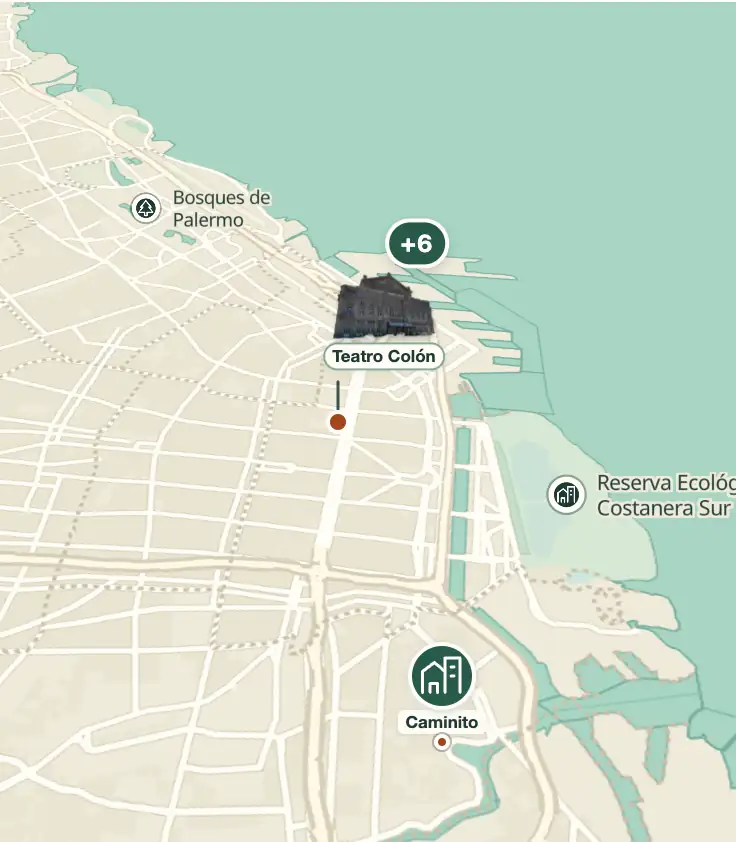
© OpenStreetMap · OpenFreeMap · © OpenMapTiles
Explore the map, read about the other places and plan your travel days in the app.
Open the appWhat to see
Buenos Aires: The river's mud and the bluff
Buenos Aires occupies a plain with no relief on the south bank of the Río de la Plata, and the only visible fold is the bluff, the river's old bank, which runs through Belgrano, Recoleta, and San Telmo some 15 to 25 m above the water and determined where the city was built first. At the far south, where the Riachuelo meets the river, is La Boca, the old port neighborhood settled by Genoese immigrants in the 19th century and painted with leftover ship paint.
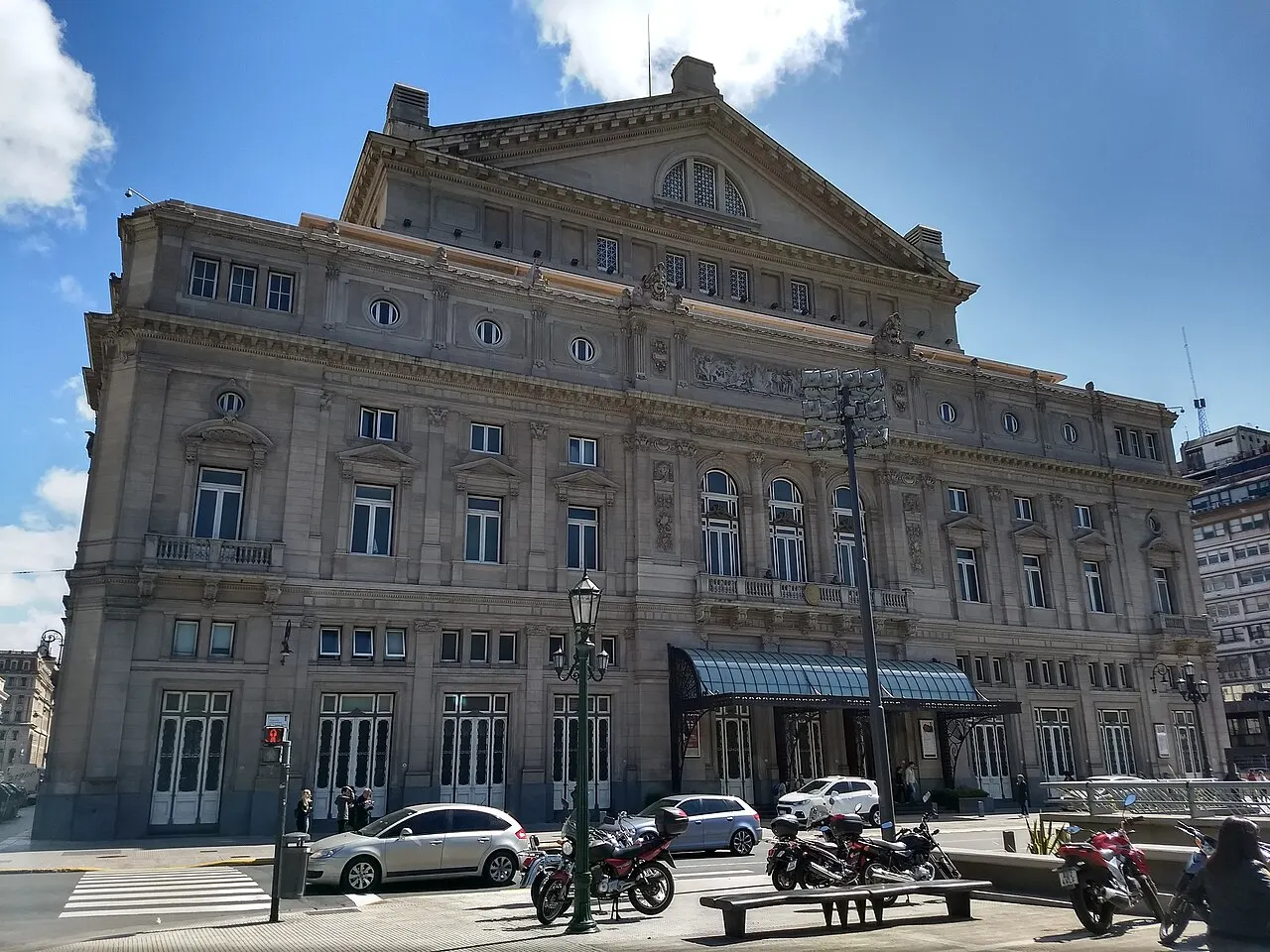
Teatro Colón
Opera house opened on May 25, 1908, with Aida, a horseshoe-shaped hall for about 2,480 people and acoustics ranked among the world's best. The dome was painted by Raúl Soldi in 1966, and the building underwent restoration between 2006 and 2010. Guided tours of about 50 min run several times a day; buy online.
The acoustics, cited among the best in the world, justify the trip for anyone who wants to hear this hall.
Check access

Plaza de Mayo and Casa Rosada
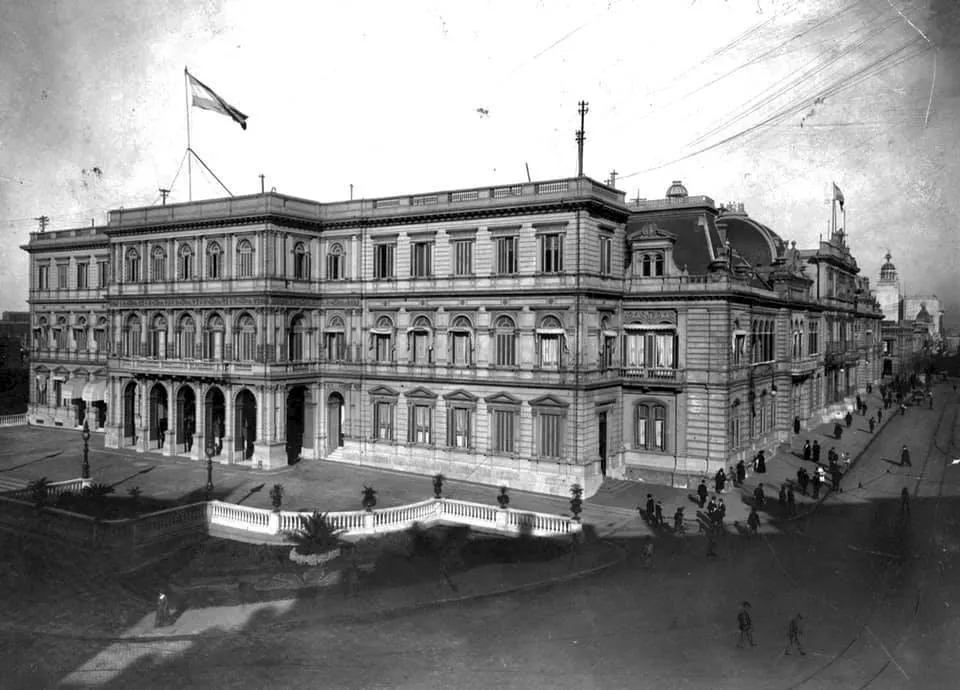
The square has existed since 1580 and is the seat of power: the Casa Rosada (its color was set in the 1870s), the colonial Cabildo and the Metropolitan Cathedral, home to San Martín's mausoleum with its grenadier guard. The Madres de Plaza de Mayo have circled the Pirámide de Mayo every Thursday since April 30, 1977.
It's the square where Argentine power has concentrated since 1580, with the Casa Rosada, the colonial Cabildo, and the Cathedral, where San Martín's mausoleum stands. On a Thursday, you can see the Madres de Plaza de Mayo circling the Pirámide, as they've done since April 30, 1977.
Check access
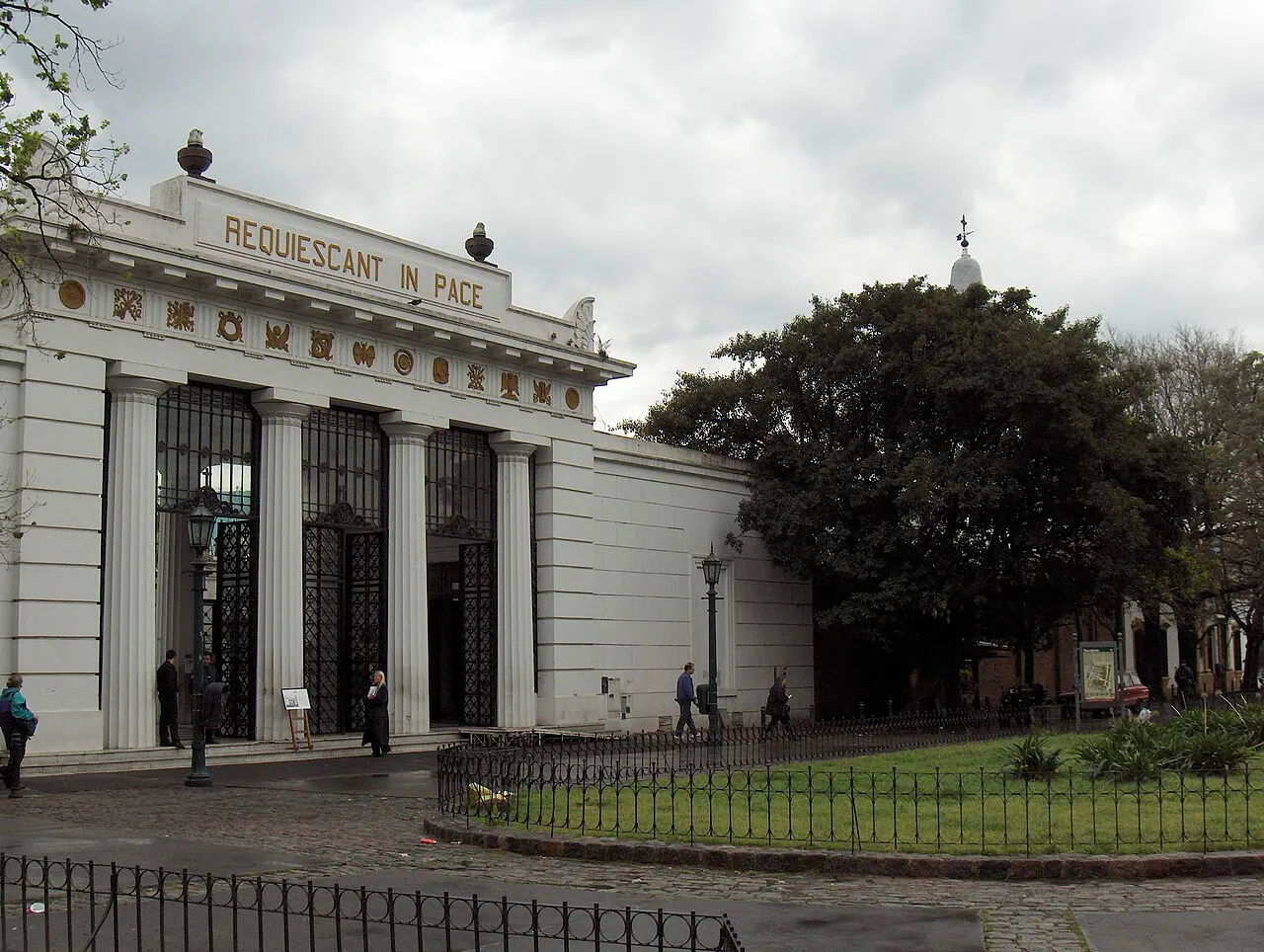
Cementerio de la Recoleta
Opened in 1822 on 5.5 hectares, with about 4,700 vaults laid out along marble and granite streets. Presidents, writers and, since 1976, Eva Perón, in the Duarte family vault, all rest here. Admission is paid for foreigners (about US$10); go at opening, 9am.
It's worth it for the marble and granite streets with about 4,700 vaults of presidents and writers, and for the Duarte family tomb, where Eva Perón has lain since 1976. Arrive at opening, 9am, before the tour groups, and count on about US$10 admission for foreigners.
Check access
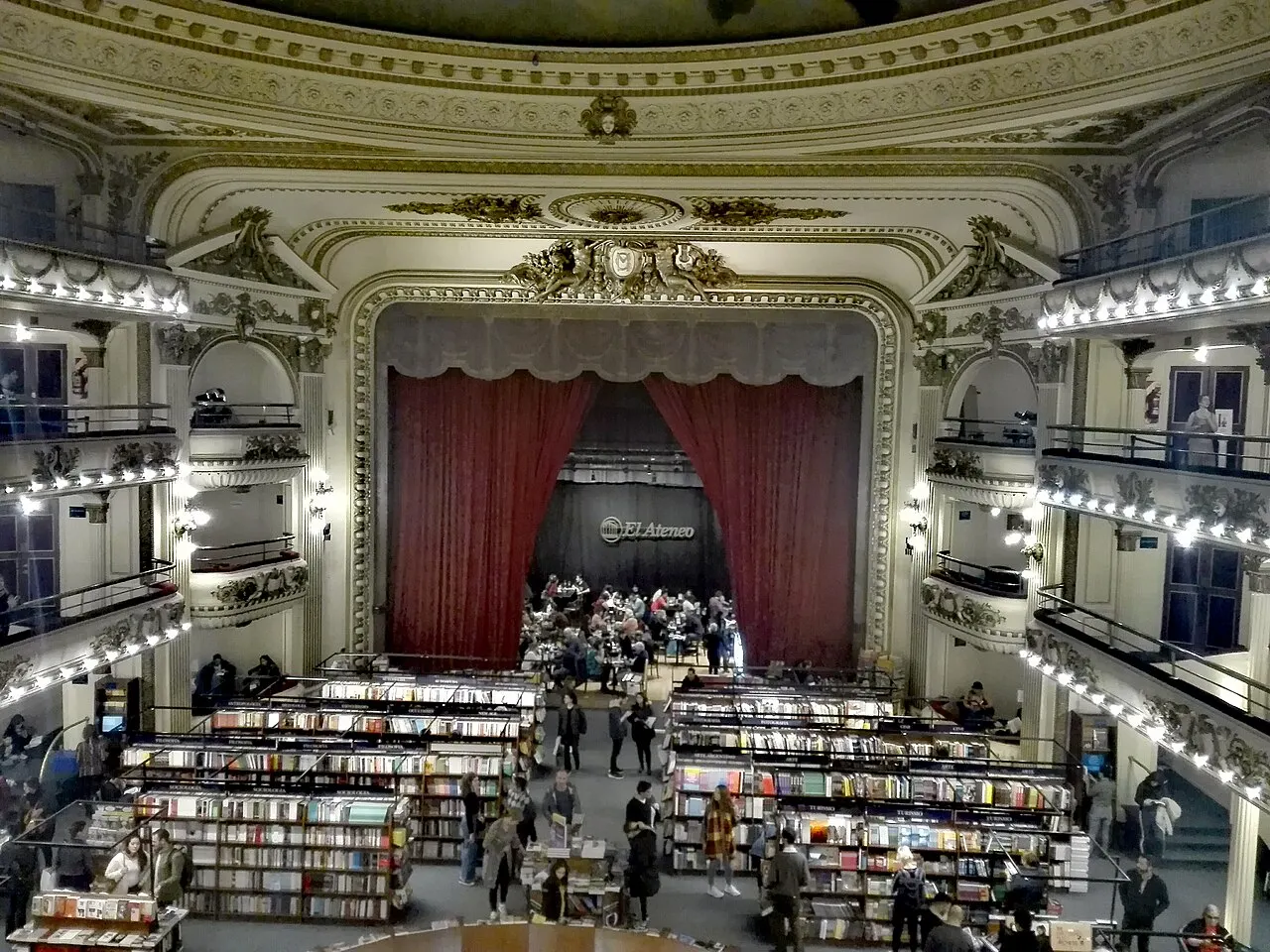
El Ateneo Grand Splendid
A 1919 theater on Avenida Santa Fe converted into a bookshop in 2000: the orchestra floor became shelving, the boxes became reading nooks, and the stage became a café. The dome painted by Nazareno Orlandi is still there.
The 1919 theater has worked as a bookstore since 2000, where the orchestra seating is bookshelves, the boxes are reading nooks, and the stage is a café.
Check access

Palacio Barolo
A 1923 building on Avenida de Mayo, by Mario Palanti, 100 m tall: the tallest in South America when completed, and the tallest in Buenos Aires until 1935. The floor plan follows the Divine Comedy: hell on the ground floor, purgatory in the middle, paradise and lighthouse at the top, 22 floors in all. The guided tour goes up to the lighthouse.
The guided tour climbs to the lighthouse of Mario Palanti's 1923 building, 100 m and 22 floors, with a plan drawn from the Divine Comedy.
Check access

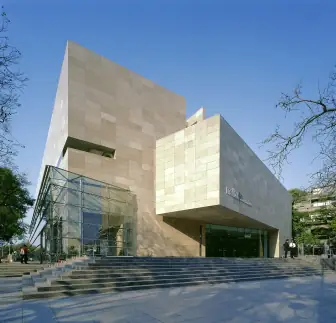
MALBA
Museum of Latin American art opened in 2001 on Avenida Figueroa Alcorta, with works by Frida Kahlo, Antonio Berni, Xul Solar and Tarsila do Amaral. Closed Tuesdays, usually with film screenings and temporary exhibits.
The museum, opened in 2001, holds works by Frida Kahlo and Tarsila do Amaral and also offers film screenings and temporary exhibitions.
Check access

Bosques de Palermo
A roughly 400-hectare set of parks with El Rosedal (1914) and its about 18,000 rose bushes, the Jardín Botánico Carlos Thays (1898), and the Floralis Genérica, a 23 m steel-and-aluminum flower installed in 2002 in Plaza de las Naciones Unidas.
The walk through the park is worth it for about 18,000 rose bushes and for the Floralis, a 23 m steel and aluminum flower installed in 2002.
Check access
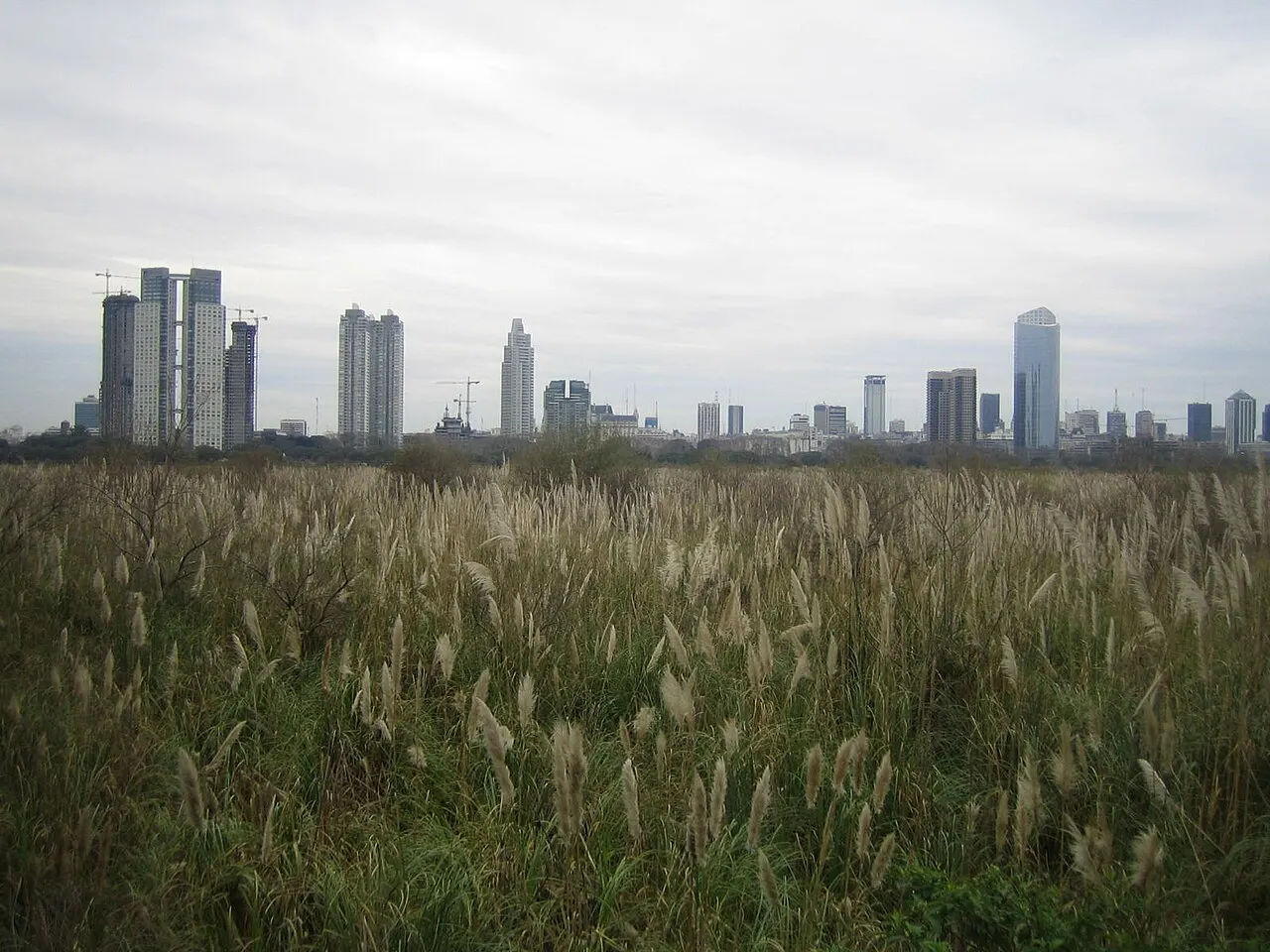
Reserva Ecológica Costanera Sur
350 hectares of landfill on the river that vegetation has reclaimed on its own since the 1980s, now home to pampas grassland, lagoons, and about 340 bird species. Free admission, closed Mondays, flat trails of 2 to 8 km; next to it is the Puente de la Mujer, Santiago Calatrava's swing footbridge from 2001.
It's worth it as a flat, free walk next to Puerto Madero: a 350-hectare landfill that vegetation reclaimed on its own, with lagoons, about 340 bird species, and trails of 2 to 8 km. Closed on Mondays.
Check access

Obelisco and Avenida 9 de Julio
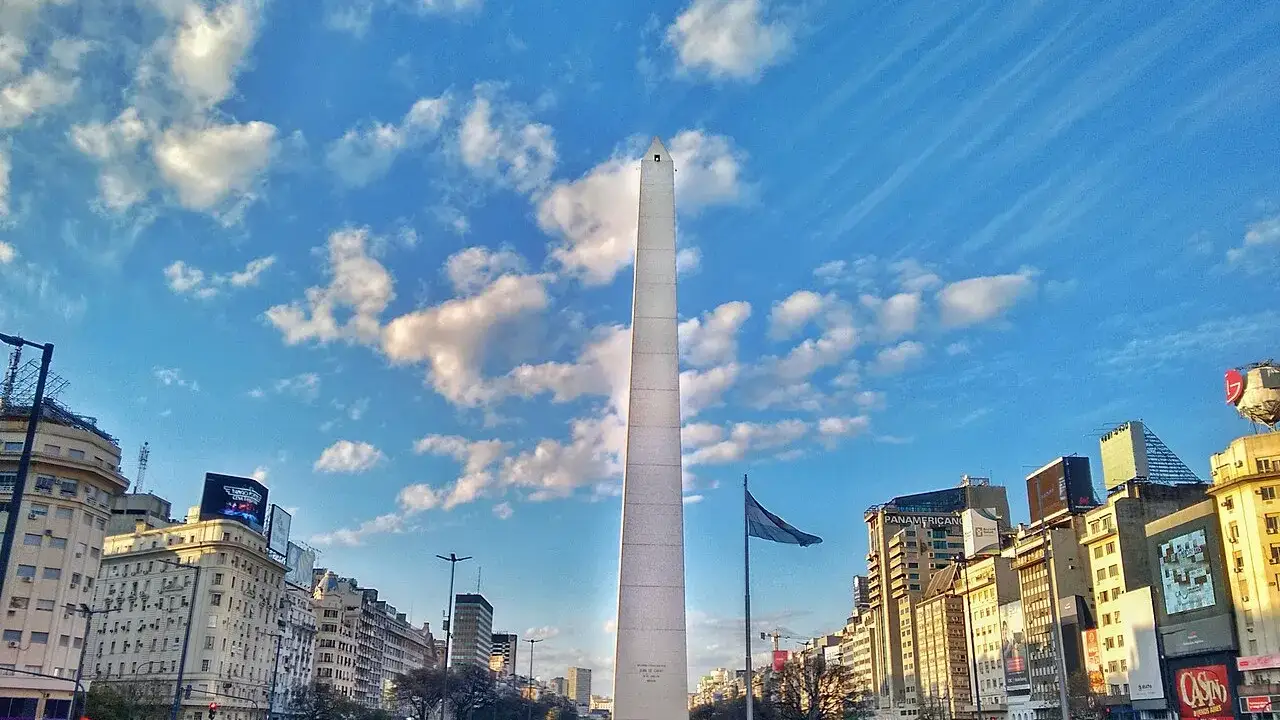
The obelisk stands 67.5 m tall, was designed by Alberto Prebisch and erected in 1936, in under two months, for the 400th anniversary of the first founding. It sits at the crossing with the 9 de Julio, an avenue about 140 m between facades, opened in 1937. It can't be visited inside: the point is to see it from the middle of the avenue.
At 67.5 m, it can't be visited inside, so the Obelisco is seen in passing, crossing the 9 de Julio on the way to Corrientes, without needing a stop just for it.
Check access
Nilo’s itinerary
Start with the basic programme and choose extensions for the time you have.
Plan my days in the app ↗Day 1 · Historic center and the south
Start at 9am at the Plaza de Mayo: Casa Rosada, Cabildo and the Metropolitan Cathedral with San Martín's mausoleum and its grenadier guard.
Walk up Avenida de Mayo to the Palacio Barolo for the roughly 1-hour guided tour that ends at the lighthouse, and stop at Café Tortoni for a cortado.
Lunch at the Mercado de San Telmo (1897) and walk Defensa street to the Plaza Dorrego; if it's Sunday, the fair fills about 12 blocks.
Take a taxi or app ride to La Boca in mid-afternoon to see Caminito, Fundación Proa and the facade of La Bombonera, and leave before sunset.
Head back for dinner at 9pm at a neighborhood parrilla and order the cut by name: vacío, entraña or bife de chorizo.
Day 2 · North, museums and a milonga
Enter the Recoleta Cemetery at opening time, 9am, and find the Duarte family vault, where Eva Perón lies, before the tour groups.
Visit the Museo Nacional de Bellas Artes, which is free, and walk 5 min along Figueroa Alcorta to the Floralis Genérica.
Have lunch in Palermo Soho and spend the afternoon at MALBA (closed Tuesdays) or, if the weather is good, at the Jardín Botánico and the Rosedal.
End the afternoon at El Ateneo Grand Splendid, on Santa Fe, with a coffee on what used to be the theater's stage.
Evening at a milonga with a beginners' class before the dance; bring smooth-soled shoes and arrive before 10pm.
Day 3 · Colón, Corrientes and the river
Take a guided tour of the Teatro Colón in the morning, about 50 minutes; buy online ahead of time, because Portuguese-language slots are few.
Cross the 9 de Julio to the Obelisco and continue along Avenida Corrientes, past open bookshops and theater marquees.
Have counter pizza for lunch on Corrientes, with fainá on top, and stop into one of the avenue's bookshops before moving on.
Spend the afternoon at the Reserva Ecológica Costanera Sur (closed Mondays), which is free, on a flat trail of about 2 hours with views of the estuary.
Finish by crossing the Puente de la Mujer, in Puerto Madero, or catch a match if there is one: tickets only through the club's website.




If you stay longer
Day 4 · Tigre and the Paraná Delta
Day trip
28 km to the north, about 1 hour by train on the Mitre line from Retiro, or on the Tren de la Costa from Olivos. It's a maze of streams with houses on stilts where the daily commute is by collective launch; 1-hour boat rides leave from the Puerto de Frutos.
Food
 AI illustration
Asado and parrilla
Meat slow-grilled over wood or charcoal embers. The classic order is chorizo and morcilla first, achuras (mollejas, chinchulines) next, and only then the large cuts: vacío, bife de chorizo, entraña, ojo de bife. Order your doneness: jugoso, a punto or cocido. A parrilla dinner with wine: US$20-35 per person.
 AI illustration
Empanadas
Baked or fried dough filled with knife-cut beef, chicken, humita or cheese and onion. The repulgue, the twisted edge, marks each filling. They cost US$1-2 apiece; three or four make a meal.
 AI illustration
Porteño pizza
Italian heritage passed through the Argentine oven: thick crust (media masa), lots of cheese and little sauce. The fugazzeta is stuffed with mozzarella and topped with onion. It's eaten standing at the counter, with a slice of fainá (chickpea flatbread) on top; Avenida Corrientes has had pizzerias serving it since the 1930s.
 AI illustration
Milanesa
Breaded, fried steak, the home dish that became a bodegón classic. The napolitana comes topped with tomato sauce, ham and melted cheese. Served with fries or mashed potato, usually US$8-14.
 AI illustration
Medialunas and coffee
The medialuna is smaller and sweeter than a croissant: the de grasa version is dry and salty, while the de manteca comes brushed with syrup. In the morning, the coffee-and-medialunas combo at the counter runs US$4–6. The city protects about 90 “bares notables” by law, among them the Tortoni, from 1858.
 AI illustration
Helado
Italian-school ice cream, whipped dense and served in a tower. Dulce de leche granizado, sambayón and dark chocolate are the go-to orders. A quarter kilo is the standard buying unit, and home delivery runs even late at night.
 AI illustration
Dulce de leche and alfajores
Milk and sugar cooked down to caramel, present in nearly every dessert. The alfajor is the kiosk sweet: two cookies with dulce de leche in the middle, coated in chocolate or powdered sugar; US$1-2 apiece.
 AI illustration
Mate and fernet con coca
Mate isn't bought ready-made: it's yerba, gourd and thermos, passed around a circle with the same person always serving, the cebador. At night, the social spirit is fernet with Coca-Cola in a tall glass with ice, roughly one part to three.
Day trips

Tigre and the Paraná Delta
28 km to the north, about 1 hour by train on the Mitre line from Retiro, or on the Tren de la Costa from Olivos. It's a maze of streams with houses on stilts where the daily commute is by collective launch; 1-hour boat rides leave from the Puerto de Frutos.

Colonia del Sacramento, Uruguay
Across the river, by ferry from Puerto Madero: about 1 hour 15 minutes on the fast boat, about 3 hours on the slow one. Founded by the Portuguese in 1680, its historic quarter has been on the UNESCO list since 1995 and can be covered on foot in half a day. Bring your passport: it's another country.

San Antonio de Areco
113 km to the northwest, about 2 hours by bus from Retiro. A pampas town of low houses, silverwork shops and the Museo Gauchesco Ricardo Güiraldes; in November it hosts the Fiesta de la Tradición, the country's biggest gaucho celebration.
Where to begin
Historic center and the south
Start at 9am at the Plaza de Mayo: Casa Rosada, Cabildo and the Metropolitan Cathedral with San Martín's mausoleum and its grenadier guard.
North, museums and a milonga
Enter the Recoleta Cemetery at opening time, 9am, and find the Duarte family vault, where Eva Perón lies, before the tour groups.
Colón, Corrientes and the river
Take a guided tour of the Teatro Colón in the morning, about 50 minutes; buy online ahead of time, because Portuguese-language slots are few.
Money
The currency is the Argentine peso (ARS), around 1,530 to the dollar at the official rate in September 2026. The rate moves week to week and inflation, though falling since 2024, is still high, so treat any peso price as an estimate and do the math in dollars. The gap between the official and parallel rates, which for years forced tourists to bring cash dollars, has practically closed. Paying with a foreign card now usually gets you a rate equivalent to the market's, and cards are accepted at almost every restaurant, hotel and shop. Non-resident foreigners get an automatic refund of the 21% VAT on lodging when they pay with a card issued abroad or in foreign currency. Reference ranges: café con leche and medialunas US$4–6; lunch at a bodegón US$10–15; parrilla dinner with wine US$20–35; 5 km taxi ride about US$6; midrange hotel US$70–120 a night. Carry some cash for street fairs, kiosks, taxis and tips, because ATMs charge a high fee per withdrawal and cap the amount per transaction. The restaurant tip is about 10%, almost always in cash and separate from the bill. Many places also charge a cubierto per person, which is the bread and table service charged before you decide whether you want the bread.
Getting there and around
Ezeiza sits 35 km away, with a flat taxi fare
Ezeiza (EZE), 35 km south of the center, handles almost all international flights. A fixed-fare taxi or remis costs about US$35–45 and takes 45–70 min depending on traffic, and the Tienda León bus runs to Retiro and Puerto Madero about every 30 min, for about US$12–15. Aeroparque Jorge Newbery (AEP), for domestic and regional flights, is inside the city, on the riverfront, 15–25 min from Palermo or the Microcentro (about US$8–12 by taxi). Check your ticket for which of the two your flight leaves from, because they're 35 km apart. Uber, Cabify and DiDi work at both airports, but the pickup point moves often: check in the app where it is before leaving the terminal. Arriving from Uruguay, the ferry docks in Puerto Madero, a 15-min walk from Plaza de Mayo.
Everything runs through the SUBE card
Everything runs on the SUBE card, sold at kiosks and subte ticket windows and reloadable at any kiosk with the sticker: register the card online, because the unregistered fare is much higher. In September 2026 a subte ride with a registered SUBE costs ARS 1,753 (about US$1.15) versus ARS 2,541 unregistered. The colectivo starts at ARS 888 for trips of up to 3 km, with a progressive discount after 20 rides in a month. The subte also accepts contactless bank cards (check at the gate). The subte has six lines (A, B, C, D, E and H), closes around 10:30pm and only opens at 8am on Sundays, so it won't get you home from dinner or the milonga. The colectivos, about 180 lines, run 24 hours and cover the rest. Check the line's branch in the app before boarding, because many lines have different branches under the same number. The grid of 100 m blocks makes the city flat and walkable (10 blocks = 1 km), there are Ecobici public bikes at more than 300 stations, and the black-and-yellow taxis stop on the street. At night, a ride-hailing app is the most predictable option.
Safety
Violent crime in Buenos Aires is low for a South American capital. The real risk is theft and snatching of phones and bags, concentrated in the Microcentro on weekdays, on Calle Florida, at the Retiro and Constitución stations and around them, in Once and around La Boca outside the tourist strip. Keep your phone put away, don't wear a backpack on your back on a crowded bus and never hang your bag on the chair at a sidewalk table. In taxis there's the “cambiazo” scam, where the bill you hand over is swapped for a fake one right in front of you: say out loud the amount and denomination you're handing over, or pay through the app. Avoid the area around Villa 31, behind Retiro, and the Microcentro streets after 9pm, when the area empties out. Protests are frequent and predictable, especially on Wednesdays at Plaza de Mayo and in front of Congress. They're usually peaceful, but they close avenues and reroute bus lines, so check before heading out. Tap water is safe to drink in the city.
Etiquette tips
Greet people with a kiss on the cheek
A kiss on the right cheek, touching faces, between any combination of people: even two men who just met. Offering a hand instead works, but pulling back without explanation reads as coldness.
Eat dinner after 9pm, on porteño time
Porteños sit down to dinner after 9pm, and dining rooms fill up around 10pm. Arriving at 7pm means eating alone in an empty restaurant, or being told the kitchen isn't serving yet.
You ask for the bill
The waiter won't bring the bill before you ask, because occupying the table is part of what you paid for. Say “la cuenta, por favor” or make the writing-in-the-air gesture; waiting for it can cost you another hour at the table.
Don't ask for the mate
Mate circulates among acquaintances, always served by the same cebador in the same order. Asking a stranger in the park for a sip is like asking to borrow their toothbrush. If offered, accept, drink it all down to the straw's gurgle, and hand it back without thanking: saying “gracias” means you don't want more.
The wrong team jersey matters in the wrong neighborhood
In La Boca, near La Bombonera, and in Núñez, near River's Monumental, a rival team's shirt provokes home fans any day of the week, not just on match day. To walk around these neighborhoods, leave your soccer shirt at the hotel.
The Falklands aren't table talk
The 1982 war and the islands' sovereignty are serious topics across the whole political spectrum, never a joke. The same goes for soccer jabs between Argentina and Brazil when you don't know the people at the table.
Mistakes to avoid
Counting on the subte after dinner
Counting on the subte to get back from dinner. It closes around 10:30pm, when the night is just getting started; after that it's colectivo, taxi or app.
Changing money on Calle Florida
Looking for “cambio” on Calle Florida. The arbolitos still call out from the sidewalk, but the advantage of the parallel dollar has practically vanished since 2024, while the risk of counterfeit bills and doctored change remains the same.
Boarding a colectivo without SUBE
Boarding the colectivo without SUBE. You can't pay in cash anymore: without the card, bought and loaded at a kiosk, you simply don't get on the bus.
Treating La Boca as a walking neighborhood
Treating La Boca as a neighborhood to stroll through. The Caminito and Bombonera corridor is calm during business hours; three blocks further it stops being so, and at night you don't walk there.
Palermo to La Boca is ten kilometers
Underestimating the distances. It's 203 km² and the grid is deceptive: Palermo to La Boca is about 10 km and nearly an hour in late-afternoon traffic.
Useful phrases
¿Cuánto sale?
How much is it? In porteño speech, “salir” replaces “costar”
La cuenta, por favor
The bill, please: without asking, it doesn't come
Dale
Agreed / sure / let's go: probably the city's most-used word
Che, ¿me das una mano?
Hey, can you give me a hand? “che” is the neutral way to call someone
¿Tenés cambio?
Got change? Note the voseo: “tenés,” not “tienes”
Un cortado y dos medialunas
How you order the counter coffee, with a splash of milk, and two medialunas
Districts
San Telmo
The colonial neighborhood south of the Plaza de Mayo, with cobblestone streets and mansions split into tenement houses after the elite fled the 1871 yellow fever epidemic. On Sundays, the street fair takes over San Telmo: antiques, secondhand clothes and live music all along Defensa.

La Boca
Old port neighborhood on the Riachuelo, settled by Genoese immigrants in the 19th century and painted with leftover ship paint. The tourist corridor is the Caminito and the few blocks around it, plus the Bombonera; the rest is a poor residential area, off the itinerary.
Recoleta
The formal north: French-style buildings from 1900-1930, embassies, the cemetery, the Museo Nacional de Bellas Artes with free admission, and the Plaza Francia craft fair on weekends. It's the most expensive neighborhood to eat and sleep in, alongside Puerto Madero.
Palermo
The city's largest neighborhood, split by use: Palermo Soho is packed with restaurants, bars, and designer shops around Plaza Serrano; Palermo Hollywood has TV production houses and the newest restaurants; Palermo Chico and the Botánico, the area around the Jardín Botánico, are residential, green, and quiet.
Puerto Madero
1890s brick docks recycled into offices and towers from 1991 on, with the country's priciest real estate. Good for walking along the water and reaching the Reserva Ecológica; expensive and not very lively for dining.
Villa Crespo and Chacarita
Working neighborhoods to the west that absorbed Palermo's overflow: brand outlets on Gurruchaga and Aguirre streets, breweries, cafés roasting their own beans, and the Chacarita cemetery, where Carlos Gardel's tomb lies.
Belgrano and Núñez
An upscale neighborhood on the bluff, with low houses in Belgrano R, towers on Avenida Cabildo, and a four-block Barrio Chino on Arribeños street. Núñez holds the Monumental stadium, home of River Plate and host to major concerts too.
Microcentro and Monserrat
The administrative and banking core between the Plaza de Mayo and the 9 de Julio, with pedestrian street Florida, the 1894 Avenida de Mayo and the bares notables. Packed on weekdays from 8am to 7pm, empty and best avoided after that.
History
1536 · The first, failed founding
Pedro de Mendoza plants a fort on the bluff and names it Nuestra Señora del Buen Ayre. Short of food and in conflict with the Querandí, the settlers abandon it in 1541 for Asunción.
1580 · Garay lays out the grid
Juan de Garay refounds the city on June 11, 1580, and draws 144 blocks of 100 m from a central square. That grid was never abandoned.
1776 · Capital of the viceroyalty
Charles III creates the Viceroyalty of the Río de la Plata with its capital in Buenos Aires. The hide and silver route, once contraband, becomes legal trade.
1806-1807 · British invasions
Two British attempts to take the city are repelled by militias formed in Buenos Aires itself, without Spanish troops. The experience produces armed leaders and political confidence.
1810 · May Revolution
On May 25, an open town council deposes the viceroy and installs the Primera Junta. The date is the central holiday of the Argentine calendar, and the Plaza de Mayo is politics' fixed stage.
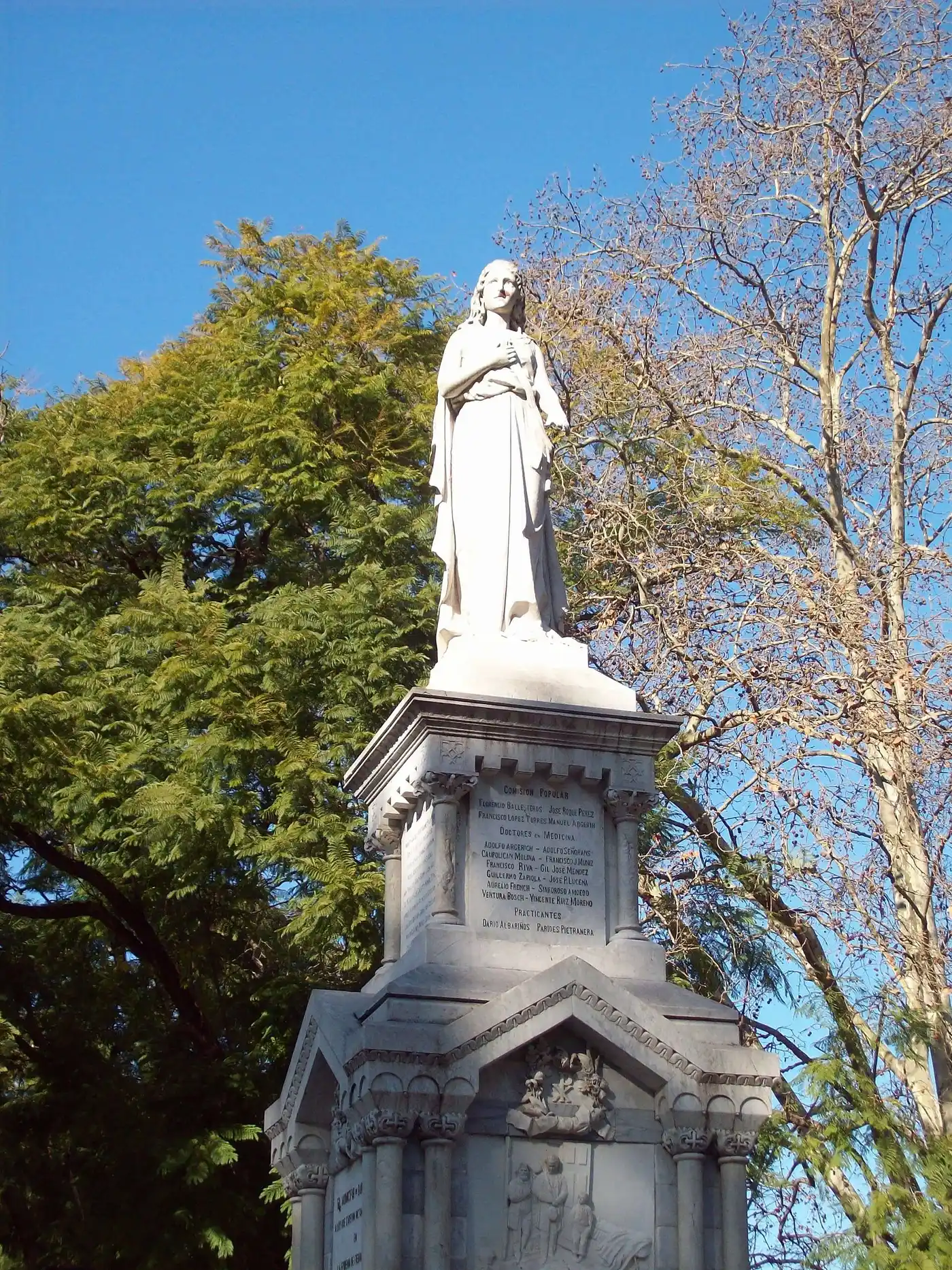
1871 · The yellow fever epidemic
The epidemic kills about 14,000 people in four months, nearly all in the south of the city. Wealthy families abandon San Telmo and move north, creating Recoleta and Barrio Norte.
1880 · Federalization
Law 1029 separates the city from the province and makes it the federal capital, ending decades of civil war. Mayor Torcuato de Alvear (1883-1887) opens Avenida de Mayo, inaugurated in 1894.
1880-1930 · The city of immigration
About 6 million immigrants arrive in the country, more than half Italian and Spanish. The city's population jumps from 187,000 (1869) to 1.58 million (1914).
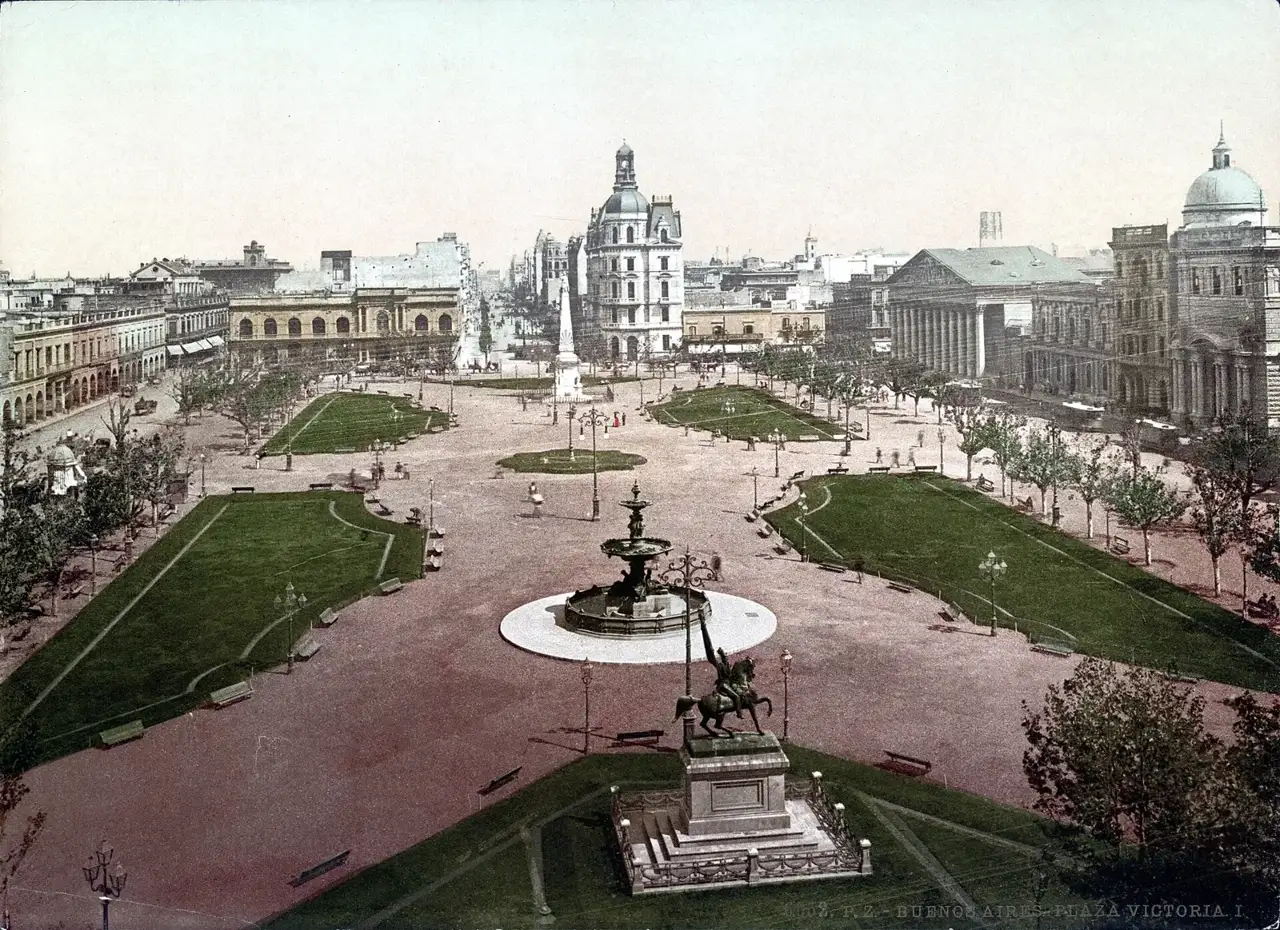
1913 · The continent's first subway
Subte Line A opens on December 1, 1913, between Plaza de Mayo and Plaza Miserere. It's the first subway in Latin America and the southern hemisphere.
1945-1955 · Peronism
On October 17, 1945, a workers' mobilization in the Plaza de Mayo frees Juan Domingo Perón, who governs from 1946 to 1955. The political divide opened there lasts to this day.
1976-2001 · Dictatorship, return and collapse
The coup of March 24, 1976, leaves about 30,000 disappeared and uses ESMA as a clandestine detention center, today a museum and World Heritage site since 2023. Democracy returns in 1983, the city elects a mayor in 1996, and the economy collapses in December 2001.

Complete history
Founded a second time, after the first attempt failed
Buenos Aires was founded twice because the first attempt failed. Pedro de Mendoza planted a fort on the riverbank bluff in 1536, ran out of food, clashed with the Querandí, and the settlement was abandoned in 1541 for Asunción. Juan de Garay came back from there and refounded the city on June 11, 1580, laying out 144 blocks of 100 m from a central square: the grid the city never gave up. For nearly two centuries it was a secondary, forbidden port: the Spanish Crown required Potosí's silver to leave through Lima, and Buenos Aires lived on smuggling hides with the Portuguese and English. That shaped, early on, a merchant elite with little obedience to Madrid.
Capital by decree, in 1776
In 1776 Charles III created the Viceroyalty of the Río de la Plata and made Buenos Aires its capital, legalizing overnight the hide and silver route that until then had left the port as contraband. Thirty years later, two British invasions (1806 and 1807) were driven back by militias organized in the city itself, with no Spanish troops, and the victory left behind armed leaders and the idea that the city could defend itself. On May 25, 1810, with Spain occupied by Napoleon, an open cabildo deposed the viceroy and installed the Primera Junta. Six decades of civil war followed between the Unitarians, who wanted a central government run from the port of Buenos Aires, and the Federalists of the provinces, a war settled only in 1880.
Yellow fever shaped the modern city
The 1871 yellow fever epidemic killed about 14,000 people in four months, nearly all of them in the south; wealthy families abandoned San Telmo and moved to the higher ground of the north, and the empty mansions became immigrant tenement houses: the north-south divide that still shapes income, transportation and price per square meter. In 1880 Law 1029 separated the city from Buenos Aires province and made it the federal capital, ending the civil war. Mayor Torcuato de Alvear demolished entire blocks to open Avenida de Mayo, inaugurated in 1894, and imported from Paris a taste for wide avenues, diagonals and stone facades.
Six million immigrants in fifty years
Between 1880 and 1930 about 6 million immigrants arrived in Argentina, more than half Italian and Spanish, and the city went from 187,000 residents in 1869 to 1.58 million in 1914, when nearly half of adults had been born abroad. Money from wheat and frozen beef paid for the Congress (1906), the Teatro Colón (1908), the new port and Latin America's first subway line, opened on December 1, 1913. It was in that mix of port, tenement and new neighborhood that tango stopped being outskirts music and became an export product. Almost everything visitors photograph today comes from those fifty years.
A century of coups: democracy only returned in 1983
The 20th century was a string of interruptions: the 1930 coup opened the series, and no civilian cycle ran its full course until 1983. The last dictatorship (1976–1983) left about 30,000 people disappeared according to human rights organizations and turned the ESMA, in the north of the city, into a clandestine detention center, now a memorial museum and a UNESCO World Heritage Site since 2023. Democracy returned in 1983, but the city only gained autonomy and an elected mayor in 1996, after the 1994 constitutional reform. Then came the bombings of the Israeli embassy (1992) and the AMIA (1994, 85 dead, still with no convictions), the conversion of the Puerto Madero docks in the 1990s, the collapse of December 2001 with five presidents in two weeks, and chronic inflation that only began to ease between 2024 and 2026. Theaters, bookstores and cafés kept their doors open through those crises, and the cultural scene visitors find today comes from that continuity.
The grid Juan de Garay laid out in 1580, with 100 m blocks, still guides anyone walking the city: ten blocks make a kilometer.
The Congress, the Teatro Colón, Avenida de Mayo and the Palacio Barolo all came out of the half century between 1880 and 1930, when pampas money rebuilt the city.
Geography and shape of the city
The river's mud and the bluff
The city occupies 203 km² of pampas plain on the south bank of the Río de la Plata estuary, which is about 45 km wide there and mud-colored from sediment carried by the Paraná and Uruguay rivers. There's no relief: the only visible fold is the bluff, the old riverbank, which runs through Belgrano, Recoleta and San Telmo some 15-25 m above the water and determined where the city was built first.
The polluted Riachuelo and the buried waterways
To the south, the Riachuelo (Matanza-Riachuelo basin) marks the boundary with the province and is one of the continent's most polluted rivers, under a court-ordered cleanup plan since 2008; to the east, Puerto Madero and the Reserva Ecológica sit on landfill reclaimed from the river in the 1970s and 1980s. The streams that once crossed the city (Maldonado, Vega, Medrano) were piped underground in the early 20th century and now run beneath avenues like Juan B. Justo, which explains the fast flooding in heavy rain.
The grid and the street numbering
The urban fabric is the Spanish grid of 100 m blocks, cut after 1900 by diagonal avenues and by the 9 de Julio, about 140 m between facades; street numbers grow from the river and from Avenida Rivadavia, which divides north from south, so a four-digit address already tells you the approximate distance in hundreds of meters.
The Río de la Plata there is about 45 km wide and the color of mud.
Culture
Tango came out of the outskirts
Tango was born in the port outskirts at the end of the 19th century, blending Cuban habanera, Afro-Rioplatense candombe and rural milonga. Carlos Gardel fixed the song form in the 1920s and 1930s, and Astor Piazzolla broke with the dance floor starting in the 1960s. UNESCO recognized tango as intangible heritage in 2009, in a joint bid with Montevideo. Today two parallel scenes exist: the tourist dinner show (US$80-150) and the milonga, the real dance in halls like Salón Canning, La Catedral and La Viruta, with a beginners' class beforehand and its own codes. The invitation is made with a look, the cabeceo, and refusal is simply not looking back.
Bookstores, independent theater and film
Buenos Aires has one of the highest bookshop densities in the world (estimates around 700 in the municipality), and the International Book Fair, at La Rural, draws over 1 million visitors in three weeks. Borges ran the National Library from 1955 to 1973; Cortázar, Sabato, Silvina Ocampo, and Ricardo Piglia wrote the city street by street. Avenida Corrientes is home to commercial theater, and the city supports about 300 independent venues, many with 40 seats and a weekend season. In film, four movies capture the country's spirit: Nine Queens (2000), The Secret in Their Eyes (the Oscar for Best Foreign Language Film in 2010), Wild Tales (2014), and Argentina, 1985 (2022).
Soccer, rock nacional and psychoanalysis
Soccer sits at the center of city life: when Boca and River play the superclásico, all of Buenos Aires stops, and the stadiums are a single color, because away fans have been banned from the Argentine league since 2013. Outside the stadium, rock nacional has kept its own circuit for five decades, from Charly García and Luis Alberto Spinetta to Soda Stereo, with venues in Chacarita, Almagro and Villa Crespo. Psychoanalysis has an address too: the city has one of the highest rates of psychologists per capita in the world (about 200 per 100,000), the blocks of Palermo around Plaza Güemes have been called Villa Freud since the 1970s, and talking about your analyst at dinner is ordinary conversation.
At a milonga there's no stage and no show: the floor belongs to whoever's dancing, and if you don't know how, you can take the beginners' class before the dance.
Festivals and events

Feria Internacional del Libro
Three weeks between late April and mid-May, at the La Rural fairgrounds in Palermo. Draws about 1,500 exhibitors and over 1 million visitors; the largest Spanish-language book fair by attendance.

Festival y Mundial de Tango
Two weeks in August, with hundreds of free shows and classes spread across the city, and the world dance championship in two categories, tango de pista and tango escenario, contested by couples from dozens of countries.

Porteño carnival
On the weekends of February, plus carnival Monday and Tuesday, across about 30 street corsos spread through the neighborhoods. The music is murga porteña, with bass drum, embroidered coat and a high-kick step; free admission.

La Noche de los Museos
One night between late October and November when about 250 museums and cultural spaces open from 7pm to 2am with free admission, long lines and extra transit.
arteBA
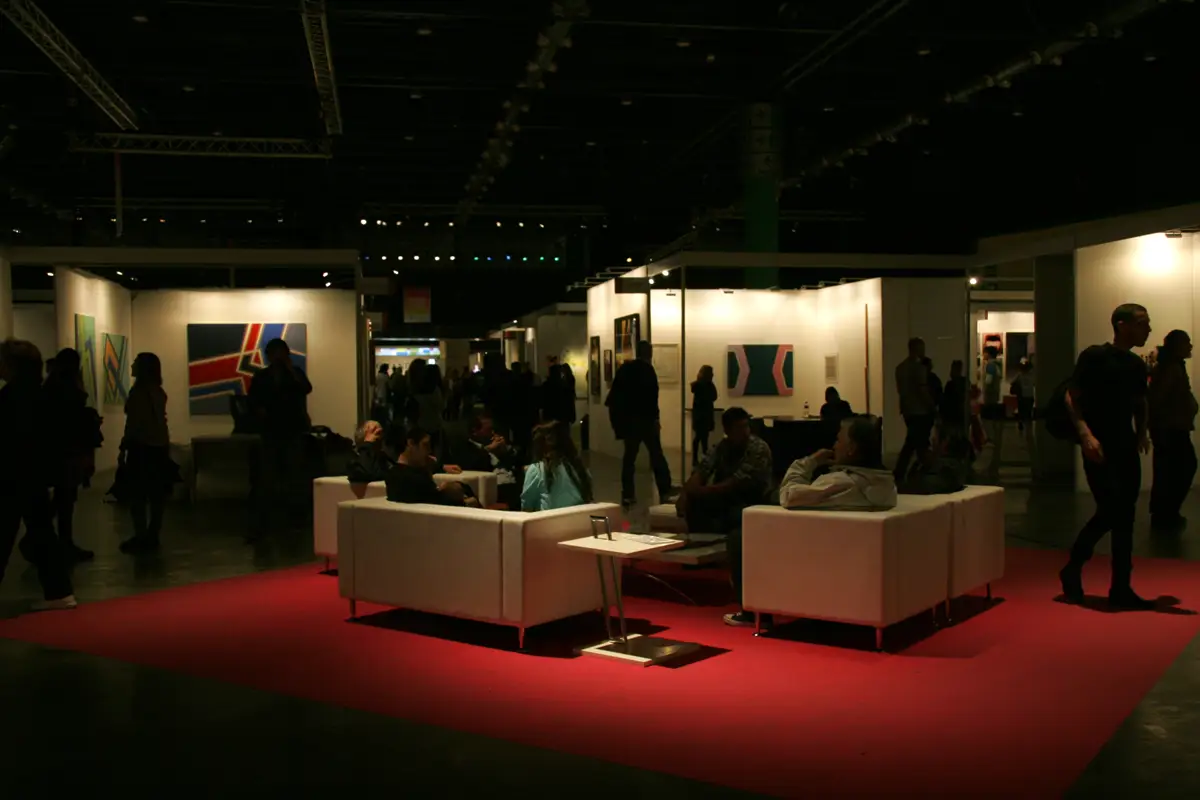
Contemporary art fair usually held between August and September, with Argentine and Latin American galleries. It's the region's main art market barometer and brings parallel programming to the city's museums.
Books and films
On Heroes and Tombs, Ernesto Sabato (1961)
A novel that uses the city's real topography (Parque Lezama, Barracas, the imagined tunnels beneath downtown) to explain porteño melancholy and the fracture between north and south.
Nine Queens, Fabián Bielinsky (2000)
A heist film shot in the Microcentro and Puerto Madero on the eve of the 2001 crisis. The city appears as a system of small, chained cons, which is how porteños themselves tell that period.
Tango: Zero Hour, Astor Piazzolla (1986)
Tango after it left the dance hall: bandoneón, double bass and dissonance. It's the fastest way in to understand what the city did to its own music, and why the argument over it lasted thirty years.
Frequently asked questions
Buenos Aires: Is it worth changing money with the arbolitos on Florida?
No: the advantage of the parallel-market dollar has practically disappeared since 2024, and the arbolitos still calling out on the Florida sidewalk carry the same risk of counterfeit bills and rigged change.
Buenos Aires: How do you get from Ezeiza to downtown?
A fixed-fare taxi or remis costs about US$35 to 45 and takes 45 to 70 min depending on traffic, and the Tienda León bus runs to Retiro and Puerto Madero about every 30 min, for about US$12 to 15.
Buenos Aires: How do you get to Tigre and the Paraná Delta?
Tigre is 28 km north, about 1 hour by train on the Mitre line from Retiro; another option is the Tren de la Costa from Olivos. From Tigre, enter the delta by water: the collective launch, the daily transport for people living in the houses on stilts, leaves from the Estación Fluvial Domingo Faustino Sarmiento, at Mitre 305, next to the train station, and the 1-hour boat tours leave from the Puerto de Frutos.
Buenos Aires: What's the currency, and what's the peso worth?
The currency is the Argentine peso (ARS), around 1,530 to the dollar at the official rate in September 2026.
Buenos Aires: What's the climate like throughout the year?
Buenos Aires is in the Southern Hemisphere and has a humid subtropical climate with no dry season: about 1,100 to 1,200 mm of rain falls a year, spread across the months, with the strongest storms in summer. Spring, from September to November, and fall, from March to May, are the good windows, with highs of 18 to 26°C; summer goes past 30°C, with January best avoided because the city goes on vacation, and winter, from June to August, stays between 8 and 16°C.
Other cities in the country
Argentina ↗- Days
- 3
- When
- Jan–Mar · Dec
- Per person/day
- Average 90–160 USDMid-range · per person/day
Cost scope
Per person per day: accommodation, meals, urban transport, visits and a small allowance for extras. Flights excluded; larger purchases vary. Editorial estimate, not a quote.
- Days
- 4
- When
- Mar–Apr · Nov
- Per person/day
- Average 70–100 USDMid-range · per person/day
Cost scope
Per person per day: accommodation, meals, urban transport, visits and a small allowance for extras. Flights excluded; larger purchases vary. Editorial estimate, not a quote.
- Days
- 4–5
- When
- Mar–May · Oct–Nov
- Per person/day
- Average 83,200 ARSMid-range · per person/day
Cost scope
Per person per day: accommodation, meals, urban transport, visits and a small allowance for extras. Flights excluded; larger purchases vary. Editorial estimate, not a quote.
- Days
- 4–5
- When
- Jan–Apr · Oct–Dec
- Per person/day
- Average 86,300 ARSMid-range · per person/day
Cost scope
Per person per day: accommodation, meals, urban transport, visits and a small allowance for extras. Flights excluded; larger purchases vary. Editorial estimate, not a quote.
- Days
- 6–7
- When
- Apr–Nov
- Per person/day
- Average 66,100 ARSMid-range · per person/day
Cost scope
Per person per day: accommodation, meals, urban transport, visits and a small allowance for extras. Flights excluded; larger purchases vary. Editorial estimate, not a quote.
- Days
- 3
- When
- Jan–Apr · Oct–Dec
- Per person/day
- Average 95,400 ARSMid-range · per person/day
Cost scope
Per person per day: accommodation, meals, urban transport, visits and a small allowance for extras. Flights excluded; larger purchases vary. Editorial estimate, not a quote.


Itineraries through here
 Argentina, Uruguay and Chile in 10 daysTango, rambla and the AndesBuenos Aires · Montevideo · Santiago · Valparaíso8–12 days4 cities
 Buenos Aires and Montevideo in 7 daysBoth banks of the River PlateBuenos Aires · Montevideo5–7 days2 cities
 Iguaçu Falls and Buenos Aires in 7 daysFrom the falls to the tangoFoz do Iguaçu · Buenos Aires5–7 days2 cities
 Argentina in 10 daysFrom tango to the end of the worldBuenos Aires · Bariloche · Ushuaia10–11 days3 cities
 Buenos Aires and Bariloche in 7 daysTango and Andean lakesBuenos Aires · Bariloche7–8 days2 cities
 Chile and Argentina in 10 daysAcross the AndesSantiago · Bariloche · Buenos Aires9–11 days3 cities
 Argentina and Uruguay in 10 daysAcross the River Plate to Punta del EsteBuenos Aires · Colonia del Sacramento · Montevideo · Punta del Este9–14 days4 cities
 Argentina in 15 daysSalta’s gorges and Mendoza’s MalbecBuenos Aires · Salta · Mendoza13–16 days3 cities