Argentina
Mendoza
Wineries at the foot of the Andes and the road to Aconcagua
Days Start with the basic programme and choose extensions for the time you have.
How the guide reaches this number
The first three nights are in the city, because the trip happens around it; the fourth, if the budget allows, is in the Uco Valley. Give the first day to Mendoza itself: the Museo del Área Fundacional in the morning, Plaza Independencia and the Mercado Central until siesta time, Parque General San Martín and Cerro de la Gloria in the late afternoon, and dinner on Arístides Villanueva street. The second belongs to Luján de Cuyo, about 30 km away, with Catena Zapata, a winery lunch and the end of the afternoon in Chacras de Coria. The third is Ruta 7 to Aconcagua, leaving the city at 7 a.m. to reach the Laguna de Horcones with room to spare and stop at Puente del Inca on the way back. The fourth is the Uco Valley, about 100 km to the south, where the vines climb to near 1,500 m; I'd go with my luggage and sleep there, so as not to drive back after drinking. With a fifth day, I'd leave the valley early, return to the city and go to Maipú by metrotranvía and bicycle, which you pick up until 2:30 p.m. With just one day, I'd do the city in the morning and a Luján de Cuyo winery in the afternoon, booked beforehand, and leave Aconcagua for another trip, because the excursion takes 10 to 12 hours. Anyone looking for a colonial city will be disappointed: the 1861 earthquake brought down old Mendoza, and what is left of it fits in a morning at the museum on Plaza Pedro del Castillo.
4–5
When March to May and October to November; in autumn the harvest ends and the vineyards turn ocher and red, in spring average highs run from 24 °C to 27 °C; January has an average high of 30.7 °C, and in winter snow can close Ruta 7
How the guide reaches this number
The climate is arid and sunny, and what changes through the year is the heat, the harvest and the snow in the mountains. Summer, from December to February, is hot, with an average high of 30.7 °C in January, and it is also when the year's little rain falls, in afternoon downpours; it is vacation season in Argentina and trekking season on Aconcagua. The harvest runs from late summer into autumn and culminates in the Fiesta de la Vendimia in early March, when hotels fill up. From March to May the vineyards shift from green to ocher, gold and red, highs drop from 26.5 °C to 18 °C and the wineries are less crowded after the festival: it is the best window. In winter, from June to August, highs hover around 15 °C and lows near 3 °C; snow makes Ruta 7 beautiful, but it can close the road and the Paso Cristo Redentor for days. October and November, with average highs of 24 °C to 27 °C, are the second good window, with the vines budding; watch for the zonda, the hot, dry wind that blows between May and November and can close roads.
Per person/day Budget about 35,500 ARS; mid-range about 83,200 ARS; comfortable about 171,000 ARS per person, based on spending reported by travelers to Budget Your Trip (checked October 2026).
How the guide reaches this number
Per person per day: accommodation, meals, urban transport, visits and a small allowance for extras. Flights excluded; larger purchases vary. Editorial estimate, not a quote.
 What Nilo thinks
Stay four days. The first three nights are in the city, because the trip happens around it; the fourth, if the budget allows, is in the Uco Valley. Give the first day to Mendoza itself: the Museo del Área Fundacional in the morning, Plaza Independencia and the Mercado Central until siesta time, Parque General San Martín and Cerro de la Gloria in the late afternoon, and dinner on Arístides Villanueva street. The second belongs to Luján de Cuyo, about 30 km away, with Catena Zapata, a winery lunch and the end of the afternoon in Chacras de Coria. The third is Ruta 7 to Aconcagua, leaving the city at 7 a.m. to reach the Laguna de Horcones with room to spare and stop at Puente del Inca on the way back. The fourth is the Uco Valley, about 100 km to the south, where the vines climb to near 1,500 m; I'd go with my luggage and sleep there, so as not to drive back after drinking. With a fifth day, I'd leave the valley early, return to the city and go to Maipú by metrotranvía and bicycle, which you pick up until 2:30 p.m. With just one day, I'd do the city in the morning and a Luján de Cuyo winery in the afternoon, booked beforehand, and leave Aconcagua for another trip, because the excursion takes 10 to 12 hours. Anyone looking for a colonial city will be disappointed: the 1861 earthquake brought down old Mendoza, and what is left of it fits in a morning at the museum on Plaza Pedro del Castillo.Mendoza was rebuilt from scratch after the 1861 earthquake, and the design of that reconstruction still organizes the city: wide streets, a central plaza ringed by four smaller ones and, beside nearly every sidewalk, an acequia carrying snowmelt to the trees that shade a region with about 267 mm of rain a year. Even so, what brings most visitors lies outside it. To the south, in Luján de Cuyo and the Uco Valley, Malbec vineyards climb to near 1,500 m, with the mountains behind and wineries that double as restaurants. To the west, Ruta 7 follows the Mendoza River to Aconcagua Provincial Park, where the mountain reaches 6,960.8 m. At night, back in the city, the bars and restaurants of Arístides Villanueva street serve Mendoza-style empanada, with onion, olive and egg, and the province's wine by the glass.
Quick facts
- Population
- about 127,000 in the Capital department and about 1.27 million in the six departments of Greater Mendoza (Capital, Godoy Cruz, Guaymallén, Las Heras, Luján de Cuyo and Maipú), INDEC 2022 census
- Founded
- March 2, 1561, by Pedro del Castillo; moved on March 28, 1562 by Juan Jufré; the current city was laid out in 1863, after the 1861 earthquake
- Country and region
- Argentina, Cuyo region; capital of Mendoza Province, at about 750 m, in the oasis irrigated by the Mendoza River, about 360 km by road from Santiago, Chile
- Language
- Argentine Spanish, with the “vos” form of address
- Currency
- Argentine peso (ARS, written $); the Banco de la Nación sold dollars at ARS 1,530 on October 15, 2026
- Time zone
- UTC−3 year-round; Argentina does not observe daylight saving time
- Best time to go
- March to May and October to November; in autumn the harvest ends and the vineyards turn ocher and red, in spring average highs run from 24 °C to 27 °C; January has an average high of 30.7 °C, and in winter snow can close Ruta 7
- Average cost per day
- Budget about 35,500 ARS; mid-range about 83,200 ARS; comfortable about 171,000 ARS per person, based on spending reported by travelers to Budget Your Trip (checked October 2026).
When to go
March to May and October to November; in autumn the harvest ends and the vineyards turn ocher and red, in spring average highs run from 24 °C to 27 °C; January has an average high of 30.7 °C, and in winter snow can close Ruta 7
How the year changes
The climate is arid and sunny, and what changes through the year is the heat, the harvest and the snow in the mountains. Summer, from December to February, is hot, with an average high of 30.7 °C in January, and it is also when the year's little rain falls, in afternoon downpours; it is vacation season in Argentina and trekking season on Aconcagua. The harvest runs from late summer into autumn and culminates in the Fiesta de la Vendimia in early March, when hotels fill up. From March to May the vineyards shift from green to ocher, gold and red, highs drop from 26.5 °C to 18 °C and the wineries are less crowded after the festival: it is the best window. In winter, from June to August, highs hover around 15 °C and lows near 3 °C; snow makes Ruta 7 beautiful, but it can close the road and the Paso Cristo Redentor for days. October and November, with average highs of 24 °C to 27 °C, are the second good window, with the vines budding; watch for the zonda, the hot, dry wind that blows between May and November and can close roads.
Nilo's tips
Book the wineries before you arrive, and two a day is enough
Visits are scheduled and groups are small; at Catena Zapata, for example, you only get in with a reservation, and the tour takes 60 to 90 minutes. Between October and April, the most sought-after wineries fill up weeks ahead. Since the distances between them are large and a winery lunch is long, I'd book one visit in the morning, lunch and at most one more visit in the afternoon.
On a wine day, the driver doesn't taste
On national highways, such as RN 40, which leads to the Uco Valley, and RN 7, which climbs to Aconcagua, the legal alcohol limit for driving is zero. For Luján de Cuyo and the Uco Valley, I'd hire a driver or join a tour; for Maipú, I'd take the metrotranvía to Gutiérrez station and continue by bicycle.
For Aconcagua, leave early and check the road
Horcones is about 185 km from the city, and the Laguna de Horcones trail entrance was reported open from 10 a.m. to 4 p.m. Leaving at 7 a.m., you can arrive with room to spare and stop at Puente del Inca on the way back. In winter, check the status of Ruta 7 and the Paso Cristo Redentor beforehand, since they close for snow, and bring a coat all year.
Use the SUBE card and the metrotranvía
Greater Mendoza's buses and metrotranvía accept only the SUBE card. A ride costs ARS 1,680 since July 2026. Line 680 goes from downtown and the bus station to the airport, but runs rarely: for an early flight, I'd call a car.
Use the siesta hours downtown
In a 2024 survey, about 70% of downtown shops already worked continuous hours, but the Mercado Central still closes between 1:30 p.m. and 5 p.m. I'd have lunch at the market before the break and use the early afternoon for the park, which doesn't close.
Explore the map
Explore the map, read about the other places and plan your travel days in the app.
Open the appWhat to see
Mendoza: The oasis and the mountains
The Uco Valley is a different landscape, 80 to 100 km to the south on RN 40, with vineyards between about 900 m and 1,500 m at the foot of the mountains. The grid around Plaza Independencia, with Peatonal Sarmiento, Pasaje San Martín, the Teatro Independencia, the hotels, the tour agencies and most of the shops.
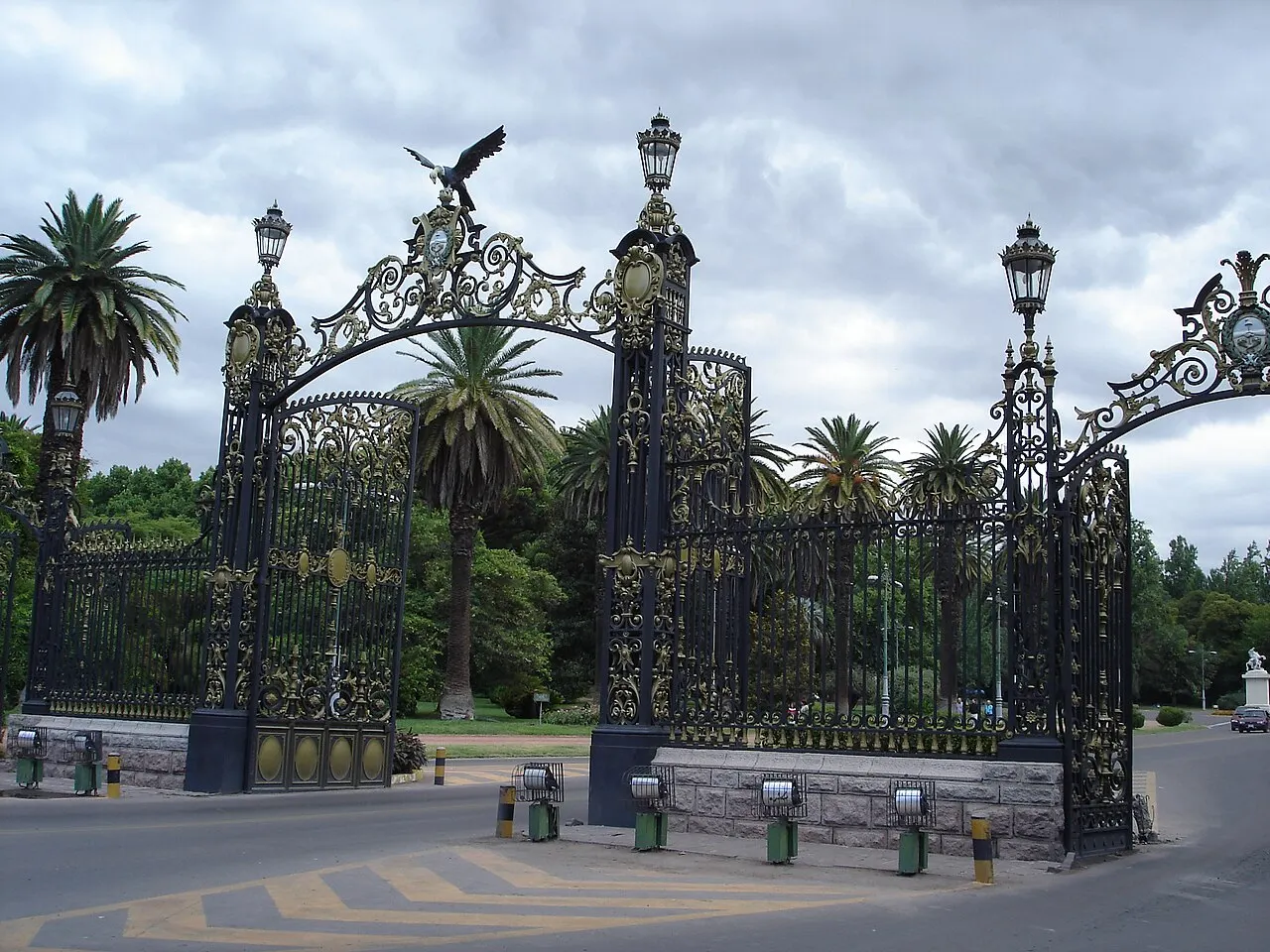
Parque General San Martín
Created by law in 1896 and designed by Carlos Thays, it has more than 300 cultivated hectares with species from several continents. You enter through cast-iron gates bought in Scotland; inside are the artificial lake of about 1 km used for regattas, the Fuente de los Continentes, the rose garden, the Museo de Ciencias Naturales y Antropológicas Juan Cornelio Moyano and the Teatro Griego Frank Romero Day, with 20,000 seats, where the Fiesta de la Vendimia takes place.
The more than 300 hectares designed by Carlos Thays from 1896 on arid land form the city’s largest green space, with the lake, rose garden, natural history museum and theater where the Vendimia takes place.
Check access
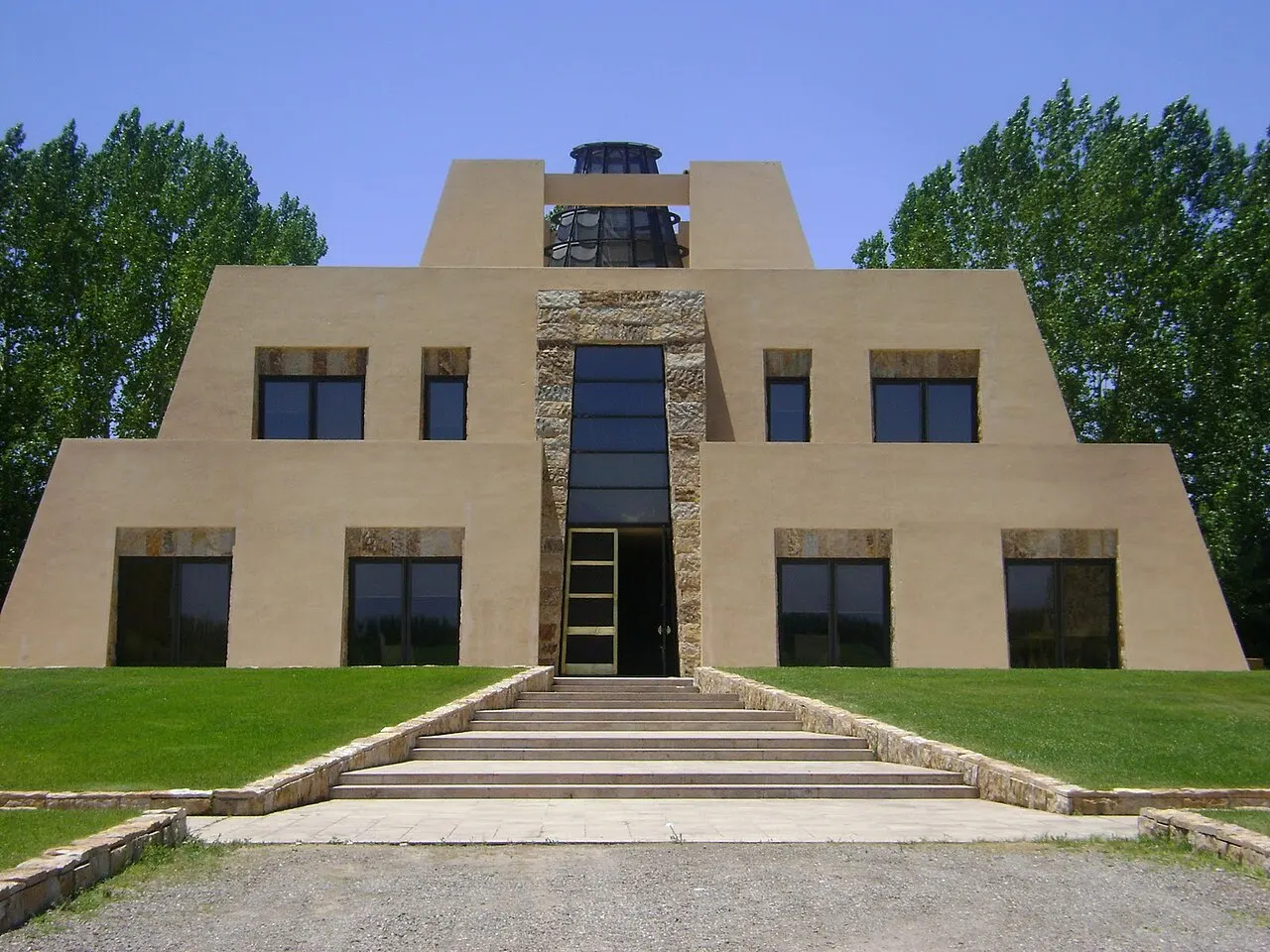
Bodega Catena Zapata
A winery in Agrelo, Luján de Cuyo, with a pyramid-shaped cellar. The guided visit lasts 60 to 90 minutes, in small groups and by reservation only, and the restaurant Angélica Cocina Maestra, with one Michelin star, serves a tasting menu from US$ 145 per person without wine.
The pyramid-shaped cellar in Agrelo is Luján de Cuyo’s most recognizable winery visit, in the area of the country’s first denomination of origin. It combines a 60- to 90-minute guided visit, in small groups by reservation only, and a Michelin-starred restaurant in one place.
Check access
Zuccardi Valle de Uco
A winery in Paraje Altamira, San Carlos, at about 1,100 m, built almost entirely from stones taken from the site itself. It was named the world's best by The World's Best Vineyards list from 2019 to 2021. All visits and the restaurant Piedra Infinita require advance reservations, and demand is highest in March and April.
Named the world’s best by The World’s Best Vineyards from 2019 to 2021, the stone winery in Paraje Altamira, at about 1,100 m, shows the Valle de Uco that justifies the trip: high-altitude vines at the foot of the mountains.
Check access

Parque Provincial Aconcagua
The protected area around Aconcagua, at 6,960.8 m the highest mountain in the Americas. If you are not climbing, you enter through Horcones, about 185 km west of Mendoza on RN 7, and walk the Laguna de Horcones trail: about 2 km, one hour, with viewpoints facing the mountain. The trail entrance was reported open from 10 a.m. to 4 p.m., and the route closes on days of snow or ice.
The roughly 2 km Laguna de Horcones trail puts visitors before the highest mountain in the Americas, at 6,960.8 m, without a climbing permit, and the road there crosses the whole cordillera along the Mendoza River valley. The trail closes in snow or ice.
Check access
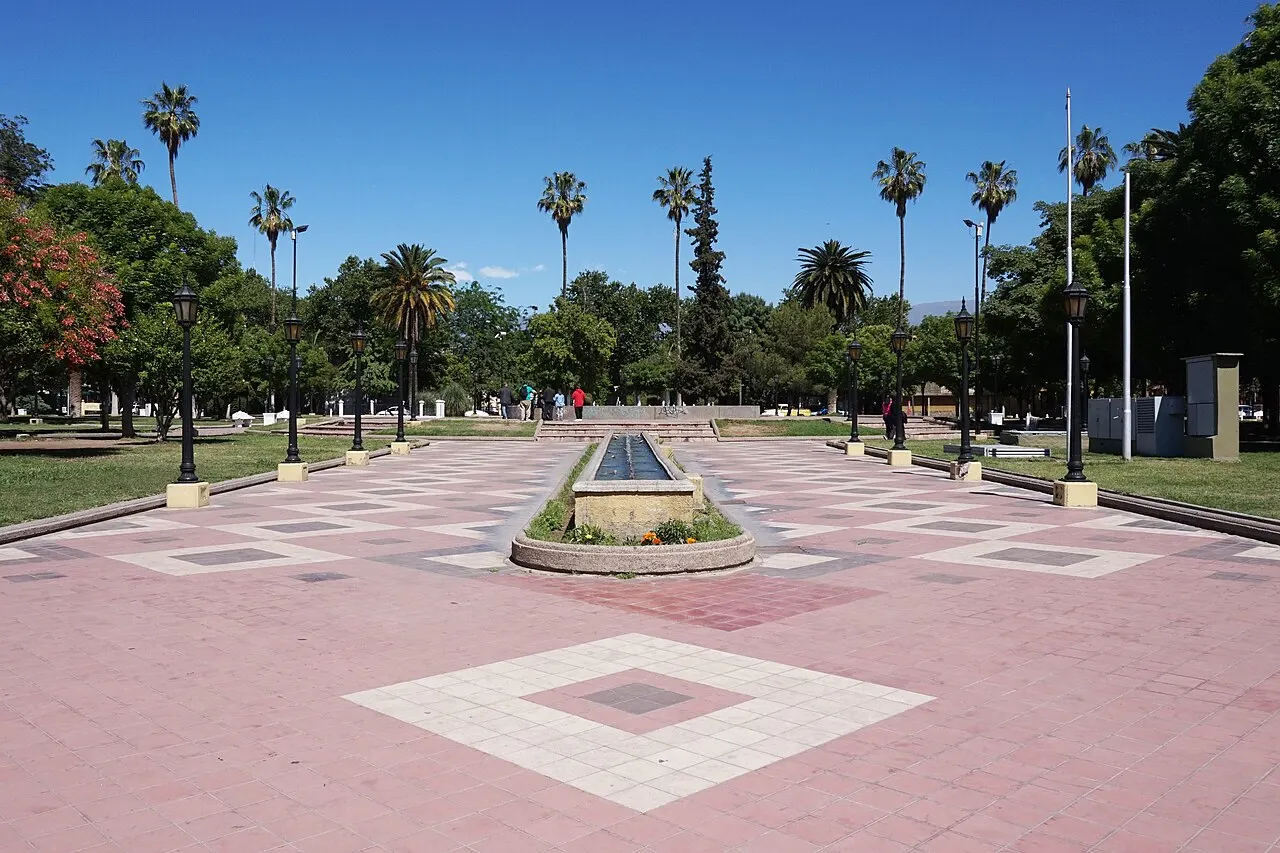
Museo del Área Fundacional
A site museum in Plaza Pedro del Castillo, where the city destroyed in 1861 once stood. In excavated layers it shows the floor of the old Cabildo, the floors of the slaughterhouse that operated there from 1877 to 1927 and the remains of the 19th-century plaza fountain, plus rooms on the settlement of the territory. It reopened in August 2025 after work on climate control, lighting, excavation and conservation, with new exhibits and a room for children. Across the street are the Ruinas de San Francisco, a Jesuit and Franciscan church that partly survived the earthquake.
It is the only place where colonial Mendoza, destroyed in 1861, can still be seen, in excavated layers beneath Plaza Pedro del Castillo, with the Ruinas de San Francisco across the street. It explains why today’s city dates entirely from the late 19th century onward, and fits into a morning.
Check access
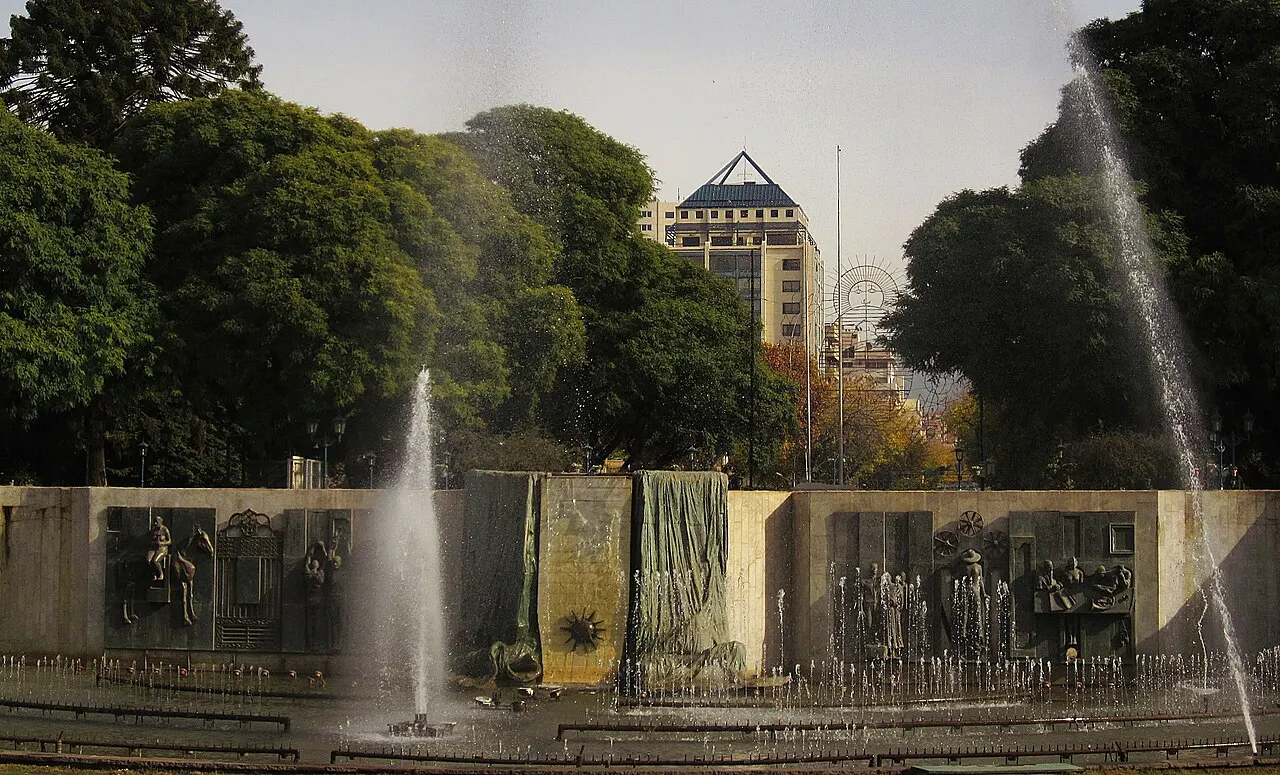
Plaza Independencia
The main plaza of the city laid out in 1863, surrounded by four smaller plazas that served as refuge in case of tremors. It has a crafts fair and street shows, and facing it are the neoclassical-fronted Teatro Independencia and the Park Hyatt. Two blocks away, Plaza España, renamed in 1947, is decorated with tiles from Seville.
The main plaza of the city laid out in 1863, with Teatro Independencia facing it and the four refuge plazas around it, shows on a walk how Mendoza was rebuilt after the earthquake.
Check access

Cerro de la Gloria
A hill inside the park, with the 1914 monument to the Ejército de los Andes by the Uruguayan Juan Manuel Ferrari: mounted grenadiers on each side represent the passes used to cross the mountains in 1817. You can go up on foot along a trail with viewpoints, or by bicycle, car or bus, and from the top you see the city and the pre-cordillera.
The 1914 monument to the Ejército de los Andes tells in bronze the story of the 1817 crossing that set out from here, and the hilltop offers views of the city with the pre-cordillera behind it.
Check access
Mercado Central de Mendoza
A covered market at avenida Las Heras 279, founded in 1883, with fruit, spices, regional products and small counters serving empanadas and pizza. Published hours are 8:30 a.m. to 1:30 p.m. and 5 p.m. to 8:30 p.m., with a break for the siesta.
A covered market of 1883 with counter-service empanadas and pizza and regional products; it is the center’s cheap lunch, provided you arrive before the 1:30 p.m. siesta closure.
Check access
Chacras de Coria
A village of Luján de Cuyo about 15 km south of the center, with tree-lined streets, mansions converted into restaurants, galleries and tearooms, and wineries inside the little town, such as Clos de Chacras, family-run since 1921. On Sundays there is a crafts fair in Plaza General Espejo.
The tree-lined village, with mansions, a family winery of 1921 and a Sunday fair in Plaza General Espejo, is the natural late-afternoon stop after a day of wineries in Luján de Cuyo.
Check access
Nilo’s itinerary
Start with the basic programme and choose extensions for the time you have.
Plan my days in the app ↗Day 1 · The city rebuilt after the earthquake
Start in the morning at the Museo del Área Fundacional, in Plaza Pedro del Castillo, and cross the street to the Ruinas de San Francisco. Check the museum's hours beforehand, as they change with the season.
Walk about 1 km southwest to Plaza Independencia, the center of the city laid out in 1863, and pass through Plaza España, decorated with tiles from Seville.
Have empanadas for lunch at the Mercado Central, at avenida Las Heras 279, before 1:30 p.m., when the market closes for the siesta.
In the middle of the afternoon, take a taxi or bus to the gates of Parque General San Martín and walk to the lake.
Climb Cerro de la Gloria in the late afternoon, on foot along the trail with viewpoints or by bus, to see the monument to the Ejército de los Andes and the city below.
Have dinner on Arístides Villanueva street, in the Quinta Sección, and go back by taxi or ride-hailing app.
Day 2 · Luján de Cuyo: Agrelo and Chacras de Coria
Leave at 9 a.m. with a driver or on a tour for Agrelo, in Luján de Cuyo, about 30 km to the south.
Take the reserved visit at Bodega Catena Zapata, the one with the pyramid-shaped cellar: the tour takes 60 to 90 minutes.
Have lunch at a winery with a reservation made beforehand. Angélica Cocina Maestra, at Catena Zapata itself, has a tasting menu from US$ 145 per person without wine.
In the afternoon, do at most one more tasting in Las Compuertas or Vistalba.
Finish in Chacras de Coria, about 15 km from the center: Plaza General Espejo, the tree-lined streets and, on Sundays, the crafts fair.
Day 3 · Ruta 7 to Aconcagua
Leave the city at 7 a.m. on RN 7, on a tour or by car, and bring a jacket even in summer. Check the road status beforehand.
Pass Embalse Potrerillos, about 60 km beyond the city, and stop in Uspallata, about 110 km out, the last town with services before the climb.
Enter Aconcagua Provincial Park at Horcones, about 185 km from Mendoza, within the reported hours of 10 a.m. to 4 p.m. In the 2025–2026 season, the circuit cost ARS 10,000 per person; check the current fee.
Walk the Laguna de Horcones trail, about 2 km and one hour, with viewpoints facing the mountain. Horcones sits near 2,900 m, and the city at about 750 m: walk slowly and drink water.
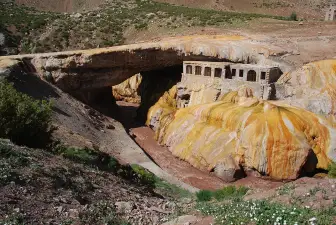
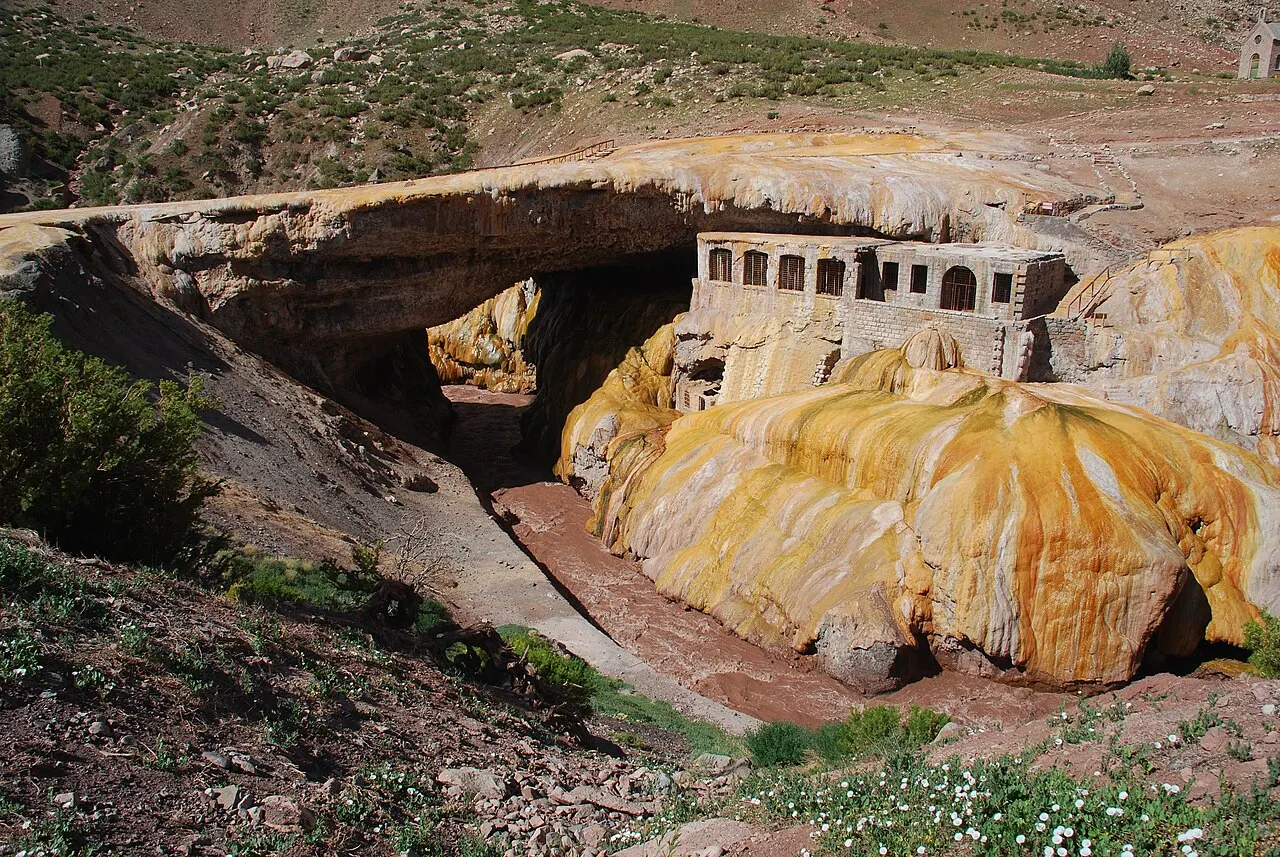
On the way back, stop 4 km down at Puente del Inca, at about 2,720 m, to see the stone arch over the Las Cuevas River and the ruins of the 1925 hotel.
Come down to sleep in Mendoza: the full excursion takes 10 to 12 hours.
Day 4 · Valle de Uco, the high-altitude vineyards
Leave the city at 8 a.m. on RN 40 heading south: Tunuyán is about 1.5 hours away by car. Bring your luggage if you will sleep in the valley.
Visit Zuccardi Valle de Uco, in Paraje Altamira, San Carlos, at about 1,100 m; book the visit beforehand and, if you want to have lunch there, the restaurant Piedra Infinita.
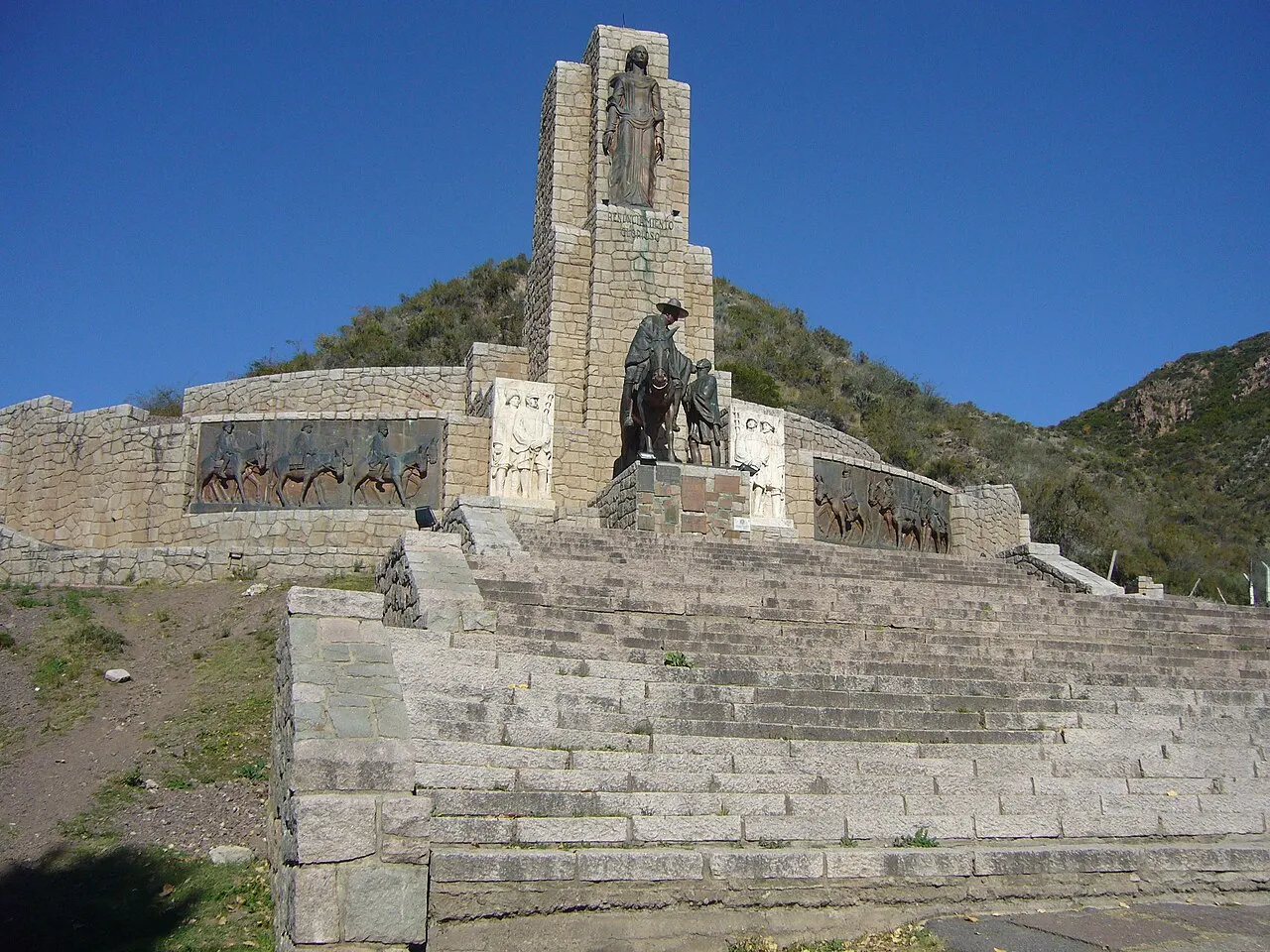
With the afternoon free, continue to Los Chacayes, in Tunuyán, to see the Manzano Histórico and the Retorno a la Patria monument, with free entry.
Sleep in the valley, if the budget allows, so you don't drive about 100 km back after drinking; if you return the same day, go with a driver or on a tour.



If you stay longer
Day 5 · Maipú by bicycle
Day trip
About 15 km southeast of the center. The metrotranvía reaches Gutiérrez station, about 300 m from Bodega López, and in Coquimbito Maipú Bikes, on Urquiza street, rents bicycles with a helmet and a map for a route on nearly flat paths; pickup is from 10 a.m. to 2:30 p.m. and return by 6 p.m., on Mondays, Wednesdays, Fridays and Saturdays. Book the bicycle and the wineries online.
Food
Empanada mendocina
Baked dough, traditionally in a wood-fired oven, filled with seasoned beef, onion, olive and egg. The generous amount of onion is what sets it apart from empanadas of other provinces. It is eaten as a starter, at a counter in the Mercado Central or in any bakery.
Tomaticán
A Cuyo stew made with tomato, onion and egg, of Indigenous origin with additions from immigrants. Tied to the harvest season, it also appears in a restaurant version, as a starter with the province's tomatoes and a poached egg.
Humita
Grated fresh corn with onion, tomato and pepper, cooked inside the corn husk in a parcel shape, similar to Brazilian pamonha. It appears on criollo menus alongside the empanada and locro.
Sopaipillas
Discs of flour, fat and water dough fried in fat or oil, sometimes with sugar on top. In Cuyo they go with mate at breakfast or in the afternoon, especially on a cold or rainy day.
Chivo
Kid goat roasted over embers, a dish from the south of the province, where Malargüe holds the Festival Nacional del Chivo. In Mendoza it shows up at parrillas and regional restaurants, always served with red wine.
Malbec
The red grape that defines Mendoza, brought from France in the 19th century. The province had 39,856 hectares of it at the end of 2024, about 85% of the country's total. You order it by the glass in any restaurant, and at wineries the tasting usually compares wines from the same grape grown at different altitudes.
Where to eat
- Microcentro · $
Empanadas and pizza at the counter, fruit and regional products in the covered market on avenida Las Heras, open in the morning and late afternoon.
- Azafrán · Microcentro · $$$
Contemporary tasting menus using local, seasonal ingredients on Avenida Sarmiento. Suits an evening devoted to food and wine without travelling to a winery. Reserve and check the available menus.
Source · 2026-10-16
- Centauro · Microcentro · $$$
Four- or eight-course menus by chef Aris Pabon, using Argentine produce in combinations such as trout, squash and criolla sauce. Suits diners who enjoy a sequence of dishes; a non-alcoholic pairing is available. Reserve with the restaurant.
Source · 2026-10-16
- Quinta Sección · $$
Bars, craft breweries and restaurants along Arístides Villanueva street, for a late dinner on foot.
- La VidA · Chacras de Coria · $$$
At Susana Balbo’s hotel, chef Flavia Amad Di Leo links a seven-course menu to stages of winemaking, paired with the house wines. Fits a Chacras de Coria day for diners wanting a long, wine-focused meal. Reserve ahead.
Source · 2026-10-16
- Angélica Cocina Maestra · Agrelo, Luján de Cuyo · $$$
A tasting menu inside Bodega Catena Zapata, from US$ 145 per person without wine; one Michelin star.
Source · 2026-10-15
- Cal · Sitio La Estocada, Valle de Uco · $$$
A seven-course menu highlighting vegetables from the property’s garden, changing with the week’s produce. One experience adds a visit to the farm and winery; choose the format when booking and arrange transport to the Valle de Uco.
Source · 2026-10-16
$: empanadas and pizza at the counter; a mozzarella and olive pizza from ARS 18,900 (July 2026) · $$: lunch menu with a drink downtown, averaging ARS 21,058 as reported to Expatistan (June 2026) · $$$: winery tasting menu, such as Angélica's at Catena Zapata, from US$ 145 per person without wine · 2026-10-15
Day trips
Valle de Uco
Between 80 and 100 km to the south on RN 40, about 1.5 hours by car to Tunuyán. The vineyards sit between about 900 m and 1,500 m, at the foot of the mountains, and the wineries receive visitors by reservation, many with long-menu restaurants. There is no useful public transport: go with a driver, a tour or a car, and consider sleeping there.
High Mountain and Aconcagua
About 185 km to the west on RN 7, passing Potrerillos, Uspallata and Puente del Inca to the entrance of Aconcagua Provincial Park, at Horcones, near 2,900 m. Full-day tours take 10 to 12 hours round trip. When the snow allows, there is the 8.7 km dirt climb from Las Cuevas to the Cristo Redentor.
Maipú by bicycle
About 15 km southeast of the center. The metrotranvía reaches Gutiérrez station, about 300 m from Bodega López, and in Coquimbito Maipú Bikes, on Urquiza street, rents bicycles with a helmet and a map for a route on nearly flat paths; pickup is from 10 a.m. to 2:30 p.m. and return by 6 p.m., on Mondays, Wednesdays, Fridays and Saturdays. Book the bicycle and the wineries online.
Potrerillos and Cacheuta
Embalse Potrerillos is about 60 km west on RN 7, about 1 hour by car, with a lake more than 14 km long among arid mountains. Rafting runs of about 12 km down the Mendoza River start there, and the Cacheuta hot springs are at km 39 of RP 82, in Luján de Cuyo. It fits in half a day or in a full day of rafting and thermal baths.
Where to begin
The city rebuilt after the earthquake
Start in the morning at the Museo del Área Fundacional, in Plaza Pedro del Castillo, and cross the street to the Ruinas de San Francisco. Check the museum's hours beforehand, as they change with the season.
Luján de Cuyo: Agrelo and Chacras de Coria
Leave at 9 a.m. with a driver or on a tour for Agrelo, in Luján de Cuyo, about 30 km to the south.
Ruta 7 to Aconcagua
Leave the city at 7 a.m. on RN 7, on a tour or by car, and bring a jacket even in summer. Check the road status beforehand.
Valle de Uco, the high-altitude vineyards
Leave the city at 8 a.m. on RN 40 heading south: Tunuyán is about 1.5 hours away by car. Bring your luggage if you will sleep in the valley.
Money
The currency is the Argentine peso (ARS), written with the same “$” as the dollar; on October 15, 2026 the Banco de la Nación bought dollars at ARS 1,480 and sold them at ARS 1,530. Prices change fast, so treat the figures below as dated references. A lunch menu with a drink downtown averaged ARS 21,058 in June 2026, according to prices reported to Expatistan, a mozzarella and olive pizza at a traditional place started at ARS 18,900 in July 2026, and a bus ride has cost ARS 1,680 since July 2026. For lodging, a hostel near Plaza Independencia started at ARS 52,000 a room for two in October 2026, and three-star hotels downtown ran between ARS 78,000 and 103,000. During the March 2026 Vendimia, Ente Mendoza Turismo calculated an average total spend of ARS 94,207 per tourist per day. Tastings are the biggest expense: travel guides put a standard visit with a tasting between US$ 50 and 90 per person in 2026, and the tasting menu at Angélica, at Catena Zapata, starts at US$ 145 per person without wine. In the 2025–2026 season, the short Horcones circuit in Aconcagua Park cost ARS 10,000 per person; check the current season's fee. Cards are accepted at hotels, wineries and restaurants, but carry cash for the market, fairs and tips. A 10% tip is customary and is not on the bill; at winery restaurants in the Uco Valley and Luján de Cuyo, 10% to 15%. The “cubierto,” charged for bread and cutlery, is not a tip.
Getting there and around
From the airport and the bus station
El Plumerillo airport (MDZ) is in Las Heras, about 11 km north of the center. There are flights to Buenos Aires in under two hours and to Santiago, Chile, in just over one. Bus line 680 links the airport with downtown and the bus station in 35 to 40 minutes, infrequently, and a taxi or ride-hailing app is the practical option at night. The Terminal del Sol, the bus station, is about five blocks from the microcentro; the bus to Santiago through the Paso Cristo Redentor takes 6 to 7 hours, and to Buenos Aires about 13.
Buses, metrotranvía and bicycle
Within Greater Mendoza, Mendotran network buses and the metrotranvía use the SUBE card. Since July 13, 2026 a ride costs ARS 1,680. The metrotranvía crosses Greater Mendoza to Gutiérrez station, in Maipú, a few blocks from wineries such as López, and is being extended to Luján de Cuyo and the airport. The center is flat and walkable, and in Maipú you can rent a bicycle to ride between wineries.
Wineries and mountains call for a car or driver
Luján de Cuyo, the Uco Valley and Ruta 7 have no public transport that serves someone who wants to visit wineries or Aconcagua in the same day. The options are to rent a car, hire a driver or join a tour. On national highways, such as RN 7 and RN 40, the zero-alcohol driving law applies; on provincial roads, the province keeps its own limit. The Paso Cristo Redentor, to Chile, closes as a precaution when heavy snow is forecast, sometimes for several days.
Safety
For visitors to Mendoza, the most common problem is theft. The bus station and its surroundings concentrate bag and phone thefts, and the “motochorros,” thieves who work in pairs on motorbikes, snatch bags and phones on the sidewalk: walk with your phone put away, close to the curb, and avoid the empty streets of the park at night. Take a taxi or ride-hailing app to get back late from Arístides Villanueva. In the mountains, the risk is weather and altitude: Horcones sits near 2,900 m, reached within a few hours from the city's roughly 750 m, so walk slowly and drink water; it is cold and windy at altitude even in summer, the sun is strong and the Laguna de Horcones may be partly frozen, which is why walking on it is forbidden. The zonda can bring down trees and branches in the city; on an alert day, avoid standing under large trees. Mendoza is a seismic zone and adopted strict building codes after the 1861 earthquake; in case of a tremor, follow your hotel's instructions. Tap water is drinkable. In an emergency, call 911, the province's unified number. The Policía Turística (Comisaría del Turista) is open 24 hours at +54 261 413 2135, according to the British consular service.
Etiquette tips
Book the winery and arrive on time
Visits run at fixed times and in small groups, and many wineries do not take walk-ins. Arriving late usually means missing the visit, because the next group is already booked.
Check whether the price is in pesos or dollars
The “$” is the peso symbol, but winery menus and tastings are sometimes quoted in dollars. Ask beforehand, without embarrassment: it is a common question.
Leave 10% outside the bill
The tip is not included and is left separately, preferably in cash. The “cubierto,” charged for bread and cutlery, is something else and does not replace the tip.
In a mate circle, don't say “gracias” after every round
If someone offers you mate, hand the gourd back to whoever is serving after drinking it all. “Gracias” means you don't want any more, so say it only when you are done.
Greet before you ask
In shops, taxis and at counters, start with “buen día” or “buenas tardes” before asking the price or the way.
Mistakes to avoid
Staying only in the city
Booking three days in Mendoza and spending them downtown. The city can be seen well in a day; what justifies the trip is the wineries of Luján de Cuyo, Maipú and the Uco Valley and Ruta 7 to Aconcagua.
Showing up at a winery without a reservation
Turning up at the winery door expecting to get in. Visits are scheduled and places are limited, and between October and April the most sought-after ones fill up weeks ahead.
Driving after the tasting
Planning the wine day with your own car. On national highways, such as RN 40, which connects the city to the Uco Valley, the legal alcohol limit for driving is zero. Hire a driver or a tour, or sleep near the vines.
Booking too many wineries in one day
Fitting four or five wineries into a single day. The distances between them are large, each visit takes one to two hours and a winery lunch can last three. Two visits and a lunch already fill the day.
Heading into the mountains without checking the road
Setting out for Aconcagua or for Chile in winter without checking the status of Ruta 7 and the Paso Cristo Redentor, which close for snow. And going up in shorts in summer: at Puente del Inca, at about 2,720 m, the wind is cold even in January.
Useful phrases
Buen día
Good morning. The standard greeting in Argentina, used until noon
¿Tenés reserva?
Do you have a reservation? Uses “vos,” the normal form of address in Argentina
Una copa de Malbec, por favor
A glass of Malbec, please
¿Está en pesos o en dólares?
Is it in pesos or in dollars? Useful for winery menus and tours
La cuenta, por favor
The check, please
¿Está abierto el paso?
Is the pass open? A question to ask before heading up Ruta 7 in winter
Where to stay
- Microcentro · First trip, no car and a tight budget · $$: It is close to Plaza Independencia, the tour agencies, the Mercado Central and about five blocks from the bus station. There is everything from hostels to large hotels, and almost everything is done on foot. At night, activity drops once the shops close.
- Quinta Sección · For anyone who wants the park in the morning and bars at night · $$: A residential neighborhood between the center and Parque General San Martín, with Arístides Villanueva street for dinner and drinks on foot. There are more apartments and guesthouses than large hotels.
- Chacras de Coria · Couples and anyone doing the wineries of Luján de Cuyo · $$$: A leafy, quiet village about 15 km to the south, close to Agrelo, Vistalba and Las Compuertas. Public transport is not enough: you need a car or a driver.
- Valle de Uco · For anyone who wants to sleep among the vines and not drive back · $$$: Hotels and inns inside wineries, about 100 km from the city, with the mountains in front and dinner on site. The city and the other wine zones are far away.
$: hostel near Plaza Independencia, from ARS 52,000 a room for two (October 2026) · $$: three-star hotel downtown, ARS 78,000 to 103,000 a night for two (October 2026) · $$$: above ARS 103,000 a night for two · 2026-10-15
Districts
Microcentro
The grid around Plaza Independencia, with Peatonal Sarmiento, Pasaje San Martín, the Teatro Independencia, the hotels, the tour agencies and most of the shops. It is flat and walkable, and the Terminal del Sol, the bus station, is about five blocks away.
Área Fundacional
The site of the city destroyed in 1861, northeast of the center, around Plaza Pedro del Castillo, with the Museo del Área Fundacional and the Ruinas de San Francisco. It is a residential, working-class neighborhood, best visited by day.
Quinta Sección
A residential neighborhood between the center and Parque General San Martín, with Arístides Villanueva street, the city's main strip of bars, breweries and restaurants. It suits anyone who wants the park in the morning and the night out on foot.
Chacras de Coria
An old village of Luján de Cuyo, about 15 km south of the center, with tree-lined streets, mansions turned into restaurants and galleries, Plaza General Espejo and wineries inside the little town. Public transport is not enough to get around there.
Luján de Cuyo
The department south of Greater Mendoza, about 30 km from the center, with the wine districts of Agrelo, Vistalba, Perdriel, Las Compuertas and Ugarteche, between about 800 m and 1,100 m. It concentrates large wineries, winery restaurants and old Malbec vines.
Maipú
A department about 15 km southeast, with old wineries close together in Coquimbito and the surrounding area. The metrotranvía reaches Gutiérrez station, and the nearly flat paths make cycling easy.
Valle de Uco
The region of Tupungato, Tunuyán and San Carlos, 80 to 100 km to the south, with high-altitude vineyards, architectural wineries, long-menu restaurants and a few hotels among the vines. It calls for a car or a driver and, preferably, a night.
High Mountain (Ruta 7)
The corridor that climbs west to the Chilean border, with Embalse Potrerillos, Uspallata, Puente del Inca, the Aconcagua Provincial Park entrance at Horcones, and Las Cuevas. There are few services above Uspallata, and snow closes the road on some winter days.
History
1551 · Villagra's expedition among the Huarpes
Coming from Chile, Francisco de Villagra's men cross the valley, spend the winter there and establish peaceful relations with the Huarpe communities who lived in it.
1561–1562 · Founding and relocation
On March 2, 1561, Pedro del Castillo founds the Ciudad de Mendoza del Nuevo Valle de La Rioja, beside the canal now called Cacique Guaymallén. On March 28, 1562, Juan Jufré moves it a little to the west, to the site of today's Plaza Pedro del Castillo.
1776 · From Chile to the Río de la Plata
Cuyo leaves the Captaincy General of Chile and passes to the new Viceroyalty of the Río de la Plata. The wagon route to Buenos Aires was more practicable than crossing the Andes, but ties with Chile continued.
1816–1817 · The Ejército de los Andes
In 1816 José de San Martín sets up the El Plumerillo camp near the city and prepares an army of more than 5,000 men there. In January 1817 the columns set out to cross the mountains toward Chile.
1861 · The March 20 earthquake
The tremor destroys almost the entire colonial city. Death estimates range from 40% to 60% of the population at the time, and what was left came to be called Ciudad Vieja and later Barrio de las Ruinas.
1863 · Balloffet's new city
The French surveyor Julio Balloffet lays out the new city about 1 km to the southwest, on the old San Nicolás estate: one larger plaza, today's Plaza Independencia, and four smaller ones, all designed as shelter in case of earthquakes.
1885 · The train and modern wine
The Ferrocarril Andino arrives in April 1885, makes shipping wine to Buenos Aires cheaper and brings Italian and Spanish immigrants. Between 1883 and the end of the century, modern vineyards grow from about 2,788 to 17,830 hectares.
1896 · The Parque del Oeste
Provincial law no. 19, of November 6, 1896, creates the park now called General San Martín, designed by the French landscape architect Carlos Thays on arid land west of the city.
1914 · The Cerro de la Gloria monument
The monument to the Ejército de los Andes, by Uruguayan sculptor Juan Manuel Ferrari, is inaugurated on the former Cerro del Pilar. The hill, now part of the park, had received its current name in 1913.
1936 · The first Fiesta de la Vendimia
By decree of Governor Guillermo Cano, the grape harvest festival is celebrated for the first time on April 18, 1936, in Parque General San Martín, for more than ten thousand people. Since 1963 the central act has taken place at the Teatro Griego Frank Romero Day.
1989 · The first appellation of origin
Luján de Cuyo receives Argentina's first Denominación de Origen Controlada, based on old-vine Malbec planted between about 800 m and 1,100 m.
2023–2026 · Malbec, the Uco Valley and the Michelin guide
The Uco Valley establishes itself as the province's high-altitude vineyard zone, and the Michelin guide arrives in Mendoza in 2023 with four starred restaurants. In the 2026 edition there are already nine.
Complete history
An oasis at the foot of the mountains
Mendoza exists because the Mendoza River comes down from the Andes into land where it hardly rains: the Observatory station records about 267 mm a year. The valley was Huarpe land when Francisco de Villagra's expedition, coming from Chile, passed through in 1551, and it was from Chile that Pedro del Castillo set out to found the city on March 2, 1561, on the bank of the canal now called Cacique Guaymallén. A year later, Juan Jufré moved it to where Plaza Pedro del Castillo stands today. For two centuries Mendoza belonged to the Captaincy General of Chile, and only in 1776 did it pass to the Viceroyalty of the Río de la Plata, because the wagon road to Buenos Aires was more practicable than the crossing of the mountains.
San Martín and the crossing of the Andes
The city entered the history of South American independence as a rearguard. In 1816, José de San Martín set up the El Plumerillo camp on the outskirts, and there he gathered and trained an army of more than 5,000 men, with mules, horses and whatever the province could supply. The columns set out in January 1817, through passes such as Los Patos, to cross the Andes and attack the royalists in Chile. That is why the city's most visible monument, atop Cerro de la Gloria, is dedicated to the Ejército de los Andes, and why the Manzano Histórico, in the Uco Valley, keeps the tradition of the place where San Martín is said to have rested on his return in 1823.
The 1861 earthquake and the new city
On the night of March 20, 1861, an earthquake brought down almost all of colonial Mendoza. Death estimates range from 40% to 60% of the population, and it is the most destructive quake documented in the country. The city was not rebuilt on the same spot: in 1863, the French surveyor Julio Balloffet laid out a new city about 1 km to the southwest, with wide streets and sidewalks, one larger plaza and four smaller ones that would serve as refuge in case of another tremor. The old one, called Ciudad Vieja and later Barrio de las Ruinas, became a poor neighborhood, and what remains of it now lies under the Museo del Área Fundacional and in the Ruinas de San Francisco. The strict building codes adopted afterward explain the low, spread-out city you see today.
The train, the immigrants and the wine
The arrival of the Ferrocarril Andino, in April 1885, changed the province's economy: wine began to reach Buenos Aires cheaply, and Italian and Spanish immigrants came to work in the vineyards. Between 1883 and the end of the century, modern vineyards grew from about 2,788 to 17,830 hectares. The French agronomist Michel Aimé Pouget had already brought French varieties in the mid-19th century, Malbec among them, and around 1880 Tiburcio Benegas planted 250 hectares and built the El Trapiche winery. The same generation created the Parque del Oeste, in 1896, and from 1936 made the harvest festival the province's public celebration.
From table wine to high-altitude Malbec
For much of the 20th century, Mendoza produced cheap wine in large volumes for the domestic market. The turn came with Malbec bottled for export and with vineyards moving up to higher altitudes: Luján de Cuyo received the country's first controlled appellation of origin in 1989, and the Uco Valley, about 100 km to the south, where the vines reach close to 1,500 m, became the zone of architecture-driven wineries and restaurants. At the end of 2024, the province had 39,856 of Argentina's 47,064 hectares of Malbec. Tourism followed the wine: in 2025, six Mendoza wineries were on The World's 50 Best Vineyards list, and in 2026 nine restaurants in the province held a Michelin star.
Geography and shape of the city
The oasis and the mountains
Mendoza occupies the eastern Andean piedmont, at about 750 m, where the Mendoza River leaves the mountains and spreads across an arid plain. To the west, the pre-cordillera begins just behind Parque General San Martín, and Ruta 7 follows the river valley to the Chilean border, passing Embalse Potrerillos, Uspallata and Aconcagua Provincial Park. The city and the vineyards are an artificial oasis: snowmelt is distributed by larger canals, which still carry names like Cacique Guaymallén, and reaches the streets through the acequias that run beside nearly every sidewalk and water the trees.
The gridded city and Greater Mendoza
The center is the 1863 grid, flat and made of regular blocks, with Plaza Independencia in the middle and plazas España, Italia, Chile and San Martín at the four corners. To the west lies the park, with more than 300 cultivated hectares. Greater Mendoza spreads in every direction across six departments, and the wine zones begin inside it: Maipú to the southeast, and Luján de Cuyo to the south, with Chacras de Coria, Agrelo, Vistalba and Perdriel. The Uco Valley is a different landscape, 80 to 100 km to the south on RN 40, with vineyards between about 900 m and 1,500 m at the foot of the mountains.
Arid climate and the zonda
The climate is arid, with plenty of sun and a big difference between day and night. January has an average high of 30.7 °C and a low of 18.3 °C; July, a high of 14.7 °C and a low of 2.9 °C. The little rain that falls comes mostly in summer, in downpours. Between May and November the zonda sometimes blows, a hot, very dry wind that descends from the mountains, raises the temperature quickly, reduces visibility and can topple trees and close roads.
The four plazas around Plaza Independencia were designed in 1863 as refuge in case of an earthquake.
Culture
The Vendimia and the wine calendar
Mendoza's cultural year revolves around the grape harvest. The Fiesta Nacional de la Vendimia, held since 1936, brings together in early March the Bendición de los Frutos, the night parade of the Vía Blanca de las Reinas, the Saturday-morning Carrusel and the central act at the Teatro Griego Frank Romero Day, a show of dance, music and light for 20,000 people in which the national queen is chosen from among the departments' candidates. Each department holds its own festival beforehand. Wine also has an international date: World Malbec Day, April 17, promoted by Wines of Argentina.
Quino, Di Benedetto and the city of writers
Mendoza gave Argentina two names read beyond its borders. Joaquín Salvador Lavado, known as Quino, was born in Guaymallén in 1932, created Mafalda, published from 1964 to 1973, and died in Mendoza in 2020. Antonio Di Benedetto, born in the city in 1922, wrote Zama, in 1956, a novel about a colonial official waiting for a transfer that never comes, and was imprisoned and tortured by the dictatorship in 1976. In the city, the Museo Carlos Alonso, in the 1912 Mansión Stoppel, and the Espacio Contemporáneo de Arte, facing Plaza San Martín, show the province's art.
Street, park and night
Public life happens outdoors and in the shade: Peatonal Sarmiento and Plaza Independencia by day, Parque General San Martín for running, rowing and picnics, Arístides Villanueva street at night. The siesta lingers in the city's memory, but continuous hours are gaining ground: in a 2024 survey, about 70% of downtown shops no longer closed in the middle of the day. The Mercado Central still closes between 1:30 p.m. and 5 p.m.
The Mendoza empanada has onion, olive and egg, and traditionally goes into a wood-fired oven.
Festivals and events
Fiesta Nacional de la Vendimia, late February and early March
The harvest festival, held since 1936, culminates on the first weekend of March with the Vía Blanca de las Reinas on Friday night, the Carrusel through downtown on Saturday morning and the central act at the Teatro Griego Frank Romero Day. In 2026, for the 90th anniversary edition, average hotel occupancy reached 85%: book months ahead.
World Malbec Day, April 17
A date created by Wines of Argentina to promote the grape worldwide. In Mendoza, wineries and restaurants hold tastings and special menus, at the height of the vineyards' autumn.
Aconcagua season, November to April
The period when Aconcagua Provincial Park allows permitted treks and climbs; in the 2025–2026 season it ran from November 1 to April 30. The short Laguna de Horcones trail is open all year, except in snow or ice.
Books and films
Zama (1956), Antonio Di Benedetto
The novel by the Mendoza-born writer follows a colonial official waiting for a transfer that never comes. It is not set in the city, but it is the most widely read work of Mendoza literature, and Lucrecia Martel adapted it for film in 2017.
Mafalda (1964–1973), Quino
The strip by the cartoonist born in Guaymallén, in Greater Mendoza, in 1932. Mafalda lives in Buenos Aires, but the humor about the Argentine middle class, politics and the world helps in understanding the country the visitor will find.
Seven Years in Tibet (1997), Jean-Jacques Annaud
Unable to film in India because of pressure from the Chinese government, the production took the Himalayan scenes to the Andes of Mendoza, with locations at Cerro Tunduqueral, in the Uspallata valley, and in the Aconcagua region. It is a way to see the landscape of Ruta 7 before driving up it.
Frequently asked questions
Mendoza: how do you get from the airport to downtown?
El Plumerillo airport (MDZ) is about 11 km north of downtown, and line 680 reaches downtown in 35 to 40 minutes, with low frequency and only with the SUBE card. At night, a taxi or ride-hailing app is the practical option.
Mendoza: how many days should I stay?
Stay four days: the city, Luján de Cuyo, Ruta 7 to Aconcagua and the Uco Valley, where I'd sleep so as not to drive back after drinking. With just one day, I'd do the city in the morning and a Luján de Cuyo winery in the afternoon, booked beforehand.
Mendoza: do I need to book the wineries, and how many fit in a day?
Visits are scheduled and groups are small, and between October and April the most sought-after wineries fill up weeks ahead. Since the distances are large and a winery lunch is long, I'd book one visit in the morning, lunch and at most a second one in the afternoon.
Mendoza: how do you do the day trip to Aconcagua?
Full-day excursions take 10 to 12 hours, and entry to the Laguna de Horcones trail, about 185 km away, was reported as 10 a.m. to 4 p.m. In winter, check the state of Ruta 7 and the Paso Cristo Redentor first, as they close for snow.
Mendoza: how do you pay, and how much should you tip?
Cards are accepted at hotels, wineries and restaurants, but carry cash for markets, fairs and tips. A 10% tip is customary and not on the bill, and the “cubierto”, charged for bread and cutlery, is not a tip. At winery restaurants in the Uco Valley and Luján de Cuyo, the guidance is 10% to 15%.
Other cities in the country
Argentina ↗- Days
- 3–4
- When
- Mar–May · Sep–Nov
- Per person/day
- Average 90–140 USDMid-range · per person/day
Cost scope
Per person per day: accommodation, meals, urban transport, visits and a small allowance for extras. Flights excluded; larger purchases vary. Editorial estimate, not a quote.
- Days
- 3
- When
- Jan–Mar · Dec
- Per person/day
- Average 90–160 USDMid-range · per person/day
Cost scope
Per person per day: accommodation, meals, urban transport, visits and a small allowance for extras. Flights excluded; larger purchases vary. Editorial estimate, not a quote.
- Days
- 4
- When
- Mar–Apr · Nov
- Per person/day
- Average 70–100 USDMid-range · per person/day
Cost scope
Per person per day: accommodation, meals, urban transport, visits and a small allowance for extras. Flights excluded; larger purchases vary. Editorial estimate, not a quote.
- Days
- 4–5
- When
- Jan–Apr · Oct–Dec
- Per person/day
- Average 86,300 ARSMid-range · per person/day
Cost scope
Per person per day: accommodation, meals, urban transport, visits and a small allowance for extras. Flights excluded; larger purchases vary. Editorial estimate, not a quote.
- Days
- 6–7
- When
- Apr–Nov
- Per person/day
- Average 66,100 ARSMid-range · per person/day
Cost scope
Per person per day: accommodation, meals, urban transport, visits and a small allowance for extras. Flights excluded; larger purchases vary. Editorial estimate, not a quote.
- Days
- 3
- When
- Jan–Apr · Oct–Dec
- Per person/day
- Average 95,400 ARSMid-range · per person/day
Cost scope
Per person per day: accommodation, meals, urban transport, visits and a small allowance for extras. Flights excluded; larger purchases vary. Editorial estimate, not a quote.