Italy
Naples
Naples has Greek streets and two active volcanoes nearby
Days Start with the basic programme and choose extensions for the time you have.
How the guide reaches this number
With a third, do the Royal Palace, Capodimonte and the waterfront, and add a fourth day just for Pompeii or an island. With just one day, go into the MANN at 9am and walk down Via dei Tribunali eating pizza and sfogliatella. In the afternoon, see the Cappella Sansevero at your booked time and end on the Lungomare Caracciolo at sunset, with Vesuvius to your left. The city doesn't suit anyone who needs silence, because the noise is constant. If scooters at two in the morning keep you awake, stay in Chiaia or the Vomero and accept the climb on the way back. What disappoints is the area around Piazza Garibaldi, which almost everyone sees when leaving the station and which is the least interesting part of the city. San Gregorio Armeno on a December weekend is also frustrating, with a crowd at a standstill between stalls of nativity figurines.
2–3
When April to June and September to October; 18–28°C, sea still good for swimming in September
How the guide reaches this number
The climate is Mediterranean, and the month you arrive changes more than you'd think. Winter is mild and rainy, with highs of 13–15 °C and lows of 6–8 °C between December and February, and from November to January the sea brings storms that sometimes shut down the ferries to the islands. Spring, from April to June, brings 18–27 °C, long days and the Maggio dei Monumenti program. July and August often go above 30 °C, the historic center is stifling between 1pm and 5pm, lodging prices go up and many neighborhood shops close for two weeks around August 15, Ferragosto; August is the month I'd avoid. September and October are the best pair of months: 22–28 °C in September, the sea still good for swimming, the San Gennaro festival on the 19th and fewer people in the museums. Rain is concentrated from October to December, in short, heavy showers. Bring shoes with grippy soles, because the volcanic stone paving gets slippery.
Per person/day €60–100 on a budget; €130–200 comfortable, outside July and August
How the guide reaches this number
Per person per day: accommodation, meals, urban transport, visits and a small allowance for extras. Flights excluded; larger purchases vary. Editorial estimate, not a quote.
 What Nilo thinks
Stay two days in Naples: one in the Greek streets and baroque of the center, another in the upper city, between the Vomero, the Sanità and the underground. With a third, do the Royal Palace, Capodimonte and the waterfront, and add a fourth day just for Pompeii or an island. With just one day, go into the MANN at 9am and walk down Via dei Tribunali eating pizza and sfogliatella. In the afternoon, see the Cappella Sansevero at your booked time and end on the Lungomare Caracciolo at sunset, with Vesuvius to your left. The city doesn't suit anyone who needs silence, because the noise is constant. If scooters at two in the morning keep you awake, stay in Chiaia or the Vomero and accept the climb on the way back. What disappoints is the area around Piazza Garibaldi, which almost everyone sees when leaving the station and which is the least interesting part of the city. San Gregorio Armeno on a December weekend is also frustrating, with a crowd at a standstill between stalls of nativity figurines.Naples keeps the 2,500-year-old Greek grid beneath the streets of the center, and walking along Via dei Tribunali means walking on Neapolis's main decumanus, among Baroque churches, nativity-scene workshops, and historic pizzerias. Capital of a kingdom from 1266 to 1860, the city holds the Caravaggio painted for the altar of the Pio Monte della Misericordia and the Veiled Christ of the Cappella Sansevero, carved from a single block of marble. The National Archaeological Museum holds almost everything that came out of Pompeii and Herculaneum, including the Alexander Mosaic. Eat a margherita at a neighborhood pizzeria and a sfogliatella with an espresso standing at the counter, and finish at the Lungomare Caracciolo, with Vesuvius across the bay. Come from April to June or in September and October, and set aside two days, three with Capodimonte and the waterfront, plus one for Pompeii.
Quick facts
- Population
- about 962,000 in the municipality; about 2.95 million in the Metropolitan City (92 municipalities, 1,171 km²), Istat estimate as of 1/1/2026
- Founded
- Parthenope in the 8th c. BC; Neapolis, the “new city,” around 475 BC
- Country and region
- Italy: capital of the Campania region, in the south of the country
- Language
- Official Italian; Neapolitan spoken day to day and recognized by Unesco as a language
- Currency
- Euro (€)
- Time zone
- CET, UTC+1 (UTC+2 during daylight saving, late March to late October)
- Best time to visit
- April to June and September to October; 18–28°C, sea still good for swimming in September
- Average daily cost
- €60–100 on a budget; €130–200 comfortable, outside July and August
When to go
April to June and September to October; 18–28°C, sea still good for swimming in September
January
3° to 13°C
89 mm of rain
February
3° to 14°C
73 mm of rain
March
5° to 16°C
77 mm of rain
July
19° to 31°C
18 mm of rain
August
19° to 32°C
26 mm of rain
November
8° to 18°C
152 mm of rain
December
5° to 14°C
98 mm of rain
How the year changes
The climate is Mediterranean, and the month you arrive changes more than you'd think. Winter is mild and rainy, with highs of 13–15 °C and lows of 6–8 °C between December and February, and from November to January the sea brings storms that sometimes shut down the ferries to the islands. Spring, from April to June, brings 18–27 °C, long days and the Maggio dei Monumenti program. July and August often go above 30 °C, the historic center is stifling between 1pm and 5pm, lodging prices go up and many neighborhood shops close for two weeks around August 15, Ferragosto; August is the month I'd avoid. September and October are the best pair of months: 22–28 °C in September, the sea still good for swimming, the San Gennaro festival on the 19th and fewer people in the museums. Rain is concentrated from October to December, in short, heavy showers. Bring shoes with grippy soles, because the volcanic stone paving gets slippery.
The same numbers as a table
| Month | Temperature °C | Rain mm |
|---|---|---|
| January | 3 to 13 | 89 |
| February | 3 to 14 | 73 |
| March | 5 to 16 | 77 |
| April · | 8 to 19 | 69 |
| May · | 11 to 24 | 54 |
| June · | 16 to 28 | 27 |
| July | 19 to 31 | 18 |
| August | 19 to 32 | 26 |
| September · | 16 to 28 | 78 |
| October · | 12 to 23 | 98 |
| November | 8 to 18 | 152 |
| December | 5 to 14 | 98 |
Nilo's tips
Pay for your coffee at the register before ordering: about €1.20 at the counter
At the counter, an espresso costs about €1.20; at a table, the price can multiply. Coffee comes sweetened by default, so ask for it “amaro” if you don't want sugar. To leave a caffè sospeso, tell the cashier and pay for two, without asking who will drink it or waiting for thanks.
Book the Cappella Sansevero, €12, before your trip
The chapel's most sought-after slots sell out days in advance. Sales are by timed slot on the museum's website, and the Pio Monte della Misericordia and the Sanità catacombs, the center's other limited-capacity sites, also call for buying ahead of the trip. The MANN and Capodimonte don't require a reservation and hold plenty of people, so they fit into any free slot of the day; the MANN has free admission on the first Sunday of the month.
Pompeii: pay for the Campania Express and ride seated
The regular Circumvesuviana train runs packed and with no room for luggage, while the Campania Express costs more and has assigned seating. The regular one leaves from Porta Nolana or Garibaldi and takes 35 to 40 minutes to Pompei Scavi–Villa dei Misteri, for about €3.50. Tickets to the archaeological park are issued in your name and capped at 20,000 a day, so buy online beforehand. Aim for the 9am–1pm slot, because by afternoon the stone paving has soaked up the day's heat.
Vomero: up by funicular, down on foot, back before 10pm
Vomero sits atop the hill, at about 250 m, and the roughly 400 steps of the Pedamentina di San Martino are for walking down, never up. Go up by funicular or Line 1, visit the Certosa di San Martino and Castel Sant'Elmo, right next door, and walk down the stairway. Once the funiculars stop, getting back up means a taxi or the stairs; if you have dinner up there, count on a taxi for the way back.
Tap&Go only works on Lines 1 and 6
On metro lines 1 and 6, just tap your contactless card or phone at the turnstile, and the system calculates the best fare, with a daily cap. On Line 2, buses and funiculars, use the TIC ticket, about €1.80 for 90 minutes, or the day pass, about €4.50. Check the ANM website the day before, because in 2026 there were interruptions on Line 1 between Piscinola and Colli Aminei and temporary closures at the Piazza Amedeo and Montesanto stations.
No time for a line? Get the pizza a portafoglio, €1.50–3
At the windows on Via dei Tribunali it comes folded into quarters, with the same dough as the pizzerias, to eat standing up and with no wait. It's the way out when the line at the famous places goes past reasonable, though their line usually moves fast and is worth it. Sitting at a table, you pay €6–8 for the margherita at a neighborhood place and up to €12 at the most famous ones, and it's individual: everyone orders their own.
Explore the map
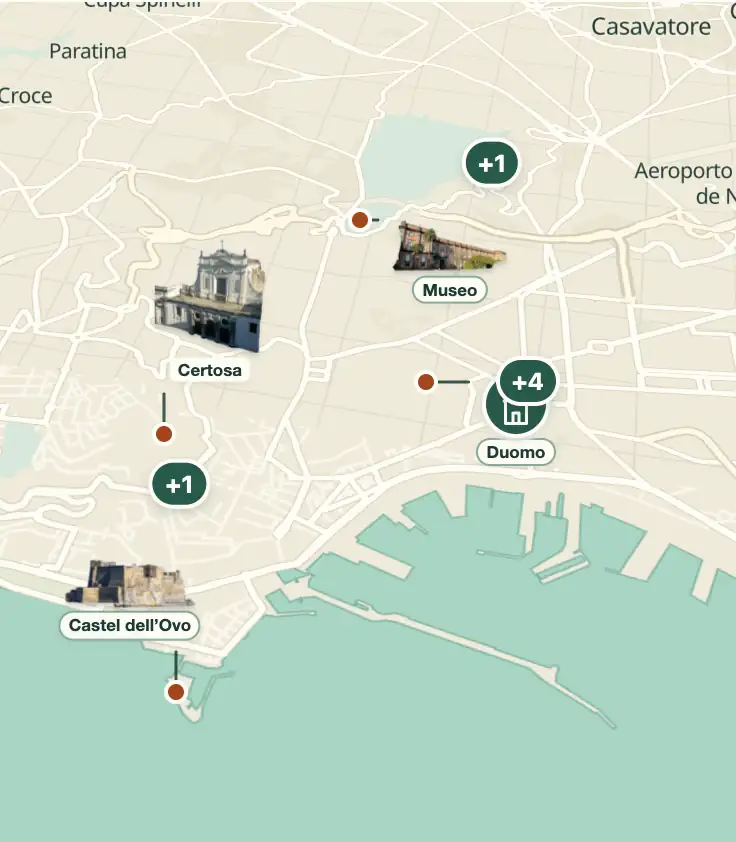
© OpenStreetMap · OpenFreeMap · © OpenMapTiles
- Cappella Sansevero
- Museo Archeologico Nazionale (MANN)
- Castel dell'Ovo and Lungomare Caracciolo
- Duomo and the Chapel of the Treasure of San Gennaro
- Certosa e Museo di San Martino and Castel Sant'Elmo
- Napoli Sotterranea and Galleria Borbonica
- Catacombs of San Gennaro
- Pio Monte della Misericordia
- Museo e Real Bosco di Capodimonte
Explore the map, read about the other places and plan your travel days in the app.
Open the appWhat to see
Naples: The amphitheater, the upper city, and the tuff
The lower city (port, Greek historic center, Piazza Municipio, Piazza Garibaldi) occupies the platform by the sea, and the upper city spreads across the hills of Vomero (about 250 m), Capodimonte, and Posillipo, linked to the lower part by four funiculars and by staircases like the Pedamentina di San Martino, with about 400 steps. In the center, the Greek grid stretches between Via dei Tribunali, Via San Biagio dei Librai, and Via Anticaglia, with churches, the nativity-scene workshops on Via San Gregorio Armeno, and the historic pizzerias.
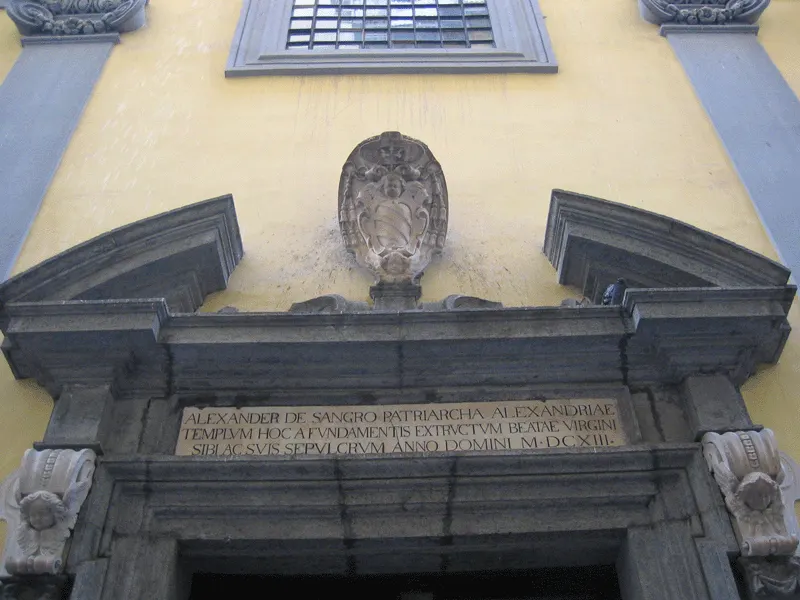
Cappella Sansevero
A funerary chapel remodeled by Raimondo di Sangro between 1749 and 1766, with the Veiled Christ carved by Giuseppe Sanmartino in 1753 from a single block of marble. Entry by timed slot on the museum's website; €12 full price, €8 for ages 18 to 26 and €6 for ages 10 to 17, and the most sought-after slots sell out days ahead.
The funerary chapel is worth it for the sculpture carved from a single block of marble, and the time slot has to be booked because the most sought-after ones sell out days ahead; Veiled Christ, 1753; €12 full price.
Check access
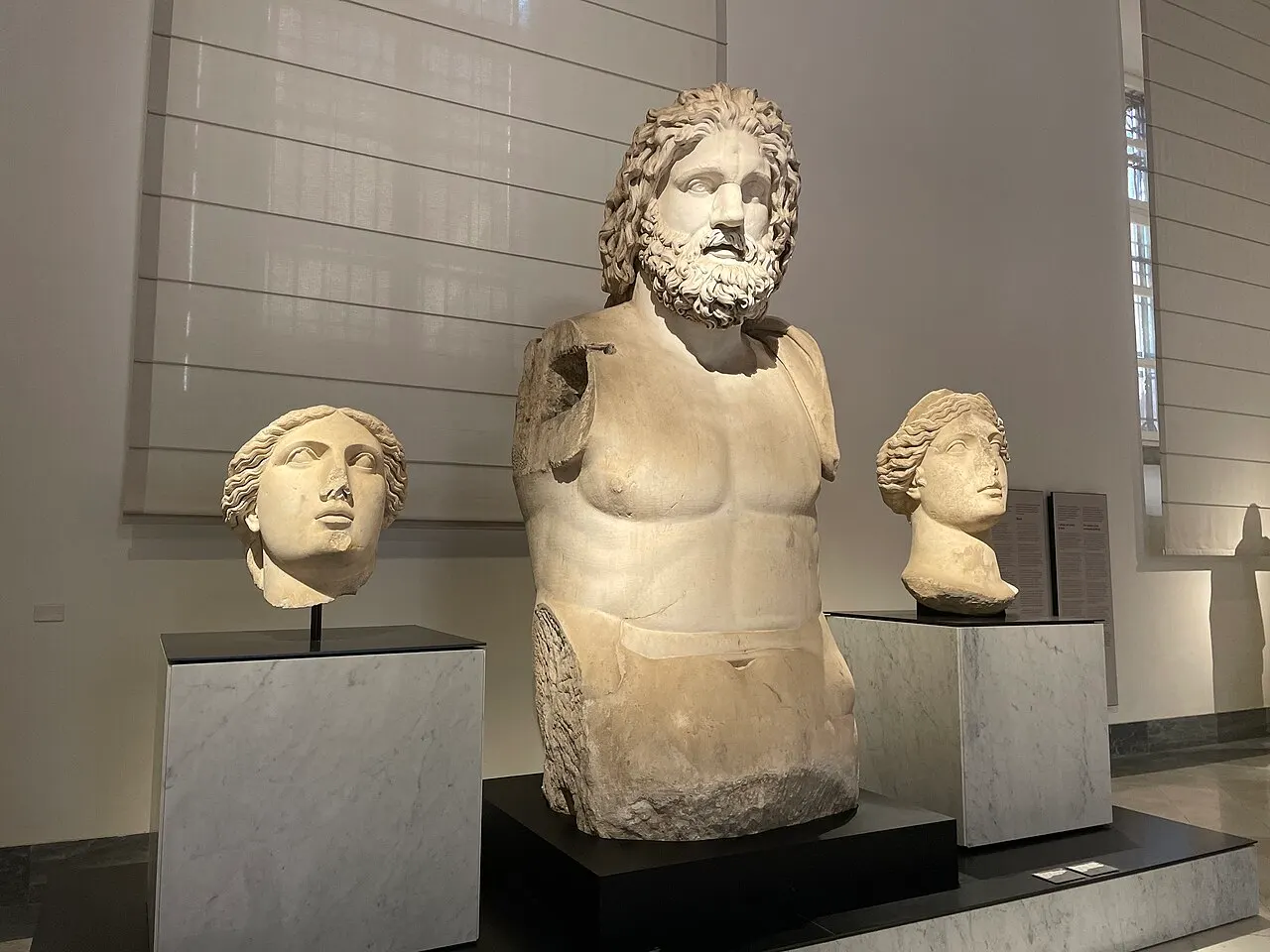
Museo Archeologico Nazionale (MANN)
Holds the Farnese collection (including the Farnese Bull, the largest ancient sculptural group ever found) and nearly everything that came out of Pompeii and Herculaneum: the Alexander Mosaic from the House of the Faun, the bronzes from the Villa dei Papiri, and the Gabinetto Segreto of Roman erotic art, open to the public only since 2000. Free admission on the first Sunday of the month.
The museum building in Naples holds the Farnese collection, with the Farnese Bull, the largest ancient sculptural group ever found, and nearly all the pieces that came out of Pompeii and Herculaneum, including the Gabinetto Segreto, open to the public only since 2000, and this same museum has free admission on the first Sunday of the month.
Check access
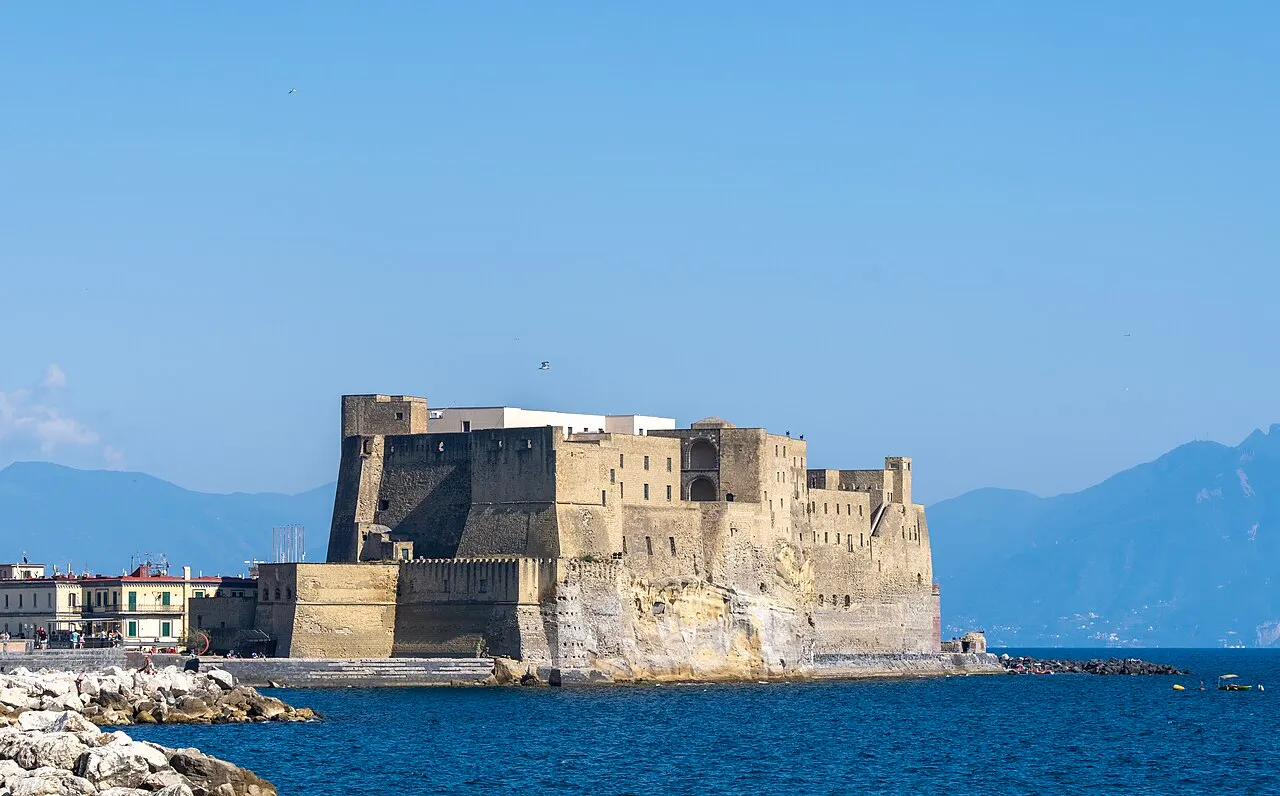
Castel dell'Ovo and Lungomare Caracciolo
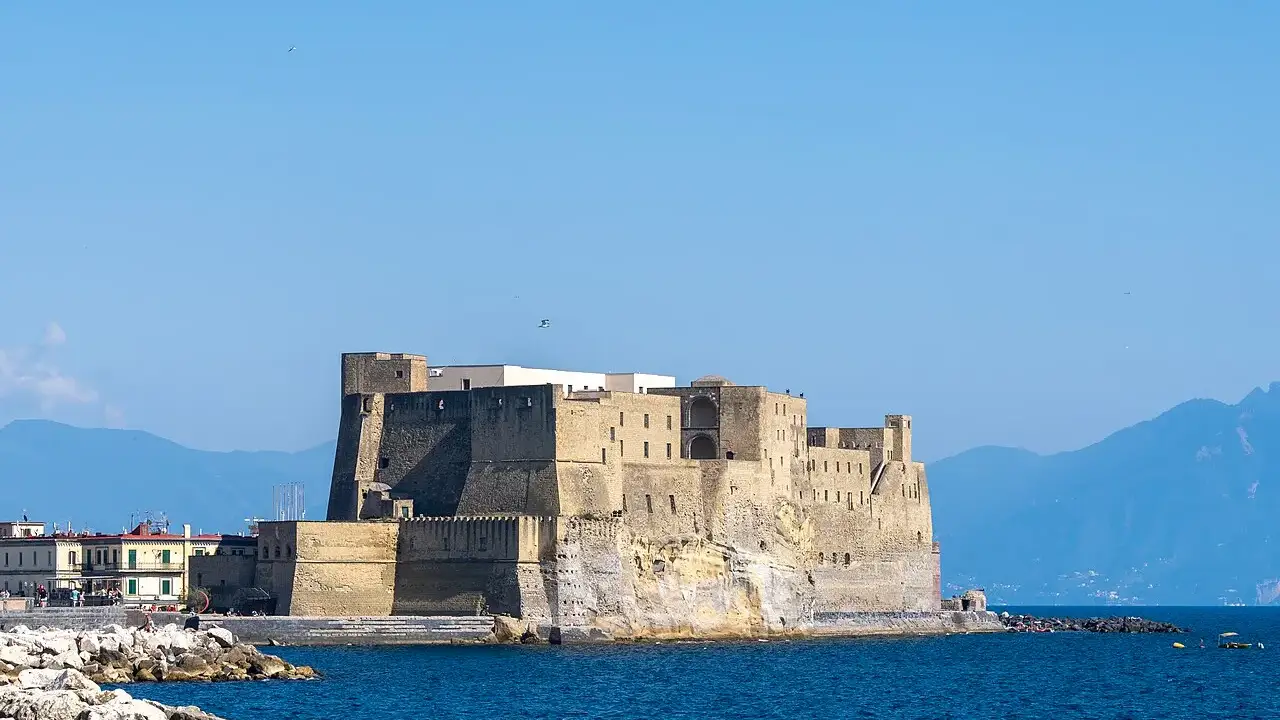
The city's oldest castle, on the small tuff islet of Megaride where the Greeks landed, with Norman and Aragonese fortifications and free admission. A short bridge connects it to Borgo Marinari, and from there run about 3 km of waterfront closed to traffic since 2012, between Santa Lucia and Mergellina.
The oldest castle sits on the volcanic-rock islet where the Greeks first landed, has Norman and Aragonese fortifications, and admission is free, and from the Borgo Marinari about 3 km of waterfront, closed to traffic since 2012, continues on.
Check access

Duomo and the Chapel of the Treasure of San Gennaro
A Gothic cathedral commissioned by Charles I of Anjou, who died in 1285, and built mostly during the reign of his son, Charles II, with work underway in 1294. On its left side it incorporates the Basilica of Santa Restituta, from the 4th century. The baroque chapel of the patron saint holds the ampoules whose blood is the object of the liquefaction rite, three times a year, and the adjoining treasury has more goldsmith's work than many European crowns.
The Gothic cathedral incorporates a much older basilica on its flank and holds the patron saint's ampoules, the center of a rite repeated through the year; Santa Restituta, 4th century; three times a year.
Check access

Certosa e Museo di San Martino and Castel Sant'Elmo
A charterhouse founded in 1325 and rebuilt in baroque style in the 17th century, high up in Vomero, with Cosimo Fanzago's cloister and its nativity-scene collection, including the Presepe Cuciniello, with more than 700 figures. Next door, Castel Sant'Elmo, a star fort from 1537, gives the most complete view of the city and the gulf.
The charterhouse up top holds a Baroque cloister and a huge nativity-scene collection, and the fort next door opens up the view of the gulf; more than 700 figures; star-shaped Sant'Elmo, 1537.
Check access
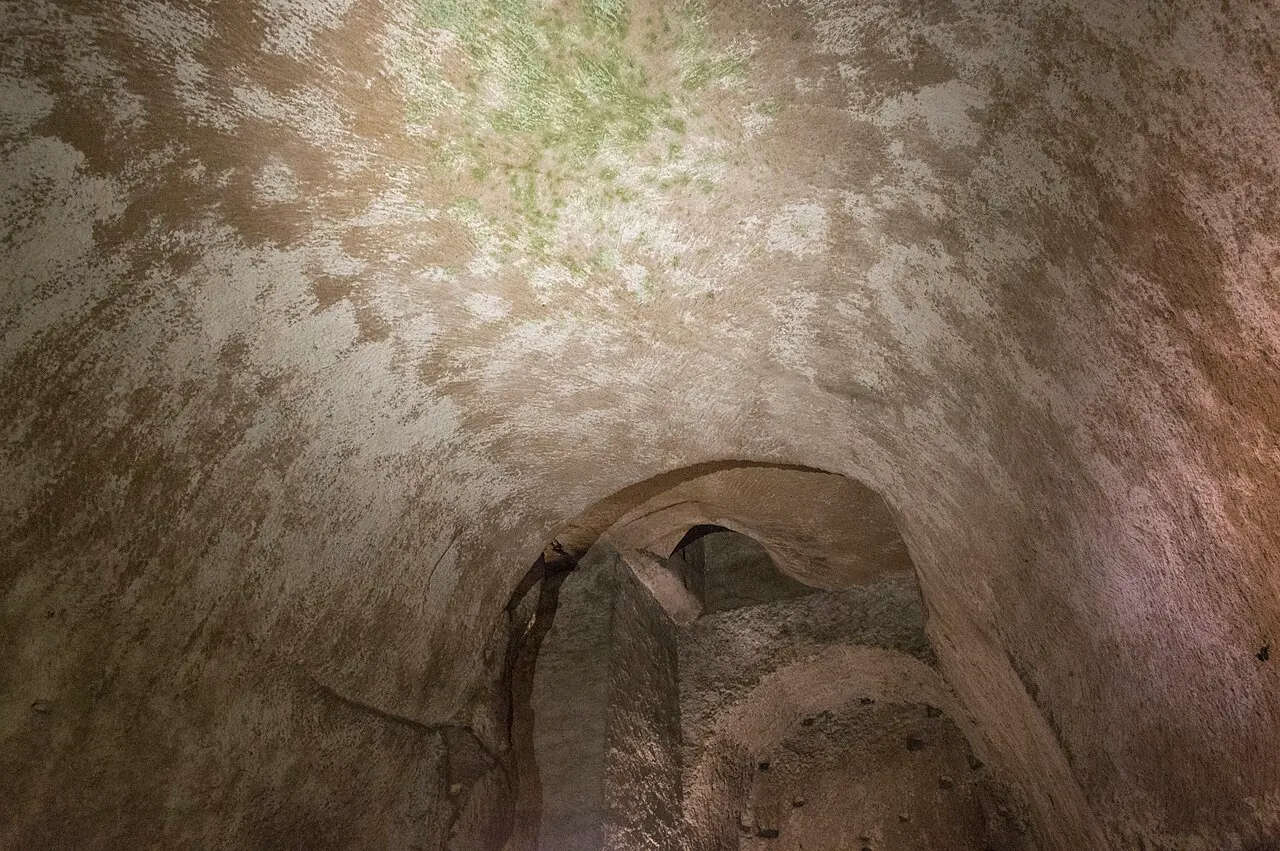
Napoli Sotterranea and Galleria Borbonica
Two entrances into the same tuff subsoil: the first, on Via dei Tribunali, drops about 40 meters through the Greek-Roman aqueduct and air-raid shelters, with narrow candlelit stretches; the second, from Chiaia, runs through the military tunnel ordered by Ferdinand II in 1853, with cars and motorbikes abandoned there in the 1970s.
The entrance on Via dei Tribunali descends about 40 meters through the Greek-Roman aqueduct and air-raid shelters, with a narrow candlelit passage, and in Chiaia the 1853 military tunnel has cars and motorcycles abandoned in the 1970s.
Check access
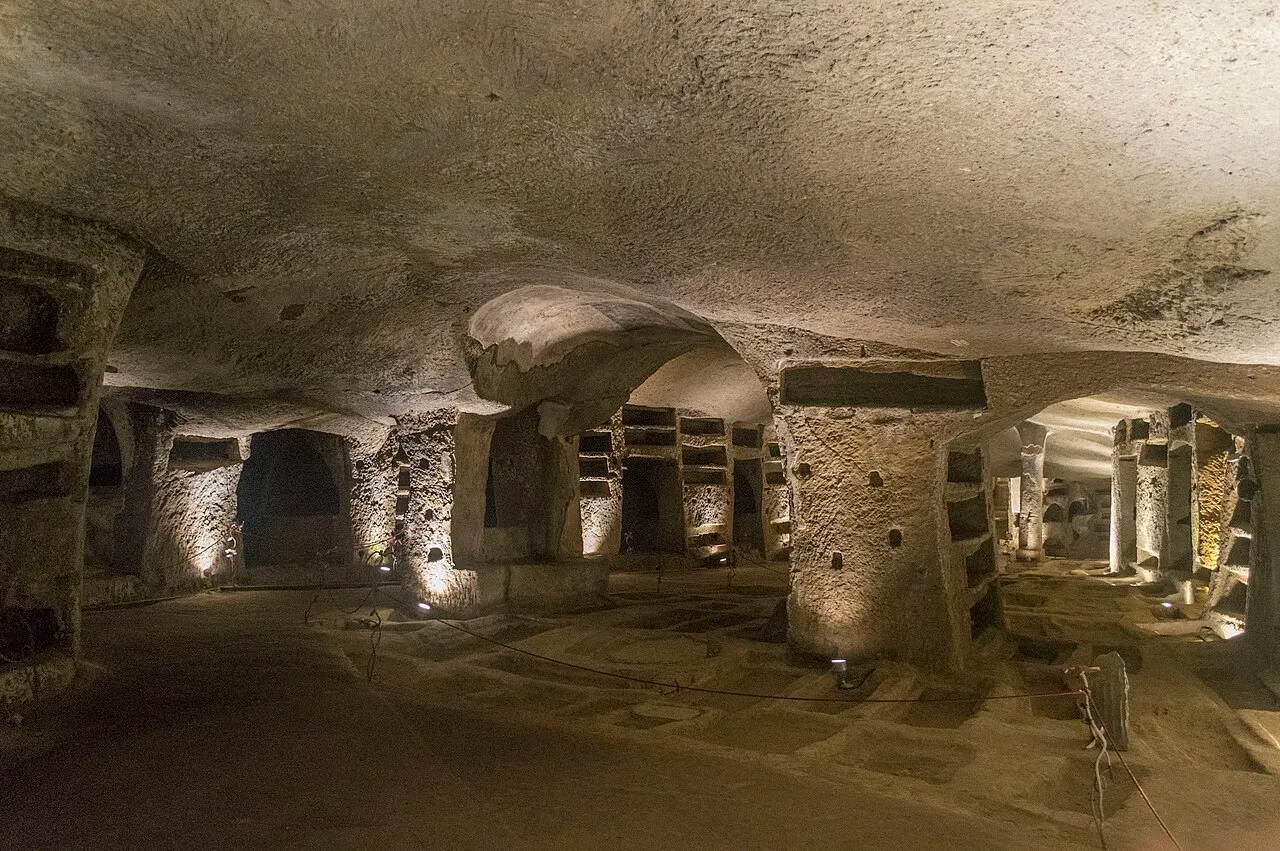
Catacombs of San Gennaro
The largest early Christian cemetery in southern Italy, on two levels dug into the tuff from the 2nd century on, with 5th-century frescoes and San Gennaro's earliest known tomb. Run since 2006 by a youth cooperative from Rione Sanità, and the ticket usually includes the catacombs of San Gaudioso too.
The largest early Christian cemetery in the south holds frescoes and the first known burial of San Gennaro, and in 2006 a local cooperative took over running the catacombs, while the ticket usually includes San Gaudioso.
Check access

Pio Monte della Misericordia
A charitable institution founded in 1602 and still active, whose octagonal church holds on its high altar The Seven Works of Mercy, painted by Caravaggio in 1607 for that exact spot. The canvas is one of the painter's few works that have never left their original setting. The picture gallery upstairs is small and almost always empty.
Caravaggio's 1607 canvas is still on the altar it was painted for, and the picture gallery upstairs is small and almost always empty.
Check access

Museo e Real Bosco di Capodimonte
A Bourbon palace begun in 1738, with more than 160 rooms and a 134-hectare park. Home to Caravaggio's Flagellation (1607–1610), Parmigianino's Antea, Titian, Masaccio, and the Farnese painting collection; tickets from about €8. It's 4 km north of the center, a bus ride uphill.
It's 4 km north of the center, up by bus, and the more than 160 rooms of the 1738 palace call for at least two hours, time that in Naples pays off more in the streets of the historic center. For anyone who likes painting, Caravaggio's Flagellation justifies the trip, and since the museum doesn't require a reservation, it fits into any free slot.
Check access
Nilo’s itinerary
Start with the basic programme and choose extensions for the time you have.
Plan my days in the app ↗Day 1 · The Greek streets and the baroque center
Start the day at 9am at the Museo Archeologico Nazionale: the Alexander Mosaic, the bronzes from the Villa dei Papiri, the Farnese Bull and the Gabinetto Segreto; set aside 2 hours 30 minutes.
Walk down Via dei Tribunali to San Lorenzo Maggiore and step into the Greek-Roman market excavated beneath the church, about 10 meters below today's street level.
Have a margherita for lunch at a Decumani pizzeria; between 1pm and 2pm a 20-to-40-minute wait is normal and the line moves.
Visit the Cappella Sansevero at your slot booked ahead, for Sanmartino's Veiled Christ (1753).
Finish at Santa Chiara's majolica cloister (1739–1742) and walk along Spaccanapoli to Piazza del Gesù in the late afternoon.
Day 2 · Vomero, Sanità and the underground
Take the funicular up to Vomero and start at the Certosa di San Martino, with Fanzago's cloister and the nativity-scene collection.
Move on to Castel Sant'Elmo next door, for the 360° view over the gulf, Vesuvius, and the lower city.
Walk down the Pedamentina di San Martino, about 400 steps, and have lunch in the Quartieri Spagnoli.
Save the afternoon for Rione Sanità: the Catacombs of San Gennaro on a guided visit and the 18th-century Palazzo dello Spagnolo.
End the day with a descent underground at Napoli Sotterranea, on Via dei Tribunali, or at the Galleria Borbonica, in Chiaia.



If you stay longer
Day 3 · Royal Palace, Capodimonte and the waterfront
Start at Piazza del Plebiscito with the Palazzo Reale and its monumental staircase; if a tour is running, step into the 1737 Teatro San Carlo.
Cross the Galleria Umberto I (1887–1890) and have a coffee on Vico Belledonne on your way to Chiaia.
Catch the bus to Capodimonte and give two hours to Caravaggio's Flagellation, Parmigianino's Antea, and the Farnese collection.
Head back to the Lungomare Caracciolo and walk the roughly 3 km of traffic-free waterfront to Castel dell'Ovo, free admission.
Have fish for dinner at Borgo Marinari or grab a cuoppo and watch the sunset over the gulf, with Vesuvius on your left.

Food
 AI illustration
Pizza napoletana
Dough of wheat flour, water, salt, and yeast, long fermentation, a 30–35 cm disc baked 60 to 90 seconds in a wood-fired oven at about 450°C. The two historic formulas are the marinara (tomato, garlic, oregano, olive oil, no cheese) and the margherita (tomato, mozzarella, basil); the art of the Neapolitan pizzaiuolo was added to the Unesco list in 2017. A margherita generally costs €6–8 at pizzerias in the center.
 AI illustration
Pizza a portafoglio and pizza fritta
The portafoglio is a smaller pizza folded into quarters to eat on the go, between €1.50 and €3, sold from windows on Via dei Tribunali and in the Quartieri. Pizza fritta is the same dough closed around ricotta, provola, cicoli, and pepper and deep-fried in oil, a postwar invention from a time when firewood was scarce and lard wasn't.
 AI illustration
Cuoppo and frittatina di pasta
The cuoppo is a paper cone of fried food: squid rings, shrimp, potato, zucchini flower, and crocchè, €5 to €10. The frittatina is a block of bucatini in white sauce, ham, and peas, breaded and fried, sold at any friggitoria for €2 to €3.
 AI illustration
Sfogliatella riccia and frolla
A convent-born sweet from the 18th century, filled with semolina, ricotta, sugar, and candied orange or citron zest. The riccia has thin, crisp layers; the frolla is the same filling in a shortcrust shell. It generally costs under €2.50 at a neighborhood pasticceria and is eaten warm, in the morning.
 AI illustration
Babà
Yeast dough soaked in rum syrup, created at the French court and adopted in Naples in the 19th century. Sold as an individual piece, with or without cream, and the Neapolitan phrase “si nu babà” is a compliment about a person. It usually costs €2 to €4.
 AI illustration
Ragù and genovese
The two home Sunday sauces. Neapolitan ragù cooks whole cuts of meat in tomato for 4 to 6 hours; genovese, despite the name, has no tomato at all: it's meat broken down in an enormous amount of slow-cooked onion. Both come with ziti spezzati at trattorias, in the €10 to €14 range.
 AI illustration
Caffè napoletano
A short, dark-roast espresso, served with the century-old custom of the caffè sospeso, the coffee paid for whoever comes next, documented since the early 20th century.
 AI illustration
Mozzarella di bufala and Campania's wines
Mozzarella di bufala campana DOP comes mainly from the plains of Caserta and Salerno and is eaten the same day, at room temperature, never chilled. For wine, the whites Falanghina and Greco di Tufo, the red Aglianico from Taurasi, and the Lacryma Christi grown on Vesuvius's slopes, in volcanic soil.
Day trips

Pompeii and Vesuvius
About 35 to 40 minutes by train to Pompei Scavi. For the volcano, take a bus from Ercolano Scavi to the parking area at 1,000 m, then 25 to 30 minutes on the trail up to the crater, with mandatory ticket and reservation.
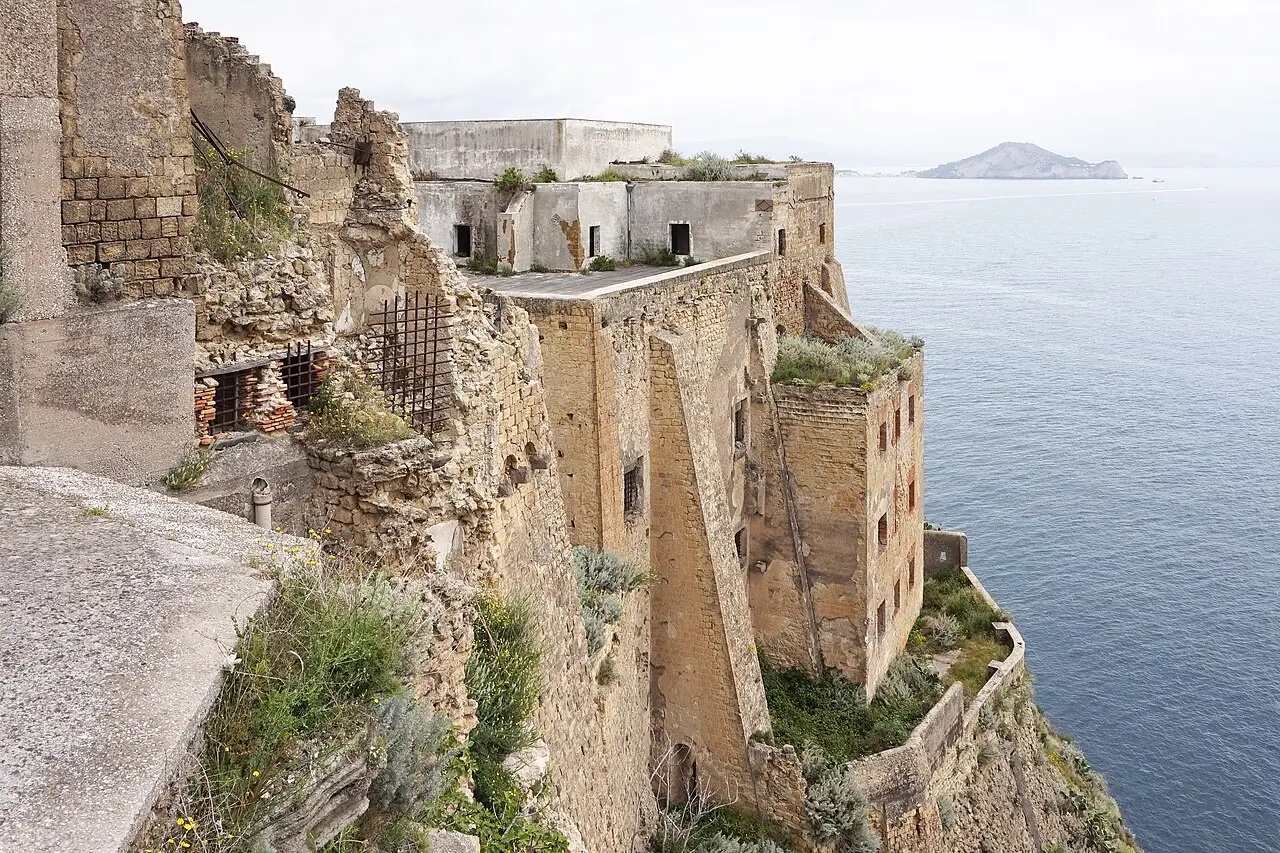
Procida and Capri
Hydrofoils and ferries leave from Molo Beverello, next to Municipio station. Procida is about 40 minutes away and is the smallest and cheapest of the gulf's three islands, Italian Capital of Culture in 2022; Capri is about 50 minutes by hydrofoil and fills up between June and September. Buy the return trip ahead of time on a windy day.
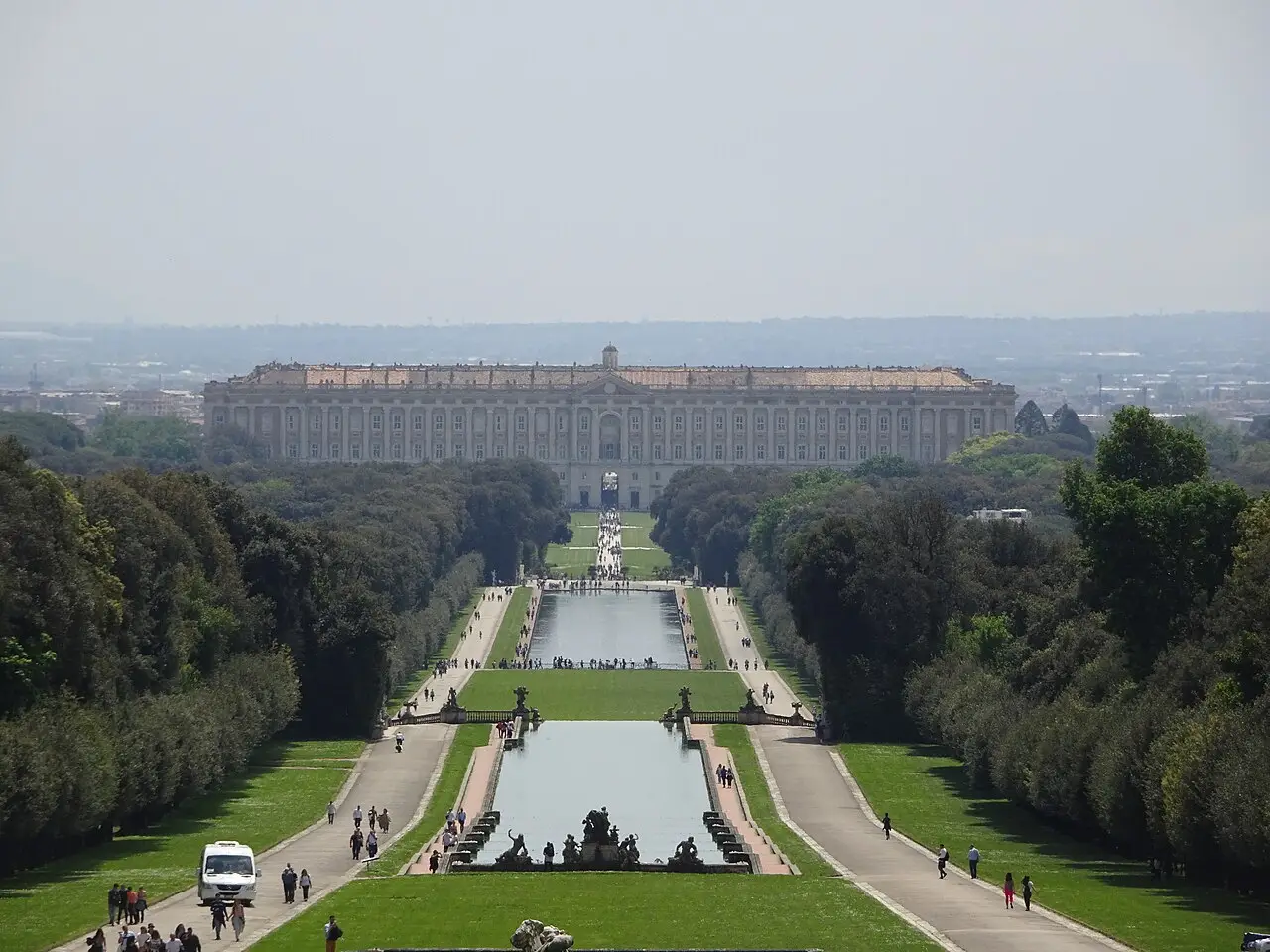
Reggia di Caserta
About 35 to 45 minutes by regional train from Napoli Centrale, with the station right across from the palace. Commissioned by Charles of Bourbon from Luigi Vanvitelli in 1752, it has 1,200 rooms and a 120-hectare park with a 3 km water axis leading to the waterfall; count on 4 to 5 hours with the English Garden.
Where to begin
The Greek streets and the baroque center
Start the day at 9am at the Museo Archeologico Nazionale: the Alexander Mosaic, the bronzes from the Villa dei Papiri, the Farnese Bull and the Gabinetto Segreto; set aside 2 hours 30 minutes.
Vomero, Sanità and the underground
Take the funicular up to Vomero and start at the Certosa di San Martino, with Fanzago's cloister and the nativity-scene collection.
Royal Palace, Capodimonte and the waterfront
Start at Piazza del Plebiscito with the Palazzo Reale and its monumental staircase; if a tour is running, step into the 1737 Teatro San Carlo.
Money
The currency is the euro, and Naples remains among the cheapest regional capitals in Western Europe. An espresso at the counter costs about €1.20, a sfogliatella up to €2.50 and a pizza margherita €6–8 at a neighborhood pizzeria and up to €12 at the most famous places. A simple trattoria lunch runs €12–20, and dinner with wine €25–40 per person. A city ticket costs €1.80 and a day pass about €4.50. A double room in a mid-range hotel runs €90–160 a night outside high season. Add the tourist tax, charged per person per night up to a maximum of 14 consecutive nights. The rates went up in March 2025, were recalibrated in 2026 and range roughly from €1.50 to €5.50 depending on category, with short-term rentals and B&Bs at the high end. Cards are accepted in most places, but carry cash, because street stalls, friggitorie, markets and some taxis run on hard currency. Tipping isn't mandatory; many restaurants charge a “coperto” of €1.50 to €3 per person, and rounding up the bill is enough. Withdraw from ATMs inside bank branches and decline the conversion into your home currency offered by the terminal.
Getting there and around
Capodichino: 7 km from downtown, 12 million passengers
Capodichino Airport (NAP) is about 7 km from the center and handles more than 12 million passengers a year. The airport metro station is over 95% built and due to open between late 2026 and 2027. Until it opens, the public option is ANM's Alibus, which leaves every 20 minutes and takes 15 to 25 minutes to Piazza Garibaldi and the port. By taxi, ask for the “tariffa predeterminata” before getting in the car: from the airport to the center it runs around €20 to 27, depending on the destination. High-speed trains link Napoli Centrale station to Rome in about 1 hour 10 minutes and to Milan in about 4.5 hours.
Line 1 is the one with the Stazioni dell'Arte
The metro has three useful lines. Line 1 loops from the center to the north and passes through the Stazioni dell'Arte: Toledo, Municipio, Università. Line 2, despite the name, is in practice an urban railway run by Trenitalia between Gianturco, Garibaldi, Cavour, Montesanto, Mergellina, and Fuorigrotta. Line 6 reopened in 2024 between Mostra and Municipio, along the western waterfront. Add to that four funiculars and the EAV regional railways: the Circumvesuviana for Pompeii, Herculaneum, and Sorrento, and the Cumana and Circumflegrea for the Campi Flegrei. The integrated urban TIC ticket costs about €1.80 and is valid for 90 minutes on metro, buses, and funiculars; the day pass runs about €4.50. Lines 1 and 6 support Tap&Go, with an automatic daily cap. Before planning your day, check for works and closures on the ANM website: 2026 had disruptions on Line 1 and at two stations. Ferries and hydrofoils to the islands leave from the center. The historic center is walkable; a bicycle isn't very practical because of the slopes, cobblestone paving, and traffic.
Safety
The realistic risk in Naples is property and traffic, not violence against visitors. Bag and phone theft concentrates around Piazza Garibaldi, on packed buses and metros, in the port line, and on the busiest streets of the historic center. Snatch-and-grabs by scooter pairs happen and are avoided by walking on the inside of the sidewalk, with a crossbody bag and no phone in hand. A car parked on the street should hold absolutely nothing visible. The common scams always look the same: a taxi that refuses the meter or the fixed fare, the currency conversion offered by the ATM, and informal parking-spot “guards.” Insist on the “tariffa predeterminata”: the rates are posted. Camorra-linked violence is real in the northern outskirts, and it stays between rival groups, away from tourist areas. Districts like Scampia and Secondigliano aren't part of any common itinerary. What most demands attention is crossing the street: scooters go through unlikely gaps, and the crosswalk is a suggestion you negotiate with a look. In the Campi Flegrei, bradyseism produces periodic quakes. On July 31, 2026, there was a magnitude 4.7 one, the strongest in about forty years, with buildings closed off in Pozzuoli. Check the INGV Osservatorio Vesuviano bulletins before visiting Pozzuoli, the Solfatara, or Bagnoli. Single emergency number: 112.
Etiquette tips
Coffee is drunk standing, at the counter
At the bar, the order is to pay at the register, hand the receipt to the barista and drink standing at the counter, where espresso costs the least.
Pizza is individual and isn't shared
Each person orders their own; the margherita arrives whole, eaten with knife and fork from center to edge, or folded into quarters. Asking for one pizza for two usually gets a puzzled look.
Don't customize the menu at the historic pizzerias
Marinara and margherita are fixed recipes, and several old pizzerias make only those two. If you ask for an ingredient that's not on the menu, or a gluten-free crust where the house doesn't offer one, the pizzaiolo will politely refuse, because there the recipe follows the house rule.
Greet on the way in and on the way out
A “buongiorno” until 2pm and “buonasera” after, said at the door of any shop, bar, or office, is the bare minimum expected; leaving without “arrivederci” reads as haste. On neighborhood streets, greeting strangers is normal.
Leave a caffè sospeso without ceremony
Tell the cashier you want to pay for “un caffè sospeso”. It's an anonymous gesture, with no expected return.
Cross with a steady pace, looking at the driver
Crosswalks and traffic lights work less than eye contact does. Start crossing decisively and keep your speed; stopping midway is what creates the risk, because it breaks the driver's expectation.
Mistakes to avoid
The EAV railway, with its own ticket
Treating the Circumvesuviana like a subway. It's an EAV regional railroad, with its own ticket that the city TIC doesn't cover, trains that are often packed and no space for large suitcases. For Pompeii, consider the Campania Express, more expensive and with assigned seats.
Arriving at Pompeii without a ticket
Arriving at Pompeii without a ticket. Since November 2024, tickets have been issued in the visitor's name, with a cap of 20,000 visitors a day and time slots in high season. Buy online days ahead and bring water, a hat, and closed shoes.
Leaving Sansevero for the last minute
Leaving the Cappella Sansevero and the other small sites for the last minute. Book anything small in advance; the MANN and Capodimonte can fill that time when your plan comes up short.
Phone in hand near Napoli Centrale
Walking with your phone in hand around Napoli Centrale station, on a packed bus, or near the port. Phone and backpack theft is the crime that actually hits visitors. Use a closed crossbody bag, and don't leave anything visible inside a rental car.
Vomero sits atop the hill, far on foot from the historic center
Staying in Vomero thinking it's close to the historic center. The funiculars close around 10pm, with extended hours on some nights; after that, it's a taxi or the stairs.
Useful phrases
Buongiorno / Buonasera
“Good day” / “Good evening”: said on entering any establishment, before any order
Nu cafè, per favore
“A coffee, please”: at the counter; add “amaro” if you want it without sugar
Un caffè sospeso
“A suspended coffee”: you pay for two and leave one paid for the next person who needs it
Quant'è?
“How much is it?”: the standard phrase at street stalls and counters
Jamm' bell'!
“Let's go!”, in Neapolitan: used to hurry someone, cheer them on, or wrap up a conversation
Uè, statt' buono
“Hey, take care”: an informal goodbye between acquaintances, in Neapolitan
Districts
Centro Storico (Decumani)
The Greek grid between Via dei Tribunali, Via San Biagio dei Librai and Via Anticaglia, with churches, the nativity-scene workshops on Via San Gregorio Armeno and the historic pizzerias. It's where most of the monuments are concentrated, and also where the crowds are thickest between 12pm and 8pm.
Quartieri Spagnoli
A grid of narrow streets climbing west of Via Toledo, opened in the 1530s to house Spanish troops. Today it holds small trattorias, murals, including Maradona's on Piazza dei Quartieri Spagnoli, and working-class housing; fine to walk by day and with normal caution at night.
Rione Sanità
A district north of the center, cut off ever since the Ponte della Sanità was built over it in 1809. It holds the Catacombs of San Gennaro and San Gaudioso, 18th-century palaces like the Palazzo dello Spagnolo, and a network of youth cooperatives that have run tours since 2006.
Vomero
A hilly, middle-class residential district, planned from the late 19th century on, reached by the funiculars and by Line 1. It holds the Certosa di San Martino, Castel Sant'Elmo, Villa Floridiana, and the shopping streets Scarlatti and Luca Giordano.
Chiaia
A stretch between Piazza dei Martiri and the sea, with the city's priciest shops, the Villa Comunale park from 1781, and adult nightlife around Piazza San Pasquale and Vico Belledonne. Quieter and pricier lodging than the center.
Mergellina and Posillipo
A boat harbor and ferry departure point at Mergellina; above, Posillipo climbs in villas, with the Parco Virgiliano and a view of the Campi Flegrei at sunset. A distant walk from the center, served by buses and the coastal rail line.
Fuorigrotta
A planned district west of the Posillipo hill, with the Diego Armando Maradona Stadium (about 54,000 seats), the 1940 Mostra d'Oltremare, and the university campus. Worth the trip on match day or fair day.
Porta Nolana and Mercato
An area by Napoli Centrale station with the Porta Nolana fish market in the morning and the city's cheapest street trade. Busy and useful by day; at night, the Piazza Garibaldi area calls for the same caution you'd take around any station.
History
8th c. BC · Parthenope, the first settlement
Greek colonists from Cumae occupy the Pizzofalcone promontory and found Parthenope, named after the local myth's siren. The site controls the northern entrance to the gulf.
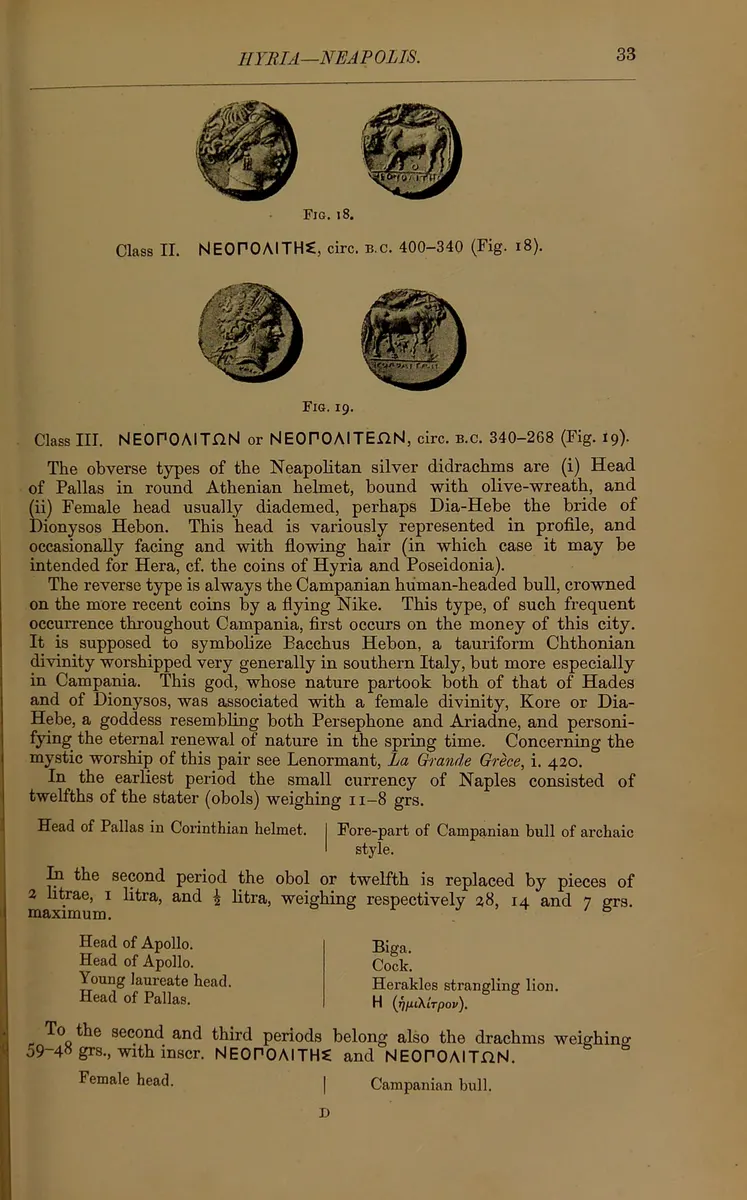
around 475 BC · Neapolis, the new city
A second core is laid out with three parallel decumani and cross-cutting cardines. That grid is still readable today in Via dei Tribunali, the main decumanus, and in Via San Biagio dei Librai, a stretch of the lower decumanus nicknamed Spaccanapoli.
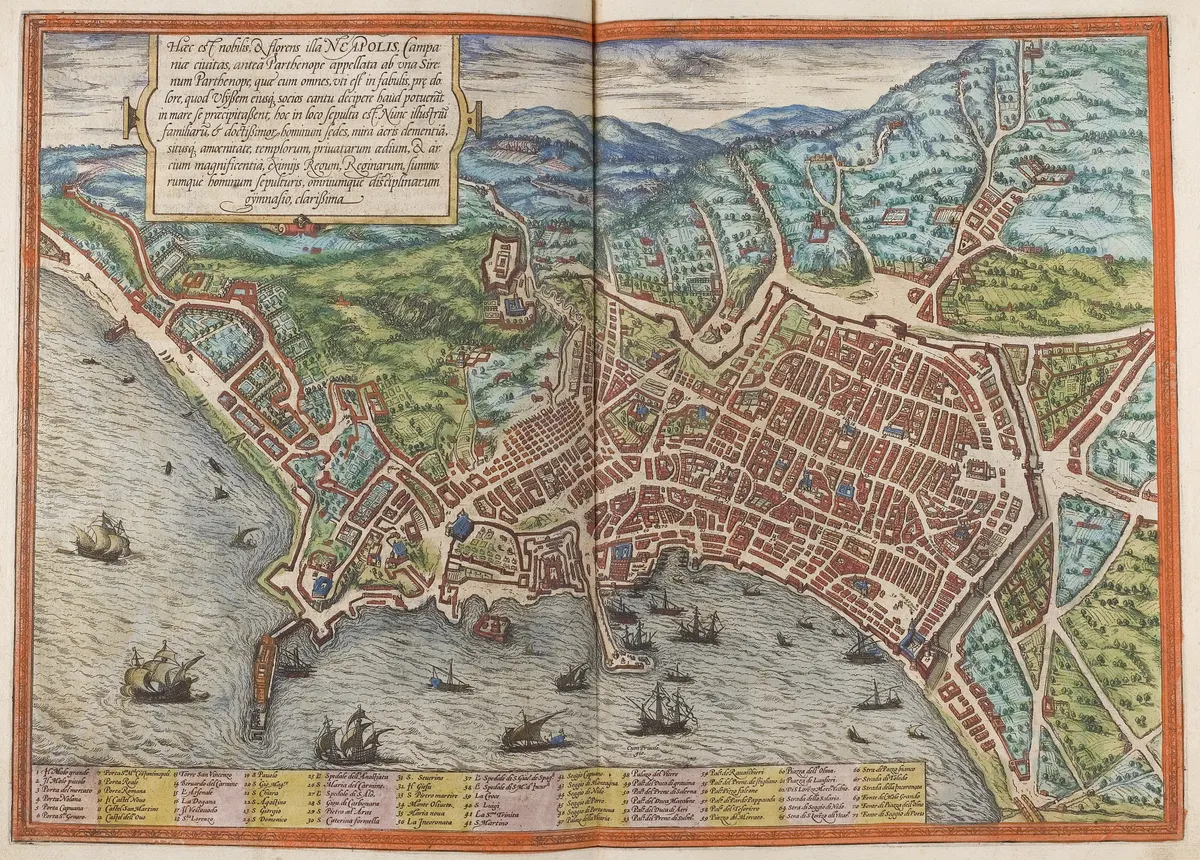
326 BC · Alliance with Rome
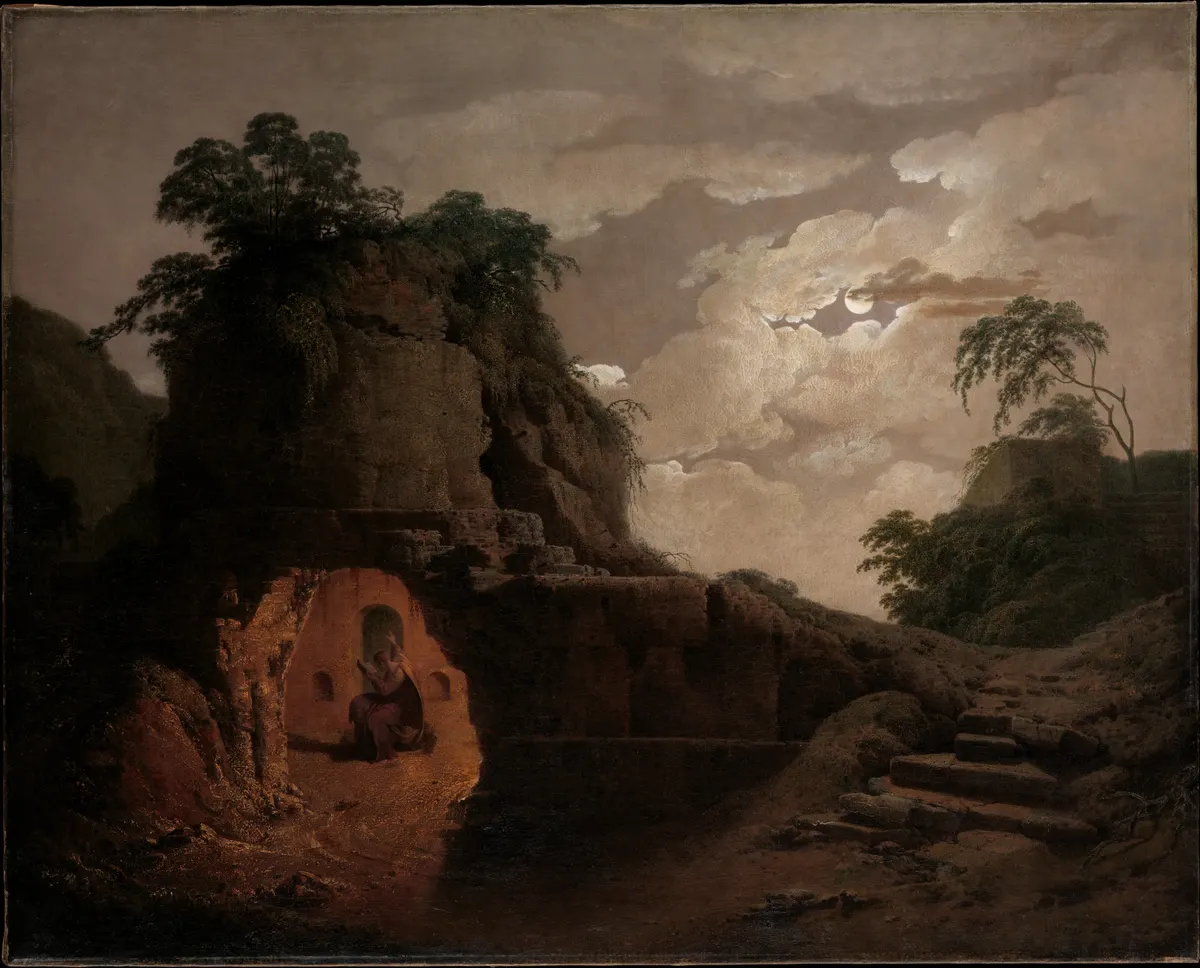
Neapolis becomes a federated city and keeps its Greek language, gymnasiums, and magistracies for centuries. It becomes a retreat for emperors and scholars; Virgil is buried in the city.
536–1137 · Byzantium and the autonomous duchy
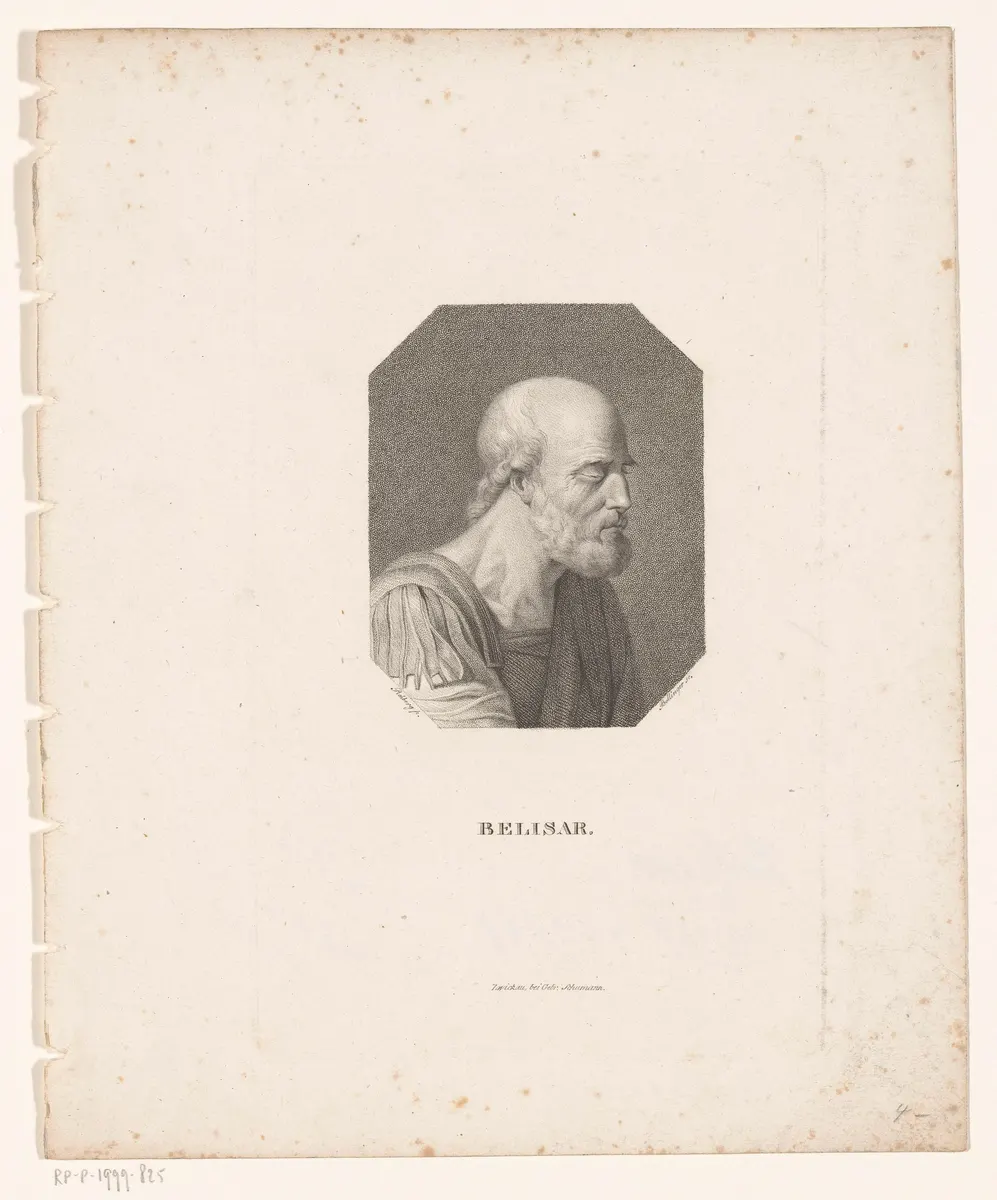
Belisarius takes Naples for the Eastern Empire in 536. From 661 the duchy acts as a near-independent state, until the Norman annexation by Roger II in 1137.
1266–1282 · Angevin capital
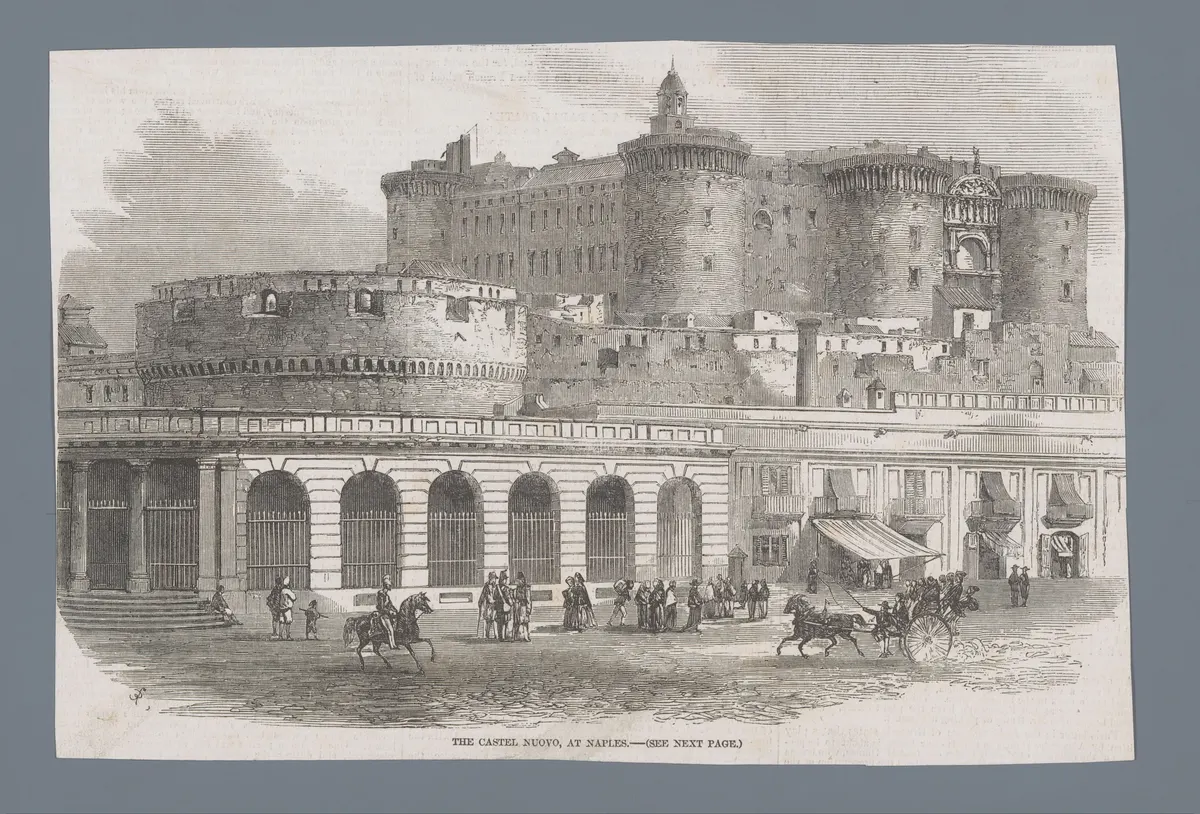
Charles I of Anjou moves the kingdom's capital from Palermo to Naples in 1266. Castel Nuovo, which Neapolitans call Maschio Angioino, is built between 1279 and 1282.
1442–1707 · Aragonese and Spanish viceroys
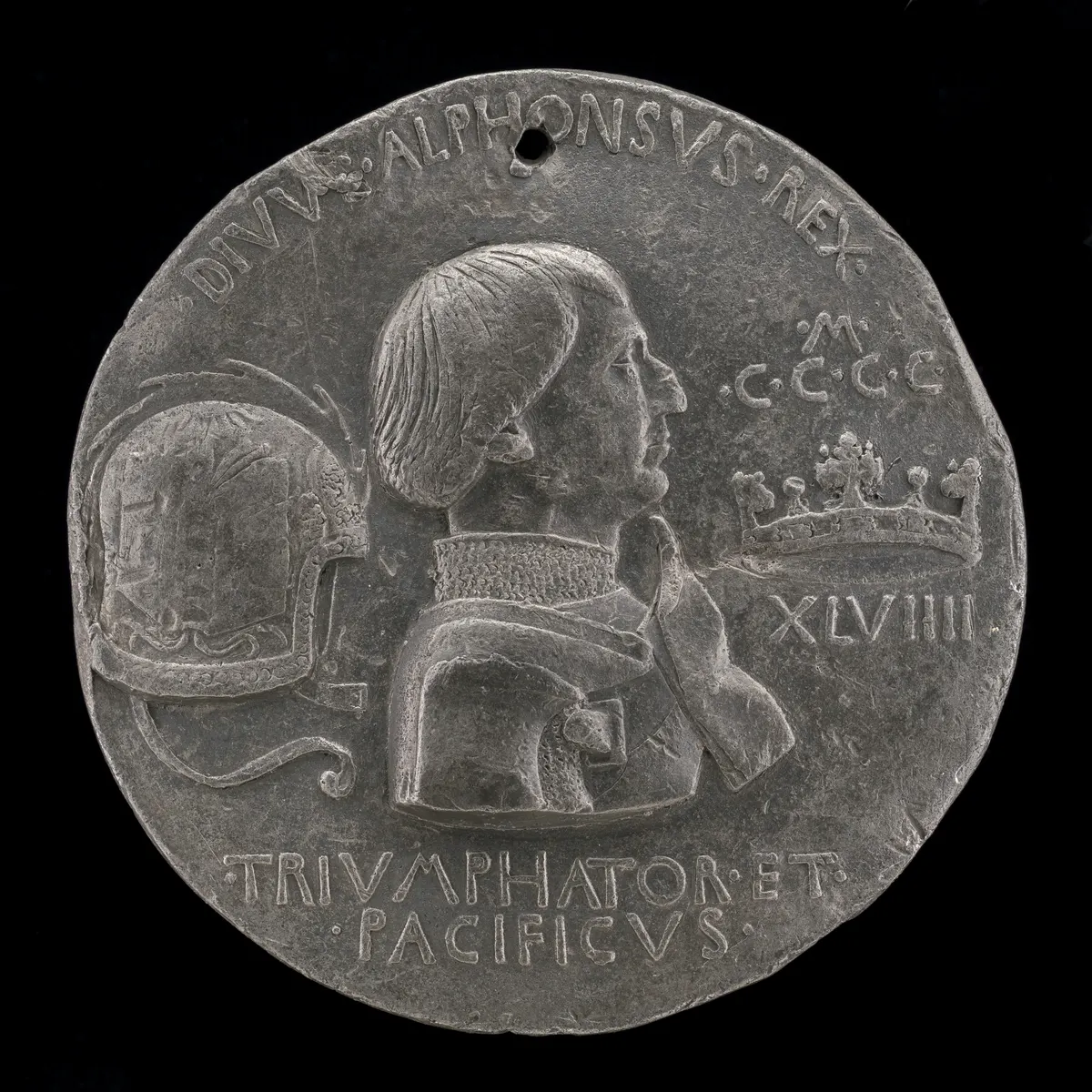
Alfonso V of Aragon enters the city in 1442 and commissions the marble triumphal arch at Castel Nuovo. Under viceroy Pedro de Toledo (1532–1553), Via Toledo and the Quartieri Spagnoli, grid blocks built to house troops, are opened.
1647 and 1656 · Revolt and plague
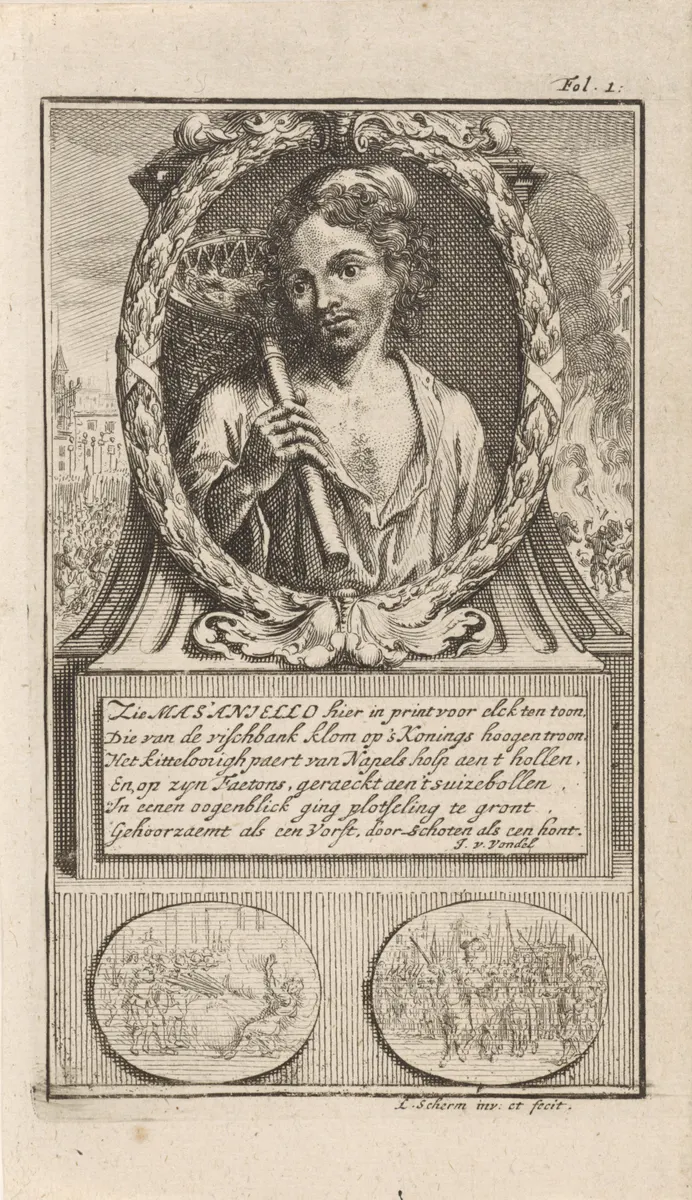
Masaniello's revolt against taxes takes over the city in July 1647. Nine years later, the plague of 1656 kills between half and two thirds of the roughly 300,000 residents.
1734–1799 · Bourbon kingdom and the excavations
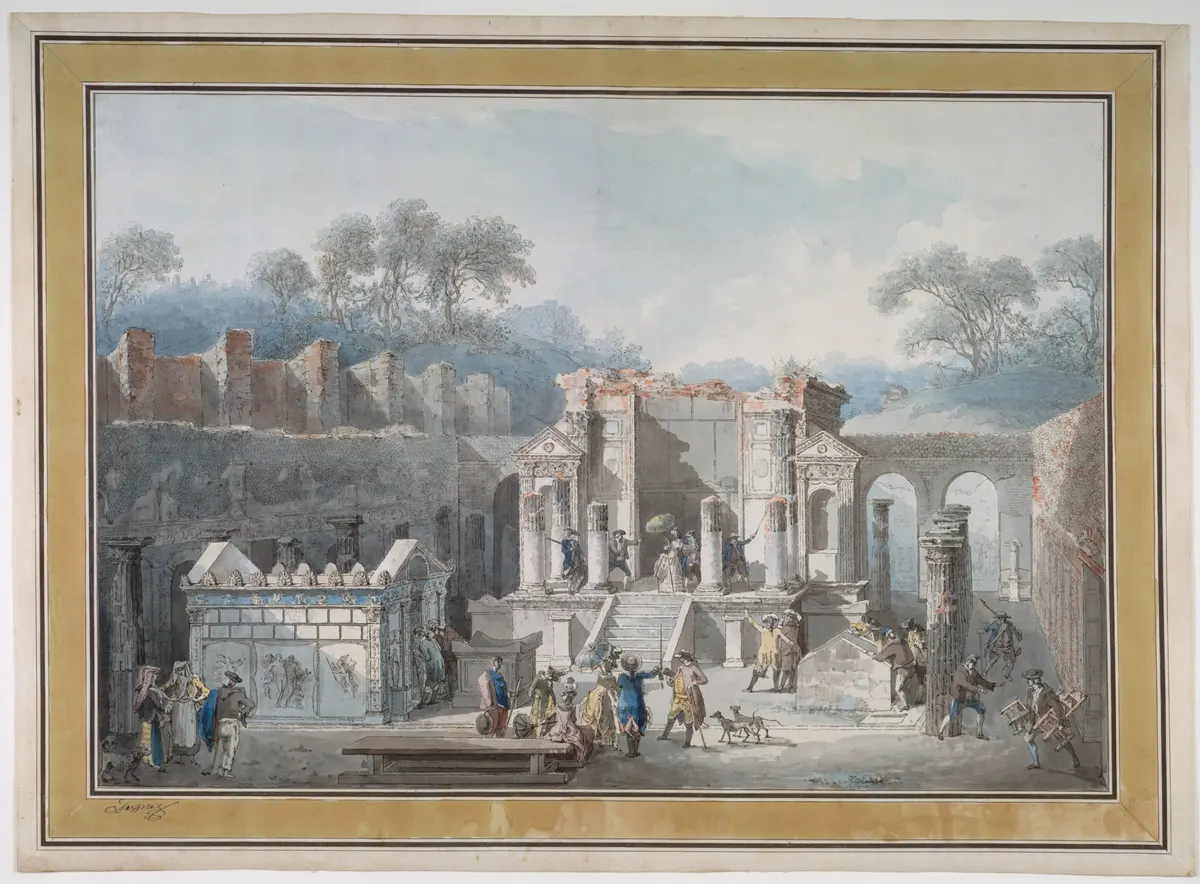
Charles of Bourbon restores the kingdom's independence, inaugurates the Teatro San Carlo in 1737, and starts Capodimonte in 1738. He orders the excavation of Herculaneum in 1738 and Pompeii in 1748, creating modern archaeology. The Parthenopean Republic of 1799 lasts five months and ends in executions.
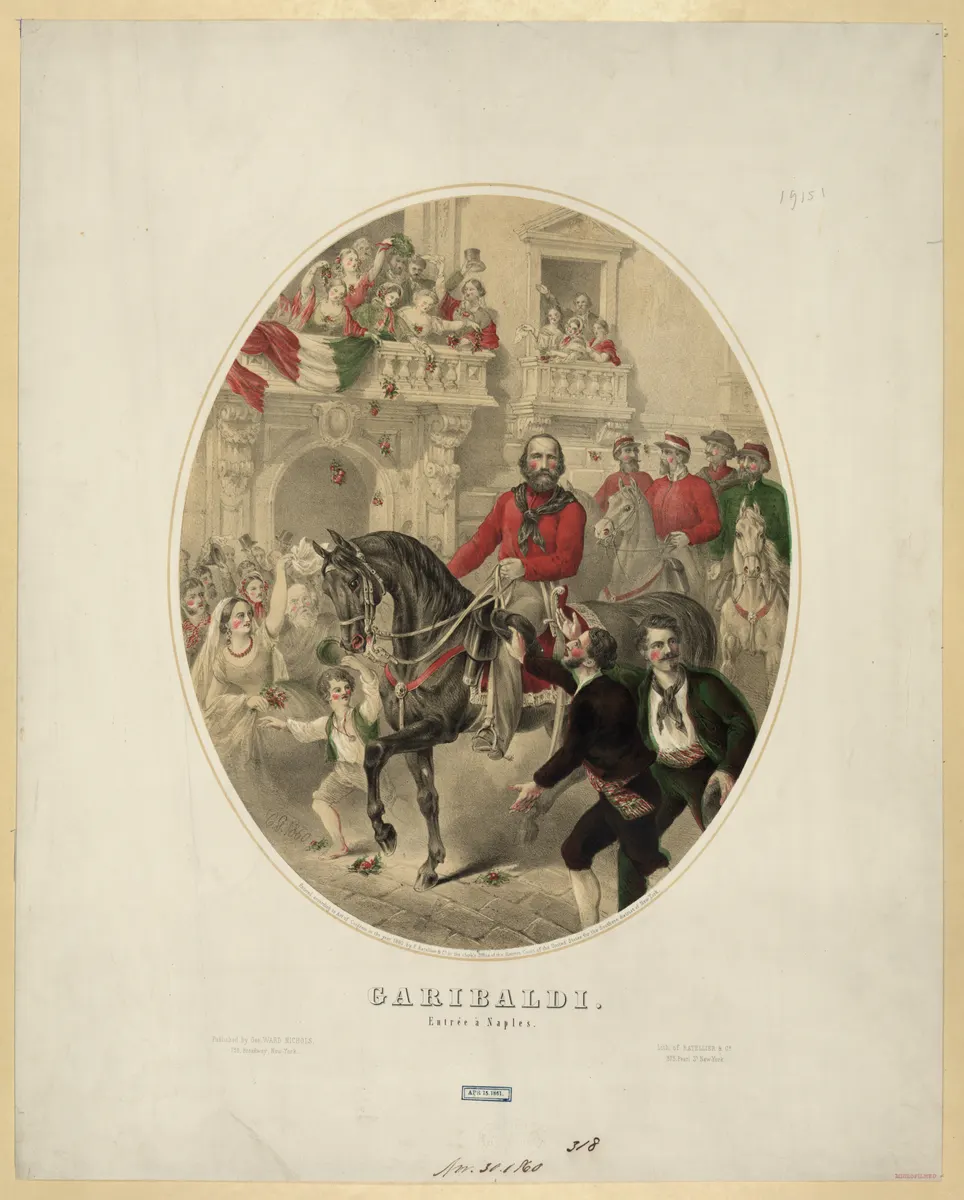
1860 · Garibaldi annexes Naples to the Kingdom of Italy in 1860
Garibaldi enters Naples on September 7, 1860, and the October plebiscite annexes the South to the Kingdom of Italy. The peninsula's most populous city stops being a capital and loses its banks, court, and state industry.
1884–1890 · Cholera and the Risanamento
The 1884 cholera epidemic kills thousands in the low-lying quarters and leads to the 1885 Risanamento law. The Corso Umberto I, the “Rettifilo,” is cut through, and the Galleria Umberto I is built between 1887 and 1890.

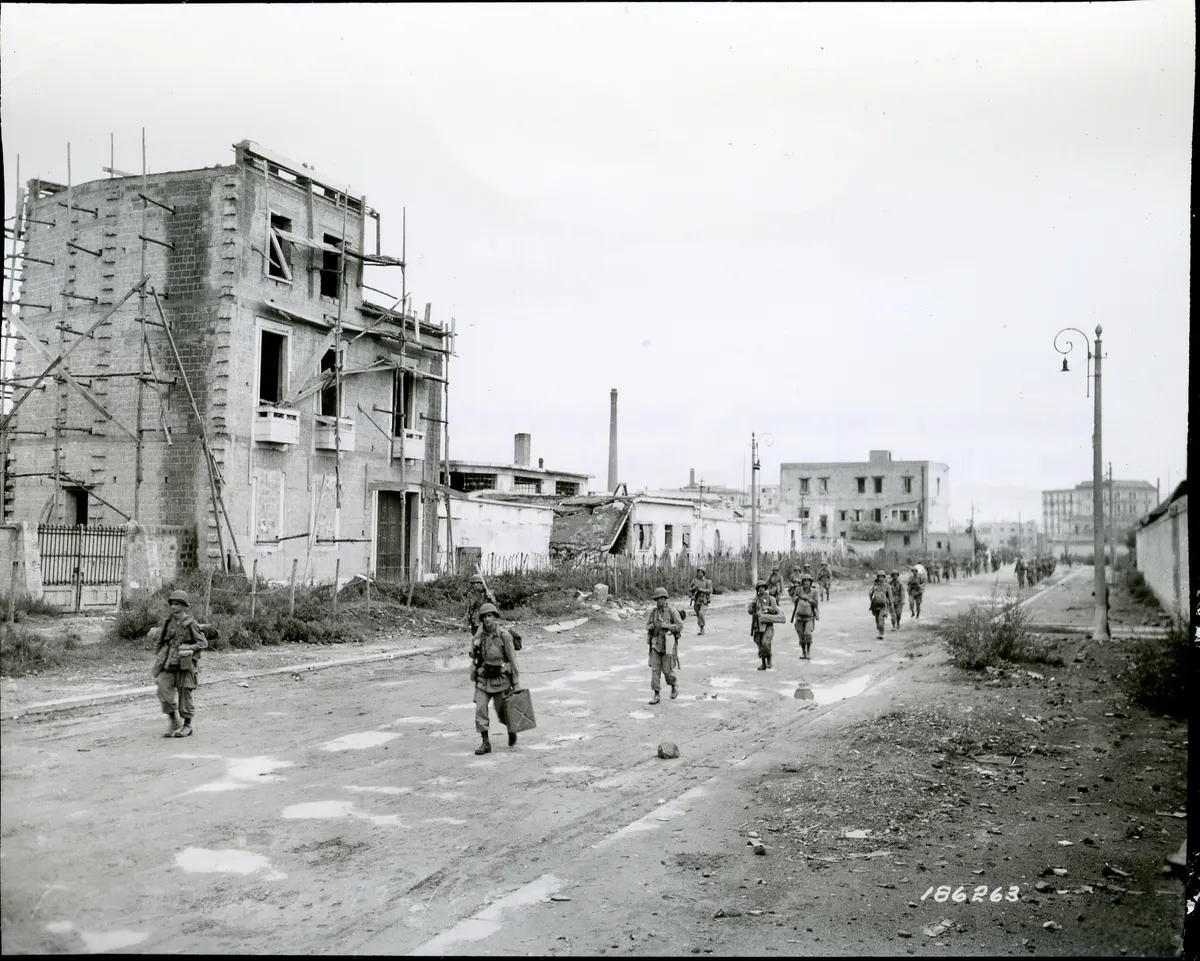
1943 · The Four Days
Between September 27 and 30, 1943, the population drives out the German garrison; the Allies enter on October 1. Naples is the first major European city liberated by its own residents, after roughly two hundred bombing raids.
Complete history
The Greek grid of Neapolis and the tuff underground
Naples is a Greek city that never fully stopped being one. Neapolis's grid, laid out around 475 BC with three east-west decumani, survived Rome, Byzantium, the Normans, and 20th-century concrete: the tourist walking along Via dei Tribunali is on the main decumanus, and the straight corridor that cuts through the center and earned the nickname Spaccanapoli is the lower decumanus. That explains the density of the historic center: narrow blocks, streets 4 to 6 meters wide, six-story buildings on lots designed for two-story houses. It also explains the underground: Neapolitan yellow tuff was quarried out from beneath the buildings themselves, leaving about 700 cavities and dozens of kilometers of galleries, used as a Greek-Roman aqueduct, as cisterns until the 1884 cholera outbreak, and as air-raid shelters between 1940 and 1944.
Capital for six centuries, from 1266 to 1860
The city you see today was shaped mostly by six centuries as a capital. From 1266 to 1860, Naples ruled a kingdom that stretched from Abruzzo to Calabria, and a capital needed castles (Castel Nuovo, 1279–1282; Castel Sant'Elmo, rebuilt in 1537), a university, founded by Frederick II in 1224, and opera, with the Teatro San Carlo of 1737, the oldest continuously operating opera house in Europe. Then came the palace-museum of Capodimonte, from 1738, and the National Archaeological Museum, which holds the Farnese collection and the finds from Pompeii. Under the Spanish viceroys, between 1503 and 1707, the population reached about 300,000, and for a time Naples was the largest city in Europe after Paris, with all the density and epidemics that implied.
Naples loses capital status in 1860: banks and courts head north
The 19th century reversed the city's fortunes. Having lost capital status in 1860, the city watched banks, the court, and public commissions move north, while emigration to the Americas emptied out Campania between 1880 and 1915: part of Brazil's Italian-descended population comes from here. The 1884 cholera outbreak led to the Risanamento: entire blocks near the port were torn down to open the Corso Umberto I and build the Galleria Umberto I (1887–1890), following the hygienist logic of airing out the lower city. The Second World War did the rest of the damage: Naples was the most bombed Italian port, and the popular uprising of September 27 to 30, 1943, drove out the Germans before the Allies arrived.
The postwar years made the Naples of today
The postwar years produced contemporary Naples, for better and worse. The real-estate speculation of the 1950s and 1960s, the “sacco di Napoli”, covered the slopes of Vomero and the northern outskirts with unplanned blocks; the Irpinia earthquake of November 23, 1980, magnitude 6.9 and about 2,900 dead in the region, damaged the historic center, emptied out mansions, and funded new districts like Scampia, where the Vela and drug trafficking marked the 1980s and 1990s. From the 1990s on came the corrections: the historic center joined the Unesco list in 1995, Metro Line 1 advanced from 1993 on with the Stazioni dell'Arte program (Toledo, by Óscar Tusquets Blanca, in 2012; Municipio, by Álvaro Siza and Eduardo Souto de Moura, in 2015, where the excavation turned up Roman ships), and the Lungomare Caracciolo was closed to traffic in 2012.
A mass-tourism destination in the 2020s
In the 2020s the city became a mass-tourism destination: short-term rentals grew in the historic center, the tourist tax was raised in March 2025 and recalibrated in 2026, and Pompeii began limiting entries to 20,000 visitors a day with named tickets. At the same time, two underlying processes continue: the metro extension to Capodichino airport, with works above 95% complete and opening expected between late 2026 and 2027, and the bradyseism of the Campi Flegrei, which on July 31, 2026, produced a magnitude 4.7 quake, the strongest in about forty years, with eight buildings closed off and about 300 people displaced in Pozzuoli. Ground uplift, which reached high values in 2024 and 2025, slowed to about 10 mm a month by the end of June 2026. Today's Naples lives on that combination: dense and cheap by Western European standards, with unemployment above the Italian average, a center that turned into a tourist economy within a few years, and a daily life still organized around the street, the bar counter, the stall, the balcony with the basket on the rope.
Beneath the center there are about 700 cavities dug into the tuff, which served as cisterns until the cholera outbreak of 1884 and as air-raid shelters between 1940 and 1944.
Geography and shape of the city
The amphitheater, the upper city, and the tuff
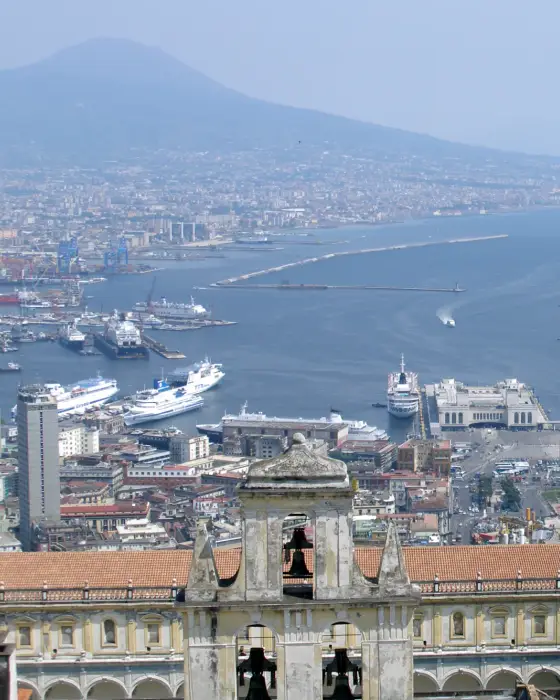
Naples develops in an amphitheater of slopes facing the Gulf of Naples, along about 20 km of coastline. The terrain shapes the urban layout: the lower city (port, Greek historic center, Piazza Municipio, Piazza Garibaldi) occupies the platform by the sea, and the upper city spreads across the hills of Vomero (about 250 m), Capodimonte, and Posillipo, linked to the lower part by four funiculars (Centrale, Chiaia, Montesanto, and Mergellina) and by slopes and staircases like the Pedamentina di San Martino, with about 400 steps. Everything sits on volcanic tuff, which is easy to dig and so was quarried out from beneath the city itself, creating the underground network of cavities and tunnels.
The two volcanoes that move
To the east, Vesuvius (1,281 m) dominates the skyline and its red evacuation zone holds about 700,000 people; to the west, the Campi Flegrei caldera (Pozzuoli, Bagnoli, Solfatara) rises and falls a few millimeters a month in a phenomenon called bradyseism.
The climate and the contour lines
The climate is Mediterranean, with hot, dry summers and rain concentrated between October and December. Downtown, the old grid is orthogonal and almost flat, but beyond it the streets climb the slopes toward the Vomero and Posillipo, so it's worth walking in the lower city and taking a funicular up.
The city's four funiculars, Centrale, Chiaia, Montesanto and Mergellina, carry residents from the port up to the hills every day.
Culture
Music: from classic Neapolitan song to urban rap
Naples produced two musical lineages that still shape the city's imagination. The first is the classic Neapolitan song, from “'O sole mio” (1898), “Torna a Surriento” and “Funiculì funiculà,” written in 1880 for the Vesuvius funicular, which was born alongside the Piedigrotta festival and became a worldwide repertoire through emigration. The 20th century brought the urban popular line: Renato Carosone in the 1950s, Pino Daniele mixing blues and Neapolitan from “Terra mia” (1977) and “Nero a metà” (1980), the rap and dub of 99 Posse and Almamegretta in the 1990s, the neomelodic scene with Gigi D'Alessio and, more recently, the anonymous project Liberato. In theater, the lineage runs from commedia dell'arte and the Pulcinella mask to Eduardo De Filippo, whose plays “Napoli milionaria!” (1945) and “Filumena Marturano” (1946) are required texts of the Italian repertoire.
Film and literature: Totò and Troisi
In film and literature, the city is a recurring and contested lead character. Totò, born in Rione Sanità in 1898, made about a hundred films; Massimo Troisi took Neapolitan into arthouse cinema up through “Il Postino” (1994); Paolo Sorrentino returned to his Neapolitan adolescence in “The Hand of God” (2021). “Gomorrah,” Roberto Saviano's 2006 nonfiction book, became a Matteo Garrone film in 2008 and a series, and fixed an image of the city that many Neapolitans dispute. On the other side, Elena Ferrante's four Neapolitan novels, published between 2011 and 2014 and adapted into a series from 2018, rebuild the outskirts from the 1950s onward. In the visual arts, the city runs from the baroque of Caravaggio, Ribera, and Luca Giordano to the contemporary Madre museum, opened in 2005, and the metro stations commissioned from architects and artists since the 1990s.
Popular devotion: street altars and the blood of San Gennaro
Popular religion is part of daily life, not just the calendar: street altars with candles, the cult of the “anime pezzentelle” at the Cimitero delle Fontanelle and the San Gennaro blood rite, followed by crowds three times a year. It lives alongside a secular layer of superstition, which includes the red horn given as a gift, the munaciello of household stories and the Smorfia of lotto numbers. Soccer completes the picture: Napoli won the Italian league in 1987 and 1990 with Maradona, and again in 2023 and 2025, the stadium in Fuorigrotta has carried the Argentine's name since December 2020, and murals of him cover walls in the Quartieri Spagnoli and the Sanità.
In the Neapolitan Smorfia, every dream corresponds to a number, and some people play the number of the previous night's dream in the lotto.
Festivals and events

Feast of San Gennaro
Three fixed dates (the Saturday before the first Sunday in May, September 19, and December 16) when the Duomo fills for the rite of liquefaction of the patron saint's blood. September 19 is the main one and fills the center all day.
 AI illustration
Maggio dei Monumenti
A city program that, throughout May, opens churches, palaces, and sites normally closed, with free or very cheap guided visits. The calendar comes out in April on the city hall website.
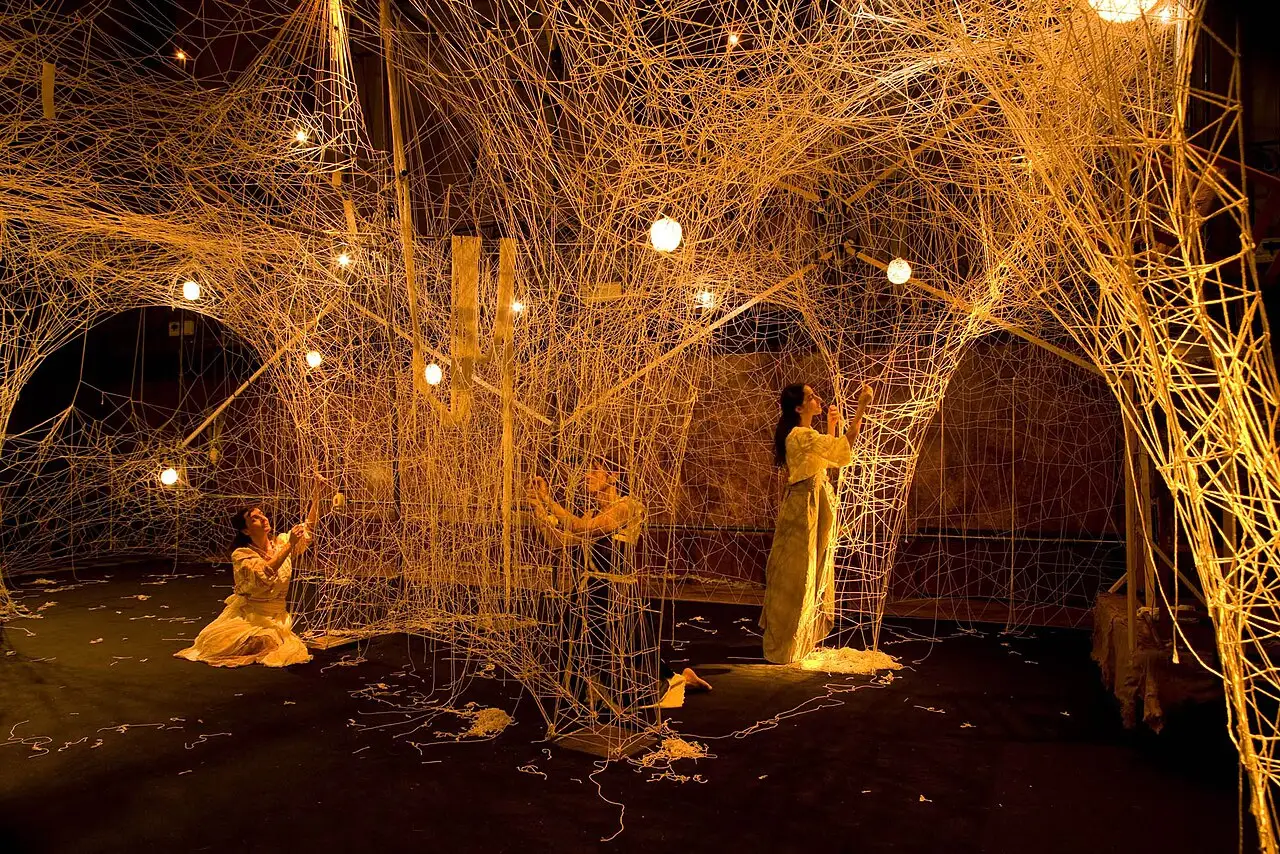
Napoli Teatro Festival Italia
An international theater and dance festival in June and July, with shows on conventional stages and in courtyards, cloisters, and reclaimed industrial spaces. It's been around since 2008.

Nativity scenes on San Gregorio Armeno
From November through January 6, the street of nativity-scene workshops runs nonstop and becomes unwalkable on weekends. The tradition of handcrafted terracotta figures dates to the 18th century; today it coexists with figurines of politicians and soccer players.

Comicon
An international comics and pop-culture convention at the Mostra d'Oltremare in Fuorigrotta, usually between April and May. It draws more than a hundred thousand people and packs Metro Line 2 toward Campi Flegrei.
Books and films
“My Brilliant Friend,” by Elena Ferrante (2011–2014)
The four Neapolitan novels follow two women from a working-class neighborhood from the 1950s onward and explain social mobility, domestic violence, and the double language, Italian and Neapolitan, better than any guide.
“Gomorrah,” by Matteo Garrone (2008)
The adaptation of Roberto Saviano's 2006 nonfiction book, filmed in Scampia and Casal di Principe, shows the Camorra's economy without glamorizing it. It's a part of the metropolitan area's reality, not of the city a visitor walks through.
“Nero a metà,” by Pino Daniele (1980)
The record that fused blues, funk, and song in Neapolitan and defined the city's urban sound in the 1980s. Listening to “Napule è,” from 1977, before arriving sets the tone Neapolitans themselves use when talking about the place.
Frequently asked questions
Naples: Do I need to buy the Pompeii ticket in advance?
Yes. Since November 2024 the Pompeii ticket is named and capped at 20,000 visitors a day, with time slots in high season, so buy online days ahead.
Naples: Does the metro reach the airport yet?
Not yet: the airport metro station's construction is over 95% complete, with opening announced for between late 2026 and 2027. Until it opens, ANM's Alibus leaves every 20 minutes and takes 15 to 25 minutes to Piazza Garibaldi and the port.
Naples: How much does it cost per day?
Plan on €60 to 100 a day on a budget and €130 to 200 in comfort, outside July and August. An espresso at the counter costs about €1.20, and the margherita runs €6 to 8 at a neighborhood pizzeria.
Naples: When's the best time to go?
From April to June and from September to October, with 18 to 28°C and the sea still good for swimming in September. August is the month to avoid, because of the heat above 30°C and neighborhood shops closed around Ferragosto.
Naples: How do you drink coffee at the bar?
At the bar, the order is to pay at the register, hand the receipt to the barista and drink standing at the counter, where espresso costs the least.
Other cities in the country
Italy ↗- Days
- 3–5
- When
- Apr–May · Sep–Oct
- Per person/day
- Average 130–190 EURMid-range · per person/day
Cost scope
Per person per day: accommodation, meals, urban transport, visits and a small allowance for extras. Flights excluded; larger purchases vary. Editorial estimate, not a quote.
- Days
- 2–3
- When
- Apr–Jun · Sep–Oct
- Per person/day
- Average 180–330 EURMid-range · per person/day
Cost scope
Per person per day: accommodation, meals, urban transport, visits and a small allowance for extras. Flights excluded; larger purchases vary. Editorial estimate, not a quote.
- Days
- 2–3
- When
- Mar–May · Sep–Oct
- Per person/day
- Average 180–250 EURMid-range · per person/day
Cost scope
Per person per day: accommodation, meals, urban transport, visits and a small allowance for extras. Flights excluded; larger purchases vary. Editorial estimate, not a quote.
- Days
- 1–2
- When
- Apr–Jun · Sep–Oct
- Per person/day
- Average 150–220 EURMid-range · per person/day
Cost scope
Per person per day: accommodation, meals, urban transport, visits and a small allowance for extras. Flights excluded; larger purchases vary. Editorial estimate, not a quote.
- Days
- 3–4
- When
- May–Jun · Sep–Oct
- Per person/day
- Average 246 EURMid-range · per person/day
Cost scope
Per person per day: accommodation, meals, urban transport, visits and a small allowance for extras. Flights excluded; larger purchases vary. Editorial estimate, not a quote.
- Days
- 2–3
- When
- May–Jun · Sep
- Per person/day
- Average 170 EURMid-range · per person/day
Cost scope
Per person per day: accommodation, meals, urban transport, visits and a small allowance for extras. Flights excluded; larger purchases vary. Editorial estimate, not a quote.
- Days
- 3
- When
- May–Jun · Sep
- Per person/day
- Explore costsGuide estimate
Cost scope
Per person per day: accommodation, meals, urban transport, visits and a small allowance for extras. Flights excluded; larger purchases vary. Editorial estimate, not a quote.
- Days
- 6
- When
- Jun–Sep
- Per person/day
- Explore costsGuide estimate
Cost scope
Per person per day: accommodation, meals, urban transport, visits and a small allowance for extras. Flights excluded; larger purchases vary. Editorial estimate, not a quote.
- Days
- 3
- When
- Apr–Jun · Sep–Oct
- Per person/day
- Average 114 EURMid-range · per person/day
Cost scope
Per person per day: accommodation, meals, urban transport, visits and a small allowance for extras. Flights excluded; larger purchases vary. Editorial estimate, not a quote.
- Days
- 7
- When
- May–Jun · Sep
- Per person/day
- Explore costsGuide estimate
Cost scope
Per person per day: accommodation, meals, urban transport, visits and a small allowance for extras. Flights excluded; larger purchases vary. Editorial estimate, not a quote.