Italy
Rome
Ancient Rome, the Vatican and the Baroque, all on foot
Days Start with the basic programme and choose extensions for the time you have.
How the guide reaches this number
With four or five days, make room for Ostia Antica, the old port 25 km away, and for Tivoli, with the Villa Adriana and the Villa d'Este. Anyone looking for order, quiet, and lines that move will suffer here, especially in July and August, when the heat of 31 to 36°C and the crowds take away much of the pleasure. With just one day, get to the Colosseum as soon as it opens and use the same ticket, about €18, at the Forum and Palatine. Have lunch in Monti, walk in the afternoon from the Pantheon to Piazza Navona, and have dinner in Trastevere at dusk. Leave the Vatican for another trip, because the visit to the museums, with the Sistine Chapel at the end of the galleries, doesn't fit into a day that already has the Colosseum. The Trevi Fountain tends to disappoint: the sculpture is excellent, but the square is too small for the crowd, so arrive before seven in the morning, while it's still empty.
3–5
When April–May and September–October
How the guide reaches this number
April, May, September, and October are the best windows: highs of 18-26 °C, long days, and occasional rain. Summer is dry and harsh: July and August run 31-36 °C, with heat waves above 38 °C and the stone surfaces holding heat for hours after sunset. In August many neighborhood businesses close for vacation, especially during Ferragosto week (August 15), and what stays open in the center is exactly the tourist restaurant. Winter is mild and gray, 4-13 °C, with rain concentrated between October and December; October is the rainiest month, about 100 mm on average. Snow is rare: the last significant snowfall was in 2018. High season runs from Easter to June and returns in September and October, with religious peaks during Holy Week and Christmas. 2026 tends to be calmer than 2025: the Jubilee ended on January 6, 2026, and pilgrimage traffic has receded. The month to avoid is August.
Per person/day Budget €60–85; mid-range €130–190; comfortable €250+ (approx. 2026)
How the guide reaches this number
Per person per day: accommodation, meals, urban transport, visits and a small allowance for extras. Flights excluded; larger purchases vary. Editorial estimate, not a quote.
 What Nilo thinks
Stay three days for the essentials: the first in ancient Rome, the second at the Vatican and on the right bank of the Tiber, the third on the Baroque, the Galleria Borghese, and the Via Appia Antica. With four or five days, make room for Ostia Antica, the old port 25 km away, and for Tivoli, with the Villa Adriana and the Villa d'Este. Anyone looking for order, quiet, and lines that move will suffer here, especially in July and August, when the heat of 31 to 36°C and the crowds take away much of the pleasure. With just one day, get to the Colosseum as soon as it opens and use the same ticket, about €18, at the Forum and Palatine. Have lunch in Monti, walk in the afternoon from the Pantheon to Piazza Navona, and have dinner in Trastevere at dusk. Leave the Vatican for another trip, because the visit to the museums, with the Sistine Chapel at the end of the galleries, doesn't fit into a day that already has the Colosseum. The Trevi Fountain tends to disappoint: the sculpture is excellent, but the square is too small for the crowd, so arrive before seven in the morning, while it's still empty.In Rome, the column of an ancient temple can hold up a church next to the corner bar, and the pavement under your feet can be two thousand years old. Ancient Rome lives in the amphitheater Titus opened in AD 80, in the Forum, the Republic's political center, and on the Via Appia, laid out in 312 BC. Across the Tiber, the Vatican Museums end at the ceiling Michelangelo painted in the Sistine Chapel. In the historic center, the Pantheon, Piazza Navona, and Bernini's fountains connect on foot through narrow streets. To eat, order cacio e pepe or carbonara at a trattoria and a supplì at the counter of a pizza al taglio shop. Come in April, May, September, or October, with highs of 18 to 26°C, and avoid August. Set aside three days, or four to five if you want Ostia Antica and Tivoli.
Quick facts
- Population
- about 2.75 million in the municipality; about 4.3 million in the metropolitan city (approx., 2025–2026)
- Founded
- 753 BC by tradition; hut villages on the Palatine since the 10th century BC
- Country and region
- Italy: Lazio region; national, regional, and provincial capital
- Language
- Italian; Romanesco in everyday speech; English common in tourist areas
- Currency
- Euro (€)
- Time zone
- CET, UTC+1; CEST, UTC+2 from late March to late October
- Best time to visit
- April–May and September–October
- Average daily cost
- Budget €60–85; mid-range €130–190; comfortable €250+ (approx. 2026)
When to go
April–May and September–October
January
2° to 13°C
64 mm of rain
Ameno e cinzento. É o mês mais vazio do ano, e em 2026 foi o primeiro sem as multidões do Jubileu, encerrado em 6 de janeiro.
February
3° to 14°C
74 mm of rain
Menos gente do que em qualquer outro mês, ainda no inverno de 4 a 13 °C. Nenhum pico religioso.
March
5° to 17°C
71 mm of rain
Em alguns anos a Páscoa cai aqui, e com ela a Via Sacra do papa dentro do Coliseu.
April
8° to 21°C
84 mm of rain
Best timeNatale di Roma no dia 21, com museu municipal de graça. É o começo da alta temporada, que segue cheia até junho.
May
12° to 25°C
83 mm of rain
Best timeMáxima de 24 °C, dias longos e chuva ocasional. A cidade está cheia, mas as noites ainda são frescas, com mínimas de 13 °C.
June
16° to 30°C
55 mm of rain
Santi Pietro e Paolo no dia 29 fecha o comércio. Começa a Estate Romana nas margens do Tibre.
July
18° to 33°C
41 mm of rain
De 31 a 36 °C. A Festa de' Noantri toma Trastevere no meio do mês, com procissão e mesa na rua.
August
18° to 34°C
34 mm of rain
Máximas de 31 a 36 °C, com picos acima de 38 °C, e no dia 15, o Ferragosto, boa parte dos restaurantes e lojas de bairro fecha para as férias.
September
15° to 28°C
90 mm of rain
Best timeA Estate Romana acaba no começo do mês, o calor cede e a alta temporada volta.
October
11° to 23°C
100 mm of rain
Best timeO mês mais chuvoso do ano, perto de 100 mm de média, e ainda de alta temporada do começo ao fim.
November
7° to 18°C
132 mm of rain
A chuva continua e a temporada já passou. Máxima de 16 °C e rua livre.
December
4° to 14°C
95 mm of rain
Pico religioso do Natal. Ameno, cinzento e ainda molhado, de 4 a 13 °C.
How the year changes
April, May, September, and October are the best windows: highs of 18-26 °C, long days, and occasional rain. Summer is dry and harsh: July and August run 31-36 °C, with heat waves above 38 °C and the stone surfaces holding heat for hours after sunset. In August many neighborhood businesses close for vacation, especially during Ferragosto week (August 15), and what stays open in the center is exactly the tourist restaurant. Winter is mild and gray, 4-13 °C, with rain concentrated between October and December; October is the rainiest month, about 100 mm on average. Snow is rare: the last significant snowfall was in 2018. High season runs from Easter to June and returns in September and October, with religious peaks during Holy Week and Christmas. 2026 tends to be calmer than 2025: the Jubilee ended on January 6, 2026, and pilgrimage traffic has receded. The month to avoid is August.
The same numbers as a table
| Month | Temperature °C | Rain mm |
|---|---|---|
| January | 2 to 13 | 64 |
| February | 3 to 14 | 74 |
| March | 5 to 17 | 71 |
| April · | 8 to 21 | 84 |
| May · | 12 to 25 | 83 |
| June | 16 to 30 | 55 |
| July | 18 to 33 | 41 |
| August | 18 to 34 | 34 |
| September · | 15 to 28 | 90 |
| October · | 11 to 23 | 100 |
| November | 7 to 18 | 132 |
| December | 4 to 14 | 95 |
Month by month, with the guide’s notes
Eu escolheria maio ou setembro: os dois ficam dentro da melhor janela do ano e escapam tanto do pico da Semana Santa quanto dos cerca de 100 mm de chuva de outubro. Abril tem o Natale di Roma no dia 21, com o museu municipal de graça, mas a lotação começa nele, e em outubro a multidão continua debaixo de chuva. Evite agosto, com ondas de calor acima de 38 °C e o comércio de bairro fechado no Ferragosto.
Scroll to compare all columns
| Month | °C | Rain (mm) | Crowds (1–5, guide estimate) |
|---|---|---|---|
| Jan | 4–12 | 65 | 2 |
| Fev | 4–13 | 65 | 1 |
| Mar | 6–16 | 55 | 3 |
| Abr | 9–19 | 60 | 5 |
| Mai | 13–24 | 45 | 5 |
| Jun | 16–29 | 30 | 4 |
| Jul | 19–32 | 15 | 3 |
| Ago | 19–32 | 25 | 3 |
| Set | 16–26 | 70 | 4 |
| Out | 12–21 | 100 | 4 |
| Nov | 8–16 | 95 | 2 |
| Dez | 4–13 | 88 | 3 |
Nilo's tips
Coffee standing at the counter: €1.20–1.50, much cheaper
Standing at the bar, an espresso costs €1.20–1.50, and a sidewalk table can multiply the bill. Both prices are posted on the wall, so check before you choose. Pay first, take the scontrino and hand the receipt to the barista with your order. After 11am, order a caffè instead of a cappuccino, which isn't forbidden but marks you as a tourist instantly.
From Fiumicino, take the FL1 to Trastevere or Ostiense
The FL1 stops at Trastevere, Ostiense, and Tiburtina, and costs much less than the express to Termini. Catch it at the airport if your hotel is near one of those stations. By taxi, only the white cabs at the official taxi stand charge the flat fare of about €55 to anywhere inside the Aurelian Walls.
Book the Vatican for the first slot, around 8am
Enter on the first slot and you'll finish in time to see the basilica before lunch. The museum route is long and one-way, with the Sistine Chapel only at the end. Bring something to cover your shoulders and knees, because the check at the basilica door really does turn people away, and no one rents clothing there.
Use the €18 Colosseum ticket at the Forum and Palatine too
The ticket, about €18, is valid for 24 hours and includes the neighboring ruins, so there's no rush to see it all at once. Enter the amphitheater at the first slot of the day, walk to the Forum, and finish the morning atop the Palatine, at the Horti Farnesiani, with the view of the Circus Maximus. Then have lunch in Monti, ten minutes' walk from the Colosseum. The arena floor and underground are sold separately and sell out first.
Fill your bottle for free at the nasoni on the corners
The water from the nasoni is drinkable and flows all day. In July and August, with 31 to 36°C, filling your bottle at every fountain saves money and avoids dehydration on afternoon walks. The nasoni are the iron fountains on street corners: block the hole at the bottom of the pipe with your finger and the water rises through a small hole on top, at mouth height.
Cycle the Via Appia Antica on Sunday, with no cars
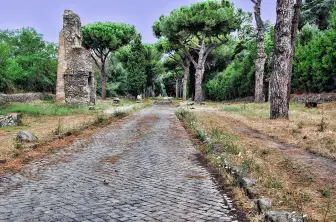
On Sundays, the first stretch of the road built in 312 BC is open only to pedestrians and cyclists. Rent a bike near Porta San Sebastiano and ride over the original basalt to the catacombs of St. Callixtus and St. Sebastian, inside a regional park of about 4,500 hectares. If you have a spare morning beforehand, the Porta Portese flea market takes over Trastevere on the same day.
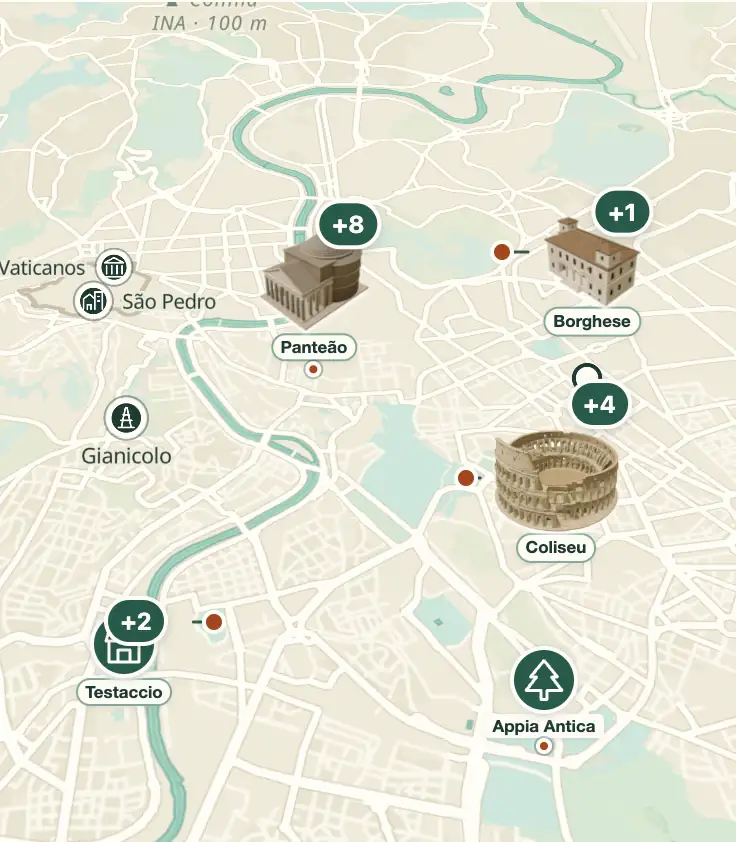
Explore the map
© OpenStreetMap · OpenFreeMap · © OpenMapTiles
Explore the map, read about the other places and plan your travel days in the app.
Open the appWhat to see
Rome doesn't separate the ancient from what's in use
In Rome there's no line between ruin and city in use, because each era reused what the one before it left behind: Hadrian's Pantheon has been a church since 609, and in Testaccio there are nightclubs dug into the base of Monte dei Cocci, a hill made of broken amphora shards. In practice, ruins, Baroque churches, and bars share the same streets, a few minutes' walk from each other, and the whole center can be covered without the metro.

Coliseu (Anfiteatro Flávio)
Ponto de partida do eixo arqueológico: o Foro fica do outro lado da avenida, o Palatino sobe atrás dele e Monti começa logo acima da Via Cavour.
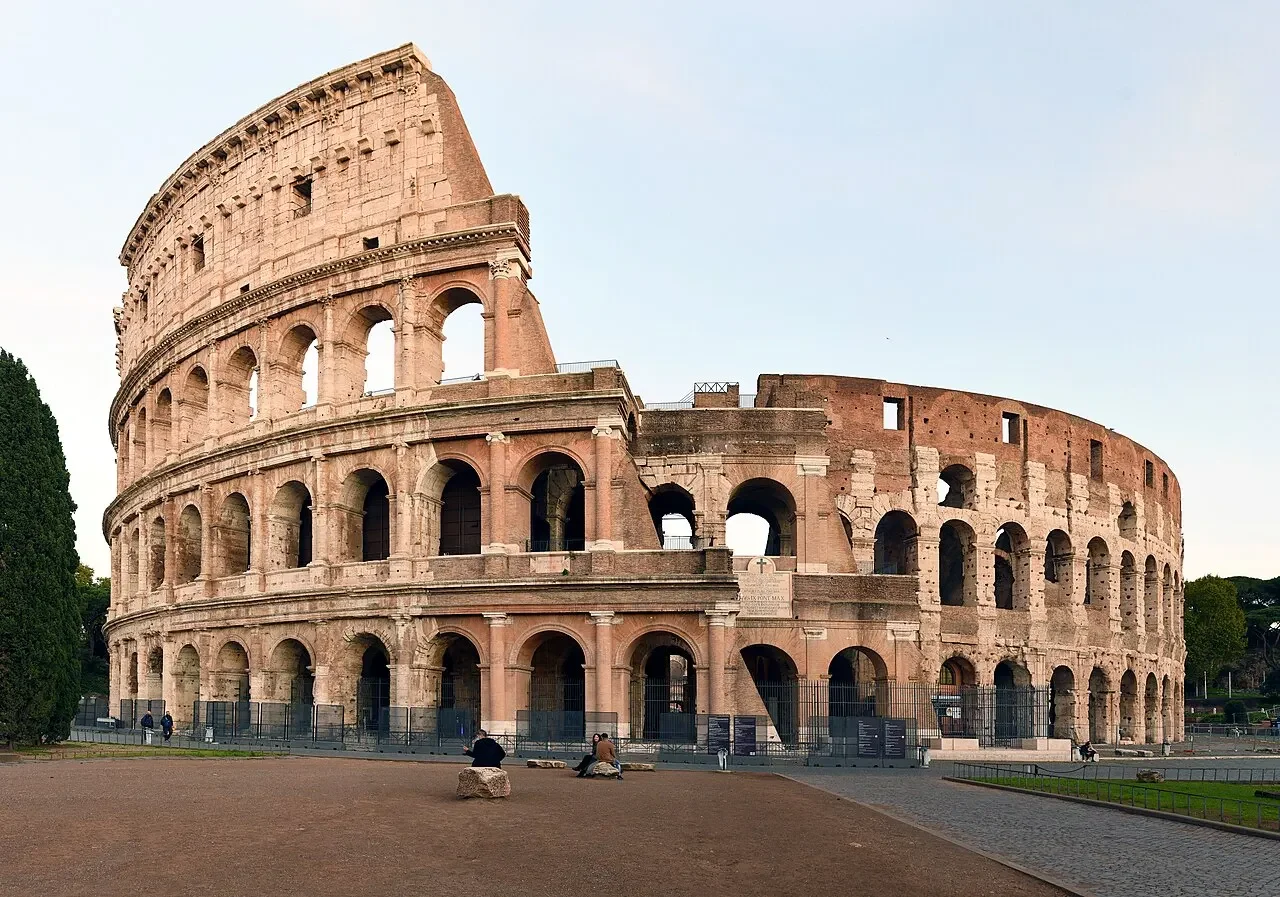
The amphitheater from AD 80, 48 m tall and seating about 50,000 spectators, opens the archaeological axis, and the timed entry slot organizes the rest of the morning.
cerca de 18 € com Foro e Palatino

Foro Romano
Entre pela Via dei Fori Imperiali e saia por cima, no Palatino, de onde se vê o Circo Máximo inteiro. No sentido contrário, descendo do Palatino, fica muito mais difícil se orientar entre as ruínas.
This is where ancient Rome governed, from the Temple of Saturn, from 497 BC, to the Arch of Titus, from AD 81, and the site fits into the same morning as the Colosseum, across the avenue.
no bilhete do Coliseu

Panteão
O Panteão de Adriano, com cúpula de concreto de 43,3 m e óculo aberto, dá para a Piazza della Rotonda, no meio do centro histórico. Nenhuma estação de metrô chega perto: são 20 a 30 minutos a pé de Barberini ou Spagna, e a entrada custa cerca de 5 €, com reserva.
The 43.3 m concrete dome, rebuilt by Hadrian, is still the largest unreinforced one in the world, and the open oculus lets the rain fall onto the floor; the whole visit fits into 45 minutes.
cerca de 5 € com reserva

Palatino e Horti Farnesiani
A colina dos palácios imperiais, logo acima do Foro. Dos Horti Farnesiani vê-se o Circo Máximo inteiro.
It's worth it for the view: from the Horti Farnesiani, atop the hill of the imperial palaces, you see the whole Circus Maximus, and the climb up from the Forum is the site's natural exit.
no bilhete do Coliseu

Museus Vaticanos e Capela Sistina
O percurso é de mão única: você entra pelo Viale Vaticano, atravessa o museu inteiro e só então chega à Sistina, sem atalho nem volta.
It's worth it for the Sistine Chapel, with the ceiling Michelangelo painted between 1508 and 1512 and the Last Judgment; the visit takes three and a half hours, and booking on the official site avoids the line at the wall.
cerca de 20 € mais taxa
Basílica de São Pedro
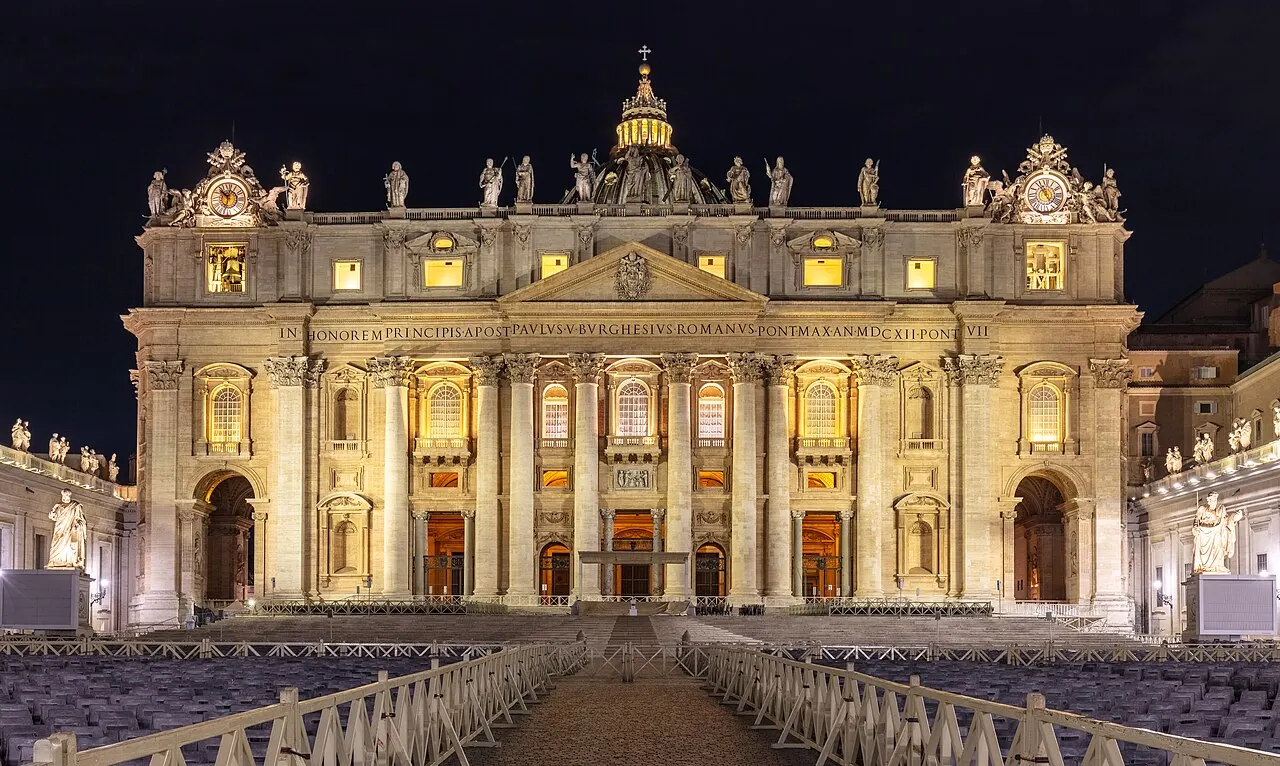
Fica no fim da Via della Conciliazione, a dez minutos a pé dos Museus Vaticanos, mas as duas entradas ficam em lados opostos da muralha, com filas separadas.
It's worth it for Michelangelo's dome, at 136 m, and Bernini's bronze baldachin over the altar; admission is free and it's ten minutes' walk from the Vatican Museums exit.
grátis; cúpula à parte

Galleria Borghese
Fica dentro do parque de Villa Borghese, a quinze minutos a pé da Piazza di Spagna subindo pela escadaria. A entrada é em turno fixo de duas horas, e quem chega depois do horário perde o turno.
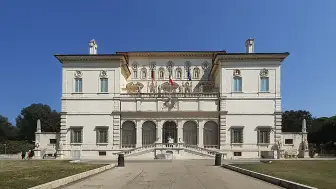
It holds Apollo and Daphne and The Rape of Proserpina, by Bernini, and six Caravaggios in two rooms, Cardinal Scipione Borghese's collection in the 1613 villa.
reserva obrigatória, turno fixo

Piazza Navona
É praça de passagem, e as mesas em volta cobram pela vista: a fonte se vê igual de pé. O subsolo do estádio se visita à parte.
The square reproduces the plan of Domitian's Stadium, from AD 86, and has at its center Bernini's Fountain of the Four Rivers, from 1651, so it's worth the half-hour walk through it.
grátis

Via Appia Antica e catacumbas
Começa na Porta San Sebastiano e segue reta por quilômetros. A bicicleta é a única forma prática de passar do primeiro trecho.
On Sundays, the first stretch of the road built in 312 BC is open only to pedestrians and cyclists.
parque grátis; catacumbas cerca de 10 €
Nilo’s itinerary
Start with the basic programme and choose extensions for the time you have.
Plan my days in the app ↗Day 1 · Ancient Rome, from the Colosseum to the Capitoline
8:30am: enter the Colosseum at the first timed slot of the day; the ticket, about €18, also covers the Roman Forum and the Palatine within the next 24 hours.
10:30am: walk to the Forum entrance on Via dei Fori Imperiali and climb to the Palatine via the Horti Farnesiani, where you get a full view of the Circus Maximus.
1pm: lunch in Monti, a five-minute walk from the Forum, avoiding the stretch of Via Cavour facing the exit.
At 3:30pm, climb to Piazza del Campidoglio, designed by Michelangelo in 1536, and go into the Capitoline Museums to see the Capitoline Wolf and the original Marcus Aurelius.
Have an aperitivo at 6:30pm in Piazza della Madonna dei Monti and walk back past the Vittoriano at dusk.
Day 2 · The Vatican and the right bank
Enter the Vatican Museums at 8am, with a reservation for the first slot, and count on the whole morning for them: the Sistine Chapel is at the end of the route.
At 11:30am, head to St. Peter's Basilica, which is free and has a security check at the entrance; the climb up the 136 m dome costs extra, by elevator plus 320 steps or on foot up 551 steps.
Have lunch at 2pm in Prati or on Borgo Pio, always one block off Via della Conciliazione.
At 4pm, visit Castel Sant'Angelo, Hadrian's mausoleum completed in 139, and finish on the terrace above the bend in the Tiber.
7pm: cross Ponte Sisto and have dinner in Trastevere, choosing a side street over the main square.
Day 3 · Baroque, Borghese, and Appia Antica
Start at 9am at the Pantheon (around €5), with its 43.3 m concrete dome and open oculus, and have a coffee in Piazza Sant'Eustachio, next door.
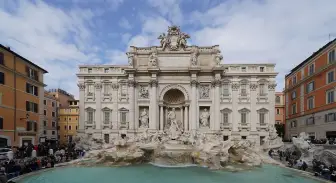
At 10:30am, walk through Piazza Navona and Campo de' Fiori and continue to the Trevi Fountain, on your way to the Borghese. By around noon the Trevi Fountain is already packed, and since February 2026 the area by the basin charges a €2 entry fee to anyone who doesn't live in Rome, from 9am to 10pm (from 11:30am on Mondays and Fridays). To see the fountain empty and for free, set aside another morning and arrive before 7am.
At 1pm, enter the Galleria Borghese for your reserved two-hour slot, with Bernini and Caravaggio on the same floor, then stroll through the surrounding park.
At 4pm, explore the Via Appia Antica on foot or by bike, starting from Porta San Sebastiano; on Sundays, the first stretch is closed to cars.
Have dinner at 8pm in Testaccio, the neighborhood of the quinto quarto, and head back on metro line B from Piramide station.







If you stay longer
Day 4 · Ostia Antica
Day trip
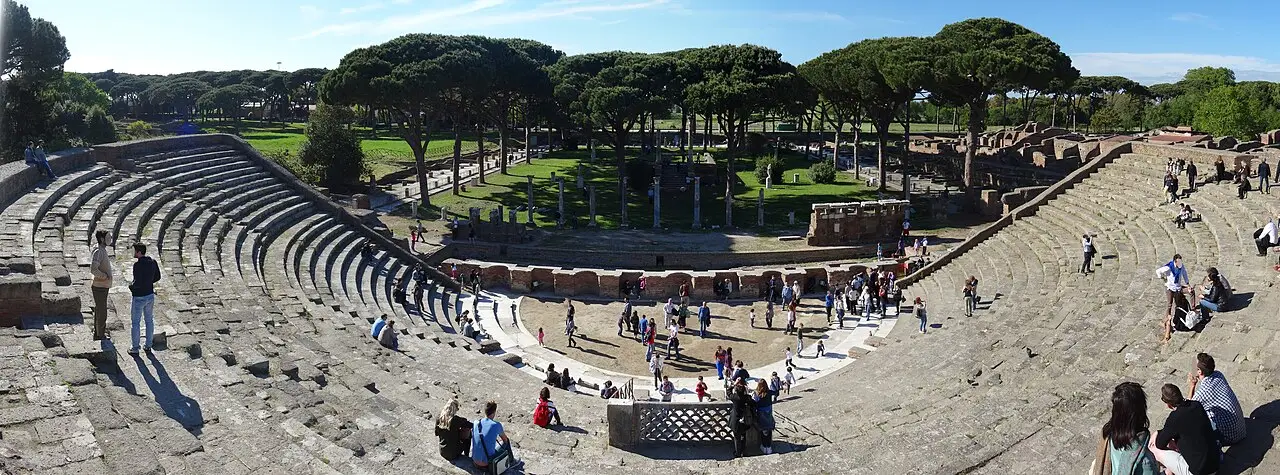
Rome's port since the 4th century BC, with about 50,000 inhabitants at its peak, a theater, baths, and mosaics preserved by the sand: 25 km, about 40 minutes from Porta San Paolo station, next to Piramide, with a standard ticket; entry about €18, closed Mondays.
Day 5 · Tivoli
Day trip
Villa Adriana (AD 118–138, about 120 hectares) and Villa d'Este (1560, with dozens of fountains powered only by gravity), both World Heritage sites: 30 km east; from Tiburtina it's about 1 hour combining the rail branch and the local connection, or take the Cotral bus that leaves from Ponte Mammolo. Set aside the whole day.
Food
 AI illustration
Cacio e pepe
Spaghetti or tonnarelli with pecorino romano and black pepper emulsified in the pasta water, no butter, no cream. It's the hardest pasta in the city to get right, and the standard test of a trattoria.
 AI illustration
Carbonara
Guanciale (cured pork jowl), egg yolk, pecorino romano, and pepper: no cream, no onion, no bacon. It only shows up in recipe books starting in 1954, which makes it young; Romans mark Carbonara Day on April 6.
 AI illustration
Amatriciana and gricia
Gricia is guanciale and pecorino, dry; amatriciana adds tomato and comes from Amatrice, in Lazio, served with bucatini or rigatoni. Together with cacio e pepe and carbonara, they form Rome's four base pastas.
 AI illustration
Supplì
A fried rice ball with ragù and a core of mozzarella that stretches when you break it open, hence the nickname “al telefono.” It costs €2–3 at the counter of any pizza al taglio shop and is the standard snack between meals.
 AI illustration
Pizza al taglio and pizza romana
Counter pizza is baked in rectangular trays, cut with scissors, and sold by weight: point to the size with your hand and order by the gram. At a sit-down pizzeria, pizza romana is round, thin, and crisp, served at night after a round of fritti.
 AI illustration
Carciofi alla giudia and alla romana
Roman artichokes appear from February to April: alla giudia is fried whole until it opens like a crisp flower, a recipe from the Jewish ghetto on Via del Portico d'Ottavia, while alla romana is braised with mint and garlic.
 AI illustration
Quinto quarto
The cuisine of the Testaccio slaughterhouse made use of what was left over for the workers: coda alla vaccinara (oxtail stewed with celery, pine nuts, and cocoa), trippa alla romana with mint and pecorino, pajata. These dishes are the historic base of Rome's neighborhood food.
 AI illustration
Maritozzo and grattachecca
A maritozzo is a sweet split bun filled with whipped cream, eaten for breakfast standing at the counter. Grattachecca is ice shaved by hand and topped with syrup, sold at kiosks along the Tiber between June and September.
Day trips
Ostia Antica
Rome's port since the 4th century BC, with about 50,000 inhabitants at its peak, a theater, baths, and mosaics preserved by the sand: 25 km, about 40 minutes from Porta San Paolo station, next to Piramide, with a standard ticket; entry about €18, closed Mondays.
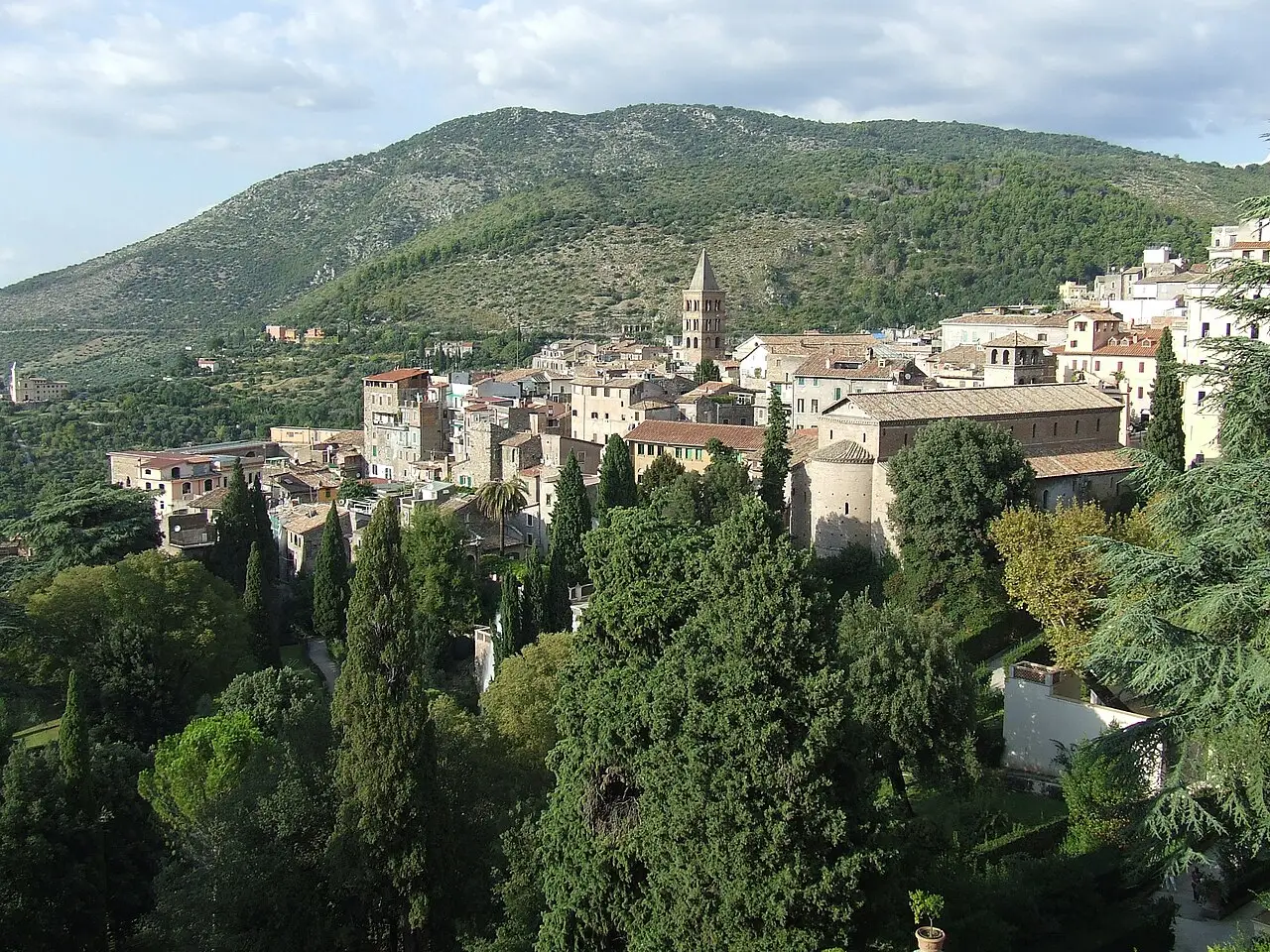
Tivoli
Villa Adriana (AD 118–138, about 120 hectares) and Villa d'Este (1560, with dozens of fountains powered only by gravity), both World Heritage sites: 30 km east; from Tiburtina it's about 1 hour combining the rail branch and the local connection, or take the Cotral bus that leaves from Ponte Mammolo. Set aside the whole day.
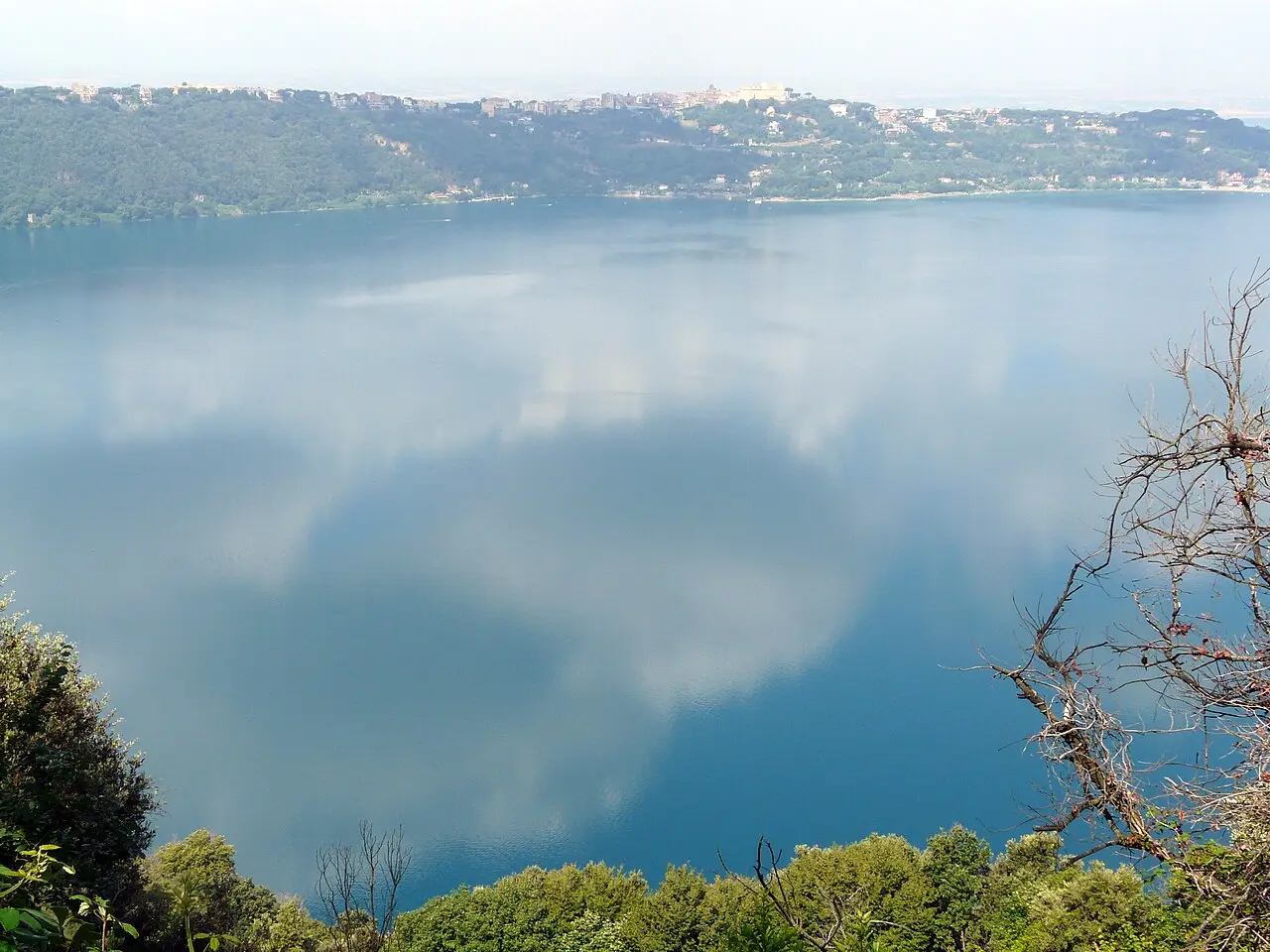
Castelli Romani
Thirteen villages in the ring of craters of the Alban Hills, including Frascati, known for white wine and fraschette taverns, and Castel Gandolfo, whose papal residence and gardens have been open to the public since 2014: 25 to 30 km; the train ride from Termini station takes 30 to 50 minutes.
Where to begin
Ancient Rome, from the Colosseum to the Capitoline
8:30am: enter the Colosseum at the first timed slot of the day; the ticket, about €18, also covers the Roman Forum and the Palatine within the next 24 hours.
The Vatican and the right bank
Enter the Vatican Museums at 8am, with a reservation for the first slot, and count on the whole morning for them: the Sistine Chapel is at the end of the route.
Baroque, Borghese, and Appia Antica
Start at 9am at the Pantheon (around €5), with its 43.3 m concrete dome and open oculus, and have a coffee in Piazza Sant'Eustachio, next door.
Budget per person per day
Per person per day: accommodation, meals, urban transport, visits and a small allowance for extras. Flights excluded; larger purchases vary. Editorial estimate, not a quote.
EUR · Guide estimate
- Mochila
- 78 EUR
- Meio-termo
- 154 EUR
- Conforto
- 305 EUR
See the cost by item
Scroll to compare all columns
| Style | Dormir | Comer | Andar | Entrar | Extras | Total |
|---|---|---|---|---|---|---|
| Mochila | 40 | 20 | 5 | 6 | 7 | 78 |
| Meio-termo | 70 | 48 | 8 | 16 | 12 | 154 |
| Conforto | 140 | 80 | 25 | 30 | 30 | 305 |
Money
The currency is the euro. An espresso at the bar costs €1.20–1.50 and a cappuccino €1.50–2.20; sitting at a table can cost up to four times the counter price. The difference is printed on the menu, which is your warning before you pull up a chair. A slice of pizza al taglio costs €3–6, priced by weight, a supplì €2–3 and a maritozzo €2.50–4. A simple lunch runs €12–18; dinner at a trattoria €25–40 per person with house wine, plus the coperto of €1.50–3 per person, a standard charge that must be listed on the menu. Hostels cost €35–60 a night and midrange hotels €120–220 in high season (2026). The city tourist tax is charged separately at checkout and ranges from €3 to €10 per person per night depending on the category of lodging, €6 in short-term rentals, capped at the first ten nights of each stay. Cards are accepted almost everywhere and merchants are required by law to have a card reader, but carry €30–50 in cash for small bars, markets and public restrooms. Tipping isn't required or expected: rounding up the bill or leaving €1–2 is enough. Decline conversion to your card's currency at the terminal (DCC) and avoid the exchange offices in tourist areas.
Getting there and around

Fiumicino, 30 km away, with the Leonardo Express to Termini
Fiumicino (FCO), 30 km southwest, is the main airport. The Leonardo Express links Terminal 1 to Termini station nonstop in 32 minutes, runs every 15 minutes and costs around €14. The FL1 regional train costs about half as much but doesn't reach Termini: its central stops are Trastevere, Ostiense and Tiburtina. Taxis from Fiumicino to anywhere inside the Aurelian Walls charge a flat fare of around €55 per ride, for up to four passengers with luggage; use only the licensed white cars waiting in the official line. Ciampino (CIA), 15 km southeast, mainly serves low-cost airlines, with buses to Termini for €6–7 in about 40 minutes and a flat taxi fare of around €40. Overland, Roma Termini is the country's biggest rail hub, with high-speed trains to Florence in about 1 hour 30 minutes, Milan in about 3 hours and Naples in about 1 hour 10 minutes.
Metro with three lines and a 100-minute ticket
ATAC's urban network has three metro lines (A orange, B and B1 blue, C green), trams, and hundreds of bus lines. The single BIT ticket costs €1.50 and is valid for 100 minutes with a single metro entry; a rise to €2 has been announced and is pending regional approval, so check the price on the machine (2026). Passes run around €7 for 24 hours, €12.50 for 48 hours, €18 for 72 hours, and €24 for the weekly CIS; always validate when boarding, including on the bus, and note that the validators take contactless cards directly. The metro closes at 11:30pm, 1:30am on Fridays and Saturdays, and doesn't serve the historic center: from the Pantheon to Piazza Navona and Campo de' Fiori it's on foot or buses 40, 62, and 64 only, and Line C is still under construction around Piazza Venezia, with worksites that reroute surface traffic. Taxis only at stands or by app (FreeNow, itTaxi); a street hail rarely stops. The center is walkable, 5 to 7 km a day is normal, but the sanpietrini cobblestones wreck thin soles and heels; a bike is uncomfortable for the same reason, electric scooters are regulated and banned in several areas, and much of the center is a ZTL, where a rented car just earns you a fine.
Safety
Rome is safe in terms of violence: the real problem is pickpocketing, not mugging. The classic spots are buses 64 and 40 between Termini and the Vatican, metro line A between Termini and Ottaviano, crowded escalators and the area around Termini station at night. Wear your backpack in front on public transit, don't leave your phone on a sidewalk table and be wary of groups that bump into you at the train doors. The common scams repeat so often that you can recognize them by the script: the “free” bracelet tied around your wrist near the Colosseum and Ponte Sant'Angelo, the clipboard petition for a charity that doesn't exist, the three-card game on the bridges, the rose offered as a gift and charged for afterward, and the unlicensed driver who approaches you inside the airport. At restaurants, confirm whether fish is priced per 100 g before ordering and always ask for the fiscal receipt. At night, San Lorenzo, Pigneto and the area around Termini call for normal big-city awareness; no central neighborhood is off-limits. The emergency number is 112, and the water from the nasoni, the iron fountains scattered on street corners, is drinkable and free.
Etiquette tips
Cappuccino is a morning thing
Milk after lunch isn't the local habit; after 11am, Romans order caffè, which here means espresso and nothing else. No one will refuse your order, but it marks you instantly.
Pay at the register before the counter
At many bars you pay first, get the scontrino, and hand it to the barista along with your order. Standing at the counter costs less than sitting, and the two-price list is posted, as required by law.
Cover your shoulders and knees in the basilicas
St. Peter's and the major basilicas turn away bare shoulders, short shorts, and skirts above the knee, with checks at the entrance. A scarf in your bag solves it; there's no clothing rental at the door.
Don't sit on the steps or get into the fountains
Sitting on the Spanish Steps, eating on monuments and wading into any fountain carry steep fines under the 2019 city regulations. Enforcement is real, especially there and at the Trevi Fountain.
The bill comes as one
Splitting by item isn't house custom; ask for conto unico and settle up among yourselves after. The per-person coperto isn't a service charge and doesn't replace a tip.
Greet on the way in and on the way out
Say buongiorno on entering a shop, bar, or bakery, and arrivederci on leaving, even if you bought nothing. Walking in silently and handling the merchandise reads as rude, not as discretion.
Mistakes to avoid

The restaurant with a photo of the dish by the door
Sitting down at the first restaurant with photos of the dishes, a menu in six languages and a staff member calling out from the sidewalk, fifty meters from the Trevi Fountain. A practical rule works well: walk ten minutes away from the monument and choose a place whose menu has fewer than twenty dishes.
Timed entry at the Colosseum, which sells out days ahead
Showing up at the Colosseum without a ticket and counting on the ticket office. Entry works only with a reserved time slot, and slots sell out days in advance; buying from a reseller in line usually costs double and doesn't always include access to the arena.
Counting on the metro to see the center
Rome's metro skirts the historic center: the Pantheon, Piazza Navona, and Campo de' Fiori have no station and are 20 to 30 minutes on foot from Barberini or Spagna. The Trevi Fountain is the exception, a few minutes' walk from the Barberini station. For the rest, walk or take the bus, instead of wasting the afternoon looking for a station that isn't there.
Walking the sanpietrini in thin-soled shoes
Underestimating the walking and the sanpietrini. Five to seven kilometers a day over irregular basalt cobblestones wreck thin-soled shoes; bring thick-soled sneakers and decent socks.
The Vatican on a Wednesday morning
Booking the Vatican Museums for a Wednesday morning, when the papal audience closes St. Peter's Square, or for the last Sunday of the month, when entry is free and the line wraps around the wall. In both cases, the wait can eat up the whole morning.
Useful phrases
Buongiorno / Buonasera
Good day / good evening: say it on entering any establishment
Un caffè, per favore
An espresso, please: “caffè” alone already means espresso
Il conto, per favore
The bill, please: it never comes on its own, you have to ask
Posso pagare con la carta?
Can I pay by card?
No, grazie, vado via
No thanks, I'm on my way: shuts down a street approach without argument
Daje!
Come on! / that's the way: in Romanesco, works as a cheer and as encouragement generally
Districts
Centro storico
The triangle between the Pantheon, Piazza Navona, and Campo de' Fiori, along the Tiber's bend: narrow medieval streets, traffic restricted by ZTL, and no metro station. It holds the most expensive lodging and also the worst tourist-trap restaurants, within a hundred meters of every monument.
Monti
Rome's oldest rione, wedged between the Forum and Termini, with little staircases, craft workshops, and vintage shops on Via del Boschetto and Via Panisperna. Nightlife gathers at Piazza della Madonna dei Monti, ten minutes on foot from the Colosseum.
Trastevere
The right bank of the Tiber, a working-class neighborhood of craftsmen until the 20th century and today the liveliest at night: sidewalk tables, Santa Maria in Trastevere with 12th-century mosaics, and the city's busiest flea market, on Sundays.

Testaccio
A working-class district built in 1880 around the municipal slaughterhouse, birthplace of quinto quarto cooking and of Roman soccer. It has a covered market, Monte dei Cocci (a 35 m mound of stacked Roman amphora shards) and clubs dug into the base of the hill.
Prati and Borgo
A grid laid out in the late 19th century north of the Vatican, with bourgeois apartment blocks, courthouses, and the shopping street Cola di Rienzo. It's the practical base for anyone who wants the Vatican early and wants to eat where Romans eat.
Esquilino
The district around Termini and Piazza Vittorio, the city's most diverse, with an international market and Chinese, South Asian, and Horn of Africa shops. Cheap lodging and the best transport links; at night it calls for the ordinary caution of a station area.
Pigneto and San Lorenzo
Two former working-class areas to the east, today the hub of bars, live music, and independent cooking; Pigneto appears in Pasolini's Accattone (1961), and San Lorenzo runs on the Sapienza University next door. Neighborhood prices and no tourist agenda.
EUR
A district planned from 1937 for a world's fair the war canceled: white marble, broad axes, and the Palazzo della Civiltà Italiana, the “Square Colosseum,” from 1943. Today it's a district of offices and ministries, served by metro Line B.
History
753 BC · Traditional founding
Tradition places Romulus's founding on April 21, 753 BC, followed by seven kings; archaeology finds huts on the Palatine from the 10th century BC. The site controlled the Tiber ford by the Tiber Island.

509 BC · The Republic is born
The expulsion of Tarquin the Proud establishes two annual consuls and the Senate. The initials SPQR, “Senatus Populusque Romanus,” still appear on the city's manhole covers.

27 BC · Octavian becomes Augustus
The end of the civil wars turns the Republic into an empire without changing the institutions' names. Rome reaches about 1 million people in the 2nd century AD, supplied by eleven aqueducts and grain from Egypt.

AD 80 · The Colosseum opens
The Flavian Amphitheatre opens with a hundred days of games, built over the lake of Nero's Domus Aurea and returning to the public the land seized after the fire of AD 64. It stood 48 m tall with an estimated capacity of 50,000 people.
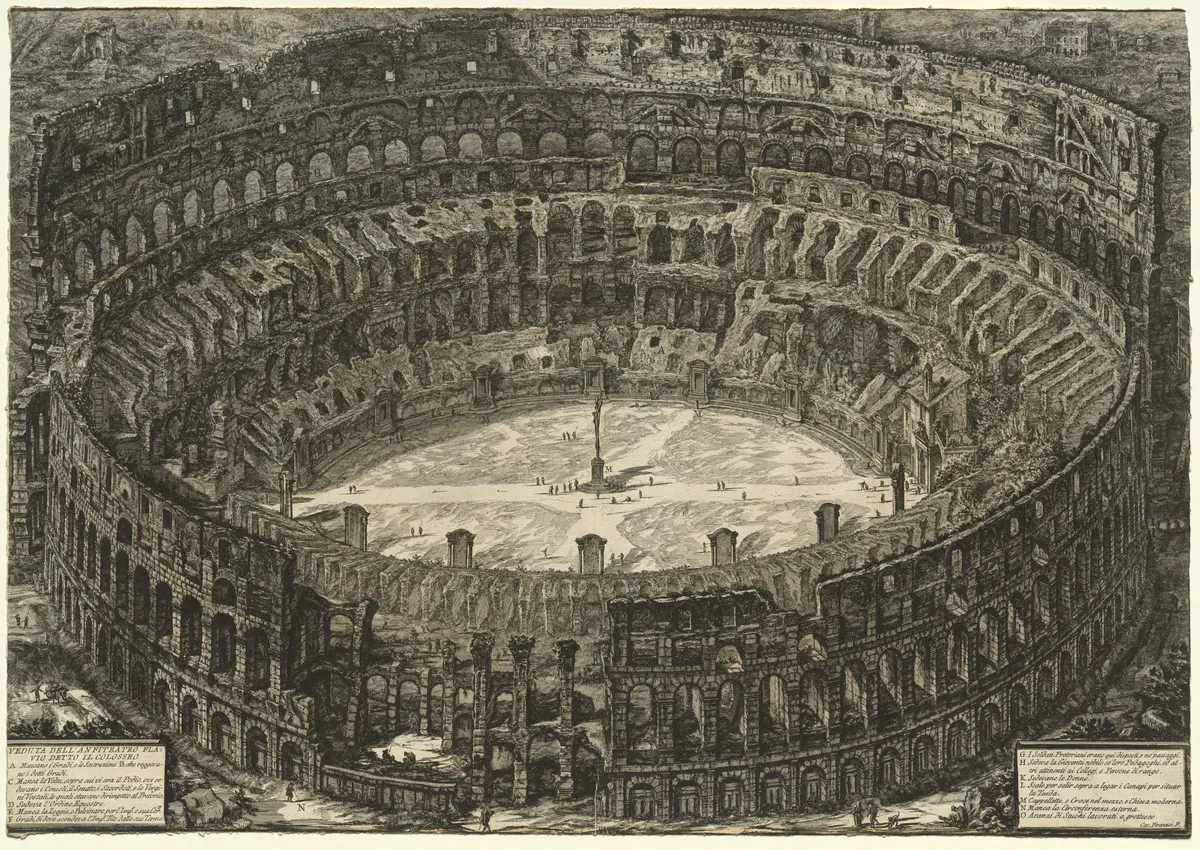
313–330 · Constantine and the Christian turn
The Edict of Milan legalizes Christianity in 313, and around 326 work begins on the first St. Peter's Basilica. In 330 the capital moves to Constantinople and Rome loses its political role.

410–476 · Sacks and the fall of the West
Alaric enters in 410, the Vandals in 455, and the last Western emperor is deposed in 476. With the aqueducts cut during the Gothic Wars of the 6th century, the population collapses to 20 to 30 thousand people.

754–1377 · City of the popes
The Donation of Pepin creates the Papal States in 754, and pilgrimage becomes the local economy. With the papacy in Avignon between 1309 and 1377, the Forum turns to pasture and comes to be called Campo Vaccino.
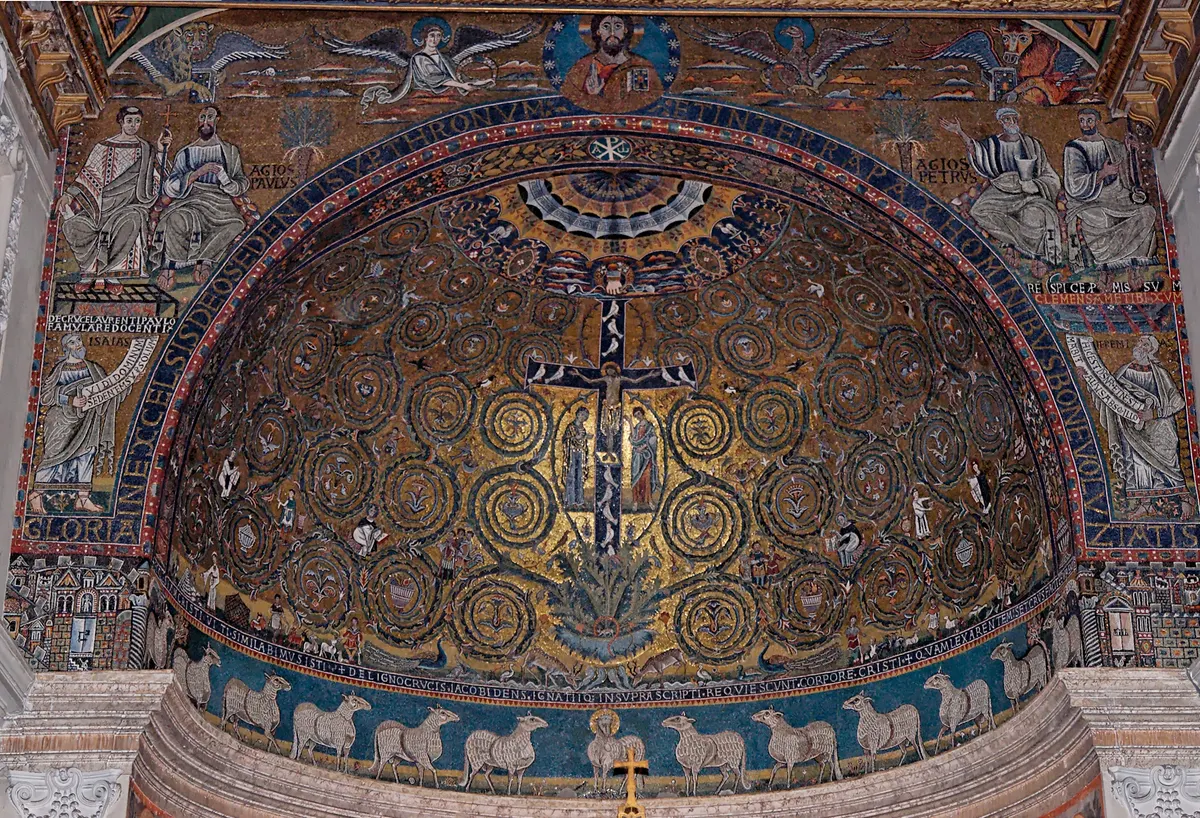
1506–1626 · Renaissance and Baroque
Julius II begins the new St. Peter's in 1506, gradually replacing the Constantinian basilica; construction takes 120 years, passing through Bramante, Raphael, Michelangelo, and Maderno. The Sack of 1527 halts construction, which resumes under Paul III in the 1530s; Bernini and Borromini reshape squares and fountains through the 17th century.

1870–1929 · Italian capital
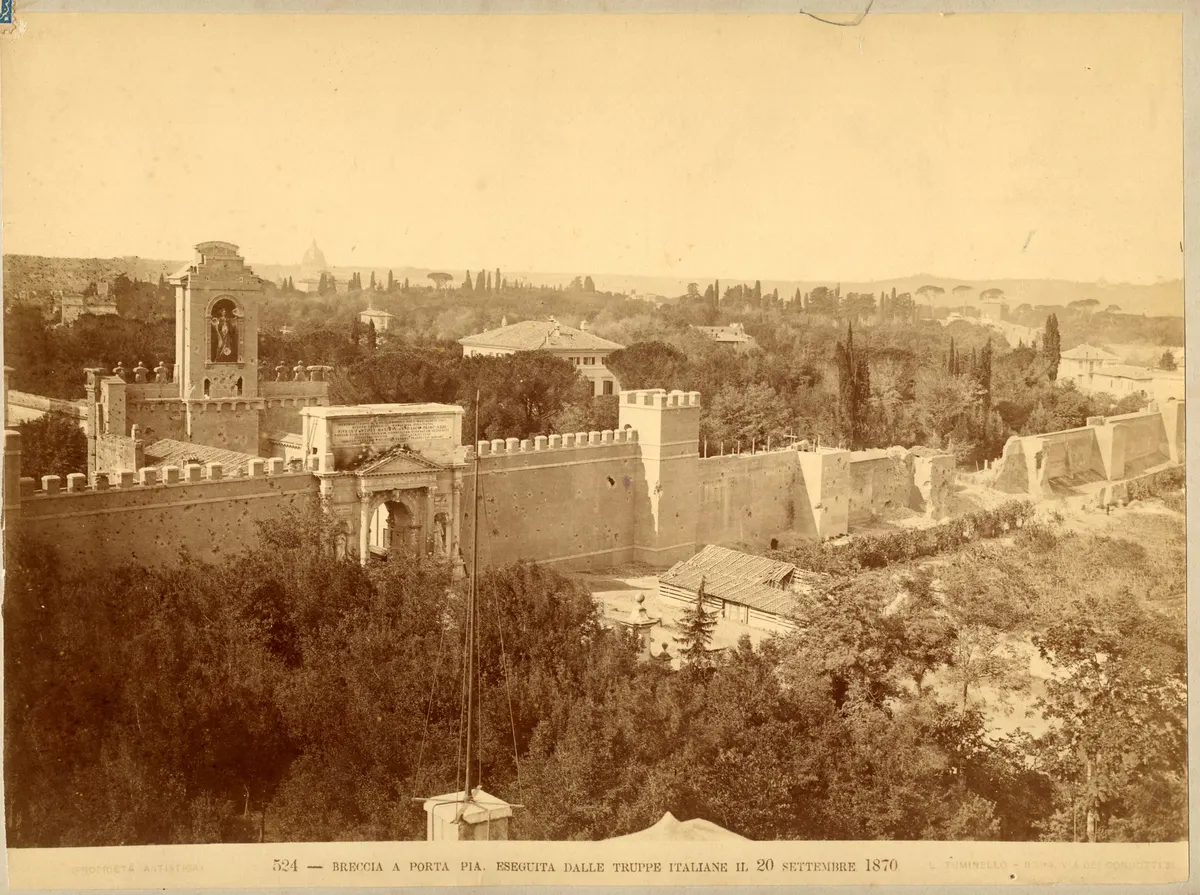
On September 20, 1870 the Italian army breaches Porta Pia and annexes the city, which becomes capital of the Kingdom in 1871. The standoff with the Holy See ends only with the 1929 Lateran Pacts, which create the State of Vatican City.
1922–1960 · Fascism, war, and reconstruction
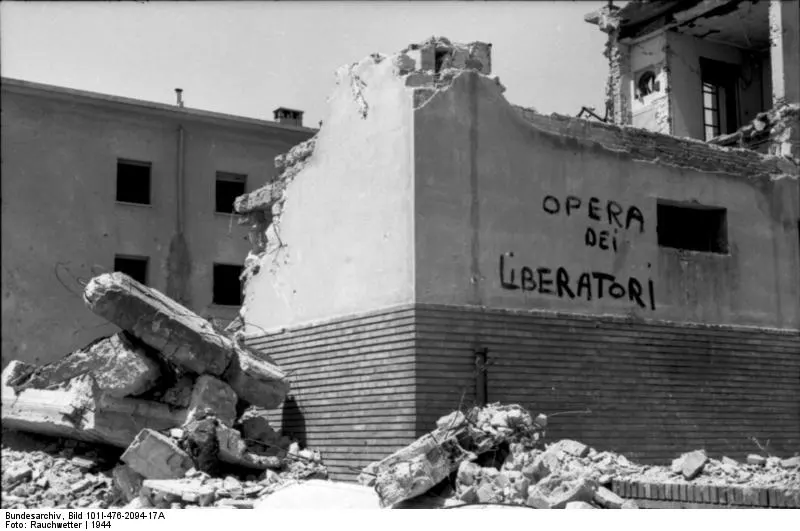
Demolitions open the Via dei Fori Imperiali in 1932 and the Via della Conciliazione from 1936, and EUR is planned in 1937. After the German occupation of 1943–44, the 1960 Olympics modernize stadiums, the airport, and the road network.
2000–2026 · Jubilees and construction sites
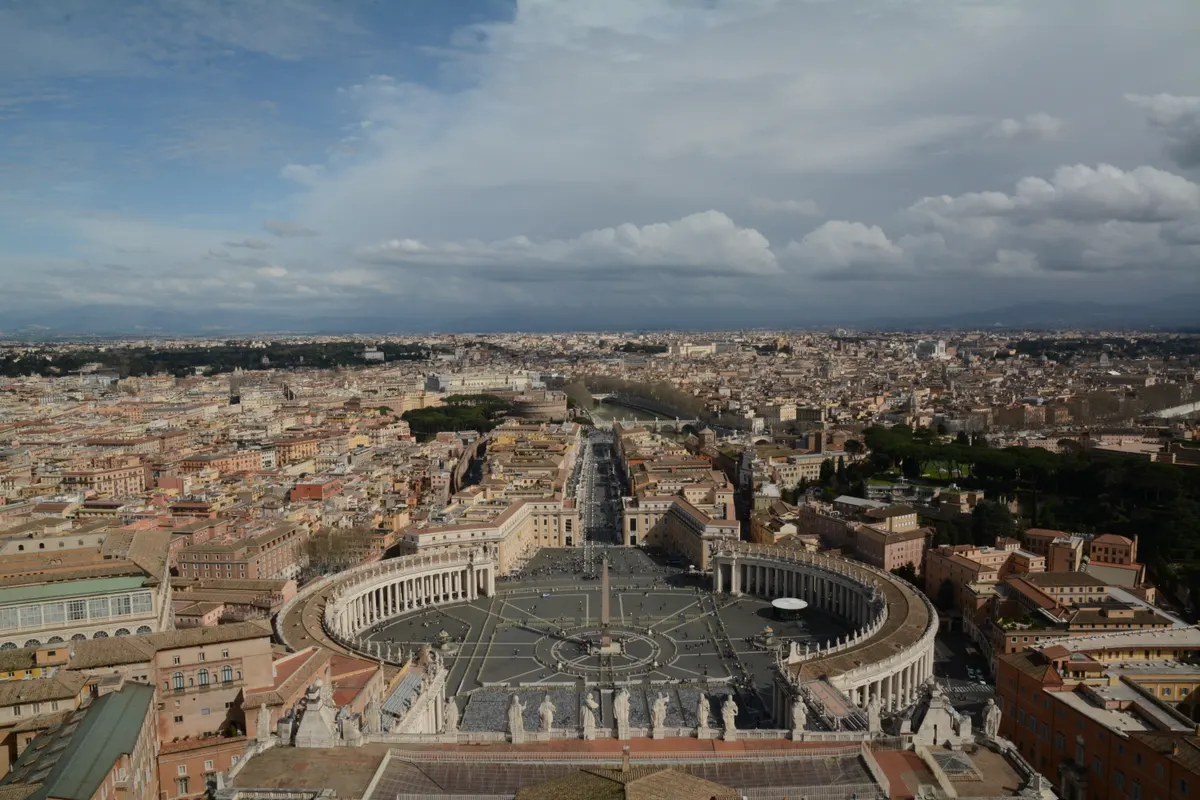
The Jubilees of 2000 and 2025 funded the largest recent urban works, from the redevelopment of Piazza Pia to Piazza Venezia. The Jubilee closed on January 6, 2026 and left projects unfinished, among them the extension of metro Line C.
Complete history
Born from a ford
Rome was born from a ford. Near the Tiber Island the river could be crossed at certain times of year, and the hut villages of the Palatine, documented by archaeology since the 10th century BC, controlled that passage between Etruria to the north and Campania to the south. Tradition fixes the founding at April 21, 753 BC, and seven kings until 509 BC, when the expulsion of Tarquin the Proud establishes the Republic: two consuls elected each year, a Senate, and the formula SPQR that still appears on manhole covers. In three and a half centuries the Republic conquers the peninsula, destroys Carthage in 146 BC, and reaches Egypt, and the machinery of government designed for a city-state begins to crack under its own size.
The civil wars are settled in 27 BC
The civil wars are settled in 27 BC, when Octavian receives the title of Augustus and turns the Republic into an empire without ever saying so out loud. Over the next two centuries Rome is the largest city in the world (the most commonly cited estimates put it at about one million inhabitants in the 2nd century), sustained by eleven aqueducts, grain from Egypt and Africa, and an artificial port at Ostia. The fire of AD 64 destroys ten of the fourteen districts; Nero uses the land for the Domus Aurea, and the Flavian dynasty returns the space to the public with the Flavian Amphitheater, opened in 80. Hadrian's Pantheon (118–128) and Trajan's Column (113) date from the same period of surplus. After 200 the economy stalls, and in 271 Aurelian has the city surrounded with 19 km of walls, something Rome hadn't needed in five centuries.
Christianity changes who owns the city
The Edict of Milan, in 313, legalizes the faith; Constantine funds the first basilica of St. Peter's around 326 and moves the capital to Constantinople in 330, emptying Rome of political function. What follows is Alaric's sack in 410, the Vandals' in 455, the deposition of the last Western emperor in 476, and the 6th-century Gothic Wars, which cut the aqueducts. The population drops from hundreds of thousands to a fraction of that, and concentrates in the bend of the river. What keeps the city standing is the papacy: the Donation of Pepin creates the Papal States in 754, and pilgrimage becomes the local economy. When the popes move to Avignon between 1309 and 1377, Rome nearly disappears. The Forum becomes cattle pasture and is called Campo Vaccino until the 19th century.
The popes' return as a propaganda project
The popes' return rebuilds the city as a propaganda project. Julius II begins the new St. Peter's in 1506 to gradually replace the Constantinian basilica. The project passes through Bramante, Raphael, Michelangelo, and Maderno, and the new basilica is completed in 1626; the Sack of 1527, by mutinous troops of Charles V, devastates the city and halts construction, which resumes under Paul III in the 1530s. The 17th-century Baroque is urbanism in practice: Sixtus V had already cut straight avenues between the basilicas in 1585-1590, planting Egyptian obelisks as visual markers, and Bernini and Borromini design squares, fountains, and façades to guide the pilgrim from church to church. On September 20, 1870, the Italian army opens the breach at Porta Pia and annexes the city; Rome becomes capital of the Kingdom of Italy in 1871, and the pope lives as a voluntary prisoner until the 1929 agreement with Mussolini, which sets aside 0.44 km² as autonomous papal territory.
Fascism and war shaped 20th-century Rome
The city you see today is the work of the 20th century and of two shocks. Fascism, in power since the March on Rome in October 1922, digs into the old center to produce a backdrop: Via dei Fori Imperiali (1932) runs over entire neighborhoods, Via della Conciliazione (begun in 1936) opens a corridor to St. Peter's, and the EUR district is planned from 1937 for a 1942 exhibition that the war canceled. Between September 1943 and June 1944 Rome is occupied by the Germans: the San Lorenzo bombing on July 19, 1943, the Ardeatine Massacre on March 24, 1944, liberation on June 4. Then come migration from the south, the borgate and large public housing estates, the 1960 Olympics and the Grande Raccordo Anulare, completed in 1970. Today the economy runs on services, public administration and tourism: the 2025 Jubilee drew tens of millions of visitors and a package of works (Piazza Pia, Piazza Venezia, metro Line C) that are still underway in 2026, after the Jubilee closed on January 6.
The letters SPQR, for the Senate and People of Rome, are still stamped on the city's manhole covers.
Geography and shape of the city
The site, the river, and the hills
Rome occupies the alluvial plain of the lower Tiber and the volcanic tuff hills around it, about 25 km from the river mouth at Ostia. The traditional seven hills (Palatine, Capitoline, Aventine, Caelian, Esquiline, Viminal, and Quirinal) stand between 40 and 60 m and lie almost entirely on the left bank; the right bank holds the Janiculum (88 m), Monte Mario (139 m, the highest point in the urban area), Trastevere, and the Vatican.
The ring-shaped grid
The old core fits inside the Aurelian Walls, built between AD 271 and 275, with a 19 km perimeter, much of it still standing; the grid inside is medieval and irregular, divided into rioni and stitched together by avenues cut open during the Renaissance and by three gashes from the fascist period. Outside the walls the city grows in rings: the quartieri from the late 19th century, the postwar public housing estates, the EUR district planned to the south from 1937, and the periphery contained by the Grande Raccordo Anulare, a 68 km ring completed in 1970.
The climate and the walled Tiber
The climate is Mediterranean, with dry, hot summers and the heaviest rain in the fall. The Tiber runs boxed in between massive embankment walls built from 1876 onward, after the flood of 1870, and since then it has stopped flooding the center, but it has also dropped out of the city's daily life, which now passes over it on the bridges.
Rome's seven hills are only between 40 and 60 m high.
Culture
Cinecittà and neorealism
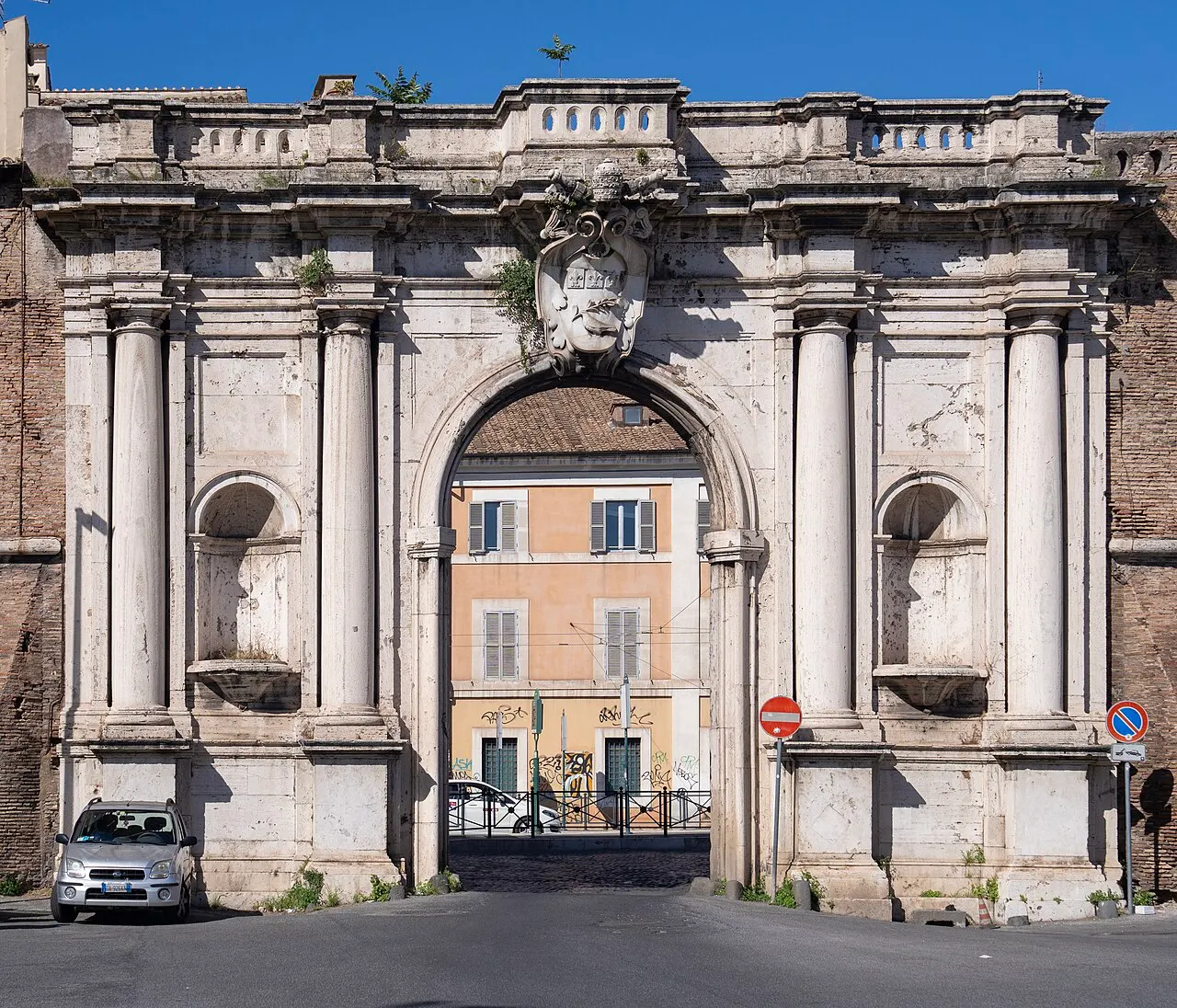
Rome is the city where Italian cinema filmed itself. Cinecittà opened in 1937 and hosted Ben-Hur (1959), Cleopatra (1963), and nearly all of Fellini's work, becoming the “Hollywood on the Tiber” of the 1950s and 1960s and today a base for international series. Rome, Open City (Rossellini, 1945) was shot on streets still scarred by the occupation and founded neorealism; Bicycle Thieves (De Sica, 1948) used Val Melaina and Porta Portese; La Dolce Vita (Fellini, 1960) fixed Via Veneto and the Trevi Fountain in the world's imagination; The Great Beauty (Sorrentino, 2013) won the Oscar for foreign film in 2014. The Rome Film Fest happens in October at the Auditorium Parco della Musica, a Renzo Piano project opened in 2002.
Literature in Romanesco, opera, churches and La Sapienza
In literature, Romanesco is a written language and not just a spoken one: Giuseppe Gioachino Belli left 2,279 sonnets in dialect in the 19th century, Pasolini wrote Ragazzi di vita (1955) about the postwar borgate, and Carlo Emilio Gadda used dialect as raw material in Quer pasticciaccio brutto de via Merulana (1957). Opera has its home at the Teatro dell’Opera and, in summer, moves to the open-air stage of the Baths of Caracalla, a tradition that began in 1937. Religion shapes the city's calendar and space, with around 900 churches, the pope's general audience on Wednesdays and the Angelus on Sundays at noon in St. Peter's Square. University life revolves around La Sapienza, founded in 1303, which has around 110,000 students and ranks among the largest universities in Europe.
Soccer splits the city in two
Soccer splits the city between AS Roma, founded in 1927, and Lazio, founded in 1900, which both play at the Stadio Olimpico, with around 70,000 seats; on the day of the Derby della Capitale, the match between the two, traffic stops and the game takes over every conversation. Nightlife centers on Trastevere, San Lorenzo (right next to La Sapienza), Pigneto and Testaccio, where clubs are dug into the base of Monte dei Cocci. In summer, the Estate Romana, a city program created in 1977, spreads open-air cinema, concerts and kiosks along the Tiber between Ponte Sisto and Tiber Island.
Carbonara, the city's signature dish, only appeared in cookbooks in 1954, and even so it earned its own date on the Roman calendar, April 6.
Festivals and events
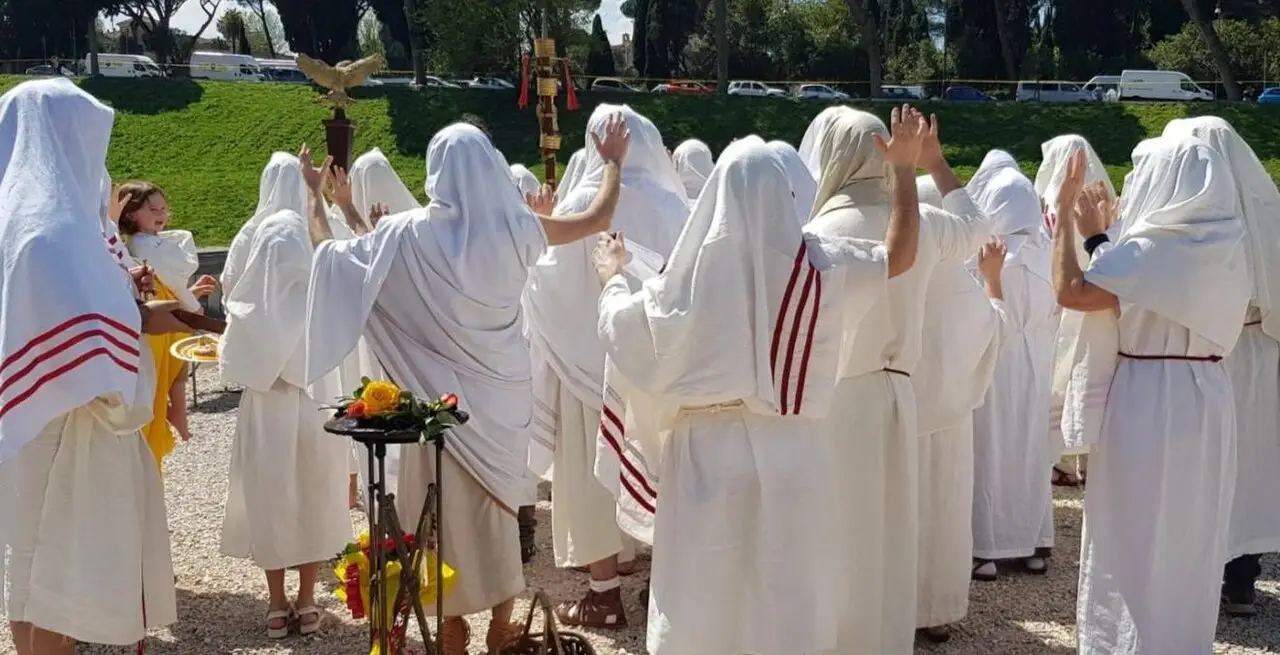
Natale di Roma: April 21
The city's official birthday, with a procession of historical reenactment groups, staged scenes in the Circus Maximus, and free entry to municipal museums.
 AI illustration
Holy Week and Easter: March or April
The Via Crucis led by the pope at the Colosseum on Good Friday, Easter Mass, and the Urbi et Orbi blessing in St. Peter's Square. It's the year's peak for religious crowds.

Santi Pietro e Paolo: June 29
A municipal holiday honoring the city's patron saints, with celebrations at St. Peter's and at San Paolo fuori le Mura, closed shops, and reduced transit schedules.

Estate Romana: June to September
A municipal program launched in 1977: open-air cinema, concerts, opera at the Baths of Caracalla, and kiosks along the Tiber's banks through early September.
 AI illustration
Festa de' Noantri: mid-July
Trastevere's festival honoring the Madonna del Carmine, with a procession of the image, tables set up in the street, and fireworks over the river; “noantri” means “us others” in Romanesco.
Books and films
Rome, Open City (Roberto Rossellini, 1945)
Filmed in streets still marked by the German occupation, on film stock bought on the black market; it founded neorealism and shows the city of 1944 with no sets at all.
SPQR: A History of Ancient Rome (Mary Beard, 2015)
Mary Beard tells how a village by a ford on the Tiber became an empire, without presenting that path as inevitable, and shows what remains of the Republic and the Empire in the ruins visitors walk through today.
The Great Beauty (Paolo Sorrentino, 2013)
Winner of the Oscar for Best Foreign Language Film in 2014; it wanders the terraces, cloisters, and parties of contemporary Rome and treats inherited beauty as a problem, not a postcard.
Frequently asked questions
Rome: How many days should you stay?
Three: one day for ancient Rome, with the Colosseum's 24-hour ticket, another for the Vatican and the right bank, and the third for the Baroque on foot, with the Galleria Borghese and the Via Appia Antica. With two days, rush through the first two; the fourth and fifth open up Testaccio, Ostia Antica, or Tivoli.
Rome: When's the best time to go?
April and May, September and October. July and August sit between 31 and 36°C, with peaks above 38°C, and August is the month to avoid: in Ferragosto week, many neighborhood businesses close for vacation, and what stays open downtown is the tourist restaurant. October is the rainiest month, with about 100 mm.
Rome: How much does a day cost?
Per person, without flights, in 2026: €60 to 85 on a budget, €130 to 190 in the mid-range, €250 or more for comfort. What drives it up is the bed, not the food: hotel €120 to 220 in high season, a simple lunch €12 to 18, dinner €25 to 40 plus the coperto. The tourist tax comes separately, €3 to 10 a night.
Rome: Does the metro serve the historic center?
No. The Pantheon, Navona, and Campo de' Fiori have no station and are 20 to 30 minutes on foot from Barberini or Spagna, and buses 40, 62, and 64 cover the gap; only Trevi is a few minutes' walk from the Barberini station. The BIT ticket costs €1.50 and is valid for 100 minutes; the 72-hour pass runs €18. The metro closes at 11:30pm, and at 1:30am on Fridays and Saturdays.
Rome: Do you need to buy the Colosseum ticket in advance?
Yes, and days ahead, not hours. Resellers in line usually charge double and don't always get you access to the arena floor. Entering the Colosseum at the first slot, you can walk on to the Forum and Palatine the same morning. The arena floor and underground are a separate ticket.
Roma: qual é o melhor dia para visitar o Vaticano?
Num dia comum, no primeiro turno, por volta das 8h. Evite a quarta de manhã, quando a audiência papal fecha a Praça de São Pedro, e o último domingo do mês, quando a entrada gratuita faz a fila dar volta na muralha.
Roma: dá para beber a água da rua?
Dá. Os nasoni, torneiras de ferro curvado nas esquinas, jorram água potável e gratuita o dia inteiro. Tape com o dedo o furo de baixo do cano e a água sobe por um furinho em cima, na altura da boca, sem copo e sem molhar a roupa. Fonte de monumento é outra coisa: entrar em qualquer uma dá multa de 40 a 400 €.
Roma: precisa dar gorjeta?
Não. Ninguém espera, e arredondar já basta. O que aparece na conta é o coperto, de 1,50 a 3 € por pessoa, cobrança regular que deve constar no cardápio e não é taxa de serviço. Dividir por item não é costume: peça conto unico.
Roma: o que decepciona?
A Fontana di Trevi, e não por culpa dela: a praça é pequena demais para tanta gente ao mesmo tempo, e só antes das sete ainda dá para vê-la com calma. A segunda decepção é a Bocca della Verità, onde a fila entrega uma foto de quinze segundos.
Other cities in the country
Italy ↗- Days
- 2–3
- When
- Apr–Jun · Sep–Oct
- Per person/day
- Average 180–330 EURMid-range · per person/day
Cost scope
Per person per day: accommodation, meals, urban transport, visits and a small allowance for extras. Flights excluded; larger purchases vary. Editorial estimate, not a quote.
- Days
- 2–3
- When
- Mar–May · Sep–Oct
- Per person/day
- Average 180–250 EURMid-range · per person/day
Cost scope
Per person per day: accommodation, meals, urban transport, visits and a small allowance for extras. Flights excluded; larger purchases vary. Editorial estimate, not a quote.
- Days
- 1–2
- When
- Apr–Jun · Sep–Oct
- Per person/day
- Average 150–220 EURMid-range · per person/day
Cost scope
Per person per day: accommodation, meals, urban transport, visits and a small allowance for extras. Flights excluded; larger purchases vary. Editorial estimate, not a quote.
- Days
- 2–3
- When
- Apr–Jun · Sep–Oct
- Per person/day
- Average 130–200 EURMid-range · per person/day
Cost scope
Per person per day: accommodation, meals, urban transport, visits and a small allowance for extras. Flights excluded; larger purchases vary. Editorial estimate, not a quote.
- Days
- 3–4
- When
- May–Jun · Sep–Oct
- Per person/day
- Average 246 EURMid-range · per person/day
Cost scope
Per person per day: accommodation, meals, urban transport, visits and a small allowance for extras. Flights excluded; larger purchases vary. Editorial estimate, not a quote.
- Days
- 2–3
- When
- May–Jun · Sep
- Per person/day
- Average 170 EURMid-range · per person/day
Cost scope
Per person per day: accommodation, meals, urban transport, visits and a small allowance for extras. Flights excluded; larger purchases vary. Editorial estimate, not a quote.
- Days
- 3
- When
- May–Jun · Sep
- Per person/day
- Explore costsGuide estimate
Cost scope
Per person per day: accommodation, meals, urban transport, visits and a small allowance for extras. Flights excluded; larger purchases vary. Editorial estimate, not a quote.
- Days
- 6
- When
- Jun–Sep
- Per person/day
- Explore costsGuide estimate
Cost scope
Per person per day: accommodation, meals, urban transport, visits and a small allowance for extras. Flights excluded; larger purchases vary. Editorial estimate, not a quote.
- Days
- 3
- When
- Apr–Jun · Sep–Oct
- Per person/day
- Average 114 EURMid-range · per person/day
Cost scope
Per person per day: accommodation, meals, urban transport, visits and a small allowance for extras. Flights excluded; larger purchases vary. Editorial estimate, not a quote.
- Days
- 7
- When
- May–Jun · Sep
- Per person/day
- Explore costsGuide estimate
Cost scope
Per person per day: accommodation, meals, urban transport, visits and a small allowance for extras. Flights excluded; larger purchases vary. Editorial estimate, not a quote.
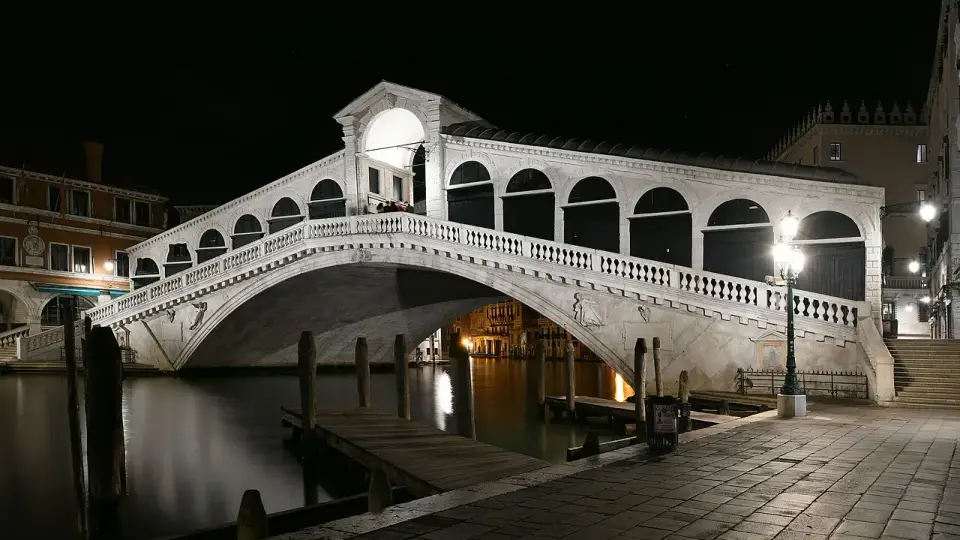
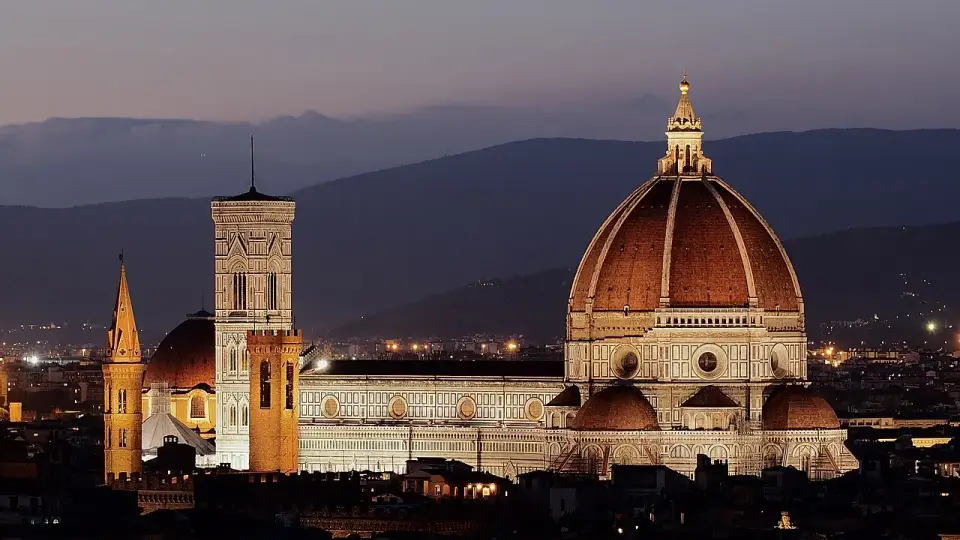
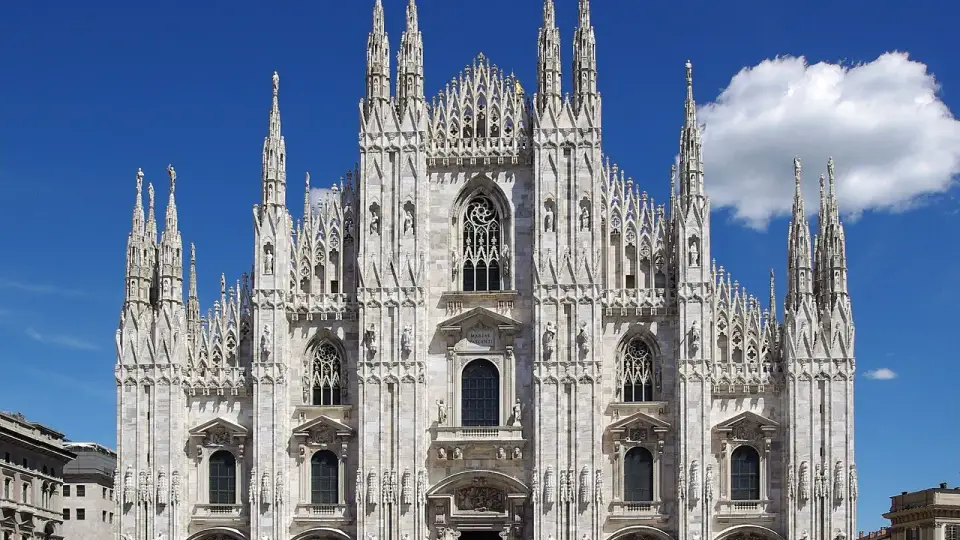


Itineraries through here
 Italy in 10 daysThe Italian Grand TourRome · Florence · Venice · Milan8–13 days4 cities
 Rome and Naples in 7 daysRome and the Bay of NaplesRome · Naples5–8 days2 cities
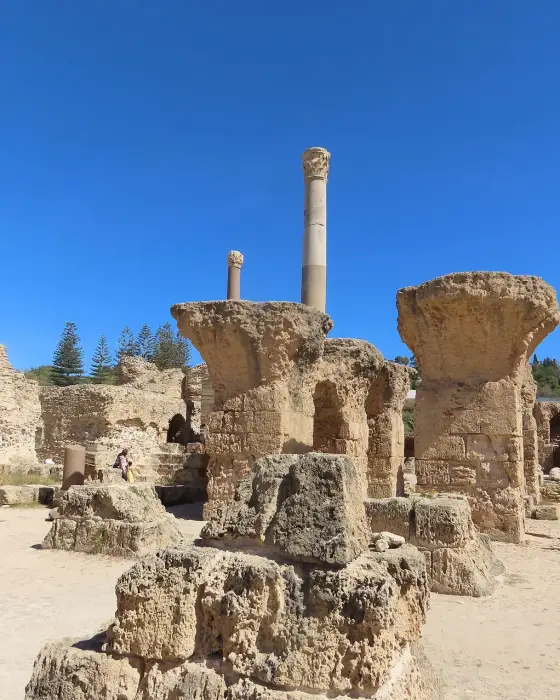 Tunisia and Rome in 7 daysCarthage and RomeTunis · Rome5–8 days2 cities
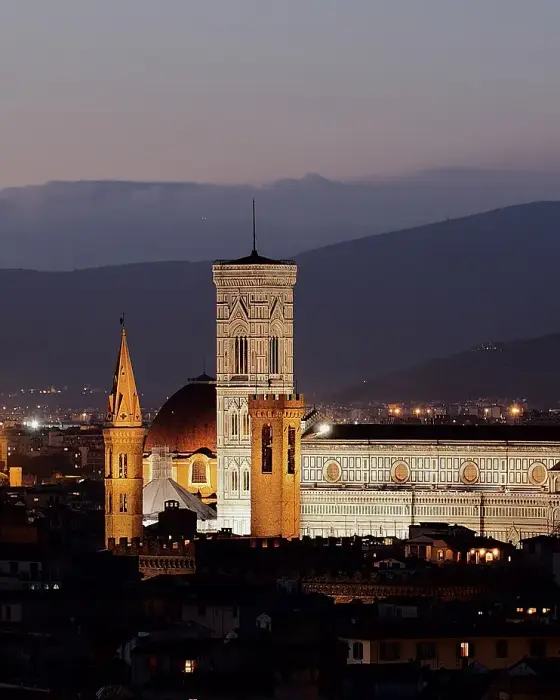 Italy and Switzerland in 10 daysFrom the Alps to Rome by trainZurich · Milan · Florence · Rome7–12 days4 cities
 France and Italy in 10 daysThe Louvre, the Uffizi and the VaticanParis · Florence · Rome9–13 days3 cities
 Classic Europe in 15 daysFirst time in EuropeLondon · Paris · Florence · Rome12–17 days4 cities
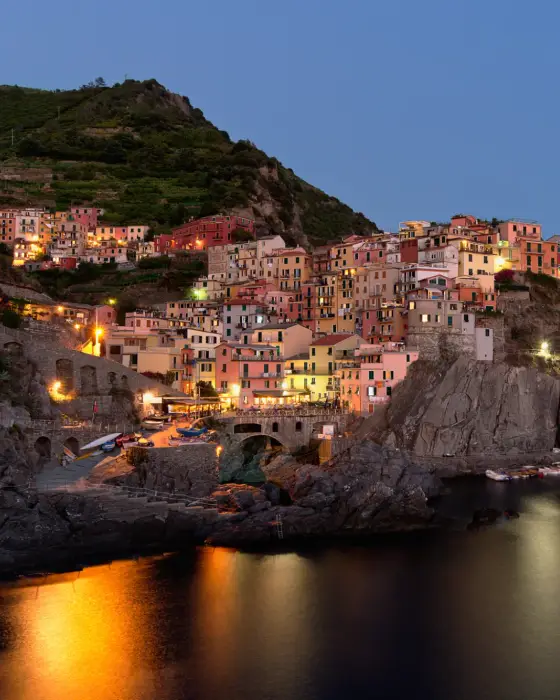 Italy in 15 daysFrom the Cinque Terre to the Amalfi CoastMilan · Cinque Terre · Florence · Rome · Amalfi Coast11–17 days5 cities