United States
Washington, D.C.
Memorials, free museums and U Street
Days Start with the basic programme and choose extensions for the time you have.
How the guide reaches this number
Walk the Mall on the first; on the second, choose between the African American galleries and the inside of the Capitol, leaving the afternoon for Arlington. Finish with Eastern Market and U Street on the third day. Washington suits anyone who likes museums, archives and political history. Anyone looking for busy streets at night will be disappointed, because the Federal Triangle empties out completely after office hours. With just one day, reach the Lincoln Memorial at 8am and walk along the Mall to the African American history museum, which needs 3 to 4 hours and a reserved pass. On regular Mondays, it only opens at noon. Have lunch at a 7th Street food cart and, in the late afternoon, take the metro to Shaw for Ethiopian dinner on 9th Street NW. Food around the Mall is expensive and uninspiring. The White House interior remains difficult to access, and construction of the East Wing ballroom, begun in 2025, has changed the visiting routine. On the other hand, federal museums charge nothing, and the hotel is what weighs on the budget.
3
When Late March to May; mid-September to early November
How the guide reaches this number
The climate is humid subtropical and the two good windows are narrow. From late March to May, highs run 15 to 25 °C and the cherry trees bloom for just a few days between late March and early April. It's the most expensive high season of the year. From mid-September to early November the same comfort returns, with 18 to 26 °C, fewer crowds and foliage in Rock Creek Park. Summer is the problem: July and August bring highs of 32 to 35 °C with high humidity, a higher heat index, and late-afternoon thunderstorms. The Mall’s asphalt keeps giving off heat into the evening. August is the month to avoid: Congress goes into recess, part of the city leaves on vacation, and the heat is the worst of the year. Winter runs from 0 to 8 °C, with irregular snow (some seasons almost none, others 40 cm in a week), and it's the cheapest time to stay: January and February bring half-price hotels and empty museums, which pays off if the itinerary is indoor-heavy.
Per person/day Budget US$110–150; mid-range US$220–320; comfortable from US$450.
How the guide reaches this number
The federal museums are free and cut that bill down
Budget US$110–150; mid-range US$220–320; comfortable from US$450. The federal museums are free and cut that bill down
Per person per day: accommodation, meals, urban transport, visits and a small allowance for extras. Flights excluded; larger purchases vary. Editorial estimate, not a quote.
 What Nilo thinks
Allow three days. Walk the Mall on the first; on the second, choose between the African American galleries and the inside of the Capitol, leaving the afternoon for Arlington. Finish with Eastern Market and U Street on the third day. Washington suits anyone who likes museums, archives and political history. Anyone looking for busy streets at night will be disappointed, because the Federal Triangle empties out completely after office hours. With just one day, reach the Lincoln Memorial at 8am and walk along the Mall to the African American history museum, which needs 3 to 4 hours and a reserved pass. On regular Mondays, it only opens at noon. Have lunch at a 7th Street food cart and, in the late afternoon, take the metro to Shaw for Ethiopian dinner on 9th Street NW. Food around the Mall is expensive and uninspiring. The White House interior remains difficult to access, and construction of the East Wing ballroom, begun in 2025, has changed the visiting routine. On the other hand, federal museums charge nothing, and the hotel is what weighs on the budget.On the National Mall, between the Capitol and the Lincoln Memorial, marble memorials and federal museums line up along the lawn, and almost none of them charge admission. Since a law caps building height, with few exceptions, the 169 m obelisk rises above the rooftops. Along the axis stand the black granite walls of the Vietnam memorial, with more than 58,000 names, and the museum of African American history, under the bronze crown designed by David Adjaye. The other Washington lies to the north, on U Street, the center of the city's Black life, where you eat the half-smoke and hear go-go, the district's official music. Come from late March to May or from mid-September to early November, away from August's heat, and set aside three days.
Quick facts
- Population
- about 702,000 in the District of Columbia; about 6.4 million in the Washington–Arlington–Alexandria metropolitan area (rough estimates)
- Founded
- Residence Act of July 16, 1790; seat of government since November 1800
- Country and region
- United States: District of Columbia, a federal district without state status, no senators, and a non-voting delegate in the House
- Languages
- English; Spanish and Amharic are the second most heard languages on the street
- Currency
- United States dollar (US$)
- Time zone
- Eastern Time, UTC−5 (UTC−4 during daylight saving, mid-March to early November)
- Best time to visit
- Late March to May; mid-September to early November
- Average daily cost
- Budget US$110–150; mid-range US$220–320; comfortable from US$450. The federal museums are free and cut that bill down
When to go
Late March to May; mid-September to early November
January
-1° to 7°C
73 mm of rain
February
0° to 9°C
66 mm of rain
June
20° to 30°C
107 mm of rain
July
22° to 32°C
110 mm of rain
August
22° to 31°C
83 mm of rain
September
18° to 27°C
100 mm of rain
October
11° to 21°C
93 mm of rain
November
5° to 15°C
74 mm of rain
December
1° to 9°C
87 mm of rain
How the year changes
The climate is humid subtropical and the two good windows are narrow. From late March to May, highs run 15 to 25 °C and the cherry trees bloom for just a few days between late March and early April. It's the most expensive high season of the year. From mid-September to early November the same comfort returns, with 18 to 26 °C, fewer crowds and foliage in Rock Creek Park. Summer is the problem: July and August bring highs of 32 to 35 °C with high humidity, a higher heat index, and late-afternoon thunderstorms. The Mall’s asphalt keeps giving off heat into the evening. August is the month to avoid: Congress goes into recess, part of the city leaves on vacation, and the heat is the worst of the year. Winter runs from 0 to 8 °C, with irregular snow (some seasons almost none, others 40 cm in a week), and it's the cheapest time to stay: January and February bring half-price hotels and empty museums, which pays off if the itinerary is indoor-heavy.
The same numbers as a table
| Month | Temperature °C | Rain mm |
|---|---|---|
| January | -1 to 7 | 73 |
| February | 0 to 9 | 66 |
| March · | 4 to 14 | 89 |
| April · | 9 to 20 | 82 |
| May · | 14 to 25 | 100 |
| June | 20 to 30 | 107 |
| July | 22 to 32 | 110 |
| August | 22 to 31 | 83 |
| September | 18 to 27 | 100 |
| October | 11 to 21 | 93 |
| November | 5 to 15 | 74 |
| December | 1 to 9 | 87 |
Nilo's tips
Book busy museums’ free passes when you book your flight
The National Museum of African American History and Culture and the Air and Space Museum charge no admission, but require a timed-entry pass, and it sells out. The pass is released days or weeks in advance. The guided Capitol tour and the Washington Monument observation deck also need a reservation, and the observation deck charges a $1 fee for the online booking. Sort it all out the week you buy your plane ticket, not the day before.
From DCA, take the metro: US$2 to 3 to the Mall
The metro reaches the Mall in 15 to 20 minutes, and a ride-hailing app charges US$25–40 for the same distance. Reagan National is 7 km from downtown, with a station on the Blue and Yellow lines. If your flight lands at Dulles, 42 km out, take the Silver Line, which takes about 1 hour for about US$6 off-peak, compared with US$70–100 by car. It has served the airport since November 15, 2022, and the 5A bus that still shows up in old guides was discontinued.
After 9:30pm no ride costs more than US$2.50
Metrorail fares vary by distance and time. On weekdays from 5am to 9:30pm, they range from US$2.25 to US$6.75; on weekends and after 9:30pm, the cap is US$2.50. Save the longest trip for the evening, when it costs a little over a third of the daytime price. Tap your card on exit too, because forgetting means paying the maximum fare.
Eat oysters standing at the Maine Avenue barges
Eating standing up at the boats costs far less than any table at the Wharf, opened in 2017 just steps away. The Maine Avenue fish market has operated outdoors since 1805, and the moored boats sell oysters shucked on the spot, boiled shrimp and steamed crab. Chesapeake blue crab only shows up between May and October.
Read the bottom of the bill before adding a tip
Many places have started adding a 20% “service charge” to the bill; piling the usual 18% to 22% on top of that is paying twice for the same thing. The question that settles it is “Is the service charge already included?”, asked before you sign. At the bar the custom is still US$1–2 per drink, and the 10% food tax still applies to the meal.
Eastern Market closes on Mondays; go on Saturday morning
On Mondays the building is closed and the block is quiet, and the outdoor market only happens on weekends. Eastern Market, from 1873, on 7th SE, is open inside Tuesday through Sunday. Go on Saturday morning, eat at the market stalls and then walk down 8th SE, Barracks Row. If you have time left, take the bus to H Street NE, where bars and restaurants cluster.
Explore the map

© OpenStreetMap · OpenFreeMap · © OpenMapTiles
Explore the map, read about the other places and plan your travel days in the app.
Open the appWhat to see
Washington, D.C.: The fall line and the two rivers
The city occupies 177 km² on the east bank of the Potomac, right on the fall line that separates the coastal plain from the Piedmont plateau: the point up to which ocean-going boats could sail the river, and the reason Georgetown exists.

National Mall
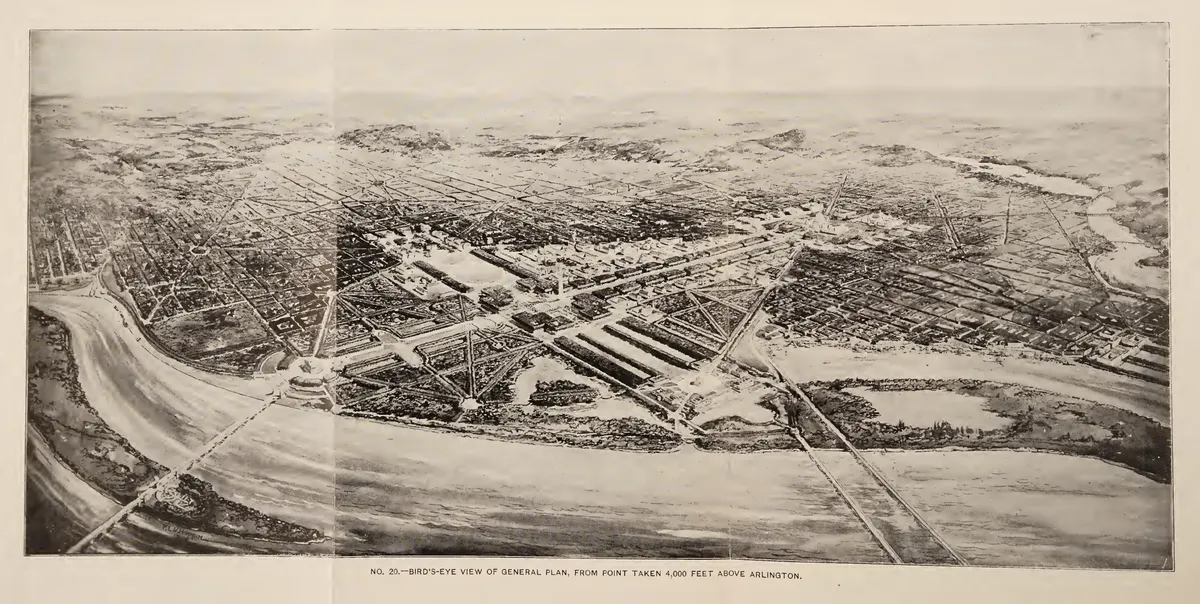
A public park about 3.5 km long between the Capitol and Lincoln Memorial, given its current shape by the McMillan Plan of 1901–02. It is federal space open 24 hours, with little shade outside the elm-lined paths, and hosts demonstrations nearly every week as the country’s political stage.
The Mall stays open 24 hours, so start early, before the heat, and fit in the museums and memorials with set hours throughout the day. Bring water, because shade is limited to the elm-lined paths.
Check access
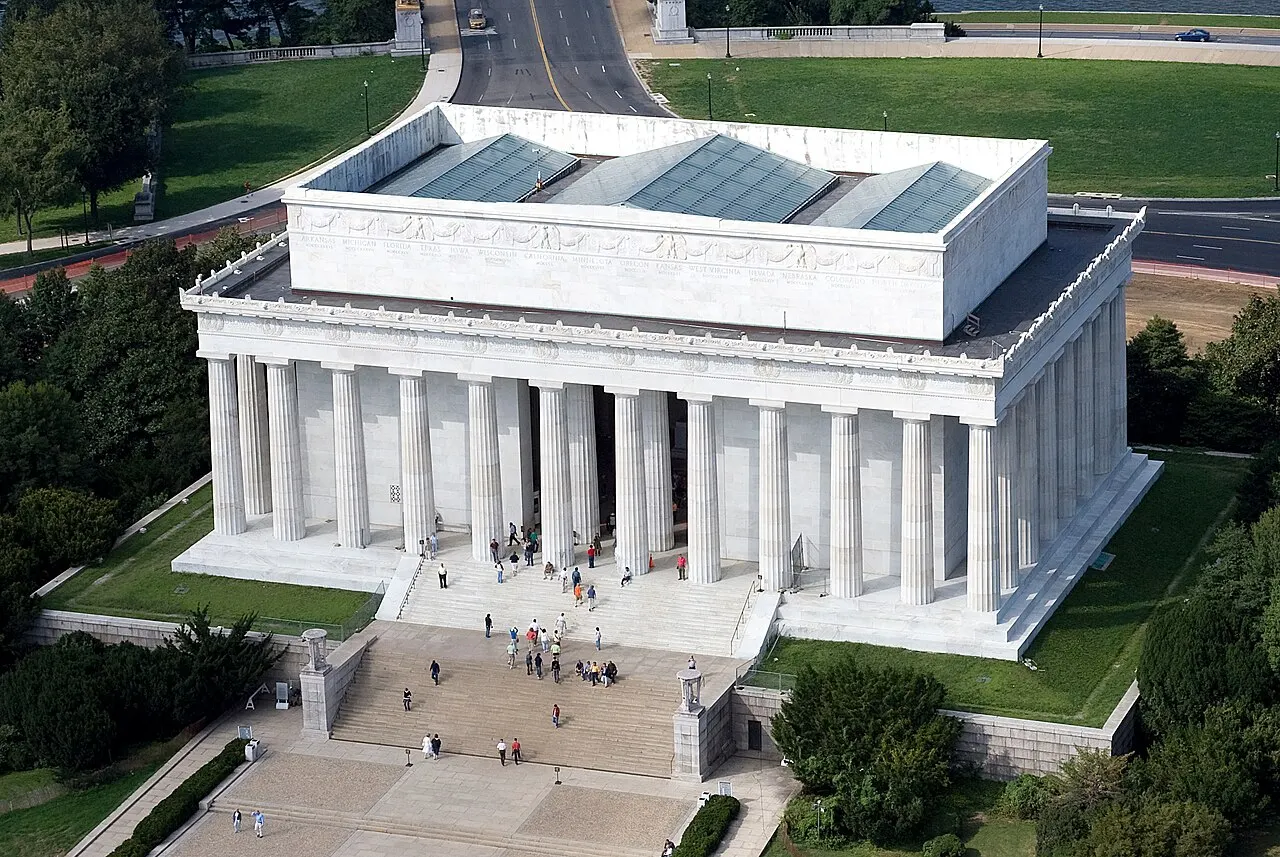
Lincoln Memorial
A Doric temple by Henry Bacon dedicated May 30, 1922, with 36 columns for the states that existed in 1865 and Daniel Chester French's seated 5.8-m statue. On the 18th step there's an inscription in the ground marking where Martin Luther King spoke on August 28, 1963.
Arrive around 8am, before the heat and the tour buses: after ten the steps become a line for photos and the inscription on the 18th step disappears underfoot.
Check access
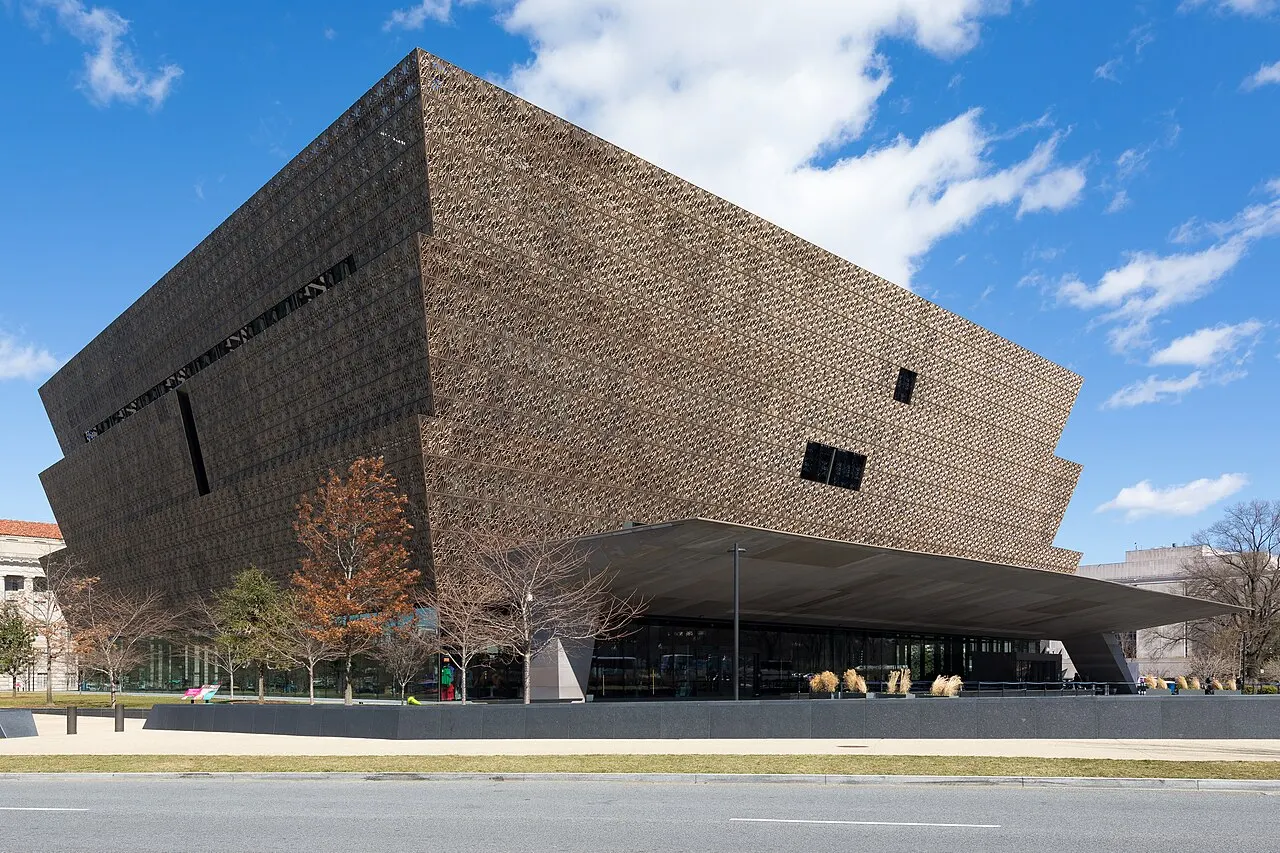
National Museum of African American History and Culture
Opened September 24, 2016, with the three-tiered bronze “crown” designed by David Adjaye after a Yoruba pillar. Start with the history galleries, three levels below ground, and rise through time to the surface; entry requires an advance reservation, and it sells out fast.
The museum traces African American history through galleries that start three levels below ground and climb through time to the surface. Set aside 3 to 4 hours, with a timed-entry pass. It opens at 10am Tuesday through Sunday; on regular Mondays, at noon.
Check access
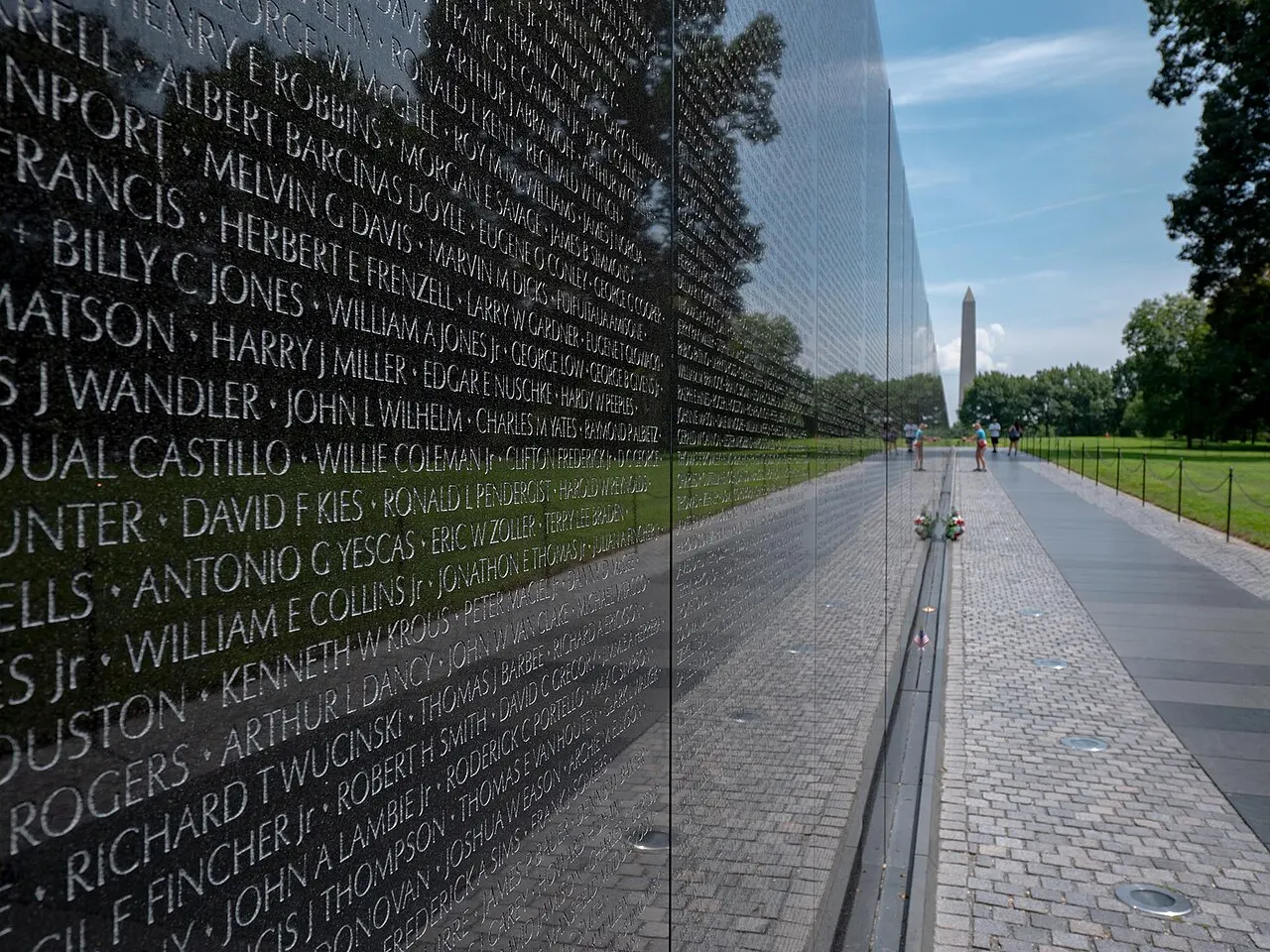
Vietnam Veterans Memorial
Two walls of polished black granite set into the lawn, a design Maya Lin won at age 21 in a competition of 1,421 entries and which was dedicated on November 13, 1982. The more than 58,000 names are listed in chronological order of death, not alphabetically: find yours using the index at the entrance.
The polished granite reflects the sky, the trees and the face of anyone looking for a name among the more than 58,000, carved in chronological order of death. Use the index at the entrance to find a name, and speak quietly, because many people come here looking for someone.
Check access
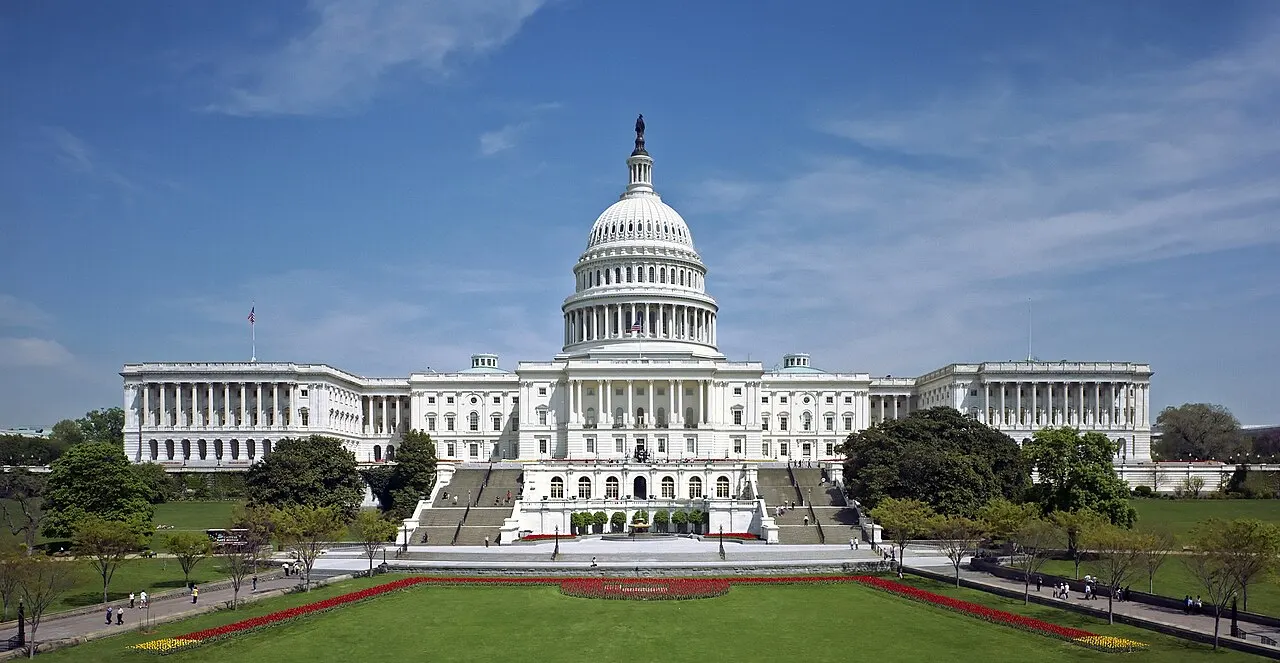
United States Capitol
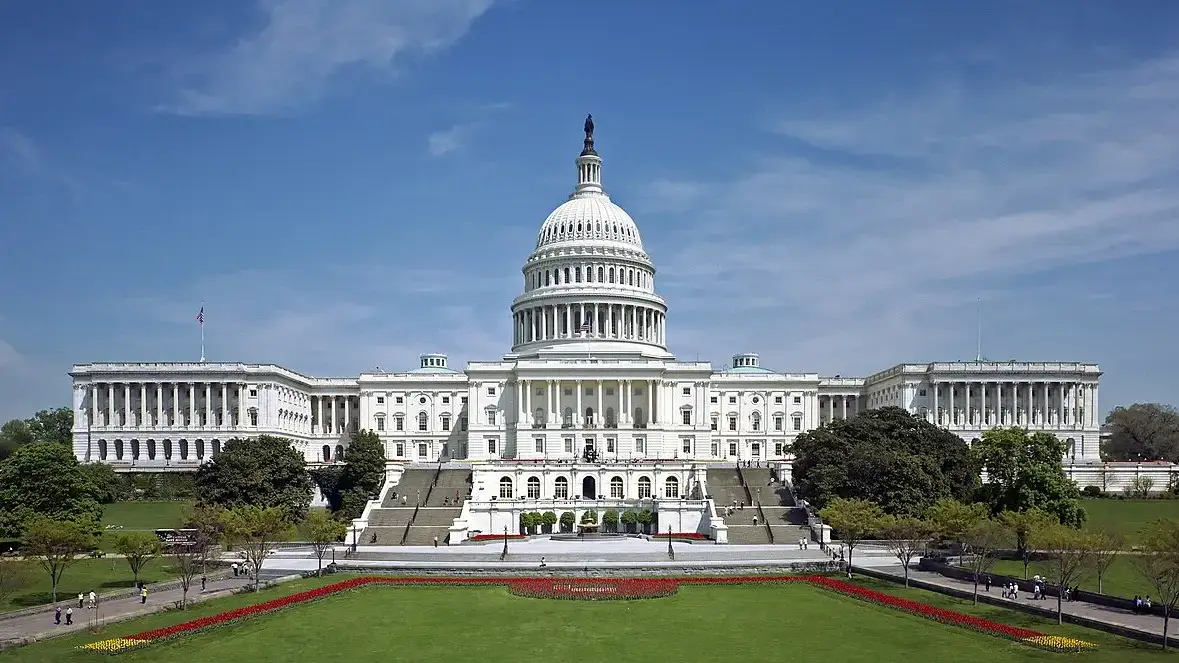
Thomas U. Walter’s cast-iron dome, weighing about 4,000 tons, rose during the war: Thomas Crawford’s Statue of Freedom was hoisted to the top on December 2, 1863, and the dome was completed in 1866. The visit is free and starts at the underground visitor center, opened in 2008; reserve a pass ahead on the website.
The tour of the historic part passes through the Crypt and the Rotunda and lasts about an hour. Book the pass and leave margin for the security check. Pair it with the Library of Congress, across the way, Tuesday through Saturday and with its own separate pass.
Check access

Library of Congress
The Thomas Jefferson Building, opened in 1897, has the most ornate interior in the city, with the marble-and-mosaic Great Hall and the circular reading room seen from a gallery above. It holds one of the three complete vellum Gutenberg Bibles that exist in the world; a tunnel links the building to the Capitol.
Pair it with the Capitol, booking a separate free pass for the Library. The Thomas Jefferson Building is open for visits Tuesday through Saturday, from 10am; leave about an hour for the interiors.
Check access
National Gallery of Art
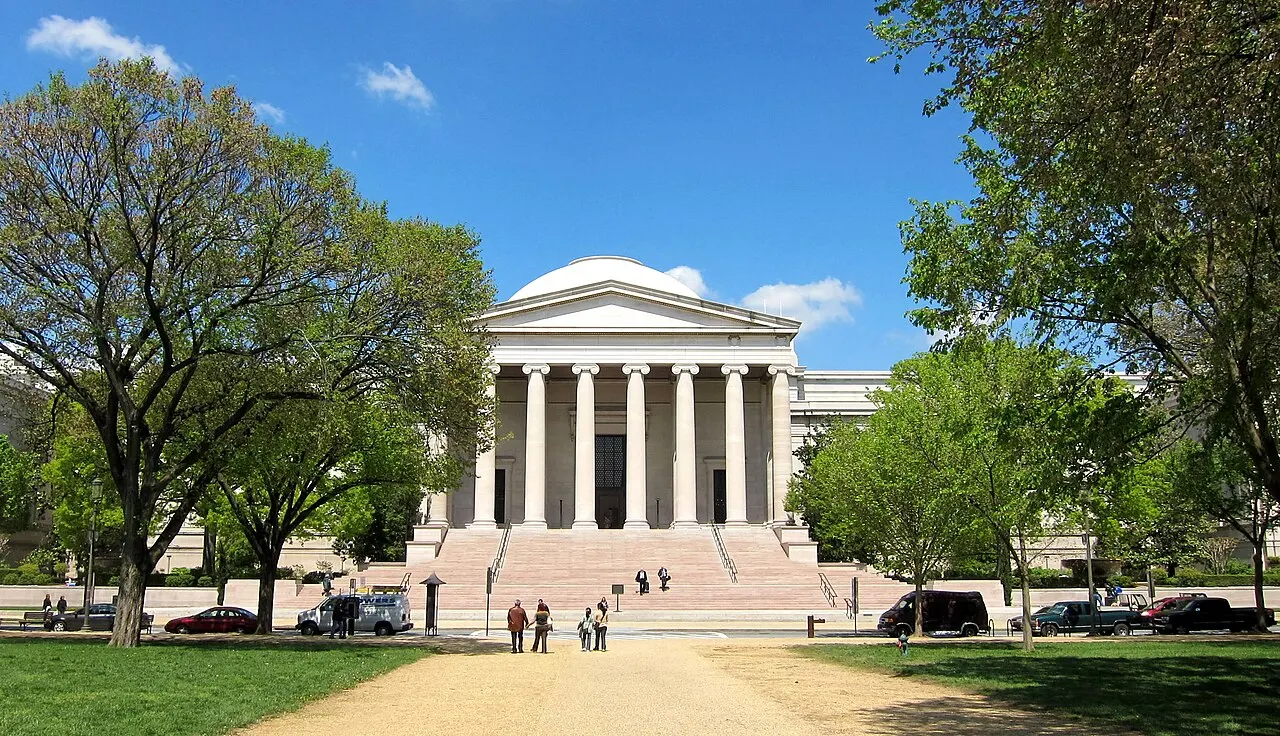
Donated by Andrew Mellon and opened in March 1941, with I. M. Pei's East Building added in 1978 and linked by a tunnel with Leo Villareal's light installation. It holds Leonardo's Ginevra de' Benci, his only painting in the Americas, bought in 1967; free entry, no pass needed.
Admission is free and requires no pass, which makes the National Gallery the right fallback when the neighboring museums have already sold out the day's slots. Go straight to Ginevra de' Benci, the only Leonardo in the Americas.
Check access
Arlington National Cemetery
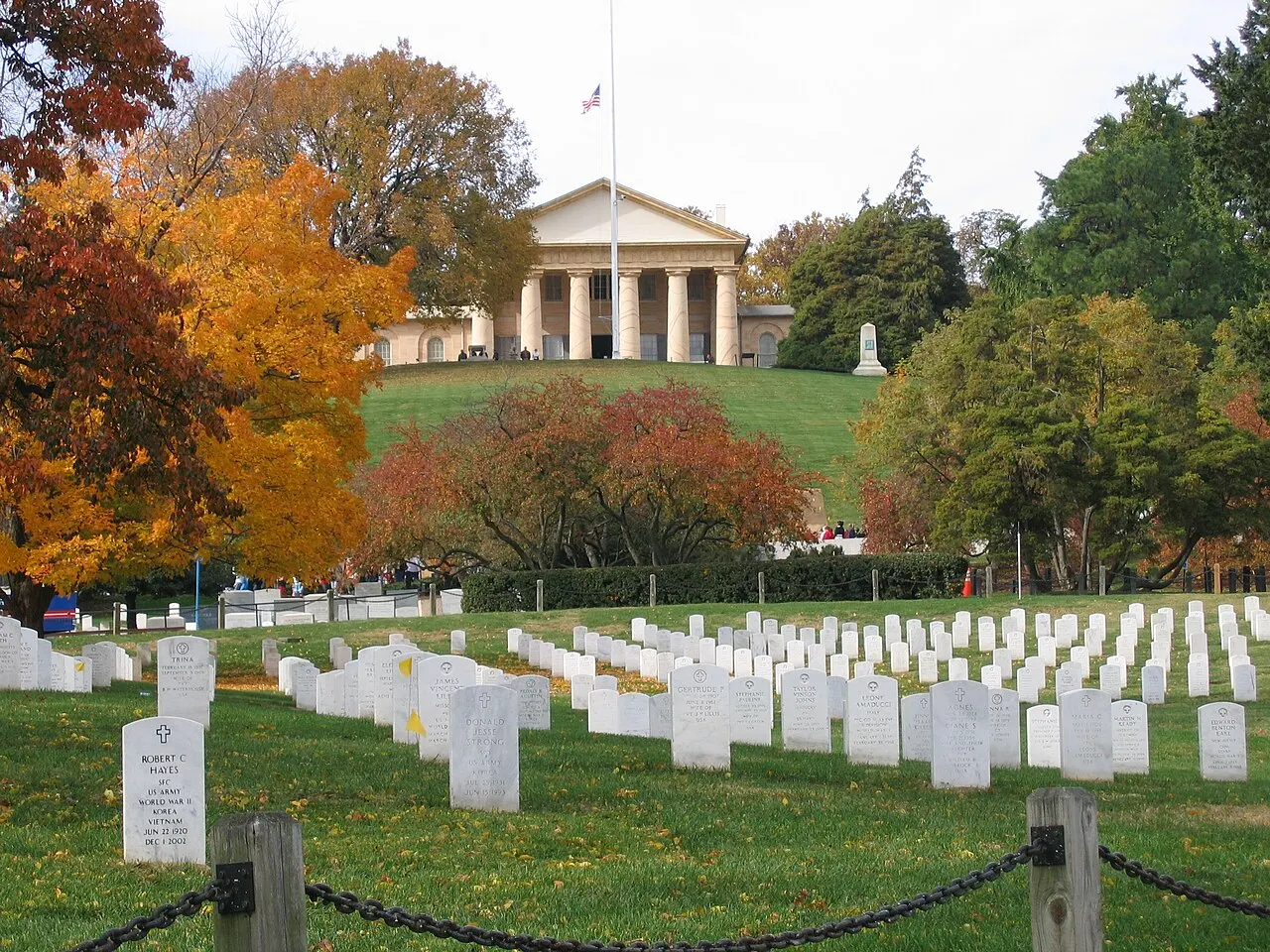
It sits in Virginia, on Robert E. Lee's former estate confiscated in 1864, with about 400,000 burials. The Changing of the Guard at the Tomb of the Unknown Soldier, watched over without interruption since 1937, happens every 30 minutes from April to September and every hour the rest of the year; get there on the Blue Line.
Respect calls for walking slowly among the identical white headstones, row after row.
Check access

Washington Monument
A 169 m marble obelisk in the center of the Mall, standing out against the city's low skyline, where the law limits building height, with exceptions for certain stretches and structures. At about 46 m high, the marble changes color, marking the long pause in construction that spanned the Civil War. The ride to the observation deck is free, but requires a timed pass reserved ahead, with a US$1 fee for online reservations.
The 169 m obelisk reads from any point on the Mall; what takes effort is the observation deck, and it's not worth a day of waiting. Go up if the pass falls into your lap, not in exchange for something else.
Check access
Nilo’s itinerary
Start with the basic programme and choose extensions for the time you have.
Plan my days in the app ↗Day 1 · The Mall's axis, west to east
Start at the Lincoln Memorial around 8am, before the heat and the tour buses, and climb to the top of the steps.
Follow the Reflecting Pool to the Vietnam Veterans Memorial and the Korean War Memorial: about 1 km, all flat and shadeless.
Ride up to the Washington Monument's observation deck with a timed-entry pass (free, US$1 online booking fee), and notice the change in marble tone at about 46 m up.
Have lunch at a cart on 7th Street or in the National Museum of the American Indian's cafe, then step into the National Gallery of Art for Leonardo's Ginevra de' Benci and Leo Villareal's tunnel of light.
Close the day at the Tidal Basin, late afternoon, between the Jefferson Memorial and the MLK Memorial: about 2 km around the water, with some stretches rerouted by seawall construction.
Day 2 · Museum or Congress in the morning, Arlington afterward
Choose a morning at the African American history museum OR the Capitol and Library combination in the next two items. For the museum, reserve a 10am pass and allow 3 to 4 hours, with lunch afterward. On regular Mondays it opens at noon: in that case, visit Arlington in the morning and spend the afternoon at the museum. On Mondays that are federal holidays, it opens at 10am.
As an alternative to the museum, reserve an early-morning Capitol visit, Tuesday through Saturday to combine it with the Library. The tour passes through the Crypt and Rotunda and lasts about an hour; also allow time for arrival and security screening. The visitor center opens at 8:30am and closes on Sundays and some holidays.
If you chose the Capitol, continue to the Library of Congress with its own free reserved pass. The Thomas Jefferson Building opens for visits Tuesday through Saturday, starting at 10am. Allow about an hour for the Great Hall, the Gutenberg Bible and the gallery above the reading room, then have lunch on Capitol Hill.
After lunch, take the Blue Line to Arlington National Cemetery. Arrive by about 3pm to walk without rushing and pass through security; the cemetery closes at 5pm. If the morning runs long, save Arlington for another day. On a Monday with an afternoon museum visit, do this stop first.
Have dinner on 14th Street NW or in Shaw, 15–20 minutes by metro from downtown, and finish with a show at the 9:30 Club if something's on.
Day 3 · The city that isn't federal
Breakfast at Eastern Market, from 1873, on 7th SE: a Saturday-morning classic.
Cross the river to the Frederick Douglass National Historic Site, at Cedar Hill, the house where he lived from 1877 to 1895: free guided tour, reservation required, and the best distant view of the Capitol.
Have a half-smoke for lunch at Ben's Chili Bowl, at 1213 U Street NW, open since 1958, then walk U Street to the Duke Ellington mural and the facade of the Howard Theatre (1910).
Have Ethiopian food for dinner on 9th Street NW: doro wat and tibs over injera, no cutlery, sharing the same plate, the normal way to eat there.
If time allows, trade dinner for Georgetown instead: the C&O Canal towpath (1831), the Exorcist Steps at 36th and Prospect, and the 1789 campus.




Food
 AI illustration
Half-smoke
A thick sausage, half pork half beef, lightly smoked and spiced, grilled and split down the middle, served on a bun with chili, raw onion and mustard. It's the dish most identified with the city; Ben's Chili Bowl, at 1213 U Street NW, has served it since August 22, 1958, but the street carts near the Mall have it too.
 AI illustration
Mumbo sauce
A red, sweet, mildly spicy sauce, served in little cups at carryouts across NE and SE, usually over fried chicken wings and fries. There's no single recipe, and the origin is disputed with Chicago; the standard order at the counter is “wings and mumbo.”
 AI illustration
Chesapeake blue crab
Crab steamed with Old Bay seasoning is eaten with a mallet, at a paper-covered table, from May to October. In the city the most common form is the crab cake, a patty of crab meat with little filler, or tomato-based crab soup.
 AI illustration
Oysters and fish from the Maine Avenue Fish Market
The market has run outdoors since 1805 and is the oldest of its kind in continuous operation in the United States. The moored barges sell fresh seafood to eat standing up, a few meters from the Wharf.
 AI illustration
Ethiopian food
Washington has the largest Ethiopian diaspora in the United States, formed from the 1970s on, and 9th Street NW between U and T is known as Little Ethiopia. Order doro wat (chicken with berbere and hard-boiled egg), kitfo (spiced raw beef) and tibs, all served over injera, the teff bread that stands in for cutlery.
 AI illustration
Salvadoran pupusas
The pupusa is the food of the Salvadoran community, the district’s largest immigrant group: a corn disc filled with cheese, beans or chicharrón, served with curtido and tomato sauce. It is everywhere in Columbia Heights, Mount Pleasant and, across the district line, Langley Park, and generally costs US$3–5 each.
 AI illustration
Jumbo slice
A pizza slice the size of a forearm sold on 18th Street in Adams Morgan, mostly between midnight and 3am, when the bars close. It's late-night eating and a local institution for more than thirty years.
 AI illustration
Senate bean soup
A white bean soup with smoked ham hock and onion served daily in the Senate dining room since the early 20th century, by an internal tradition never written into law. It shows up on the menus of traditional restaurants around the city and is the only truly institutional food here.
Day trips
Mount Vernon
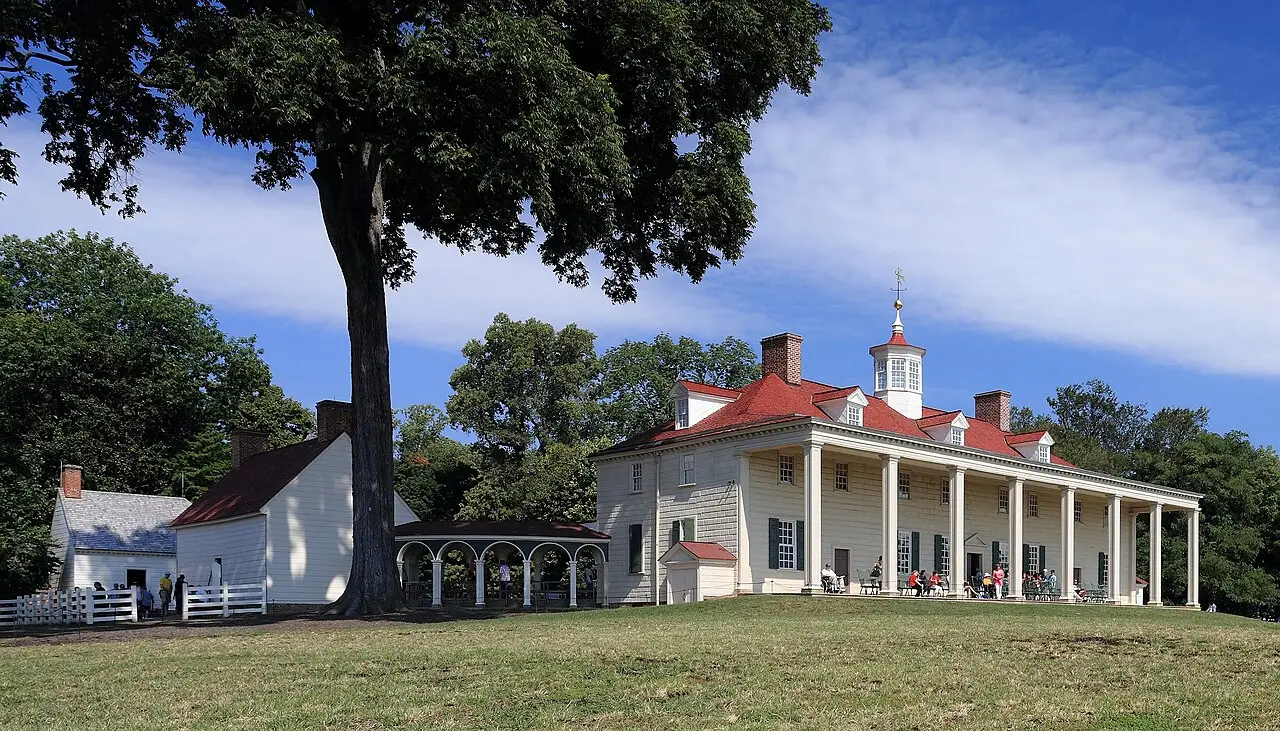
Mount Vernon is 25 km south on the George Washington Memorial Parkway, 40 minutes by car, or by boat on the Potomac from the Wharf in season. It's the plantation where George Washington lived from 1754 to 1799, with the restored house, his tomb and, since 2007, a memorial and exhibit on the 317 enslaved people who worked there. Paid entry, around US$30.
Annapolis
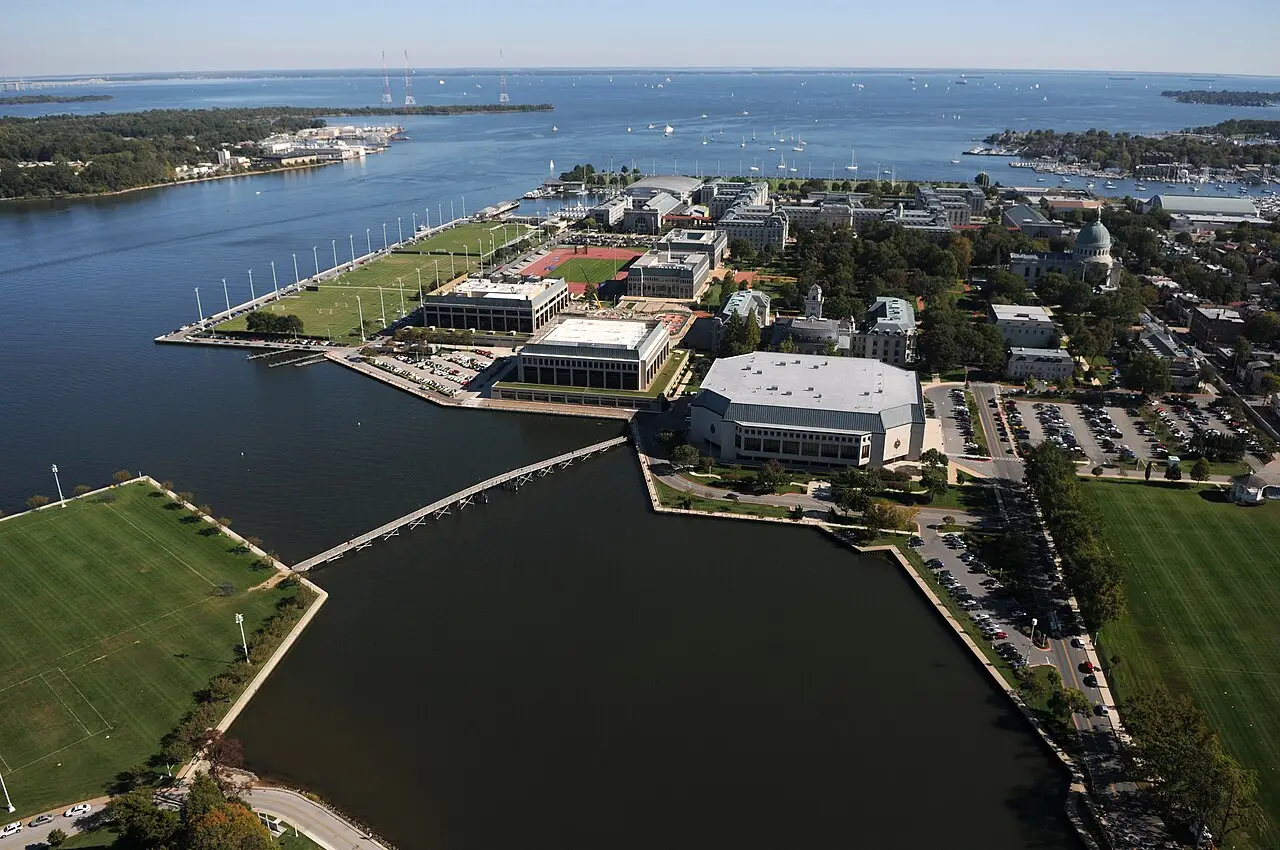
Annapolis is 50 km east, about an hour by car (there's no direct train). Maryland's capital since 1694, it has the largest collection of standing 18th-century colonial houses in the United States, the oldest state capitol in continuous use (1772) and the Naval Academy, from 1845. It's the best spot in the region for steamed crab between May and October.
Harpers Ferry
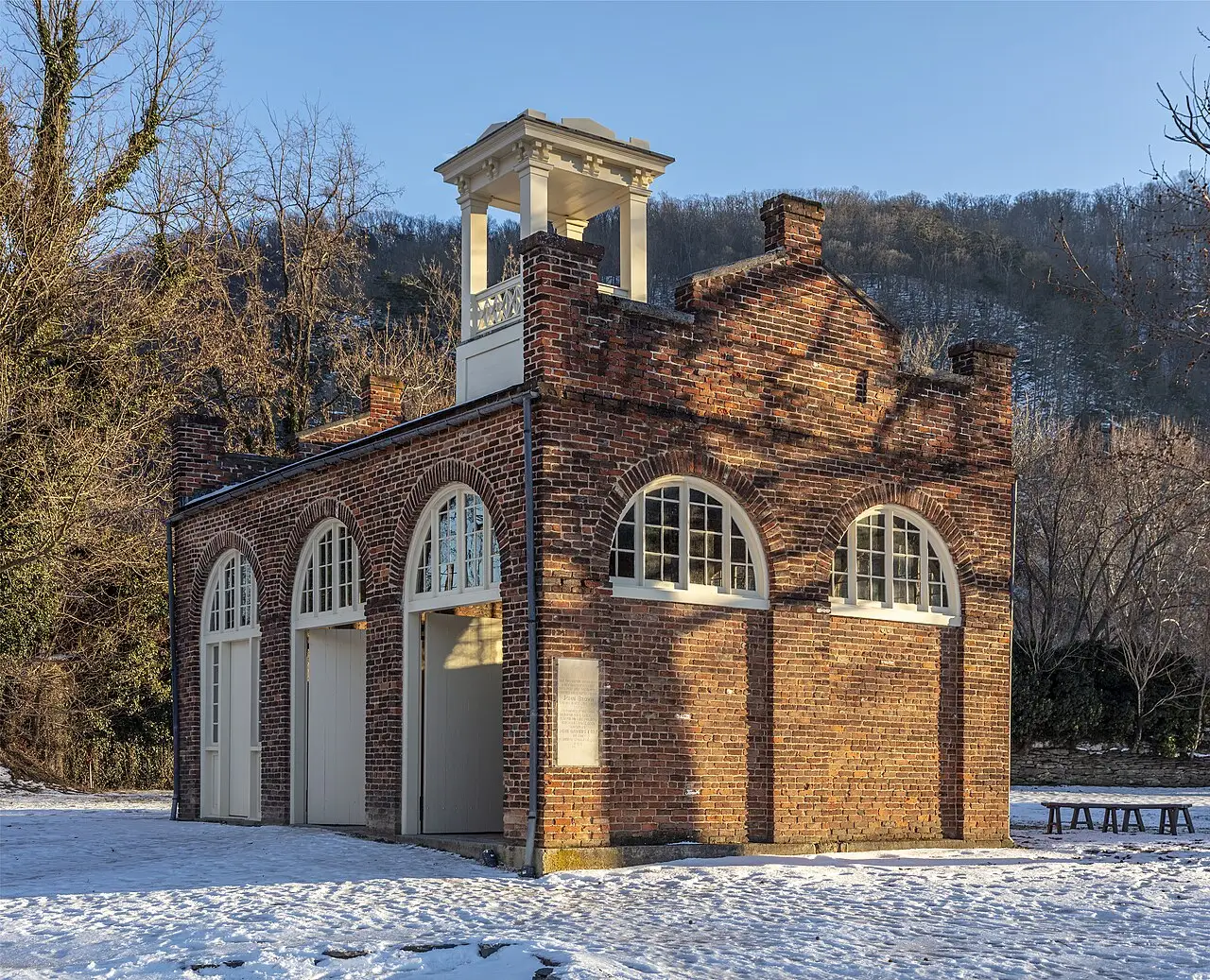
Harpers Ferry is 100 km northwest, about 1 hour 20 minutes by car or by MARC train on the Brunswick Line on weekdays, at the confluence of the Potomac and Shenandoah rivers, where three states meet. The historic town is an entire national park, built around the federal arsenal that John Brown seized in October 1859; there are short, steep trails with views over both rivers.
Where to begin
The Mall's axis, west to east
Start at the Lincoln Memorial around 8am, before the heat and the tour buses, and climb to the top of the steps.
Museum or Congress in the morning, Arlington afterward
Choose a morning at the African American history museum OR the Capitol and Library combination in the next two items. For the museum, reserve a 10am pass and allow 3 to 4 hours, with lunch afterward. On regular Mondays it opens at noon: in that case, visit Arlington in the morning and spend the afternoon at the museum. On Mondays that are federal holidays, it opens at 10am.
Money
The currency is the US dollar and cards work everywhere, even at the street cart; a few older places still prefer cash for small amounts. 2026 ranges, approximate: drip coffee US$4–6, cappuccino US$5–7, half-smoke US$6–10, pupusa US$3–5 each, quick lunch US$14–22, sit-down dinner US$35–65 per person without drinks, a beer US$8–11, a cocktail US$15–20. A mid-range downtown hotel runs US$200–320 a night in the off-season and easily tops US$400 during cherry blossom weeks and May graduation season. In Arlington, Crystal City or Silver Spring, all linked by metro, it costs a good deal less. Sales tax comes on top, rising from 6.5% to 7% on October 1, 2026, plus 10% on meals and about 15.95% on lodging. Tipping runs 18% to 22% at a full-service restaurant, US$1–2 per drink at the bar and US$2–5 a day for housekeeping, but read the bottom of the bill, because many places now add a 20% “service charge,” in which case you tip nothing on top. The Smithsonian museums, the National Gallery, the memorials and the National Zoo are free, which makes Washington one of the cheapest capitals in the world for the daytime itinerary and one of the most expensive for a bed and a dinner.
From the airport to the center
Guide estimate
Scroll to compare all columns
| Route | Time | Price |
|---|---|---|
| Dulles → downtown · Metro Silver Line | about 1 hour | Metro fare, cheaper off-peak |
| Dulles → downtown · ride-hailing | varies | US$70–100 |
| Reagan (DCA) → the Mall · Metro | varies | Metro fare, cheaper off-peak |
| Reagan (DCA) → downtown · ride-hailing | varies | US$25–40 |
| BWI → Union Station · shuttle bus to the station and MARC Penn Line (including weekends) or Amtrak | 35–50 min by train | MARC is cheap |
Getting there and around
Airports: 3, with Reagan 7 km from downtown
There are three airports, and your choice affects the first day. Reagan (DCA), 7 km away, has its own metro connection to the Mall. Dulles, 42 km away, gained the Silver Line on November 15, 2022, reaching downtown in about an hour; the old 5A bus no longer exists. BWI, in Maryland, 50 km away, connects by MARC train (Penn Line, with service on Saturdays and Sundays too; check that day's schedule) or Amtrak to Union Station, with a shuttle bus between the terminal and the station and a 35- to 50-minute train ride. Overland, Union Station, dating from 1907, receives Amtrak trains (the Acela reaches New York in about 2 hours 55 minutes), and intercity buses stop at the Union Station Bus Deck. A rideshare from Dulles costs US$70–100 and from Reagan US$25–40, so compare airports before buying your ticket.
Metro, buses and walking routes
The Metrorail opened on March 27, 1976 and today has 6 lines and 98 stations, with underground and surface sections. Its central stations are recognizable by Harry Weese's coffered concrete vaults. Fares depend on distance and time: on weekdays from 5am to 9:30pm, they range from US$2.25 to US$6.75; on weekends and after 9:30pm, they are capped at US$2.50. You pay by tapping any contactless credit or debit card, your phone, or a SmarTrip; since May 2025 you no longer need to buy one. You must also tap out on exit, or you're charged the maximum fare. There are 1-, 3- and 7-day passes for US$13.50, US$33.75 and US$60.75: confirm prices before buying. The metro runs roughly 5am to midnight Monday through Thursday; 5am to 2am Friday; 6am to 2am Saturday; and 6am to midnight Sunday. Check the first and last trains at your station. Buses cost US$2.25 per ride for residents and visitors, and the route network was redesigned in 2025. Capital Bikeshare has more than 700 stations and a day pass around US$8. On foot, the Mall is bigger than it looks: allow more time than the view suggests. Georgetown has no metro station; the closest is Foggy Bottom, a 15-minute walk away.
Safety
Washington requires attention to theft and robbery, including while traveling between attractions. Put away your phone and wallet, avoid displaying cash and leave no belongings visible inside a car. At night, favor well-lit, busy streets; take the metro, a taxi or a rideshare when a walking route would cross deserted stretches. These precautions apply in every quadrant, without treating central neighborhoods as free of violence. Reserve free passes directly on museum websites and check what a paid visit includes before booking. If you encounter a demonstration or roadblock, keep away from confrontations and follow local instructions. Security operations may change access to buildings and memorials; check official notices before heading out. In an emergency, call 911.
Etiquette tips
On the escalator, right to stand, left to walk
It's the city's strictest social rule and applies on the metro's long escalators, some more than 60 m long. Standing on the left draws an immediate complaint; if you have a suitcase, keep to the right.
Always say the address's quadrant
When ordering a taxi, looking for a restaurant or arranging to meet someone, say the address with the quadrant, NW, NE, SW or SE, as part of it: “400 K Street NW,” not just “400 K Street.”
At the memorials and in Arlington, keep your voice down
Arlington is a working cemetery, with burials on almost every weekday; at the Tomb of the Unknown Soldier, silence is expected and visitors are asked to stand during the changing of the guard. At the Vietnam Memorial, many people are looking for a specific name: do not stand in front of the panels for photos, and leave space for people reading.
Don't eat or drink inside the metro
It is prohibited in every station and train car, including water, and the rule is taken seriously. Finish your coffee before entering the station.
Tip 18% to 22%, after checking for a service charge
Check the bill before adding a tip: a service charge may already be built in.
Ask about someone’s work, not their vote
“What do you do?” is the opening line of any conversation, and answering with the acronym of your agency or office is normal and expected. Asking straight off who someone voted for or which party they work for is considered intrusive, even in a city that lives off of it.
Mistakes to avoid
It's 3.5 km from the Capitol to the Lincoln, with no shade
Underestimating the size of the Mall. On the map it looks like a park; it's about 3.5 km from the Capitol to the Lincoln, with no shade, and a poorly planned day turns into 15 km on foot in the heat. Cut sections short using the Smithsonian, Federal Triangle and L'Enfant Plaza stations.
Forgetting the quadrant and ending up across town
Writing down the address without the quadrant and ending up on the other side of the city, with 40 minutes of metro between the mistake and the fix. Check the quadrant before you leave.
Free, but with a timed-entry pass
Assuming you can just arrive at the museums. The National Museum of African American History and Culture and Air and Space only admit visitors with a reserved timed pass; without one, the answer at the door is no, with or without a line. If that happens, change plans: the National Gallery of Art and the Mall’s memorials welcome visitors without a reserved time.
Buying the ticket to see the cherry blossoms
Buying a ticket for the first week of April assuming you'll see the cherry blossoms. The window is a few days and shifts from year to year, and the National Park Service's forecast only becomes reliable two or three weeks ahead: by which point the ticket is already paid for.
Renting a car for a city stay
Renting a car to get around within the city. The diagonals and traffic circles are confusing, downtown parking runs US$25–45 a day, there are plenty of ticket cameras, and the metro covers nearly everything that matters. A car only makes sense for a day trip.
Useful phrases
Which quadrant: Northwest or Southeast?
Which quadrant: Northwest or Southeast? The question that keeps you from crossing the city by mistake.
Stand right, walk left.
Stand right, walk left. The line you'll hear if you stand on the wrong side of the escalator.
Half-smoke, all the way.
Half-smoke, all the way: with chili, onion and mustard.
Extra mumbo on the side, please.
Extra mumbo sauce on the side, please. The standard order at the carryout counter.
What do you do?
What do you do? The first question in any conversation; you answer with your job, not your name.
Is the service charge already included?
Is the service charge already included? Ask before adding a tip.
Districts
National Mall and Federal Triangle
The ceremonial axis between the Capitol and the Lincoln Memorial, flanked by Smithsonian museums, and the block of limestone government buildings built in the 1930s between Pennsylvania and Constitution Avenue. Almost no one lives here, and at night the Federal Triangle empties out completely.
Capitol Hill
Late-19th-century rowhouses around Congress, with Eastern Market (1873) on 7th SE and Barracks Row on 8th SE. Part of the congressional staff live here; to the northeast, H Street NE concentrates bars and restaurants.
Georgetown
The oldest core, predating the capital, with cobblestone streets, the C&O Canal from 1831 and the Jesuit university founded in 1789. Brand-name shopping on M Street and Wisconsin Avenue; it's the only central area without a metro station, which you pay for in walking.
Dupont Circle and Logan Circle
Traffic circles ringed by Victorian mansions turned into embassies, bookshops and clinics. Embassy Row runs along Massachusetts Avenue to the northwest; 14th Street NW, off Logan, is the city's main restaurant corridor.
Shaw and U Street
The historic center of the city's Black life, from the Howard Theatre (1910) to Ben's Chili Bowl (1958), rebuilt and gentrified since the 2000s. 9th Street NW concentrates Ethiopian restaurants; the Duke Ellington murals and the houses of LeDroit Park are a few blocks away.
Adams Morgan, Mount Pleasant and Columbia Heights
The district's most Latin American stretch, with a strong Salvadoran presence since the 1980s and the 1991 Mount Pleasant uprising as a political marker. Adams Morgan is bars and late-night pizza slices; Columbia Heights is the daytime working-class commerce.
Navy Yard and The Wharf
Two waterfronts rebuilt from scratch: the Navy Yard around Nationals Park (2008) and the Wharf on Maine Avenue (2017), next to the fish market that has run since 1805. These are the newest and most expensive neighborhoods, good for riverside walking and not very representative of the rest.
Anacostia and Congress Heights
East of the river, Wards 7 and 8, majority Black and historically underinvested. They hold most of the history the Mall doesn't tell: Frederick Douglass's house at Cedar Hill, the old Barry Farm from 1867, and the Smithsonian's Anacostia Community Museum, opened in 1967.
History
1608–1751 · From the Nacotchtank to the tobacco ports
John Smith recorded the Algonquian village of Nacotchtank at the mouth of the Anacostia in 1608; the population was wiped out by disease and displacement by the early 18th century. Tobacco outposts sprang up in their place at the navigable limit of the Potomac: Alexandria in 1749 and Georgetown in 1751, whose narrow streets still exist.

1790 · The dinner deal
Alexander Hamilton, Thomas Jefferson and James Madison negotiate federal assumption of the states' debts in exchange for placing the capital on the Potomac. The Residence Act is signed on July 16, 1790.

1791 · L'Enfant's plan
Pierre Charles L'Enfant overlays diagonal avenues and ceremonial plazas on an orthogonal grid; Andrew Ellicott and Benjamin Banneker survey the boundary markers. L'Enfant is dismissed in 1792 and the plan is carried out by Ellicott.

1800 · The government arrives
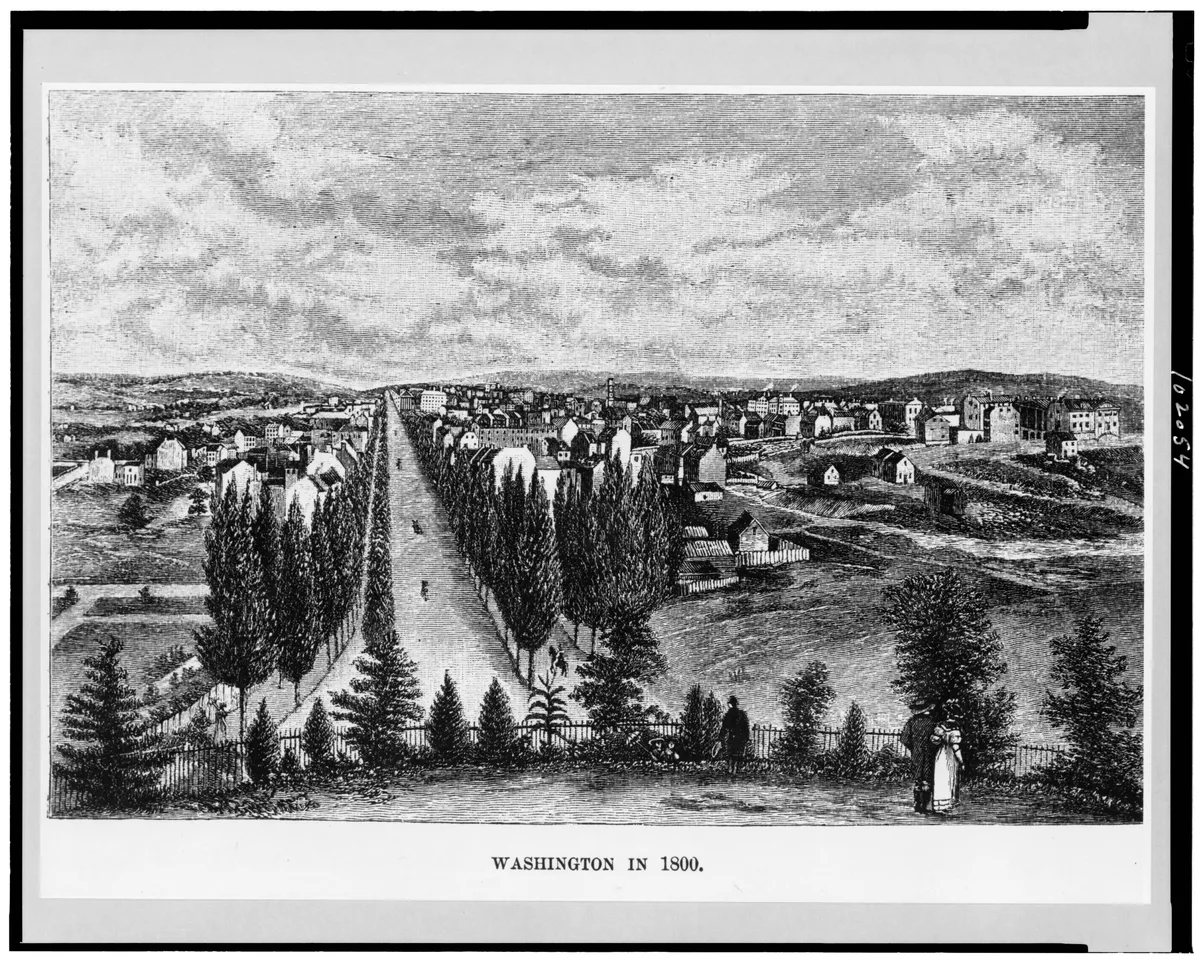
Congress moves from Philadelphia and convenes in the unfinished Capitol on November 17, 1800. John Adams moves into the White House earlier that month.
1814 · The British burning
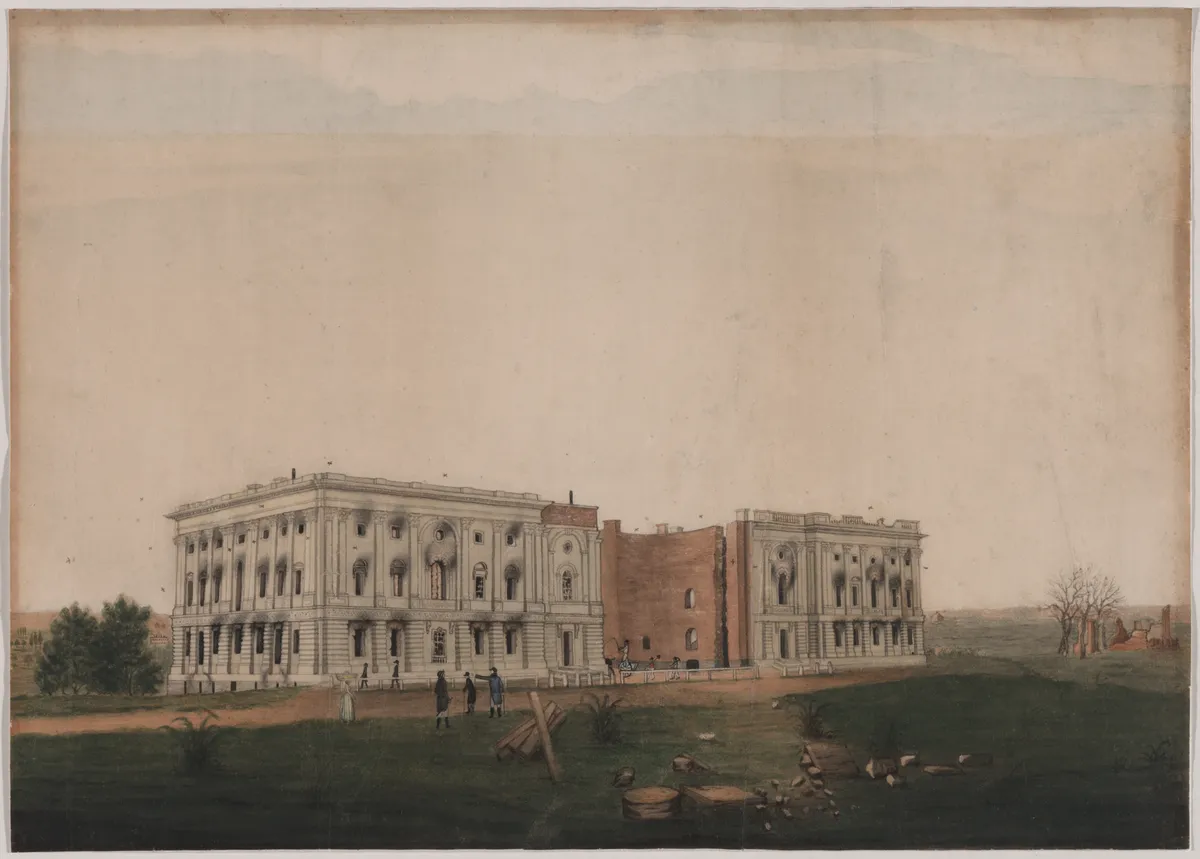
On August 24, 1814, British troops burn the Capitol, the White House and the Treasury. A violent storm the next day puts out much of the fire.
1846–1847 · The retrocession
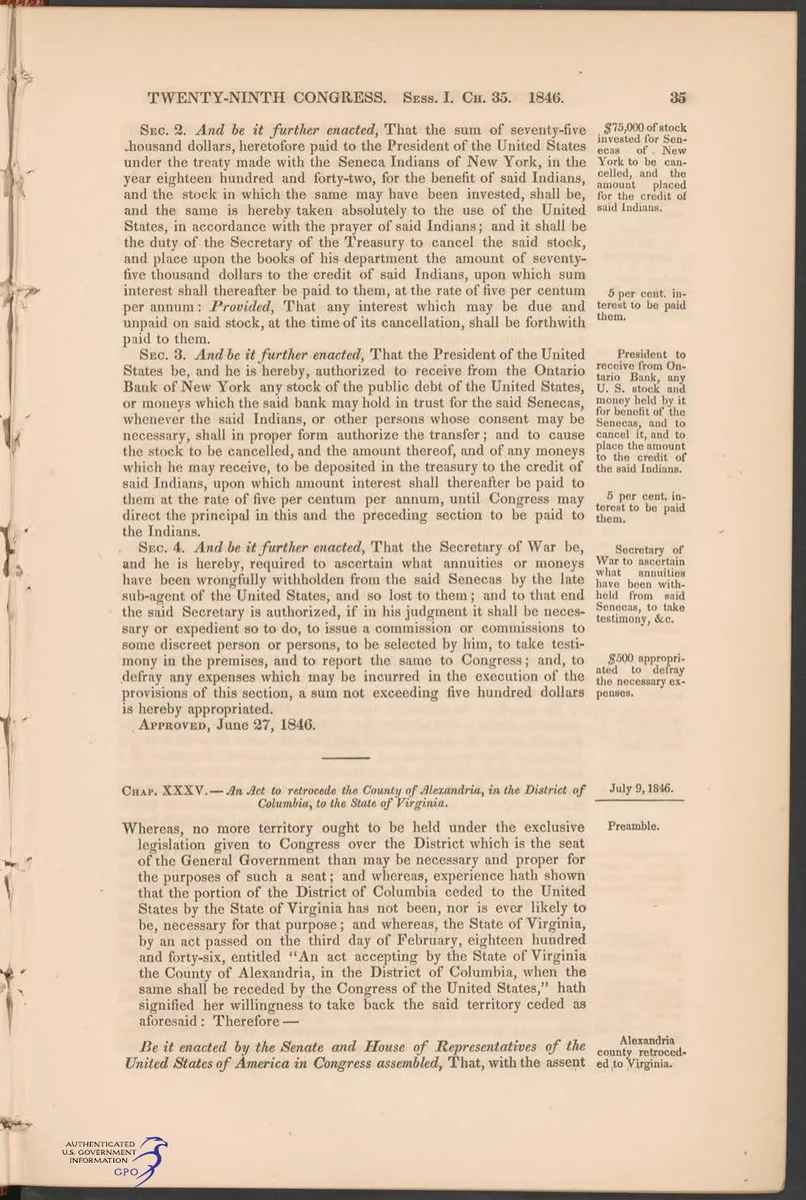
Congress returns to Virginia the part of the district south of the Potomac, Alexandria and today's Arlington County, partly to protect the slave trade established there. The district loses about a third of its area and is left with today's truncated shape.
1862–1865 · Abolition and war
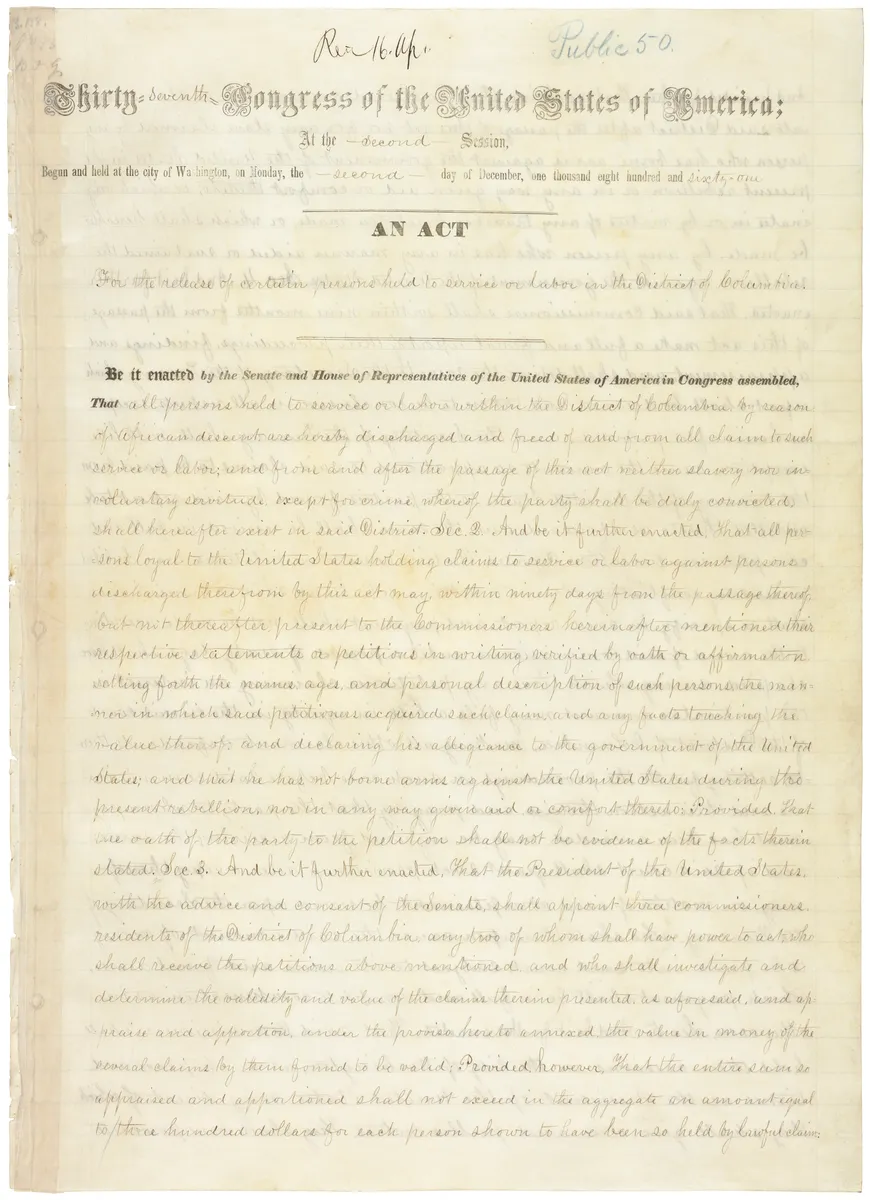
The Compensated Emancipation Act frees the district's enslaved people on April 16, 1862, now a local holiday; thousands of freed people arrive during the war. Lincoln is shot at Ford's Theatre on April 14, 1865 and dies in the house across the street.
1901–1922 · The McMillan Plan
Senator James McMillan's commission reorganizes the Mall in 1901–02, removes the railroad and extends the axis to the Potomac. Union Station opens in 1907 and the Lincoln Memorial is dedicated on May 30, 1922.
1939–1963 · Marian Anderson and King on the same step: 1939 and 1963
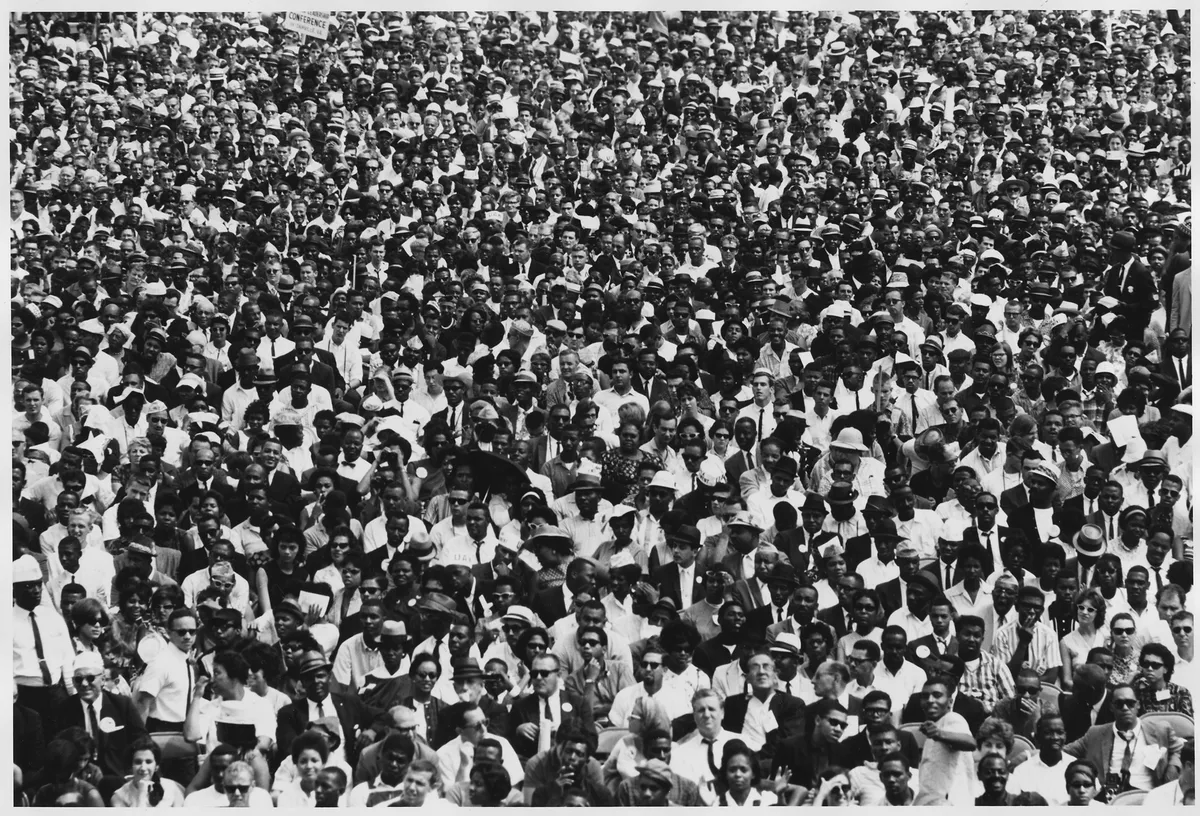
Marian Anderson sings on the Lincoln steps to 75,000 people on April 9, 1939, after being barred from Constitution Hall. On August 28, 1963, about 250,000 people join the March on Washington and Martin Luther King speaks from the same steps.
1968–1976 · Fire and subway
After King's assassination on April 4, 1968, the 14th, 7th and H Street NE corridors burn for four days, with 13 dead and more than a thousand buildings hit. The 1973 Home Rule Act returns an elected mayor to the city in 1975, and the subway opens on March 27, 1976.
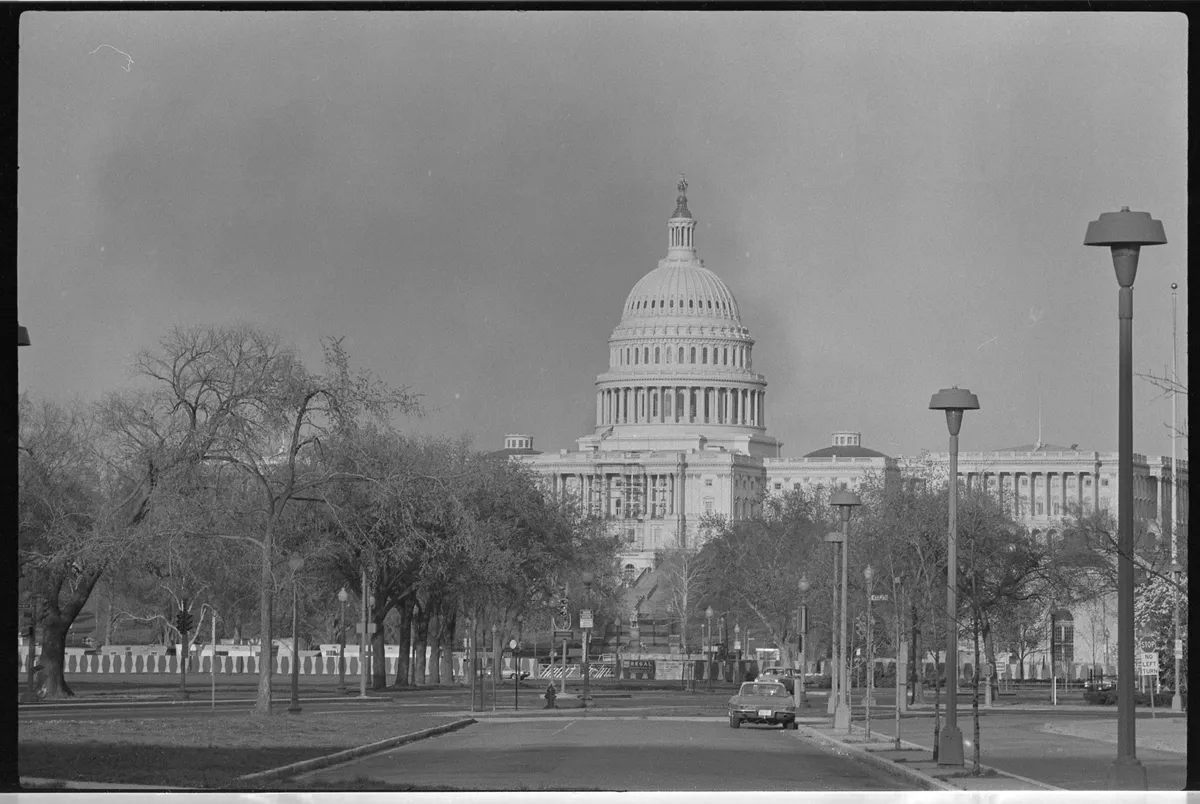
2000–present · Reoccupation
The population, which had fallen from 802,000 in 1950 to 572,000 in 2000, climbs again with the redevelopment of the Navy Yard (Nationals Park, 2008) and the Wharf (2017). The federal core emptied out by remote work became the main urban problem of the 2020s.
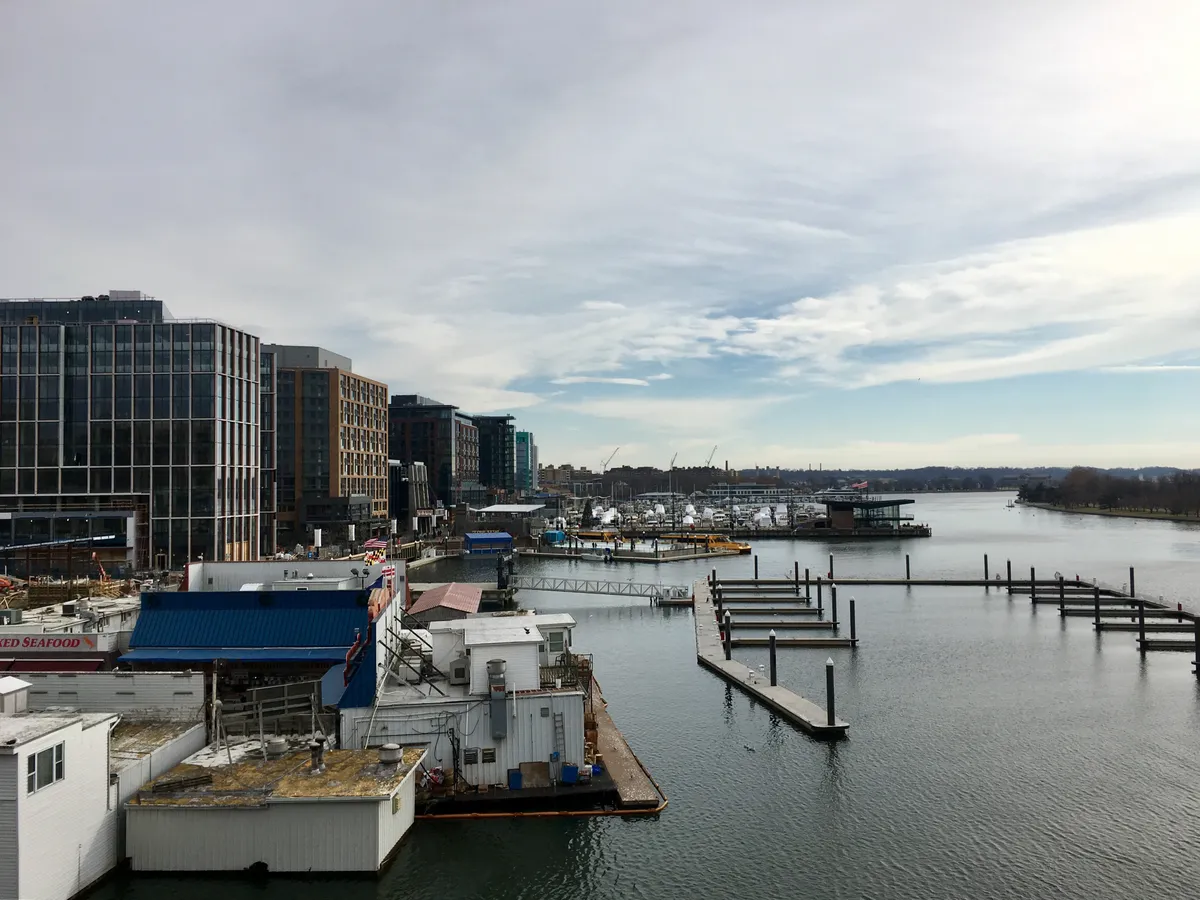
Complete history
A capital decided by Congress in 1790
Washington was decided on, not grown out of a settlement. In July 1790 Congress traded federal assumption of the states' war debts for the promise of putting the capital on the Potomac, far from the commercial centers of the North, and George Washington personally chose the stretch between Georgetown and the mouth of the Anacostia. Maryland and Virginia ceded a square 16 km on a side, set on the diagonal. Pierre Charles L'Enfant designed a city of imperial scale in 1791 for a country of four million people: avenues 50 to 60 meters wide, a “grand avenue” linking Capitol Hill to the river, and squares reserved for each state. Andrew Ellicott and the Black astronomer Benjamin Banneker surveyed the forty boundary stones, most of which are still in place.
Nearly a century as a half-abandoned building site
For nearly a century the city was a half-abandoned building site. Charles Dickens, in 1842, described avenues that led nowhere. The British fire of August 24, 1814, destroyed the Capitol and the White House; the retrocession of 1846–47 returned a third of the territory to Virginia, a move tied to defending the slave trade in Alexandria. What consolidated Washington was the Civil War: the city became a camp of forts, hospitals, and bureaucracy, and the emancipation of April 16, 1862, nine months before the Proclamation, drew thousands of freed people who founded neighborhoods like LeDroit Park, Shaw, and Barry Farm. Howard University was created in 1867 to educate that population.
The 20th century gave it the look tourism recognizes
The 20th century gave the city the appearance visitors recognize. In 1901–02, the McMillan Commission cleared the Mall, removed the railroad station from its middle and extended the axis over reclaimed land to the Lincoln Memorial, inaugurated in 1922. The Height of Buildings Act of 1899, revised in 1910, limited building height to the width of the street plus 6.1 m, with a general ceiling of about 40 m on commercial streets. There are exceptions: a stretch of Pennsylvania Avenue allows about 49 m, and towers and domes have their own rules. This is why Washington is a horizontal capital, where the Capitol dome and the obelisk remain the high points. The New Deal and World War II multiplied the federal workforce and filled the Federal Triangle with limestone blocks.
Segregated Washington had a life of its own
At the same time, segregated Washington had a life of its own. U Street was called “Black Broadway”: the Howard Theatre opened in 1910, Duke Ellington was born in the city in 1899 and played there before heading to New York. Legal segregation fell in the 1950s, the city became Black-majority in 1957 and reached 71% Black population in 1970. The riots of April 1968 burned exactly those commercial corridors; what followed was half a century of hollowing out, crack in the 1980s, the near-total collapse of the city's finances in 1995, and a financial control board imposed by Congress. The city only regained control of its own budget in 2001.
The population started growing again after 2000
Since 2000 the population has grown again and passed 700,000, with sharp price rises and displacement: the share of Black residents fell below 50% around 2011. Whole neighborhoods were remade, including the Navy Yard and the Wharf; Union Market, in NE, followed the same path from industrial warehouses to restaurants. The underlying political issue has stayed the same since 1801: the district pays federal taxes, has more residents than Vermont or Wyoming, and has no senators; the 23rd Amendment, in 1961, gave it only three presidential votes, and license plates carry the phrase “End Taxation Without Representation.” The 2020s added the hollowing-out of federal offices and repeated disputes between the mayor's office and the federal government over policing and budget to the mix.
Geography and shape of the city
The fall line and the two rivers
The city occupies 177 km² on the east bank of the Potomac, right on the fall line that separates the coastal plain from the Piedmont plateau: the point up to which ocean-going boats could sail the river, and the reason Georgetown exists. The Anacostia flows into the Potomac inside the district and splits the city into two halves with very uneven incomes. The land is low and damp by the water, with the entire Mall built on 19th-century landfill, and rises to about 125 m in the northwest hills (Tenleytown, Mount Pleasant, Forest Hills), where the forested valley of Rock Creek Park runs down, 710 hectares protected since 1890.
L'Enfant's four quadrants
L'Enfant's plan organizes everything from the Capitol: four quadrants (NW, NE, SW, SE) whose axes are North Capitol, South Capitol, East Capitol and the Mall itself; numbered streets run north-south, lettered streets run east-west (there's no J Street), and after the letters come two-syllable names, then three-syllable ones, then trees.
The diagonals and the repeated address
Over this grid, diagonal avenues named for states cut across at an angle and meet in circles and triangles: Dupont, Logan, Thomas, Washington Circle. The practical result: the same numeric address exists four times, and the quadrant is a mandatory part of it.
Over the grid of letters and numbers run diagonal avenues named after states, and it's easy to lose your bearings following one of them.
In the lettered street grid there's no J Street: from I you go straight to K.
Culture
Go-go and hardcore punk, the city’s two genres
The city produced two homegrown music genres, and neither is institutional. Go-go was born in the 1970s with Chuck Brown, with continuous percussion between songs and the band talking to the crowd nonstop; it became the District of Columbia's official music by law in 2020, after a campaign that started when a Georgia Avenue store was forced to turn off its speakers in 2019. Hardcore punk showed up in the late 1970s with Bad Brains and organized around the record label Dischord, founded in 1980 by Ian MacKaye and Jeff Nelson, which produced Minor Threat and Fugazi and the do-it-yourself ethic that marked the genre worldwide. Before both, U Street was already in its jazz age, the “Black Broadway” the neighborhood's history records in detail.
Federal culture is free
The institutional side of culture is federal and free. The Smithsonian runs 21 museums, most with no admission fee, from Air and Space to the National Museum of American History and the Hirshhorn of contemporary art, in Gordon Bunshaft's 1974 cylinder. The Kennedy Center, opened in September 1971, houses the National Symphony and the Washington National Opera and used to hold free daily performances on the Millennium Stage; the institution went through a change of leadership and programming shifts in 2025, so check the current calendar before counting on anything. Theater carries its own weight: Arena Stage (1950, a pioneer of American regional theater), Shakespeare Theatre Company, Woolly Mammoth and Ford's Theatre, which works as both theater and museum.
The Nationals, Capitals and political journalism
Washington roots for teams with recent titles: the Nationals won the World Series in 2019, at the stadium opened in 2008 in Navy Yard, and the Capitals lifted the Stanley Cup in 2018. The list continues with the Wizards, DC United and Washington Spirit, the women's league champions in 2021, plus the football Commanders, who play in Maryland and plan to return to the old RFK site. Beyond the stadium, the city talks politics, a local industry: the Washington Post has been published since 1877, and nearby is the network of think tanks on Massachusetts Avenue. As the Mall is the country's political stage, demonstrations happen almost every week, and it is common to pass a protest on the way to the museums.
The Senate dining room has served white bean soup every day since the early 20th century, a tradition never written into law.
Festivals and events
National Cherry Blossom Festival
From late March to mid-April, around the Tidal Basin. It marks the gift of 3,020 cherry trees from Tokyo in 1912; peak bloom lasts only four to seven days and shifts between March 15 and April 10, so track the National Park Service forecast. Part of the shoreline has been under seawall reconstruction since 2024.

July 4th on the National Mall
July 4, Independence Day, brings a parade on Constitution Avenue, a concert on the Capitol’s west lawn and fireworks over the Reflecting Pool, all free. In 2026, the date marked the 250th anniversary of the Declaration of Independence, with expanded programming throughout the year. In any year, expect crowds and lengthy security checks.

Smithsonian Folklife Festival
Two weeks in late June and early July, outdoors on the Mall, since 1967. Each edition picks one or two cultures and brings in craftspeople, cooks and musicians to work in front of the public; free entry.
Emancipation Day
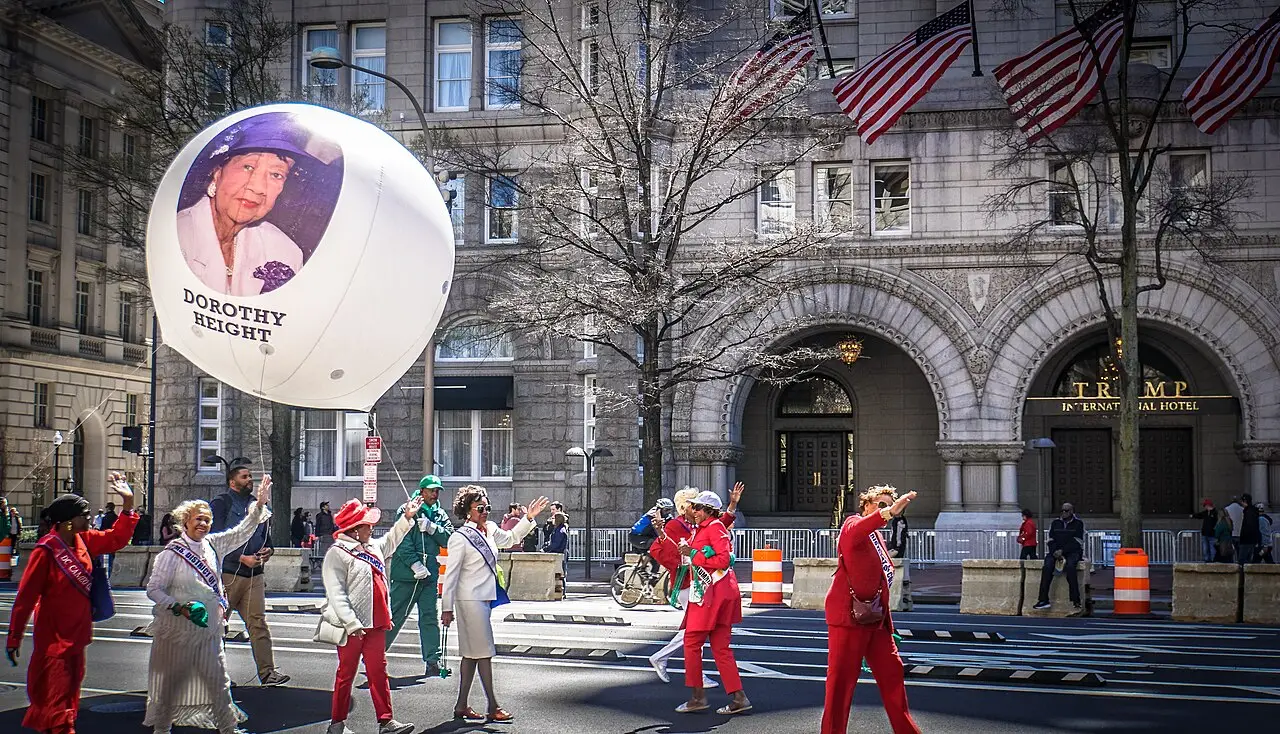
April 16, a district-only holiday, celebrates the abolition of slavery in the city. There's a parade, a concert and fireworks; local banks and schools close, businesses don't.
 AI illustration
Passport DC and Fiesta DC
In May, dozens of embassies open their doors to the public on themed weekends, with long lines at the most popular ones. In September, Fiesta DC brings the Latin American parade to the street, dominated by the Salvadoran community, and the H Street Festival takes over fifteen blocks of NE.
Books and films
All the President's Men (film, 1976)
The adaptation of Bob Woodward and Carl Bernstein’s book about Watergate, from 1972 to 1974, was filmed partly in the city itself. It follows the two Washington Post reporters investigating the case through anonymous sources and phone calls, between the newsroom, parking garages and government offices.
Lost in the City, by Edward P. Jones (short stories, 1992)
Fourteen stories about Black Washington residents between the 1950s and 1980s, set on real streets and blocks in NE and NW. It's the literary portrait of the city the Mall's museums barely tell.
Bustin' Loose, by Chuck Brown & The Soul Searchers (album, 1978)
The founding record of go-go, with the percussion that never stops between tracks. One listen explains the sound coming out of a car idling on Georgia Avenue.
Frequently asked questions
Washington: how do you get to Mount Vernon?
Mount Vernon is 25 km south on the George Washington Memorial Parkway, 40 minutes by car, or by boat on the Potomac from the Wharf in season.
Washington: can you pay for everything with a card?
Yes: the card handles everything, even at the street cart; a few older places still prefer cash for small amounts.
Washington: which side do you stand on the metro escalator?
Stand on the right and leave the left for people walking: it's the city's strictest social rule and applies on the metro's long escalators, some more than 60 m long. If you have a suitcase, keep to the right.
Washington: what safety precautions should you take?
Washington calls for attention to theft and muggings, including while moving between attractions: keep your phone and wallet put away, don't leave visible items inside the car, and at night take the metro, a taxi or a ride-hailing app when the walking route passes through empty stretches.
Washington: what is the half-smoke?
The half-smoke is a thick sausage, half pork and half beef, lightly smoked and spiced, grilled split down the middle and served in a bun with chili, raw onion and mustard.
Other cities in the country
United States ↗- Days
- 4–5
- When
- Apr–Jun · Sep–Oct
- Per person/day
- Average 180–320 USDMid-range · per person/day
Cost scope
Per person per day: accommodation, meals, urban transport, visits and a small allowance for extras. Flights excluded; larger purchases vary. Editorial estimate, not a quote.
- Days
- 4–5
- When
- Apr–May · Nov
- Per person/day
- Average 220–330 USDMid-range · per person/day
Cost scope
Per person per day: accommodation, meals, urban transport, visits and a small allowance for extras. Flights excluded; larger purchases vary. Editorial estimate, not a quote.
- Days
- 3
- When
- Sep–Oct
- Per person/day
- Average 180–280 USDMid-range · per person/day
Cost scope
Per person per day: accommodation, meals, urban transport, visits and a small allowance for extras. Flights excluded; larger purchases vary. Editorial estimate, not a quote.
- Days
- 4
- When
- May–Jun · Sep–Oct
- Per person/day
- Average 150–260 USDMid-range · per person/day
Cost scope
Per person per day: accommodation, meals, urban transport, visits and a small allowance for extras. Flights excluded; larger purchases vary. Editorial estimate, not a quote.
- Days
- 2–3
- When
- Jan–Apr · Nov–Dec
- Per person/day
- Average 200–350 USDMid-range · per person/day
Cost scope
Per person per day: accommodation, meals, urban transport, visits and a small allowance for extras. Flights excluded; larger purchases vary. Editorial estimate, not a quote.
- Days
- 3
- When
- Feb–May · Oct–Dec
- Per person/day
- Average 250–350 USDMid-range · per person/day
Cost scope
Per person per day: accommodation, meals, urban transport, visits and a small allowance for extras. Flights excluded; larger purchases vary. Editorial estimate, not a quote.
- Days
- 2–3
- When
- Mar–May · Oct–Nov
- Per person/day
- Average 200–350 USDMid-range · per person/day
Cost scope
Per person per day: accommodation, meals, urban transport, visits and a small allowance for extras. Flights excluded; larger purchases vary. Editorial estimate, not a quote.
- Days
- 2–3
- When
- Sep–Oct
- Per person/day
- Average 190–330 USDMid-range · per person/day
Cost scope
Per person per day: accommodation, meals, urban transport, visits and a small allowance for extras. Flights excluded; larger purchases vary. Editorial estimate, not a quote.
- Days
- 2–3
- When
- Jun–Sep
- Per person/day
- Average 130–220 USDMid-range · per person/day
Cost scope
Per person per day: accommodation, meals, urban transport, visits and a small allowance for extras. Flights excluded; larger purchases vary. Editorial estimate, not a quote.
- Days
- 5–6
- When
- Jan–Apr · Nov–Dec
- Per person/day
- Average 368 USDMid-range · per person/day
Cost scope
Per person per day: accommodation, meals, urban transport, visits and a small allowance for extras. Flights excluded; larger purchases vary. Editorial estimate, not a quote.
- Days
- 4–6
- When
- Apr–May · Sep
- Per person/day
- Average 329 USDMid-range · per person/day
Cost scope
Per person per day: accommodation, meals, urban transport, visits and a small allowance for extras. Flights excluded; larger purchases vary. Editorial estimate, not a quote.
- Days
- 2
- When
- Apr–May · Sep–Oct
- Per person/day
- Average 203 USDMid-range · per person/day
Cost scope
Per person per day: accommodation, meals, urban transport, visits and a small allowance for extras. Flights excluded; larger purchases vary. Editorial estimate, not a quote.
- Days
- 3
- When
- Apr · Sep–Oct
- Per person/day
- Average 251 USDMid-range · per person/day
Cost scope
Per person per day: accommodation, meals, urban transport, visits and a small allowance for extras. Flights excluded; larger purchases vary. Editorial estimate, not a quote.
- Days
- 3
- When
- May–Jun · Sep–Oct
- Per person/day
- Average 158 USDMid-range · per person/day
Cost scope
Per person per day: accommodation, meals, urban transport, visits and a small allowance for extras. Flights excluded; larger purchases vary. Editorial estimate, not a quote.