Brazil
Natal
The dunes of Genipabu, the parrachos at low tide, Forte dos Reis Magos and Pipa to the south
Days Start with the basic programme and choose extensions for the time you have.
How the guide reaches this number
The first is for the city: Forte dos Reis Magos, the Museu Câmara Cascudo and the old center, on a day from Tuesday to Friday. The second is for the dunes of Genipabu, on the north-coast buggy tour, which works at any tide. The third is for Ponta Negra and the south coast, from the Cajueiro de Pirangi to the natural pool at Camurupim, built around the day's low tide, with Ponta Negra beach in the part of the day when the tide is high. With a fourth day, I'd go to Pipa, on a day when low tide falls in daytime, for the Baía dos Golfinhos, the Santuário Ecológico and the Chapadão; to stay for sunset at the Lagoa Guaraíras and return the same day, I'd go by car or with a transfer. If the trip allows, I'd swap that day trip for two nights in the village, because Pipa's activity shows up at night. If the trip's lowest tide is 0.5 m or less, I'd put the parrachos of Maracajaú in place of the south coast, without adding a day.
3–4
When September to January: the driest months, with less than 100 mm of rain a month in the INMET normals; from March to July it rains more, with June the rainiest month, and December to February is high season, with December the most expensive month for hotels
How the guide reaches this number
Natal's year divides into a dry season and a rainy one. By the INMET normals for 1991 to 2020, from September to January it rains less than 100 mm a month, and from October to December, the driest months, 21 to 29 mm fall, with highs of about 30 °C eased by the breeze. January (81 mm) and February (100 mm) already have some rainy days, and February and March are the hottest, with average highs of 30.7 °C. March opens the rainy season (201 mm), April and May exceed 220 mm, and June is the rainiest month, with 349 mm over 18 rainy days; July still has 254 mm and is the coolest, with lows of 21 °C. The season's rain follows no pattern: it can be a whole overcast day or a downpour before dawn followed by sun. August (119 mm) marks the transition, with strong wind and a choppy sea. For the parrachos, more than the month, the moon matters: only at the full and new moons does the tide go out far enough, and there are days when no departures are even scheduled. December to February is high season, with the hotels of Ponta Negra full; December, with the Carnatal, Christmas and New Year's Eve, is the most expensive month for hotels, and March the cheapest.
Per person/day Add up lodging per night, meals per person and the buggy and boat tours you choose; high season, from December to February, changes the total a lot.
How the guide reaches this number
Per person per day: accommodation, meals, urban transport, visits and a small allowance for extras. Flights excluded; larger purchases vary. Editorial estimate, not a quote.
 What Nilo thinks
I'd stay three days in Natal. The first is for the city: Forte dos Reis Magos, the Museu Câmara Cascudo and the old center, on a day from Tuesday to Friday. The second is for the dunes of Genipabu, on the north-coast buggy tour, which works at any tide. The third is for Ponta Negra and the south coast, from the Cajueiro de Pirangi to the natural pool at Camurupim, built around the day's low tide, with Ponta Negra beach in the part of the day when the tide is high. With a fourth day, I'd go to Pipa, on a day when low tide falls in daytime, for the Baía dos Golfinhos, the Santuário Ecológico and the Chapadão; to stay for sunset at the Lagoa Guaraíras and return the same day, I'd go by car or with a transfer. If the trip allows, I'd swap that day trip for two nights in the village, because Pipa's activity shows up at night. If the trip's lowest tide is 0.5 m or less, I'd put the parrachos of Maracajaú in place of the south coast, without adding a day.Natal combines two trips: on one side, a capital four centuries old with a stone fort at the mouth of the Potengi; on the other, a coast where the landscape changes in every direction. North of the river, the dunes of Genipabu run down to freshwater lagoons, and the buggies cross rivers by ferry between one dune and the next. To the south, the Rota do Sol passes a single cashew tree that covers about 8,500 m², cliffs and beaches where the reef dams the sea at low tide and forms natural pools right next to the sand. Farther out, in open sea, the parrachos of Maracajaú hold fish and coral 7 km from the beach. The tide sets the rhythm of the trip, because it decides when the pools appear, and the dry climate helps: from September to January it rains little. Pipa, the village of cliffs and dolphins about 85 km away, completes the picture for those who want to end the trip on a beach where you get around on foot.
Quick facts
- Population
- 783,196 residents in the municipality (IBGE estimate for 2026); 751,300 in the 2022 Census
- Founded
- December 25, 1599, with a Mass on the site of the present Igreja Matriz de Nossa Senhora da Apresentação; construction of the fort had begun on January 6, 1598, Epiphany
- Country and region
- Brazil: capital of the state of Rio Grande do Norte, in the Northeast
- Language
- Portuguese
- Currency
- Real (R$, BRL)
- Time zone
- UTC−3 year-round, with no daylight saving time
- Best time to visit
- September to January: the driest months, with less than 100 mm of rain a month in the INMET normals; from March to July it rains more, with June the rainiest month, and December to February is high season, with December the most expensive month for hotels
- Average daily cost
- Add up lodging per night, meals per person and the buggy and boat tours you choose; high season, from December to February, changes the total a lot.
When to go
September to January: the driest months, with less than 100 mm of rain a month in the INMET normals; from March to July it rains more, with June the rainiest month, and December to February is high season, with December the most expensive month for hotels
How the year changes
Natal's year divides into a dry season and a rainy one. By the INMET normals for 1991 to 2020, from September to January it rains less than 100 mm a month, and from October to December, the driest months, 21 to 29 mm fall, with highs of about 30 °C eased by the breeze. January (81 mm) and February (100 mm) already have some rainy days, and February and March are the hottest, with average highs of 30.7 °C. March opens the rainy season (201 mm), April and May exceed 220 mm, and June is the rainiest month, with 349 mm over 18 rainy days; July still has 254 mm and is the coolest, with lows of 21 °C. The season's rain follows no pattern: it can be a whole overcast day or a downpour before dawn followed by sun. August (119 mm) marks the transition, with strong wind and a choppy sea. For the parrachos, more than the month, the moon matters: only at the full and new moons does the tide go out far enough, and there are days when no departures are even scheduled. December to February is high season, with the hotels of Ponta Negra full; December, with the Carnatal, Christmas and New Year's Eve, is the most expensive month for hotels, and March the cheapest.
Nilo's tips
The tide sets the order of the days
Before distributing the tours, look at the tide table for the days of the trip. The parrachos of Maracajaú, Rio do Fogo and Pirangi are only worth it with a low tide of 0.5 m or less, which happens around the full and new moons, and the time slips by 30 to 45 minutes a day. Camurupim and the Baía dos Golfinhos, in Pipa, call for the low-tide window of the day itself. I'd put the Genipabu buggy ride and the center on the days when the tide doesn't help, because they work at any tide.
Ask for “sem emoção”
The buggies have no safety equipment for passengers. I'd ask for “sem emoção” and book through the hotel or an agency, so a licensed driver is at the door at the agreed time.
The center is closed on Mondays
Forte dos Reis Magos closes on Mondays, and the Museu Câmara Cascudo is open only Tuesday to Friday. I'd leave the center day for the middle of the week.
Ponta Negra from the right
The calmest water is in the right-hand corner, next to the Morro do Careca, but since the widening there are rhodoliths in the sand and the shallows. I'd go in slowly, as on a rocky beach, and bring sandals.
The whole tour inside the buggy
On the full-day north-coast tour, three to four hours are spent bouncing in the buggy. Anyone with back problems is better off with a car tour along the road.
Explore the map
Explore the map, read about the other places and plan your travel days in the app.
Open the appWhat to see
Natal: River, dunes and sea
The climate is tropical, with a dry summer, and more arid than the rest of the Northeast's east coast. In the upper part, Avenida Engenheiro Roberto Freire concentrates tall hotels, restaurants, the Mercado de Ponta Negra (crafts) and the brightest nightlife.
Forte dos Reis Magos
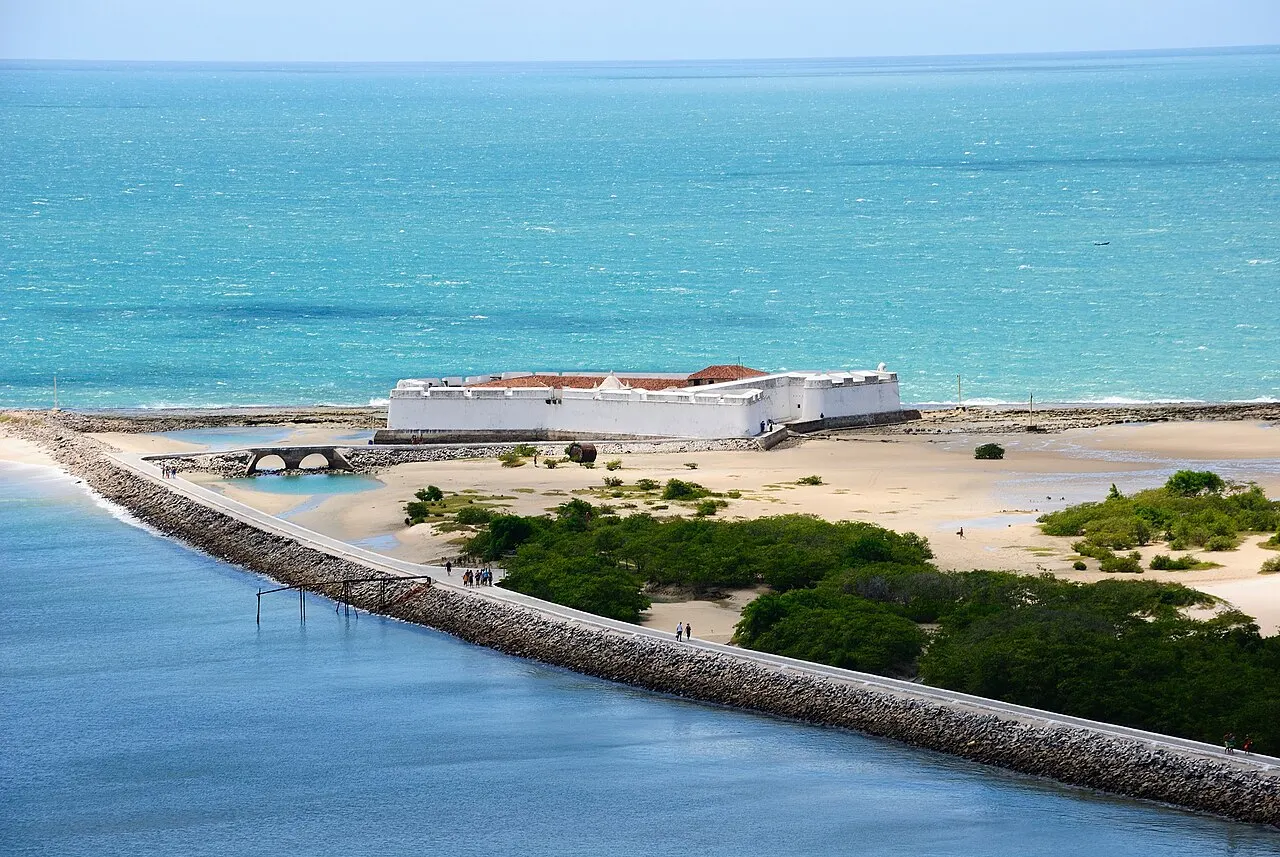
The fortress where the city was born. Work began on January 6, 1598, with a palisade next to the beach; the fort was built on the reef at the mouth of the Potengi, first in wattle-and-daub and stakes, and rebuilt in stone between 1614 and 1628, with a bastioned plan. Restored, it reopened on December 25, 2021. Inside you walk the gangway, the walkway and the terreplein, with views of the Newton Navarro Bridge and the river mouth. It is open Tuesday to Sunday, from 8 a.m. to 4 p.m.; admission became R$ 10 for the full fare in February 2025, with half-price for students, teachers, people 60 and over and other groups, and free entry for Natal residents with proof of residence.
Natal sits on the right bank of the mouth of the Potengi River, which rises in the Potiguar agreste and runs 176 km to the Atlantic.
Check access
Praia de Ponta Negra
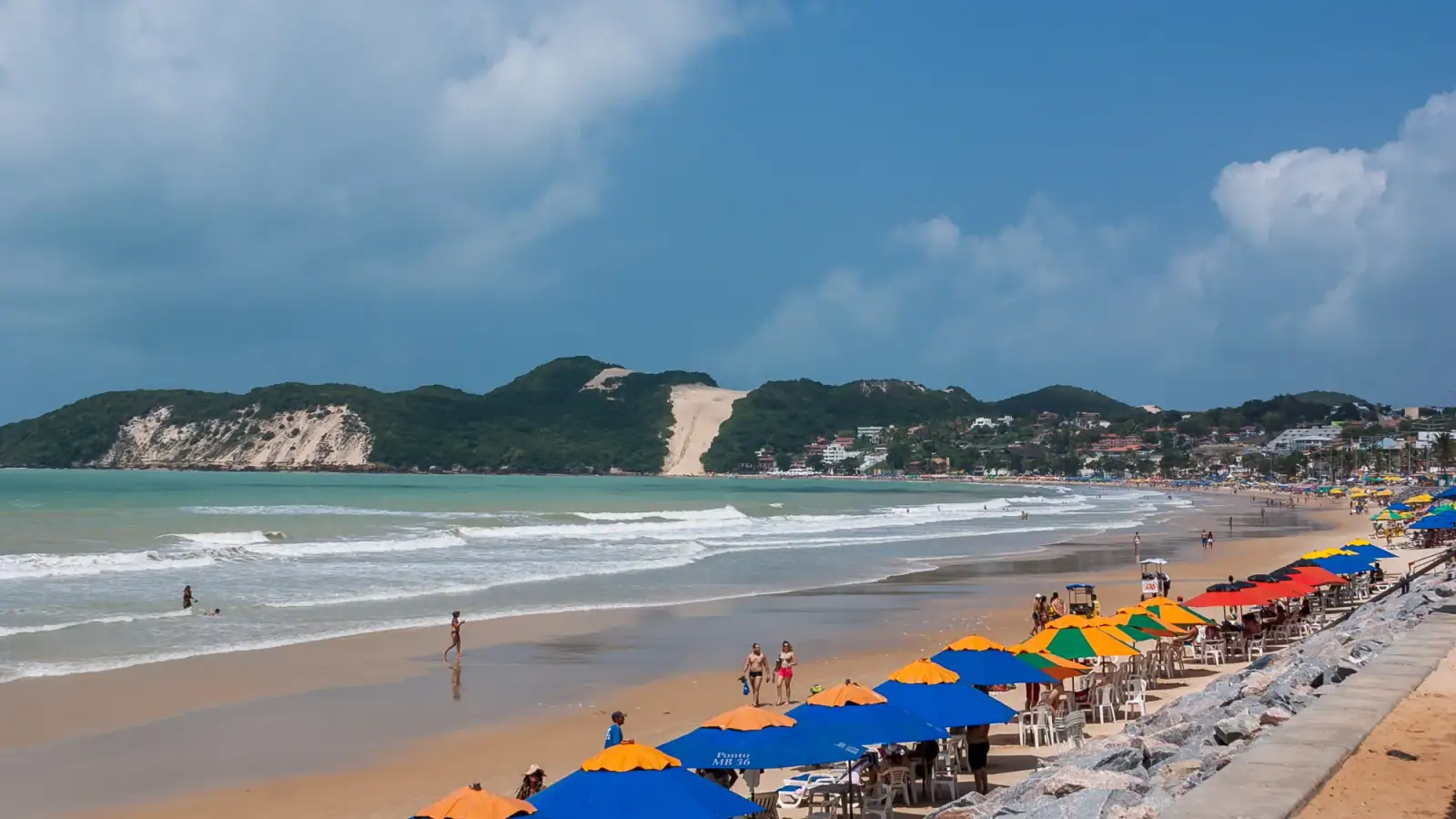
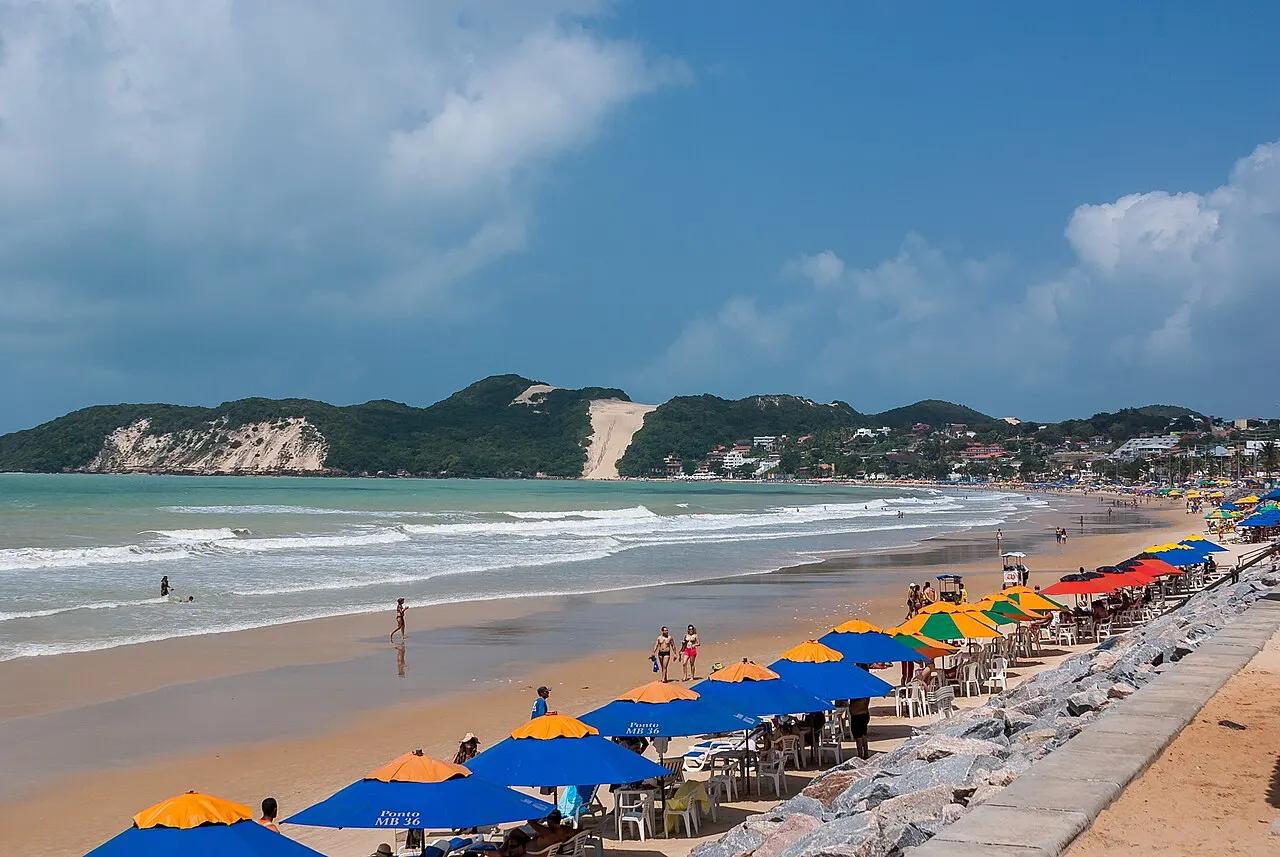
Natal's best-known beach, an arc of sand that ends at the Morro do Careca, the dune that is Natal's postcard. Since the widening completed in January 2025, the strip of sand reaches 100 m at the lowest tide, and the loungers sit at the high-tide line; at the highest tides, some stretches still flood for a few hours. The right-hand corner, next to the hill, has calmer water, but the new sand brought rhodoliths, hard calcareous algae that call for the same care as a rocky beach. Climbing the Morro do Careca has been prohibited since 1997, when the dune became a preservation area. From the right-hand corner leaves the jangalancha, a large covered raft that rounds the hill to the military beach of Alagamar in about an hour.
Between the center and the sea runs a belt of dunes about 20 km long, up to 90 m high; only in the Parque das Dunas are they fixed and covered in Atlantic forest.
Check access

Dunas de Genipabu
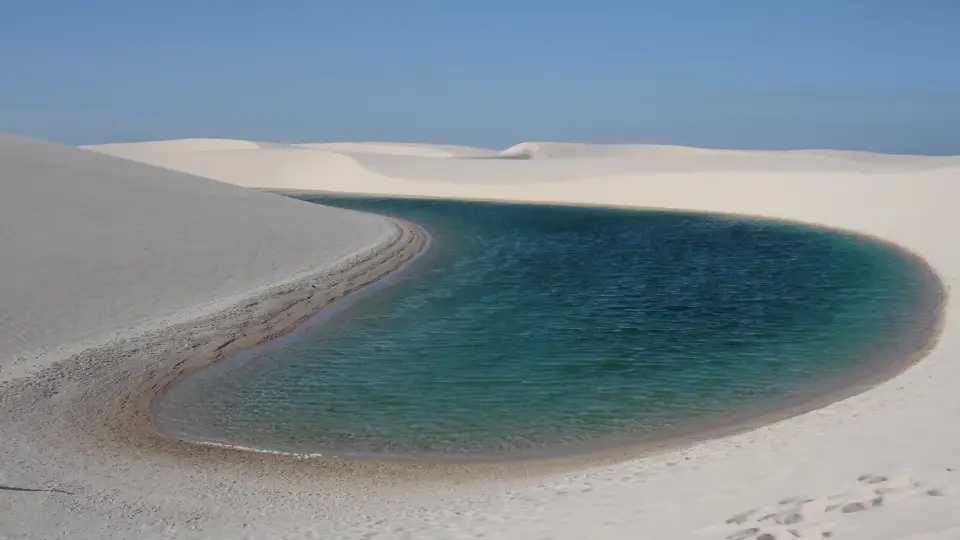
Tall, fixed dunes on the north bank of the Potengi, in Extremoz, with wide views of the coast. They are the first stop of the north-coast buggy tour, which continues by ferry over the Ceará-Mirim River to the Lagoa de Pitangui and the moving dunes of Pitangui and Jacumã, with esquibunda (sliding down on a board to the lagoon) and aerobunda (zip line). The tour lasts the whole day, and three to four hours are spent inside the buggy.
On the other side of the river, across the Newton Navarro Bridge, are Redinha and the road to Genipabu.
Check access
Parque Estadual Dunas de Natal
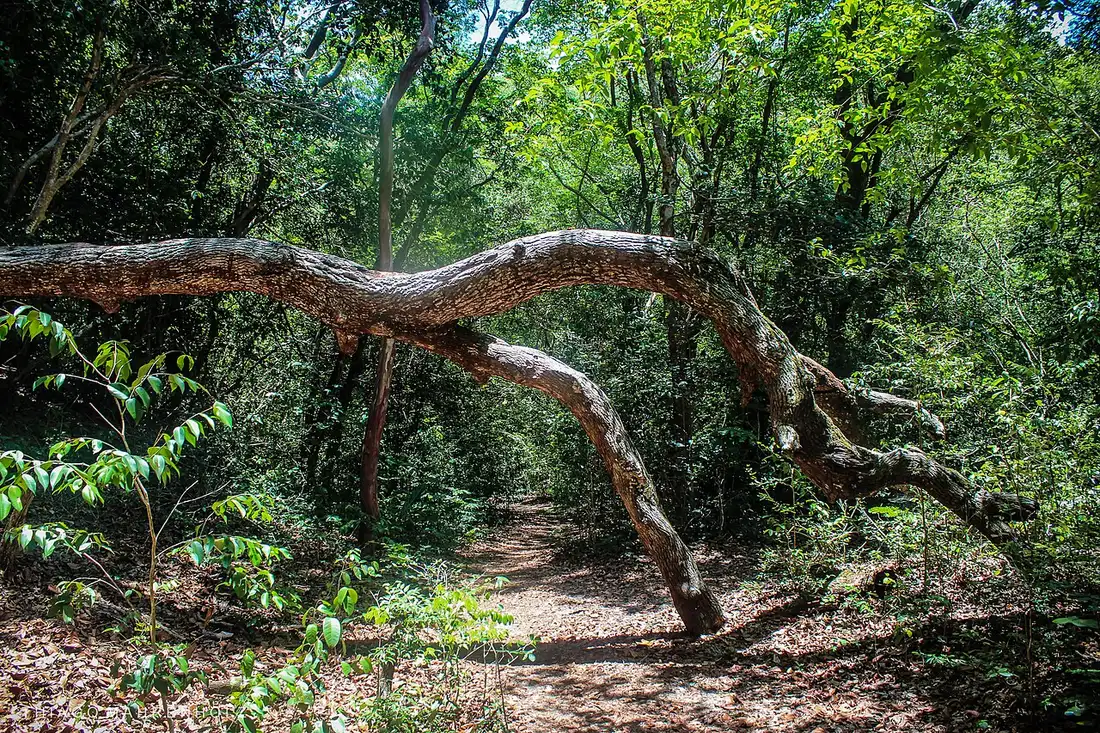
The Parque das Dunas, also called Bosque dos Namorados, protects 1,172 hectares of dunes and Atlantic forest between the neighborhoods and the Via Costeira, and is part of the Atlantic Forest Biosphere Reserve recognized by UNESCO. The public entrance is at the Bosque dos Namorados, with a visitor center, a children's area and short marked trails. The trails inside the dunes are three, guided by monitors: Perobinha, about 800 m, Peroba, about 2.4 km, and Ubaia-Doce, about 4.4 km, the toughest. Travel guides list Tuesday to Sunday opening, but the hours change on holidays and special programs, and the trails require booking: confirm days, hours and spots with Idema, which manages the park.
The city is organized around this: the old core (Ribeira and Cidade Alta) by the river, the neighborhoods of Petrópolis and Tirol just above, the urban waterfront of Praia do Meio and Praia do Forte at the river mouth, the Via Costeira hugging the park and, at the far south, Ponta Negra, closed off by the Morro do Careca.
Check access
Cajueiro de Pirangi
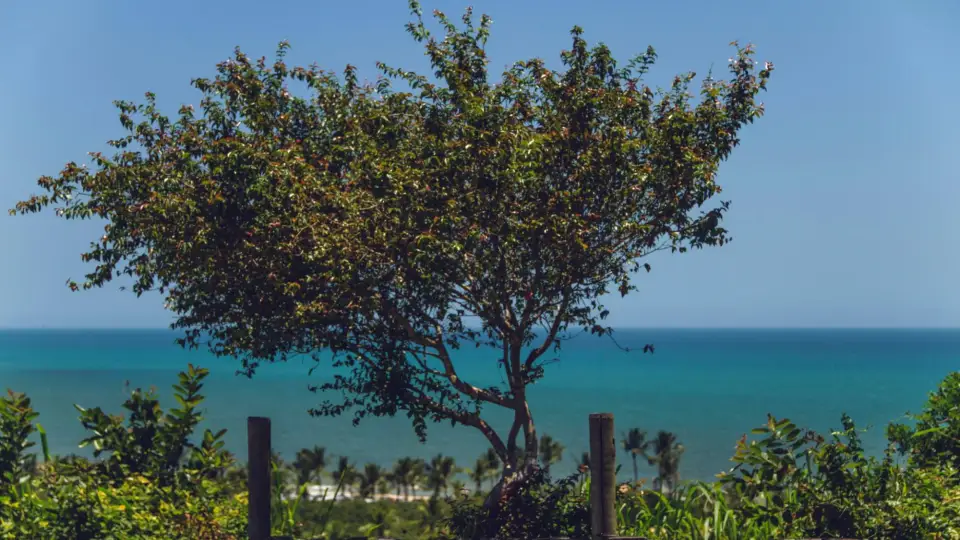
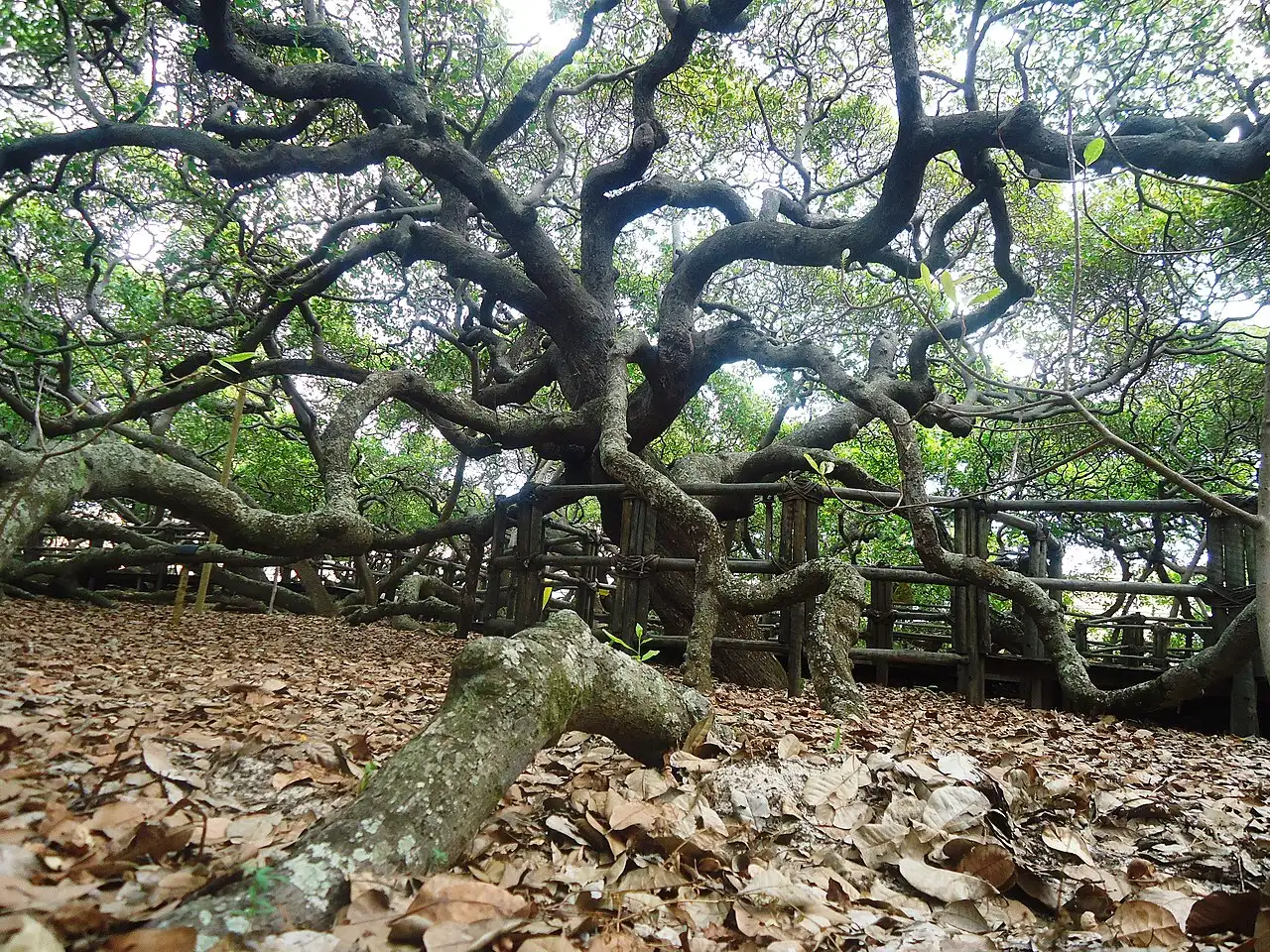
A single cashew tree that covers about 8,500 m² in Pirangi do Norte, Parnamirim. Planted in 1888, it grows sideways: the branches curve to the ground and take root, and from inside it looks like a grove. It entered the Guinness Book in 1994. A lookout lets you see the canopy from above. It is open daily from 7:30 a.m. to 5:30 p.m., with a full fare of R$ 10 (November 2025). In the harvest, from November to January, ripe cashew fruit can be picked at no extra cost. Parking on the narrow streets around it is hard.
The excursions split in two directions.
Check access
Museu Câmara Cascudo
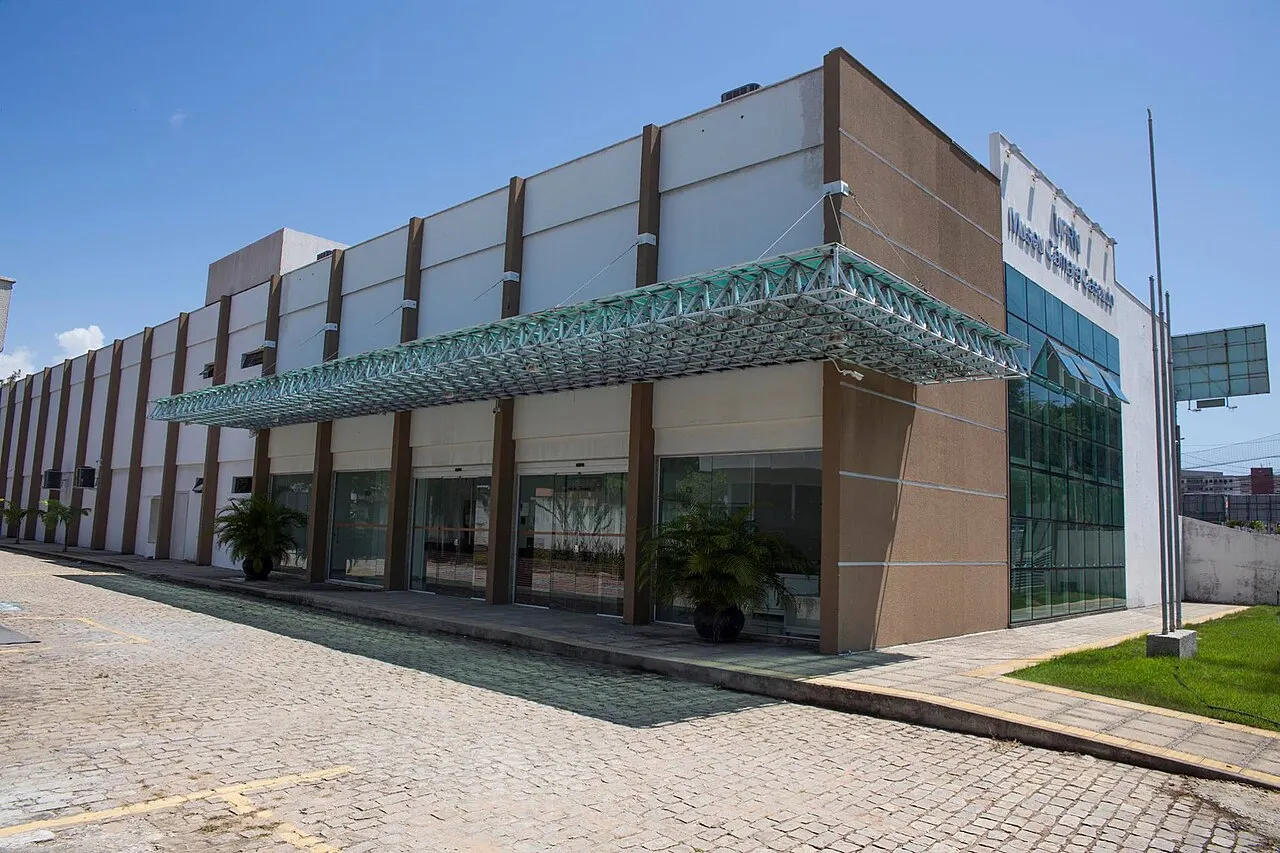
Natal's main museum, tied to the Universidade Federal do Rio Grande do Norte and named in honor of the historian and folklorist Luís da Câmara Cascudo. The collection has more than 162,000 pieces, from dinosaur fossils and archaeological collections to folk art. It is on Avenida Hermes da Fonseca, in Tirol, and is open Tuesday to Friday, except holidays, from 8:30 a.m. to noon and from 1 p.m. to 4:30 p.m., with free admission and entry until half an hour before each closing.
They were born with the Cidade Nova of 1901 and are now residential neighborhoods that hold the Museu Câmara Cascudo, the Centro de Turismo and a good share of the restaurants and bars that locals frequent, away from the hotel zones.
Check access
Praia de Camurupim
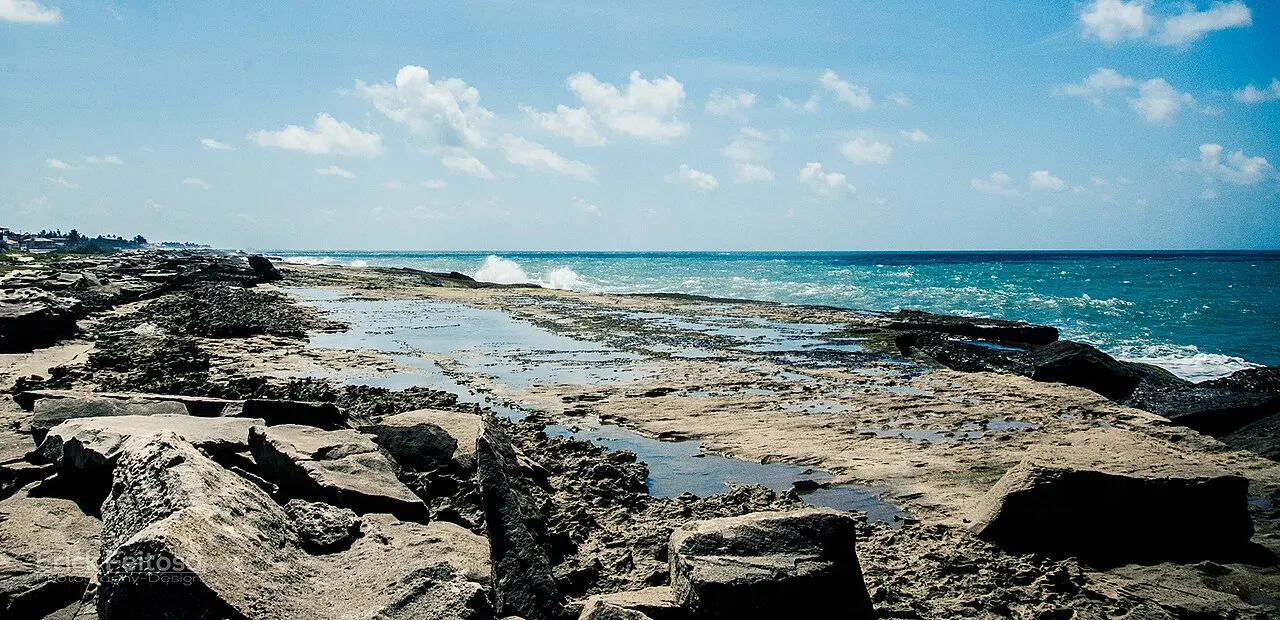
A beach in Nísia Floresta, about 28 km south of Ponta Negra, where a reef dams the sea at low tide and forms a large natural pool right next to the sand. The best time runs from 90 minutes before to 90 minutes after the lowest point of the tide; at high tide, the Lagoa de Arituba, about 500 m away, has stalls with kayaks and paddleboards for rent.
North of the Potengi are the dunes of Genipabu, the lagoons of Pitangui and Jacumã, and the parrachos of Maracajaú, about 60 km from Ponta Negra, and of Rio do Fogo, about 85 km. To the south, the Rota do Sol passes Cotovelo and Pirangi, already in Parnamirim, the cliffs of Barra de Tabatinga and the natural pool of Camurupim, in Nísia Floresta, up to the Lagoa Guaraíras and Pipa, in Tibau do Sul. Part of the coast is not accessible, such as the beach of Barreira do Inferno, a military area.
Check access

Centro de Turismo de Natal
A former jail in Petrópolis, high above the central beaches, whose cells became shops selling crafts, souvenirs and regional products. Open daily from 8 a.m. to 6 p.m.
Natal's postcard beach, in the south of the city, closed off by the Morro do Careca.
Check access
Igreja Matriz de Nossa Senhora da Apresentação
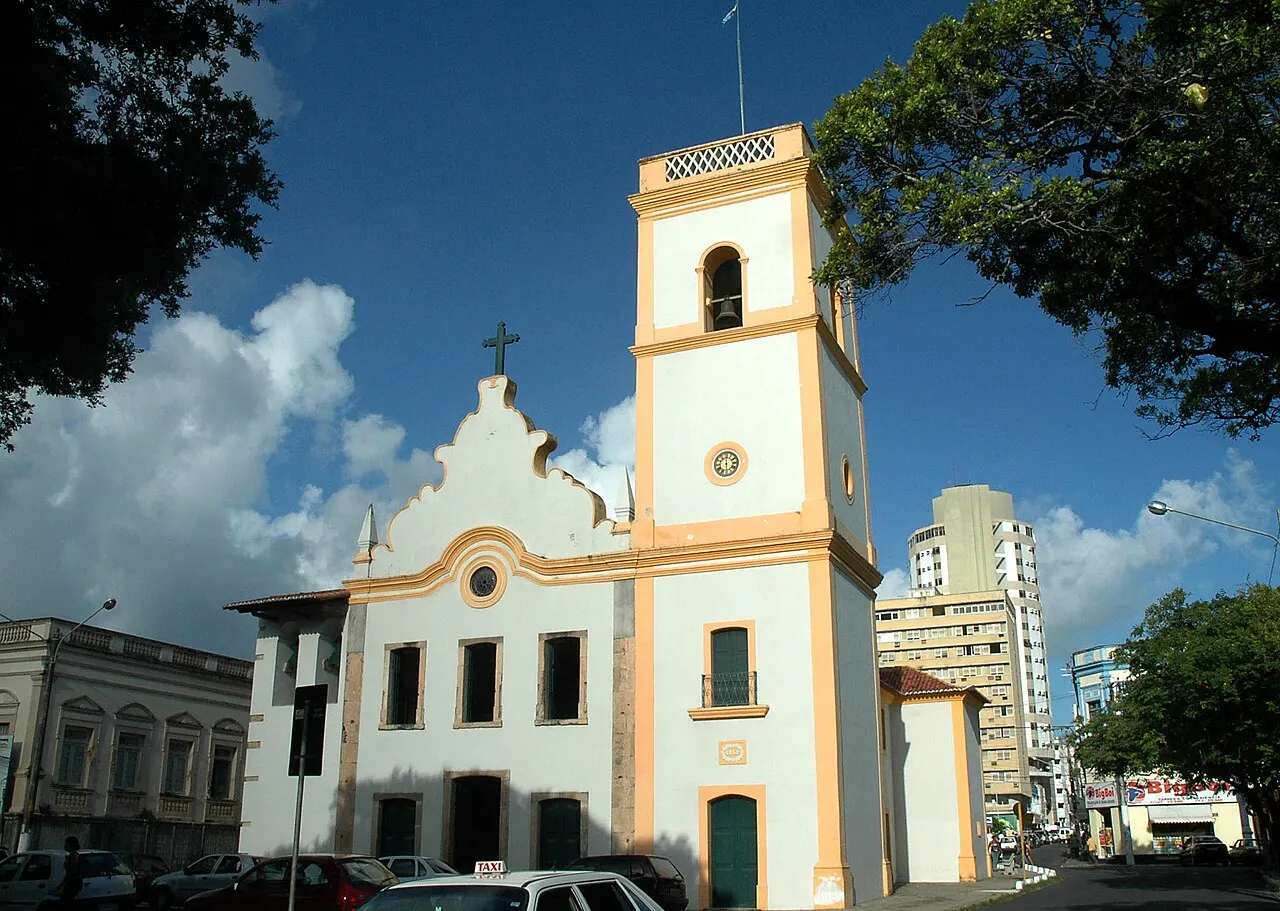
The Catedral Antiga, in the Cidade Alta, stands on the site of the Mass that founded Natal on December 25, 1599. It is one of the few old buildings in the city and a reference point for understanding where Natal began, in a short visit combined with the Centro de Turismo and the Ribeira.
The historic center, around the Igreja Matriz de Nossa Senhora da Apresentação, the Catedral Antiga, on the spot where the city was founded.
Check access
Nilo’s itinerary
Start with the basic programme and choose extensions for the time you have.
Plan my days in the app ↗Day 1 · The fort, the museum and the old center
Pick a day from Tuesday to Friday: the fort closes on Mondays, and the museum is open only on those days.
At 8 a.m., at opening, go to Forte dos Reis Magos, at Praia do Forte. Set aside about an hour for the interior and the view of the Newton Navarro Bridge and the mouth of the Potengi.
Take an app ride to the Museu Câmara Cascudo, in Tirol, and arrive by 11:30 a.m., the last entry before the lunch break; in the afternoon it reopens at 1 p.m.
Have lunch in Petrópolis, the neighboring district, where there are restaurants frequented by locals.
In the afternoon, go to the Centro de Turismo, the former jail turned into craft shops, and walk down to the Cidade Alta for the Igreja Matriz de Nossa Senhora da Apresentação and to the Ribeira for the facade of the Teatro Alberto Maranhão.
At 4:30 p.m., if there is a departure that day, board the catamaran that leaves from the Iate Clube, in Santos Reis, and goes up the Potengi to the river mouth; departure days vary with the season, so call ahead.
With no catamaran, go back to Ponta Negra in the late afternoon and have dinner on Avenida Engenheiro Roberto Freire or near it.
Day 2 · The dunes of Genipabu and the north coast
Book the north-coast buggy tour through the hotel or an agency the day before, and ask for “sem emoção.” The driver picks you up at the hotel before 9 a.m. and crosses the Newton Navarro Bridge.
If you are traveling with children, ask for a stop at the Aquário Natal, in Redinha Nova, which is on the way (paid separately).
On the dunes of Genipabu, go down to see the coast from above; then comes the Ceará-Mirim River ferry, with the crossing and the environmental fee paid on the spot.
A swim in the sea at a beach stall chosen by the driver according to the tide, and a swim in the lagoon at Pitangui, with kayaks and paddleboards for rent.
On the moving dunes of Pitangui and Jacumã are the esquibunda and the aerobunda, each paid separately.
Lunch around 1 p.m. at a beach restaurant; at low tide, the way back is along the sand, and at high tide, along the pavement.
In the late afternoon, if the Mercado da Redinha is open, ask the driver to stop on the way back for a ginga with tapioca.
Day 3 · Ponta Negra and the south coast at low tide
The day before, check the tide table for the time of the day's lowest tide: the day revolves around Camurupim, about 28 km south of Ponta Negra, where the natural pool is worth it from 90 minutes before to 90 minutes after that point.
If the lowest tide is in the afternoon, spend the morning at Ponta Negra beach, in the right-hand corner, next to the Morro do Careca, and head south after lunch. If it is in the morning, go straight to Camurupim and leave Ponta Negra for the late afternoon, on the way back.
On the way along the Rota do Sol, stop at the outdoor area of the Centro de Lançamento da Barreira do Inferno, with the Xavante fighter jet and the rocket replicas, which you can see without an appointment.
Continue to the Cajueiro de Pirangi (open from 7:30 a.m. to 5:30 p.m.) and climb to the lookout; the visit takes little time and does not depend on the tide.
Make a photo stop at the Mirante dos Golfinhos, on top of the Barra de Tabatinga cliff; seeing dolphins from there is rare, but the view of the coast is worth the stop.
Arrive at Camurupim within the low-tide window and spend the shallowest hour in the natural pool, with lunch at one of the day-use places across the way. If the tide is high, swap the sea swim for the Lagoa de Arituba, about 500 m away.
The parrachos of Pirangi, across from the cashew tree, use the same tide window: they are an alternative to Camurupim on the same day, not an extra stop. Whoever picks them takes the boat at low tide, with rented shoes for walking on the reef, and leaves Camurupim out.




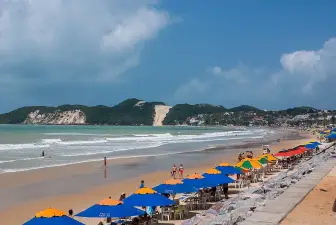


If you stay longer
Day 4 · Pipa
Day trip
The beach village of Tibau do Sul is about 80 to 85 km from the Ponta Negra hotel zone, along the BR-101 to Goianinha and a slower road for the last 25 km. Viação Riograndense leaves Natal's bus station every two hours and takes about two hours; the shared road tours stop at the Lagoa Guaraíras, the Cacimbinhas lookout, Praia do Madeiro and Praia do Amor. Plan the day by the tide table: the Baía dos Golfinhos can be reached on foot along the sand only at low tide, from Praia do Centro, and at high tide the strip disappears against the cliffs; don't stay against the wall, which has already collapsed there. The Santuário Ecológico, a private Atlantic forest reserve with 16 trails and lookouts over the bay and Madeiro, is open from 7 a.m. to 5 p.m. and suits the high-tide hours, as does the Chapadão, a cliff of up to 40 m between Praia do Amor and Praia das Minas, which is a natural lookout. Speedboat tours of about an hour around the Baía dos Golfinhos leave from Praia do Centro. To watch the sunset at the edge of the Lagoa Guaraíras, in Tibau do Sul, and return to Natal the same day, you need a car or a booked transfer; by bus, check the last return time at the counter. Pipa's nightlife, with restaurants and bars on Avenida Baía dos Golfinhos, only shows itself to those who sleep there.
Food
Ginga with tapioca
A tiny fish, the ginga, skewered and fried, served inside a tapioca that soaks up the frying. It is the specialty of the tapioca makers of the Mercado da Redinha and is eaten in the late afternoon, preferably with an ice-cold beer.
Carne de sol
The signature dish of the Seridó, the Potiguar backlands. In Natal, in Northeastern churrascarias, it comes with sides chosen by the customer, such as arroz de leite, feijão de corda, paçoca, boiled macaxeira and pirão de queijo.
Paçoca
Shredded carne de sol pounded with onion and manioc flour, served with green beans and macaxeira. It has no relation to the peanut candy of the same name in other regions.
Shrimp
Rio Grande do Norte is among the country's largest shrimp producers, and in Natal it appears in dozens of recipes, from bobó and moqueca to grilled shrimp and the pastries served as a snack.
Caranguejada
Crab cooked in coconut milk with tomato, bell pepper, onion and seasonings, a common dish at beach restaurants.
Queijo de manteiga
A yellowish, oily cheese with a soft texture and a slightly salty flavor, typical of the Seridó. It appears fried, in pirão de queijo and in desserts such as the tortinha do sertão at some restaurants.
Cashew
The harvest runs from November to January, and at the Cajueiro de Pirangi you can pick the ripe cashew fruit from the tree. Cajuína, a clarified cashew drink, appears on menus next to craft beers.
Ceia nordestina
A hearty early-evening meal, with meats, couscous, yam, sweet potato and macaxeira served with coffee with milk. Mangai, a chain of regional buffets, began as a restaurant serving the ceia, and its buffet in Ponta Negra is a panorama of backlands cooking.
Where to eat
- Camarões Potiguar · Ponta Negra
Shrimp in about 30 recipes, from moqueca to grilled, in a big dining room that is an attraction in itself. The dishes serve two people, but the house will prepare any of them as an individual portion, for 70% of the price; at Thursday-to-Saturday dinners and weekend lunches the wait is long.
Source · 2026-10-16
- Mangai · Ponta Negra
A buffet of sertão food to taste a little of everything, from carne de sol to couscous and macaxeira, open without a break from 11:30 a.m. to 10 p.m.
Source · 2026-10-16
- Tábua de Carne · Via Costeira
Carne de sol with five sides of your choice, such as arroz de leite, feijão de corda, paçoca, macaxeira and pirão de queijo, at the home of a Northeastern churrascaria chain with a sea view.
Source · 2026-10-16
- Casa de Taipa · Ponta Negra
A tapioca place for a light dinner: couscous with egg and coalho cheese and sweet and savory tapiocas.
Source · 2026-10-16
- Gennarí · Petrópolis
Italian cooking by a Neapolitan chef in a residential house, with eggplant alla napoletana, fish stew and pastas; away from the hotel zones, in a neighborhood of restaurants frequented by locals. Open for dinner Tuesday to Saturday and for lunch on Friday and Sunday.
Source · 2026-10-16
- Redinha
Ginga with tapioca made by the tapioca makers of the Mercado da Redinha, at the end of a buggy tour or an afternoon at Praia do Forte; confirm first whether the market is open.
- La Brasserie de la Mer · Ponta Negra · $$$
Classic French cooking, such as bouillabaisse and duck magret, under the supervision of Erick Jacquin; the six-course tasting menu cost R$ 398 per person, without drinks, in October 2026.
Source · 2026-10-16
- Barramares · Cotovelo
Crab, the house specialty, at a beach restaurant on the first beach of the Rota do Sol, for lunch on the south-coast day.
Source · 2026-10-16
$: a meal at an inexpensive restaurant, about R$ 30 per person (Numbeo, October 2026) · $$: a three-course dinner for two at a mid-range restaurant, about R$ 200 (Numbeo, October 2026) · $$$: six-course tasting menu at a high-end restaurant, R$ 398 per person, without drinks (Viaje na Viagem, October 2026) · 2026-10-16
Day trips
Pipa
The beach village of Tibau do Sul is about 80 to 85 km from the Ponta Negra hotel zone, along the BR-101 to Goianinha and a slower road for the last 25 km. Viação Riograndense leaves Natal's bus station every two hours and takes about two hours; the shared road tours stop at the Lagoa Guaraíras, the Cacimbinhas lookout, Praia do Madeiro and Praia do Amor. Plan the day by the tide table: the Baía dos Golfinhos can be reached on foot along the sand only at low tide, from Praia do Centro, and at high tide the strip disappears against the cliffs; don't stay against the wall, which has already collapsed there. The Santuário Ecológico, a private Atlantic forest reserve with 16 trails and lookouts over the bay and Madeiro, is open from 7 a.m. to 5 p.m. and suits the high-tide hours, as does the Chapadão, a cliff of up to 40 m between Praia do Amor and Praia das Minas, which is a natural lookout. Speedboat tours of about an hour around the Baía dos Golfinhos leave from Praia do Centro. To watch the sunset at the edge of the Lagoa Guaraíras, in Tibau do Sul, and return to Natal the same day, you need a car or a booked transfer; by bus, check the last return time at the counter. Pipa's nightlife, with restaurants and bars on Avenida Baía dos Golfinhos, only shows itself to those who sleep there.
Parrachos de Maracajaú
About 60 km north of Ponta Negra. The parrachos are 7 km from the beach, in open sea, and are deep: you can't stand, and you see fish and coral floating with a snorkel. The operators set up floating platforms and take you by catamaran (about 25 minutes) or speedboat (about 15 minutes); spots are limited, and it's best to book. It is only worth it with a low tide of 0.5 m or less. The parrachos of Rio do Fogo (Perobas), about 85 km away, are shallower and clearer, with less marine life.
Galinhos
A fishing village on a peninsula about 180 km from Ponta Negra along the BR-406, with three hours of road each way. The organized tour includes a boat ride through an arm of the sea with mangroves to a salt pan and a dune, lunch in Galos and arrival at the village, where the buggy stops running and you can take a horse-drawn cart to the lighthouse, paid separately. For those going by car, the asphalt ends at Pratagil, from where boats cross in about ten minutes.
João Pessoa
The capital of Paraíba is about 180 km away along the divided BR-101, two and a half hours by road. The day tours, of about ten hours, pass the Convento de São Francisco in the historic center, the waterfront, the Cabo Branco Lighthouse and Ponta do Seixas, and end with the sunset at Praia do Jacaré. By bus, Progresso and Nordeste make the trip in two to three hours.
Where to begin
The fort, the museum and the old center
Pick a day from Tuesday to Friday: the fort closes on Mondays, and the museum is open only on those days.
The dunes of Genipabu and the north coast
Book the north-coast buggy tour through the hotel or an agency the day before, and ask for “sem emoção.” The driver picks you up at the hotel before 9 a.m. and crosses the Newton Navarro Bridge.
Ponta Negra and the south coast at low tide
The day before, check the tide table for the time of the day's lowest tide: the day revolves around Camurupim, about 28 km south of Ponta Negra, where the natural pool is worth it from 90 minutes before to 90 minutes after that point.
Money
The currency is the real (R$). Pix, Brazil's instant payment system, is widely used, but it requires an account at a participating institution; if you don't have that access, bring a card and some cash. Reference prices with dates: Forte dos Reis Magos charges R$ 10 for the full fare (since February 2025); the Cajueiro de Pirangi, R$ 10 (November 2025); the Museu Câmara Cascudo is free; the city bus fare, R$ 5.20 (since March 2026). In November 2025, north-coast buggy tours with a seat in a shared buggy cost close to R$ 200 (those at about R$ 100 included only the transfer), not counting the fees and activities paid along the way: the Ceará-Mirim River crossing with environmental fee, R$ 30 per passenger, and esquibunda and aerobunda, R$ 20 each. Viaje na Viagem publishes, with no survey date on the page, the boat with snorkeling to the parrachos of Pirangi at R$ 70 full fare and the tour to the parrachos of Maracajaú with snorkeling at R$ 120 by catamaran or R$ 180 by speedboat; confirm with the operators. A meal at a simple restaurant cost R$ 30 on average in October 2026, according to Numbeo. At hotels, March has the lowest average rates and December the highest.
Getting there and around
From the airport to the city
Governador Aluízio Alves International Airport (NAT), in operation since 2014, is in São Gonçalo do Amarante, about 26 km from the center. To Ponta Negra and the Via Costeira there are two routes: via the BR-304 and Macaíba it is about 44 km, in 45 minutes with clear traffic; through the north zone of Natal it is about 34 km, in at least an hour, because traffic tends to jam. The airport cooperative's taxi has a fixed rate, which in November 2025 was R$ 125 to Ponta Negra or the Via Costeira, with a counter in the lobby right after arrivals; a ride-hailing trip on the same stretch cost about R$ 65 on a weekday morning, with dynamic pricing. There are also shared vans and transfers booked in advance.
Getting around the city
Natal is not very walkable outside a few stretches. If you stay on Avenida Engenheiro Roberto Freire, you can walk to the beach, four or five blocks away (the way back is uphill), and find restaurants on the avenue itself, lit and busy at night. On the Ponta Negra waterfront and the Via Costeira, at night, the most practical option is the app, which works well in the city. The city bus costs R$ 5.20 since March 29, 2026; on Sundays, under the Domingo da Família program, in effect since April 26, 2026, the ride is free for those who use the electronic fare card. For most tours, which pick you up at the hotel, the bus is not needed.
Tours, taxi and car
Almost all buggy, boat and day-trip tours pick up and drop off the passenger at the hotel. For a private full day, arranging it with a taxi driver is usually cheaper than an agency tour. Renting a car works well: the avenues are wide and parking is not hard, except around the Cajueiro de Pirangi. Under the lei seca, drivers cannot drink at the beach or at dinner.
Intercity buses
The bus station is at Avenida Capitão Mor Gouveia, 1597, in Cidade Esperança, far from the hotel zones. Viação Riograndense takes you to Pipa in about two hours, on buses without air conditioning, with departures every two hours and a fare of R$ 27 in November 2025, sold at the Transpasse counter; some buses also pick up passengers at Midway Mall. To João Pessoa it is two to three hours, and to Recife, 4 h 40 min to 5 h 40 min.
Safety
Natal's most concrete risks are in the sea, on the cliffs and in leisure activities. The Via Costeira has a rip current and rocks, Búzios beach has strong waves, and the right-hand corner of Ponta Negra, the calmest, has had rhodoliths since the widening; in the rain, some stretches can become unfit for swimming, and Idema publishes the bathing-water bulletin. In the buggy, ask for “sem emoção” and prefer a licensed driver, with a permit number on the side. In Pipa, the cliffs offer two different risks. At the base, they collapse: on November 17, 2020, a cliff collapse at the Baía dos Golfinhos killed a couple and their young child; don't sit or spread your towel against the wall. At the top, the edge is unstable: in 2022, a tourist died after falling from a cliff during a quad-bike tour; stay away from the edge and in marked areas. At night, the streets of Ponta Negra other than Rua Erivan França and Avenida Engenheiro Roberto Freire are empty, and the Via Costeira has no shops: to go out and get back, use an app or a taxi.
Etiquette tips
Don't climb the Morro do Careca
Climbing has been prohibited since 1997, and there are signs and a fence. Anyone who climbs drags sand from the face of the dune to the beach and speeds up the erosion that is already lowering the hill; the environmental offense carries a fine.
The beach at Barreira do Inferno is military
On the jangalancha tours that go to Alagamar and Barreira do Inferno, stepping on the sand is prohibited: swimming and walking are in the water, in the shallows.
Ask before photographing the buffet
Some regional buffet restaurants, such as Mangai, do not allow photographing the food tables.
Know the buggy's number
Tourist buggies carry the state Tourism Secretariat's permit number on the side. Booking through the hotel or an agency gives more assurance that the licensed driver shows up at the agreed time.
Mistakes to avoid
Booking the parracho without checking the tide
The natural pools exist only at low tide, and the departure time shifts by 30 to 45 minutes a day. With a low tide above 0.5 m the water turns cloudy and the tour isn't worth it, even if the agency sells it.
Accepting the buggy “com emoção”
The buggies have no seat belts or helmets for passengers, and accidents, though rare, can be serious. Ask for “sem emoção.”
Leaving the center for a Monday
Forte dos Reis Magos closes on Mondays, and the Museu Câmara Cascudo is open only Tuesday to Friday. Monday is a better day for the beach or a buggy tour.
Going to the Baía dos Golfinhos outside low tide
In Pipa, the bay can only be reached on foot along the sand, from Praia do Centro or Madeiro, and only at low tide. At high tide the strip of sand disappears, and anyone there can be stranded against the cliffs, which have already collapsed there.
Swimming in the sea in front of the Via Costeira resorts
The beach is pretty to look at, but it has a rip current and, in some stretches, rocks. For swimming, Ponta Negra, Cotovelo and Camurupim at low tide are better.
Driving to the Cajueiro in high season
The streets around it are narrow, and the parking spots are controlled by informal attendants. Going by app or as part of a tour avoids the search.
Useful phrases
Sem emoção, por favor
A request to the buggy driver to go down the dunes without hard maneuvers
Que horas é a maré baixa hoje?
The question that organizes the trips to the parrachos, Camurupim and the Baía dos Golfinhos
Parracho
A natural pool formed over a reef, in the sea
Macaxeira
Cassava (aipim)
Jerimum
Pumpkin
Potiguar
Someone born in Rio Grande do Norte; someone born in Natal is a natalense
Day use
Use of the pool and facilities of a pousada or club for a day, without lodging
Engorda
The fill that widened the strip of sand on a beach, as at Ponta Negra
Where to stay
- Ponta Negra, on the waterfront · Those who want to sleep near the sea, in a low-rise hotel or pousada, and go out by app at night: Hotels and pousadas are in the blocks near the beach, most with sea views because of the slope, and the right-hand corner, next to the Morro do Careca, has calmer water. The downside is the night: outside Rua Erivan França the streets are empty, and the seafront bars are little frequented by locals. Parking near the beach is hard.
- Ponta Negra, on Avenida Engenheiro Roberto Freire · Those who want to walk to dinner, a city-standard hotel and less of a beach feel: This is where the tall hotels are, because near the sea the height is limited. The avenue is lit and busy at night, with restaurants, the Mercado de Ponta Negra and easy access to the tours, which pick you up at the hotel. The beach is four or five blocks away, and the way back is uphill.
- Via Costeira · Families and those who want a resort with a pool, including all-inclusive plans: The resorts sit between the Parque das Dunas and the sea, with open views and large pools. There are no shops outside the hotels and no sidewalk to walk out on, and the sea in front has a rip current; to Ponta Negra, the app ride costs little. Some of the avenue's older resorts have closed.
- Pipa, in the village center · Those who want to swap the city for a beach village and go out at night on foot: Sleeping in the center of Pipa lets you get to the village's beaches, the Baía dos Golfinhos at low tide and the restaurants without a car. The village is about 85 km from Natal, so the north-coast tours are far away. On vacations and holidays the crowds grow a lot; pousadas at Praia do Amor are calmer, a 10 to 15 minute walk from the center.
$: room in a three-star hotel, from R$ 118 a night (the cheapest Kayak found over two weeks, October 2026) · $$: double room in a four-star hotel, about R$ 637 a night (Kayak, October 2026) · $$$: double room in a five-star hotel, about R$ 858 a night (Kayak, October 2026) · 2026-10-16
Districts
Ponta Negra
Natal's postcard beach, in the south of the city, closed off by the Morro do Careca. Near the sea, height rules keep hotels and pousadas low, and at night the activity is concentrated on Rua Erivan França, the neighborhood's short seafront; the rest of the streets are empty. In the upper part, Avenida Engenheiro Roberto Freire concentrates tall hotels, restaurants, the Mercado de Ponta Negra (crafts) and the brightest nightlife.
Via Costeira
A nearly 9 km avenue between the Parque das Dunas and the sea, with the city's resorts. There are no shops outside the hotels, and the sea in front has a rip current and, in some stretches, rocks. It suits those who want to spend their free time at the pool and go out by car or app.
Cidade Alta
The historic center, around the Igreja Matriz de Nossa Senhora da Apresentação, the Catedral Antiga, on the spot where the city was founded. For visitors, it's a short stop, combined with the Ribeira and the Centro de Turismo.

Ribeira
The oldest neighborhood, formed on the edge of the Potengi around the port. Few well-preserved historic buildings remain, such as the Teatro Alberto Maranhão and the Capitania das Artes, and part of the neighborhood is run-down.
Petrópolis and Tirol
They were born with the Cidade Nova of 1901 and are now residential neighborhoods that hold the Museu Câmara Cascudo, the Centro de Turismo and a good share of the restaurants and bars that locals frequent, away from the hotel zones.
Santos Reis and Praia do Forte
The tip of the city at the river mouth, with Forte dos Reis Magos, the head of the Newton Navarro Bridge and the Iate Clube, where the catamaran up the Potengi departs. Nearby, Praia do Meio and Praia dos Artistas form the urban waterfront, with the Centro Municipal de Artesanato.

Redinha
On the north bank of the Potengi, linked to Santos Reis by the bridge. It has Redinha beach, the Mercado da Redinha, known for ginga with tapioca, and the Aquário Natal; buggy tours to Genipabu pass through here.
History
1598 · The Epiphany fort
On January 6, Epiphany, the Portuguese begin a palisade of stakes and wattle-and-daub next to the beach to protect the camp while they choose the permanent site: the reef at the mouth of the Potengi, cut off by water at high tide. The first fort, of wattle-and-daub and stakes, is finished on June 24. The coast was contested with the Potiguara and with the French who traded brazilwood in the region.
1599 · A city named after a date
On December 25, a Mass on the site of the present Igreja Matriz de Nossa Senhora da Apresentação marks the founding of Natal. Historians disagree about the founder; Câmara Cascudo pointed to João Rodrigues Colaço.
1614–1628 · The stone fort
The palisade is replaced by the stone-and-lime fortress seen today, under the direction of Francisco de Frias da Mesquita.
1633–1654 · Dutch rule
The Dutch take the fortress in December 1633, rename it Castle Keulen and call the settlement Nieuw Amsterdam, until their withdrawal in 1654.
1901 · The Cidade Nova
The Cidade Nova plan, the origin of the Petrópolis and Tirol neighborhoods, takes Natal beyond the Cidade Alta and Ribeira.
1942 · Springboard to Victory
In March, the old Parnamirim airfield, south of Natal, becomes the Natal Air Base, and the United States builds Parnamirim Field next to it, the departure point for planes and troops headed to the African front. On January 28, 1943, Roosevelt and Getúlio Vargas meet aboard the USS Humboldt, on the Potengi.
1965 · Rockets on the Rota do Sol
On October 12, the Ministry of Aeronautics officially creates the Barreira do Inferno Launch Center, between Natal and Parnamirim.
1977 · The protected dunes
A state decree of November 22 creates the Parque Estadual Dunas de Natal, 1,172 hectares of dunes and Atlantic forest in the middle of the city, the state's first conservation unit.
1985 · Via Costeira
The nearly 9 km avenue between the Parque das Dunas and the sea opens, with the first resorts, and Ponta Negra begins to receive tourism on a large scale.
2007 · The bridge over the river mouth
On November 21, the Newton Navarro Bridge opens to traffic and links Santos Reis to Redinha, shortening the way to the beaches and dunes of the north coast.
2014 · Arena and new airport
The Arena das Dunas opens on January 22 and hosts four World Cup matches. On May 31, civilian flights move from the old Augusto Severo Airport, in Parnamirim, to the new airport in São Gonçalo do Amarante.
2025 · The widening of Ponta Negra
In January, the widening of the strip of sand at Ponta Negra along 4.6 km, from the Via Costeira to the Morro do Careca, is completed, after two decades of erosion that had brought the sea up to the boardwalk.
Complete history
A fort before the city
When the Portuguese reached the mouth of the Potengi River at the end of the 16th century, the coast of what would become the Captaincy of Rio Grande was Potiguara territory, and the Potiguara traded brazilwood with French pirates and resisted occupation. The Crown's answer was military. On January 6, 1598, Epiphany, a palisade was begun next to the beach to protect the camp while the site of the fort was chosen: the reef at the river mouth, cut off by water at high tide. The first fort, of wattle-and-daub and stakes, was finished in June of that year and was rebuilt in stone between 1614 and 1628; it is the Fortaleza dos Reis Magos that you visit today. On December 25, 1599, a Mass marked the founding of the city, and the name comes from the date. Natal's patron saint is Nossa Senhora da Apresentação, celebrated on November 21; the Santos Reis (Three Kings), tied to the fort, are the co-patrons, and their festival ends on January 6, a municipal holiday.
The Dutch and a small settlement
Between 1633 and 1654, the fortress was in the hands of the Dutch West India Company, which called it Castle Keulen and renamed the settlement Nieuw Amsterdam. After the Portuguese retook it, Natal spent more than two centuries as a modest town, divided between the Cidade Alta, around the main church, and the Ribeira, the port district on the edge of the Potengi. The Ribeira is home to the Teatro Alberto Maranhão, opened in 1904, and some of the few old buildings that survived; in 1901, the plan for the Cidade Nova opened up the neighborhoods of Petrópolis and Tirol, which still concentrate museums, restaurants and bars frequented by locals.
The war that doubled the city
World War II changed Natal's scale. Because of its position on the Atlantic coast, the United States War Department considered the city one of the four most strategic points in the world. In 1942, the Parnamirim airfield became the Natal Air Base, and the Americans built Parnamirim Field next to it, from which planes and troops left for North Africa; hence the nickname Springboard to Victory. On January 28, 1943, Roosevelt and Getúlio Vargas met aboard the USS Humboldt, on the Potengi, in a conversation that led to the creation of the Brazilian Expeditionary Force. The population grew from 54,836 in 1940 to more than 100,000 in 1950.
From dunes to resorts
In the second half of the 20th century, Natal became a beach destination. The Barreira do Inferno Launch Center, created in 1965 on the way to Parnamirim, brought rockets to the southern coastal landscape; in 1977 the state government protected the dunes that separate the center from the sea with the Parque Estadual Dunas de Natal; and in 1985 the Via Costeira, opened between the park and the ocean, received the first resorts. Ponta Negra filled with pousadas from the 1990s on, under rules that limit building height near the beach. In 2007, the Newton Navarro Bridge began to link the city to the dunes of the north coast, and in 2014 came the Arena das Dunas, for the World Cup, and the new airport in São Gonçalo do Amarante.
The city today
Tourism is Natal's main economic activity, alongside the administration tied to the state's oil. The most visible challenge is the sea: erosion consumed the beach at Ponta Negra starting in the early 2000s, and in January 2025 the city government completed the “engorda,” the fill that gave back a strip of sand along 4.6 km; at the highest tides, some stretches still flood, and the base of the Morro do Careca continues to erode. At the Mercado da Redinha, closed since March 2025 pending a concession held up in court, ginga with tapioca has returned only in high-season periods.
Natal was founded on December 25, 1599, and the fort that preceded it began to be built on Epiphany of 1598. The patron saint is Nossa Senhora da Apresentação; the Three Kings are the co-patrons, and the fort's neighborhood is called Santos Reis.
In World War II, the Americans saw the Parnamirim base as one of the points of a triangle with North Africa and southern Europe. Hence Natal's nickname, Springboard to Victory.
Geography and shape of the city
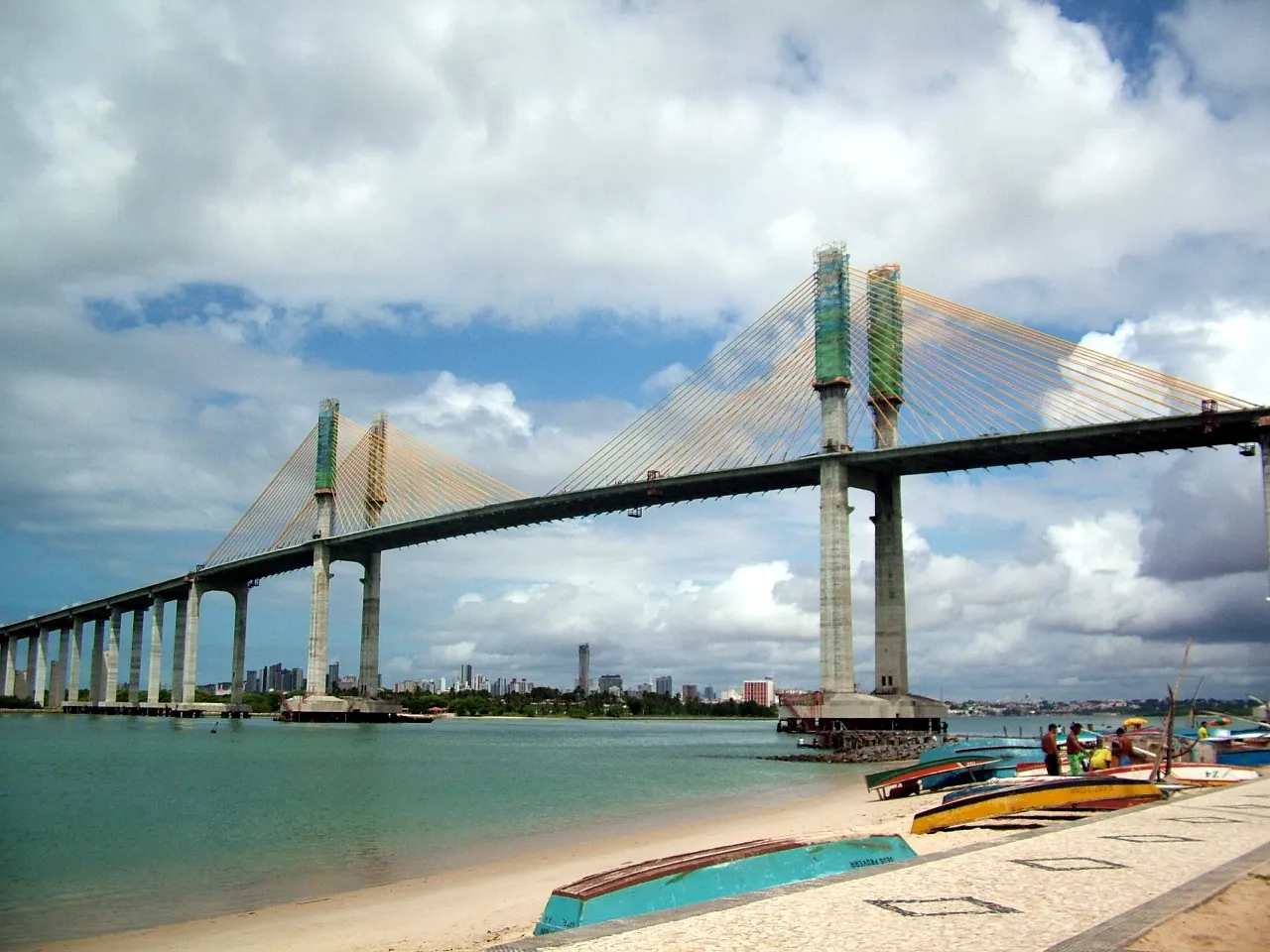
River, dunes and sea
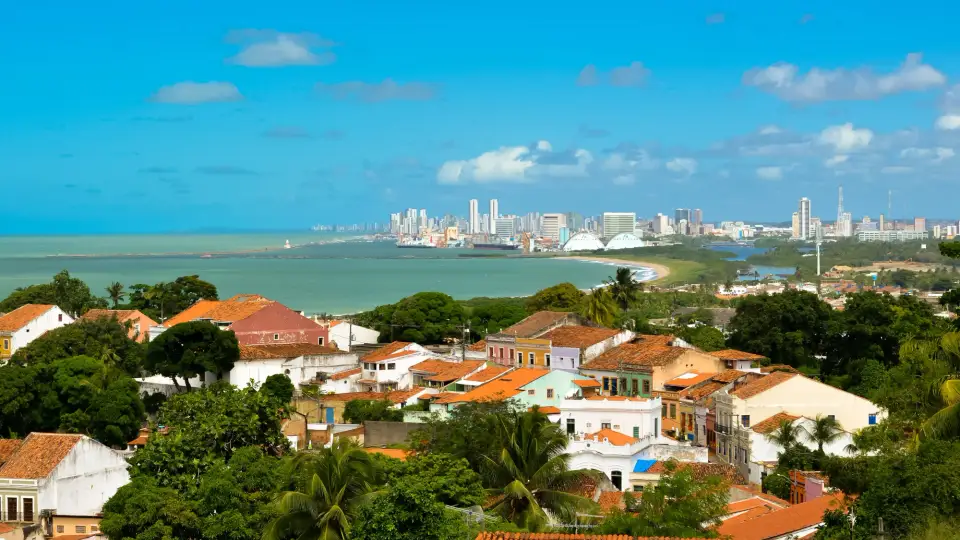
Natal sits on the right bank of the mouth of the Potengi River, which rises in the Potiguar agreste and runs 176 km to the Atlantic. Between the center and the sea runs a belt of dunes about 20 km long, up to 90 m high; only in the Parque das Dunas are they fixed and covered in Atlantic forest. The city is organized around this: the old core (Ribeira and Cidade Alta) by the river, the neighborhoods of Petrópolis and Tirol just above, the urban waterfront of Praia do Meio and Praia do Forte at the river mouth, the Via Costeira hugging the park and, at the far south, Ponta Negra, closed off by the Morro do Careca. On the other side of the river, across the Newton Navarro Bridge, are Redinha and the road to Genipabu.
The coast around
The excursions split in two directions. North of the Potengi are the dunes of Genipabu, the lagoons of Pitangui and Jacumã, and the parrachos of Maracajaú, about 60 km from Ponta Negra, and of Rio do Fogo, about 85 km. To the south, the Rota do Sol passes Cotovelo and Pirangi, already in Parnamirim, the cliffs of Barra de Tabatinga and the natural pool of Camurupim, in Nísia Floresta, up to the Lagoa Guaraíras and Pipa, in Tibau do Sul. Part of the coast is not accessible, such as the beach of Barreira do Inferno, a military area.
Climate
The climate is tropical, with a dry summer, and more arid than the rest of the Northeast's east coast. By the INMET normals for 1991 to 2020, it rains 1,691 mm a year, concentrated from March to July, with June the rainiest month (349 mm); from October to December, 21 to 29 mm fall per month, and the sun adds up to about 2,980 hours a year. The temperature varies little: average highs go from 28.4 °C in July to 30.7 °C in February and March, and lows drop to 21 °C in July. August usually brings strong wind and a choppy sea. The tide has a large range around the full and new moons, and it is what decides when the natural pools appear.
The road to the Cajueiro passes Barreira do Inferno, the rocket launch base created in 1965. The outdoor area can be visited without an appointment, on the way to or from the south coast.
Culture
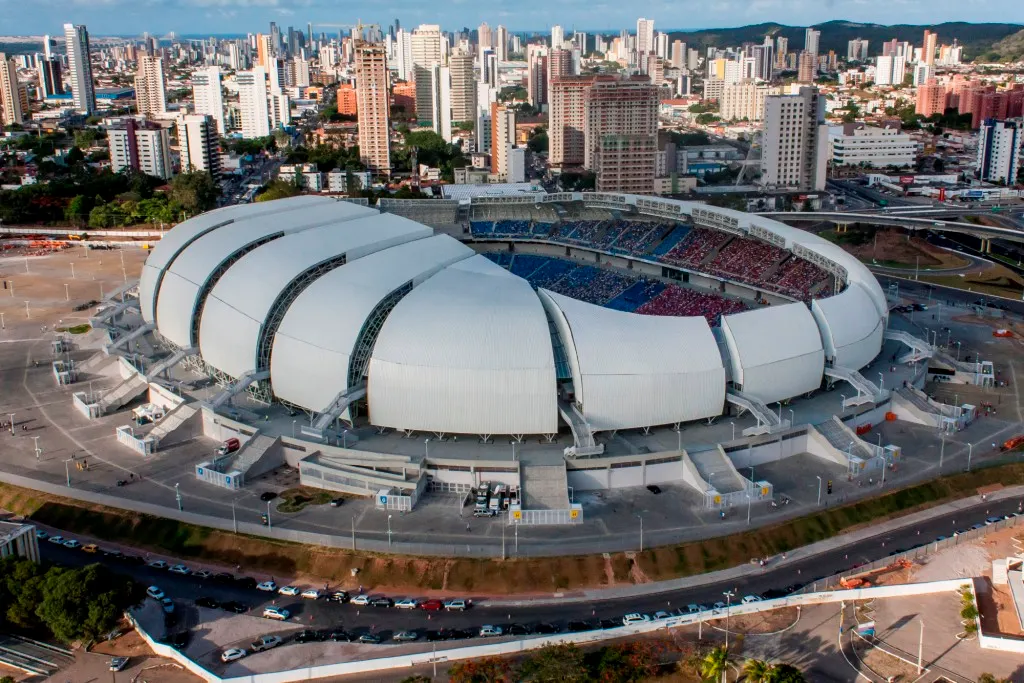
Câmara Cascudo
Luís da Câmara Cascudo (1898–1986), a native of Natal, was one of Brazil's most distinguished historians and folklorists, author of “História da Cidade do Natal” (1947) and “Dicionário do Folclore Brasileiro” (1954). The university museum bears his name, and a mansion in the historic center houses the Instituto Câmara Cascudo, which keeps his collection.
Santos Reis and Carnatal
Natal's calendar has two ends. The Festa de Santos Reis, tied to the fort and considered the city's oldest religious festival, honors Natal's co-patrons and ends on January 6, a municipal holiday, with a procession through the Santos Reis neighborhood and neighboring ones and a Mass at the sanctuary; the patron saint, Nossa Senhora da Apresentação, has her festival in November. The Carnatal, created in 1991, now takes place in and around the Arena das Dunas on the first weekend of December, with blocos and national acts.
Crafts
Crafts, souvenirs and regional products are sold in three places: the Centro de Turismo, in a former jail in Petrópolis; the Mercado de Ponta Negra, on Avenida Engenheiro Roberto Freire, open from 7 a.m. to 10 p.m.; and the Centro Municipal de Artesanato, at Praia do Meio, the cheapest of the three.
Rockets and planes
World War II and the space race left their marks on the southern coast: the Natal Air Base, heir to Parnamirim Field, and the Barreira do Inferno Launch Center, the first rocket launch base in South America.
Festivals and events
Festa de Santos Reis
From the end of December to January 6, a municipal holiday: a festival in honor of the Three Kings, Natal's co-patrons, ending with a procession through the Santos Reis neighborhood and neighboring ones and a Mass at the Santos Reis sanctuary. The route changes from year to year.
Festa de Nossa Senhora da Apresentação
From November 11 to 21, with a municipal holiday on the 21st: the festival of Natal's patron saint. The program usually includes novenas, a river procession before dawn on the Potengi, leaving from the Iate Clube, and the afternoon procession from the Catedral Antiga to the Catedral Metropolitana.
Natal's anniversary
December 25: the city's founding falls on Christmas Day itself, and the celebrations add to the end-of-year ones.
Carnatal
First weekend of December, December 4 to 6 in 2026, at the Cidade Carnatal, set up in and around the Arena das Dunas: an off-season carnival, with trio elétrico blocos and national acts. The 2026 edition is the 35th; abadás and boxes are sold well in advance, and December is the most expensive month for hotels.
Cashew harvest
November to January: this is the season of ripe cashew fruit, and at the Cajueiro de Pirangi visitors can pick the fruit from the tree.
Books and films
História da Cidade do Natal (1947), Luís da Câmara Cascudo
The history of the city written by the historian from Natal, from the fort of 1598 to the early 20th century; it is the book that explains the names of streets, neighborhoods and festivals the visitor comes across.
Dicionário do Folclore Brasileiro (1954), Luís da Câmara Cascudo
A reference work on Brazil's festivals, foods and beliefs, written by a native of Natal; it helps you understand the ceia nordestina, the Three Kings and the backlands vocabulary that appears on menus.
Rights of Women and Injustice of Men (1832), Nísia Floresta
The first book by Nísia Floresta, a writer born in Papari, the municipality on the way to Camurupim that now bears her name. Published in Recife in 1832, it is the translation of a French version of an English treatise signed only “Sophia,” which she presented as inspired by Mary Wollstonecraft; it marked the defense of women's education in 19th-century Brazil.
Frequently asked questions
Natal: how do I get from the airport to Ponta Negra?
The airport (NAT) is in São Gonçalo do Amarante, about 45 minutes from Ponta Negra via the BR-304 with clear traffic. The cooperative taxi had a fixed rate of R$ 125 to Ponta Negra or the Via Costeira in November 2025; a ride-hailing trip cost about R$ 65 on a weekday morning, with dynamic pricing.
Natal: how many days should I stay?
Three days: one for the fort, the museum and the center, Tuesday to Friday; one for the Genipabu buggy ride, which works at any tide; and one for Ponta Negra and the south coast, built around the day's low tide. With a fourth day, Pipa is worth it.
Natal: when are the parrachos worth it?
Only with a low tide of 0.5 m or less, which happens around the full and new moons; above that the water turns cloudy and the tour isn't worth it, even if the agency sells it. The departure time shifts by 30 to 45 minutes a day, and at Maracajaú spots are limited.
Natal: how much does the north-coast buggy tour cost?
In November 2025, with a seat in a shared buggy, it cost close to R$ 200; those at about R$ 100 included only the transfer. Paid separately are the Ceará-Mirim River crossing with environmental fee, R$ 30 per passenger, and esquibunda and aerobunda, R$ 20 each.
Natal: can I visit Pipa as a day trip?
Yes: the village is about 80 to 85 km away, and the Viação Riograndense bus takes about two hours; check the last return time at the counter. Plan the day by the tide table, because the Baía dos Golfinhos can be reached on foot only at low tide. Pipa's nightlife only shows itself to those who sleep there.
Natal: when is the best time to go?
September to January, the driest months, with less than 100 mm of rain a month in the INMET normals. From March to July it rains more, with June the rainiest month, and December to February is high season, with December the most expensive month for hotels.
Natal: what safety precautions should I take?
The most concrete risks are in the sea and on the cliffs: the Via Costeira has a rip current and rocks; in Pipa, the cliffs collapse at the base, so don't sit against the wall, and at the top the edge is unstable: stay away from it. At night, to go out and get back, use an app or a taxi.
Natal: where should I stay?
In Ponta Negra: near the sea there are low-rise hotels and pousadas, but the night is empty outside Rua Erivan França; on Avenida Engenheiro Roberto Freire, tall hotels and dinner on foot, with the beach four or five blocks away. The Via Costeira has resorts with no shops around them.
Other cities in the country
Brazil ↗- Days
- 4
- When
- Apr–Jun
- Per person/day
- Average 615 BRLMid-range · per person/day
Cost scope
Per person per day: accommodation, meals, urban transport, visits and a small allowance for extras. Flights excluded; larger purchases vary. Editorial estimate, not a quote.
- Days
- 2–3
- When
- Apr–May · Sep
- Per person/day
- Average 400–700 BRLMid-range · per person/day
Cost scope
Per person per day: accommodation, meals, urban transport, visits and a small allowance for extras. Flights excluded; larger purchases vary. Editorial estimate, not a quote.
- Days
- 2–3
- When
- Jan–Mar · Sep–Dec
- Per person/day
- Average 350–550 BRLMid-range · per person/day
Cost scope
Per person per day: accommodation, meals, urban transport, visits and a small allowance for extras. Flights excluded; larger purchases vary. Editorial estimate, not a quote.
- Days
- 1–2
- When
- May–Sep
- Per person/day
- Average 260–520 BRLMid-range · per person/day
Cost scope
Per person per day: accommodation, meals, urban transport, visits and a small allowance for extras. Flights excluded; larger purchases vary. Editorial estimate, not a quote.
- Days
- 3–4
- When
- Jun–Sep
- Per person/day
- Average 400–700 BRLMid-range · per person/day
Cost scope
Per person per day: accommodation, meals, urban transport, visits and a small allowance for extras. Flights excluded; larger purchases vary. Editorial estimate, not a quote.
- Days
- 2–3
- When
- Apr–Jun
- Per person/day
- Average 350–550 BRLMid-range · per person/day
Cost scope
Per person per day: accommodation, meals, urban transport, visits and a small allowance for extras. Flights excluded; larger purchases vary. Editorial estimate, not a quote.
- Days
- 3–5
- When
- Mar–Apr · Nov
- Per person/day
- Average 397 BRLMid-range · per person/day
Cost scope
Per person per day: accommodation, meals, urban transport, visits and a small allowance for extras. Flights excluded; larger purchases vary. Editorial estimate, not a quote.
- Days
- 2–4
- When
- Mar–May · Sep
- Per person/day
- Explore costsGuide estimate
Cost scope
Per person per day: accommodation, meals, urban transport, visits and a small allowance for extras. Flights excluded; larger purchases vary. Editorial estimate, not a quote.
- Days
- 4–5
- When
- Aug–Nov
- Per person/day
- Explore costsGuide estimate
Cost scope
Per person per day: accommodation, meals, urban transport, visits and a small allowance for extras. Flights excluded; larger purchases vary. Editorial estimate, not a quote.
- Days
- 3–4
- When
- Jul–Sep
- Per person/day
- Explore costsGuide estimate
Cost scope
Per person per day: accommodation, meals, urban transport, visits and a small allowance for extras. Flights excluded; larger purchases vary. Editorial estimate, not a quote.
- Days
- 3–4
- When
- Sep–Nov
- Per person/day
- Explore costsGuide estimate
Cost scope
Per person per day: accommodation, meals, urban transport, visits and a small allowance for extras. Flights excluded; larger purchases vary. Editorial estimate, not a quote.
- Days
- 2–4
- When
- May–Sep
- Per person/day
- Explore costsGuide estimate
Cost scope
Per person per day: accommodation, meals, urban transport, visits and a small allowance for extras. Flights excluded; larger purchases vary. Editorial estimate, not a quote.
- Days
- 3–5
- When
- Jun–Sep
- Per person/day
- Explore costsGuide estimate
Cost scope
Per person per day: accommodation, meals, urban transport, visits and a small allowance for extras. Flights excluded; larger purchases vary. Editorial estimate, not a quote.
- Days
- 3–4
- When
- Jun–Aug
- Per person/day
- Explore costsGuide estimate
Cost scope
Per person per day: accommodation, meals, urban transport, visits and a small allowance for extras. Flights excluded; larger purchases vary. Editorial estimate, not a quote.
- Days
- 4–5
- When
- Jan–Mar · Sep–Dec
- Per person/day
- Explore costsGuide estimate
Cost scope
Per person per day: accommodation, meals, urban transport, visits and a small allowance for extras. Flights excluded; larger purchases vary. Editorial estimate, not a quote.
- Days
- 3–4
- When
- Oct–Dec
- Per person/day
- Average 1,110 BRLMid-range · per person/day
Cost scope
Per person per day: accommodation, meals, urban transport, visits and a small allowance for extras. Flights excluded; larger purchases vary. Editorial estimate, not a quote.
- Days
- 3–4
- When
- Aug–Sep
- Per person/day
- Explore costsGuide estimate
Cost scope
Per person per day: accommodation, meals, urban transport, visits and a small allowance for extras. Flights excluded; larger purchases vary. Editorial estimate, not a quote.
- Days
- 4–7
- When
- Apr–Sep
- Per person/day
- Explore costsGuide estimate
Cost scope
Per person per day: accommodation, meals, urban transport, visits and a small allowance for extras. Flights excluded; larger purchases vary. Editorial estimate, not a quote.
- Days
- 2
- When
- Aug–Dec
- Per person/day
- Average 442 BRLMid-range · per person/day
Cost scope
Per person per day: accommodation, meals, urban transport, visits and a small allowance for extras. Flights excluded; larger purchases vary. Editorial estimate, not a quote.
- Days
- 3–5
- When
- Jan–Feb · Sep–Dec
- Per person/day
- Explore costsGuide estimate
Cost scope
Per person per day: accommodation, meals, urban transport, visits and a small allowance for extras. Flights excluded; larger purchases vary. Editorial estimate, not a quote.
- Days
- 3–5
- When
- May–Sep
- Per person/day
- Explore costsGuide estimate
Cost scope
Per person per day: accommodation, meals, urban transport, visits and a small allowance for extras. Flights excluded; larger purchases vary. Editorial estimate, not a quote.
- Days
- 2–3
- When
- Apr–Sep
- Per person/day
- Average 484 BRLMid-range · per person/day
Cost scope
Per person per day: accommodation, meals, urban transport, visits and a small allowance for extras. Flights excluded; larger purchases vary. Editorial estimate, not a quote.
- Days
- 3
- When
- Apr–May · Aug
- Per person/day
- Average 478 BRLMid-range · per person/day
Cost scope
Per person per day: accommodation, meals, urban transport, visits and a small allowance for extras. Flights excluded; larger purchases vary. Editorial estimate, not a quote.
- Days
- 3–4
- When
- Aug–Dec
- Per person/day
- Explore costsGuide estimate
Cost scope
Per person per day: accommodation, meals, urban transport, visits and a small allowance for extras. Flights excluded; larger purchases vary. Editorial estimate, not a quote.
- Days
- 2
- When
- Apr–May · Sep
- Per person/day
- Explore costsGuide estimate
Cost scope
Per person per day: accommodation, meals, urban transport, visits and a small allowance for extras. Flights excluded; larger purchases vary. Editorial estimate, not a quote.
- Days
- 3
- When
- Sep–Dec
- Per person/day
- Explore costsGuide estimate
Cost scope
Per person per day: accommodation, meals, urban transport, visits and a small allowance for extras. Flights excluded; larger purchases vary. Editorial estimate, not a quote.
- Days
- 3–5
- When
- Apr–Nov
- Per person/day
- Average 427 BRLMid-range · per person/day
Cost scope
Per person per day: accommodation, meals, urban transport, visits and a small allowance for extras. Flights excluded; larger purchases vary. Editorial estimate, not a quote.
- Days
- 4
- When
- Jul–Sep
- Per person/day
- Explore costsGuide estimate
Cost scope
Per person per day: accommodation, meals, urban transport, visits and a small allowance for extras. Flights excluded; larger purchases vary. Editorial estimate, not a quote.
- Days
- 4–5
- When
- May–Sep
- Per person/day
- Explore costsGuide estimate
Cost scope
Per person per day: accommodation, meals, urban transport, visits and a small allowance for extras. Flights excluded; larger purchases vary. Editorial estimate, not a quote.
- Days
- 3
- When
- May–Sep
- Per person/day
- Explore costsGuide estimate
Cost scope
Per person per day: accommodation, meals, urban transport, visits and a small allowance for extras. Flights excluded; larger purchases vary. Editorial estimate, not a quote.