Brazil
Lençóis Maranhenses
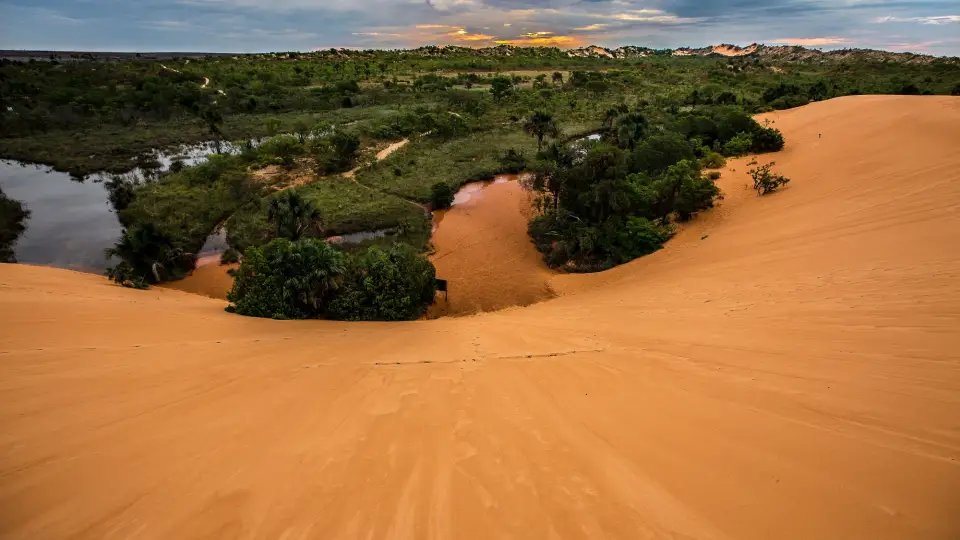
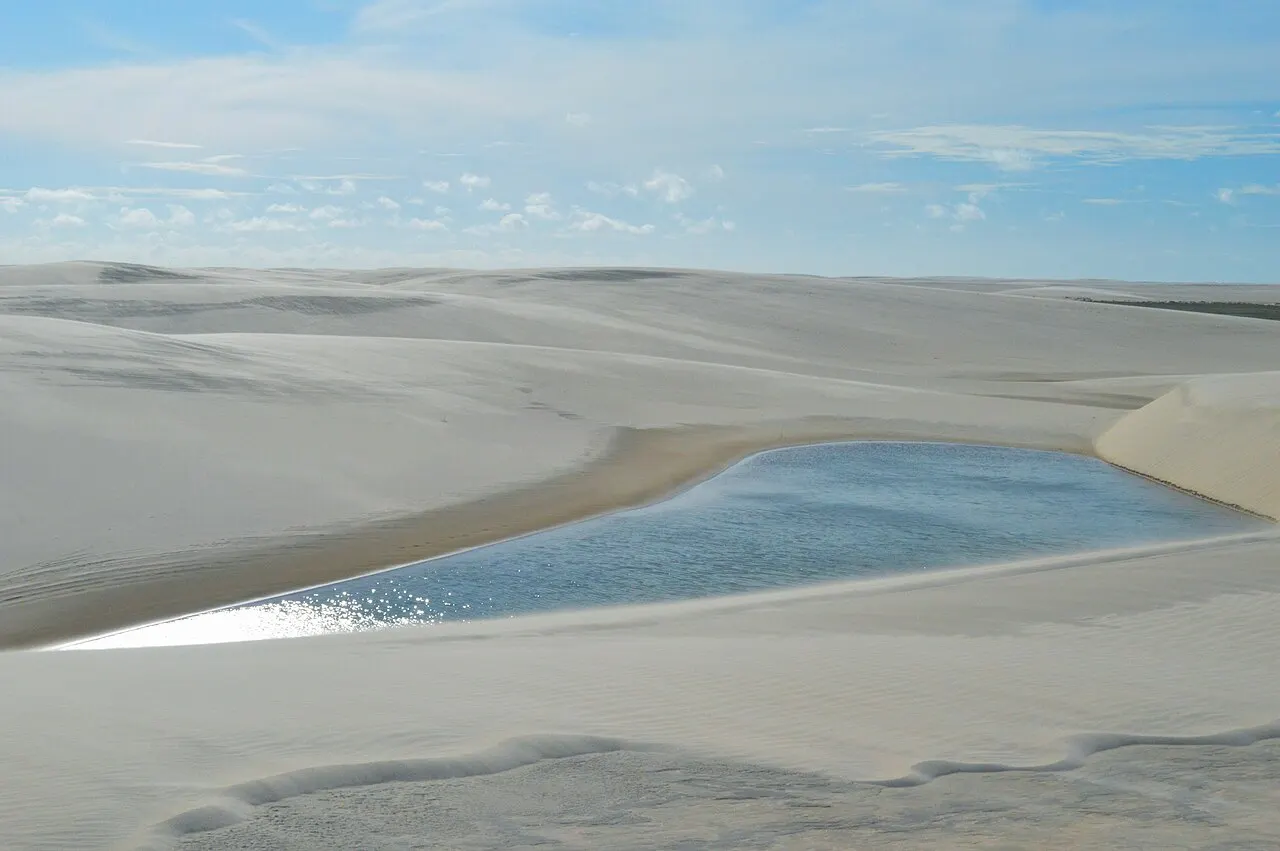
White dunes, rainwater lagoons and the Preguiças River, from Barreirinhas, in Maranhão
Days Start with the basic programme and choose extensions for the time you have.
How the guide reaches this number
The first starts with the road from São Luís, of about 4 hours, and ends with the Lagoa Azul circuit in the afternoon, with the sunset over the dunes. The second is the boat tour on the Preguiças: Vassouras, the Mandacaru lighthouse and lunch in Caburé, returning in mid-afternoon. The third leaves the morning free in town and reserves the afternoon for the Lagoa Bonita circuit. With a fourth day, and the return on the fifth, I'd go to Atins on the full-day 4x4 circuit, to see the mouth of the Preguiças and the beach where the dunes reach the sea. With two days, there is room for the Lagoa Azul circuit on arrival and just one more tour, Lagoa Bonita or the river, and the round-trip road eats up much of the time. Those with more days who travel between June and August can add Santo Amaro do Maranhão as a second base, or do the trek on foot from Atins to Santo Amaro, three to five days, booked well in advance.
3–4
When June to August; this is when the lagoons are usually fullest and rain is light.
How the guide reaches this number
In September many lagoons are already dropping, and most of the rain falls from January to May
June to August; this is when the lagoons are usually fullest and rain is light. In September many lagoons are already dropping, and most of the rain falls from January to May
Per person/day Add up lodging per night in Barreirinhas, meals per person and the 4x4 or boat tours of each day; the transfer from São Luís weighs on the first and last days.
How the guide reaches this number
Per person per day: accommodation, meals, urban transport, visits and a small allowance for extras. Flights excluded; larger purchases vary. Editorial estimate, not a quote.
 What Nilo thinks
I'd stay three days in Barreirinhas, with three nights, and go back to São Luís on the morning of the fourth day. The first starts with the road from São Luís, of about 4 hours, and ends with the Lagoa Azul circuit in the afternoon, with the sunset over the dunes. The second is the boat tour on the Preguiças: Vassouras, the Mandacaru lighthouse and lunch in Caburé, returning in mid-afternoon. The third leaves the morning free in town and reserves the afternoon for the Lagoa Bonita circuit.
With a fourth day, and the return on the fifth, I'd go to Atins on the full-day 4x4 circuit, to see the mouth of the Preguiças and the beach where the dunes reach the sea. With two days, there is room for the Lagoa Azul circuit on arrival and just one more tour, Lagoa Bonita or the river, and the round-trip road eats up much of the time.
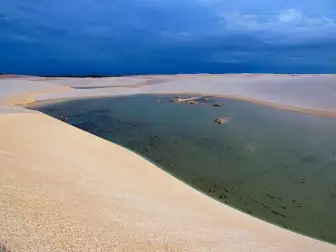
Those with more days who travel between June and August can add Santo Amaro do Maranhão as a second base, or do the trek on foot from Atins to Santo Amaro, three to five days, booked well in advance.Lençóis Maranhenses is a field of white dunes on the coast of Maranhão where, for part of the year, the sand fills with water. The rain of the first half of the year collects on a layer of impermeable rock and forms warm freshwater lagoons between the dunes. In the dry season they drop by up to 1 m a month, and many disappear until the next rain.
Read more
Barreirinhas lies on the bank of the Preguiças River, and the park's dunes begin west of town. I'd go for the combination of the two: the lagoons between the dunes and the river that runs down to the sea, passing Vassouras, the Mandacaru lighthouse and the sand strip of Caburé before the river mouth, at Atins. Part of the dunes was the setting of “Casa de Areia” and, since 2024, is a UNESCO World Heritage Site.
Quick facts
- Population
- 68,439 inhabitants in the municipality of Barreirinhas (IBGE estimate for 2026; the 2022 Census counted 65,589)
- Founded
- Parish of Nossa Senhora da Conceição das Barreirinhas created in 1858; town in 1871 (Provincial Law No. 951); city in 1938. The national park was created on June 2, 1981
- Country and region
- Brazil: northeastern Maranhão, Northeast region; Barreirinhas lies on the bank of the Preguiças River, next to Lençóis Maranhenses National Park, which also covers Santo Amaro do Maranhão and Primeira Cruz
- Language
- Portuguese
- Currency
- Brazilian real (BRL, R$)
- Time zone
- UTC−3 year-round, no daylight saving time
- Best time to go
- June to August; this is when the lagoons are usually fullest and rain is light. In September many lagoons are already dropping, and most of the rain falls from January to May
- Average daily cost
- Add up lodging per night in Barreirinhas, meals per person and the 4x4 or boat tours of each day; the transfer from São Luís weighs on the first and last days.
When to go
June to August; this is when the lagoons are usually fullest and rain is light. In September many lagoons are already dropping, and most of the rain falls from January to May
How the year changes
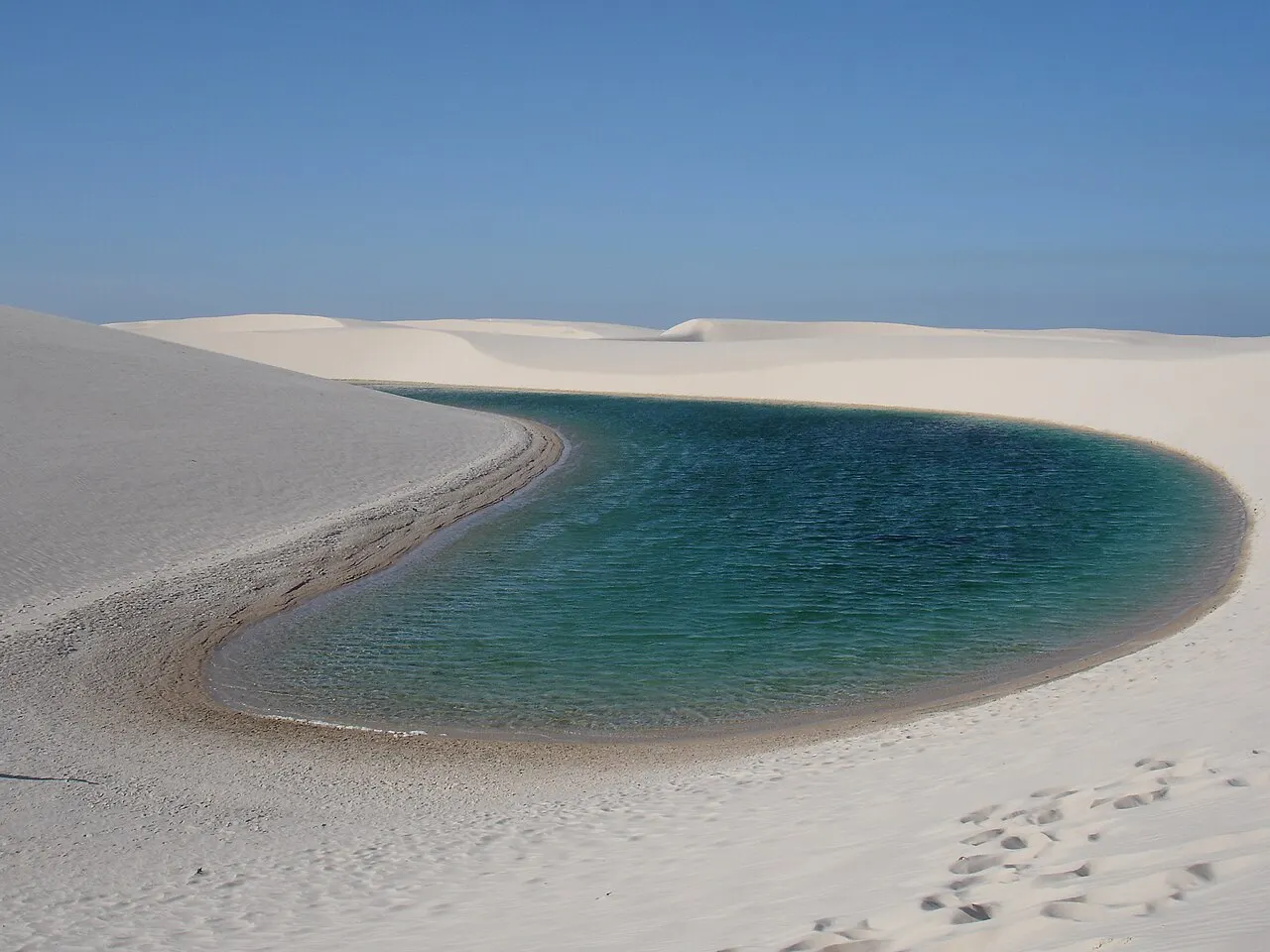
The year has two halves. The rains run from January to June, sometimes into July, and about 70% of the annual rain falls from January to May; this is when the lagoons form and fill. From August to December is the dry season, and the lagoons lose up to 1 m of depth per month. The average temperature stays around 26 °C all year.
Guides recommend June to August, when the lagoons are fullest and rain is already light. September depends on the year: many lagoons drop, and Lagoa Azul usually dries out, with the circuit continuing on foot to lagoons that hold water longer. Between December and January, sometimes until the end of February, the lagoons can disappear. In the rainy months the lagoons fill again, but it rains a lot. The park is open all year, and the circuits run in every season. Outside the lagoon season there are alternatives: from Barreirinhas, the Grandes Lençóis circuit, about 4 hours by 4x4 and on foot, goes to Lagoa da Esperança, described as a lagoon that never dries; and in Santo Amaro do Maranhão there are perennial lagoons.
Nilo's tips
Choose the month by the water
From June to August the lagoons are usually full. In September many drop, and Lagoa Azul usually dries out. I'd book the trip for July, if the date were free.
Do the circuits in the afternoon
The Lagoa Azul and Lagoa Bonita circuits leave in the morning and the afternoon. I'd pick the afternoon, because it ends with the sunset over the dunes.
Ask what the price includes
Agency price lists don't always say whether the amount is per person or per vehicle. Ask before paying, and confirm whether the river tour includes the stop at the lighthouse.
Check the lighthouse hours
The climb to the Preguiças Lighthouse is free, but visiting stops between 11:30 a.m. and 1:30 p.m. If the boat reaches Mandacaru in that window, you can only see it from below.
Buy water before the dunes
There is no shade or shop on the dunes. The circuit truck makes a quick stop at a supermarket, and that is where I'd buy water, in a plastic bottle: glass containers are not allowed in the park.
For the trek, book before anything else
In the 2026 season, booking at the communities' support points is mandatory. I'd lock in the trek, with an accredited agency and guide, before buying the ticket.
Explore the map
Explore the map, read about the other places and plan your travel days in the app.
Open the appWhat to see
Lençóis Maranhenses: A dune field beside the sea
About 70% of the year's rain falls from January to May. Water collects between the dunes because a layer of impermeable rock lies underneath, and the lagoons reach about 3 m deep, with water between 27.5 °C and 32 °C. The area near the Preguiças waterfront, with restaurants along the promenade, shops and the central square.
Lagoa Azul
This is the destination of one of the two half-day circuits that leave from Barreirinhas. The truck covers about 12 km of narrow, soft-sand trail, climbs the first big dune and leaves visitors near the lagoon; the tour lasts about 4 hours, with morning and afternoon departures, and the afternoon shift ends with the sunset over the dunes. In September Lagoa Azul usually dries out; the circuit then continues on foot to the Esmeralda and Peixes lagoons, which hold water longer.
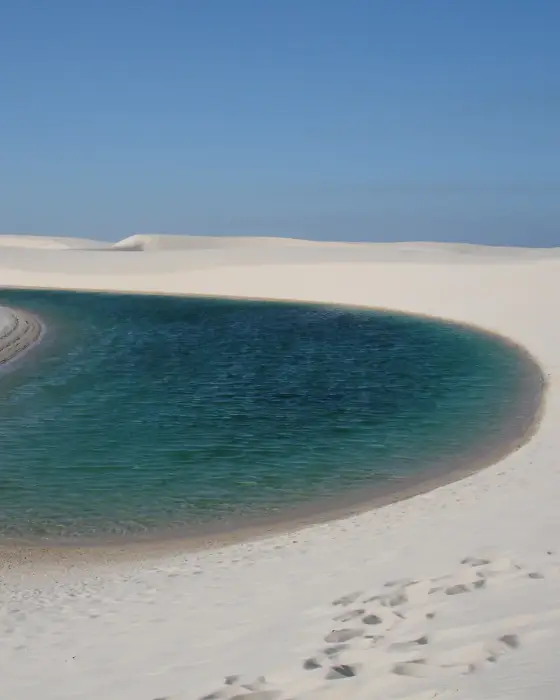
A half-day 4x4 trip from Barreirinhas brings you to the dunes and rainwater lagoons that are the reason for the journey; the afternoon outing ends with sunset on the dunes. In September the lagoon usually dries out, and the circuit continues on foot to neighboring lagoons.
Check access
Lagoa Bonita
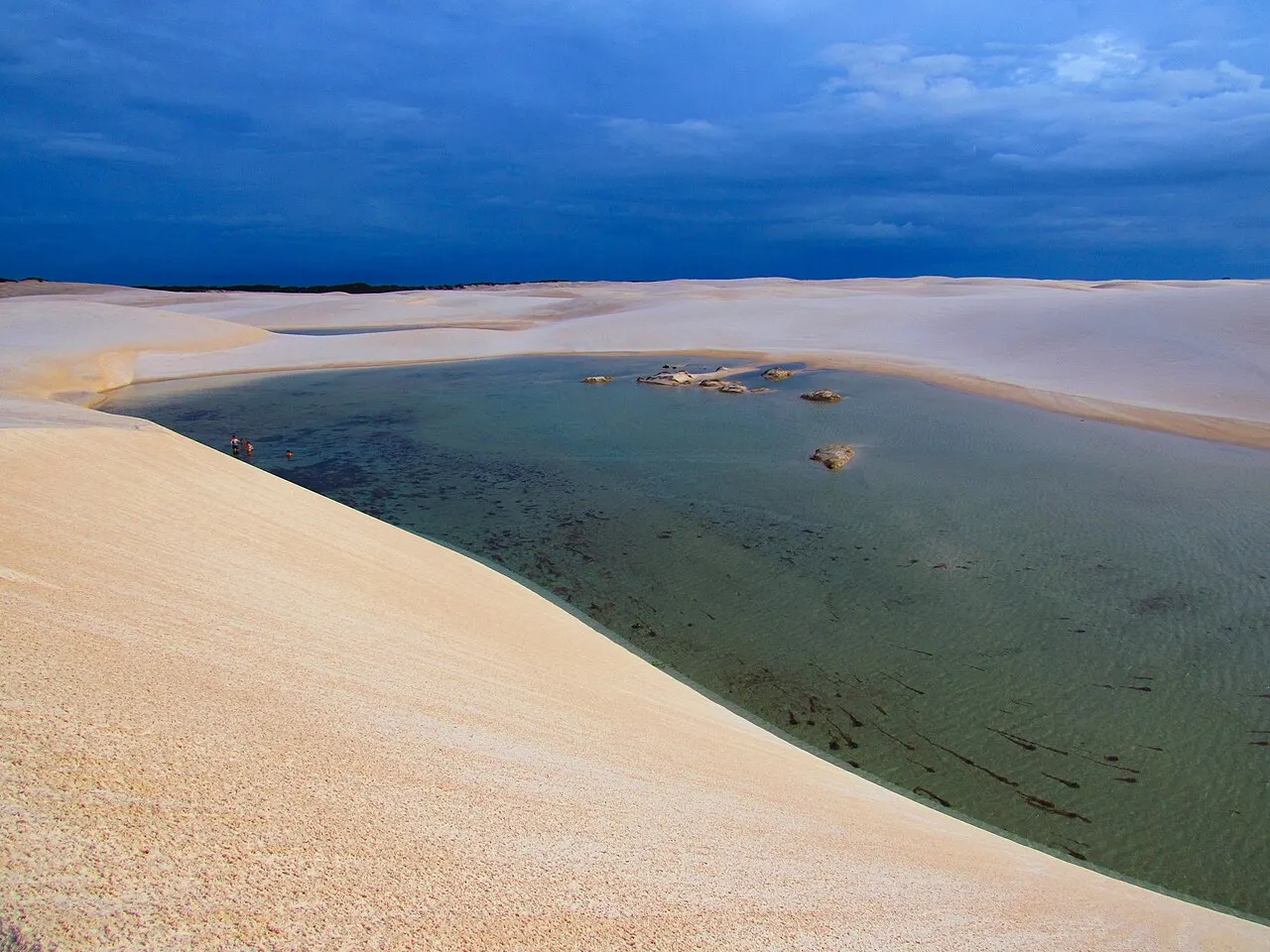
The second half-day circuit from Barreirinhas goes by 4x4 to the Lagoa Bonita area. The tour includes a walk over the dunes and swimming in the Bonita, Maçarico and Clone lagoons, and the view from the top of the dunes is the high point, especially in late afternoon.
The second half-day circuit combines dune walking, swimming in three lagoons and the view from the dune tops in late afternoon; taking both circuits shows different areas of the park.
Check access
Vassouras
First stop of the boat tour on the Preguiças. On the right bank of the river, the Pequenos Lençóis dunes come close to the water, and monkeys that live in the mangrove approach the stalls where the boats stop.
A short stop on the boat tour, with the Pequenos Lençóis dunes beside the river and mangrove monkeys; it does not justify a separate trip, but it is on the way to Caburé.
Check access
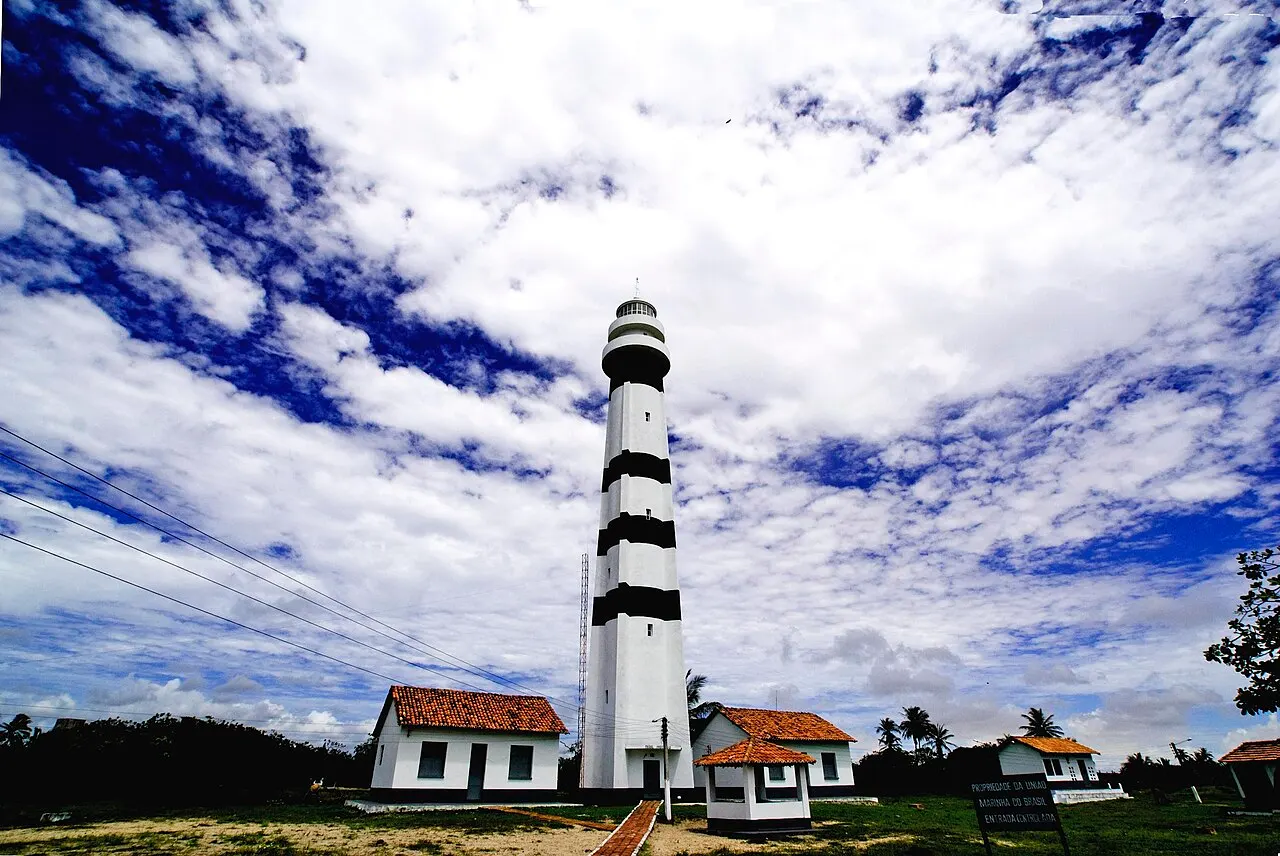
Preguiças Lighthouse
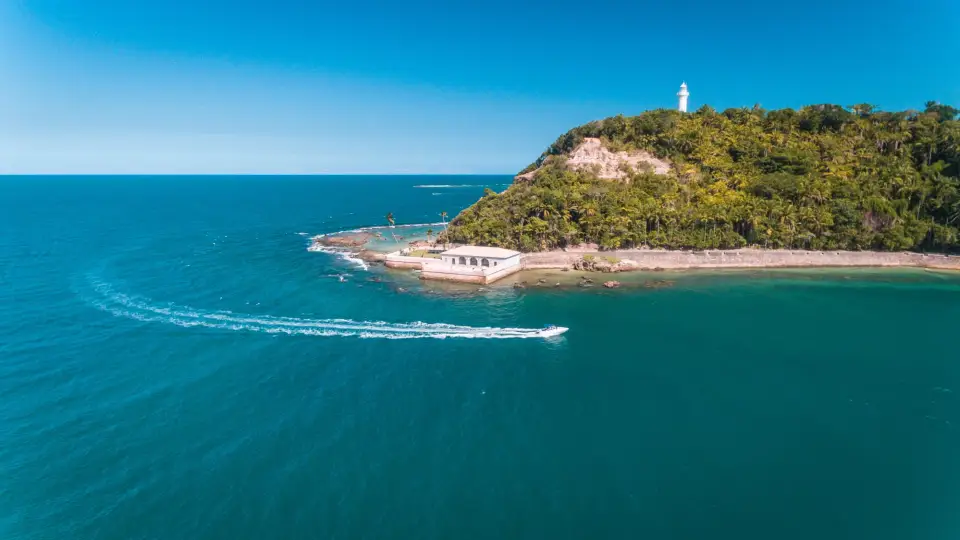
The Navy lighthouse in the village of Mandacaru, also called Mandacaru Lighthouse, went into operation in 1940. It is 160 steps to the top, from where you can see the river, the dunes and the sea. Visiting is free; the published hours are 8:30 a.m. to 11:30 a.m. and 1:30 p.m. to 5 p.m., and it is worth confirming whether the tour's stop falls within them.
The 160 steps of the 1940 lighthouse give a view of the river, dunes and sea all at once; visiting is free, but it closes to visitors from 11:30 a.m. to 1:30 p.m.
Check access
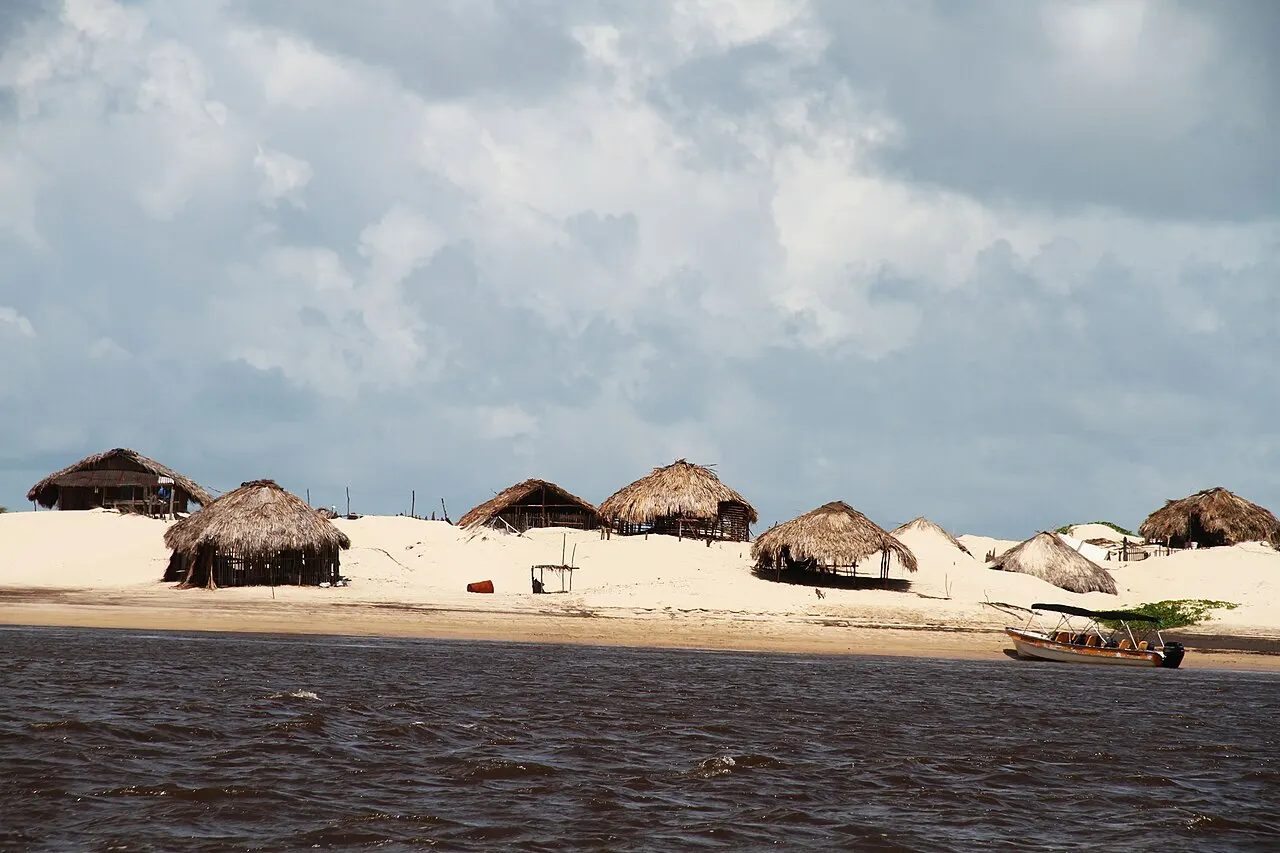
Caburé
The strip of sand between the river and the sea where the boat tour stops for more than two hours for lunch, usually fish with side dishes. You can swim in the river on one side and in the sea on the other; the river only meets the Atlantic about 5 km farther on.
The strip of sand between the river and the sea is the lunch stop on the Preguiças tour, with river and sea swimming in the same place.
Check access
Atins
The village at the mouth of the Preguiças combines beach, river mouth and the start of the park's dunes. From Barreirinhas, the Atins Beach circuit goes by 4x4 and takes the whole day, with swimming in lagoons, a stop at the beach where the river meets the sea and lunch in the village. Anyone who wants to be closer to the dunes and the sea, away from the bustle of Barreirinhas, can sleep in Atins.
The village at the river mouth brings together beach, river and the start of the dunes; it takes a full day by 4x4 from Barreirinhas, which is why it goes on day four, or serves as a base for those who want to stay near the sea.
Check access
Nilo’s itinerary
Start with the basic programme and choose extensions for the time you have.
Plan my days in the app ↗Day 1 · Arrival from São Luís and the Lagoa Azul circuit in the afternoon
Leave São Luís early: agency transfers usually pick up at the hotel or the airport in the morning, and the bus leaves the bus station at 6 a.m. The trip takes about 4 hours.
Drop your bags at the guesthouse in central Barreirinhas and have lunch on the Preguiças waterfront promenade.
In the afternoon, take the Lagoa Azul circuit, booked at least one day ahead. The 4x4 truck picks you up at the guesthouse, and the tour lasts about 4 hours, with swimming in Lagoa Azul and the neighboring lagoons.
Stay on the dunes for the sunset, which is the end of the afternoon shift, and return to town for dinner.
Day 2 · The Preguiças River to Caburé, by boat
Leave early in the morning on the speedboat tour of the Preguiças, which lasts about 8 hours.
Stop in Vassouras to see the Pequenos Lençóis dunes and the mangrove monkeys.
In Mandacaru, climb the 160 steps of the Preguiças Lighthouse if the stop falls within visiting hours (8:30 a.m. to 11:30 a.m. and 1:30 p.m. to 5 p.m.).
Have fish for lunch in Caburé and use the two-hour stop to swim in the river and the sea.
The return starts around 2:30 p.m., arriving in Barreirinhas around 3:30 p.m. Rest and have dinner in the center.
Day 3 · Free morning and the Lagoa Bonita circuit in late afternoon
In the morning, walk along the waterfront and through the center of Barreirinhas, or book a flight of about 30 minutes over the dunes, the river and the river mouth.
Have arroz de cuxá or fish for lunch in the center.
In the afternoon, take the Lagoa Bonita circuit: 4x4 to the dunes, a walk and swimming in the Bonita, Maçarico and Clone lagoons.
Wait for the sunset from the top of the dunes before heading back to town.
Sleep in Barreirinhas. The return to São Luís is left for the next morning, by bus (9 a.m. or 2 p.m.) or transfer, unless you stay one more day for Atins.



If you stay longer
Day 4 · Atins and the beach at the mouth of the Preguiças
Day trip
The Atins Beach circuit leaves Barreirinhas by 4x4 and takes the whole day, with swimming in lagoons, a stop at the beach where the river meets the sea and lunch in the village. Atins is about two hours from Barreirinhas, by boat or 4x4. Those who want more time there can sleep in the village and make Atins their second base.
Food
Arroz de cuxá
The most representative dish of Maranhão. Cuxá is a sauce of cooked vinagreira leaves with dried shrimp, toasted sesame and cassava flour, sour and salty, served with rice.
Juçara
This is what Maranhão calls açaí. It is eaten with cassava flour, with shrimp or fish, and also as juice and ice cream; juçara has its own festival in the state.
Fish lunch in Caburé
On the Preguiças tour, lunch in Caburé is usually fish with side dishes, served in the restaurants on the sand strip.
Shrimp pie and crab pie
Seafood pies that appear among the typical dishes of Maranhão.
Guaraná Jesus
A pink, sweet soda created in 1920 by the pharmacist Jesus Norberto Gomes, in São Luís. The brand now belongs to Coca-Cola.
Tiquira
A craft spirit of Indigenous heritage, distilled mainly from cassava, with an alcohol content of 30% to 54%. The name comes from Tupi and means “drop.”
Where to eat
- Barreirinhas center · $$
Fish and regional dishes at the restaurants along the Preguiças waterfront promenade.
- Barreirinhas center · $
Tapioca, hamburgers and pizza at the snack bars around the Central Square.
- Caburé · $$
Fish lunch with side dishes during the stop on the boat tour.
- Atins · $$
Lunch in the village during the Atins Beach circuit, with seafood.
$: tapioca and a snack in the center · $$: a fish or regional dish at a waterfront restaurant · $$$: resort restaurant · 2026-10-15
Day trips
Atins and the beach at the mouth of the Preguiças
The Atins Beach circuit leaves Barreirinhas by 4x4 and takes the whole day, with swimming in lagoons, a stop at the beach where the river meets the sea and lunch in the village. Atins is about two hours from Barreirinhas, by boat or 4x4. Those who want more time there can sleep in the village and make Atins their second base.
Santo Amaro do Maranhão
On the western side of the park, 251 km from São Luís, Santo Amaro is the other gateway to the dunes, which begin right next to town. A 2026 guide says there are some perennial lagoons in the area. Near town are Lagoa da Gaivota and Lagoa das Andorinhas, and there is a circuit of about 8 hours to the community of Betânia, on the bank of the Alegre River, with lunch. It works better as a second base, with one or two nights, than as a day trip from Barreirinhas; ask the agency about the transfer between the two towns.
The trek across the Lençóis on foot
A long-distance trail from Atins to Santo Amaro do Maranhão, through the park's primitive zone, which can only be entered on foot. Routes run three to five days and add up to 60 to 80 km, with community support points at Baixa Grande, Queimada dos Britos and Betânia, according to ICMBio; overnight stays are in the homes of residents of these communities, often in a hammock. For the 2026 season, ICMBio requires advance booking at the support points, entry and exit registration per group and at most ten people per guide. The best time is June to August, and one guide recommends booking about six months ahead.
Where to begin
Arrival from São Luís and the Lagoa Azul circuit in the afternoon
Leave São Luís early: agency transfers usually pick up at the hotel or the airport in the morning, and the bus leaves the bus station at 6 a.m. The trip takes about 4 hours.
The Preguiças River to Caburé, by boat
Leave early in the morning on the speedboat tour of the Preguiças, which lasts about 8 hours.
Free morning and the Lagoa Bonita circuit in late afternoon
In the morning, walk along the waterfront and through the center of Barreirinhas, or book a flight of about 30 minutes over the dunes, the river and the river mouth.
Money
Prices are in reais (R$). ICMBio does not charge an entrance fee for the park: what you pay for are the services of the agencies and accredited guides. In July 2024, the city hall of Santo Amaro do Maranhão announced the return of a municipal fee of R$10 for tourists entering through the municipality; confirm whether it is still in force before you go.
Tours are the biggest expense after lodging. A travel guide updated in March 2026 a page with one agency's quote for the 2025 season: R$170 for the Lagoa Azul circuit and for the Lagoa Bonita circuit, R$165 for the boat tour on the Preguiças to Caburé and R$245 for the Atins Beach circuit. The source does not say whether the values are per person; ask that, and what is included, when you book. To get there, the bus from São Luís cost R$70 to R$95 in 2026, and the shared transfer, R$150 to R$250 per person in January 2026. The climb to the Preguiças Lighthouse is free.
From São Luís to Barreirinhas
Guide estimate
Scroll to compare all columns
| Route | Time | Price |
|---|---|---|
| São Luís → Barreirinhas · car, BR-135 and BR-402 | 3.5 to 4 hours | fuel at your own cost |
| São Luís → Barreirinhas · Cisne Branco bus | about 4.5 hours | R$70 to R$95 (2026) |
| São Luís → Barreirinhas · shared van transfer | about 4 hours | R$150 to R$250 per person (January 2026) |
Getting there and around
Getting to São Luís
The air gateway is São Luís International Airport (SLZ), about 15 km from the center of the capital, with domestic flights by Azul, Gol and Latam. In January 2026, the airport's first regular international flight was announced, by TAP, linking São Luís to Lisbon starting October 27, 2026; check the dates on the airline's website. Parnaíba airport, in Piauí, is 186 km from Barreirinhas but has few commercial flights. The small Barreirinhas airport receives only charter and sightseeing flights.
From São Luís to Barreirinhas
It is about 260 km of paved road, along BR-135 and BR-402, in 3.5 to 4 hours by car; in June 2026 there were rough stretches and potholes. The Cisne Branco bus leaves the São Luís bus station at 6 a.m. and 2 p.m. and returns from Barreirinhas at 9 a.m. and 2 p.m., in about 4.5 hours, for R$70 to R$95 (2026 prices). Agency transfers, by van or minibus, pick up at the hotel or at the São Luís airport and take about 4 hours; in January 2026, the shared option cost R$150 to R$250 per person. Renting a car just to stay in Barreirinhas helps little, because the tours are all by 4x4 or boat.
Within the region
The lagoon circuits run in accredited 4x4 trucks, which pick passengers up at the guesthouse. The river trip goes by speedboat to Caburé. Atins is about two hours from Barreirinhas, by boat or 4x4, according to a 2014 reference; confirm the travel time with the agency, because speedboat, passenger boat and 4x4 take different times. Inside the park only vehicles, drivers and guides accredited by ICMBio operate: private cars, motorcycles, buggies, ATVs and UTVs are prohibited on the dune field. The center of Barreirinhas can be covered on foot.
Safety
The most concrete risks in the Lençóis are sun, heat and distance. There is no shade on the dunes: bring water, a hat, sunscreen and insect repellent, and prefer tours in the early morning or late afternoon. For the trek on foot, ICMBio recommends at least three liters of water per person per day, avoiding walking between 11 a.m. and 3 p.m. and following the signage, which is still being installed in some places.
Book tours with accredited agencies and guides, who work with a badge and ICMBio authorization. The trek demands physical fitness: several days in a row walking on sand, averaging about 12 km a day, strong sun, occasional rain and a river crossing. It does not require prior experience, but guides recommend doing it in a group, with an accredited guide; each guide may accompany at most ten people. In the lagoons, enter with care where you do not know the depth.
In an emergency: police 190, SAMU 192, fire department 193.
Etiquette tips
No alcohol inside the park
Selling, carrying and drinking alcohol are prohibited in the national park. Save the beer for the return to town.
Follow the guide and the signs
The accredited guide knows the routes and the park's rules. Their instructions and the signage apply to the whole group.
Take your trash back
Take back everything you bring to the dunes, including packaging and food scraps. On the trek, ICMBio also requires a waste collector per group on the stretches with overnight stays.
The communities are homes, not scenery
There are 58 communities inside the park. At the support points and stops, ask permission before photographing people and houses.
No fire, no glass and no animals
Bonfires, grills and camp stoves are prohibited, as are pets. Glass containers are also prohibited throughout the park.
Mistakes to avoid
Counting on full lagoons in any month
The lagoons depend on rain. From June to August they are usually full; from September many drop, and between December and January they can vanish. Choose your dates by the water, not only by the holiday.
Trying to enter the dunes in your own car, buggy or ATV
Only vehicles accredited by ICMBio take visitors into the park. Book the circuit with an agency or an accredited guide.
Leaving the circuit booking to the last minute
The 4x4 circuits leave in two shifts, morning and afternoon. Book at least one day ahead.
Underestimating the road from São Luís
It is about 260 km and 3.5 to 4.5 hours of travel. The bus leaves Barreirinhas at 9 a.m. and 2 p.m.; anyone who takes a tour on the last day returns to São Luís the next morning.
Walking on the dunes at midday without water
The sand and the sun offer no shade. ICMBio recommends avoiding walks between 11 a.m. and 3 p.m. and bringing water, sunscreen and insect repellent.
Useful phrases
A lagoa está cheia?
A useful question before choosing the circuit, especially from September on
O passeio é de manhã ou de tarde?
The 4x4 circuits leave in both shifts; the afternoon one ends with the sunset over the dunes
O senhor é condutor credenciado?
Only guides and vehicles accredited by ICMBio can take visitors into the park
Tem juçara?
Juçara is the name for açaí in Maranhão
Um arroz de cuxá, por favor
The dish of Maranhão, with the sauce of vinagreira, dried shrimp and sesame
Quanto é o passeio, por pessoa?
A question to always ask, because agency price lists don't always make this clear
Where to stay
- Barreirinhas center · A first trip, and anyone doing the circuits from town · $$: It is close to the Preguiças waterfront, the promenade restaurants and the shops. The circuit trucks pick up at the guesthouse, and the boats leave from the river.
- Preguiças riverbank, outside the center · Couples and families who want a pool and quiet · $$$: The resorts on the riverbank are set away from the bustle, with their own facilities. To have dinner in town, you need transport.
- Atins · Those who want dunes and sea close by and don't mind a rustic village · $$: The village is at the river mouth, next to the start of the dunes, and is the starting point of the trek. Getting there takes about two hours from Barreirinhas, by boat or 4x4.
- Santo Amaro do Maranhão · Those who prioritize lagoons and travel outside June to August · $$: The dunes begin right next to town, and there are lagoons that hold water all year in the area. It is calmer than Barreirinhas.
$: simple guesthouse in the center · $$: mid-range guesthouse in the center or in Atins · $$$: resort on the Preguiças riverbank · 2026-10-15
Districts
Barreirinhas center
The area near the Preguiças waterfront, with restaurants along the promenade, shops and the central square. This is where most visitors stay, because the circuit trucks pick passengers up at the guesthouses and the boats leave from the river.
Preguiças riverbank, outside the center
A stretch of the riverbank with resorts and larger guesthouses, away from the bustle of the center. It suits those who want a pool and quiet and don't mind depending on transport to have dinner in town.
Vassouras and Mandacaru
Two settlements down the river, stops on the boat tour. Vassouras has the Pequenos Lençóis dunes and the monkeys that live in the mangrove; Mandacaru has the 160-step lighthouse.
Caburé
A strip of sand about 200 m wide between the Preguiças River and the sea, with fish restaurants. It is the lunch stop of the boat tour.
Atins
A fishing village of about 1,500 inhabitants at the mouth of the Preguiças, between the river, the sea and the park's dunes, about two hours by boat or 4x4 from Barreirinhas. It is the starting point of the walking trek across the Lençóis. The neighboring village of Canto do Atins lies to the west.
Santo Amaro do Maranhão
A municipality on the western side of the park, 251 km from São Luís, emancipated in 1994. The dunes begin right next to town, and a 2026 guide describes lagoons that hold water all year in this area.
History
1858 · The Preguiças parish
The parish of Nossa Senhora da Conceição das Barreirinhas is created, on the bank of the Preguiças River.
1871 · Barreirinhas becomes a town
Provincial Law No. 951, of July 14, raises Barreirinhas to a town, with territory split off from Tutóia, Brejo, Miritiba and São Bernardo.
1909 · Work begins on the Mandacaru lighthouse
Construction of the lighthouse begins in the village of Mandacaru, near the mouth of the Preguiças.
1938 · The seat becomes a city
Barreirinhas is raised to city status; the municipality celebrates its anniversary on March 29.
1940 · The Preguiças lighthouse enters service
The current tower of the Preguiças Lighthouse, run by the Brazilian Navy, is inaugurated.
1960s · The search for oil
Petrobras begins oil and gas surveys in the municipality.
1981 · The national park is born
Decree No. 86,060, of June 2, creates Lençóis Maranhenses National Park on federal land, with about 155,000 hectares.
1994 · Santo Amaro splits from Primeira Cruz
The municipality of Santo Amaro do Maranhão is created, the other gateway to the dunes, on the western side of the park.
2005 · House of Sand
Andrucha Waddington's film premieres, shot in Santo Amaro do Maranhão, with Fernanda Montenegro and Fernanda Torres.
2023 · Record visitors
The park receives about 408,000 tourists, according to ICMBio, up from 280,878 visits in 2021.
2024 · World Heritage Site
In July, at the 46th session of the World Heritage Committee, UNESCO inscribes the park under the natural criteria of exceptional beauty and geological processes.
Complete history
A parish of farmers and fishers on the riverbank
Barreirinhas began as a parish in 1858, on the bank of the Preguiças River, and became a town in 1871 with land taken from neighboring municipalities such as Tutóia and São Bernardo. Elevation to city came in 1938. Farming in the municipality is still cassava, rice, corn, beans and cashew.
The river links the seat to the coast. On the left bank, near the mouth, the village of Mandacaru got a Navy lighthouse, begun in 1909 and inaugurated in its current form in 1940. At the mouth, Atins remains a fishing village, the largest coastal settlement in the municipality.
The national park and the communities inside it
On June 2, 1981, a federal decree turned about 155,000 hectares of dunes, restinga and mangrove, on federal land, into Lençóis Maranhenses National Park. The area measured today by ICMBio is 156,608 hectares, in the municipalities of Barreirinhas, Santo Amaro do Maranhão and Primeira Cruz.
Communities live inside the park boundaries: ICMBio counts 58, among them Baixa Grande and Queimada dos Britos, oases in the middle of the dunes that now serve as support points for those who do the trek on foot. Tourism works by accreditation: vehicles, drivers and guides authorized by ICMBio take visitors in, and private cars do not enter the dune field.
From cinema to World Heritage
“Casa de Areia,” by Andrucha Waddington, was shot in Santo Amaro do Maranhão and premiered in 2005; in 2018 and 2019, the dunes appeared as the planet Vormir in two films of the “Avengers” series. Visitor numbers also grew: ICMBio recorded 280,878 visits in 2021 and about 408,000 tourists in 2023, the year The New York Times included the Lençóis among its recommended destinations.
In July 2024, UNESCO inscribed the park on the World Heritage List, for the beauty of the landscape and for the natural phenomenon of dunes with freshwater lagoons. Barreirinhas, which already concentrated guesthouses, agencies and the departure of the tours, remains the main base, with Santo Amaro and Atins as the alternatives closest to the dunes.
The Preguiças Lighthouse, in Mandacaru, went into operation in 1940; it is 160 steps to the top.
Geography and shape of the city
A dune field beside the sea
Lençóis Maranhenses National Park lies in northeastern Maranhão, east of São José Bay. The Grandes Lençóis beach runs for 72 km, from the mouth of the Preguiças River, at Atins, to Barra da Baleia, in Primeira Cruz. Behind it, the wind pushes sand inland and forms a belt of free dunes that runs from 5 to 25 km from the coast, with dunes up to 40 m high. About 90,000 hectares of the park are shifting dunes and the lagoons between them.
Lagoons that depend on rain
About 70% of the year's rain falls from January to May. Water collects between the dunes because a layer of impermeable rock lies underneath, and the lagoons reach about 3 m deep, with water between 27.5 °C and 32 °C. In the dry season, from August to December, they lose up to 1 m of depth per month, and many dry out. Fish such as the traíra survive buried in damp mud until the rain returns.
The Preguiças River and its two banks
The Preguiças is about 135 km long and flows into the Atlantic after passing Barreirinhas. Going down the river, the right bank has Vassouras, from where you can see the Pequenos Lençóis dunes, and Caburé, a narrow strip of sand between the river and the sea. On the left bank is Mandacaru, with the lighthouse. Atins is at the mouth. The lagoons of the circuits that leave from Barreirinhas, such as Lagoa Azul and Lagoa Bonita, lie west of town.
The lagoons form over a layer of impermeable rock, which holds the rainwater; in the dry season, they lose up to 1 m of depth per month.
Culture
Bumba-meu-boi
The Maranhão bumba-meu-boi, recognized by UNESCO as Intangible Cultural Heritage of Humanity in 2019, takes place during the cycle of June festivals. The most common plot tells the story of Catirina, who, pregnant, asks her husband, Pai Francisco, for an ox's tongue; he kills the farm's ox, and the animal is brought back to life at the end. In Barreirinhas there are boi groups of the orquestra and matraca styles.
Festivals of the religious and popular calendar
Besides the boi, the municipality keeps up quadrilhas juninas, folia de reis (the reisado), the cordão de São Gonçalo and the Passion of Christ play. The parish created in 1858 carried the name Nossa Senhora da Conceição das Barreirinhas.
What people live on beyond tourism
Outside the tours, Barreirinhas lives on farming (cassava, rice, corn, beans, cashew, orange, coconut and banana), tambaqui and tilapia fish farming and wind power: the Delta III Wind Complex has 48 turbines in the municipality. Inside the park, some communities run community support points for those doing the trek.
Festivals and events
Bumba-meu-boi: June
During the June cycle, boi groups perform in Barreirinhas and across Maranhão. The program varies each year; check with the city hall and the municipal tourism office.
Passion of Christ play: Holy Week
One of the expressions listed as a tradition of the municipality. The date follows Easter and changes every year.
Barreirinhas anniversary: March 29
The date Barreirinhas was raised to city status, in 1938.
Books and films
House of Sand, by Andrucha Waddington (2005)
Shot in Santo Amaro do Maranhão, the film follows three generations of women (Fernanda Montenegro and Fernanda Torres alternate in the roles) trapped in a wooden house in the middle of the dunes, from 1910 to 1969. The sand that threatens to bury the house is the same landscape visited today by 4x4.
Frequently asked questions
Lençóis Maranhenses: How do you get from São Luís to Barreirinhas?
It is about 260 km of paved road, 3.5 to 4 hours by car; the Cisne Branco bus leaves the São Luís bus station at 6 a.m. and 2 p.m. and takes about 4.5 hours, and agency transfers pick up at the hotel or the airport and take about 4 hours.
Lençóis Maranhenses: In which months are the lagoons full?
June to August, when the lagoons are usually fullest and rain is light; in September many lagoons are already dropping, and most of the rain falls from January to May.
Lençóis Maranhenses: How many days should you stay?
I'd stay three days in Barreirinhas, with three nights, and go back to São Luís on the morning of the fourth day. With two days, there is room for the Lagoa Azul circuit on arrival and just one more tour, and the round-trip road eats up much of the time.
Lençóis Maranhenses: Does the park charge an entrance fee?
No: ICMBio does not charge an entrance fee for the park, and what you pay for are the services of the agencies and accredited guides. Agency price lists don't always say whether the amount is per person or per vehicle, so ask before paying. This is separate from a municipal fee: Santo Amaro announced a R$ 10 charge in July 2024; confirm with the town hall whether it applies before going.
Lençóis Maranhenses: What is the trip to Atins like?
The Atins Beach circuit leaves Barreirinhas by 4x4 and takes the whole day, with swimming in lagoons, a stop at the beach where the river meets the sea and lunch in the village; those who want more time there can sleep in the village and make Atins their second base.
Other cities in the country
Brazil ↗- Days
- 4
- When
- Apr–Jun
- Per person/day
- Average 615 BRLMid-range · per person/day
Cost scope
Per person per day: accommodation, meals, urban transport, visits and a small allowance for extras. Flights excluded; larger purchases vary. Editorial estimate, not a quote.
- Days
- 2–3
- When
- Apr–May · Sep
- Per person/day
- Average 400–700 BRLMid-range · per person/day
Cost scope
Per person per day: accommodation, meals, urban transport, visits and a small allowance for extras. Flights excluded; larger purchases vary. Editorial estimate, not a quote.
- Days
- 2–3
- When
- Jan–Mar · Sep–Dec
- Per person/day
- Average 350–550 BRLMid-range · per person/day
Cost scope
Per person per day: accommodation, meals, urban transport, visits and a small allowance for extras. Flights excluded; larger purchases vary. Editorial estimate, not a quote.
- Days
- 1–2
- When
- May–Sep
- Per person/day
- Average 260–520 BRLMid-range · per person/day
Cost scope
Per person per day: accommodation, meals, urban transport, visits and a small allowance for extras. Flights excluded; larger purchases vary. Editorial estimate, not a quote.
- Days
- 3–4
- When
- Jun–Sep
- Per person/day
- Average 400–700 BRLMid-range · per person/day
Cost scope
Per person per day: accommodation, meals, urban transport, visits and a small allowance for extras. Flights excluded; larger purchases vary. Editorial estimate, not a quote.
- Days
- 2–3
- When
- Apr–Jun
- Per person/day
- Average 350–550 BRLMid-range · per person/day
Cost scope
Per person per day: accommodation, meals, urban transport, visits and a small allowance for extras. Flights excluded; larger purchases vary. Editorial estimate, not a quote.
- Days
- 3–5
- When
- Mar–Apr · Nov
- Per person/day
- Average 397 BRLMid-range · per person/day
Cost scope
Per person per day: accommodation, meals, urban transport, visits and a small allowance for extras. Flights excluded; larger purchases vary. Editorial estimate, not a quote.
- Days
- 2–4
- When
- Mar–May · Sep
- Per person/day
- Explore costsGuide estimate
Cost scope
Per person per day: accommodation, meals, urban transport, visits and a small allowance for extras. Flights excluded; larger purchases vary. Editorial estimate, not a quote.
- Days
- 4–5
- When
- Aug–Nov
- Per person/day
- Explore costsGuide estimate
Cost scope
Per person per day: accommodation, meals, urban transport, visits and a small allowance for extras. Flights excluded; larger purchases vary. Editorial estimate, not a quote.
- Days
- 3–4
- When
- Jul–Sep
- Per person/day
- Explore costsGuide estimate
Cost scope
Per person per day: accommodation, meals, urban transport, visits and a small allowance for extras. Flights excluded; larger purchases vary. Editorial estimate, not a quote.
- Days
- 3–4
- When
- Sep–Nov
- Per person/day
- Explore costsGuide estimate
Cost scope
Per person per day: accommodation, meals, urban transport, visits and a small allowance for extras. Flights excluded; larger purchases vary. Editorial estimate, not a quote.
- Days
- 2–4
- When
- May–Sep
- Per person/day
- Explore costsGuide estimate
Cost scope
Per person per day: accommodation, meals, urban transport, visits and a small allowance for extras. Flights excluded; larger purchases vary. Editorial estimate, not a quote.
- Days
- 3–5
- When
- Jun–Sep
- Per person/day
- Explore costsGuide estimate
Cost scope
Per person per day: accommodation, meals, urban transport, visits and a small allowance for extras. Flights excluded; larger purchases vary. Editorial estimate, not a quote.
- Days
- 4–5
- When
- Jan–Mar · Sep–Dec
- Per person/day
- Explore costsGuide estimate
Cost scope
Per person per day: accommodation, meals, urban transport, visits and a small allowance for extras. Flights excluded; larger purchases vary. Editorial estimate, not a quote.
- Days
- 3–4
- When
- Oct–Dec
- Per person/day
- Average 1,110 BRLMid-range · per person/day
Cost scope
Per person per day: accommodation, meals, urban transport, visits and a small allowance for extras. Flights excluded; larger purchases vary. Editorial estimate, not a quote.
- Days
- 3–4
- When
- Aug–Sep
- Per person/day
- Explore costsGuide estimate
Cost scope
Per person per day: accommodation, meals, urban transport, visits and a small allowance for extras. Flights excluded; larger purchases vary. Editorial estimate, not a quote.
- Days
- 4–7
- When
- Apr–Sep
- Per person/day
- Explore costsGuide estimate
Cost scope
Per person per day: accommodation, meals, urban transport, visits and a small allowance for extras. Flights excluded; larger purchases vary. Editorial estimate, not a quote.
- Days
- 3–4
- When
- Jan · Sep–Dec
- Per person/day
- Explore costsGuide estimate
Cost scope
Per person per day: accommodation, meals, urban transport, visits and a small allowance for extras. Flights excluded; larger purchases vary. Editorial estimate, not a quote.
- Days
- 2
- When
- Aug–Dec
- Per person/day
- Average 442 BRLMid-range · per person/day
Cost scope
Per person per day: accommodation, meals, urban transport, visits and a small allowance for extras. Flights excluded; larger purchases vary. Editorial estimate, not a quote.
- Days
- 3–5
- When
- Jan–Feb · Sep–Dec
- Per person/day
- Explore costsGuide estimate
Cost scope
Per person per day: accommodation, meals, urban transport, visits and a small allowance for extras. Flights excluded; larger purchases vary. Editorial estimate, not a quote.
- Days
- 3–5
- When
- May–Sep
- Per person/day
- Explore costsGuide estimate
Cost scope
Per person per day: accommodation, meals, urban transport, visits and a small allowance for extras. Flights excluded; larger purchases vary. Editorial estimate, not a quote.
- Days
- 2–3
- When
- Apr–Sep
- Per person/day
- Average 484 BRLMid-range · per person/day
Cost scope
Per person per day: accommodation, meals, urban transport, visits and a small allowance for extras. Flights excluded; larger purchases vary. Editorial estimate, not a quote.
- Days
- 3
- When
- Apr–May · Aug
- Per person/day
- Average 478 BRLMid-range · per person/day
Cost scope
Per person per day: accommodation, meals, urban transport, visits and a small allowance for extras. Flights excluded; larger purchases vary. Editorial estimate, not a quote.
- Days
- 3–4
- When
- Aug–Dec
- Per person/day
- Explore costsGuide estimate
Cost scope
Per person per day: accommodation, meals, urban transport, visits and a small allowance for extras. Flights excluded; larger purchases vary. Editorial estimate, not a quote.
- Days
- 2
- When
- Apr–May · Sep
- Per person/day
- Explore costsGuide estimate
Cost scope
Per person per day: accommodation, meals, urban transport, visits and a small allowance for extras. Flights excluded; larger purchases vary. Editorial estimate, not a quote.
- Days
- 3
- When
- Sep–Dec
- Per person/day
- Explore costsGuide estimate
Cost scope
Per person per day: accommodation, meals, urban transport, visits and a small allowance for extras. Flights excluded; larger purchases vary. Editorial estimate, not a quote.
- Days
- 3–5
- When
- Apr–Nov
- Per person/day
- Average 427 BRLMid-range · per person/day
Cost scope
Per person per day: accommodation, meals, urban transport, visits and a small allowance for extras. Flights excluded; larger purchases vary. Editorial estimate, not a quote.
- Days
- 4
- When
- Jul–Sep
- Per person/day
- Explore costsGuide estimate
Cost scope
Per person per day: accommodation, meals, urban transport, visits and a small allowance for extras. Flights excluded; larger purchases vary. Editorial estimate, not a quote.
- Days
- 4–5
- When
- May–Sep
- Per person/day
- Explore costsGuide estimate
Cost scope
Per person per day: accommodation, meals, urban transport, visits and a small allowance for extras. Flights excluded; larger purchases vary. Editorial estimate, not a quote.
- Days
- 3
- When
- May–Sep
- Per person/day
- Explore costsGuide estimate
Cost scope
Per person per day: accommodation, meals, urban transport, visits and a small allowance for extras. Flights excluded; larger purchases vary. Editorial estimate, not a quote.