Brazil
João Pessoa
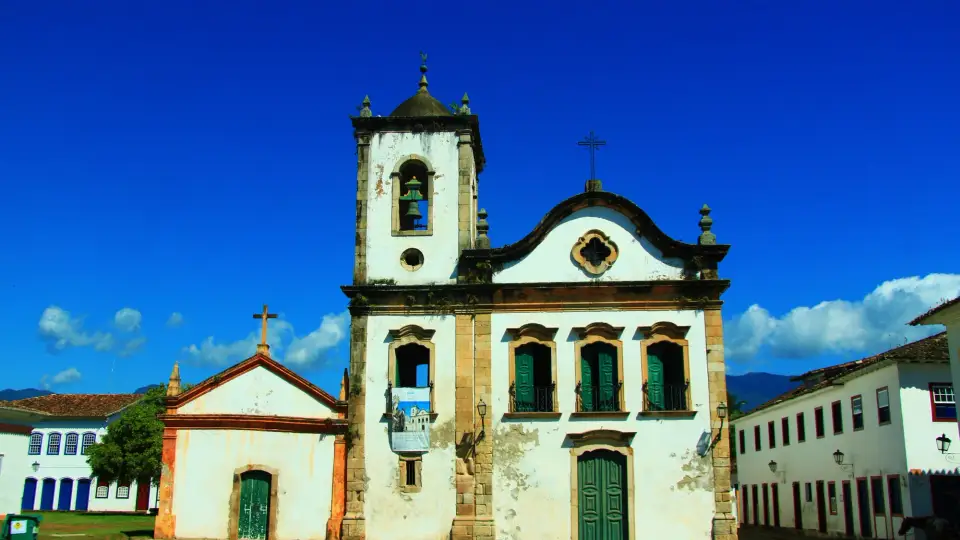
The 1585 Historic Center, the Picãozinho tide pools at low tide and sunset at Jacaré
Days Start with the basic programme and choose extensions for the time you have.
How the guide reaches this number
The first belongs to the Historic Center: the Centro Cultural São Francisco at 9 a.m., the Lagoa, Varadouro and the Hotel Globo, and at the end of the afternoon the sunset with Ravel's Bolero at Jacaré Beach, in Cabedelo. The second belongs to the sea and Cabo Branco: Picãozinho at low tide (or Areia Vermelha, for those who prefer a sandbar to a reef, if low tide falls within the park's hours), the Estação Cabo Branco before or after the boat, depending on the tide, the lighthouse and the waterfront on foot to dinner. The third I'd spend on the Conde south coast, among Coqueirinho, Tabatinga and Tambaba, by car or on an agency tour, on a low-tide day. With two days, I'd combine the essentials of the city and leave Conde out; in June, I'd add a night in Campina Grande for São João.
3
When September to December: the driest months, with 21 to 74 mm of rain per month in the 1991–2020 climate normal; January and February still have little rain, it rains more from April to July, with June the rainiest month (369 mm), and September has the lowest average daily hotel room rate of the year according to Kayak (checked October 16, 2026)
How the guide reaches this number
It is hot all year: in the 1991–2020 normal for the João Pessoa station (WMO), highs range from 28.7 °C in July to 31.2 °C in March, and lows do not drop below 21.9 °C. What changes is the rain. From September to December it is low, from 21 mm in November to 74 mm in September, and those are the most reliable months for the beach and the tide-pool trips. January (86 mm) and February (106 mm) still have little rain, but they are Brazil's summer vacation, with a busier waterfront. From March on the rain rises, and April to July is the rainy season, with June at the top (369 mm), and rougher seas can disrupt boat trips. At any time of year, what decides the day for Picãozinho or Areia Vermelha is the tide table, not the month: the lowest tides happen near the full and new moons.
Per person/day Add up lodging per night, meals per person and the boat trips to the natural pools and the south coast that you choose; December, January and São João in Campina Grande change the total a lot.
How the guide reaches this number
Per person per day: accommodation, meals, urban transport, visits and a small allowance for extras. Flights excluded; larger purchases vary. Editorial estimate, not a quote.
 What Nilo thinks
I'd stay three days in João Pessoa. The first belongs to the Historic Center: the Centro Cultural São Francisco at 9 a.m., the Lagoa, Varadouro and the Hotel Globo, and at the end of the afternoon the sunset with Ravel's Bolero at Jacaré Beach, in Cabedelo. The second belongs to the sea and Cabo Branco: Picãozinho at low tide (or Areia Vermelha, for those who prefer a sandbar to a reef, if low tide falls within the park's hours), the Estação Cabo Branco before or after the boat, depending on the tide, the lighthouse and the waterfront on foot to dinner. The third I'd spend on the Conde south coast, among Coqueirinho, Tabatinga and Tambaba, by car or on an agency tour, on a low-tide day. With two days, I'd combine the essentials of the city and leave Conde out; in June, I'd add a night in Campina Grande for São João.João Pessoa is a trip at beach pace with a Baroque historic center about 10 km from the waterfront. What sets it apart is the shallow sea: at low tide, catamarans leave Tambaú for the Picãozinho pools, over the reefs, and Cabedelo for Areia Vermelha, a sandbar that vanishes when the tide rises; it is the tide table, more than the calendar, that organizes the days. At the end of the afternoon, the ritual is on the other side, on the Paraíba River, where since 2001 Ravel's Bolero has accompanied the sunset at Jacaré Beach, every day. At the table, the city has dishes of its own: the coalho cheese tapioca from the tapioca makers of Tambaú, the rubacão, rice with green beans, sun-dried beef, coalho cheese and cream, and the fried needlefish of the seaside restaurants. And, about 40 km to the south, the cliffs and coconut palms of Conde justify a full day outside the city.
Quick facts
- Population
- 906,093 inhabitants in the municipality (IBGE estimate for 2026); 833,932 in the 2022 Census
- Founded
- August 5, 1585, the official date, as Cidade Real de Nossa Senhora das Neves; settlement began on October 31 of the same year, at today's Porto do Capim
- Country and region
- Brazil: capital of the state of Paraíba, in the Northeast
- Language
- Portuguese
- Currency
- Real (R$, BRL)
- Time zone
- UTC−3 year-round, no daylight saving time
- Best time
- September to December: the driest months, with 21 to 74 mm of rain per month in the 1991–2020 climate normal; January and February still have little rain, it rains more from April to July, with June the rainiest month (369 mm), and September has the lowest average daily hotel room rate of the year according to Kayak (checked October 16, 2026)
- Average cost per day
- Add up lodging per night, meals per person and the boat trips to the natural pools and the south coast that you choose; December, January and São João in Campina Grande change the total a lot.
When to go
September to December: the driest months, with 21 to 74 mm of rain per month in the 1991–2020 climate normal; January and February still have little rain, it rains more from April to July, with June the rainiest month (369 mm), and September has the lowest average daily hotel room rate of the year according to Kayak (checked October 16, 2026)
How the year changes
It is hot all year: in the 1991–2020 normal for the João Pessoa station (WMO), highs range from 28.7 °C in July to 31.2 °C in March, and lows do not drop below 21.9 °C. What changes is the rain. From September to December it is low, from 21 mm in November to 74 mm in September, and those are the most reliable months for the beach and the tide-pool trips. January (86 mm) and February (106 mm) still have little rain, but they are Brazil's summer vacation, with a busier waterfront. From March on the rain rises, and April to July is the rainy season, with June at the top (369 mm), and rougher seas can disrupt boat trips. At any time of year, what decides the day for Picãozinho or Areia Vermelha is the tide table, not the month: the lowest tides happen near the full and new moons.
Nilo's tips
The tide day rules the plan
I'd choose the Picãozinho day first, by the Porto de Cabedelo tide table, and only then fit in the Historic Center and Cabo Branco, which work at any tide. The lowest tides fall near the full and new moons.
Estação Cabo Branco and the tide
The Estação closes at 4 p.m., including on weekends. With morning low tide, I'd go in the early afternoon, after the boat; with afternoon low tide, I'd go at opening, 9 a.m. on weekdays or 10 a.m. on weekends. The lighthouse, next door and outdoors, comes last.
The Center in the morning, with a phone call first
The Centro Cultural São Francisco is under restoration in 2026 and does not publish current hours, and the Hotel Globo only has Sunday hours published. I'd call São Francisco the day before, start there at 9 a.m. and finish the Center at the Hotel Globo before heading to Jacaré.
The ride back from Jacaré
The urban train has a station at Jacaré, but it runs only a few times and, in the 2025 schedule, did not run on Sundays. I'd go and return by ride-hailing, arranging the ride back right after sunset, when everyone leaves at once.
Tambaba has rules
In the naturist area, nudity is mandatory and photographing without permission is prohibited. I'd check the association's entry rule before going, especially for a man traveling alone.
Explore the map
Explore the map, read about the other places and plan your travel days in the app.
Open the appWhat to see
João Pessoa: Between river and sea
The climate is tropical, with autumn and winter rains. It has most of the waterfront's shops, bars and restaurants, which makes it the most practical base for anyone without a car.
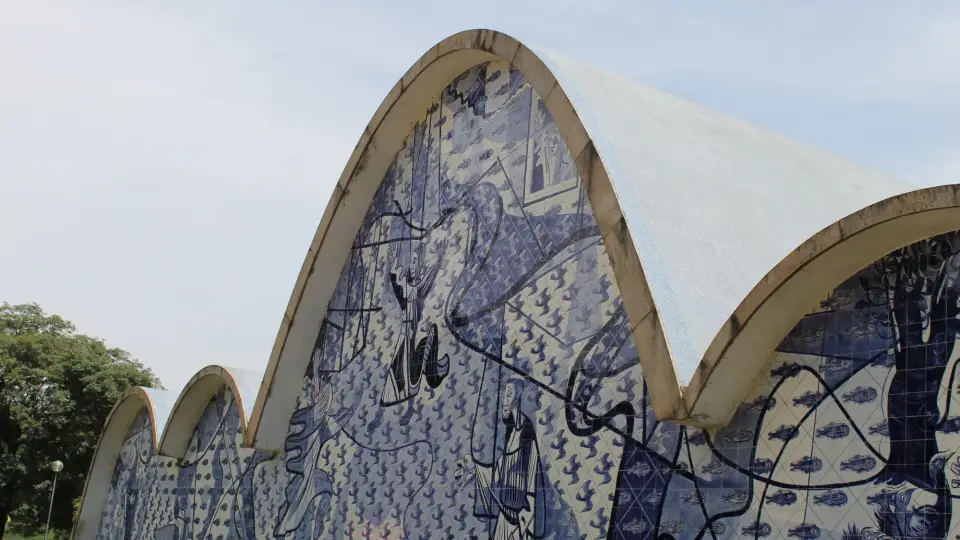
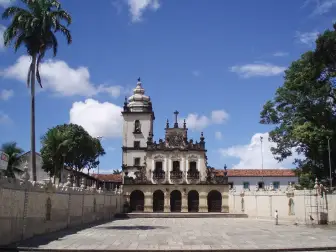
Centro Cultural São Francisco
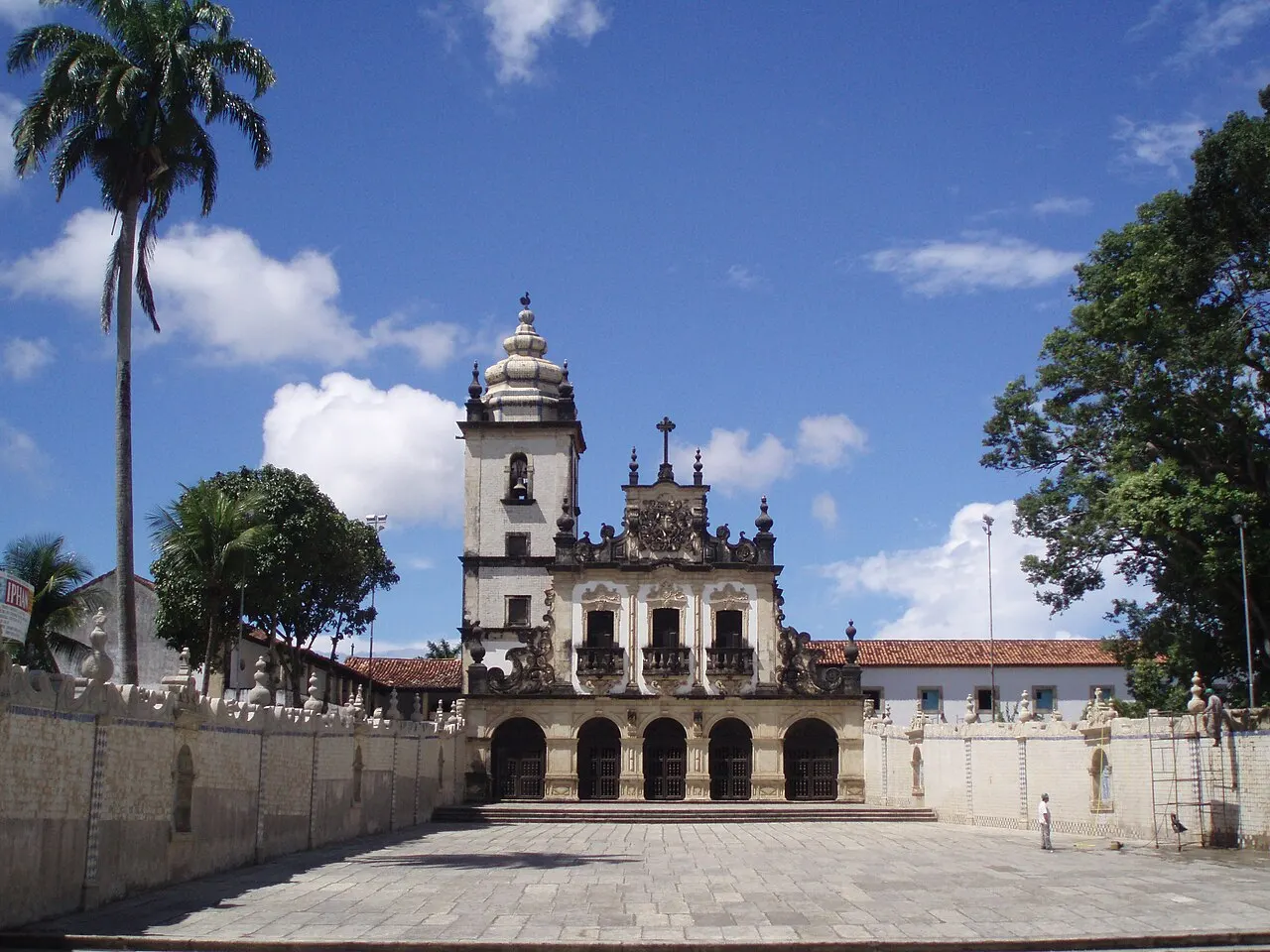
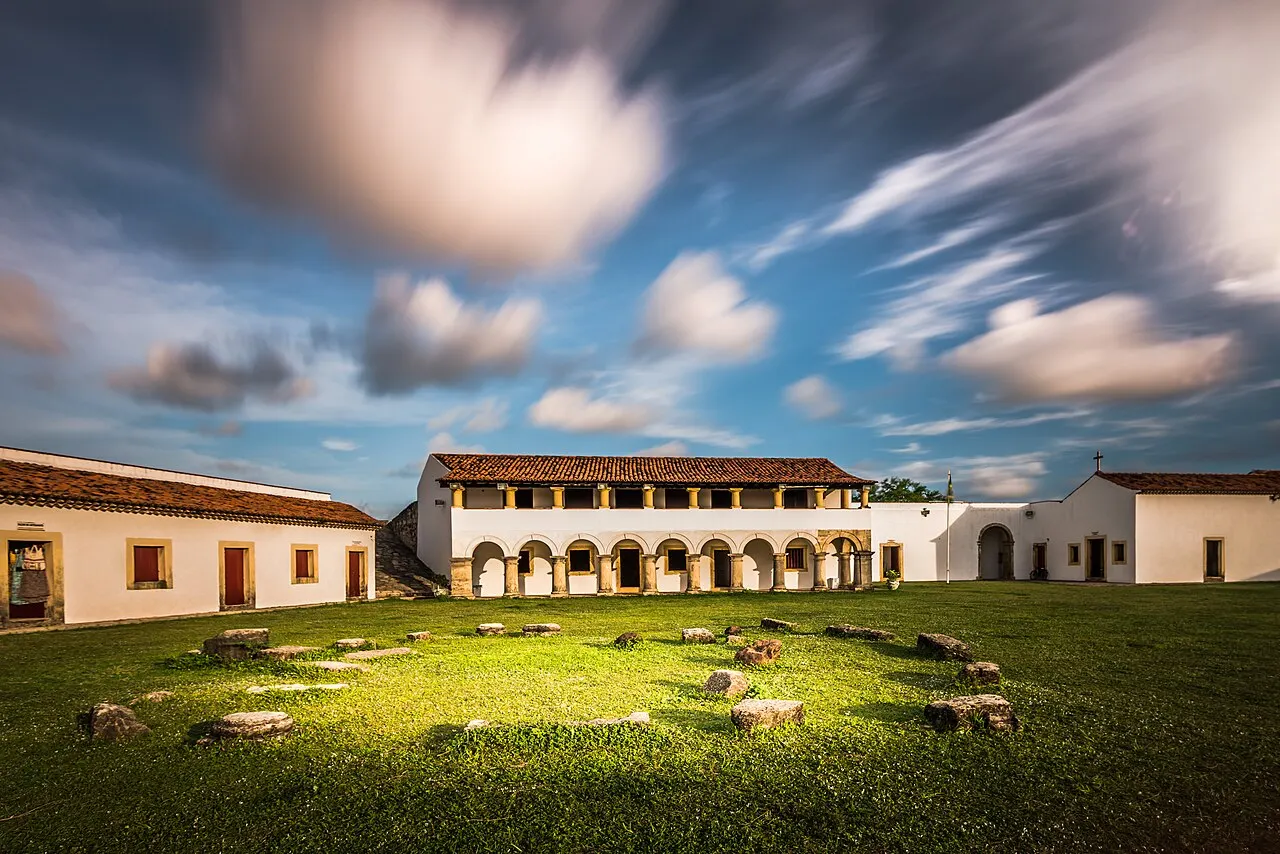
The Franciscan complex includes the Church and Convent of Santo Antônio, the Capela Dourada, a cloister, the Museum of Sacred Art and the churchyard with its cross. The Franciscans arrived between 1588 and 1589, and the work spanned two centuries: the cloister dates from around 1730, the façade carries the engraved date 1779, and work continued until 1788. Hence the mix of Baroque and Rococo, with ceiling paintings, Portuguese tiles and gilded woodcarving. Iphan listed the complex in 1952; restored from 1979, it reopened in 1990 as a cultural center. The visit is led by a guide. In 2026 the complex is undergoing a new restoration, which has already covered the churchyard and the tiles and in February was on the tower, with the interior as the next stage. Hours and admission are not currently published: confirm by phone at (83) 3218-4505 before going.
It includes the Cidade Alta, with the Centro Cultural São Francisco, the Cathedral and the São Bento Monastery, and the Varadouro, in the lower part by the Sanhauá River, with the Hotel Globo and the mansions of Praça Antenor Navarro.
Check access
Praia de Tambaú
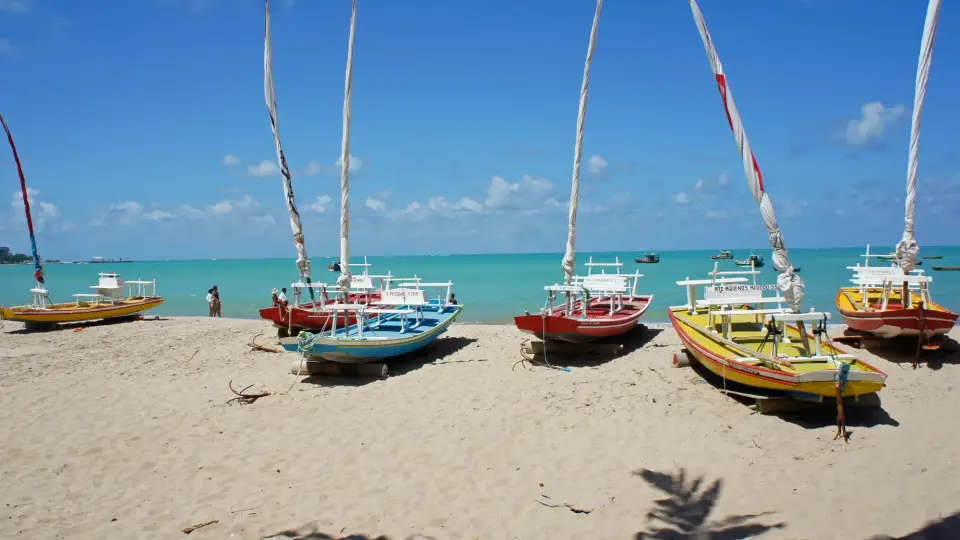
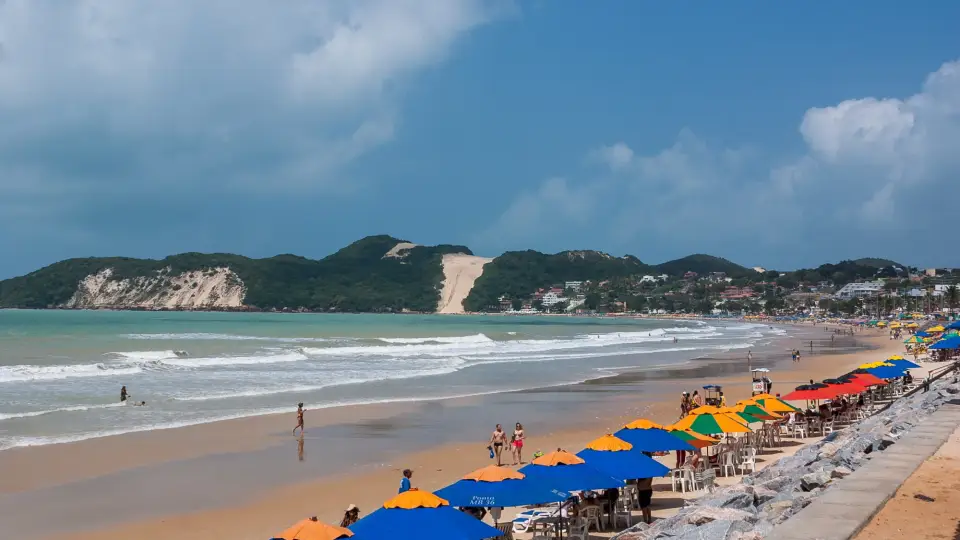
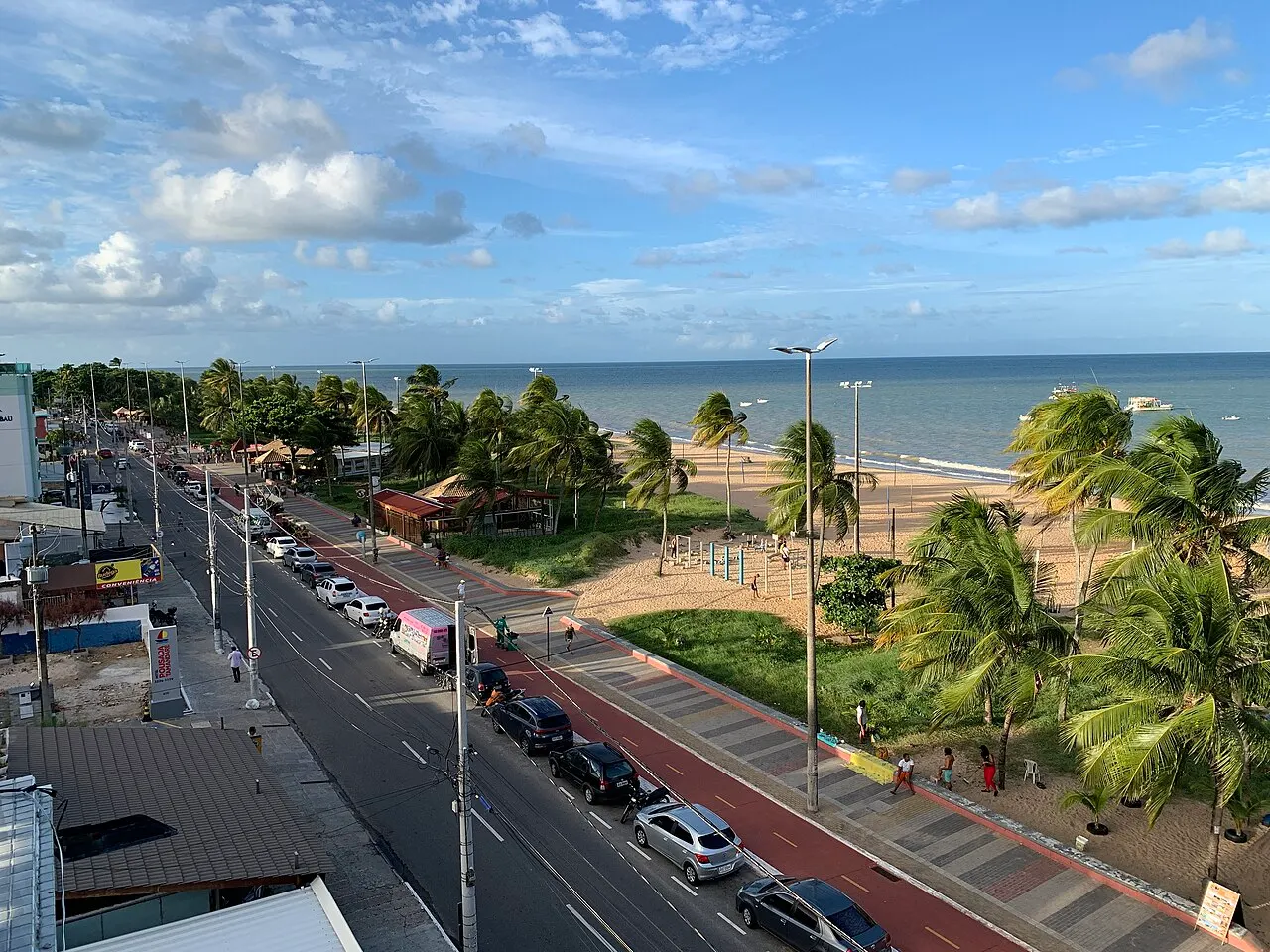
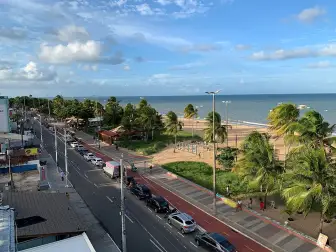
The central stretch of the waterfront, with the boardwalk, the crafts fair, the food court of the tapioca makers and the circular building of the Hotel Tambaú, which is closed. The sea is calm, especially at low tide. The catamarans for Picãozinho leave from here, sold at a kiosk of the boat association right on the beach.
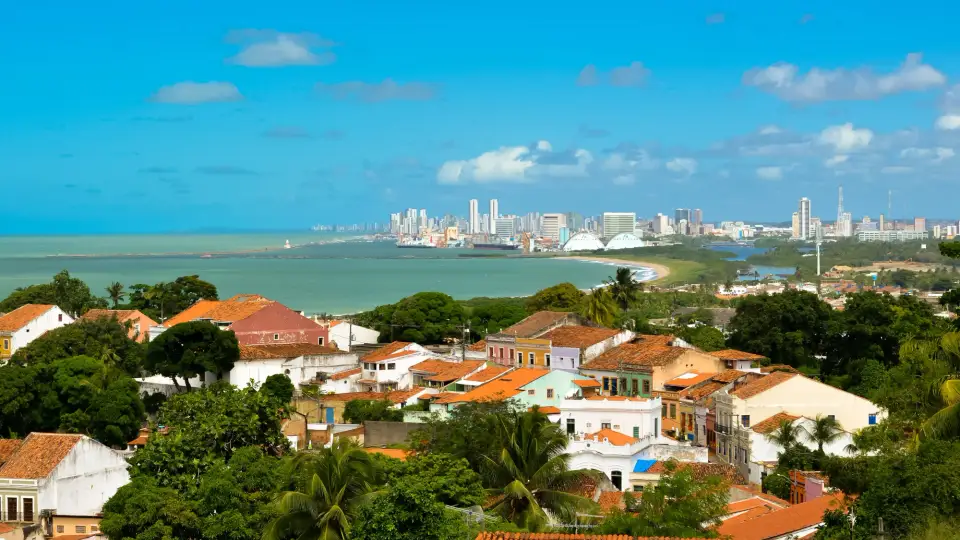
The city sits on a low plateau between the Paraíba River estuary to the west and the Atlantic to the east; the highest point in the municipality is 74 m. The Historic Center is on top of the hill above the Sanhauá River, and the waterfront, about 10 km to the east, runs north to south through Bessa, Manaíra, Tambaú and Cabo Branco to the Cabo Branco cliff and Ponta do Seixas.
Check access
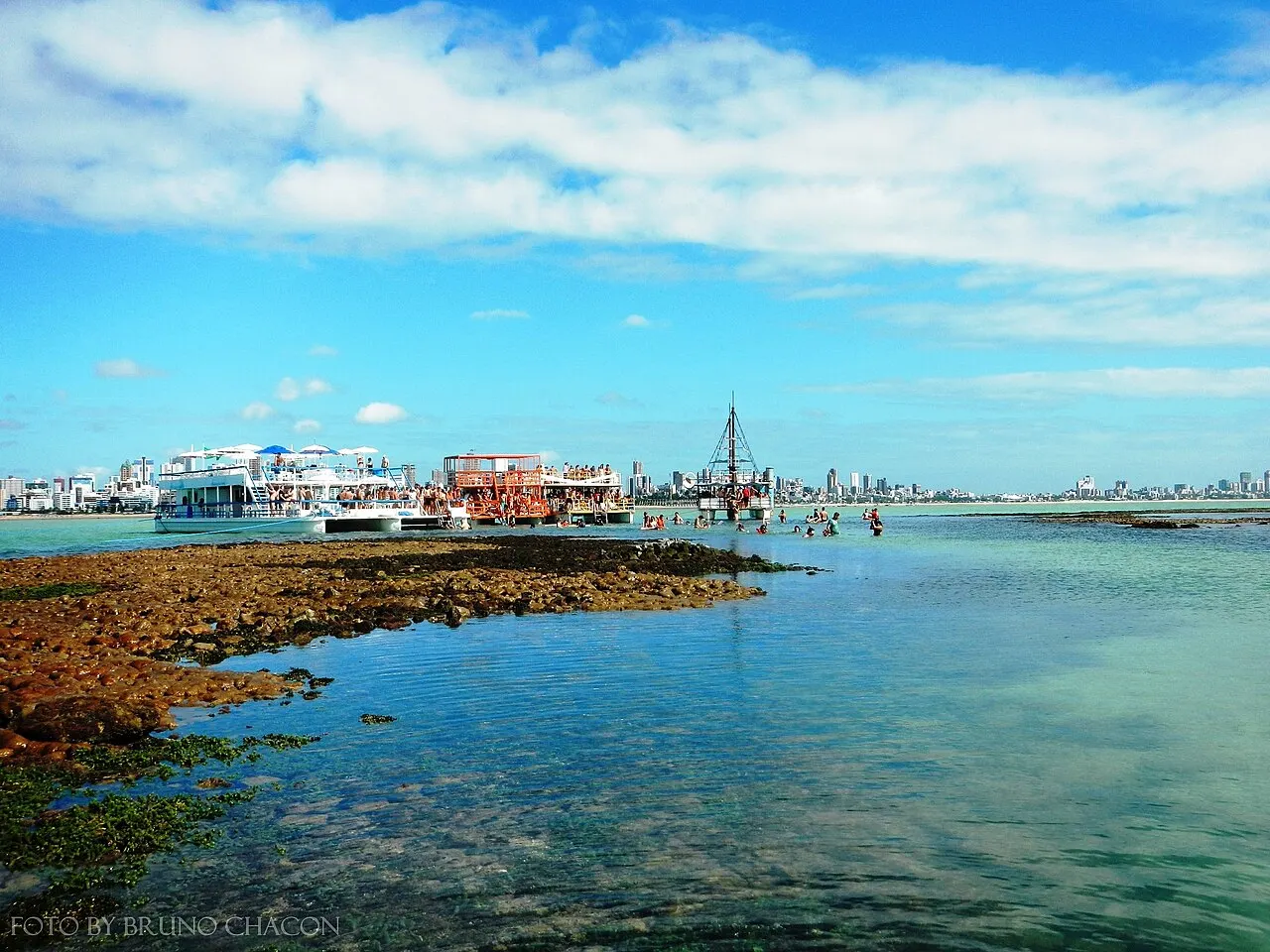
Picãozinho
Natural pools over the reefs, about 2 km from Tambaú, that appear only at low tide. The catamaran crossing takes 15 to 20 minutes, and the whole outing about three hours, depending on the tide. The boarding time changes every day and follows the Porto de Cabedelo tide table; check it the day before. Do not step on the reefs or feed the fish.
Over a line of reefs about 2 km from Tambaú beach, the Picãozinho pools form at low tide; farther north, off Camboinha, in Cabedelo, the Areia Vermelha sandbar appears.
Check access
Hotel Globo
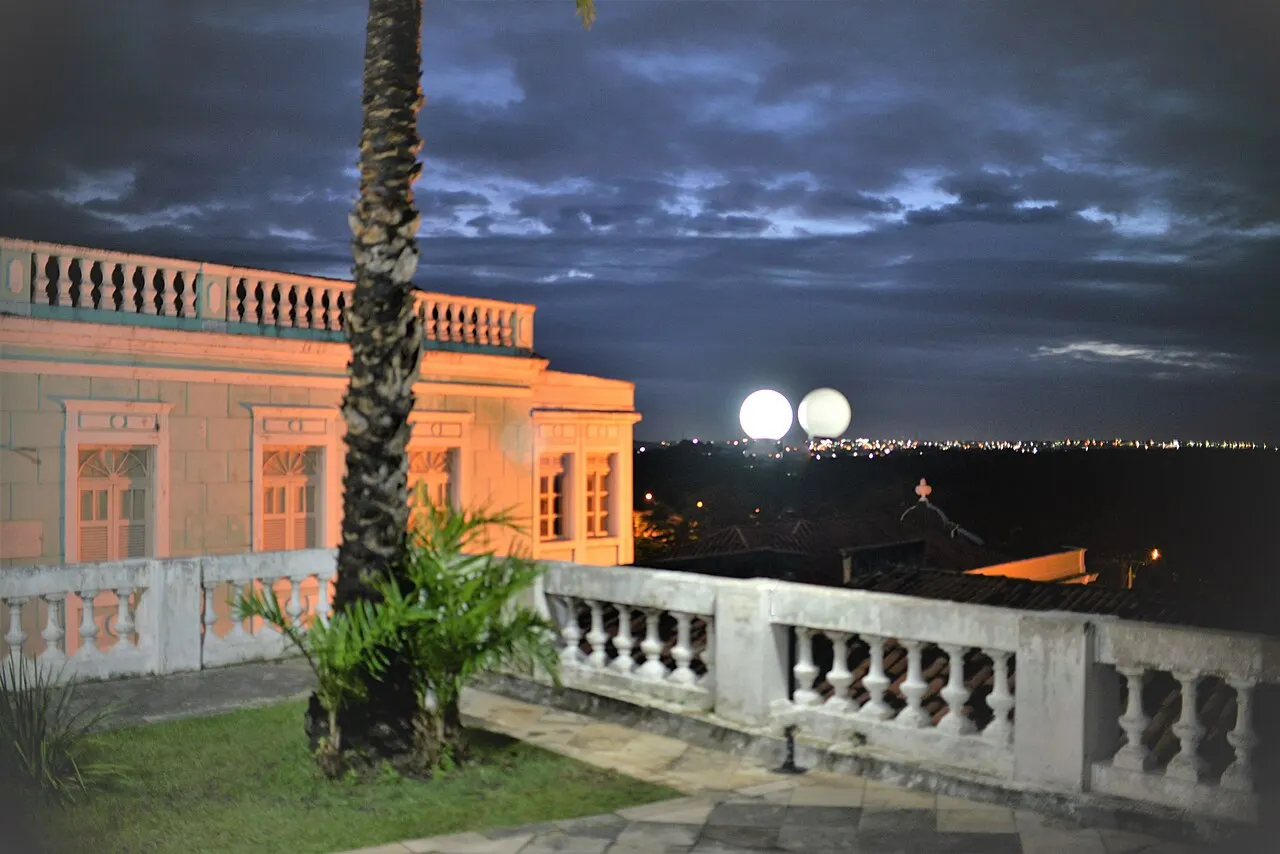
The former hotel on Largo de São Frei Pedro Gonçalves, in Varadouro, opened in the late 1920s, served as a hospital during World War II and stopped taking guests in 1965. Listed as state heritage in 1978, it now hosts exhibitions and events, and the terrace is sought out for the view of the Sanhauá River and the sunset over it. Admission is free. The only recent published hours are for Sunday, 8 a.m. to 5 p.m. (August 2026); on other days, confirm beforehand.
It is the part of the city to visit by day, with museum and church hours that end in the middle of the afternoon.
Check access
Estação Cabo Branco
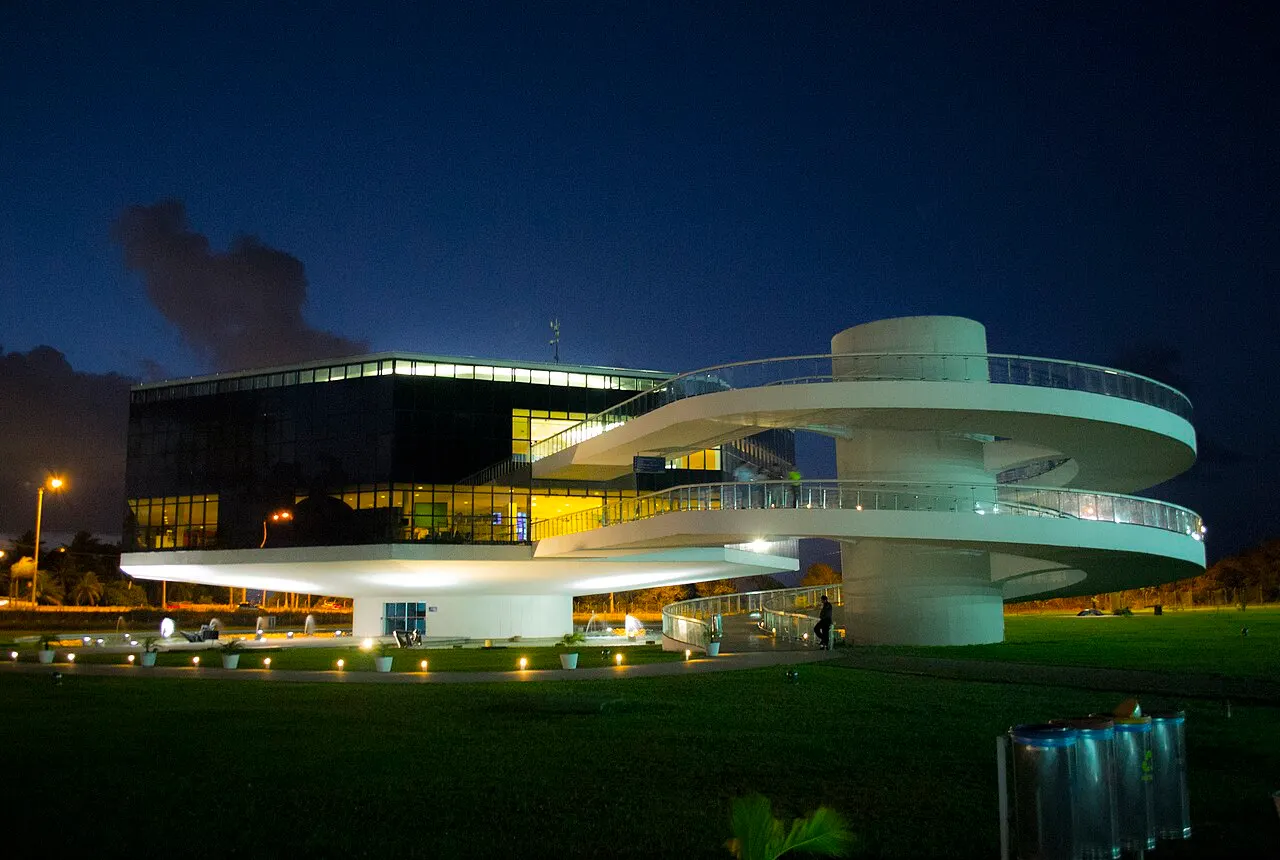
The Estação Cabo Branco, Ciência, Cultura e Artes, one of Oscar Niemeyer's last works, opened in 2008 in Altiplano, next to the lighthouse. Run by the city government, it has art and science exhibitions with free admission. In March 2026, it was open 9 a.m. to 4 p.m. on weekdays and 10 a.m. to 4 p.m. on weekends.
To the north, the neighboring municipality of Cabedelo occupies the point between the river and the sea, with Jacaré Beach facing the river.
Check access
Farol do Cabo Branco
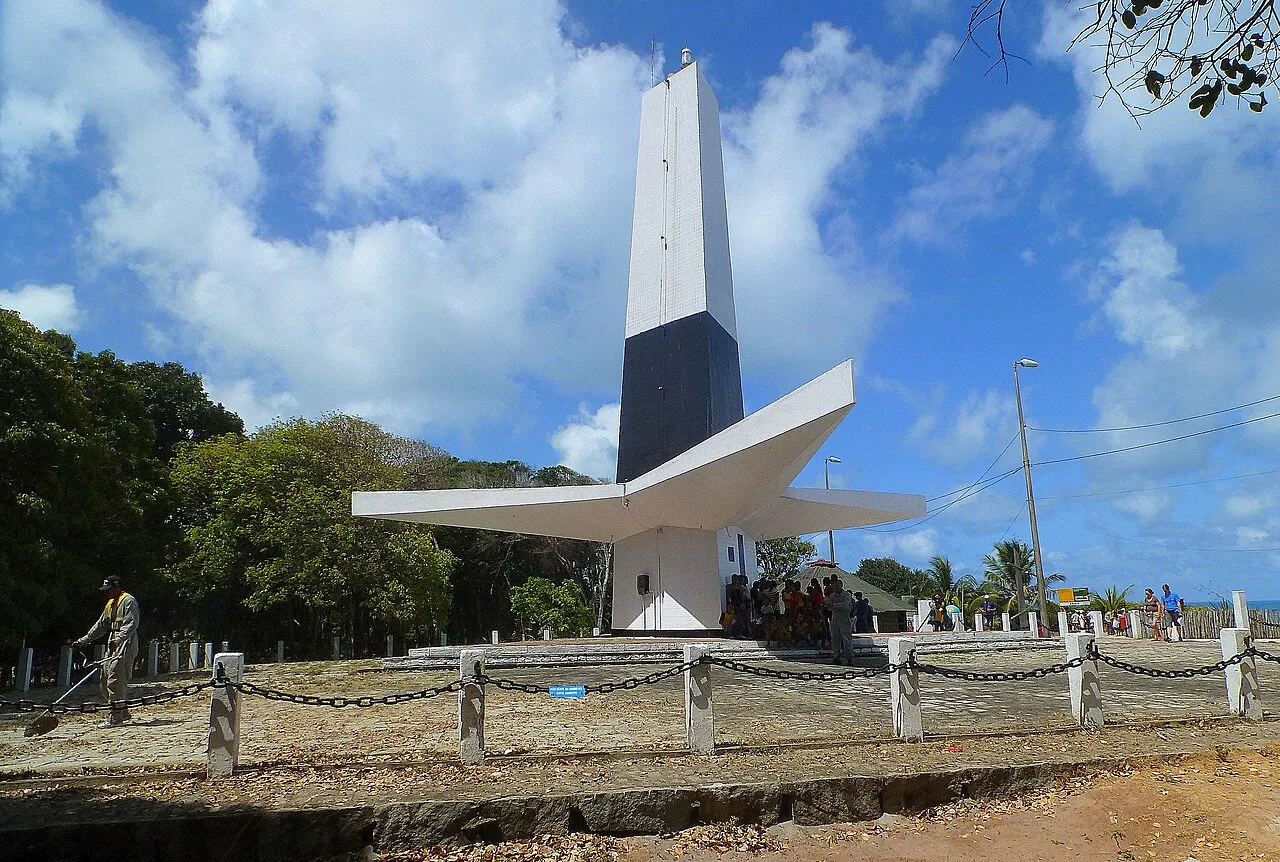
The 18 m lighthouse, opened in 1972, stands on top of the Cabo Branco cliff, near Ponta do Seixas. The lookout beside it shows the waterfront north to Tambaú. The area is outdoors; in August 2026, it was open on Sundays from 9 a.m. to 8 p.m. The cliff is eroding, so stay behind the railings and away from the edge.
At the south end of the waterfront, the Cabo Branco cliff is eroded by the sea, and the Federal Court of Accounts has pointed to a risk of landslides.
Check access
Praia do Jacaré
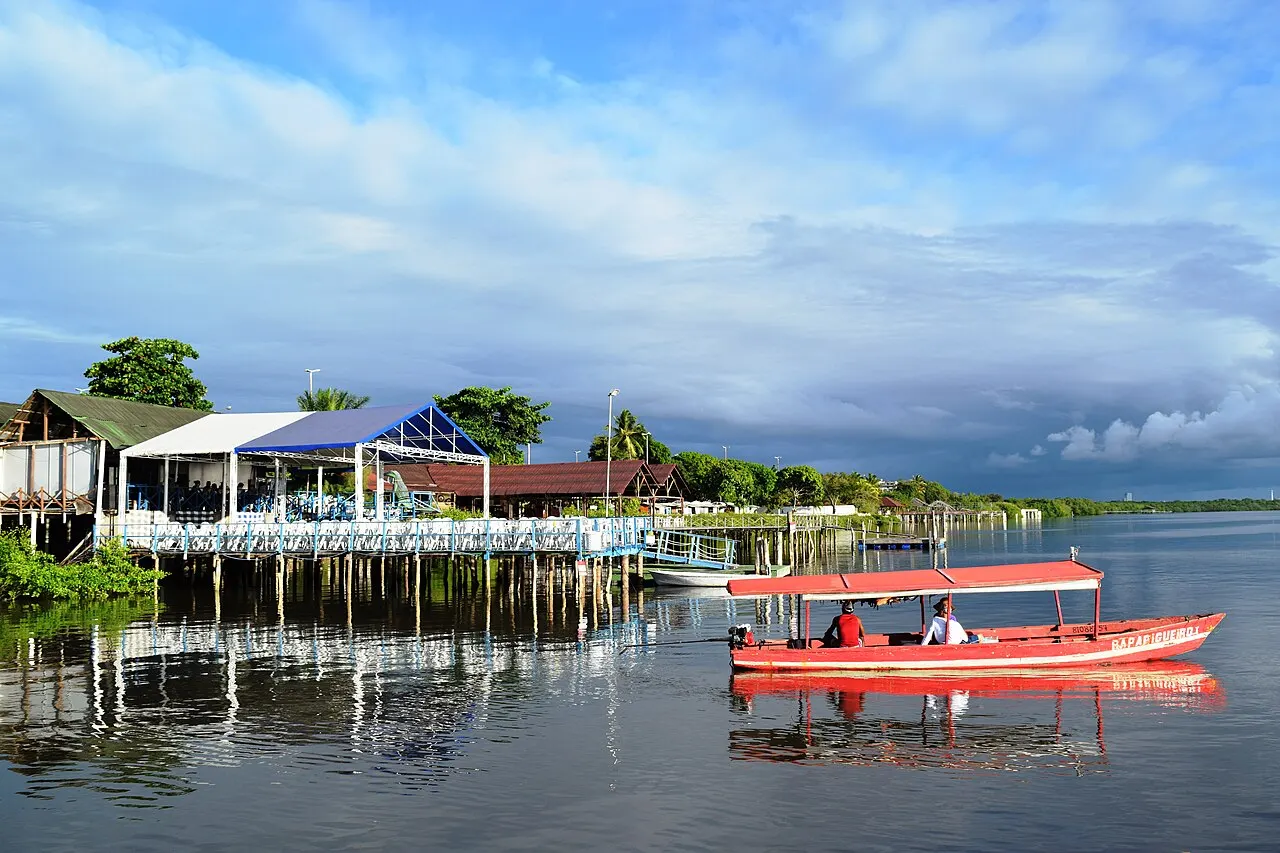
In Cabedelo, on the bank of the Paraíba River, about 11 km from Tambaú. Since 2001, every day, the saxophonist Jurandy do Sax plays Ravel's Bolero from a boat as the sun sets. Sunset is at around 5:05 p.m. in October and 5:45 p.m. in January. You can watch from the decks on the riverbank or from tour boats; in January 2026, one of those tours cost R$ 90 per person. There is an urban train station at Jacaré.
The northern end of the waterfront, more residential.
Check access
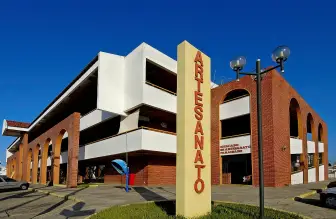
Mercado de Artesanato Paraibano
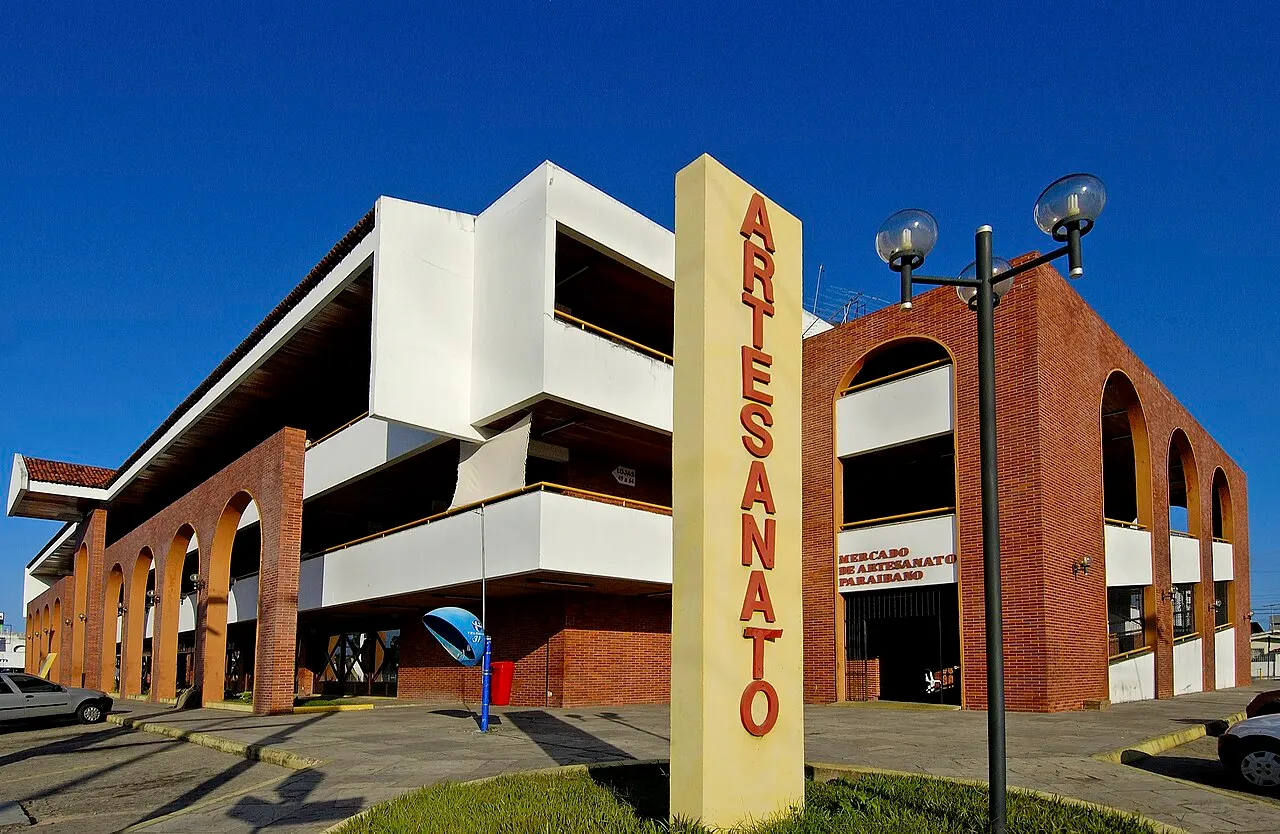
Opened in 1991, in Tambaú, it gathers pieces by artisans from several regions of Paraíba. The published hours differ between sources; call ahead or check the city government's channels.
The center of the waterfront: the boardwalk, the crafts fair and the tapioca makers, the Mercado de Artesanato Paraibano and the boarding point for Picãozinho.
Check access
Parque Estadual Marinho de Areia Vermelha
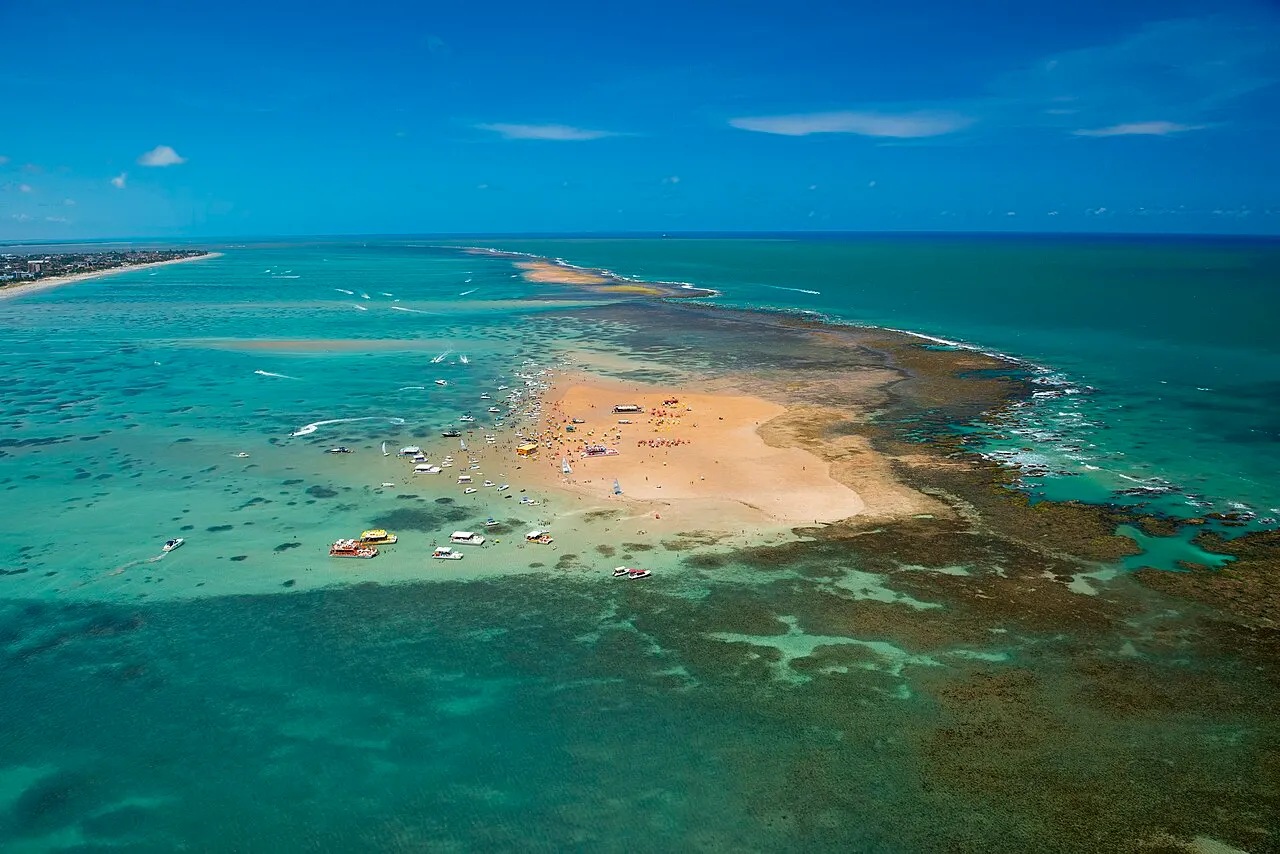
A sandbar off Camboinha Beach, in Cabedelo, that appears at low tide and is covered again when the tide rises. Boats leave from Camboinha and Ponta de Campina, take about half an hour and give about two hours on the bar. Because it is a state park, there is no kiosk, chair or beach umbrella; drinks and snacks are sold on the catamarans. The 2017 management plan provides for visits from 8 a.m. to 4:30 p.m. and with a tide of up to 0.9 m; in March 2026, Copam Deliberation no. 5,851 expressly banned any visit outside those hours. As with Picãozinho, you pick the day by the tide table.
In the Picãozinho and Areia Vermelha pools, do not step on the reefs or feed the fish. The visiting areas are marked off, and trash goes back on the boat.
Check access
Nilo’s itinerary
Start with the basic programme and choose extensions for the time you have.
Plan my days in the app ↗Day 1 · Historic Center and sunset at Jacaré
The day before, call the Centro Cultural São Francisco, (83) 3218-4505, to confirm the time of the guided visit, which in 2026 coexists with restoration work.
At 9 a.m., start at the Centro Cultural São Francisco, in the Cidade Alta: church, convent, cloister and the Capela Dourada, with a guide.
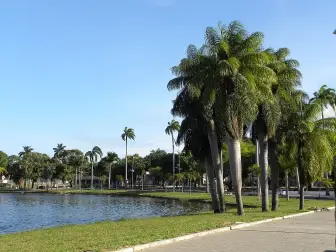
Walk about 1 km to Parque Sólon de Lucena and go around the Lagoa, under the royal palms.
Have lunch in the Center and go down to Varadouro: Praça Antenor Navarro, with its Art Deco mansions, and Largo de São Frei Pedro Gonçalves.
Go into the Hotel Globo for the view of the Sanhauá River from the terrace. Only the Sunday hours are published (8 a.m. to 5 p.m.); on other days, confirm beforehand.
Around 4 p.m., take a ride-hailing car to Jacaré Beach, in Cabedelo, about 14 km away. Arrive before sunset (around 5:05 p.m. in October, 5:45 p.m. in January) to see Ravel's Bolero from the deck or from a tour boat. If you prefer not to leave the Center, you can watch the sunset over the Sanhauá from the Hotel Globo itself, on days when it is still open.
Return by ride-hailing to the waterfront and have dinner in Manaíra or Tambaú.
Day 2 · Picãozinho, the waterfront and Cabo Branco
The day before, check the Porto de Cabedelo tide table and buy the Picãozinho trip at the boat association kiosk, on Tambaú Beach, for the low-tide time.
If low tide is in the morning, do the trip first: 15 to 20 minutes by catamaran to the reefs and about three hours in total, without stepping on the corals. If you prefer a sandbar to pools between reefs, you can swap in Areia Vermelha, boarding at Camboinha, in Cabedelo, as long as low tide falls between 8 a.m. and 4:30 p.m., the park's hours.
Have lunch on the waterfront: tapioca at the food court across from the Tambaú fair, or fish and seafood at a seaside restaurant.
By 2:30 p.m., take a ride-hailing car to the Estação Cabo Branco, in Altiplano, about 8 km south of Tambaú; it closes at 4 p.m.
If low tide is in the afternoon, flip the day: Estação Cabo Branco from opening (9 a.m. on weekdays, 10 a.m. on weekends), lighthouse and lunch, and the boat afterward.
On foot, go from the Estação to the Farol do Cabo Branco and the lookout over the waterfront. If you like, go down to Ponta do Seixas.
Late in the afternoon, return to Tambaú for the Mercado de Artesanato Paraibano, if that day's hours allow, and walk along the boardwalk to Cabo Branco or Manaíra for dinner.
Day 3 · Conde south coast: Coqueirinho, Tabatinga and Tambaba
Day trip
About 37 km from Tambaú to Coqueirinho and 40 km to Tambaba, 40 to 45 minutes by car on the PB-008, with the last stretch on a dirt road that an ordinary car can handle. Coqueirinho has cliffs, coconut palms and pools between reefs; Tabatinga mixes sea and river bathing, with clay in the cliffs; Tambaba has a clothed side and a naturist area, which was the first beach in Brazil to allow naturism by municipal law. Go by rental car, by ride-hailing with the return arranged, or on an agency tour, and pick a low-tide day for the pools.




Food
Tapioca
A disc of cassava starch cooked on a griddle and folded over the filling. In Paraíba, the most common fillings are butter and coalho cheese. On the waterfront, the tapioca makers are at the food court across from the Tambaú Crafts Fair.
Rubacão
The Paraíba pot dish: rice and green beans cooked together with sun-dried beef, cubes of coalho cheese and cream, creamier than baião de dois. Some versions use Paraíba red rice. It appears in regional restaurants.
Sun-dried beef (carne de sol)
Beef salted and dried for a short time, more tender than carne-seca and charque. It comes with boiled or fried cassava and clarified butter (manteiga de garrafa), or in cream.
Coalho cheese
A firm cheese that goes on the grill without melting. It appears grilled on a skewer, inside the tapioca and in cubes in the rubacão.
Fried needlefish (agulhinha frita)
A small, thin fish, fried and served as a snack at seaside restaurants, alongside fish stew with shrimp, fish fritters and crab.
Dried-beef paçoca (paçoca de carne seca)
Dried beef pounded with cassava flour, served as a side dish at traditional-food restaurants.
Cajá and mangaba
Regional fruits, sold at markets and by the roadside, especially on the north coast. They become juice, ice cream and sweets.
Where to eat
- Tambaú · $
Coalho cheese or butter tapioca, made on the griddle by the tapioca makers at the food court across from the Crafts Fair. It is the cheapest snack on the waterfront and works well before or after the Picãozinho trip.
- Mangai · Manaíra
A buffet of Paraíba and Northeastern regional food, with rubacão, sun-dried beef, goat buchada, seafood and sweets, paid by weight. It is the quickest way to try several of the state's dishes in one meal; the place also has a bakery and a grocery of typical products. In September 2026, it was open on Sundays from 7 a.m. to 10 p.m.
Source · 2026-10-16
- Gulliver Mar · Cabo Branco
A seaside restaurant at the end of Cabo Branco Beach, known for grilled octopus with shrimp risotto. In September 2026, it was open on Sundays from 11:30 a.m. to 10:30 p.m.
Source · 2026-10-16
- Waterfront, from Manaíra to Cabo Branco
Fish stew with shrimp, fried needlefish, fish fritters and crab at the seaside restaurants. At several places, the dishes serve two people or more; ask about the portion before ordering.
- Regional food restaurants
Rubacão, sun-dried beef in cream or with cassava and clarified butter, and dried-beef paçoca. These are the dishes that set the Paraíba table apart from that of other coastal capitals.
$: tapioca, snack and finger food at the food court and the waterfront stands · $$: fish, seafood or regional food at a restaurant, often for two people · $$$: seaside restaurant with more elaborate cooking, or an upscale hotel restaurant · 2026-10-16
Day trips
Conde south coast: Coqueirinho, Tabatinga and Tambaba
About 37 km from Tambaú to Coqueirinho and 40 km to Tambaba, 40 to 45 minutes by car on the PB-008, with the last stretch on a dirt road that an ordinary car can handle. Coqueirinho has cliffs, coconut palms and pools between reefs; Tabatinga mixes sea and river bathing, with clay in the cliffs; Tambaba has a clothed side and a naturist area, which was the first beach in Brazil to allow naturism by municipal law. Go by rental car, by ride-hailing with the return arranged, or on an agency tour, and pick a low-tide day for the pools.
Campina Grande
About 133 km away, almost two hours by car on the BR-230. Worth the trip in June, during São João (in 2026, from June 3 to July 5, at the Parque do Povo); in that period, consider sleeping there instead of returning the same night.
Recife and Olinda
About 125 km away, nearly two hours by car on the BR-101. You can see the essentials of Recife and Olinda in one long day, but both deserve more time and are usually a trip of their own.
Where to begin
Historic Center and sunset at Jacaré
The day before, call the Centro Cultural São Francisco, (83) 3218-4505, to confirm the time of the guided visit, which in 2026 coexists with restoration work.
Picãozinho, the waterfront and Cabo Branco
The day before, check the Porto de Cabedelo tide table and buy the Picãozinho trip at the boat association kiosk, on Tambaú Beach, for the low-tide time.
Money
The currency is the real (R$). Cards and Pix are usually accepted; the urban train takes cash or Pix. Some prices checked, each with the date of its source: city bus, R$ 5.45 (since 1/25/2026); CBTU train, R$ 2.50 (June 2025); Fortaleza de Santa Catarina, R$ 4 (January 2026); Estação Cabo Branco and Jardim Botânico, free; sunset boat tour at Jacaré, R$ 90 per person (January 2026). Admission to the Centro Cultural São Francisco is confirmed by phone. For hotels, in a Kayak search on October 16, 2026 for the night of October 17 to 18, 2026, there were three-star rooms from R$ 130 and four-star rooms from R$ 227 per night; on the same page, the average daily hotel room rate was R$ 277 in September, the cheapest month, and R$ 505 in March, the most expensive. These values change from one day to the next. The price of catamaran trips to Picãozinho and Areia Vermelha varies with the boat; ask at the kiosk or the marina.
Getting there and around
From the airport to the waterfront
Presidente Castro Pinto International Airport (JPA), run by Aena, is in the metropolitan region, about 11 km from the Center and about 19 km from Tambaú by road. Uber and 99 serve the terminal, and there is an accredited taxi service; it is the practical way to reach the waterfront with luggage. To go by bus, first check with Semob, João Pessoa's mobility department, for the lines that pass near the airport.
Bus
The conventional bus fare is R$ 5.45 since January 25, 2026. Check lines and payment methods with Semob. For trips between the waterfront neighborhoods and the Historic Center, a ride-hailing car is the simplest option, especially at night.
Urban train
CBTU runs a 30 km line between Santa Rita, Bayeux, João Pessoa and Cabedelo, with a station at Jacaré. In the schedule released in June 2025, there were 32 trips Monday to Friday and 16 on Saturdays, the first at around 4:30 a.m. and the last at 7:16 p.m.; the schedule did not include trips on Sundays. The fare was R$ 2.50, paid in cash or Pix at the João Pessoa, Várzea Nova and Jacaré stations. Check the current schedule before counting on the train for sunset.
On foot and by bike
The unbroken boardwalk of Manaíra, Tambaú and Cabo Branco can be covered on foot. The Historic Center can be visited on foot, but the Cidade Alta and Varadouro are on different levels, connected by slopes.
Safety
The precautions are those of any big city. On the beach, do not leave your phone and bag alone on the sand while you go into the sea, and avoid empty stretches of the waterfront at night. The Historic Center is a daytime visit: museums and churches close in the middle of the afternoon, and activity drops after that; to go and come back at night, use a ride-hailing car. In the sea, the reefs cut, and the sun is strong all year. For boat trips, use accredited operators: in 2026, the Paraíba Public Prosecutor's Office recommended that marinas check the operating credentials of boat captains and respect the hours of the protected areas. At Cabo Branco, the cliff is eroding and there is a risk of landslides; stay away from the edge.
Etiquette tips
Reefs are not ground
In the Picãozinho and Areia Vermelha pools, do not step on the reefs or feed the fish. The visiting areas are marked off, and trash goes back on the boat.
The rules of Tambaba
In the naturist area of Tambaba, in Conde, nudity is mandatory, and photographing or filming without permission is prohibited. The association that runs the area has its own access rules, which may restrict entry by unaccompanied men; check before going.
A church in use
The Cathedral Basilica of Nossa Senhora das Neves is the seat of the archdiocese and remains a place of worship, as do other churches in the Historic Center. During Mass, sightseeing waits.
Mistakes to avoid
Booking Picãozinho without checking the tide
Boarding follows the day's low tide, not a fixed time, and at high tide there is no pool. Check the Porto de Cabedelo table the day before and choose the day by the sea.
Arriving at the Estação Cabo Branco late in the afternoon
It closes at 4 p.m., including on weekends. Anyone who leaves it for after the beach finds the door closed; go in the early afternoon and finish at the lighthouse next door.
Going to the Historic Center without confirming hours
The Centro Cultural São Francisco is under restoration in 2026 and does not publish current hours, and the Hotel Globo only has published hours for Sunday. Call São Francisco ahead, (83) 3218-4505, and do the Center in the morning, when everything is open.
Counting on the train for sunset
The urban train runs only a few times a day, has a reduced schedule on Saturdays and, in the 2025 schedule, did not run on Sundays. To get back from Jacaré after sunset, a ride-hailing car is the safe way.
Mixing up Cabo Branco and Ponta do Seixas
They are different neighborhoods and beaches, next to each other. The lighthouse is on top of the cliff, in Cabo Branco; the easternmost point of the American continent is Ponta do Seixas, below.
Useful phrases
Bom dia / Boa tarde / Boa noite
Greetings used when entering a shop, stall or taxi
Por favor / Obrigado (obrigada)
Please / Thank you; “obrigada” when the person thanking is a woman
Quanto custa?
How much does it cost?
A maré está baixa?
Is the tide low? (the question that decides the boat trip)
Uma tapioca de queijo coalho, por favor
One coalho cheese tapioca, please
Massa!
Great, cool (slang widely used in Paraíba and across the Northeast)
Arretado
Very good; depending on context, it can also mean irritated
Oxente!
An interjection of surprise, common in the Northeast
Where to stay
- Tambaú · First trip, no car, for those who want to do almost everything on foot · $$: It is the neighborhood with most of the waterfront's shops, bars and restaurants, with the Picãozinho boarding point, the fair and the crafts market a few steps away. The drawback is the distance from the Historic Center, about 10 km by car, and from Jacaré Beach, about 11 km.
- Cabo Branco · Those who want an unbroken waterfront to walk and the lighthouse nearby · $$: It continues Tambaú to the south, with the boardwalk in front of the hotels, and is closer to the Estação Cabo Branco and the lighthouse. The drawback is being at the opposite end from Jacaré and the boarding point for Areia Vermelha, in Cabedelo.
- Manaíra · Those who plan the trip around food · $$: It is the city's restaurant hub, with regional and seafood places, and has oceanfront hotels. It is about 7 km from the Center and a walk along the boardwalk from Tambaú.
- Bessa · Those who prefer a calm beach and a residential neighborhood: It is the northern end of the waterfront, more residential. It is closer to Jacaré, about 6.5 km, but about 13 km from the lighthouse, and almost every outing needs a car.
$: room in a three-star hotel, from R$ 130 per room per night (Kayak, checked October 16, 2026 for the night of October 17 to 18, 2026) · $$: room in a four-star hotel, from R$ 227 per room per night (Kayak, same October 16, 2026 search) · $$$: upscale oceanfront hotel, in Cabo Branco or Manaíra · 2026-10-16
Districts
Historic Center
It includes the Cidade Alta, with the Centro Cultural São Francisco, the Cathedral and the São Bento Monastery, and the Varadouro, in the lower part by the Sanhauá River, with the Hotel Globo and the mansions of Praça Antenor Navarro. It is the part of the city to visit by day, with museum and church hours that end in the middle of the afternoon.
Tambaú
The center of the waterfront: the boardwalk, the crafts fair and the tapioca makers, the Mercado de Artesanato Paraibano and the boarding point for Picãozinho. It has most of the waterfront's shops, bars and restaurants, which makes it the most practical base for anyone without a car.
Cabo Branco
It continues Tambaú to the south, with an unbroken boardwalk and oceanfront hotels, up to the cliff where the lighthouse stands. It has restaurants on the beach avenue and quick access to the Estação Cabo Branco and Ponta do Seixas.
Manaíra
North of Tambaú, it is the city's main restaurant hub, with regional and seafood places a few blocks from the beach. It has oceanfront hotels and is about 7 km from the Center.
Bessa
The northern end of the waterfront, more residential. It is the waterfront neighborhood closest to Jacaré Beach, about 6.5 km away, and the farthest from Cabo Branco.

Ponta do Seixas and Altiplano
The south of the city, at the top and the foot of the cliff: the Estação Cabo Branco in Altiplano and, below, Seixas Beach and the Aquário Paraíba. The lighthouse is right next door, in the Cabo Branco neighborhood. It is usually visited from the waterfront neighborhoods.
Cabedelo
A neighboring municipality to the north, on the point between the Paraíba River and the sea. Jacaré Beach, the Fortaleza de Santa Catarina and the boarding point for Areia Vermelha, at Camboinha Beach, are there.
History
1585 · Founding on the Sanhauá
On August 5, a peace agreement with the Tabajara chief Piragibe ends the conquest of Paraíba, and the Cidade Real de Nossa Senhora das Neves is born. Settlement begins on October 31, at the river port now called Porto do Capim.
1588 · Filipeia and the Franciscans
The city is renamed Filipeia de Nossa Senhora das Neves, in honor of Philip II, king of Spain and Portugal during the Iberian Union. Between 1588 and 1589 the Franciscans arrive and begin the complex that is now the Centro Cultural São Francisco; the church façade carries the date 1779, and work continues until 1788.
1634–1654 · Dutch rule
After two failed attempts, the Dutch take the city on December 24, 1634 and call it Frederikstad. They surrender on January 26, 1654, and the city is called Parahyba again.
1926 · The palms of the Lagoa
The lagoon in the Center becomes a park, and the inner ring receives the royal palms that make Parque Sólon de Lucena the city's postcard.
1930 · The city takes a governor's name
The state president, João Pessoa, is assassinated in Recife on July 26, one of the sparks of the Revolution of 1930. On September 4, state law no. 700 gives his name to the capital.
1940 · The avenue to the sea
Avenida Epitácio Pessoa is finished, about 5 km between the Center and Tambaú. It steers the city's growth toward the beach.
1941 · The far east
An expert survey by the Ministry of the Navy recognizes Ponta do Seixas as the easternmost point of Brazil's continental territory, a title it had been contesting with Ponta de Pedras, in Pernambuco.
1971 · The Hotel Tambaú
Sérgio Bernardes's circular hotel opens, built on the sand of Tambaú Beach, and becomes a landmark of the waterfront. It is closed today, awaiting renovation.
1972 · The lighthouse on the cliff
The 18 m Farol do Cabo Branco opens on top of the cliff near Ponta do Seixas.
1989 · The waterfront rule
The Paraíba Constitution, in article 229, keeps the protection of the coastal strip and sets building heights in steps near the sea, which explains the low waterfront of today.
2007 · Historic Center listed
On December 6, the Historic Center, with about 700 buildings in parts of Centro, Varadouro, Roger, Jaguaribe and Tambiá, becomes national heritage.
2008 · The Estação Cabo Branco
On July 3 the Estação Cabo Branco, Ciência, Cultura e Artes opens, an Oscar Niemeyer project next to the lighthouse.
Complete history
A city founded on a river
João Pessoa began in 1585 as the Cidade Real de Nossa Senhora das Neves, on top of a hill above the Sanhauá River, an arm of the Paraíba River estuary. According to the historian Letícia Hellen, the site was chosen with protection against invasions by other nations in mind; the Paraíba coast was contested by the French and, in the 17th century, by the Dutch. The river port lay below, in Varadouro, and the religious orders built above it the churches and convents that still shape the Historic Center. The Franciscan complex, begun between 1588 and 1589, took two centuries to finish: the church façade carries the date 1779, and work went on until 1788.
The names of the city
The name changed with whoever was in charge. It became Filipeia in 1588, in honor of Philip II during the Iberian Union; Parahyba in 1599, after the peace with the Potiguara; Frederikstad under Dutch rule, from 1634 to 1654; and Parahyba again, then Parahyba do Norte. The Dutch took the city only on the third attempt, in December 1634, and surrendered in January 1654.
1930 and the current name
On July 26, 1930, João Pessoa Cavalcanti de Albuquerque, state president and candidate for vice president of the Republic, was killed in Recife by João Duarte Dantas. The crime, whose political motive is still debated, is among the sparks of the Revolution of 1930, and in September the capital took his name. The change was not unanimous: the playwright Ariano Suassuna, born in the city in 1927 and the son of a former state president who was assassinated in that same year of 1930, rejected the new name of his hometown.
From river to sea
For more than three centuries, the city grew around the river. Avenida Epitácio Pessoa, finished in 1940 and about 5 km long, linked the Center to Tambaú and pulled the city east. In the following decades came the waterfront neighborhoods, the Hotel Tambaú, opened in 1971 on the sand, and the Farol do Cabo Branco, in 1972. The result is today's city, with the old center on one side and beach life on the other.
Protecting what remains
Two protections explain what visitors see. The Historic Center, listed by Iphan on December 6, 2007, keeps about 700 buildings, from the Baroque of the churches to the Art Deco of the mansions on Praça Antenor Navarro. On the waterfront, article 229 of the state constitution sets building heights in steps within a 500 m strip from the sea. A 2024 municipal law changed the point from which that strip is measured, the Paraíba Court of Justice declared it unconstitutional, and in February 2026 the city government took the case to the Supreme Federal Court.
Geography and shape of the city
Between river and sea
The city sits on a low plateau between the Paraíba River estuary to the west and the Atlantic to the east; the highest point in the municipality is 74 m. The Historic Center is on top of the hill above the Sanhauá River, and the waterfront, about 10 km to the east, runs north to south through Bessa, Manaíra, Tambaú and Cabo Branco to the Cabo Branco cliff and Ponta do Seixas. To the north, the neighboring municipality of Cabedelo occupies the point between the river and the sea, with Jacaré Beach facing the river.
Reefs, cliff and forest
Over a line of reefs about 2 km from Tambaú beach, the Picãozinho pools form at low tide; farther north, off Camboinha, in Cabedelo, the Areia Vermelha sandbar appears. At the south end of the waterfront, the Cabo Branco cliff is eroded by the sea, and the Federal Court of Accounts has pointed to a risk of landslides. Inside the city survives the Mata do Buraquinho, with 517.8 hectares of Atlantic Forest protected as the Jardim Botânico Benjamim Maranhão.
Climate
The climate is tropical, with autumn and winter rains. In the 1991–2020 normal for the João Pessoa station (WMO), highs range from 28.7 °C in July to 31.2 °C in March, lows from 21.9 °C to 25.2 °C, and about 1,840 mm of rain falls per year. Rain is concentrated from April to July, with June at the top (369 mm), and is low from September to December, with November the driest month (21 mm).
The Historic Center and the waterfront are about 10 km apart. I'd sleep on the waterfront and go to the Center by ride-hailing, once, in the morning.
The round building on the sand of Tambaú is closed and has no firm reopening date. It appears in every waterfront photo, but it is not a lodging option.
It is a geographic landmark, not a landscape different from the rest of the waterfront. I'd go for the lighthouse and the Estação Cabo Branco, just above, and go down to the Ponta only if time is left.
Culture
Forró and São João
Forró was registered as Brazilian cultural heritage in 2021, in a process that began in João Pessoa, in 2018. In June, the state's best-known festival is the São João of Campina Grande, about 133 km away, which in 2026 had 33 days of programming.
Carnival and pre-carnival parties
The city has a carnival tradition that goes back to 1914 and, since the 1980s, the Folia de Rua pre-carnival parties in the preceding weeks. The biggest is the one by the bloco Muriçocas do Miramar, on the Wednesday before carnival, which goes down Avenida Epitácio Pessoa with sound trucks; in 2026, the bloco's 40th anniversary, it took place on February 11.
Crafts
The Tambaú Crafts Fair has operated since the 1980s, and the Mercado de Artesanato Paraibano, opened in 1991, gathers pieces from several regions of the state. In summer, the Salão do Artesanato Paraibano sets up a structure next to the Hotel Tambaú; the 41st edition ended on February 1, 2026.
Literature and film
Ariano Suassuna was born in the city in 1927 and brought the Paraíba backlands to the stage in “Auto da Compadecida,” from 1955. The documentary “Aruanda,” from 1960, by Linduarte Noronha, filmed in the Serra do Talhado, in the interior of the state, is considered one of the precursors of Cinema Novo.
Festivals and events
Muriçocas do Miramar
On the Wednesday before carnival (February 11 in 2026), the most traditional bloco of the pre-carnival parties gathers in Miramar and goes down Avenida Epitácio Pessoa from 10 p.m., after the folk culture groups.
São João in Campina Grande
In June and early July, about 133 km from the capital. In 2026, it ran from June 3 to July 5, at the Parque do Povo. The dates change every year.
Festa das Neves
From July 27 to August 5, the festival of the patron saint, Nossa Senhora das Neves. August 5 is the city's anniversary and a municipal holiday.
Romaria da Penha
On the last weekend of November, a walk of about 14 km to the sanctuary of Nossa Senhora da Penha, celebrated since 1763.
Books and films
“Auto da Compadecida,” by Ariano Suassuna (1955)
The play by the author born in João Pessoa brings the backlands of Paraíba to the stage, with the humor and popular religiosity of the state's interior. It was adapted for film in 2000.
“Aruanda,” by Linduarte Noronha (1960)
A 21-minute documentary about the quilombola community of the Serra do Talhado, in the interior of Paraíba. It shows the state away from the coast and is considered one of the precursors of Cinema Novo.
Frequently asked questions
João Pessoa: How do you get from the airport to the waterfront?
Presidente Castro Pinto International Airport (JPA) is about 19 km from Tambaú by road. Uber, 99 and the accredited taxi are the practical way with luggage; to go by bus, first check with Semob for the lines that pass near the airport.
João Pessoa: How many days should you stay?
Three days: one for the Historic Center and the sunset at Jacaré, one for Picãozinho and Cabo Branco, and one for the Conde south coast. With two days, you can combine the essentials of the city and leave Conde out.
João Pessoa: What time does the Picãozinho trip leave?
There is no fixed time: the pools appear only at low tide, and boarding at Tambaú changes every day according to the Porto de Cabedelo tide table, which you check the day before. The crossing takes 15 to 20 minutes, and the outing about three hours.
João Pessoa: When is the best time to go?
The best time runs from September to December, the driest months and the most reliable for the beach and the tide-pool trips. April to July is the rainy season, and rougher seas can disrupt the boats. In any month, the tide table decides the day for the trip.
João Pessoa: Which neighborhood should you stay in?
On the waterfront. Tambaú is the most practical base without a car, with the Picãozinho boarding point a few steps away; Cabo Branco is near the lighthouse, and Manaíra is the restaurant hub. The Historic Center is about 10 km from Tambaú.
João Pessoa: How do you get to and from the sunset at Jacaré?
By ride-hailing car, arranging the ride back right after sunset, when everyone leaves at once. The urban train has a station at Jacaré, but it runs only a few times a day, has a reduced schedule on Saturdays and, in the 2025 schedule, did not run on Sundays.
João Pessoa: How do you get to the Conde south coast?
Coqueirinho is about 37 km from Tambaú and Tambaba 40 km, 40 to 45 minutes by car, with the last stretch on a dirt road that an ordinary car can handle. Go by rental car, by ride-hailing with the return arranged or on an agency tour, on a low-tide day.
Other cities in the country
Brazil ↗- Days
- 4
- When
- Apr–Jun
- Per person/day
- Average 615 BRLMid-range · per person/day
Cost scope
Per person per day: accommodation, meals, urban transport, visits and a small allowance for extras. Flights excluded; larger purchases vary. Editorial estimate, not a quote.
- Days
- 2–3
- When
- Apr–May · Sep
- Per person/day
- Average 400–700 BRLMid-range · per person/day
Cost scope
Per person per day: accommodation, meals, urban transport, visits and a small allowance for extras. Flights excluded; larger purchases vary. Editorial estimate, not a quote.
- Days
- 2–3
- When
- Jan–Mar · Sep–Dec
- Per person/day
- Average 350–550 BRLMid-range · per person/day
Cost scope
Per person per day: accommodation, meals, urban transport, visits and a small allowance for extras. Flights excluded; larger purchases vary. Editorial estimate, not a quote.
- Days
- 1–2
- When
- May–Sep
- Per person/day
- Average 260–520 BRLMid-range · per person/day
Cost scope
Per person per day: accommodation, meals, urban transport, visits and a small allowance for extras. Flights excluded; larger purchases vary. Editorial estimate, not a quote.
- Days
- 3–4
- When
- Jun–Sep
- Per person/day
- Average 400–700 BRLMid-range · per person/day
Cost scope
Per person per day: accommodation, meals, urban transport, visits and a small allowance for extras. Flights excluded; larger purchases vary. Editorial estimate, not a quote.
- Days
- 2–3
- When
- Apr–Jun
- Per person/day
- Average 350–550 BRLMid-range · per person/day
Cost scope
Per person per day: accommodation, meals, urban transport, visits and a small allowance for extras. Flights excluded; larger purchases vary. Editorial estimate, not a quote.
- Days
- 3–5
- When
- Mar–Apr · Nov
- Per person/day
- Average 397 BRLMid-range · per person/day
Cost scope
Per person per day: accommodation, meals, urban transport, visits and a small allowance for extras. Flights excluded; larger purchases vary. Editorial estimate, not a quote.
- Days
- 2–4
- When
- Mar–May · Sep
- Per person/day
- Explore costsGuide estimate
Cost scope
Per person per day: accommodation, meals, urban transport, visits and a small allowance for extras. Flights excluded; larger purchases vary. Editorial estimate, not a quote.
- Days
- 4–5
- When
- Aug–Nov
- Per person/day
- Explore costsGuide estimate
Cost scope
Per person per day: accommodation, meals, urban transport, visits and a small allowance for extras. Flights excluded; larger purchases vary. Editorial estimate, not a quote.
- Days
- 3–4
- When
- Jul–Sep
- Per person/day
- Explore costsGuide estimate
Cost scope
Per person per day: accommodation, meals, urban transport, visits and a small allowance for extras. Flights excluded; larger purchases vary. Editorial estimate, not a quote.
- Days
- 3–4
- When
- Sep–Nov
- Per person/day
- Explore costsGuide estimate
Cost scope
Per person per day: accommodation, meals, urban transport, visits and a small allowance for extras. Flights excluded; larger purchases vary. Editorial estimate, not a quote.
- Days
- 2–4
- When
- May–Sep
- Per person/day
- Explore costsGuide estimate
Cost scope
Per person per day: accommodation, meals, urban transport, visits and a small allowance for extras. Flights excluded; larger purchases vary. Editorial estimate, not a quote.
- Days
- 3–5
- When
- Jun–Sep
- Per person/day
- Explore costsGuide estimate
Cost scope
Per person per day: accommodation, meals, urban transport, visits and a small allowance for extras. Flights excluded; larger purchases vary. Editorial estimate, not a quote.
- Days
- 3–4
- When
- Jun–Aug
- Per person/day
- Explore costsGuide estimate
Cost scope
Per person per day: accommodation, meals, urban transport, visits and a small allowance for extras. Flights excluded; larger purchases vary. Editorial estimate, not a quote.
- Days
- 4–5
- When
- Jan–Mar · Sep–Dec
- Per person/day
- Explore costsGuide estimate
Cost scope
Per person per day: accommodation, meals, urban transport, visits and a small allowance for extras. Flights excluded; larger purchases vary. Editorial estimate, not a quote.
- Days
- 3–4
- When
- Oct–Dec
- Per person/day
- Average 1,110 BRLMid-range · per person/day
Cost scope
Per person per day: accommodation, meals, urban transport, visits and a small allowance for extras. Flights excluded; larger purchases vary. Editorial estimate, not a quote.
- Days
- 3–4
- When
- Aug–Sep
- Per person/day
- Explore costsGuide estimate
Cost scope
Per person per day: accommodation, meals, urban transport, visits and a small allowance for extras. Flights excluded; larger purchases vary. Editorial estimate, not a quote.
- Days
- 4–7
- When
- Apr–Sep
- Per person/day
- Explore costsGuide estimate
Cost scope
Per person per day: accommodation, meals, urban transport, visits and a small allowance for extras. Flights excluded; larger purchases vary. Editorial estimate, not a quote.
- Days
- 3–4
- When
- Jan · Sep–Dec
- Per person/day
- Explore costsGuide estimate
Cost scope
Per person per day: accommodation, meals, urban transport, visits and a small allowance for extras. Flights excluded; larger purchases vary. Editorial estimate, not a quote.
- Days
- 2
- When
- Aug–Dec
- Per person/day
- Average 442 BRLMid-range · per person/day
Cost scope
Per person per day: accommodation, meals, urban transport, visits and a small allowance for extras. Flights excluded; larger purchases vary. Editorial estimate, not a quote.
- Days
- 3–5
- When
- Jan–Feb · Sep–Dec
- Per person/day
- Explore costsGuide estimate
Cost scope
Per person per day: accommodation, meals, urban transport, visits and a small allowance for extras. Flights excluded; larger purchases vary. Editorial estimate, not a quote.
- Days
- 3–5
- When
- May–Sep
- Per person/day
- Explore costsGuide estimate
Cost scope
Per person per day: accommodation, meals, urban transport, visits and a small allowance for extras. Flights excluded; larger purchases vary. Editorial estimate, not a quote.
- Days
- 2–3
- When
- Apr–Sep
- Per person/day
- Average 484 BRLMid-range · per person/day
Cost scope
Per person per day: accommodation, meals, urban transport, visits and a small allowance for extras. Flights excluded; larger purchases vary. Editorial estimate, not a quote.
- Days
- 3
- When
- Apr–May · Aug
- Per person/day
- Average 478 BRLMid-range · per person/day
Cost scope
Per person per day: accommodation, meals, urban transport, visits and a small allowance for extras. Flights excluded; larger purchases vary. Editorial estimate, not a quote.
- Days
- 3–4
- When
- Aug–Dec
- Per person/day
- Explore costsGuide estimate
Cost scope
Per person per day: accommodation, meals, urban transport, visits and a small allowance for extras. Flights excluded; larger purchases vary. Editorial estimate, not a quote.
- Days
- 2
- When
- Apr–May · Sep
- Per person/day
- Explore costsGuide estimate
Cost scope
Per person per day: accommodation, meals, urban transport, visits and a small allowance for extras. Flights excluded; larger purchases vary. Editorial estimate, not a quote.
- Days
- 3–5
- When
- Apr–Nov
- Per person/day
- Average 427 BRLMid-range · per person/day
Cost scope
Per person per day: accommodation, meals, urban transport, visits and a small allowance for extras. Flights excluded; larger purchases vary. Editorial estimate, not a quote.
- Days
- 4
- When
- Jul–Sep
- Per person/day
- Explore costsGuide estimate
Cost scope
Per person per day: accommodation, meals, urban transport, visits and a small allowance for extras. Flights excluded; larger purchases vary. Editorial estimate, not a quote.
- Days
- 4–5
- When
- May–Sep
- Per person/day
- Explore costsGuide estimate
Cost scope
Per person per day: accommodation, meals, urban transport, visits and a small allowance for extras. Flights excluded; larger purchases vary. Editorial estimate, not a quote.
- Days
- 3
- When
- May–Sep
- Per person/day
- Explore costsGuide estimate
Cost scope
Per person per day: accommodation, meals, urban transport, visits and a small allowance for extras. Flights excluded; larger purchases vary. Editorial estimate, not a quote.